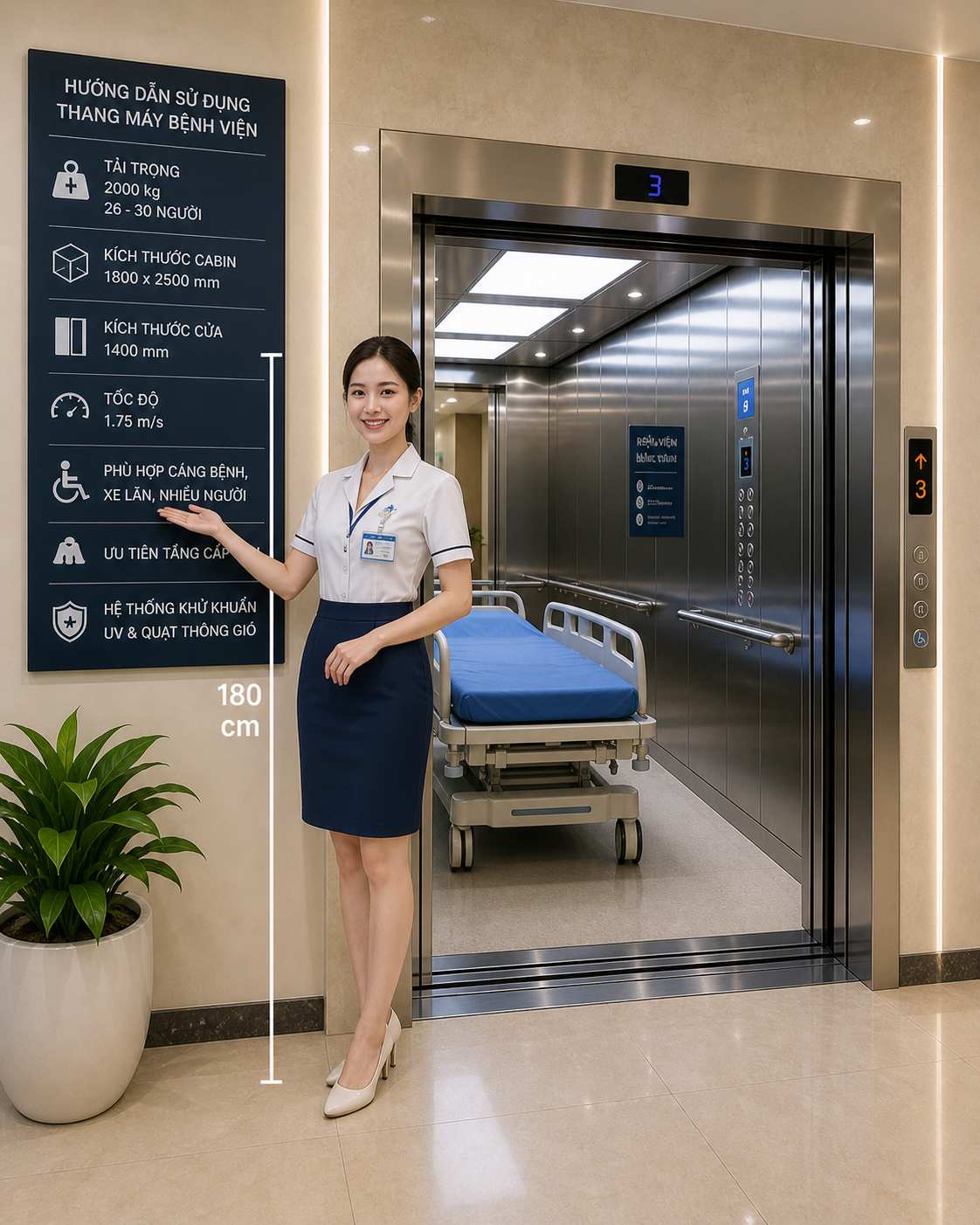
Genuine FUJI Elevators from Japan
Outstanding technical features of FUJI elevators in Japan.
FUJI elevators in Japan are developed based on world-leading advanced technology, combined with rigorous standards for safety and operational performance. The products not only meet international standards such as ISO 9001 for quality management and ISO 14001 for environmental management, but also strictly adhere to Japanese occupational safety regulations, ensuring absolute safety for users and the surrounding environment.
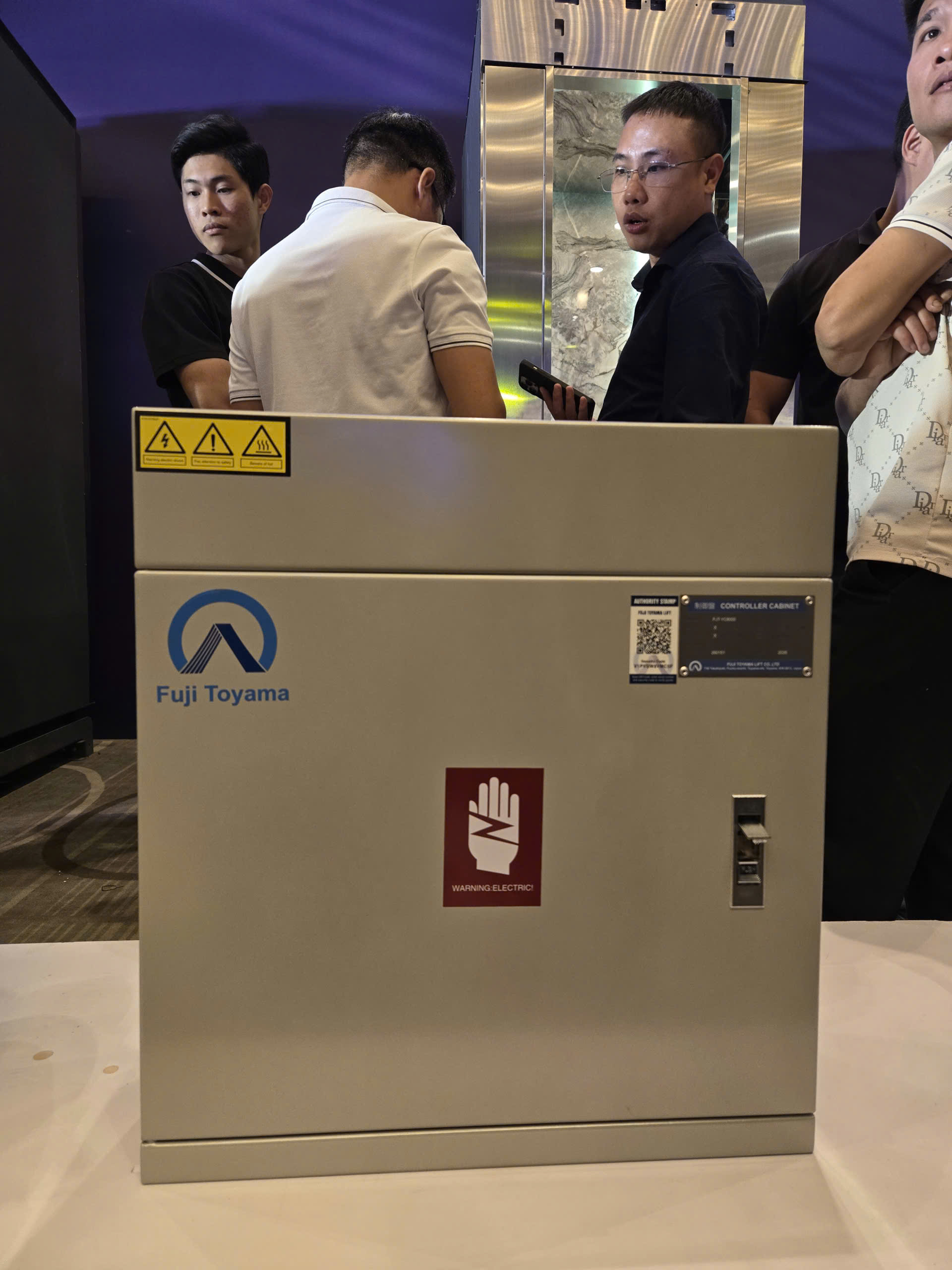
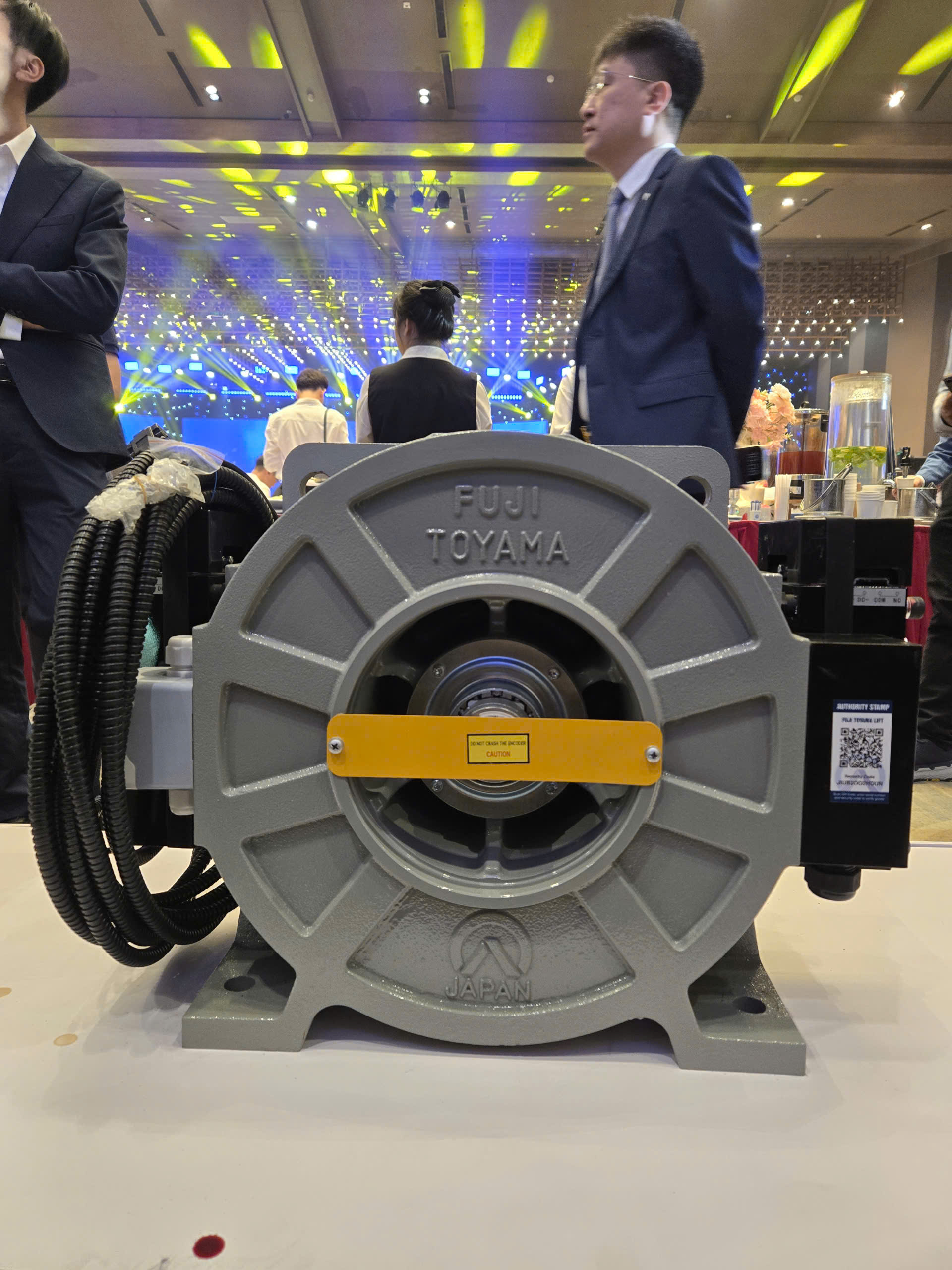
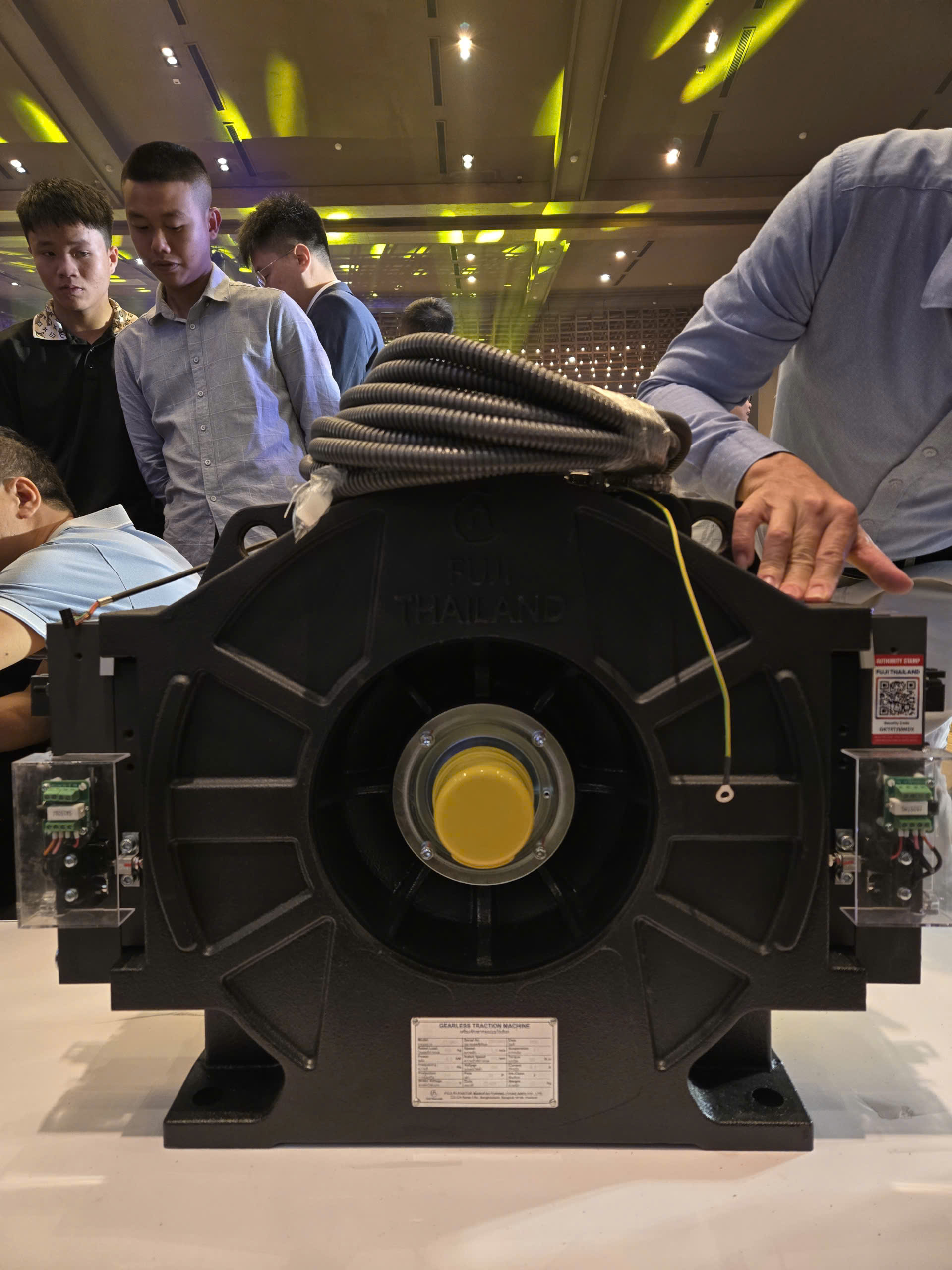
Key technical features of FUJI elevators include:
- Gearless Motor System: This is one of the most significant innovations in FUJI elevator design. Gearless motors eliminate complex mechanical transmission components, minimizing friction and wear, thereby increasing equipment lifespan. This system also minimizes operating noise, creating a comfortable experience for users. Furthermore, gearless motors have high energy conversion efficiency, resulting in significant energy savings compared to traditional motors.
- Multi-point safety sensors: FUJI elevators are equipped with a modern multi-point sensor system, including door sensors, cabin sensors, and travel sensors. These sensors work in sync to accurately detect obstacles during operation. Upon detecting a malfunction or obstacle, the system automatically activates the emergency stop mechanism, preventing accidents and protecting user safety. This sensor technology also supports automatic speed and stop position adjustment, enhancing accuracy and safety.
- Microprocessor-based control system: The central controller utilizes a next-generation microprocessor to optimize the entire elevator operation process. This system analyzes real-time data from sensors and measuring devices to adjust travel speed, minimizing passenger waiting times. Furthermore, the microprocessor supports intelligent dispatching algorithms, efficiently allocating trips in high-traffic high-rise buildings while minimizing energy consumption and equipment wear.
- Environmentally friendly design: FUJI prioritizes the use of highly recyclable and environmentally friendly materials in elevator manufacturing. Components are carefully selected to minimize carbon emissions and pollution throughout the product's lifecycle. Energy-saving technologies are integrated, such as energy regeneration systems during braking or descending, significantly reducing electricity consumption. Furthermore, the elevators are designed to minimize noise and vibration, contributing to the protection of the surrounding environment.
- Diverse Load Capacity: FUJI elevators offer flexible solutions to suit a wide range of building types, from compact elevators for homes to large-capacity elevators serving high-rise buildings, shopping malls, or industrial areas. Elevator load capacities can be customized from a few hundred kilograms to tons, ensuring diverse cargo and passenger transport needs are met. Cabin designs are also optimized for specific applications, including features such as fire resistance, vibration damping, and shock absorption.
FUJI elevators also incorporate intelligent operation support technologies such as remote monitoring systems, allowing for efficient monitoring of operating status and scheduled maintenance. This minimizes downtime and increases equipment reliability throughout its lifespan.
Combining modern technology, stringent safety standards, and environmentally friendly design, FUJI elevators in Japan not only meet technical requirements but also provide users with a safe, convenient, and sustainable experience.
FUJI elevator manufacturing and testing process in Japan
FUJI elevator manufacturing in Japan follows a closed-loop process, ensuring that every detail meets the highest quality standards. Each stage of the process is strictly controlled to guarantee optimal performance, durability, and absolute safety for users.
Engineering design:
The design phase is a fundamental step that determines the quality and efficiency of an elevator. FUJI uses modern CAD (Computer-Aided Design) software, allowing for detailed simulation of the structure, operating mechanism, and other technical factors. This simulation optimizes the design to minimize mechanical weaknesses while ensuring the elevator's load-bearing capacity and smooth operation. In addition, engineers apply finite element analysis (FEA) technologies to assess the stress and strain of components under real-world loads.
Component manufacturing:
Critical components such as the motor, traction cables, cabin, control unit, and braking system are manufactured with high precision. FUJI elevator motors typically utilize permanent magnet motor technology, saving energy and reducing noise. Materials are carefully selected, including high-strength alloy steel, corrosion-resistant materials, and composite materials to increase durability and reduce weight. Component machining is performed on modern CNC machines, ensuring extremely tight dimensional tolerances, thereby enhancing product accuracy and lifespan.
Assemble:
The assembly of components is carried out in a strictly controlled environment regarding temperature, humidity, and cleanliness to prevent dust and mold from affecting product quality. Highly qualified technicians perform each assembly step according to standard procedures, ensuring that the parts are connected accurately and securely. The electrical wiring and signal cables are neatly arranged, complying with electrical safety and anti-interference standards. The elevator cabin is finished with high-quality interior materials and is thoroughly checked for balance and stability.
Quality control:
FUJI elevators undergo numerous rigorous tests before being shipped:
- Load testing: Elevators are tested with loads exceeding their design capacity to ensure the system can withstand the pressure under real-world operating conditions.
- Operational testing: Evaluating smooth movement, speed, noise levels, and steering response under various conditions.
- Electrical safety inspection: Ensure the electrical system is free of leaks, that protective devices are functioning correctly, and that it is protected against fire, explosions, and short circuits.
- Mechanical inspection: Assessing the durability of traction cables, brakes, damping systems, and moving parts to prevent malfunctions during use.
- Check the control software: Ensure that the control algorithms are stable, responsive, and accurate to signals from the sensors.
Certification and licensing:
Before being shipped, each FUJI elevator undergoes a safety certification process in accordance with Japanese Industrial Standards (JIS) and relevant international regulations. The certification process includes a comprehensive assessment of design, materials, manufacturing processes, and quality control test results. This ensures that the elevator not only meets technical requirements but also strictly adheres to safety standards, protecting users from potential risks.
The entire manufacturing and testing process of FUJI elevators in Japan is carried out by a team of experienced engineers and experts, combined with state-of-the-art machinery and equipment. This helps FUJI maintain its position as one of the world's leading elevator brands in terms of quality, durability, and safety.
FUJI elevators are popular in Japan and around the world.
With over 60 years of experience in the elevator industry, FUJI elevators have established themselves as one of the leading brands not only in Japan but also globally. FUJI products are widely distributed in key markets such as South Korea, Malaysia, Thailand, and many other countries, meeting diverse needs for transporting people and goods in modern construction projects.
Each FUJI elevator model is designed based on rigorous technical standards, incorporating advanced technology to optimize operational performance, ensure absolute safety, and enhance user experience. Below is a detailed analysis of popular FUJI elevator models, suitable for various building types and specific purposes.
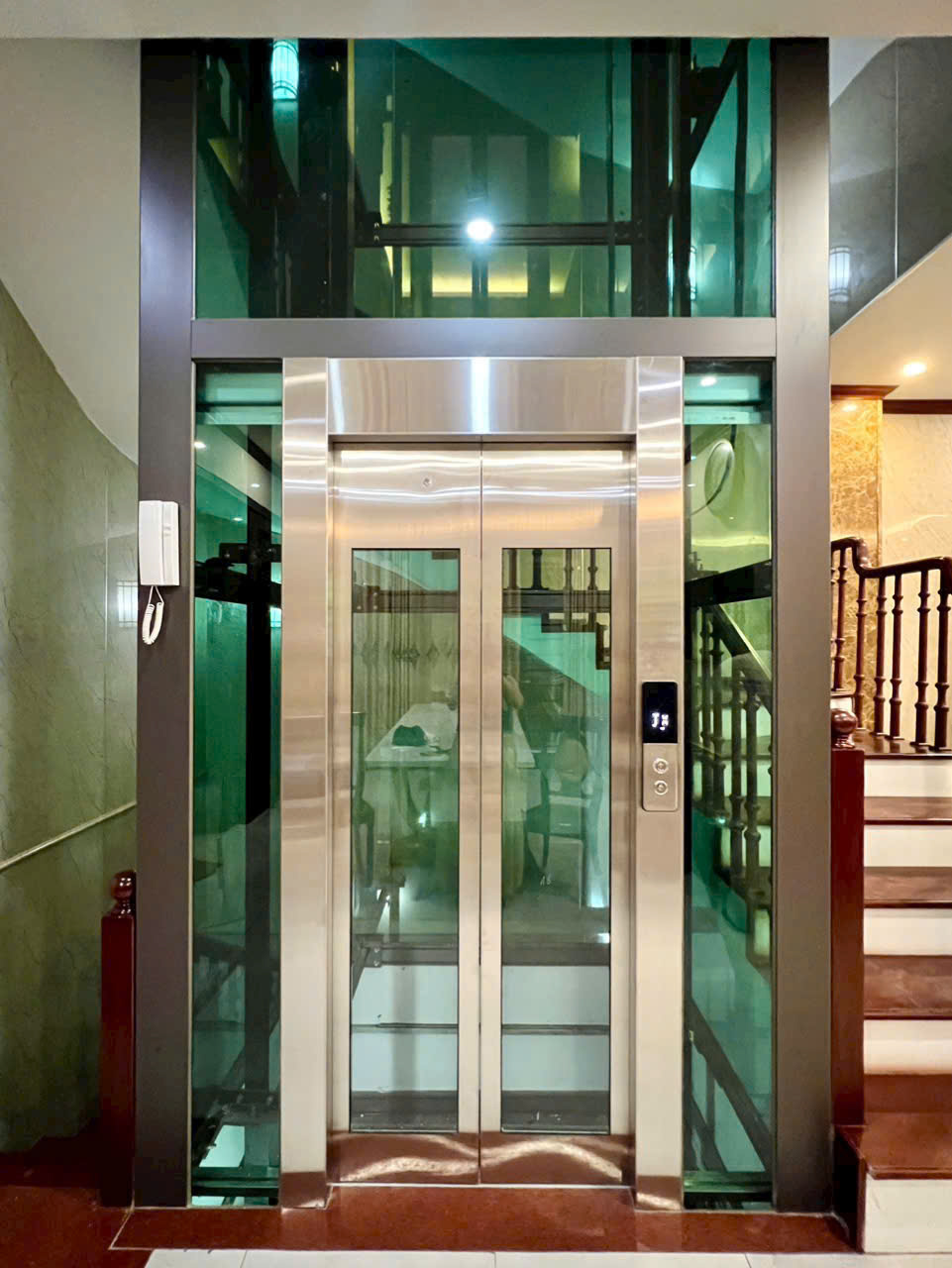
FUJI elevators for high-rise buildings
This elevator line was developed specifically to meet the requirements for rapid transport and heavy loads in high-rise buildings such as offices, hotels, shopping malls, and luxury apartments. Some notable technical features include:
- High operating speed: FUJI elevators for high-rise buildings can achieve speeds from 3 m/s to 10 m/s, depending on the height and requirements of the building, minimizing waiting and travel time.
- High load capacity: Popular models have a load capacity ranging from 1000 kg to 3000 kg, suitable for large groups of people and transporting bulky goods.
- Intelligent control technology: Utilizing a microprocessor control system combined with an optimal destination dispatch algorithm, this technology efficiently allocates elevators, minimizing waiting times and saving energy.
- Advanced safety system: Includes anti-pinch sensors, electromagnetic braking system, shock absorbers, and a continuous elevator status monitoring system, ensuring stable and absolutely safe operation.
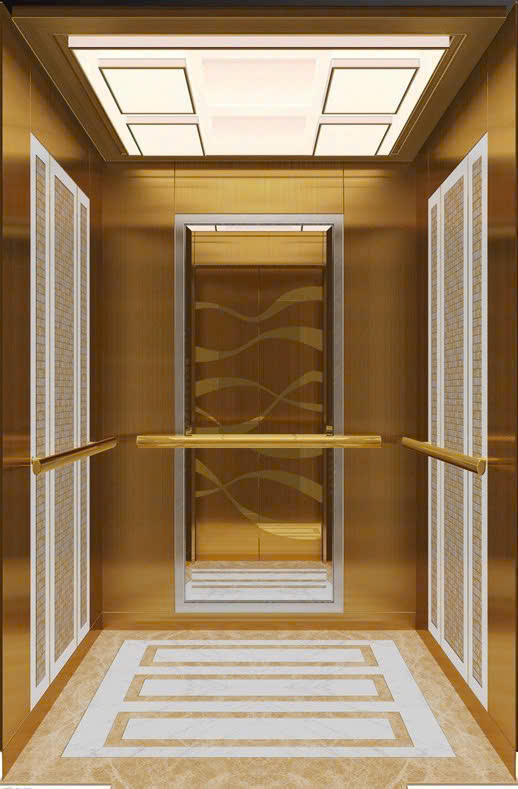
- Diverse interior design: FUJI offers a wide range of cabin options with premium materials such as stainless steel, tempered glass, LED lighting, and touch-screen control panels, creating a luxurious and modern space.
FUJI elevators for high-rise buildings also integrate features such as an automatic rescue system in case of power failure, IoT connectivity for remote monitoring and predictive maintenance, helping to minimize malfunctions and extend equipment lifespan.
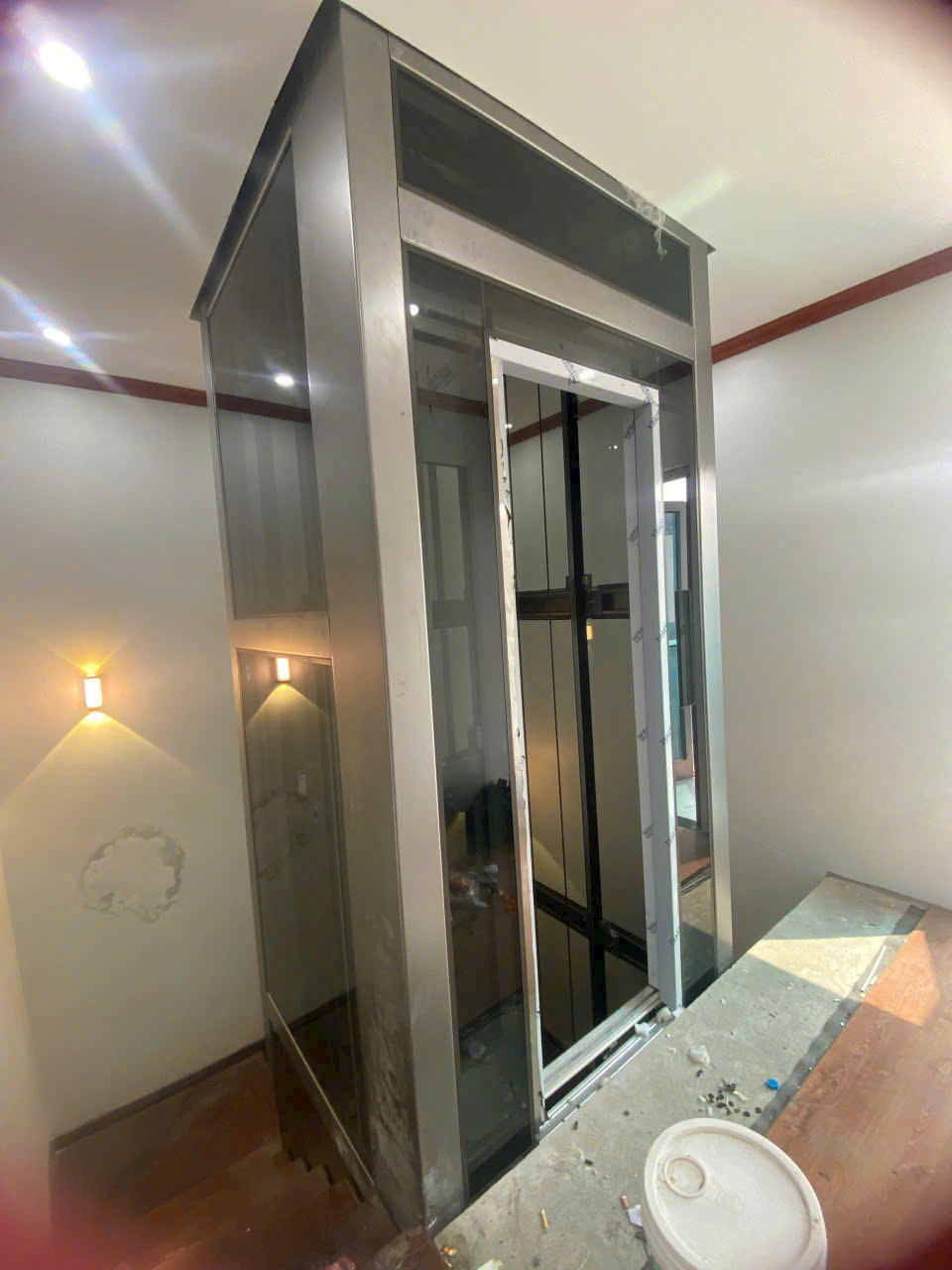
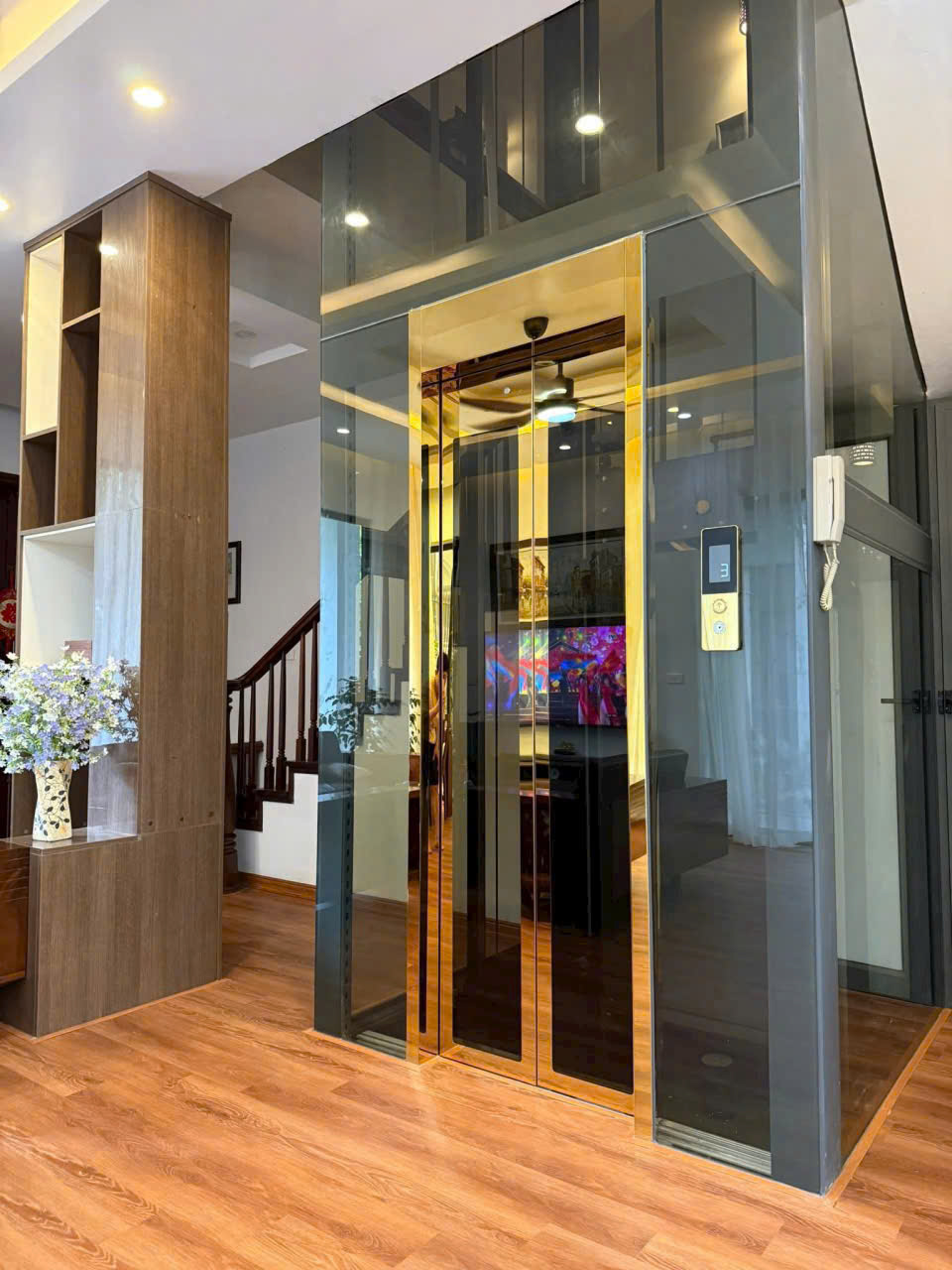
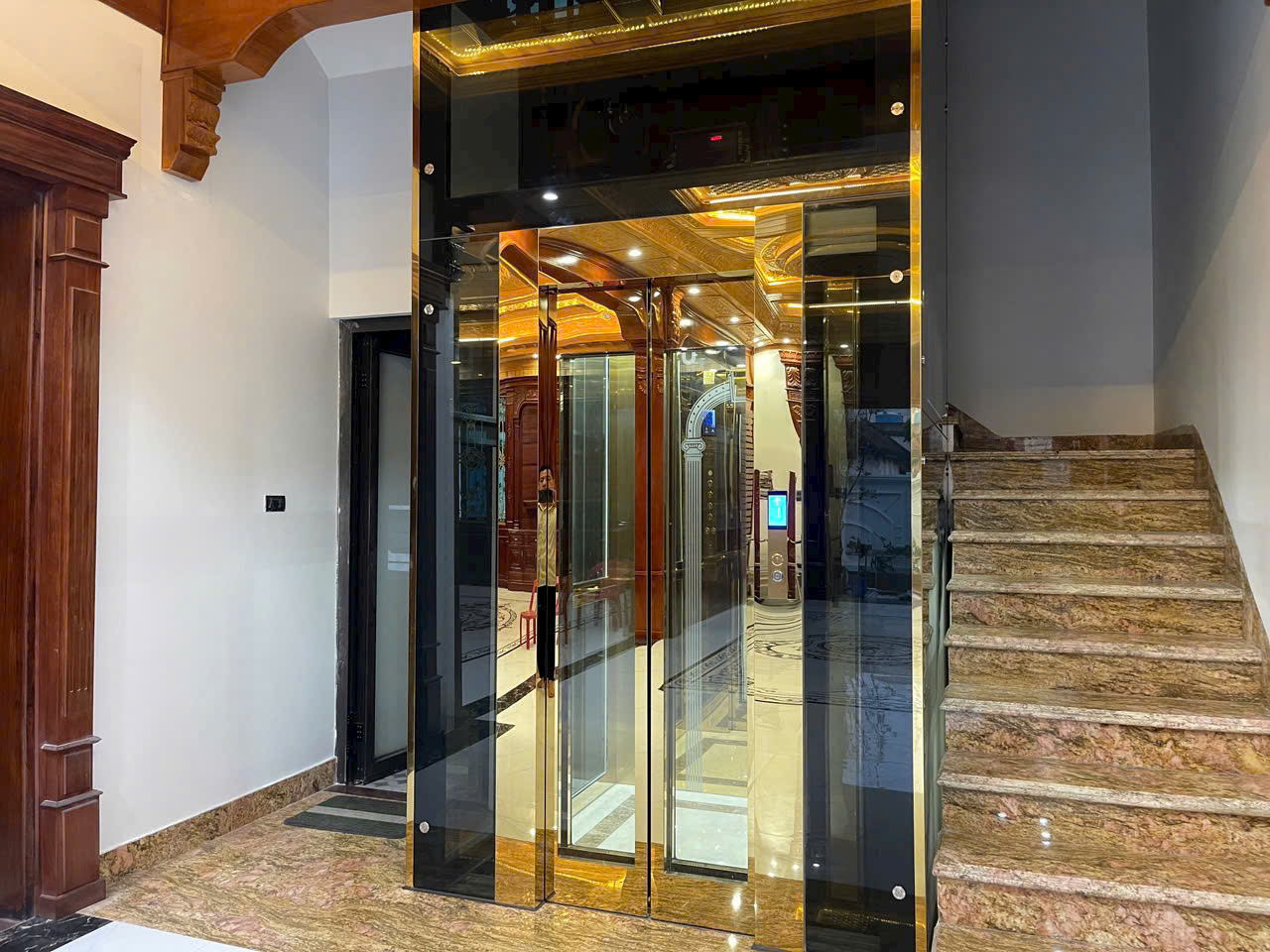
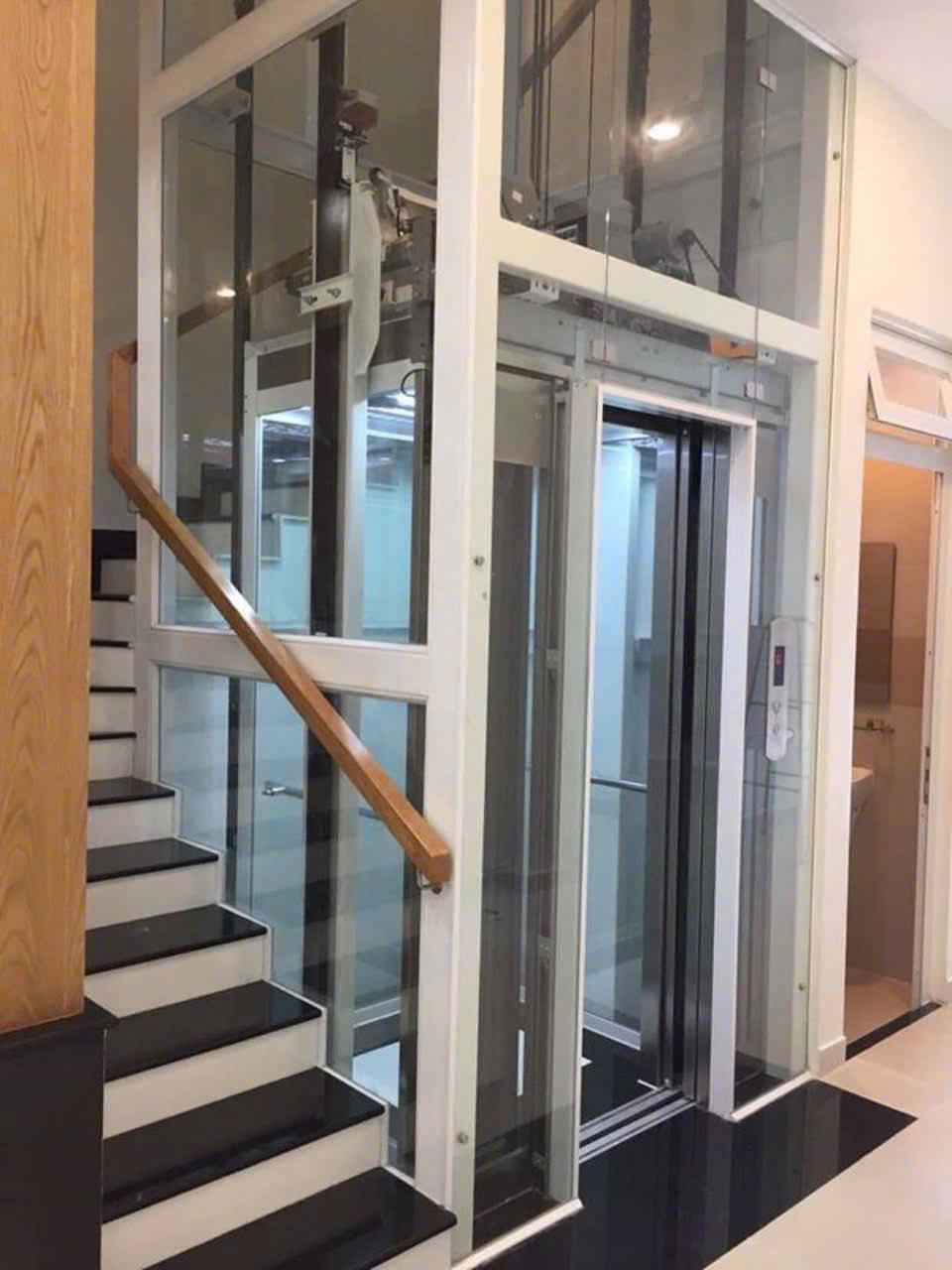
FUJI elevators for residential and family homes.
Designed specifically for high-end apartments, villas, or multi-story townhouses, this elevator line focuses on compactness, space saving, and quiet operation. Key features include:
- Flexible sizes: FUJI home elevator cabins come in a variety of sizes, from mini models with a load capacity of 250 kg to 450 kg, suitable for limited space in residential buildings.
- Smooth operation: Utilizing gearless traction machine technology and an advanced damping system, noise and vibration are minimized, providing a comfortable riding experience.
- Energy saving: The motor uses variable frequency drive (VFD) technology, allowing for flexible speed adjustment, reducing power consumption, and being environmentally friendly.
- High aesthetic design: The cabin can be customized with a variety of materials and colors to match the family's interior design style.
- Safety features: Equipped with an automatic door locking system, anti-jamming sensors, an alarm system, and emergency lighting, ensuring safety for users, especially children and the elderly.
FUJI elevators for residential areas also support installation in limited spaces such as small elevator shafts, narrow staircases, or renovation projects, helping to enhance the usability and convenience of the home.
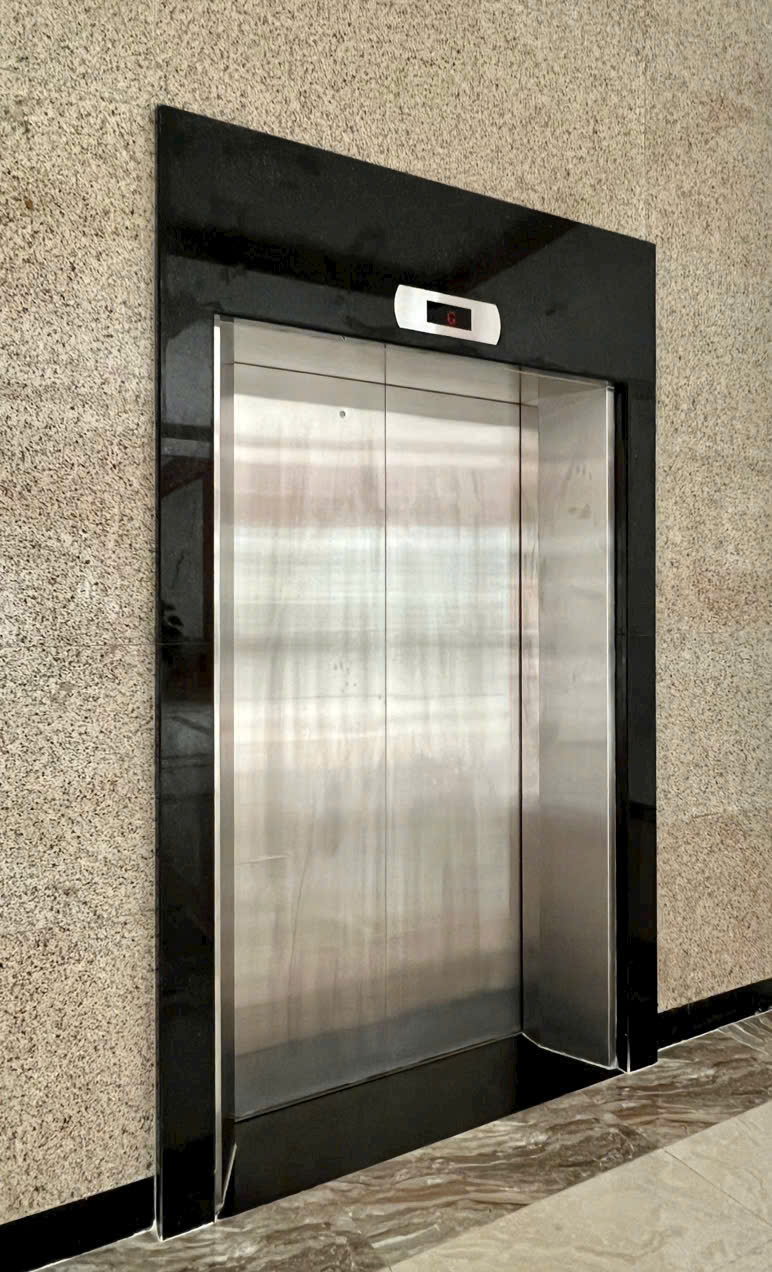
FUJI medium-capacity elevators
This elevator line is designed to serve small and medium-sized buildings such as hospitals, schools, light industrial parks, service centers, and medium-sized commercial buildings. Key specifications and features include:
- Diverse load capacities: Typically ranging from 450 kg to 1000 kg, meeting the needs for transporting people and light goods in public and industrial environments.
- High durability and reliability: Using high-quality materials and components, and an optimized design minimizes wear and tear and increases equipment lifespan.
- Modern control system: Utilizing PLC and inverter technology, it ensures smooth operation, energy efficiency, and easy maintenance.
- Absolute safety: Equipped with safety devices such as overload sensors, anti-fall systems, safety brakes, and automatic rescue systems.
- Easy to install and maintain: The modular design shortens construction time, while the remote monitoring system supports timely fault detection.
FUJI medium-capacity elevators can also be customized to the specific requirements of each project, including the selection of speed, cabin size, and additional features such as automatic doors, ventilation systems, and energy-saving LED lighting.
FUJI elevator safety and maintenance standards in Japan.
Safety is a top priority in the design and operation of FUJI elevators in Japan. Safety standards include:
- Emergency Braking System: Designed with advanced technology, the FUJI elevator's emergency braking system can automatically activate immediately upon detecting incidents such as power outages, excessive speed, or other abnormal situations. This brake uses a mechanical mechanism combined with electronic sensors to ensure safe elevator stopping, preventing free falls or sliding down floors. Furthermore, the system undergoes regular inspections to ensure its sensitivity and effectiveness in all situations.
- Anti-jamming device: FUJI elevators are equipped with optical and pressure sensors in the cabin and landing doors, detecting obstacles or people when the doors are opening or closing. Upon detecting an obstacle, the doors will automatically stop or reopen to prevent injury to users. This system is also integrated with a central control unit for rapid signal processing, ensuring that door jamming or improper closing does not occur, contributing to a safer user experience.
- Regular inspections: Maintenance and inspections of FUJI elevators in Japan are carried out according to a strict procedure, complying with the regulations of the Ministry of Transport and national standards for elevator safety. Inspection items include:
- Inspect the braking system, drive cables, and mechanical components for signs of wear or damage.
- Evaluate the performance of electronic control systems, sensors, and safety devices.
- Inspect the door system, including the anti-pinch sensors and the opening and closing mechanism.
- Elevator operation is tested under various load conditions to ensure stability and safety.
- Document the inspection results in detail and take corrective measures or replace components as needed.
- Operator Training: FUJI elevator operators in Japan receive thorough training through an in-depth program covering the structure, operating principles, operating procedures, and troubleshooting. Training also focuses on quick response skills in emergency situations such as power outages, door jams, or other technical malfunctions. Furthermore, employees are trained in customer communication and safety regulations to ensure professional and absolutely safe elevator operation.
In addition, FUJI elevators in Japan are equipped with a Remote Monitoring System, using IoT technology and transmitting data via high-speed internet. This system allows:
- Continuously monitor the elevator's operational status, including speed, cabin position, door status, and safety sensors.
- Early detection of anomalies or technical errors through real-time data analysis.
- Automatic notifications are sent to the control center and technical team when an incident occurs, helping to minimize response and resolution time.
- Predictive maintenance support helps create accurate maintenance plans based on the actual condition of the equipment, avoiding over-maintenance or under-maintenance.
- Minimize elevator downtime, improve operational efficiency, and enhance user satisfaction.
The application of these strict safety standards and maintenance procedures not only ensures the stable and safe operation of FUJI elevators in Japan but also contributes to extending equipment lifespan, minimizing accident risks, and ensuring compliance with current legal regulations.
The application of modern technology in FUJI elevators in Japan.
FUJI elevators, one of the leading brands in Japan, are always at the forefront of integrating advanced technologies to improve operational efficiency, safety, and user experience. The application of modern technologies not only ensures stable elevator operation but also contributes to minimizing environmental impact and optimizing maintenance costs. Below is an in-depth analysis of the key technologies FUJI applies in its elevators in Japan.
- IoT (Internet of Things) technology:
IoT in FUJI elevators is implemented through the equipping of smart sensors and networked controllers, allowing for real-time collection of operational data. Parameters such as speed, motor temperature, door status, and number of operations are transmitted to the smart building management system. As a result, the system can:
- Data analysis helps predict potential problems, allowing for accurate preventative maintenance scheduling and minimizing downtime.
- Continuous monitoring helps to quickly detect abnormalities, ensuring user safety.
- Integrate with building management systems to coordinate elevator operation according to user traffic, optimizing usage efficiency.
The application of IoT also helps reduce operating costs by limiting unnecessary maintenance calls and extending equipment lifespan.
- Artificial intelligence (AI)-based control system:
FUJI elevators utilize AI algorithms to analyze passenger traffic in real time and predict future usage trends. This intelligent control system is capable of:
- The system automatically adjusts operating schedules and allocates elevators efficiently across floors to minimize waiting times and prevent overcrowding.
- Learn about users' travel habits to optimize trips, for example, prioritizing service to high-density floors during peak hours.
- Coordinate with other building systems such as security and energy management systems to ensure seamless and efficient operation.
AI also assists in detecting abnormal or dangerous behaviors, thereby triggering timely safety measures.
- Energy-saving technology:
FUJI employs advanced technologies to reduce power consumption and increase energy efficiency in elevators, including:
- Induction motors offer high efficiency, less wear and tear, and reduced noise compared to traditional synchronous motors. Induction motors also help reduce energy losses during operation.
- Regenerative Drive System: When the elevator descends or decelerates, the motor acts as a generator, converting mechanical energy into electrical energy and feeding it back into the building's power grid or storing it for use with other devices.
- LED lighting and motion sensors: The lighting system in the elevator cabin and area uses energy-efficient LED lights, combined with motion sensors to automatically turn on/off when people are detected, reducing energy waste.
These improvements not only help reduce electricity costs but also contribute to reducing greenhouse gas emissions, in line with the trend of sustainable development.
- Design that is user-friendly for people with disabilities:
FUJI focuses on developing assistive features to ensure elevators are easily accessible and usable for everyone, especially people with disabilities. Key features include:
- Multifunctional touch control panel: Designed with large, highly sensitive buttons, supports multiple languages, and can be customized to user needs.
- Audio guidance: A voice announcement system helps visually impaired users easily identify the floor location and elevator status.
- Wider doors and a spacious cabin floor: Facilitates the placement of wheelchairs and other mobility aids.
- Safety sensor system: Detects obstacles and automatically stops the doors when a person or object moves within the elevator door area.
These improvements not only enhance the user experience but also meet international standards for accessibility and safety.
Through the seamless integration of IoT, AI, energy-saving technologies, and user-friendly design, FUJI elevators in Japan have created an intelligent, safe, and sustainable operating system. This is a testament to the advanced technological development in the modern elevator industry, contributing to improved quality of life and environmental protection.
Address of the official FUJI elevator supplier in Vietnam
FUJI elevators, a renowned brand originating from Japan, have established themselves in the global elevator market thanks to their superior quality and advanced technology. Although originally from Japan, FUJI has now expanded its production and assembly operations to several countries, including South Korea, Malaysia, and Thailand, to optimize costs and meet the diverse needs of customers worldwide. This means that FUJI elevator products not only maintain Japanese quality standards but are also adapted to suit each specific market.
In Vietnam, the elevator market is developing rapidly, especially in high-rise construction projects, apartment complexes, shopping malls, and modern office buildings. Choosing an authorized FUJI elevator supplier is a crucial step in ensuring the elevator system operates stably, safely, and durably over time. A reputable distributor not only provides quality products but also offers professional after-sales service, prompt technical support, and a clear maintenance policy.
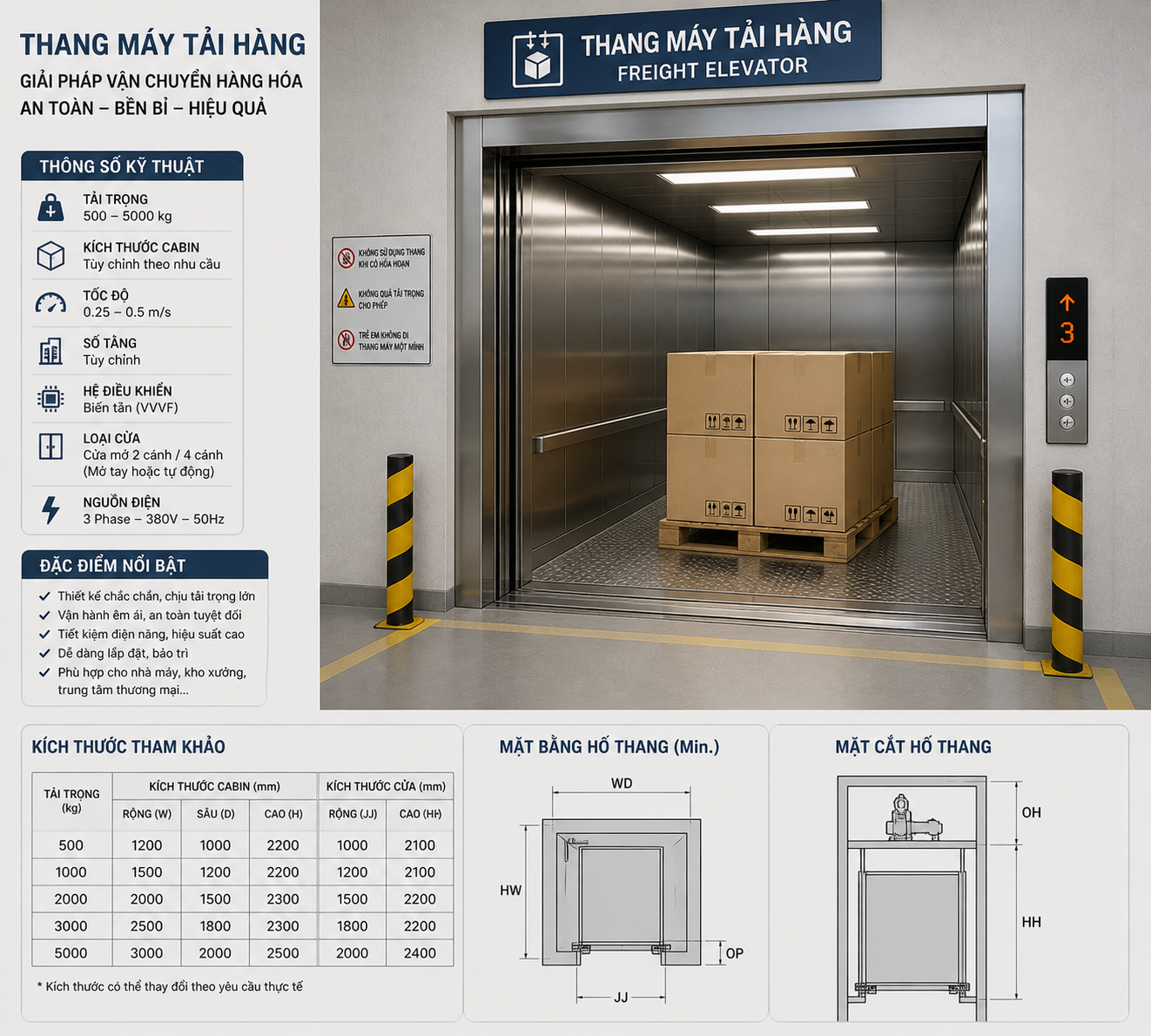
Ngoc Quyet Company is one of the leading distributors of genuine FUJI elevators in Vietnam. With many years of experience in the elevator industry, Ngoc Quyet has built a solid reputation thanks to its commitment to product quality and customer service. The company offers a diverse range of FUJI elevators suitable for various types of buildings, from passenger elevators and cargo elevators to residential and hospital elevators.
Key advantages of choosing FUJI elevators through Ngoc Quyet Company include:
- Strict quality standards: All FUJI elevator products distributed by Ngoc Quyet meet Japanese standards and international standards such as ISO 9001 for quality management, ISO 14001 for environmental management, and OHSAS 18001 for occupational safety. This ensures that each elevator is thoroughly inspected from design and manufacturing to installation and operation.
- Professional team of technicians: The company has a team of highly qualified technicians who are well-trained and have practical experience in consulting, designing, installing, and maintaining FUJI elevators. They are always ready to support customers from the site survey and product selection stages to operation and regular maintenance.
- Prompt maintenance and repair services: Ngoc Quyet provides regular maintenance services in accordance with the manufacturer's technical procedures, helping to detect technical faults early and rectify them promptly, ensuring stable and absolutely safe elevator operation. Our technical team is on standby 24/7 to handle any issues that arise, minimizing downtime.
- Transparent and competitive pricing: The company is committed to providing clear and detailed pricing for FUJI elevators, with no hidden costs. Prices are adjusted to suit the customer's budget and technical requirements, while ensuring optimal long-term investment efficiency.
Technically, FUJI elevators are equipped with advanced technologies such as:
- Microprocessor Control System: Optimizes operation, reduces energy consumption, and increases accuracy in floor stopping.
- Asynchronous motors (AC motors) or brushless DC motors: Increase operational efficiency, reduce noise, and extend equipment lifespan.
- Multi-layered safety system: Includes door sensors, safety brakes, anti-jamming devices, and an automatic power outage rescue system, ensuring absolute safety for users.
- Environmentally friendly design: Utilizes recycled materials, energy-saving systems, and reduces CO2 emissions during operation.
In particular, Ngoc Quyet Company also assists customers in designing FUJI elevators according to their specific requirements, suitable for the architecture and functional use of each building. From selecting cabin size, door style, finishing materials to additional features such as ventilation systems, LED lighting, and touch control panels, everything is carefully advised to provide the best user experience.
Customers who cooperate with Ngoc Quyet Company will receive:
- Free consultation and on-site survey.
- Assisting with engineering design and product selection.
- Professional construction and installation supervision ensures project progress.
- Training on elevator operation and safe elevator usage.
- Long-term warranty policy in accordance with manufacturer standards.
Choosing Ngoc Quyet Company as your partner for genuine FUJI elevators not only gives customers peace of mind regarding product quality but also ensures dedicated after-sales service, contributing to enhancing the value and safety of your project.
Contact Ngoc Quyet Company today for detailed advice and to receive a quote for the FUJI elevator that best suits your needs and budget.