

Home elevators by load capacity
Home elevators based on load capacity: The optimal solution for every living space.
Home elevators are becoming increasingly popular in modern residential buildings, not only enhancing convenience but also ensuring safety and saving time when traveling between floors. One of the key factors determining the efficiency and suitability of an elevator is its design load capacity. Common load capacities such as 350 kg, 450 kg, 630 kg, 800 kg, and 1000 kg are chosen depending on the needs and installation space of each family.
Classification of home elevators by load capacity
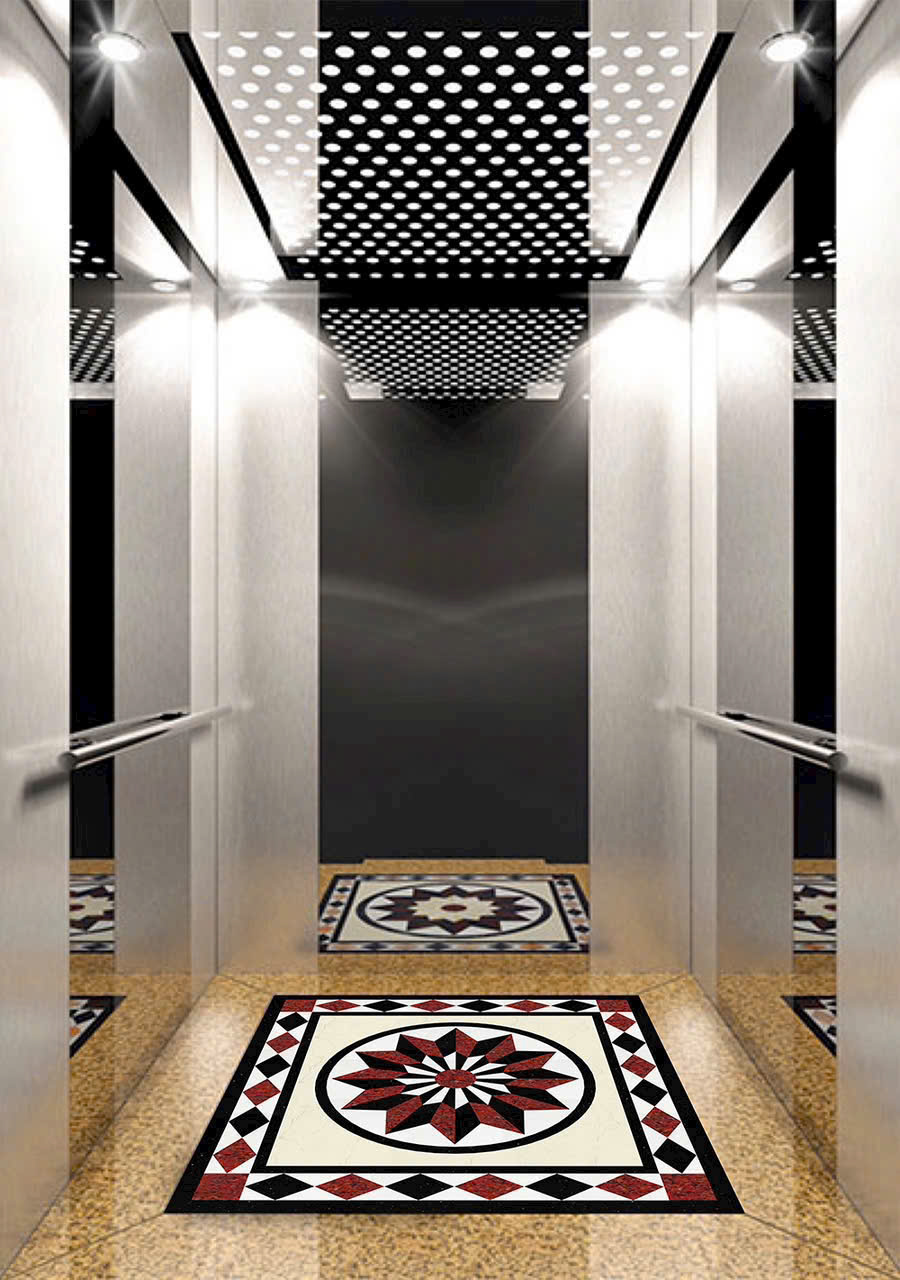
Home elevators are typically designed with small to medium load capacities to serve the transportation needs of family members, including the elderly, young children, pregnant women, and the sick. Common load capacities include:
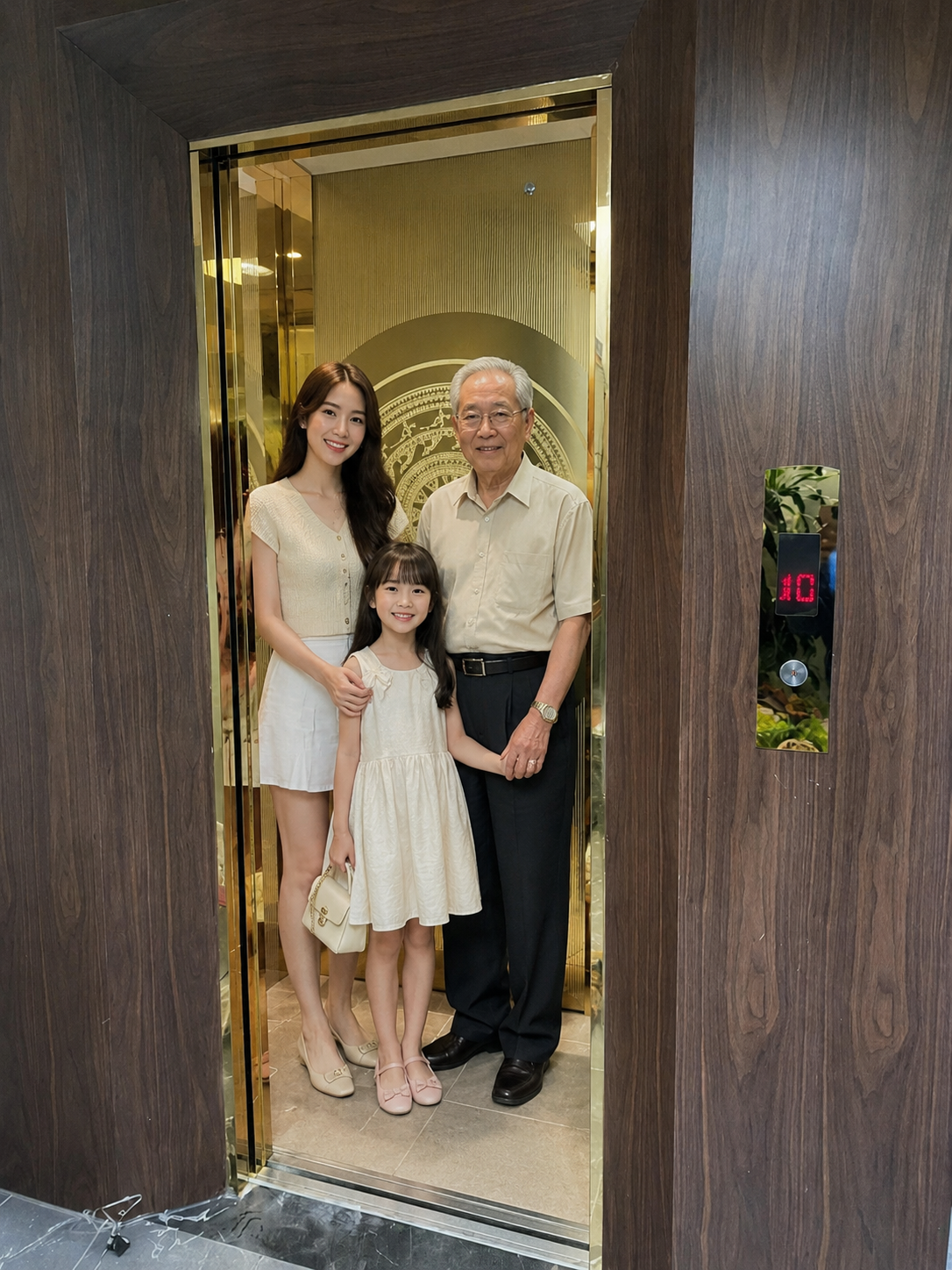
- 350 kg: Suitable for small families, typically serving 2-3 people at a time.
- 450 kg: Suitable for families of 3-4 members, ensuring more spacious cabin.
- 630 kg: Suitable for large families or villas with a need to transport many people or light goods.
- 800 kg and 1000 kg: These are typically used for multi-story houses or for transporting bulky items, ensuring a higher load capacity while maintaining high speed and safety.
Choosing the appropriate load capacity not only optimizes investment costs but also ensures stable and durable elevator operation over time.
Structure and technology of home elevator motors
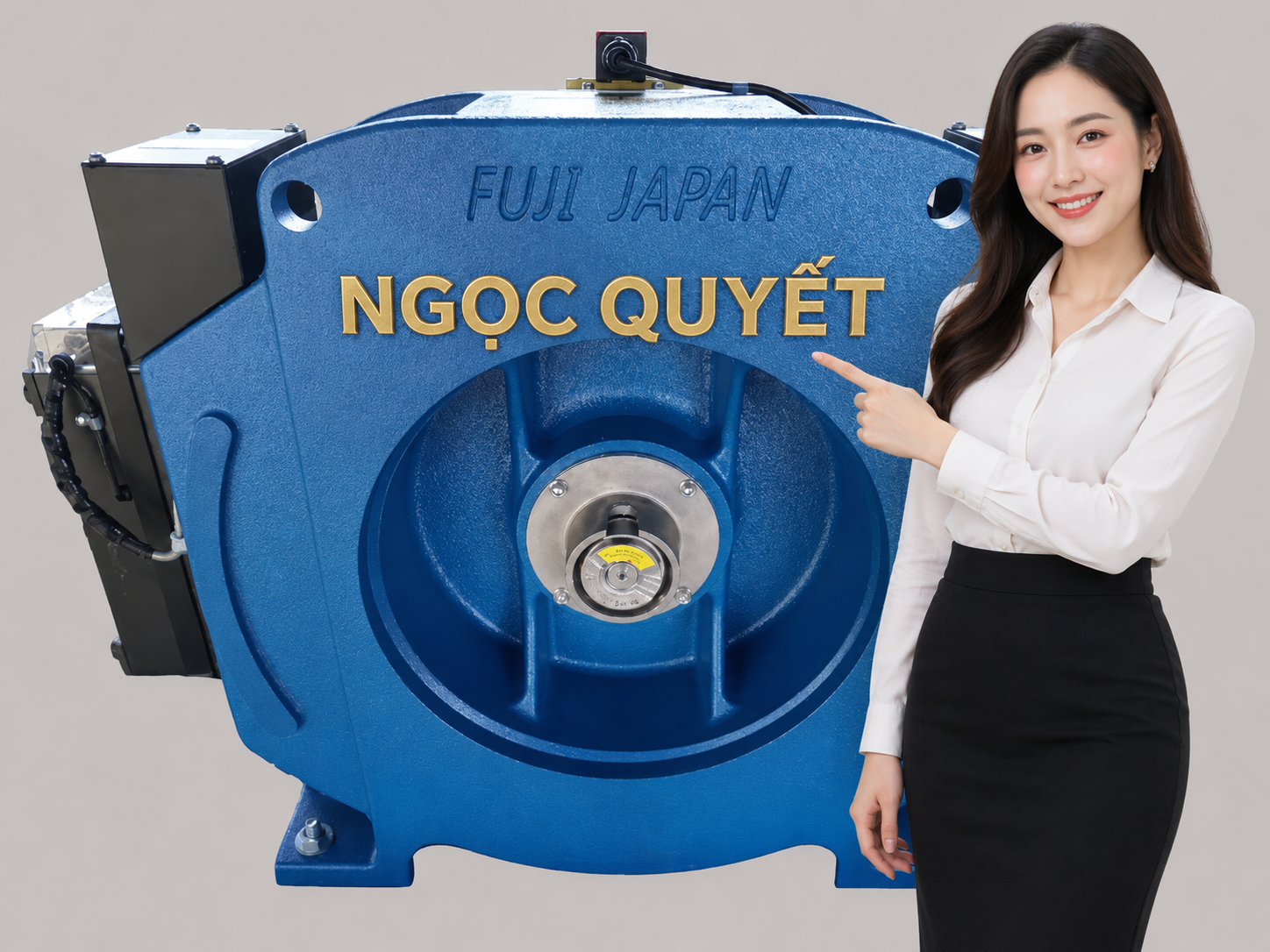
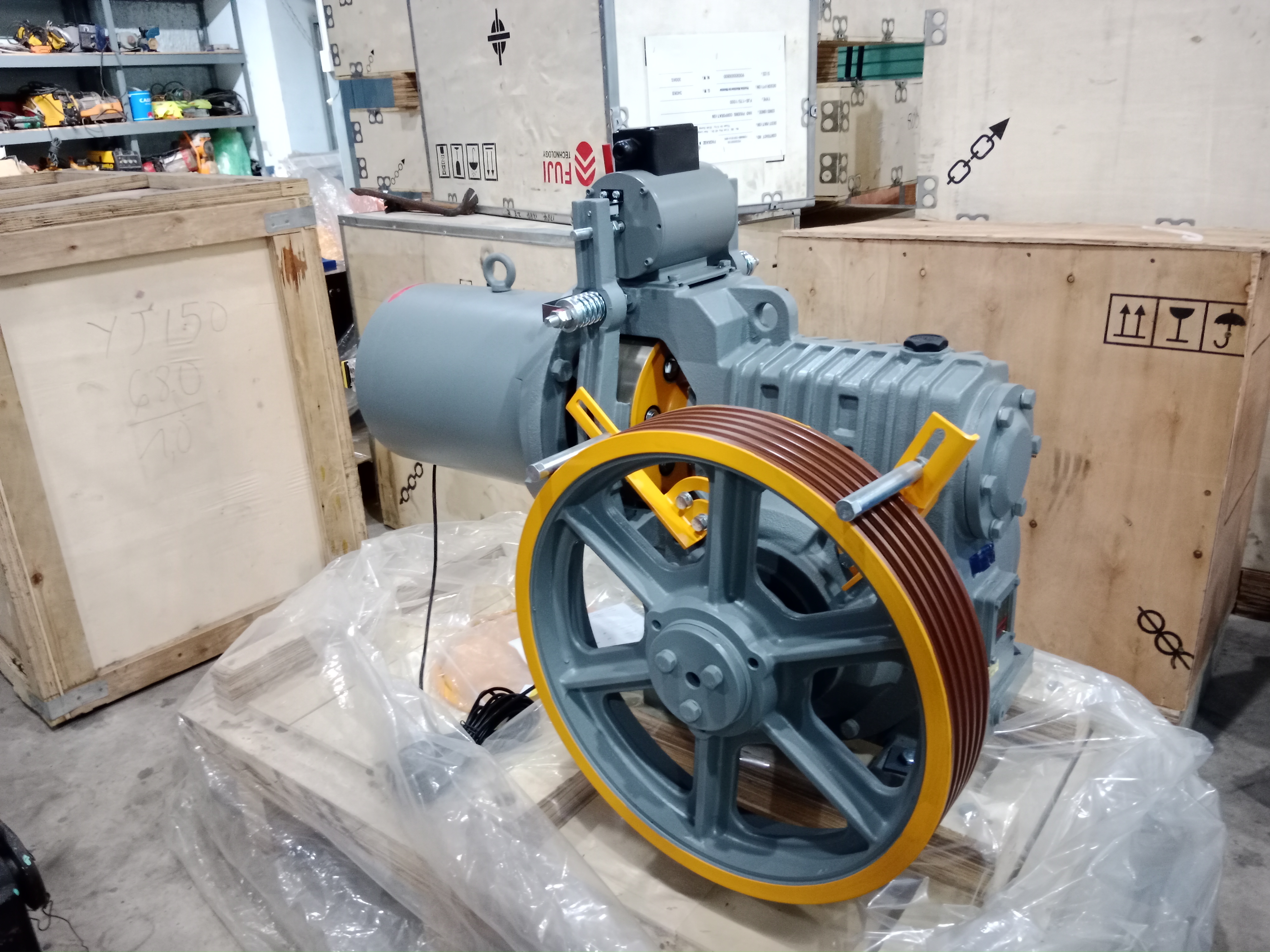
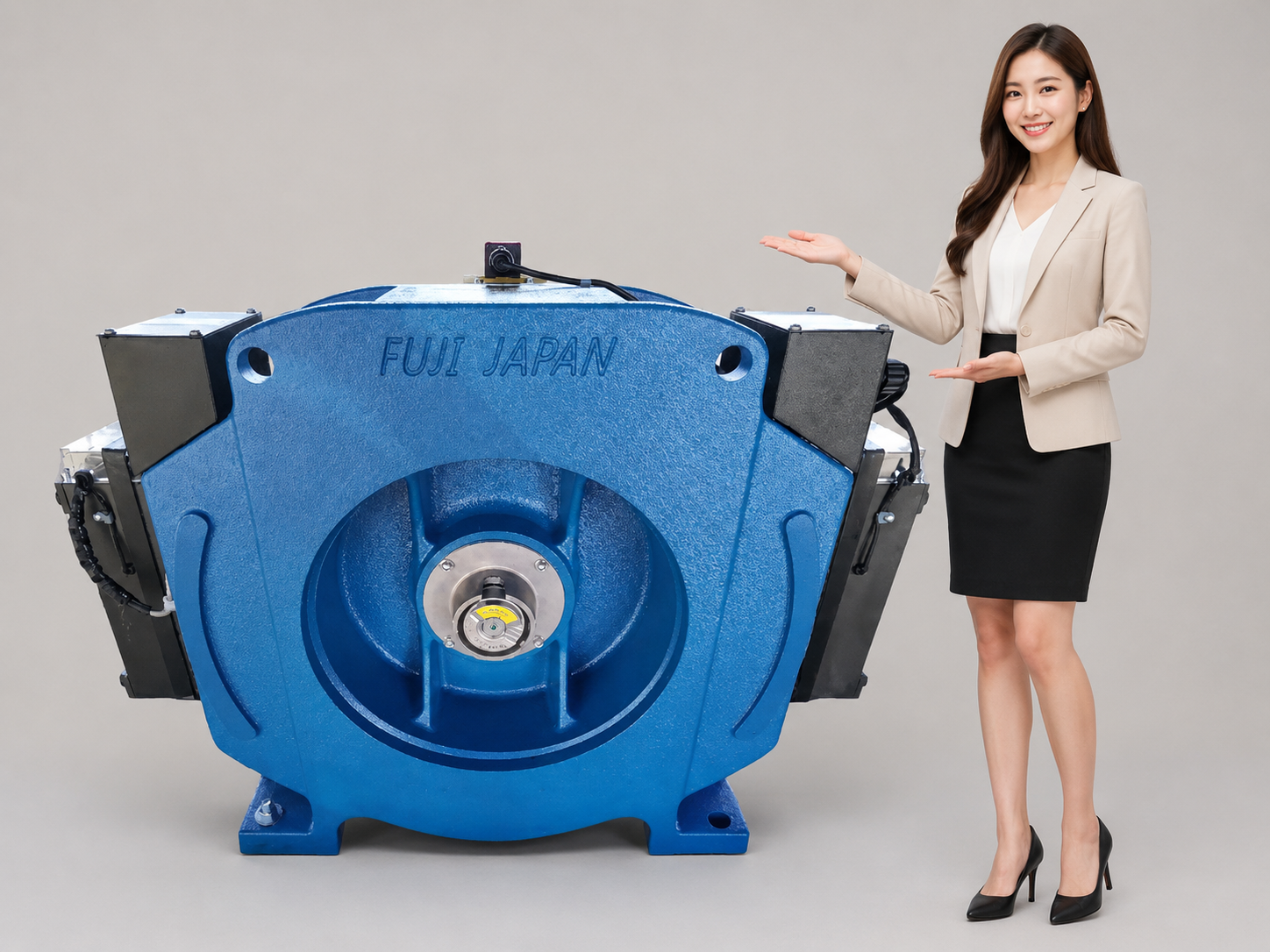
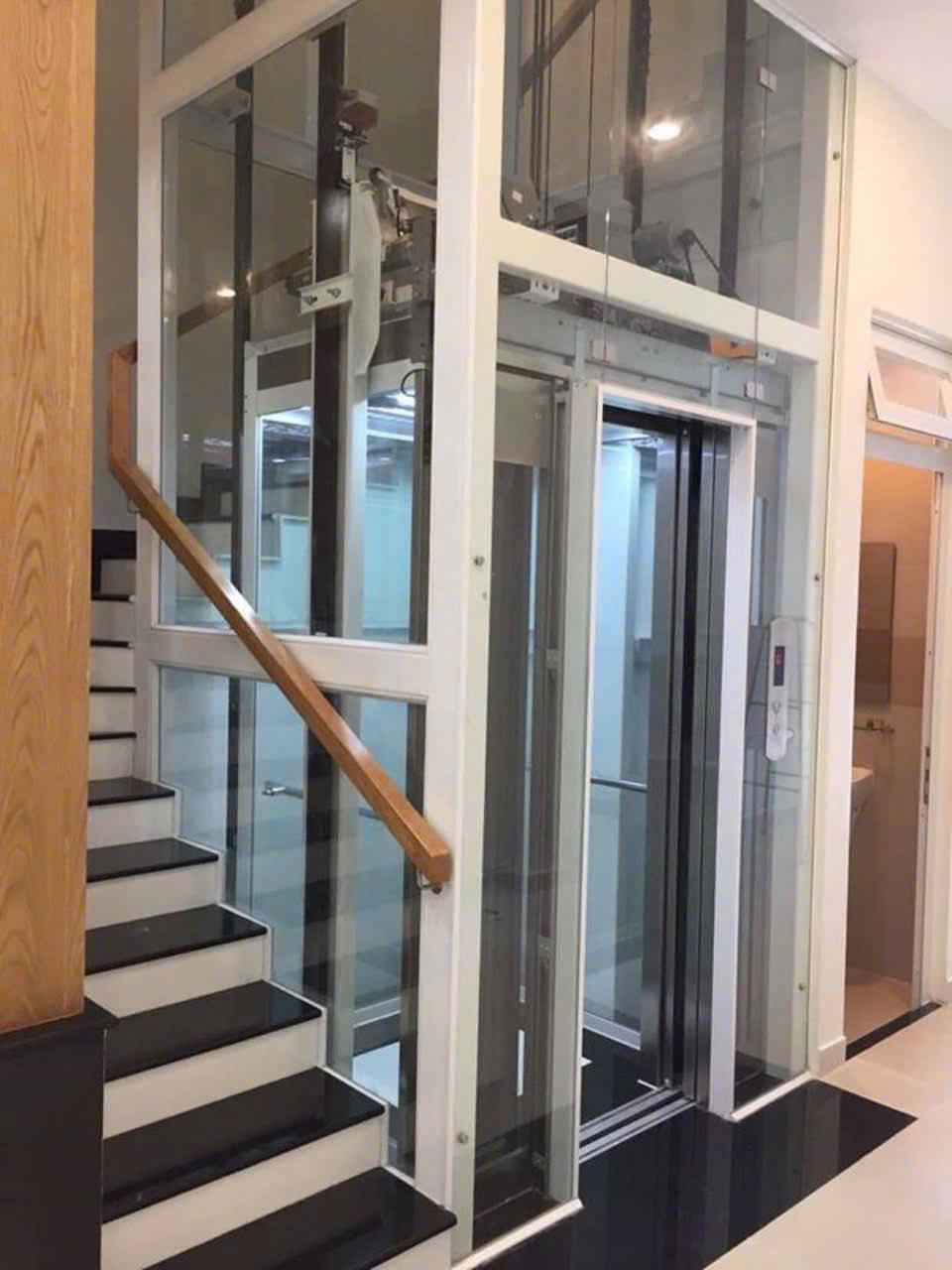
Modern home elevators often utilize machine-roomless designs to save space and suit residential buildings with limited area. The most commonly used motor is the Fuji gearless motor – one of the world's leading brands in durability and operational efficiency.
Fuji gearless motors have the following advantages:
- Energy saving thanks to optimized design.
- Operates smoothly, minimizing noise and vibration.
- Long lifespan, requires little maintenance.
- The ability to precisely control speed ensures user safety.
The elevator control system is imported as a complete unit, integrating advanced technology to ensure efficient operation and absolute safety during use. Components such as the electrical cabinet, sensor system, and safety devices are all rigorously tested according to international standards.
Cabin size and design based on actual specifications.
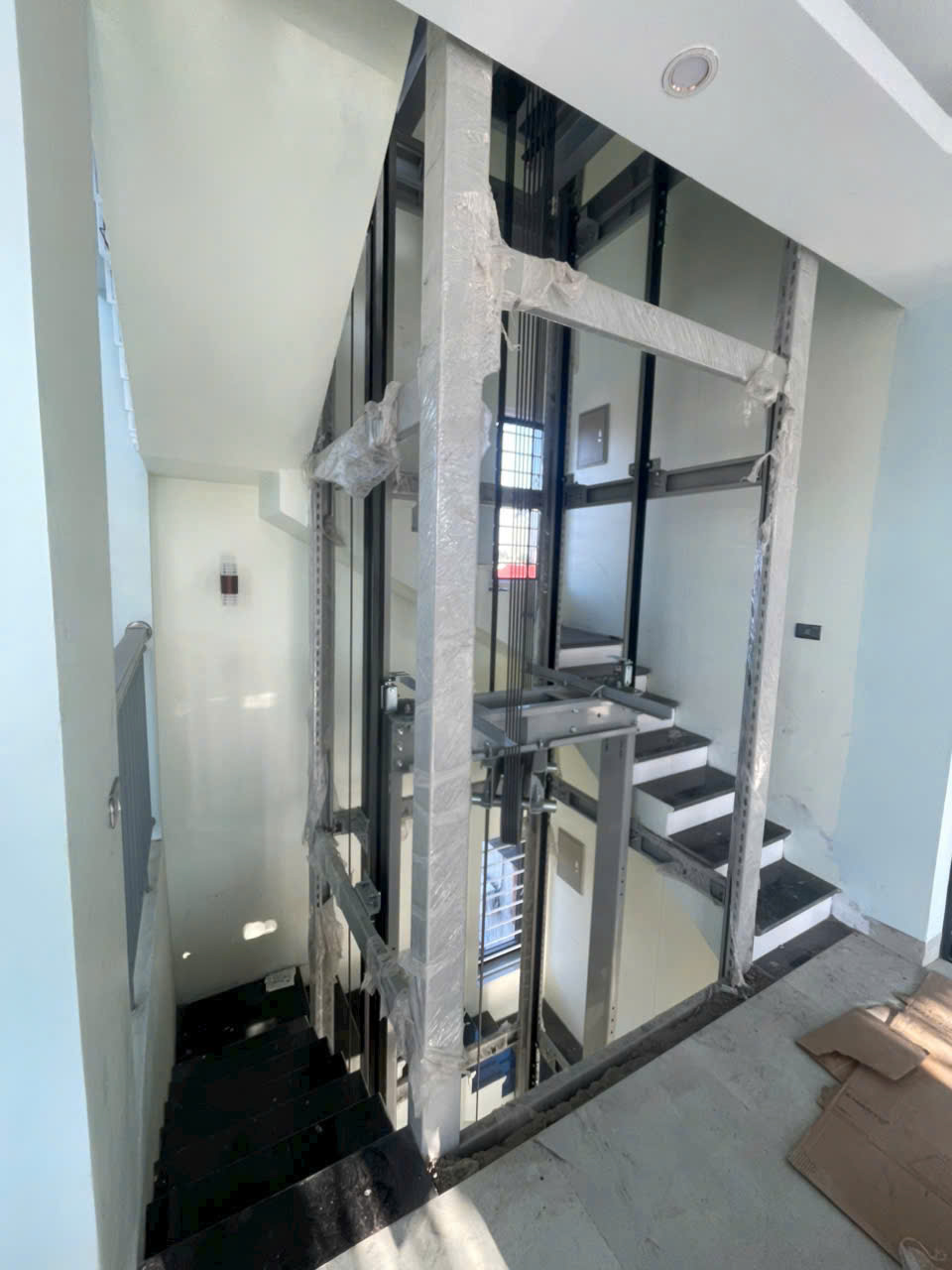
The dimensions of the elevator shaft and cabin for a home elevator are designed flexibly according to the actual construction to optimize usable space. Some common standard dimensions include:
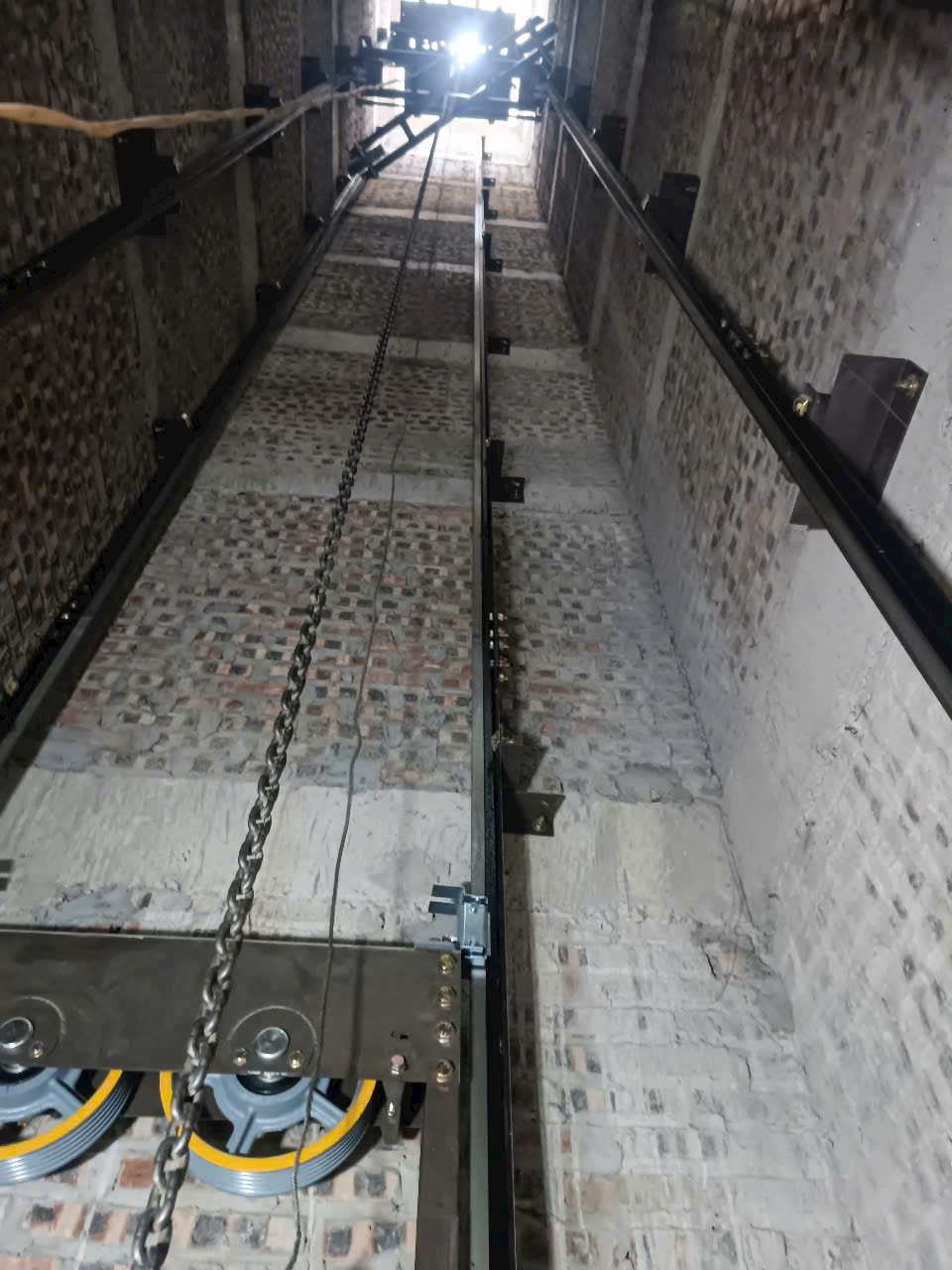
- Pit dimensions: Standard 1400 mm, minimum possible 600 mm.
- Overhead height (OH): Standard 4500 mm, minimum 3200 mm.
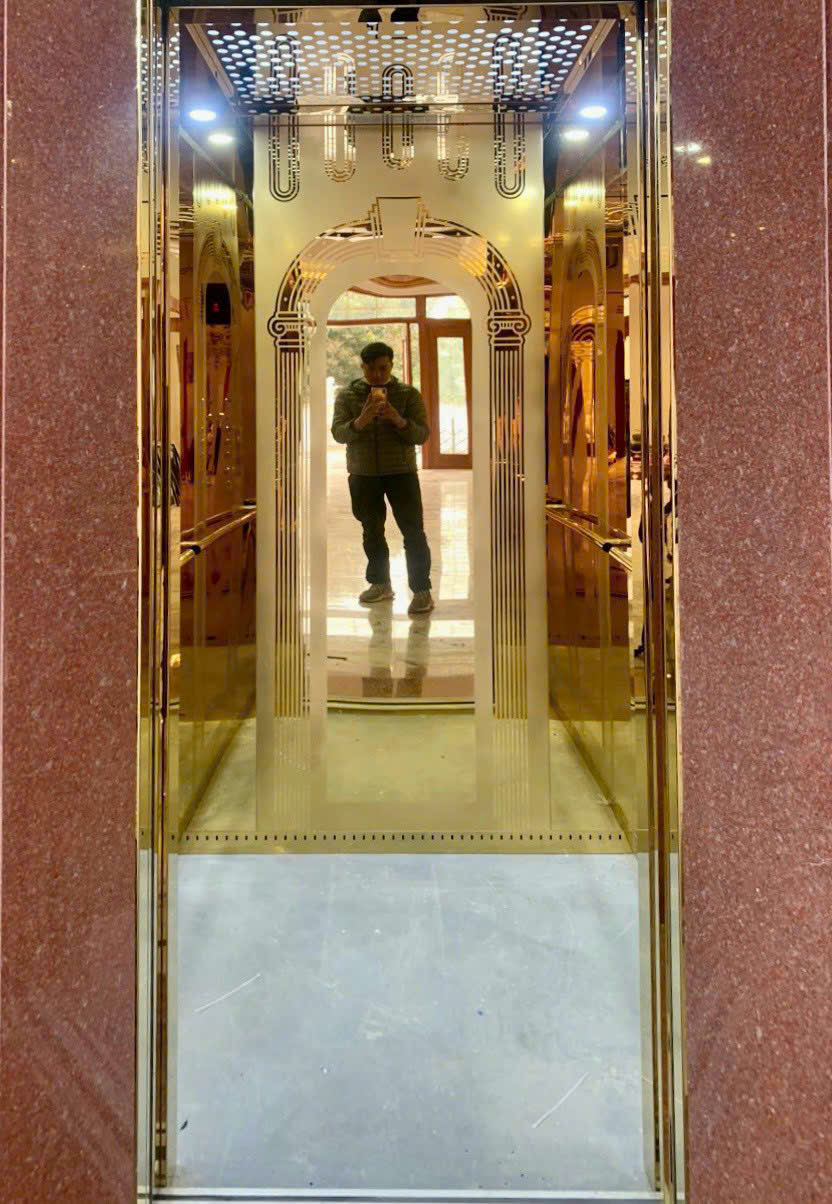
- Cabin dimensions: Manufactured domestically in a variety of sizes ranging from 950 x 800 mm to 1200 x 1200 mm, suitable for different load capacities.
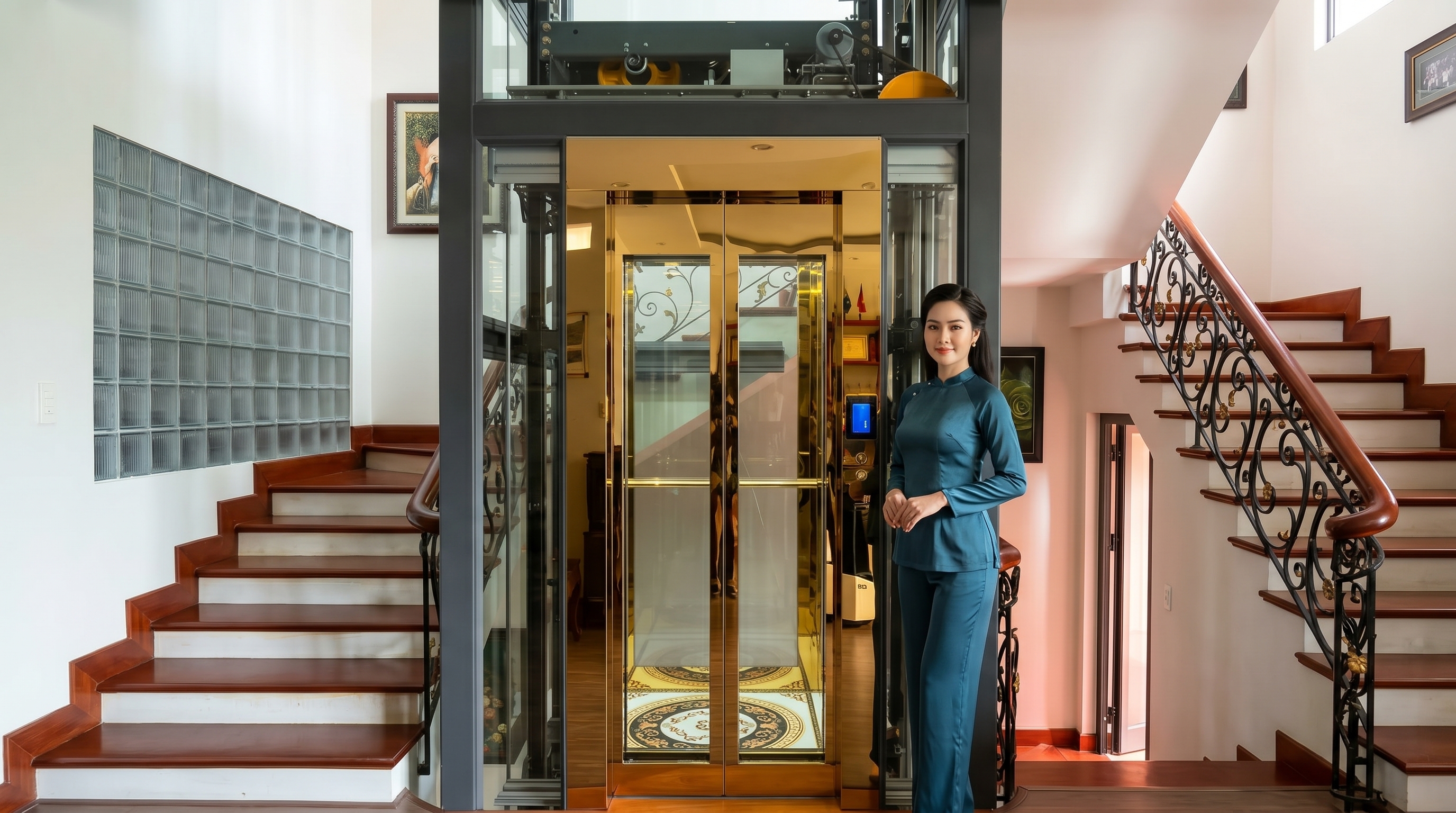
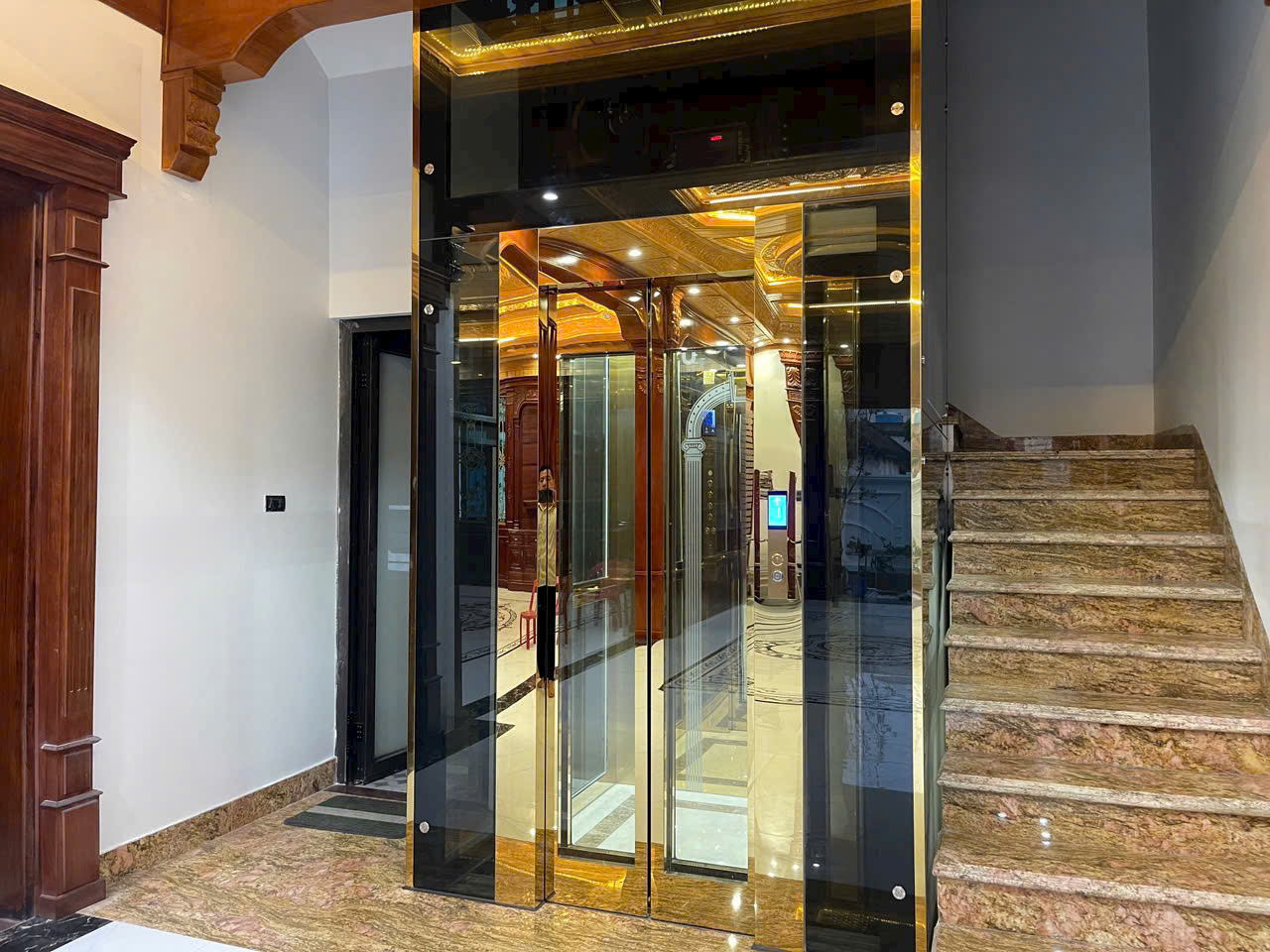
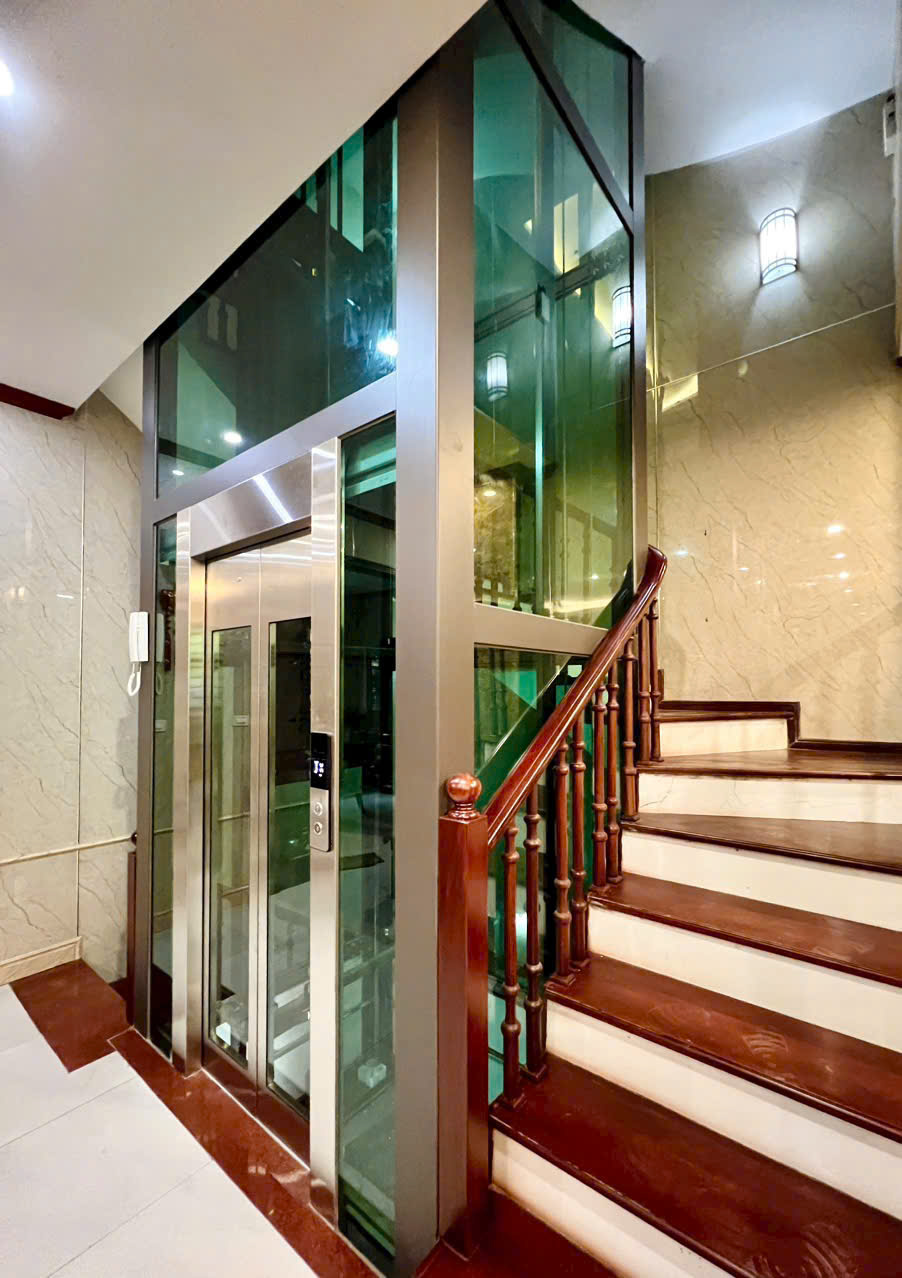
Designing the cabin to actual dimensions helps maximize space utilization while creating a luxurious elevator interior that harmonizes with the overall architecture of the house.
Installation process and safety features of home elevators
A professional work process is a key factor in ensuring the quality and durability of home elevators. The basic steps include:
- Survey and consultation: Assess the site conditions and advise on the selection of the appropriate elevator type and load capacity.
- Supervising elevator shaft construction: Ensuring the elevator shaft is constructed correctly and meets safety standards.
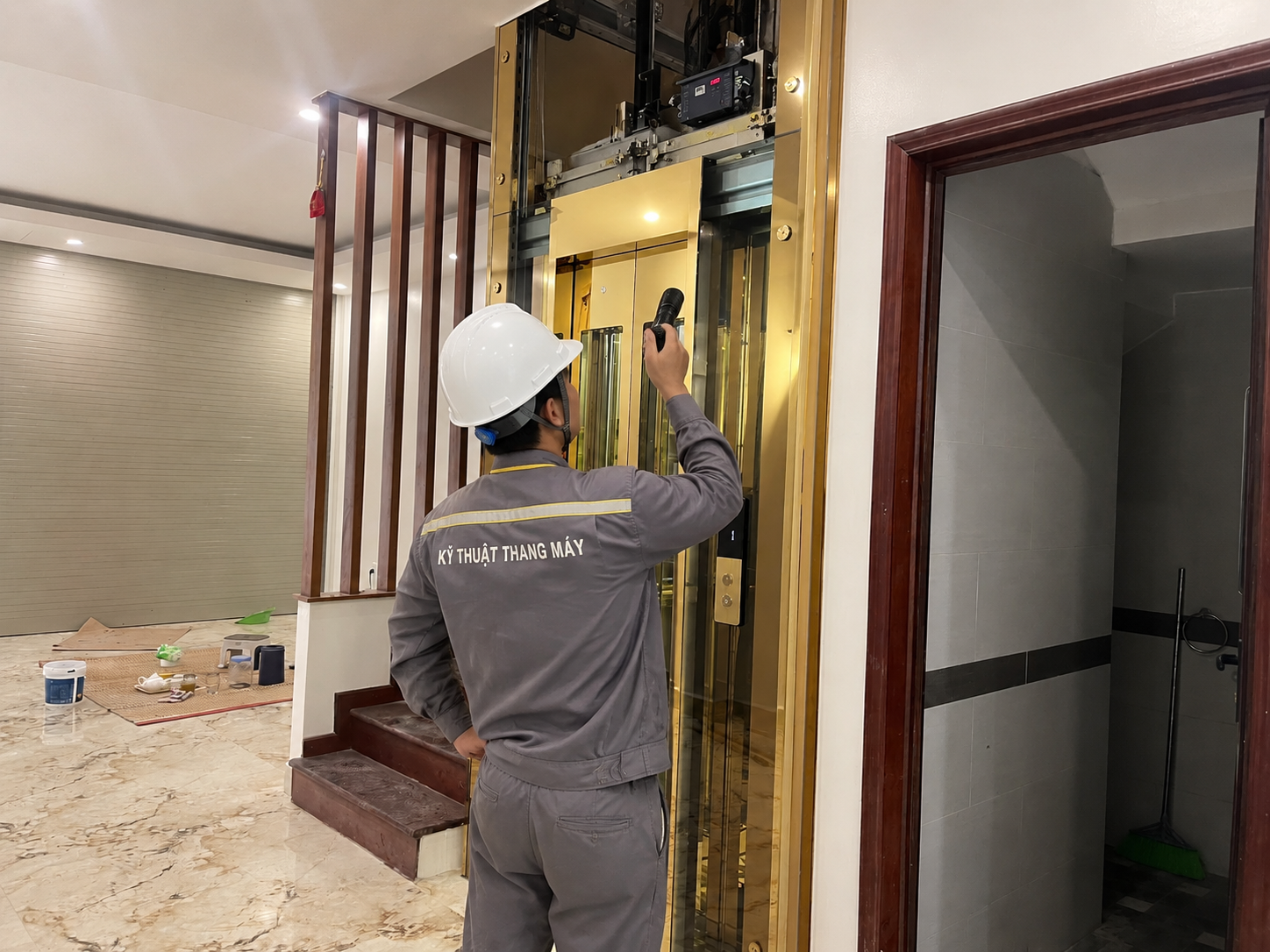
- Elevator installation: Follow standard procedures for installation and thoroughly inspect each component.
- Inspection and handover: Conduct quality inspection, acceptance testing, and handover to the investor.
- Warranty and maintenance: We provide regular maintenance support and prompt troubleshooting throughout the product's lifespan.
In particular, home elevators are equipped with many advanced safety features such as:
- Emergency exit on the elevator shaft: Helps to evacuate passengers in case of an emergency.
- Floor door locking device and infrared sensor: Prevents the door from closing when obstructed, ensuring user safety.
- Phase loss and reverse phase protection system: Automatically stops the elevator when an electrical fault is detected.
- Anti-speed braking: Prevents the cabin from exceeding the permitted speed, protecting passengers.
- Overload warning and alarm: When the number of people exceeds the load capacity, the elevator will stop operating to ensure safety.
- Automatic rescue system: In the event of a power outage, the elevator will automatically take passengers to the nearest floor and open the doors, while also activating the emergency lighting.
These features are designed to ensure maximum user safety while also enhancing the reliability and lifespan of the elevator.
Contact and consultation support
For detailed advice on the types of home elevators with appropriate load capacities for your building, please contact us:
Our team of professional and experienced technicians is always ready to assist, advise, and provide the most optimal home elevator solutions, meeting all requirements regarding load capacity, size, and design.