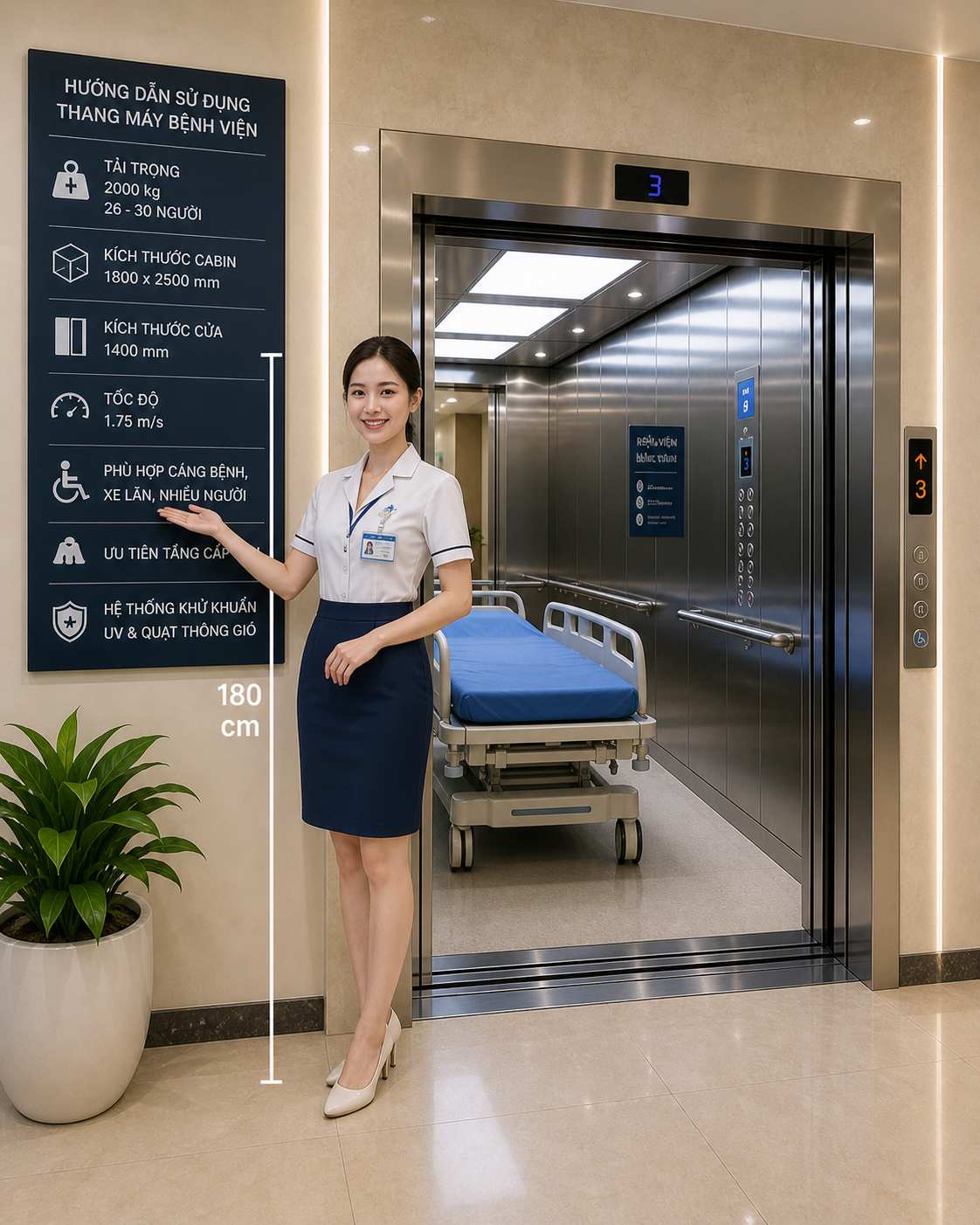
Hotel Elevators, Ha Nam Province
Introduction to hotel elevators in Ha Nam
Hotel elevators in Ha Nam are not only a means of transportation between floors but also a key element in enhancing customer experience and optimizing hotel operational efficiency. In the context of the rapidly developing tourism and accommodation industry, selecting and designing suitable elevators has become an indispensable part of the hotel construction and renovation process.
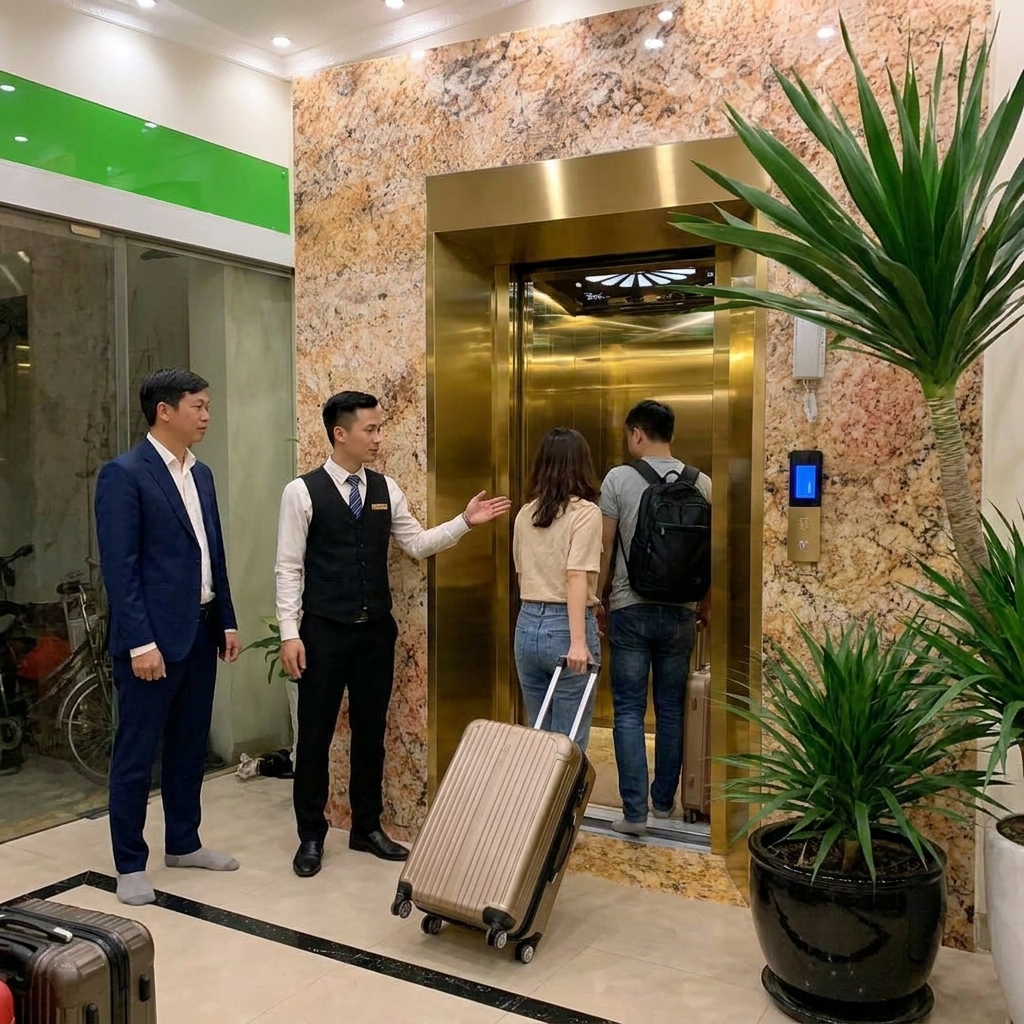
The role of hotel elevators in Ha Nam
Hotel elevators play a crucial role in:
- Ensuring absolute safety for guests and operating staff is crucial, especially in high-rise buildings or hotels with high occupancy rates.
- Enhance the customer experience by providing fast, smooth, and convenient transportation services.
- Showcase the hotel's class and design style through the design, materials, and modern elevator technology.
- Optimize space and operation by selecting the right type of elevator to suit the scale and purpose of use.
Technical and design standards for hotel elevators in Ha Nam.
Hotel elevators in Ha Nam are typically designed and installed according to strict technical standards to ensure durability, safety, and high operational efficiency.
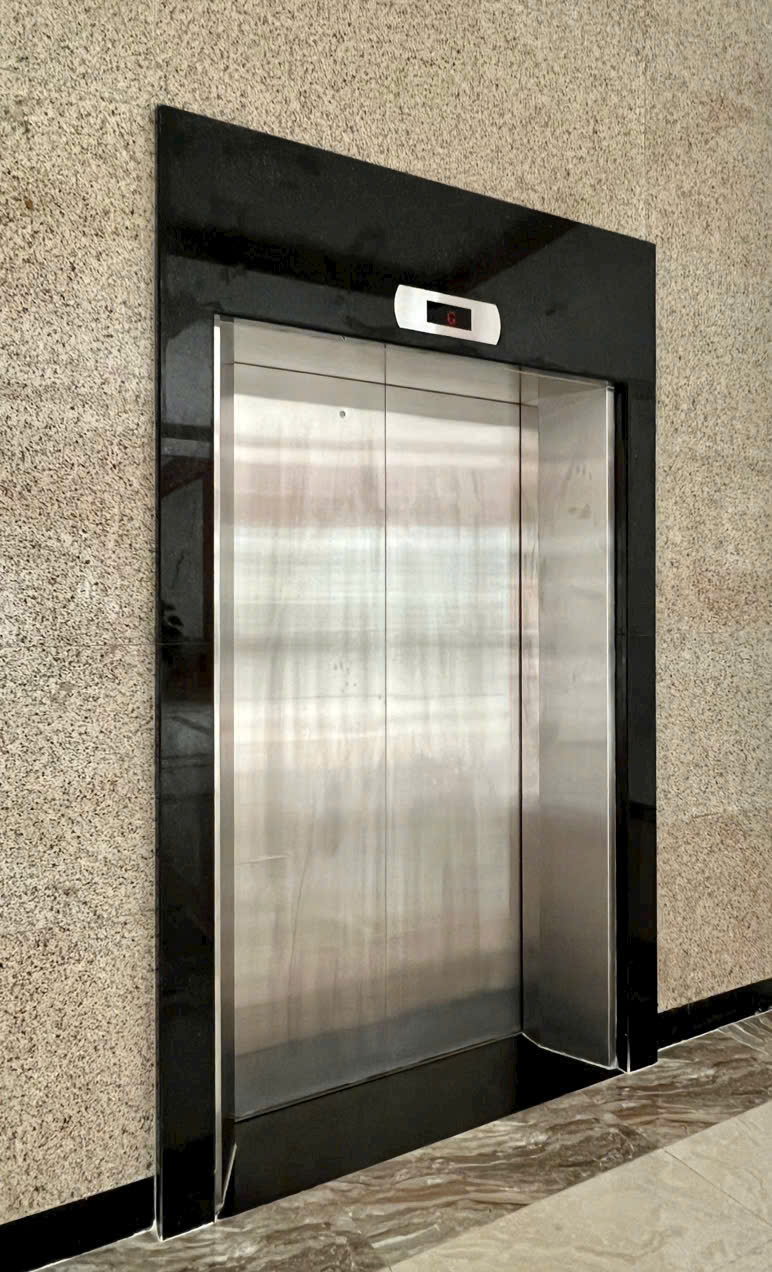
- Material quality: The cabin shell typically uses high-grade stainless steel or tempered glass, ensuring both durability and aesthetic appeal.
- Intelligent control system: Utilizing PLC or microprocessor technology optimizes speed, minimizes downtime, and increases operational accuracy.
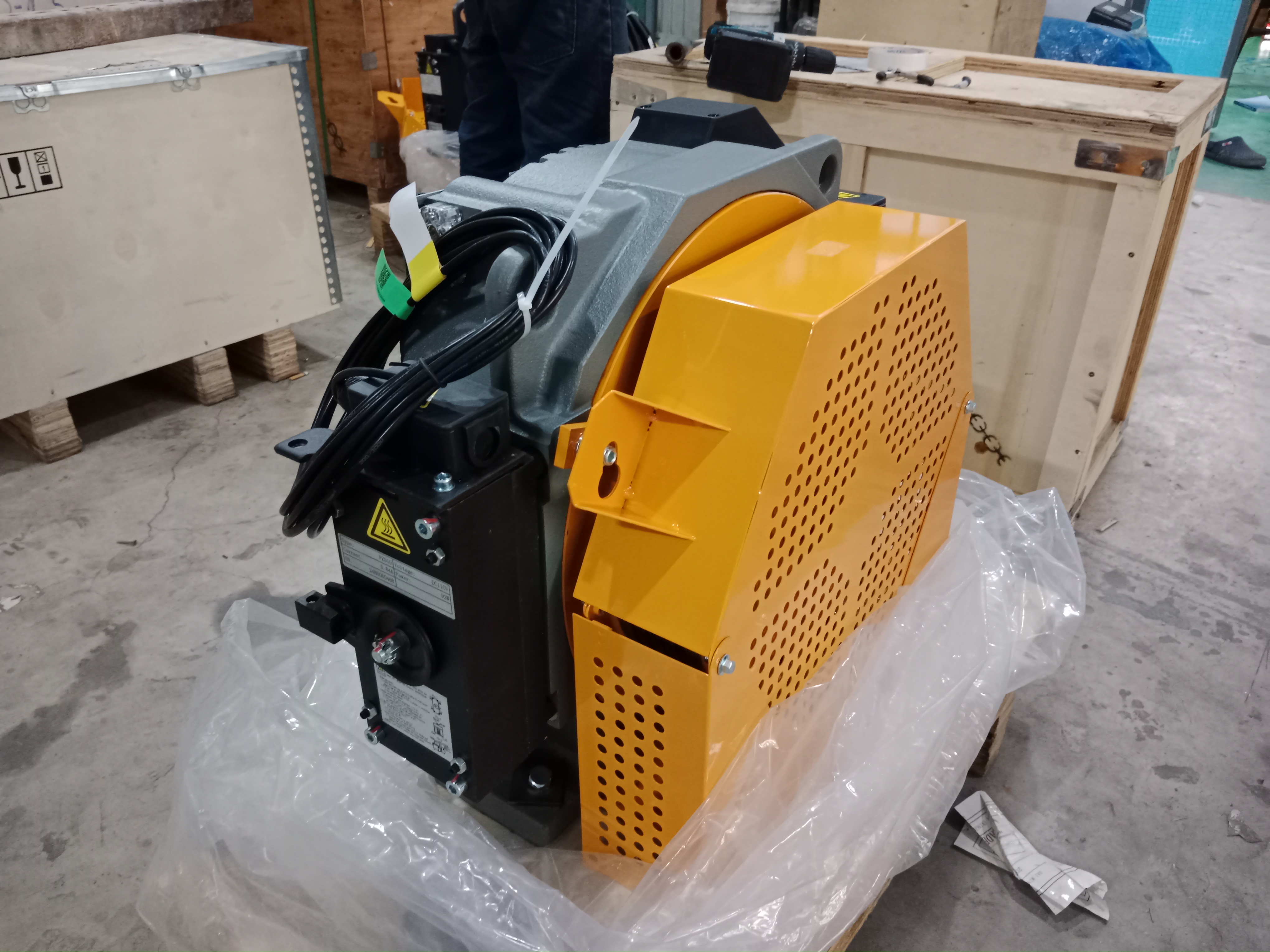
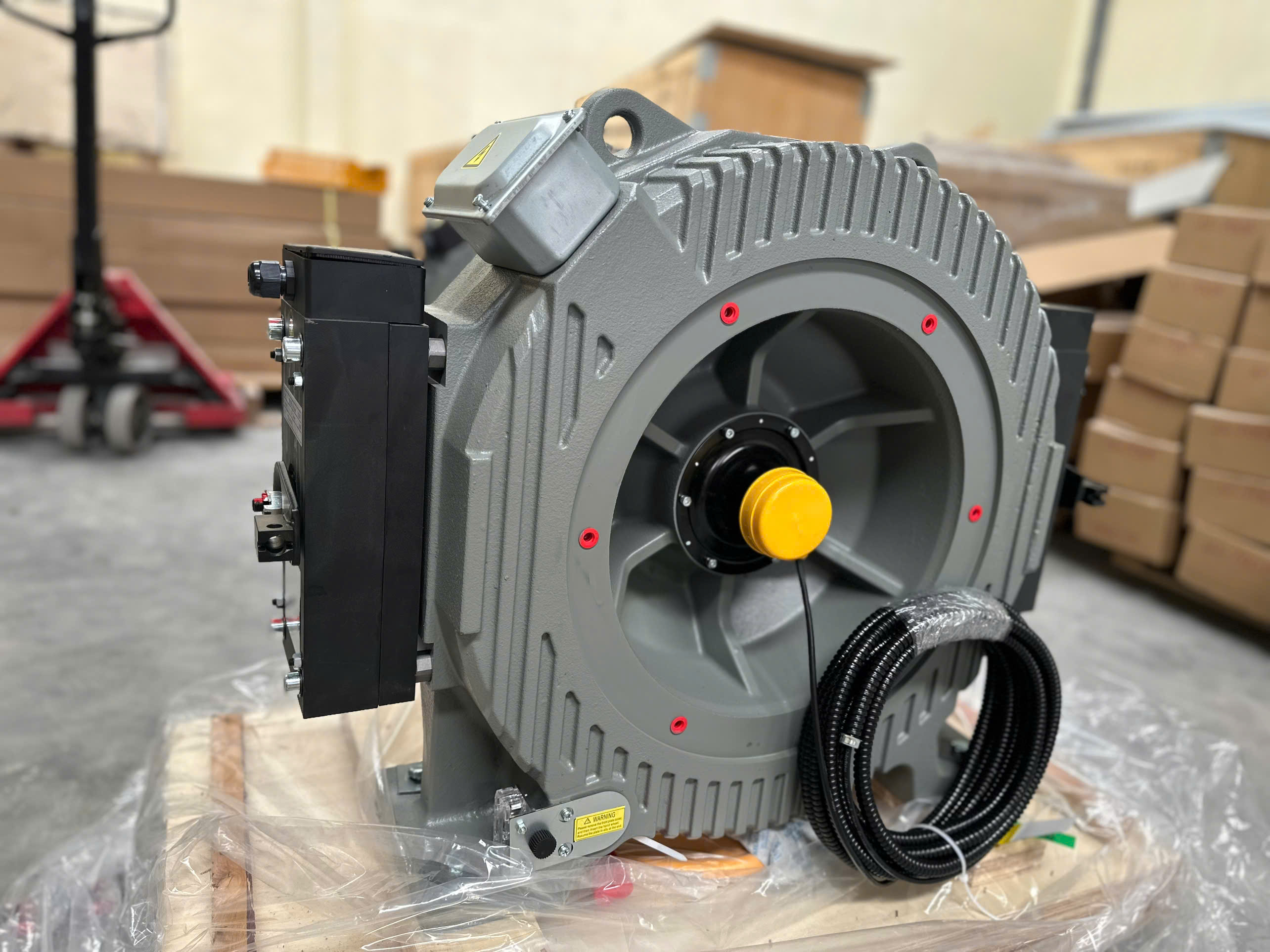
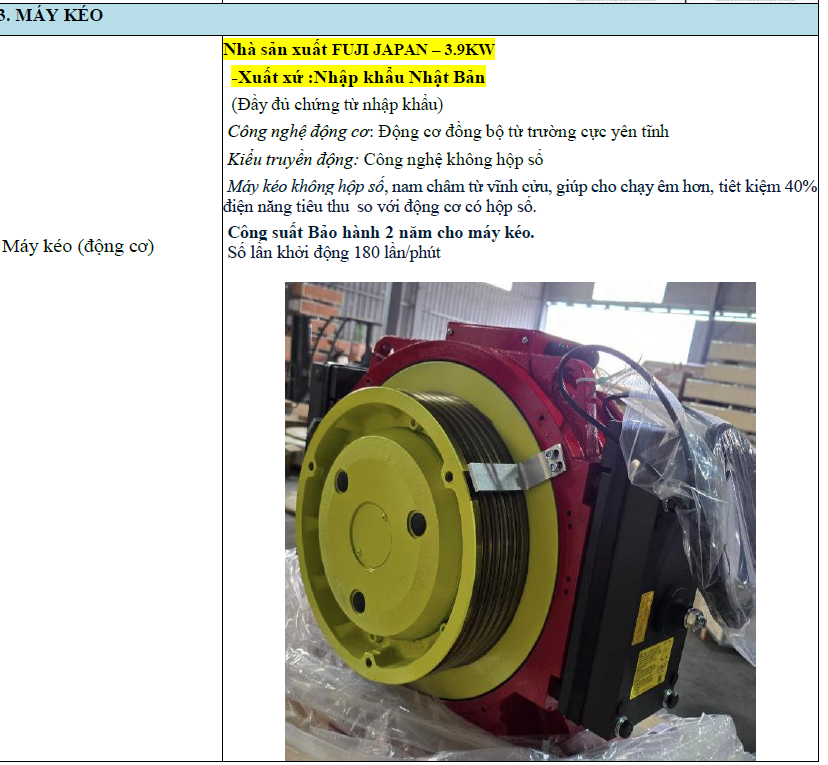
- Motor and drive system: Hotel elevators typically use gearless or geared motors with appropriate power, ensuring smooth operation and energy efficiency.
- Safety system: Includes emergency braking, door sensors, automatic rescue system, and anti-jamming device to ensure absolute safety for users.
- Load capacity and dimensions: Hotel elevators in Ha Nam typically have a load capacity ranging from 450kg to 1600kg, suitable for the number of guests and luggage transportation needs.
Common types of elevators in hotels in Ha Nam
- Passenger elevators: The most common type of elevator, designed to transport passengers and luggage at speeds from 1m/s to 2.5m/s, suitable for hotels of 3 stars and above.
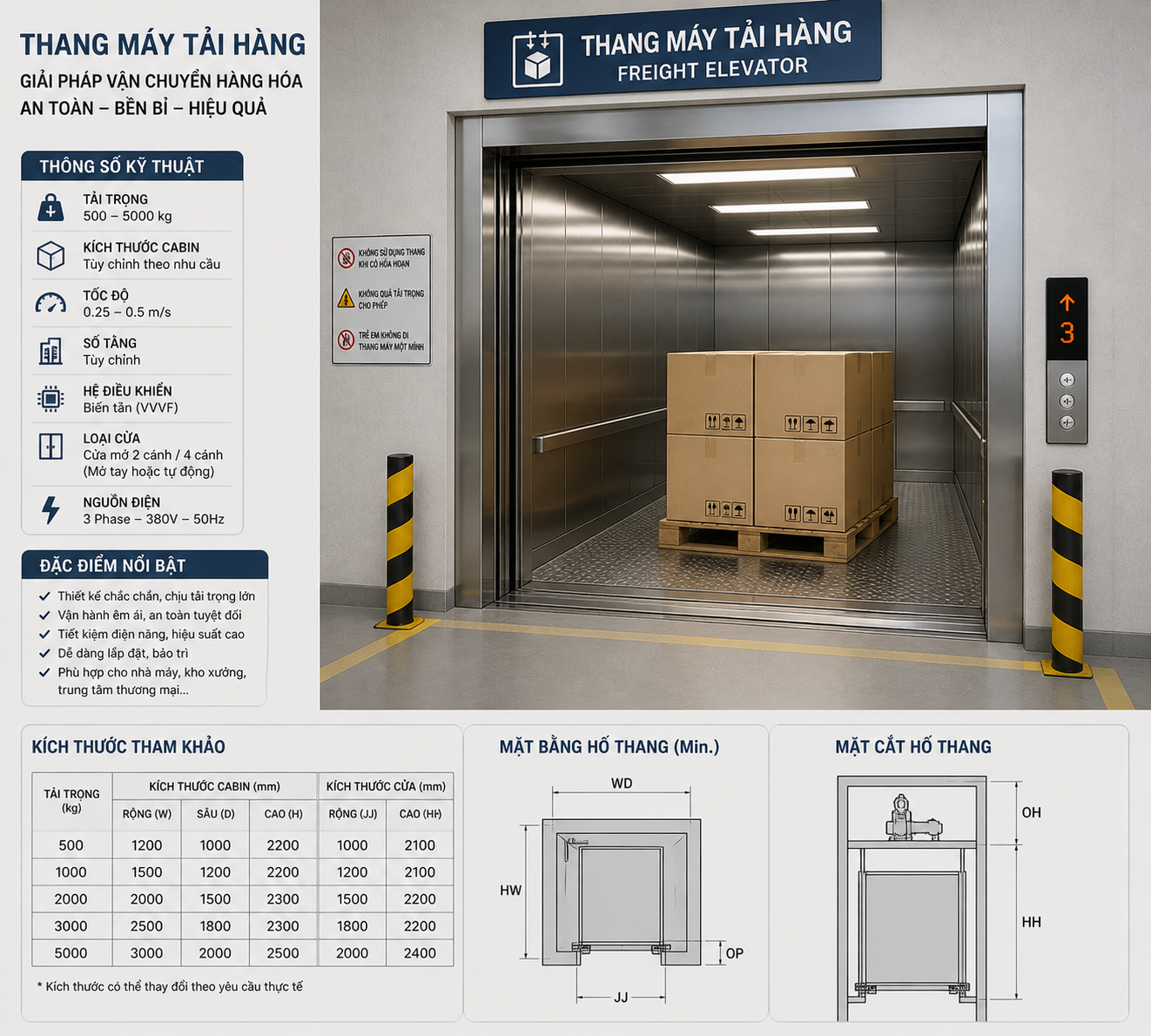
- Freight elevators: Used to transport furniture, food, and supplies within the hotel, reducing the load on passenger elevators and increasing operational efficiency.
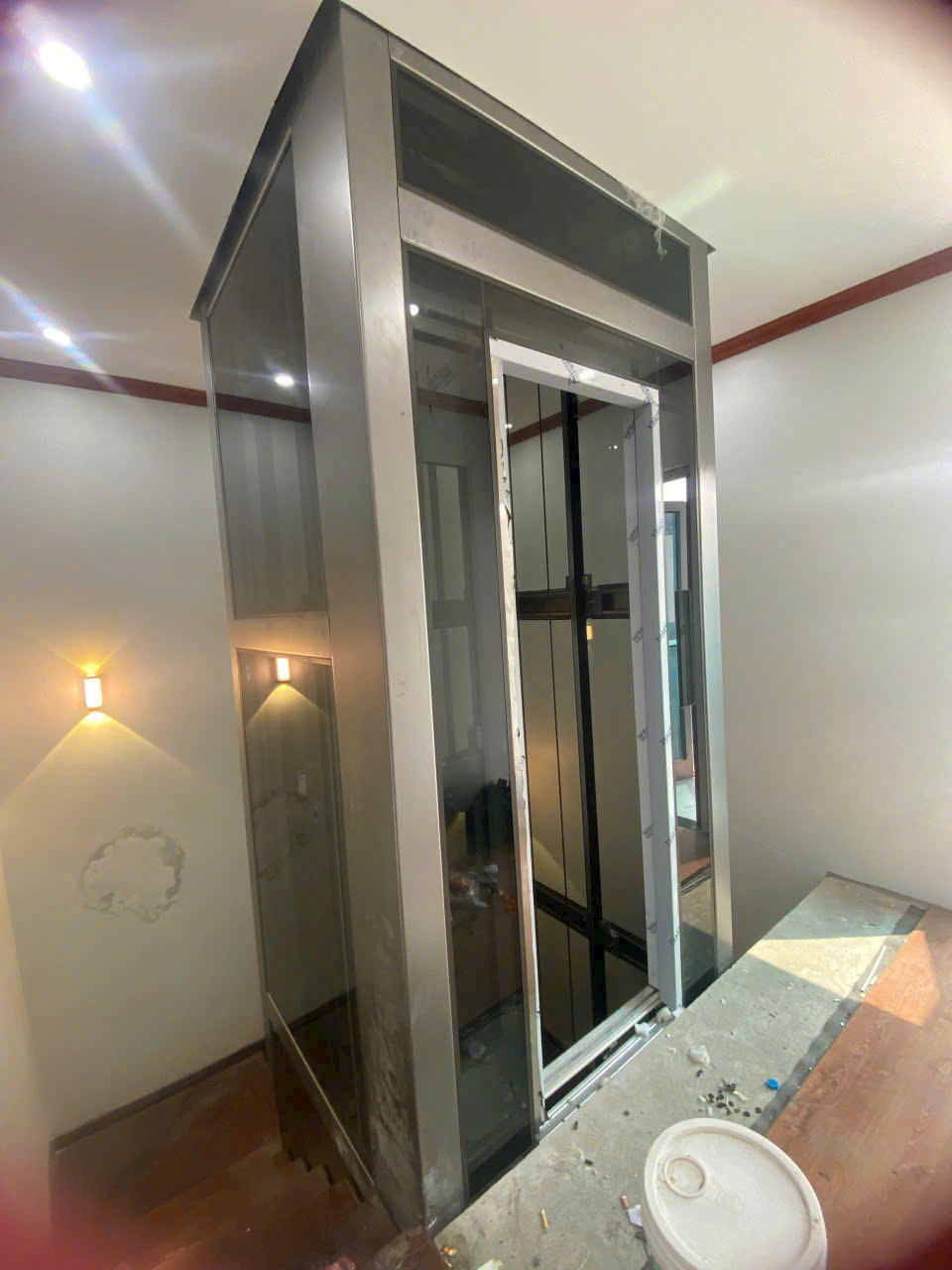
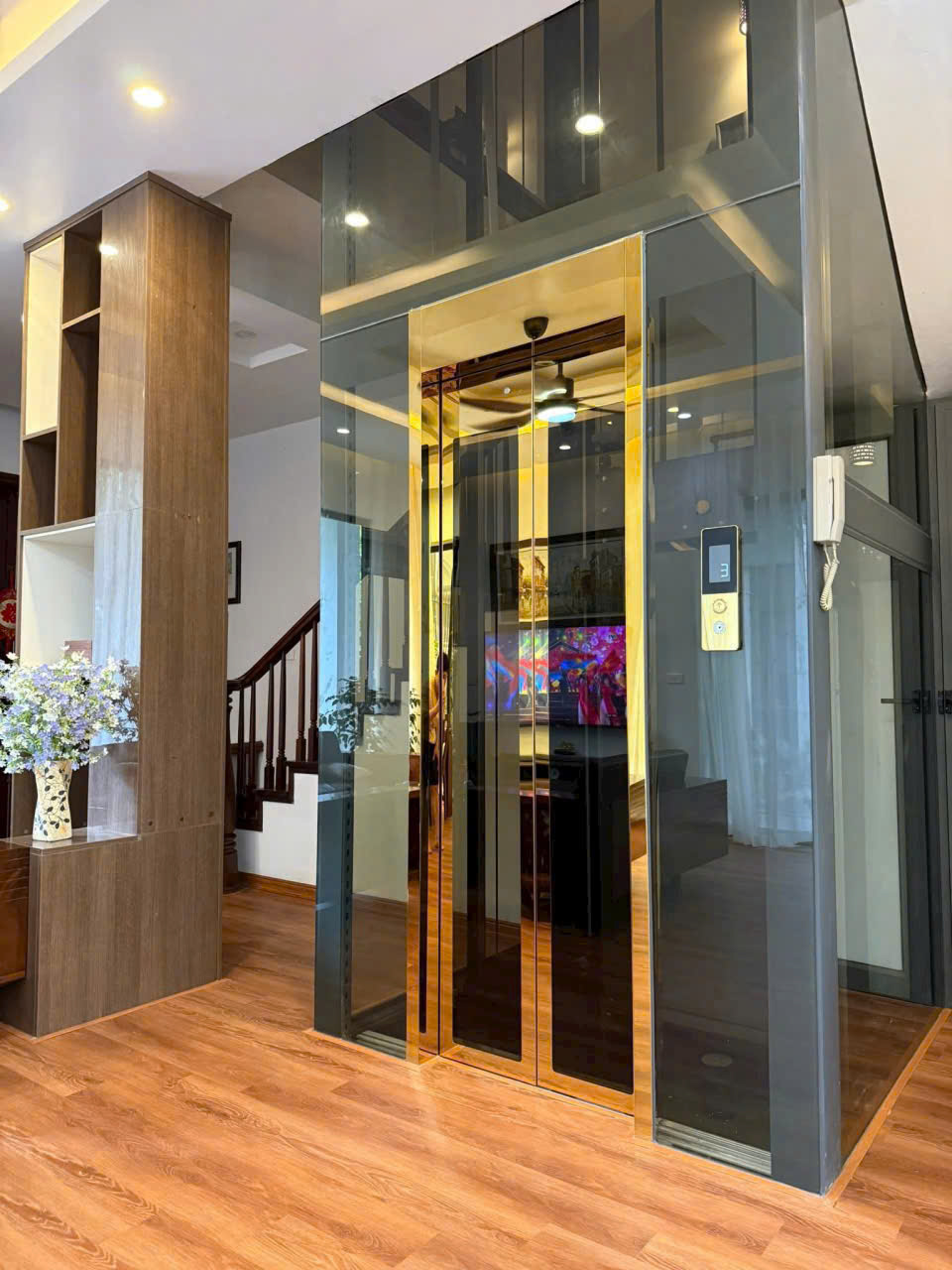
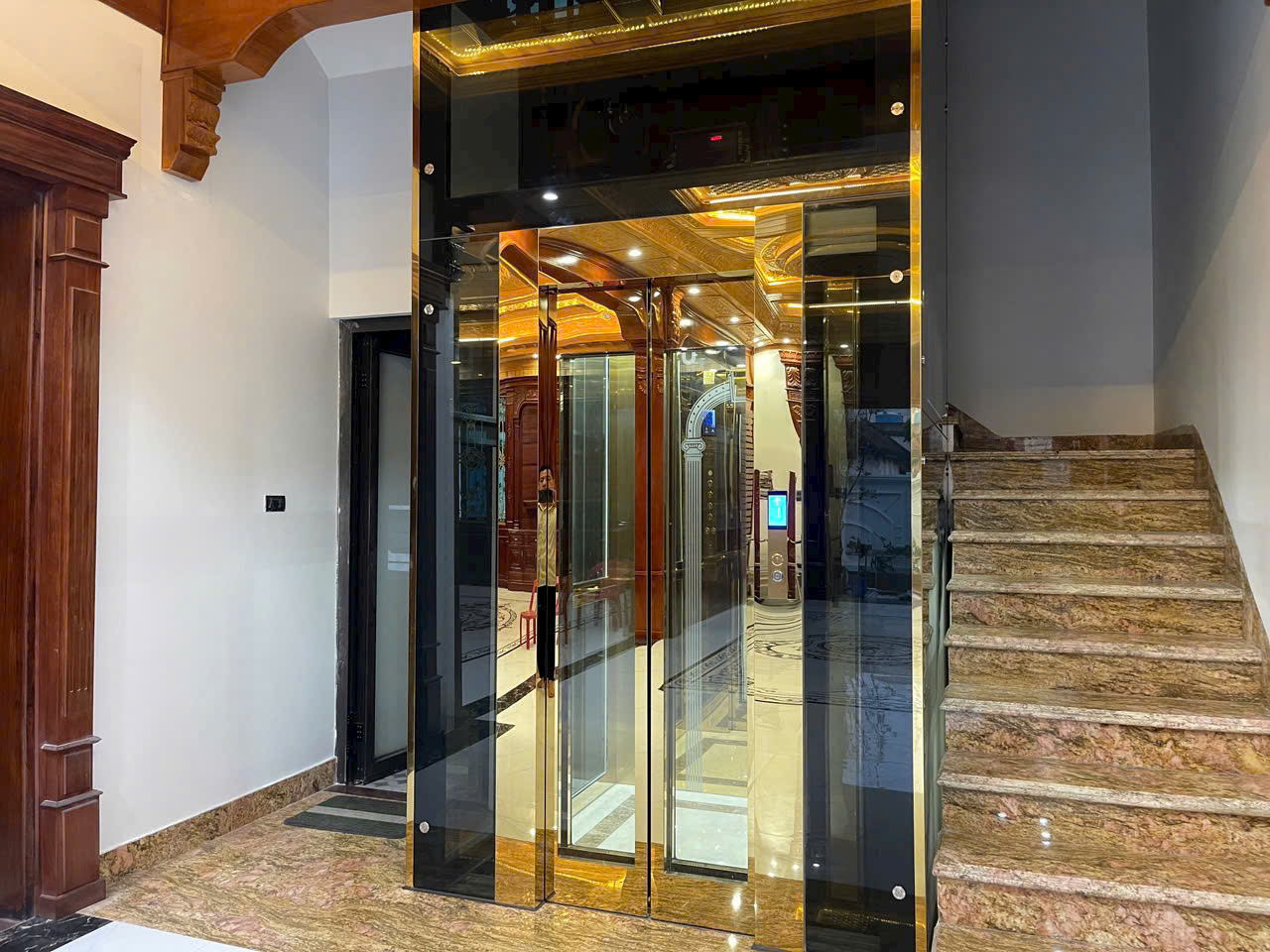
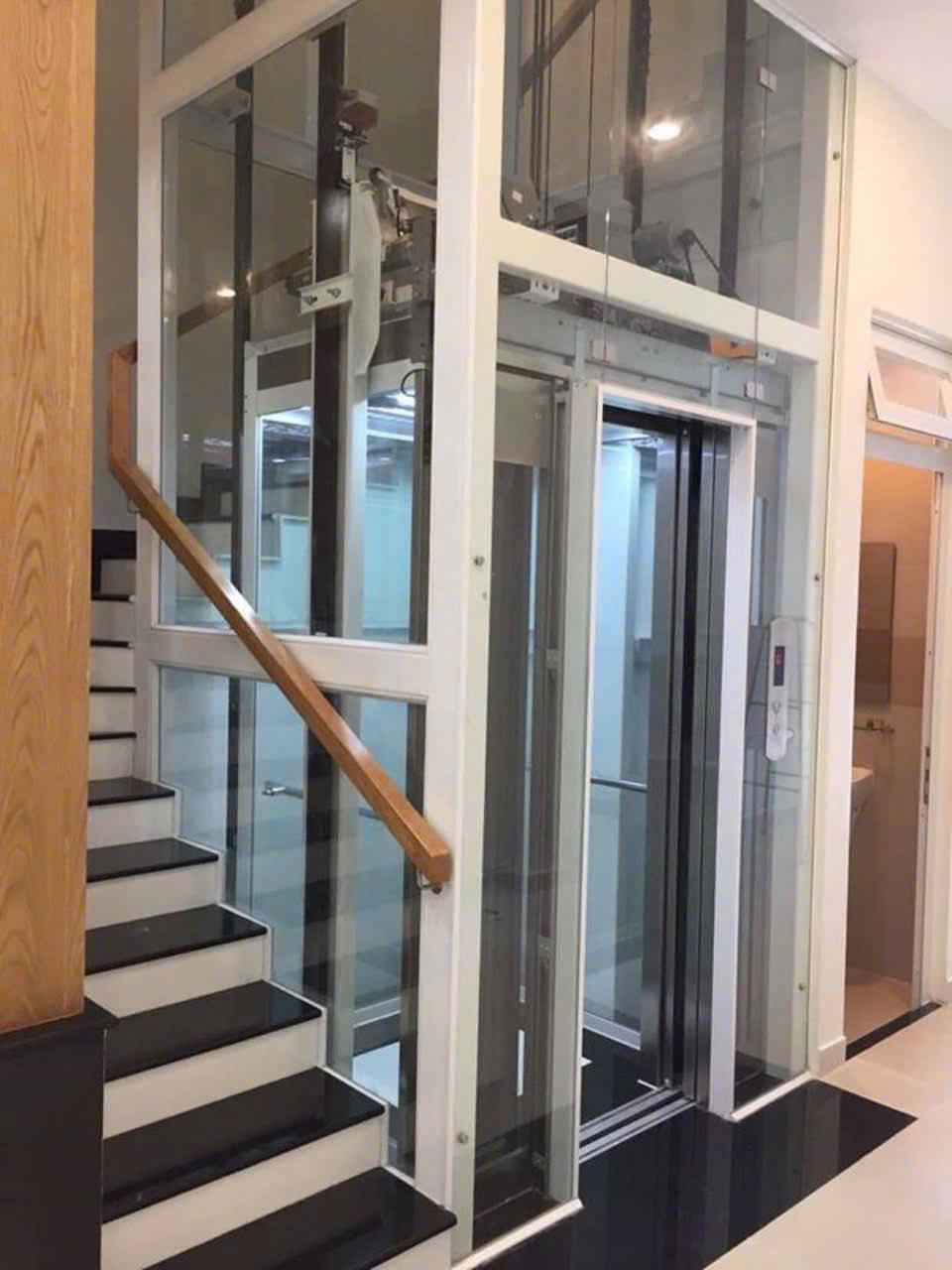
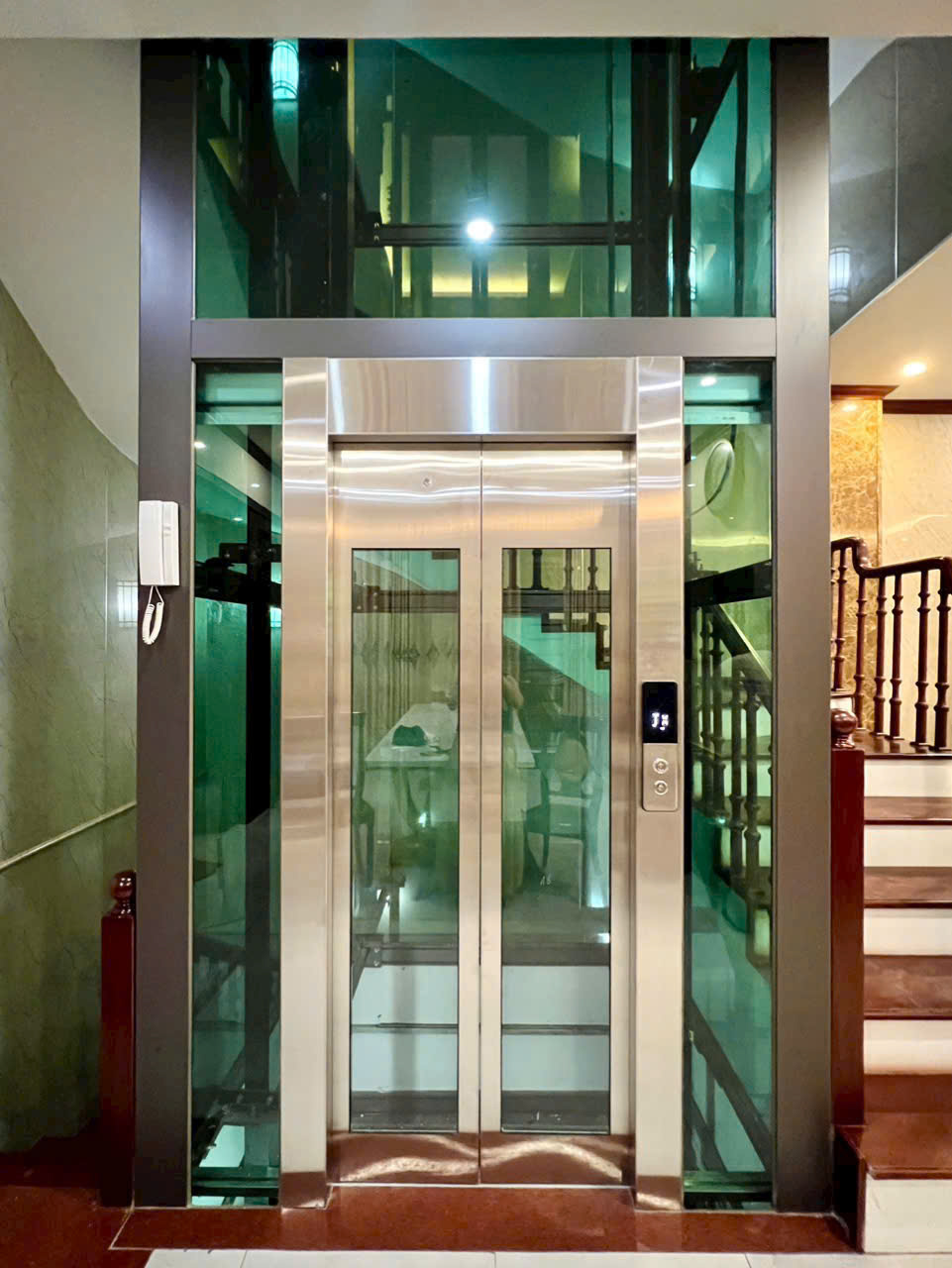
- Observation elevator (glass elevator): An elevator with a transparent glass cabin, creating an aesthetic highlight and providing a unique experience for guests.
- High-speed elevators: Designed for multi-story hotels, these elevators offer fast operation, reducing travel time and increasing convenience for guests.
Factors influencing the selection of hotel elevators in Ha Nam
- Hotel size and design: The number of floors, floor area, and architectural style directly influence the type and number of elevators required.
- Customer traffic: Hotels with a high volume of guests require elevators with high load capacity and high speed to avoid overcrowding and long waiting times.
- Investment budget: The costs of purchasing, installing, and maintaining elevators need to be carefully considered to ensure long-term economic efficiency.
- Aesthetic requirements: The elevator needs to harmonize with the overall architecture and interior design of the hotel, contributing to enhancing brand value.
- Safety and maintenance standards: Choose elevators with easy maintenance systems, readily available spare parts, and compliance with international safety regulations.
New technologies and trends in hotel elevators in Ha Nam
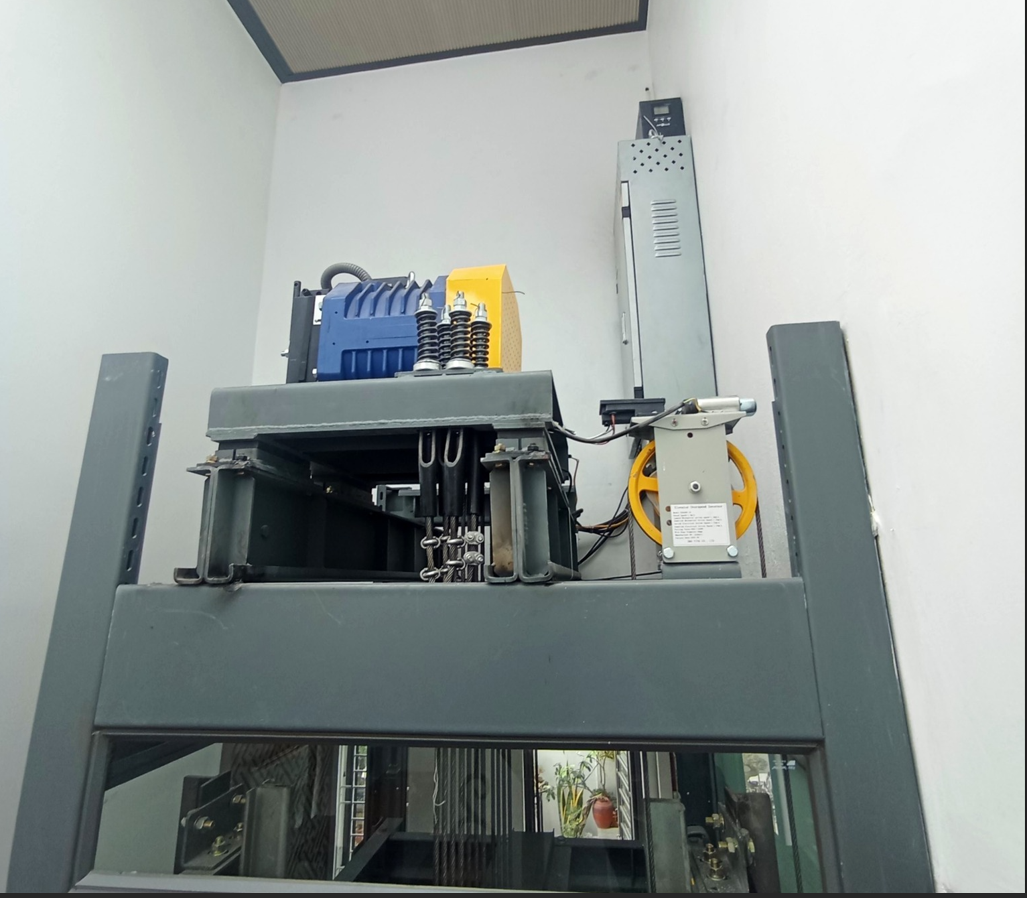
- Machine Roomless Elevators (MRLs): These save construction space and reduce operating costs, making them suitable for hotels with limited space.
- Intelligent control system: Integrates IoT and AI technology to manage customer traffic, predict maintenance needs, and optimize operational performance.
- Environmentally friendly elevators: Utilizing energy-efficient motors, renewable energy systems, and eco-friendly materials.
- Customizable design: Allows hotels to personalize elevator cabins with materials, colors, and lighting to match their unique style.
Installation and maintenance procedures for hotel elevators in Ha Nam.
Installing hotel elevators requires close coordination between technical experts, architects, and construction contractors to ensure:
- Accurately measure and survey the installation location.
- Choose the type of elevator that best suits the design and operational needs.
- Comply with workplace safety regulations and technical standards.
- Inspect and test the system before handover.
Regular maintenance is crucial for maintaining the performance and safety of elevators, including:
- Inspect the electrical and mechanical systems.
- Clean and maintain moving parts.
- Update the driver software if available.
- Provide basic training for operating personnel and troubleshooting.
Specifications of common hotel elevators in Ha Nam
To select the right hotel elevator, a thorough understanding of the technical specifications is essential. Important specifications include:
- Load Capacity: Hotel elevators typically have a load capacity ranging from 450kg to 1600kg, equivalent to 6 to 21 people. Determining the appropriate load capacity depends not only on the expected number of guests but also on the weight of luggage and accompanying equipment. A load capacity that is too low will overload the elevator, affecting its lifespan and safety, while a load capacity that is too high will increase investment costs and energy consumption. Therefore, careful consideration is needed based on the size of the hotel and the average customer traffic.
- Speed: Hotel elevator speeds range from 1.0 m/s to 2.5 m/s, depending on the number of floors and operational requirements. For high-rise hotels, elevator speeds need to be increased to reduce travel time and avoid congestion and long waits. However, excessively high speeds can also cause discomfort for users and increase maintenance costs. Therefore, the choice of speed must strike a balance between operational efficiency and customer experience.
- Cabin size: Cabin sizes are typically designed to be flexible, commonly ranging from 1100mm x 1400mm to 1600mm x 2100mm. These dimensions must ensure sufficient space for the number of people using the cabin simultaneously, while also fitting the hotel's architecture and available space. A spacious cabin not only provides comfort but also facilitates the transport of bulky luggage or equipment. Furthermore, the materials and interior design of the cabin should be carefully considered to enhance both aesthetics and durability.
- Door System: Hotel elevator doors are typically automatic, and can be either side-opening or folding doors. Side-opening doors are common in elevators with large cabins, providing ample space for entry and exit, and convenience for both guests and staff. Folding doors, on the other hand, are suitable for smaller spaces, saving space and enhancing safety. The door system should be equipped with anti-pinch sensors to ensure absolute safety for users and minimize operational incidents.
- Control System: Utilizing intelligent microprocessor control technology, this system optimizes operation, reduces energy consumption, and increases equipment durability. It allows for precise management of elevator calls, efficient trip distribution, reduced waiting times, and prevents elevators from running idle. Furthermore, features such as energy-saving modes, automatic fault diagnosis, and predictive maintenance are integrated to enhance performance and minimize operating costs.
Additional technical details to consider when choosing hotel elevators in Ha Nam:
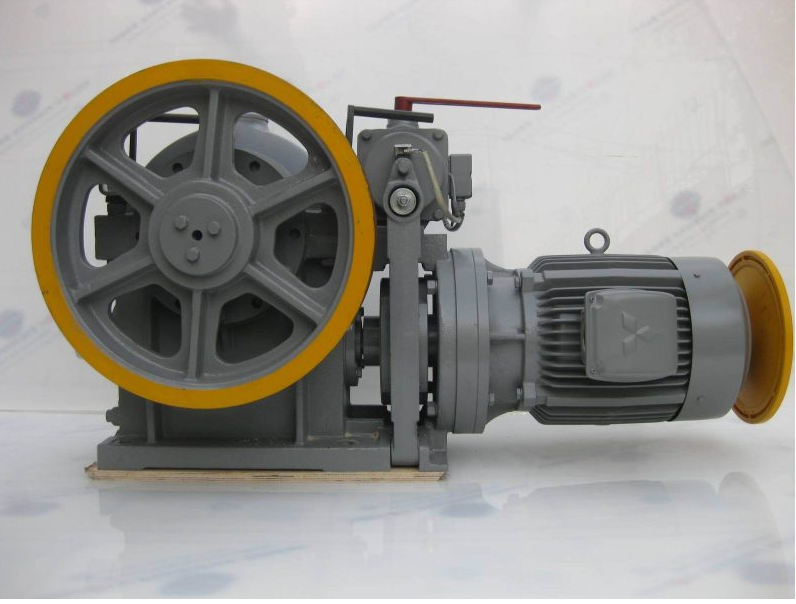
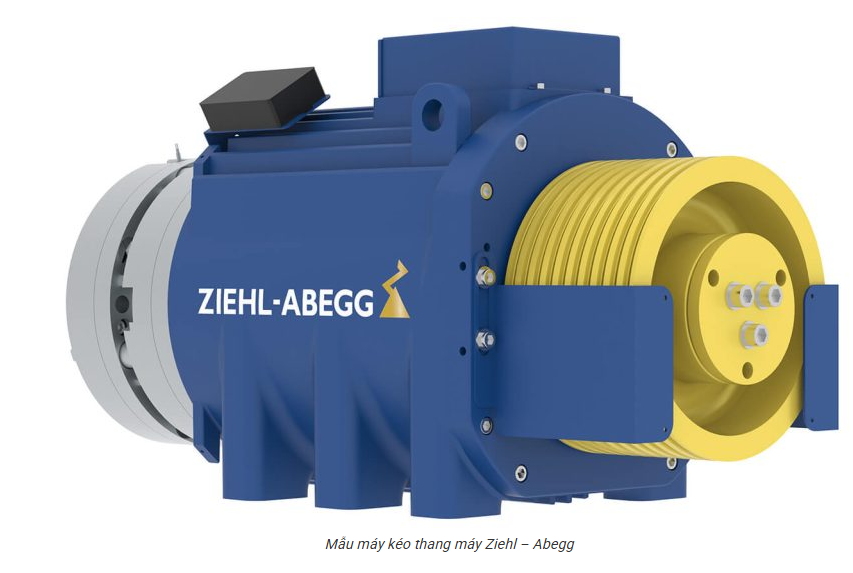
- Safety systems include safety brakes, anti-pinch door sensors, an automatic power-off rescue system, and an overspeeding prevention device. These are mandatory features to ensure absolute passenger safety in all situations.
- Quality standards: Elevators must meet international standards such as EN81, TCVN, or specific Vietnamese standards for elevator safety and quality. Choosing a product that meets these standards helps minimize risks and increase operational reliability.
- Materials and design: Elevator cabins and components typically utilize stainless steel, tempered glass, or high-grade composite materials to ensure durability, corrosion resistance, and ease of cleaning. The cabin interior design should also complement the hotel's architectural style, creating a luxurious and comfortable atmosphere for guests.
- Lighting and ventilation systems: Hotel elevator cabins are typically equipped with energy-efficient LED lighting and ventilation systems to maintain fresh air and prevent a stuffy feeling while using the elevator.
- Additional amenities: Some high-end hotel elevators also integrate information display screens, sound systems, internet connectivity, or interactive features to enhance the customer experience.
Classification of hotel elevators by technology:
- Hydraulic elevators: Often used in low-rise hotels (under 6 floors), they have the advantages of smooth operation and low maintenance costs, but their speed is limited.
- Cable-driven elevators: Suitable for high-rise hotels, offering high speed, large carrying capacity, and a variety of cabin designs.
- Machine Roomless Elevators (MRLs): This modern technology saves space, reduces the cost of constructing a machine room, and is suitable for hotels with limited space.
Environmental factors and energy saving:
- Modern hotel elevators are often equipped with regenerative drive systems that recover and reuse electrical energy during operation, reducing overall energy consumption.
- Thermal and sound insulation materials are also applied to minimize noise and increase energy efficiency.
Outstanding advantages of FUJI elevators from Japan in Ha Nam Hotel
FUJI elevators from Japan are not just simple transportation devices, but also advanced technological solutions that fully meet the stringent requirements for performance, safety, and aesthetics in hotel environments in Ha Nam. Below is a detailed analysis of the outstanding advantages of FUJI elevators, helping hotels enhance service experience and optimize operations.
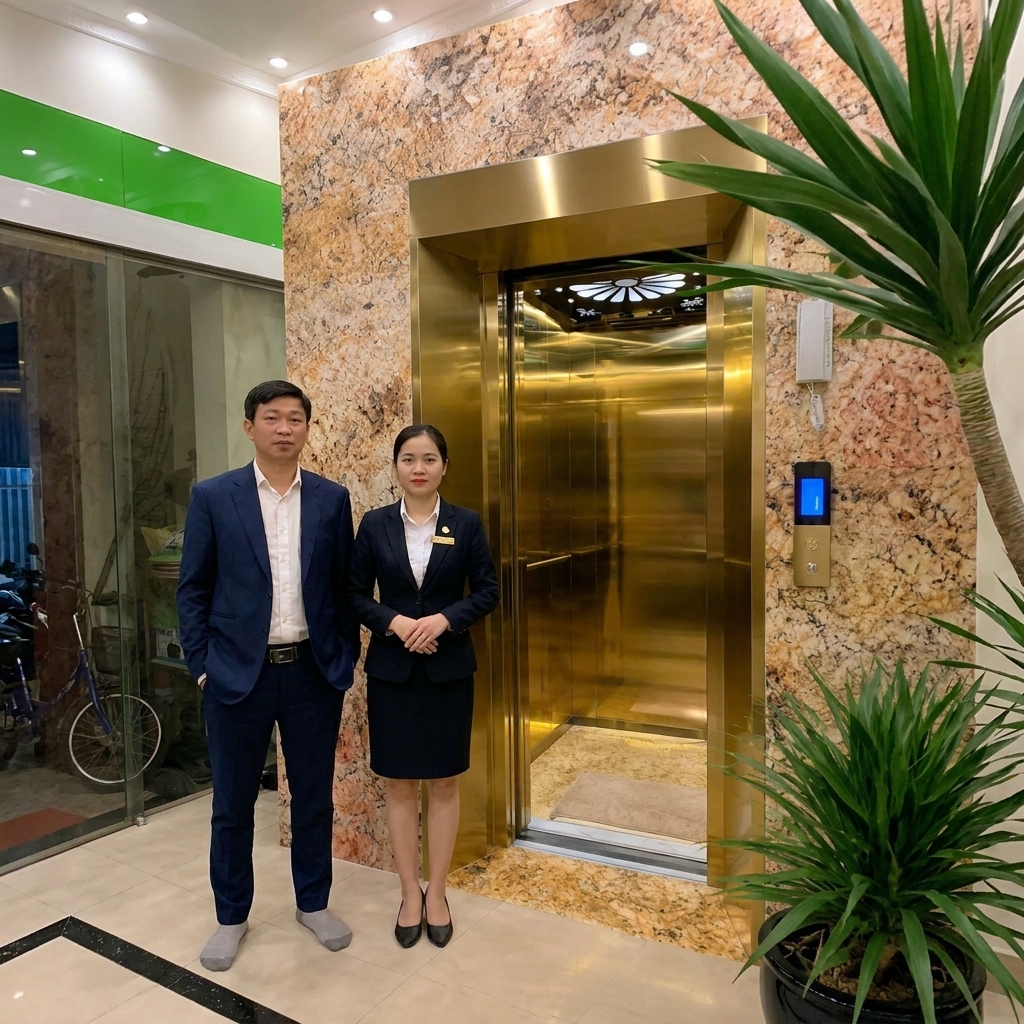
- High Durability: FUJI elevators are manufactured to rigorous Japanese standards, using high-grade stainless steel, aluminum alloys, and heat-treated mechanical components to enhance wear and corrosion resistance. The cabin frame and guide rails are precisely machined, ensuring stability throughout operation. The hoisting cable system and drive components are designed to withstand heavy loads, suitable for high customer traffic in hotels. Furthermore, all electronic and mechanical components undergo strict quality control, ensuring stable performance over a long period, minimizing maintenance and replacement costs.
- Smooth operation: FUJI elevators utilize gearless traction machine technology with an advanced magnetic drive system, minimizing friction and noise. The integrated microprocessor controller features a flexible speed adjustment algorithm, ensuring smooth starting, stopping, and movement without vibration or jerking. The specially designed damping and cabin suspension system absorbs vibrations, protecting the elevator structure and enhancing passenger comfort. This is particularly important in hotel environments, where user experience plays a crucial role in customer satisfaction.
- Energy Saving: FUJI elevators incorporate Variable Frequency Drive (VFD) technology, which adjusts motor power according to actual load, minimizing energy waste during operation. The intelligent control system also allows for a sleep mode when not in use, automatically shutting off unnecessary devices and reusing braking energy during deceleration. Furthermore, the LED lighting in the cabin and control panel utilizes energy-saving technology, contributing to a reduction in the hotel's overall energy consumption. Implementing these solutions not only reduces operating costs but also contributes to environmental protection, aligning with current sustainable development trends.
- Absolute safety: FUJI elevators are equipped with a multi-layered safety system, including:
- The emergency braking system activates automatically when it detects that the speed or traction exceeds the permissible limits.
- Smart door sensors detect obstacles and prevent the door from closing when a person or object is blocking the way, avoiding the risk of the door getting stuck.
- The Automatic Rescue Device (ARD) allows the elevator to move to the nearest floor and open its doors in the event of a power outage, ensuring passengers are not trapped inside the cabin.
- The device continuously monitors its operational status, providing early warning of abnormalities so that timely maintenance and repairs can be carried out.
- Alarm bells and an intercom system allow passengers to easily contact technical staff in case of an emergency.
All these systems are integrated and regularly inspected according to international safety standards, ensuring that FUJI elevators operate stably and with absolute safety in busy hotel environments.
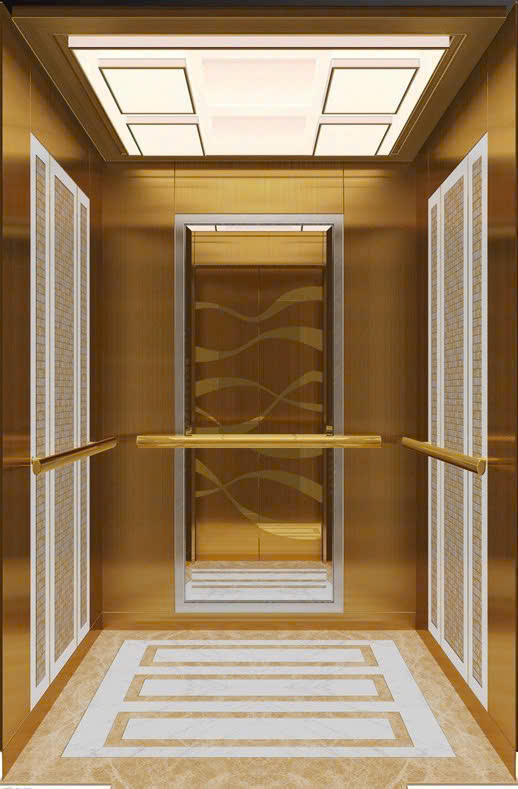
- Luxurious design: FUJI elevator cabins are designed with a variety of styles, materials, and colors, easily customizable to match the architectural and interior design of the hotel. Materials used include polished stainless steel, clear or frosted tempered glass, high-grade wood veneer, and decorative details in chrome or gold-plated metal, creating a luxurious and modern interior space.
- The strategically placed LED lighting system creates a soft lighting effect, making the cabin feel more spacious and airy.
- The touch control panel features a sharp LCD display, supports multiple languages, and includes smart features such as displaying advertisements, hotel information, or user guides.
- The cabin design also prioritizes comfort with non-slip armrests, ventilation, and air conditioning, providing a comfortable experience for passengers.
Thanks to the combination of advanced technology and sophisticated design, FUJI elevators not only fulfill their transportation function but also contribute to enhancing the aesthetic value and brand image of hotels in Ha Nam.
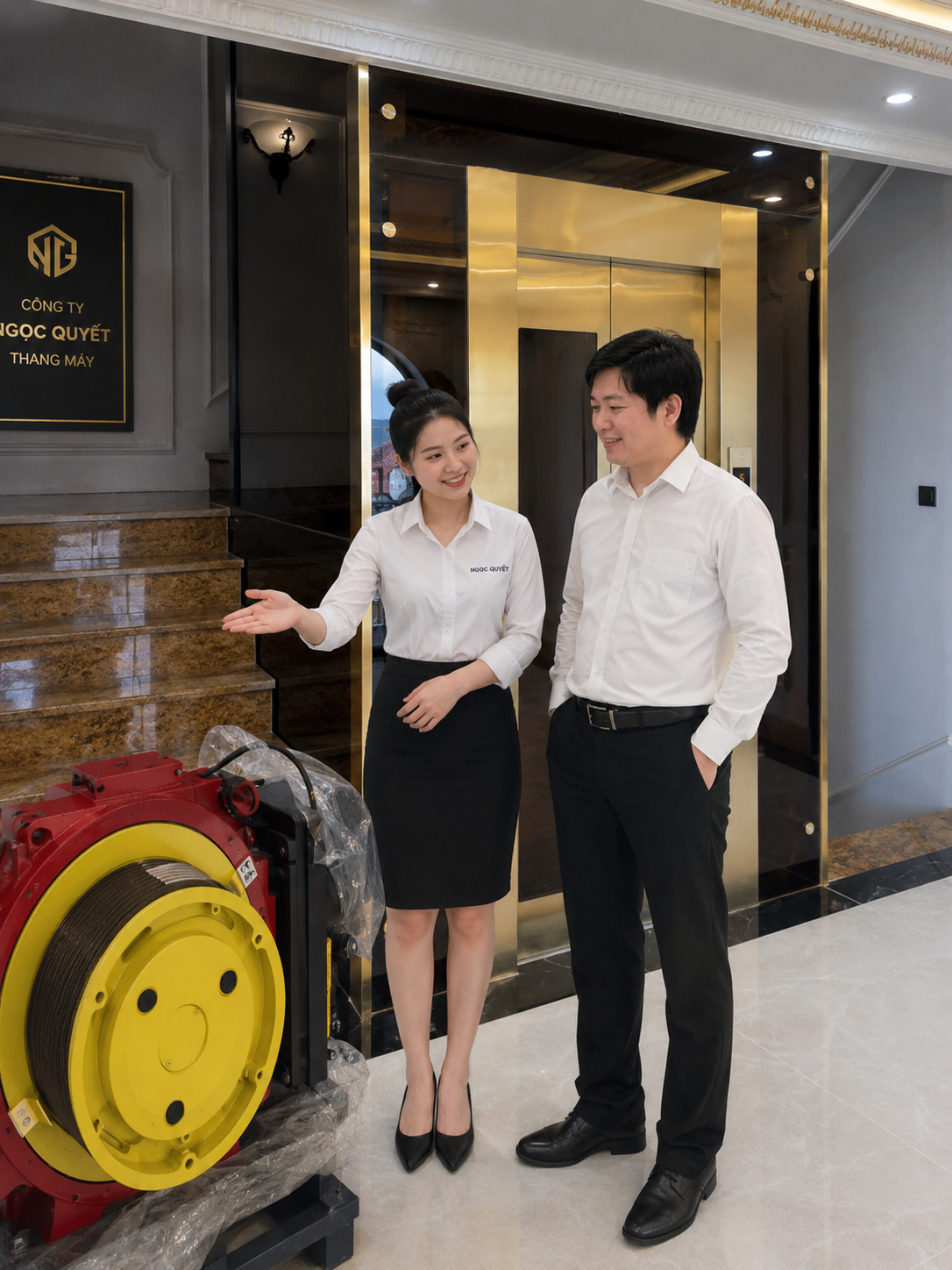
Safety standards and regulations for installing hotel elevators in Ha Nam.
Installing hotel elevators in Ha Nam is not simply a matter of selecting and assembling equipment; it also requires adherence to a strict system of technical standards and legal regulations to ensure absolute safety for users and maintain operational stability. Below is a detailed and in-depth analysis of the important standards and regulations to consider:
- National Technical Standard (TCVN) for Elevators:
Hotel elevators must fully comply with the regulations in the Vietnamese National Technical Standards (TCVN) related to the design, manufacture, installation, and inspection of elevators. These standards include:
- TCVN 6397:2018 - Electric Elevators: This standard specifies the requirements for the design, construction, electrical and mechanical safety of electric elevators, including passenger and freight elevators.
- TCVN 6398:2018 - Hydraulic elevators: Applicable to elevators using hydraulic systems, ensuring safety in operation and maintenance.
- Requirements include load capacity, speed, cabin size, door system, and safety equipment such as mechanical brakes, anti-pinch sensors, overload sensors, and emergency alarm systems.
- The regulations stipulate that the materials used must be of high quality, fire-resistant, corrosion-resistant, and able to withstand continuous operating loads in a hotel environment.
Adherence to these standards helps ensure that elevators not only operate reliably but also minimize the risk of accidents due to technical or design flaws.
- Periodic safety inspections:
According to regulations from the Ministry of Labour, Invalids and Social Affairs, hotel elevators must undergo periodic safety inspections by licensed inspection organizations. The inspection process includes:
- Perform a thorough inspection of all mechanical components: hoisting cables, pulleys, brakes, cabin frame, and guide rails.
- Assessment of electrical and control systems: controllers, sensors, automatic rescue systems, alarm devices.
- Conduct a trial run under the specified maximum load to ensure the elevator operates stably, without shaking or making excessive noise.
- Evaluate safety devices such as anti-pinch sensors, emergency stop systems, and automatic rescue systems.
Periodic inspections are typically conducted every 6 months or 1 year, depending on specific regulations and the type of elevator. Regular inspections not only help detect potential malfunctions early but also ensure the elevator remains in optimal safety condition.
- Automated rescue system:
This is one of the most important safety devices for hotel elevators, especially in cases of power outages or technical malfunctions. The automatic rescue system includes:
- Uninterruptible Power Supply (UPS): Provides backup power to maintain the operation of control and rescue systems for a short period in the event of a power outage.
- Cabin return function to the nearest floor: In the event of a power outage or malfunction, the system will automatically activate to safely move the cabin to the nearest floor and open the doors for passengers to exit.
- Emergency communication system: Equipped with internal telephones or direct communication devices to assist passengers in case of being stranded.
- Automatic monitoring and alerts: The system will send alert signals to the control center when a problem is detected, allowing technicians to intervene promptly.
Equipping hotels with automatic rescue systems not only enhances safety but also provides peace of mind for customers using elevators.
- Training of operating staff:
Hotel staff, especially those in the technical and front desk departments, need thorough training on elevator operation and troubleshooting procedures. Training content should include:
- Understand the structure, operating principles, and safety features of elevators.
- Standard operating procedures, including how to start, stop, and perform pre-operation checks.
- Methods for handling emergencies such as elevator entrapment, power outages, fire alarms, and technical malfunctions.
- First aid skills and the ability to assist passengers in case of an emergency.
- Regularly practice simulated scenarios to improve reflexes and problem-solving skills.
In-depth training helps minimize risks from operational errors and improve hotel service quality, while ensuring absolute safety for guests.
Additional legal provisions:
- Elevators must be registered and licensed for use in accordance with the regulations of the Department of Labor, War Invalids and Social Affairs of Ha Nam province.
- Complete technical documentation is required, including design drawings, inspection certificates, and maintenance logs.
- Perform regular maintenance and servicing according to the manufacturer's instructions and legal regulations.
- Comply with fire safety regulations related to elevators in the hotel.
Strict adherence to these standards and regulations not only ensures customer safety but also contributes to enhancing the reputation and quality of service of the hotel in Ha Nam.
Consultation and contract process for hotel elevator installation in Ha Nam
To ensure a smooth and efficient elevator installation process for hotels in Ha Nam, the consultation and contract signing procedures must be conducted professionally, systematically, and transparently, meeting all technical, aesthetic, and safety standards required in the elevator industry. Below is a detailed analysis of each step in this process:
- On-site survey: This is the first and most important step in the process. A team of technicians and experts will visit the construction site to survey the elevator installation location, measure the elevator shaft dimensions, inspect the building structure, electrical system, fire protection system, and surrounding environmental factors. The assessment of elevator usage needs is based on the number of rooms, floors, expected passenger traffic, as well as specific requirements such as high-capacity elevators, VIP elevators, or cargo elevators. The survey results will help determine the appropriate elevator type, motor power, operating speed, and necessary safety features.
- Product Selection Consultation: Based on the survey results, the consultant will analyze and recommend elevator models suitable for the building's characteristics and usage needs. In particular, FUJI elevators from Japan are preferred due to their advanced technology, high durability, smooth operation, and energy efficiency. The consultant will provide detailed information on various elevator types such as passenger elevators, freight elevators, machine-roomless elevators, and elevators with or without machine rooms, explaining technical features such as microprocessor control systems, automatic rescue systems, door safety sensors, and cabin interior options to match the hotel's style.
- Technical drawing design: After product selection, the design department will proceed to create detailed technical drawings, including elevator shaft diagrams, operating mechanism layout, electrical system, control system, and details related to the hotel's architecture. These drawings not only ensure the elevator fits the building space but also comply with international standards and Vietnamese safety regulations such as TCVN 6390-1998 on elevators. The design also includes selecting cabin materials, door style, lighting system, and aesthetic elements to harmonize with the overall hotel interior.
- Contract Drafting: The elevator installation contract is drafted in detail and transparently, with clear terms regarding the scope of work, construction schedule, quality of materials and equipment, technical standards to be met, as well as warranty and after-sales service conditions. The contract also specifies the responsibilities of each party in handling unforeseen issues, adjusting the design if necessary, and measures to ensure occupational safety during construction. Signing the contract ensures the rights of both the investor and the contractor, while also creating a solid legal basis for the project implementation.
- Construction and Acceptance: The construction process is carried out by a team of highly qualified technicians, under the close supervision of project managers and consulting engineers. Construction steps include building the elevator shaft, installing the mechanical, electrical, and control systems, assembling the cabin and safety equipment. All stages must strictly adhere to technical standards and occupational safety procedures. Upon completion, the elevator's operation is inspected and tested according to international standards such as ISO 25745 on elevator energy efficiency, and technical acceptance is conducted with the participation of the investor and relevant authorities. Finally, the elevator is handed over to the customer along with technical documentation, user manuals, and instructions for periodic maintenance.
Contact us for hotel elevator consultation in Ha Nam.
Customers in Ha Nam province needing elevator installation or upgrade services for their hotel are welcome to contact us immediately for detailed consultation and a quick contract quotation. Our team of experienced experts will assist in selecting the most suitable product, ensuring it fully meets the technical standards and operational requirements of your hotel. We are committed to providing dedicated consulting services, optimal solutions in terms of cost and quality, and support throughout the elevator's lifespan with professional and prompt maintenance and repair services.
Factors to consider when choosing hotel elevators in Ha Nam
Choosing a hotel elevator should not only be based on cost but also on considering many technical and aesthetic factors to ensure long-term efficiency:
- Safety: Safety is the top priority when choosing elevators for hotels. Elevators need to be equipped with advanced safety systems such as emergency brakes, anti-pinch sensors, shock absorbers, and automatic rescue systems in case of power failure. In addition, elevators must comply with international safety standards and Vietnamese technical regulations such as TCVN 6390:2018 on elevators. Regular inspections and professional maintenance also contribute to ensuring stable operation and minimizing risks for users, especially in hotel environments with high and diverse guest traffic.
- Energy Saving: Energy-saving technology is increasingly emphasized in modern elevator design. Elevators using brushless DC motors or regenerative drives significantly reduce power consumption compared to traditional motors. In addition, LED cabin lighting and intelligent control systems also contribute to optimizing energy use. Choosing high-efficiency elevators not only reduces operating costs but also contributes to environmental protection, aligning with the sustainable development trend in the hospitality industry.
- Appropriate Design: The elevator cabin design needs to be synchronized with the hotel's architectural and interior design style to create harmony and enhance the customer experience. Materials used in the cabin, such as stainless steel, tempered glass, engineered wood, or other high-end materials, should be carefully selected to ensure durability and aesthetics. Furthermore, the cabin size must be suitable for the hotel's passenger volume and service type, ensuring comfort and convenience. Elements such as lighting, mirrors, handrails, and control panels should also be designed to be user-friendly, easy to use, and luxurious.
- Maintenance Services: Hotel elevators require continuous and stable operation, therefore professional maintenance services are essential. Elevator suppliers need a team of experienced technicians capable of quickly handling technical issues and performing regular maintenance according to proper procedures. Regular maintenance helps detect malfunctions early, minimizes downtime, and extends equipment lifespan. In addition, maintenance service packages should include safety inspections, replacement of genuine parts, and control software updates to ensure optimal elevator operation.
- Reputable Brand: Choosing a well-known elevator brand like FUJI from Japan provides peace of mind regarding quality, durability, and after-sales service. Major brands typically have rigorous manufacturing processes, use genuine components, and employ advanced technology, ensuring stable elevator operation over a long period. Furthermore, reputable suppliers usually have extensive technical support networks, guaranteeing prompt maintenance and repair services when needed. Investing in a high-quality elevator brand also contributes to enhancing the value and professional image of the hotel.
Modern technology in hotel elevators in Ha Nam.
Hotel elevators in Ha Nam are not just a means of transportation, but also a symbol of convenience and advanced technology. Integrating modern technologies into elevator systems enhances operational efficiency, ensures absolute safety, and provides an optimal customer experience. Below is a detailed analysis of the key technologies applied in hotel elevators in Ha Nam:
- Intelligent control system:
Modern elevator control systems utilize a central processing unit (CPU) with specialized management software, allowing for optimized operating schedules based on actual user traffic. This technology employs intelligent trip allocation algorithms, minimizing waiting times and preventing overcrowding. Furthermore, the system can learn passenger travel patterns to predict demand and adjust schedules accordingly, saving energy and improving operational efficiency.
- Safety sensors:
To ensure the absolute safety of users, hotel elevators in Ha Nam are equipped with various advanced sensors:
- Door sensors: Monitor the door's open/closed status, detect obstructions or people blocking the doorway to prevent door entrapment accidents.
- Load sensors: Accurately measure the weight inside the cabin, preventing dangerous overloading and equipment damage.
- Door anti-pinch sensor: Combined with the door sensor, this system detects small objects or people trapped inside, automatically stopping or opening the door for safety.
These sensors are integrated with the central controller, ensuring a fast and accurate response in all situations.
- User-friendly interface:
Modern elevator control panels are no longer simply mechanical buttons but have been upgraded to touch-screen controls with sharp LED or LCD displays. This interface offers the following features:
- Clearly display the floors, operating status, and fault notifications.
- Multilingual support, suitable for international guests.
- Allows users to quickly and accurately select the desired floor.
- Integrate features that support people with disabilities, such as audio guides and large fonts.
Designing a user-friendly interface not only enhances the user experience but also helps minimize operational errors caused by incorrect operation.
- Automated rescue system:
In the event of a power outage or technical malfunction, an automated rescue system will activate to ensure the safety of passengers inside the cabin. This technology includes:
- Backup battery system: Provides temporary power so the cabin can safely travel to the nearest floor.
- Automatic door opening function: When the cabin stops, the doors will automatically open so passengers can exit.
- Emergency notification: The internal communication system connects directly to the control center or rescue unit for immediate assistance.
Thanks to its automatic rescue system, the hotel elevators in Ha Nam meet international safety standards, minimizing risks and enhancing customer peace of mind.
- Energy saving:
The application of inverter technology in elevators allows for flexible adjustment of motor speed, avoiding energy waste from operating at unnecessary speeds. Key advantages include:
- Reduce electricity consumption by up to 30-50% compared to traditional systems.
- Reduces noise and vibration, enhancing user comfort.
- Increases the lifespan of the engine and related components.
In addition, the use of LED lighting in the cabin and technical areas contributes to reduced electricity consumption and is environmentally friendly due to low heat emissions and the absence of harmful substances.
Hotel elevator maintenance and repair services in Ha Nam.
Regular maintenance and timely repairs are essential in ensuring the stable, safe, and efficient operation of hotel elevators. Elevators are not just a means of transportation; they represent the image of the hotel, directly impacting customer experience and the reputation of the establishment. Professional maintenance services in Ha Nam are designed to meet all technical requirements and stringent safety standards, including the following items:
- Regular inspections: This is the most important step in the elevator maintenance process. Technicians will conduct a comprehensive inspection of all mechanical and electronic components, including the hoisting cables, pulleys, control units, safety brakes, door sensors, and electrical systems. This assessment helps detect early signs of wear and tear, oil leaks, or potential faults that could cause serious problems. In addition, regular inspections include measuring technical parameters such as operating speed, vibration, and noise to ensure the elevator operates within acceptable limits.
- Comprehensive Maintenance: After inspection, technicians will perform detailed maintenance to maintain optimal elevator performance. Activities include thoroughly cleaning components such as guide rails, cabin, and shaft; lubricating moving parts to reduce friction and wear; adjusting mechanical components such as brakes and hoisting cables to ensure smooth operation; and checking and adjusting the electronic system and control unit to prevent signal errors or operational interruptions. Comprehensive maintenance helps extend equipment lifespan and minimize the risk of sudden breakdowns.
- Prompt Repair: Upon detecting a problem or receiving an urgent request, our team of professional technicians will arrive promptly to handle it. Common issues include jammed doors, loss of control signals, sensor malfunctions, brake system failures, or cable problems. Repair procedures are carried out according to strict technical standards, using genuine parts and modern technology to ensure absolute safety for users. The quick turnaround time minimizes downtime, preventing disruptions to the hotel's business operations.
- Technology Updates: Elevator technology is constantly evolving with new features such as intelligent control systems, advanced safety sensors, and remote operation management software. Maintenance services in Ha Nam provide solutions for upgrading control software and replacing old components with more modern equipment to improve performance, save energy, and enhance safety. Technology updates also help hotel elevators meet new environmental and occupational safety standards.
- 24/7 Support: Technical support services are available to customers anytime, anywhere, especially crucial in emergency situations such as elevator malfunctions or power outages. Our 24/7 on-call team ensures quick responses, timely advice, and problem resolution, helping the hotel maintain continuous and safe operations for guests. Ongoing technical support also includes providing detailed elevator status reports and suggesting appropriate maintenance plans.
The maintenance and repair process for hotel elevators in Ha Nam is carried out by a team of highly qualified technicians who are well-trained and have extensive practical experience. They use modern testing equipment and specialized maintenance management software to ensure that every step meets quality and safety standards.
The benefits of using professional elevator maintenance and repair services in Ha Nam:
- Ensure the elevator operates smoothly and minimizes sudden malfunctions.
- Increase equipment lifespan, reducing major repair costs in the long run.
- Comply with current safety regulations and technical standards.
- Improve the customer experience and enhance the hotel's image and reputation.
- Saves time and effort in managing elevator operations.
The scope of elevator maintenance and repair services for hotels in Ha Nam includes:
- Passenger elevators, cargo elevators, food elevators.
- Elevators utilize traditional cable-driven technology and machine-roomless elevators (MRLs).
- Imported elevators and domestically manufactured elevators.
Choosing a reputable and professional elevator maintenance and repair service in Ha Nam is a crucial factor in ensuring stable and safe operations for hotels and improving customer service quality.