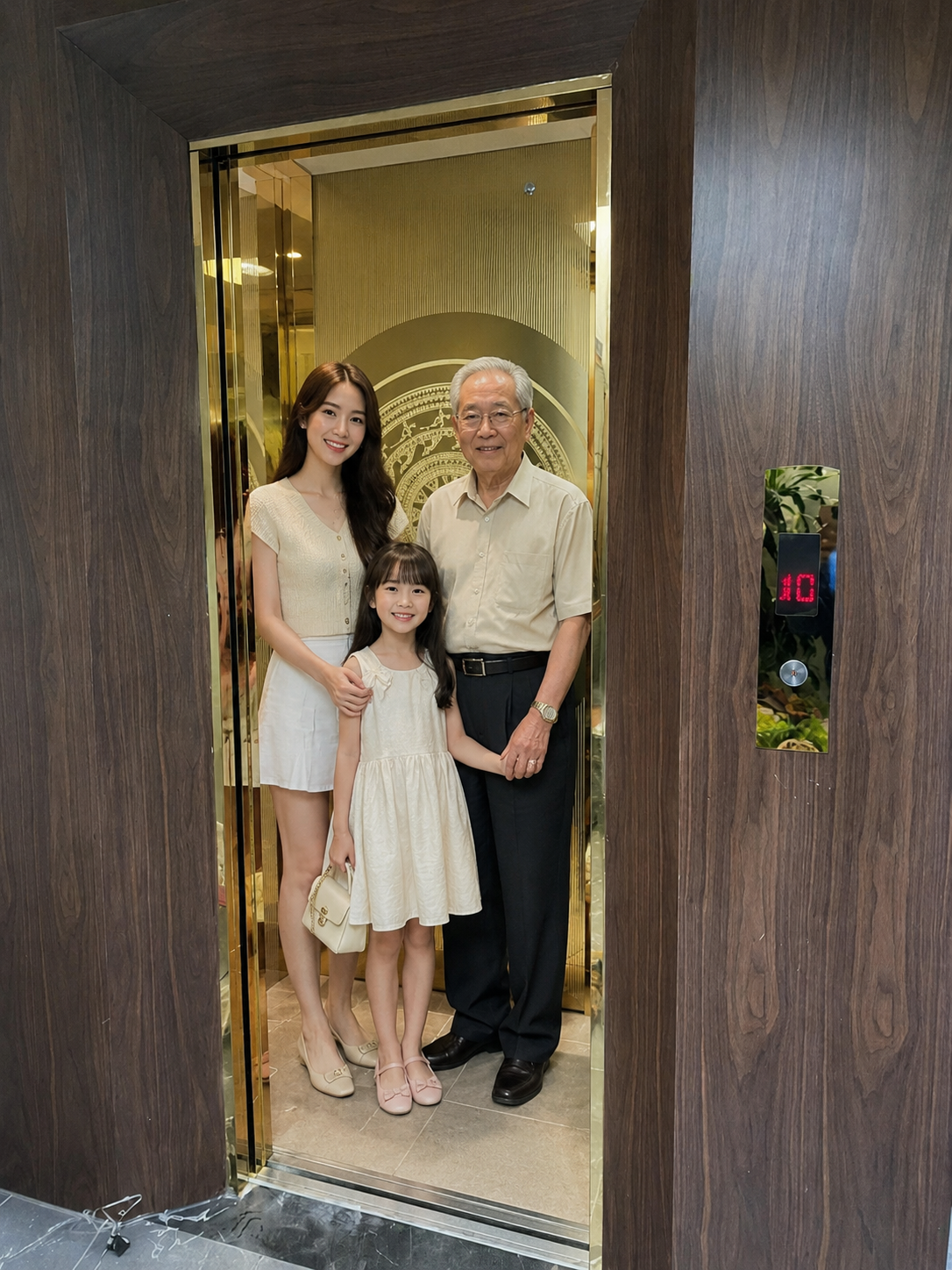
Machine roomless elevators
Machine roomless elevators
Concept and operating principles of machine-roomless elevators
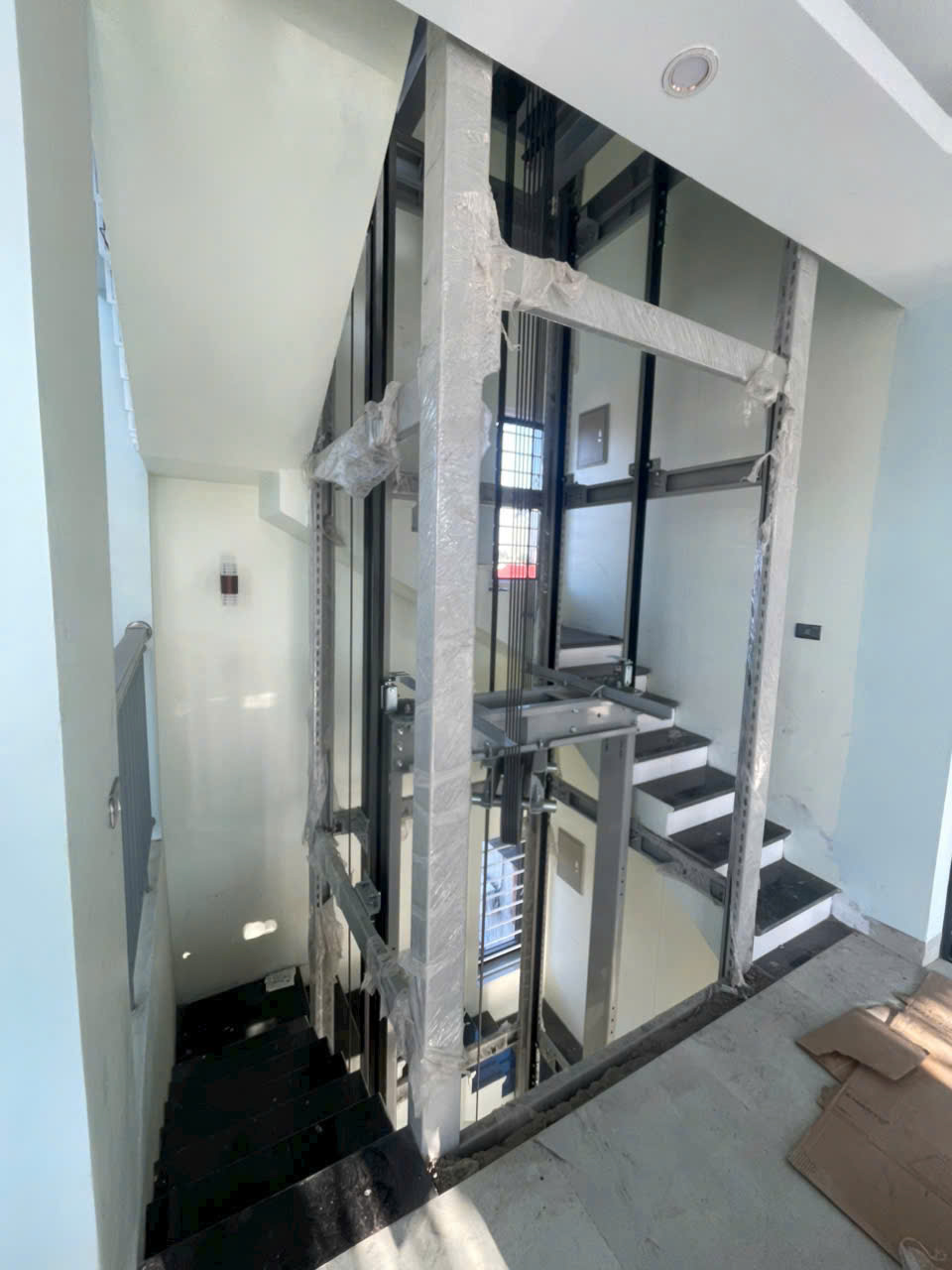
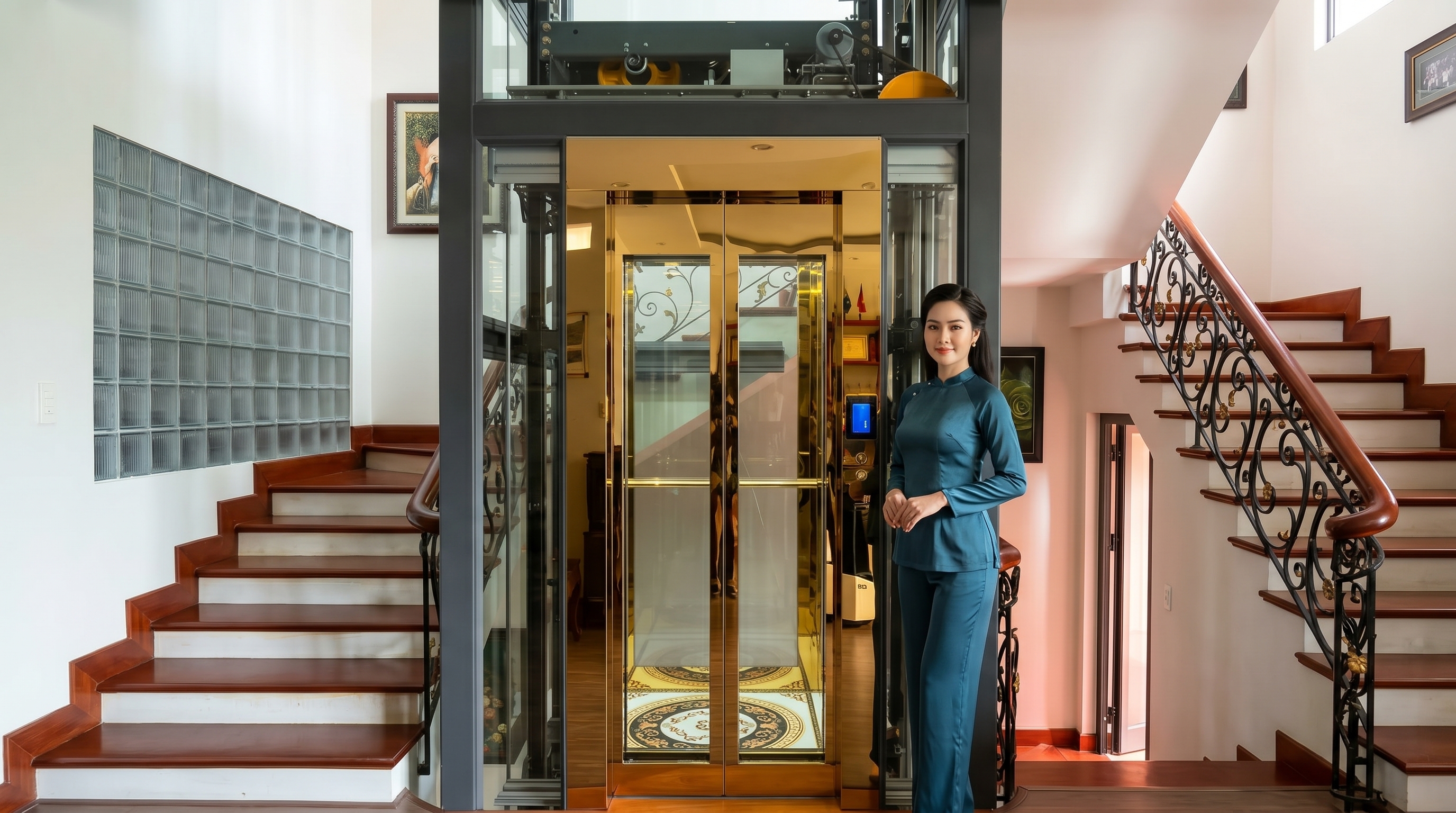
Machine-roomless elevators (MRLs) are elevators that use a traction machine located directly within the elevator shaft, usually at the top or side of the shaft, instead of in a separate machine room on the roof like traditional cable-driven elevators. This structure optimizes building height, reduces construction volume, and offers greater flexibility in architectural design, especially for buildings with height restrictions or roof planning limitations. In principle, machine-roomless elevators still rely on a counterweight-cabin-cable system, but all control equipment, inverters, and electrical cabinets are integrated compactly within the elevator shaft or on the top floor, ensuring maintenance and technical access without the need for a separate technical space.

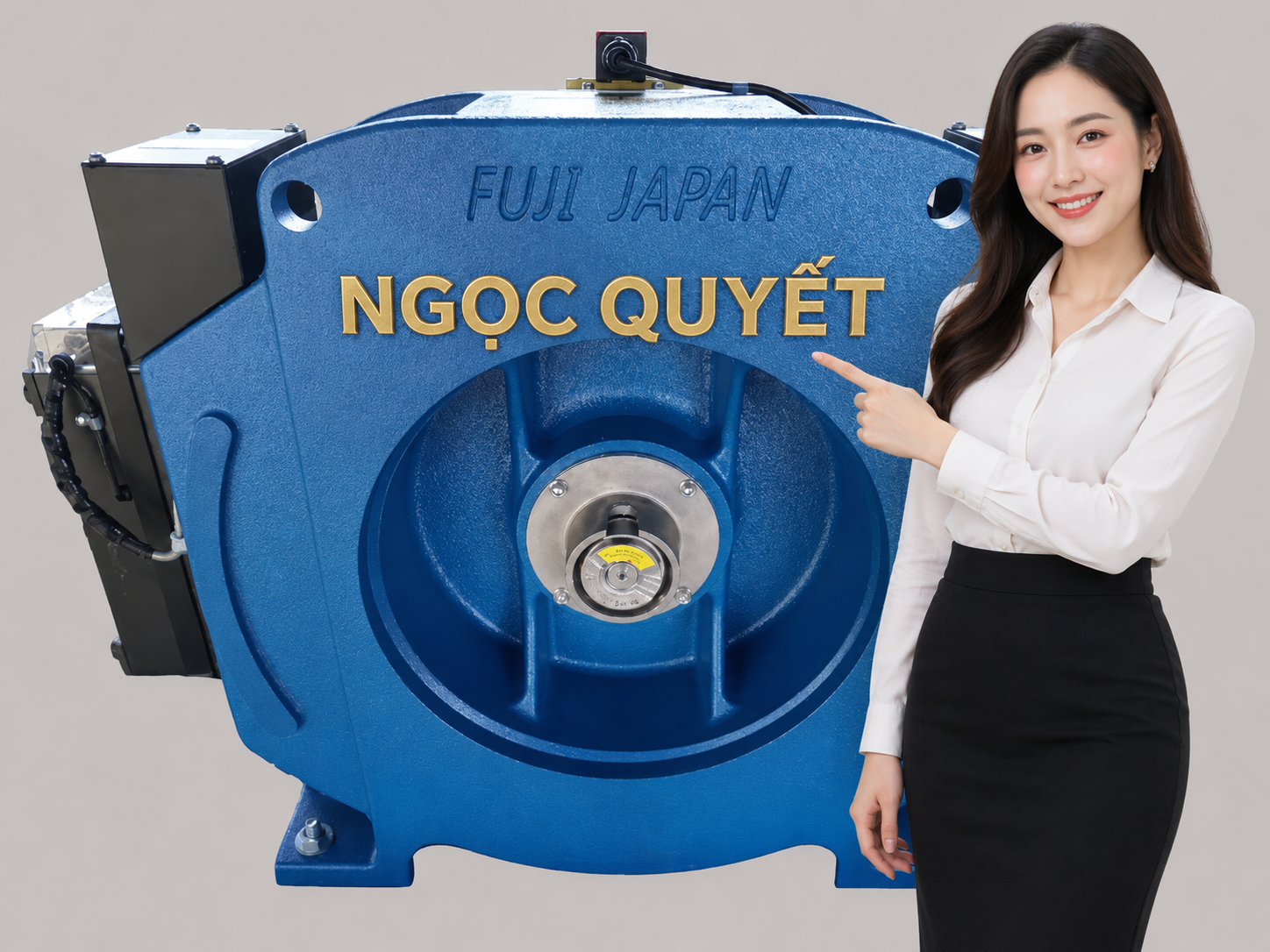
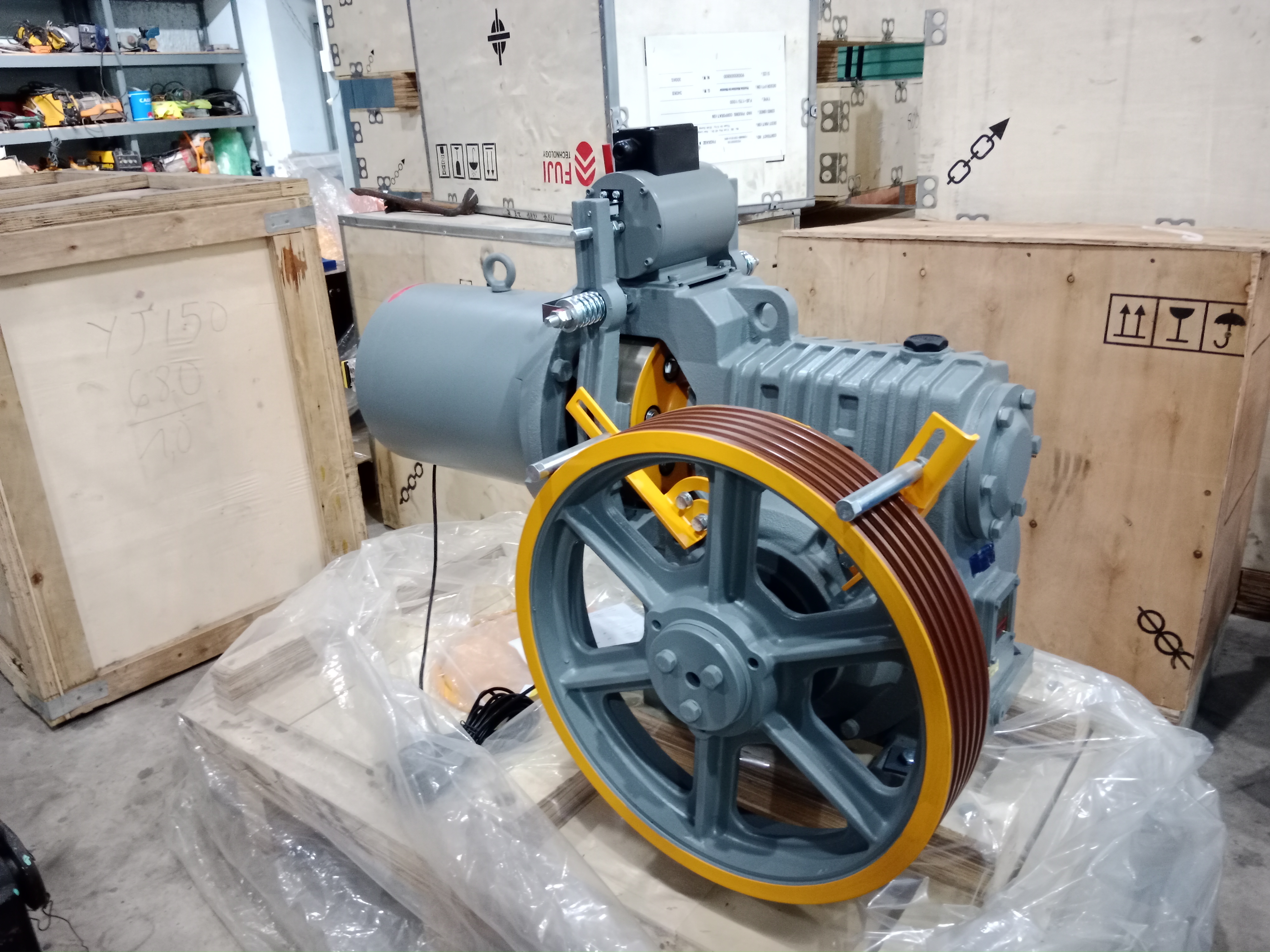
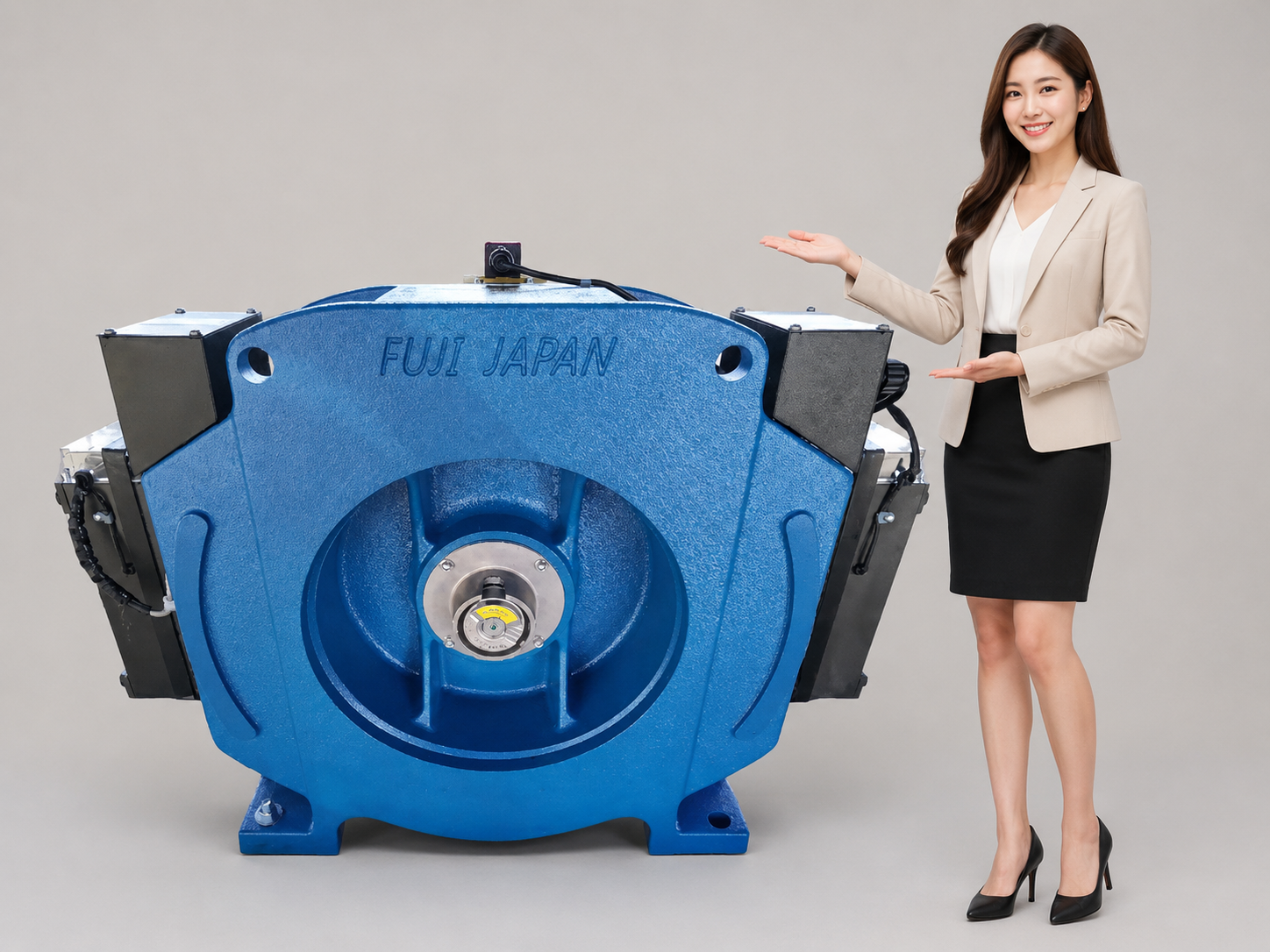
The core technology of machine-roomless elevators is the gearless motor combined with a VVVF ( Variable Voltage Variable Frequency Drive) speed control. Gearless motors utilize permanent magnets, are small in size, have high torque, and are highly efficient, allowing for direct mounting onto the top of guide rails or load-bearing beams without the need for bulky gearboxes. The VVVF precisely controls the motor's rotational speed, ensuring smooth starting, acceleration, deceleration, and stopping at each floor, minimizing vibration and noise. As a result, machine-roomless elevators effectively meet the requirements for operational comfort , energy efficiency , and reduced environmental impact in modern buildings.
Technical structure and specialized components
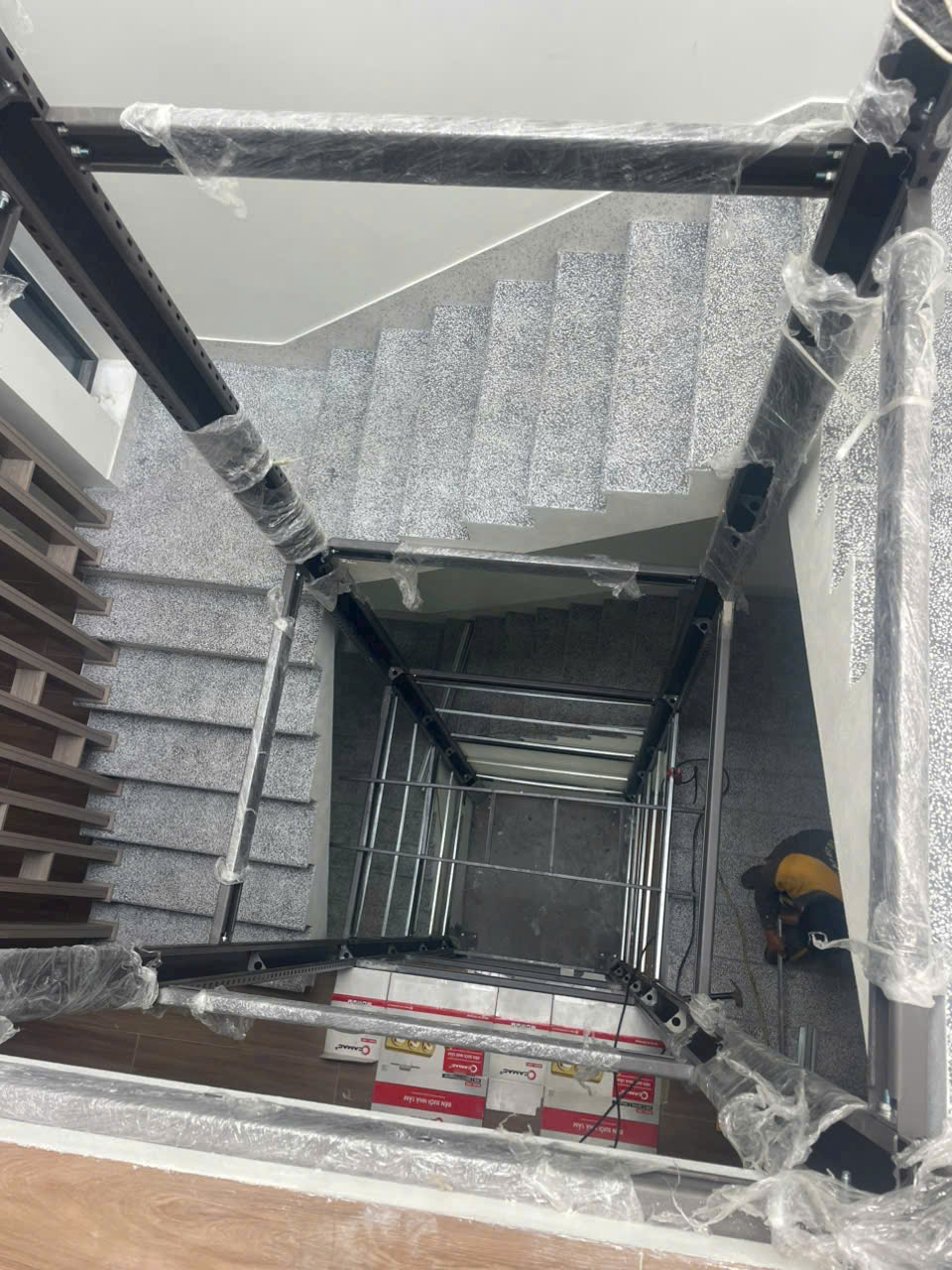
Structurally, machine-roomless elevators still include basic components such as the cabin, counterweight, guide rails, hoisting cables, speed limiter, mechanical braking system, landing doors, cabin doors, control system, and safety devices. The major difference lies in the placement of the gearless traction machine and control cabinet . The traction machine is usually mounted on a steel or concrete beam at the top of the shaft, directly connected to the friction pulley that carries the cable. The control cabinet can be located on the top floor, in a wall recess next to the landing door, or in a small technical cabinet near the elevator shaft, minimizing the usable space. This design requires careful calculations of load, vibration, and force transmission to avoid affecting the building structure.
The control system of a machine-roomless elevator typically uses a dedicated microprocessor or PLC controller integrated with an inverter. Modern control algorithms optimize travel distance, reduce waiting time, intelligently distribute floor call commands, and support connection with building management systems (BMS). Position sensors, load sensors, door sensors, and safety switches are densely distributed in the elevator shaft and cabin, ensuring that any abnormal conditions are detected and handled promptly. In addition, an automatic rescue system (ARD) using a UPS or battery will bring the cabin to the nearest floor and safely open the doors in the event of a power failure, a mandatory requirement in current safety standards.
Key technical specifications and elevator shaft design requirements
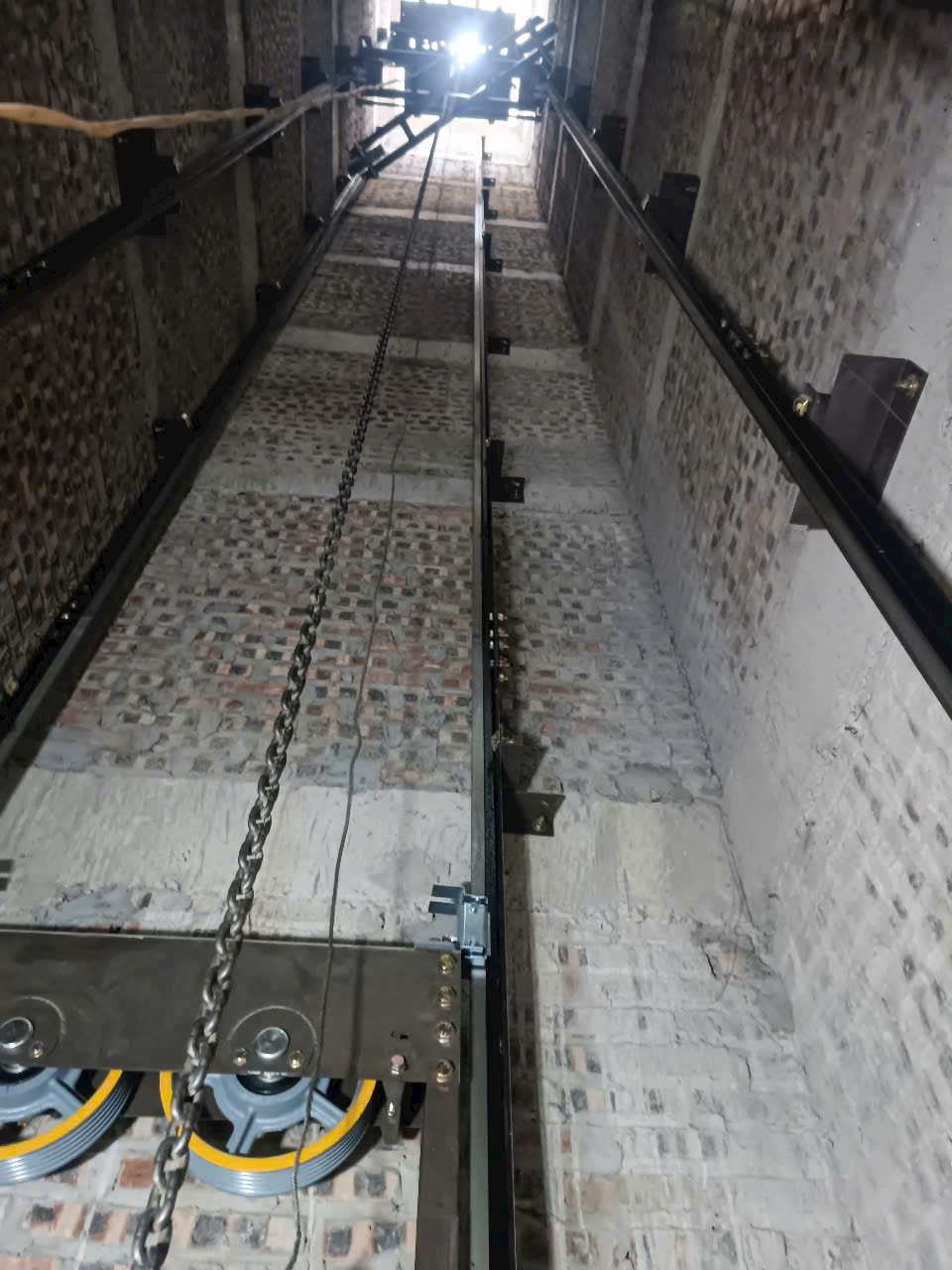
To implement a standard machine-roomless elevator , the shaft design must meet stringent requirements regarding dimensions, rigidity, and load-bearing capacity. Because the traction machine and heavy equipment are located inside the shaft, the shaft top beam structure needs to be calculated based on concentrated loads, while also ensuring sufficient working space for technicians during maintenance. The overhead height (OH) and pit depth are generally optimized compared to elevators with a machine room, but must still comply with safety limits for the placement of shock absorbers, escape routes, and mechanical braking. The selection of guide rail materials , cabin frame structure , and soundproofing/vibration damping solutions are also crucial factors in reducing vibration transmission to surrounding structures.
The list of technical specifications that are usually emphasized includes:
- High-performance, compact permanent magnet gearless motors .
- VVVF inverters control speed and support energy regeneration back to the grid during braking.
- The dual electromagnetic braking system ensures precise and safe floor stopping in the event of a power outage.
- Cabin load sensors help control overload and optimize power consumption.
- The speed limiter and safety brake meet EN 81 or equivalent standards.
- Automatic Rescue Equipment (ARD) system and backup power for cabin lighting and ventilation.
Advantages, limitations, and selection criteria for machine-roomless elevators.
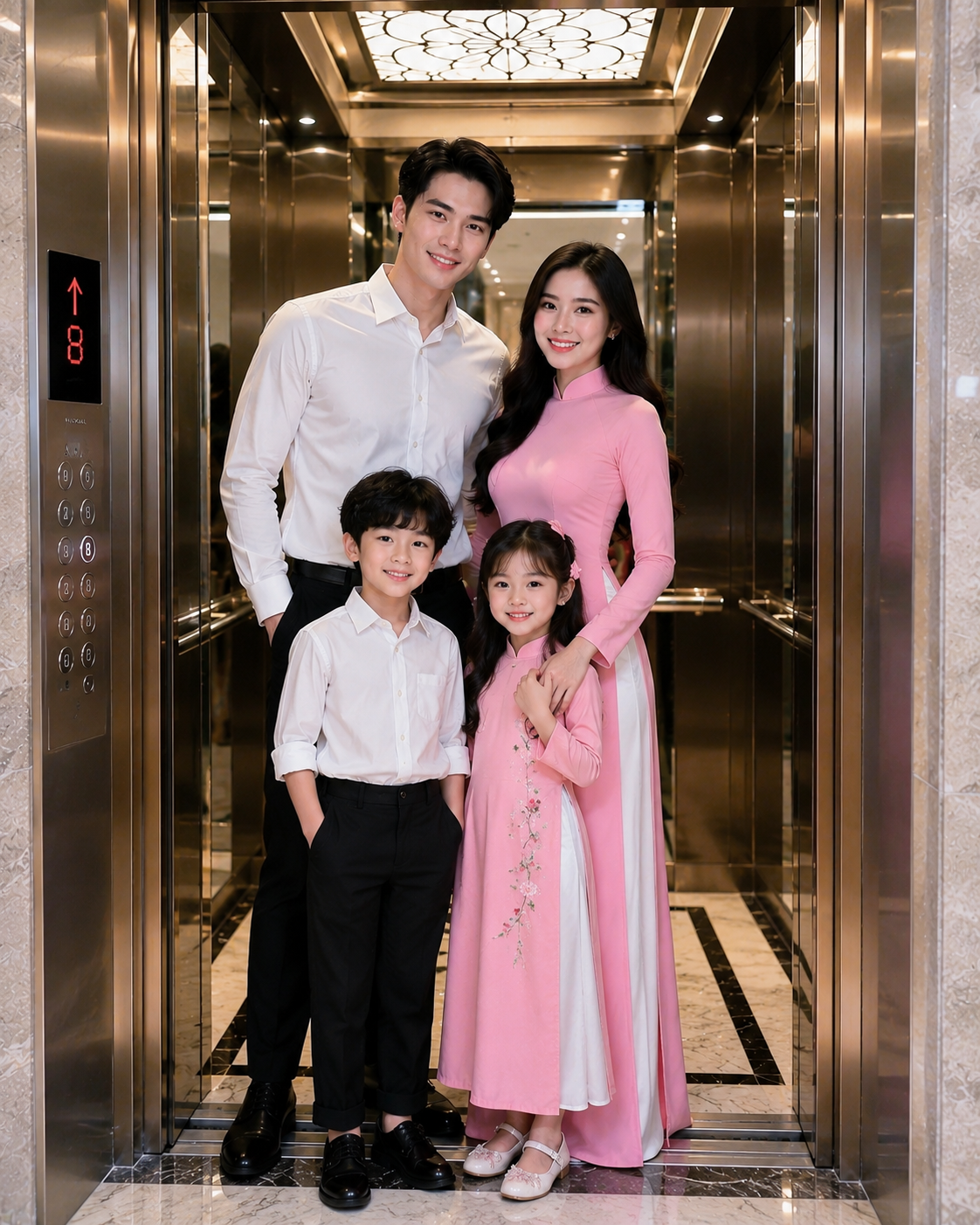
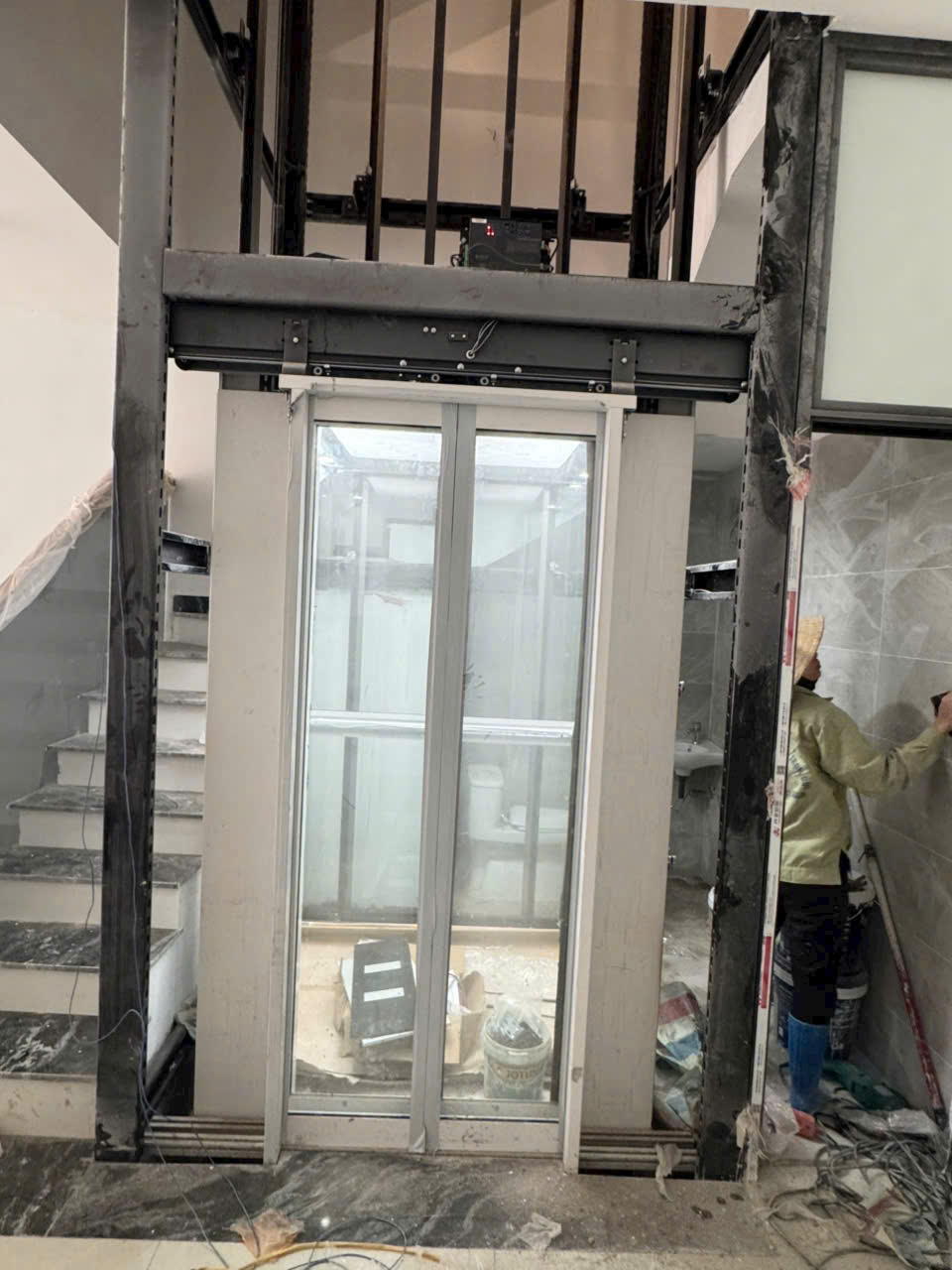
The most significant advantage of machine-roomless elevators is their space-saving design . Eliminating the machine room on the roof allows investors to utilize the space for other functions such as rooftop terraces, centralized technical areas, or landscaping. Simultaneously, the overall building height can be reduced, helping to comply with maximum height regulations in the planning area. Furthermore, gearless motors operate smoothly and quietly, making them suitable for buildings requiring high levels of quietness, such as hospitals, high-end hotels, and luxury apartments. Energy savings due to high motor efficiency and energy regeneration technology reduce long-term operating costs, especially for elevator systems with high usage frequency.
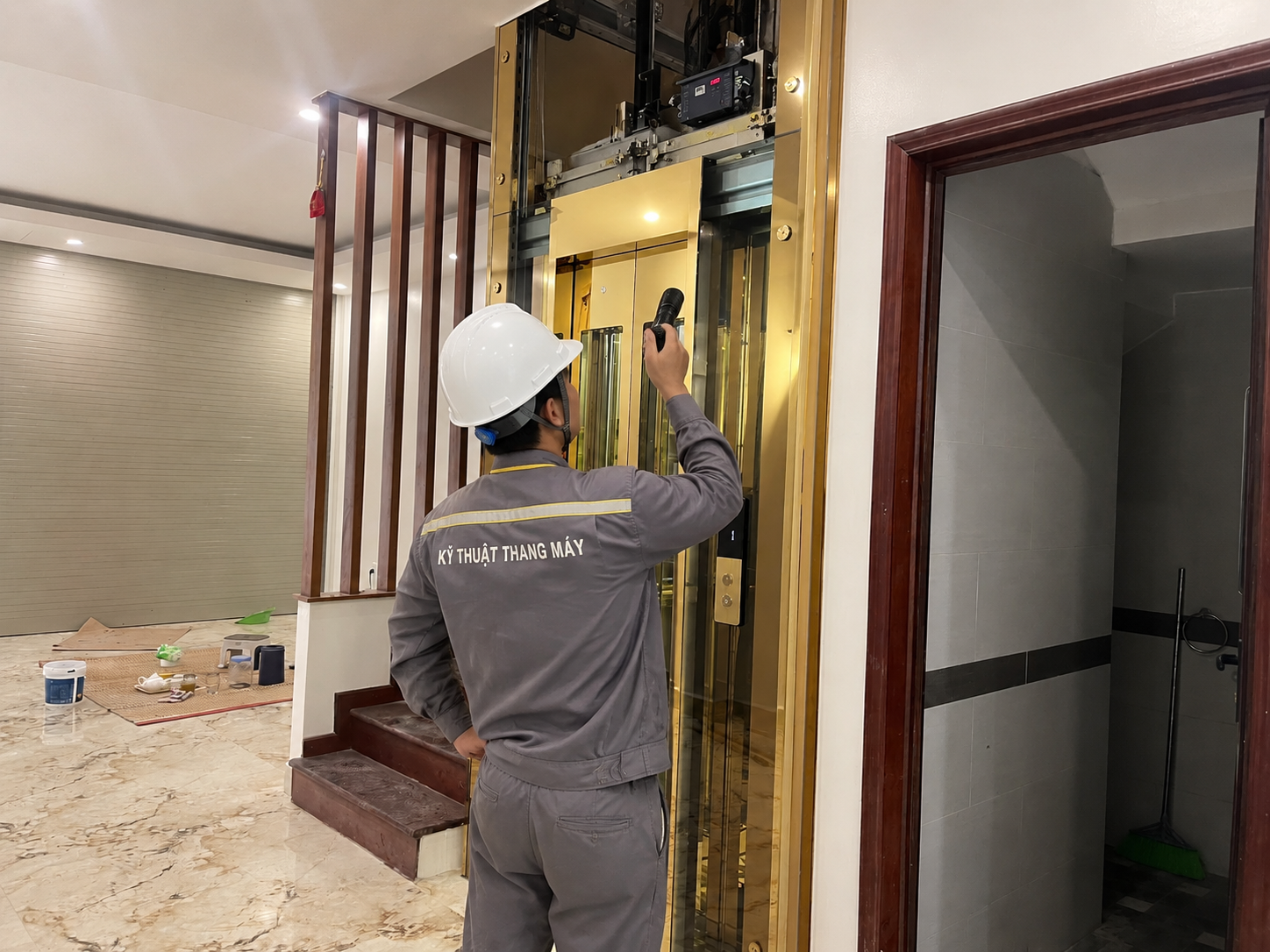
However, machine-roomless elevators also have some limitations that need to be considered. Initial investment costs are often higher than those of machine-room elevators using traditional geared motors, due to the high technological requirements and specialized components. Maintenance and repair require a skilled technical team with in-depth training in MRL systems, as the operating space in the elevator shaft is more limited and accessing the equipment is more complex. Furthermore, for super-tall buildings or those requiring very high load capacities, some manufacturers still prefer machine-room elevators to optimize heat dissipation, equipment layout, and future upgrades. Choosing the right solution requires a comprehensive analysis of investment costs, operating costs, architectural conditions, and the building's operational strategy.
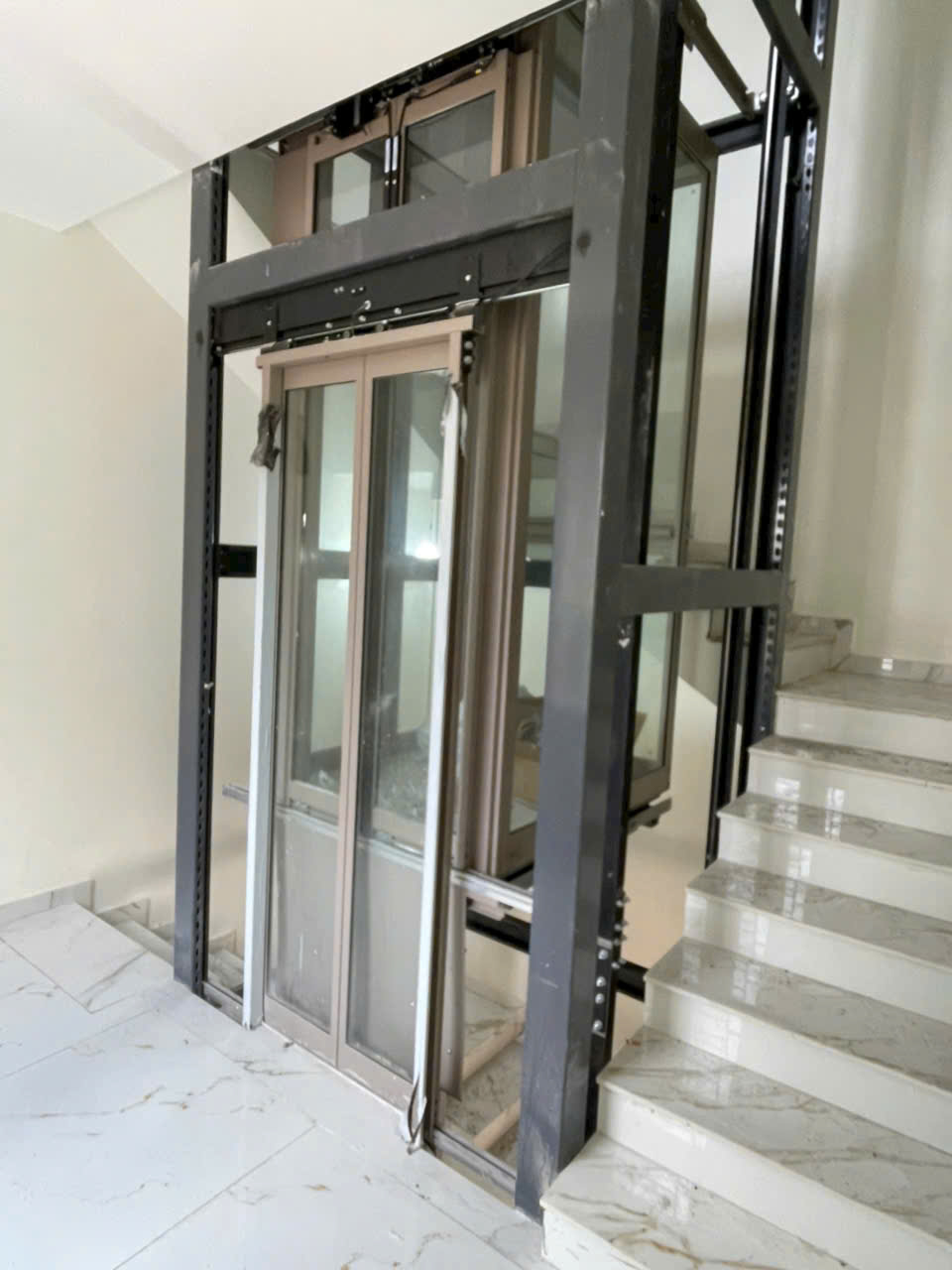
The most significant advantage of machine-roomless elevators is their space-saving design . Eliminating the machine room on the roof allows investors to utilize the space for other functions such as rooftop terraces, centralized technical areas, or landscaping. Simultaneously, the overall building height can be reduced, helping to comply with maximum height regulations in the planning area. Furthermore, gearless motors operate smoothly and quietly, making them suitable for buildings requiring high levels of quietness, such as hospitals, high-end hotels, and luxury apartments. Energy savings due to high motor efficiency and energy regeneration technology reduce long-term operating costs, especially for elevator systems with high usage frequency.
However, machine-roomless elevators also have some limitations that need to be considered. Initial investment costs are often higher than those of machine-room elevators using traditional geared motors, due to the high technological requirements and specialized components. Maintenance and repair require a skilled technical team with in-depth training in MRL systems, as the operating space in the elevator shaft is more limited and accessing the equipment is more complex. Furthermore, for super-tall buildings or those requiring very high load capacities, some manufacturers still prefer machine-room elevators to optimize heat dissipation, equipment layout, and future upgrades. Choosing the right solution requires a comprehensive analysis of investment costs, operating costs, architectural conditions, and the building's operational strategy.
Safety standards, technology trends, and expert recommendations.
In terms of standards, machine-roomless elevators must comply with international safety regulations such as EN 81-20, EN 81-50, ISO 25745 on energy efficiency, as well as relevant national standards and regulations concerning elevator design, installation, and acceptance. Requirements for safe access for maintenance , emergency escape spaces , protection against electric shock , shaft ventilation , and fire safety should be considered from the architectural design stage. The current trend is to integrate machine-roomless elevators with IoT systems, remote monitoring, and proactive fault diagnosis, allowing maintenance contractors to detect abnormalities early, reduce downtime, and optimize maintenance planning.
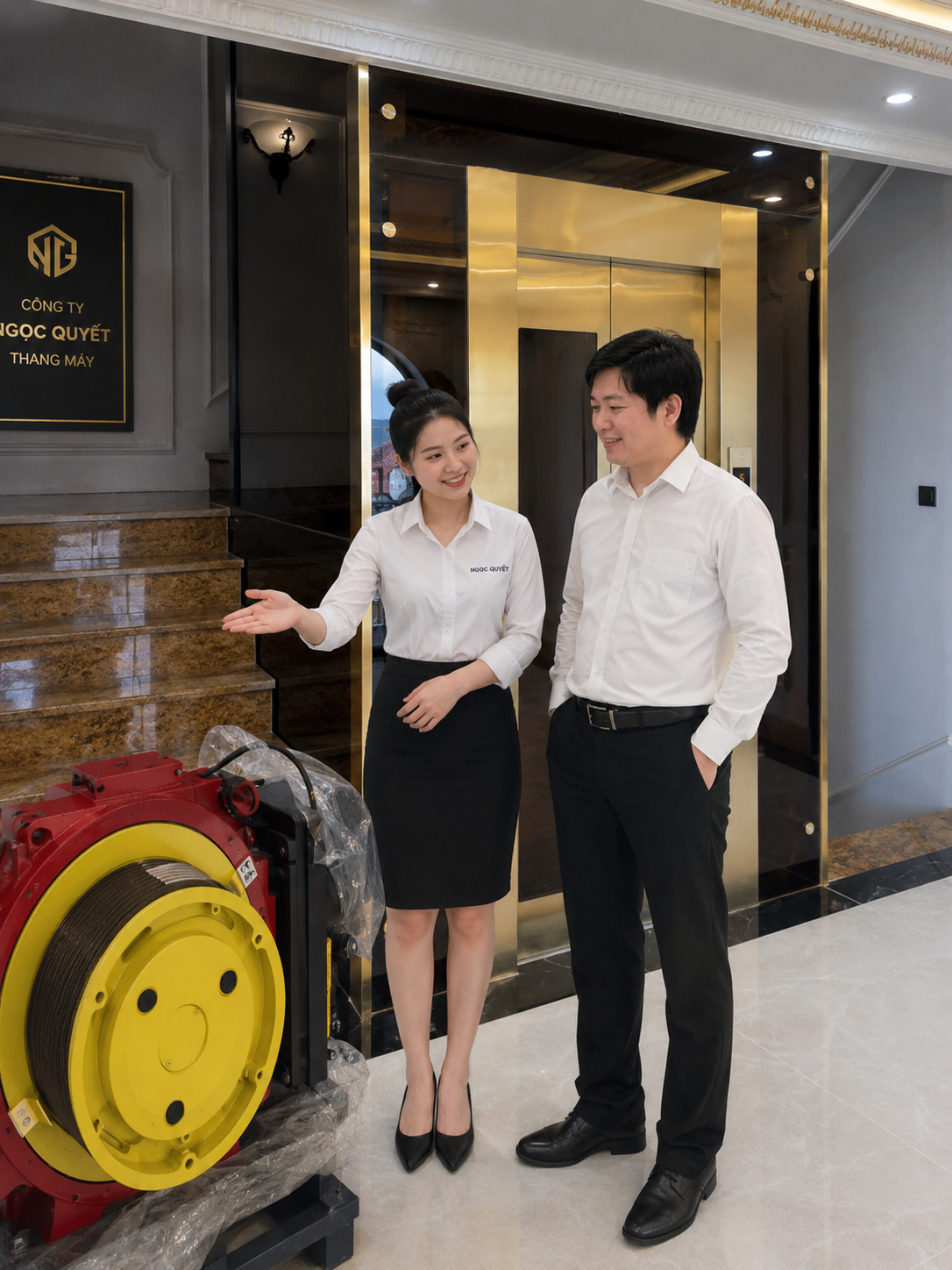
When choosing a machine-roomless elevator, investors should prioritize manufacturers with a clear track record , standardized production lines , and complete quality and safety certifications . They should also carefully assess the capabilities of the local installation and maintenance company. Criteria to consider include: load capacity and speed suitable for the building's function, energy efficiency, permissible noise and vibration levels, the scalability of the control system, and long-term after-sales service and spare parts supply. Close collaboration between architects, structural engineers, mechanical and electrical engineers, and the elevator supplier from the initial design stage will optimize the machine-roomless elevator solution, minimize technical conflicts, and ensure overall investment efficiency for the project.
In terms of standards, machine-roomless elevators must comply with international safety regulations such as EN 81-20, EN 81-50, ISO 25745 on energy efficiency, as well as relevant national standards and regulations concerning elevator design, installation, and acceptance. Requirements for safe access for maintenance , emergency escape spaces , protection against electric shock , shaft ventilation , and fire safety should be considered from the architectural design stage. The current trend is to integrate machine-roomless elevators with IoT systems, remote monitoring, and proactive fault diagnosis, allowing maintenance contractors to detect abnormalities early, reduce downtime, and optimize maintenance planning.
When choosing a machine-roomless elevator, investors should prioritize manufacturers with a clear track record , standardized production lines , and complete quality and safety certifications . They should also carefully assess the capabilities of the local installation and maintenance company. Criteria to consider include: load capacity and speed suitable for the building's function, energy efficiency, permissible noise and vibration levels, the scalability of the control system, and long-term after-sales service and spare parts supply. Close collaboration between architects, structural engineers, mechanical and electrical engineers, and the elevator supplier from the initial design stage will optimize the machine-roomless elevator solution, minimize technical conflicts, and ensure overall investment efficiency for the project.