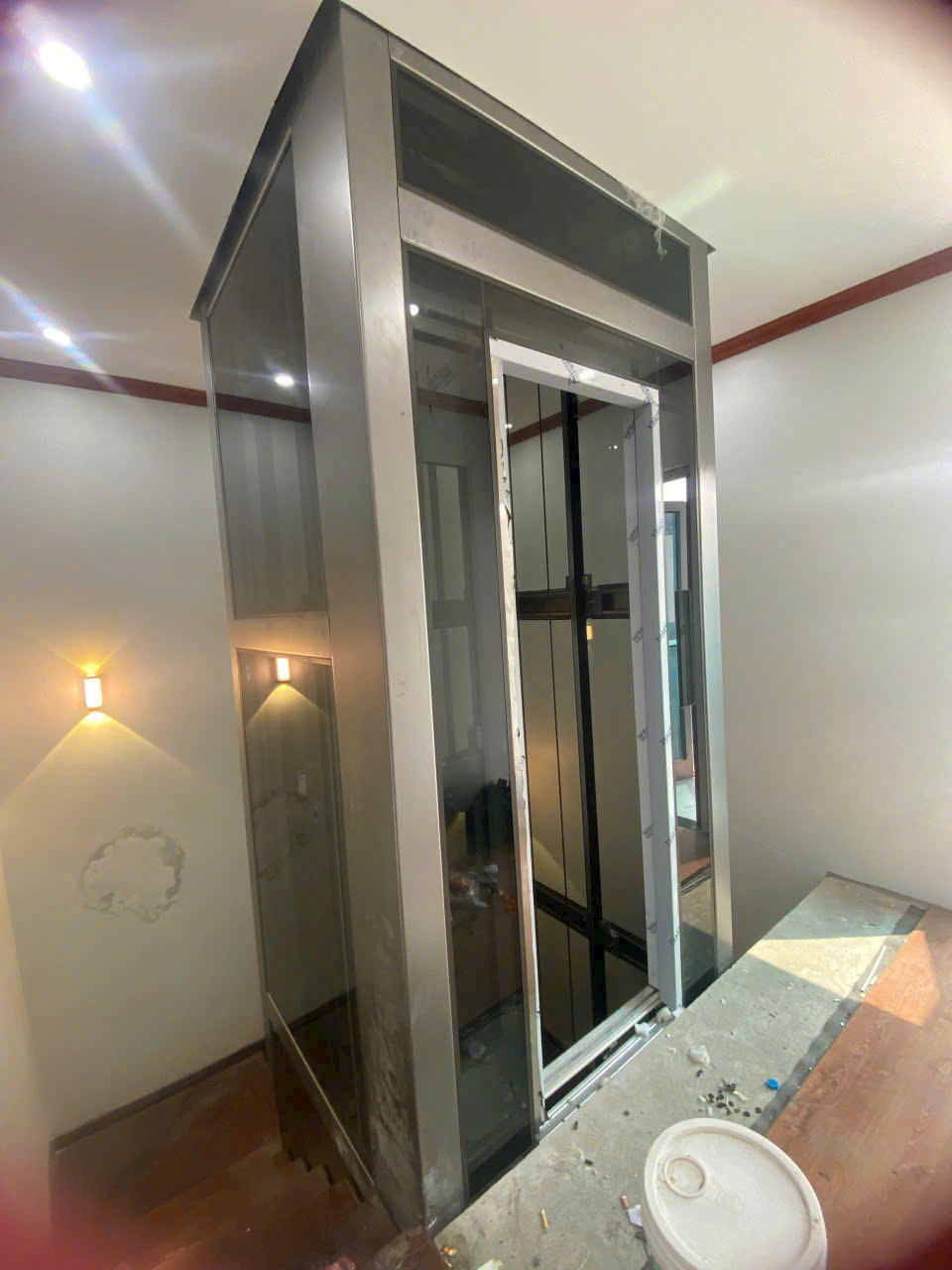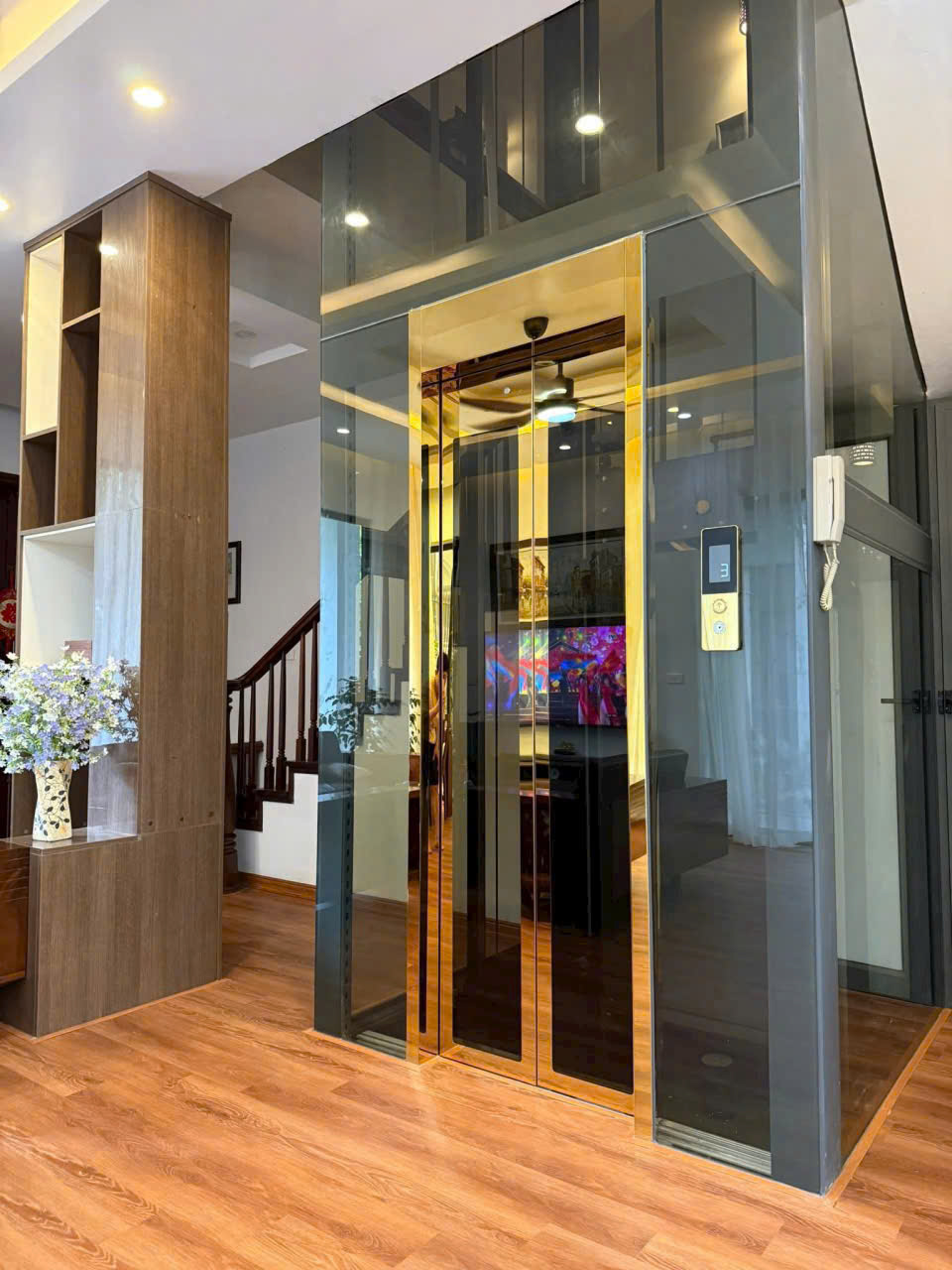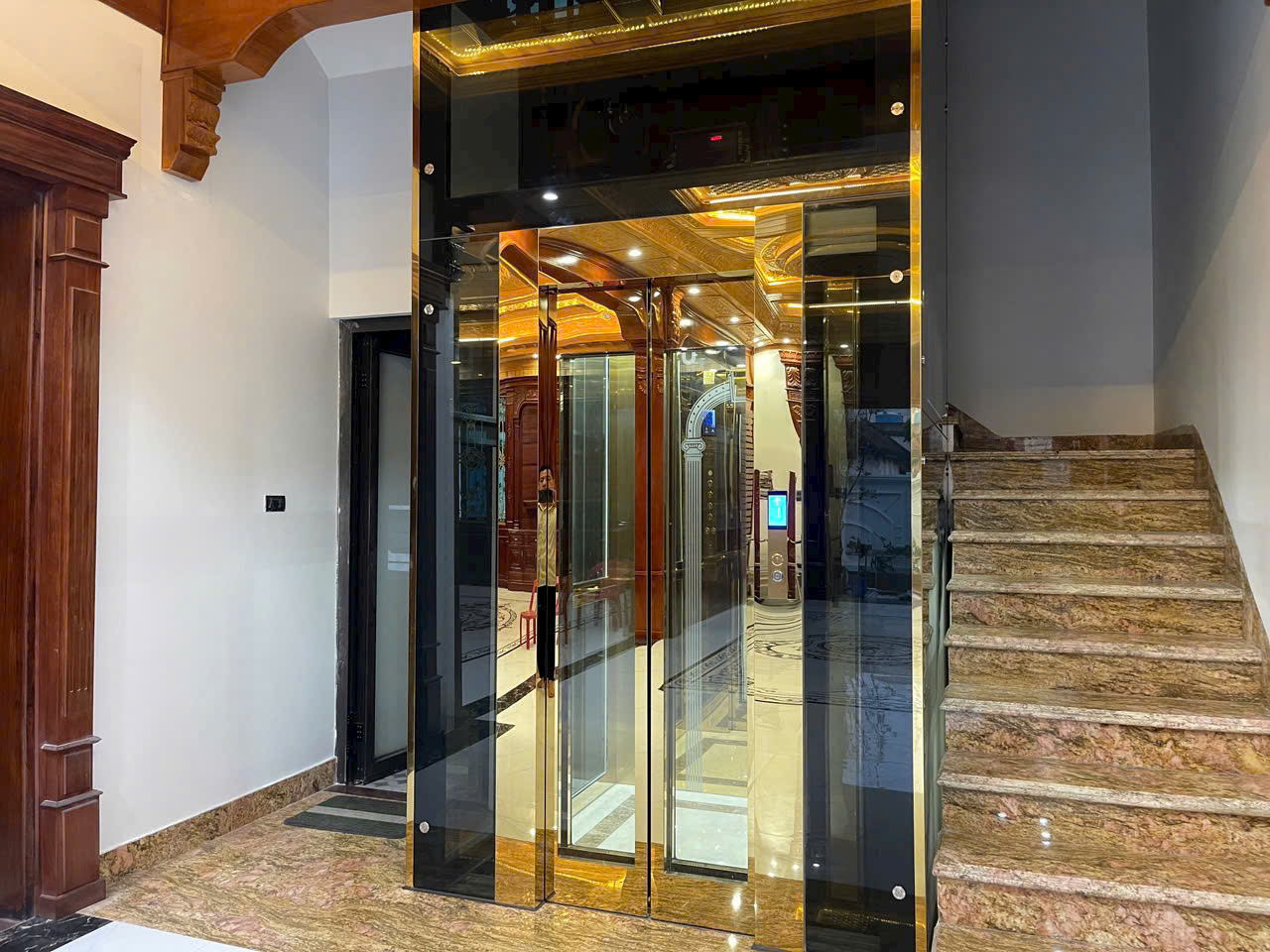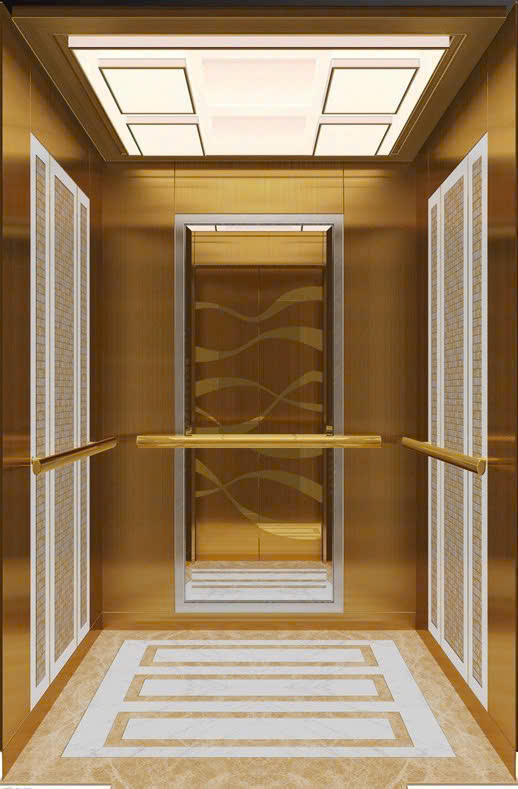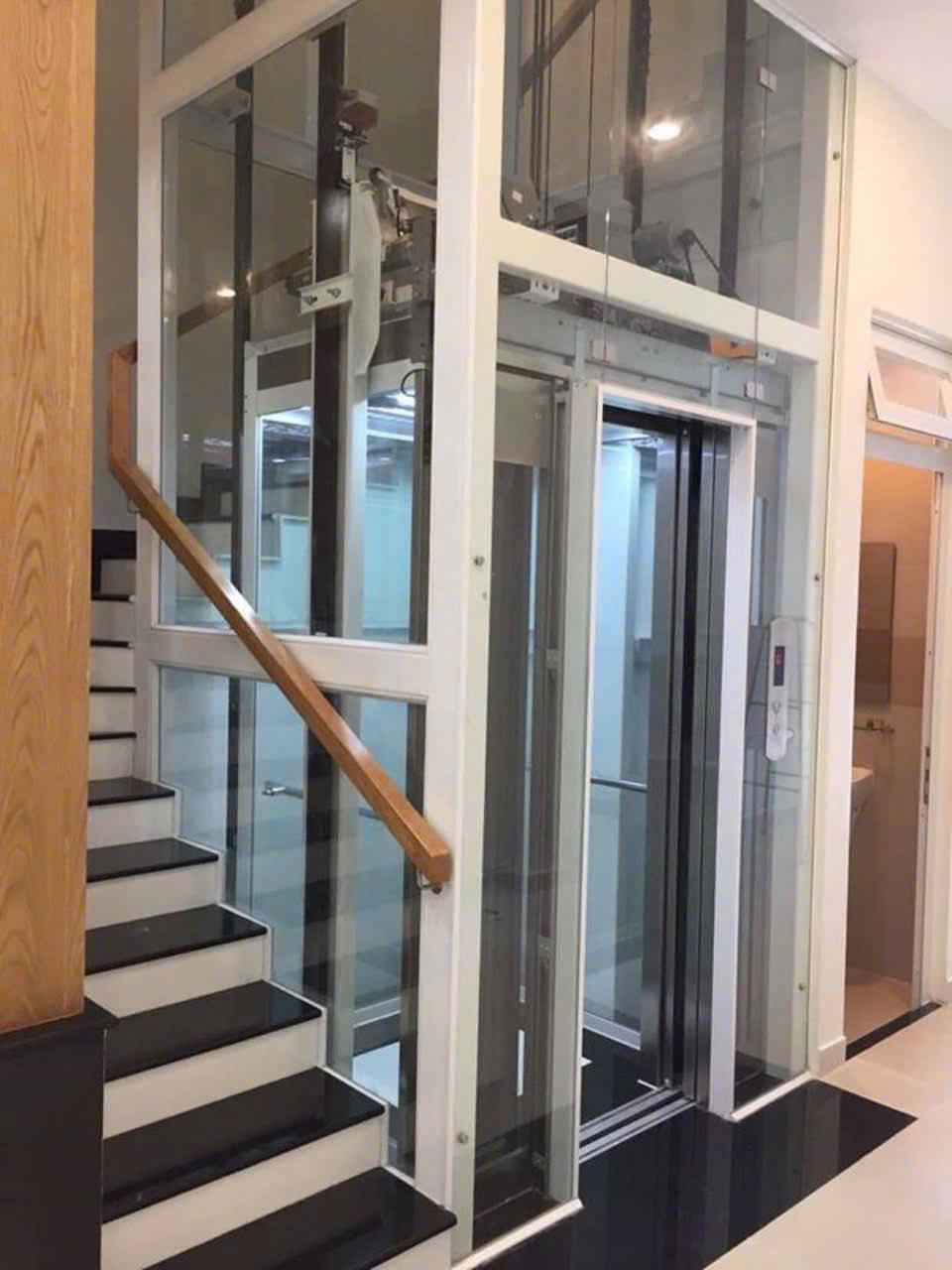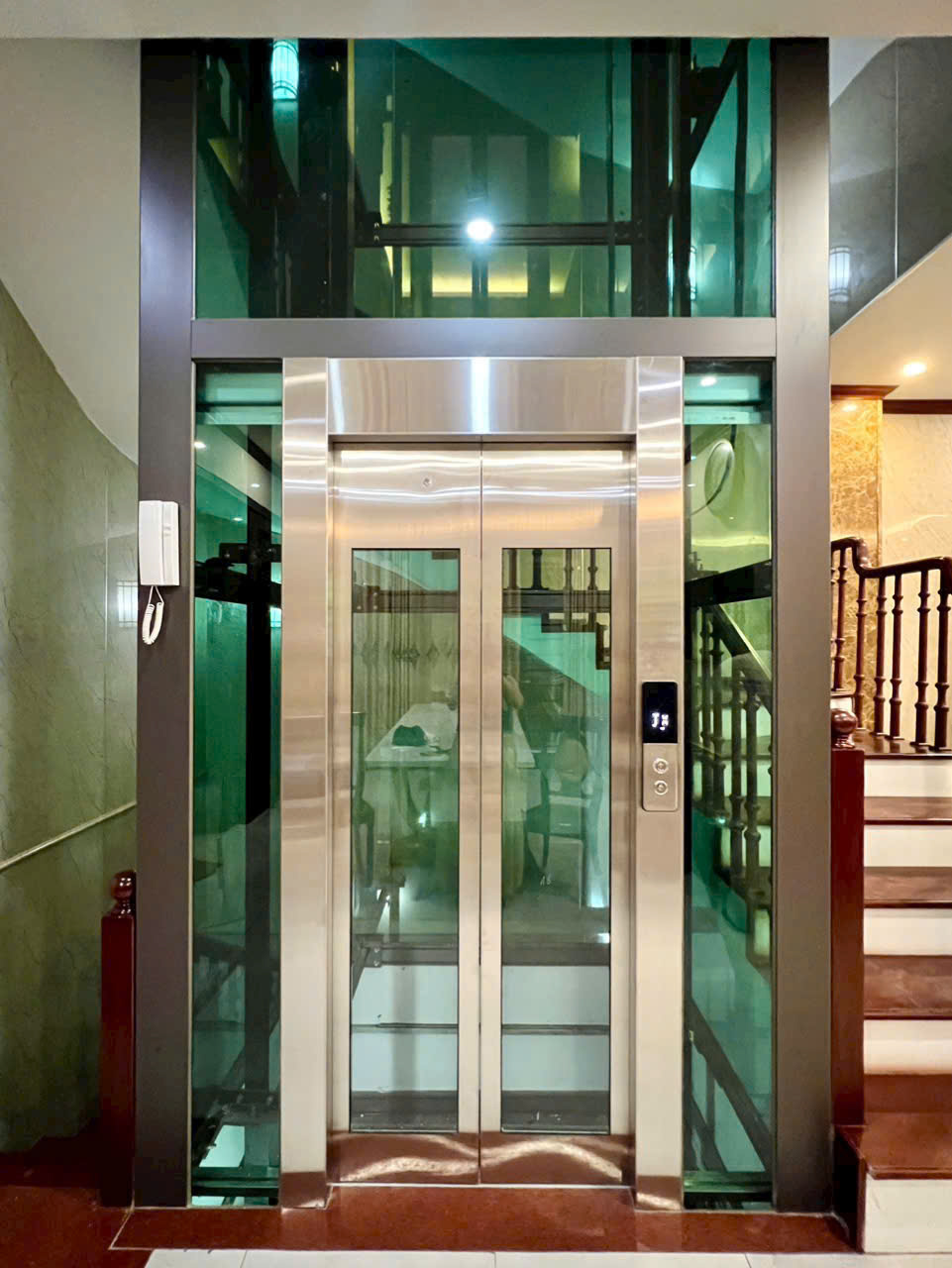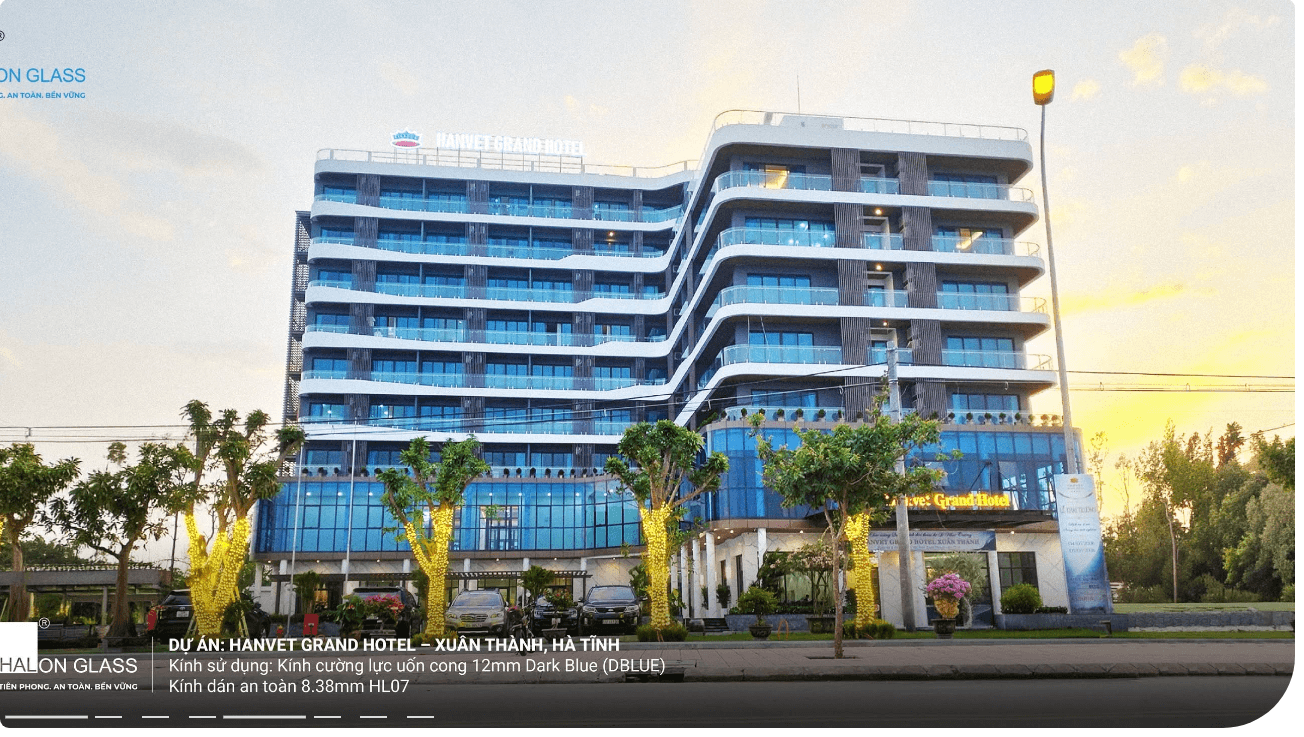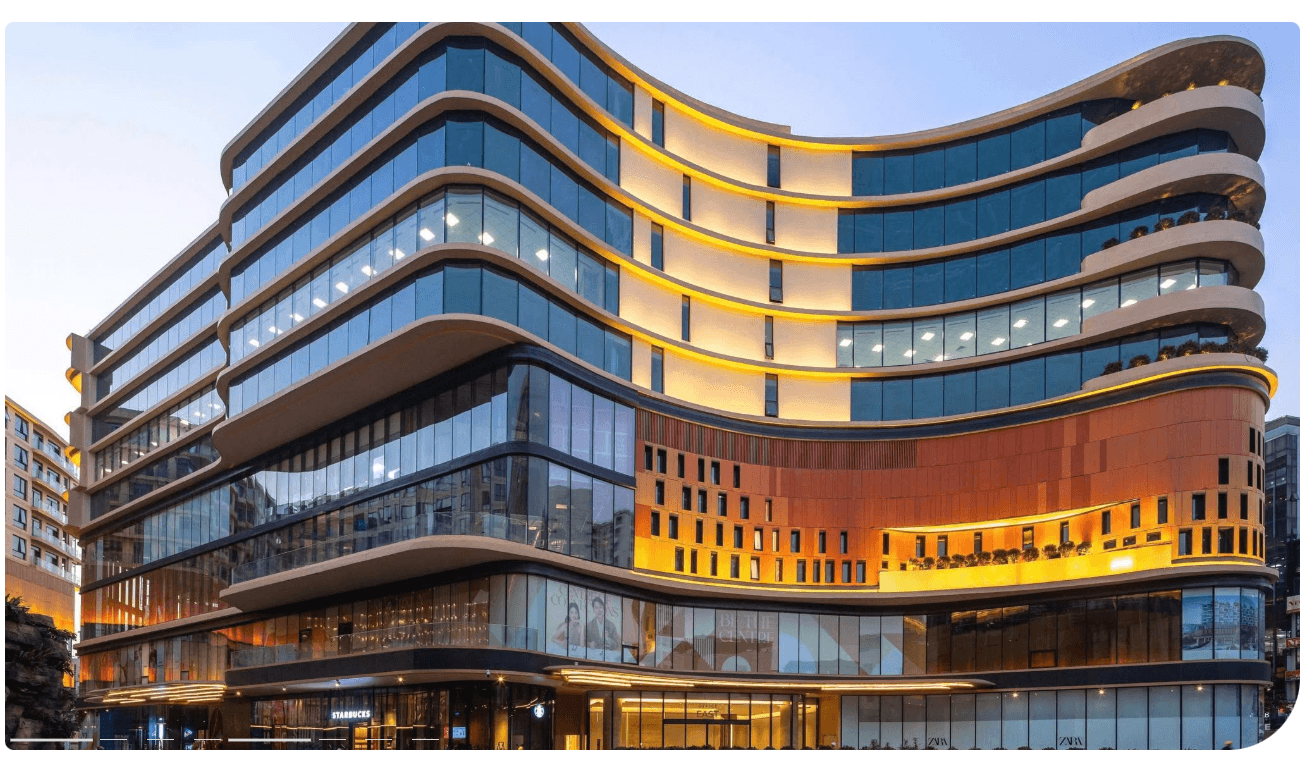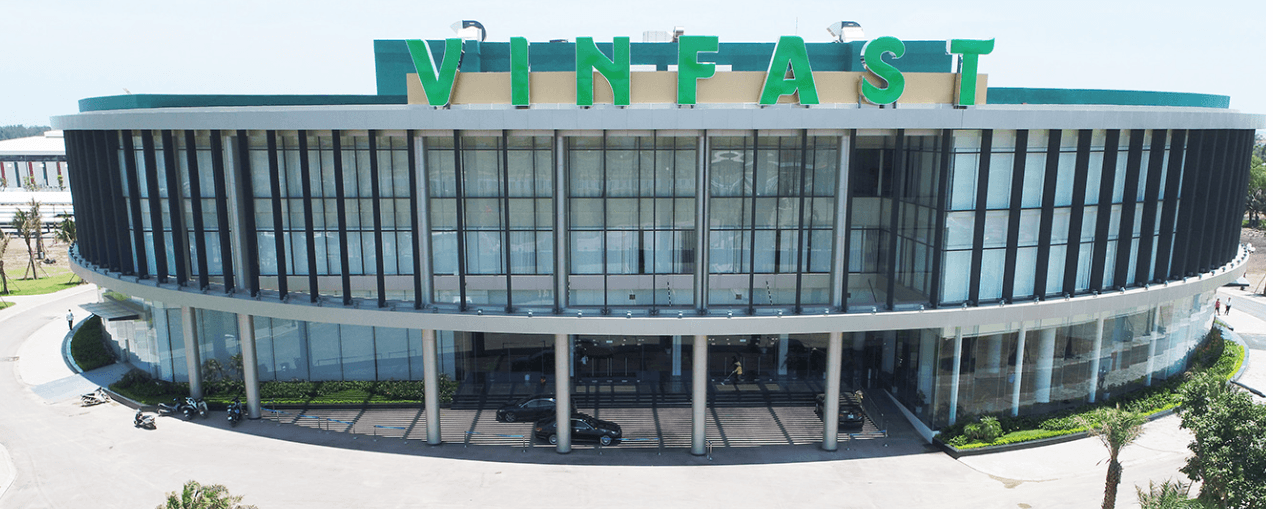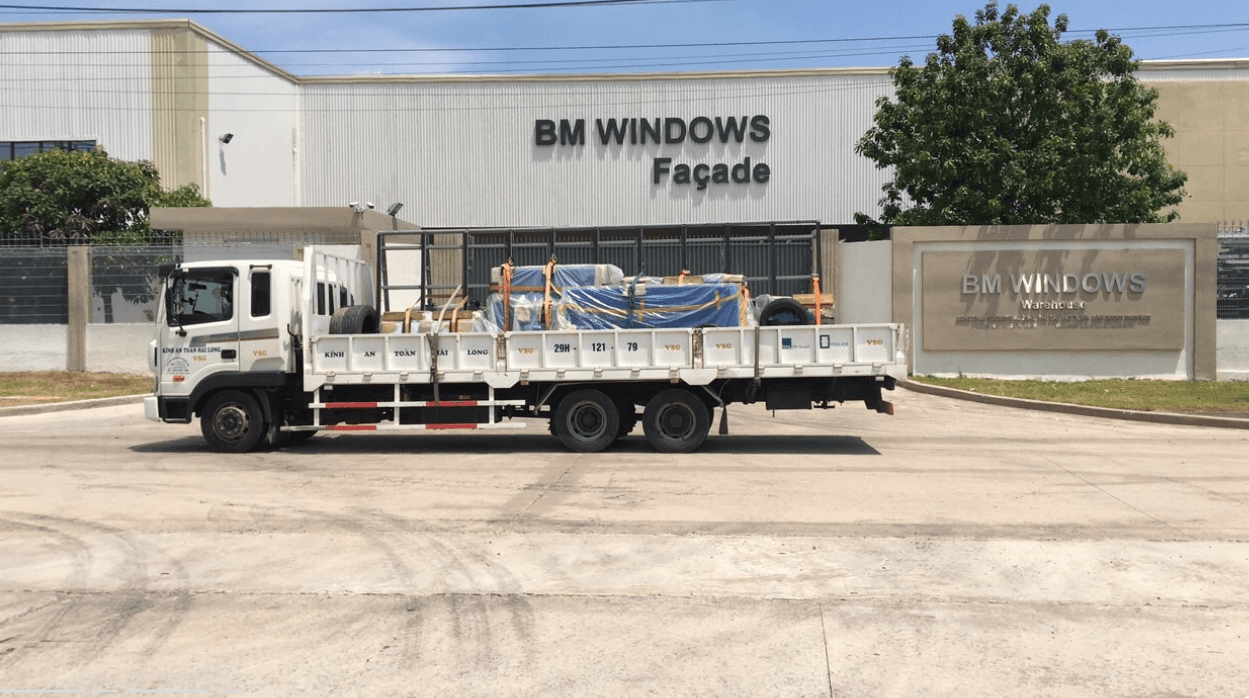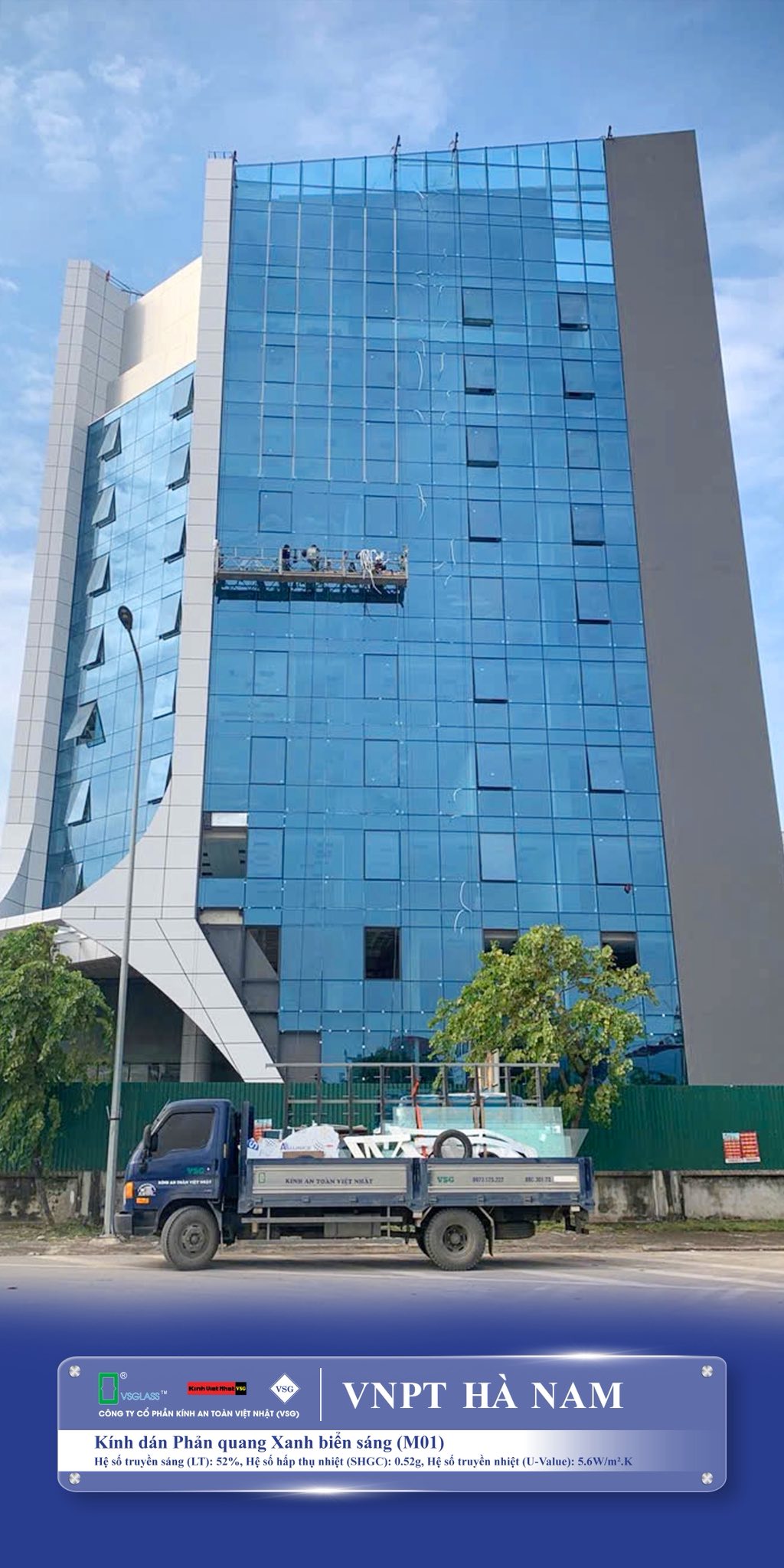

Glass-enclosed Elevator with a capacity of 350kg
350kg Glass Elevator – The Optimal Solution for Modern Spaces
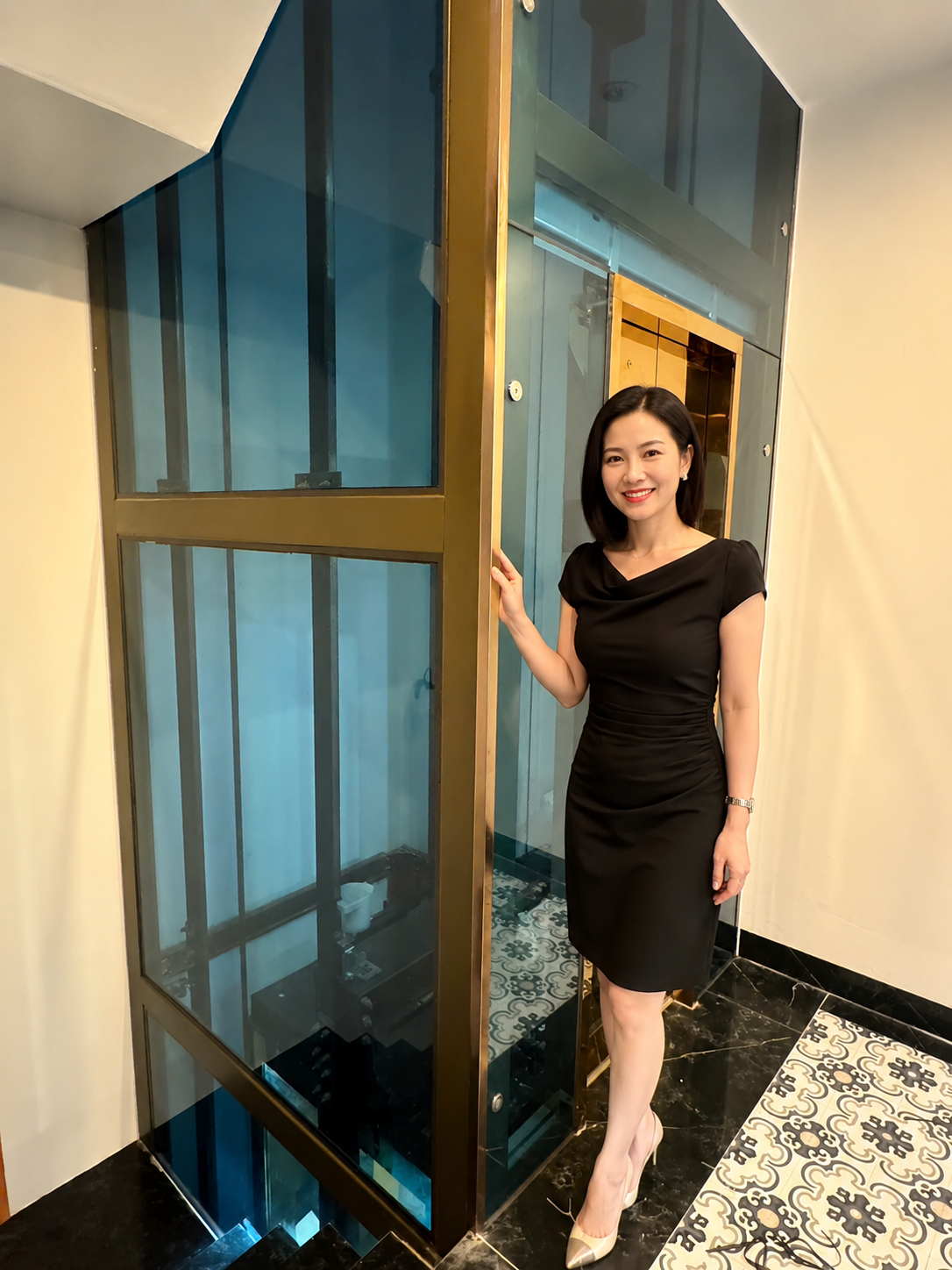
The 350kg glass-enclosed elevator is specially designed to meet the needs of transporting people and goods with moderate loads, commonly found in buildings with limited space but high demands for aesthetics and safety. With a load capacity of 350kg, this type of elevator is suitable for small office buildings, medium and small shopping centers, luxury villas, or modern apartment complexes.
Design and materials
A key feature of the 350kg glass elevator is the use of 10.38mm thick laminated safety tempered glass. This type of glass consists of two layers of float or tempered glass, with a PVB (Polyvinyl Butyral) film between them. This film creates a strong bond, enhancing durability, strength, and impact resistance. In the event of a strong impact, the glass will not shatter but only crack, maintaining its shape and ensuring user safety.
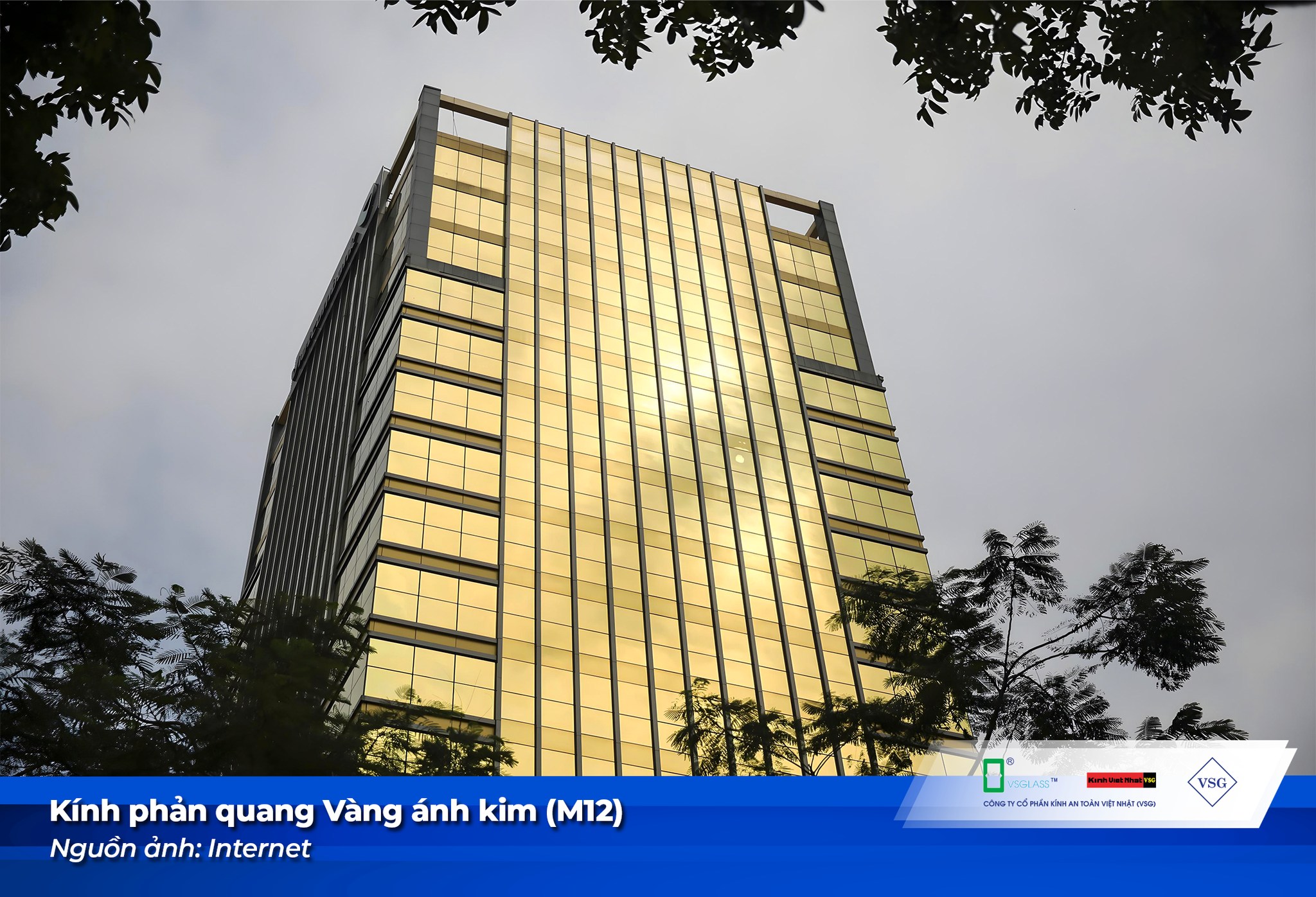
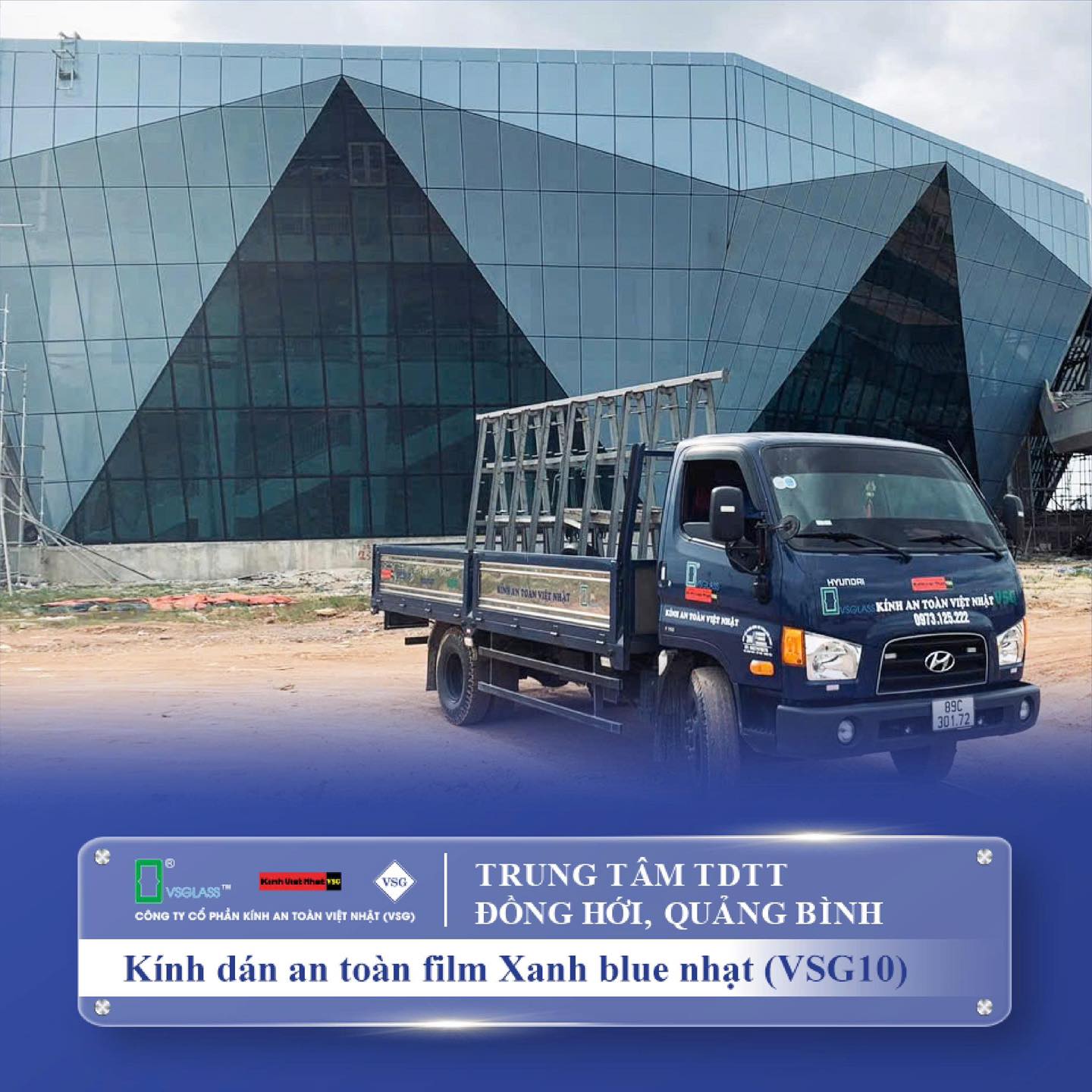
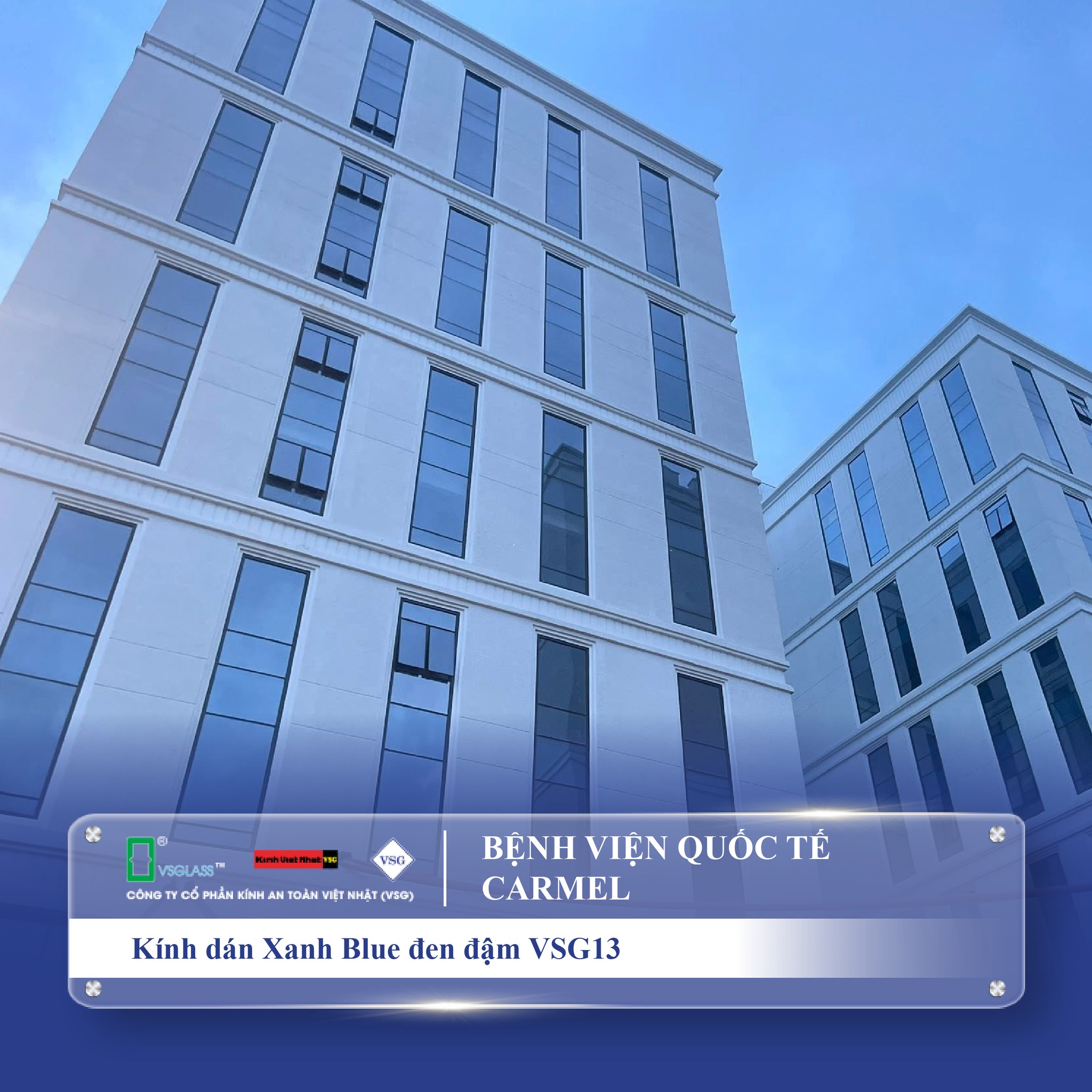
10.38mm laminated glass not only boasts excellent strength but can also be coated with a variety of colored films, from transparent to various shades such as blue, gray, black, and yellow, enhancing aesthetics and providing UV protection and effective heat reduction. This is crucial for maintaining a stable temperature inside the elevator cabin, while protecting the interior and users from the effects of sunlight.
Technical and operational advantages
- Suitable load capacity: 350kg, equivalent to 4-5 people, suitable for buildings with average pedestrian traffic, helping to save energy and maintenance costs compared to elevators with larger load capacities.
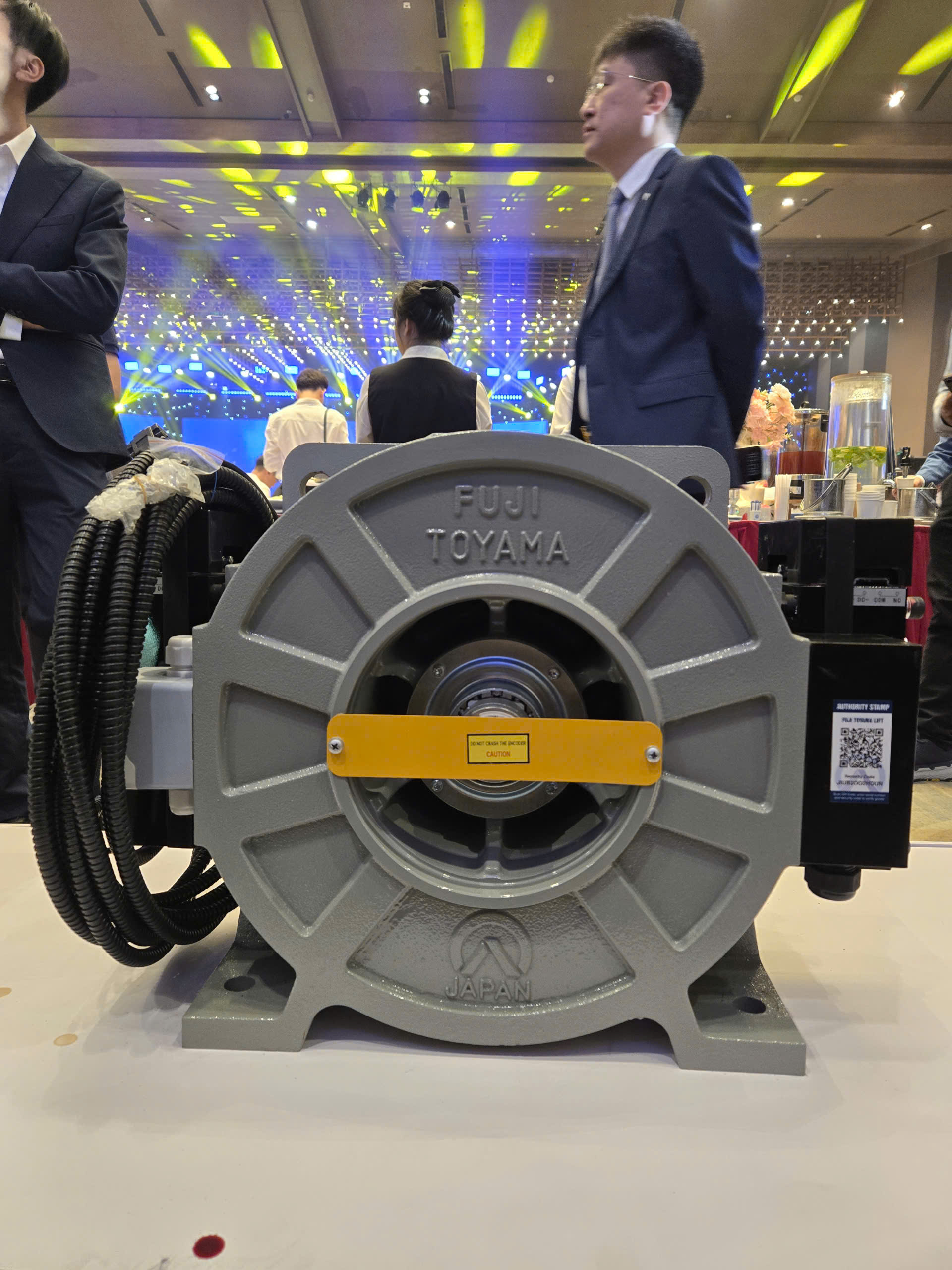
- Motor and drive system: 350kg glass elevators typically use gearless or geared motors depending on operating requirements. Gearless motors offer smooth operation, energy efficiency, and reduced noise.
- Intelligent control system: Microprocessor controllers optimize operation, reduce waiting time, increase accuracy in floor stopping, and ensure absolute safety with anti-jamming and overload sensors.
- Vibration and noise reduction capabilities: The cabin and guide rail design are optimized to minimize vibration and noise during operation, providing a comfortable user experience.
- Lighting and ventilation system: Energy-saving LED lights are strategically placed, combined with mechanical or natural ventilation to keep the cabin cool and prevent a stuffy feeling during use.
Applications in modern architecture
A 350kg glass elevator is not just a means of transportation but also an architectural highlight, contributing to the aesthetic value of the building. With its transparent or diverse colored glass design, the elevator helps to expand the space, creating a feeling of airiness and modernity. Especially in office buildings, glass elevators also enhance visibility, create a connection between floors, and provide a pleasant experience for users.
In luxury villas or apartments, 350kg glass elevators are considered an interior design element, reflecting a luxurious and sophisticated lifestyle. Choosing safety laminated glass also ensures absolute peace of mind for the family, especially when there are young children or elderly people using it.
Safety and maintenance standards
- Glass quality standards: The glass used must meet international safety standards such as EN 12150, ANSI Z97.1, or equivalent Vietnamese standards, ensuring strength and impact resistance.
- Load testing: Elevators undergo periodic load testing to ensure stable and safe operation throughout their service life.
- Regular maintenance: Regular maintenance and inspection of the motor system, guide rails, elevator doors, and electrical system are mandatory to maintain the performance and durability of the elevator.
- Automatic rescue system: Equipped with an automatic rescue system that brings the elevator to the nearest floor and opens the doors in case of power failure or technical malfunction, ensuring user safety.
Economic and environmental benefits
The 350kg glass elevator features an optimized design that reduces energy consumption thanks to its high-efficiency motor and intelligent control system. The use of tempered glass also contributes to reducing the overall weight of the cabin, thereby easing the load on the motor and drive system.
Furthermore, the glass's thermal insulation and UV-resistant properties help reduce cooling costs for the building while increasing the lifespan of interior cabin furnishings. This is an environmentally friendly solution, aligning with current trends in green and sustainable construction.
Key technical features of the 350kg glass elevator.
A 350kg glass elevator is not only an efficient transportation solution but also an aesthetic highlight for modern buildings. Designed with a combination of advanced technology and high-quality materials, this elevator meets stringent requirements for safety, durability, and aesthetics. Below is an in-depth analysis of the outstanding technical features of the 350kg glass elevator:
- 10.38mm Laminated Glass: This type of glass consists of two or more layers of tempered glass, each with a standard thickness, bonded together by a PVB (Polyvinyl Butyral) film that absorbs impact and prevents shattering. The 10.38mm thickness is an optimal balance between strength and weight, allowing the glass to withstand strong wind pressure, vibrations, and impacts during elevator operation. Additionally, laminated glass offers good sound and heat insulation, contributing to an enhanced user experience and energy savings for the building.
- Diverse Colored Glass and Film Options: The use of colored glass serves not only decorative purposes but also helps control light, reduce glare, and enhance privacy for users. The types of films applied to the glass can be reflective, heat-insulating, or UV-resistant, protecting the elevator interior from sunlight and reducing the temperature inside the cabin. Customers can choose from clear glass, smoked glass, blue, yellow, or custom colors to match their design requirements, creating harmony with the overall architecture of the building.
- Load-bearing steel frame: The steel frame is constructed from high-grade alloy steel, offering corrosion resistance and the ability to withstand heavy loads. The steel frame fabrication process includes cutting, welding, and surface treatment with powder coating or galvanizing, increasing lifespan and ensuring aesthetic appeal. The steel frame not only supports the entire glass structure but also ensures stability and safety throughout operation, especially when the elevator operates continuously or under maximum load of 350kg.
- Suspension system and lifting mechanism: The cable system used in 350kg glass elevators is typically multi-strand steel cable of suitable diameter, treated to resist rust and abrasion. The lifting mechanism includes an asynchronous motor or servo motor with a variable frequency drive (VFD) controller to precisely adjust speed and torque, ensuring smooth elevator operation, reduced vibration, and noise. In addition, a safety braking system and load sensors are integrated to prevent overload or cable slippage, enhancing user safety.
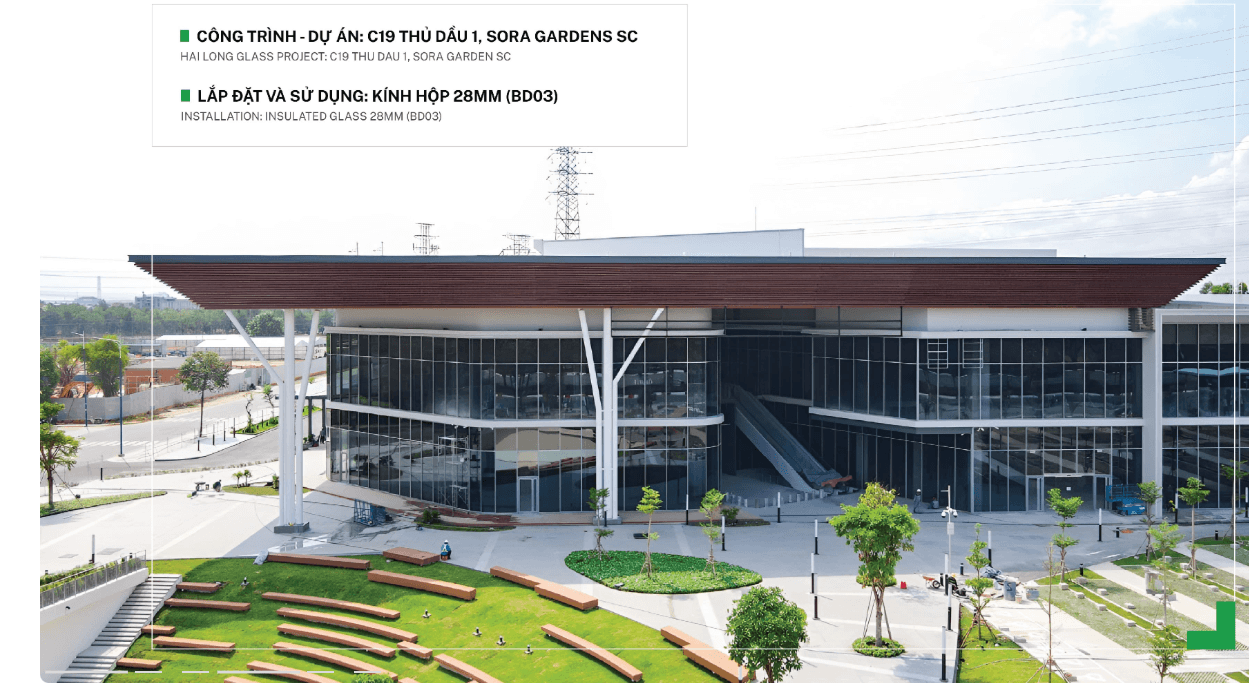
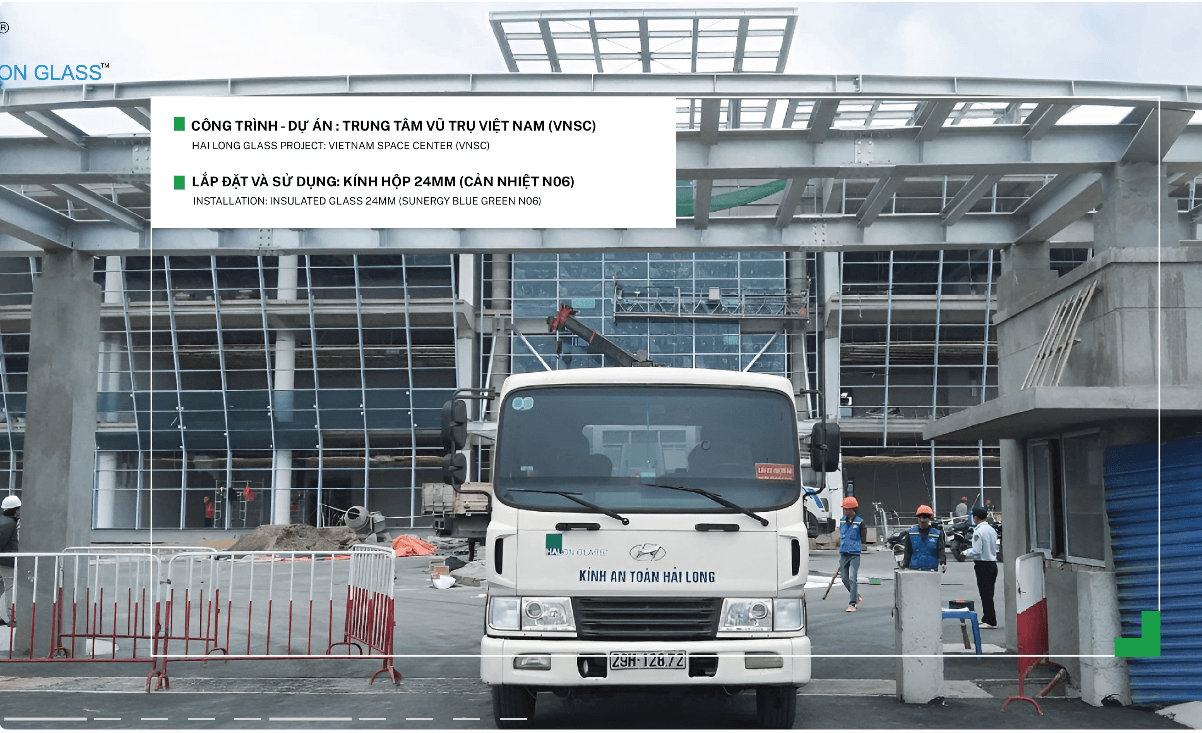
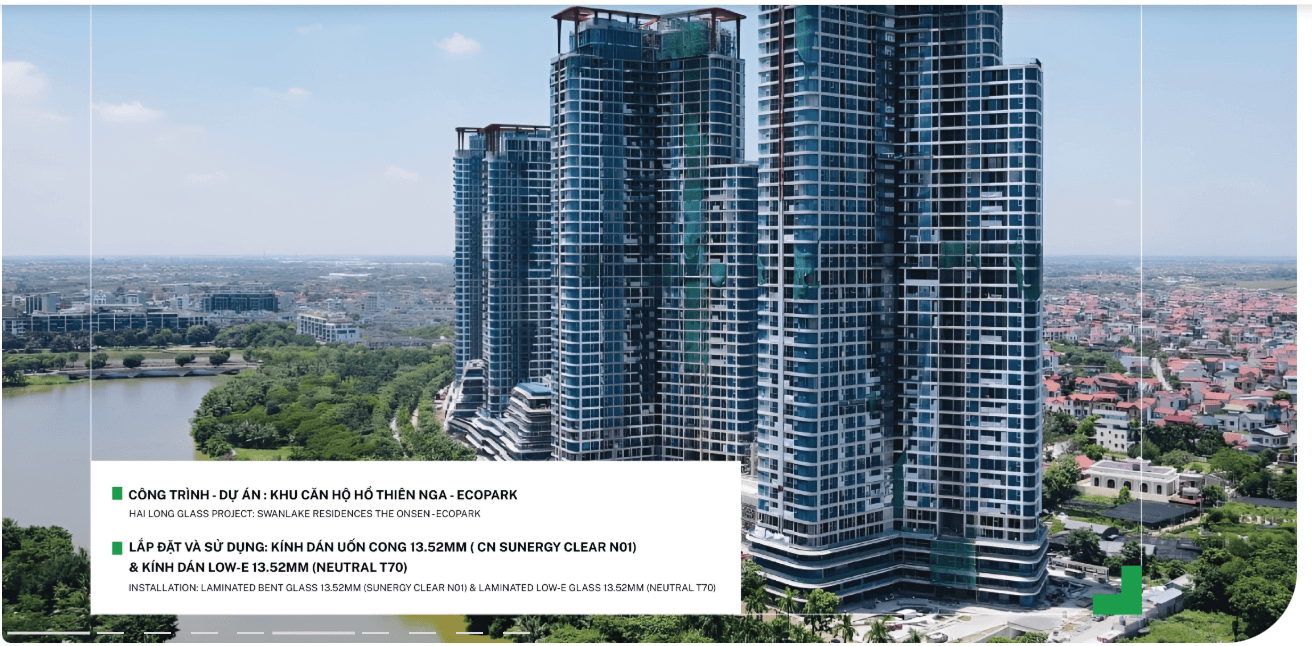
- Glass processing by Hai Long Factory: Hai Long Factory is renowned for its internationally standardized glass production and processing processes, utilizing precise CNC cutting technology and a rigorous quality control system. The glass undergoes heat treatment to enhance hardness and strength, and is tested for transparency, UV resistance, and mechanical durability. Processing at Hai Long Factory ensures that elevator glass not only meets technical requirements but also maintains uniformity in size and style, facilitating quick and accurate installation.
The 350kg glass-paneled elevator is the perfect combination of modern materials and advanced manufacturing technology, providing a safe, durable, and aesthetically pleasing transportation solution for buildings ranging from residential and office buildings to shopping malls. The selection of appropriate technical components and their precise fabrication are key factors in ensuring the elevator's performance and lifespan under real-world conditions.
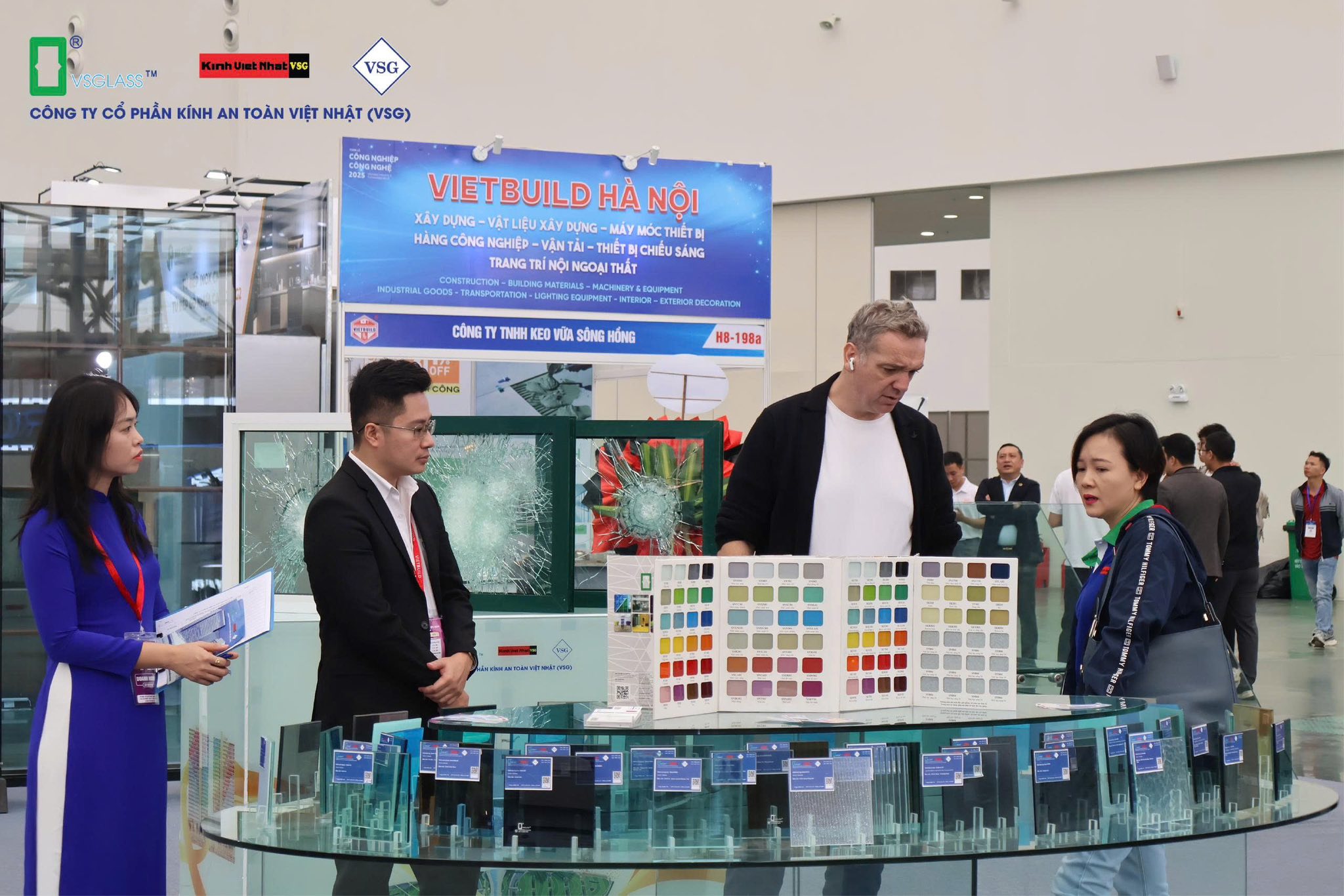
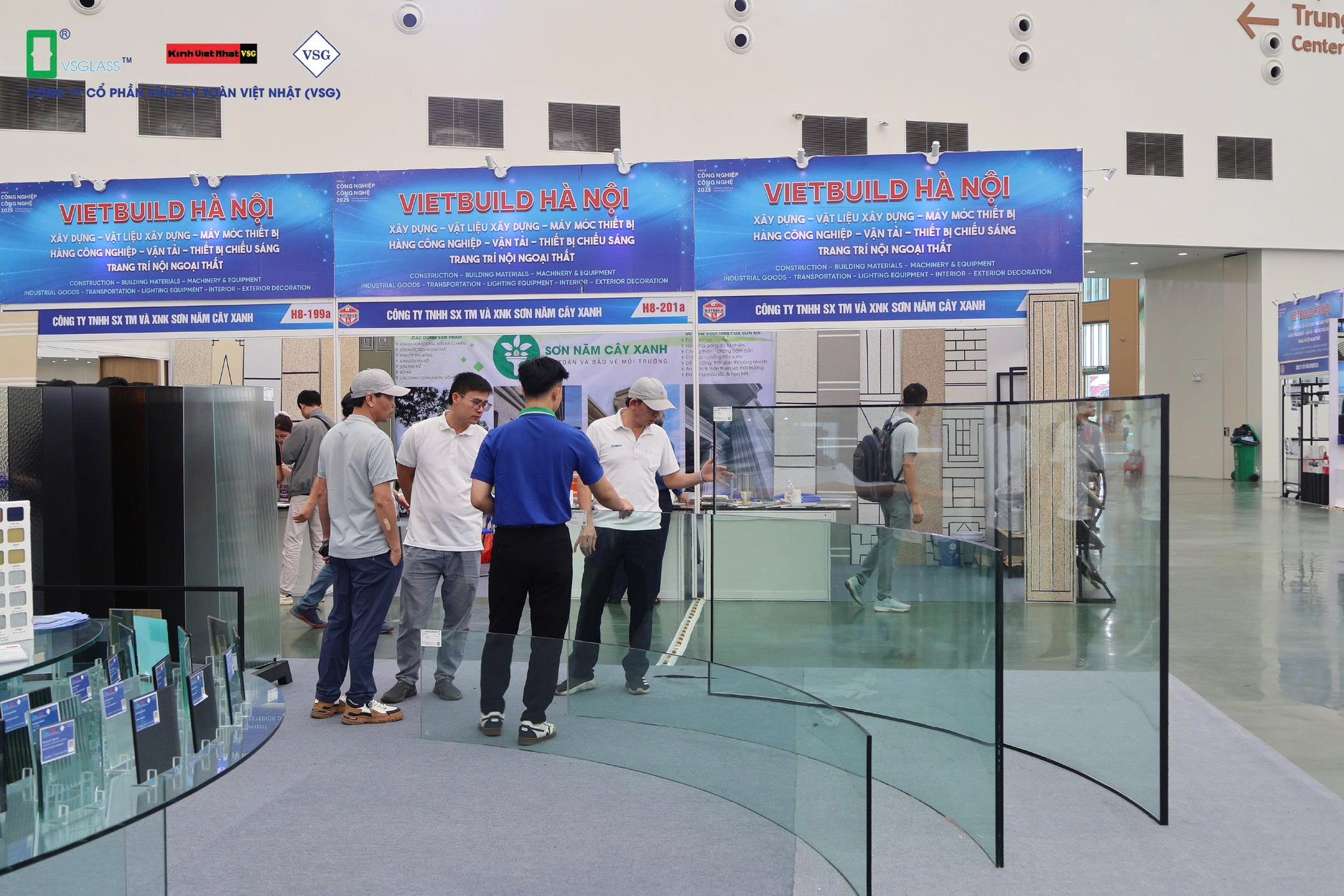
See sample section - Samples of glass in various thicknesses
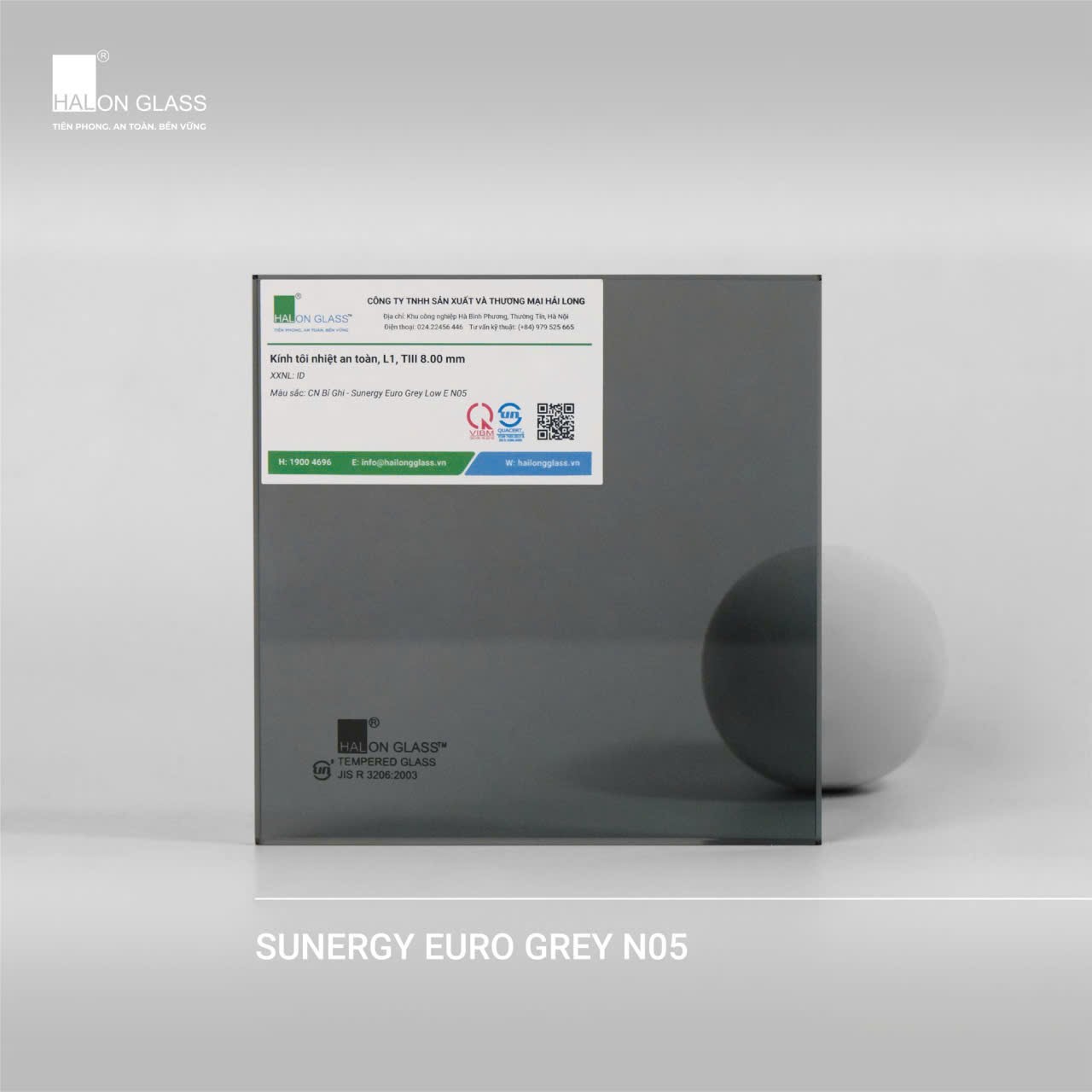
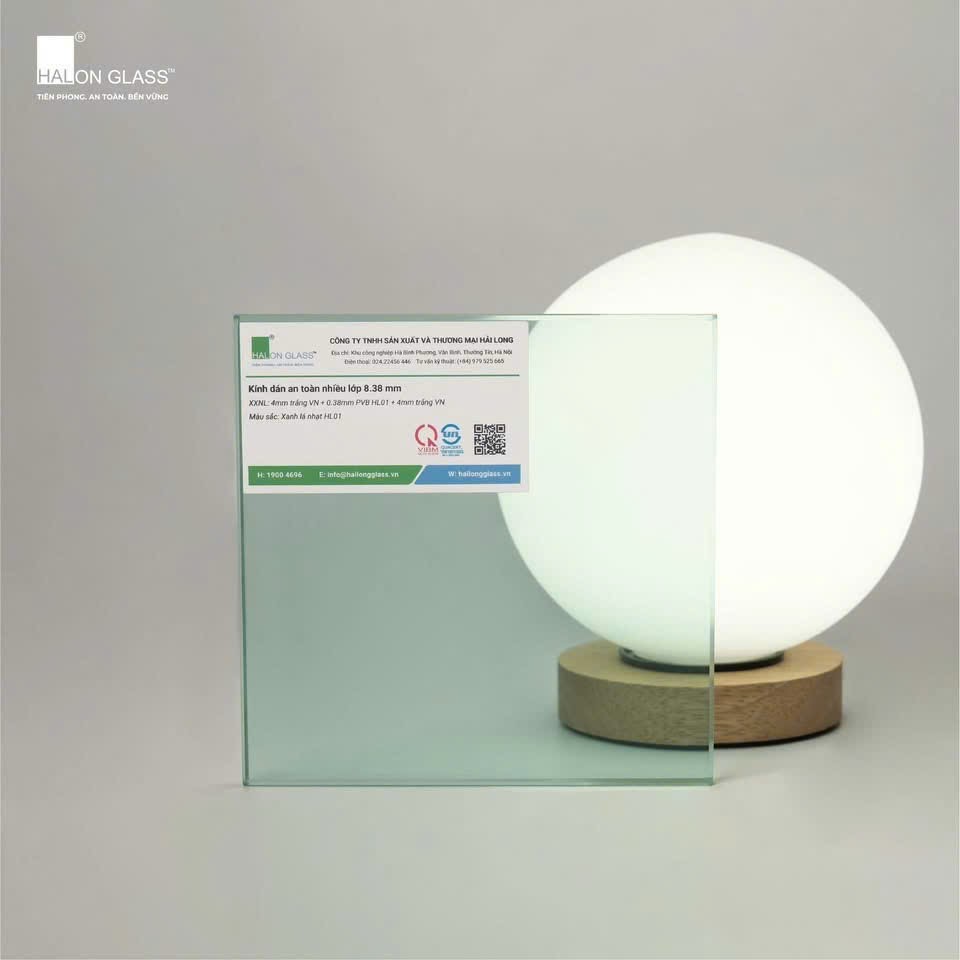
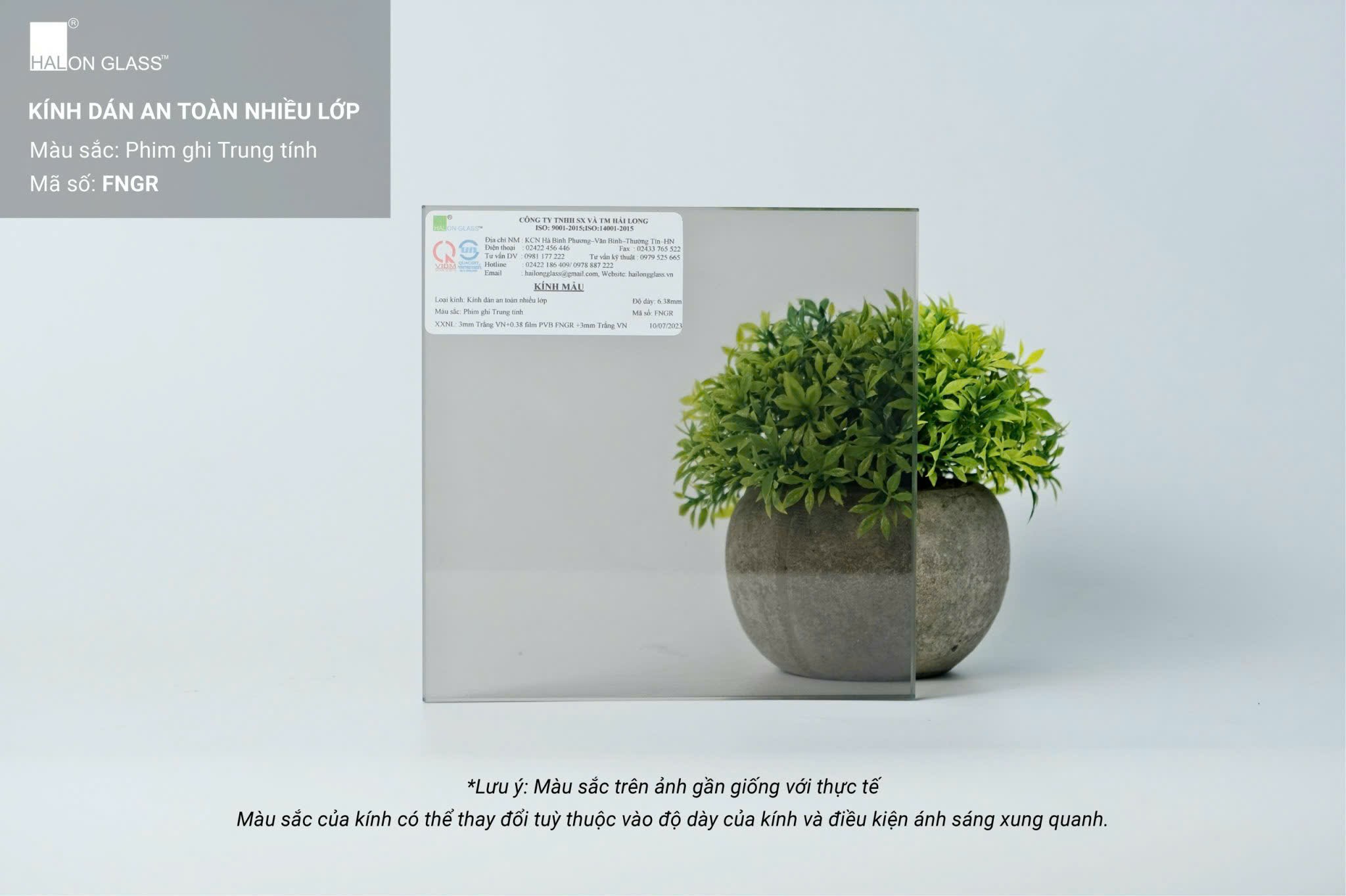
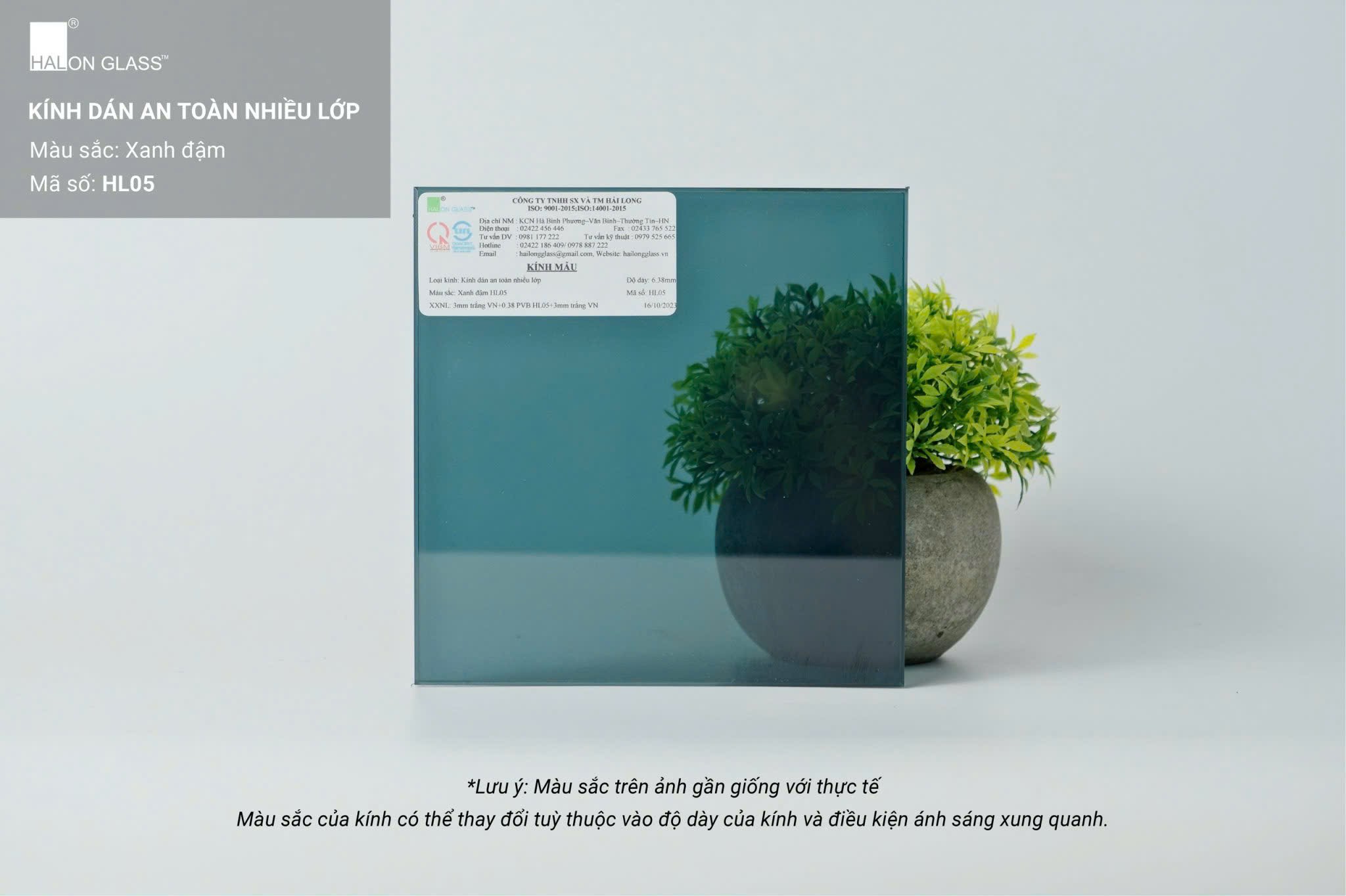
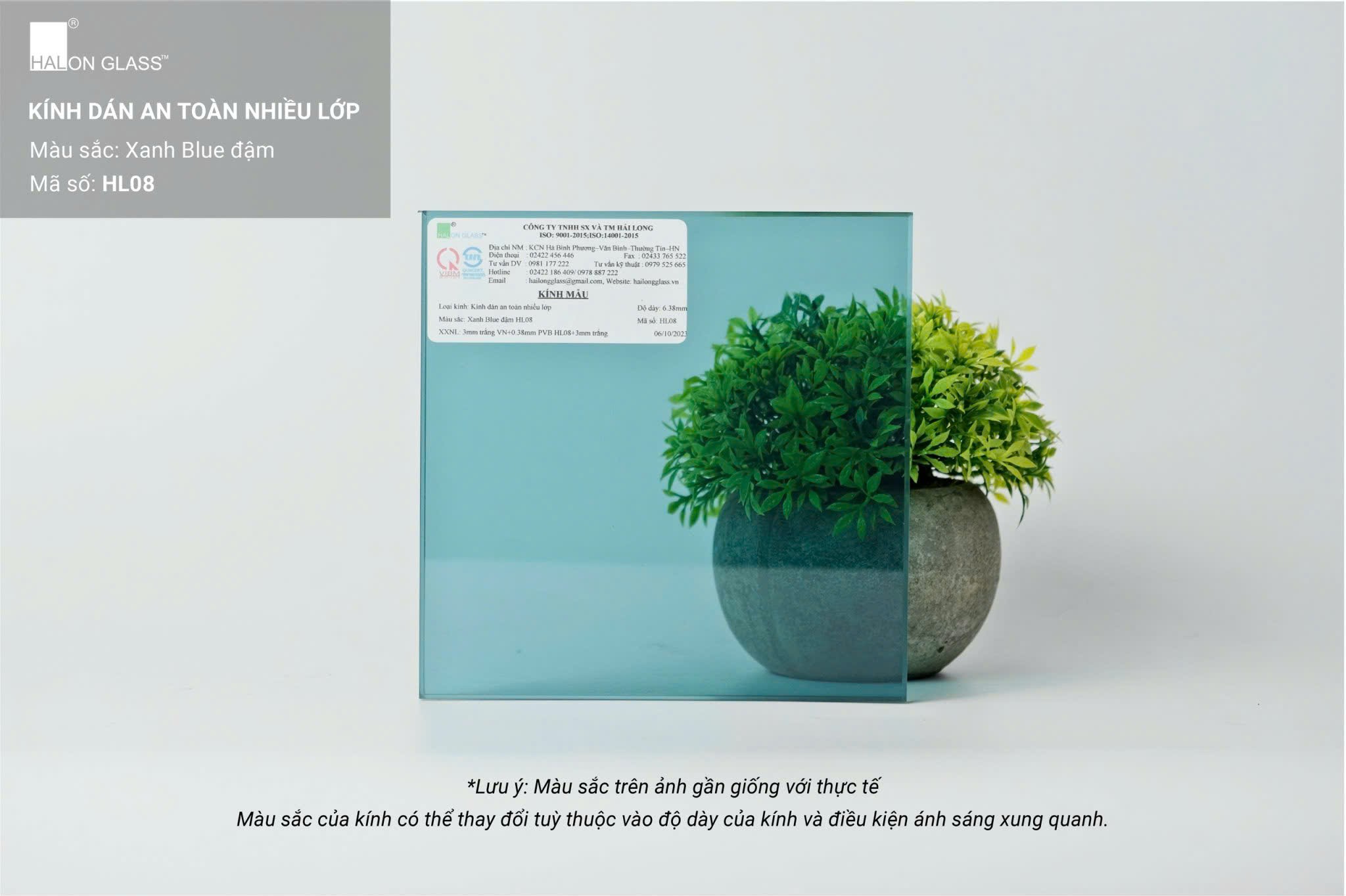
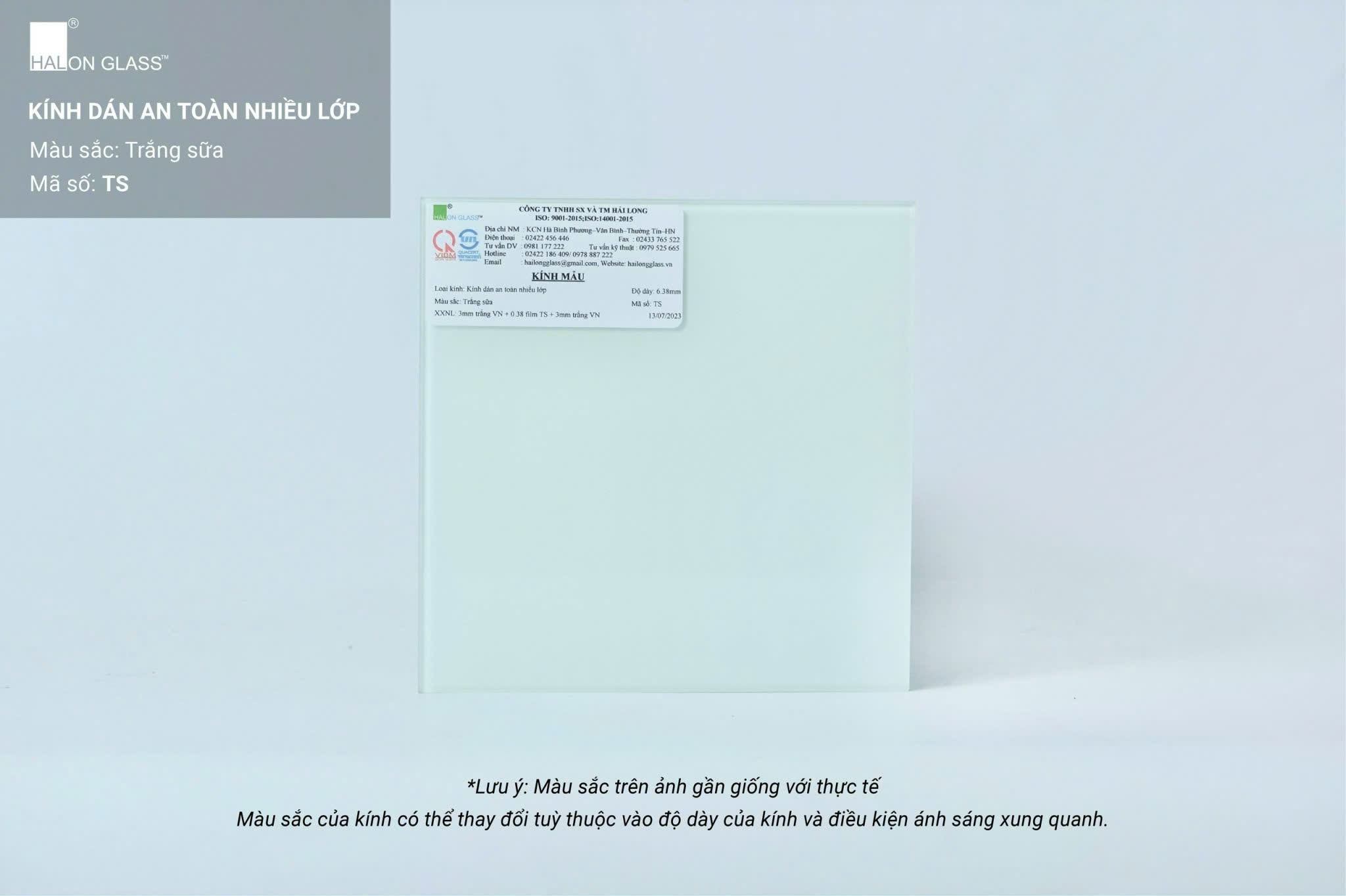
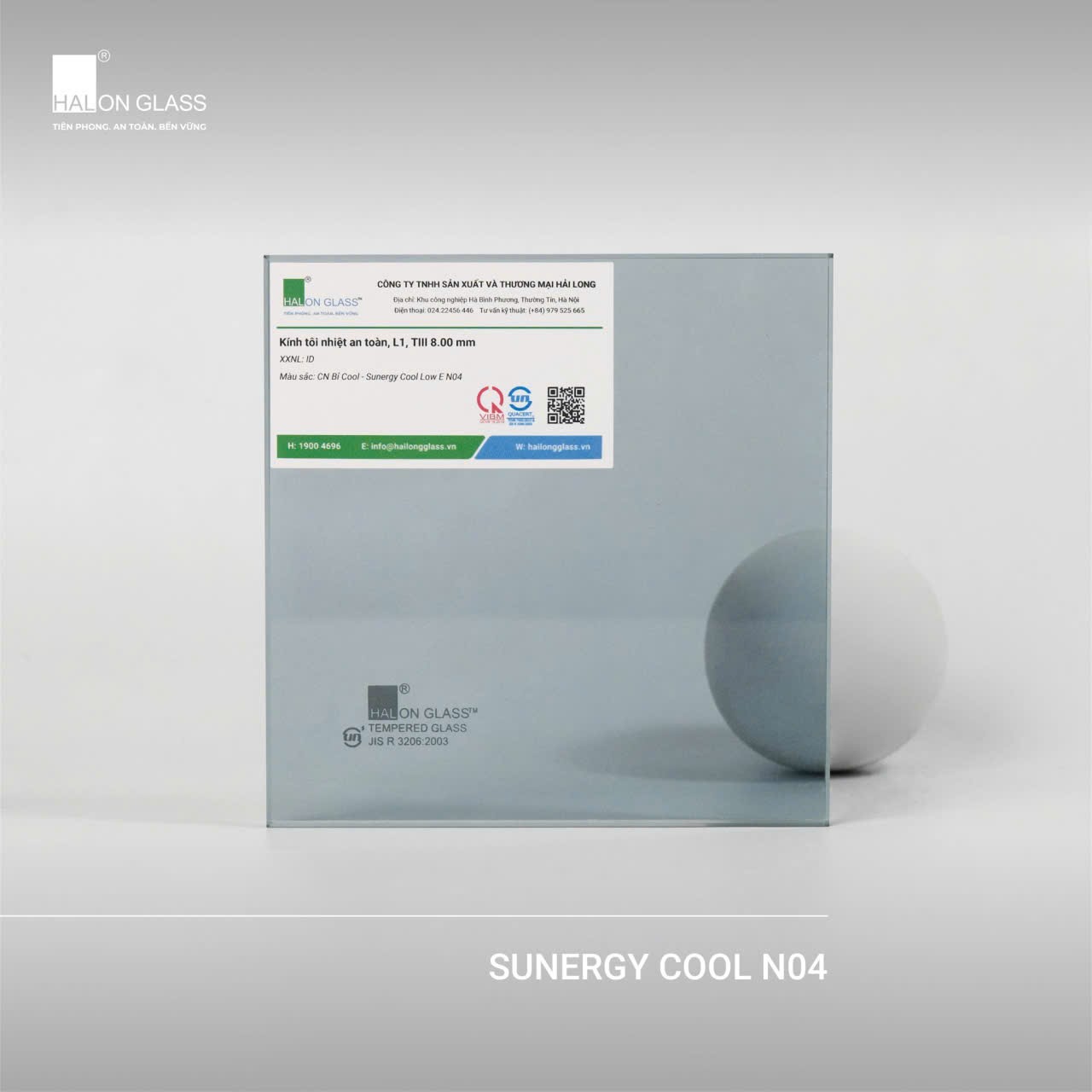
Applications of 350kg glass elevators in construction projects.
A 350kg glass-enclosed elevator is not simply a means of transportation between floors, but also an important architectural element, contributing to enhanced aesthetics and user experience in many types of construction projects. With its moderate load capacity, flexible design, and superior features, this type of elevator is widely used in medium and small-scale projects where a combination of operational efficiency and high aesthetic appeal is required.
- Luxury Homes and Villas: In high-end residential buildings and villas, 350kg glass elevators are chosen not only for their ability to transport people quickly but also because the transparent glass design creates a sense of open space and visual connection between floors. The use of high-quality tempered glass ensures absolute safety while enhancing the elegance of the home. Furthermore, glass elevators help utilize natural light, minimizing the feeling of crampedness in interior spaces, and are particularly suitable for modern, minimalist designs.
- Office environments: In office settings, a 350kg glass-enclosed elevator effectively meets the transportation needs of employees and customers, especially in buildings with a moderate number of floors. The glass design creates a modern and professional focal point for the workspace, while also allowing for observation of the outside during travel, reducing stress and fatigue. The elevator can also be integrated with smart features such as touch-screen controls and information displays, enhancing user experience and optimizing operational processes.
- Shopping malls and stores: In shopping malls and stores, 350kg glass elevators play a crucial role in providing convenience for customers moving between floors. The transparent glass design not only expands the view but also creates a spacious and airy feel, contributing to an enhanced shopping experience. Furthermore, glass elevators can be decorated or combined with artistic lighting systems, creating an attractive focal point and increasing the aesthetic appeal of the commercial space.
- Hotels and Resorts: In the hotel and resort industry, 350kg glass elevators are considered part of the luxurious experience for guests. The glass design allows guests to admire the surrounding landscape while traveling, creating a relaxing and unique atmosphere. At the same time, glass elevators contribute to enhancing the value of service, demonstrating the hotel's meticulous investment in amenities and aesthetics. Features such as smooth operation, sophisticated lighting systems, and high-quality materials are also emphasized to ensure maximum customer satisfaction.
In addition to the applications mentioned above, 350kg glass elevators are also used in buildings such as cultural centers, museums, small-scale hospitals, and mixed-use buildings, where a combination of operational efficiency and unique architectural design is required. Choosing the right glass elevator optimizes space, enhances user experience, and contributes to the lasting value of the building.
Outstanding technical advantages of the 350kg glass-enclosed elevator:
- Suitable load capacity: With a load capacity of 350kg, the elevator meets the transportation needs of 4-5 people, suitable for buildings with average pedestrian traffic.
- Tempered glass design: Utilizing high-strength, impact-resistant, and heat-resistant safety glass, ensuring absolute safety during use.
- Space-saving: Compact design, suitable for limited spaces, easy to install in existing buildings without major renovations.
- Smooth operation: Modern motor and drive systems ensure smooth elevator operation, reducing noise and vibration.
- High aesthetic appeal: Transparent glass combined with a powder-coated steel or aluminum frame creates a luxurious and modern look.
Choosing a 350kg glass-enclosed elevator for construction projects not only meets transportation requirements but also contributes to enhancing architectural value and user experience. The combination of modern technology and sophisticated design makes this type of elevator an optimal solution for many different types of buildings.
Installation process for 350kg glass elevators that meet quality standards.
Installing a 350kg glass elevator is not simply a technical process, but also a crucial step in ensuring absolute safety and optimizing operational efficiency throughout its lifespan. To achieve this, the installation process must strictly adhere to technical standards, occupational safety regulations, and material quality requirements. Below is a detailed analysis of each step in the 350kg glass elevator installation process, aiming to ensure the final product is not only durable but also fully meets international standards and practical usage needs.
Survey and design
The survey and design phase is a fundamental step that determines the success of the entire elevator installation project. Our team of professional technicians will carry out the following:
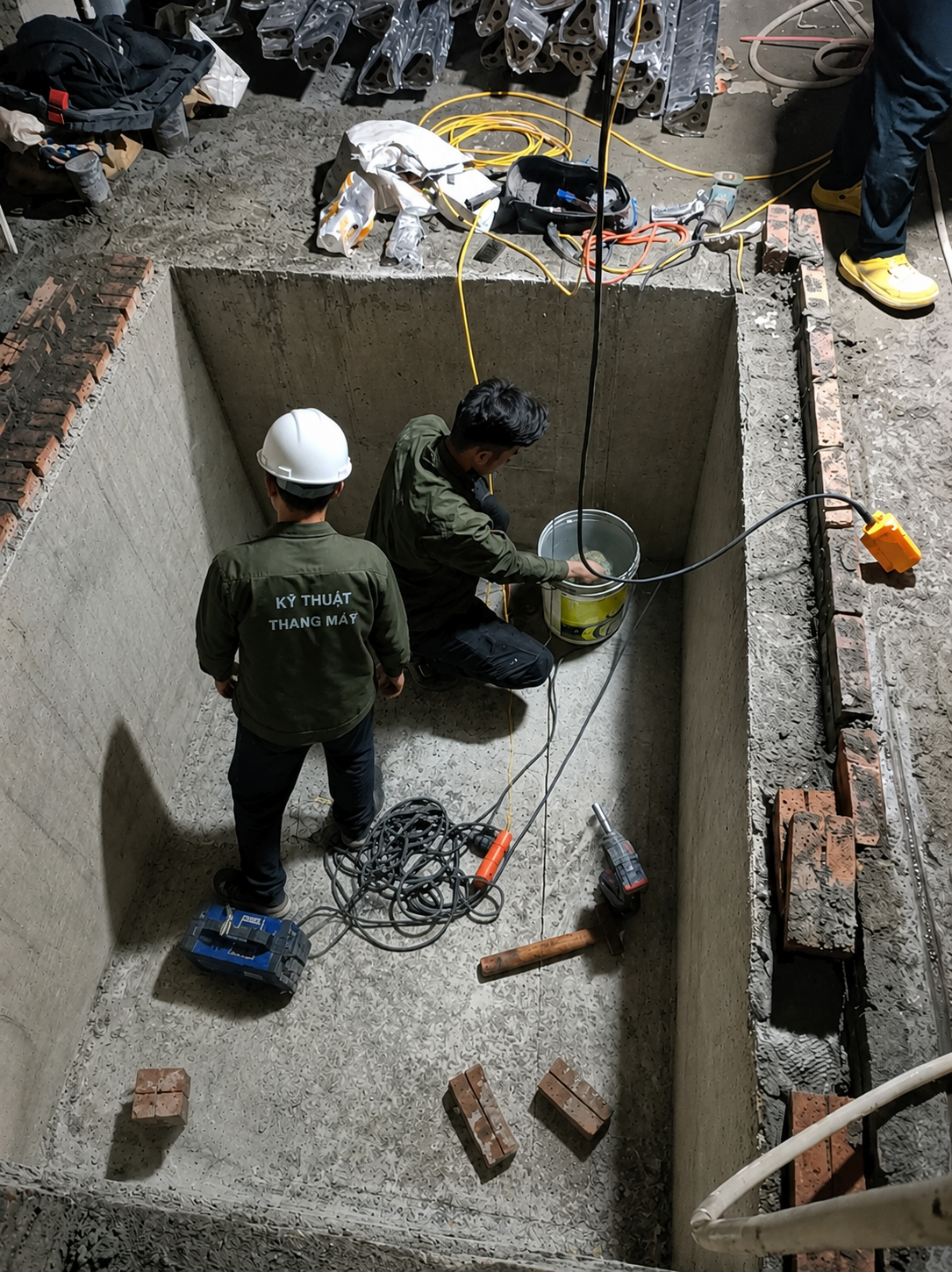
- Site survey: Accurately measure the dimensions of the elevator shaft, floor height, installation location, building structural conditions, and surrounding environmental factors such as humidity, temperature, and vibration.
- Load and usage requirements analysis: Determine the appropriate load capacity (350kg equivalent to 4-5 people), usage frequency, and operating speed to design the optimal mechanical and electronic systems.
- Consulting services for glass elevator design: Selecting the appropriate glass type (10.38mm laminated safety glass), cabin style, glass film color, lighting and ventilation systems to ensure aesthetics and user comfort.
- Collaborate with architects and investors: Ensure elevator design harmonizes with the overall architecture while meeting fire safety and occupational safety standards.
Material processing and preparation
Material quality is a direct determinant of elevator durability and safety. The material processing and preparation stages include:
- Glass processing: The glass used is Vietnamese-Japanese laminated safety glass, 10.38mm thick, heat-treated and precisely cut to size at the Hai Long factory. The glass must meet standards for strength, impact resistance, and scratch resistance.
- Steel frame preparation: The load-bearing steel frame is fabricated from high-quality alloy steel, treated against rust by galvanizing or powder coating. Welds must be strong and free of defects.
- Mechanical and electronic components: Including hoisting cable systems, lifting mechanisms, motors, controllers, safety brakes, door sensors, and lighting systems. All components must be quality tested and certified to ISO or equivalent standards.
- Quality control of incoming materials: Conduct glass sample testing, steel frame load testing, and electronic component functionality checks before installation.
Install the steel frame and suspension system.
This is a crucial step in creating the load-bearing framework for the entire elevator, ensuring safety during operation:
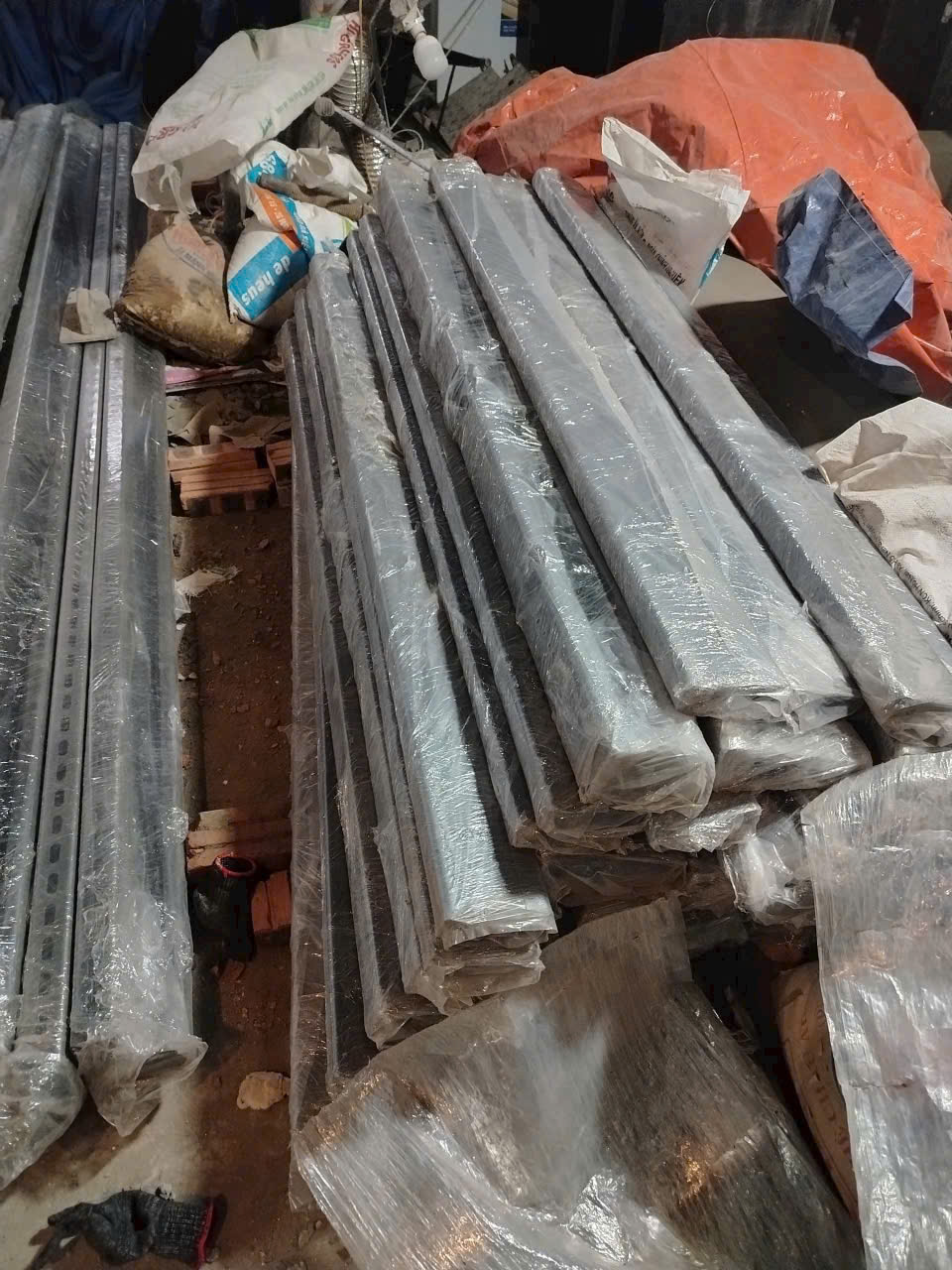
- Steel frame fixing: The steel frame is installed precisely according to the design drawings, using standard bolts and welds. The frame must be aligned to ensure absolute balance, preventing tilting or shaking during elevator operation.
- Installation of the suspension system: High-strength steel cables are selected for the load, ensuring they are abrasion-resistant and capable of withstanding heavy loads. The cables are tensioned correctly, ensuring they are neither slack nor excessively tight, which could be dangerous.
- Setting up the lifting mechanism: Install the traction motor, transmission, and safety brake according to proper technical procedures. The motor must be securely fixed, and the braking system must function correctly to ensure safety during emergency stops.
- Preliminary inspection: Perform a stability check of the steel frame and suspension system before proceeding with the installation of the glass cabin.
Install the windows and finish the cabin.
Glass elevator cabins are not just for holding people; they are also crucial factors determining aesthetics and safety.
- Installing 10.38mm laminated glass: The glass is carefully installed using specialized adhesive and rust-resistant stainless steel fittings to secure it to the steel frame. The installation must ensure there are no gaps to prevent water or dust leaks.
- Colored and decorative films: Applying colored films according to design requirements enhances aesthetics, reduces glare, and protects the glass from UV rays. Interior cabin decorative details such as armrests, LED lights, and dashboards are also finished to match.
- Ventilation and lighting system: Install ventilation fans and energy-efficient LED lighting to ensure the cabin space remains cool and well-lit.
- Check for tightness and safety: Ensure the glass is not cracked or broken, and that the joints are secure and do not pose a danger to users.
Testing and trial operation
Before delivery, the elevator must undergo a rigorous inspection and trial operation process to ensure all technical and safety aspects are met:
- Mechanical safety inspection: Assess the strength of the steel frame, cable system, safety brakes, and lifting mechanism under a maximum load of 350kg.
- Inspect the electrical and control systems: Ensure that the door sensors, control panel, alarm system, and lighting are functioning correctly and free from technical faults.
- Trial operation: Conduct trial runs of the elevator over multiple up-and-down cycles, checking smoothness, operating speed, the ability to stop precisely at each floor, and the system's response in case of malfunction.
- Assess safety levels: Check safety devices such as emergency brakes, door anti-pinch sensors, and automatic rescue systems.
- Handover and user instruction: After meeting requirements, the elevator is handed over to the customer along with operating and maintenance manuals and quality inspection certificates.
The outstanding advantages of Viet Nhat glass in 350kg glass elevators.
Viet Nhat glass is a high-end glass commonly used in the elevator industry due to the following outstanding advantages:
- High durability: Viet Nhat glass is manufactured from high-quality glass materials, undergoing a special tempering process to enhance its strength and impact resistance. This tempered glass structure can withstand pressure up to hundreds of kilograms per square meter, suitable for elevator loads of 350kg. The glass's shatter resistance is also significantly improved; in the event of a strong impact, the glass will break into small, non-sharp pieces, minimizing the risk of injury to users.
- Sound and heat insulation capabilities: One of the key factors in elevator cabin design is creating a quiet and comfortable operating environment. Viet Nhat glass has a multi-layered structure or is coated with soundproof film, minimizing external noise and limiting heat transfer. This not only enhances the user experience but also contributes to energy savings for the cabin's air conditioning system, which is especially important in high-rise buildings or areas with harsh climates.
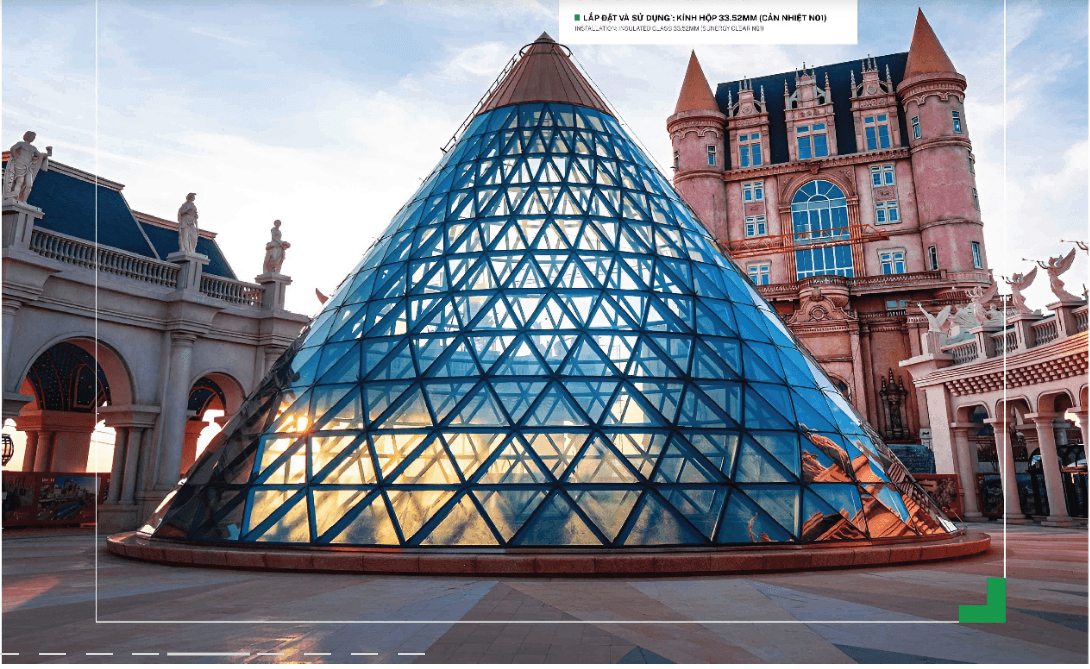
- Diverse colors and styles: Viet Nhat Glass offers a wide selection of colors such as clear glass, smoked glass, blue, yellow, or reflective glass, meeting diverse aesthetic needs and design styles. Furthermore, the glass can be fabricated into various shapes and sizes, from flat to curved, suitable for modern or classic elevator designs. This variety in styles allows architects and designers to easily create unique and eye-catching interior spaces.
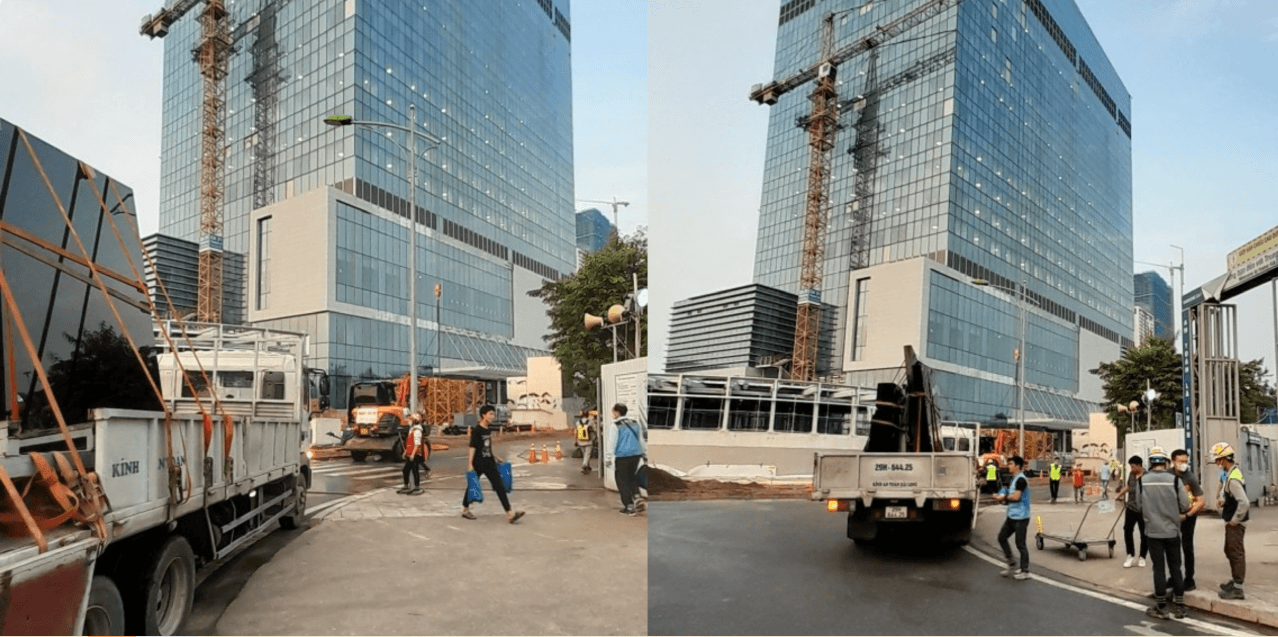
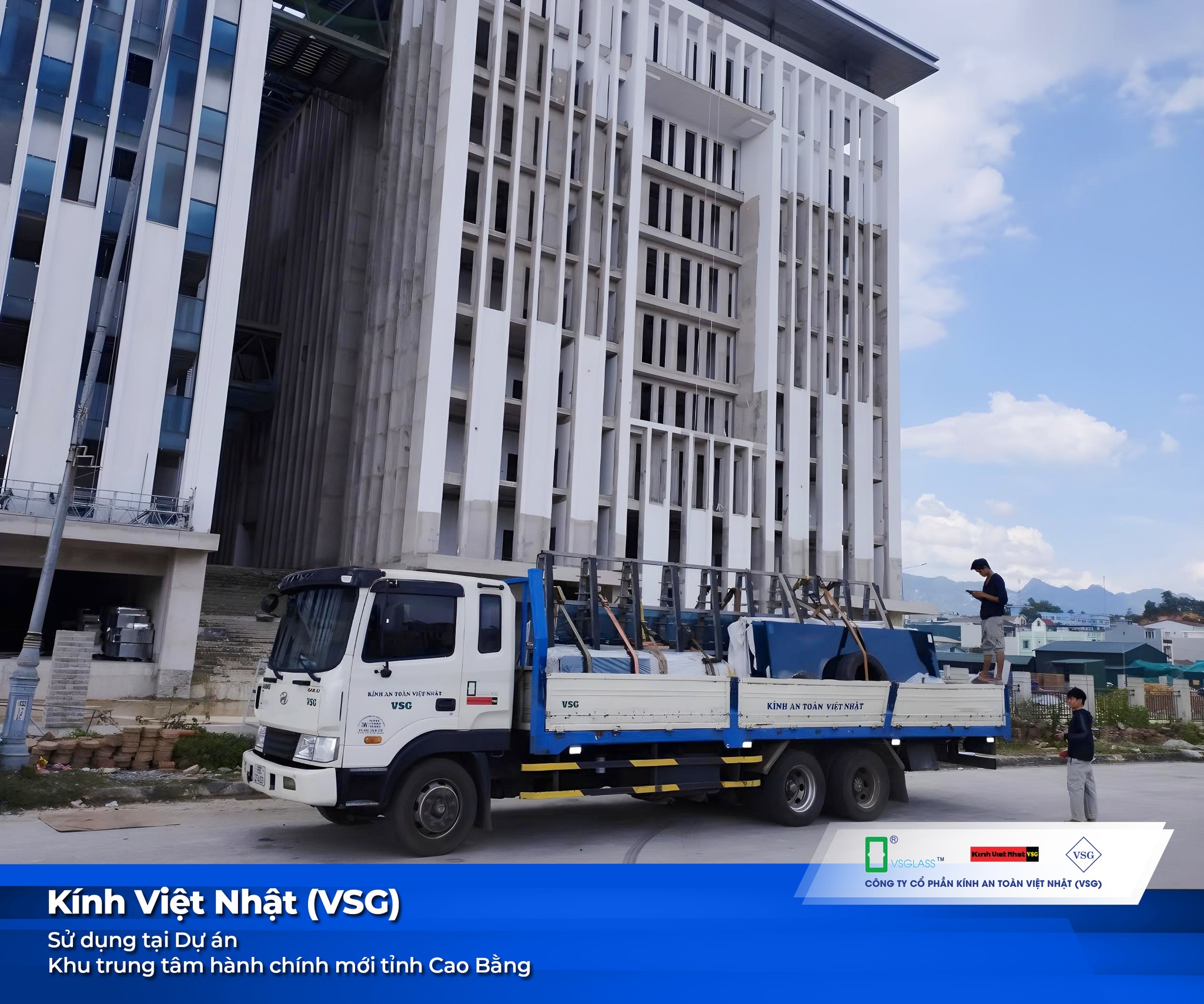
- Easy to process and install: Viet Nhat glass is precisely processed at the Hai Long factory using modern CNC cutting technology, ensuring high dimensional accuracy and precision according to technical requirements. The processes of drilling holes, grinding edges, creating grooves, and applying protective coatings are all performed synchronously, minimizing errors and increasing construction speed. Installation is also convenient due to its lighter weight compared to traditional glass of the same size, while ensuring safety during transportation and assembly.
- Long lifespan: Viet Nhat glass boasts excellent corrosion resistance thanks to a special anti-oxidation and UV-resistant coating, maintaining transparency and color stability over time. Its ability to withstand harsh environmental conditions such as high temperatures, high humidity, and the effects of cleaning chemicals prevents yellowing or cracking over time. This translates to reduced maintenance and replacement costs, improving the economic efficiency of elevator projects using Viet Nhat glass.
Suspension system and lifting mechanism – The key factor determining the safety of a 350kg glass elevator.
The suspension system and lifting mechanism are key components in the operational structure of a 350kg glass elevator, playing a crucial role in the safety, stability, and lifespan of the equipment. A thorough understanding of these components, as well as the relevant technical standards and maintenance procedures, is essential to ensure the elevator operates efficiently and with absolute safety.
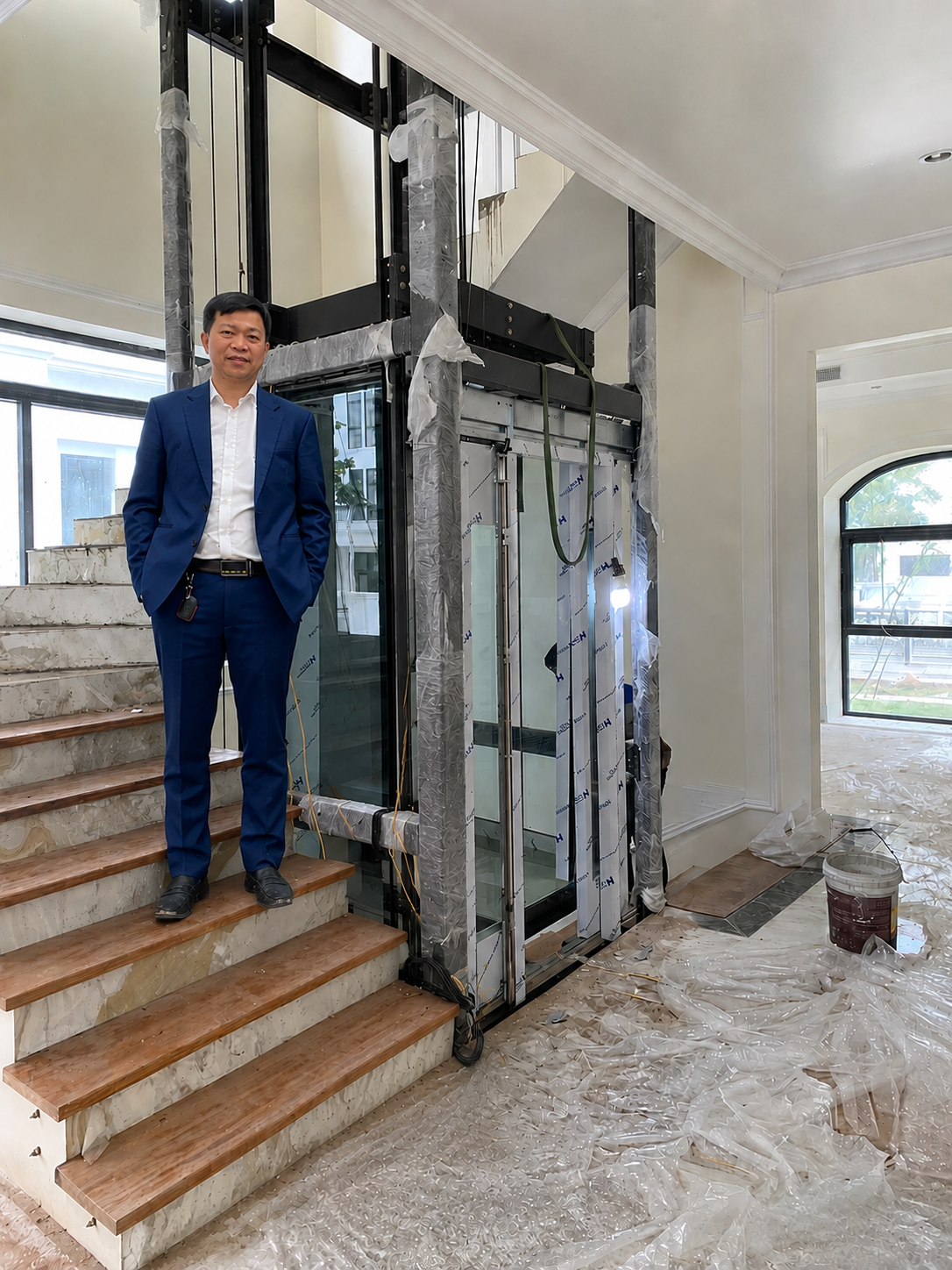
Cable material – The foundation of safety and durability
The steel cable in a 350kg glass elevator is not simply a load-bearing component; it must also be wear-resistant, rust-proof, and able to withstand harsh environmental conditions. Key technical characteristics of the cable include:
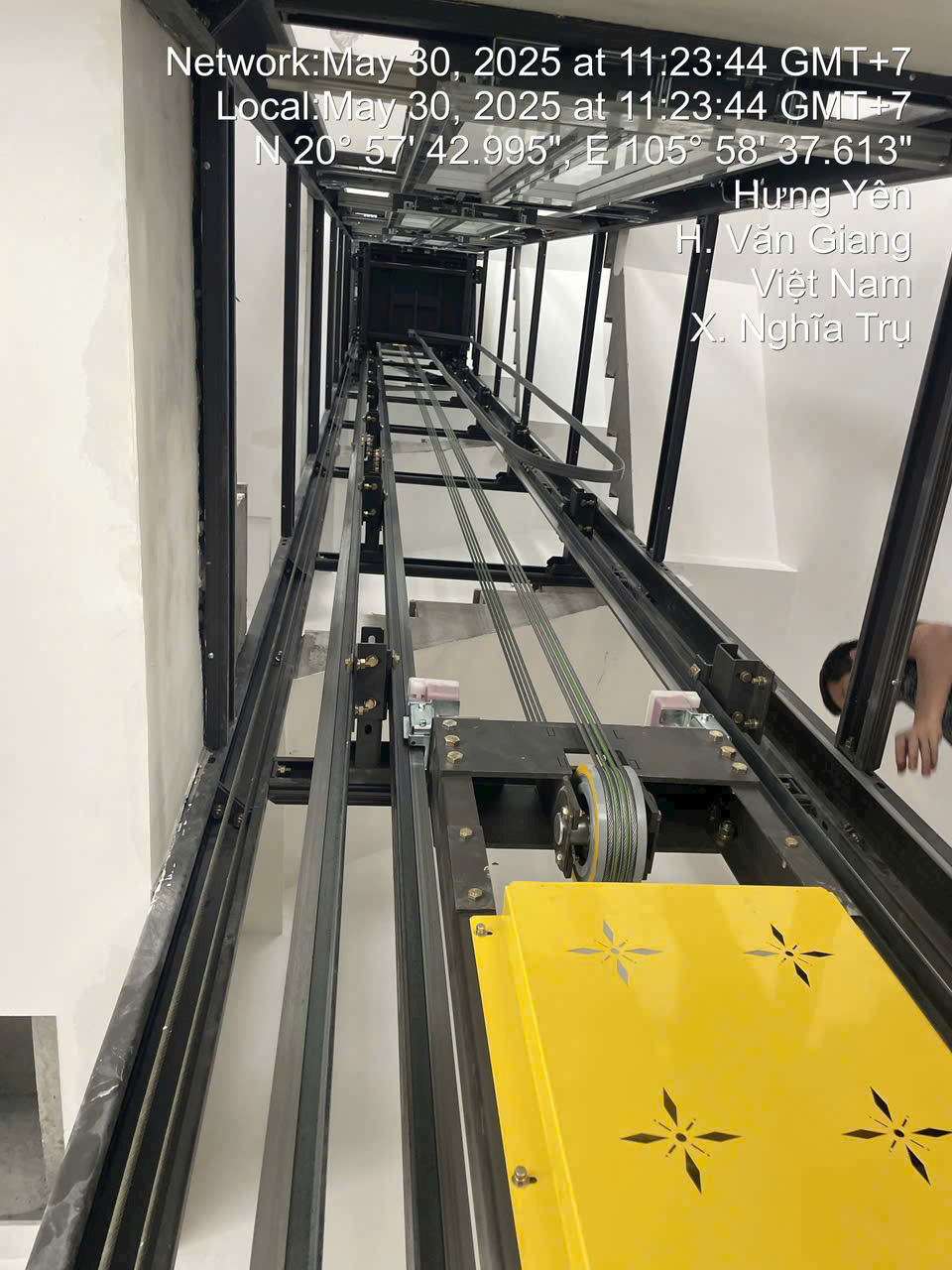
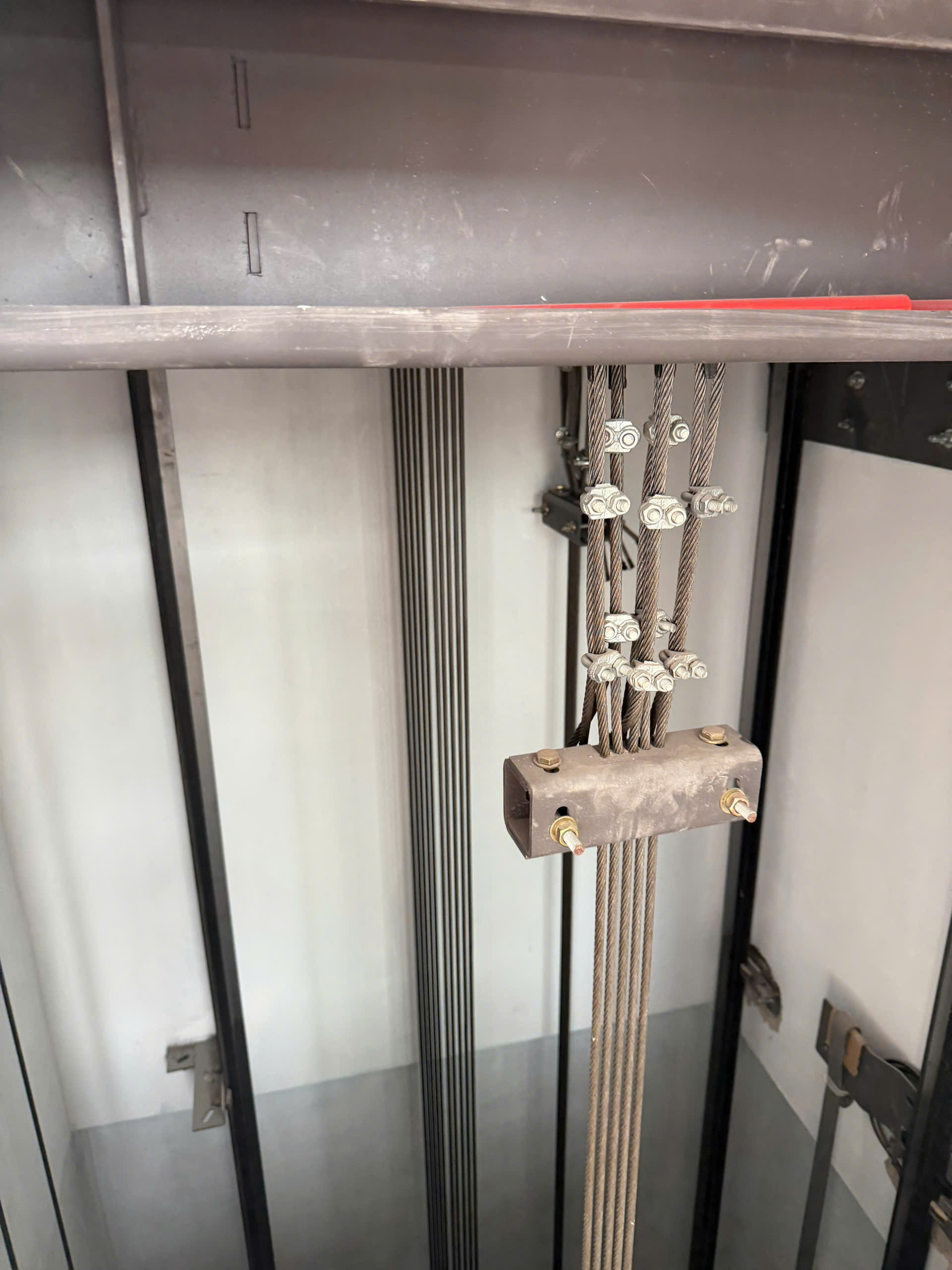
- High-grade alloy steel: The cables are typically made from high-strength alloy steel, capable of withstanding loads far exceeding the elevator's weight and maximum load capacity, ensuring safety in all situations.
- Cable structure: The cable is made up of many small steel strands twisted together in layers, which increases its load-bearing capacity and minimizes the risk of sudden breakage.
- Anti-corrosion coating: The cable surface is often coated with an anti-corrosion layer or galvanized to increase resistance to oxidation, which is especially important in high-humidity environments or when exposed to chemicals.
- Regular inspection and replacement: Cables need to be inspected using methods such as visual inspection, wear measurement, and ultrasonic testing to detect potential cracks or wear, thereby determining the appropriate time for replacement.
Lifting mechanism design – Ensuring smooth and stable operation
The lifting mechanism is the main drive system that allows the elevator to move up and down smoothly and safely. An optimal design of the lifting mechanism includes:
- Pulley and drum system: The pulleys are designed with appropriate diameters and smooth surfaces, combined with the drum to ensure smooth cable operation, minimizing friction and wear.
- Motor and gearbox: The motor utilizes variable frequency drive (VFD) technology for precise speed control, reducing vibration and noise during elevator operation. The gearbox is robustly designed for efficient power transmission, ensuring long-term durability.
- Damping system: Integrated damping components absorb vibrations and impacts, ensuring smooth elevator operation, enhancing user experience, and minimizing mechanical damage.
- Load control: The lifting mechanism is equipped with load sensors to automatically adjust its operation, preventing dangerous overloading.
Safety braking system – Maximum protection in case of an accident.
Safety brakes are an indispensable component of 350kg glass elevators, ensuring the elevator stops immediately in emergency situations such as cable breakage or power failure. Key features of the braking system include:
- Automatic mechanical braking: When the speed exceeds the safe limit or a malfunction is detected, the brakes will automatically activate, locking the drum or pulley and preventing the cabin from moving further.
- Electromagnetic brakes: Controlled by an electronic system, electromagnetic brakes offer fast and precise response while minimizing mechanical wear.
- Regular inspection and maintenance: Brakes need to be inspected for braking force, brake pad wear, and control system to ensure they are always in a ready-to-use condition.
Regular maintenance – Ensuring safety and operational efficiency.
Regular maintenance of the suspension system and lifting mechanism is crucial for early detection of damage, allowing for timely repairs, preventing accidents, and extending equipment lifespan. The comprehensive maintenance process includes:
- Visual inspection: Assess the condition of cables, pulleys, drums, brakes, and related components to detect wear, cracks, or deformation.
- Technical inspection using specialized equipment: Use wear testers, ultrasonic devices, or endoscopes to inspect the inside of cables and mechanical components.
- Cleaning and lubrication: Remove dirt, old grease, and lubricate moving parts to reduce friction and prevent wear.
- Replace worn components: Timely replacement of cables, brake pads, bearings, or other damaged parts is essential to ensure absolute safety.
- Inspect the control system: Ensure that the sensors, controllers, and braking system are functioning correctly and are free from technical faults.
Steel frame – A solid foundation for a 350kg glass elevator.
The load-bearing steel frame is a core component that determines the safety and operational performance of a 350kg glass-enclosed elevator. Bearing the entire static and dynamic load, as well as external forces during operation, the steel frame must meet stringent technical requirements regarding materials, design, and fabrication. Below is an in-depth analysis of the key factors related to the load-bearing steel frame in this elevator.
- High-quality steel material:
Selecting high-quality steel is crucial to ensuring a durable and safe load-bearing frame. The steel used is typically alloy steel with high carbon content and alloying elements such as chromium, nickel, and molybdenum to enhance tensile strength, corrosion resistance, and rust prevention in humid or chemically treated environments. Common steel types include SS400, CT3, or SUS304 stainless steel, depending on technical requirements and the installation environment. Importantly, the steel must meet international standards such as ASTM, JIS, or EN to ensure uniformity in mechanical and chemical properties.
- Precision machining:
The steel frame is fabricated in-house using high-tech processes, employing CNC laser cutting machines, automatic welding machines, and 3D measurement systems for dimensional inspection. This ensures that the steel frame components are precisely sized down to the millimeter, preventing deviations that could cause deformation or imbalance during assembly. Welds must adhere to technical standards such as AWS D1.1 or ISO 3834, guaranteeing joint strength and a robust connection between components. Furthermore, the fabrication process includes surface treatments such as sandblasting, anti-corrosion painting, or galvanizing to extend the lifespan of the steel frame.
- Optimal design:
The steel frame is designed based on engineering analyses of loads, stresses, and deformations during elevator operation. Using structural simulation software such as ANSYS or SolidWorks Simulation, engineers analyze force distribution, stress concentration points, and dynamic factors to optimize the frame's shape and structure. The design typically includes main load-bearing beams, stiffening bracing, and connection points to the guide rails, cabin, and lifting system. The goal is to evenly distribute the load, minimize bending or torsion, and reduce pressure on other components such as the motor, hoisting cables, and braking system.
- Easy to install and maintain:
The steel frame is designed with a modular structure, allowing for quick and convenient disassembly and assembly during transportation and on-site installation. Components are connected using high-strength bolts or standard welds, reducing construction time and increasing flexibility for adjustments or repairs. Furthermore, the design prioritizes accessibility to routine inspection and maintenance points such as welds, steel surfaces, and mechanical connections, enabling technicians to easily perform maintenance without disrupting elevator operation.
Detailed technical analysis of the load-bearing steel frame:
- Tensile strength and stiffness: The steel frame must have a minimum tensile strength of 400 MPa or higher to withstand the weight of the cabin and its occupants. High stiffness helps to limit deformation when subjected to sudden impacts.
- Corrosion resistance: Steel is surface-treated using hot-dip galvanizing or epoxy anti-rust coating, ensuring a lifespan of over 20 years in humid or chemically treated environments.
- Safety standards: The steel frame must comply with international safety standards such as EN 81-20/50 for elevator design and testing, ensuring load-bearing capacity and impact resistance.
- Stress analysis: Using the finite element method (FEM) to simulate stress and strain, helping to detect weaknesses and optimize the steel frame structure.
- Vibration and damping capabilities: The steel frame design combined with a damping system helps to minimize vibrations and noise during operation, enhancing the user experience.
Steps for checking the quality of steel frames:
- Inspect incoming materials using chemical and mechanical analysis methods.
- Measure dimensions and machining accuracy using 3D measuring equipment.
- Inspect welds using ultrasonic testing or destructive testing.
- Static and dynamic load tests are conducted to assess the actual load-bearing capacity.
- Inspect the surface treatment and adhesion of the paint or plating layer.
Applying modern technology in steel frame production:
- Using automated welding robots ensures uniform, precise welds and increases productivity.
- Applying CNC laser cutting technology allows for the creation of intricate details with high precision.
- 3D design and structural simulation software helps optimize the design before manufacturing.
- The ISO 9001 quality management system ensures a standardized production process and strict quality control.
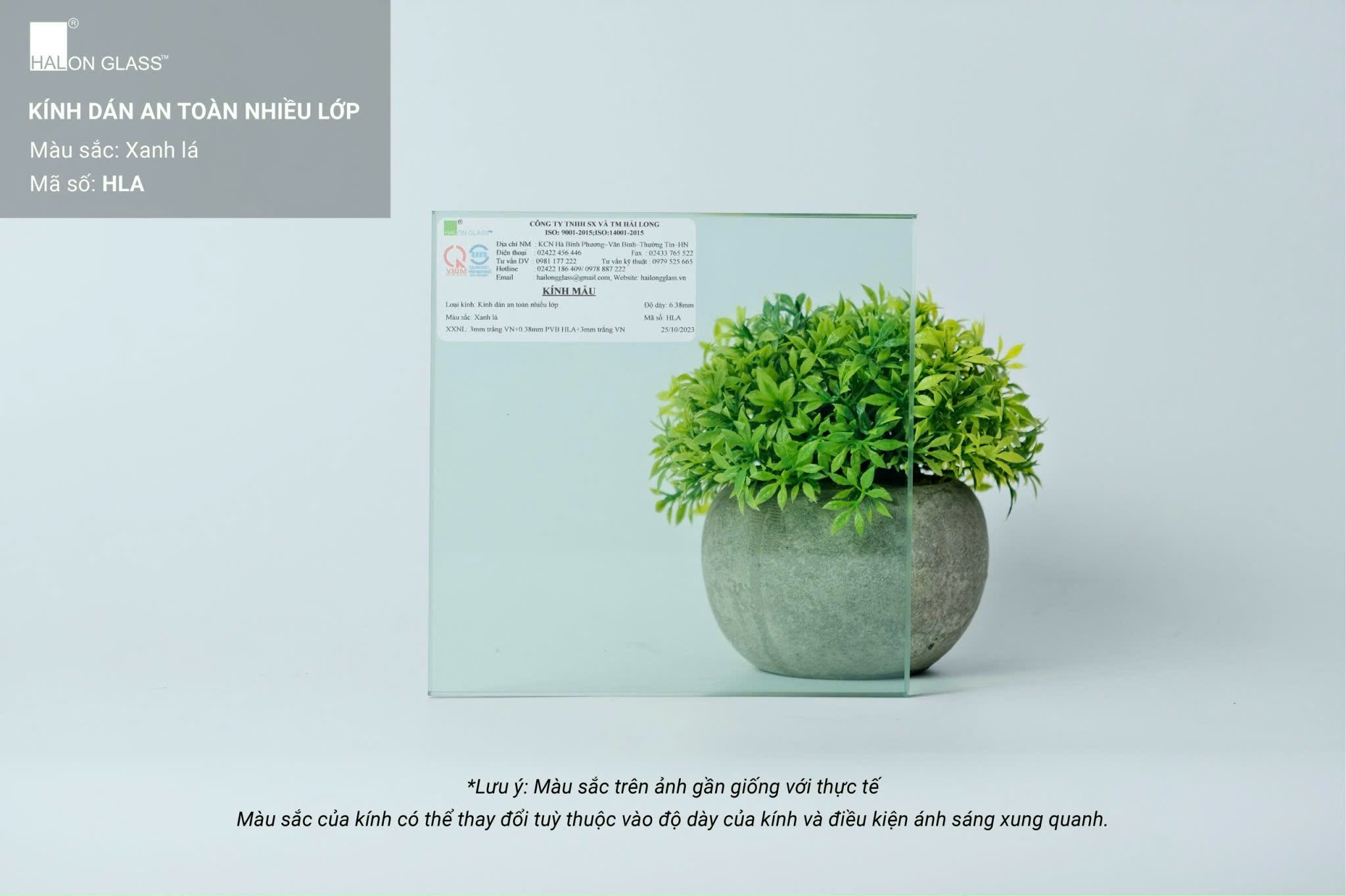
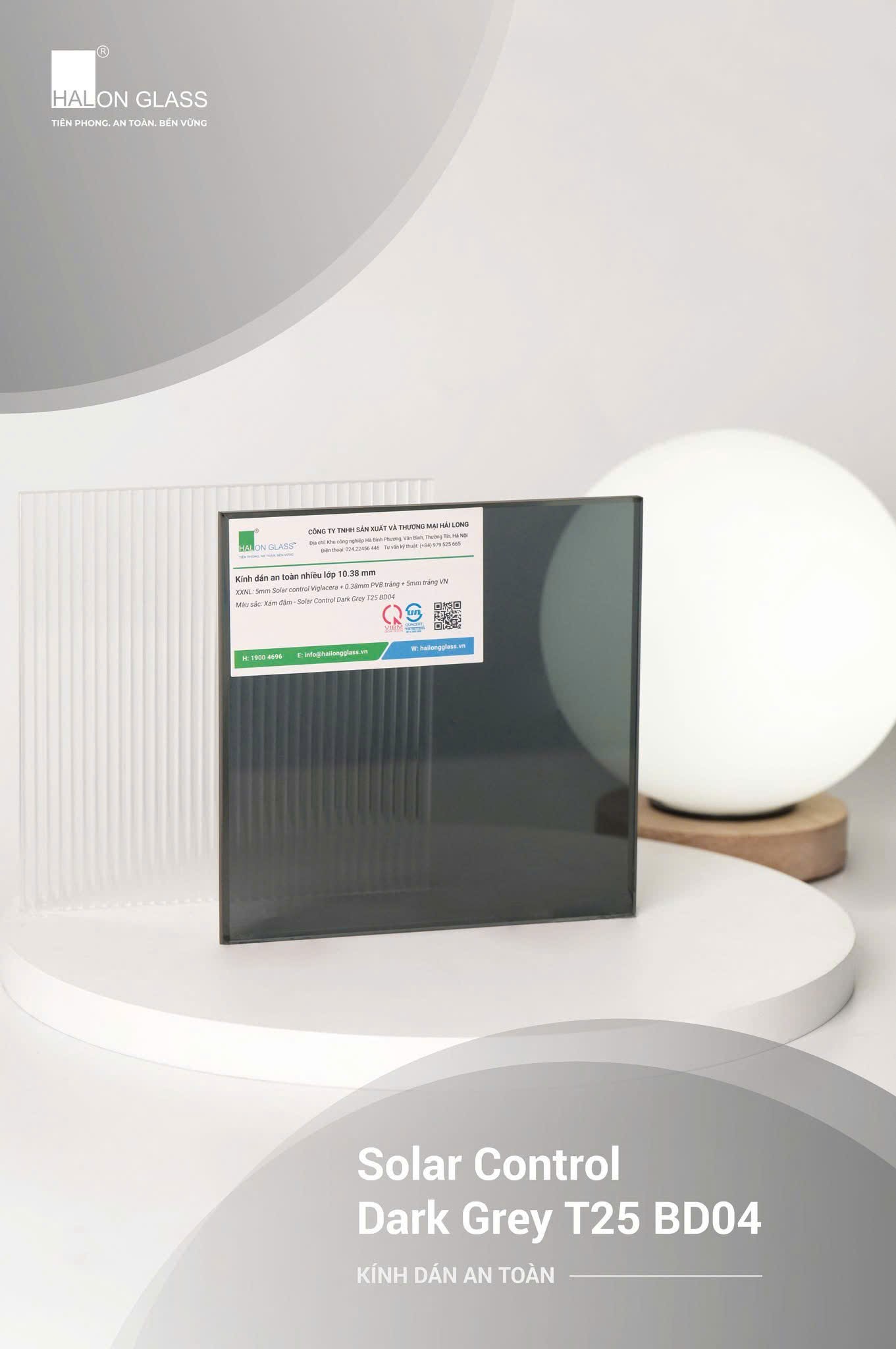
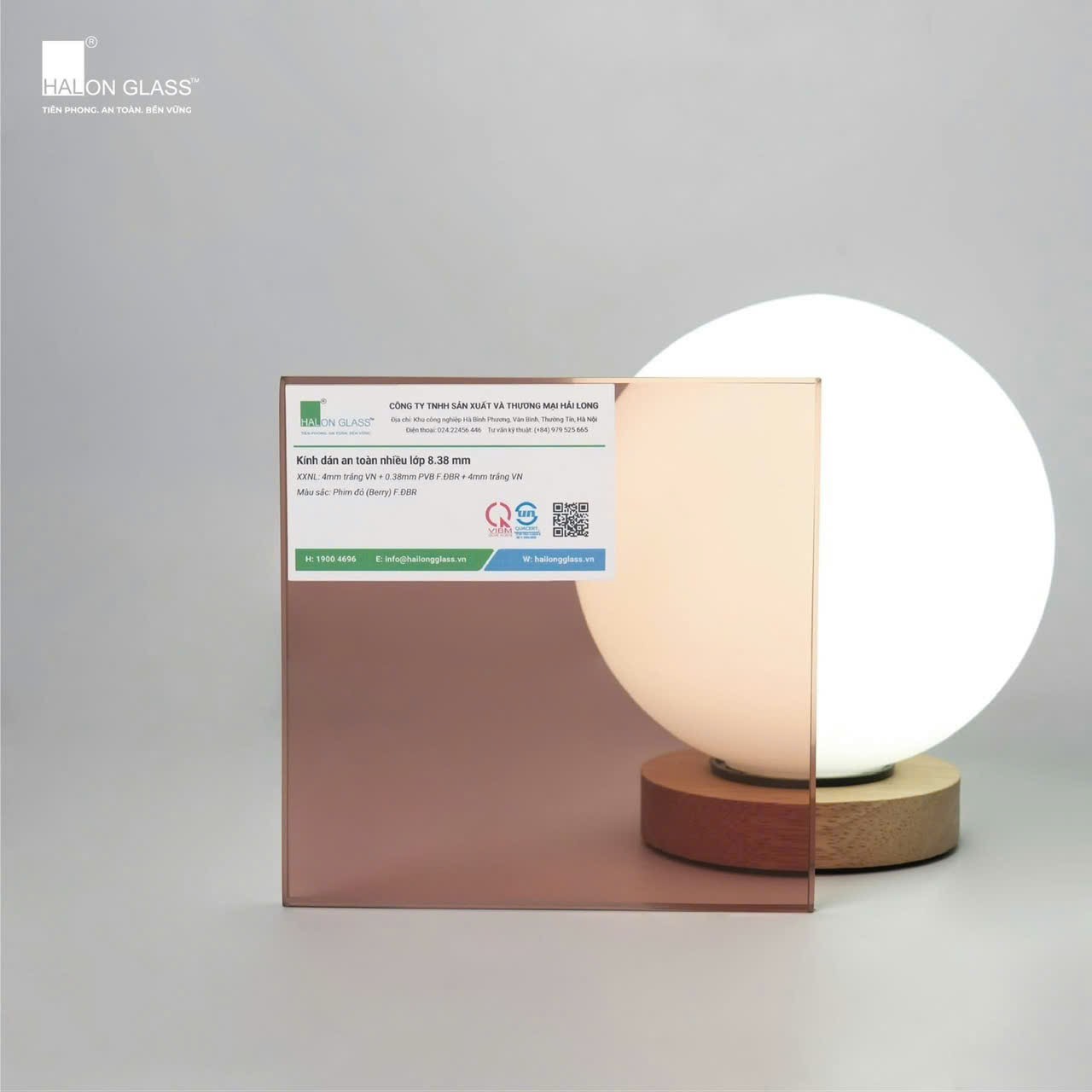
Tinted window film – Enhances aesthetics and protects users.
Glass tinting film plays a crucial role in enhancing the aesthetic value and protective function of 350kg glass elevators. More than just a simple color coating, glass tinting film is an advanced technological solution that improves user experience and extends the lifespan of the elevator cabin. Below is an in-depth analysis of the benefits and mechanisms of glass tinting film in elevator applications.
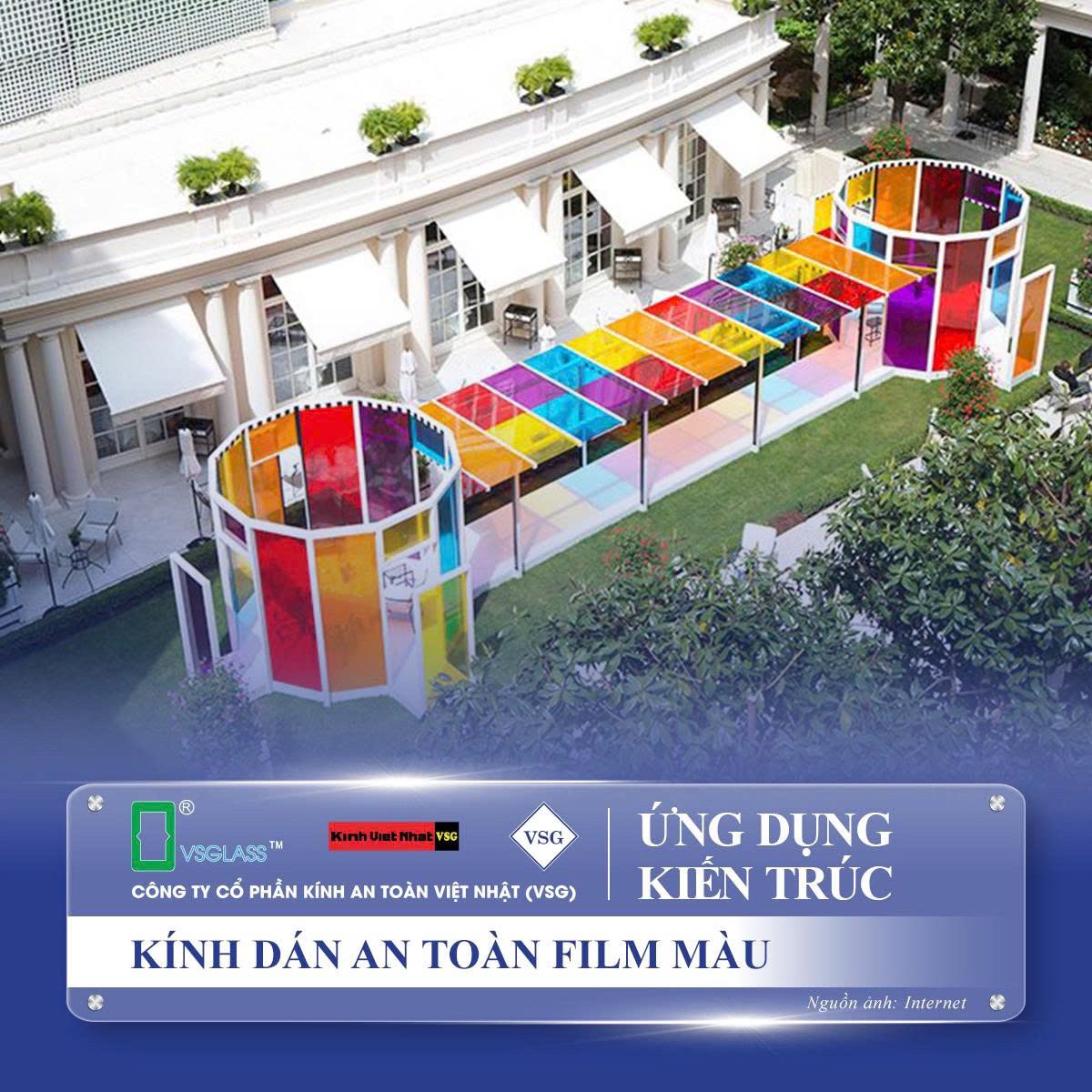
SEE COLOR FILM LENSES SECTION
- UV protection:
Ultraviolet (UV) rays are one of the most serious harmful agents to human health, as well as causing fading and degradation of interior materials. Glass tinting films are designed with special layers capable of absorbing and reflecting up to 99% of UV rays, providing optimal protection against risks such as skin aging, skin cancer, and eye problems. Technically, tinting films use metal or polymer compounds with special molecular structures to block UV wavelengths without reducing the transparency of the glass.
- Enhance privacy:
Glass tinting film offers a wide range of color and opacity options, from slightly transparent to completely opaque, helping to restrict visibility from the outside into the elevator cabin. This is especially important in office buildings, hotels, or upscale residential areas where users need privacy and security. The film coating technology also allows for adjustment of light reflectivity, creating a one-way mirror effect, enabling those inside to see outside without being seen back.
- Lower the temperature:
Glass tinting films have the ability to absorb and reflect infrared radiation – the main cause of heat in spaces with a lot of glass. As a result, the temperature inside the elevator cabin is maintained at a stable level, reducing the load on the air conditioning system and saving energy. High-end films also incorporate multi-layer insulation technology, effectively preventing heat transfer without affecting the natural brightness of the cabin.
- Enhance aesthetics:
Glass tinting films offer a wide variety of colors, patterns, and lighting effects, allowing for unique elevator designs that complement the overall architectural style of the building. Customers can choose from neutral shades like gray, black, and blue to vibrant colors like red and yellow, creating accents or harmonizing with the interior. Additionally, the films can be printed with patterns or combined with reflective effects, making the elevator cabin more luxurious and modern.
Technical factors to consider when choosing window film for elevators:
- Film thickness: Common thicknesses range from 25 to 50 micrometers, affecting durability and impact resistance.
- Scratch resistance: The surface coating prevents the film from being scratched during use, maintaining its aesthetic appeal for a long time.
- Adhesion: The film needs a specialized adhesive layer to ensure it adheres firmly to the glass surface, preventing peeling or blistering over time.
- Fire resistance: Some types of glass tint films are designed to meet fire resistance standards, enhancing safety for elevators.
- Film lifespan: Typically, tinted window film has a lifespan of 5 to 10 years, depending on environmental conditions and product quality.
Practical applications and common types of tinted window films:
- Reflective film: Creates a mirror effect, enhances privacy, and effectively reduces heat.
- Heat control film: Focuses on the ability to reduce heat and block UV rays.
- Decorative film: Available in a wide variety of colors and patterns, serving aesthetic purposes.
- Safety film: Keeps shattered glass from scattering, protecting the user in the event of a collision.
Choosing the right glass film is not only about aesthetics but also requires careful consideration of protective functions, environmental conditions, and the technical requirements of the elevator. A harmonious combination of glass film and overall design will create an elevator cabin space that is both visually appealing, safe, and convenient for users.
Contact the company for professional advice and support.
Choosing and installing a 350kg glass elevator is not simply about selecting a product with the appropriate load capacity; it also requires a deep understanding of engineering, materials, and design to ensure safety, aesthetics, and long-term efficiency. Our company is proud to be a provider of high-quality glass elevator solutions, with a team of experienced technicians and a professional work process, committed to bringing maximum customer satisfaction.
Customers can contact us directly for detailed advice on the following important technical and design issues:
- Choose the type of glass that best suits the intended use and building design:
Glass used in 350kg glass elevators must meet standards for mechanical strength, impact resistance, scratch resistance, and safety in case of accidents. Common types of glass include tempered glass, laminated glass, and reflective glass. Each type of glass has distinct technical characteristics, suitable for different environments and purposes. For example, laminated glass can hold broken glass fragments together, minimizing the risk of injury, while tempered glass is more durable and has better impact resistance.
Our technical team will conduct a detailed analysis of the project requirements, installation location, environmental conditions, and aesthetics to advise on the most optimal type of glass, ensuring both safety and aesthetics for the elevator.
- The design features a strong steel frame and an optimized suspension system:
The steel frame is the main load-bearing component of a glass elevator, playing a crucial role in ensuring operational safety and the durability of the entire system. The design of the steel frame must adhere to strict technical standards, taking into account load, wind pressure, vibration, and other external factors.
We utilize modern design and simulation software to optimize the steel frame structure, ensuring high load-bearing capacity while maintaining aesthetics and saving materials. The suspension system is also carefully selected and arranged, using high-quality steel cables that are wear-resistant and rust-proof, ensuring smooth and absolutely safe operation.
- A diverse range of colored window film solutions to suit various styles and purposes:
Tinted window films not only enhance aesthetics but also provide sun protection, heat reduction, and privacy for users. Our company offers a wide variety of tinted films in terms of shade, transparency, and light effects, from reflective and heat-insulating films to frosted or decorative films.
Choosing the right window film should be based on the overall design of the building, the direction of sunlight, and the customer's needs. Our consulting team will assist in analyzing and proposing the optimal window film solution, ensuring that the elevator is not only aesthetically pleasing but also energy-efficient and enhances the user experience.
- The elevator installation, maintenance, and servicing process ensures safety and durability:
Installing a 350kg glass elevator requires advanced technical skills and strict adherence to safety procedures. Our company applies international standard installation procedures, including checking input materials, assembling the frame and glass, adjusting the suspension system, load testing, and trial operation before handover.
In addition, regular maintenance and servicing are performed by a team of professional technicians using modern testing equipment to detect early signs of wear and tear and damage, and address them promptly. This helps extend the lifespan of the elevator, minimize risks, and ensure absolute safety for users.
- Competitive pricing and the best customer support policies:
We are committed to providing 350kg glass elevators at reasonable and competitive prices, along with dedicated warranty, after-sales service, and technical support policies. Customers will receive detailed advice on installation and maintenance costs, as well as customization options to suit their budget.
At the same time, the company also implements incentive programs, financial support, and professional customer service to create the most favorable conditions for customers during the product usage process.
Our team of consultants is always ready to assist and answer any que