

Joint venture elevators
Joint venture elevators
The concept of joint venture elevators and core technical specifications.
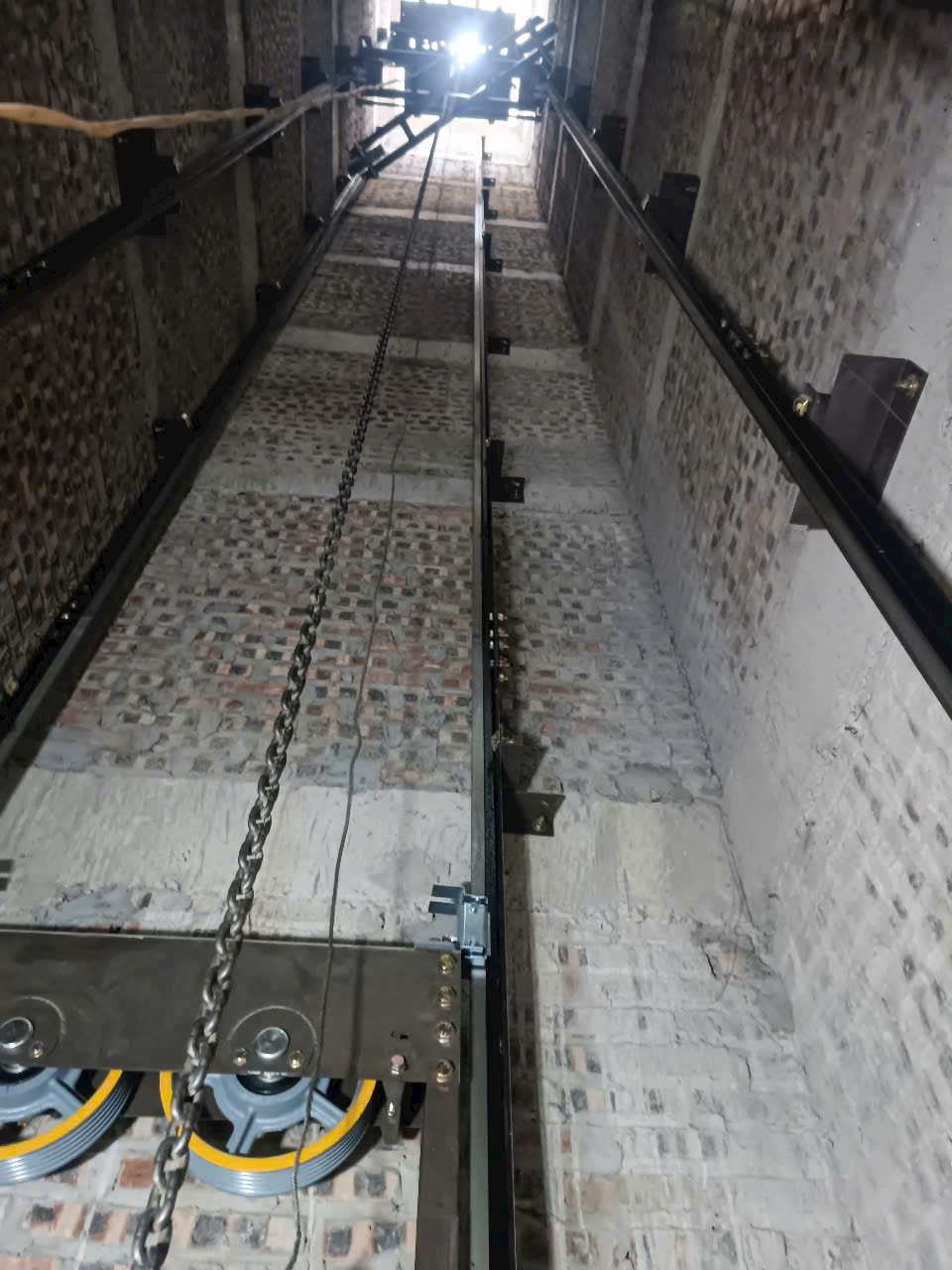
Joint venture elevators are a product line manufactured based on a combination of technology, design, and quality standards from international elevator manufacturers with the processing, assembly, and cost optimization capabilities of the domestic market. This model typically employs a structure where core components such as traction machines, control cabinets, safety systems, and sensors are imported as a complete unit; while the mechanical parts, cabin, frame, landing doors, and interior finishing are manufactured or processed domestically according to the drawings and technical standards of the foreign partner.
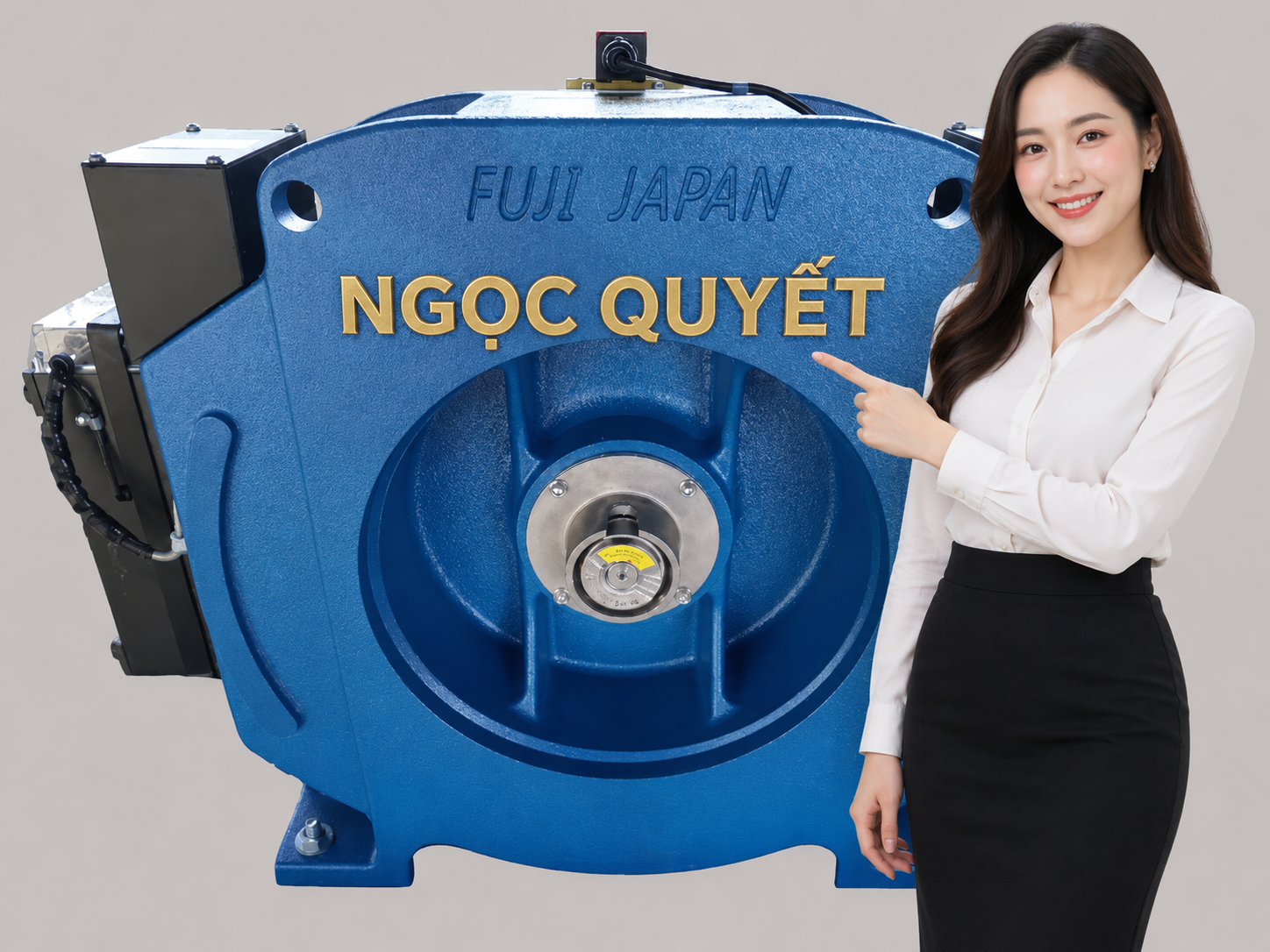
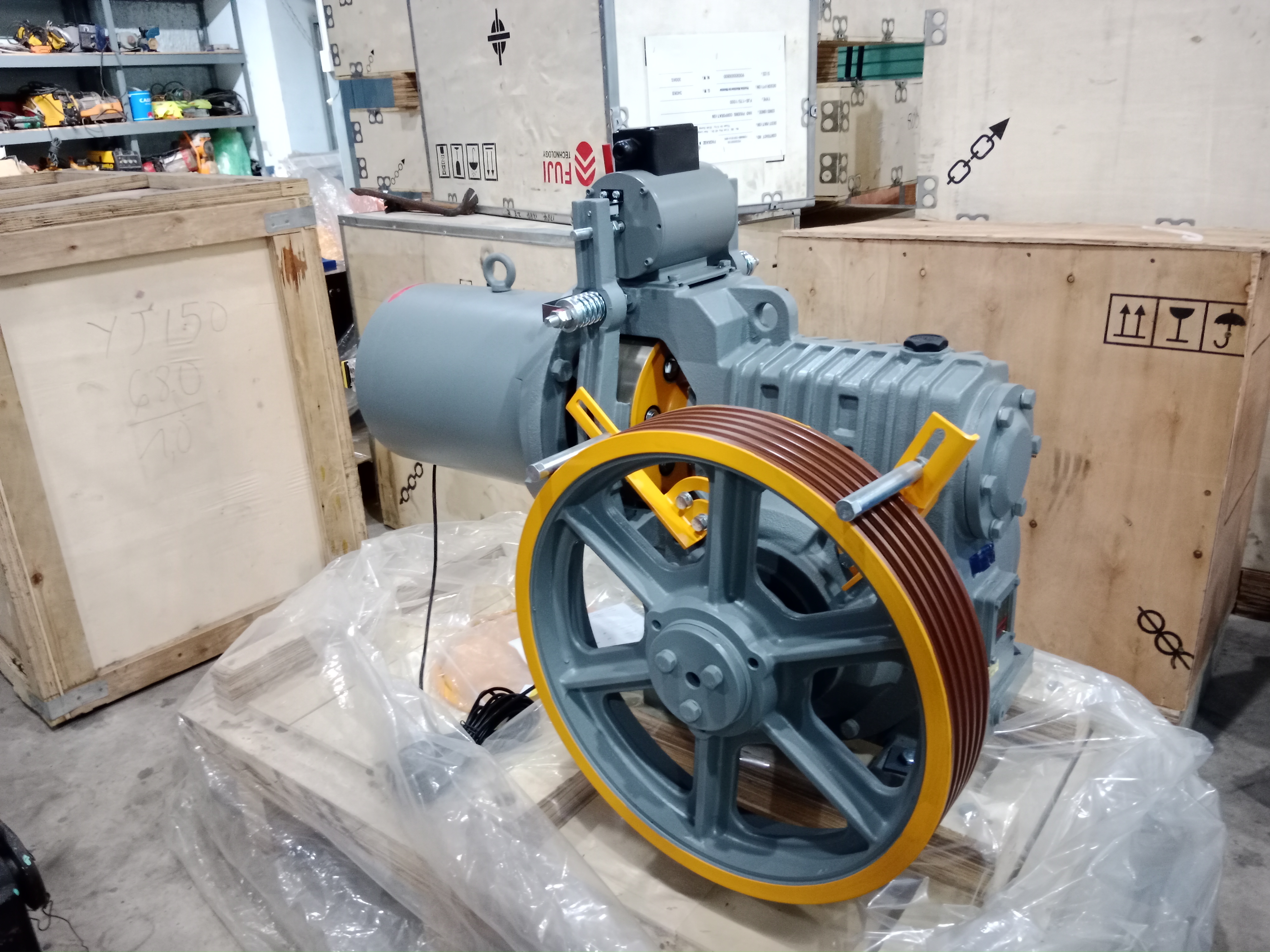
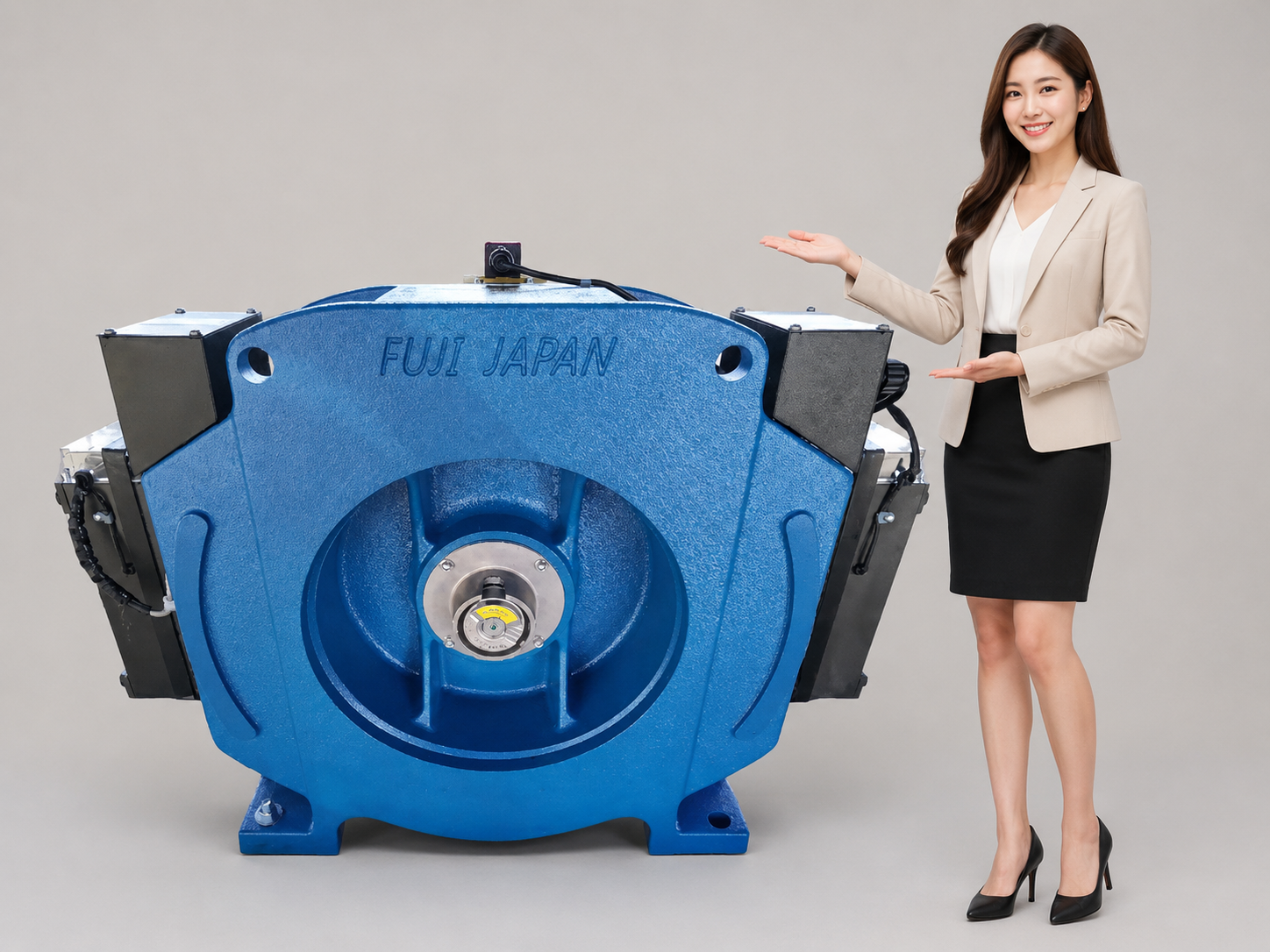
Technically, joint-venture elevators fully comply with international safety standards such as EN 81, ISO 8100, or equivalent standards, while also meeting national elevator safety regulations. The most important components determining smoothness, durability, and safety, such as gearless traction machines , VVVF inverters , central control units , speed limiters , and door sensors, are typically imported from Japan, South Korea, Europe, or reputable OEM manufacturers. As a result, the operating performance, stability, and lifespan of the system remain comparable to many fully imported elevator models.
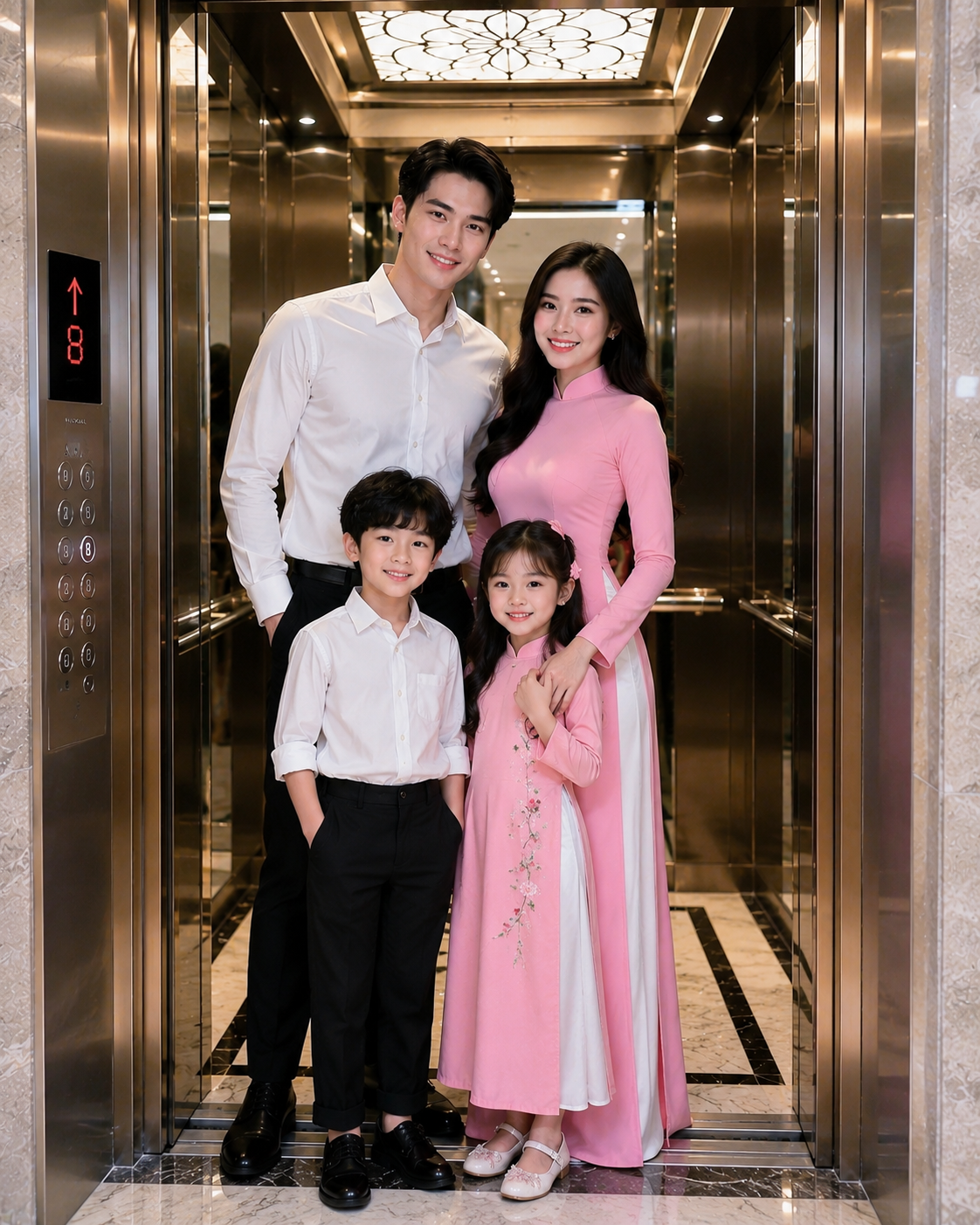
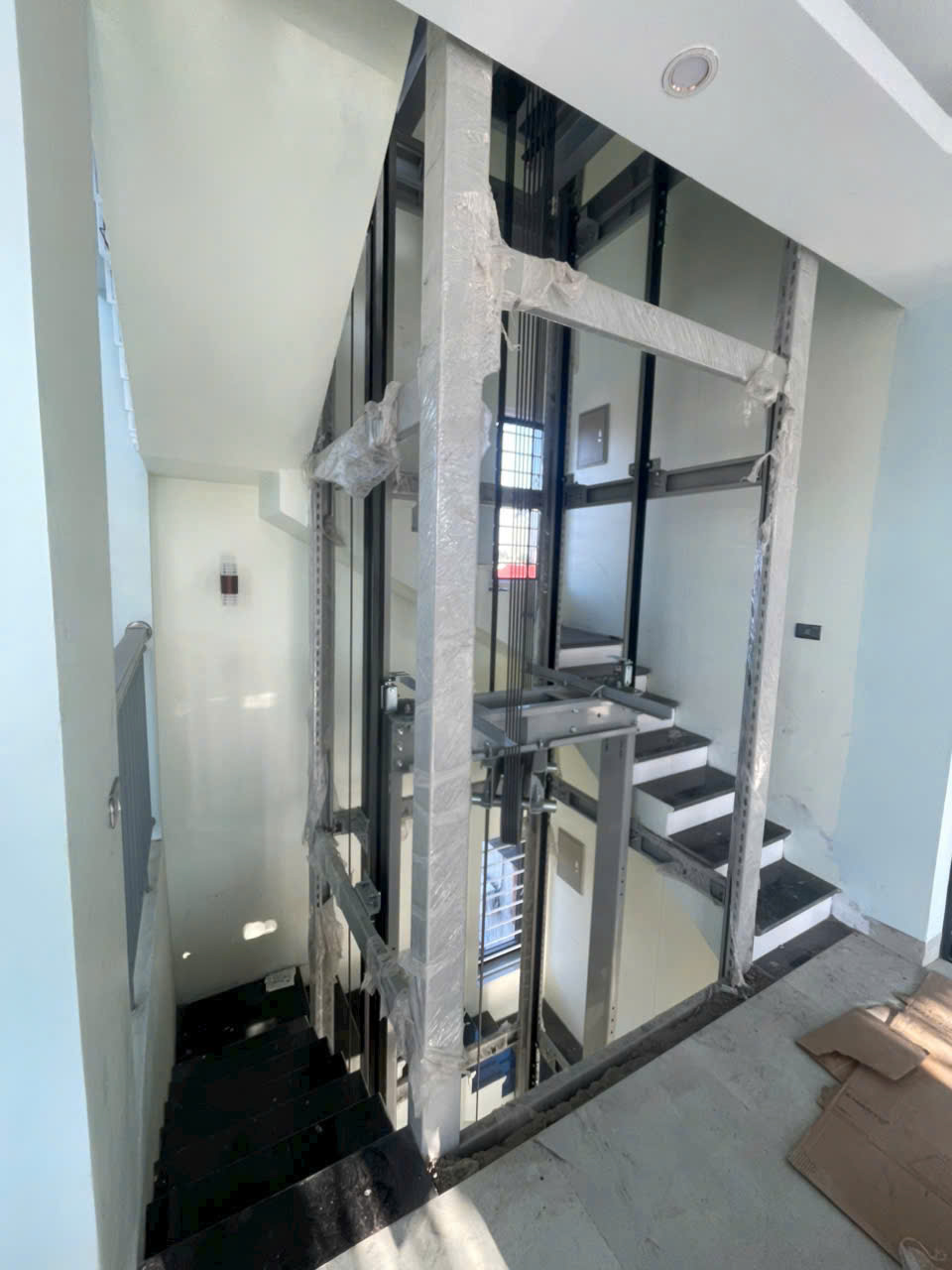
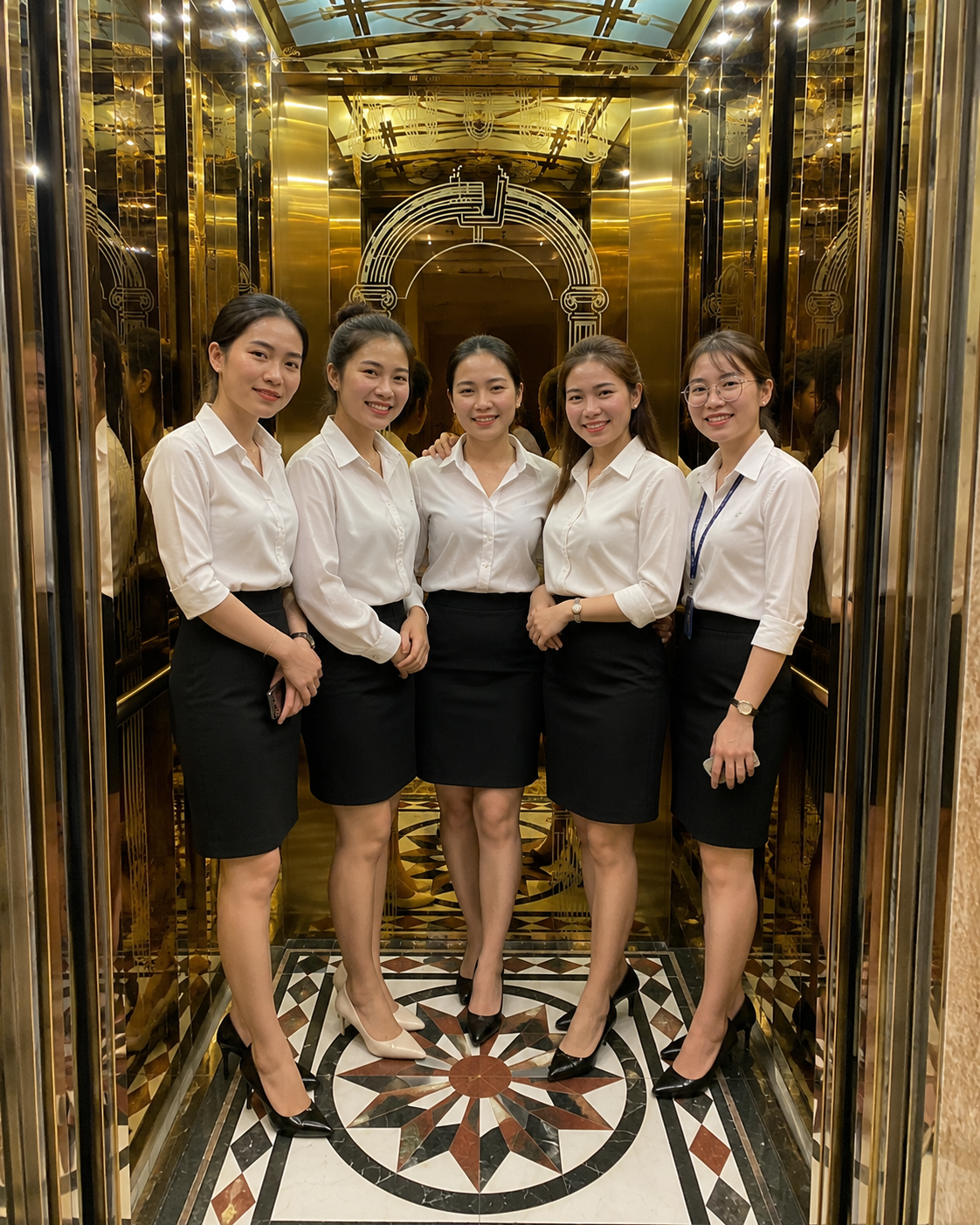
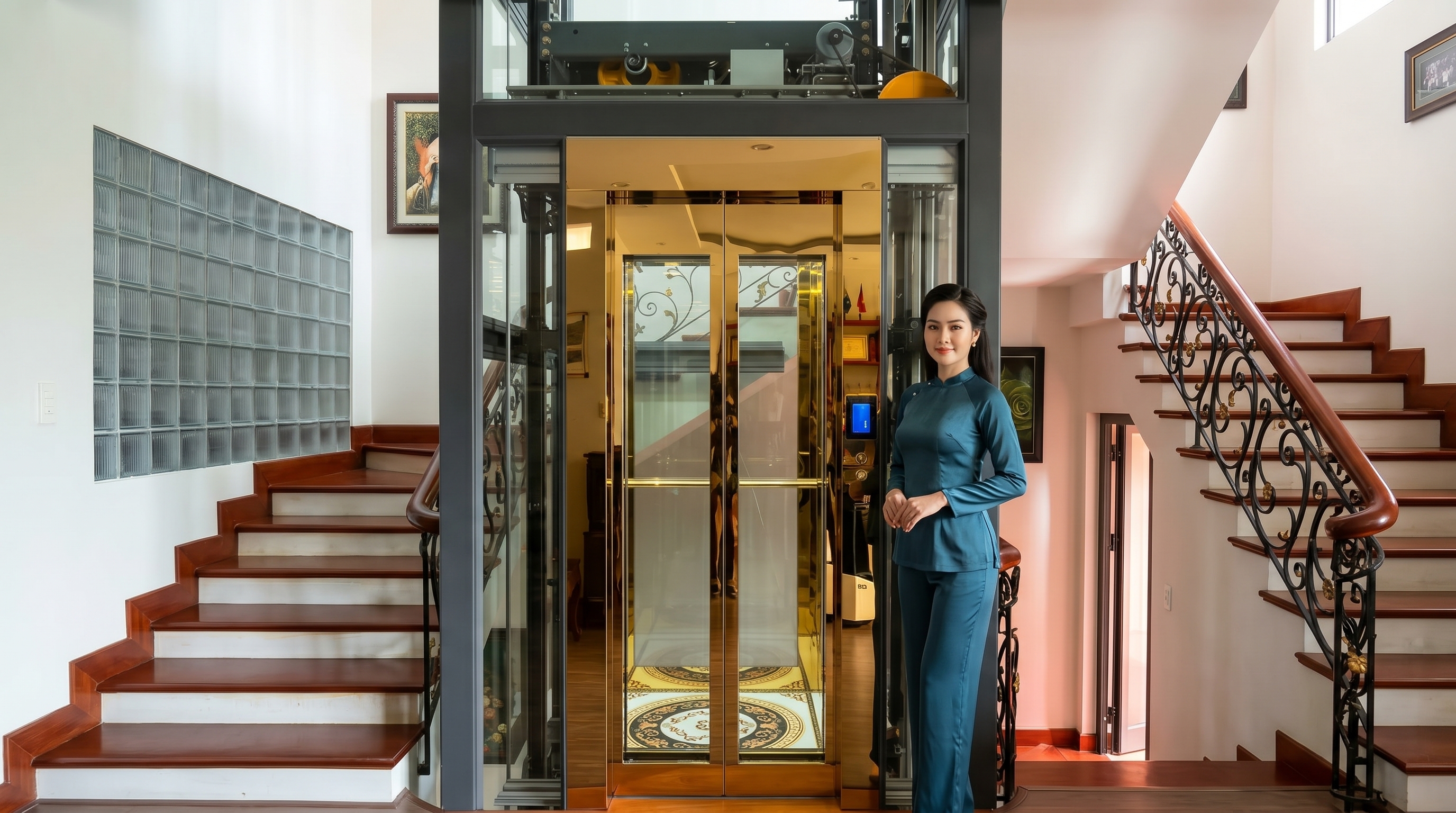
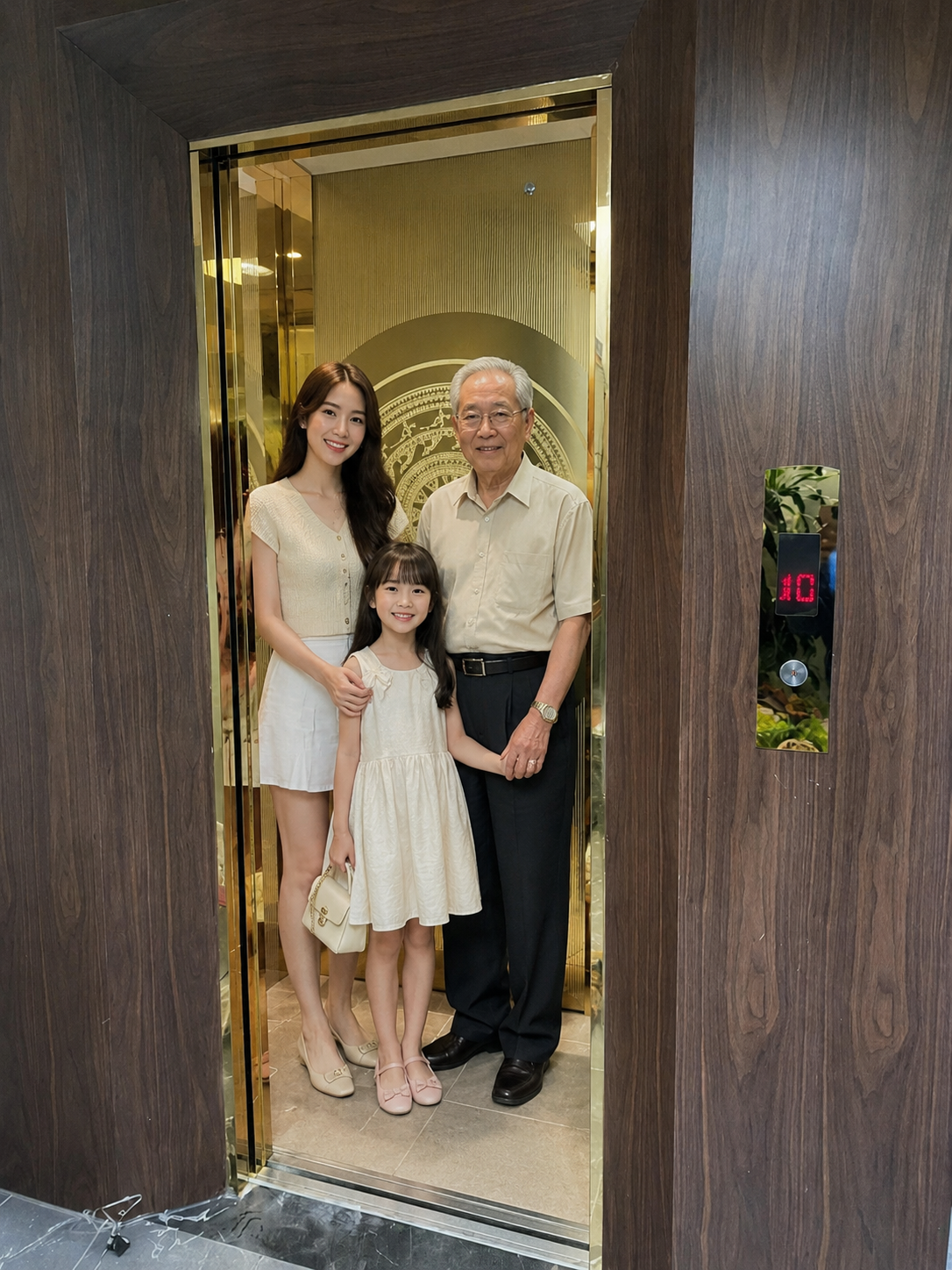
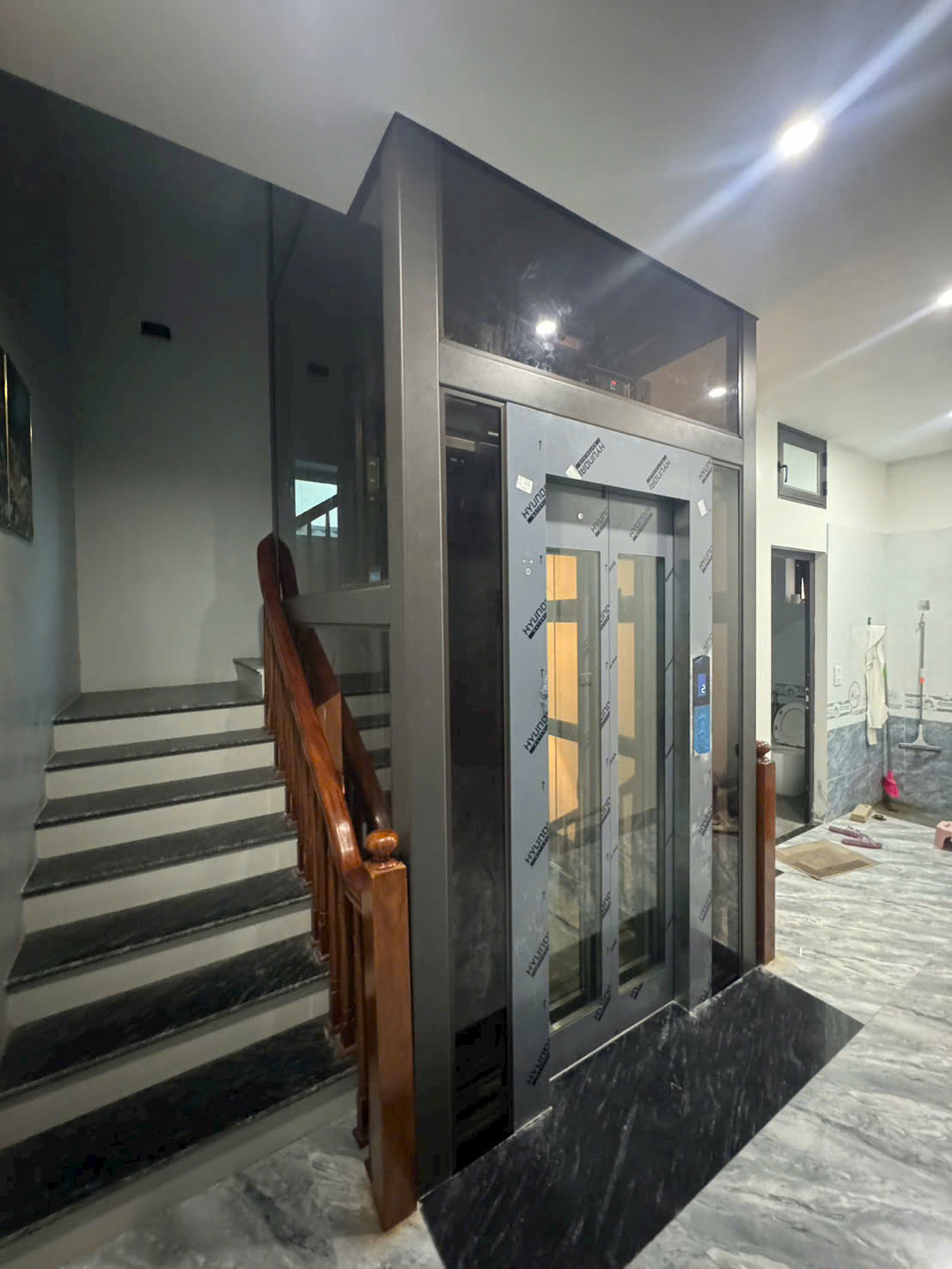
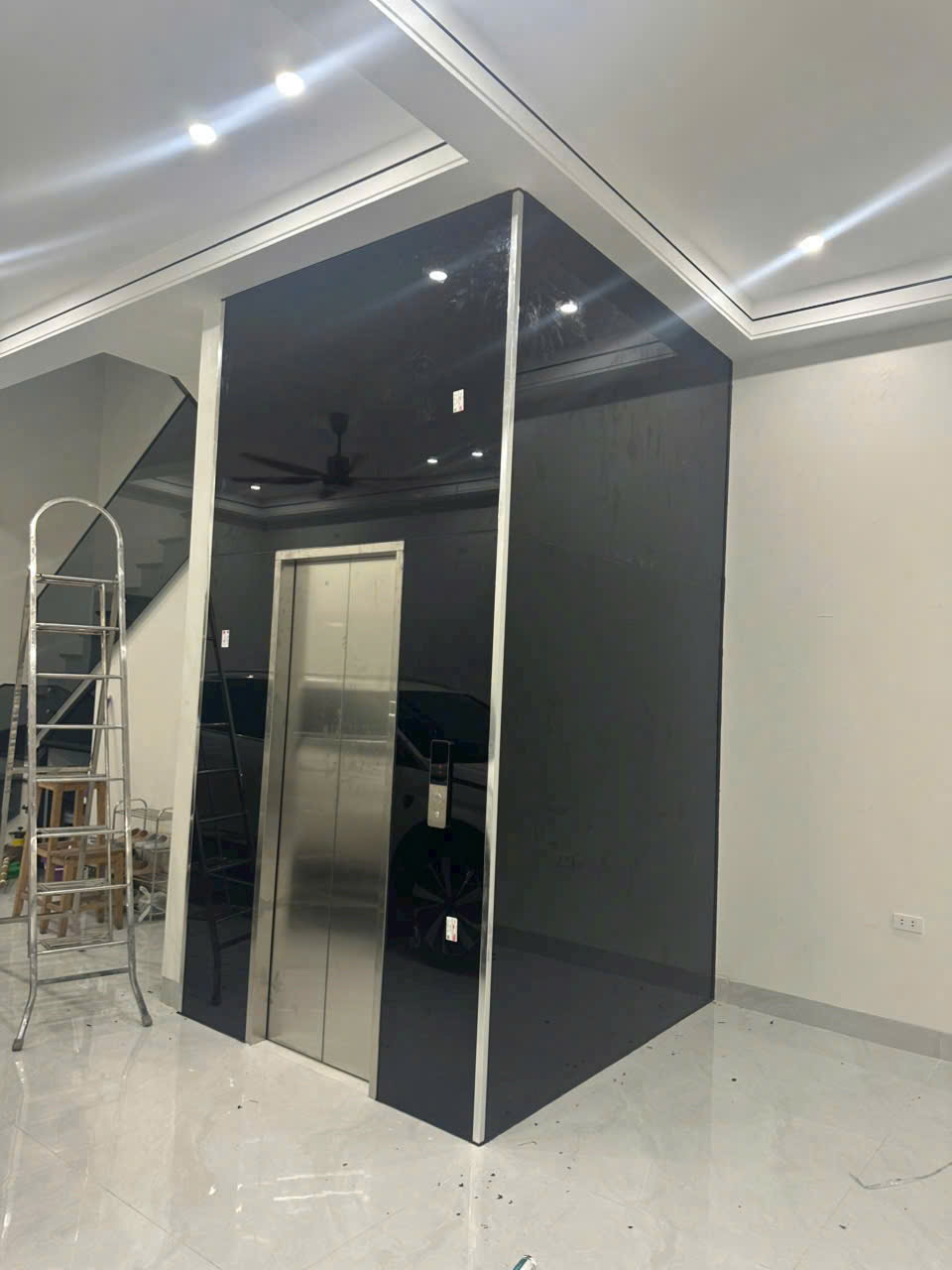
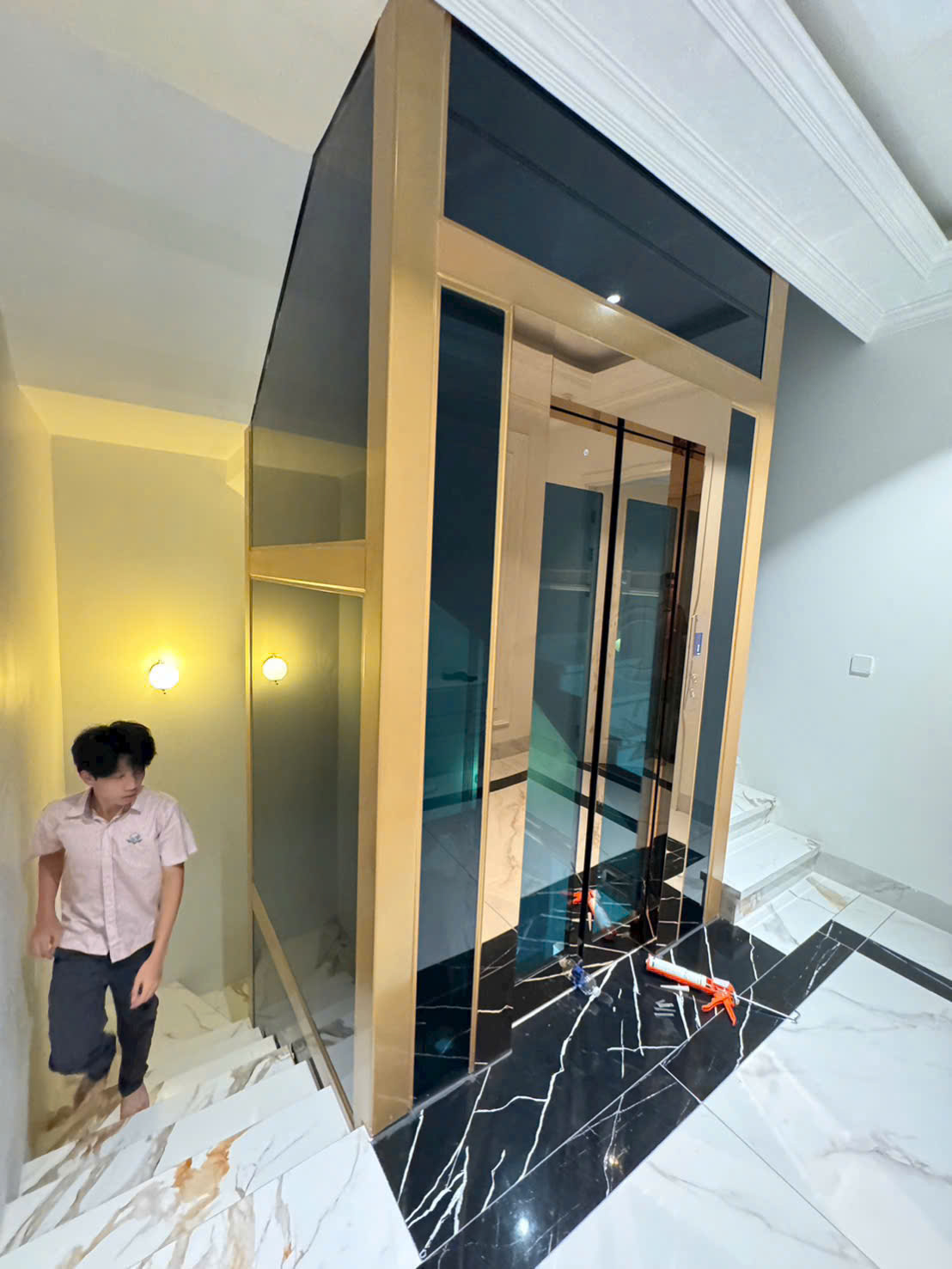
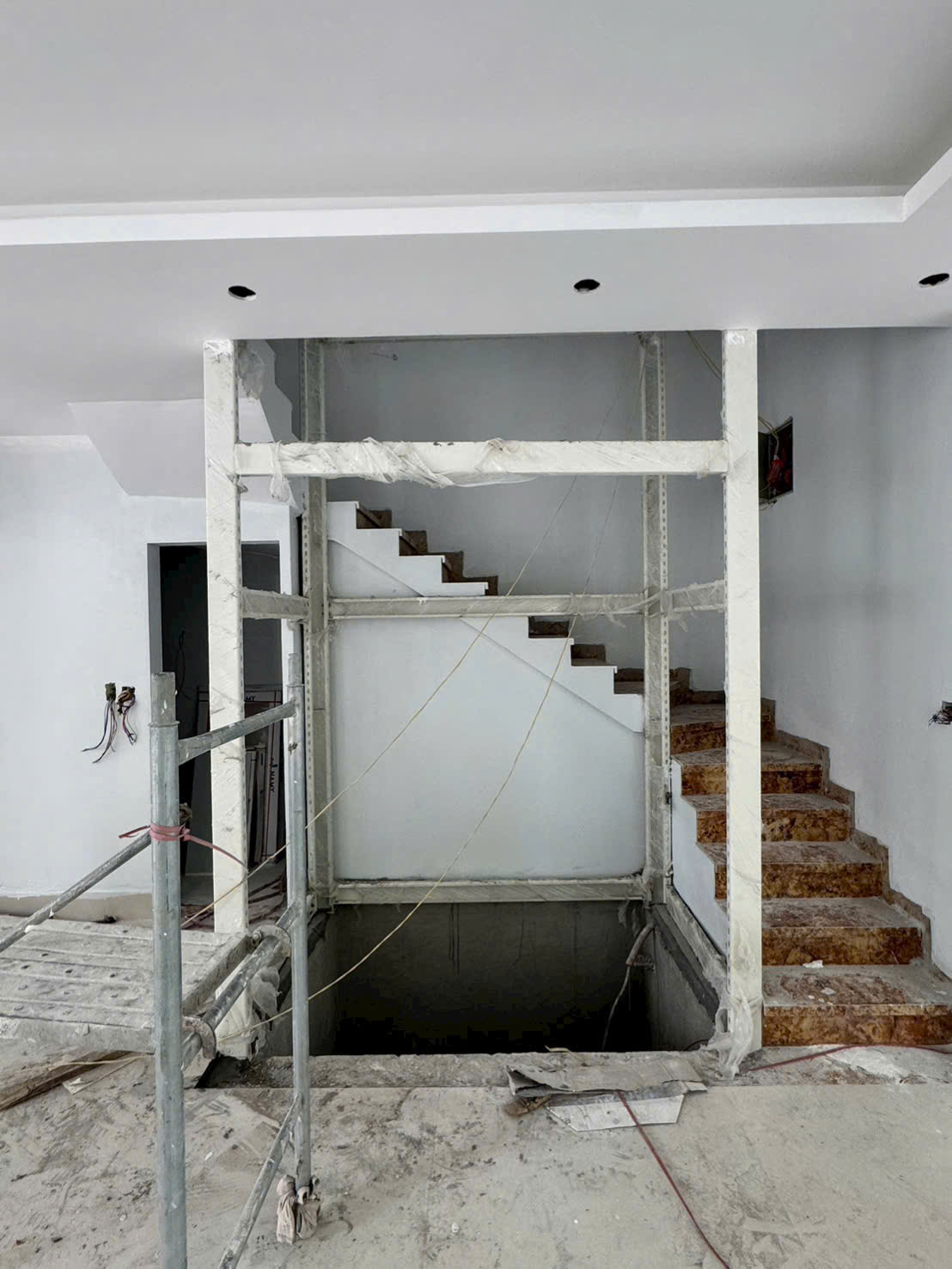
A key characteristic of joint venture elevators is their high degree of customization. Cabins can be designed in various styles: brushed stainless steel, mirror-finish stainless steel, glass cladding, engineered wood cladding, or artificial stone; cabin ceilings can incorporate LED lighting, patterned panels, or decorative mirrors; handrails, control panels, and cabin flooring can be flexibly selected to suit aesthetic needs and budget. Thanks to their ability to manufacture the mechanical components and complete the interior finishing, joint ventures can easily adjust the shaft size, cabin dimensions, load capacity, and floor height to suit renovation projects, townhouses with limited space, or other unique architectural designs.
Economic, operational, and maintenance benefits of joint venture elevators.
In terms of investment costs, joint-venture elevators are typically significantly cheaper than fully imported elevators, while retaining most of the core technological value. The high localization rate in mechanical components, frames, cabins, and landing doors reduces transportation costs, import taxes, warehousing costs, and lead times. This is particularly important for family homes, small and medium-sized office buildings, mini-hotels, and low-rise apartment buildings, where investment budgets are limited but safety and durability requirements remain high.
From an operational perspective, modern joint-venture elevators are equipped with features comparable to many high-end models: group control for buildings with multiple elevators, priority mode for fire escape elevators , energy-saving operating mode , automatic rescue system (ARD) in case of power failure, and remote monitoring via the Internet or local network. VVVF variable frequency drives control the speed, ensuring smooth acceleration and deceleration, minimizing vibration and noise, while optimizing energy consumption. For residential buildings, the use of gearless traction machines combined with high-strength steel cables or polyurethane-coated belts significantly reduces monthly electricity costs.
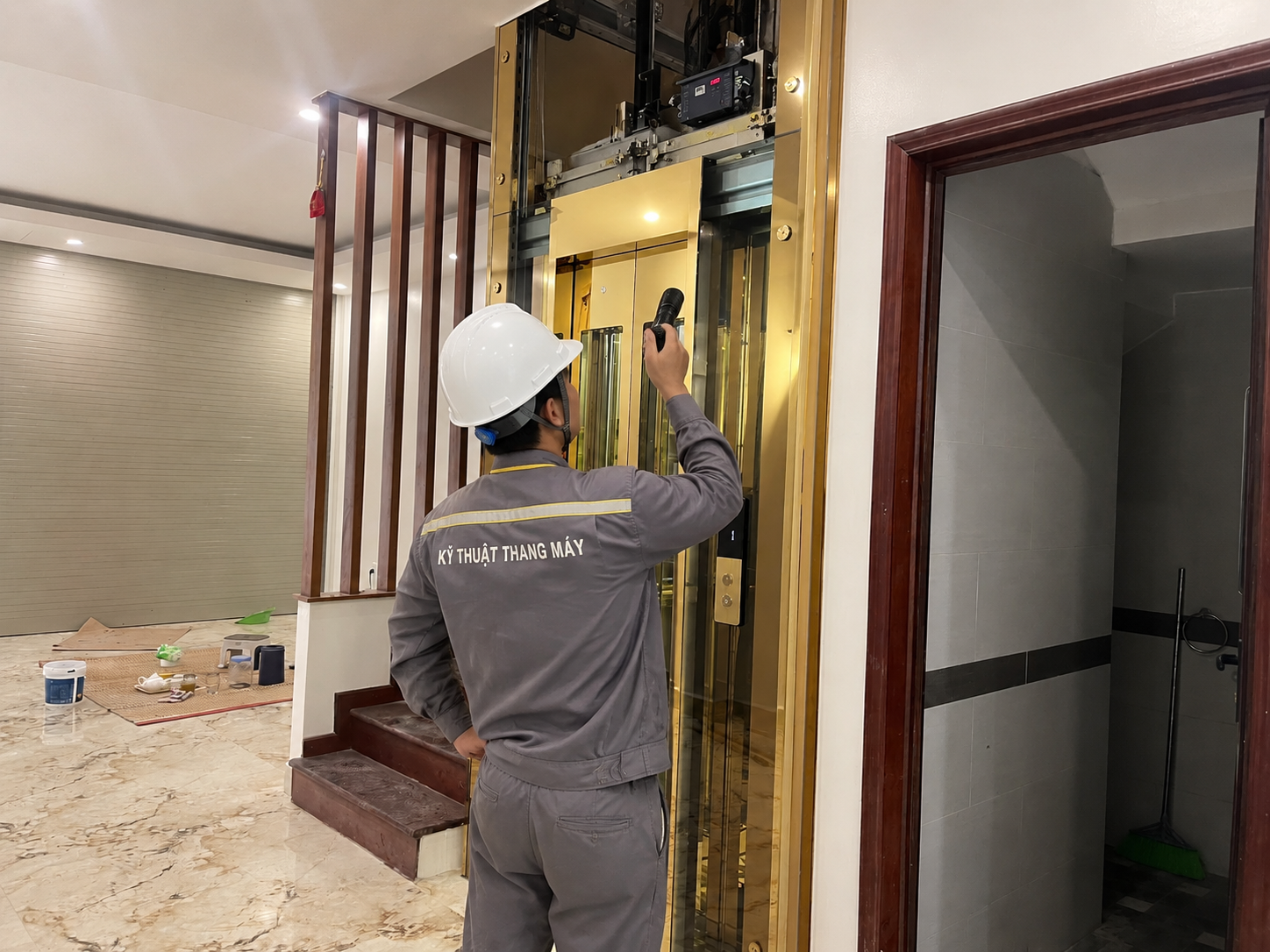
Maintenance is one of the outstanding advantages of joint-venture elevators. Because most mechanical components, consumables, and spare parts are standardized and readily available from multiple domestic sources, the waiting time for parts during repairs or overhauls is significantly reduced. Local technicians, trained directly by the manufacturer or technology partners, are familiar with the system structure, electrical diagrams, and routine maintenance procedures, enabling quick and accurate troubleshooting. This minimizes elevator downtime, reduces building disruptions, and optimizes long-term maintenance costs.
Safety factors and inspection standards
In terms of safety, joint-venture elevators must undergo rigorous inspection procedures before being put into use and periodically throughout their operational lifespan. Items inspected include: safety brake system , speed limiter , limit switches , floor door locks , anti-jamming sensors , automatic rescue system , grounding system, and lightning protection . Full compliance with national technical standards is not only a legal requirement but also provides reassurance to investors, building management units, and users regarding the safety of the equipment.
Reputable manufacturers and joint ventures often implement quality management systems according to ISO 9001 standards , environmental management systems according to ISO 14001 , and even integrate occupational safety standards such as ISO 45001 into their production, installation, and maintenance processes. The traceability of components, quality inspection records, installation logs, acceptance reports, and factory certificates are fully documented, providing a foundation for risk assessment, preventative maintenance planning, and future equipment upgrades.
Practical applications and selection criteria for joint venture elevators.
Joint venture elevators are widely used in various types of buildings due to their customization capabilities and cost optimization. In the residential segment, elevators with a load capacity of 300–450 kg, speeds of 30–60 m/min, shallow pits, and low overhead height are popular choices for 4–8 story townhouses. For office buildings, hotels, and mini-apartments, elevators with a load capacity of 630–1000 kg, speeds of 60–90 m/min, and integrated group control and card access management systems effectively meet the needs of vertical circulation. In the industrial and logistics sectors, joint venture freight elevators with large load capacities, ribbed steel floors, and doors that open opposite or across floors optimize the flow of goods.
When choosing a joint-venture elevator, investors need to simultaneously evaluate several criteria: technical aspects, safety, economics, and after-sales service. Technically, they should consider the origin of the traction machine, control panel, inverter, landing door system, and sensors; and assess the potential for expanding features such as BMS connectivity, access control integration, and remote monitoring. Regarding safety, they should require complete documentation including conformity certification, inspection certificates, rescue procedures, and user manuals for residents or building staff. Economically, they should not only compare the initial purchase price but also consider electricity costs, periodic maintenance costs, and replacement parts costs over the expected lifespan of the equipment.
Factors to prioritize when working with suppliers.
To maximize the benefits of a joint-venture elevator system, selecting the right supplier and installer is crucial. Several factors should be prioritized, including: design capabilities and the ability to provide solutions tailored to the building's architecture; experience in numerous similar projects; a team of officially trained technicians ; a readily available inventory of spare parts and components ; and a clear commitment to incident response times in the maintenance contract. Furthermore, conducting on-site surveys of installed systems and consulting with building management and users to assess smoothness, stability, and after-sales service quality is an important step in minimizing risks.
In the context of rapid urbanization, the increasing demands for safety, convenience, and cost optimization have made joint venture elevators a strategic choice for many investors and building management companies. The combination of international technology, domestic manufacturing capabilities, an on-site maintenance service ecosystem, and the ability to customize to each project helps this model maintain a sustainable competitive advantage in the vertical transportation equipment market.