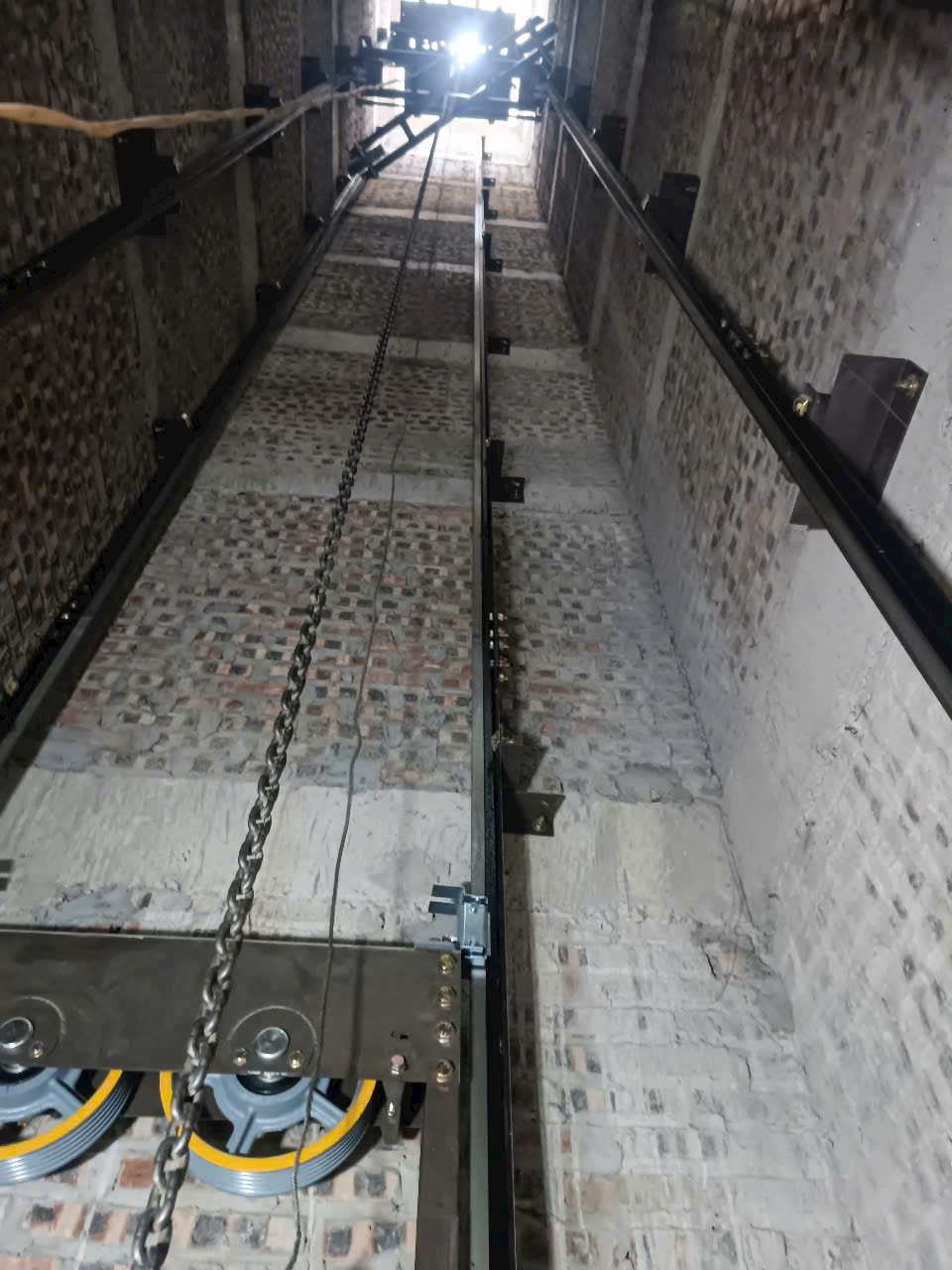
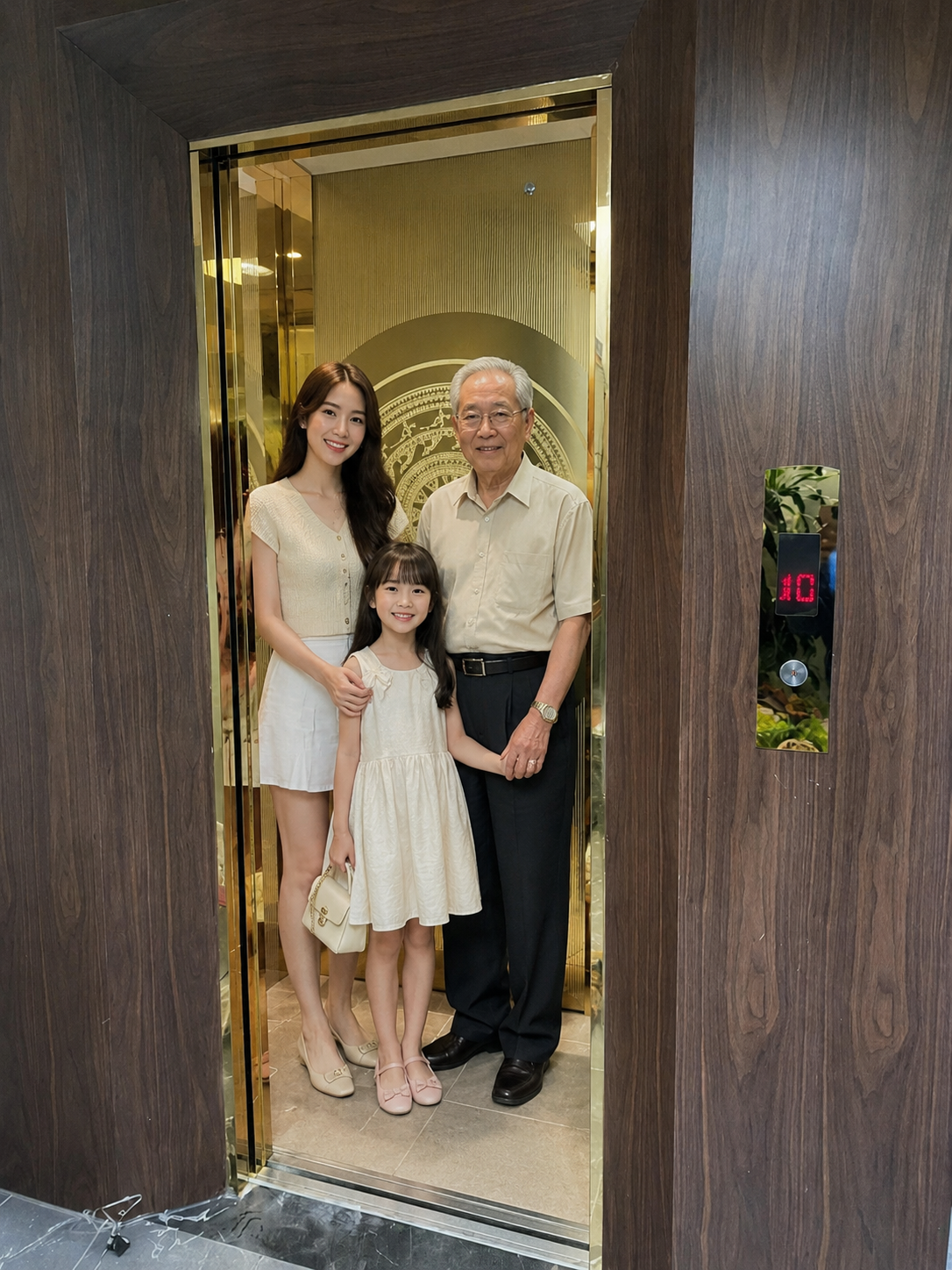
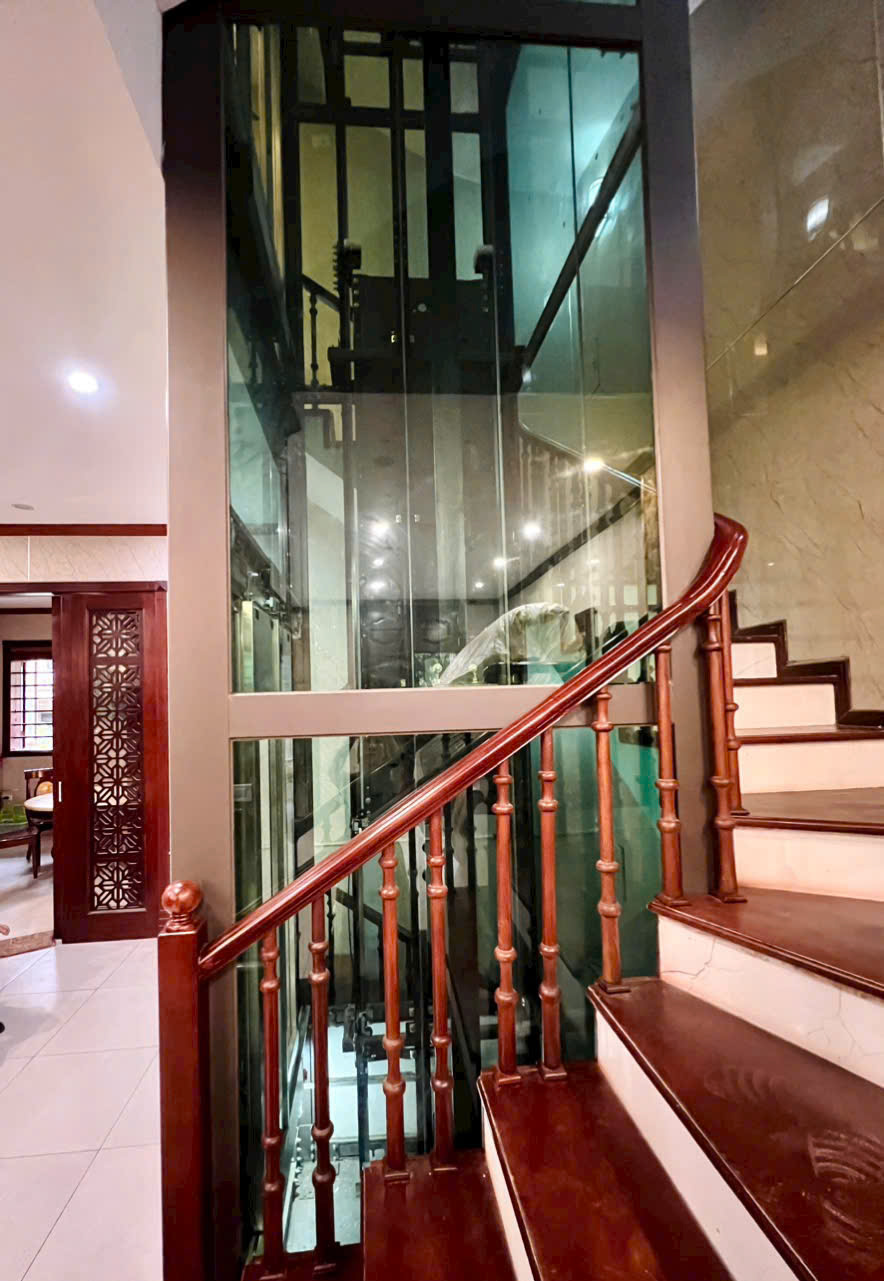
Beautiful glass-enclosed elevator
Overview of glass-enclosed elevators
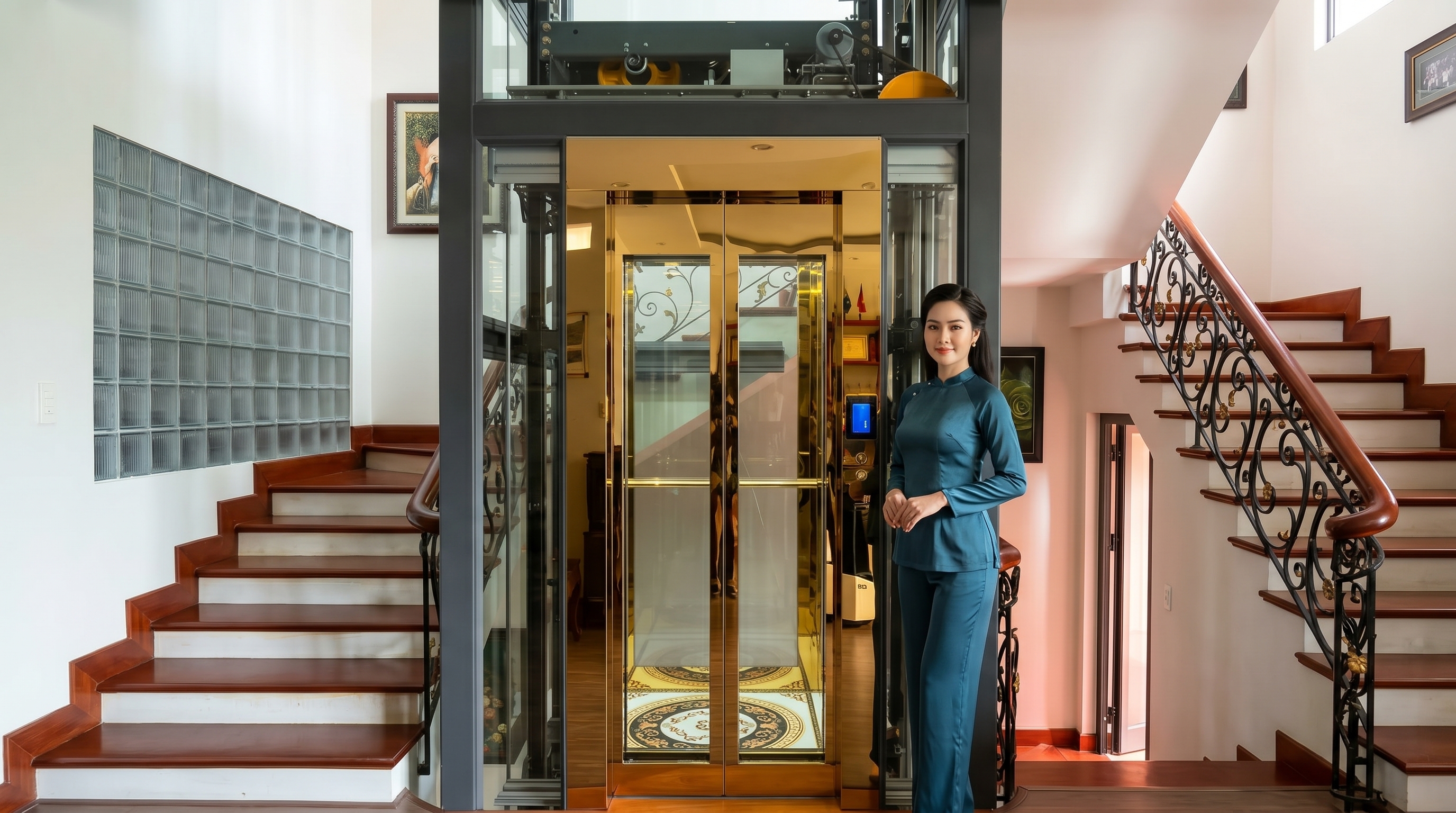
Glass-enclosed elevators are a type of elevator designed with a cabin made of transparent or semi-transparent tempered glass, creating a luxurious and modern look for the building. This type of elevator not only fulfills the function of transportation but also boasts high aesthetic value, allowing users to observe the outside space while traveling. Glass-enclosed designs are widely used in commercial buildings, shopping malls, high-end hotels, and architectural projects with high aesthetic requirements.
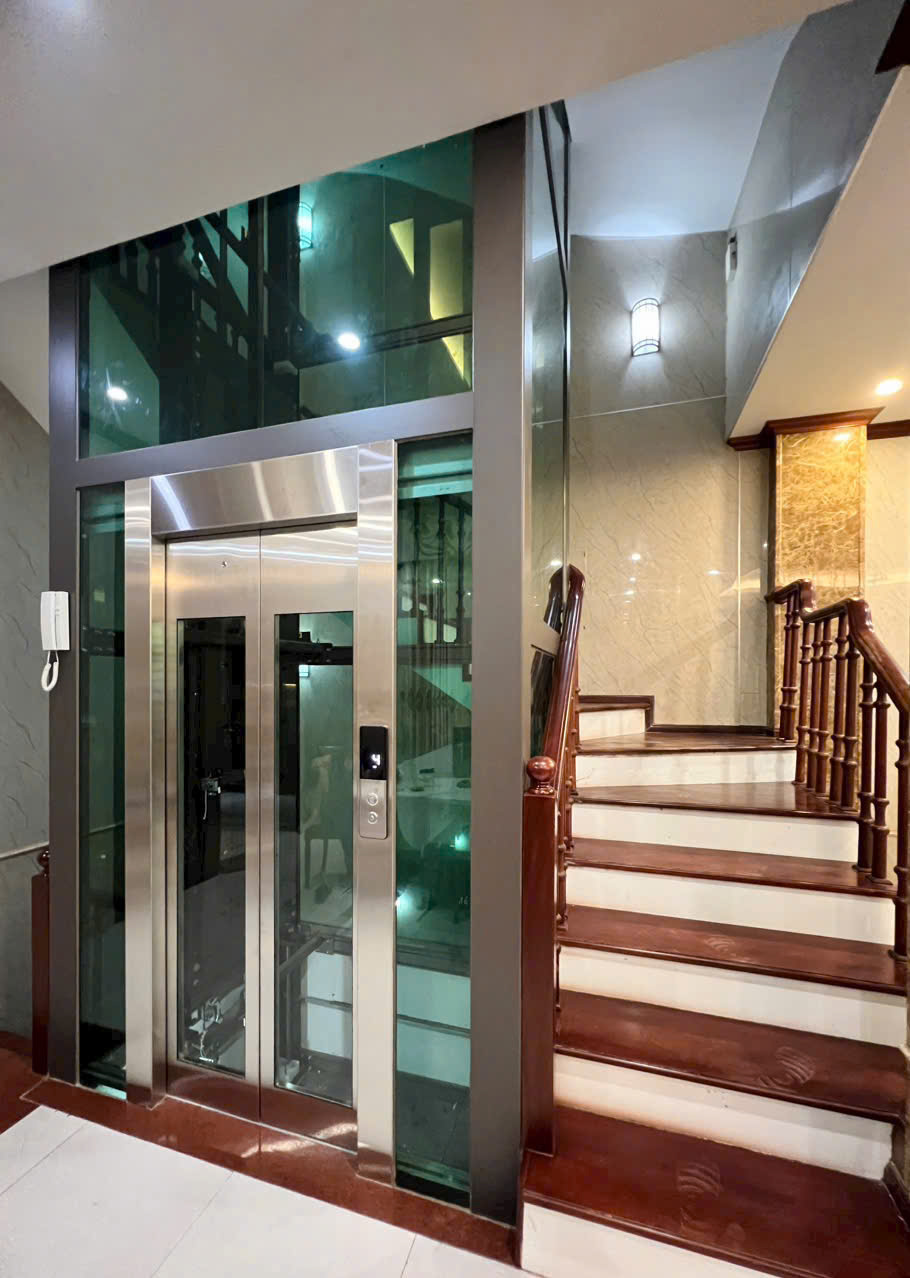
Structure and operating principle of glass-enclosed elevators
Glass-enclosed elevators consist of the following main components:
- Glass cabin: Made from tempered glass or multi-layered safety glass, it has high strength and impact resistance, ensuring user safety.
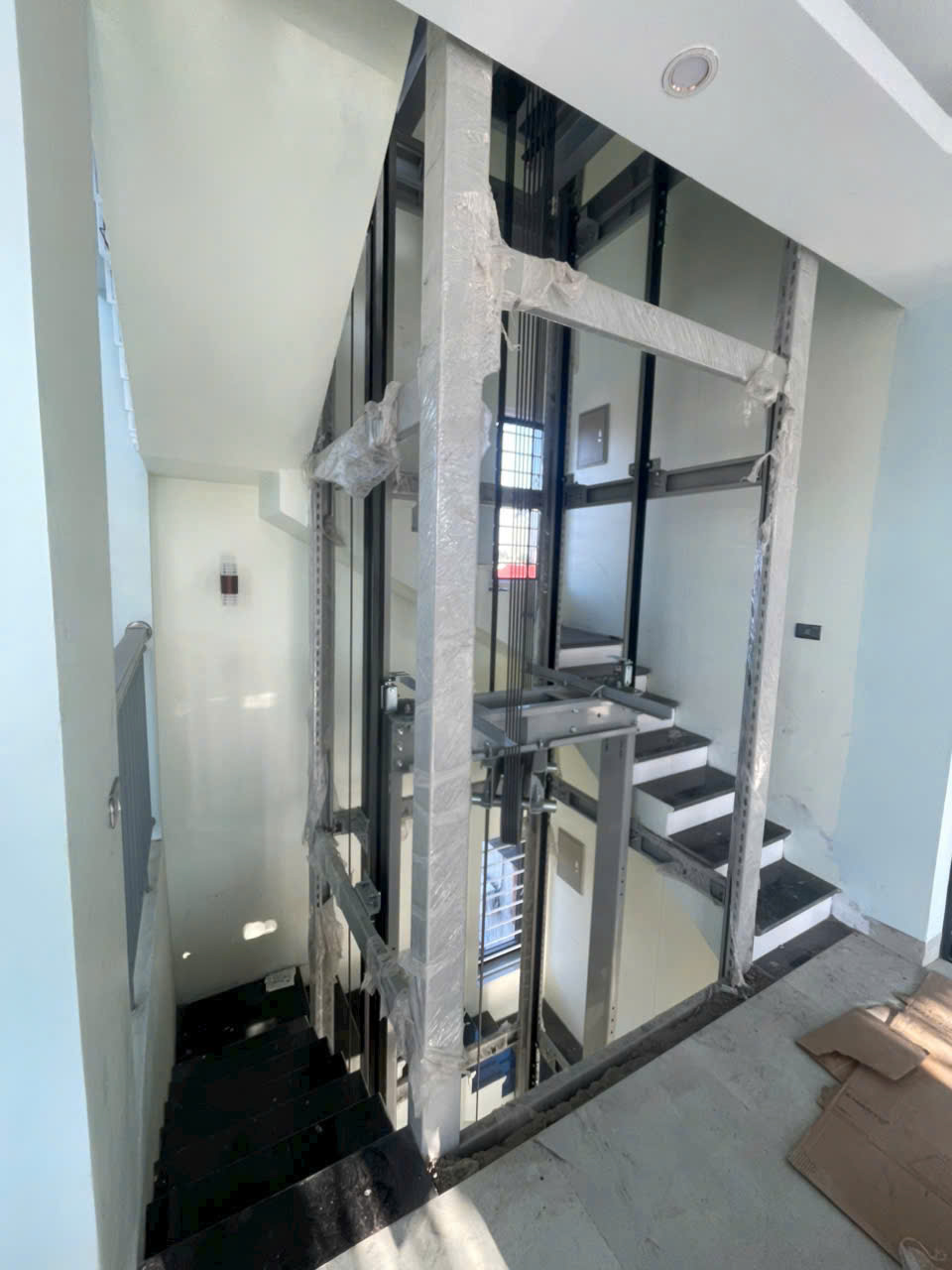
- Frame and guide rails: A load-bearing steel or aluminum alloy frame, combined with guide rails, ensures stable and precise cabin movement.
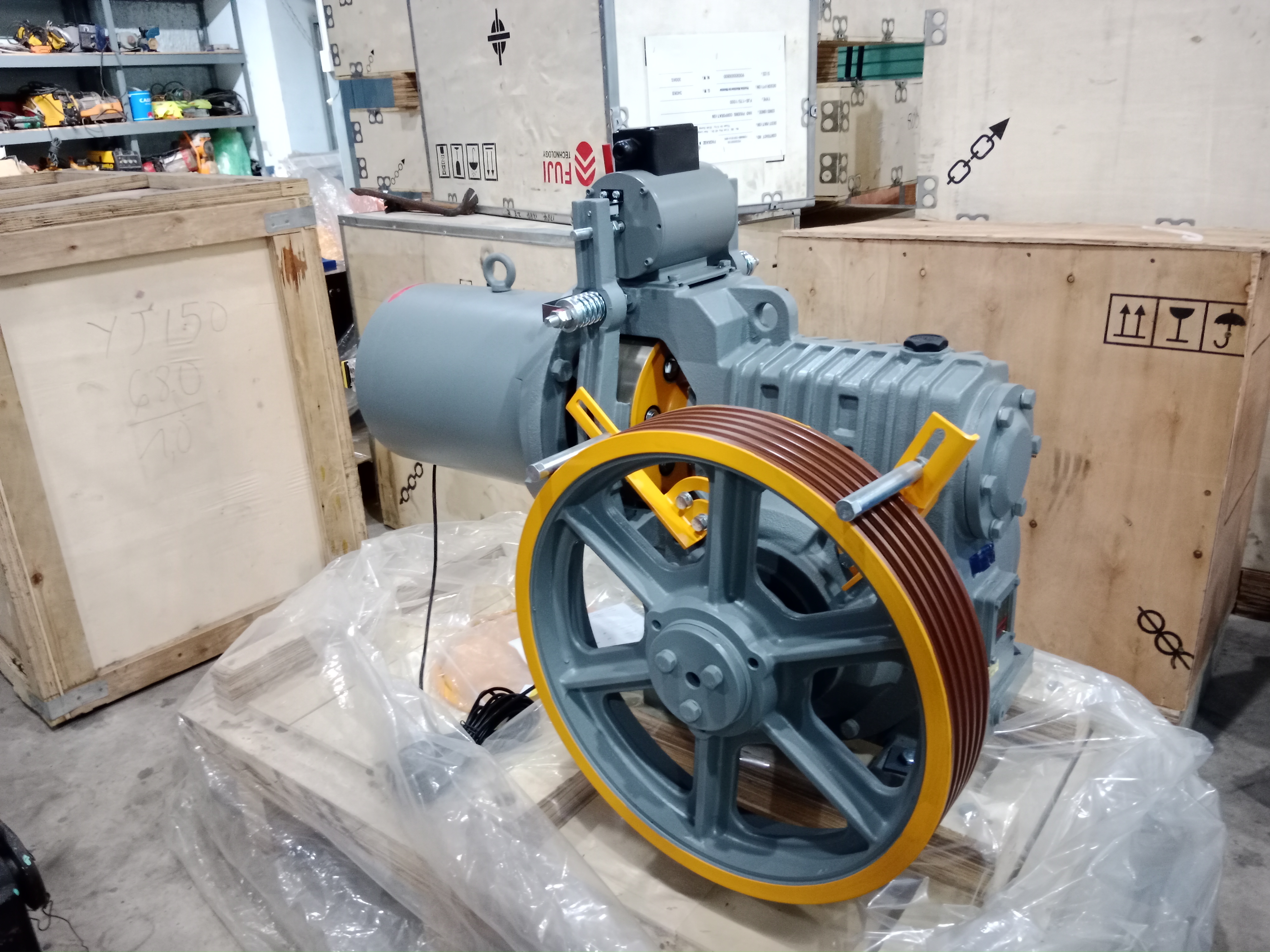
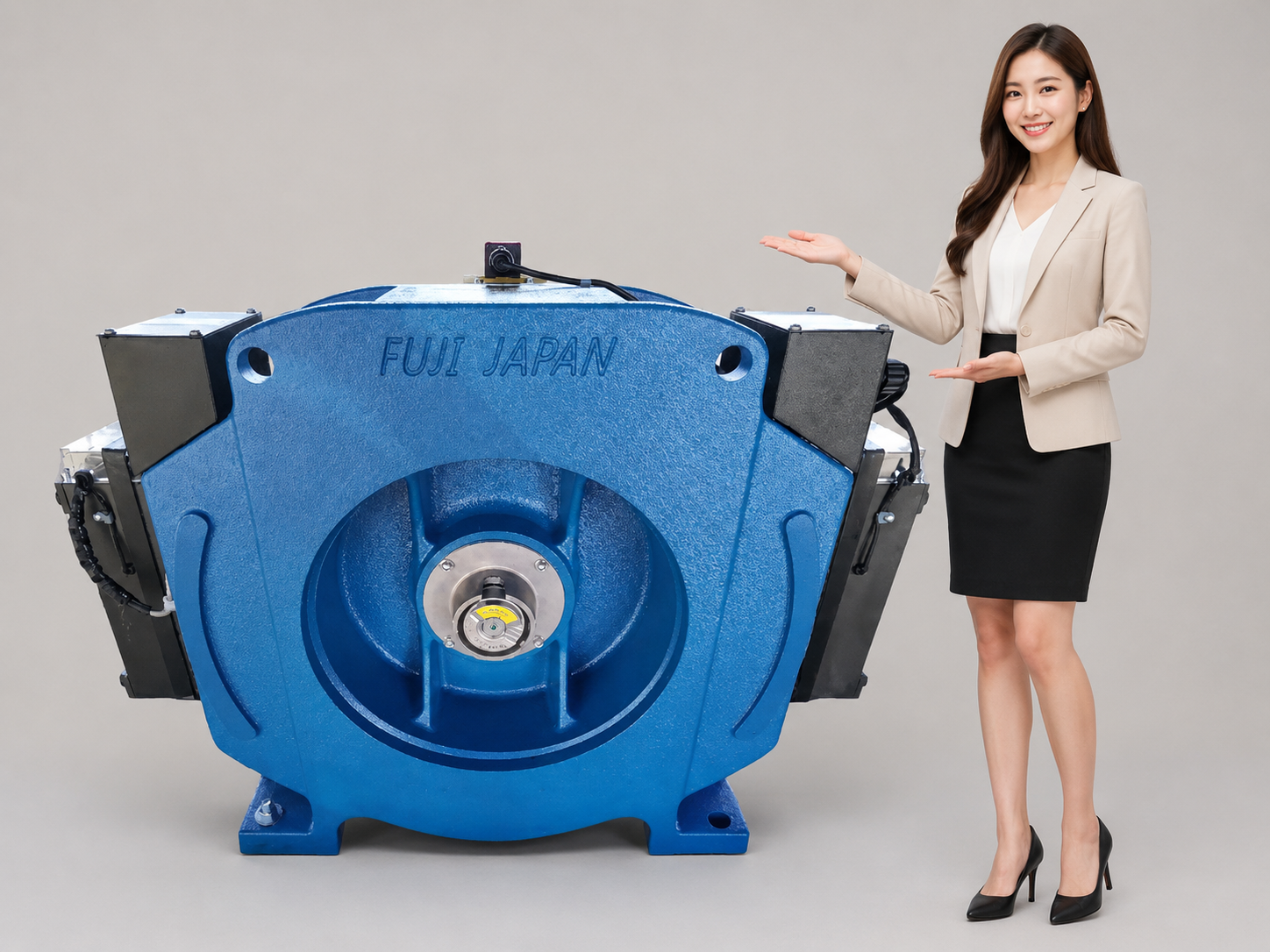
- Engine system: Typically uses a gearless or geared engine depending on load requirements and operating speed.
- Control system: The intelligent controller integrates safety sensors, a floor call system, and overload and overspeed protection functions.
- Cable and counterweight system: High-strength steel cables connect the cabin to the counterweight, balancing the load and reducing energy consumption.
The operating principle of a glass-enclosed elevator is similar to other traditional elevators; the cabin is raised or lowered by a system of cables and a motor, and guided by fixed rails. However, the biggest difference lies in the cabin being made of glass, creating a sense of spaciousness and enhancing aesthetics.
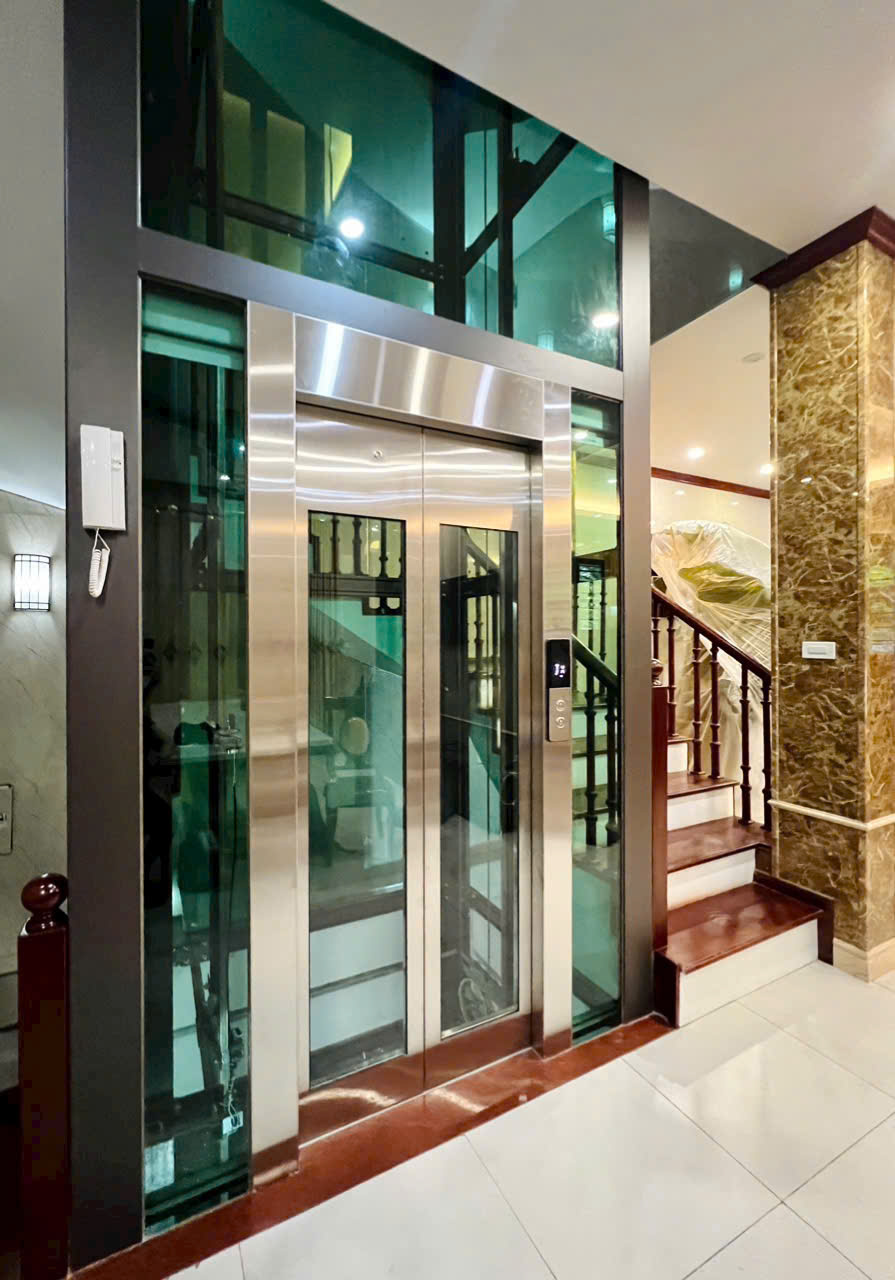
Advantages and applications of glass-enclosed elevators
Glass-enclosed elevators offer several significant advantages over traditional elevators:
- High aesthetic appeal: The transparent design creates an architectural highlight, increasing the value and elegance of the building.
- Enhanced user experience: Users can observe the surrounding landscape while traveling, creating a comfortable and unconstrained feeling.
- Easy to maintain and clean: The glass surface is easy to wipe clean, helping to maintain its beauty and shine for a long time.
- Variety of styles and sizes: Can be designed to meet the specific requirements of each project, suitable for many different spaces.
- High safety: The glass used is tempered glass or multi-layered safety glass, ensuring it will not shatter into pieces in the event of a collision.
Glass-enclosed elevators are commonly used in the following areas:
- High-end office building: Creating a modern and professional workspace.
- Shopping malls and supermarkets: Attract customers with eye-catching designs and amenities.
- Hotels and resorts: Enhancing the vacation experience with expansive views.
- Public buildings and museums: These create architectural landmarks and facilitate easy movement for visitors.
Technical and safety standards in the design of glass-enclosed elevators.
The design and installation of glass-enclosed elevators must adhere to strict technical standards to ensure safety and operational efficiency. Some important standards include:
- Glass material standards: The glass used must meet international standards for strength, heat resistance, and impact resistance, such as EN 12150 or ASTM C1048.
- Load and speed standards: The design must be suitable for the maximum permissible load and operating speed, ensuring that it does not cause overload or vibration.
- Safety system: Includes anti-pinch sensors, safety brakes, automatic power outage rescue system, and warning devices.
- Fire and water resistance standards: Materials and designs must meet requirements for preventing fire spread and water ingress, especially in high-rise buildings.
- Soundproofing and vibration damping standards: Ensure the cabin operates smoothly, without generating noise or vibrations that could affect users or the building structure.
Adherence to these standards not only enhances the durability and lifespan of elevators but also ensures the absolute safety of users in all situations.
Advanced technology in glass-enclosed elevators.
Today, glass-enclosed elevators incorporate many modern technologies to enhance operational efficiency and user experience. Some notable technologies include:
- Intelligent control system: Utilizing a microprocessor and management software, it optimizes operation, reduces energy consumption, and increases accuracy in floor calling.
- Energy-saving technology: The application of asynchronous motors and energy regeneration systems during braking or cabin lowering helps reduce operating costs.
- Remote monitoring system: Allows for monitoring operational status and timely detection of problems through IoT devices and the internet.
- Noise and vibration reduction design: Utilizing damping materials and a modern cabin suspension system, it provides a quiet and comfortable ride for users.
- User-friendly interface: The touchscreen, multilingual control panel, and audio system make it easy for users to operate and access information.