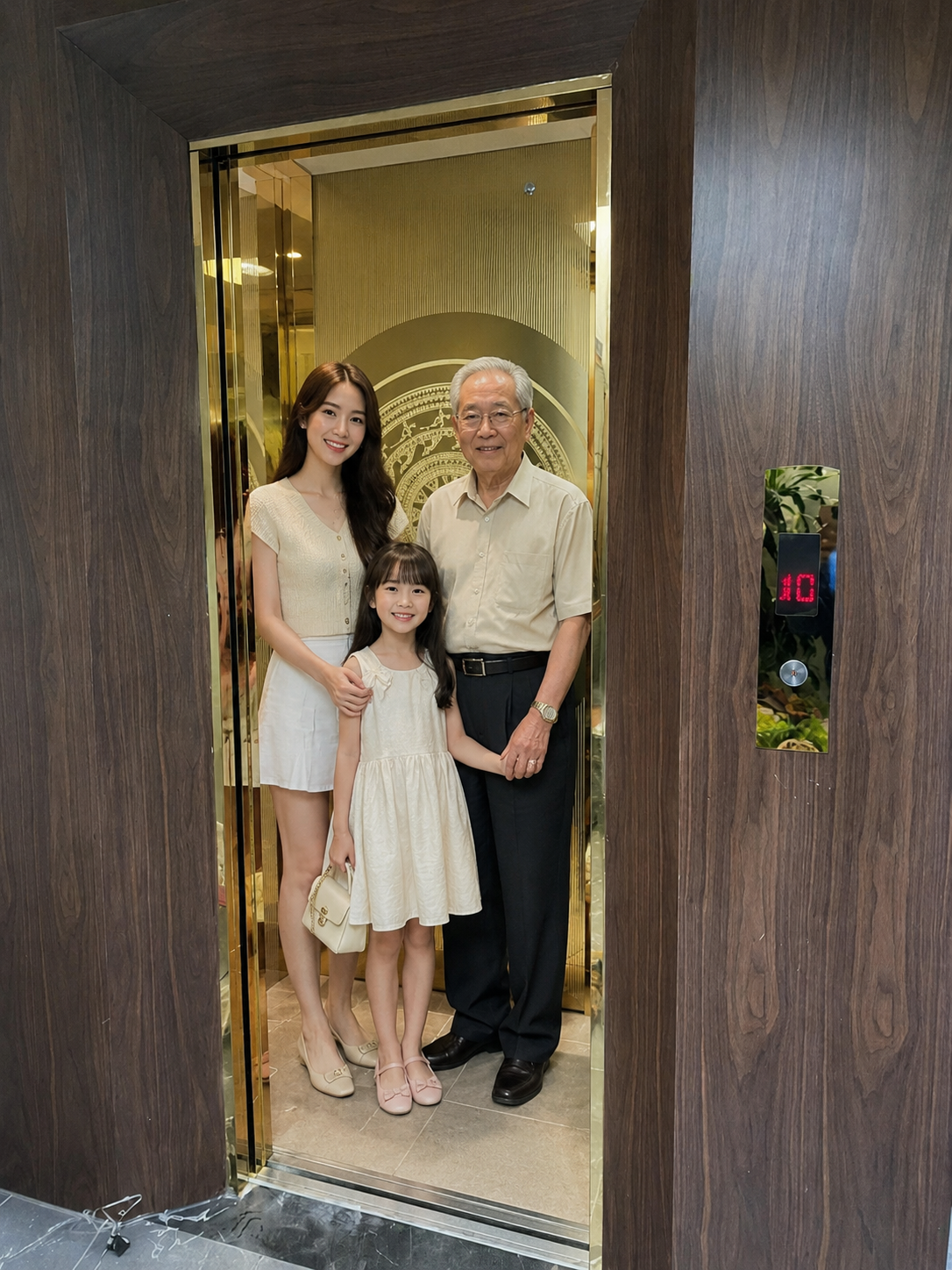
Imported elevators
Imported elevators
The concept of imported elevators and supply models.
Imported elevators are those manufactured, inspected, and fully standardized at factories abroad, then shipped as complete or semi-complete units to Vietnam. Unlike joint-venture elevators that only import the traction machine and electrical cabinet before fabricating the cabin, imported elevators typically have a high degree of standardization and synchronization from mechanical design and control systems to monitoring software, optimizing safety and durability throughout their operational lifespan.
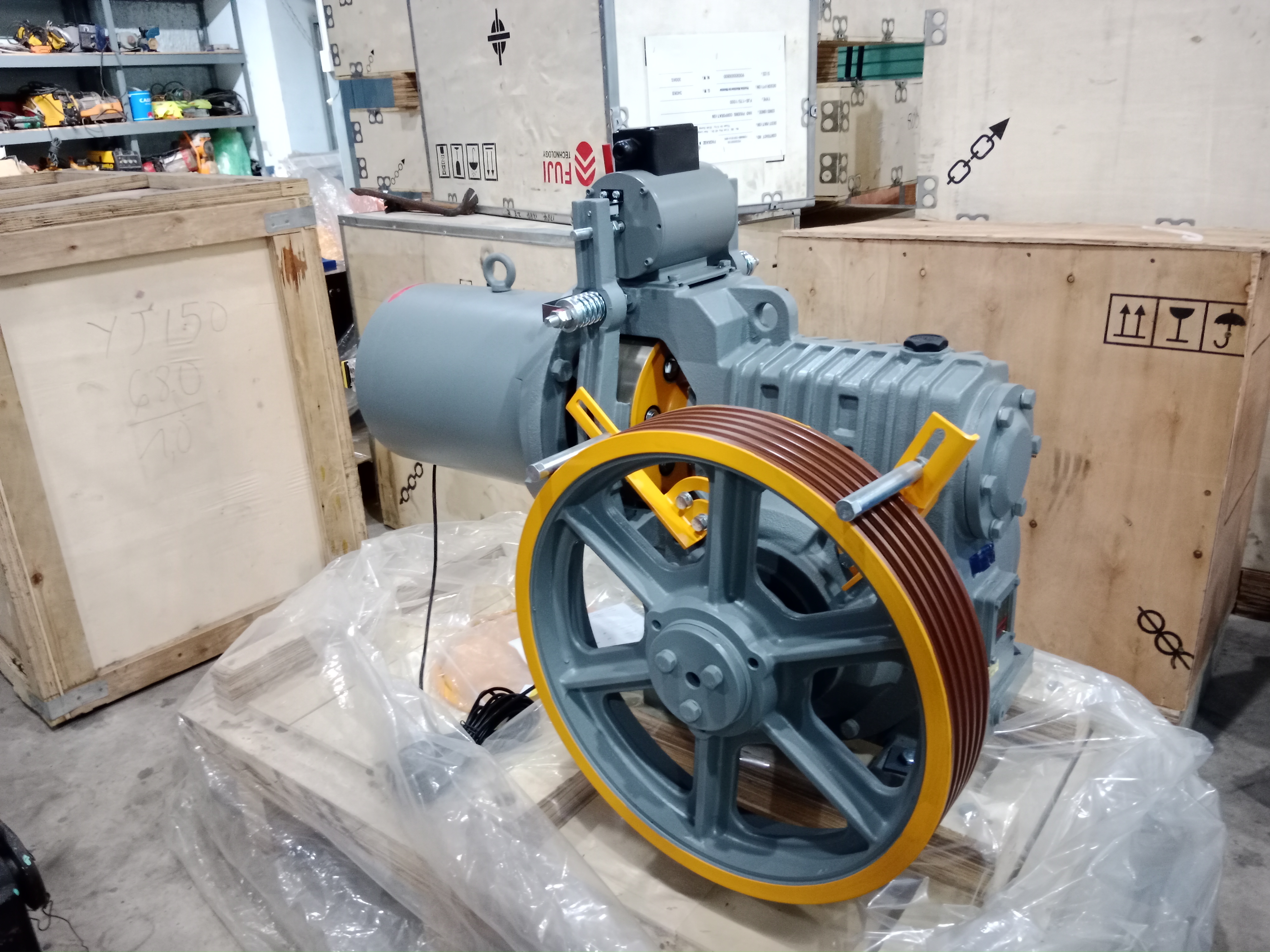
In reality, the market currently has three main supply models: fully imported elevators, semi-fully imported elevators, and modular imported elevators. With fully imported elevators , the entire cabin, counterweight, rails, traction machine, control panel, landing doors, cabin doors, and safety accessories are all packaged at the original factory and installed on-site according to standard drawings. The semi-fully imported model allows for the localization of some items such as the cabin, door frame, and interior finishing, while retaining core components such as the traction machine, control panel, and safety system. The modular model is geared towards complex projects, allowing for customization of size, load capacity, and speed, but still based on the manufacturer's standard design.
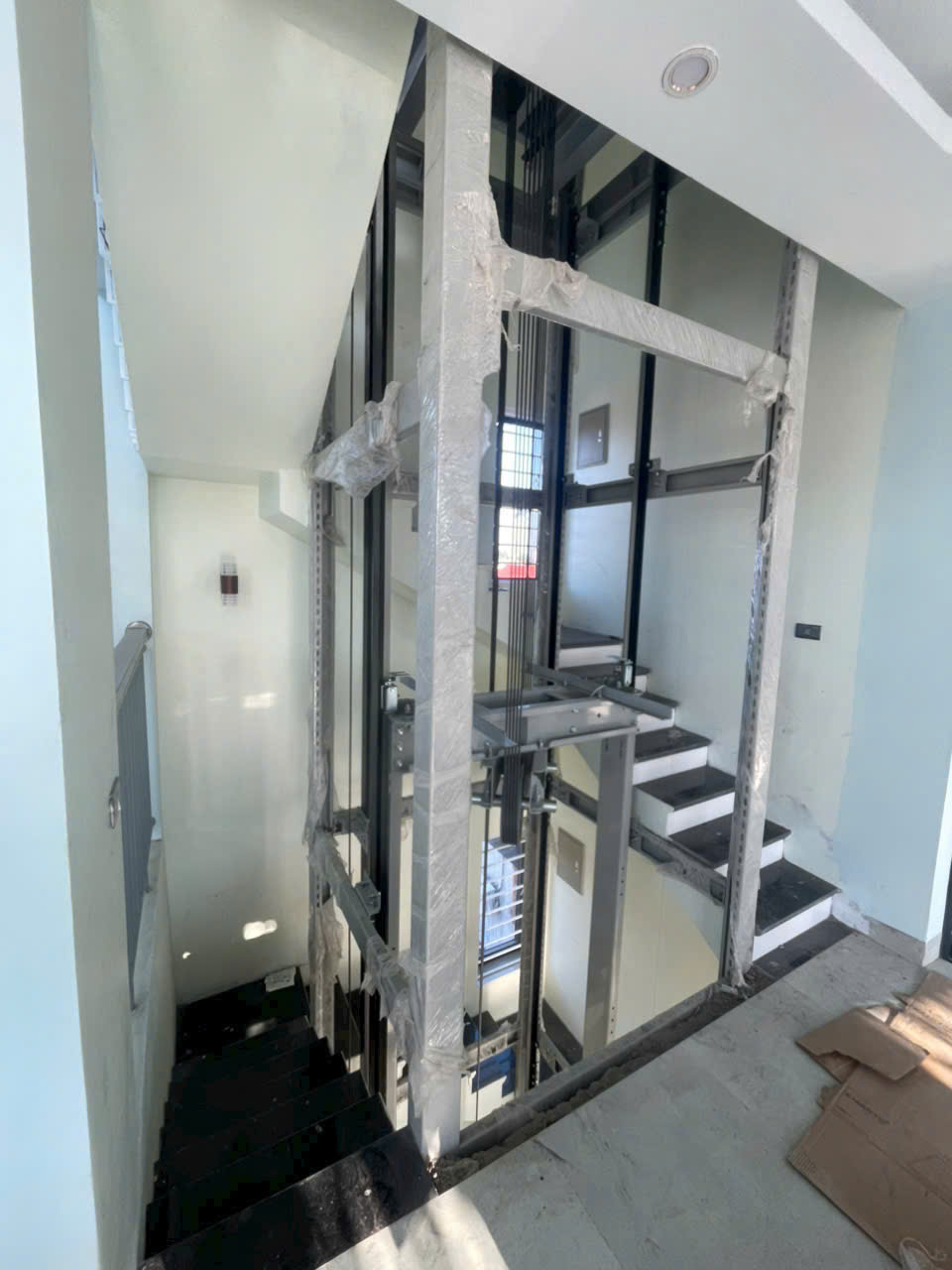
In-depth technical standards and safety requirements
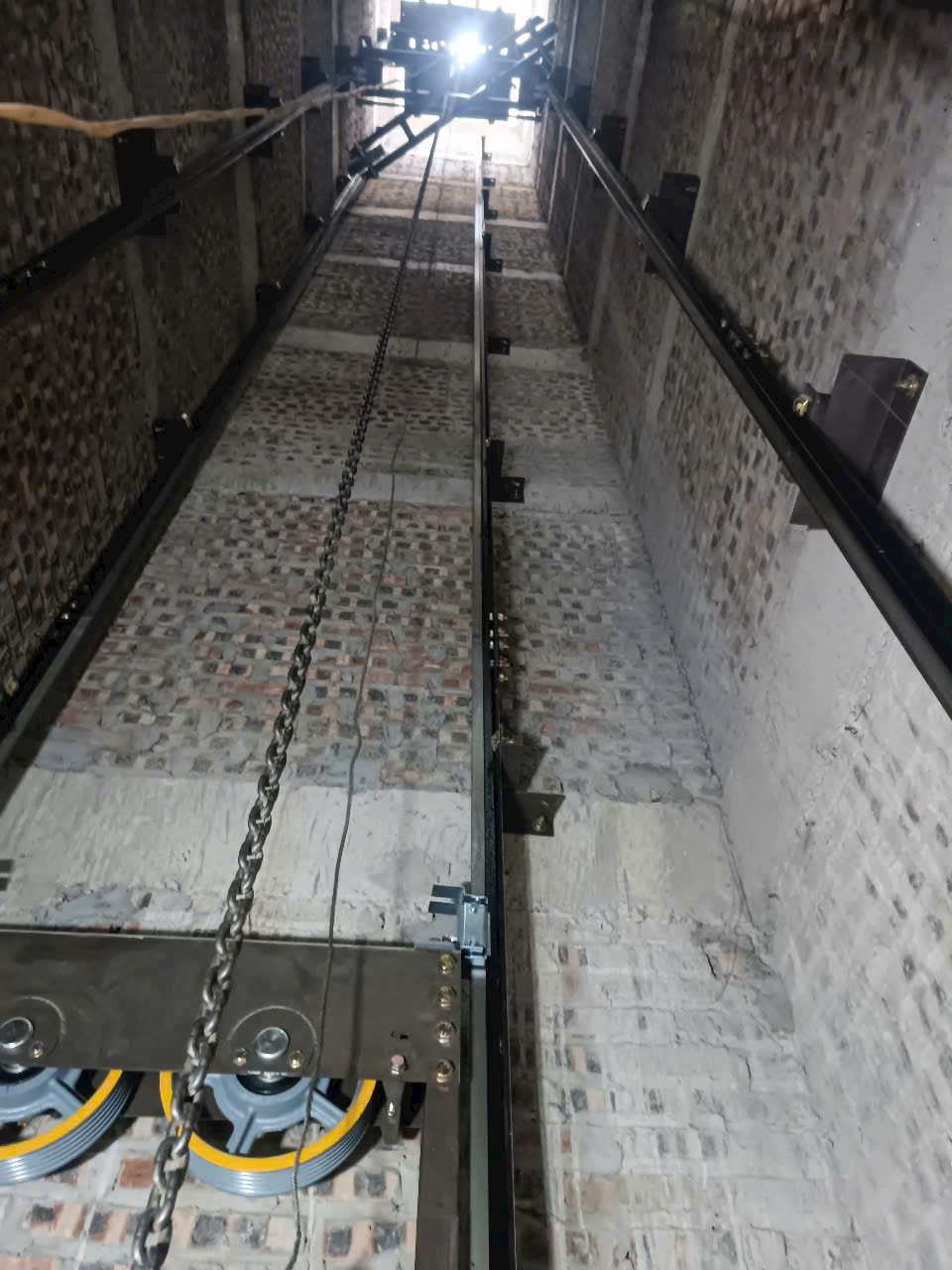
The core value of imported elevators lies in the consistent application of technical and safety standards. Most major manufacturers adhere to international standards such as EN 81-20/50 , ISO 8100 , ASME A17.1 , or their national equivalents. These standards specify detailed requirements for elevator shaft dimensions, safety clearances, nominal load capacity, acceleration, vibration, noise levels, fire resistance of materials, and emergency response scenarios such as power outages, door jamming, overspeeding, and cable breakage.
The safety system of imported elevators typically includes multiple layers of protection: an overspeed governor , a safety gear, a limit switch, a buffer , a load sensor, multi-point door sensors, and a closed-loop safety circuit. If any component in the safety chain fails, the control system will bring the elevator to a safe stop and activate the warning procedure. In high-end models, the system also integrates remote monitoring and detailed fault logging, allowing engineers to analyze the cause and predict failures before an incident occurs.
Control technology, energy saving, and quiet operation.
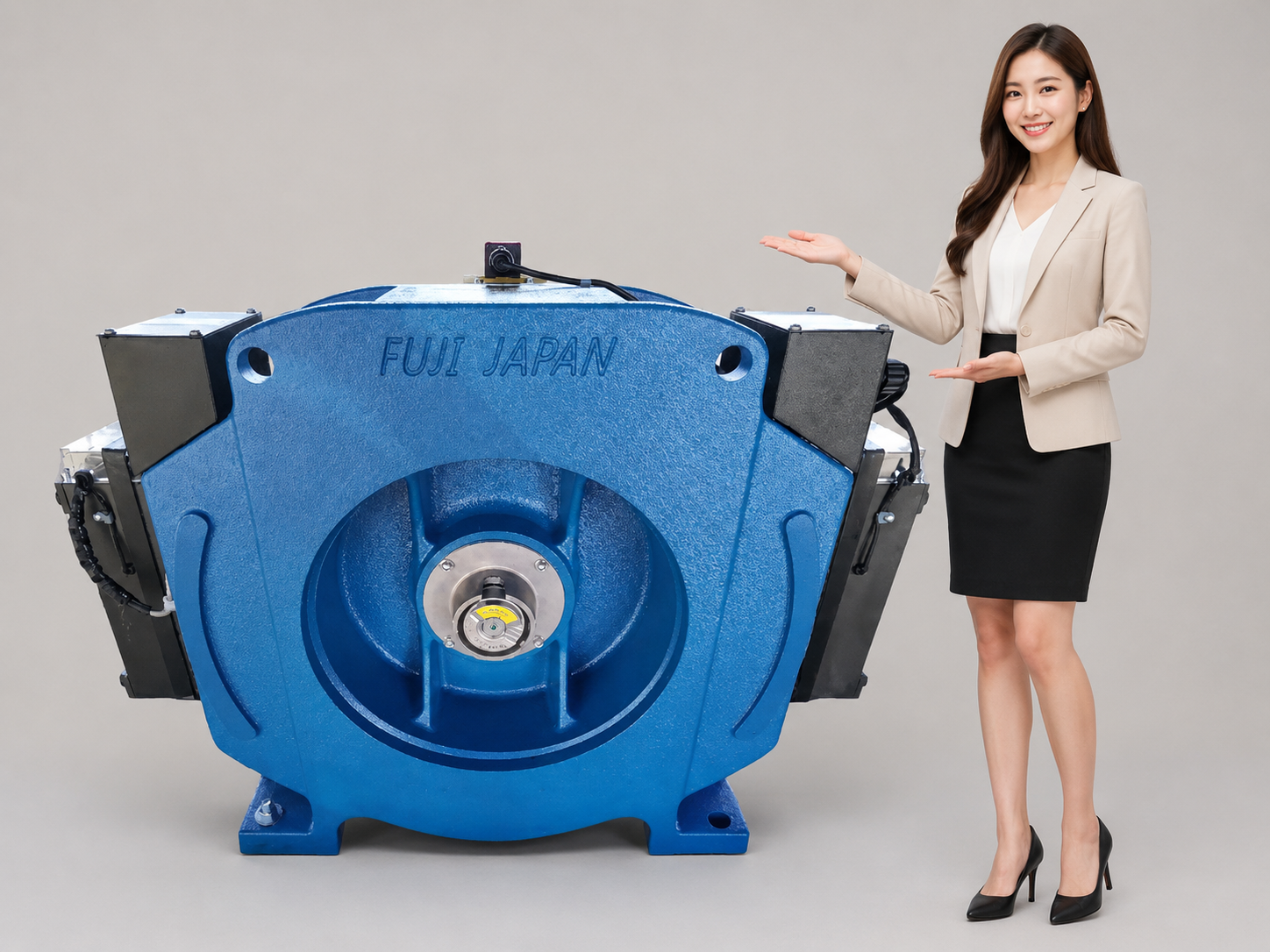
In terms of control technology, modern imported elevators use vector frequency inverters or flux-controlled inverters combined with gearless permanent magnet motors. This configuration allows for precise control of speed, acceleration, and jerk, resulting in a smooth ride and reduced vibration during starting and stopping at floors. Group control algorithms optimize transport flow in high-rise buildings, allocating cabins according to direction of travel, load level, and waiting time, significantly reducing congestion during peak hours.
Energy efficiency is also a strong point of imported elevators. Many manufacturers equip them with regenerative drives , recovering braking energy and returning it to the grid, reducing electricity consumption by 20–30% compared to traditional systems. LED lighting, sleep modes for cabins and landing doors, automatic shutdown during off-peak hours, and optimized travel paths all contribute to reduced long-term operating costs, which is especially important for high-traffic office buildings, hotels, and shopping malls.
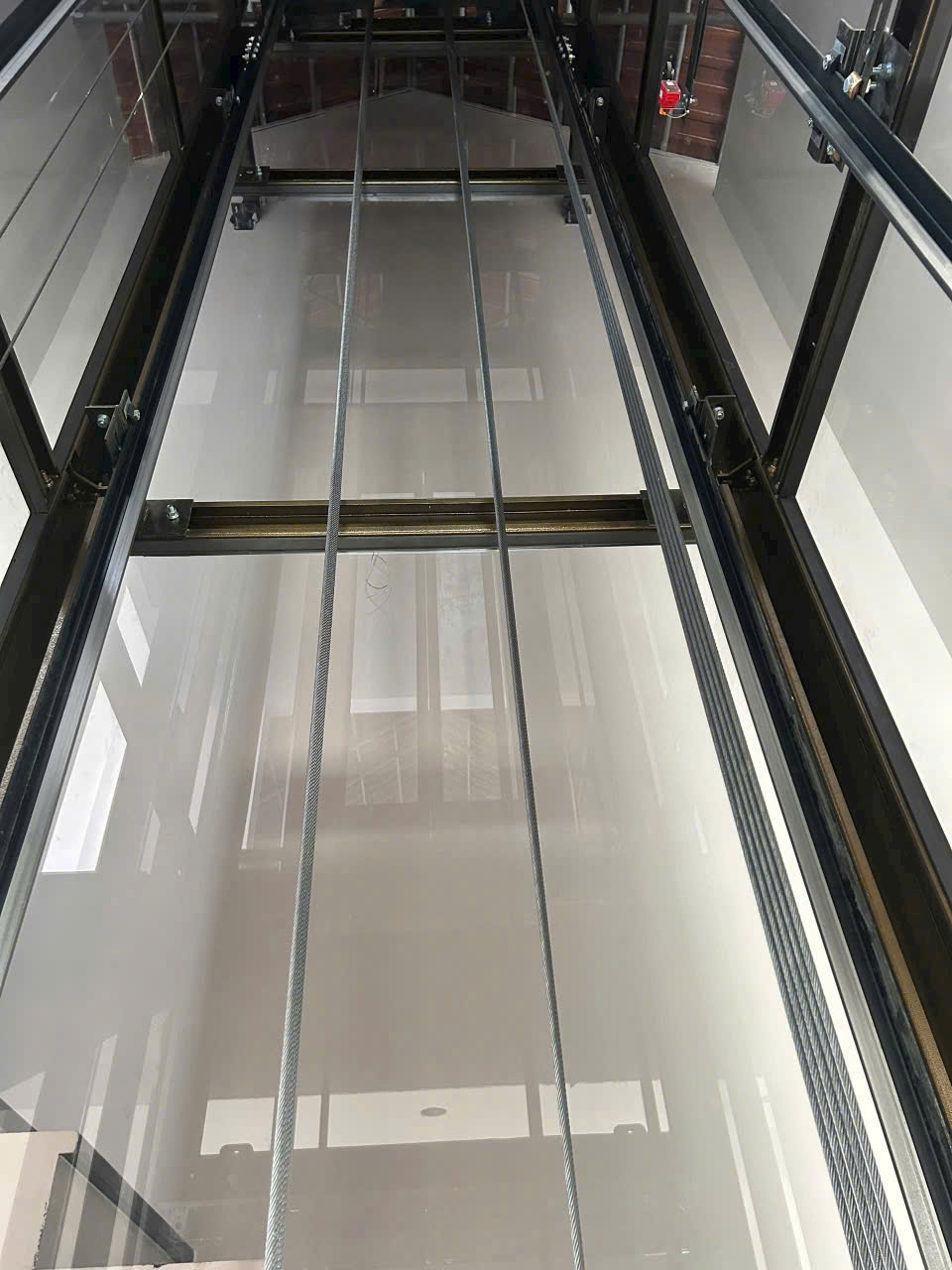
Classification of imported elevators by application and configuration
Imported elevators are classified based on their intended use, shaft structure, and operating characteristics. The most common group is passenger elevators for residential buildings, apartments, offices, hotels, and hospitals. In addition, there are freight elevators , food elevators , hospital bed elevators , panoramic elevators with glass cabins, and specialized elevators for factories, cold storage, and highly corrosive environments. Each group has its own requirements regarding load capacity, cabin size, speed, door construction, and hygiene and fire safety standards.
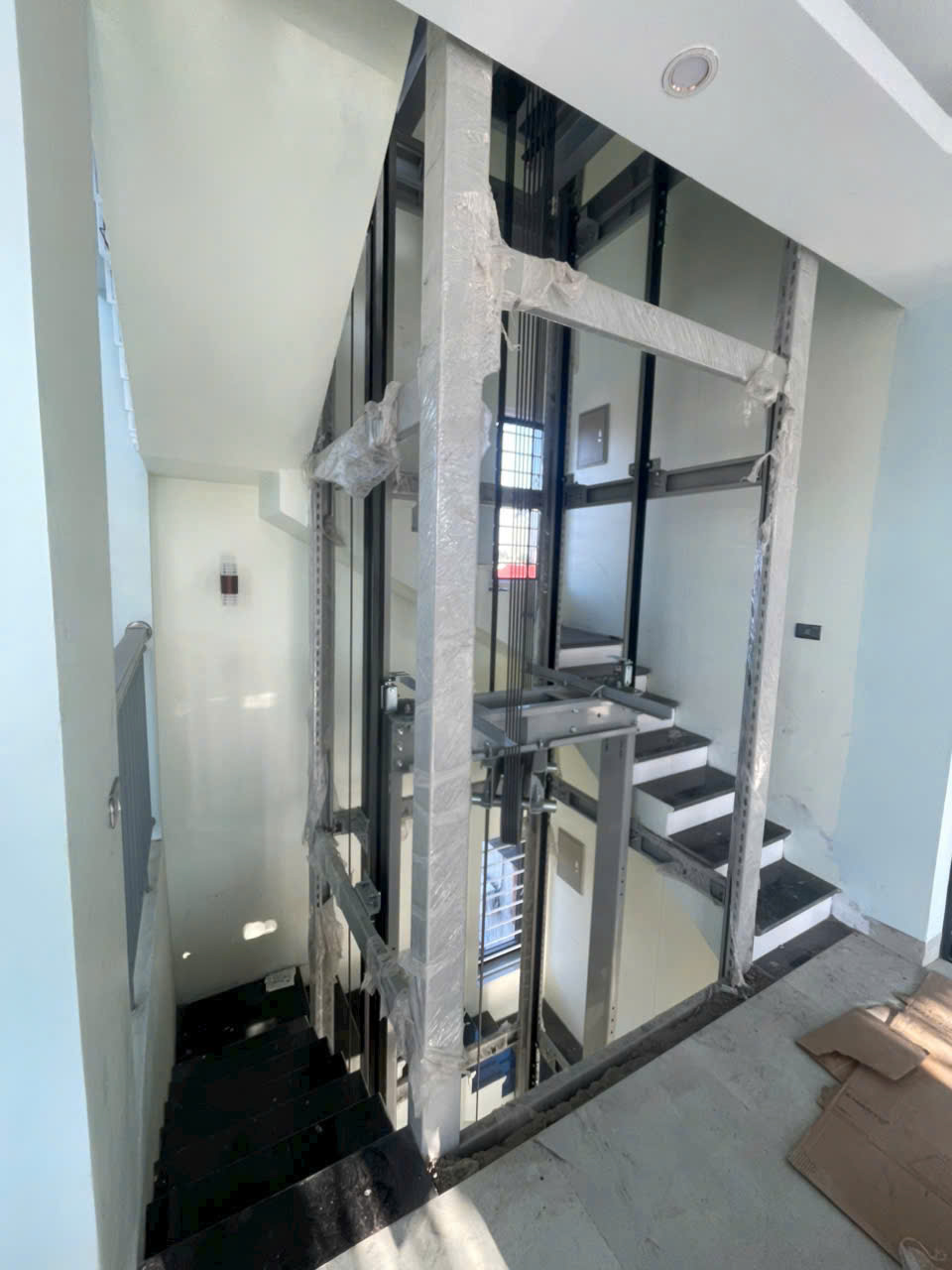
In terms of configuration, elevators can be divided into main types: elevators with machine rooms (MR – Machine Room), elevators without machine rooms (MRL – Machine Room-Less), hydraulic elevators , and special solutions such as inclined elevators and high-speed elevators exceeding 4 m/s. Elevators with machine rooms are suitable for buildings with favorable construction conditions and easy maintenance, while elevators without machine rooms optimize space, especially useful for renovation projects or townhouses with height restrictions. Hydraulic elevators are often used for low-rise buildings with heavy loads, requiring a shallow pit, but attention must be paid to the oil system, temperature, and environmental standards.
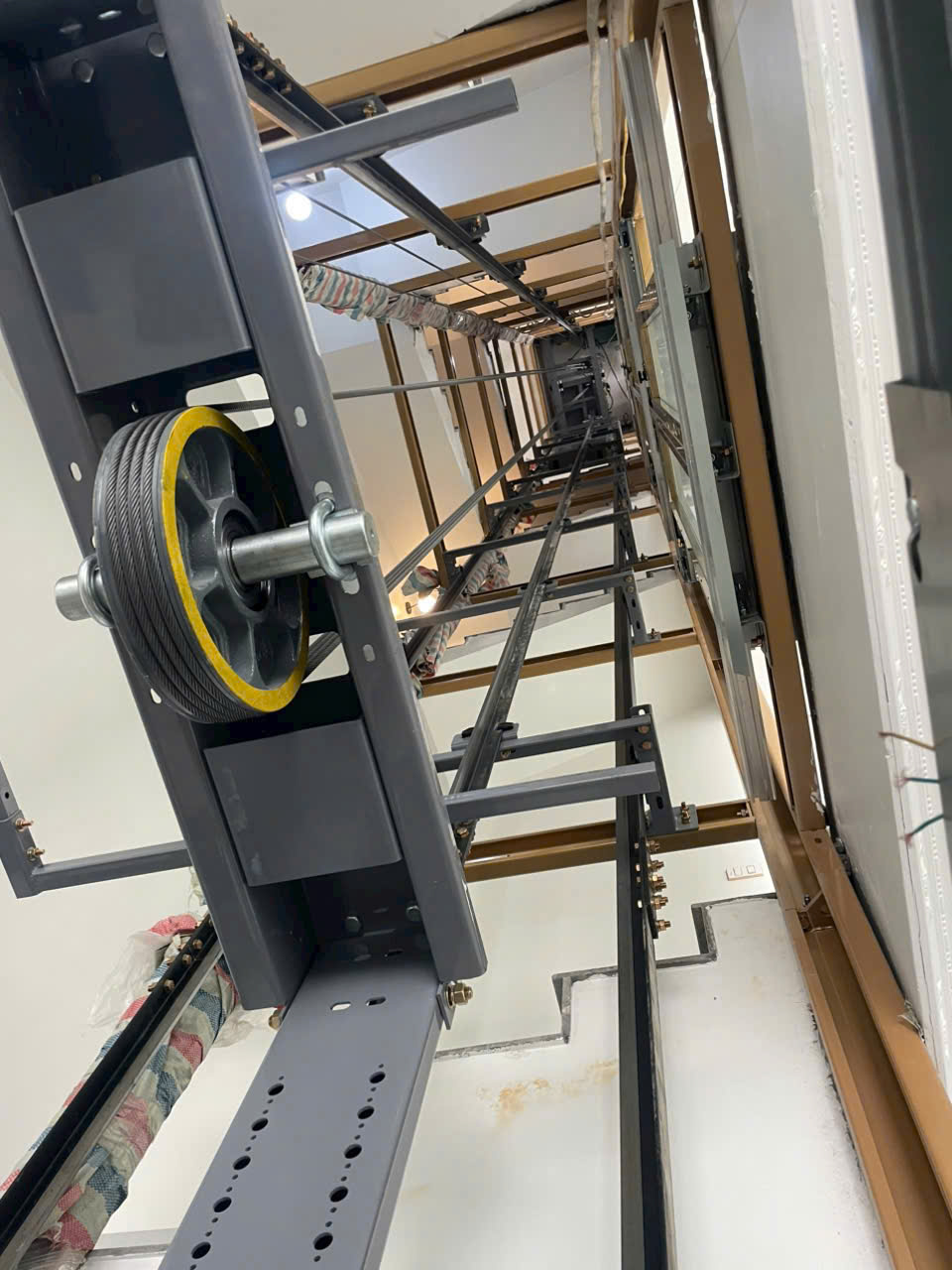
Criteria for selecting imported elevators for different types of buildings.
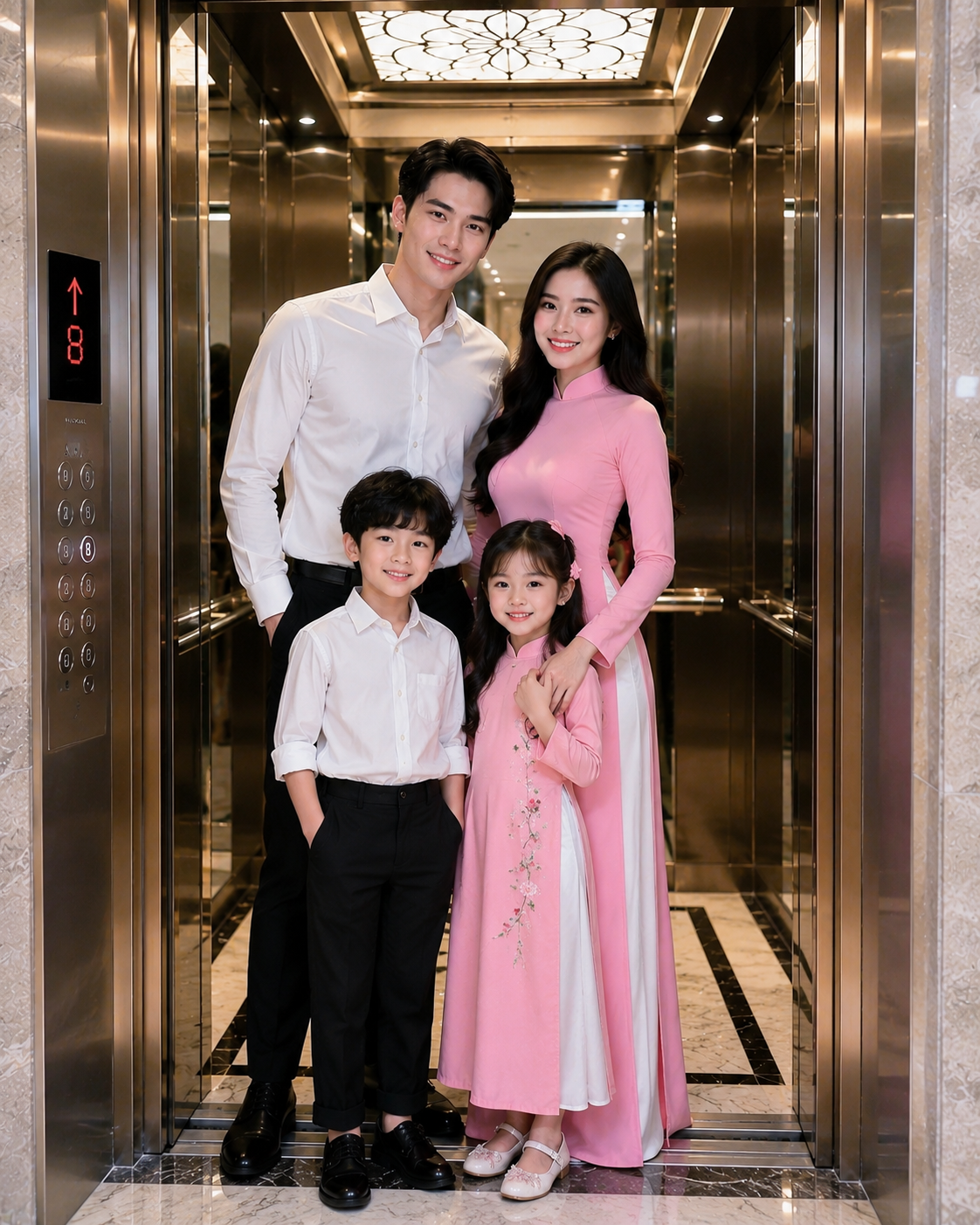
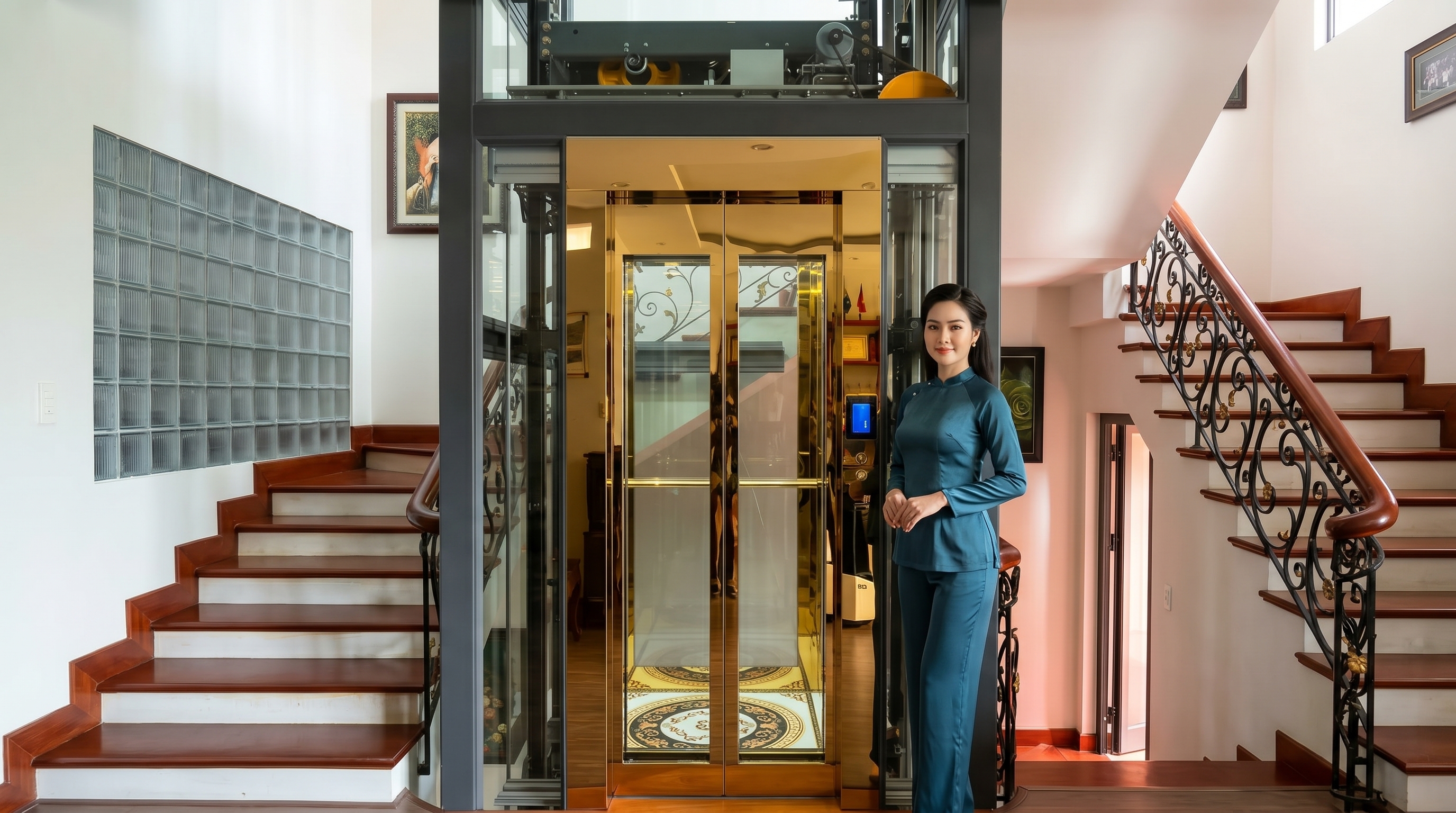
When choosing imported elevators, multiple technical and operational criteria must be evaluated simultaneously. For family homes , important factors include the size of the existing elevator shaft, suitable load capacity (usually 300–450 kg), smoothness, noise level, integration with interior design, and annual maintenance costs. For apartment buildings and office buildings , factors such as pedestrian traffic, number of elevators, speed, average waiting time, scalability of group control systems, and integration with building management systems (BMS) need to be considered.
In hospital and hotel environments , hygiene, smooth operation, precise floor stopping, spacious cabin, smooth and durable door opening, along with priority modes (ambulance elevators, service elevators) are mandatory. For factories and warehouses , emphasis should be placed on load capacity, mechanical durability, resistance to dust, moisture, and chemicals, as well as solutions to protect landing doors from forklift impacts. Choosing the right elevator configuration, brand, and power range will determine the operational efficiency over 15–25 years of operation.
Value chain: from import and installation to long-term maintenance.
The value of imported elevators lies not only in the equipment itself but also in the entire accompanying service chain. The first stage is design consultation , in which the supplier must coordinate with architects, structural engineers, and MEP specialists to optimize the dimensions of the elevator shaft, pit, machine room, load capacity, speed, and number of stops. Next is the import process , which includes checking factory certificates, conformity certificates, CO and CQ documents, and ensuring that transportation and storage conditions do not affect the quality of the equipment.
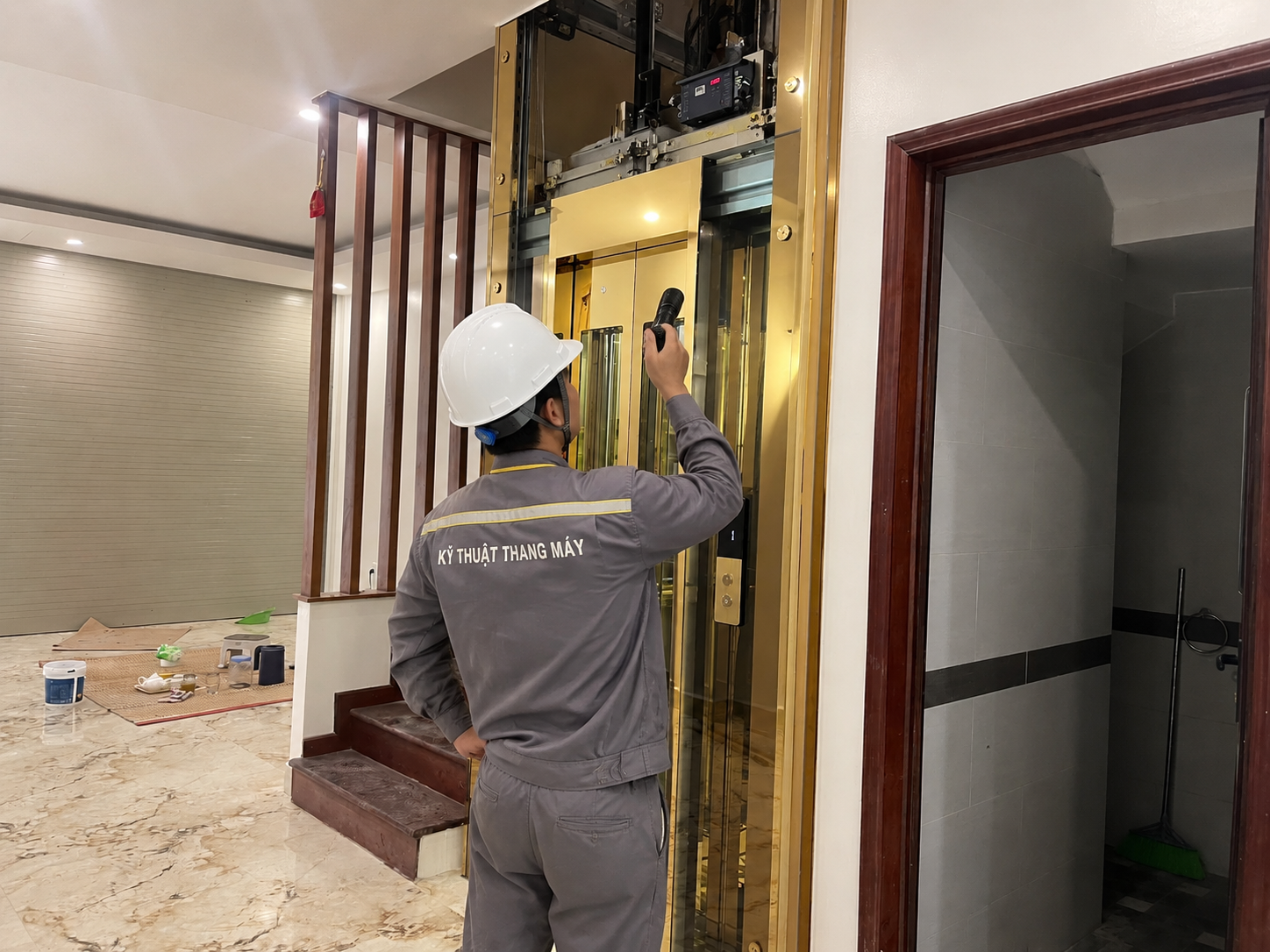
Installation and acceptance testing require a team of officially trained technicians, strictly adhering to installation procedures, rail alignment, cable tensioning, cabin balancing, inverter parameter settings, and safety circuit checks. Upon completion, the elevator must be inspected by an authorized organization, with measurements of operating parameters, static and dynamic load testing, and testing of power outage and rescue scenarios. Long-term operation depends heavily on regular maintenance , the use of genuine parts, updated control software, proper cleaning and lubrication, and user training on basic safety rules.
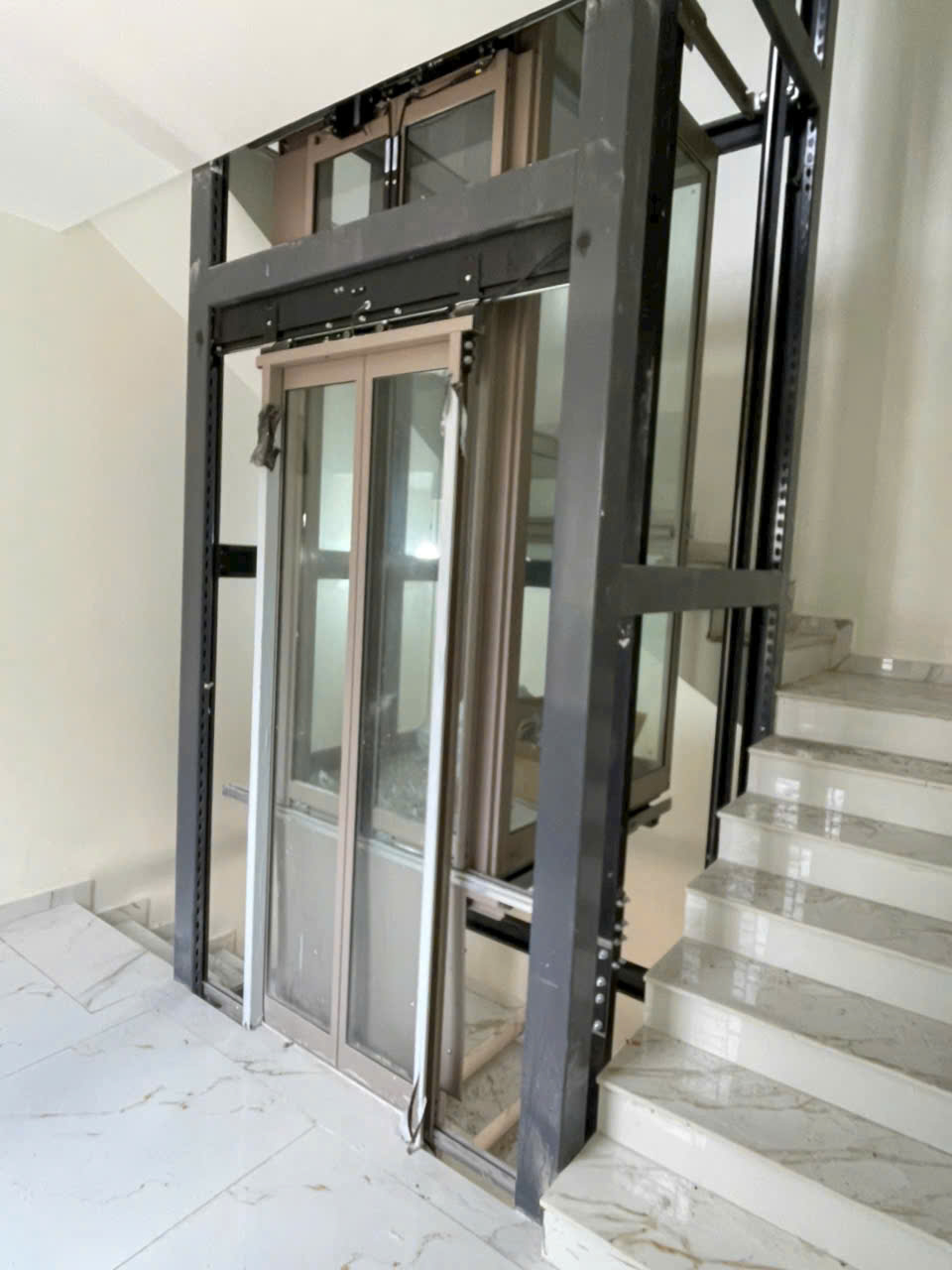
To effectively utilize imported elevators, investors need to develop a life cycle cost plan, including: initial investment costs, electricity costs, maintenance costs, costs for replacing major components (cables, traction machines, control cabinets), and costs for future technology upgrades. Choosing manufacturers with a stable service ecosystem, a wide technical network, and the ability to supply spare parts long-term will help reduce the risk of prolonged elevator downtime, ensuring safety and continuity of building operation.