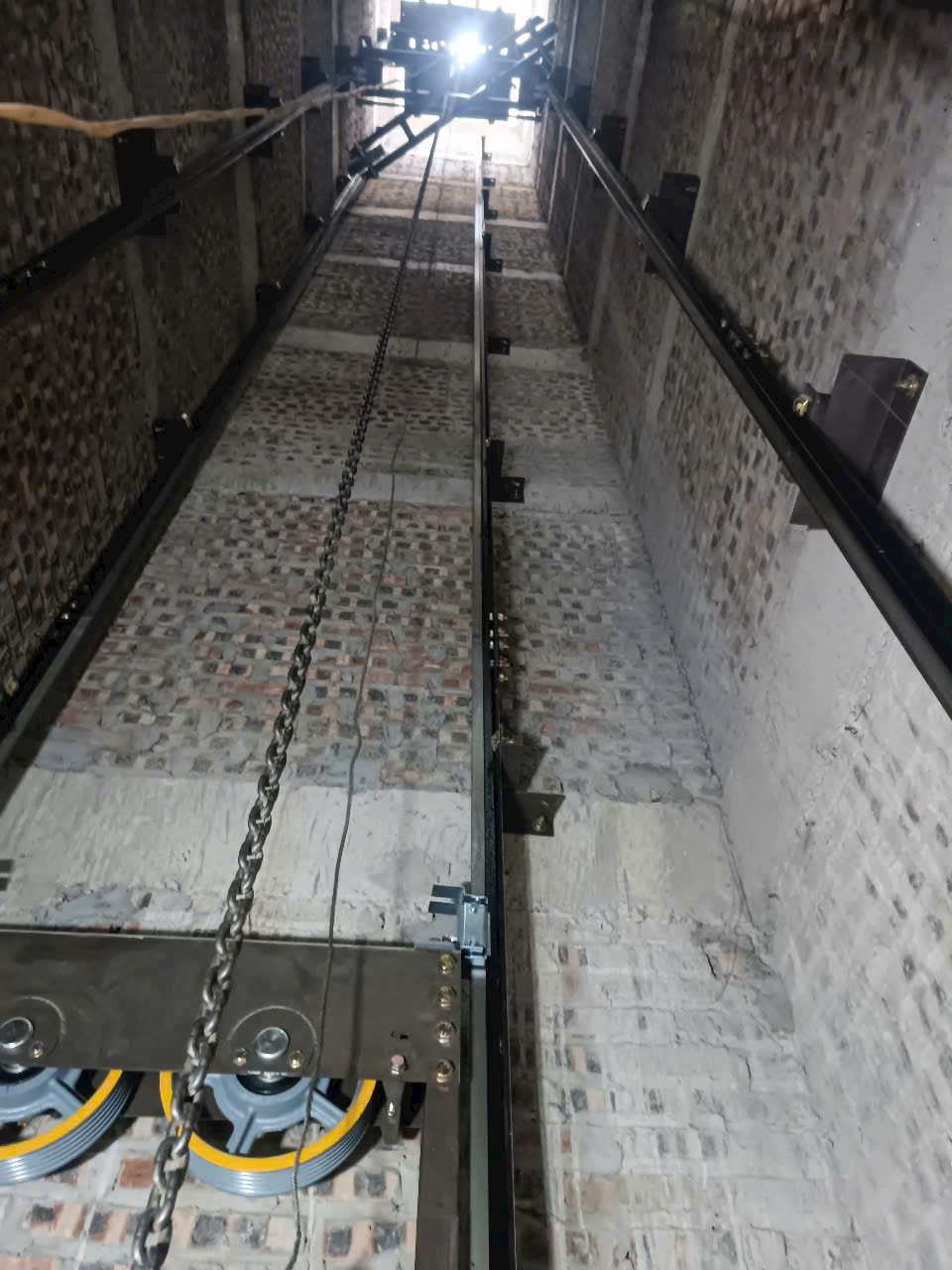
Cargo elevator
The concept and role of freight elevators
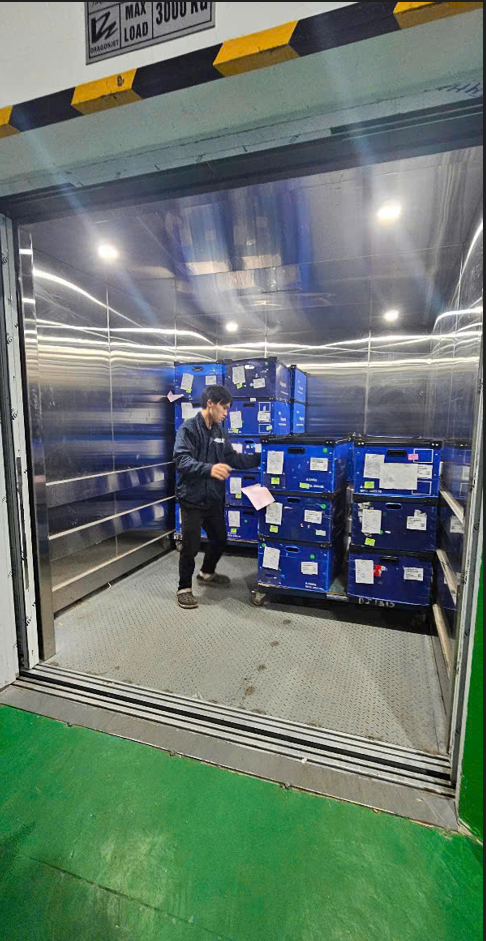
Freight elevators are specialized lifting equipment designed to transport heavy goods, materials, and equipment between floors in industrial buildings, warehouses, shopping centers, or construction sites. Unlike passenger elevators, freight elevators have a more robust structure, a higher load capacity, and typically lack passenger amenities such as air conditioning or luxurious interiors. The role of freight elevators is crucial in optimizing transportation processes, minimizing time and labor, and ensuring the safety of both goods and operators.
Structure and operating principle of cargo elevators
A freight elevator consists of main components such as a heavy-duty steel cargo cabin , a sturdy lifting frame , a cable and pulley system connecting the cabin to the traction motor, along with a powerful electric motor and a safety braking system . The entire operation is controlled by an intelligent programmable controller , which manages speed and position precisely.
The operating principle is based on a motor pulling a steel cable to raise or lower the cabin as needed. An automatic braking system ensures safety when the cabin stops or malfunctions, while sensors continuously monitor the load and position, helping to operate the elevator efficiently and safely.
1. Main structure
A freight elevator consists of the following basic components:
- Cargo cabin: This is a cargo compartment made from high-strength steel, with dimensions and design tailored to the type of goods being transported.
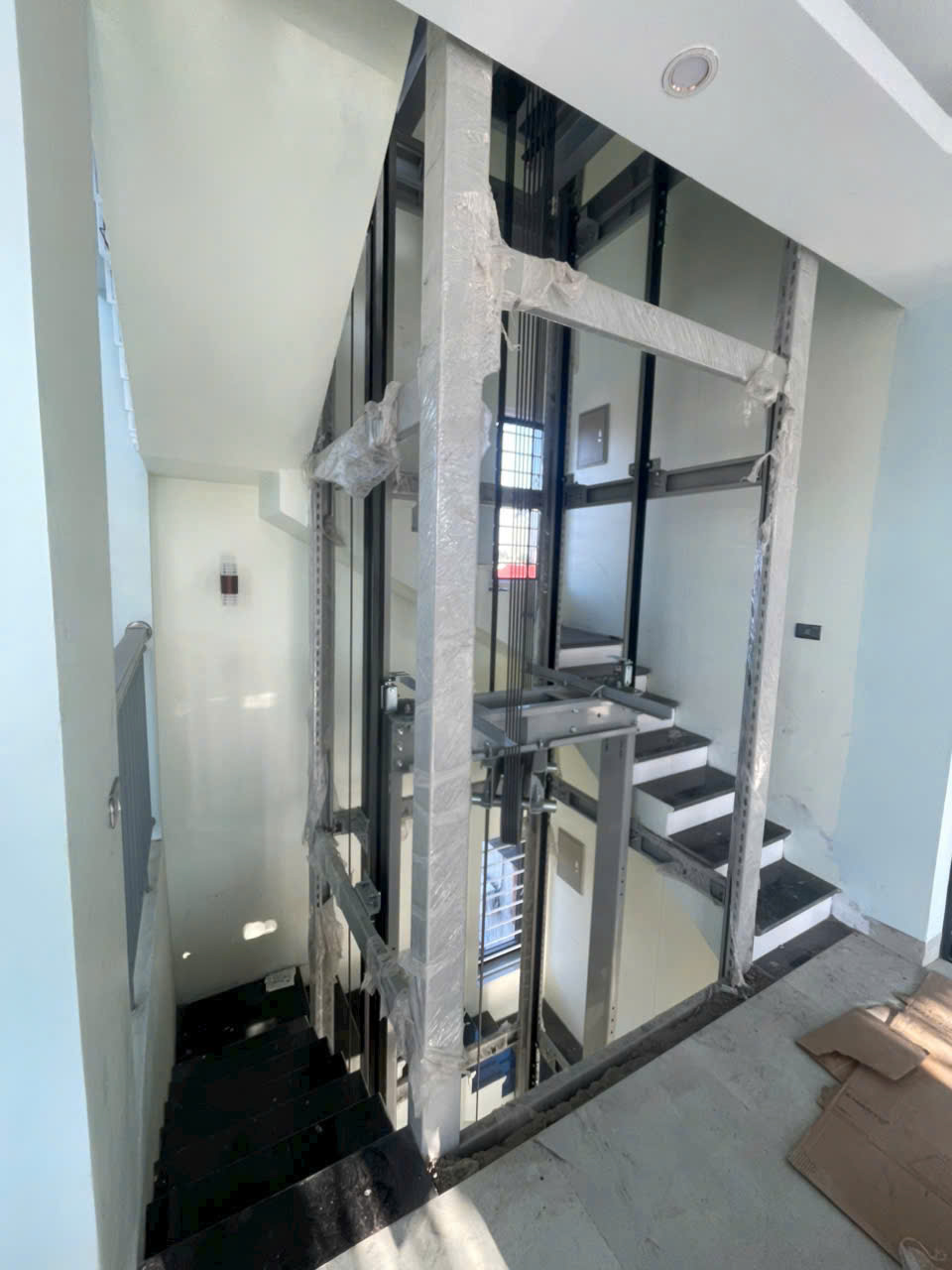
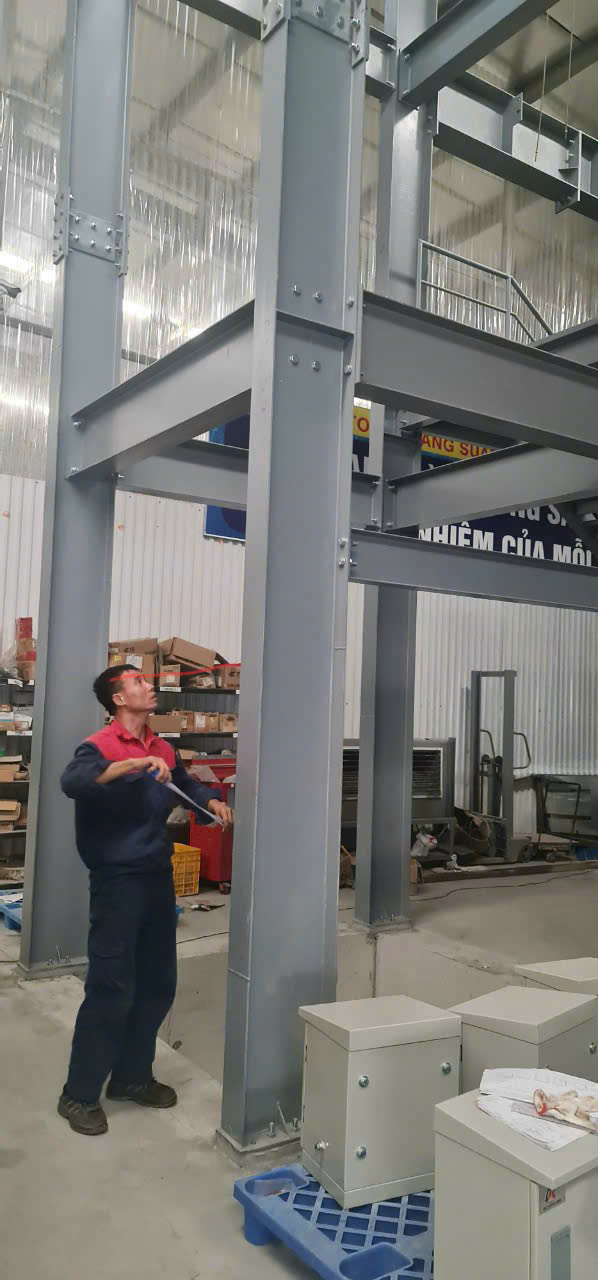
- Lifting frame: A load-bearing steel frame system that supports the cabin and distributes the load evenly to other components.
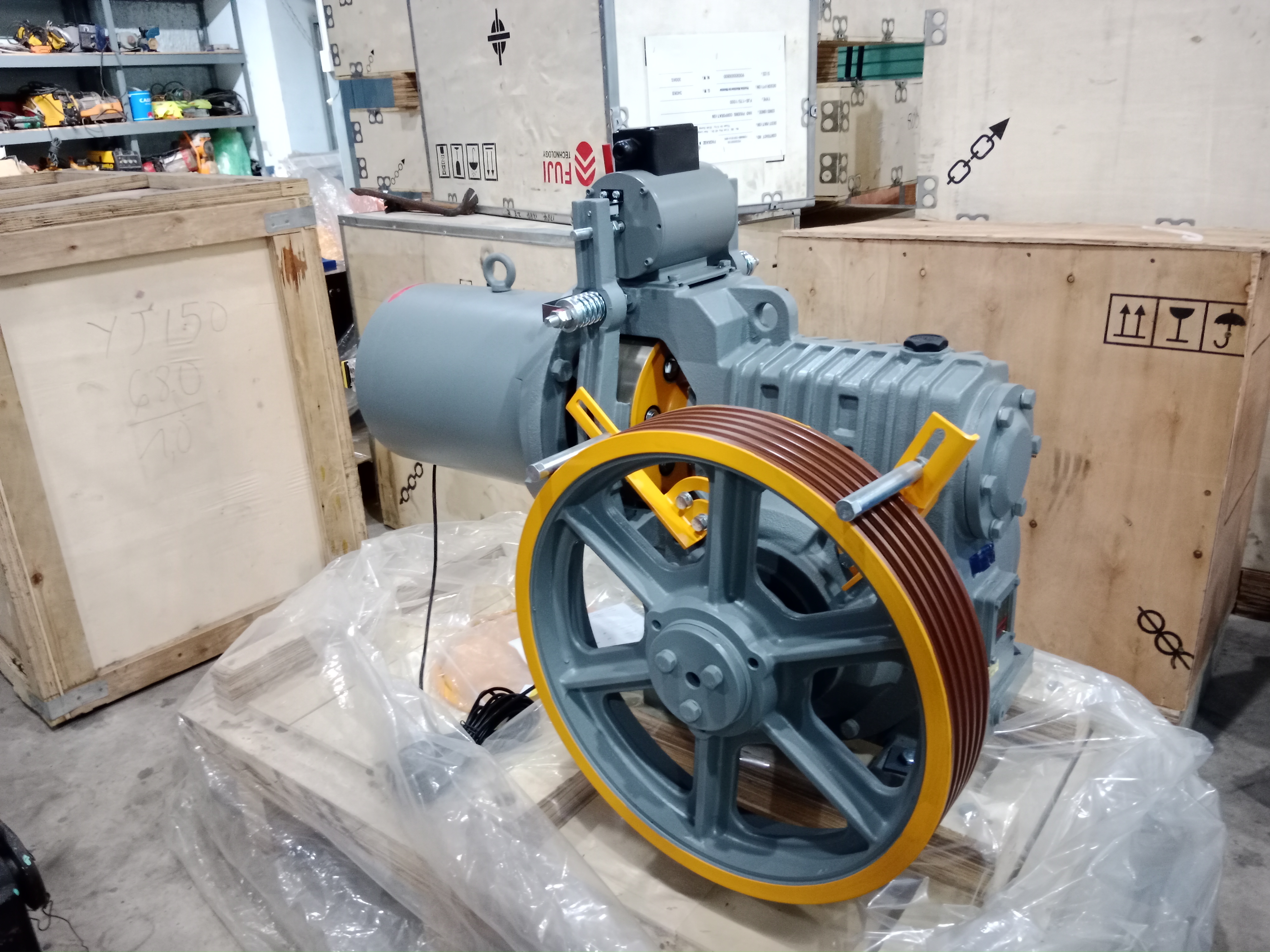
- Cable and pulley system: Heavy-duty steel cables connect the cabin to the pulling mechanism, and pulleys enable up-and-down movement.
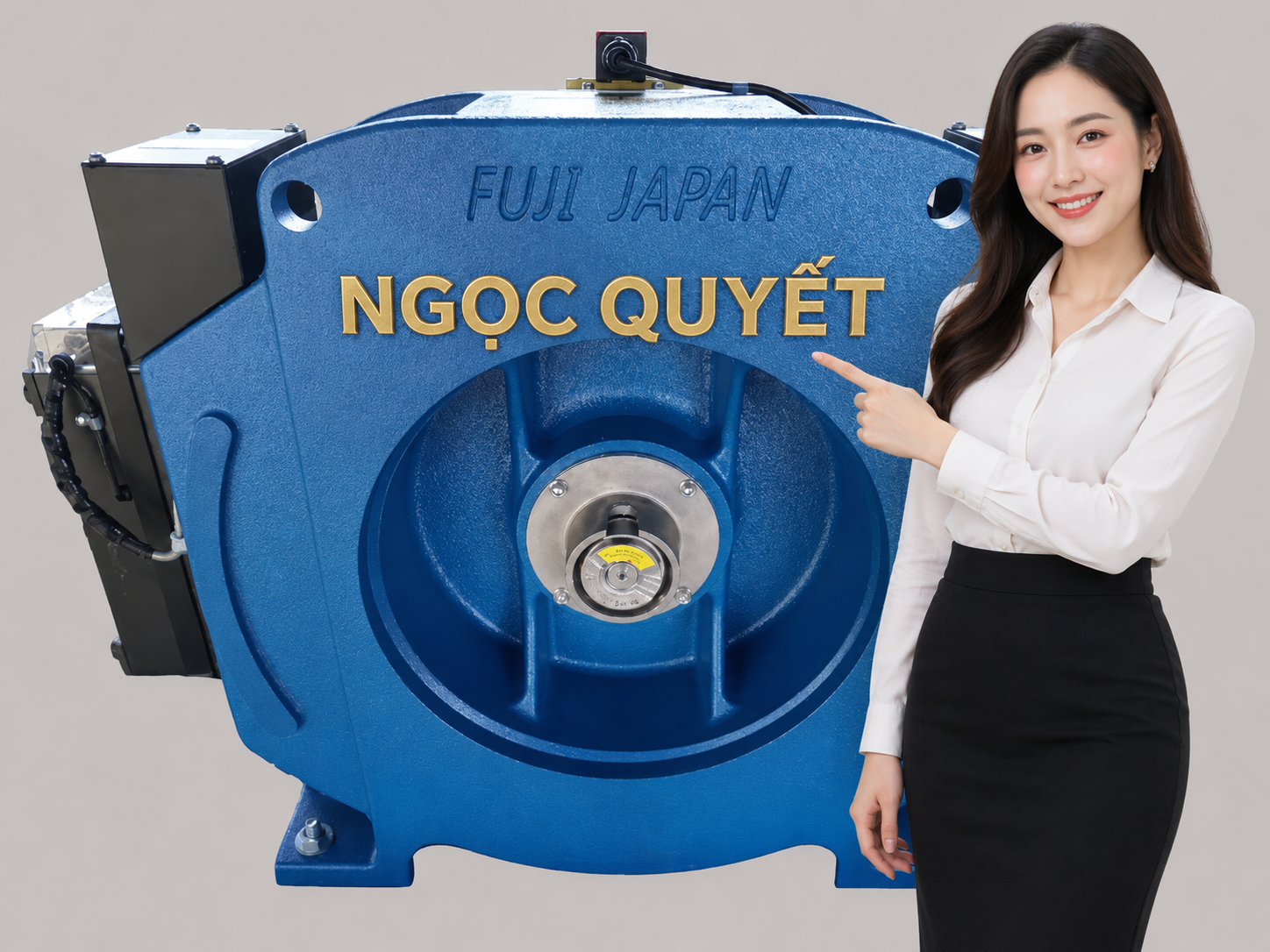
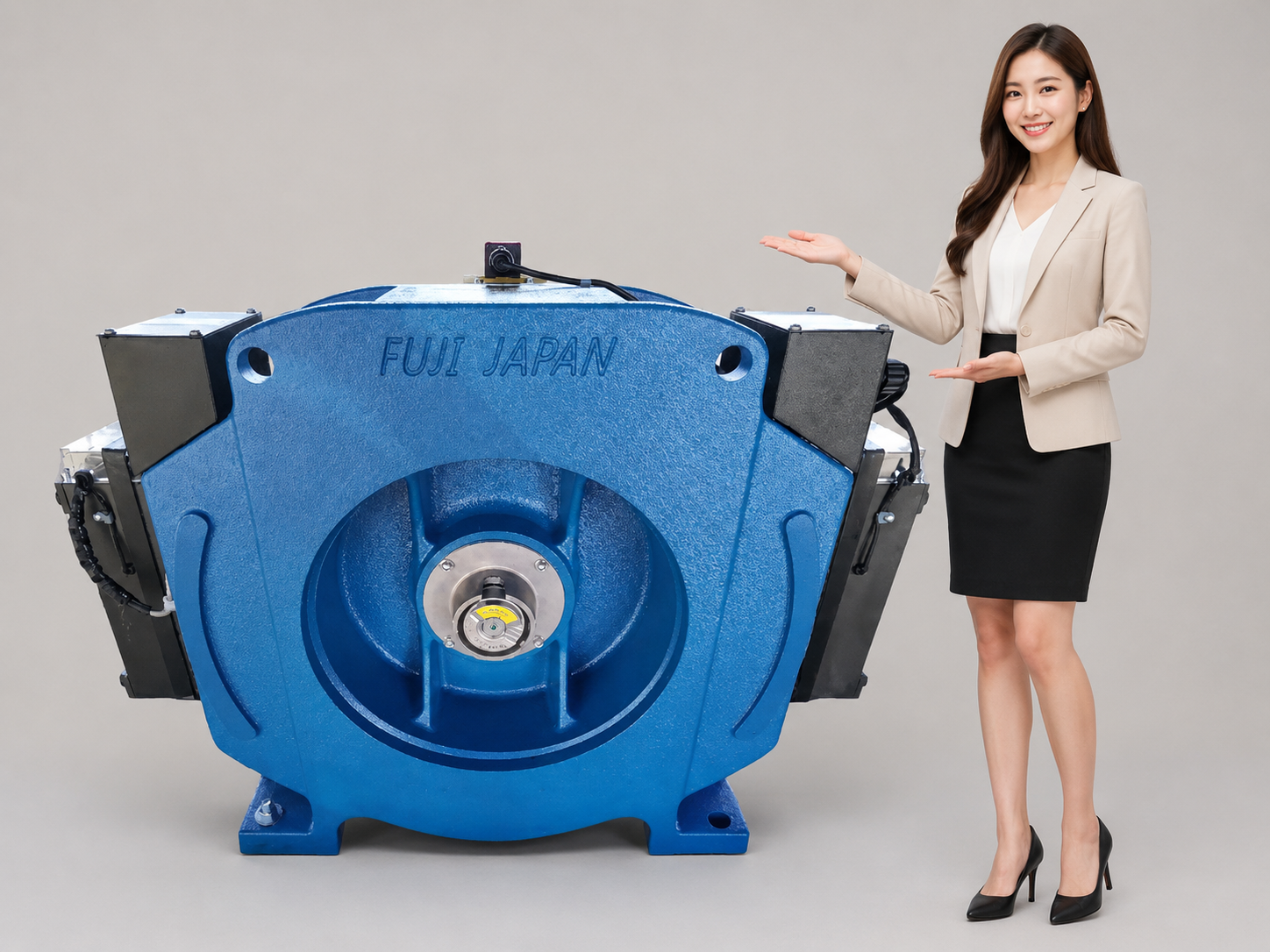
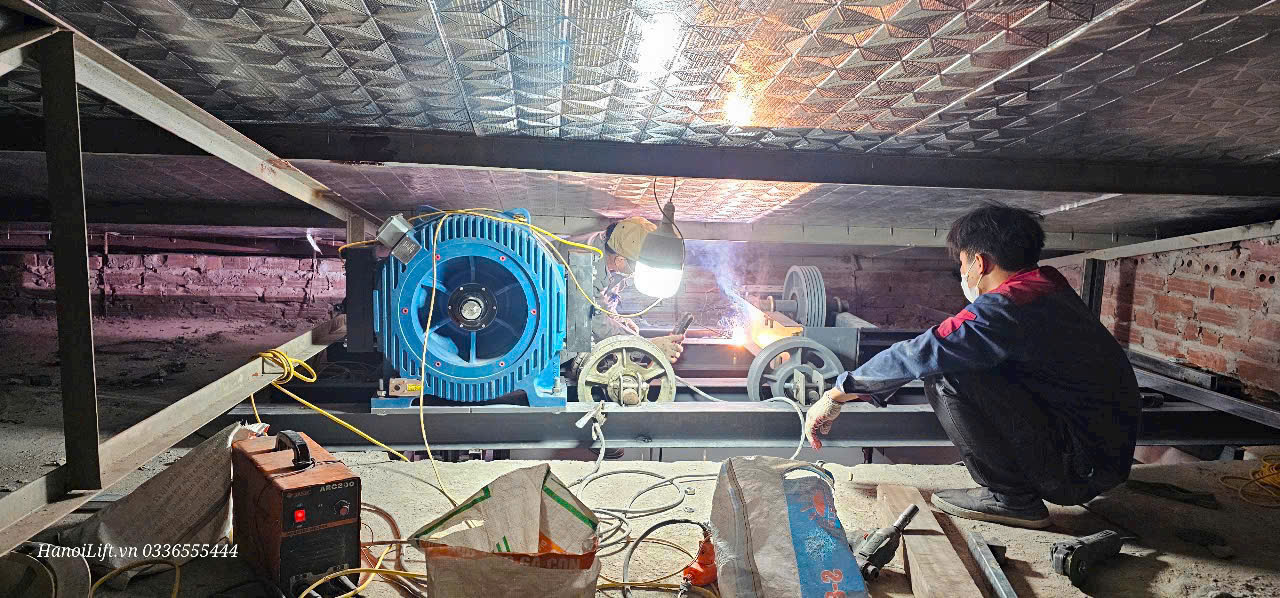
- Traction motor: A high-power electric motor, usually an asynchronous motor or servo motor, provides the traction force to raise and lower the cabin.
- Braking system: Ensures safety when stopping the cabin, preventing it from free-falling in the event of a power failure or malfunction.
- Control system: A programmable logic controller (PLC or microprocessor) manages all elevator operations, including speed, position, and safety signals.
2. Operating principle
Freight elevators operate on the principle of pulling the cabin using a system of steel cables via pulleys, controlled by an electric motor. When an operating command is given, the motor rotates, pulling the cables to raise or lower the cabin in the desired direction. An automatic braking system activates when the cabin reaches a stop position or in case of an emergency. Position and load sensors continuously monitor the operating status to ensure safety and efficiency.
Technical and safety standards in the design of cargo elevators.
Freight elevators must comply with strict technical standards to ensure safety and durability during use. Some common international and national standards include:
- Standard EN 81-20/50: Regulations concerning the safety of freight and passenger elevators.
- ISO 25745 Standard: Standard for energy efficiency of elevators.
- TCVN Standard: Vietnamese Standard on the design, installation, and operation of elevators.
In the design, safety factors are emphasized, including:
- Load capacity: Elevators must be designed to handle a load greater than the maximum expected load to ensure durability and safety.
- Emergency braking system: Ensures the cabin does not freefall in the event of a power outage or technical malfunction.
- Overload protection device: A load sensor prevents operation when the load exceeds the permissible limit.
- Warning and alarm system: Alerts in case of malfunction or when the cabin stops in the wrong position.
- Regular inspections: Perform scheduled maintenance and inspections to detect and rectify any malfunctions promptly.
Applications and common types of cargo elevators
Freight elevators play a crucial role in many fields such as industry, warehousing, distribution centers, and construction. They are designed with diverse load capacities, from a few hundred kilograms to several tons, to suit specific operating environments such as dustproof, moisture-resistant, and impact-resistant applications. Using elevators optimizes space, increases transportation efficiency, and reduces working time. In terms of operation, freight elevators are classified into types such as hydraulic elevators with low speeds, cable-driven elevators suitable for heavy loads, and machine-roomless elevators to save installation space and meet diverse usage needs.
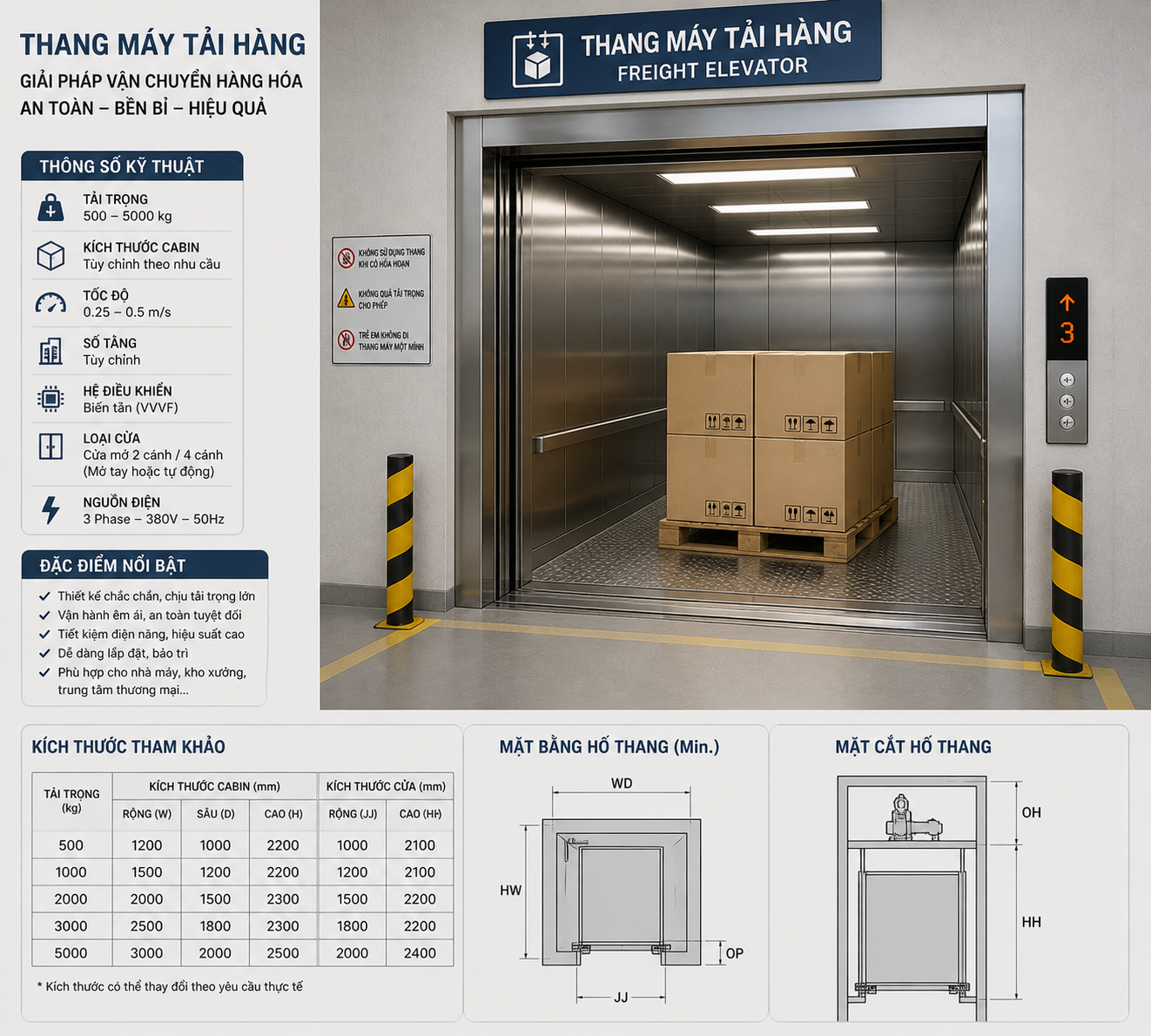
1. Industrial freight elevators
In manufacturing plants, freight elevators are used to transport raw materials, components, and finished products between floors. These elevators typically have a large load capacity, ranging from several hundred kilograms to several tons, and are designed to suit industrial environments, such as being dustproof, moisture-resistant, and impact-resistant.
2. Cargo elevators in warehouses and distribution centers.
Warehouses and distribution centers utilize freight elevators to move goods quickly and efficiently, optimizing storage space and minimizing transit time. These elevators are typically large enough to transport pallets or small containers.
3. Freight elevators in construction
In high-rise construction projects, freight elevators are used to transport building materials such as cement, steel, and bricks between floors. These elevators need to be robustly designed, easy to install and dismantle, and able to withstand harsh environmental conditions.
4. Classification by operating mechanism
- Hydraulic freight elevators: These use a hydraulic cylinder system to raise and lower the cabin, suitable for small to medium loads and low operating speeds.
- Cable-driven freight elevators: Utilizing a steel cable system and traction motor, they are suitable for heavy loads and high speeds.
- Machine-roomless freight elevators: The motor and control system are integrated within the elevator shaft, saving space.
Modern technology and development trends in cargo elevators.
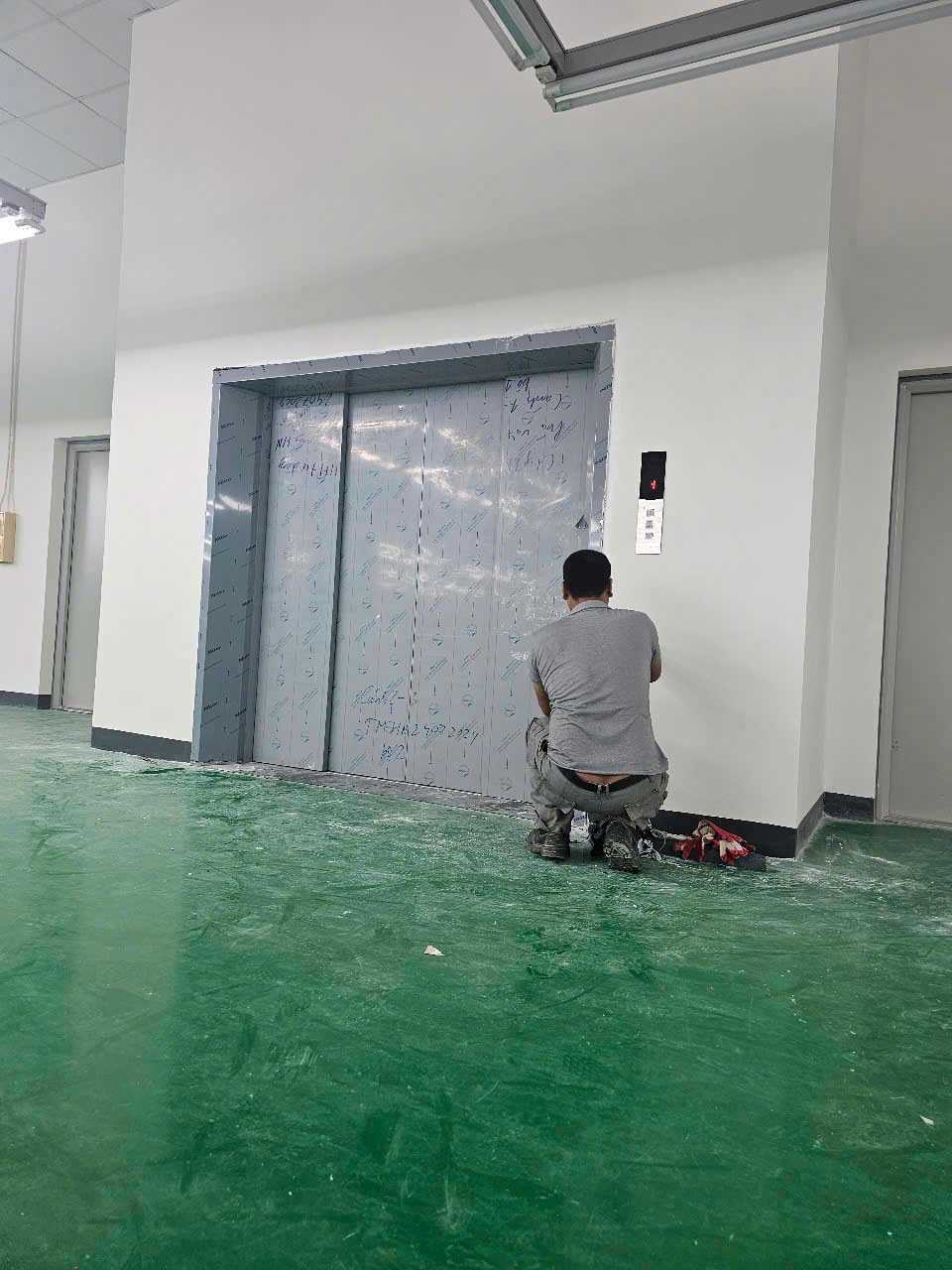
With advancements in technology, cargo elevators are constantly being improved in terms of performance, safety, and smart features. Some notable technologies include:
- Intelligent control system: Utilizes artificial intelligence and sensors to optimize operation, reduce energy consumption, and increase accuracy in floor stopping.
- Remote monitoring: Allows for monitoring operational status and predictive maintenance via internet connection, minimizing downtime.
- Lightweight and durable materials: The use of composite materials and high-grade alloy steel reduces cabin weight while ensuring durability and load-bearing capacity.
- Advanced safety system: Integrates multi-directional sensors, surveillance cameras, and an automatic warning system to protect goods and operators.
- Energy saving: Using high-efficiency asynchronous motors and a regenerative braking system when the cabin is lowered helps reduce operating costs.
These trends not only improve transportation efficiency but also contribute to environmental protection and enhance user experience in industrial and commercial environments.