

Passenger elevator
The concept and role of passenger elevators in modern construction.
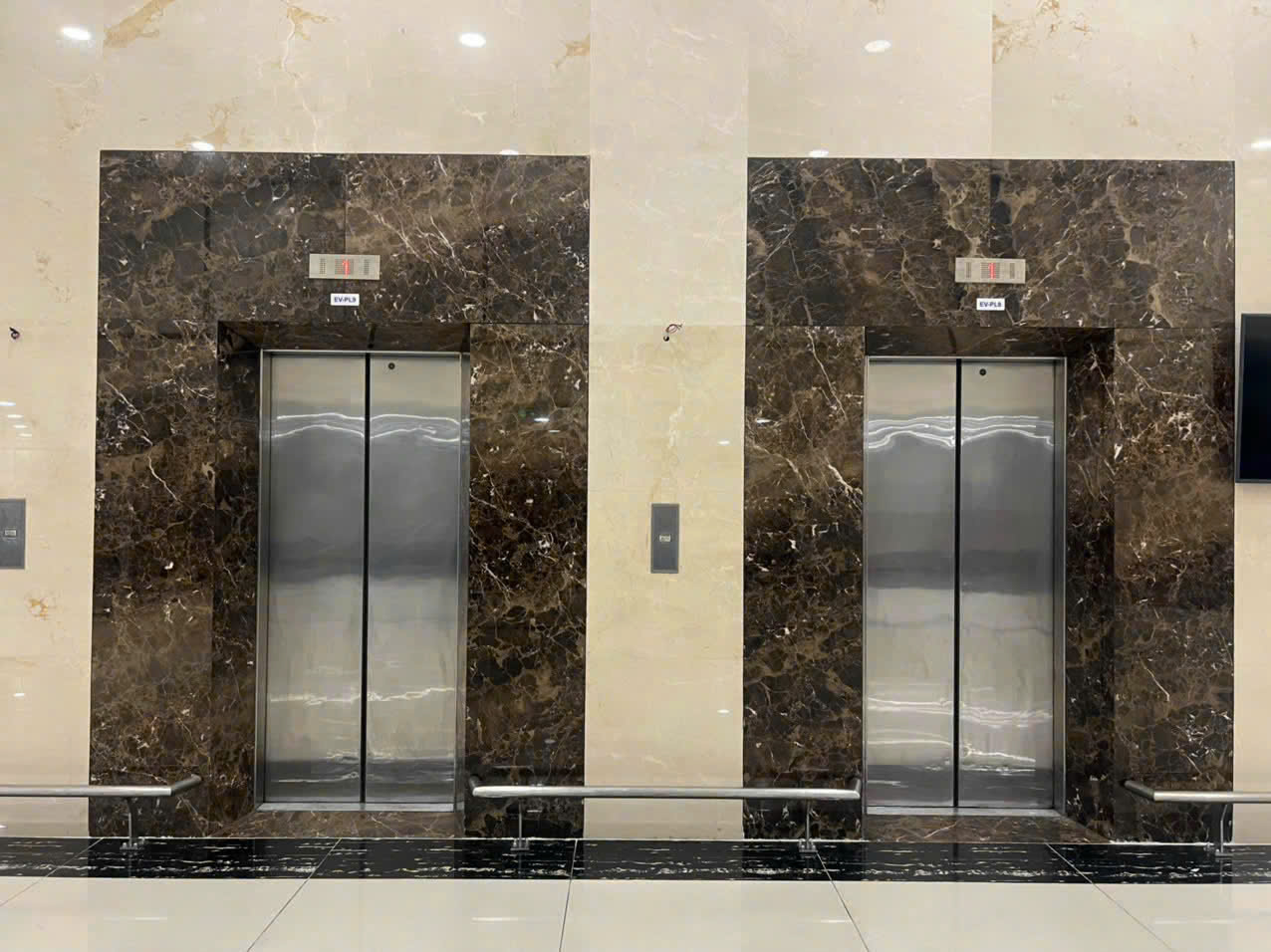
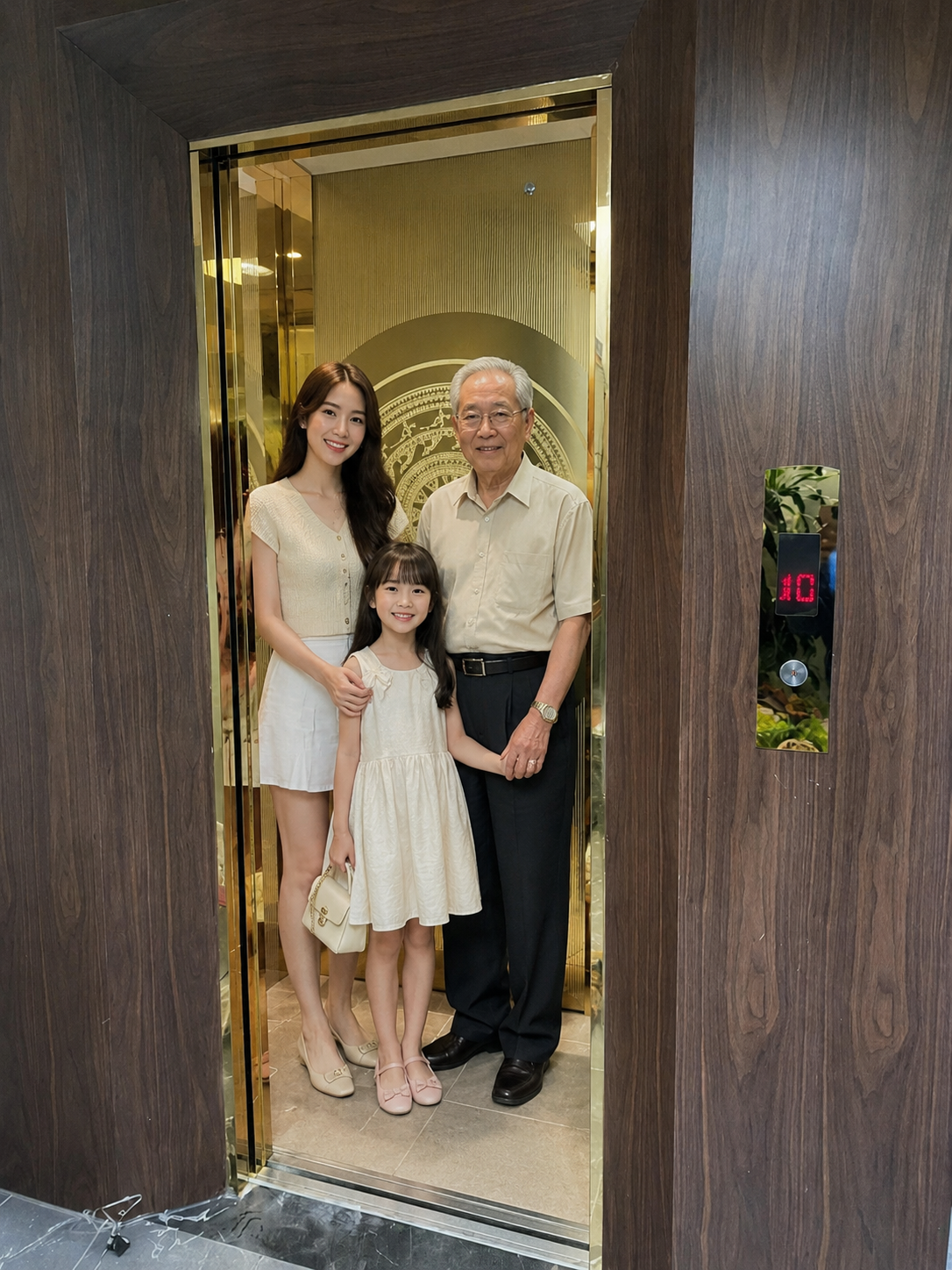
Passenger elevators are vertical transport devices specifically designed to move people between floors in buildings such as high-rises, shopping malls, hospitals, hotels, and apartment complexes. With the rapid development of urbanization and the increasing demand for living and working space, passenger elevators have become an indispensable part of modern architecture, contributing to improved convenience, efficient use of space, and user safety.
Passenger elevators are not merely a means of transportation but also a symbol of technological and engineering advancements in the construction industry. The selection, design, and installation of passenger elevators require a deep understanding of mechanics, electronics, automation, and international safety standards to ensure stable operation, energy efficiency, and environmental friendliness.
Structure and operating principle of passenger elevators
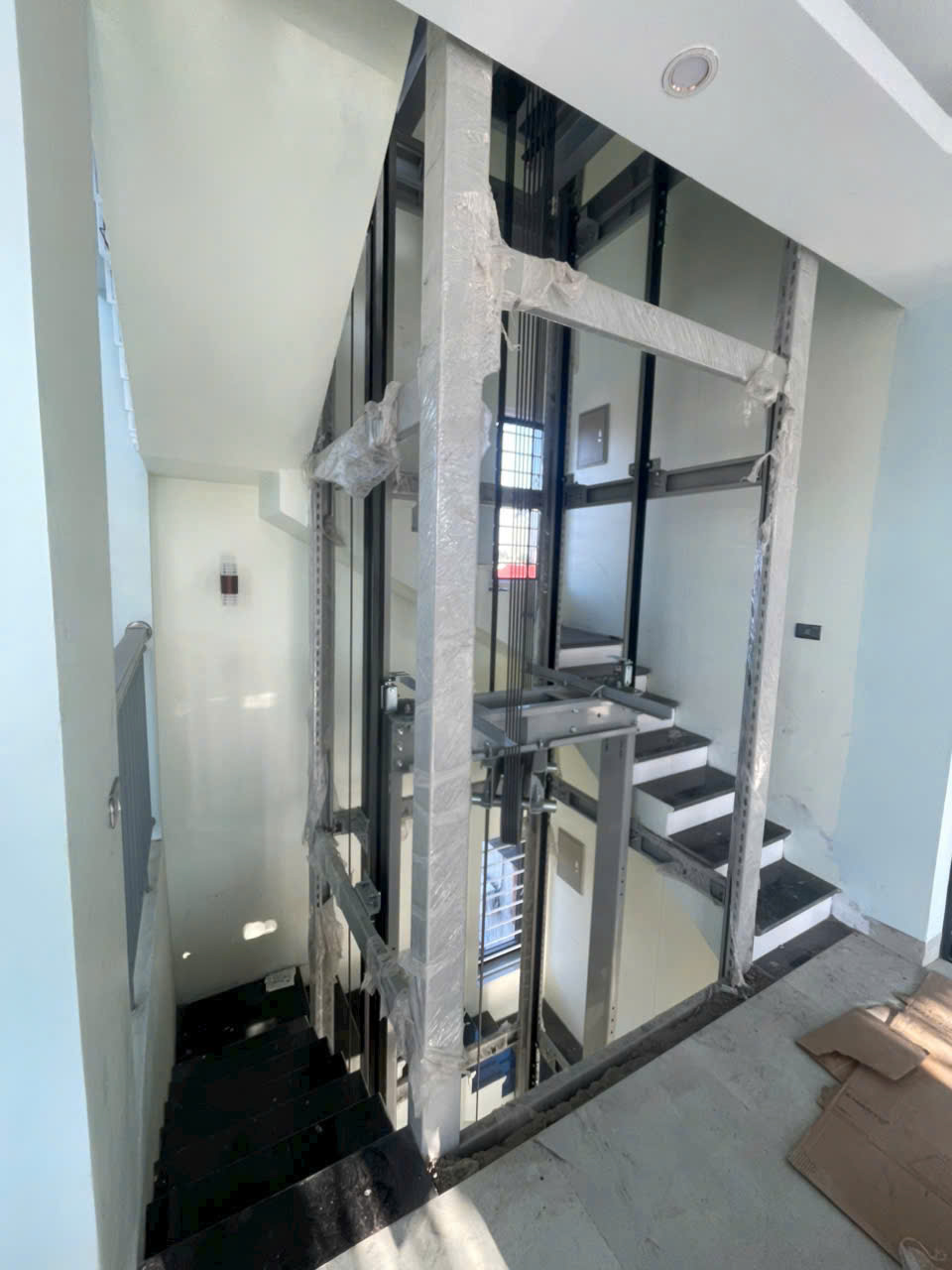
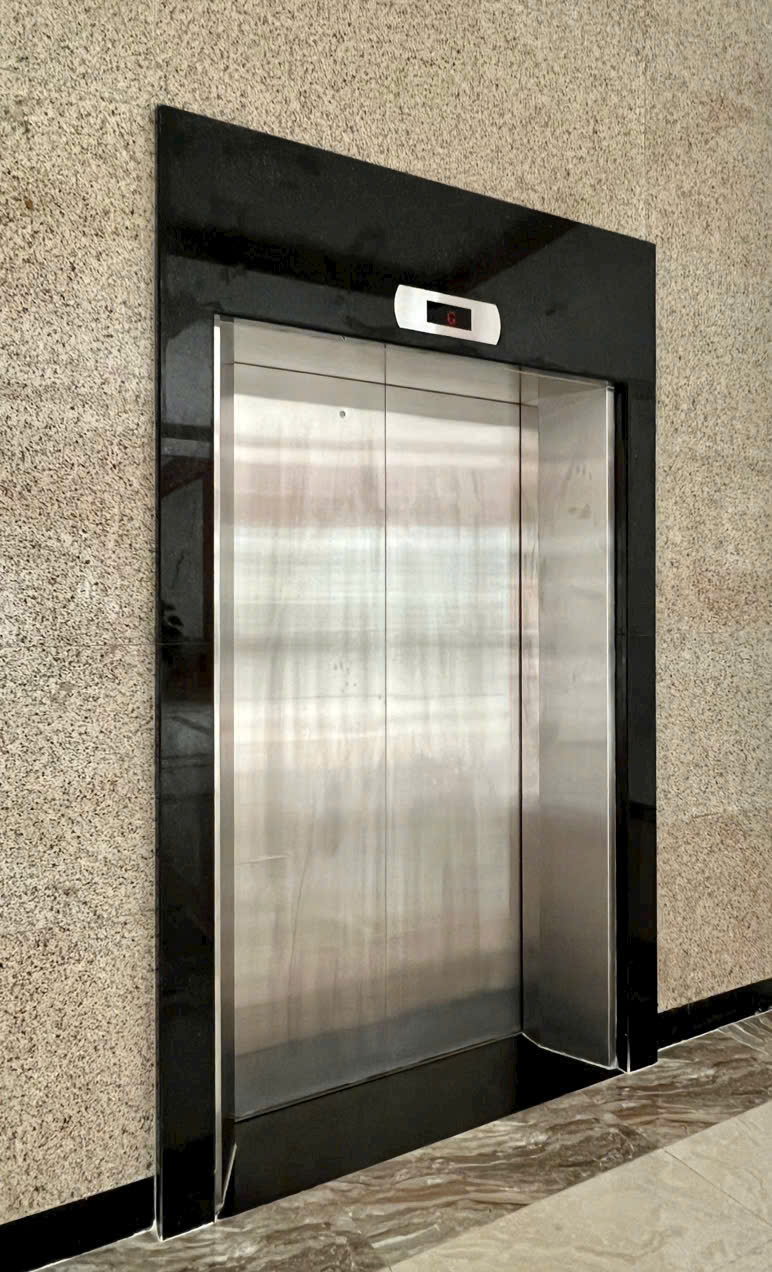
Passenger elevators are composed of many important parts such as a high-strength cabin, a load-balancing counterweight system, a powerful traction motor, and an efficient cable and pulley system. The central control unit is responsible for processing signals and controlling operation, coordinating with the braking system and safety devices such as door sensors and anti-fall devices to ensure absolute safety.
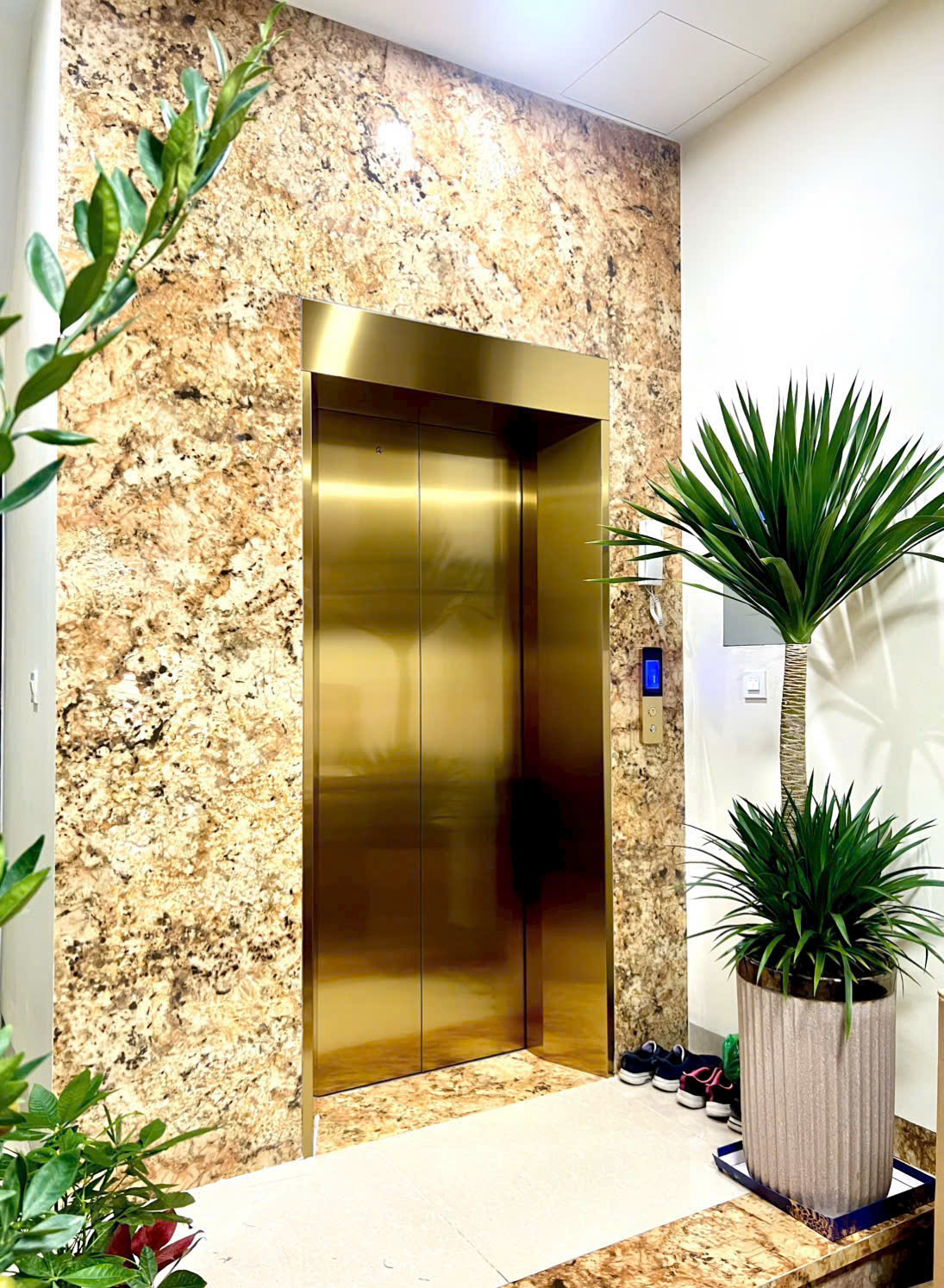
The operating principle is based on pulling the cabin via a cable and pulley, controlled by an electric motor and intelligent controller. Inverter technology allows for flexible speed adjustment, reduces vibration, and saves energy. The system also optimizes waiting and travel time by prioritizing service to floors with high user density, providing a safe and efficient operating experience.
Main structure
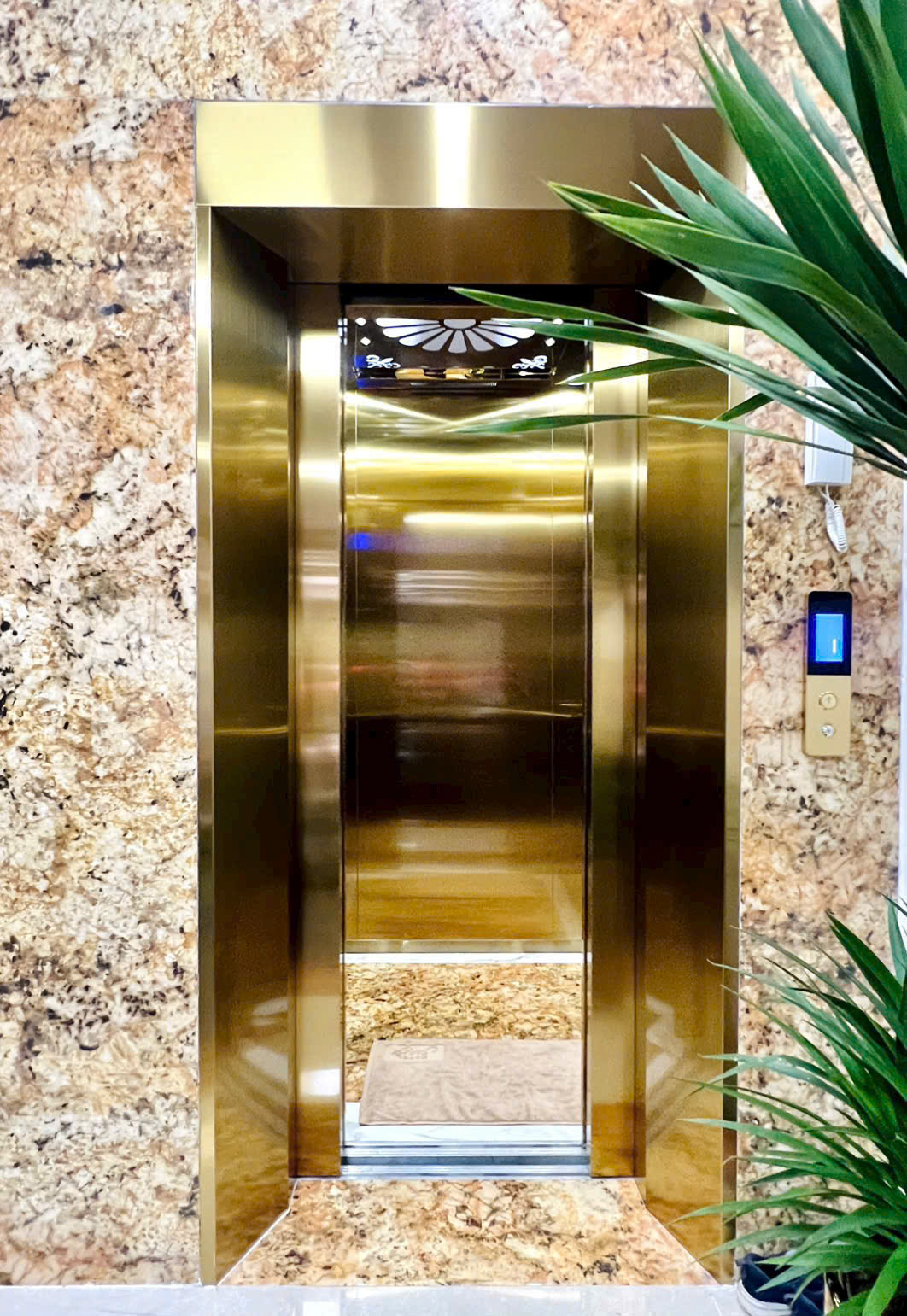
Passenger elevators comprise several key components that work together seamlessly to ensure safe and efficient transportation:
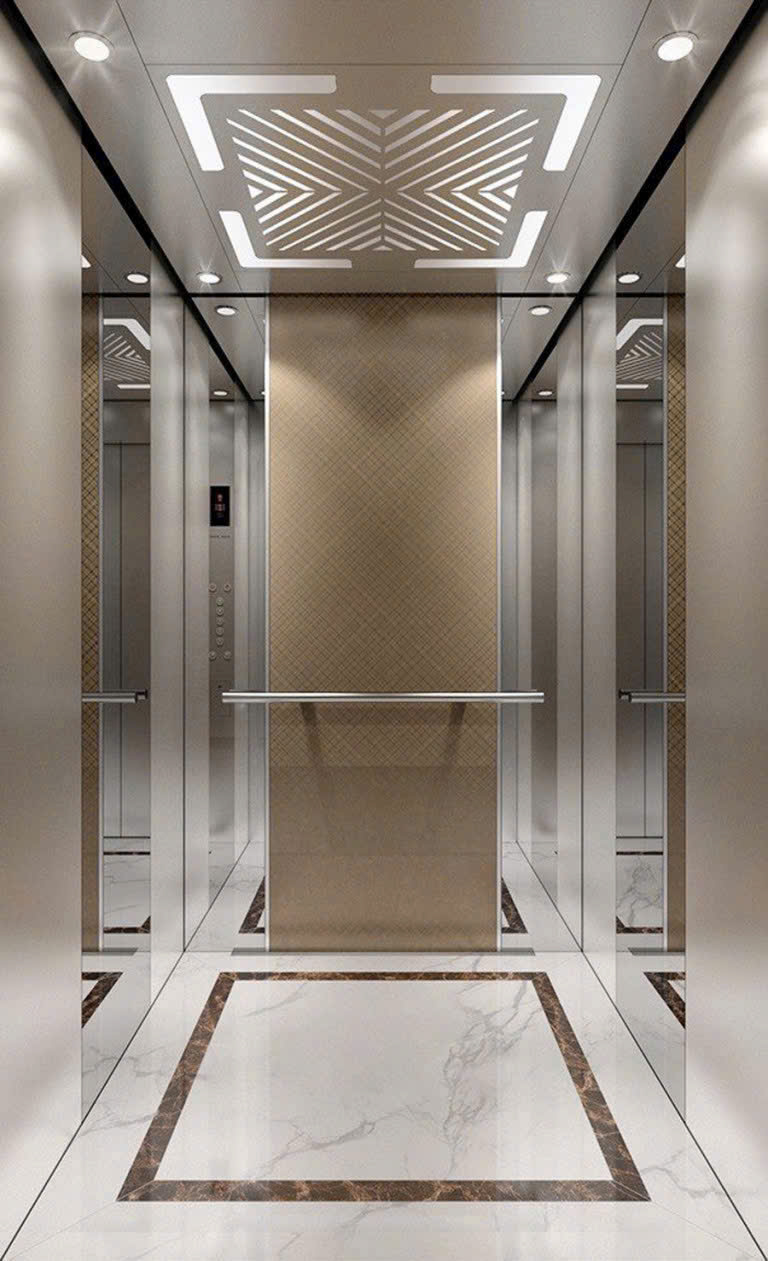
- Elevator cabin: This is the space that houses people, designed with high-strength materials, and equipped with lighting, ventilation, and internal control devices.
- Counterweight system: Helps balance the cabin weight and load, reducing the load on the engine and saving energy.
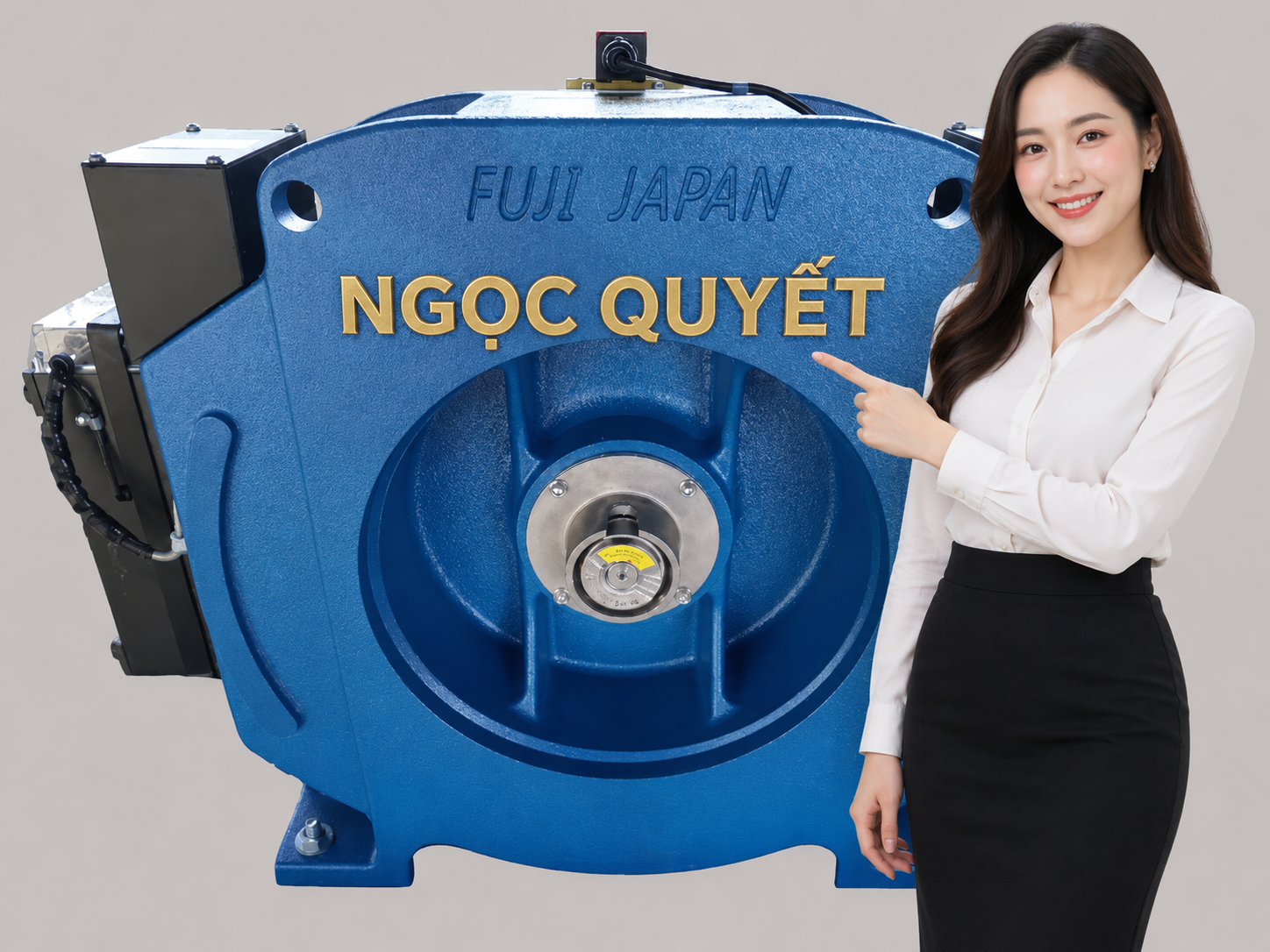
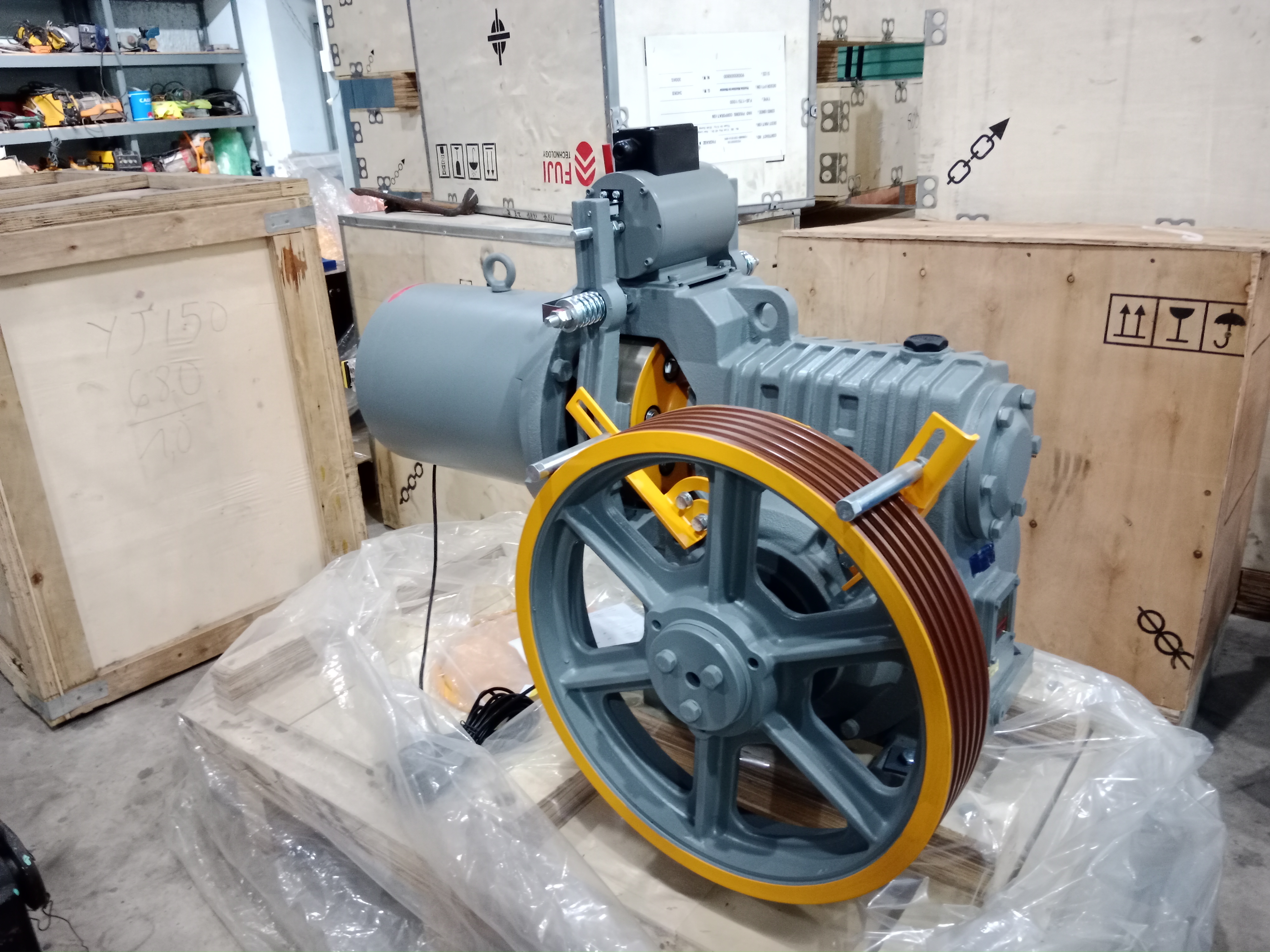
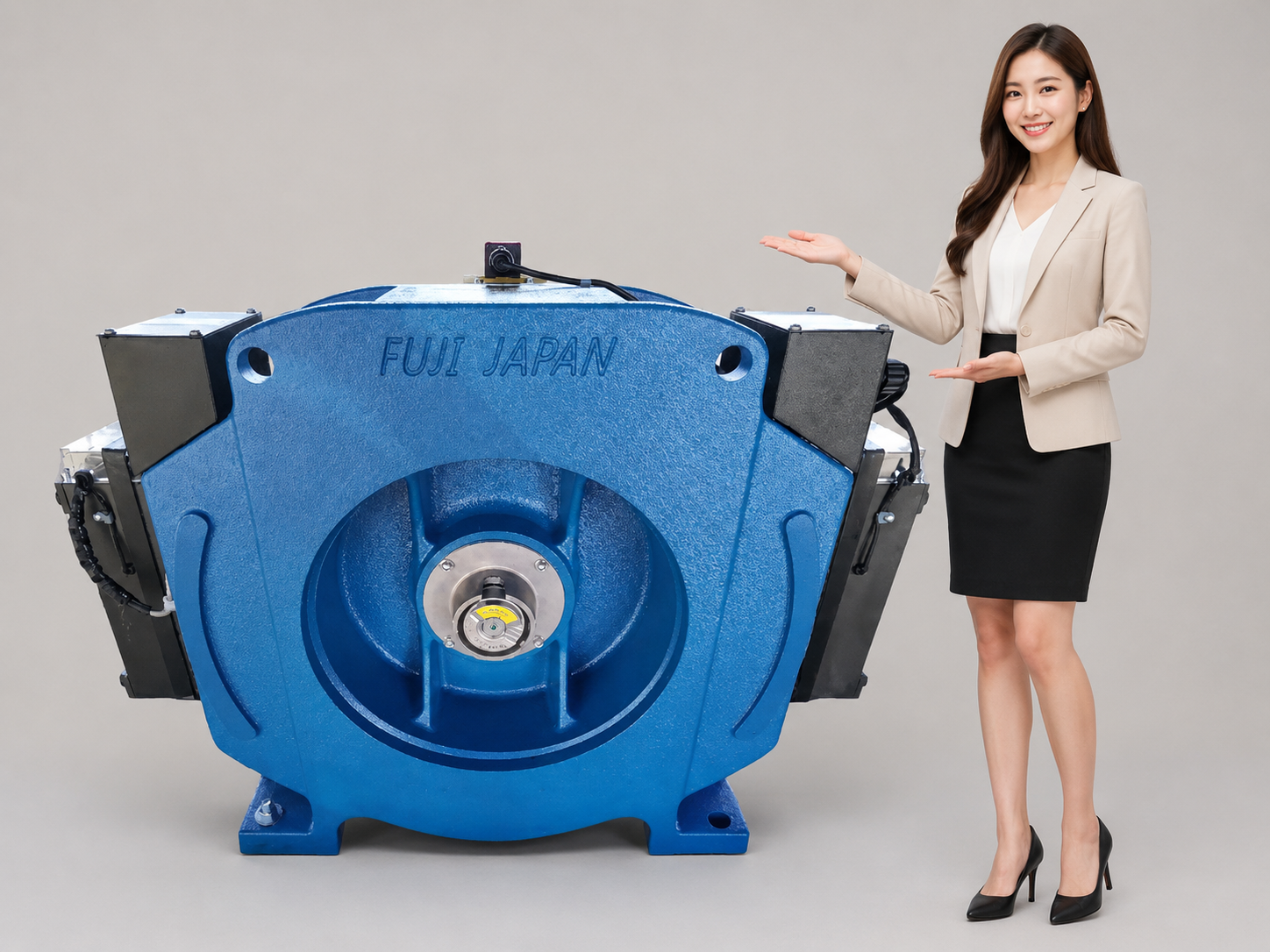
- Traction motor: Usually a DC or AC electric motor, its function is to pull the cable that raises and lowers the cabin.
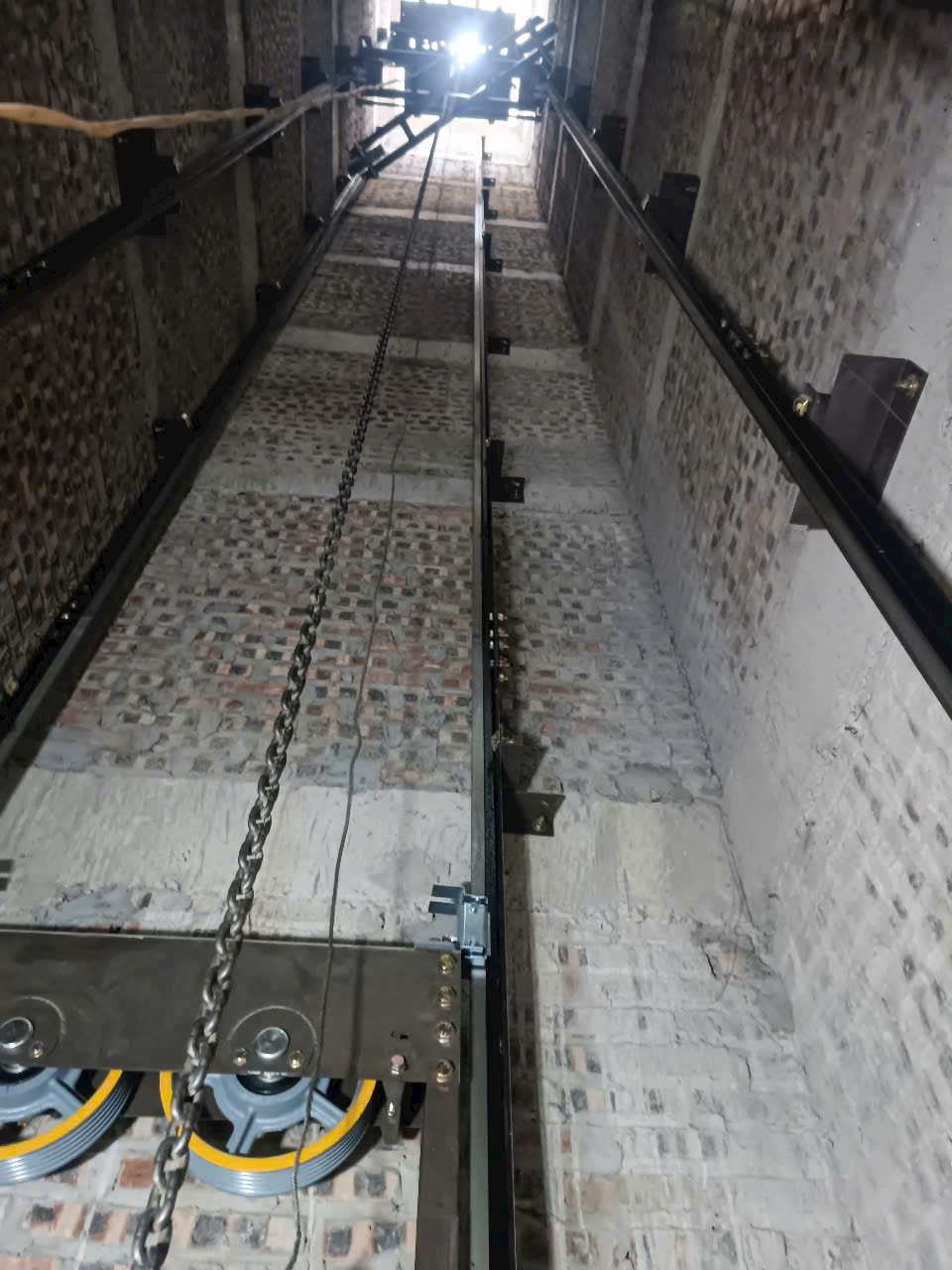
- Cable and pulley system: High-strength cables connect the cabin to the counterweight via pulleys, transmitting power from the engine.
- Controller: This is the central processing unit that controls speed, direction of movement, and safety functions.
- Braking system: Ensures the cabin comes to a precise and safe stop when necessary.
- Safety devices include door sensors, fall arrest devices, travel limits, and load sensors.
Operating principle
Passenger elevators operate on the principle of pulling the cabin using cables via a pulley system, controlled by an electric motor and an intelligent control unit. When a user presses the call button or selects a floor, the control unit determines the cabin's position and adjusts the motor to pull the cable, allowing the cabin to move to the desired floor. The braking system and safety devices ensure the cabin stops precisely and prevent accidents during operation.
In particular, modern technologies such as variable frequency drives (VFDs) are integrated to flexibly adjust motor speed, reduce vibration and noise, and significantly save energy. In addition, the intelligent control system can prioritize service to floors with high user density, optimizing waiting and travel times.
Technical standards and factors affecting the performance of passenger elevators.
Passenger elevators must comply with stringent technical standards such as EN 81 , ASME A17.1 , and TCCS to ensure safety and operational quality. These standards not only protect users but also enhance the durability and performance of the equipment. Elevator performance and lifespan depend on many important factors such as the quality of materials and components , appropriate design, regular maintenance, operating environment, and load capacity. Regular maintenance, along with the application of modern monitoring technology and operator training, will help maintain stable performance and extend the lifespan of passenger elevators.
Safety and quality standards
Passenger elevators must strictly adhere to international and national technical standards to ensure user safety. Some common standards include:
- EN 81: European standard for elevator safety, specifying requirements for design, installation and maintenance.
- ASME A17.1: American Standard for Elevator and Escalator Safety.
- TCCS: Basic technical standards issued by the Ministry of Construction of Vietnam, applicable to elevators in Vietnam.
Adherence to these standards not only ensures safety but also enhances the durability and operational efficiency of passenger elevators.
Factors affecting performance and lifespan
The performance and lifespan of passenger elevators depend on many technical and environmental factors:
- Material and component quality: High-quality load-bearing materials, steel cables, motors, and control systems minimize damage and increase durability.
- Proper design: The precise design of the cabin, counterweight, and guide system helps reduce friction and wear.
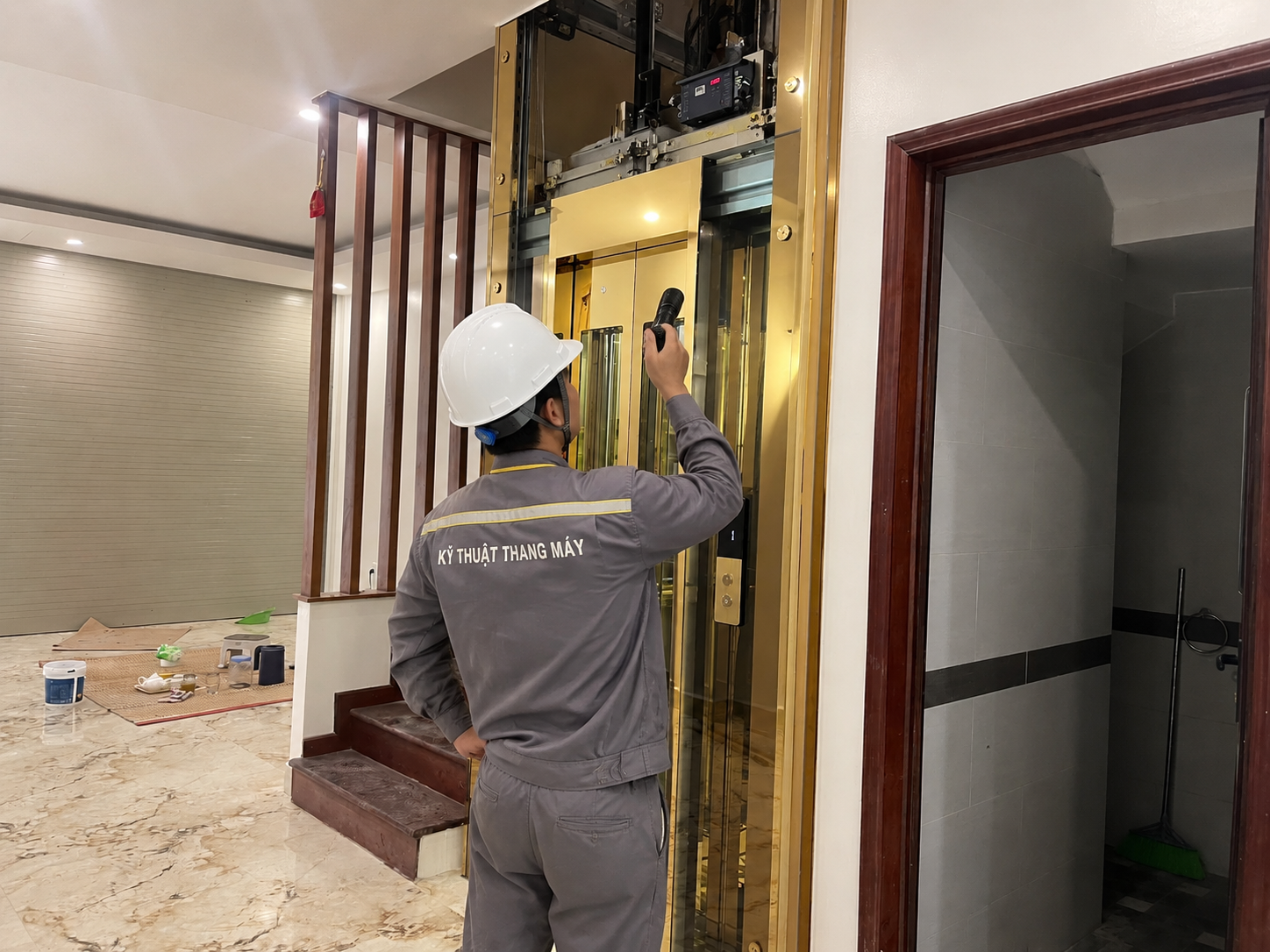
- Regular maintenance: Timely inspection, servicing, and replacement of components helps detect and resolve problems early, maintaining stable performance.
- Operating environment: Temperature, humidity, dust, and other environmental factors affect the operation of electronic and mechanical components.
- Loading conditions: Overloading or improper use reduces lifespan and increases the risk of failure.
To ensure optimal performance, building managers need to develop professional maintenance plans, utilize smart monitoring equipment, and provide thorough training for elevator operators.