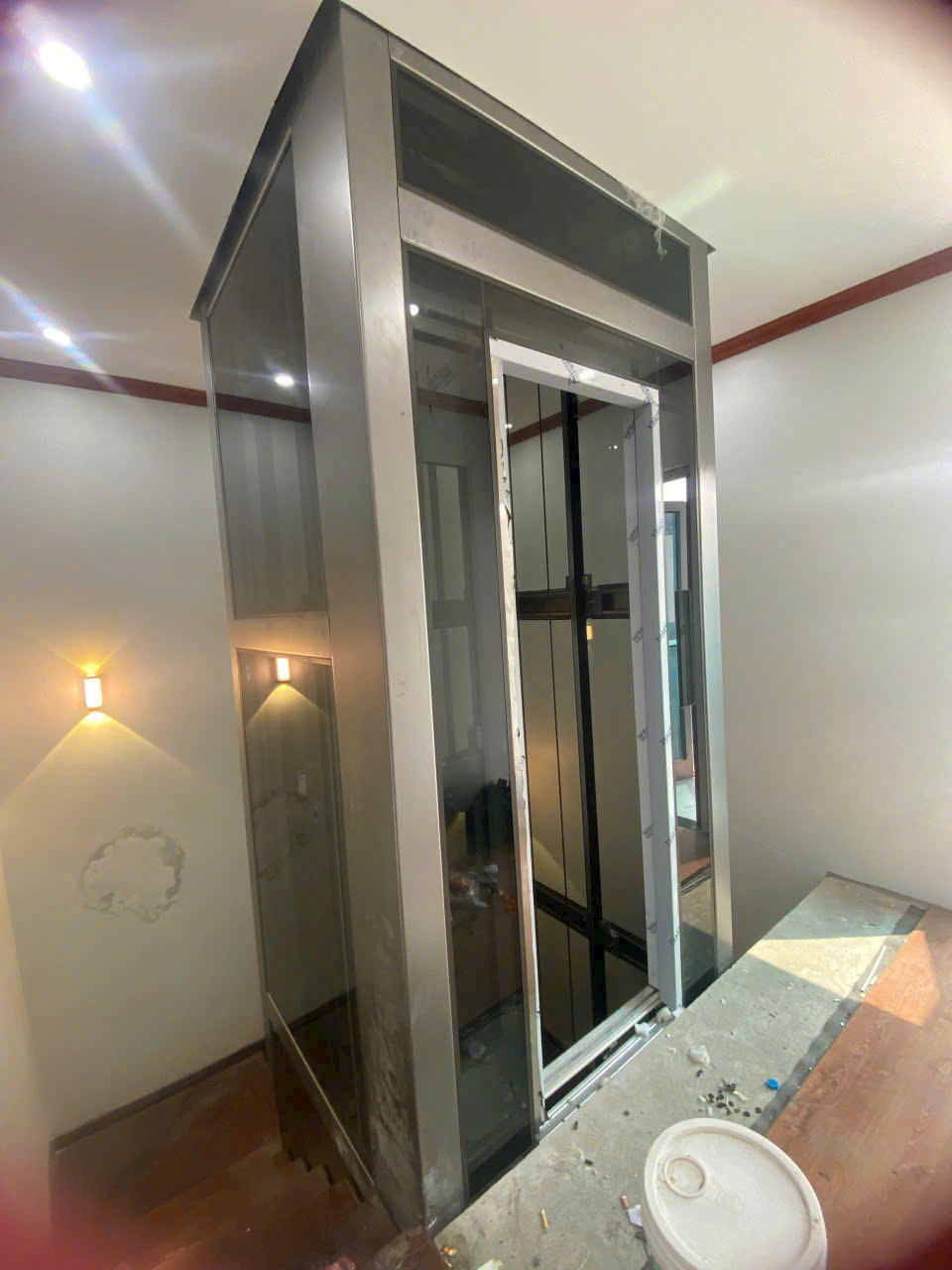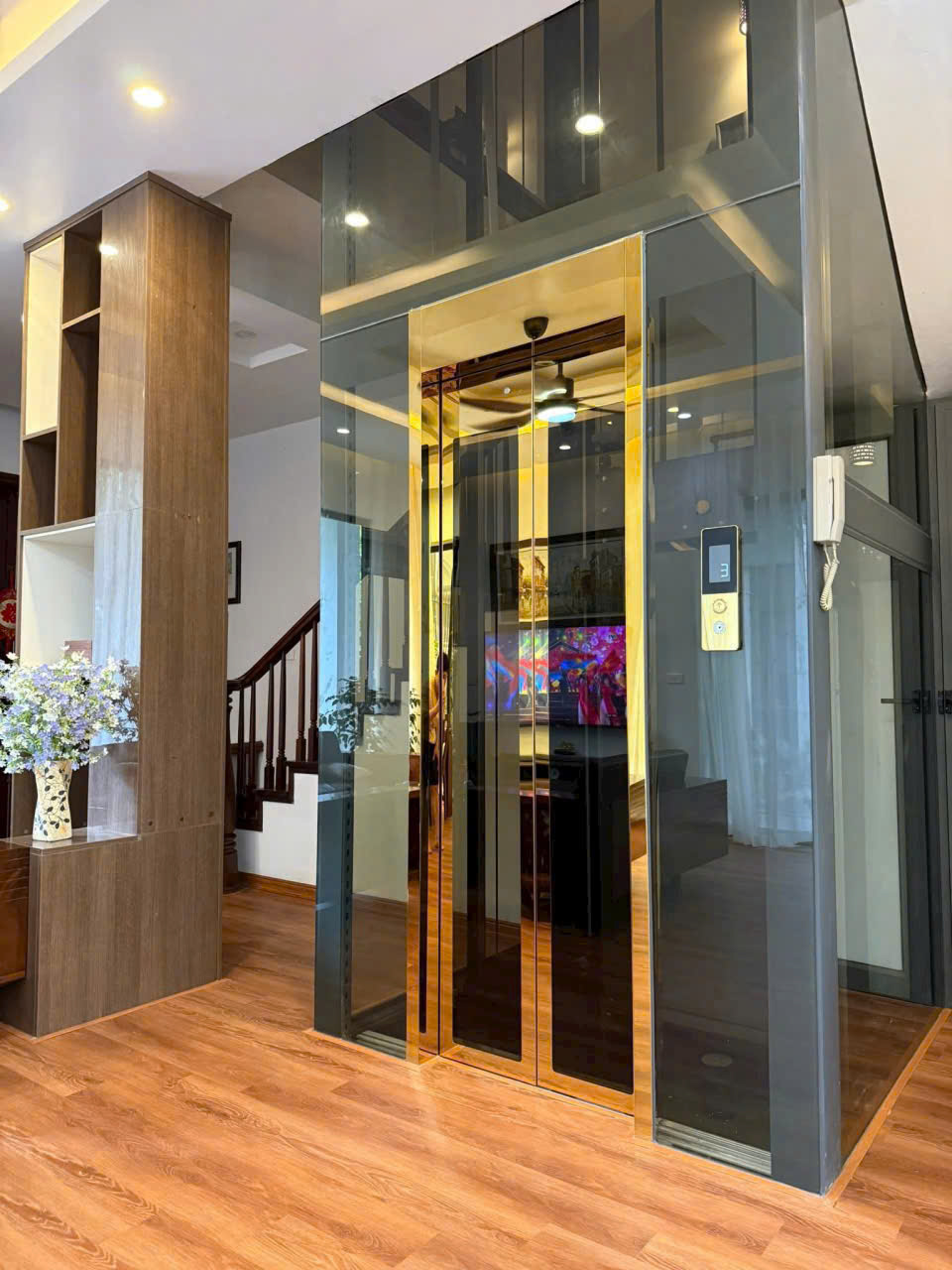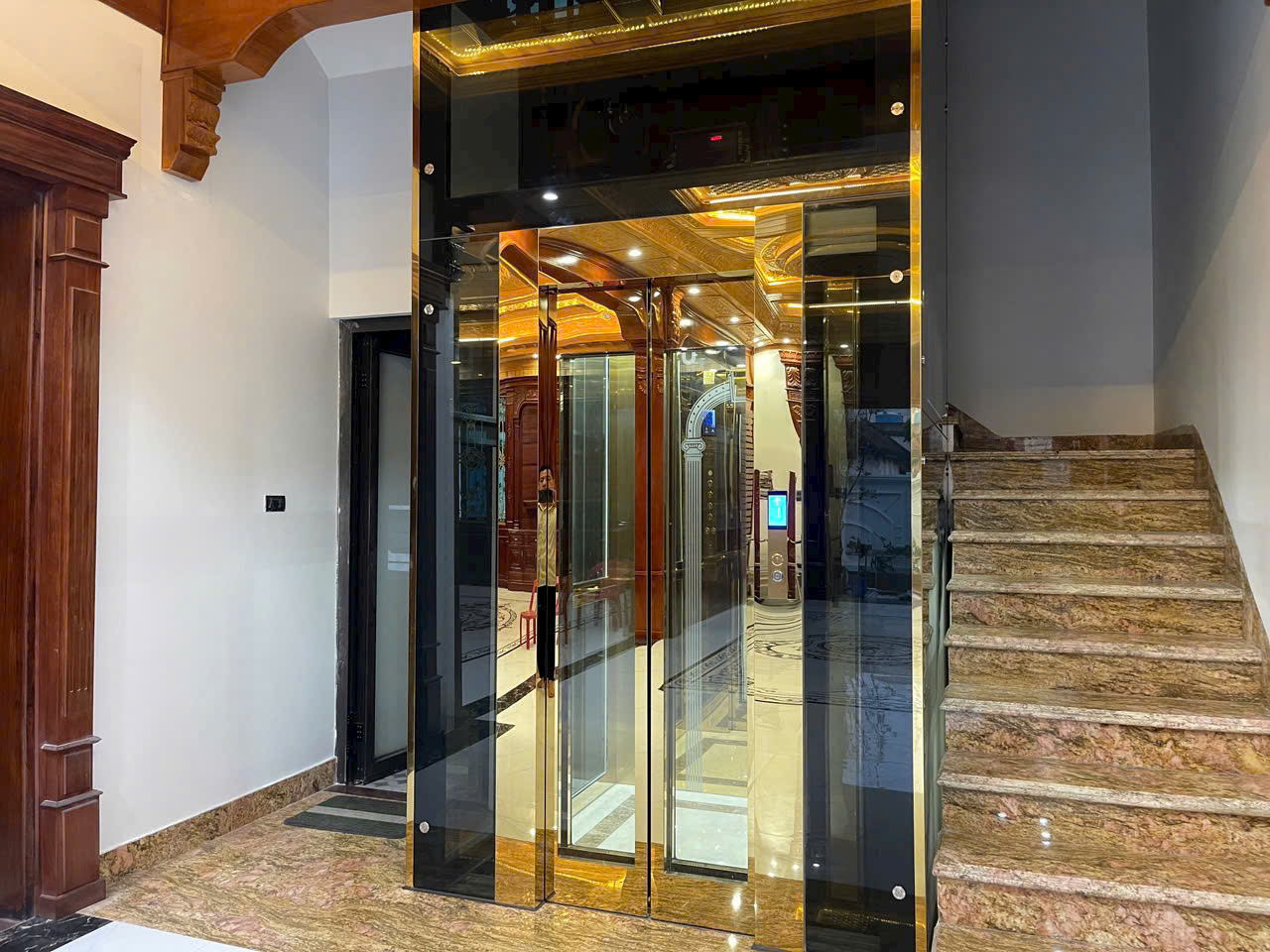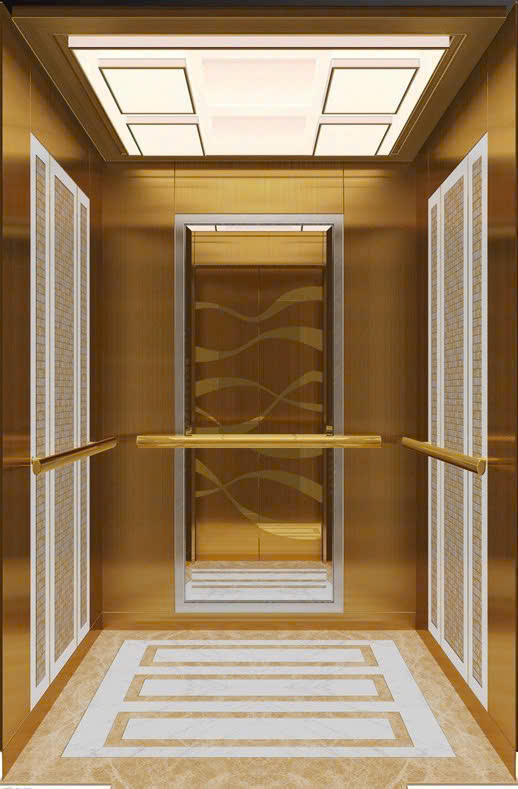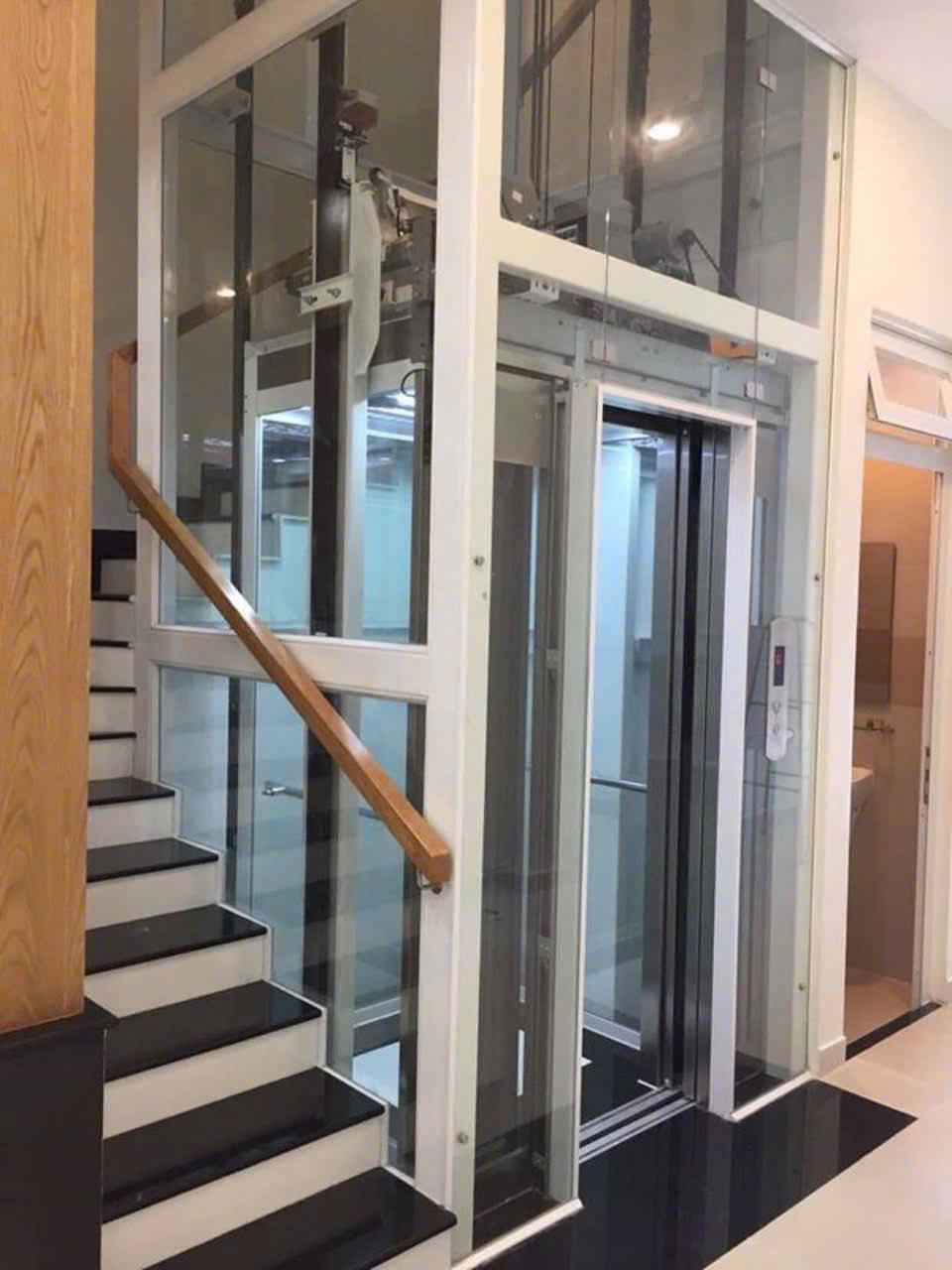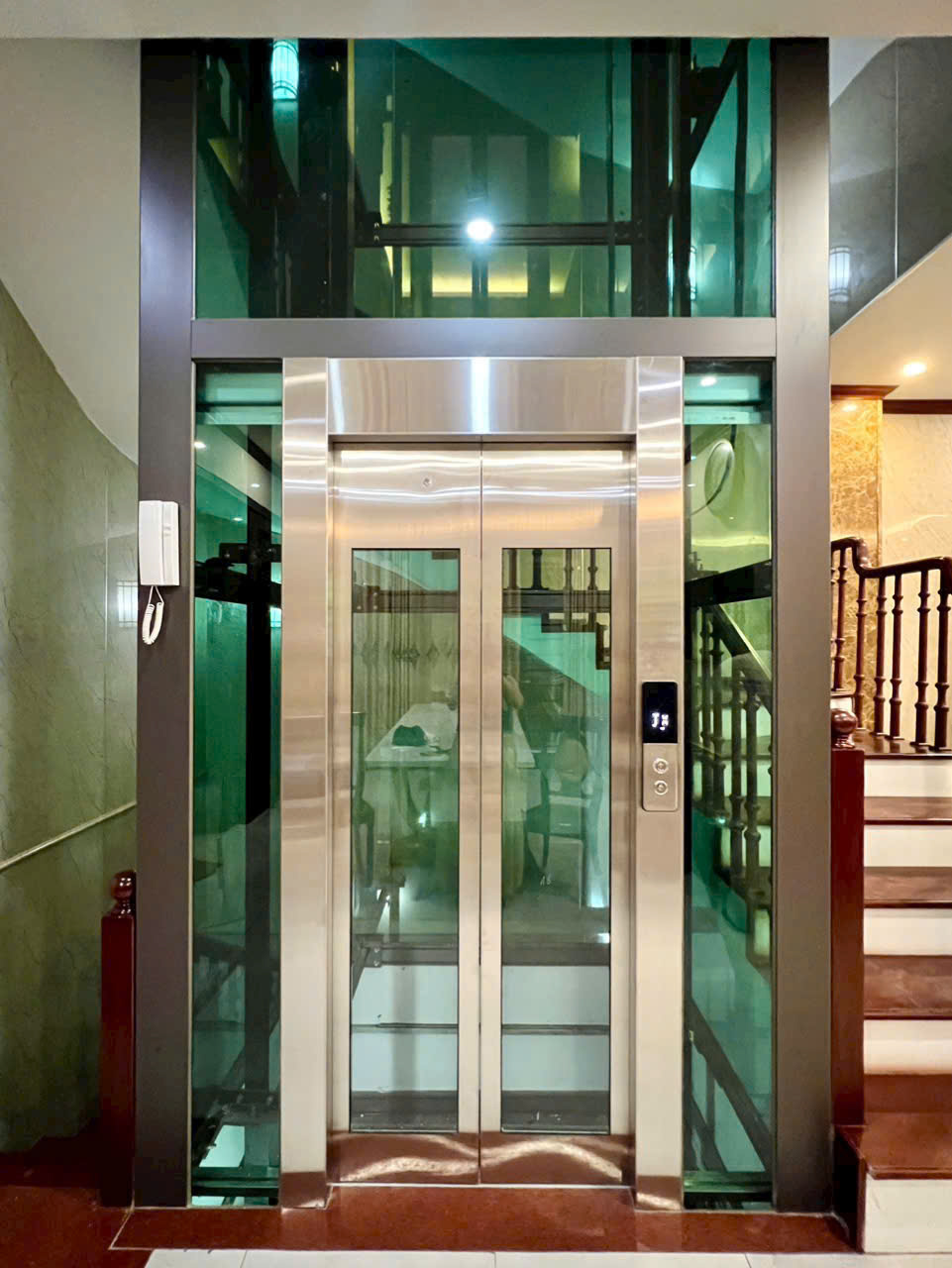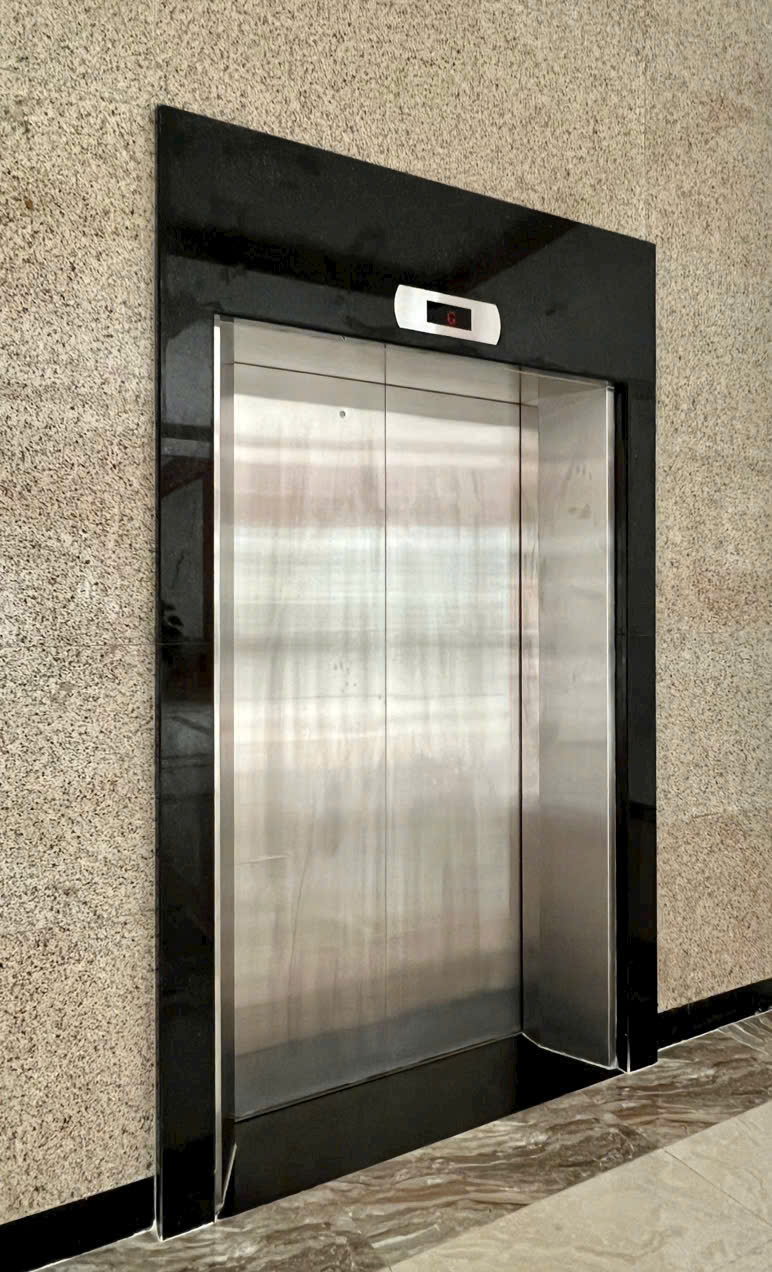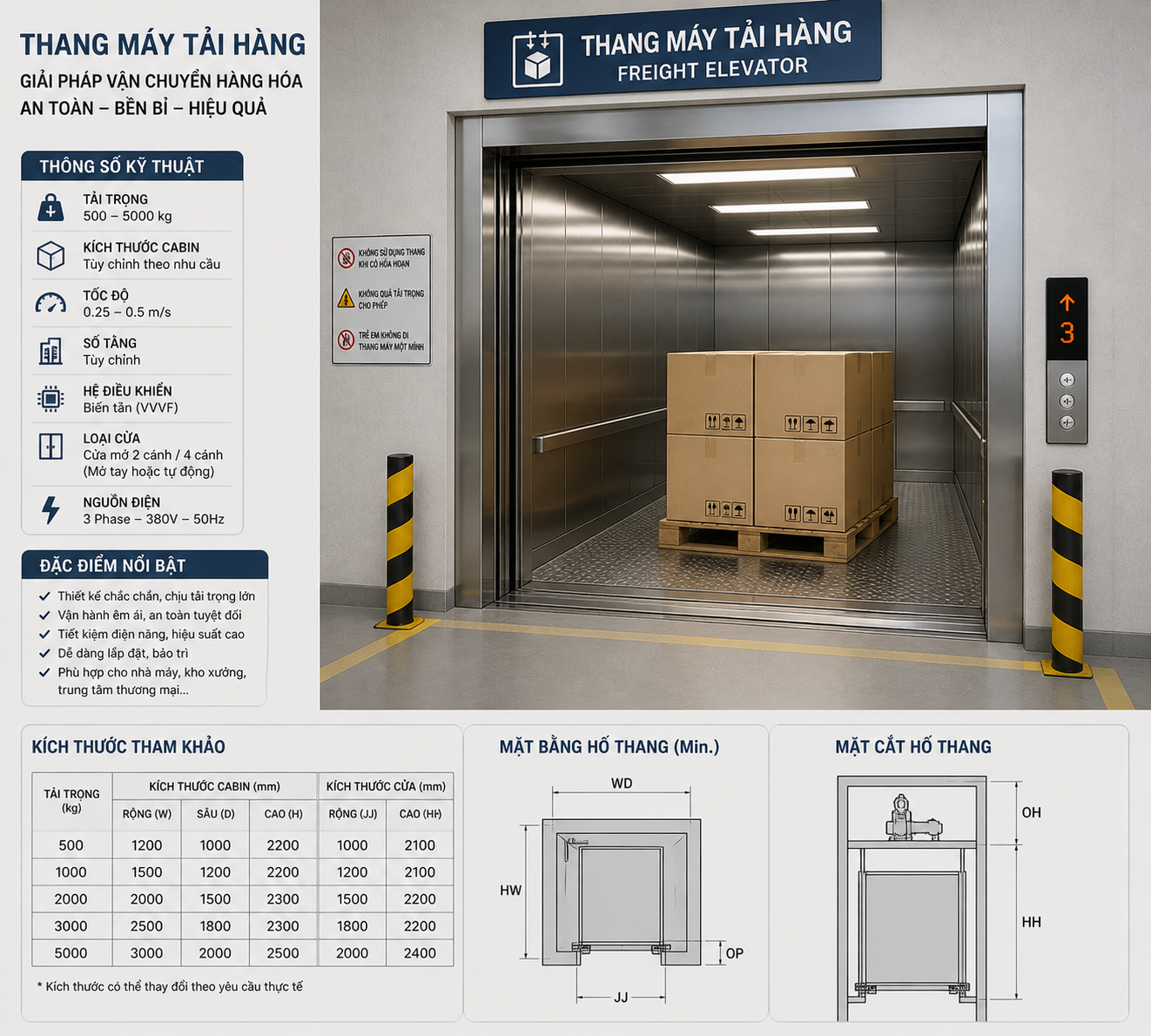


Ha Nam Passenger Elevator
Introduction to passenger elevators in Ha Nam
Passenger elevators in Ha Nam are not just a means of transportation, but also an advanced technical solution that meets the needs of urban development and improves the quality of modern life. In the context of increasingly high-rise civil and commercial buildings, elevator installation has become a mandatory element to ensure convenience, safety, and efficiency in movement.
Passenger elevators in Ha Nam are designed and manufactured based on strict international standards, including factors such as load capacity, speed, safety, and energy efficiency. Choosing the right elevator depends not only on size and load capacity but also on control technology, safety systems, and maintenance and after-sales service.
Key technical factors in passenger elevators
- Cabin Load Capacity and Size: Passenger elevators in Ha Nam typically have a load capacity ranging from 350 kg to 2000 kg, suitable for various types of buildings from private residences to office buildings and shopping malls. Cabin sizes are designed flexibly to optimize space and meet user needs.
- Control system: Utilizing microprocessor control technology ensures smooth, precise, and energy-efficient operation. These systems also integrate remote monitoring, fault alerting, and optimized operating schedules.
- Motors and drive mechanisms: Passenger elevators in Ha Nam typically use gearless or geared motors depending on speed and load requirements. Gearless motors are preferred due to their quiet operation, energy efficiency, and low maintenance.
- Safety systems include mechanical brakes, door sensors, anti-jamming systems, speed limiters, automatic power outage rescue systems, and fire alarm systems. All these devices undergo rigorous testing according to national and international standards.
- Cabin materials and design: Passenger elevator cabins in Ha Nam are made from stainless steel, tempered glass, or high-grade composite materials, ensuring durability, aesthetics, and ease of cleaning. Interior design can be customized to modern or traditional styles, matching the building's architecture.
Applications and benefits of passenger elevators in Ha Nam
Passenger elevators play a crucial role in improving space utilization and enhancing the user experience in high-rise buildings. Some common applications include:
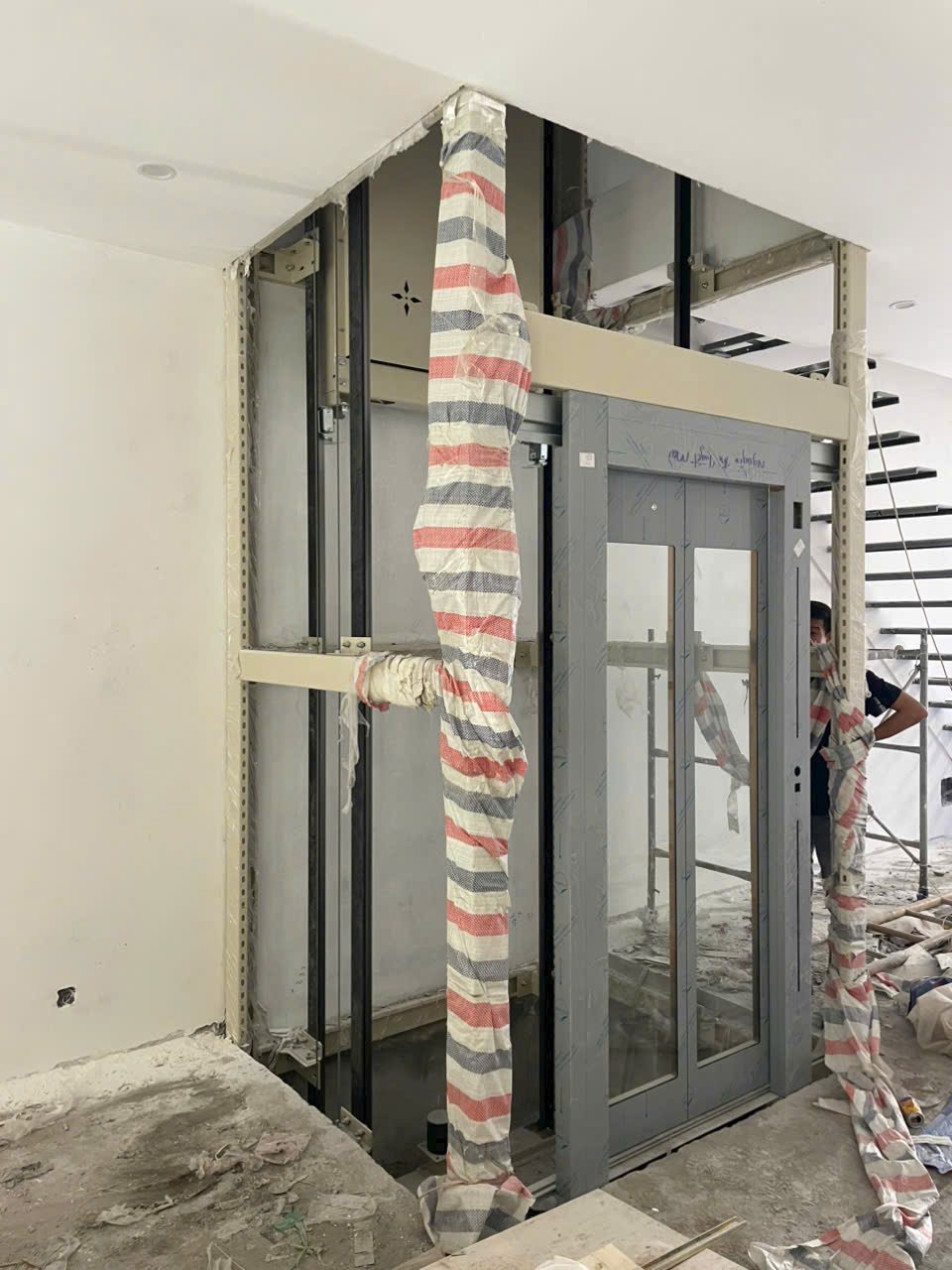
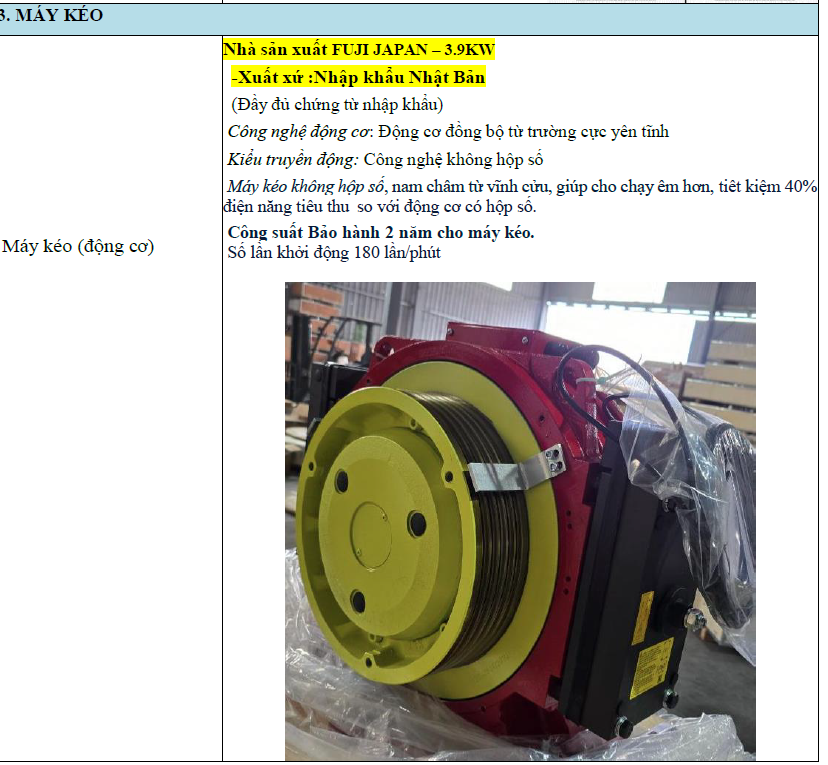
- High-rise housing: Allows residents to move quickly between floors, which is especially important for the elderly and young children.
- Office buildings: Increase work efficiency by reducing commuting time and creating a professional work environment.
- Shopping malls and hotels: Enhancing customer experience with luxurious design, smooth operation, and absolute safety.
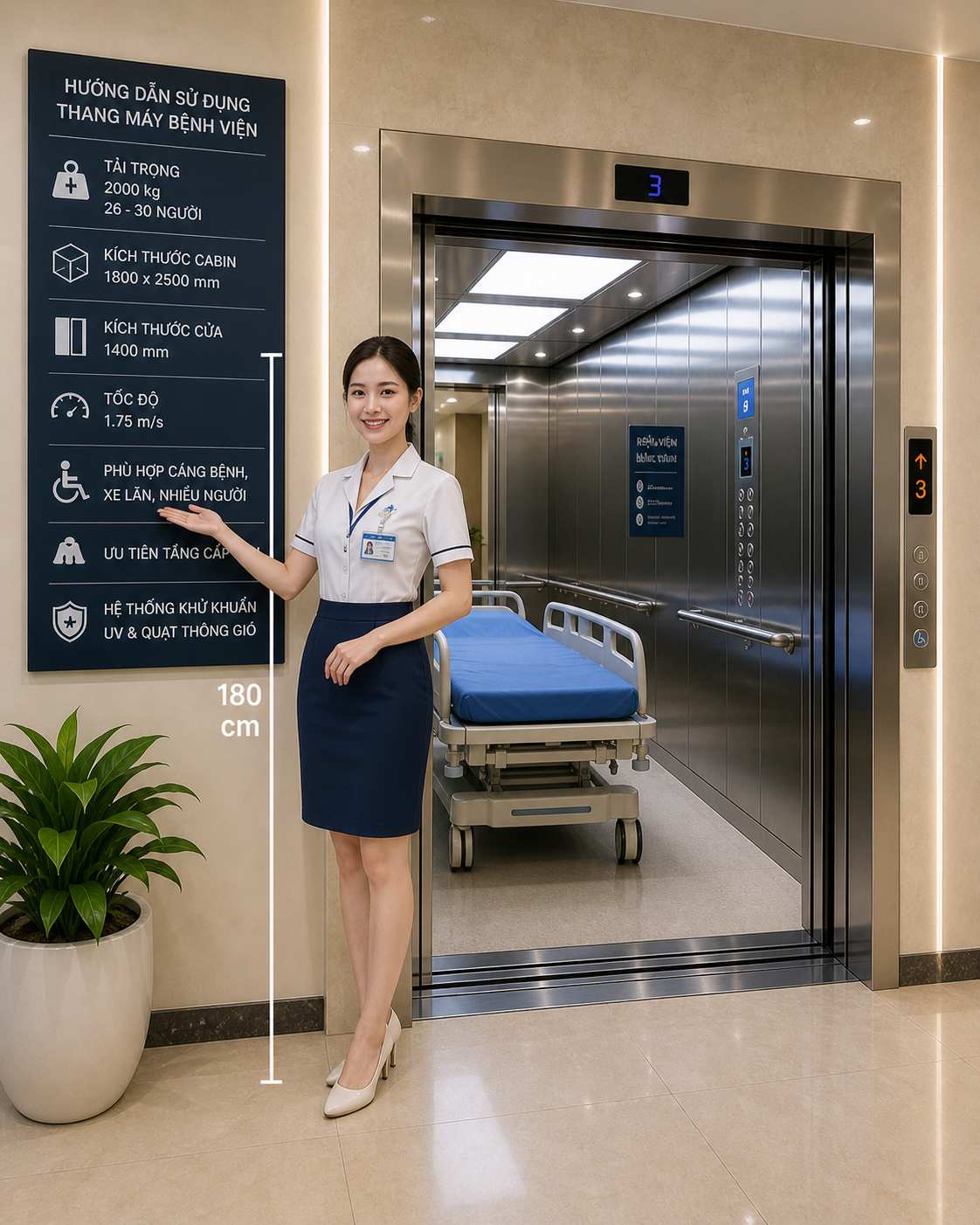
- Hospitals and medical facilities: Ensure the rapid and safe transport of patients and medical equipment, meeting stringent hygiene and safety requirements.
The benefits of using passenger elevators in Ha Nam include:
- Save travel time: Minimize waiting and travel time between floors, especially in high-rise buildings.
- Increased property value: Modern elevators contribute to enhancing the value and competitiveness of real estate projects.
- Safety is ensured: Advanced safety systems help minimize the risk of accidents and incidents during operation.
- Energy saving: Modern motor and control technology reduces power consumption, making it environmentally friendly.
- Professional after-sales service: Elevator suppliers in Ha Nam often provide prompt maintenance and repair services, as well as 24/7 technical support.
Technical standards and regulations applicable to passenger elevators in Ha Nam.
The installation and operation of passenger elevators in Ha Nam must comply with national and international technical standards to ensure safety and efficiency.
- TCCS 04:2019/BXD: Passenger elevator standard issued by the Ministry of Construction, specifying requirements for design, installation, and inspection.
- TCVN 7455:2015: Standard on elevator safety, including requirements for safety systems, rescue equipment and maintenance.
- ISO 25745: An international standard for the energy performance of elevators, used to assess and improve energy efficiency.
- Fire safety regulations: Elevators must be designed and installed in accordance with fire safety regulations, ensuring safety in case of emergency.
Elevator maintenance and after-sales service in Ha Nam
To ensure stable and safe elevator operation, regular maintenance is essential. Elevator suppliers in Ha Nam typically offer service packages that include:
- Inspect and maintain mechanical, electronic, and control systems.
- Replace worn-out components to ensure optimal operational performance.
- Update the control software and upgrade the technology as needed.
- 24/7 technical support and rapid troubleshooting minimize downtime.
- Train operating and maintenance personnel according to technical standards.
Choosing a reputable elevator supplier with a professional technical team and dedicated after-sales service will help extend the lifespan of the equipment, minimize repair costs, and ensure user safety.
Structure and operating principle of passenger elevators
Passenger elevators are complex electromechanical systems, comprising many key components that work together seamlessly to ensure safe, efficient, and stable operation. The basic components include:
- Cabin: This is the passenger compartment, designed with standard dimensions to suit the load capacity and number of users. Cabin materials are typically stainless steel or lightweight aluminum alloy, combined with soundproofing and fire-resistant materials to ensure safety and comfort for users. The cabin is also equipped with lighting, ventilation, an internal control panel, and signaling devices.
- Hoisting cable system: Consists of multiple high-strength steel cables capable of handling heavy loads and possessing high durability. The hoisting cables connect the cabin to the motor and counterweight system, enabling precise lifting and lowering of the cabin. The choice of cable type, diameter, and number of cables depends on the load capacity and operating height of the elevator.
- Counterweights: These are heavy weights suspended symmetrically from the cabin via a cable system. The counterweights balance the cabin's weight and internal load, reducing the load on the engine during operation. Thanks to the counterweights, the engine only needs to provide the force to overcome friction and acceleration, saving energy and extending equipment lifespan.
- Motor: Typically, asynchronous or synchronous electric motors with variable frequency drives (VFDs) are used. The motor's function is to pull or release the hoisting cable to raise or lower the elevator cabin as required. Common motor types include geared and gearless traction motors, with gearless motors being preferred for high-rise elevators due to their higher efficiency and smoother operation.
- The controller: This is the central processing unit that controls all elevator operations. The controller receives signals from the control panel in the cabin and on each floor, processing movement requests, coordinating speed, stopping at floors, opening and closing doors. Modern control systems use microprocessors and programming software to optimize operating schedules, reduce waiting times, and increase service efficiency.
- Safety system: This includes various devices and protective mechanisms designed to prevent hazardous incidents. Typical safety devices include:
- Safety brake: Automatically activates when the cabin speed is detected to exceed the permitted limit or when the hoisting cable slips, bringing the cabin to an immediate stop.
- Limit switches: Limit the cabin's movement to prevent it from exceeding the operating range.
- Overload sensor: Measures the weight of passengers in the cabin and prevents the elevator from operating when the load exceeds the permitted limit.
- Anti-jamming door system: Detects obstructions when the door closes and automatically reopens to prevent injury.
- Automatic rescue system: In the event of a power outage, this system will bring the cabin to the nearest floor and open the doors to allow passengers to safely exit.
The operating principle of a passenger elevator is based on the coordination between the above components to perform the process of raising and lowering the cabin as required by the user:
- When a user presses the call button or selects a floor inside the cabin, a signal is sent to the central control unit.
- The controller processes the signals, determines the cabin's current position, and schedules the optimal travel path.
- The motor is activated, pulling or releasing the hoisting cable to raise or lower the cabin to the desired floor.
- The counterweight moves in the opposite direction to the cabin, helping to balance the forces and reduce the load on the engine.
- During movement, the sensor system continuously monitors speed, position, load, and other operating conditions.
- When the cabin reaches the floor, the engine slows down and stops precisely, and the cabin doors automatically open for passengers to enter and exit.
- The safety system is always working in parallel to detect and promptly handle abnormal situations such as overload, cable slippage, power outages, or other technical malfunctions.
To ensure the performance and durability of elevators, technical factors such as selecting the appropriate motor, designing the hoisting cable and counterweight system accurately, and optimizing the controller programming are crucial. In addition, regular maintenance and safety system inspections contribute to enhanced reliability and user safety.
Technical and safety standards for passenger elevators in Ha Nam.
Passenger elevators in Ha Nam are not only a convenient means of transportation but must also meet stringent technical and safety requirements to protect the lives and property of users. Compliance with international and domestic standards such as TCVN 6395:2018 and EN 81-20/50 is mandatory to ensure stable, safe, and durable elevator operation throughout its lifespan.
Applicable technical standards
TCVN 6395:2018 is a Vietnamese standard specifying the basic technical requirements for the design, installation, operation, and maintenance of elevators. This standard includes elements such as:
- Mechanical design: Cabin dimensions, load capacity, cabling system, drivetrain, and load-bearing components must meet specifications to ensure durability and safety.
- Electrical and control systems: High-precision electronic devices, sensors, and controllers must be used to ensure smooth operation and rapid response to abnormal situations.
- Inspection and testing: Elevators must undergo load capacity, speed, braking, and safety device tests before being put into service.
- Regular maintenance: A clearly defined schedule for regular maintenance and inspections is in place to detect malfunctions early and ensure the elevator is always in optimal working condition.
The EN 81-20/50 standard is a European code focusing on elevator safety, with particular emphasis on requirements for cabin design, doors, rescue systems, and user protection devices. Key points include:
- Door safety: Cabin and landing doors must be designed to ensure they do not pose a danger to users, including anti-pinch sensors and smooth opening and closing mechanisms.
- Automatic rescue system: The elevator must be able to automatically move the cabin to the nearest floor in the event of a power outage or technical malfunction, helping users to escape safely.
- Speed limits and safety braking: Braking devices must be designed to activate immediately upon detecting excessive speed or sudden power loss.
- Overload protection: Load sensors must be accurate, preventing the elevator from operating when the design weight limit is exceeded, thus avoiding the risk of damage or accidents.
Detailed safety system of passenger elevators in Ha Nam
To ensure the absolute safety of users, passenger elevators in Ha Nam are equipped with advanced safety systems, including:
- Automatic mechanical brakes: This is the most important safety braking system, designed to automatically activate in emergencies such as power outages or when the elevator exceeds its permitted speed. The mechanical brakes help keep the cabin stationary, preventing free falls and serious accidents.
- Anti-jamming door system: Sensors are installed on cabin doors and landing doors to detect obstructions or people when the doors open or close. Upon detecting an obstruction, the door will automatically stop or reopen, preventing injury to users.
- Overload sensor: A load sensor is integrated into the cabin to accurately measure the weight of passengers and goods. If the load exceeds the permitted level, the elevator will not start or will display a warning, ensuring that the mechanical and electrical systems are not overloaded.
- Automatic rescue system: In the event of a sudden power outage, this system will automatically activate, moving the cabin to the nearest floor and opening the doors so passengers can safely exit. This system is usually combined with a backup power source or UPS (uninterruptible power supply) to ensure continuous operation.
Installation and maintenance requirements
The installation of passenger elevators in Ha Nam must be carried out by certified and experienced units, strictly adhering to the technical procedures stipulated in the standards. The installation process includes:
- Structural inspection: Ensure that the elevator shaft, load-bearing frame, and related components meet the required dimensions and strength.
- Mechanical and electrical system installation: Ensure that equipment is installed correctly, connected properly, and fully tested before handover.
- Safety inspection: Conduct load, speed, brake, sensor, and rescue system tests in accordance with TCVN and EN standards.
- Scheduled maintenance: Perform maintenance, inspections, and replace worn parts according to a schedule to maintain the performance and safety of the elevator.
Advanced safety technologies are applied.
To improve the efficiency and reliability of passenger elevators, many modern technologies are being applied in Ha Nam, including:
- Remote Monitoring System: Allows monitoring of elevator operation status via the internet, enabling early detection of abnormalities and timely warnings.
- Multi-point sensors: Utilizing various types of sensors such as weight sensors, temperature sensors, and vibration sensors to ensure comprehensive safety.
- Intelligent control system: Optimizes operation, minimizes energy consumption, and enhances safety through advanced control algorithms.
- Fire-resistant and corrosion-resistant materials: Use heat-resistant, flame-retardant, and corrosion-resistant materials to increase lifespan and ensure safety in emergency situations.
Standard passenger elevator specifications table in Ha Nam
Parameter Value Note Maximum load 450 - 1600 kg Equivalent to 6 - 21 people Operating speed 1.0 - 1.75 m/s Suitable for buildings from 5 to 20 stories. Cabin size 1100 x 1400 mm to 1600 x 2100 mm Depending on the load and design Engine system Gearless engine Energy efficient, quiet operation. Operating voltage 380V/3 pha/50Hz Suitable for industrial electrical systems. Control system PLC microprocessors Ensuring accuracy and flexibility Safety system Mechanical brakes, door sensors, overload sensors Comply with international standards
| Parameter | Value | Note |
|---|---|---|
| Maximum load | 450 - 1600 kg | Equivalent to 6 - 21 people |
| Operating speed | 1.0 - 1.75 m/s | Suitable for buildings from 5 to 20 stories. |
| Cabin size | 1100 x 1400 mm to 1600 x 2100 mm | Depending on the load and design |
| Engine system | Gearless engine | Energy efficient, quiet operation. |
| Operating voltage | 380V/3 pha/50Hz | Suitable for industrial electrical systems. |
| Control system | PLC microprocessors | Ensuring accuracy and flexibility |
| Safety system | Mechanical brakes, door sensors, overload sensors | Comply with international standards |
Detailed analysis of technical specifications:
Maximum load capacity: This is the most important factor determining the elevator's transport capability. Load capacities ranging from 450 to 1600 kg are equivalent to a capacity of 6 to 21 people, suitable for a variety of small and medium-sized residential and commercial buildings. Choosing the appropriate load capacity not only ensures safety but also optimizes operational efficiency and saves energy.
Operating speed: Speeds ranging from 1.0 to 1.75 m/s are designed to meet the needs of rapid movement in buildings with heights from 5 to 20 stories. This speed balances safety, user comfort, and operational efficiency. For taller buildings, elevator speed can be adjusted or higher-speed elevators can be used.
Cabin dimensions: Cabin dimensions range from 1100 x 1400 mm to 1600 x 2100 mm, depending on the load capacity and overall elevator design. Cabin dimensions directly affect the usable interior space, passenger capacity, and support equipment such as handrails and control panels. Cabin design must comply with standards for height, width, and depth to ensure comfort and safety.
Motor System: Gearless motors are a popular choice for modern passenger elevators due to their energy efficiency and quiet operation. These motors utilize permanent magnets and variable frequency drives to control speed and traction, minimizing noise and vibration. Furthermore, gearless motors reduce the size of the machine room or can eliminate it entirely in machine-roomless elevator (MRL) designs.
Operating voltage: Standard elevators use a voltage of 380V/3 phase/50Hz, compatible with the common industrial electrical system in Vietnam. This voltage ensures sufficient power supply for the motor and control equipment, while also stabilizing operation. The electrical system should be equipped with protective devices such as circuit breakers and voltage stabilizers to prevent electrical faults from affecting the elevator.
Control System: A Programmable Logic Controller (PLC) is used to manage all elevator operations. PLCs allow for flexible programming of functions such as speed control, precise floor stopping, sensor signal processing, and safety systems. The use of PLCs enhances reliability, minimizes operational errors, and facilitates maintenance and system upgrades.
Safety System: Safety is an integral part of elevator design. Standard safety components include:
- Mechanical brake: Ensures the elevator stops safely in the event of a power outage or system failure.
- Door sensors: Prevent elevator doors from closing when there is an obstruction or a person standing near the door, avoiding accidents and injuries.
- Overload sensor: Detects when the load exceeds the permissible limit, warns, and prevents the elevator from operating to protect equipment and users.
All these safety systems are designed and tested according to international standards such as EN 81, ensuring the elevator operates with absolute safety under all conditions.
Additional technical factors to consider when selecting a standard passenger elevator in Ha Nam:
- Cabin materials: Stainless steel or aluminum alloy are commonly used to increase durability, resist corrosion, and facilitate easy cleaning.
- Lighting system: Energy-saving LED lights provide even illumination, creating a comfortable and safe environment for users.
- Ventilation system: A ventilation fan or small air conditioning system helps maintain fresh air in the cabin, preventing a stuffy feeling.
- Fire safety standards: Cabin materials and design must meet fire safety standards to ensure safety in the event of a fire.
- Automatic rescue system: Some modern elevators are equipped with an automatic rescue system that brings the cabin to the nearest floor and opens the doors in the event of a power outage.
The selection of standard passenger elevators in Ha Nam should be based on the aforementioned technical factors, combined with the specific characteristics of the building and actual usage needs, to ensure efficiency, safety, and long-term cost savings in operation.
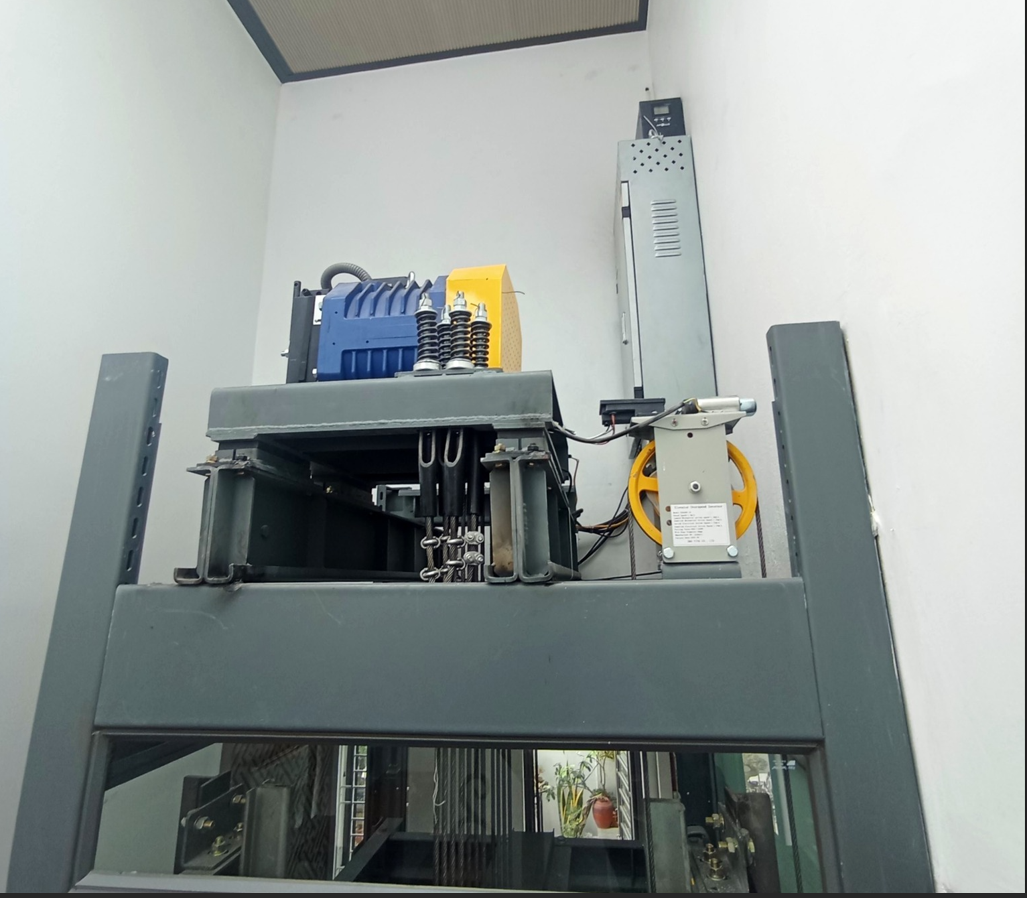
Common types of passenger elevators in Ha Nam
Passenger elevators in Ha Nam are classified based on operating technology and intended use, each type having its own technical characteristics and applications suitable for specific types of buildings and operational requirements.
Geared elevators
Geared elevators use a mechanical drive system with a reduction gearbox, usually a helical or bevel gear gearbox, to transmit power from the motor to the cable drum. This is a traditional type of elevator, common in buildings of moderate height, typically from 5 to 15 floors.
Technical advantages:
- Low initial investment cost: Due to their simple design and long-proven technology, the equipment and installation costs are typically lower than those of gearless elevators.
- Easy to maintain and repair: Gearboxes and mechanical components can be inspected, replaced, or serviced relatively easily, reducing downtime.
- Good load-bearing capacity: Suitable for cabins with heavy loads and moderate usage frequency.
Disadvantages:
- The operation produces noise due to friction in the gearbox and mechanical parts.
- Lower energy efficiency is achieved due to mechanical losses in the gearbox, resulting in higher power consumption.
- The large size of the engine and gearbox takes up a lot of technical space in the building.
Applications: Geared elevators are typically chosen for residential buildings, offices, and hotels of medium height, where reasonable investment costs and convenient maintenance are required.
Gearless elevators
Gearless elevators are an advanced technology that uses permanent magnet synchronous motors (PMSM) or asynchronous motors mounted directly onto the cable drum without the need for a gearbox. This completely eliminates mechanical losses and reduces noise during operation.
Technical advantages:
- Smooth and quiet operation: Due to the absence of intermediate mechanical parts, elevators operate with virtually no noise or vibration.
- Energy saving: High transmission efficiency reduces power consumption by 20-30% compared to elevators with gears.
- Compact size: Direct-mount engines reduce engineering space, increase usable cabin area, and lower engine room height.
- High-speed operation capability: Suitable for high-rise buildings of 15 floors or more, speeds can reach from 1.5 to 10 m/s or more.
- High durability and reliability: Minimizing moving mechanical parts reduces failures and increases equipment lifespan.
Disadvantages:
- The initial investment cost is higher due to the use of advanced technology and materials.
- Maintenance and operation require more specialized technical skills, demanding a highly qualified technical team.
Applications: Gearless elevators are preferred in high-rise buildings, shopping malls, luxury hotels, and other structures requiring continuous operation, high speed, and energy efficiency.
Hydraulic elevator
Hydraulic elevators operate on the principle of using hydraulic oil pressure to push pistons that raise and lower the elevator cabin. This system does not use cables and winding drums; instead, it uses hydraulic cylinders located in or beside the elevator shaft.
Technical advantages:
- Low installation cost: Simple structure, no need for an elevated machine room, reducing construction and installation costs.
- Easy to maintain: Hydraulic systems have few moving parts, making them easy to inspect and maintain.
- Suitable for low-rise buildings: Typically used for buildings under 5 stories or buildings with height restrictions.
- High load capacity: Can be designed to accommodate large cabin loads, suitable for transporting both goods and people.
Disadvantages:
- Slow operating speeds, typically below 0.63 m/s, are unsuitable for high-rise buildings.
- It occupies a large elevator shaft area due to the need for space for the piston and hydraulic system.
- The hydraulic oil leaks pose a risk of environmental impact and require strict, regular maintenance.
- Energy efficiency is lower compared to cable elevators due to the use of hydraulic pumps.
Applications: Hydraulic elevators are commonly used in low-rise residential buildings, private homes, hospitals, small shopping centers, or areas requiring the transportation of heavy loads at moderate speeds.
Installation and maintenance procedures for passenger elevators in Ha Nam.
Installing passenger elevators is not simply a matter of bringing equipment into a building; it requires a rigorous technical process to ensure safety and long-term operational efficiency. This process demands coordinated efforts between the supplier, the construction company, and the investor to meet current technical standards and legal regulations.
- Site survey: This is the first and most important step in the process. The technical team will conduct a site survey of the installation location, assessing the building structure, floor height, elevator shaft dimensions, as well as influencing factors such as power supply, ventilation system, and fire safety. Simultaneously, they will determine the required maximum load capacity based on user traffic and elevator intended use. A thorough survey helps select the appropriate equipment and avoids future repair and adjustment costs.
- Engineering Design: Based on the survey results, the design team will select the appropriate elevator type (hydraulic elevator, cable-driven elevator, machine-roomless elevator, etc.). The cabin design is customized according to aesthetic requirements, dimensions, and materials used, while integrating safety features such as door sensors, automatic rescue systems, and fire alarm systems. The control system is programmed to optimize operation, reduce energy consumption, and ensure stability during use. The engineering design drawings also include electrical diagrams, drive systems, and other technical details to facilitate construction.
- Installation: The installation process is carried out by a team of certified technicians, strictly adhering to international and Vietnamese safety standards such as TCVN 6390-1998 for elevators. The installation steps include:
- Prepare the elevator shaft: Check the dimensions, vertical alignment, and address any structural issues.
- Install the guide rail system and drive mechanism.
- Install the cabin and counterweight, ensuring load balance.
- Set up the electrical and control systems, and connect the safety sensors.
- Inspect each component and adjust the system to ensure smooth operation.
- Inspection and Acceptance: After installation is complete, the elevator must undergo a rigorous inspection process by competent authorities. The inspection items include:
- Check the operating load to ensure it does not exceed the design limits.
- Evaluate safety systems such as emergency braking, door sensors, and rescue systems.
- Check for stability and smoothness during operation.
- Measure electrical and mechanical parameters according to standards.
- Regular maintenance: Maintenance is crucial to the performance and lifespan of passenger elevators. In Ha Nam, maintenance must be carried out by a team of professional, experienced, and well-trained technicians. The maintenance process includes:
- Perform a comprehensive inspection of the mechanical, electronic, and control systems.
- Clean components such as guide rails, cabin, and counterweight to prevent dirt buildup and corrosion.
- Inspect and adjust the braking system, sensors, and elevator doors to ensure proper operation.
- Replace worn-out components such as power cables, electrical filters, and lighting fixtures.
- Utilize modern testing equipment to detect early signs of malfunction or operational abnormalities.
- Prepare a detailed report on the elevator's condition and propose timely corrective measures.
Throughout the installation process, step-by-step quality checks are mandatory to detect technical faults early, preventing impacts on safety and equipment lifespan.
Acceptance testing will only be carried out when the elevator fully meets technical and safety standards and has a valid inspection certificate.
Regular maintenance not only helps maintain operational efficiency but also minimizes the risk of accidents, ensuring absolute safety for users.
Particularly in Ha Nam, companies providing passenger elevator installation and maintenance services always prioritize investing in modern equipment and improving the professional skills of their technicians to meet stringent technical and safety requirements.
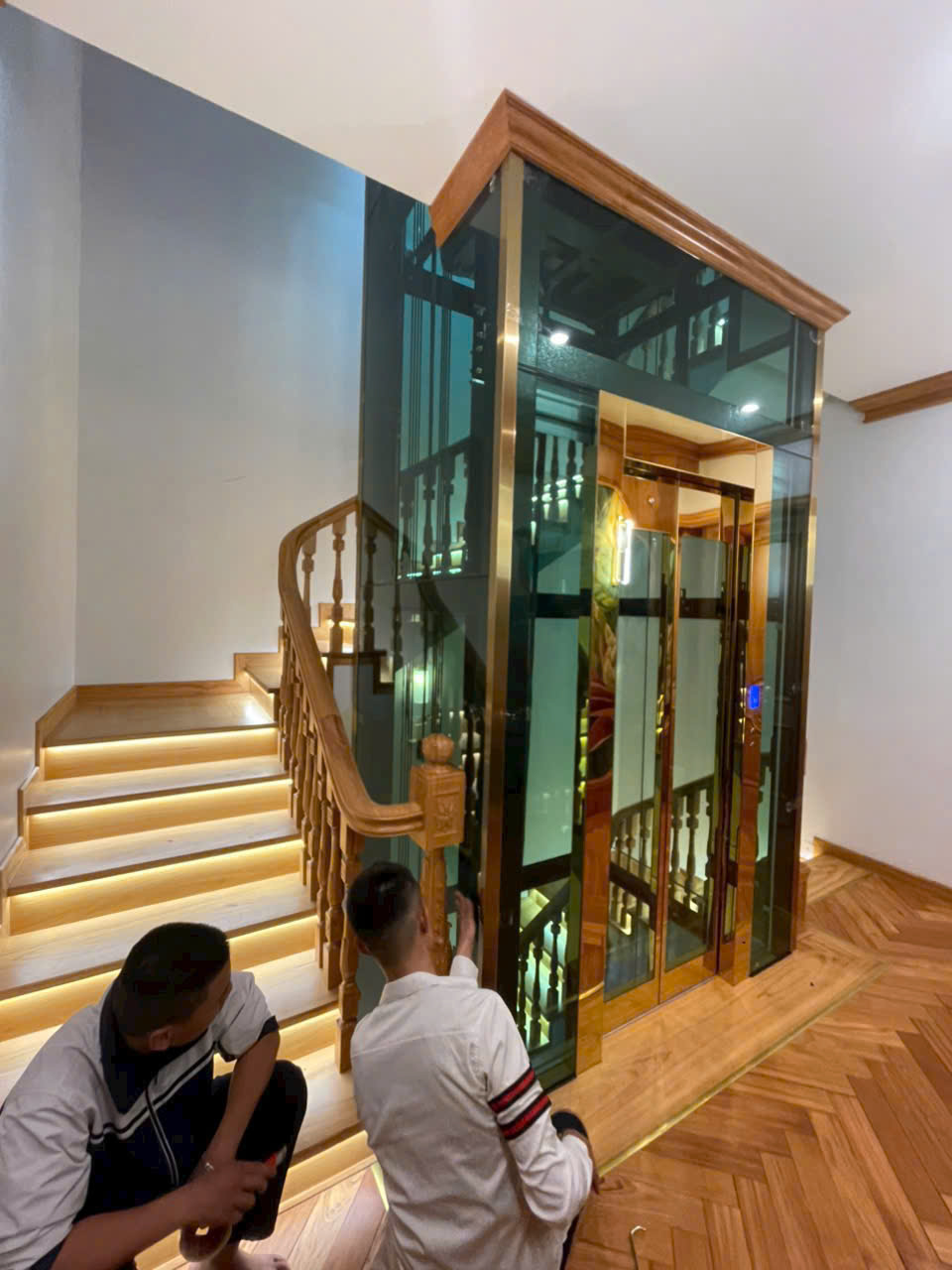
Reasons to choose passenger elevators from reputable suppliers in Ha Nam.
Choosing passenger elevators in Ha Nam from reputable suppliers is not simply about buying a piece of transportation equipment, but also about investing in the safety, efficiency, and sustainability of your building. Below is an in-depth analysis of the benefits of choosing elevators from reputable companies in the market.
- Product Quality Guaranteed: Passenger elevators are manufactured according to strict international standards such as ISO 9001 and EN 81-20/50, ensuring that all components are of the highest quality. Important parts such as motors, hoisting cables, control systems, and safety brakes are all genuine imports from leading global brands such as Otis, Schindler, Kone, and Mitsubishi. This ensures smooth and stable elevator operation, minimizes technical problems, and extends equipment lifespan. Furthermore, the materials used in the cabin and frame are carefully selected, offering corrosion resistance, high load-bearing capacity, and suitability for the climate and environment in Ha Nam.
- In-depth consulting services: Reputable suppliers always have a team of experienced engineers and experts in elevator design and installation. They will thoroughly analyze usage needs, traffic volume, building characteristics, and investment budget to provide the most optimal solution. Consulting goes beyond simply choosing the right elevator type (hydraulic elevator, cable-driven elevator, machine-roomless elevator) and includes cabin design, interior material selection, safety systems, and additional features such as energy saving, automatic rescue systems, and remote monitoring. This in-depth consulting helps customers avoid design errors and save on future operating and maintenance costs.
- Professional Installation and Maintenance Support: Elevator installation requires high technical skill and absolute precision to ensure safety and operational efficiency. Reputable suppliers possess a team of well-trained technicians with professional certifications and practical experience in numerous large and small projects in Ha Nam and neighboring provinces. They follow installation procedures according to technical standards, rigorously checking each step to ensure stable elevator operation from the very first time. In addition, professional periodic maintenance services are organized with a clear schedule, helping to detect potential malfunctions early, replace components promptly, maintain performance, and extend the lifespan of the equipment. Furthermore, reputable suppliers offer 24/7 technical support, responding quickly to emergencies and minimizing downtime.
- Clear Warranty Policy: One of the crucial factors when choosing an elevator is a transparent and comprehensive warranty policy. Reputable suppliers typically commit to a comprehensive warranty for the main components of the elevator for a period of 12 to 36 months, depending on the product type and contract. During this time, any technical problems or malfunctions due to manufacturing defects will be repaired free of charge or replaced with genuine parts. Furthermore, the warranty terms clearly define the supplier's responsibilities in providing technical support, operational training, and supplying replacement parts at preferential prices after the warranty expires. This gives customers peace of mind and minimizes the risk of unexpected costs.
- Competitive Pricing: Although elevators represent a significant investment, choosing reputable suppliers in Ha Nam ensures customers receive reasonable and competitive prices. This is due to the large scale of these suppliers and their long-term partnerships with genuine component manufacturers, which reduces import and production costs. Simultaneously, they optimize the consultation, design, installation, and maintenance processes to save time and manpower, thereby lowering service costs. Investing in quality elevators at reasonable prices not only saves initial costs but also minimizes long-term operating and repair expenses, resulting in high economic efficiency for investors.

Contact us now for a free consultation and the best quote for passenger elevators in Ha Nam!
New technological trends in passenger elevators in Ha Nam.
Passenger elevators in Ha Nam are undergoing a significant transformation with the adoption of advanced technologies to improve operational efficiency, optimize user experience, and ensure absolute safety. Below is a detailed analysis of the prominent technological trends currently being implemented:
- Intelligent control system:
The application of artificial intelligence (AI) and the Internet of Things (IoT) in elevator control systems helps accurately predict usage demand based on historical and real-time data. Machine learning algorithms analyze passenger flow, thereby optimizing elevator dispatch, minimizing waiting times, and preventing overcrowding.
For example, the system can automatically allocate elevators to floors with high user density during peak hours, while adjusting travel speed to save energy when not needed. Additionally, connectivity with IoT devices allows for continuous monitoring of operational status, early detection of anomalies, and preventative maintenance.
- Energy-saving technology:
Gearless traction motors are becoming the standard in modern passenger elevators in Ha Nam. This type of motor not only minimizes noise and vibration but also improves energy conversion efficiency, resulting in significant energy savings compared to traditional geared motors.
In addition, regenerative drives are integrated to recover energy when the cabin descends. This energy is converted into electricity and can be reused for other devices in the building or fed back into the power grid, contributing to reduced operating costs and carbon emissions.
- Modern user interface:
Instead of traditional control panels, elevators in Ha Nam are increasingly equipped with multi-touch screens featuring user-friendly interfaces. These screens not only display information about the floor and direction of travel but can also integrate entertainment services, advertisements, or emergency announcements.
Facial recognition technology is being applied to enhance security and personalize the experience. For example, the system can automatically open doors for registered users or adjust elevator settings to personal preferences, such as sound and lighting.
Voice control is also a new trend, allowing users to call elevators or select floors without touching the control panel, which is especially useful in the context of disease prevention and for people with disabilities.
- Advanced safety system:
To ensure maximum safety, passenger elevators in Ha Nam are equipped with multi-directional sensors including weight sensors, door sensors, motion sensors, and temperature sensors. These sensors work together to detect hazardous situations such as overload, door jamming, or technical malfunctions, thereby activating timely preventive measures.
The remote monitoring system via smartphone allows technicians and building managers to track the elevator's operational status 24/7. Upon detecting a malfunction, the system sends immediate alerts for prompt action, minimizing downtime and ensuring user safety.
These technological advancements not only help passenger elevators in Ha Nam operate more efficiently but also enhance user experience and ensure safety in all situations, contributing to the sustainable development of the elevator industry in the region.
Address of a reputable passenger elevator supplier in Ha Nam
Choosing a reputable passenger elevator supplier in Ha Nam not only ensures product quality but also directly impacts operational efficiency, safety, and equipment lifespan. To meet stringent technical standards and stable operation requirements in diverse construction environments, professional suppliers need to possess many important qualities.
Criteria for selecting a high-quality passenger elevator supplier:
- Diverse and specialized product range: A reputable supplier typically offers a wide variety of passenger elevators suitable for different types of buildings, from office buildings and high-rise apartments to hotels and shopping malls. The products should be designed to international standards, incorporating modern technologies such as intelligent control, energy efficiency, safety systems against door jamming and overload, and smooth operation.
- Professional and well-trained technicians: Elevator installation requires high technical skills and strict adherence to safety procedures and technical standards. Technicians need professional certifications and practical experience in the construction and maintenance of passenger elevators. They must also receive regular training to update their knowledge of new technologies, repair techniques, and maintenance to ensure stable equipment operation and minimize malfunctions during use.
- Comprehensive warranty and after-sales service policy: A reputable supplier always commits to long-term warranties, prompt technical support, and regular maintenance services. After-sales service not only helps extend the lifespan of the elevator but also ensures user safety. Maintenance packages should include regular inspections, replacement of genuine parts, and advice on technology upgrades when necessary.
- Transparent, competitive, and budget-friendly pricing: The cost of passenger elevators depends on many factors such as capacity, floor height, technology used, and specific project requirements. Reputable suppliers will provide a detailed and clear price list with no hidden costs, and will advise on the most optimal solution to save investment costs while ensuring quality and operational efficiency.
Technical and technological factors to consider when choosing a passenger elevator:
- Control system: Elevators using modern PLC or microprocessor controllers should be prioritized, as they optimize operation, minimize noise, and save energy.
- Engines: Gearless engines are increasingly popular due to their smooth operation, high efficiency, and simpler maintenance compared to traditional engines with gearboxes.
- Safety system: Includes electromagnetic brakes, anti-pinch door sensors, speed limiter, automatic power outage rescue system, ensuring absolute safety for users.
- Cabin materials: Elevator cabins should be made from fire-resistant, corrosion-resistant materials that are easy to clean and have an aesthetically pleasing design that complements the building's space.
Professional installation and maintenance procedures:
- Site survey: The supplier needs to conduct a thorough site survey to provide appropriate design and installation solutions, ensuring the elevator operates efficiently and safely.
- Standard installation: The installation process must strictly adhere to international standards and occupational safety regulations, ensuring that the electrical, mechanical, and control systems are seamlessly integrated.
- Inspection and acceptance: After installation, the elevator must undergo functional, safety, and operational performance checks before being handed over to the customer.
- Regular maintenance: Professional maintenance services help detect malfunctions early, replace components promptly, and maintain stable elevator performance.
Commitments from reputable elevator suppliers in Ha Nam:
- We provide products that meet ISO, CE, or equivalent international quality standards.
- We provide design consultation and assistance in selecting products that suit the characteristics of the project and the intended use.
- Ensuring timely installation minimizes impact on the construction schedule.
- Provide elevator operation training and usage instructions to customers after handover.
- 24/7 technical support and prompt troubleshooting ensure user safety and convenience.
Don't hesitate, contact us now to receive the best advice and quotation for passenger elevators in Ha Nam for your project!