Garbage Elevator
The concept and role of garbage elevators in waste management systems.
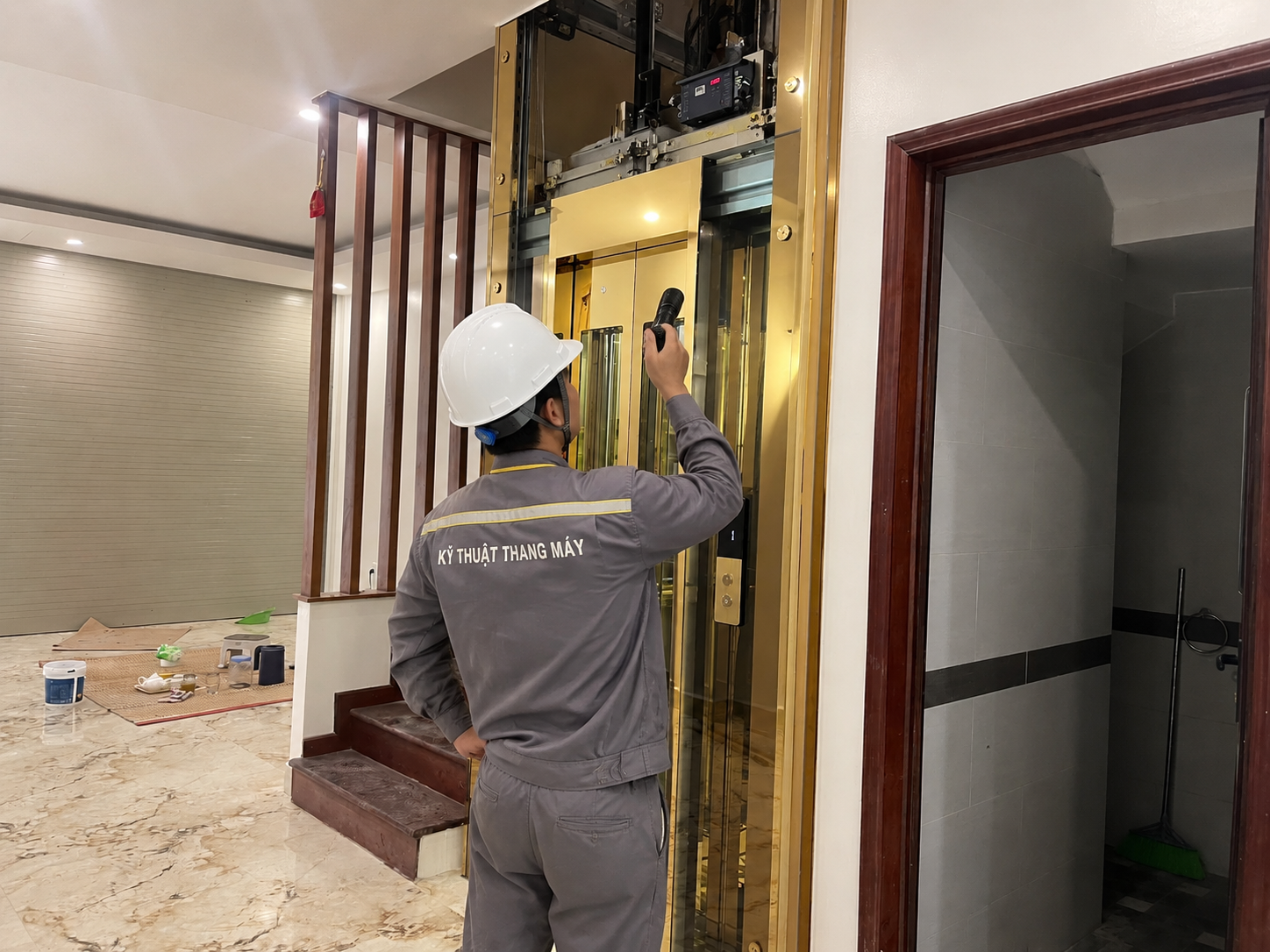
Garbage elevators are specialized equipment designed to transport waste from floors in high-rise buildings or industrial areas to a centralized processing or storage area. Unlike passenger elevators, garbage elevators must meet stringent technical standards regarding load capacity, material durability, and environmental hygiene and safety requirements. The use of garbage elevators optimizes the waste collection process, minimizes odors and pollution in living or working areas, and improves waste management efficiency in large buildings.
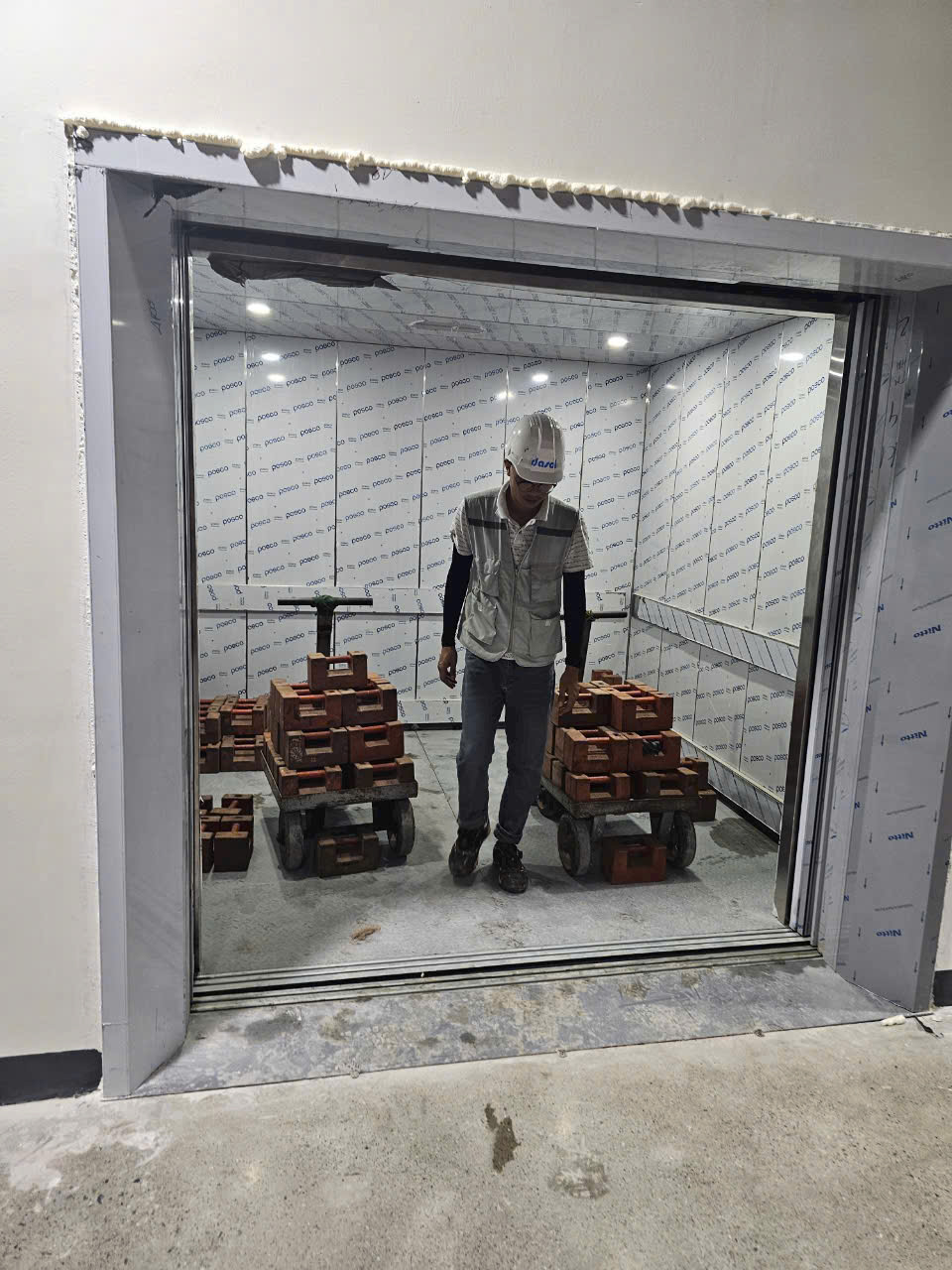
In high-rise buildings, traditional waste disposal methods such as using stairs or trolleys are not only time-consuming but also inconvenient, unsanitary, and dangerous for those transporting waste. Waste elevators are specially designed to address these issues, allowing for faster, safer, and more efficient waste transportation. Furthermore, waste elevators help reduce noise and minimize direct contact between people and waste, thereby improving the quality of the living and working environment.
Structure and operating principle of garbage elevators
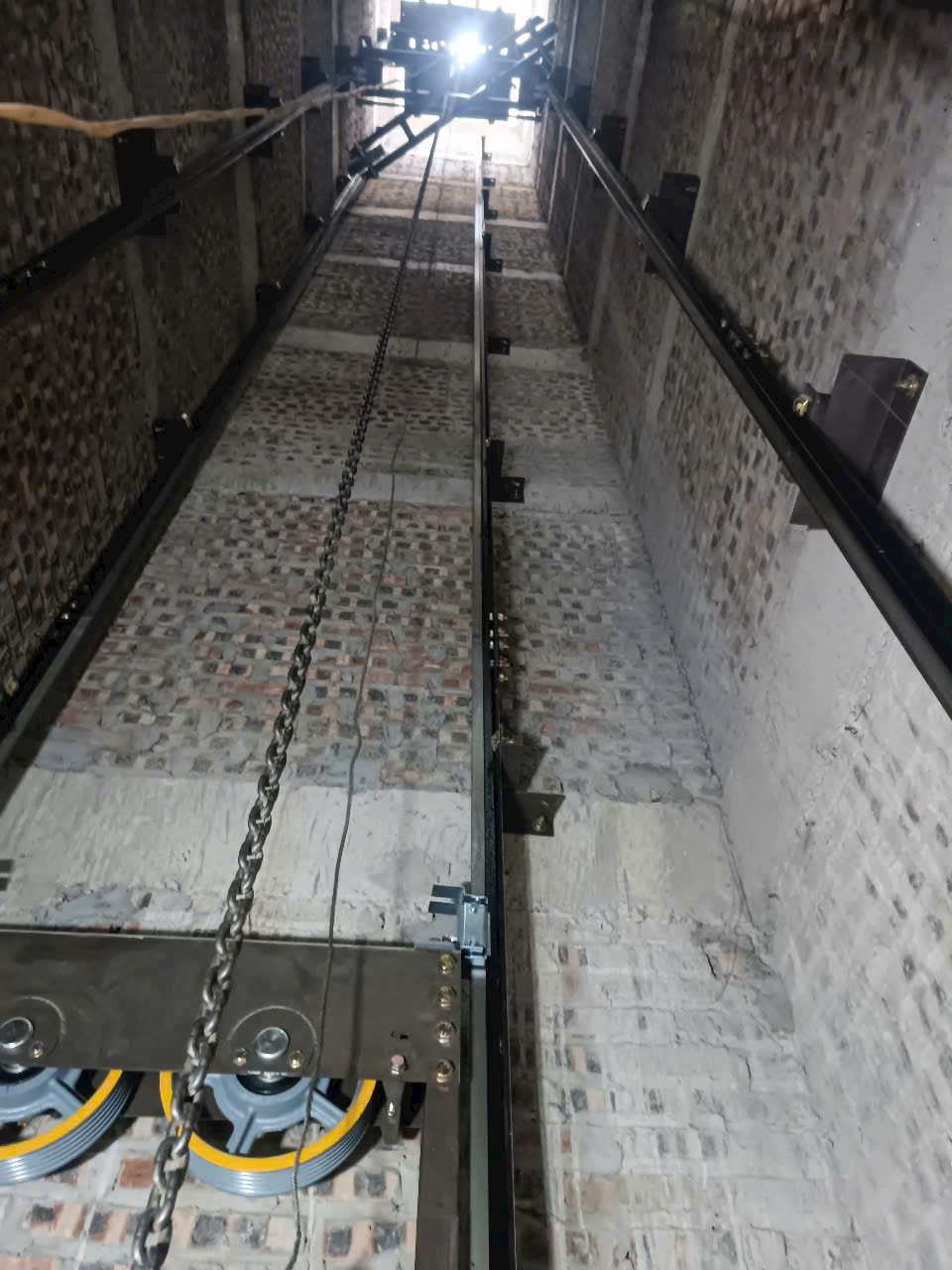
A garbage elevator consists of main components such as a garbage container, cable and pulley system, traction motor, control unit, and safety system. The container is usually made of stainless steel or alloy materials that are corrosion-resistant and easy to clean. The container size is designed to suit the type and volume of waste to be transported, while ensuring sufficient space to accommodate large garbage bins or packaging.
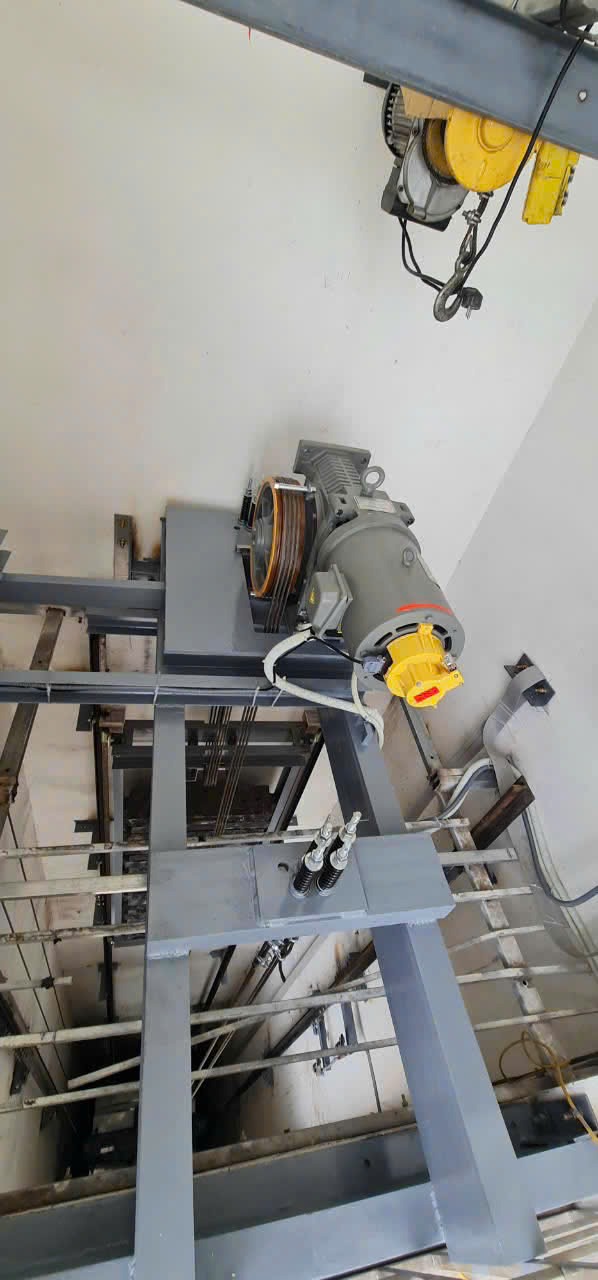
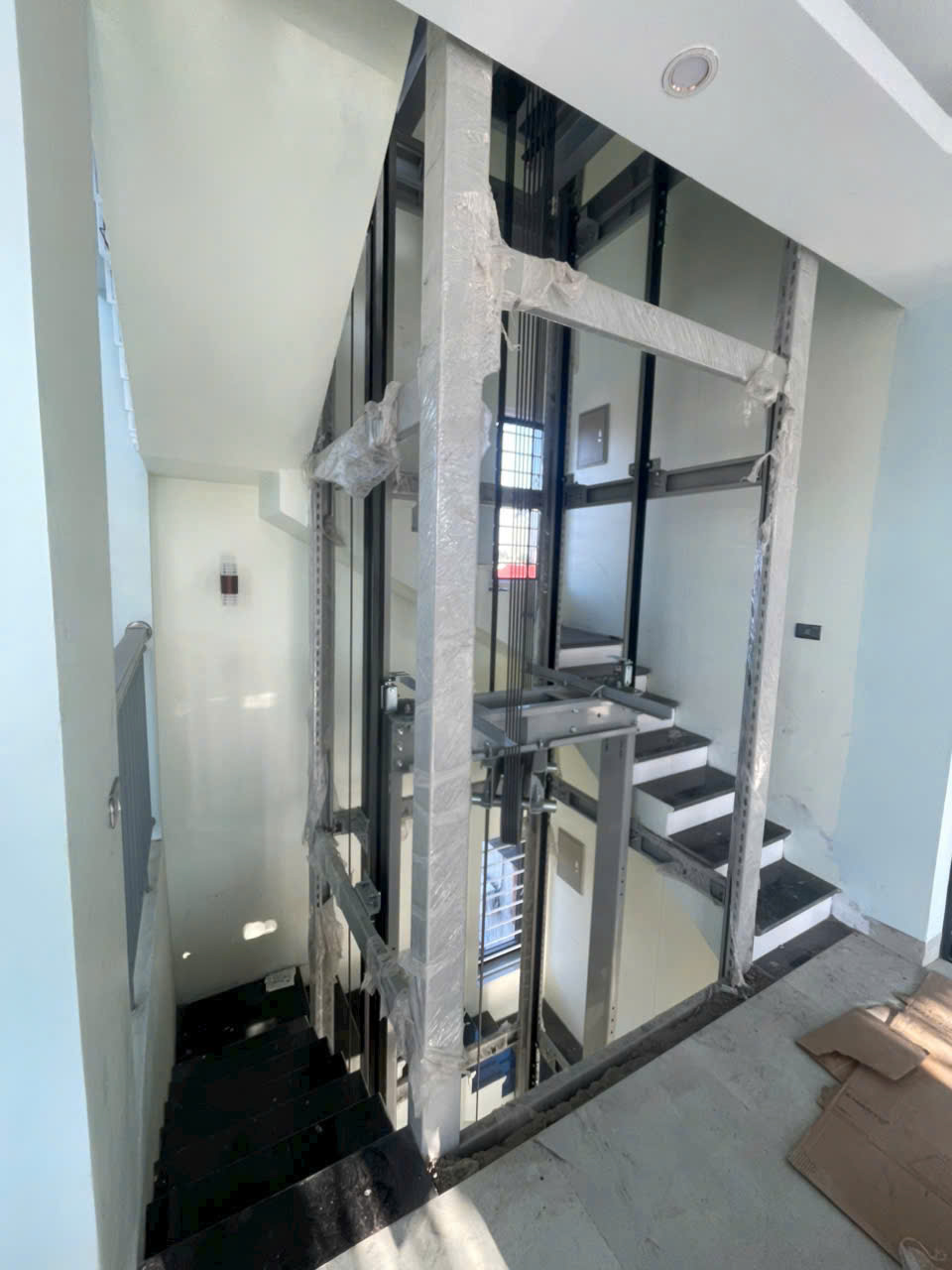
The operating principle of a garbage elevator is similar to that of a passenger elevator, using an electric motor to move the cabin vertically through the elevator shaft. However, the control system is specially programmed to optimize the speed and time of garbage transport, and integrates safety sensors to prevent incidents such as overloading, cabin jamming, or sudden power outages. In addition, garbage elevators are equipped with ventilation and deodorization systems to minimize the spread of odors into the surrounding environment.
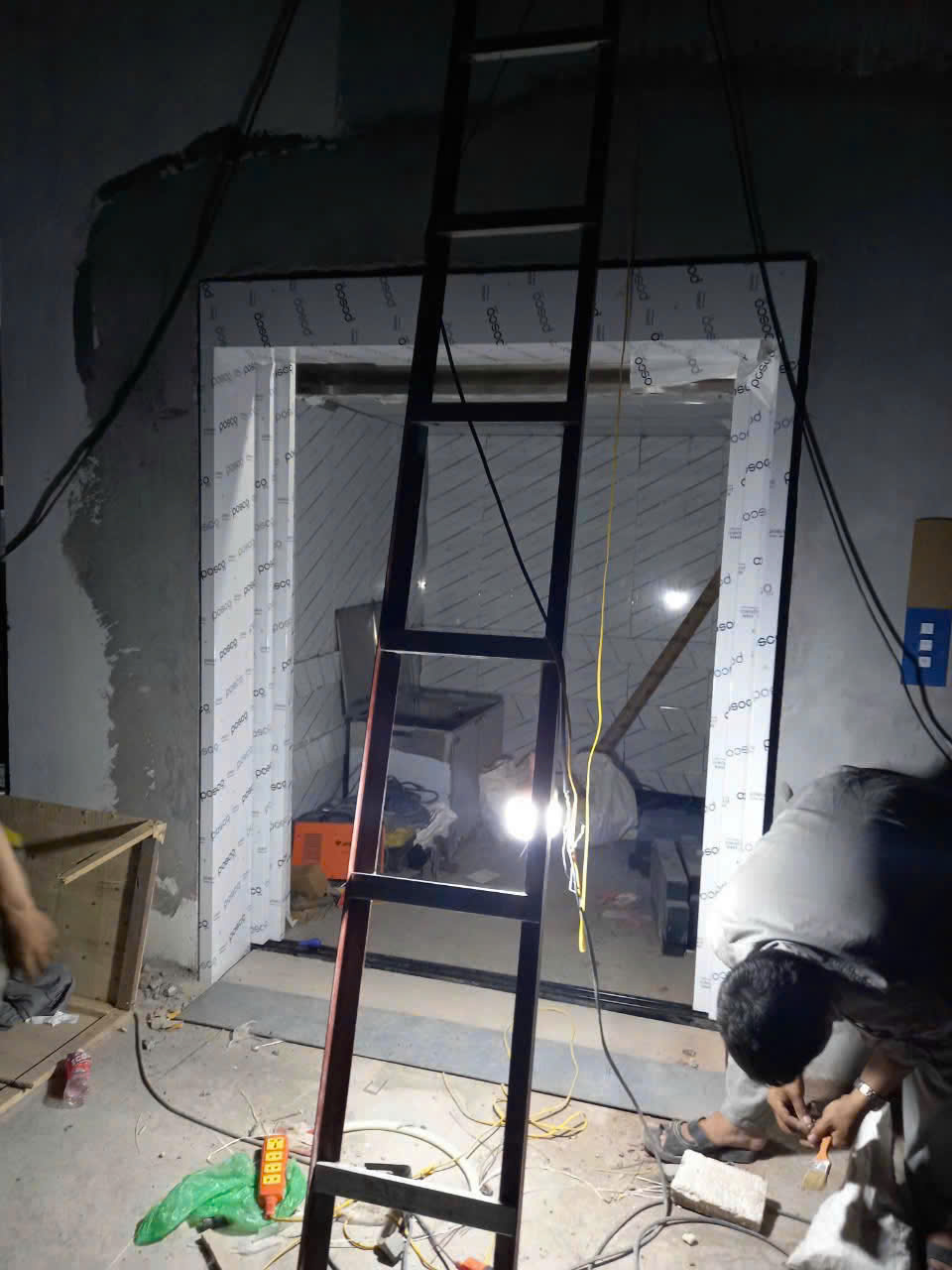
In particular, the cabin and floor doors are designed to be airtight and can automatically open and close to prevent waste from falling out and ensure user safety. Some modern garbage elevator models also integrate remote control and network monitoring technology, making management easy and allowing for timely handling of any incidents.
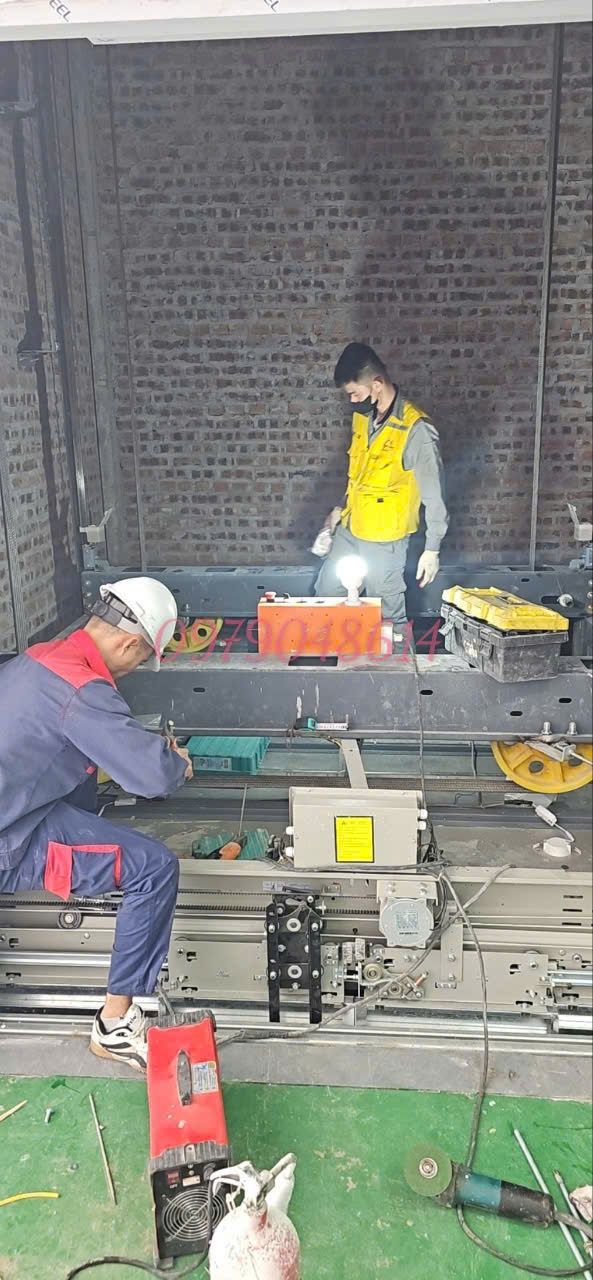
Technical standards and factors to consider when choosing a garbage elevator.
Garbage elevator
Garbage elevators must comply with safety standards (TCVN/EN 81), ensuring appropriate load capacity and a sealed, corrosion-resistant cabin design (stainless steel 304/316). They must have odor control, ventilation, and drainage systems, and be easy to clean to withstand a damp and dirty environment. Operational safety (sensors, door locks, anti-fall protection) should be prioritized, and they should be located separately from passenger elevators.
Choosing the right garbage elevator
Research and choose before installation.
When selecting a garbage elevator , adherence to technical standards is crucial to ensuring operational efficiency and safety. Some commonly applied international and domestic standards include:
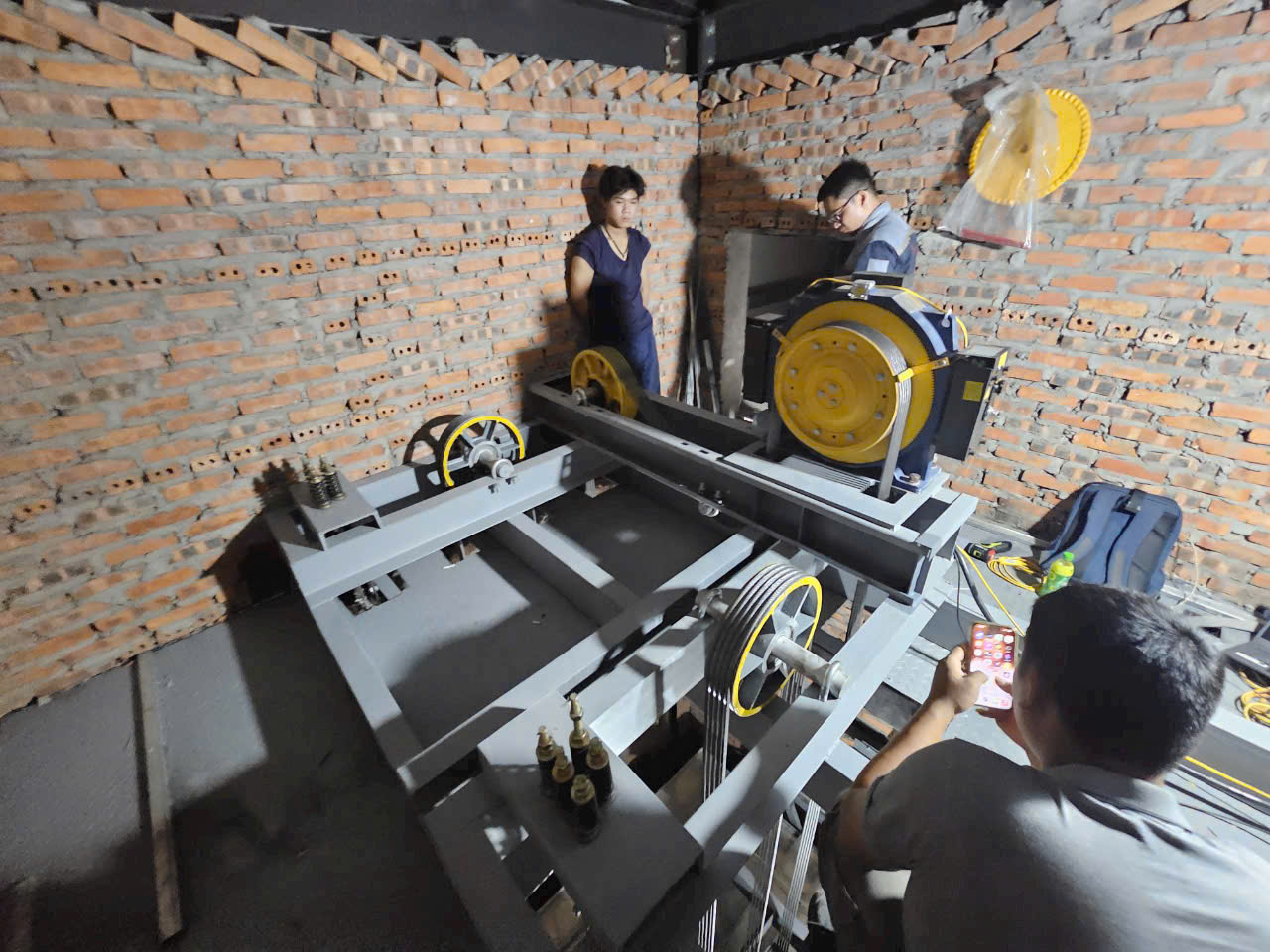
- ISO 8100-1 standard: specifies requirements for the design and testing of garbage elevators, ensuring durability and safety.
- EN 81-20/50 standard: guidance on elevator safety, including requirements for structure, control systems and protective devices.
- Hygiene and environmental standards: ensuring that the elevator does not release odors and bacteria into the surrounding environment.
In addition, technical factors that need to be considered when choosing a garbage elevator include:
- Load capacity: depends on the average and maximum amount of waste to be transported.
- Cabin size: suitable for the type of trash can or packaging used in the building.
- Materials: priority should be given to materials that are corrosion-resistant, easy to clean, and durable in environments with many chemicals and microorganisms.
- Safety systems include overload sensors, emergency braking systems, and warning devices.
- Additional features include: deodorizing systems, ventilation, remote control, and online monitoring.
Choosing the right garbage elevator not only improves the efficiency of garbage collection and transportation but also contributes to protecting the health of workers and the surrounding environment. Therefore, close coordination between technical experts, manufacturers, and building management units is necessary to arrive at the most optimal solution.
Garbage elevator.
Waste elevators – The optimal solution for modern waste management.
Garbage elevators are indispensable equipment in high-rise buildings, apartment complexes, hospitals, hotels, and industrial areas for transporting waste quickly, safely, and efficiently. The use of garbage elevators helps minimize environmental pollution, ensure hygiene, and improve the quality of life for residents and operating staff. With modern technology and specialized design, garbage elevators are increasingly becoming the preferred choice in urban and industrial waste management.
Specifications and construction of garbage elevators
Garbage elevators are specially designed to handle heavy loads and transport a wide variety of waste, from household to industrial waste. The main components of a garbage elevator include:
- Elevator cabin: Made from stainless steel or high-strength steel, it is corrosion-resistant and easy to clean.
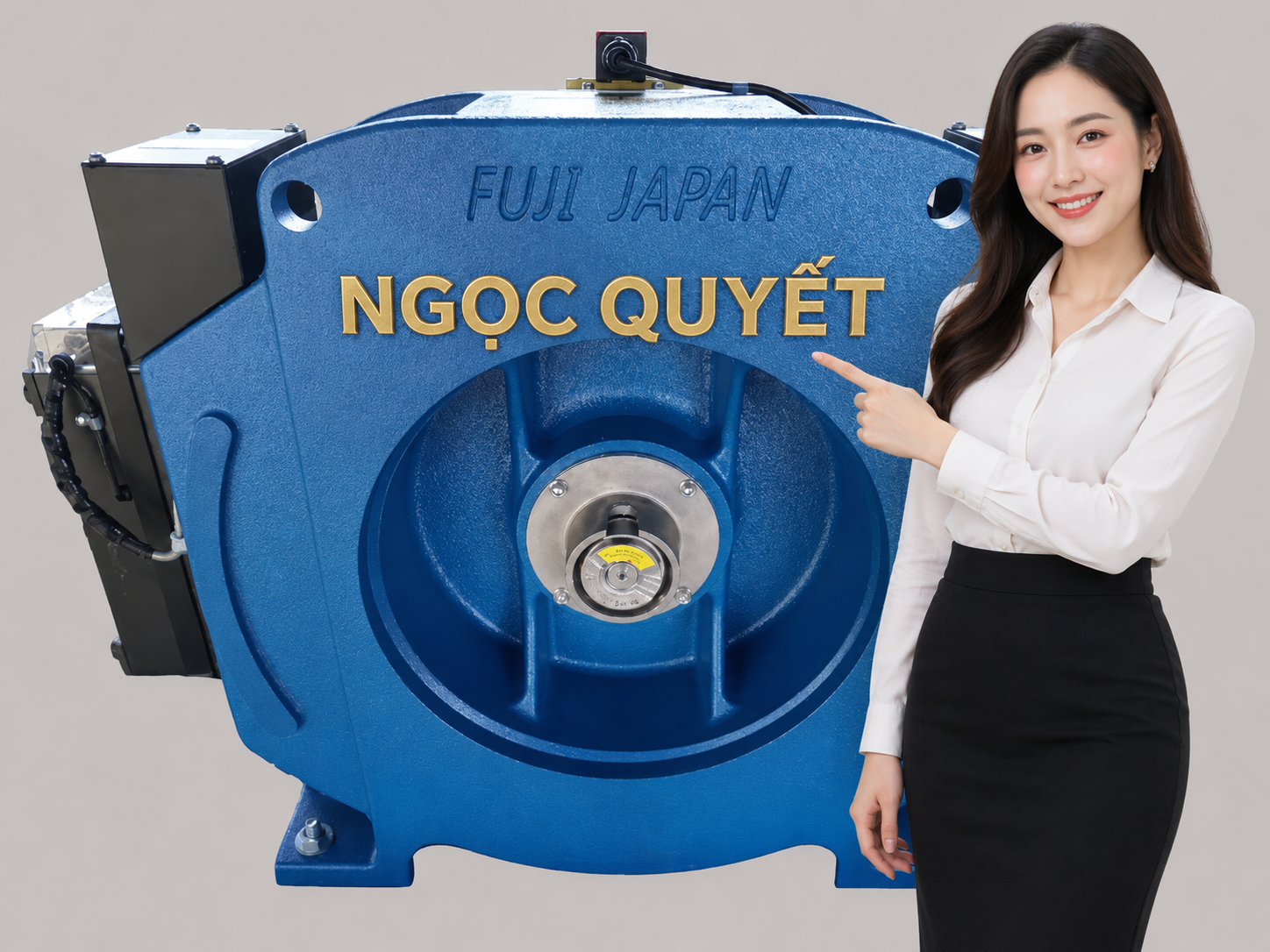
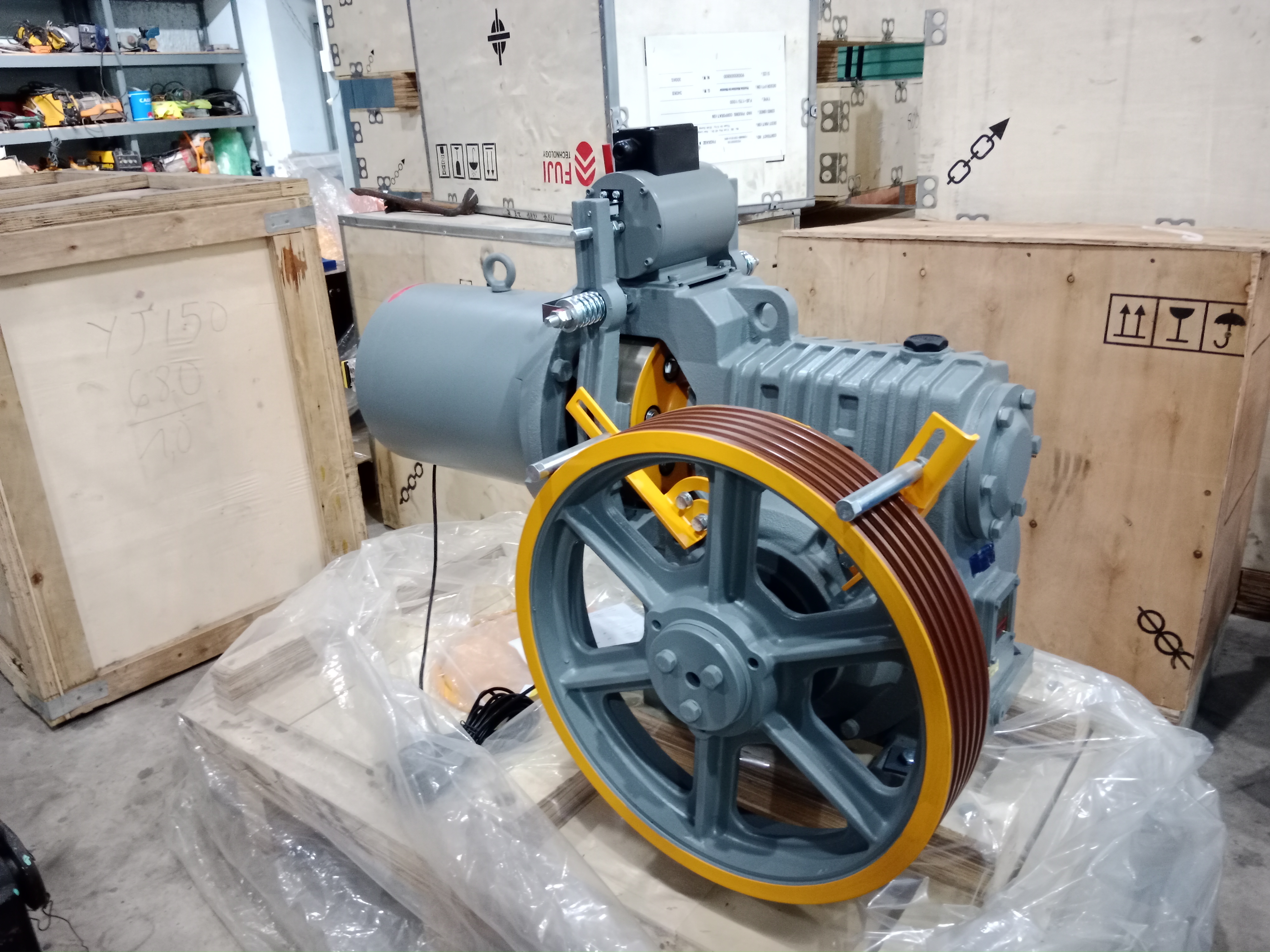
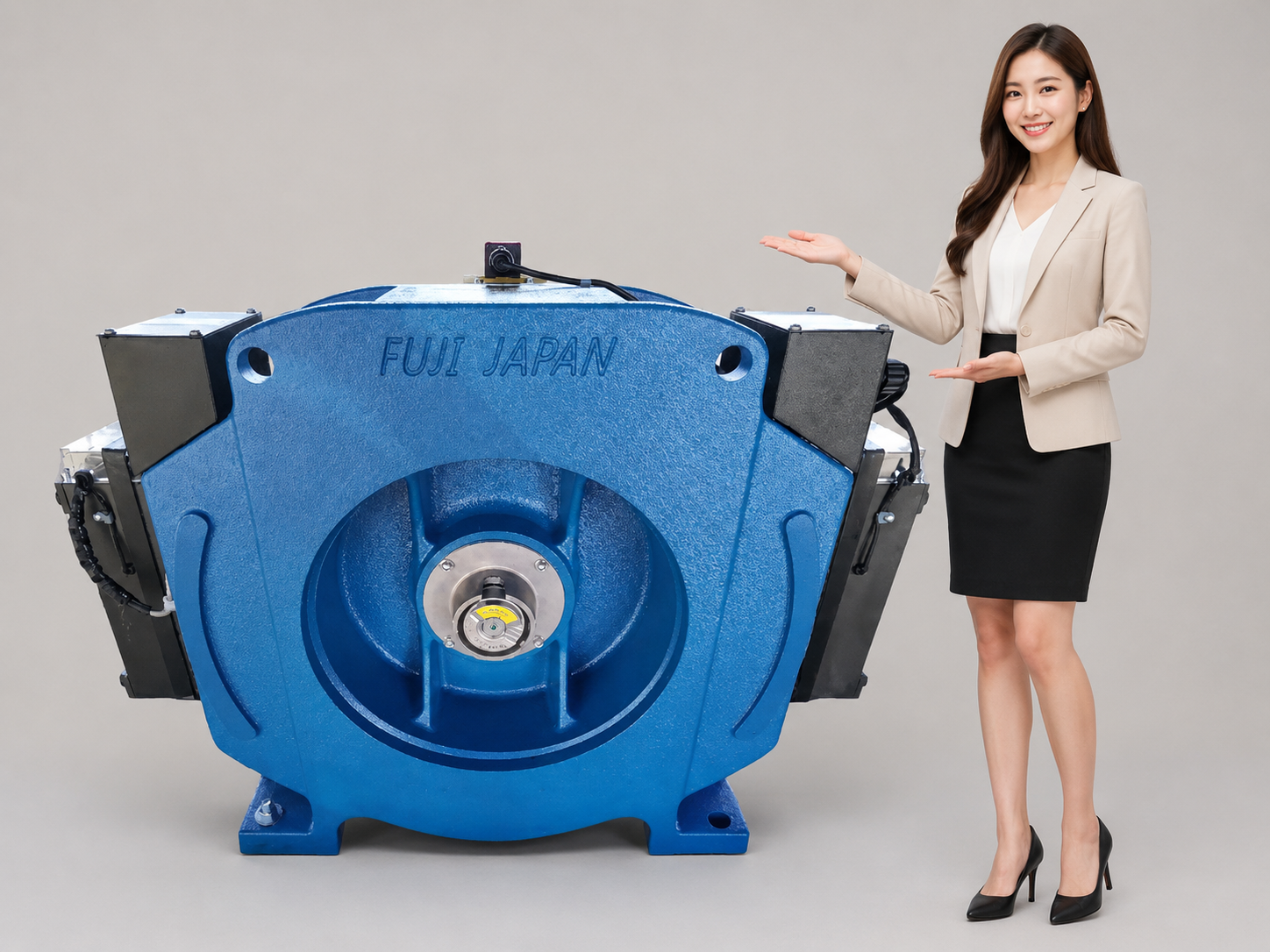
- Motor system: Utilizes a high-power electric motor capable of smooth operation, energy efficiency, and ensuring safety during waste transportation.
- Cable and pulley system: Designed for robustness, ensuring excellent load-bearing capacity and long lifespan in harsh working environments.
- Control system: Integrates automation technology, allowing for easy operation, programmable to specific requirements, and includes safety features such as overload protection and door jamming prevention.
- Elevator doors: Designed to be airtight, they can prevent odors and keep out debris during transport.
Thanks to its specialized design, the garbage elevator not only ensures efficient waste transportation but also minimizes negative impacts on the surrounding environment and human health.
Benefits of using garbage elevators in waste management
The application of garbage elevators brings many practical benefits to building and industrial park management units:
- Increased transportation efficiency: Waste elevators help transport waste quickly from upper floors down to the processing area, reducing time and effort compared to manual methods.
- Reduced environmental pollution: The airtight design and closed-loop operating system help limit the release of odors and dust into the environment, contributing to air quality and overall hygiene.
- Ensuring workplace safety: Minimizing the risk of accidents caused by manual waste transportation, while also reducing the workload for sanitation workers and environmental laborers.
- Cost savings in operation: Although the initial investment may be high, garbage elevators help reduce labor costs and increase the lifespan of waste processing equipment through professional transportation.
- Enhancing aesthetics and convenience: This helps keep the building space clean and tidy, increasing property value and resident/user satisfaction.
Diverse applications of garbage elevators
Garbage elevators are not only used in apartment buildings but are also very common in the following areas:
- Hospitals and healthcare facilities: Safely transport hazardous medical waste to prevent infection and environmental contamination.
- Hotels and resorts: Ensure environmental hygiene and enhance the customer experience through efficient waste management.
- Factories and industrial zones: Support the transportation of industrial waste and hazardous waste, helping to better manage the production environment.
- Shopping malls and offices: Help maintain clean, professional, and safe workspaces.
Safety standards and regulations for installing garbage elevators.
The installation of garbage elevators must strictly adhere to technical standards and safety regulations to ensure stable operation and user protection. Some important standards include:
- Design standards: Garbage elevators must be designed according to international standards such as ISO 25745 on energy efficiency and ISO 8100 on elevator safety.
- Electrical safety standards: The electrical system must be protected against electric shock, fire, and explosion, and must have overload protection devices.
- Operating standards: Elevators must have a warning system, door jamming protection, overload protection, and an emergency stop mode.
- Periodic inspection: The equipment needs to be inspected periodically by the relevant authorities to ensure safety and long-term operational efficiency.
Choosing a reputable and experienced supplier of garbage elevators with good after-sales service is also a crucial factor in ensuring the quality and durability of the equipment.
Things to consider when choosing the right garbage elevator.
To choose a garbage elevator that suits your needs, consider the following factors:
- Load capacity: Determine the amount of waste to be transported to select an elevator with the appropriate load capacity, avoiding waste or overloading.
- Cabin size: To suit the installation space and the type of waste to be transported.
- Operating technology: Prioritize automated control systems that are energy-efficient and easy to maintain.
- Materials and design: Choose corrosion-resistant materials that are easy to clean, and a tight-fitting design to prevent odors and dust.
- Investment and maintenance costs: Balance the initial investment budget with the costs of operation and periodic maintenance.
Thorough consultation and on-site surveys before purchasing a garbage elevator will help optimize usage efficiency and extend the equipment's lifespan.
Contact us today to get a high-quality garbage elevator!
Don't let waste management become a burden for your building or business. Choose a modern, safe, and cost-effective garbage elevator to improve operational efficiency and protect the environment. Contact reputable suppliers today for advice on the most suitable solution for your needs!