

Food lifts, Elevators for Restaurants
Specifications and design of food lifts
Food elevators are specialized equipment designed to transport food and related items in restaurants, hotels, hospitals, and food processing facilities. Unlike regular passenger elevators, food elevators must meet stringent standards for hygiene, food safety, and load capacity appropriate for the type of goods being transported. Technically, these elevators are typically compact in size, with optimized depth and width to fit within kitchen or service area spaces.
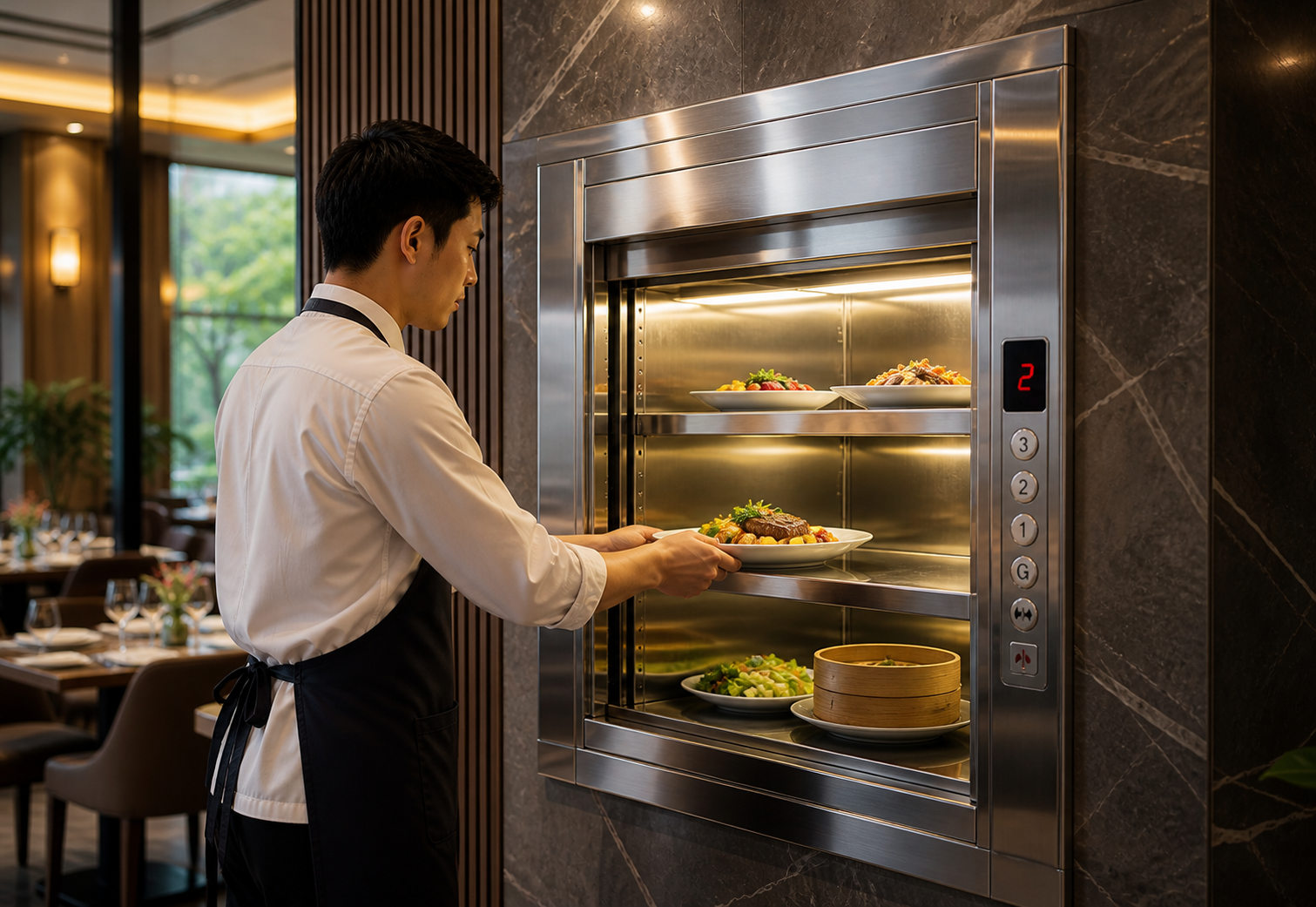
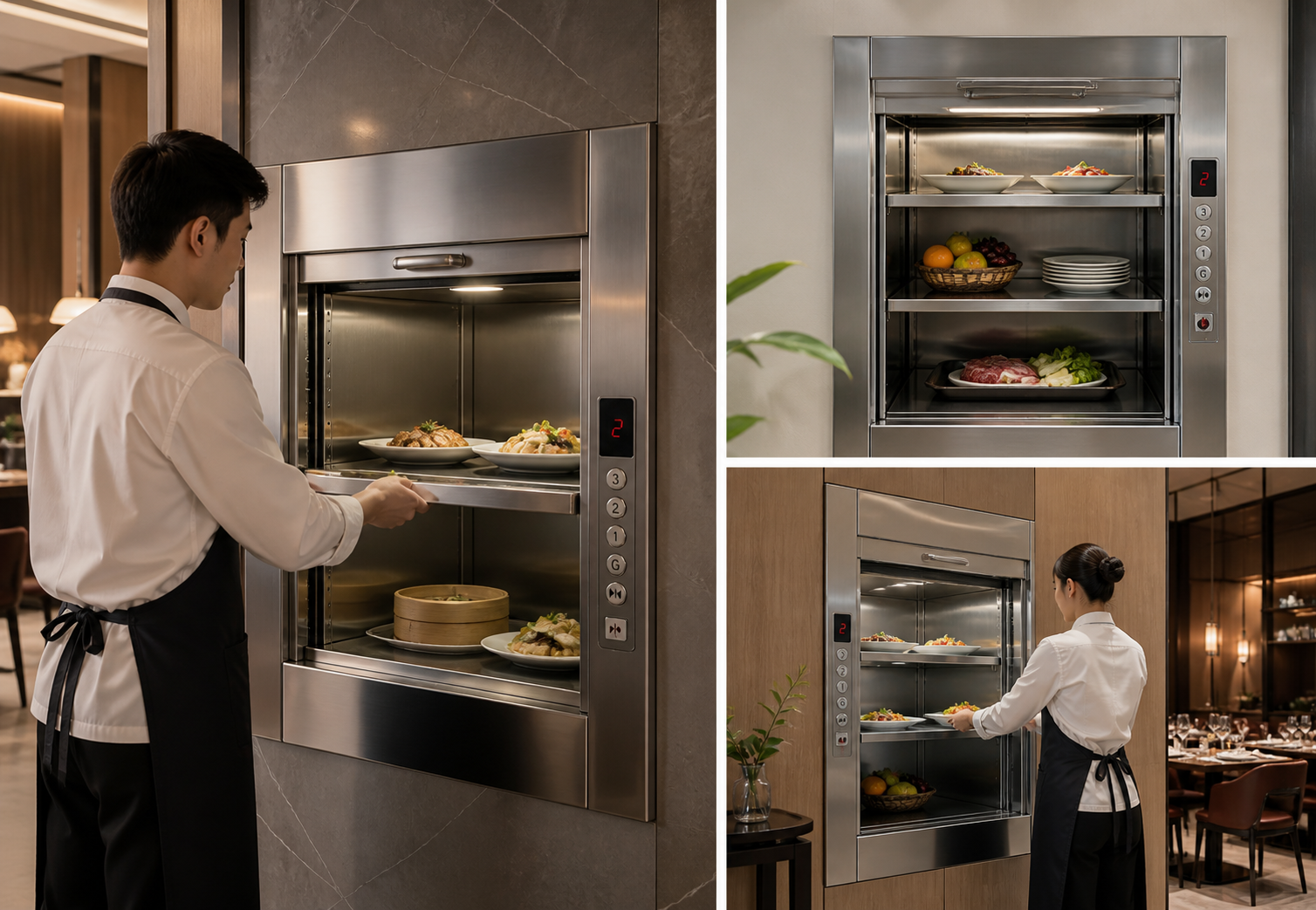
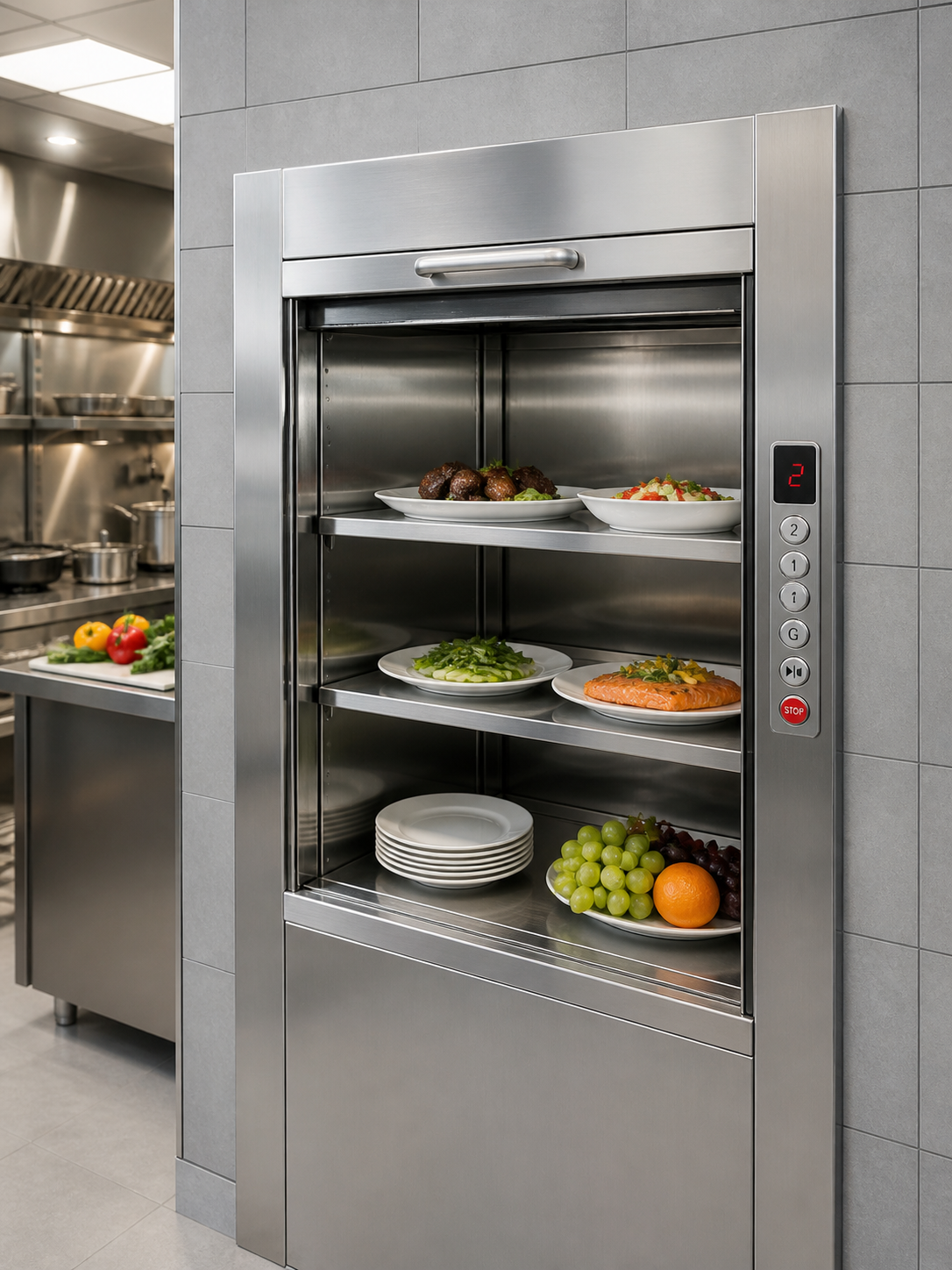
Food lift elevators are typically constructed from 304 or 316 stainless steel to ensure corrosion resistance, ease of cleaning, and compliance with food safety and hygiene requirements. Additionally, the interior surfaces of the elevator cabin are designed to be smooth, without gaps or sharp edges to prevent the accumulation of dirt and bacteria. The elevator doors are also equipped with automatic or semi-automatic opening and closing mechanisms to minimize hand contact and enhance convenience during food transportation.
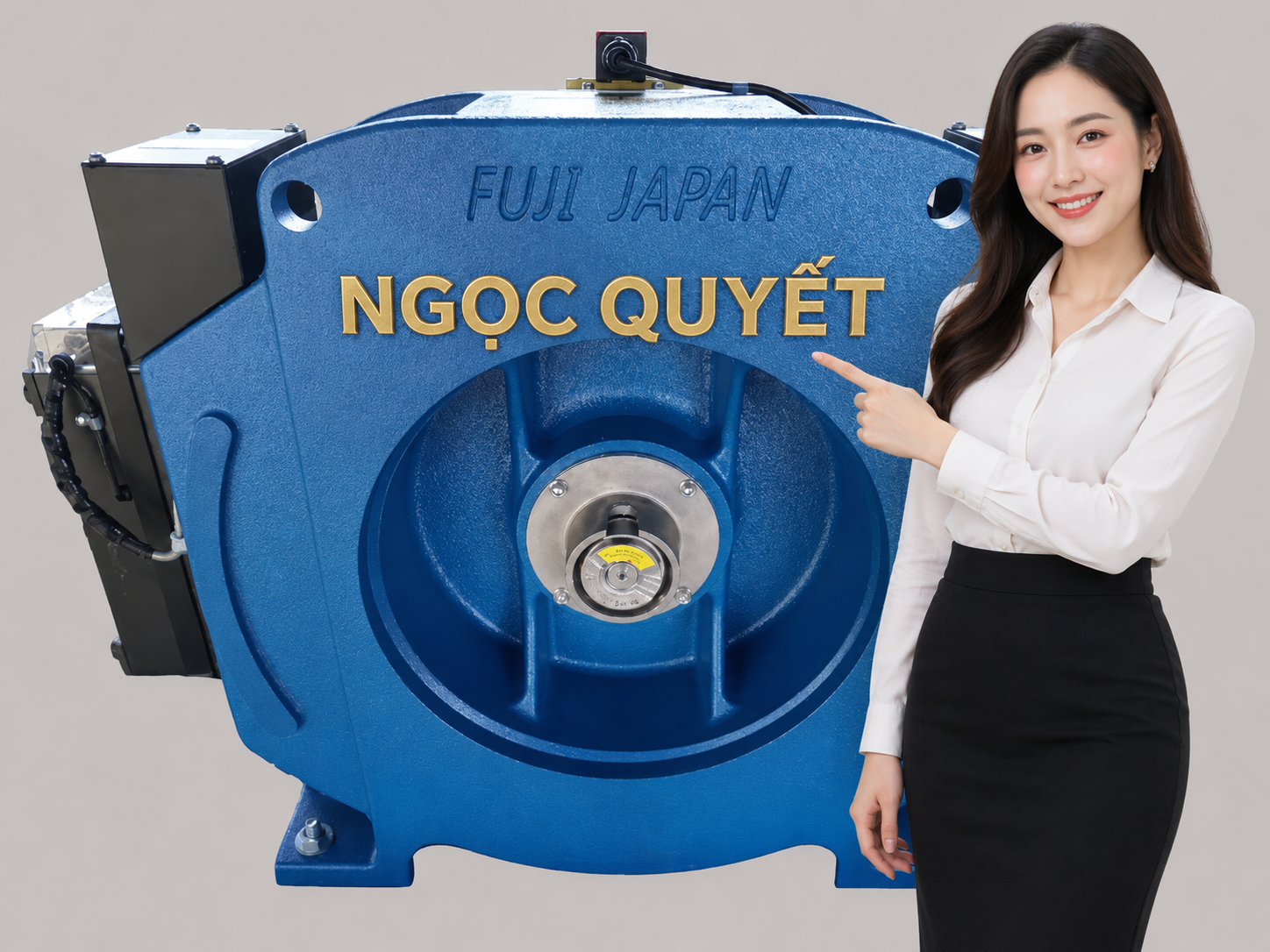
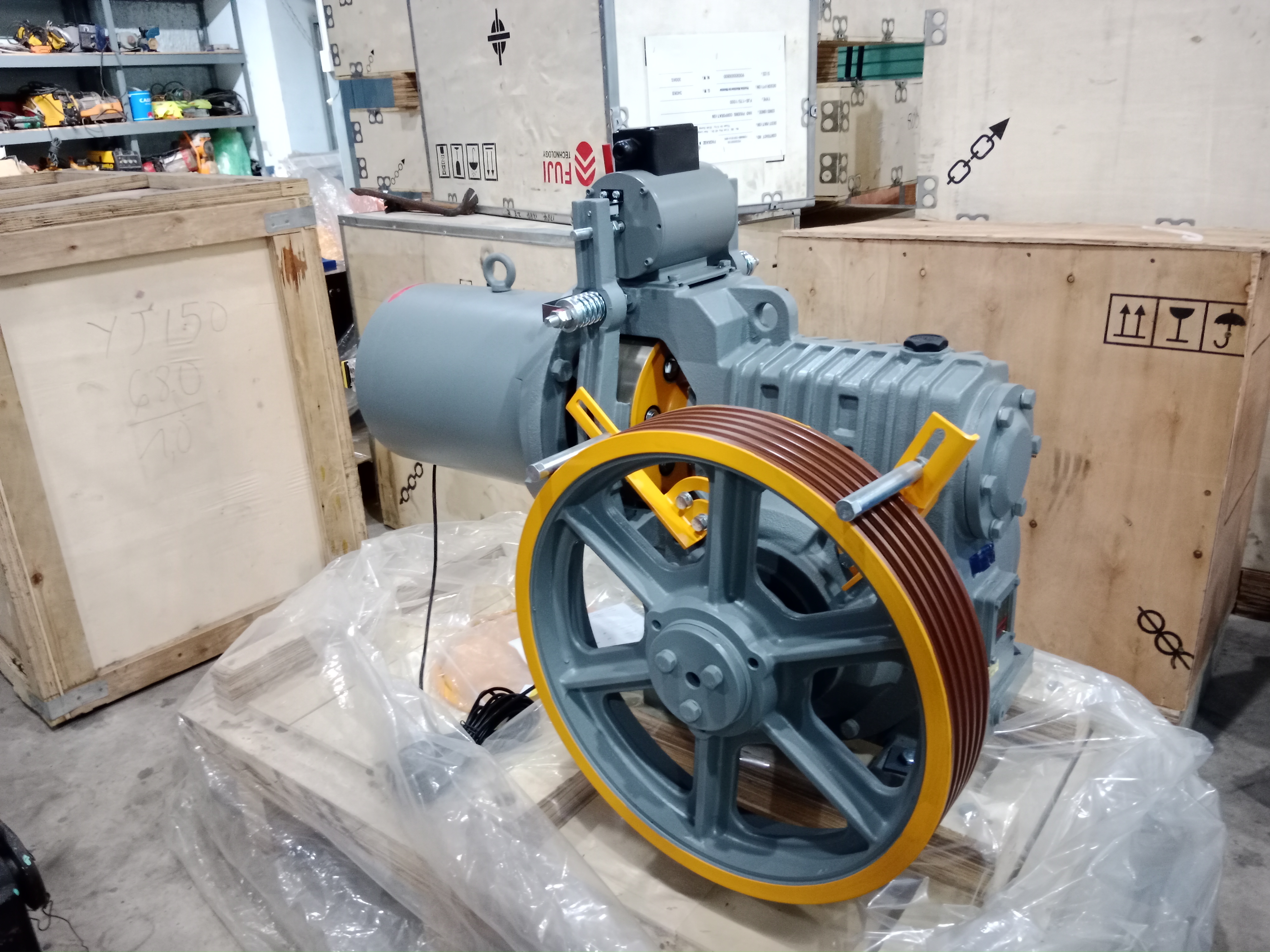
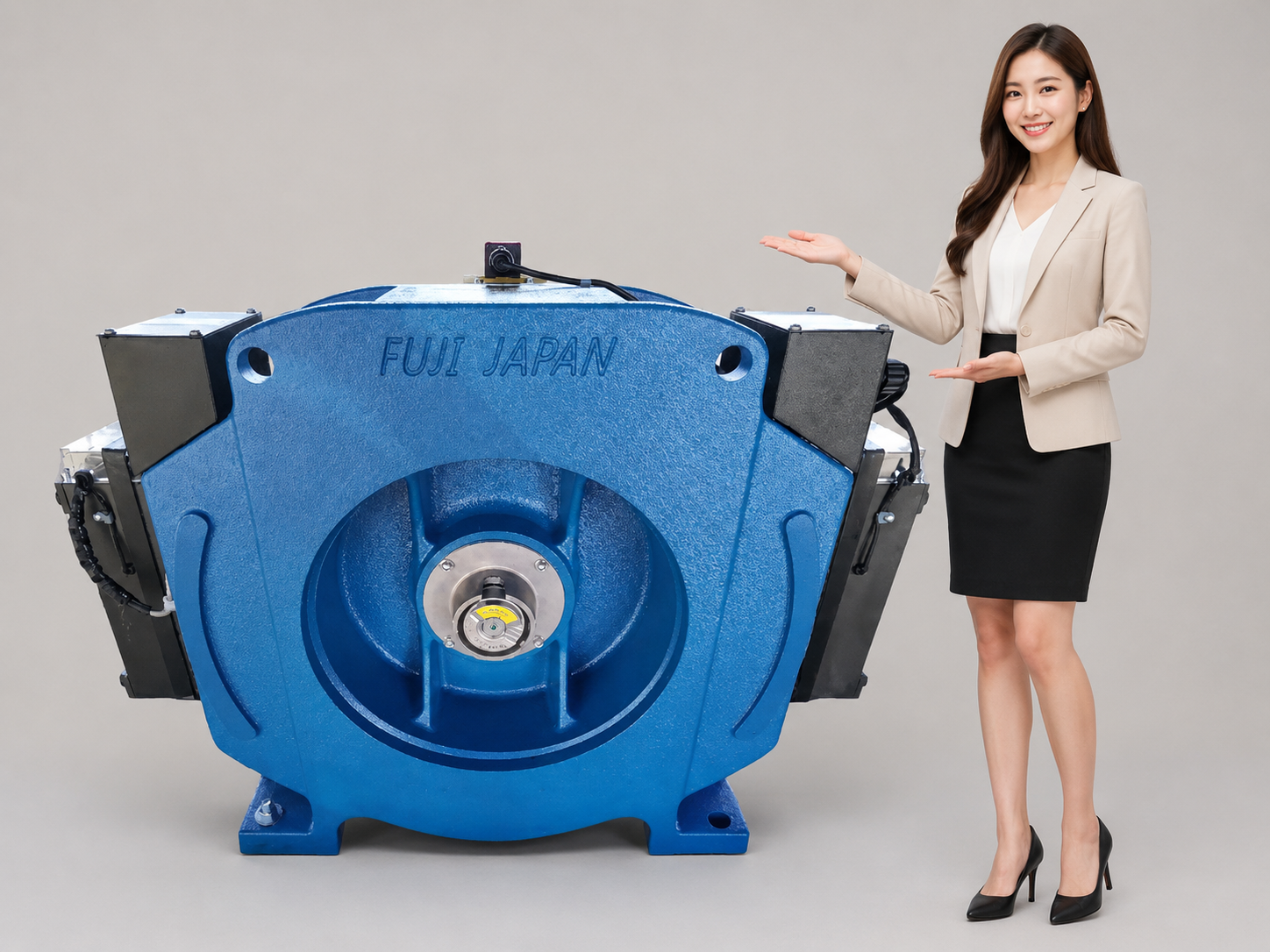
In terms of load capacity, food lifts typically have a load capacity ranging from 50kg to 300kg, depending on usage needs and the scale of the facility. The motors used in food lifts are usually gearless or geared, with appropriate power, ensuring smooth operation, energy efficiency, and high durability. The control system is designed to be simple and easy to use, and can integrate features such as timers, speed adjustment, and automatic or manual operating modes.
Applications and benefits of food lifts in various industries.
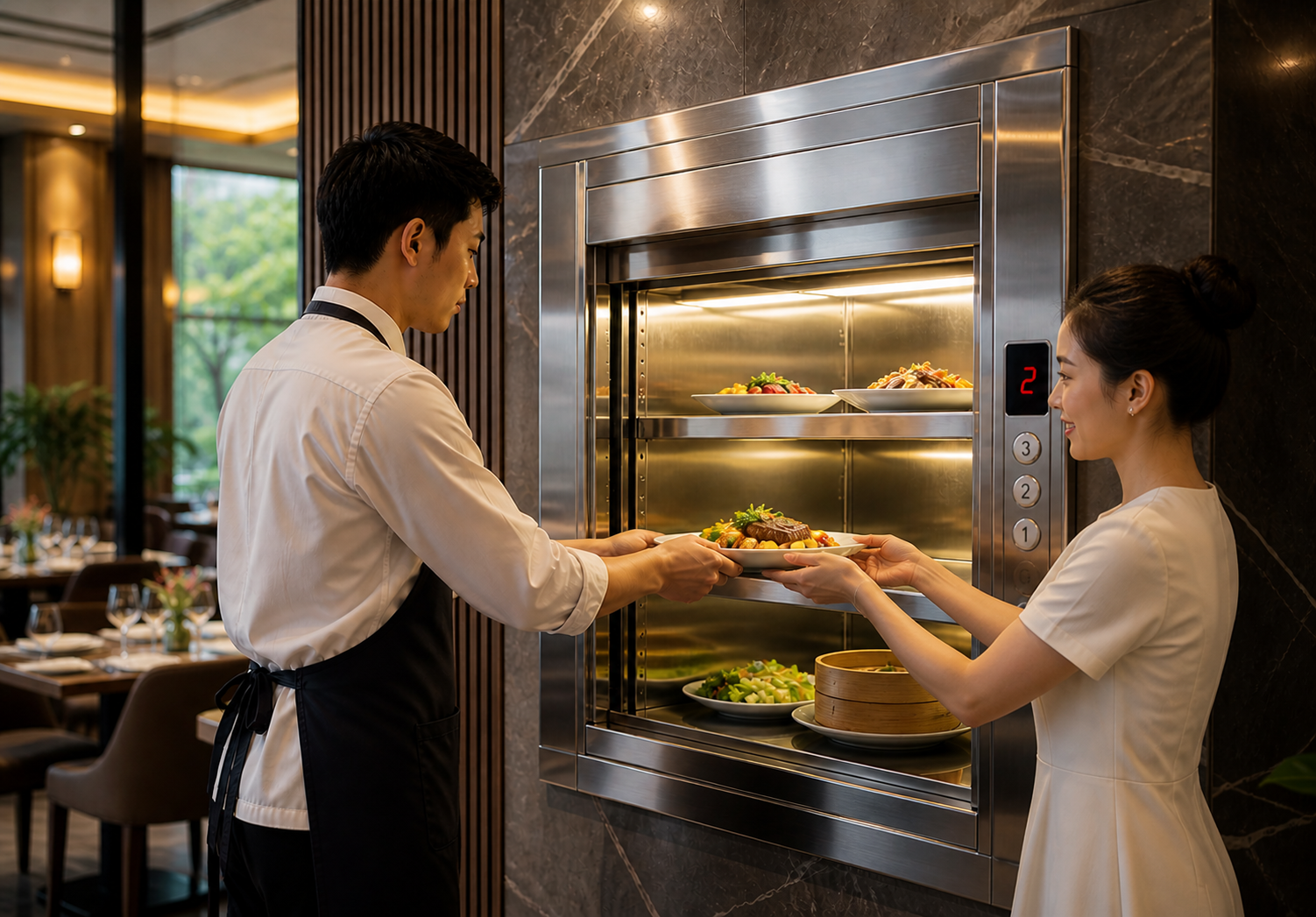
Food lifts play a crucial role in optimizing the process of transporting food between floors in food production, processing, and serving facilities. In the hotel and restaurant industry, food lifts help to quickly transport dishes from the kitchen to dining rooms or serving areas, minimizing waiting times and increasing customer service efficiency. This not only enhances the customer experience but also reduces food safety risks because food is transported in a closed environment, limiting contact with dust and bacteria.
In hospitals and medical facilities, food lifts are used to transport food to patients safely and efficiently. The use of specialized lifts minimizes the risk of cross-contamination and ensures that food is always kept in the best hygienic conditions. Additionally, food lifts are also used in food processing plants, where raw materials and finished products need to be transported quickly and safely between different production areas.
The outstanding benefits of food lifts include:
- Save time: Quickly transport food between floors, reducing waiting time.
- Increased work efficiency: Helps employees focus on their core tasks instead of having to move things manually.
- Ensuring food safety and hygiene: Sealed design, easy-to-clean stainless steel material, and limited contact with the external environment.
- Minimize accident risks: Limit manual handling that poses a danger to employees.
Safety and maintenance standards for food lifts.
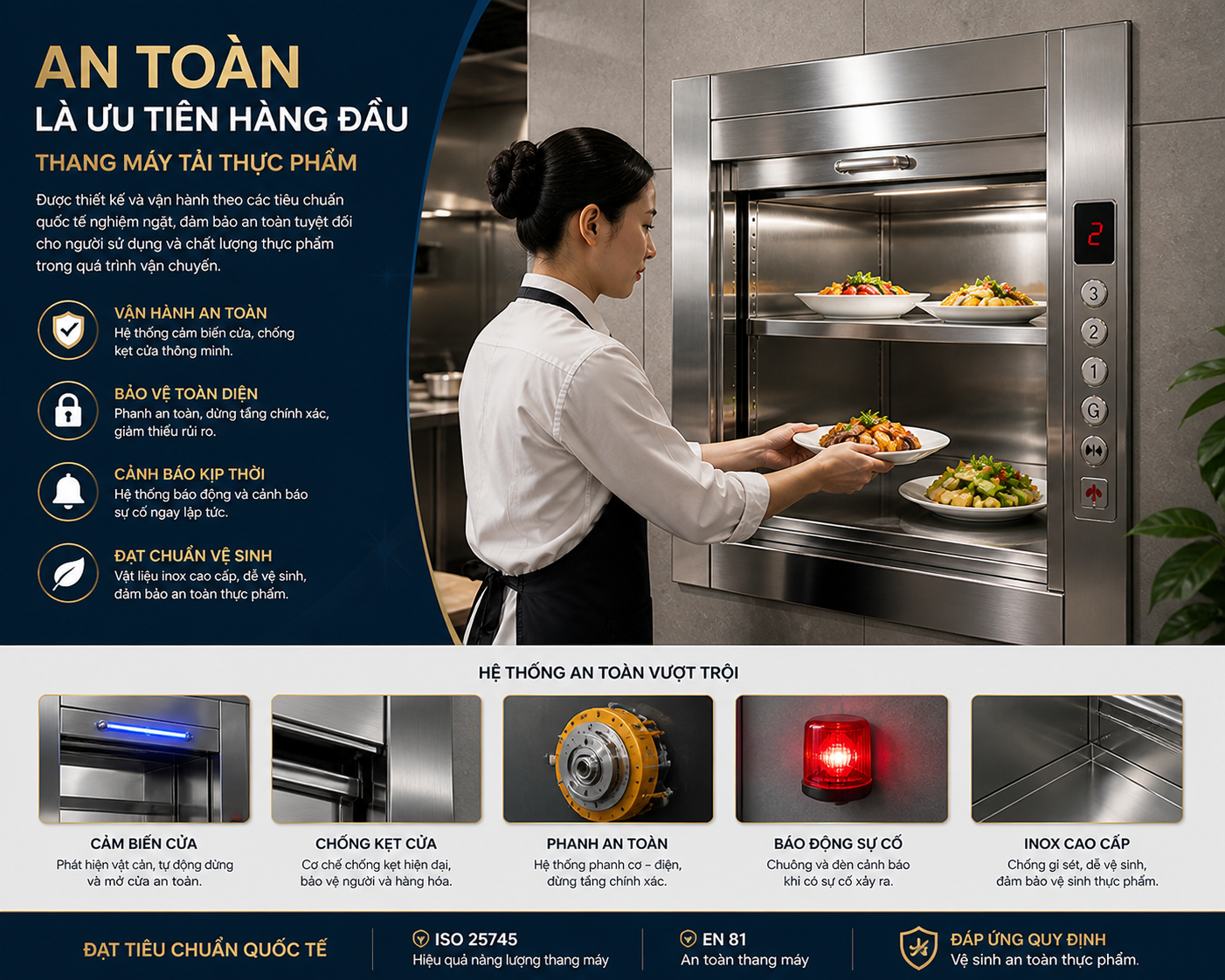
Safety is paramount in the design and operation of food lifts. International safety standards such as ISO 25745 for elevator energy efficiency, EN 81 for elevator safety, and food hygiene regulations are applied to ensure stable and safe operation for users and transported food. Door sensors, anti-jamming devices, safety brakes, and alarm systems are fully equipped to prevent unwanted incidents.
Regular maintenance is crucial to maintaining the performance and durability of food lifts. Maintenance tasks include inspecting the electrical system, motor, hoist cables, lift doors, and thoroughly cleaning the entire lift cabin. In particular, thorough cleaning of food contact surfaces must be performed regularly to prevent the growth of bacteria and mold.
To ensure elevators always operate in optimal condition, managers need to develop a detailed maintenance plan, including:
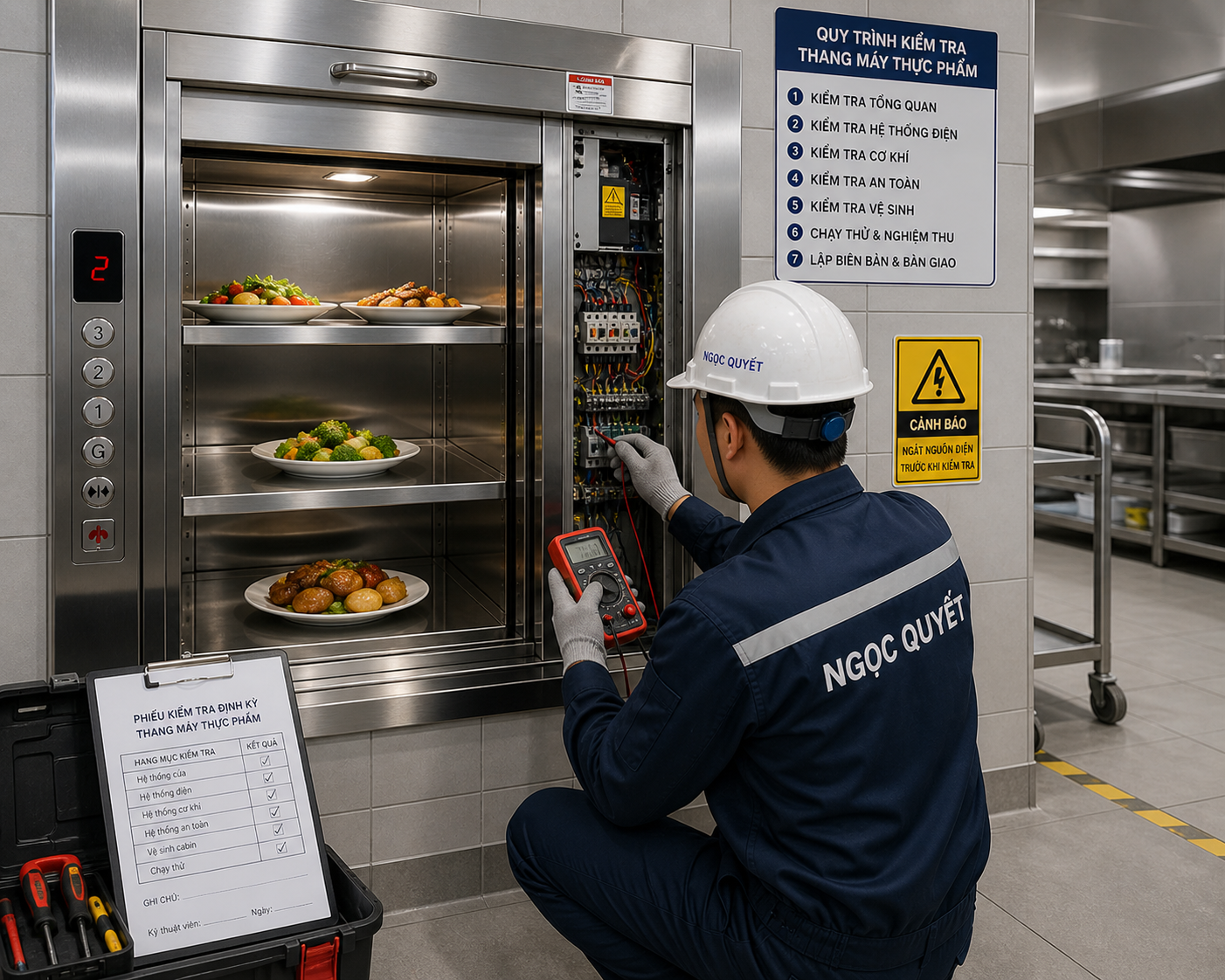
- Regular inspections: Conduct comprehensive inspections monthly or as recommended by the manufacturer.
- Thorough cleaning: Clean all parts that come into direct contact with food at least weekly.
- Component replacement: Replace worn-out parts such as hoist cables, brakes, and sensors as needed.
- Staff training: Ensure that operating and maintenance personnel receive thorough training in technical skills and safety.
Strict adherence to maintenance standards and procedures not only extends the lifespan of food lifts but also contributes to improved service quality and ensures the safety of users and the food being transported.
High-quality food elevators.
High-quality food lifts, operating smoothly, ensure food safety and hygiene for restaurants, hotels, and industrial kitchens. We install durable, aesthetically pleasing, space-saving stainless steel food lifts with diverse load capacities at competitive prices in Hanoi and nationwide. Specialized food lifts for eateries, hospitals, and schools feature modern designs, safety, and energy efficiency.
Food lifts – An efficient transportation solution in the food industry.
What are food lifts and what is their role in the food industry?
Food elevators are specialized equipment designed to transport food, ingredients, and related products in restaurants, hotels, hospitals, and food processing facilities. Unlike passenger elevators, food elevators focus on ensuring hygiene, food safety, and fast, efficient transportation. Using food elevators minimizes travel time, reduces direct contact between people and food, thereby improving service quality and ensuring hygiene and safety.
In industrial kitchens or processing areas, food lifts play a crucial role in optimizing workflows, allowing staff to easily transport dishes and ingredients from one floor to another without manual handling. This not only minimizes workplace accident risks but also increases productivity and ensures food is always kept in optimal condition.
Specifications and design of food lifts
The food lift is designed with high-grade stainless steel, ensuring corrosion resistance and easy cleaning, meeting stringent hygiene standards. Available in various sizes and load capacities, from 50kg to 500kg, it caters to transporting everything from small trays to large trolleys, optimizing efficiency and saving energy. A modern automatic control system, combined with safety features such as anti-jamming sensors, emergency braking, and fault alarms, ensures stable and absolutely safe operation. The lift is also programmable, further enhancing food transportation efficiency.
Food-grade materials and construction
Food lifts are typically made from high-grade stainless steel, which is corrosion-resistant, easy to clean, and antibacterial. The polished stainless steel surface not only enhances aesthetics but also ensures strict hygiene standards in the food industry. Furthermore, components such as the lift doors and cabin frame are designed to be airtight to prevent dust and bacteria from entering.
Suitable size and load capacity
Food lifts come in a variety of sizes to suit different transport needs, from small trays to large trolleys. Common load capacities range from 50kg to 500kg, depending on the scale and intended use of each facility. Choosing the appropriate load capacity ensures stable, durable, and energy-efficient operation of the lift.
Control and safety systems
Food lifts are equipped with a modern automatic control system, allowing for easy and precise operation. Safety features such as anti-pinch door sensors, emergency braking systems, and fault alarms are integrated to protect both the equipment and users. Furthermore, the lifts can be programmed to operate on a schedule or on demand, optimizing the food transportation process.
Benefits of using food lifts in businesses
Saving time and manpower: Transporting food using elevators minimizes travel time between floors, thereby increasing work efficiency and reducing labor costs.
Ensuring food safety and hygiene: Food elevators are designed to minimize direct contact, reduce the risk of bacterial contamination and cross-contamination, and meet the stringent hygiene standards of the food industry.
Enhancing the professionalism and modernity of your establishment: Using a food lift demonstrates a well-planned investment, improving the image and reputation of your restaurant, hotel, or food processing facility in the eyes of customers and partners.
Minimizing workplace accident risks: Instead of manual transportation, elevators reduce the workload for employees and limit accidents caused by heavy lifting or slipping.
Diverse applications in many fields
- Restaurants and hotels: Transporting food from the kitchen to the upper floors for customer service quickly, while maintaining food quality.
- Hospital: Safely and hygienically delivering food to patients on different floors.
- Food processing plant: Moving raw materials and finished products between production, packaging, and storage areas.
- Schools and cafeterias: Support for fast, convenient, and hygienic food delivery.
Criteria for selecting a suitable food lift
To select the right food elevator, businesses need to consider the following factors:
- Load capacity and dimensions: Determine the weight and dimensions of the food to be transported in order to select an elevator with appropriate specifications.
- Materials and hygiene standards: Prioritize elevators made from 304 or 316 stainless steel, with food safety certification.
- Safety features: Check safety devices such as door sensors, braking systems, and alarms to ensure safe operation.
- Brand and after-sales service: Choose a reputable supplier with a warranty and professional technical support.
- Investment and operating costs: Assess the total cost, including procurement, installation, and maintenance costs, to ensure long-term economic efficiency.
Investing in food lifts is not only a solution to improve transportation efficiency but also contributes to building a modern, safe, and professional working environment. Choose the right food lift equipment today to optimize your operational processes and elevate the quality of your services.