

Energy-saving elevators
Energy-saving elevators
The concept of energy-efficient elevators and evaluation indicators.
Energy-efficient elevators are vertical transport systems designed and operated to optimize energy consumption per journey while ensuring safety, smooth operation, and equipment longevity. In the context of rising electricity costs and the increasing prevalence of green building standards, selecting and operating energy-efficient elevators is not only a technical challenge but also a long-term financial strategy for investors, building management, and operating companies.
To assess the energy efficiency of an elevator, experts typically use several key technical indicators. First is the motor's rated power (kW) , reflecting its load capacity and maximum power consumption under nominal operating conditions. Second is the average power consumption per cycle (kWh/month) , measured based on the number of runs, actual load, and downtime. Third is the system efficiency (η) , encompassing the efficiency of the motor, gearbox (if applicable), transmission, and control system. Additionally, standards such as ISO 25745-2 on energy efficiency for elevators and escalators are used to classify elevators into efficiency classes from A to G, where class A represents the highest energy savings.
In practical operation, evaluating the energy efficiency of an elevator cannot be based solely on its nominal power rating. A system with high power but intelligent control, energy regeneration, and optimized standby mode can still consume less electricity than a system with low power but outdated technology. Therefore, experts often conduct experimental measurements using specialized energy meters, recording data during peak and off-peak hours and weekends to build load profiles and accurately determine electricity consumption for each elevator group and operating mode.
The core technology that helps elevators save energy.
Energy-saving solutions for elevators are based on a combination of modern drive technology and optimized mechanical and architectural design. The focus is on gearless motors using permanent magnets, controlled by VVVF inverters with advanced control algorithms, allowing for precise speed and torque adjustment, reduced losses, and improved smoothness. Energy generated during braking is recovered through a regenerative braking system and fed back into the internal grid, particularly effective in high-rise buildings. Simultaneously, optimizing counterweights , using lightweight and durable cabin materials, and applying intelligent LED lighting and ventilation , presence sensors, and on-demand fan control significantly reduce energy consumption in both operating and standby modes.
Gearless motors, inverters, and energy regeneration.
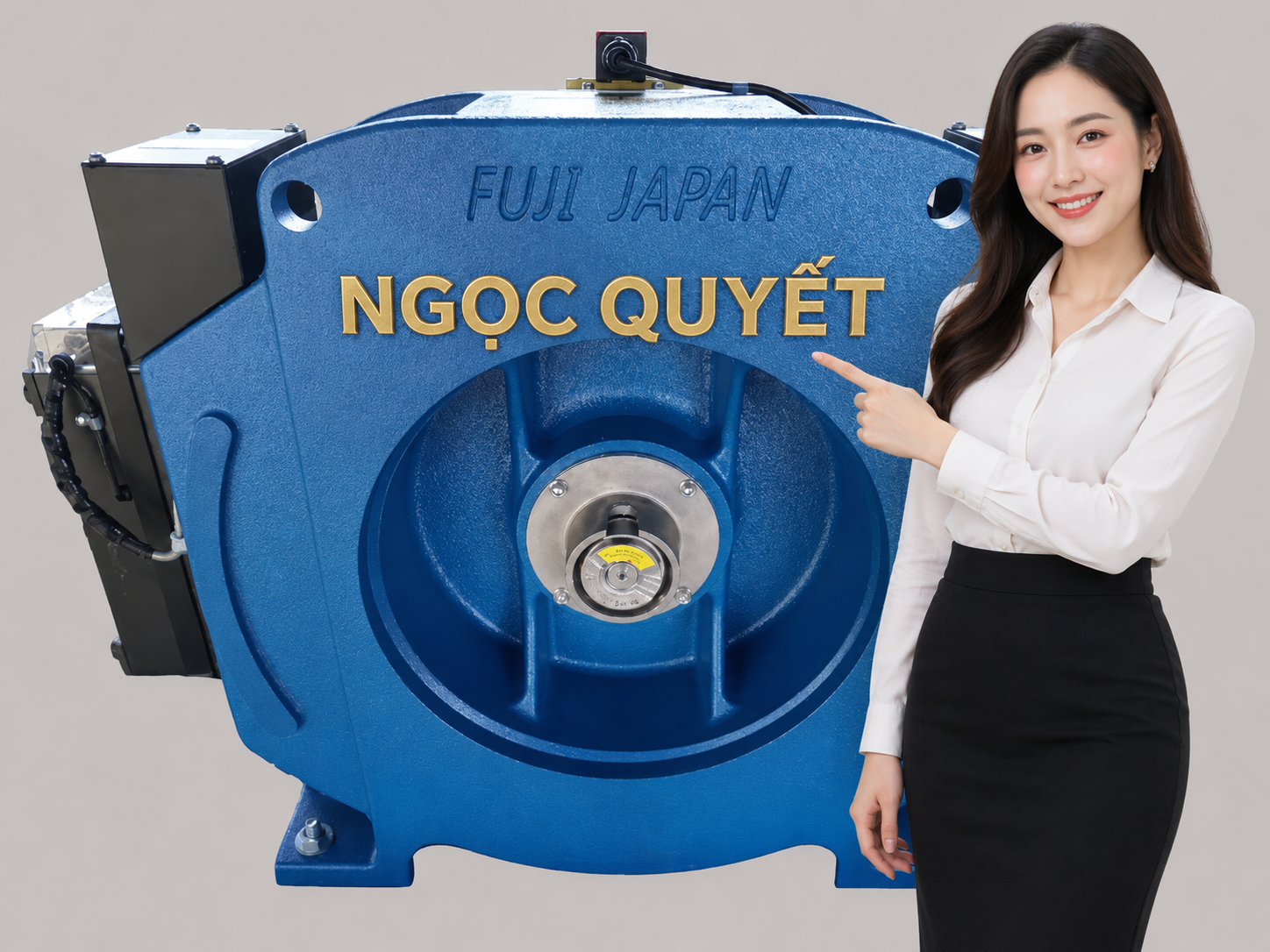
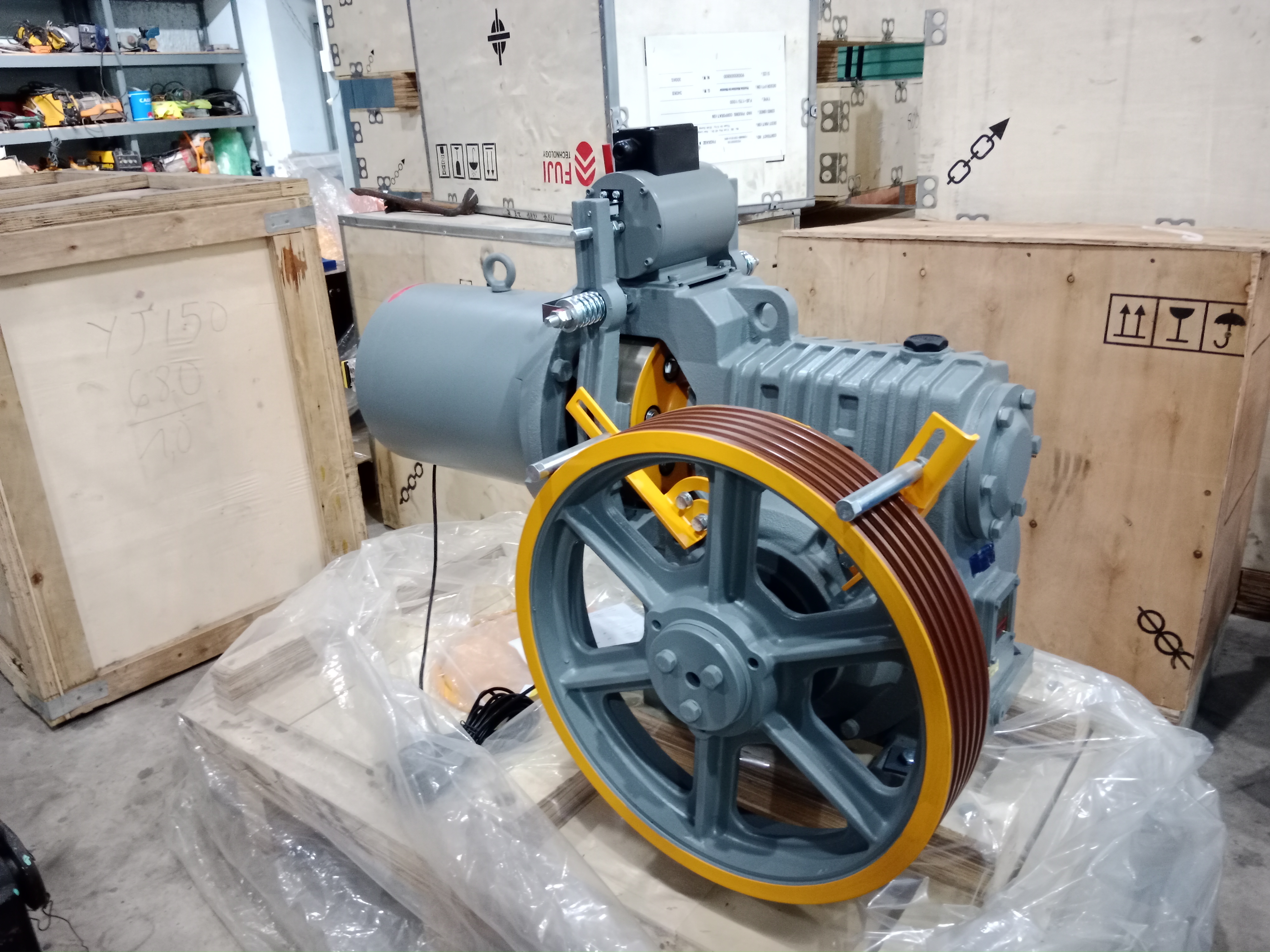
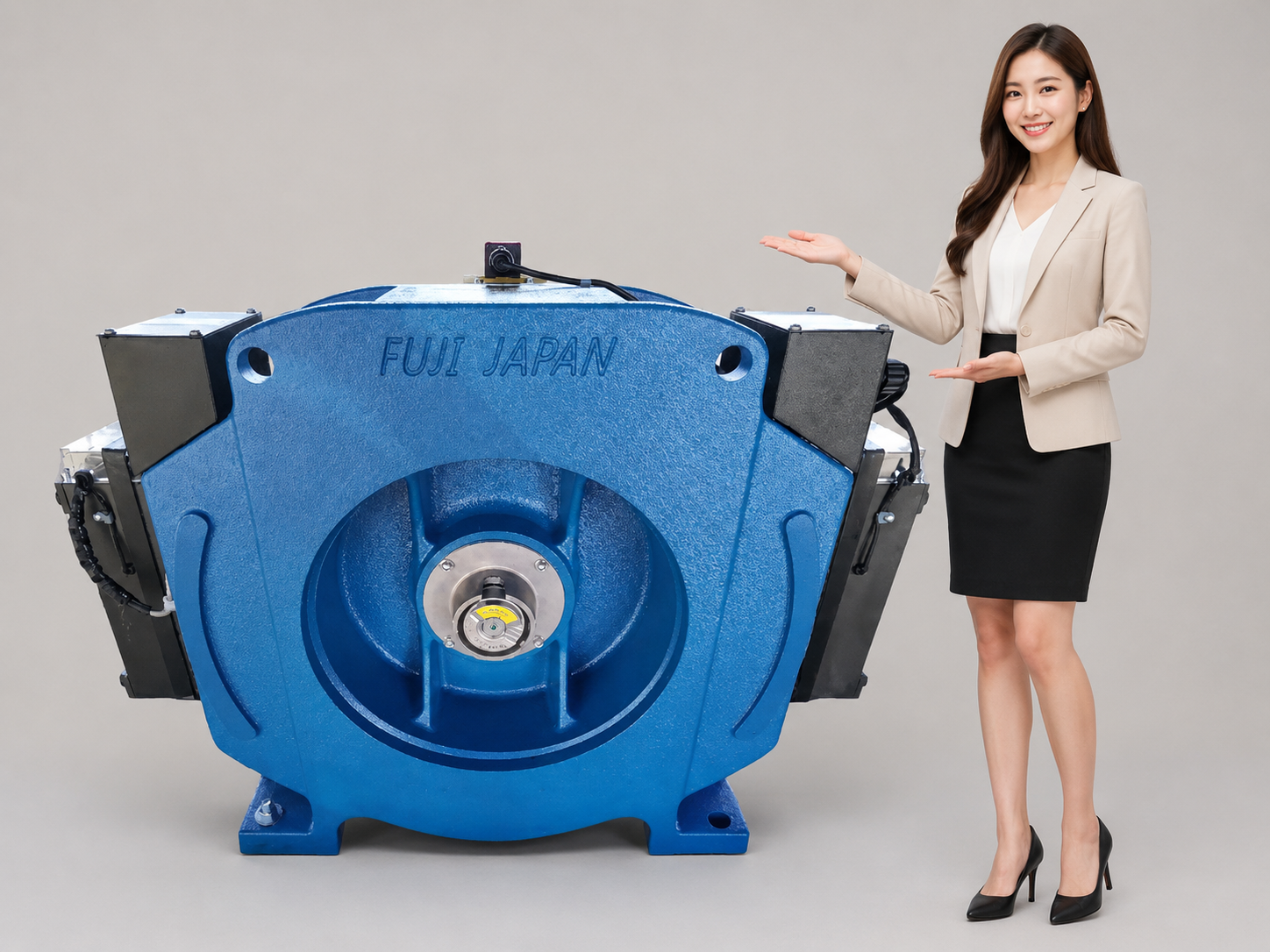
At the heart of a modern, energy-efficient elevator system is a gearless motor combined with a variable voltage variable frequency (VVVF) controller . Gearless motors utilize permanent magnets, eliminating mechanical losses in gearboxes, reducing friction and noise, and thus improving overall efficiency. When combined with a VVVF, the system can adjust the motor's speed and torque in real time, resulting in smooth starts, precise floor stops, and significantly reduced starting current compared to traditional direct-start systems.
Another crucial component is the regenerative drive . When the cabin descends with a load or ascends without a load, the motor acts as a generator, converting mechanical energy into electrical energy. Instead of dissipating as heat through a discharge resistor, this energy is fed back into the building's internal power grid , contributing to a reduction in total electricity purchased from the grid. In high-rise buildings with high elevator usage, a regenerative solution can help reduce elevator system electricity consumption by 20–40%, depending on the configuration and operating mode.
To maximize the efficiency of inverters and energy regeneration, the control system needs to be programmed with optimal algorithms such as vector control , direct torque control , and overvoltage and overcurrent protection mechanisms. Selecting the correct inverter power rating, high-quality power semiconductor components (IGBTs), and designing appropriate harmonic filters helps reduce losses, minimize grid impact, and extend equipment lifespan.
Intelligent counterweight design, cabin, and lighting system.
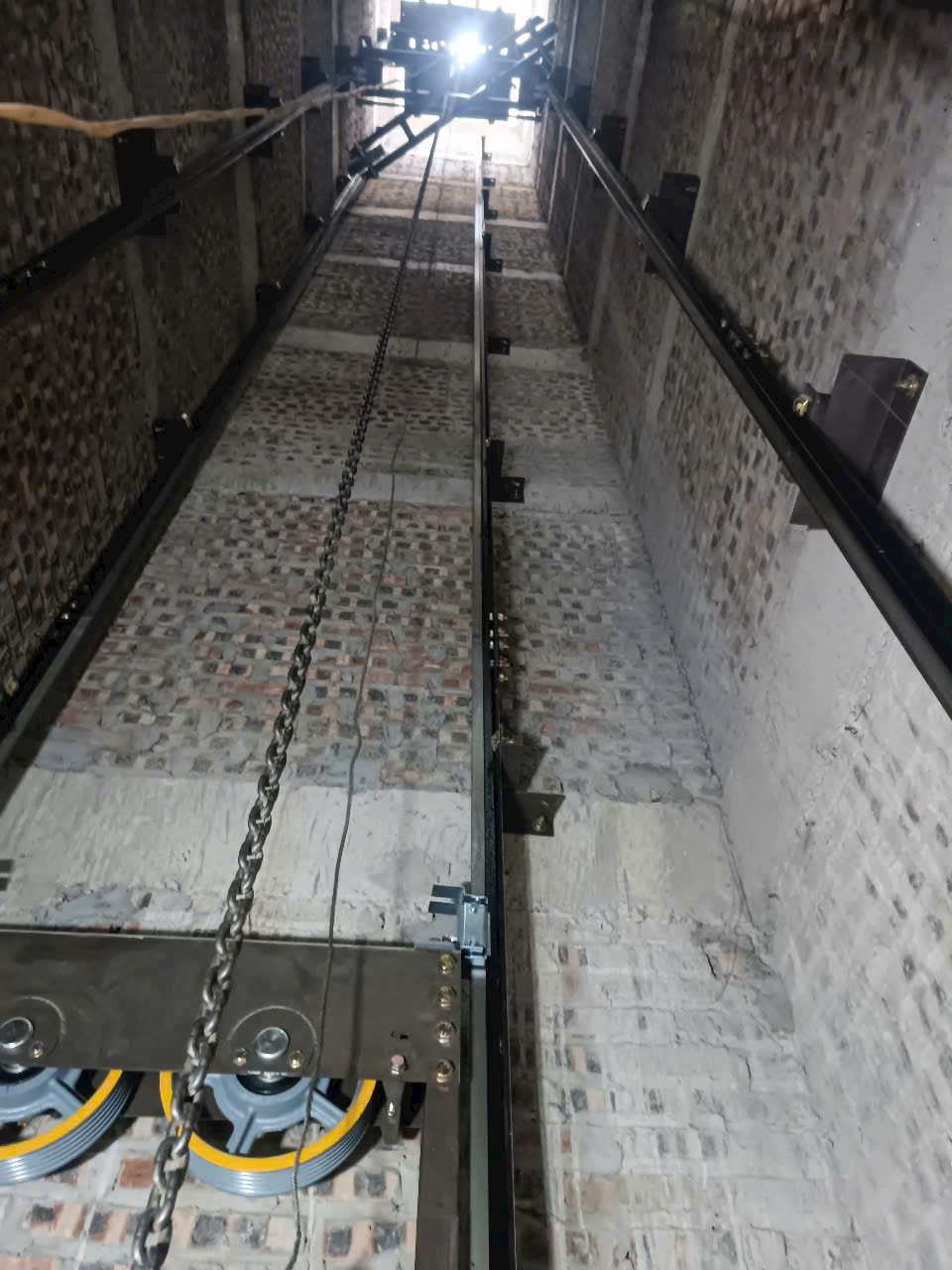
Counterweight design plays a crucial role in reducing the engine's power requirements. Counterweights are calculated to balance approximately 40–50% of the rated load plus the cabin weight, reducing the engine's power output in most operating situations. When the counterweight is optimized, the engine only needs to compensate for the load difference and friction losses, thereby reducing power consumption per trip. Conversely, improperly designed counterweights can cause the engine to work overloaded for many cycles, leading to increased heat, reduced efficiency, and shortened lifespan.
Structurally, the use of lightweight, high-strength materials for the cabin, such as high-strength steel, aluminum alloys, tempered glass, and composite panels, reduces overall weight, thereby reducing the required engine power. However, engineers must balance lightness, rigidity, sound insulation, vibration damping, and aesthetics. Computer-aided engineering (CAE) simulations are often used to optimize the cabin structure, frame, floor, and suspension system.
The lighting and ventilation systems in the elevator cabin are also significant energy consumers if not optimized. Replacing fluorescent or halogen lights with high-efficiency LEDs , combined with presence sensors and automatic dimming/turn-off modes when the elevator is not in use, significantly reduces standby power consumption. Similarly, ventilation fans can be controlled based on time or CO₂ sensors, avoiding continuous 24/7 operation. In many projects, optimizing cabin lighting and ventilation alone has reduced the total energy consumption of the elevator system by 10–15%.

Solutions for operating, maintaining, and optimizing elevator systems.
Modern elevator systems need to operate in a flexible and intelligent manner to ensure both a positive user experience and reduced building electricity load. By implementing group control strategies, floor service zoning, and optimizing elevator call algorithms, businesses can significantly reduce acceleration and deceleration cycles, empty journeys, and waiting times. Simultaneously, the application of AI and Big Data helps predict traffic flow, create efficient operation and maintenance schedules, and minimize unnecessary starts. Combining predictive maintenance with lifecycle cost analysis allows for optimized total cost of ownership, with energy-saving retrofit packages offering short payback periods and long-term benefits .
Elevator group control and load management strategies
In office buildings, shopping malls, or high-rise apartment buildings with multiple elevators, group control strategies are crucial for energy efficiency. Instead of having all elevators operate simultaneously at all times, intelligent control systems analyze passenger traffic in real time, thereby:
- Automatically put some elevators into standby mode when traffic is low, keeping only one or two elevators active.
- Floor service zones are designed to reduce the average travel distance of each elevator, limiting unnecessary long journeys.
- Optimize the elevator calling algorithm to group requests in the same direction, reducing the number of acceleration/deceleration and floor stops.
- Scheduling the elevator system according to peak hours such as start time, end time, and lunchtime helps reduce waiting time while still controlling electricity load.
Modern control systems also integrate artificial intelligence (AI) and big data analytics to learn user movement patterns, predict traffic flow by day, week, season, and special events. Based on this data, the system can plan optimal operations, reduce unnecessary starts, and allocate maintenance time appropriately to avoid overlapping with peak hours.
Predictive maintenance and lifecycle cost optimization
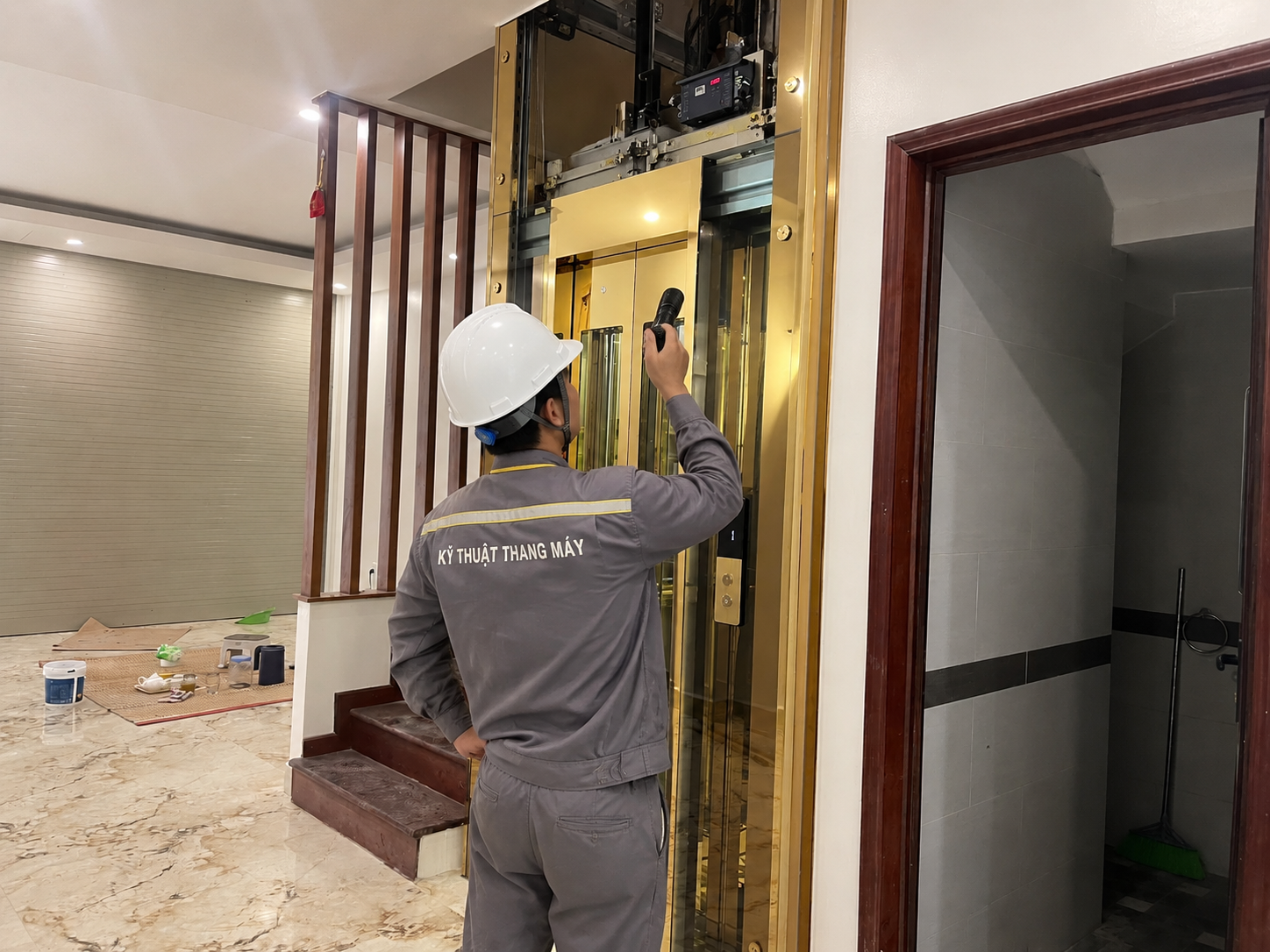
To maintain energy efficiency throughout its lifespan, elevators require predictive maintenance rather than just scheduled maintenance. Through vibration, temperature, current, and voltage sensors, and remote monitoring systems, engineers can detect early signs of abnormalities such as increased friction in guide rails, pulley misalignment, cable wear, and reduced motor or inverter performance. When these issues are addressed promptly, the system avoids consuming excessive electricity to compensate for mechanical and electrical losses.
In life cycle cost (LCC) analysis, experts not only calculate the initial investment cost but also consider electricity costs, maintenance costs, downtime , and upgrade costs over the 20–25 years of operation. An energy-efficient elevator system with modern technology may have a higher initial investment cost, but if it reduces annual electricity costs by 25–40% and reduces the frequency of breakdowns, the total life cycle cost is usually significantly lower than that of a cheaper, older system.
During the renovation of existing buildings, elevator upgrades aimed at energy efficiency often focus on items such as replacing gearless motors, installing variable frequency drives and energy recovery systems, replacing group control systems, upgrading cabin lighting, and optimizing counterweights. These retrofit projects typically have a payback period of 3–7 years depending on scale, electricity prices, and elevator usage intensity, making them an attractive solution for investors who want to improve energy efficiency without replacing the entire system.