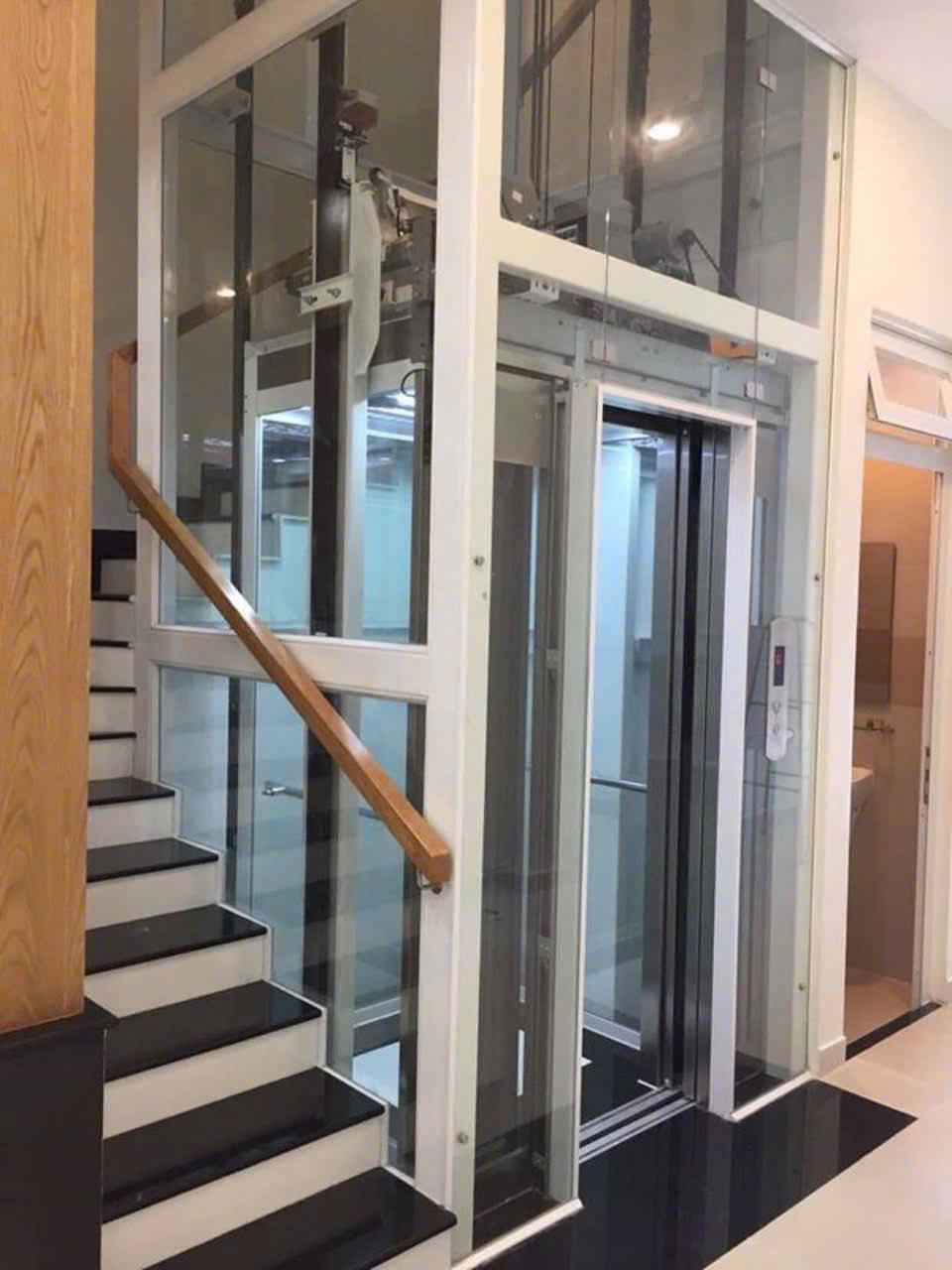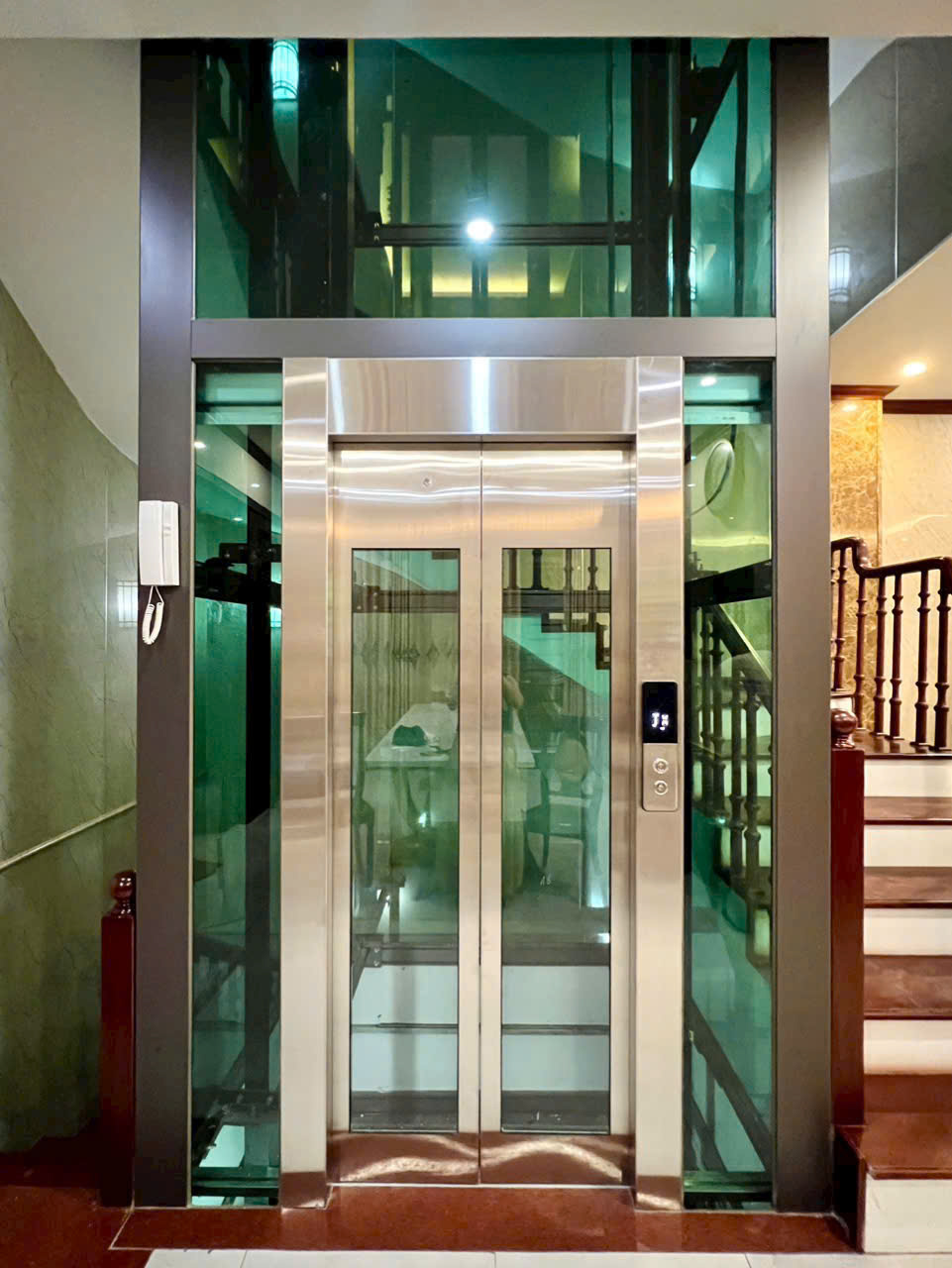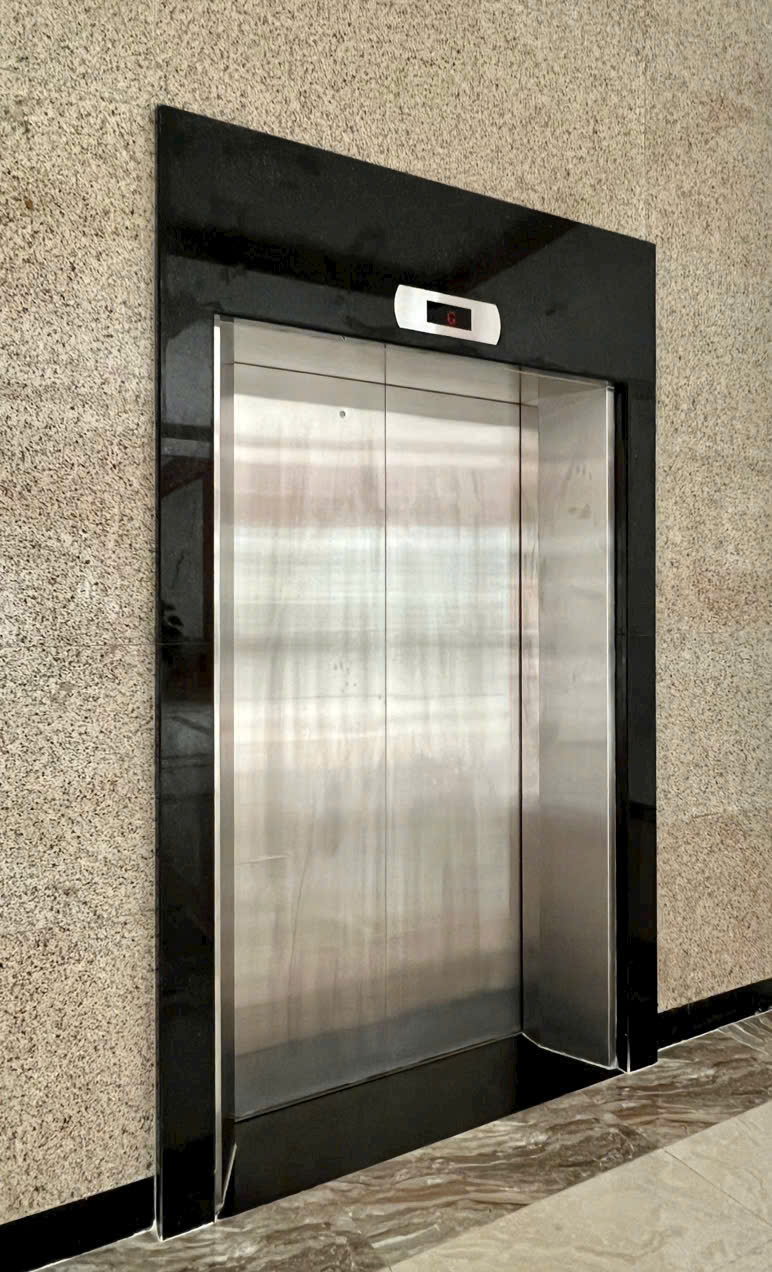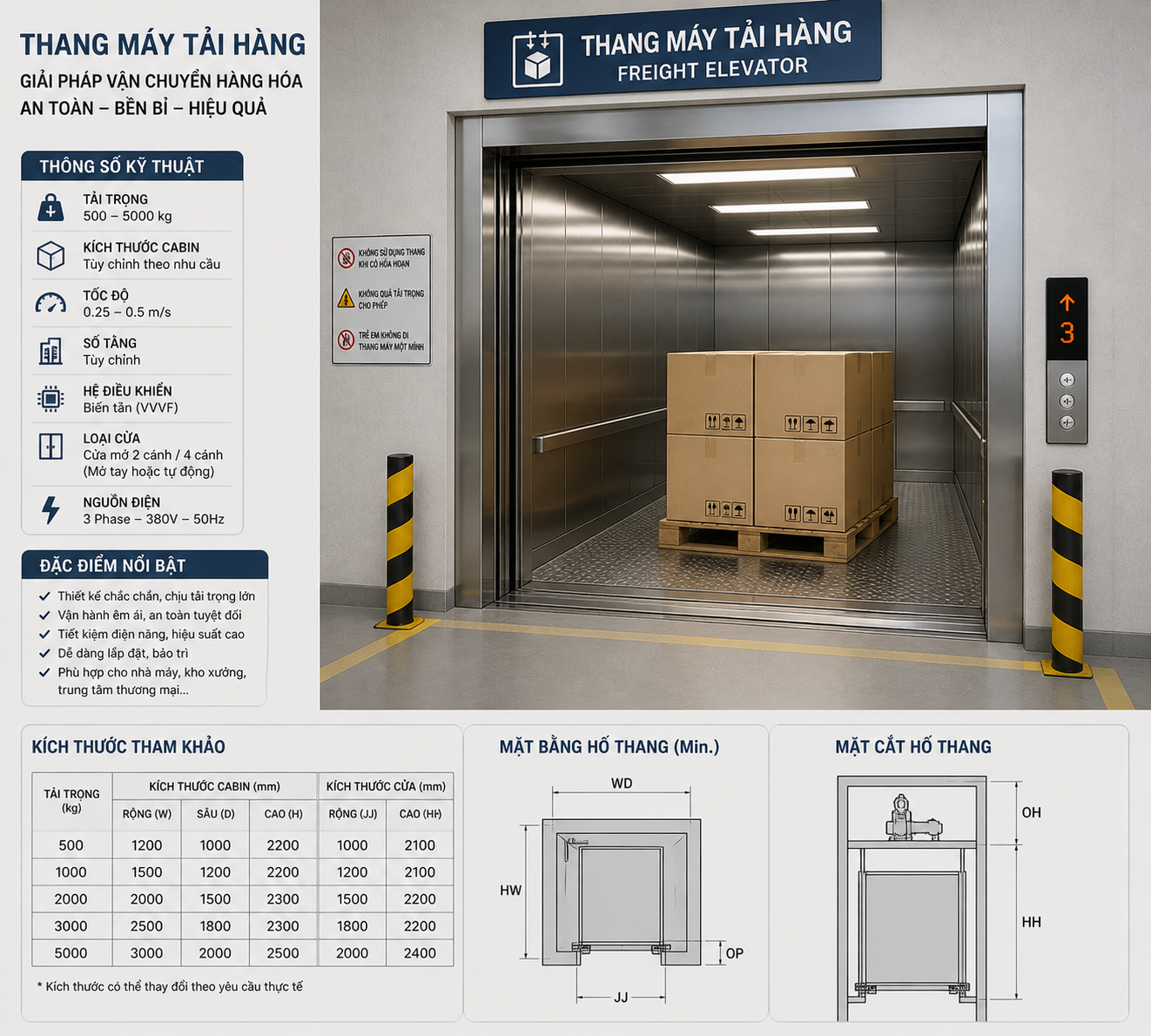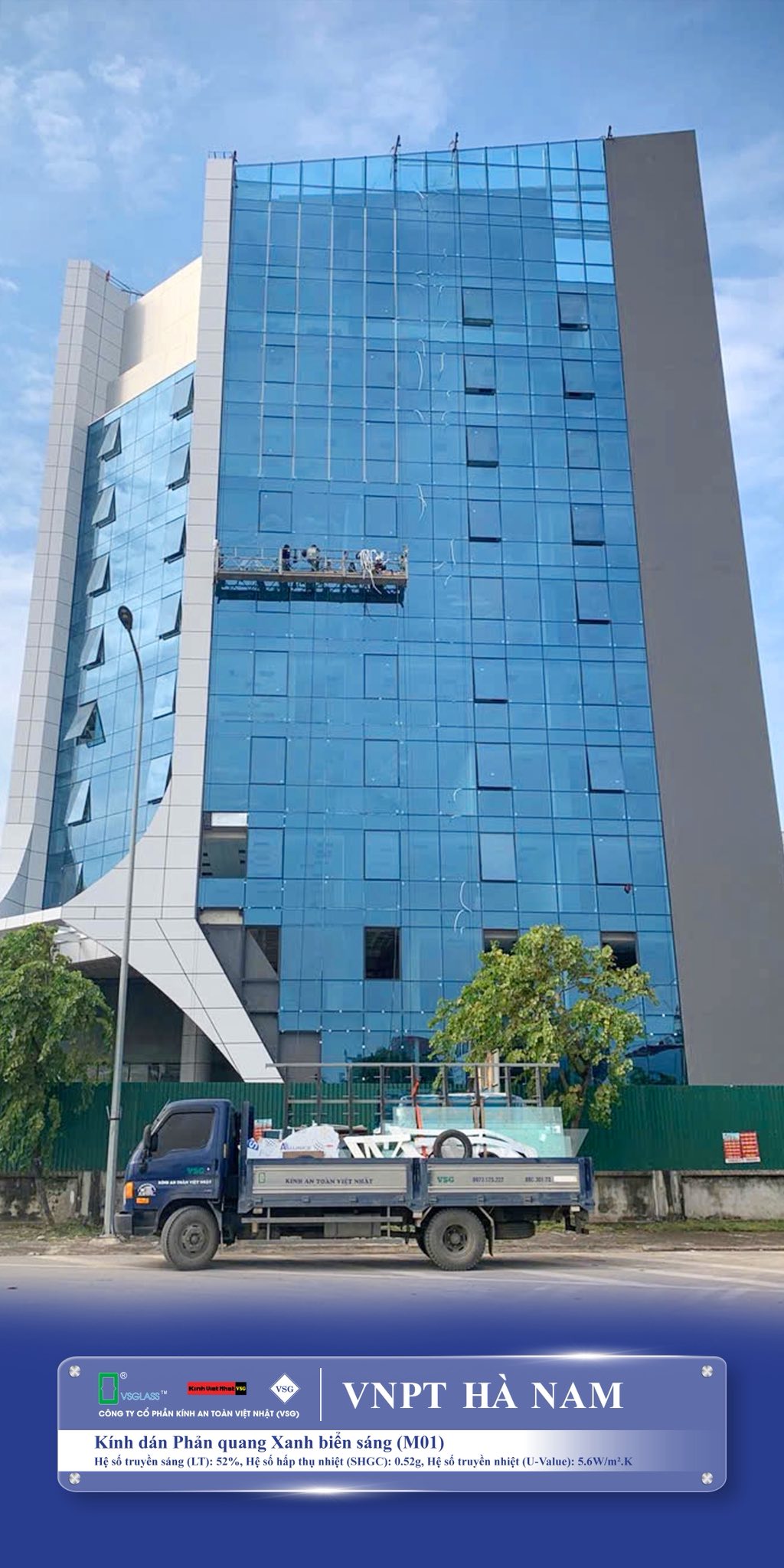


Good elevator
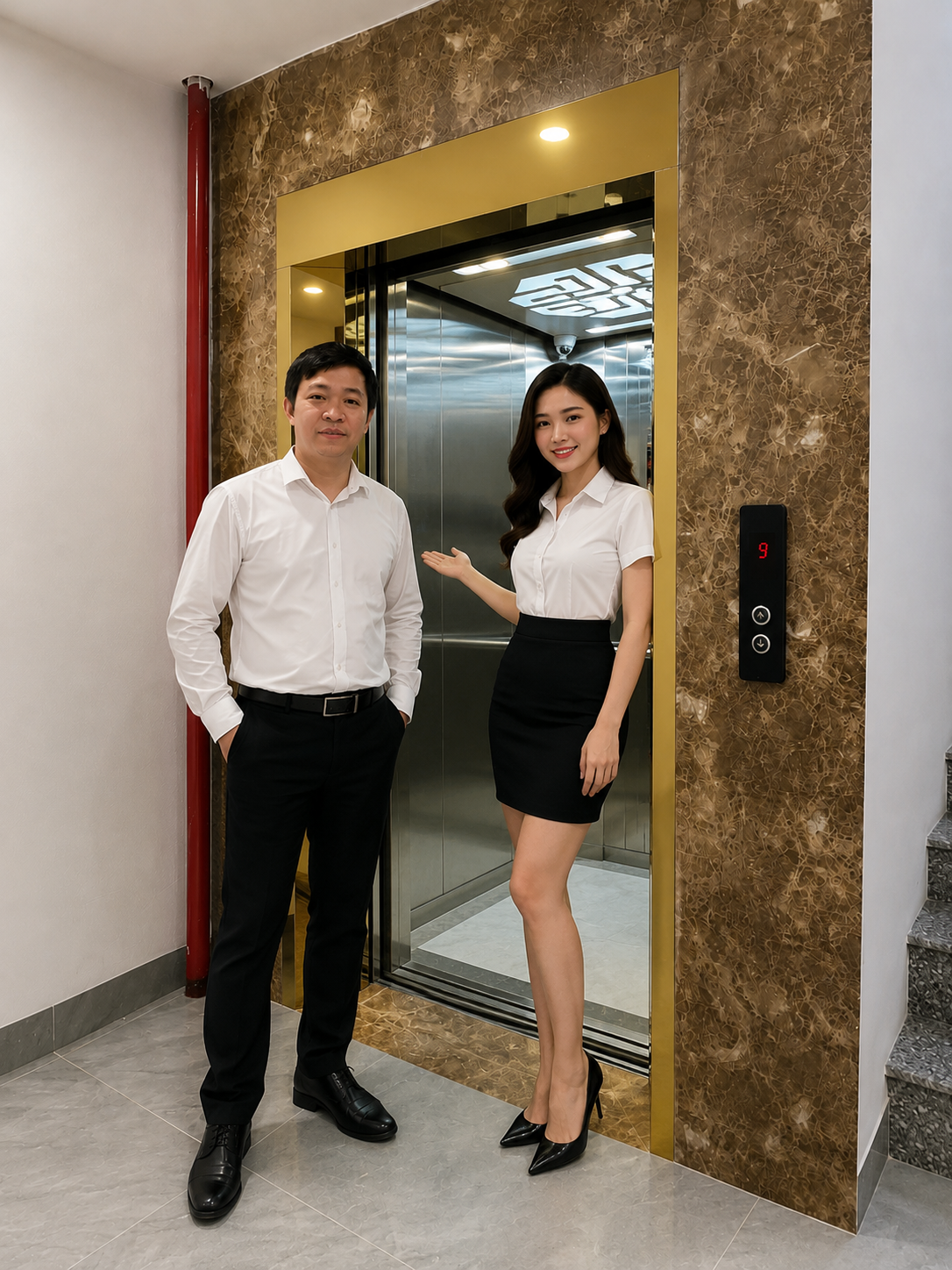
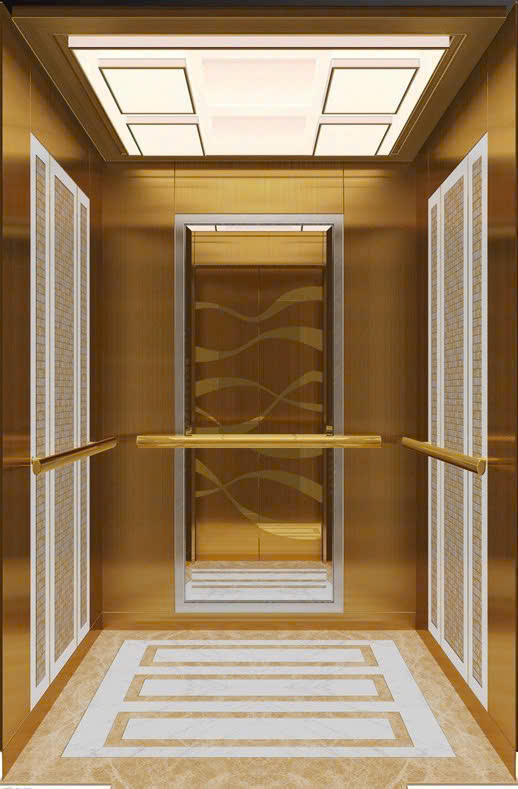
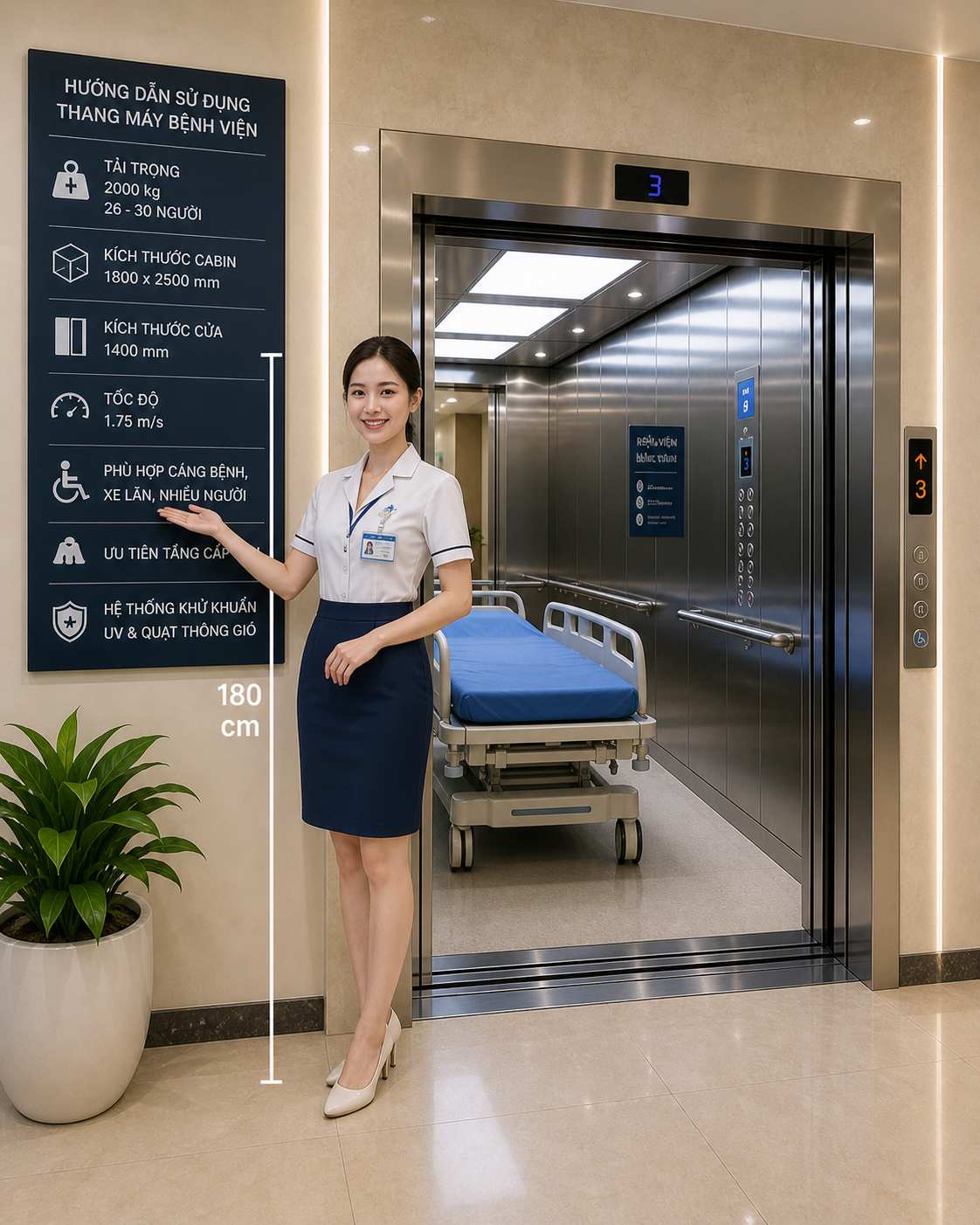
11. Optimal cabin design for traffic flow and safety: Cabin dimensions must be appropriate for its function (passenger transport, cargo transport, hospital bed), ensuring sufficient turning space for wheelchairs and stretchers according to accessibility standards. Handrails, mirrors, and cladding materials must be non-slip, fire-resistant, easy to clean, and have minimal sharp edges to prevent injury.
Good elevator
Criteria for identifying a good elevator in a modern building.
A good elevator is not simply a device for vertical movement, but a complex technical system combining mechanics, electricity, electronics, automation, and fire safety. When evaluating quality, factors such as safety, reliability, operational efficiency, user experience, energy efficiency, and suitability for the building's practical use must be considered simultaneously. Incorrect selection can lead to high operating costs, frequent breakdowns, business disruptions, and serious safety risks.
In the context of rapid urbanization, high-rise buildings, apartments, hotels, shopping malls, and factories all require elevator systems that operate reliably 24/7. A standard system must meet national regulations such as QCVN 26:2018/BGTVT, TCVN 6395, TCVN 6396, while also being compatible with international standards EN81 and ISO 25745 on energy efficiency. Investors, contractors, and consultants need to coordinate closely to select the appropriate configuration, load capacity, speed, number of elevators, and control solutions to suit the actual user traffic.
The structure and core technology that make up a good elevator.
For a thorough assessment, it's necessary to analyze each key component that makes up a high-quality elevator . Each part has its own technical standards, directly affecting durability, smoothness, and safety. Synchronization between mechanical, electrical, and control components is crucial, as even a weak link can degrade the entire system's performance.
Tractors, hoisting cables, and guide rails.
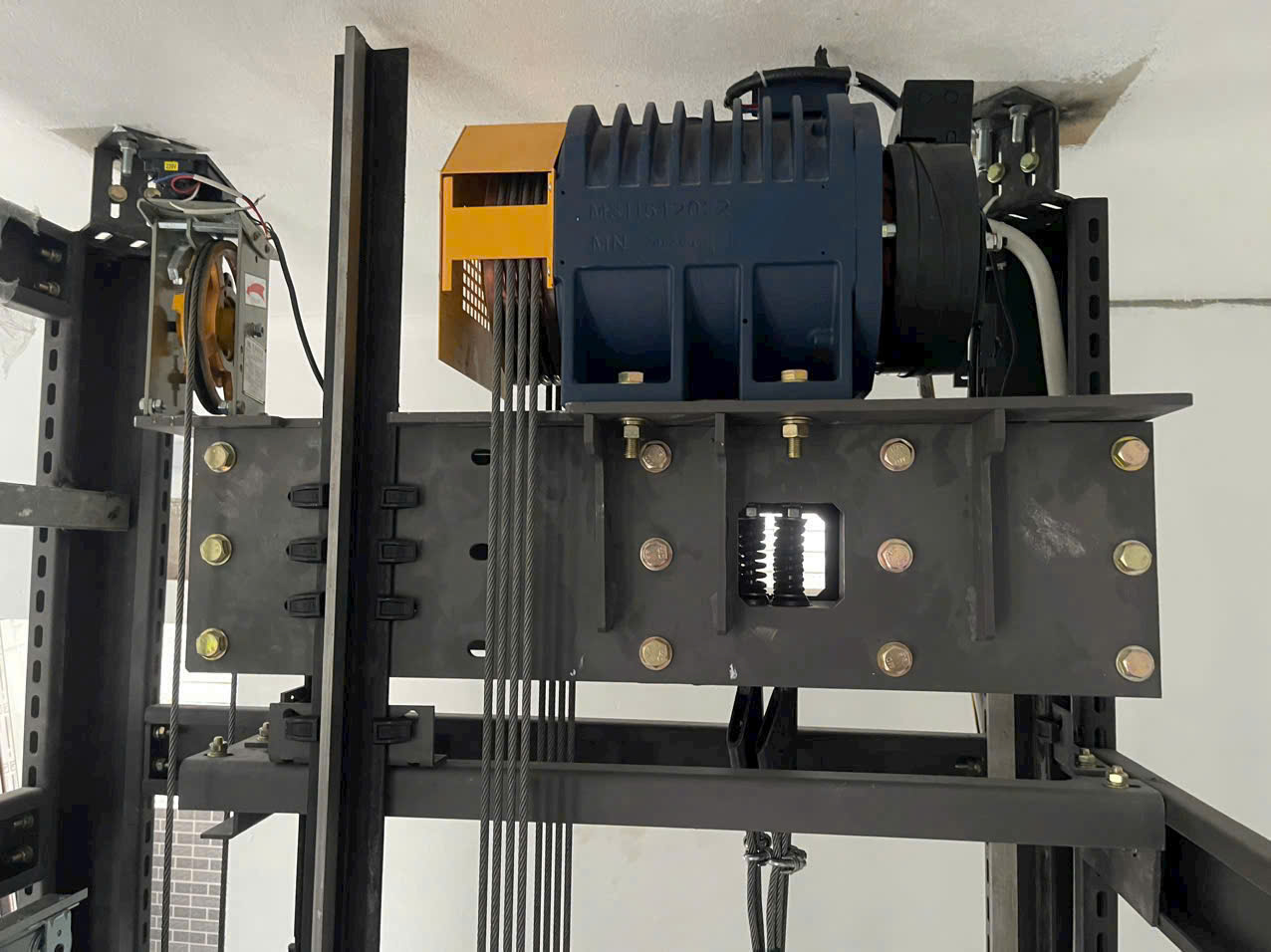
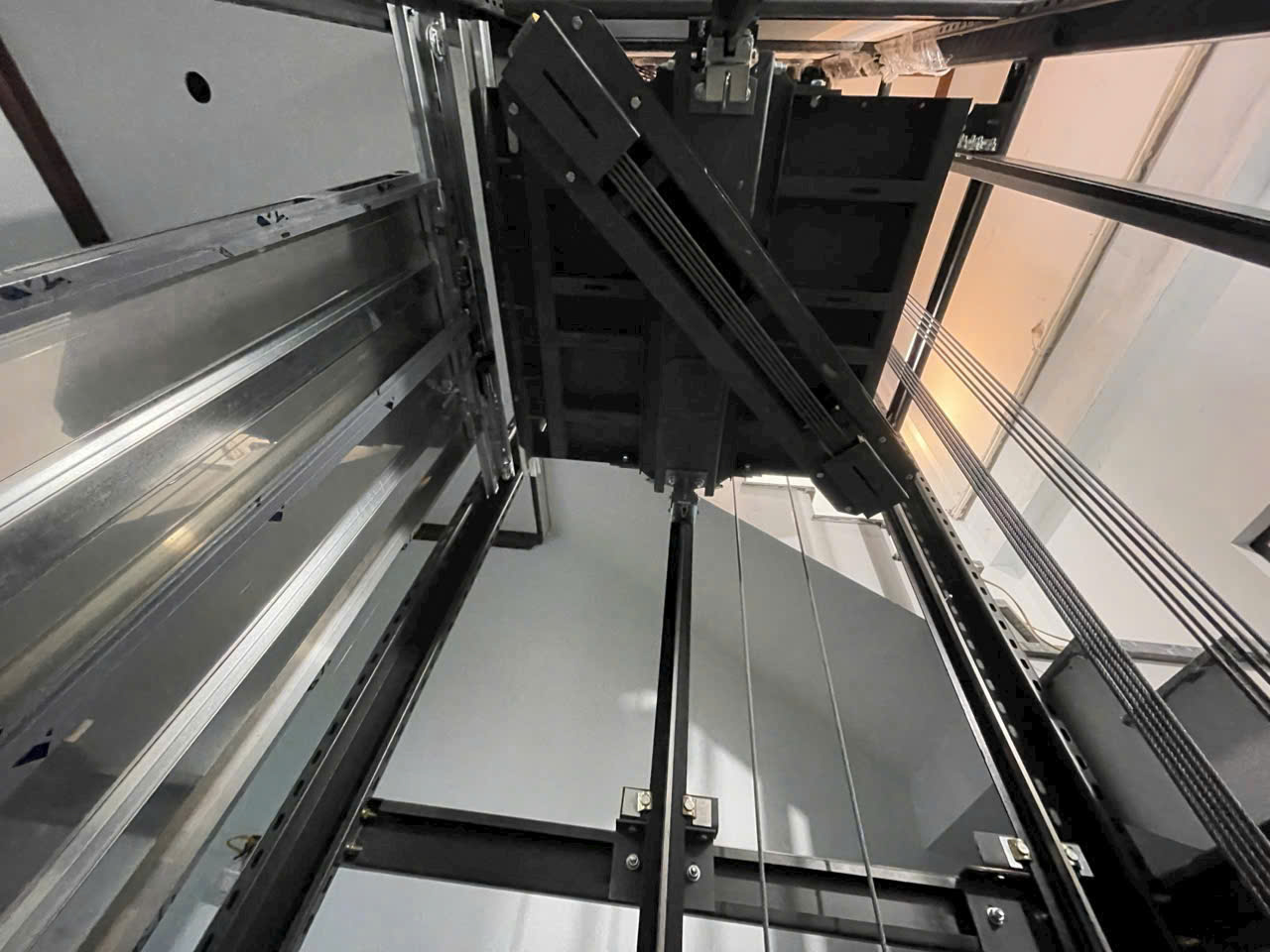
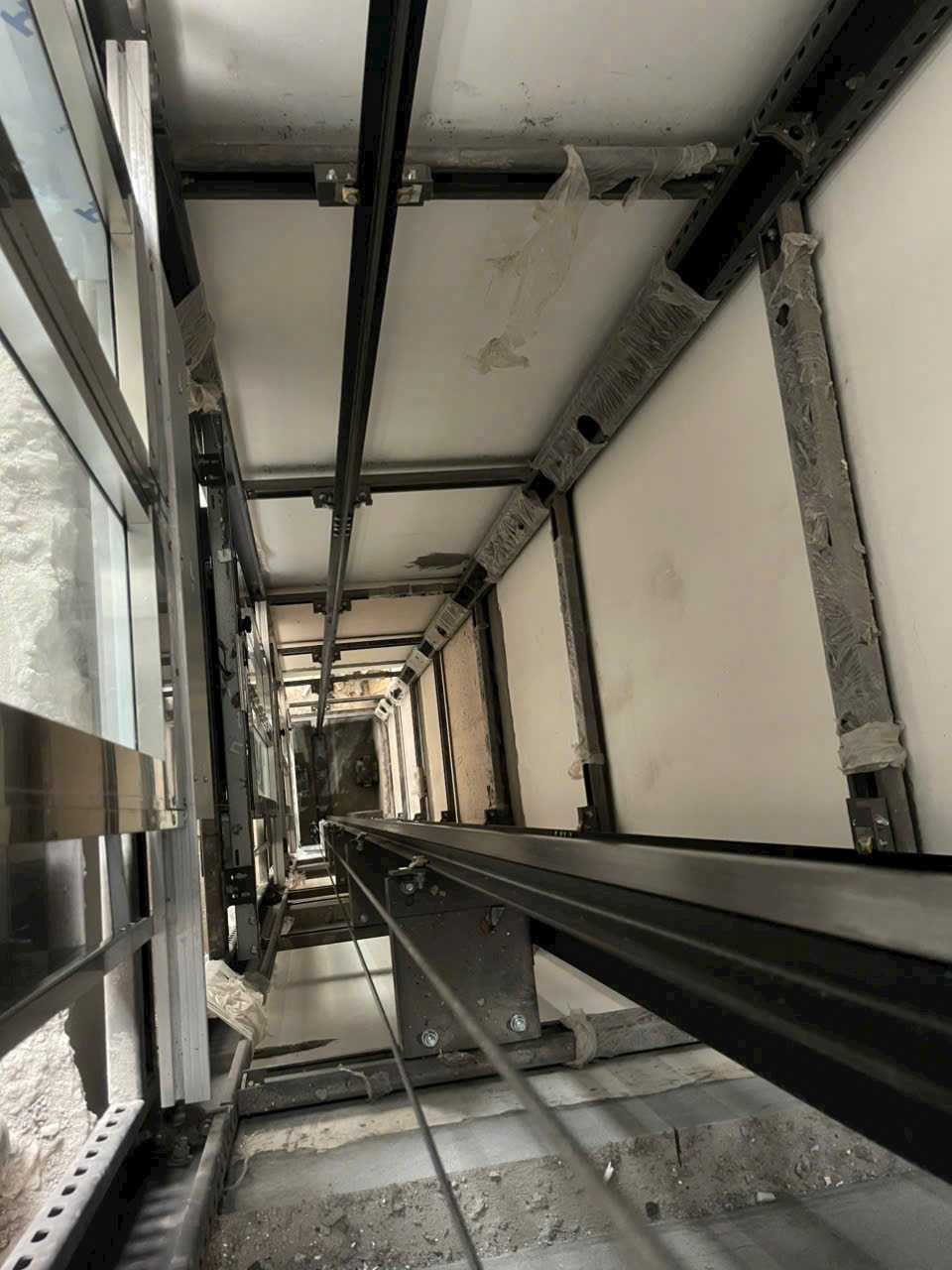
The traction machine is the "heart" of the elevator. A good elevator typically uses a gearless traction machine with a permanent magnet synchronous motor, allowing for smooth operation, energy efficiency, and significantly reduced noise compared to traditional geared traction machines. The hoisting cables must meet standards for diameter, number of strands, tensile strength, and bending fatigue resistance, and are regularly inspected using specialized equipment. Hot-rolled steel guide rails are precisely installed, straight, and flat, and laser-aligned to ensure stable cabin movement, minimizing vibration and unusual noises during operation.
The quality of installation of the traction unit and guide rails directly determines the system's lifespan. Even a small error in rail alignment can cause pulley wear, slipper wear, increased load on the motor, and reduced smoothness during cabin acceleration or deceleration. Therefore, reputable contractors always apply a multi-step inspection process, including measuring the verticality and parallelism of the rails, checking cable tension, and balancing the cabin load before official operation.
Control, sensor and safety systems
The control system is the "brain" of the elevator. A good elevator uses a microprocessor or industrial PLC controller, capable of fast processing and supporting multiple operating modes such as: group control, intelligent floor calling (destination control), fire priority, VIP priority, energy saving mode, and self-diagnosis of faults. Door sensors, overload sensors, speed sensors, limit switches, overspeed governors, and safety brakes must meet standards, be installed correctly, and be inspected regularly.
A list of essential safety features required in a good elevator includes: a safety brake system that activates when the cabin overspeeds, a combined mechanical and electrical overspeed control system , upper and lower limit switches , a multi-point infrared curtain door anti-jamming device , an automatic rescue system (ARD) that brings the cabin to the nearest floor in case of power failure, and a door interlocking system that ensures the landing doors only open when the cabin stops in the correct position. The presence and stable operation of these features are mandatory criteria when evaluating whether an elevator meets safety standards.
Operational performance, energy efficiency, and user experience.
A good elevator is not only durable and safe but also must operate efficiently, optimize energy costs, and provide a comfortable user experience. In office buildings and shopping malls, waiting times and the experience of using the elevator directly affect the satisfaction of tenants and customers. Therefore, intelligent control solutions that optimize traffic flow and reduce energy consumption are increasingly prioritized in the design and selection of equipment.
Energy saving and inverter technology
Modern elevator motors are mostly controlled by variable frequency drives (VVVF) , allowing for smooth speed adjustment, reduced starting current, minimized mechanical shock, and significant energy savings compared to direct control. Some high-end systems incorporate energy regeneration , recovering braking energy when the cabin descends with a load or ascends without a load, and feeding it back into the building's power grid. Additionally, features such as dimming cabin lights and ventilation fans when the elevator is in standby mode, combined with presence sensors, significantly reduce annual operating costs.
To optimize performance, it's necessary to accurately calculate the load capacity, speed, and number of elevators based on peak-hour traffic. Installing elevators that are too small or too few will cause overload and increase waiting times, while installing too many or too large elevators will waste investment costs and energy. Specialized traffic simulation software is often used by consulting firms to recommend optimal configurations for each type of building, from apartments and offices to hospitals and hotels.
A smooth, aesthetically pleasing, and customizable experience.
User experience is an increasingly important factor when evaluating a good elevator . The cabin must move smoothly, accelerating and decelerating seamlessly, without any jerking sensation when starting or stopping at a floor. Vibration and noise levels in the cabin and machine room must be kept below acceptable limits, especially in high-end buildings. The door control system must open and close smoothly at a reasonable speed, and be able to automatically adjust the closing force when encountering obstacles to avoid endangering users.
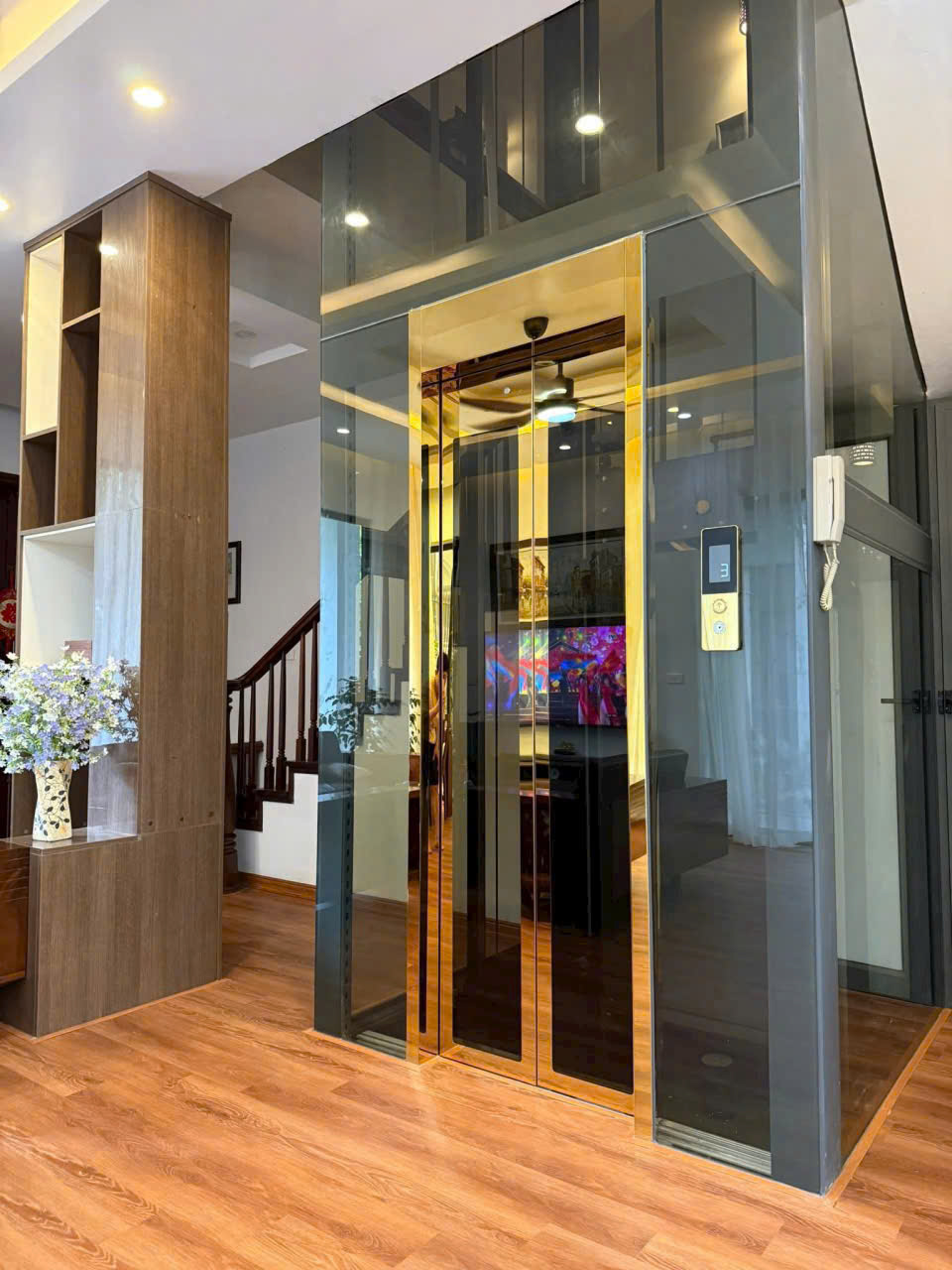
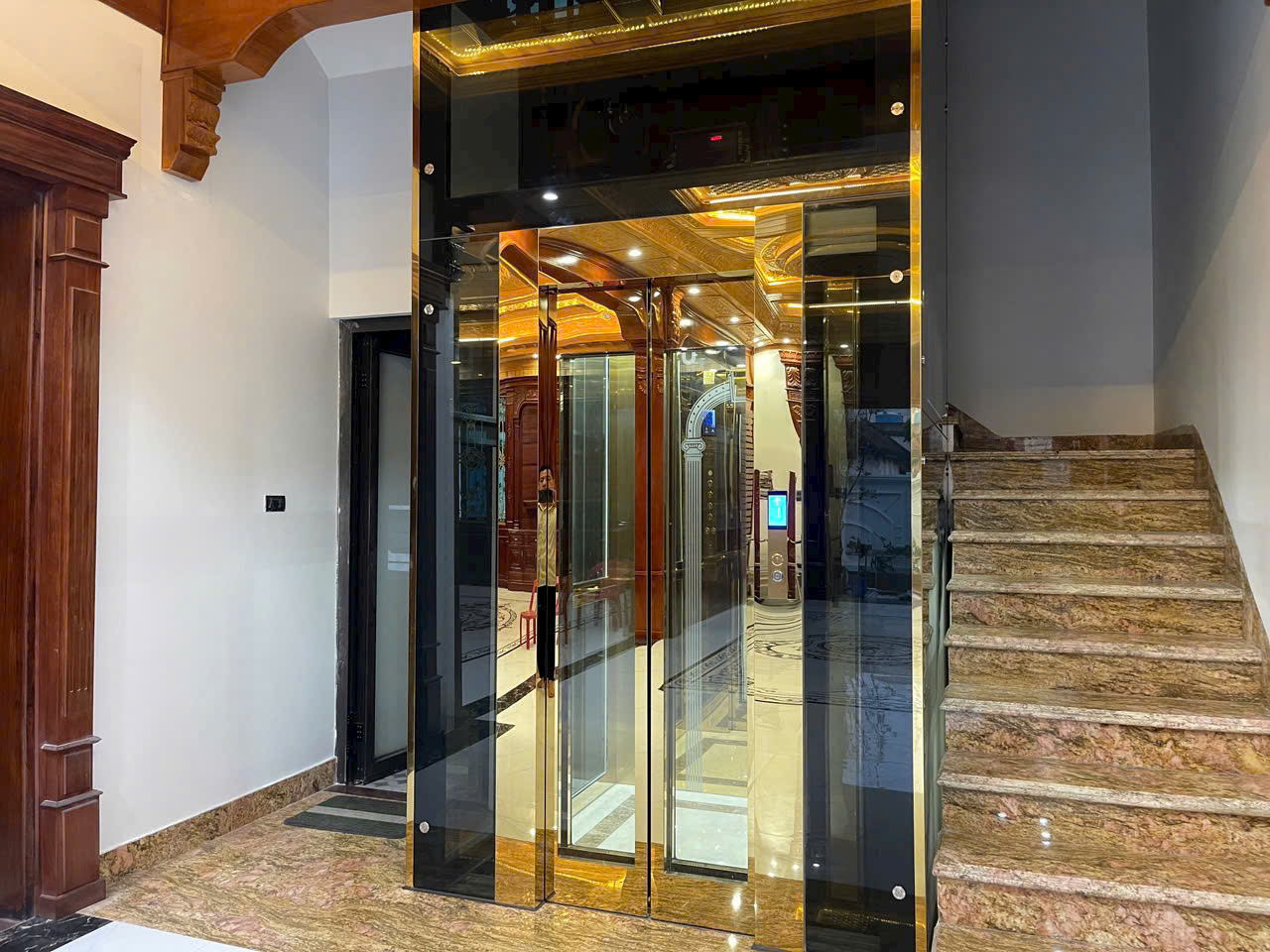
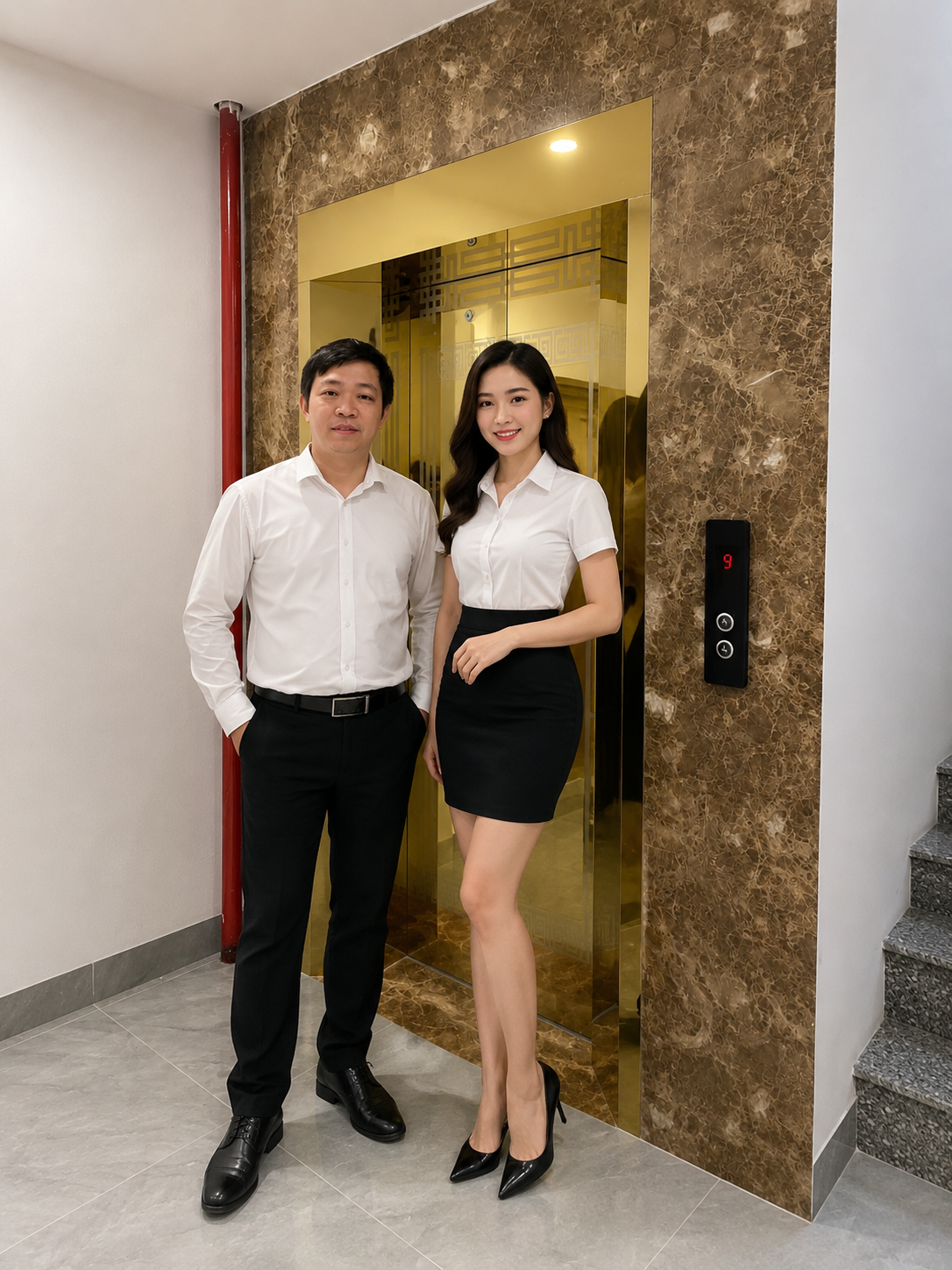
Aesthetically, elevator cabins can be customized with various materials such as mirror-finish stainless steel, brushed stainless steel, tempered glass, wood veneer, and artificial stone, combined with LED lighting, handrails, control panels, and modern display screens. A good elevator allows for flexible customization to synchronize with the building's architectural style, from classic and neoclassical to minimalist modern. The floor call panel can integrate an LCD screen , a card reader system , or a PIN code for access control, enhancing building security.
Choosing, installing, and maintaining a good elevator for long-term use.
To ensure a reliable elevator throughout the building's lifespan, investors need not only to choose the right brand and configuration but also to pay close attention to the design, installation, and maintenance providers. Elevators are specialized equipment requiring close coordination between architecture, structure, electrical, fire safety, and interior finishing. Any errors in the design of the elevator shaft, machine room, load-bearing beams, or power supply can lead to significant repair costs later on.
When selecting a supplier, prioritize those with: valid elevator operating licenses , a team of well-trained engineers and technicians, a stock of genuine spare parts , and a clear schedule of regular maintenance . The contract should specify the warranty period, maintenance frequency, response time in case of incidents, and responsibility for periodic safety inspections by relevant authorities. Using substandard or counterfeit parts can invalidate inspections and increase the risk of accidents.
During operation, building owners need to establish safe elevator usage procedures and train building management staff to recognize abnormal signs such as strange noises, strong vibrations, unstable door opening and closing, and control panel error messages. Upon detecting any abnormalities, they must immediately contact the maintenance unit and absolutely not attempt to tamper with the electrical panel, control unit, or braking mechanism. Strict adherence to maintenance schedules, inspections, and proper usage are prerequisites for the elevator to operate stably, safely, and durably over time.