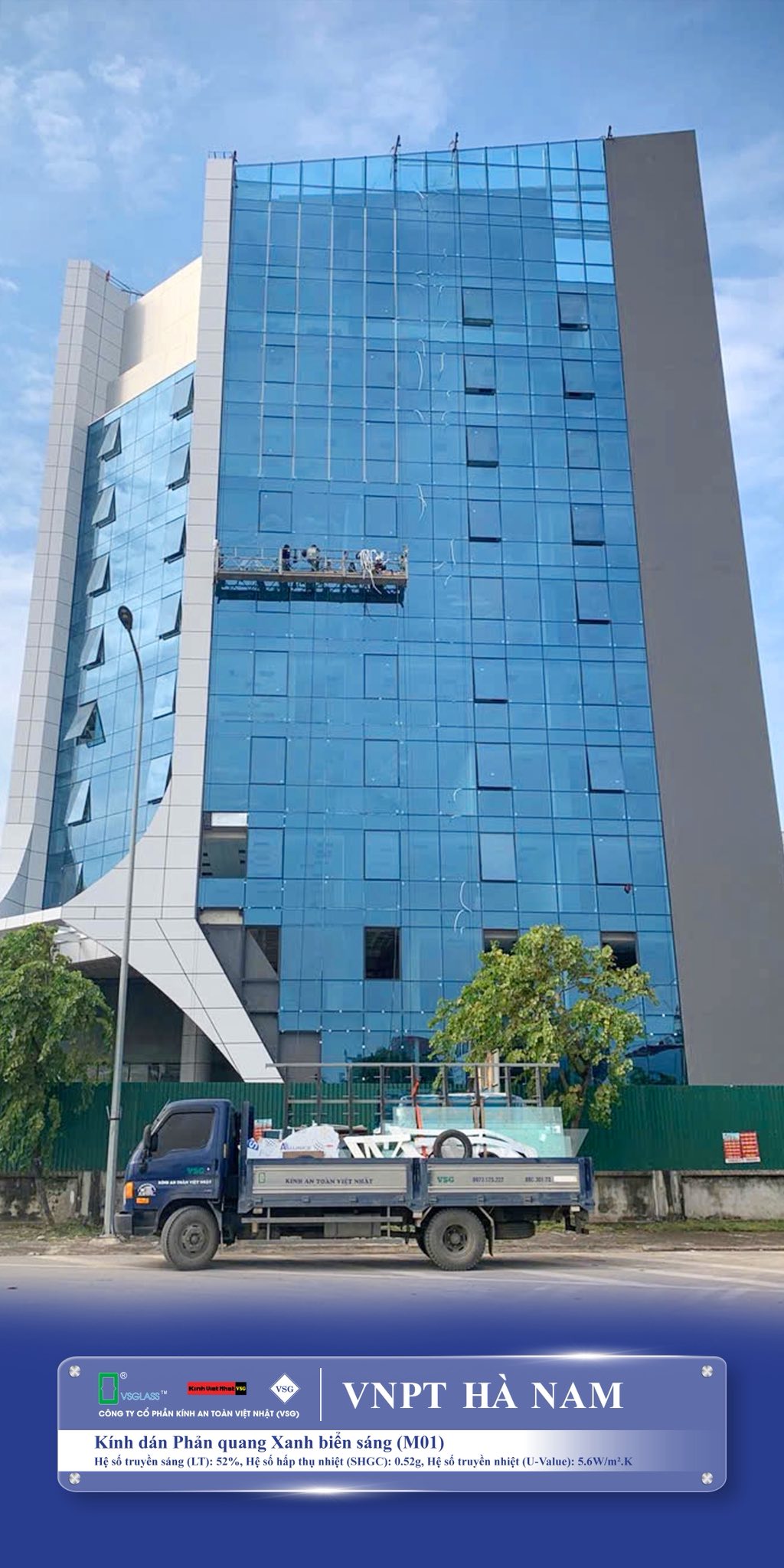


Glass Elevator Equipment and Supplies
1. Overview of Glass Elevator Equipment and Materials
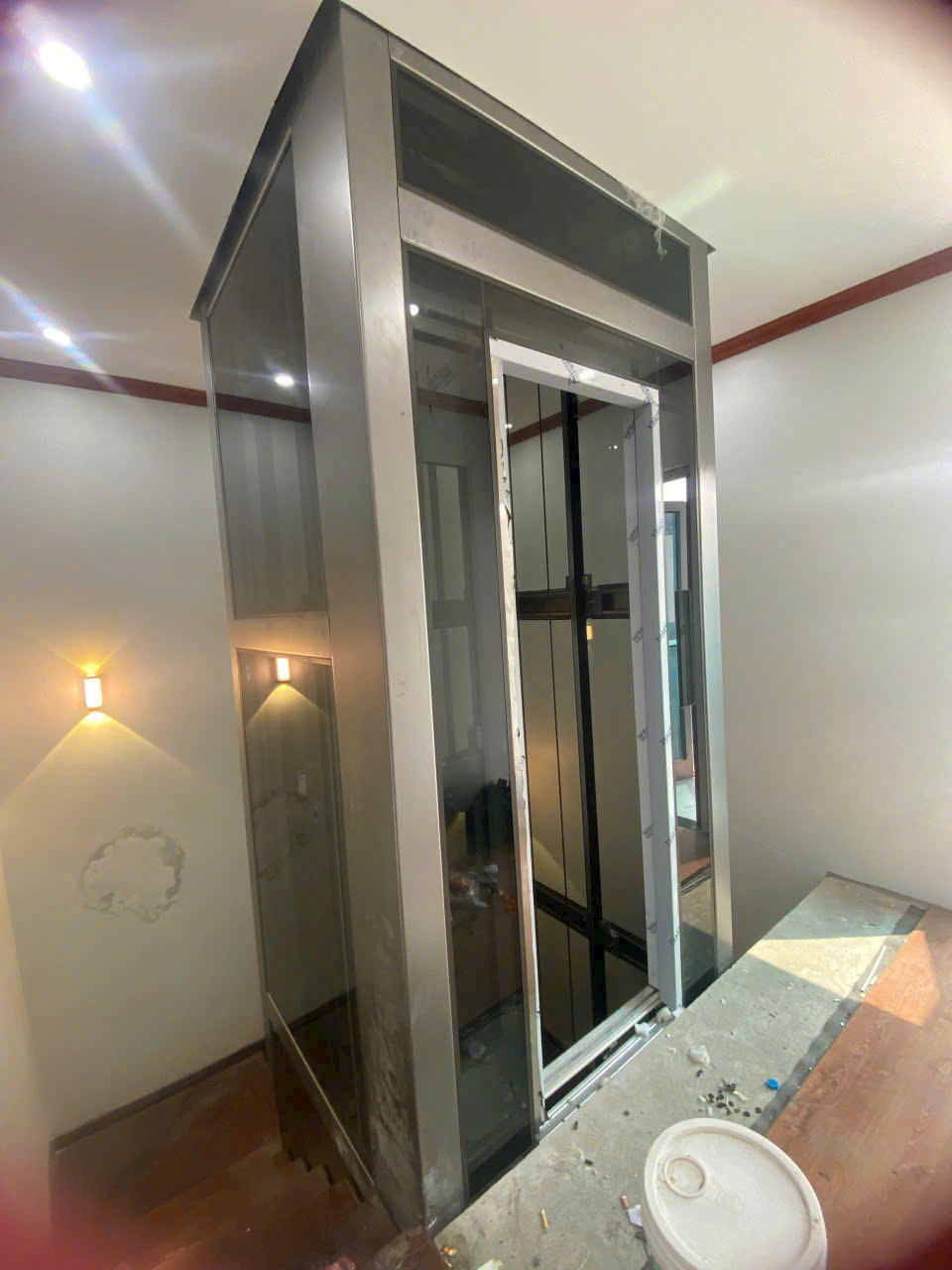
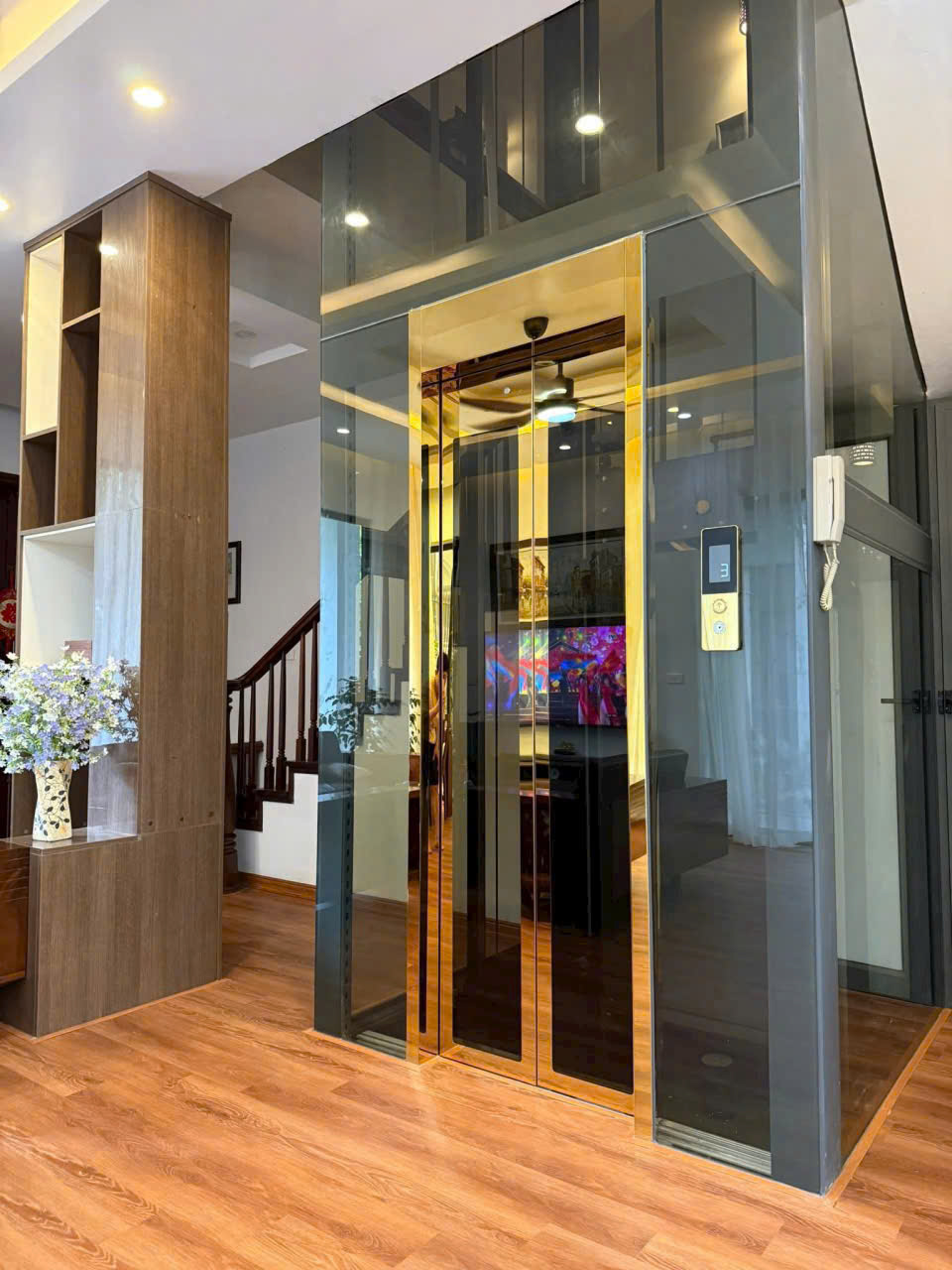
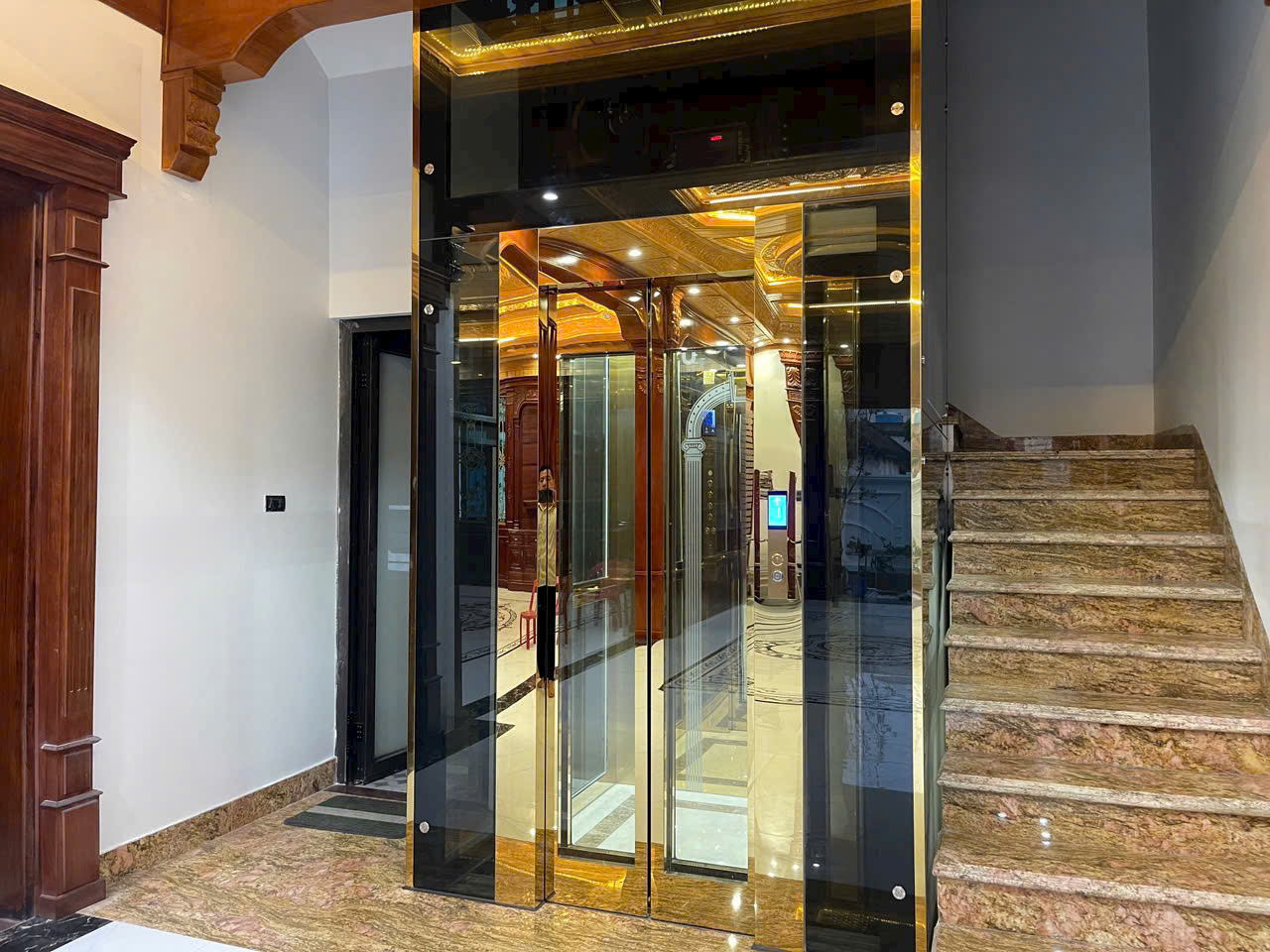
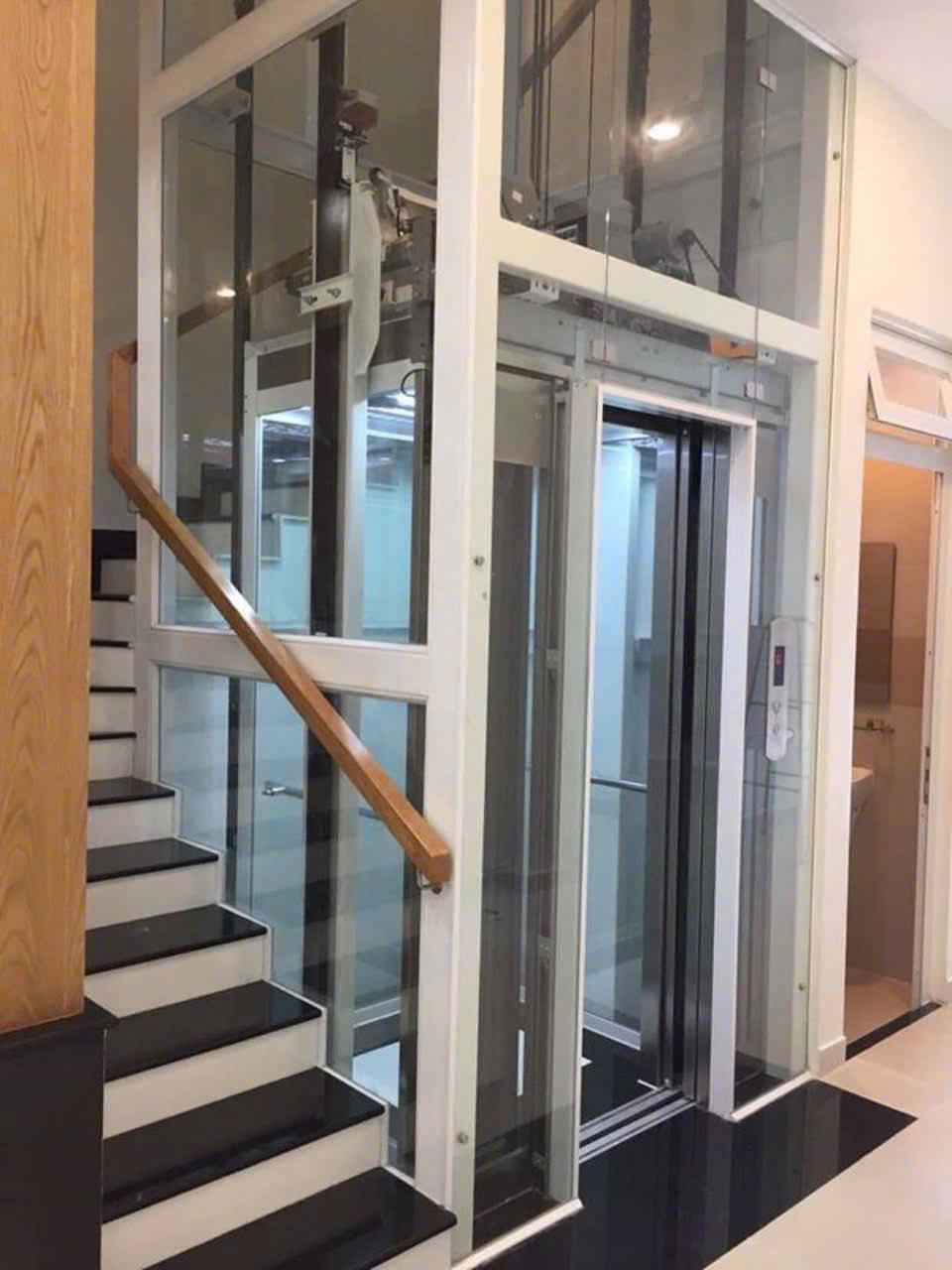
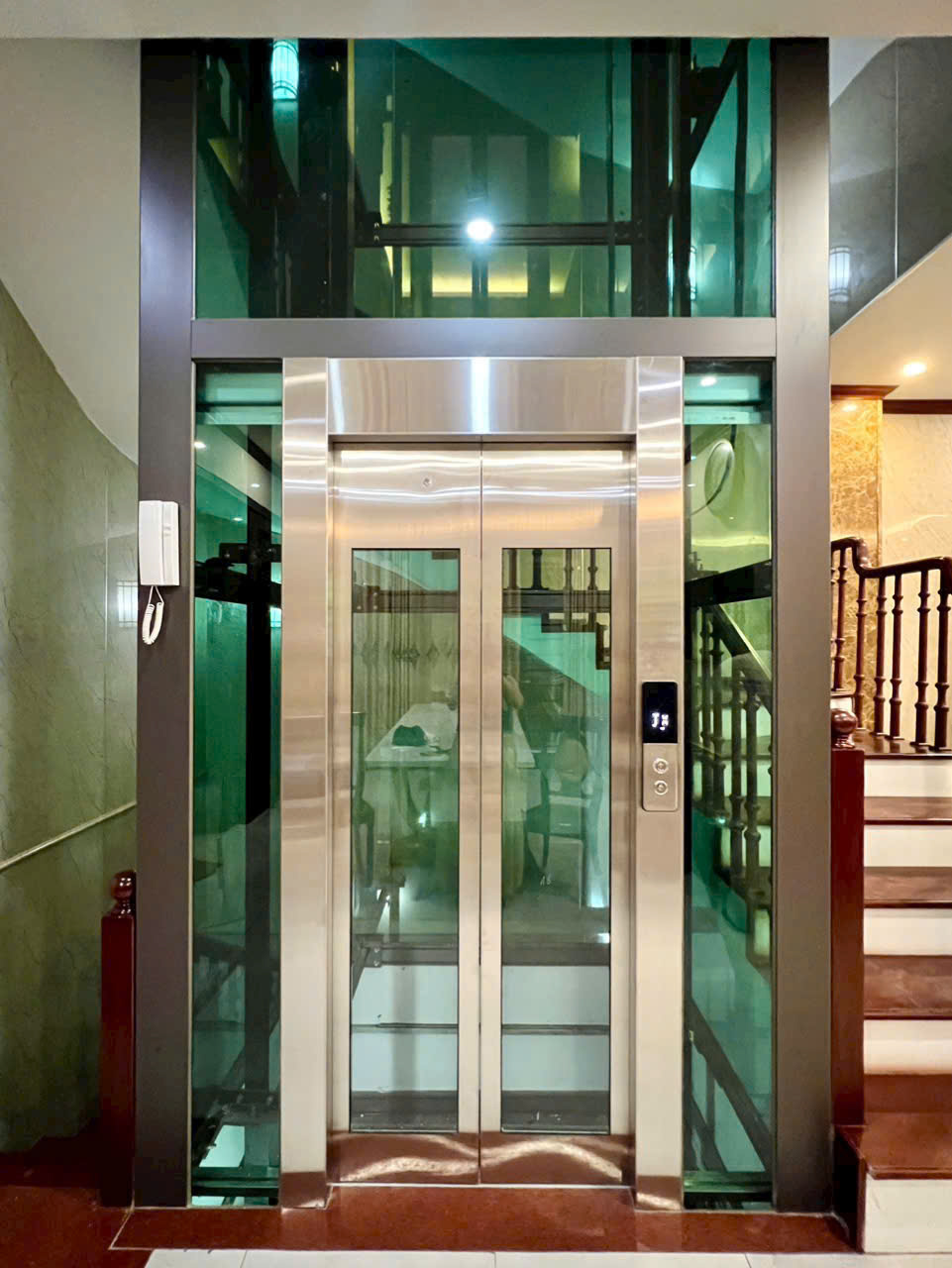
Glass elevators are a modern elevator solution where the cabin and walls are primarily constructed from tempered glass, providing an open space, wide views, and high aesthetic appeal. The design and construction of glass elevators require close coordination between specialized equipment and materials, ensuring not only technical excellence but also safety, durability, and stable operation in various environmental conditions.
To better understand the components and technical requirements of glass elevator equipment and materials, a detailed analysis of each main and auxiliary equipment group, as well as the applicable technical standards, is necessary.
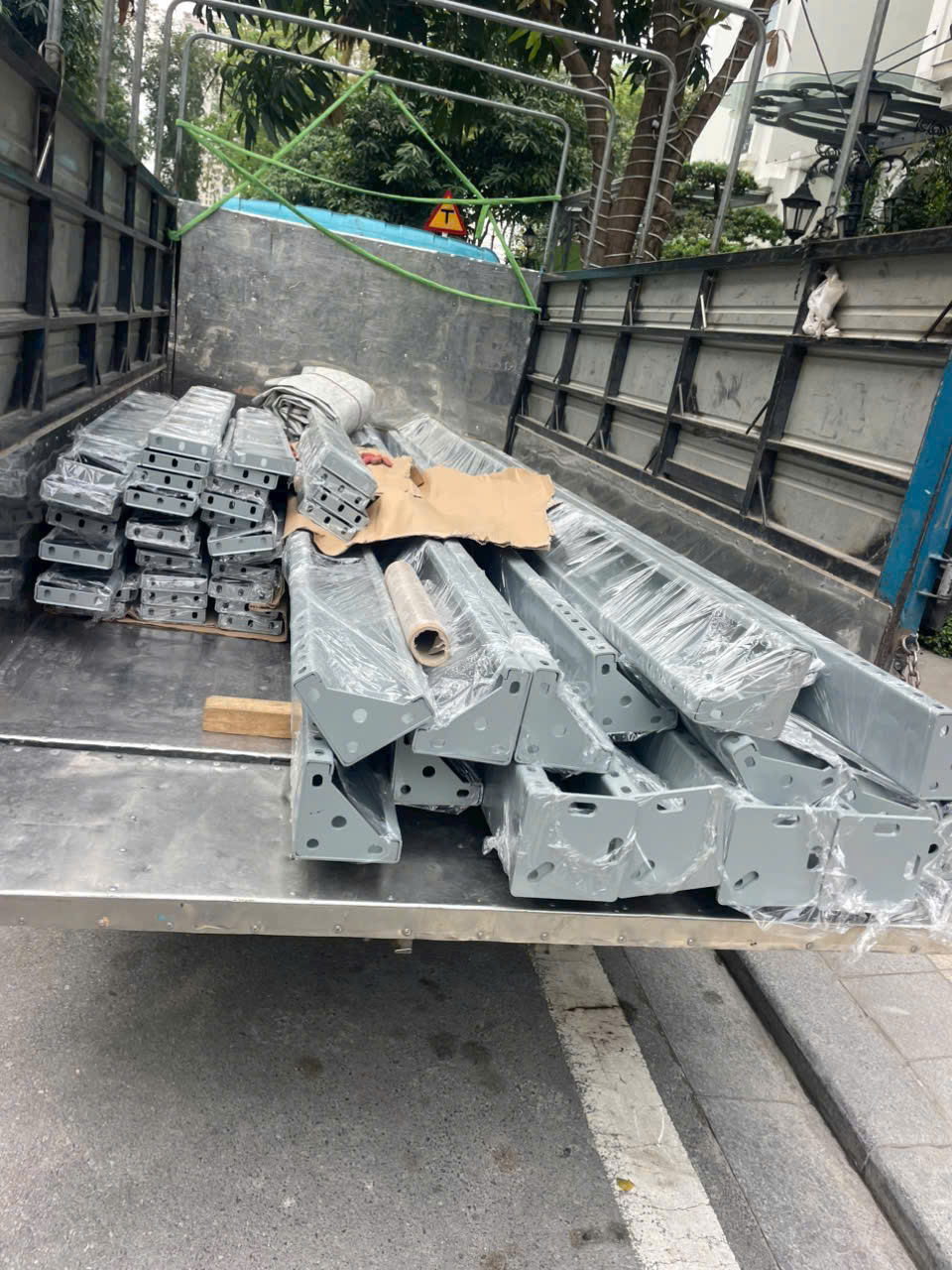
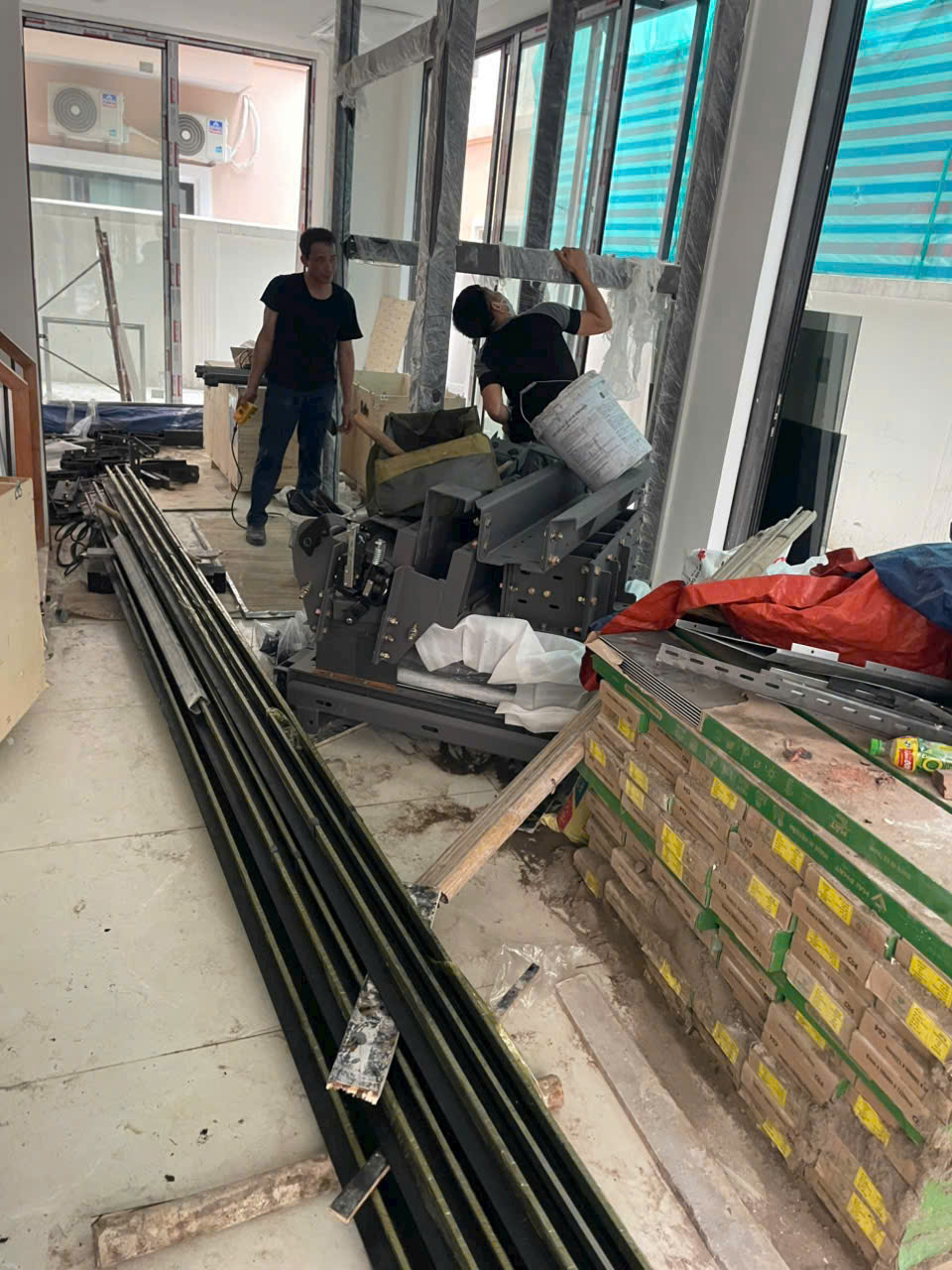
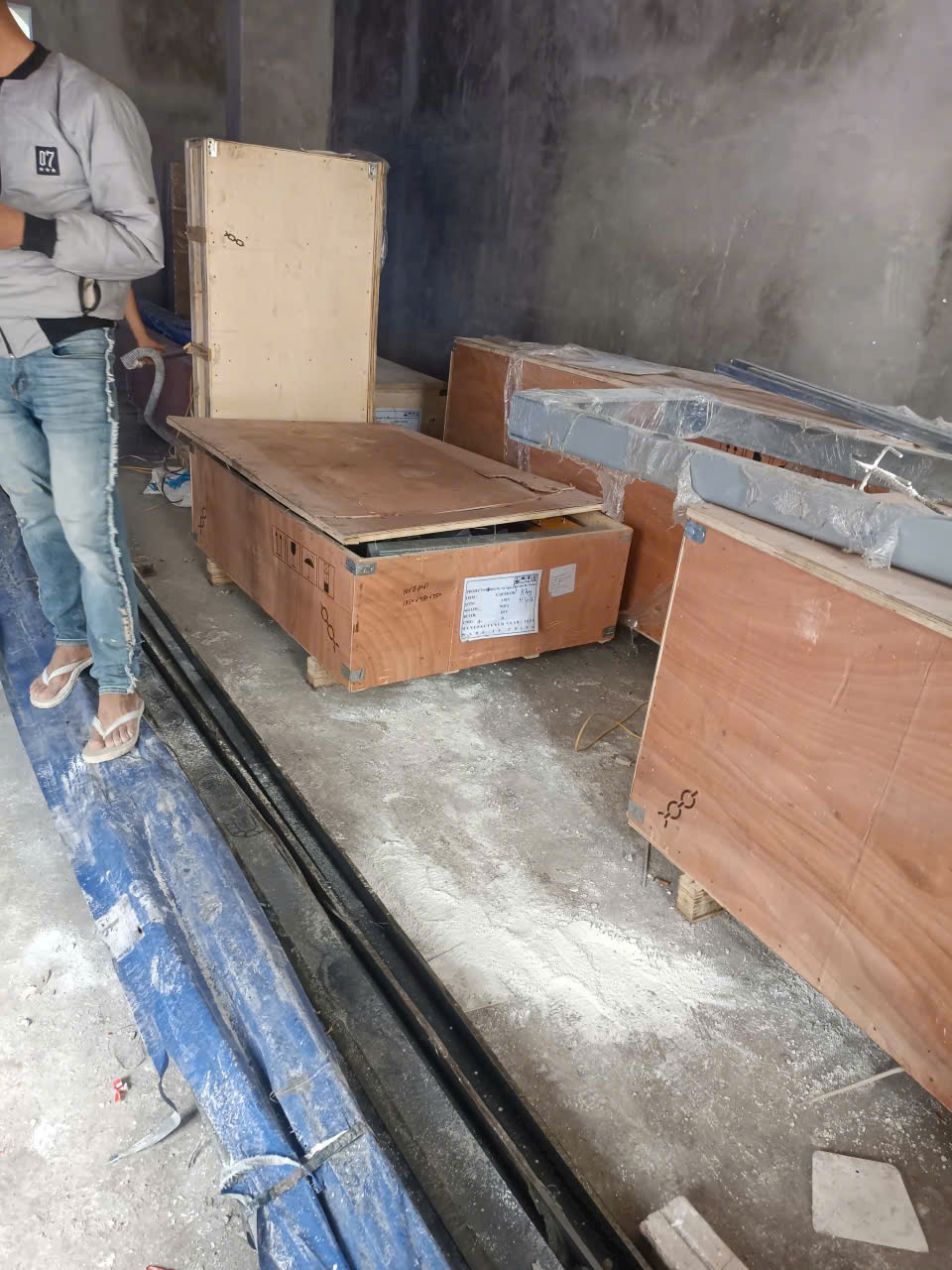
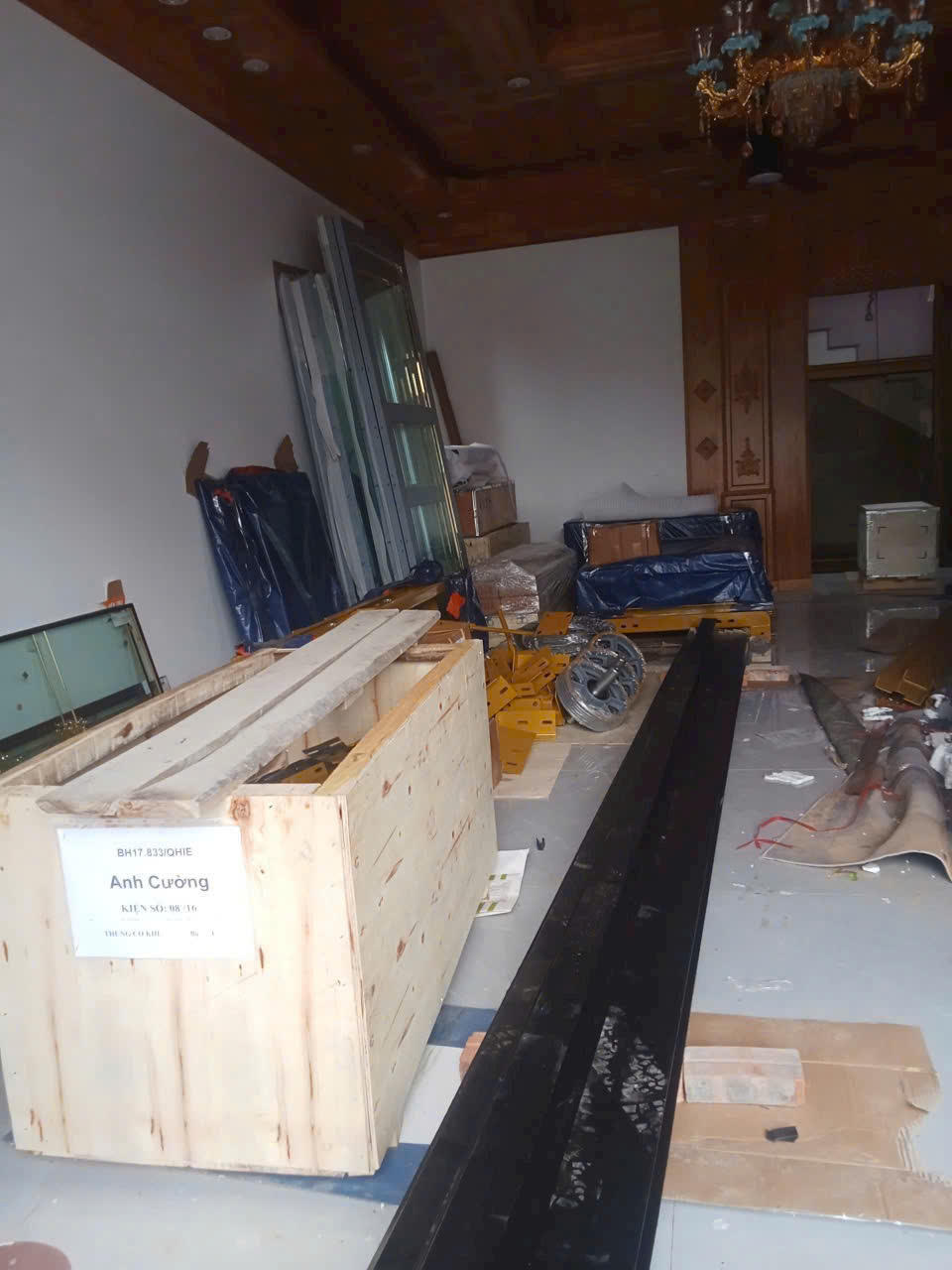
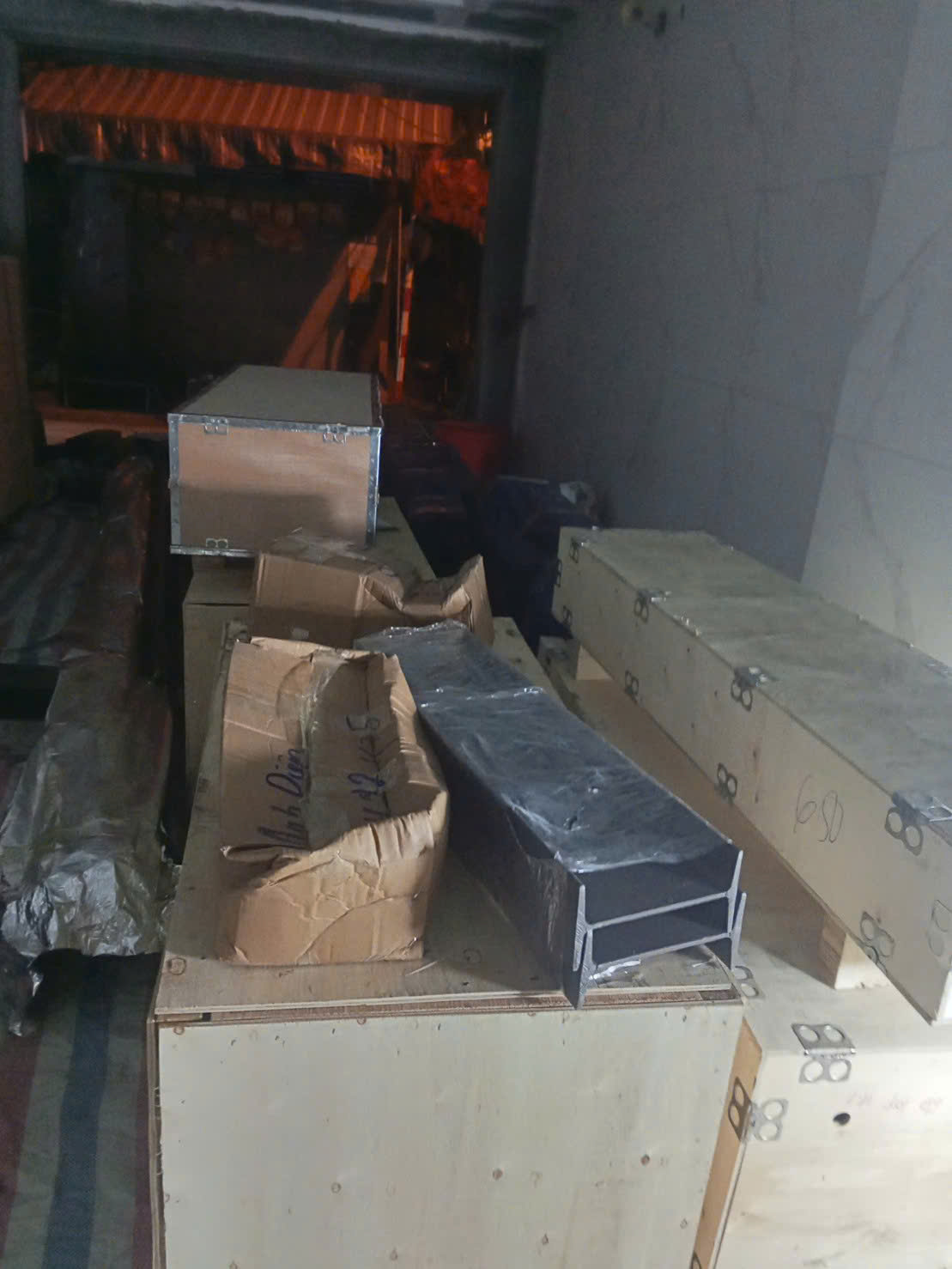
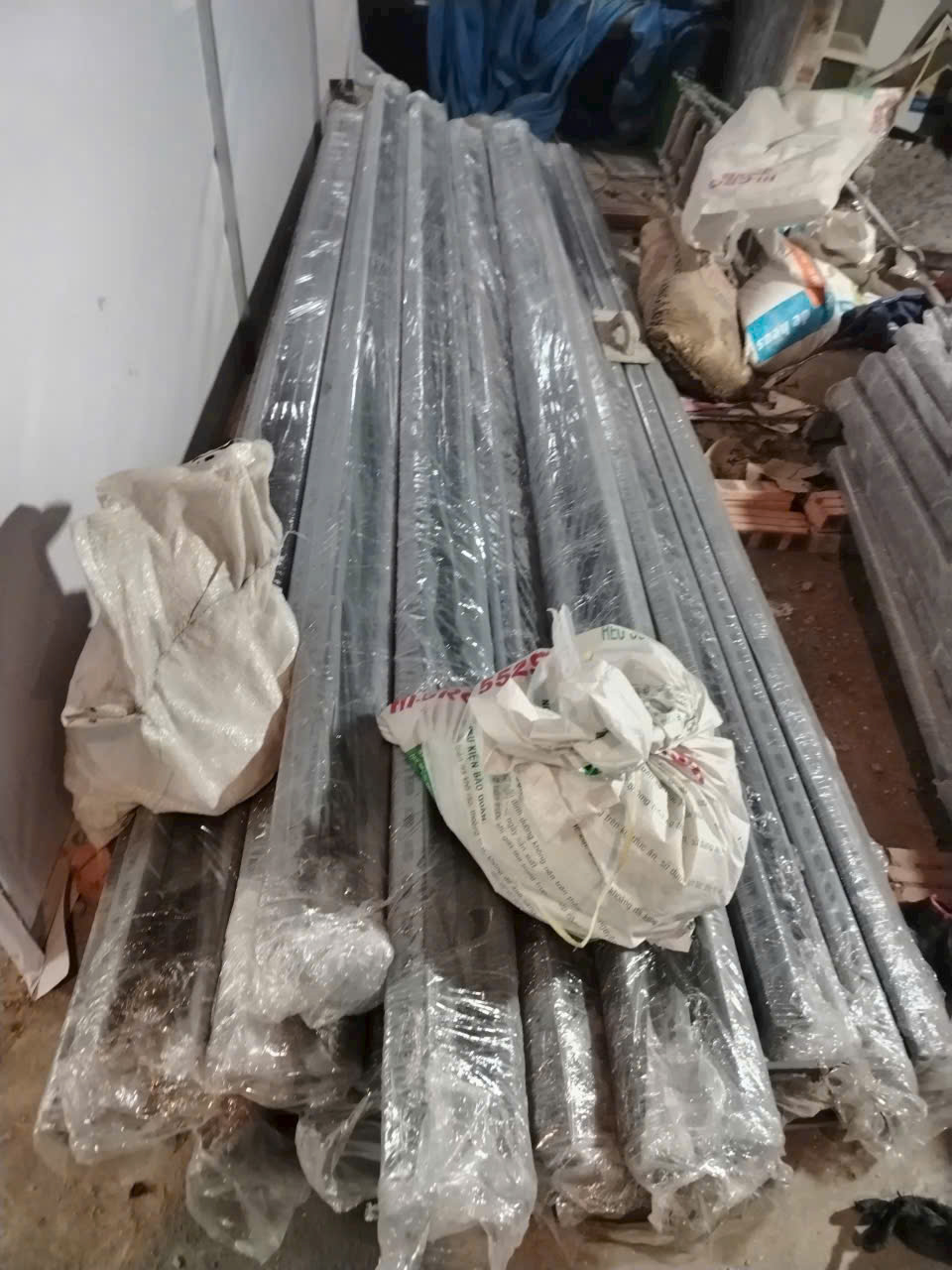
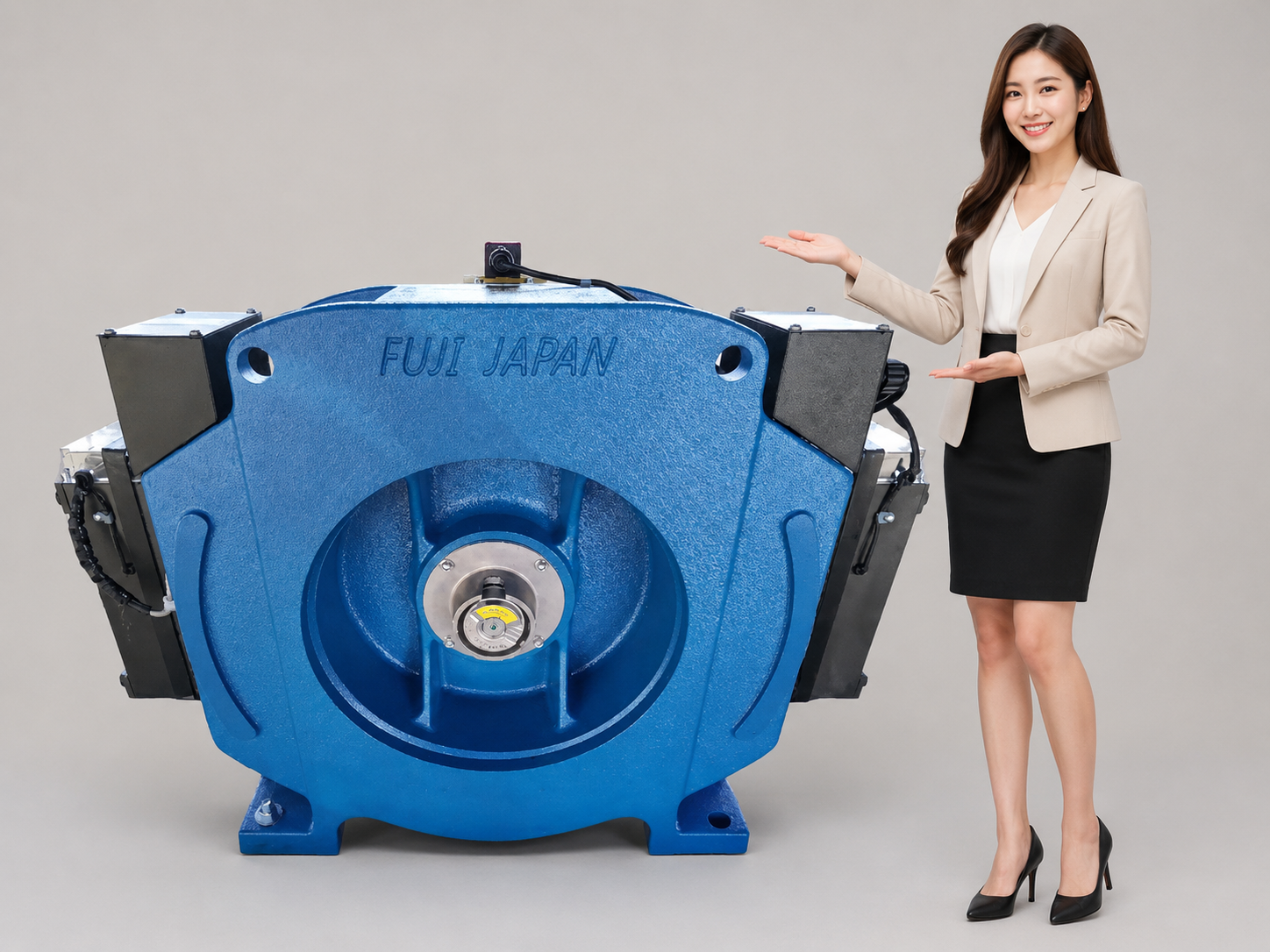
- Cabin frame and glass walls:
The cabin frame is the main load-bearing component, usually made from alloy steel or extruded aluminum with high corrosion resistance and strength. The choice of frame material must ensure it can withstand both static and dynamic loads, while also being compatible with the tempered glass used for the cabin walls. Tempered glass typically has a thickness of 10mm to 15mm and is heat-treated to enhance durability, impact resistance, and scratch resistance. The glass must meet safety standards such as EN 12150 or equivalent TCVN standards, ensuring it does not shatter into fragments in the event of an accident.
The frame and glass are connected using a specialized rubber gasket system, which enhances water resistance, sound insulation, and reduces vibrations during operation.
- Elevator door system:
Glass elevator doors are typically automatic sliding or folding doors, designed with precision guide rails to ensure smooth and safe operation. The guide rails are usually made of stainless steel or aluminum alloy, with high dimensional accuracy and fatigue resistance.
The door opening and closing mechanism uses a DC or AC electric motor with a speed controller, incorporating safety sensors to detect obstacles and prevent the door from getting stuck. These sensors are typically infrared or optical sensors, ensuring fast and accurate responses.
- Drivetrain system:
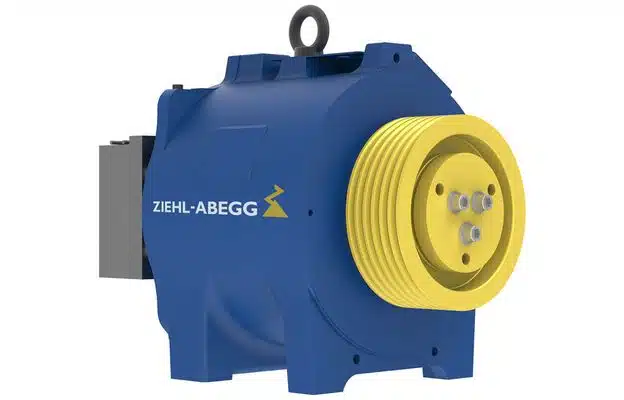
The drive system is the heart of the elevator, comprising the traction motor, gearbox (if applicable), hoisting cables, and pulleys. For glass elevators, gearless motors are commonly used to reduce noise and increase operational efficiency. These motors can be permanent magnet synchronous motors or asynchronous motors, depending on load and speed requirements.
The load cable is made from high-strength steel, with a multi-strand twisted structure, ensuring high tensile strength and wear resistance. The guide pulleys and motor pulleys are precisely machined with smooth surfaces to reduce friction and increase cable lifespan.
- Safety equipment:
Safety equipment is the most essential and mandatory element in a glass elevator system. This includes:
- Safety brake: designed to automatically activate in the event of a power failure or exceeding the speed limit, ensuring the cabin comes to a safe stop.
- Overload sensor: monitors cabin weight and prevents operation when overloaded.
- Automatic rescue system: allows the cabin to move to the nearest floor and open the doors in the event of a power outage, helping passengers to escape safely.
- Door sensors: detect obstructions when the door closes, preventing injuries or damage to equipment.
- Control system:
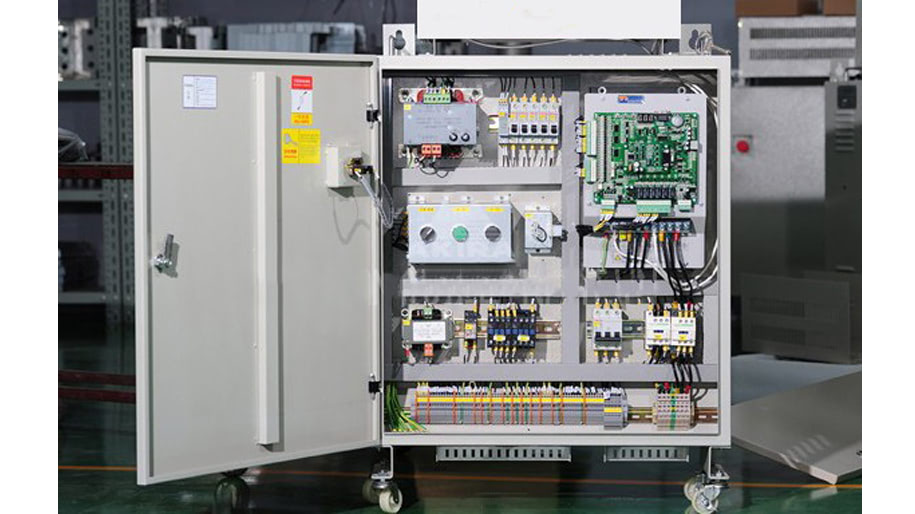
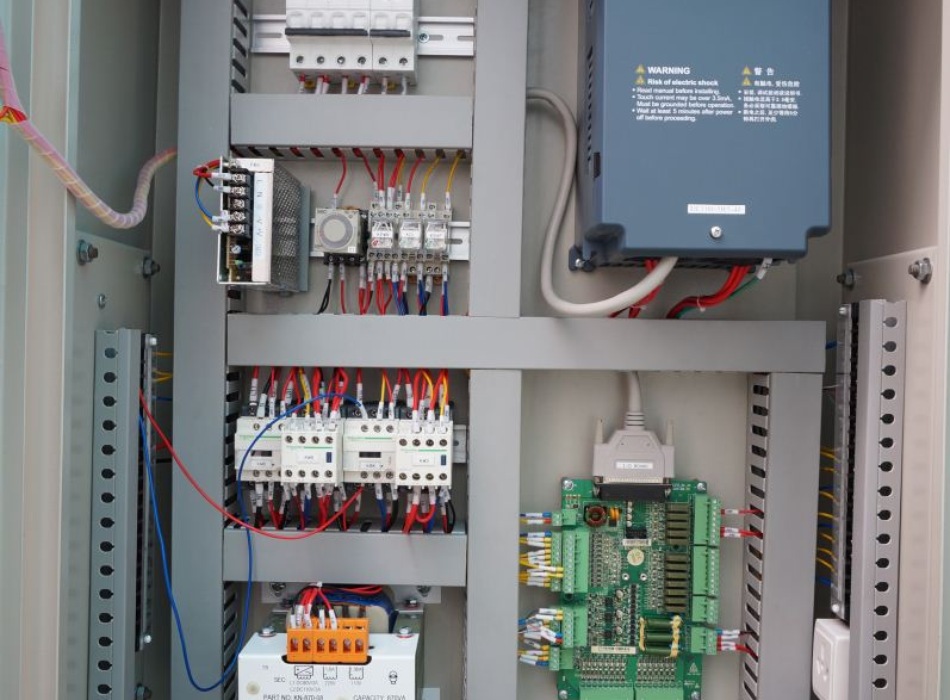
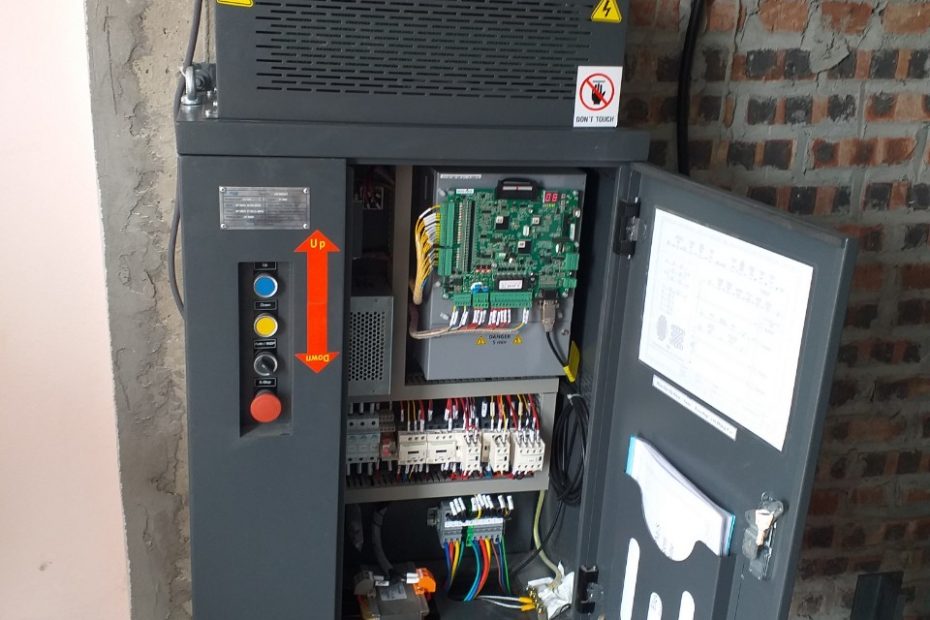
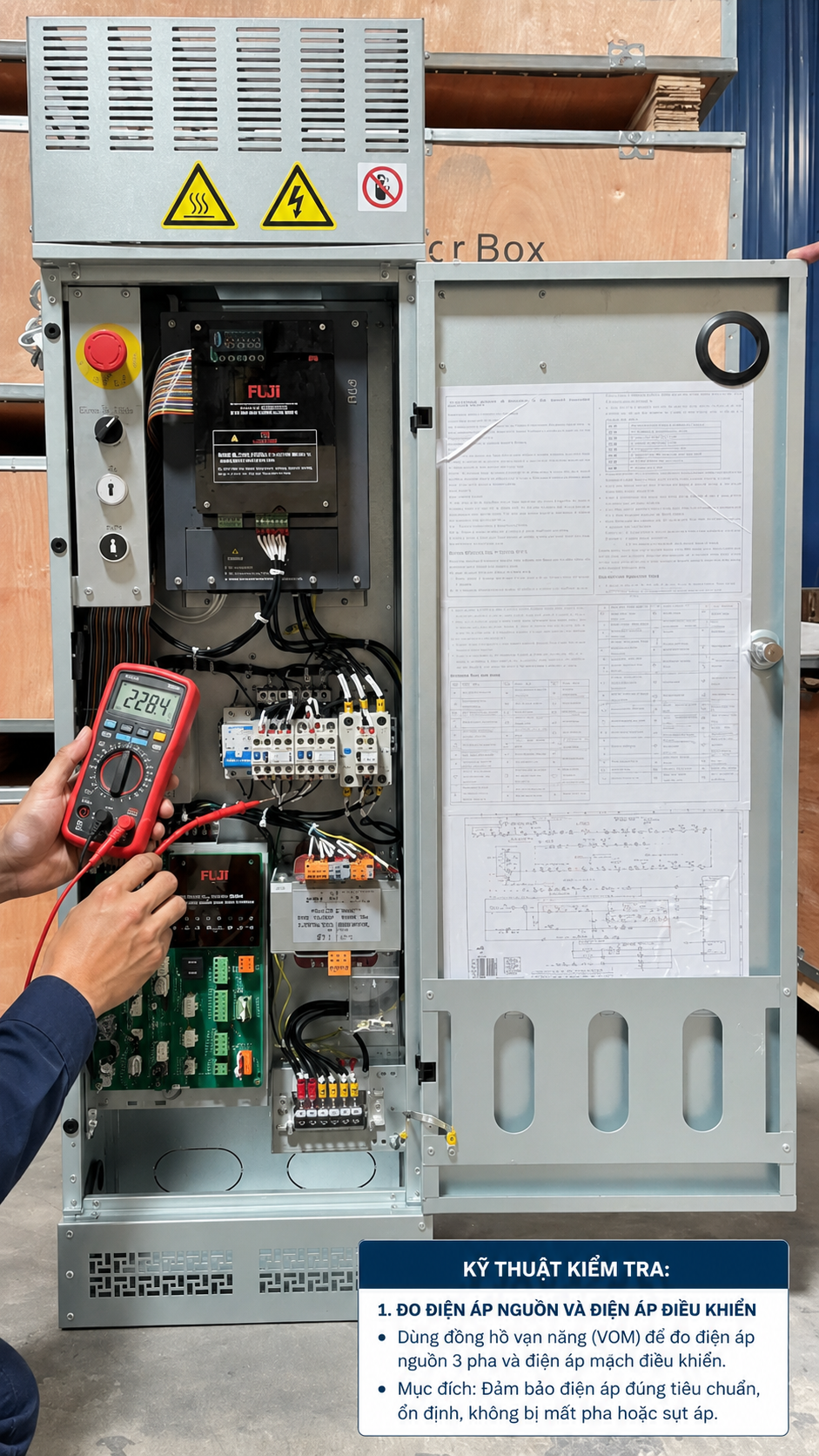
Glass elevator control systems utilize a central control panel with a microprocessor (PLC or dedicated microprocessor) capable of processing signals from sensors, controlling motors, doors, and safety devices. This controller is programmed to optimize operation, reduce energy consumption, and increase accuracy in floor stopping.
The travel sensor (encoder or resolver) provides accurate cabin position data, helping the control system determine the cabin's position and adjust speed accordingly. In addition, the system integrates user interfaces such as floor call panels, status display screens, and emergency buttons.
- Auxiliary materials:
To complete a glass elevator, auxiliary materials play a supporting role and increase the stability of the entire system, including:
- Rubber gaskets: used to seal between the glass and the frame, preventing water leakage, providing sound insulation, and reducing vibrations.
- Screws and bolts: made of stainless steel or high-strength alloy, ensuring a secure connection between parts.
- Metal strips and accessories: used to secure glass and decorative elements, enhancing aesthetics and safety.
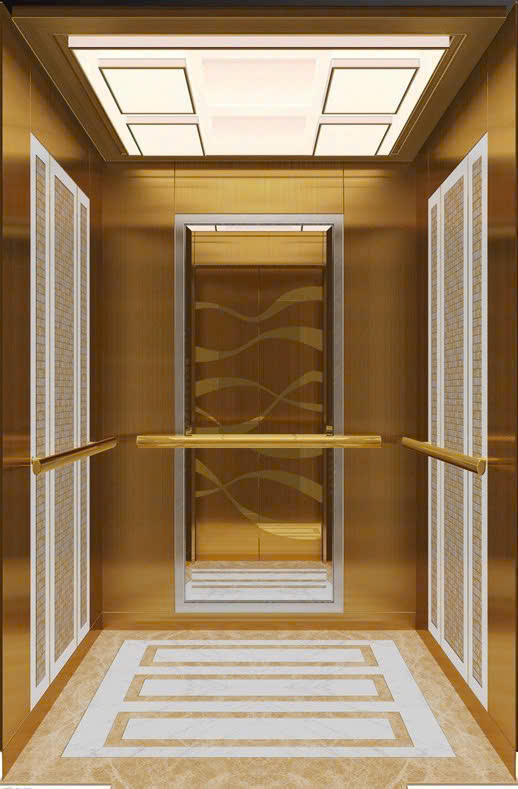
- Lighting: typically uses energy-efficient LED lights with a long lifespan, ensuring sufficient light without causing glare inside the cabin.
All glass elevator equipment and materials must comply with international and national technical standards such as ISO 25745 for energy efficiency, EN 81 for elevator safety, and fire safety regulations. Selecting appropriate materials not only ensures safe operation but also extends lifespan and reduces maintenance costs throughout the service life.
2. Cabin Frame and Glass Walls – The Foundation of Glass Elevators
The cabin frame is the main load-bearing component in the structure of a glass elevator, playing a crucial role in its stability and operational safety. The frame is typically made of high-grade alloy steel or extruded aluminum with superior mechanical strength, excellent corrosion and oxidation resistance, ensuring a long lifespan even in humid environments or with sudden temperature changes. In particular, the chosen alloy steel often contains carbon and alloying elements such as chromium and nickel to enhance hardness and wear resistance.
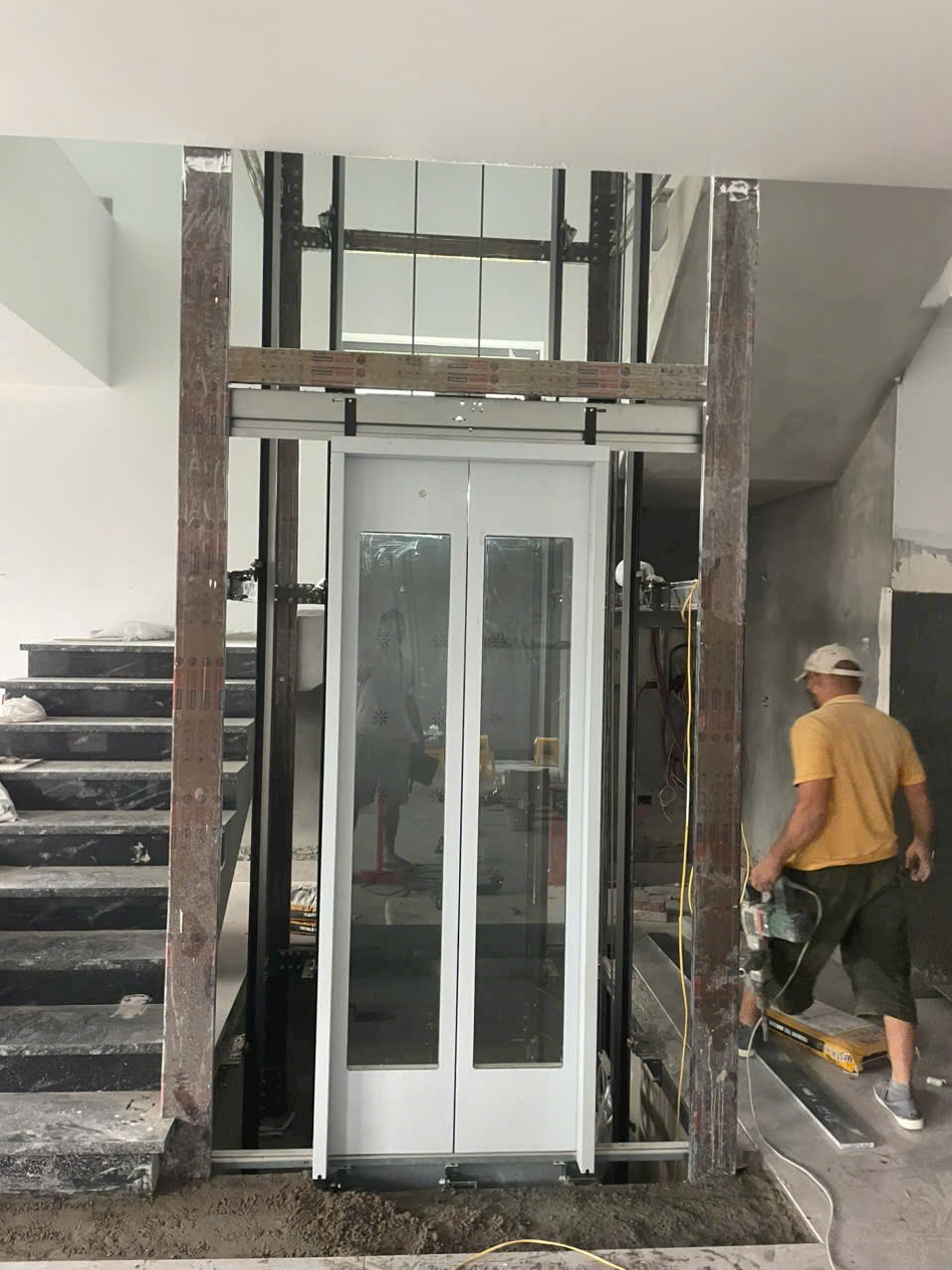
The cabin frame fabrication process requires high precision, utilizing CNC laser cutting and automatic welding technology to ensure strong joints and minimize weak points that could cause vibration or deformation during elevator operation. Surface treatment of the frame using electrostatic powder coating or galvanizing enhances corrosion resistance and creates a durable protective layer against external environmental factors.
Glass walls are an essential element in creating the aesthetic appeal and airiness of glass elevators, while also ensuring strict safety standards. Glass walls typically use tempered glass with a thickness of 10mm to 15mm, which is heat- or chemically treated to increase strength and impact resistance. When tempered glass breaks, it shatters into small, non-sharp fragments, minimizing the risk of injury to users.
In addition, laminated safety glass is also widely used, consisting of two or more layers of glass bonded together with a special PVB or EVA film. This structure helps the glass maintain its shape when subjected to strong impacts, preventing shattering and scattering of glass fragments, ensuring maximum safety. The choice of suitable glass also depends on technical requirements and the installation environment, for example, glass with UV protection, sound insulation, or fire resistance.
The process of assembling the glass panels into the cabin frame must adhere to strict technical standards, using specialized rubber gaskets and high-strength adhesives to ensure airtightness, preventing vibration and noise during operation. Regular inspection and maintenance of the glass joints are also crucial to maintaining the elevator's performance and safety.
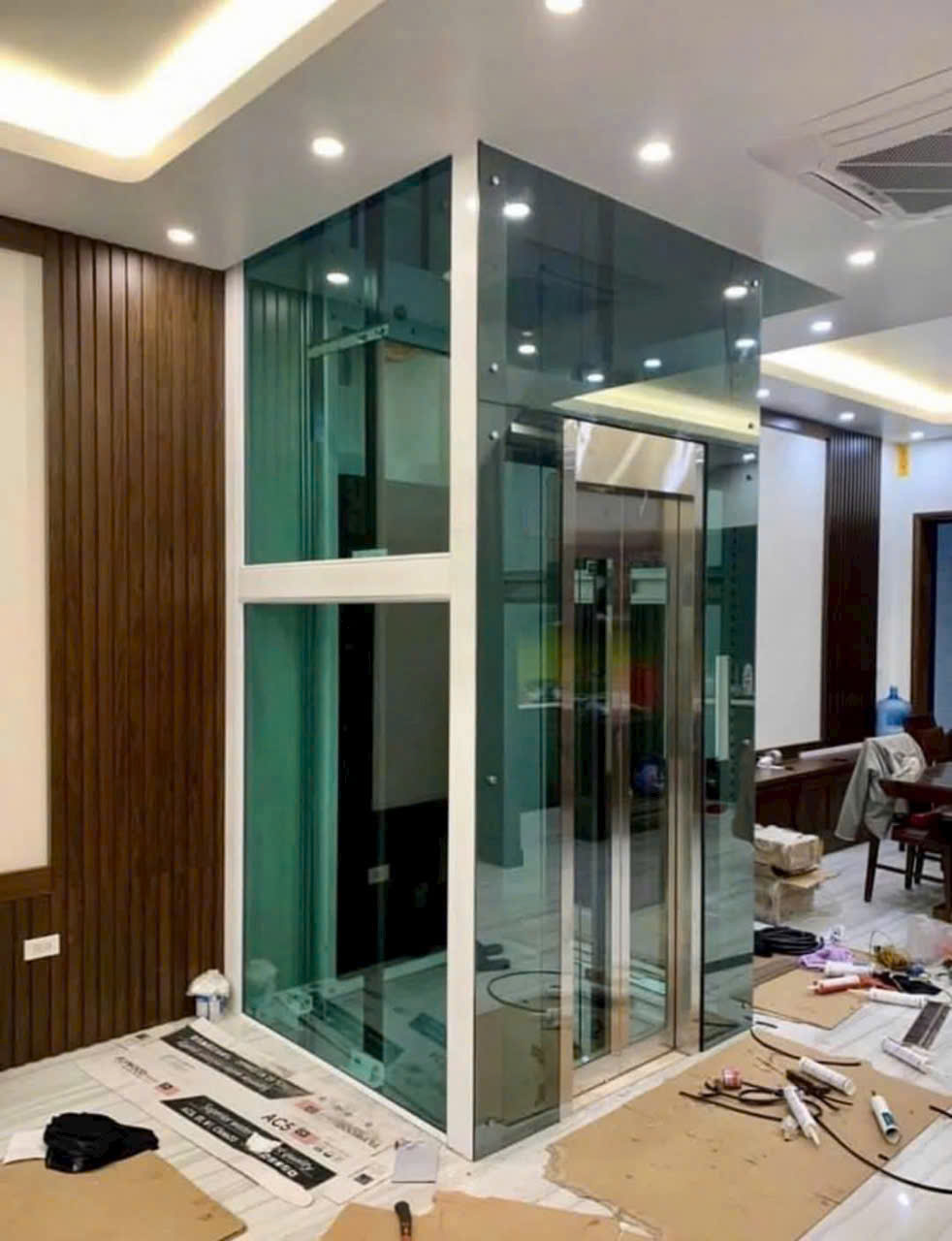
Advantages of high-quality frames and glass:
- Ensuring absolute safety for users: The robust cabin frame combined with tempered glass or laminated safety glass minimizes the risk of accidents due to glass breakage or structural deformation.
- Enhancing aesthetics and creating an open, luxurious space: Transparent glass partitions combined with sophisticated metal frames create a spacious, modern feel, suitable for high-end architectural projects.
- Excellent weather and environmental resistance: Carefully selected materials are resistant to corrosion, UV rays, and mold, making them suitable for both indoor and outdoor environments.
- Easy maintenance, cleaning, and replacement when needed: The modular design of the frame and glass makes disassembly, inspection, and replacement of parts quick and efficient, minimizing elevator downtime.
To enhance the efficiency and durability of glass elevators, selecting a reputable material supplier and a professional construction team is crucial. Furthermore, adhering to international standards such as EN 81-20/50 on glass elevator safety also helps ensure quality and safety during operation.
3. Glass Elevator Door Systems – An Indispensable Material
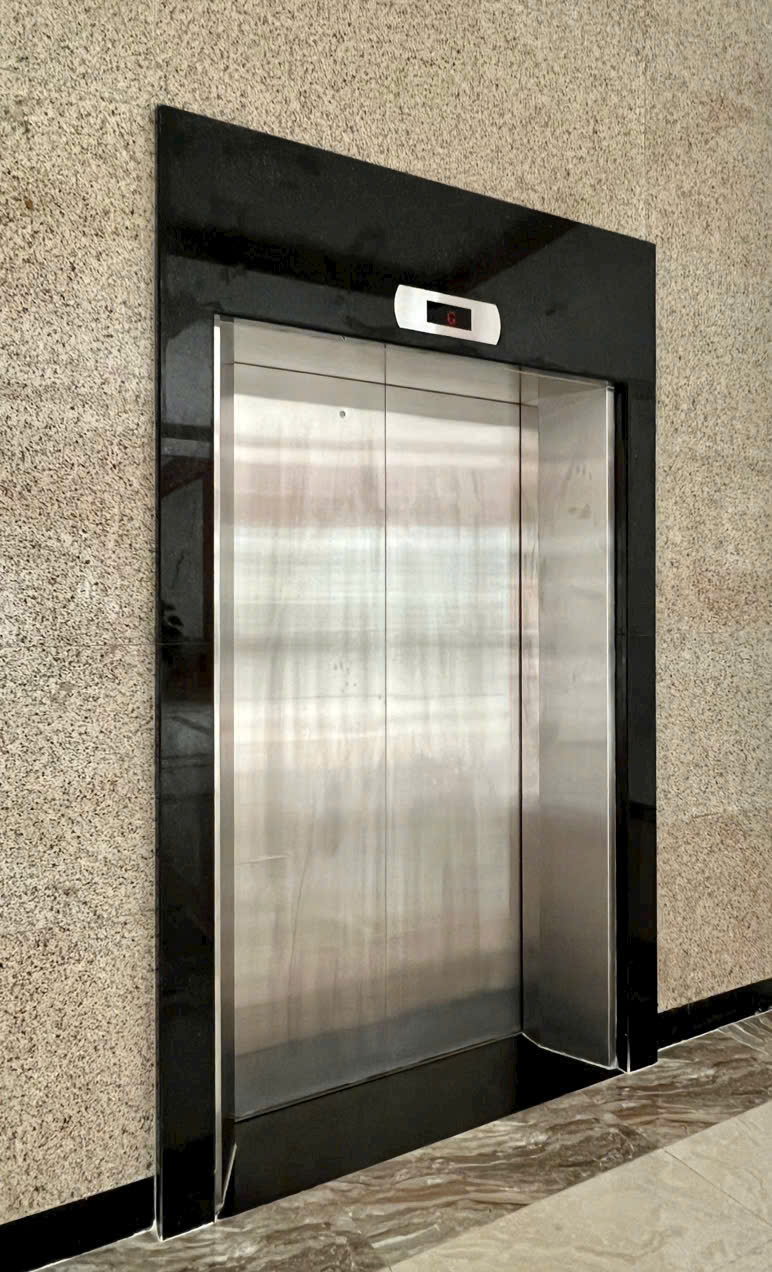
Glass elevator doors are not only the part that comes into direct contact with users, but also play a crucial role in ensuring safety and enhancing the elevator user experience. With a modern design, glass elevator doors typically consist of two main parts: the cabin door and the landing door . These parts are usually made from high-strength tempered glass, combined with an aluminum or stainless steel frame to enhance aesthetics, durability, and load-bearing capacity in a continuously operating environment.
Tempered glass is commonly used in glass elevator door systems because it has many times the strength of ordinary glass, while also being highly resistant to impact and scratches. Tempered glass also has the advantage of good heat resistance, enhancing safety in cases of fire, explosion, or high temperatures. Aluminum or stainless steel frames not only hold the glass securely but also resist corrosion, making them suitable for projects with high demands on durability and aesthetics.
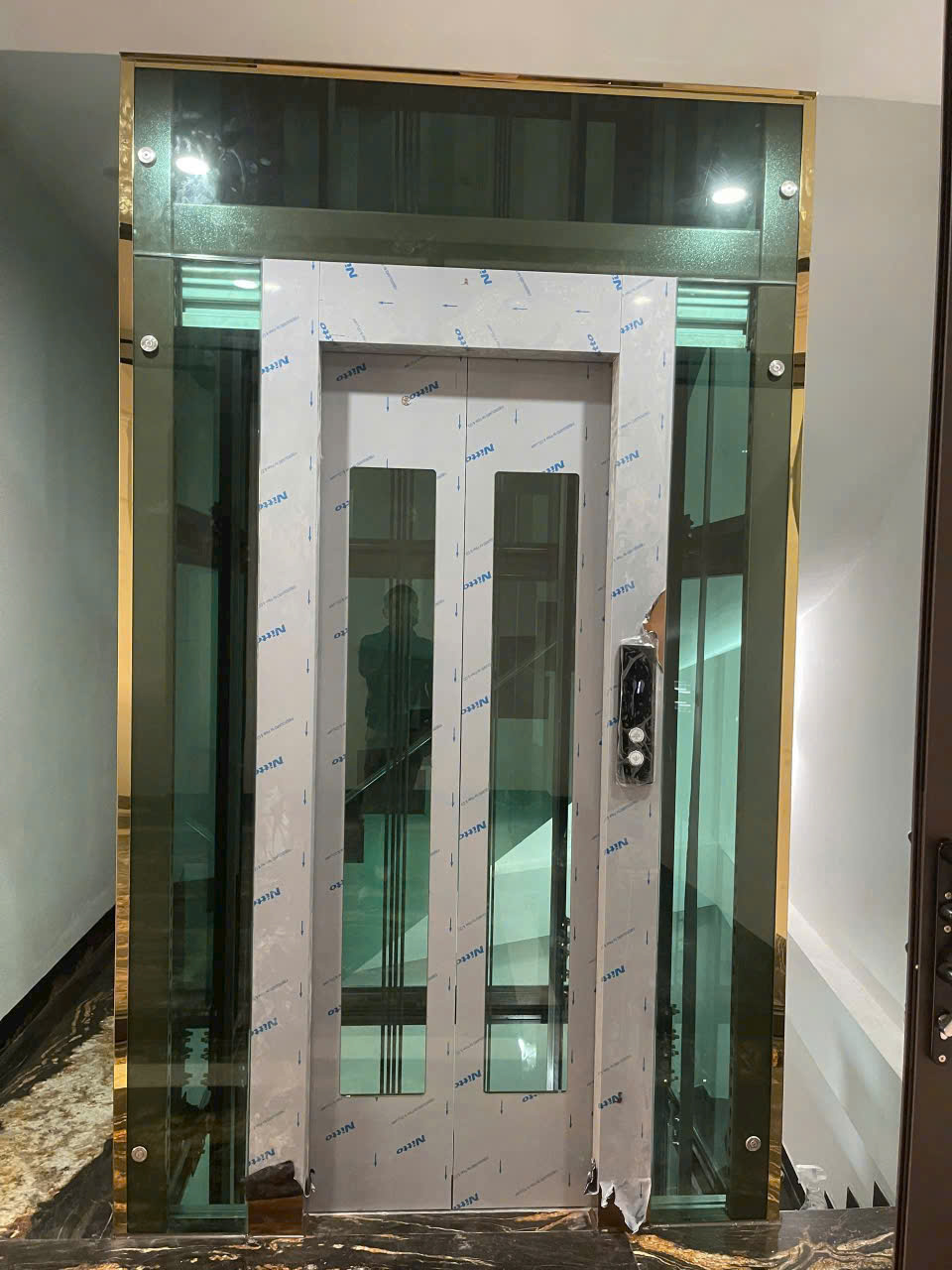
Glass elevator door systems comprise numerous mechanical and electronic components that work together seamlessly to ensure stable, safe, and smooth operation. The main components include:
- Door guide rails: These are crucial components that ensure smooth and stable door movement during opening and closing. Guide rails are typically made from high-precision alloy steel, with a plated or wear-resistant surface treatment to reduce friction and noise during operation.
- Automatic door motors: Door motors are typically DC or AC electric motors with an inverter controller that allows for flexible, smooth, and energy-efficient adjustment of the door's opening and closing speed. These motors must be capable of continuous operation, handle heavy loads, and have a safety braking system to prevent the door from falling freely in the event of a power outage.
- Safety sensors: Sensor systems are installed at door locations to detect obstacles or people standing in the door area while the door is closing. These sensors can be infrared, photoelectric, or pressure sensors. When an obstacle is detected, the system will automatically stop or reopen the door, preventing accidents or door jamming.
- Door locking mechanism: This is a mechanical or electronic device that ensures the doors cannot be opened until the elevator has stopped at the correct floor or while the cabin is in motion. The door locking mechanism helps prevent dangerous incidents such as people or objects falling down the elevator shaft. Modern door locks are often integrated with a central control system to synchronize the door and cabin status.
To ensure the performance and durability of glass elevator door systems, selecting high-quality equipment and materials is crucial. High-quality door components not only increase the lifespan of the doors but also minimize technical problems, thereby reducing maintenance costs and enhancing user safety.
Particularly in high-end buildings or areas with stringent safety and comfort requirements, fire-resistant and soundproof glass elevator doors are preferred. Fire-resistant doors are designed with heat-resistant materials and a special locking system to prevent the spread of fire and smoke in case of a fire. Meanwhile, soundproof doors use special glass layers and tight-fitting rubber seals to minimize external noise and elevator motor noise, creating a quiet and comfortable space for users.
In addition, other technical factors also need to be considered in the design and installation of glass elevator door systems:
- Installation accuracy: The installation of guide rails, motors, and sensors must be highly accurate to avoid door jamming, misalignment, or asynchronous operation.
- Intelligent control system: Modern door controllers incorporate microprocessor technology to manage door status, adjust opening and closing speeds, and connect to the elevator's overall safety system.
- Regular maintenance: Regularly inspecting and maintaining the guide rails, motors, sensors, and door locking mechanisms helps detect early signs of wear or damage, allowing for timely repairs and ensuring continuous safe operation.
- Aesthetics and design: Glass elevator doors not only ensure functionality but also contribute to the architectural design of the building. Choosing the right style, glass color, and door frame to match the overall style of the building is crucial.
Thus, glass elevator door systems are a complex combination of mechanical and electronic components, requiring close coordination between parts to ensure safety, durability, and user convenience. Investing in high-quality door materials and equipment, along with professional installation and maintenance procedures, will contribute to improved operational efficiency and the value of glass elevators in any building.
4. Drive System and Hoisting Cables – The Heart of the Glass Elevator
The drive system in a glass elevator is not simply a collection of mechanical parts, but a complex engineering complex that directly determines the operating efficiency, safety, and lifespan of the equipment. Understanding the structure, operating principles, and technical requirements of each component in the drive system will help optimize efficiency and minimize risks during operation.
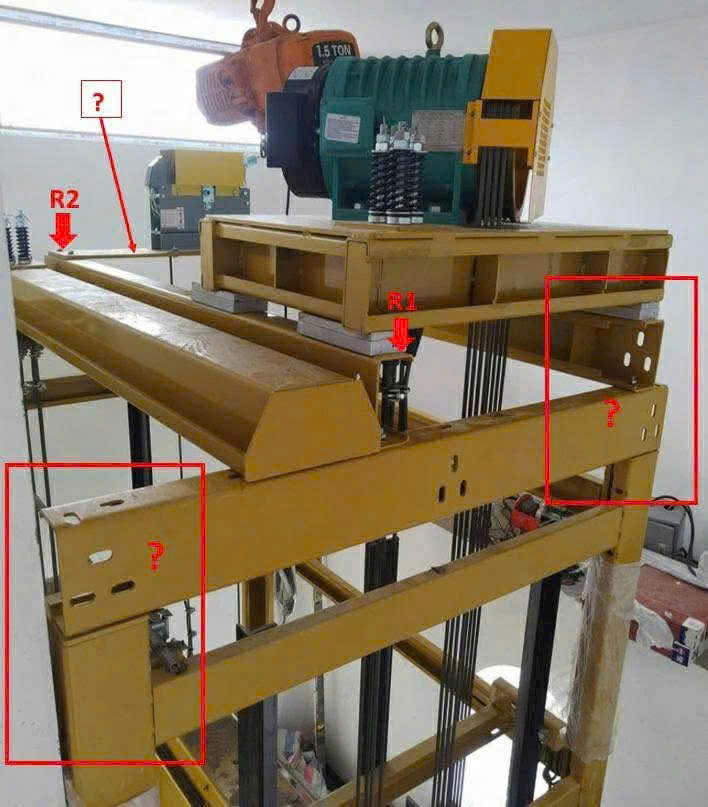
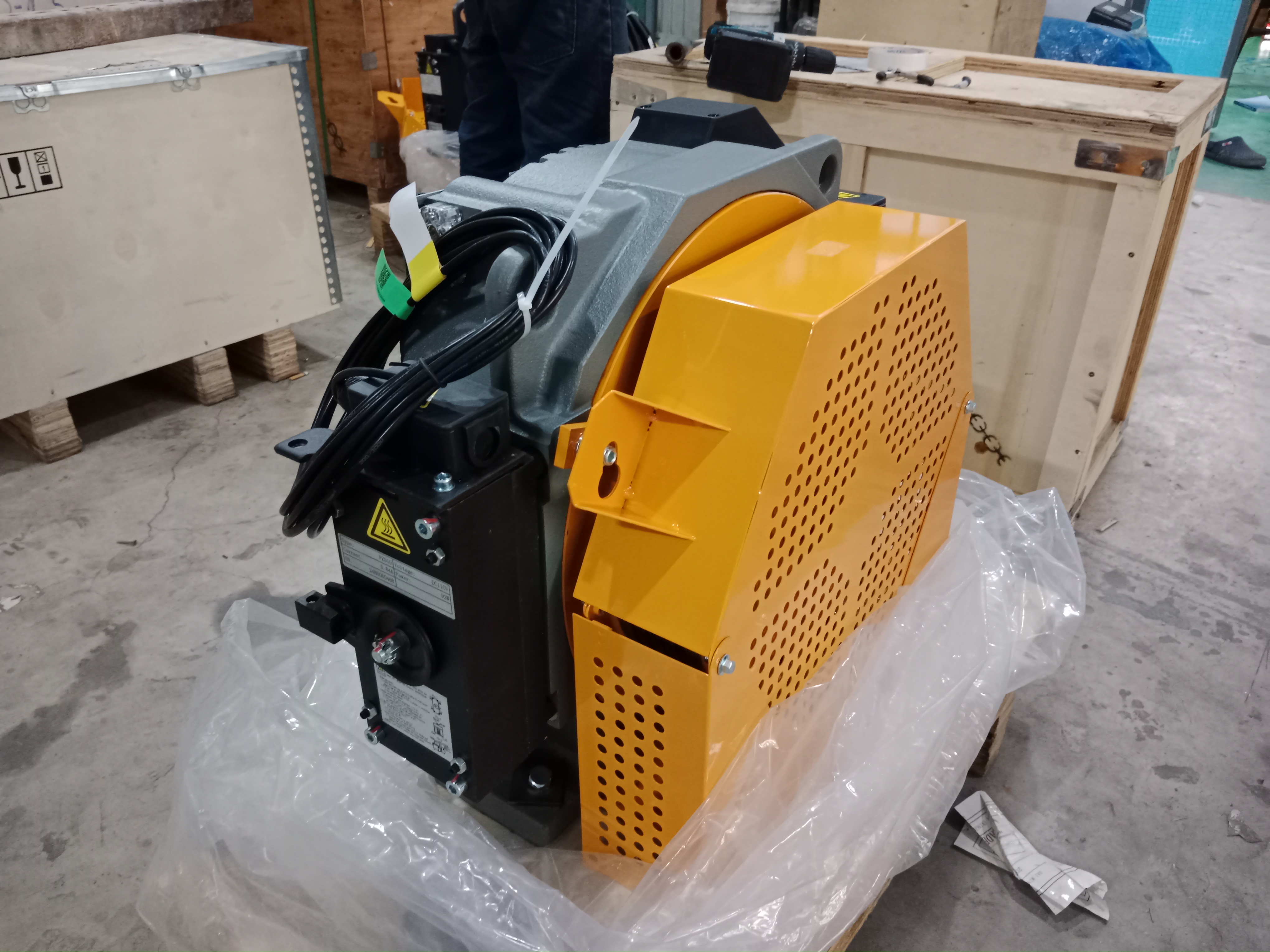
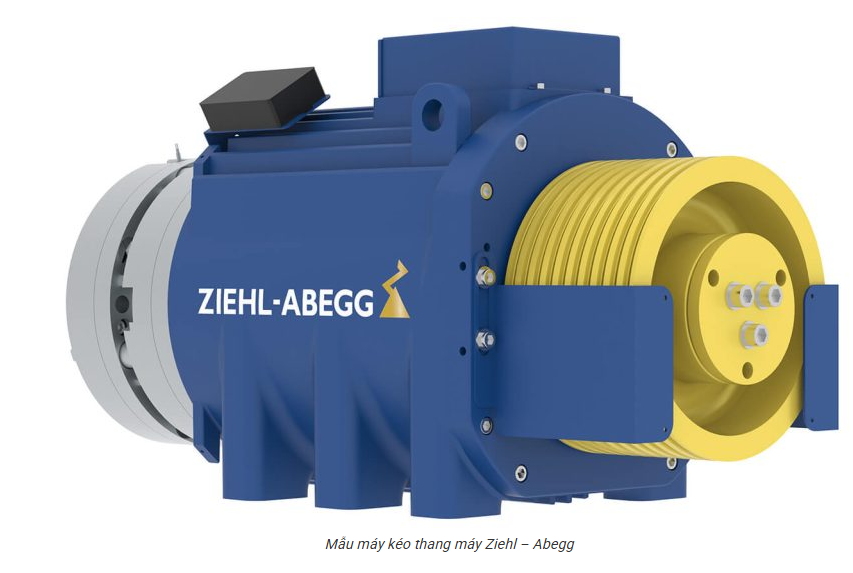
- Traction motor: This is the central component of the drive system, responsible for generating the traction force to raise and lower the elevator cabin. Currently, two main types of traction motors are commonly used: asynchronous motors (AC) and permanent magnet motors (PM). Asynchronous motors have the advantages of high durability and low maintenance costs, making them suitable for elevators with large loads and high speeds. Meanwhile, permanent magnet motors use advanced technology with high energy efficiency, compact size, smooth operation, and energy saving, making them suitable for modern glass elevators that require smooth operation and energy saving. The motor power must be precisely selected based on the cabin load, operating speed, and travel height to ensure stable and safe operation.
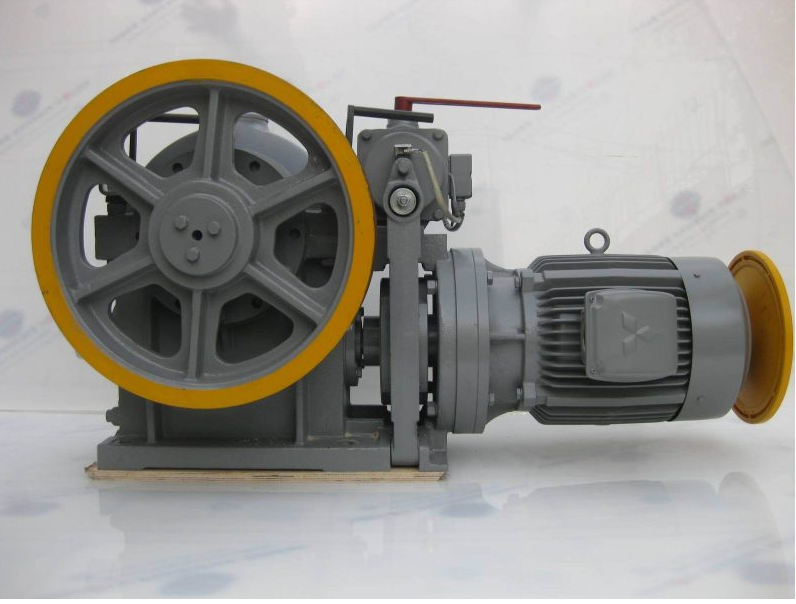
- Gearbox: As the component that transmits power from the motor to the cable pulley, the gearbox plays a role in adjusting torque and rotational speed to suit the elevator's operating requirements. Gearboxes are usually designed with different gear ratios to optimize transmission efficiency, minimize energy loss, and reduce noise. Common types of gearboxes include bevel gears, spur gears, and planetary gearboxes, each with its own advantages in terms of durability, load capacity, and transmission efficiency. Choosing the right gearbox helps reduce the load on the motor, increase system lifespan, and ensure smooth operation.
- Cable pulley: The cable pulley is a crucial component that converts the motor's rotational motion into the lifting and lowering motion of the elevator cabin via the hoisting cables. Pulleys are typically made from alloy steel or cast iron, with grooved surfaces to securely hold the hoisting cables, preventing slippage and wear. The pulley diameter and number of grooves must be designed to match the type of hoisting cable used and the elevator's load capacity. Additionally, the pulley is dynamically balanced to reduce vibration and noise during operation, contributing to smoother and safer operation.
- Hoisting cables: Hoisting cables are the main load-bearing component in the drive system, ensuring the safe and stable lifting and lowering of the elevator cabin. They are typically made from high-strength alloy steel with high wear resistance and tensile strength. The cable strands are tightly twisted in a special structure to increase load-bearing capacity and bending strength. The thickness and number of cable strands must be carefully calculated based on the cabin load, travel height, and safety factor according to international standards. In addition, hoisting cables need to be inspected periodically for wear, elongation, and signs of damage to ensure safe operation.
- Counterweight system: The counterweight system balances the cabin load, reducing the traction force required from the motor, thereby reducing energy consumption and increasing equipment lifespan. Counterweights are typically made of steel or reinforced concrete, with a mass equivalent to approximately 40-50% of the cabin's maximum load. This system is suspended on separate load cables and moves in the opposite direction to the cabin, helping to balance forces and stabilize movement. Proper design and placement of the counterweight also helps reduce vibration, noise, and increase safety during operation.
The impact of drive system quality on the performance of glass elevators:
The quality of the motor, hoisting cables, and drive components not only affects operational performance but also determines the smoothness, speed, and durability of a glass elevator. High-quality motors minimize vibration and noise, ensuring smooth operation even with sudden load changes. Standard hoisting cables with a robust structure enhance safety, reducing the risk of cable breakage and rapid wear. Precisely machined gearboxes and pulleys ensure efficient power transmission, reducing energy loss and increasing equipment lifespan.
Choosing equipment from reputable brands with international quality certifications such as ISO, CE, and TUV will help minimize technical problems, ensure safe operation, and reduce maintenance costs throughout the elevator's lifespan.
Technical specifications to consider when selecting drive systems and cables:
- The mechanical strength and load-bearing capacity of the power cable shall comply with EN 12385 or equivalent standards.
- Motor efficiency and power factor are important factors in ensuring energy savings.
- The gearbox and drive pulleys are machined with precision to minimize friction and noise.
- The ability of parts exposed to the external environment to resist corrosion and abrasion, especially in outdoor glass elevators.
- The safety braking system is integrated into the traction motor to ensure the cabin comes to a precise and safe stop in all situations.
New technology in glass elevator drive systems:
Currently, many manufacturers have applied variable frequency drive (VFD) technology combined with permanent magnet motors to precisely control speed and torque, resulting in smooth elevator operation, energy savings, and reduced mechanical wear. This technology also supports safety features such as deceleration upon stopping, cable anti-slip, and automatic load adjustment.
In addition, new types of hoisting cables using composite materials or coated with anti-corrosion layers are also being researched and applied to improve lifespan and durability in harsh environments, especially suitable for outdoor glass elevators or in buildings with high aesthetic and safety requirements.
5. Safety Equipment in Glass Elevators
Safety is a core and indispensable element in the design, installation, and operation of glass elevators. Due to the unique nature of glass elevators with transparent glass cabins and walls, ensuring safety not only involves mechanical aspects but also requires the integration of modern electronic systems and sensors. The safety equipment installed must meet international standards such as EN 81-20, EN 81-50, and stringent elevator safety regulations to protect users and minimize risks during operation.
- Safety Gear: This is the most important mechanical device in the safety system of a glass elevator. The safety gear is designed to automatically activate when it detects the cabin moving beyond the permitted speed or when the hoisting cable breaks. Its mechanism works by clamping the guide rails, keeping the cabin stationary and preventing free fall. Safety gears are regularly inspected using specialized equipment to ensure sensitivity and effective operation in all situations.
- Overload Sensor: This sensor uses electronic weighing technology or pressure sensors to measure the actual weight inside the cabin. When the load exceeds the permissible limit, the system will automatically stop the elevator from operating and simultaneously send a warning signal via the control panel and alarm. This not only protects the lifting mechanism but also ensures absolute safety for passengers, preventing incidents caused by overload such as cable breakage or drive system malfunction.
- Door Sensors: Glass elevators typically use sliding or automatic doors, so door sensors play a crucial role in detecting obstacles or people standing near the door. These sensors can be infrared, optical, or pressure sensors, preventing the door from closing when an obstacle is detected, avoiding injury or entrapment. In addition, the door system is equipped with an anti-jamming mechanism and an intelligent door control system to ensure smooth and safe operation.
- Automatic Rescue Device (ARD): In the event of a sudden power outage, the automatic rescue device will activate, using backup power (battery or UPS) to safely move the cabin to the nearest floor. This device prevents passengers from being trapped in the cabin, minimizes the risk of panic, and ensures a quick rescue. The automatic rescue device is programmed to operate precisely and is capable of automatically shutting off once the cabin has reached a safe location.
- Fire and Smoke Detectors: Glass elevators are often equipped with modern fire and smoke detection systems, directly connected to the elevator control center and the building's fire safety system. These sensors use photoelectric or ionization technology to detect smoke and abnormal temperatures early. Upon detecting a fire hazard, the system automatically stops the elevator at a safe floor, opens the doors for passengers to evacuate, and activates the alarm. Integrating fire detection equipment minimizes damage to people and property while complying with fire safety regulations.
Regular inspection and maintenance of safety equipment is equally important in maintaining the operational efficiency and reliability of glass elevators. Highly skilled technicians will perform inspections of safety brakes, overload sensors, door sensors, automatic rescue systems, and fire alarm systems according to a strict schedule, using specialized measuring equipment to detect early signs of damage or technical malfunctions.
The application of advanced technologies in glass elevator safety equipment, such as multi-point sensors, remote monitoring systems (IoT), and operational data analysis software, enhances the ability to predict incidents and optimize maintenance. This not only minimizes downtime but also increases user safety.
A summary of standard safety devices in glass elevators:
- Mechanical safety brake with automatic activation system.
- Accurate overload sensors are capable of alerting and preventing operation.
- Door sensors utilize a variety of technologies, ensuring that people and obstacles do not get trapped.
- Automatic rescue system with backup power supply and intelligent control algorithm.
- The fire and smoke alarm system is integrated with the control center and the fire protection system.
The selection and installation of safety equipment must strictly comply with current technical standards and legal regulations, and must be carried out by reputable units with certifications and extensive experience in the field of glass elevators.
6. Control Systems and Electronic Equipment
The control system in a glass elevator plays a central role, similar to the brain of the entire device, managing and coordinating all operational activities. From receiving elevator call commands, processing control signals for the traction motor, operating the elevator doors, to monitoring safety factors, everything is done through this system. Especially with glass elevators, the requirements for accuracy and aesthetics in operation are even higher, demanding a control system capable of fast, stable, and flexible processing.
The equipment and materials that make up the control system include:
- Central Control Panel: This is the most important component, containing the microprocessor (CPU) and elevator management software. The CPU is specifically programmed to process input signals from the control panel, travel sensors, safety sensors, and other peripheral devices. The management software incorporates intelligent control algorithms, optimizing operation, minimizing energy consumption, and increasing equipment lifespan. Additionally, the central control panel can store operational data, record errors, and support remote diagnostic functions.
- Control Panel: Located inside the elevator cabin and on each floor, the control panel is the primary interface for users to interact with the elevator. The buttons are designed for high sensitivity, water and dust resistance, ensuring stable operation in all environmental conditions. In addition to basic floor selection buttons, the control panel can integrate special functions such as emergency calls, child locks, or priority modes for people with disabilities. Touchscreen or mechanical button technology is chosen depending on design requirements and the necessary level of durability.
- Limit sensors: These are crucial devices that help determine the precise position of the elevator cabin during movement. These sensors typically use optical, magnetic, or ultrasonic technology to measure distance and speed. Accurate position determination allows the control system to stop the cabin at the correct floor, adjust speed accordingly, and ensure safe operation. Additionally, limit sensors support the emergency braking function when a malfunction is detected.
- Communication devices: These devices connect the elevator to the remote monitoring system or building control center. They typically utilize modern communication protocols such as Ethernet, RS485, or wireless communication via Wi-Fi, 4G/5G. This connection allows for monitoring operating status, receiving fault alerts, updating control software, and performing predictive maintenance. Modern communication technology also supports the integration of elevators into smart building ecosystems.
- Lighting and Sound: The lighting system in glass elevator cabins not only ensures sufficient light for user comfort but also contributes to aesthetics and safety. LED lights are commonly used due to their energy efficiency and long lifespan. Integrated audio alerts provide notifications of statuses such as door opening/closing, errors, or emergencies, allowing users to quickly recognize and react accordingly.
The application of modern control devices in glass elevators is becoming increasingly common, especially the integration of Internet of Things (IoT) and Artificial Intelligence (AI) technology. IoT technology allows for real-time connection and collection of elevator operation data, thereby analyzing and predicting potential problems, helping with efficient maintenance and minimizing downtime. AI is used to optimize control algorithms, automatically adjusting speed and floor stop times based on user traffic, while also enhancing the ability to detect and automatically handle errors.
Modern glass elevator control systems also integrate advanced features such as:
- Energy-saving operating mode: Automatically adjusts motor and lighting power based on actual usage.
- Multi-layered safety monitoring system: Combines door sensors, overload sensors, speed sensors, and an electronic braking system to ensure absolute operational safety.
- Intelligent user interface: Uses an LCD or OLED touchscreen to display floor information, elevator status, user instructions, and warnings.
- Building Management System (BMS) integration: Allows for synchronization of elevator operation with other systems such as air conditioning, general lighting, and security.
The selection and design of a suitable control system is based not only on technical factors but also on aesthetic requirements, installation space, and future scalability. Manufacturers of glass elevators now offer customized control solutions to meet diverse needs, from residential to high-end commercial projects.
7. Auxiliary Materials – Finishing Glass Elevators
During the design and installation of glass elevators , in addition to main components such as motors, hoisting cables, control systems, and cabins, auxiliary materials play an indispensable role in ensuring the integrity, safety, and operational efficiency of the system. Selecting and using the right high-quality auxiliary materials not only helps complete the elevator structure but also contributes to extending its lifespan and minimizing maintenance and repair costs during use.
- Rubber gaskets: Rubber gaskets are primarily used to create a cushion between metal parts and glass, effectively reducing vibration, minimizing noise, and preventing water and dust from entering the cabin and mechanical components. Rubber materials typically have high elasticity, good heat resistance, and anti-aging properties, ensuring a tight seal for many years of use. Rubber gaskets also contribute to sound insulation, creating a quiet and comfortable environment for users.
- Screws and bolts: These are basic but extremely important connecting components in linking the parts of a glass elevator together. Screws and bolts must be made from high-strength, corrosion-resistant materials such as stainless steel or galvanized alloy steel to ensure durability and safety in an operating environment that can withstand heavy loads and continuous vibration. Choosing the correct size, type, and technical specifications of screws and bolts helps avoid loosening, safety hazards, and minimizes the risk of structural damage.
- Clamps and corner brackets: Clamps and corner brackets are used to secure tempered glass to the steel or aluminum frame of the elevator cabin. They not only ensure the strength and stability of the glass but also contribute to the overall aesthetic appeal of the design. The materials used for clamps and corner brackets are typically aluminum alloy or stainless steel, which are resistant to oxidation and have good load-bearing capacity. The design and installation of clamps and corner brackets must ensure that excessive pressure is not applied to the glass, avoiding the risk of cracking due to stress concentration.
- Fire-resistant materials: In glass elevators, electrical components and cabin frames may be exposed to heat sources or sparks, therefore the use of fire-resistant materials is essential to ensure fire safety. These materials include various types of insulation panels, fiberglass wool, fire-retardant paints, and heat-resistant accessories designed to prevent the spread of fire and smoke in the event of an emergency. Applying fire-resistant materials according to standards helps protect the electrical system, minimize damage, and increase the chances of safe evacuation for users.
- LED Lighting System: Lighting in glass elevator cabins serves not only the purpose of illumination but also affects the passenger experience and sense of safety. LED lighting systems are preferred due to their many advantages such as energy efficiency, long lifespan, low heat emission, and the ability to create uniform, glare-free light. LED lighting designs are usually strategically placed to illuminate the entire cabin space, and can integrate features to adjust brightness or color to suit different spaces and design styles.
The overall role of auxiliary materials in glass elevators:
- Ensuring structural integrity and stability: Details such as screws, bolts, bracing bars, and corner brackets create a sturdy frame, holding the glass and other components in place, preventing vibration and deformation during operation.
- Protecting key components: Rubber gaskets and fire-resistant materials help protect electrical and mechanical equipment from environmental factors such as water, dust, and high temperatures, thereby minimizing damage and increasing equipment lifespan.
- Enhanced aesthetics and user experience: LED lighting systems and finishing accessories make glass elevator cabins luxurious and modern, creating a sense of safety and comfort for users.
- Reduced maintenance costs: Using high-quality auxiliary materials helps limit technical problems, reduce the frequency of maintenance and repairs, and save on long-term operating costs.
Things to note when selecting auxiliary materials:
- Choose materials that are quality certified and comply with the technical standards of the elevator industry.
- Prioritize reputable suppliers with experience in the glass elevator industry to ensure product origin and quality.
- Carefully check the technical specifications such as load-bearing capacity, corrosion resistance, thermal durability, and lifespan of the materials before installation.
- Ensure the installation process is correct and adheres to technical guidelines to maximize the effectiveness of auxiliary materials.
8. Choosing a Reputable Supplier of Glass Elevator Equipment and Materials
Choosing a supplier of glass elevator equipment and materials is not simply about finding a partner to supply goods; it's a strategic decision that directly impacts the quality, durability, and operational efficiency of the elevator system. To ensure optimal investment returns, the following in-depth criteria should be carefully considered:
- Quality Certification: Glass elevator equipment must be manufactured and tested according to strict international standards such as ISO 9001 (quality management), CE (European safety standard), TCVN (Vietnamese standard), or equivalent certifications. These certifications ensure that the equipment meets requirements for safety, mechanical strength, load-bearing capacity, and corrosion resistance, which is especially important for tempered glass materials and accompanying mechanical systems.
- Experience and Reputation: Suppliers with extensive experience in the glass elevator industry typically possess a rigorous quality management system, modern production processes, and a highly skilled team of technicians. Their reputation, built through successful projects, customer feedback, and industry certifications, minimizes risks of equipment failure, complex maintenance, or delays in project completion.
- Consulting and technical support services: A reputable supplier not only sells equipment but also provides in-depth technical consulting services, helping customers select materials suitable for the specific characteristics of the project, load capacity, frequency of use, and environmental conditions. Technical support also includes system design, installation, calibration, and operation training, ensuring the glass elevator operates stably, safely, and energy-efficiently.
- Warranty and Maintenance: A commitment to long-term warranties is a measure of product quality and the professionalism of the supplier. Regular maintenance, prompt repairs, and the provision of genuine replacement parts help maintain operational performance, extend equipment lifespan, and minimize recurring costs. Maintenance packages should include inspections of electrical systems, mechanical systems, tempered glass, control systems, and safety equipment.
- Competitive pricing: The cost of equipment and services must be reasonably balanced between initial investment costs and long-term operating costs. Reputable suppliers will provide transparent pricing, without hidden costs, while ensuring that the quality of materials is not compromised by price reductions. Choosing a competitive price should be based on a total cost of ownership (TCO) analysis rather than just looking at the initial purchase price.
To further illustrate the criteria for selecting suppliers of glass elevator equipment and materials, please refer to the analysis table below:
| Criteria | Detailed description | Significance for the project |
|---|---|---|
| Quality certification | ISO 9001, CE, TCVN, and other safety and quality certifications for materials. | Ensure equipment meets technical standards, operates safely, and minimizes malfunctions. |
| Experience and reputation | Years of operation, number of projects completed, customer feedback | Reduce technical risks, ensure construction progress and quality. |
| Technical consulting and support services | Equipment selection consulting, system design, and operation training. | Optimize operational performance and reduce maintenance costs. |
| Warranty and maintenance | Warranty period, scheduled maintenance procedures, and repair support. | Extend equipment lifespan and minimize unexpected costs. |
| Competitive prices | Transparent pricing, balancing investment and operating costs. | Ensure economic efficiency and avoid wasting project budget. |
Important note: When selecting a supplier, it is necessary to conduct on-site surveys of projects where their equipment has been used, check the quality of product samples, and request complete technical documentation and relevant certifications. This helps accurately assess their supply capabilities and after-sales service, thereby making an informed and safe investment decision.
To ensure your glass elevator project operates stably, safely, and durably over time, prioritize partnering with suppliers who possess comprehensive capabilities, a commitment to quality, and professional service. This not only optimizes investment costs but also enhances the value of the project, building credibility for both the investor and the contractor.