Elevator installation
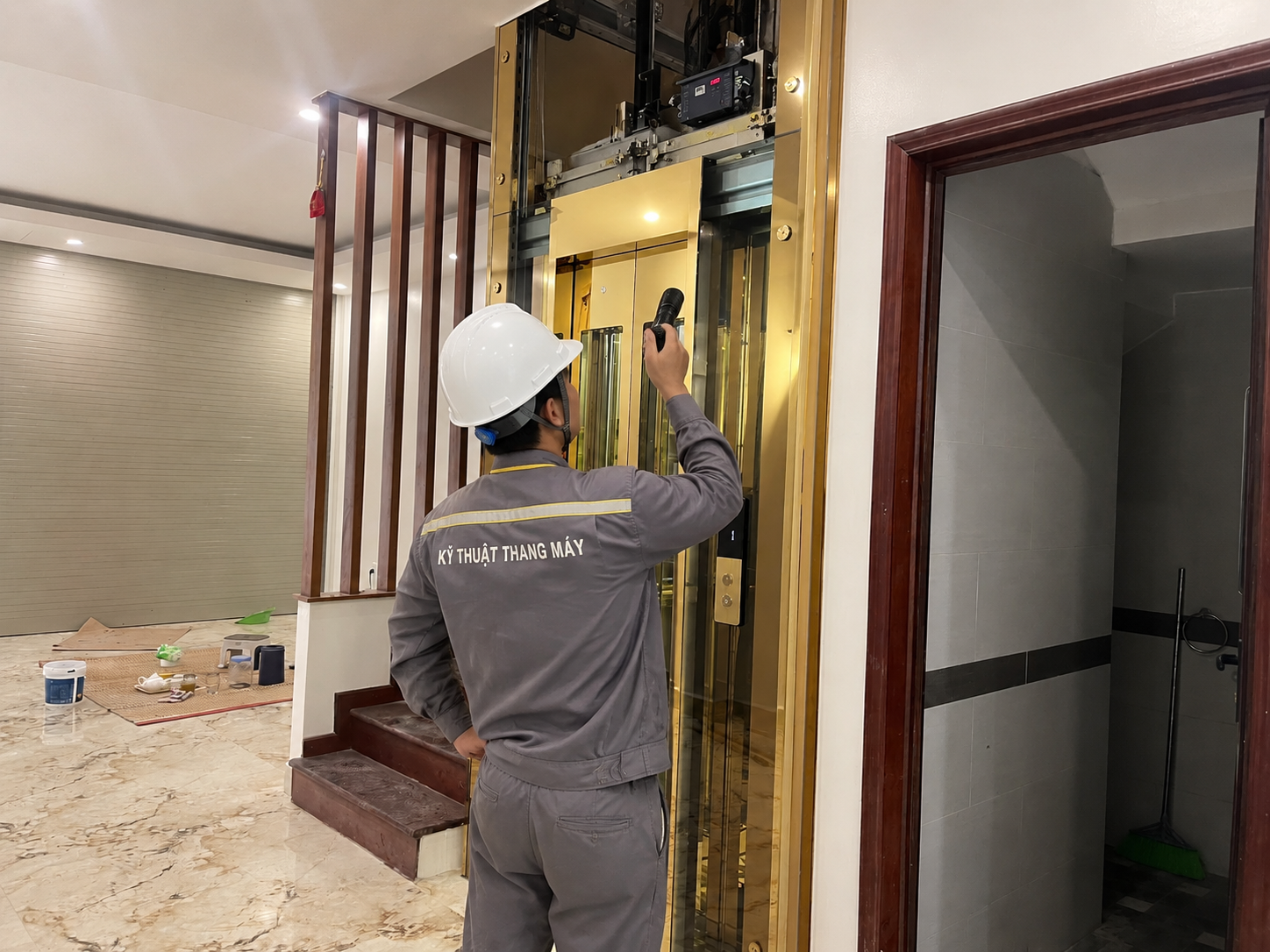
Analyze requirements and conduct a site survey before elevator installation.
The elevator installation process begins with a thorough analysis of customer requirements and a site survey. This includes assessing the elevator shaft dimensions, floor height, building structure, and related technical factors. In particular, it's crucial to determine the appropriate elevator type, such as passenger elevators, freight elevators, or home elevators , to ensure efficient use and safe operation. The site survey also helps identify potential drawbacks such as limited space, electrical systems, and building conditions, allowing for accurate construction planning.
During this phase, detailed measurements of the elevator shaft dimensions, door width, pit depth, and overhead height are crucial. These parameters determine the selection of appropriate elevator equipment, cabin size, and mechanical systems. Simultaneously, the survey also includes checking the electrical system, ensuring a stable power supply, and assessing the building's load-bearing capacity to guarantee operational safety.
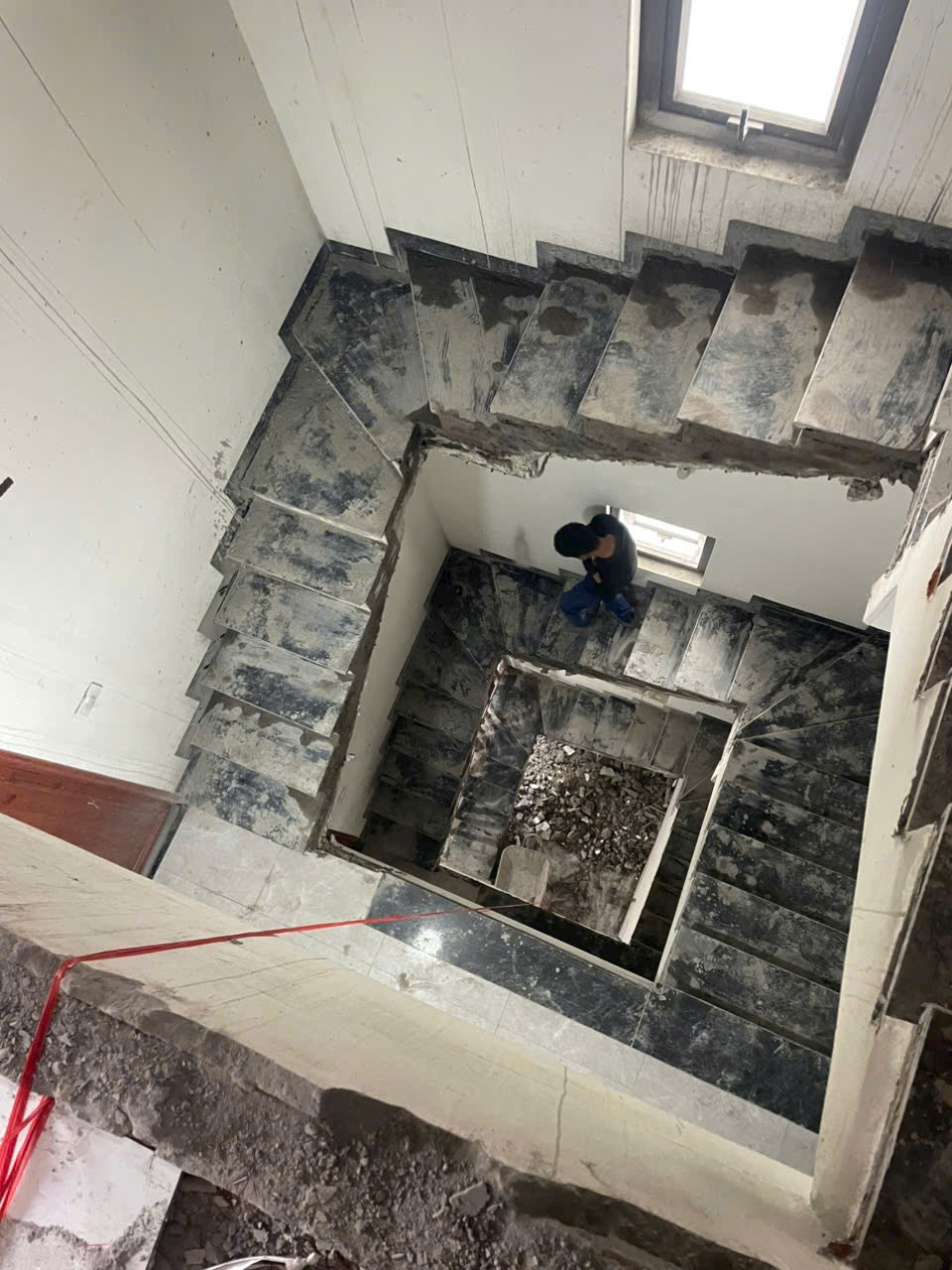
Develop a detailed construction plan for the elevator installation process.
The construction script is a detailed step-by-step plan for the elevator installation process , from preparation to completion. First, it's essential to have all the necessary equipment, materials, and highly skilled personnel ready. Clearly assigning tasks to each technical team, such as the mechanical team, electrical team, and quality control team, helps optimize the construction schedule.
Next, the installation process is divided into specific steps:
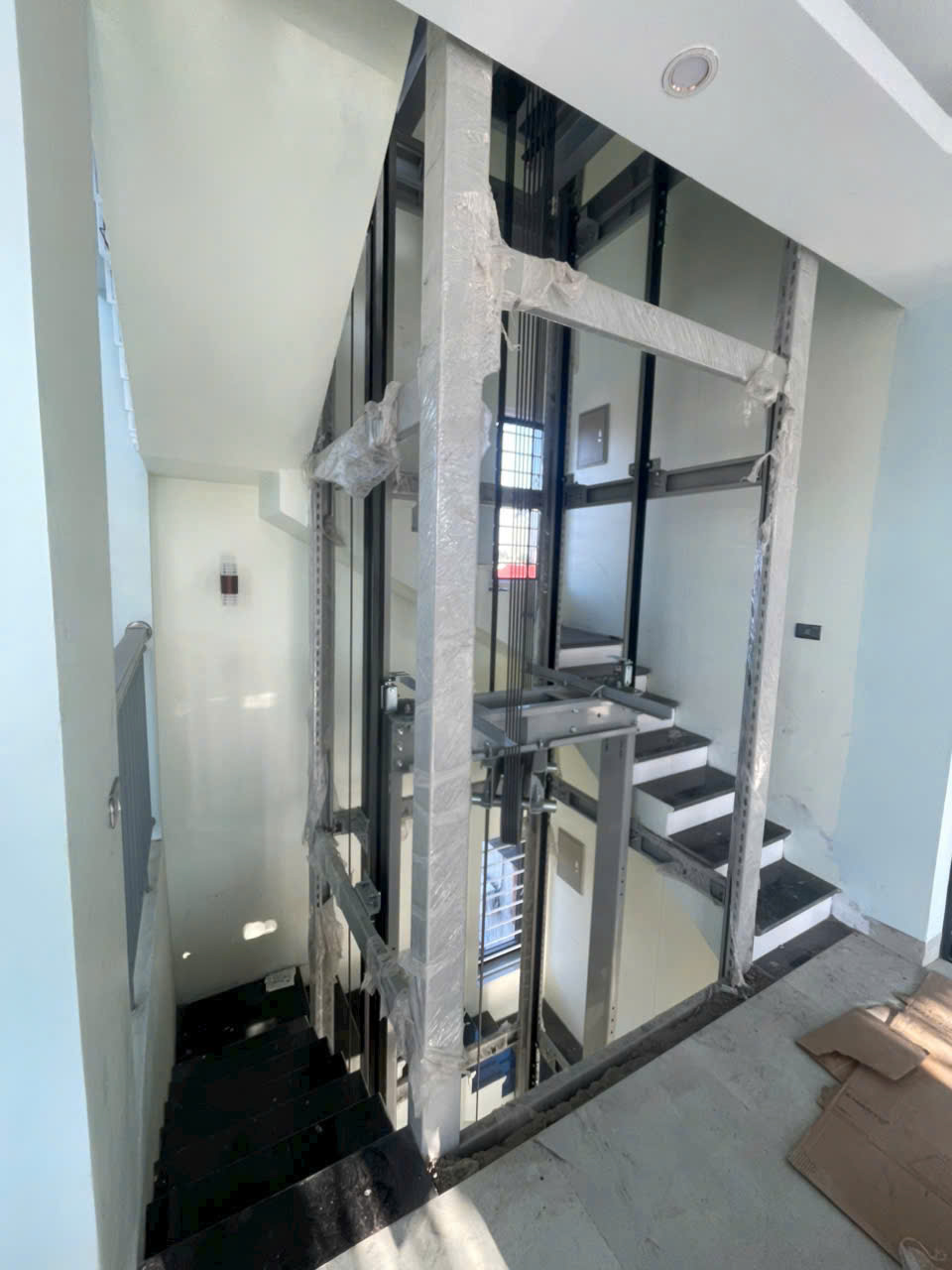
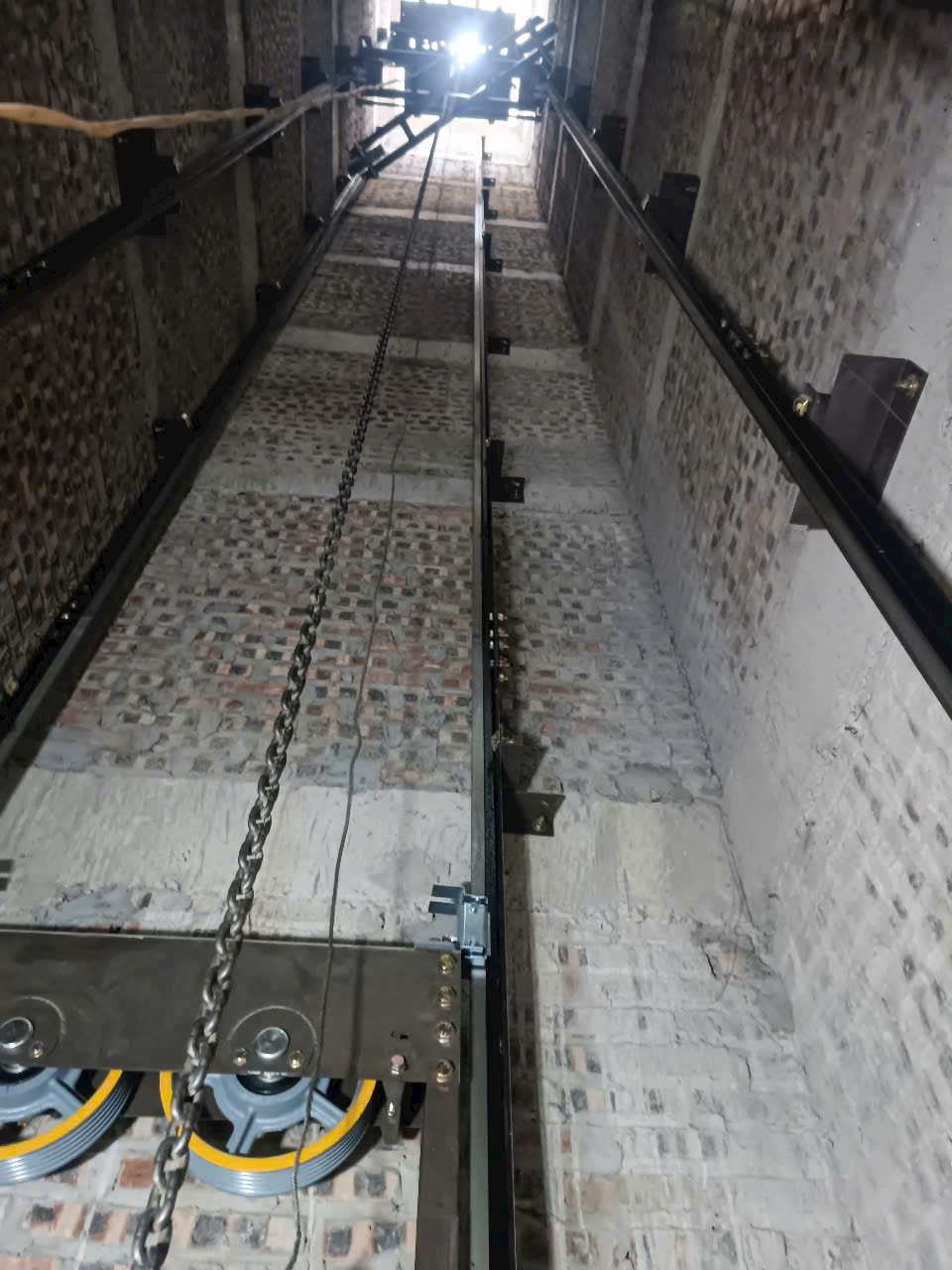
- Preparing the elevator shaft: Clean, check the flatness and vertical alignment of the shaft, and address any structural issues.
- Install the guide rails: Ensure the rails are securely fixed and aligned for smooth cabin movement.
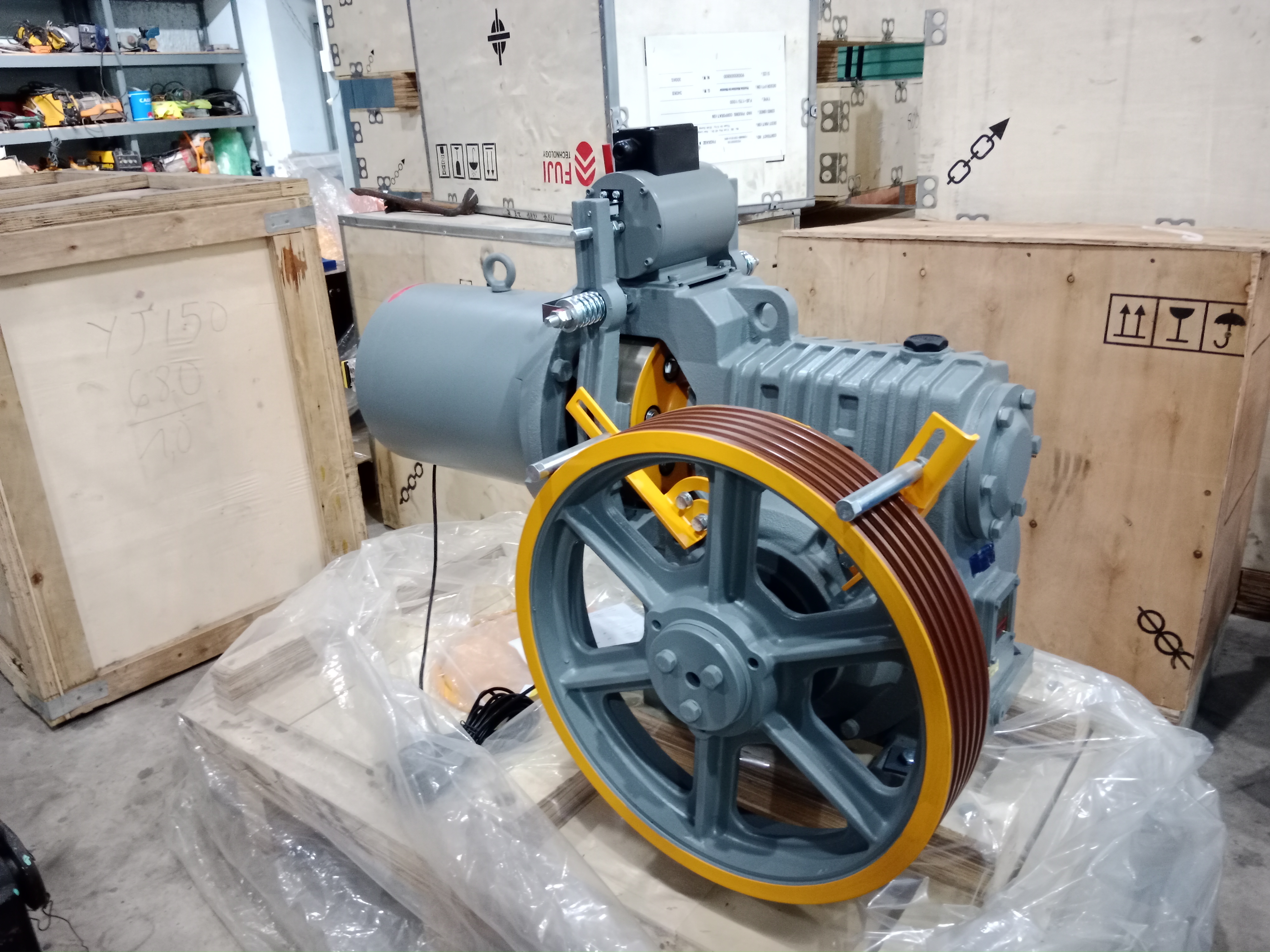
- Install the cabin and counterweight: Position the cabin and counterweight, and connect the cables and pulleys.
- Electrical and control system installation: Connect the control panel, signaling system, safety sensors, and power supply.
- Inspection and calibration: Conduct load tests, speed tests, safety system tests, and operational trials.
Each step in the construction plan requires strict safety measures to ensure that the building's structure is not affected and that the construction workers are safe. The use of specialized lifting equipment and adherence to occupational safety regulations are mandatory.
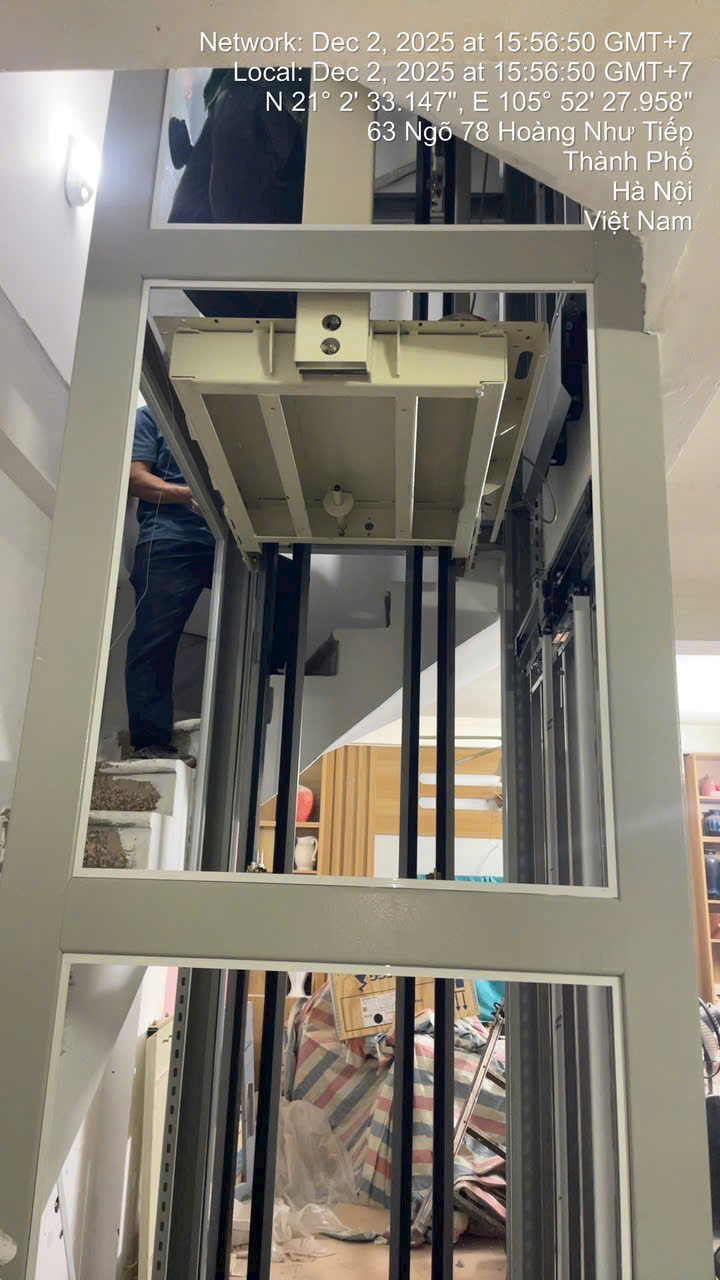
Managing schedule and quality during construction.
Construction progress management requires close coordination between departments and continuous monitoring. Detailed daily and weekly planning helps control progress and promptly detect any problems that arise. Simultaneously, construction quality is ensured through periodic inspections of welds, guide rail accuracy, electrical systems, and safety equipment.
Applying international technical standards and regulations of the Ministry of Construction during the installation process is a key factor in ensuring the stable and safe long-term operation of elevators. Complete documentation of technical specifications, acceptance reports, and progress reports also contributes to increased transparency and accountability in construction.
Training on elevator operation and maintenance after installation.
After installation is complete, operational training for users and maintenance staff is essential. Training includes instruction on proper elevator operation, recognizing abnormal signs, and basic troubleshooting procedures. This helps minimize risks and extend the equipment's lifespan.
Maintenance teams need to be equipped with in-depth knowledge of the elevator's mechanical, electronic, and software control systems. A clear schedule for routine maintenance must be established, including inspections of the braking system, guide rails, hoisting cables, and safety devices. Proper maintenance not only ensures safety but also helps detect potential malfunctions early, preventing operational disruptions.
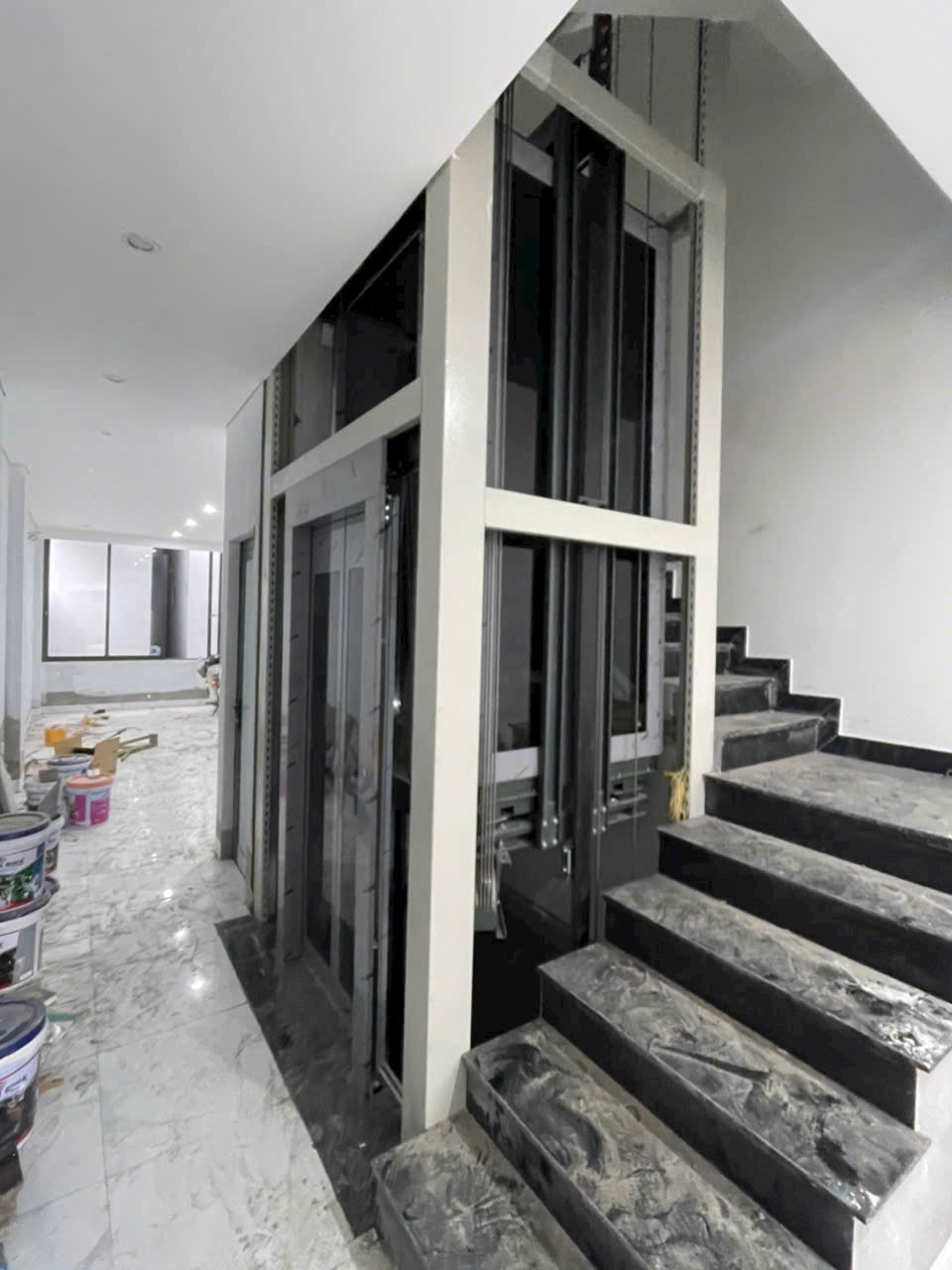
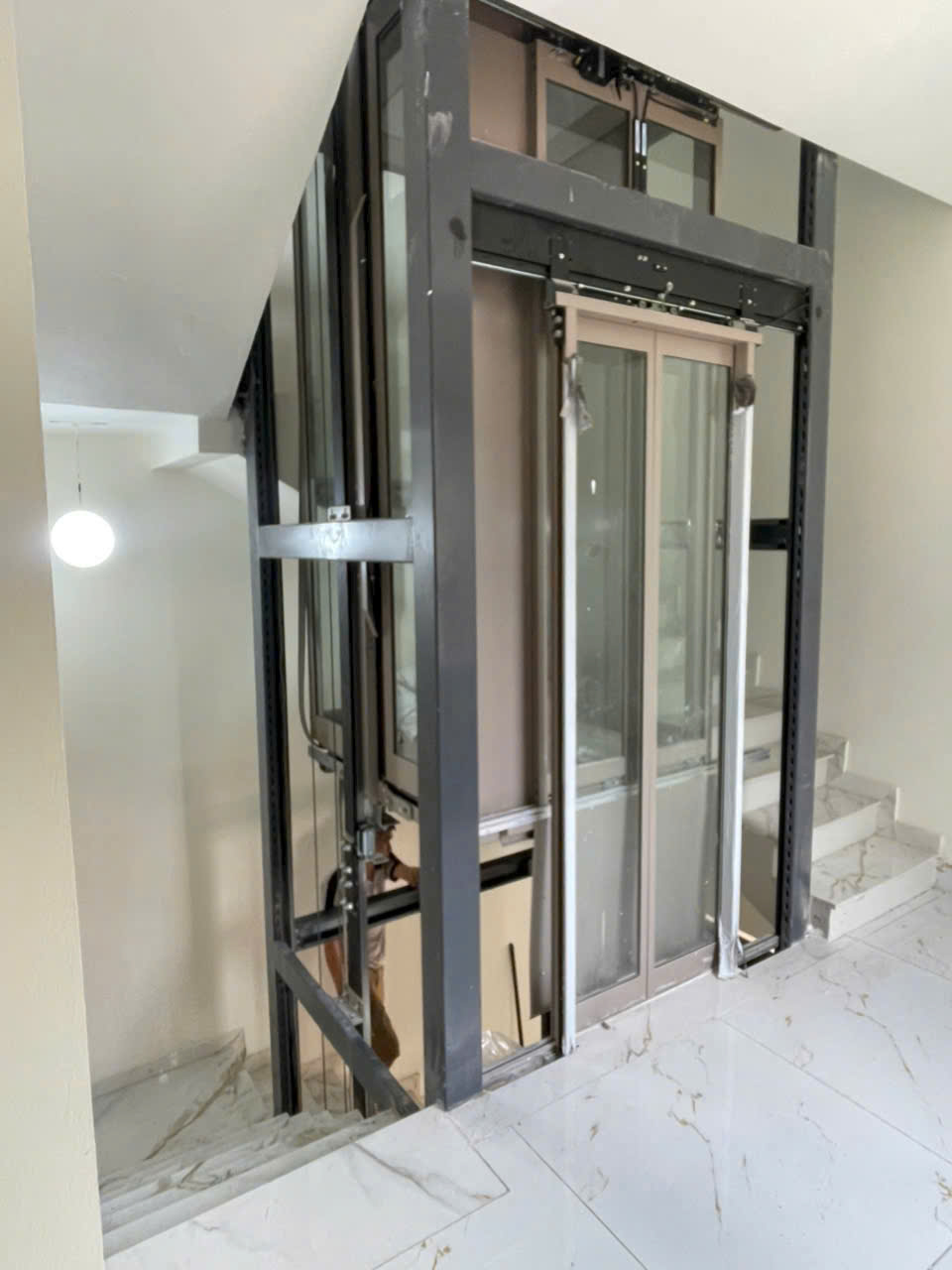
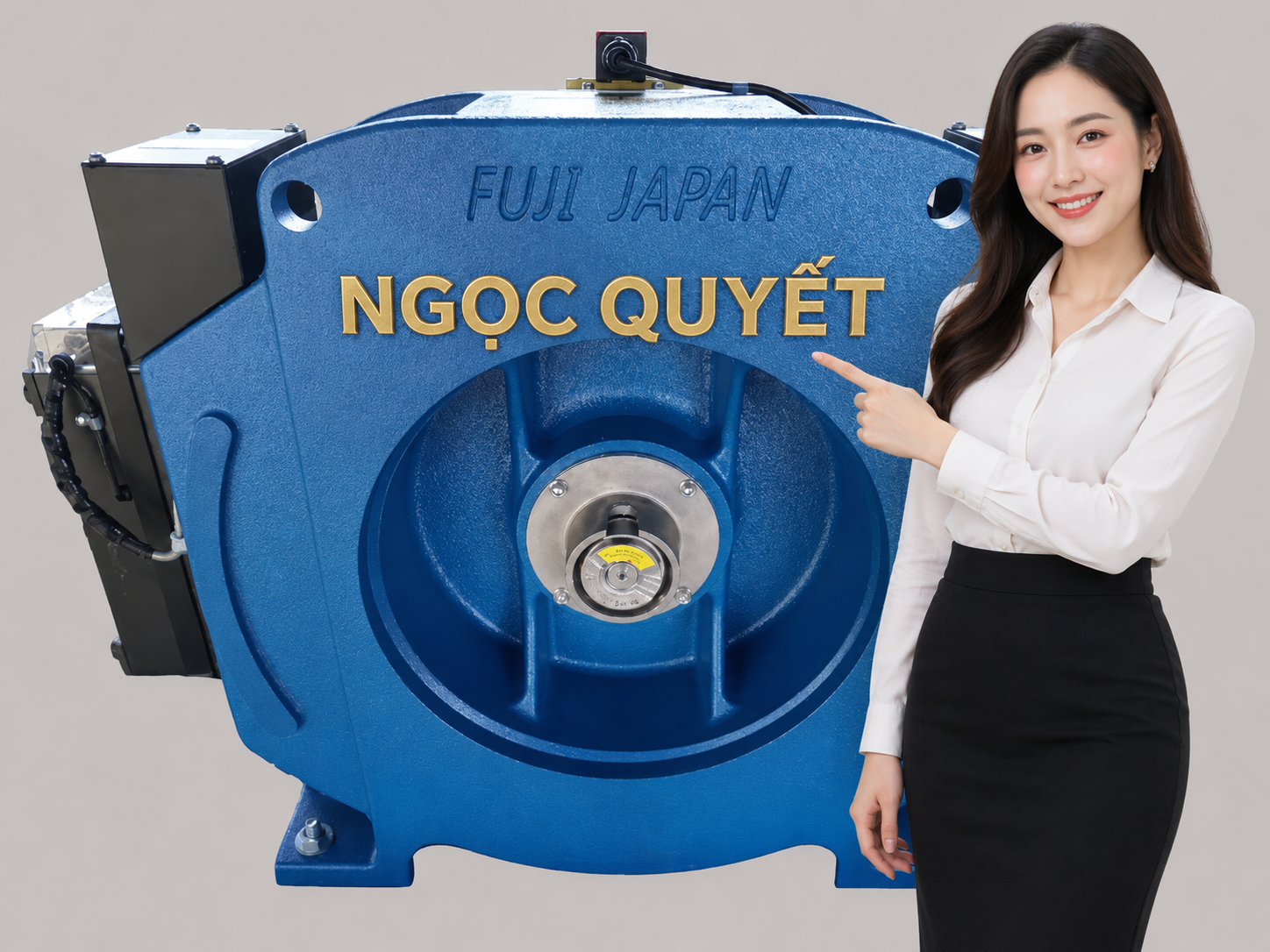
Ngoc Quyet Company provides professional elevator consulting, installation, and maintenance services , meeting all the most stringent technical requirements and safety standards. Our team of experienced technicians is always ready to support customers from the initial survey to operation, ensuring efficient and durable elevator performance over time.