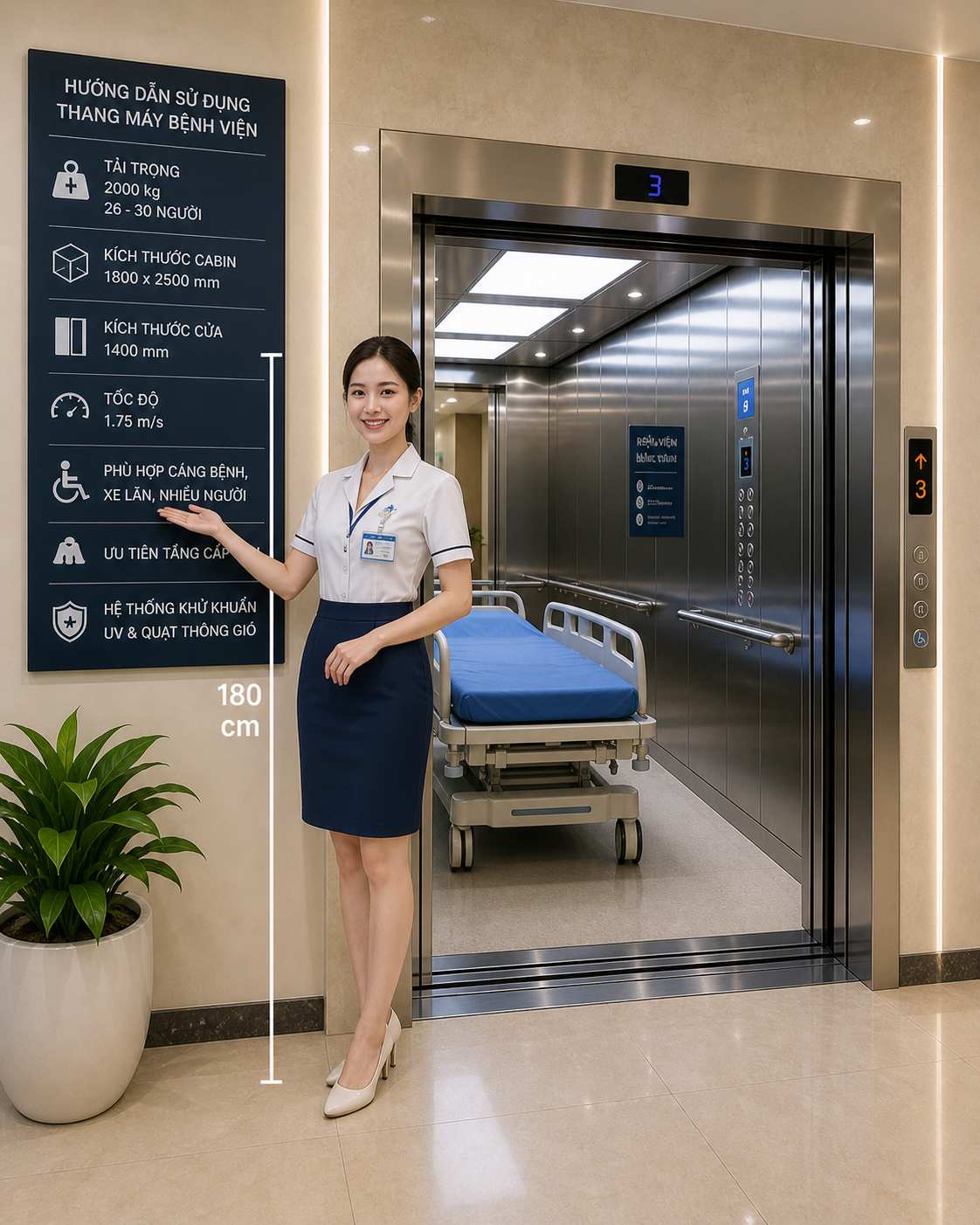
FUJI Elevator Motors from Japan: High-Efficiency Magnetic Synchronization
Introduction to FUJI Japanese magnetic synchronous elevator motors
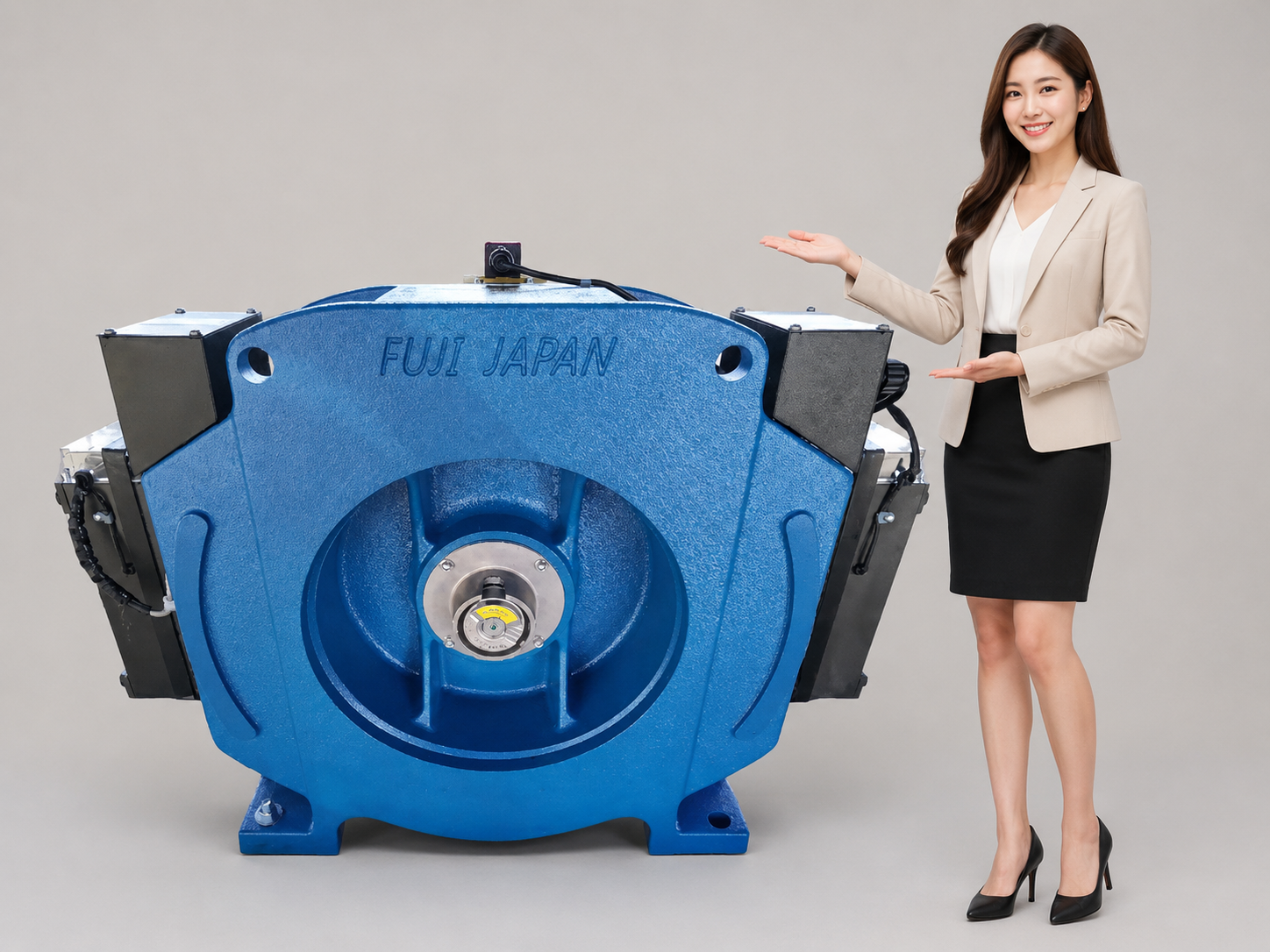
FUJI Japanese magnetic synchronous elevator motors are high-tech products widely used in the modern elevator industry. Imported directly from Japan, these motors possess advanced magnetic synchronous technology, improving operational efficiency, saving energy, and minimizing noise during operation. With a power of 3.9KW and stable operation, FUJI magnetic synchronous motors meet the stringent technical requirements of modern elevator projects, especially glass elevators, home elevators, and medium-capacity elevators.
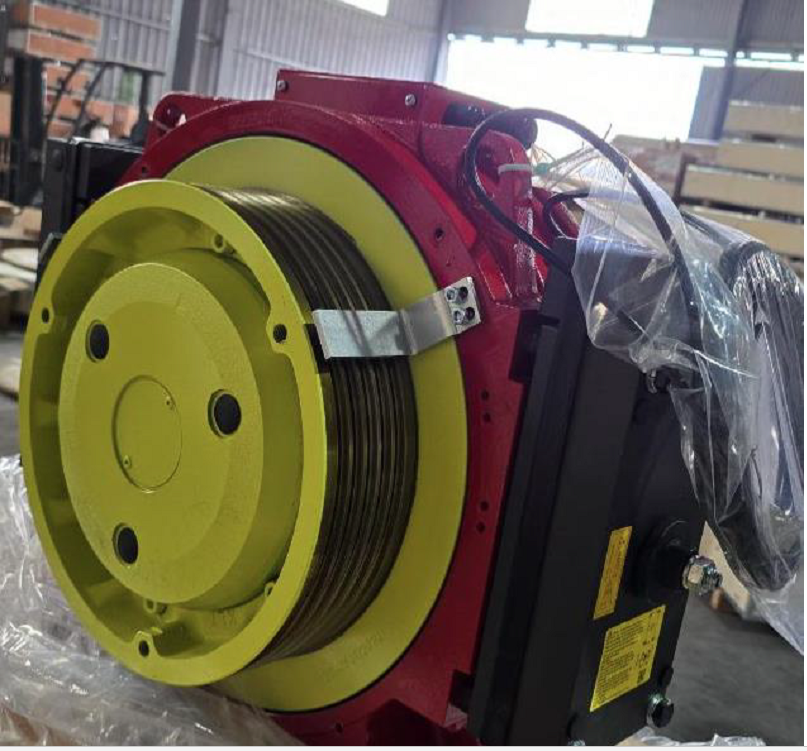
Operating mechanism of FUJI magnetic synchronous motors
FUJI's Permanent Magnet Synchronous Motor (PMSM) utilizes permanent magnets fixed to the rotor, generating a stable and powerful magnetic field. When alternating current flows through the stator, the generated rotating magnetic field interacts with the magnetic field of the rotor magnets, causing the rotor to rotate synchronously with the frequency of the current. This eliminates the slippage commonly seen in induction motors, thereby improving efficiency and accuracy in speed control.
Outstanding technical advantages of FUJI magnetic synchronous motors:
- High efficiency: The motor achieves efficiency of up to 90-95%, minimizing energy loss compared to traditional induction motors.
- Energy saving: Thanks to its permanent magnet structure and optimized design, the motor significantly reduces power consumption, contributing to lower long-term operating costs.
- Smooth operation: The synchronized magnetic field design minimizes noise and vibration, creating a comfortable experience for elevator users.
- High durability: Using high-quality materials and advanced manufacturing technology, the motor has a long lifespan and good load-bearing capacity in continuous operation environments.
- Precise control: In conjunction with a modern variable frequency drive (VFD), the motor allows for flexible speed and torque adjustment, ensuring smooth and safe operation.
Detailed specifications
| Parameter | Value |
|---|---|
| Rated power | 3.9 kW |
| Operating voltage | 380V / 50Hz |
| Rated speed | 1500 rpm |
| Rated current | 10.5 A |
| Efficiency | 92% |
| Power factor | 0.95 |
| Engine type | Magnetic field synchronous motors (PMSM) |
| Mass | 45 kg |
Practical applications in the elevator industry.
FUJI magnetic synchronous motors are specially designed for use in modern elevators, including:
- Glass elevators: For smooth operation and high aesthetics, FUJI motors minimize noise and vibration, while saving installation space thanks to their compact size.
- Home elevators: The motor has a power output suitable for medium loads, ensuring stable and safe operation for households.
- Medium-capacity elevators: Meet technical requirements for capacity and durability, suitable for office buildings, hotels, and shopping malls.
Magnetic field synchronization technology and its impact on elevator performance.
Magnetic field synchronization technology eliminates unnecessary electromagnetic losses, thereby improving the overall efficiency of the elevator system. FUJI motors use high-quality permanent magnets, typically NdFeB (Neodymium Iron Boron), providing a large and stable magnetic flux density throughout operation. This not only reduces motor size and weight but also increases torque control, which is especially important for smooth elevator starting and stopping, avoiding jolting passengers.

The ability to integrate with intelligent control systems.
FUJI magnetic synchronous motors are easily integrated with modern variable frequency drive (VFD) and PLC controllers, allowing for:
- Adjust the speed precisely according to operational requirements.
- Monitoring operational status and predictive maintenance.
- Optimize energy consumption based on actual load.
- Enhance safety with emergency stop and anti-slip functions.
Comparing FUJI magnetic synchronous motors with traditional induction motors.
| Criteria | FUJI magnetic synchronous motor | Traditional induction motors |
|---|---|---|
| Efficiency | 90-95% | 75-85% |
| Noise | Short | Higher |
| Size | Compact | Larger |
| Speed control capability | Precise, smooth | Less accurate |
| Maintenance | Requires minimal maintenance due to the absence of carbon brushes. | Carbon brushes require regular maintenance. |
Installation and maintenance requirements
To ensure the performance and lifespan of FUJI magnetic synchronous motors, installation and maintenance must adhere to strict technical standards:
- Ensure a stable power supply and the correct rated voltage.
- Regularly inspect the cooling system to prevent overheating.
- Clean the engine and related parts to prevent dirt and grime from affecting performance.
- Check and update the inverter control software to optimize operation.
- Perform preventative maintenance based on monitoring data from the intelligent control system.
Overview of economic and environmental benefits
The use of FUJI magnetic synchronous motors not only reduces operating costs through energy savings but also contributes to reducing greenhouse gas emissions due to high efficiency and reduced energy losses. This aligns with current sustainable development trends and green building standards.
Structure and operating principle of FUJI magnetic synchronous motors
FUJI magnetic synchronous motors are crucial electrical devices in modern industrial applications, especially in elevator systems where high precision and efficiency are required. These motors are designed based on the operating principle of permanent magnet synchronous motors (PMSMs), a significant difference from traditional induction motors.
The detailed structure of a FUJI magnetic synchronous motor consists of two main parts: the stator and the rotor.
- Stator: This is the stationary part, constructed from laminated silicon steel sheets to reduce eddy current losses. The stator contains windings arranged in a three-phase configuration, which create a rotating magnetic field when power is supplied. These windings are typically made of high-quality insulated copper wire to ensure durability and efficient power transmission.
- Rotor: Unlike induction motors, the rotor of a FUJI synchronous motor is equipped with permanent magnets (usually neodymium magnets - NdFeB) arranged in an optimized magnetic field structure. These magnets create a stable and strong magnetic field, eliminating the need for excitation current like traditional synchronous motors.
The in-depth operating principle of FUJI magnetic synchronous motors is based on the interaction between the rotating magnetic field of the stator and the fixed magnetic field of the permanent magnets on the rotor:
- When a three-phase alternating current is supplied to the stator, the windings generate a rotating magnetic field with a frequency f (Hz). This magnetic field has a rotational speed called the synchronous speed (Ns), which is calculated using the formula:
Ns = (120 × f) / P
- In this formula, P is the number of pole pairs of the stator.
- This rotating magnetic field creates an electromagnetic force that acts on the permanent magnets on the rotor, causing the rotor to rotate in the same direction and at the same speed as the rotating magnetic field of the stator, i.e., synchronized with the power supply frequency.
- Because the rotor has a fixed magnetic field thanks to permanent magnets, there is no slippage like in induction motors, which helps to keep the motor speed stable and precise.
Outstanding technical advantages of FUJI magnetic synchronous motors :
- High efficiency: The use of permanent magnets reduces power losses because no excitation current is needed on the rotor, while also reducing simultaneous losses in the iron core and windings.
- Reduced heat generation: Due to low power loss, the motor runs cooler, extending component lifespan and reducing maintenance costs.
- Precise speed control: Synchronized speed makes motor control easier, especially when combined with an inverter to change the power supply frequency.
- Compact size and light weight: Because it does not require excitation windings on the rotor and has a permanent magnet structure, the motor can be designed to be smaller than an induction motor of the same power.
- Low noise and smooth operation: The stable magnetic field and lack of slippage reduce vibration and noise during operation.
Applications in elevators :
- FUJI magnetic synchronous motors are widely used in modern elevator systems due to their precise speed control capabilities, ensuring smooth operation, reduced vibration, and increased user safety.
- The ability to maintain a synchronized speed ensures stable elevator operation even when the load changes, guaranteeing a better user experience.
- High efficiency and reduced power loss result in lower operating costs and reduced environmental impact.
Key technical factors in design and operation :
- Magnet material: Neodymium magnets are preferred due to their high magnetic flux density and good heat resistance, helping to maintain a stable magnetic field under harsh operating conditions.
- Stator winding design: Optimizing the number of turns, wire cross-section, and winding method helps reduce resistance losses and increase motor efficiency.
- Cooling system: The engine is equipped with an efficient cooling system (fan or water cooling) to maintain operating temperature within safe limits, ensuring longevity and performance.
- Controllers and sensors: FUJI synchronous motors are typically integrated with electronic controllers and position sensors (encoders or resolvers) to monitor and adjust speed and torque according to operating requirements.
Compared to traditional induction motors :
| Criteria | FUJI magnetic synchronous motor | Traditional induction motors |
|---|---|---|
| Speed | Stable and synchronized with the power supply frequency. | There is often slippage, and the speed is not constant. |
| Efficiency | High, reduces power loss. | Lower due to losses in the rotor and stator. |
| Rotor design | Permanent magnets, no excitation current required. | Rotor windings, requiring excitation current. |
| Speed control capability | Precise and easily controlled by frequency converter. | Difficult to control due to slippage and varying torque. |
| Heat generation | Lower, cooler operation | Higher heights require a more powerful cooling system. |
The outstanding advantage of FUJI Japanese magnetic synchronous elevator motors.
FUJI synchronous magnetic field elevator motors represent a significant technological advancement in the field of modern elevators, offering numerous advantages over traditional geared motors. Below is a detailed and in-depth analysis of the outstanding advantages of this type of motor:
- High Efficiency: FUJI magnetic synchronous motors use permanent magnets (PM) instead of resistance coils like traditional induction motors. This minimizes power losses due to induced current and iron losses in the steel core. Specifically, permanent magnets create a stable magnetic field without the need for excitation current, thereby significantly reducing energy consumption. As a result, the motor saves up to 40% energy compared to geared motors, contributing to reduced operating costs and environmental friendliness.
- Smooth operation: Synchronous magnetic field technology allows the motor to operate with stable torque and without rotor slippage like induction motors. This significantly reduces noise and vibration during elevator operation. In addition, the brushless rotor design and minimal moving mechanical parts reduce friction, thereby enhancing the user experience with smooth, quiet operation, especially important in high-rise buildings or areas requiring quietness.
- High durability: FUJI synchronous motors are manufactured with genuine imported components from Japan, ensuring strict quality standards. The materials used have good heat resistance and corrosion resistance, significantly increasing the motor's lifespan. The gearless design also reduces the number of easily damaged mechanical parts, thereby minimizing maintenance costs and downtime. The motor can operate continuously in harsh environments while maintaining stable performance.
- Precise speed control capability: When combined with the FUJI VVVF (Variable Voltage Variable Frequency) inverter control system, the magnetic synchronous motor can adjust speed steplessly and precisely. This allows the elevator to stop at each floor with high accuracy, reducing the occurrence of misaligned stops, while providing a smooth, jerk-free ride. The control system also supports intelligent operating modes such as soft start and regenerative braking, contributing to improved efficiency and safety.
- Gearless Design: FUJI magnetic synchronous motors are designed without a gear, meaning the drive is direct from the rotor to the elevator cable drum. This design reduces the size and weight of the motor, making installation and maintenance easier. Furthermore, eliminating the gear minimizes mechanical losses and noise from the gears, and reduces routine maintenance costs as there is no need for frequent oil changes or gear inspections.
A more detailed technical analysis of FUJI magnetic synchronous motors:
- Rotor structure: The rotor of the FUJI motor uses permanent magnets made from rare earth materials such as NdFeB (Neodymium Iron Boron), which have a high magnetic flux density and the ability to maintain a stable magnetic field for a long time. This helps the motor maintain high torque even at low speeds, making it very suitable for elevator operation requirements.
- Stator and windings: The stator is designed with optimized grooves to reduce resistance and iron losses, using high-quality copper wire and good heat-resistant insulation. This design helps reduce operating temperature and increase motor efficiency.
- Cooling system: FUJI engines typically incorporate an air or water cooling system, which helps maintain a stable operating temperature, extends component lifespan, and ensures continuous performance under high load conditions.
- Electronic control: The FUJI VVVF controller utilizes advanced microprocessor technology, allowing for precise adjustment of the frequency and voltage supplied to the motor, thereby effectively controlling speed and torque. The system also features self-diagnosis of faults and overload and overheat protection, increasing safety and reliability.
Practical applications and economic benefits:
- FUJI magnetic synchronous motors are widely used in high-rise buildings, shopping malls, hospitals, and other structures requiring continuous elevator operation with high efficiency.
- Energy savings of up to 40% significantly reduce monthly electricity costs, while also contributing to a reduction in greenhouse gas emissions, aligning with the trend of sustainable development.
- Long motor lifespan and low maintenance costs help investors minimize operating expenses and increase the stability of the elevator system.
- Smooth and precise operation enhances the user experience, contributing to increased value and prestige for the project.
Practical applications of FUJI magnetic synchronous motors in elevators.

FUJI magnetic synchronous motors are one of the advanced technological solutions widely applied in the modern elevator industry. With their special design and operating principle based on synchronous magnetic fields, these motors deliver high operating efficiency, superior durability, and precise speed control, enhancing user experience and optimizing operating costs.
1. Operating principle and technical characteristics of FUJI magnetic synchronous motors
FUJI magnetic synchronous motors operate on the principle of synchronization between the rotating magnetic field of the stator and the magnetic field of the rotor. Unlike traditional asynchronous motors, the rotor of a magnetic synchronous motor does not have induced current; instead, it is generated from permanent magnets or excitation coils, which reduces power loss and increases efficiency.
- Precise speed synchronization: The motor maintains a stable rotational speed according to the power supply frequency, ensuring smooth, vibration-free elevator operation.
- High efficiency: The conversion rate of electrical energy to mechanical energy is over 90%, minimizing heat and power losses.
- Flexible speed control: Combined with the FUJI VVVF 8.3KW controller, the motor's speed can be adjusted as needed, ensuring smooth operation and energy efficiency.
- Durability and low maintenance: Simple design with few moving parts minimizes wear and tear and reduces maintenance costs.
2. Applications in glass elevators
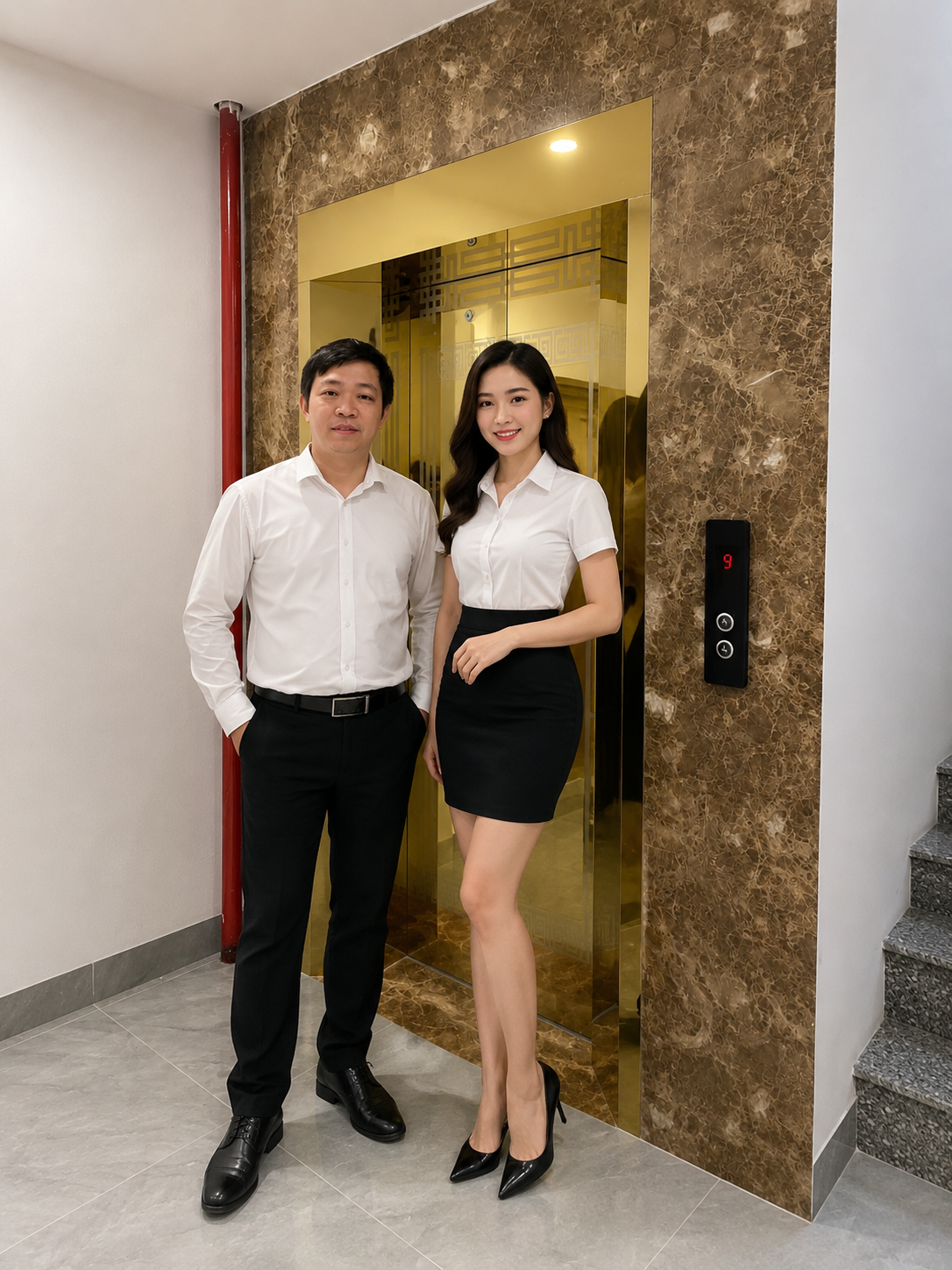
Glass elevators are a modern elevator design trend, commonly used in high-end buildings, shopping malls, and luxury offices. FUJI synchronous magnetic motors are chosen for this type of elevator due to their smooth operation, lack of vibration, and stability, ensuring user safety.
- Smooth operation: The magnetic synchronous motor minimizes noise and vibration, making it suitable for environments requiring quietness and elegance.
- Compact design: Saves installation space, suitable for glass elevator designs with limited dimensions.
- Precise control: Ensures the elevator stops accurately at each floor, enhancing the user experience.
3. Applications in home elevators
FUJI synchronous magnetic motors are designed with power suitable for home elevators with a load capacity of 450kg to 630kg. This is a common load capacity in apartments and villas, helping to meet the needs for convenient and safe movement for family members.
- Energy saving: The motor, combined with the VVVF controller, helps reduce power consumption, suitable for frequent household use.
- Stable operation: The motor maintains a stable speed, minimizing jerking when starting or stopping the elevator.
- Easy maintenance: The simple design reduces maintenance costs and time, extending the equipment's lifespan.
4. Applications in medium-load elevators
For office buildings and medium-sized hotels, medium-capacity elevators with an operating speed of around 60m/min are a popular choice. FUJI magnetic synchronous motors meet these technical requirements well, ensuring stable and safe operation.
- Excellent load-bearing capacity: The motor can operate continuously under medium load, ensuring high durability and performance.
- Precise control: Combined with the FUJI VVVF 8.3KW control system, the motor provides precise control of speed and stopping position, minimizing mechanical wear.
- Energy saving: Magnetic field synchronization technology helps reduce power loss, contributing to lower operating costs for investors.
5. Integrated with FUJI VVVF 8.3KW control system.
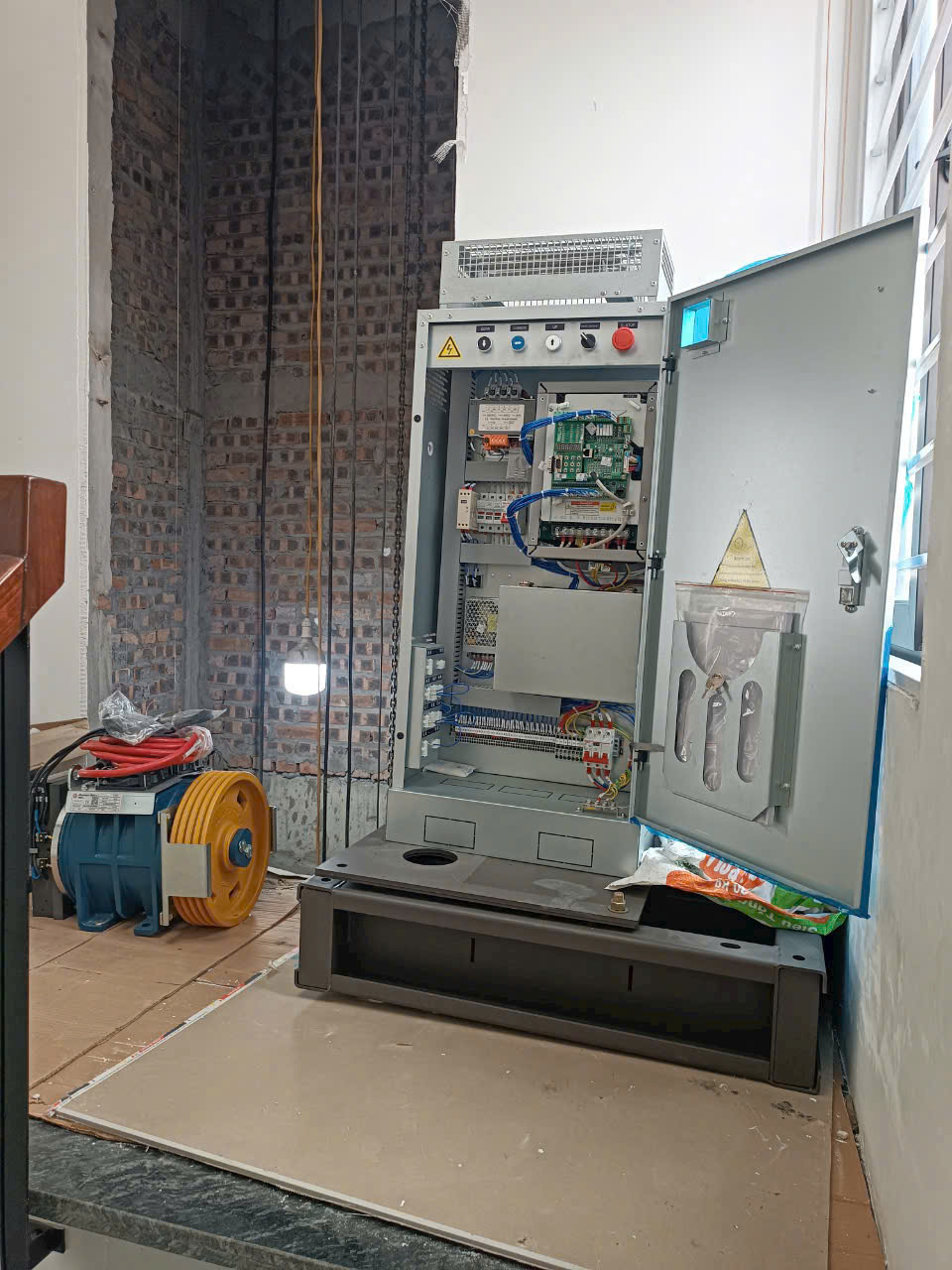
FUJI magnetic synchronous motors are typically integrated with the FUJI VVVF 8.3KW inverter controller, one of the most advanced control technologies available today. This controller allows for:
- Flexible speed adjustment: This helps the elevator operate smoothly, minimizing vibration and noise.
- Soft start and stop mode: Reduces mechanical stress on drive components, increasing equipment lifespan.
- Energy saving: Optimizing input current, reducing losses and operating costs.
- Safety protection: Integrated overload, overvoltage, and overtemperature protection functions ensure the safety of the system and users.
6. Economic and technical benefits of using FUJI magnetic synchronous motors in elevators.
- Reduced operating costs: High efficiency and energy saving capabilities significantly reduce monthly electricity costs.
- Increased equipment lifespan: Integrated design and stable operation reduce wear and tear, extending service life.
- Reduced maintenance costs: Engines with fewer moving parts and integrated modern technology help reduce the frequency and cost of maintenance.
- Enhanced user experience: Smooth, precise, and safe operation, suitable for projects requiring high quality.
Technical specifications table for FUJI Japanese magnetic synchronous elevator motors.
Parameter Value Manufacturer FUJI Japan Engine power 3.9 KW Engine type Gearless magnetic synchronous motor Operating speed 60 m/min Voltage 3 Phase - 380V - 50Hz Maximum number of startups 180 times/hour Control system FUJI VVVF 8.3 KW, Microprocessor, CAN Bus technology Origin Japan (officially imported) Guarantee 24 months
| Parameter | Value |
|---|---|
| Manufacturer | FUJI Japan |
| Engine power | 3.9 KW |
| Engine type | Gearless magnetic synchronous motor |
| Operating speed | 60 m/min |
| Voltage | 3 Phase - 380V - 50Hz |
| Maximum number of startups | 180 times/hour |
| Control system | FUJI VVVF 8.3 KW, Microprocessor, CAN Bus technology |
| Origin | Japan (officially imported) |
| Guarantee | 24 months |
FUJI Japan's Permanent Magnet Synchronous Motor (PMSM) is one of the most advanced solutions in the field of modern elevators, designed to optimize operational efficiency, save energy, minimize noise, and reduce maintenance. This motor utilizes permanent magnets on the rotor, creating a stable and powerful magnetic field, thus increasing the efficiency of converting electrical energy into mechanical energy.
The 3.9 KW motor is suitable for medium-load elevators, ensuring smooth and stable operation at a speed of 60 m/min. This is the standard speed for small to medium-sized residential and commercial elevators, balancing travel speed with user safety.
Three-phase voltage - 380V - 50Hz is a common industrial voltage standard in many countries, ensuring easy connection to existing electrical systems. Using three-phase power helps motors operate stably, minimizes phase imbalance, and increases equipment lifespan.
The gearless magnetic synchronous motor is a highlight of FUJI's design, completely eliminating complex mechanical transmission components such as gearboxes, thereby reducing friction, wear, and noise. This translates to reduced maintenance costs and increased durability for the elevator system.
The maximum start-up rate of 180 times/hour demonstrates the motor's high load capacity and durability in high-traffic environments such as office buildings, shopping malls, or high-rise apartment complexes. The motor is designed to meet continuous operation requirements without overloading or performance degradation.
The FUJI VVVF 8.3 KW control system utilizes vector inverter technology for stepless speed control, ensuring smooth motor operation, energy efficiency, and reduced vibration during startup and shutdown. The integrated microprocessor enables fast and accurate signal processing, while also supporting safety functions and effective motor protection.
CAN Bus technology , when applied to the control system, enhances communication between components of the elevator system, minimizes signal interference, and improves operational reliability. CAN Bus also supports remote fault diagnosis, making maintenance and repair easier for technicians.
Made in Japan, this product guarantees international quality standards, thanks to its rigorous manufacturing process and strict quality control. Importing directly from FUJI Japan also gives customers peace of mind regarding its origin and official warranty.
The 24-month warranty policy is a commitment to the durability and performance of the engine, and demonstrates the manufacturer's confidence in the product's quality. During the warranty period, customers will receive free technical support and repairs if any manufacturing defects occur.
Outstanding technical advantages of FUJI magnetic synchronous motors.
- High efficiency: Magnetic synchronous motors have an energy conversion efficiency of up to 90-95%, resulting in significant energy savings compared to traditional induction motors.
- Low noise level: The gearless design and use of permanent magnets reduce friction and noise during operation, creating a comfortable experience for the user.
- Precise control capabilities: VVVF technology and microprocessor allow for flexible motor speed adjustment, meeting the diverse operating requirements of elevators.
- High durability: The robust design, high-quality materials, and high load capacity ensure the motor operates stably for a long time with minimal breakdowns.
- Simple maintenance: Eliminating the gearbox and complex mechanical components minimizes routine maintenance and repair costs.
- High compatibility: The integrated CAN Bus technology control system allows for easy connection and synchronization with other devices in the elevator system.
Practical applications and notes on usage.
The FUJI 3.9 KW magnetic synchronous motor is commonly used in the following types of elevators:
- Residential elevators in high-rise buildings and apartment complexes.
- Commercial elevators in shopping malls and office buildings.
- Passenger elevators have a medium load capacity and a moderate operating speed.
When installing and operating the motor, please note:
- Ensure a stable power supply with the correct voltage and frequency to avoid damaging the equipment.
- Regularly inspect the VVVF control system and safety sensors to ensure correct operation.
- Comply with electrical safety regulations and maintain equipment according to the manufacturer's instructions.
- Train operating and maintenance personnel to recognize abnormal signs and address them promptly.
Choosing FUJI Japanese magnetic synchronous motors not only enhances elevator operation efficiency but also contributes to minimizing long-term operating and maintenance costs, while ensuring safety and comfort for users.
Analysis and evaluation of projects and customer needs for FUJI motors.
In the field of residential elevators, choosing the right motor not only affects operational efficiency but also determines durability and user experience. For a glass elevator project with a load capacity of 450kg and a speed of 60m/min, the FUJI Japanese magnetic synchronous elevator motor is considered an advanced technical solution, optimally meeting stringent requirements for performance and safety.
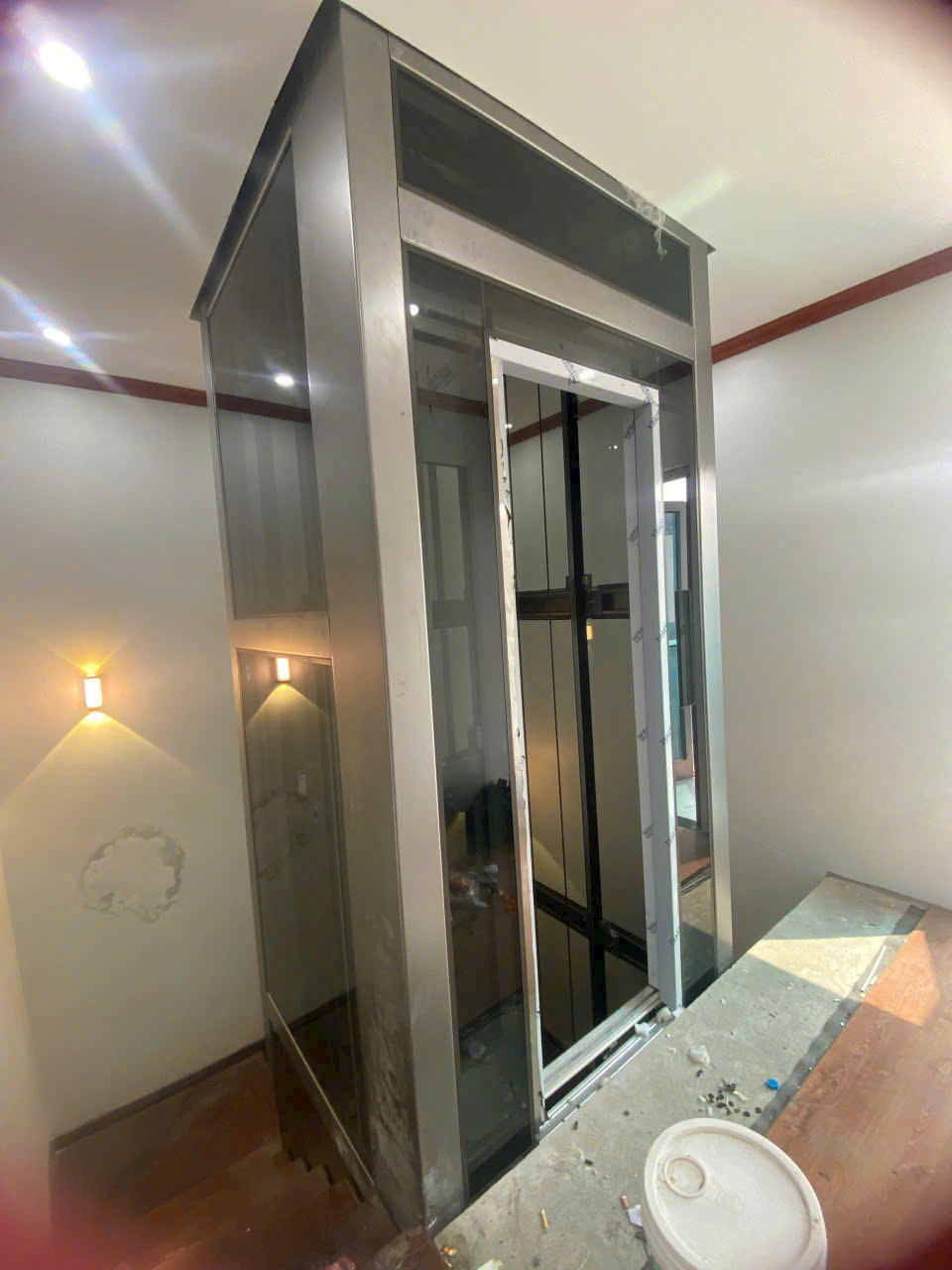
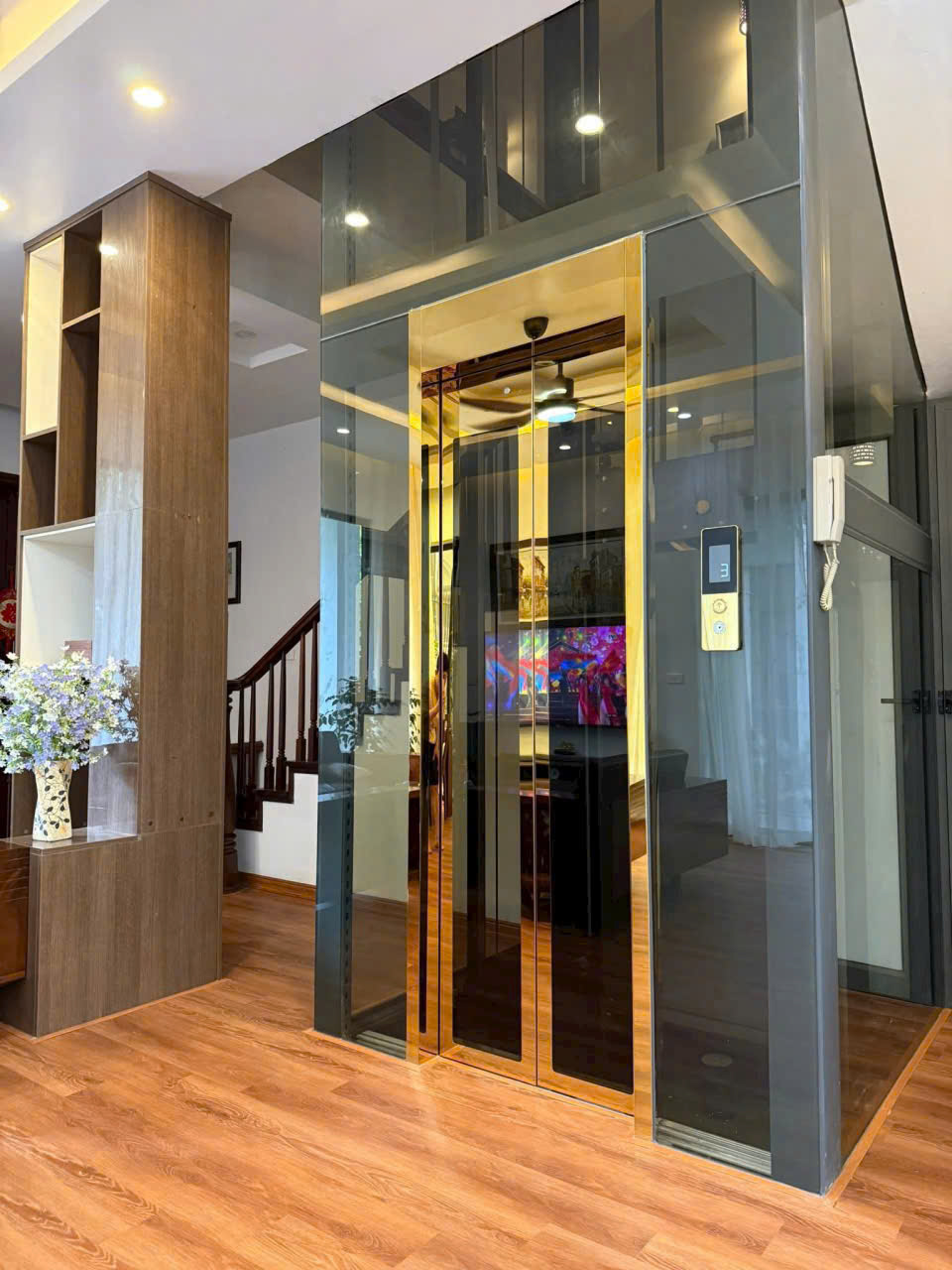
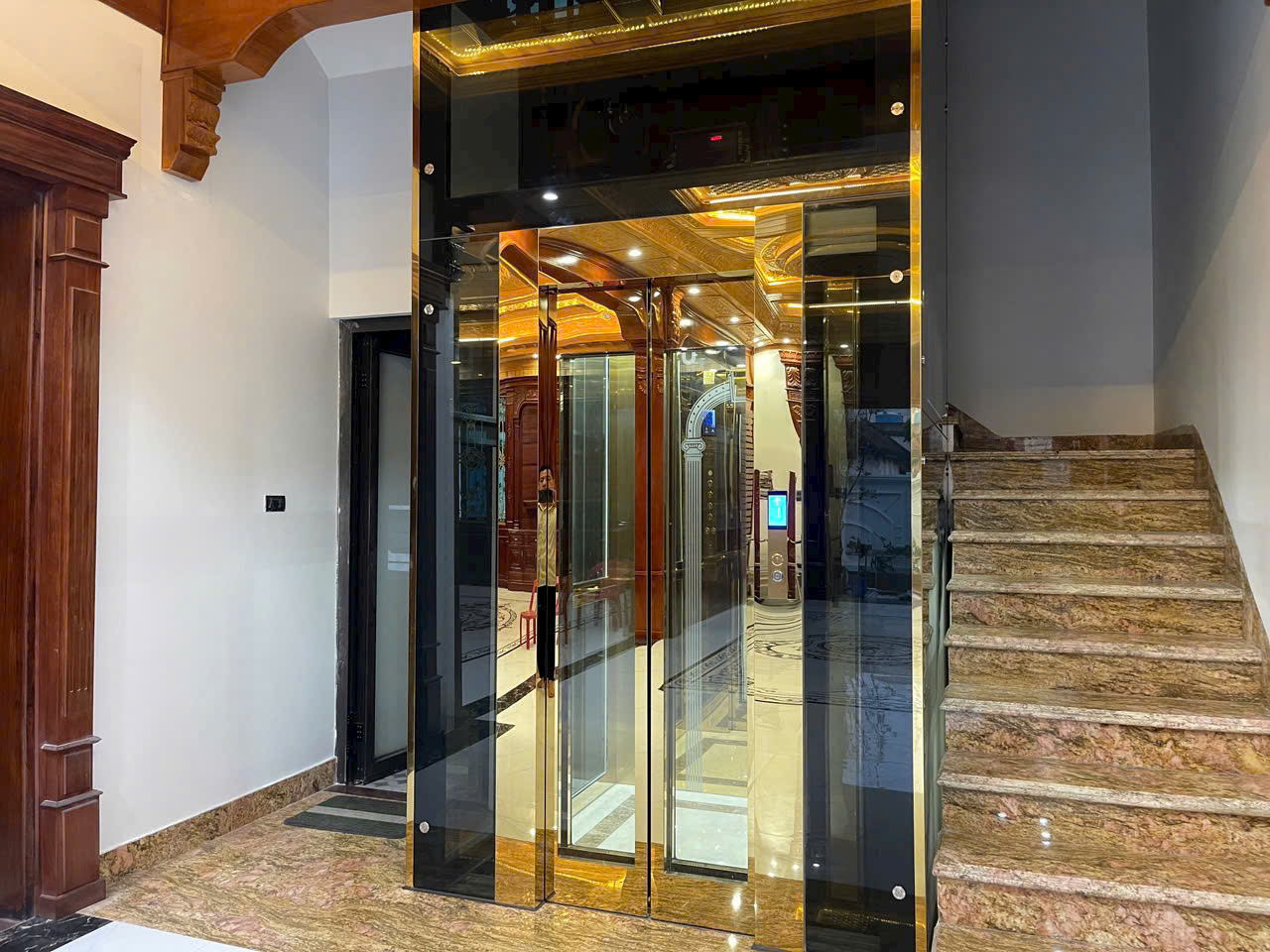
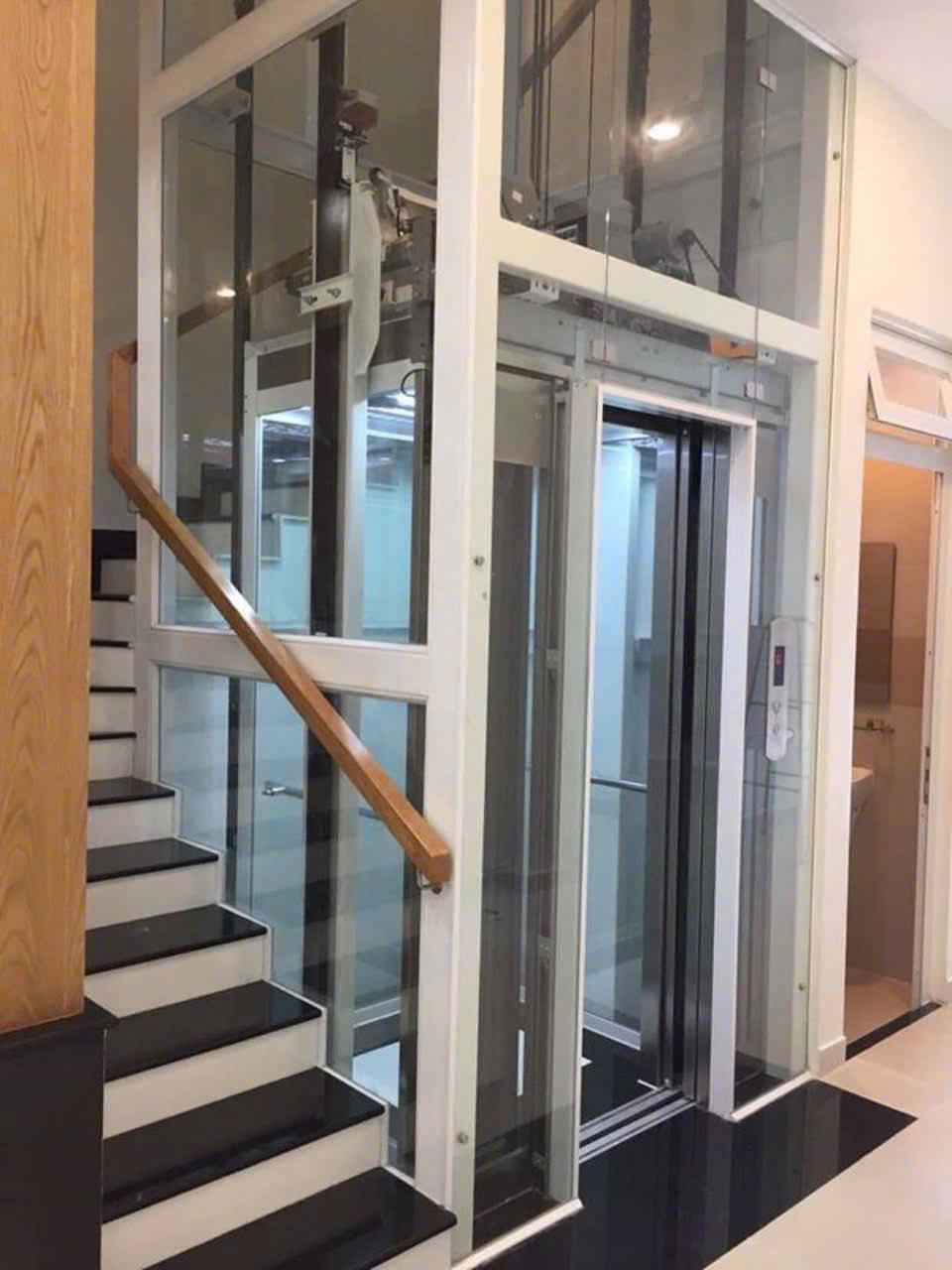
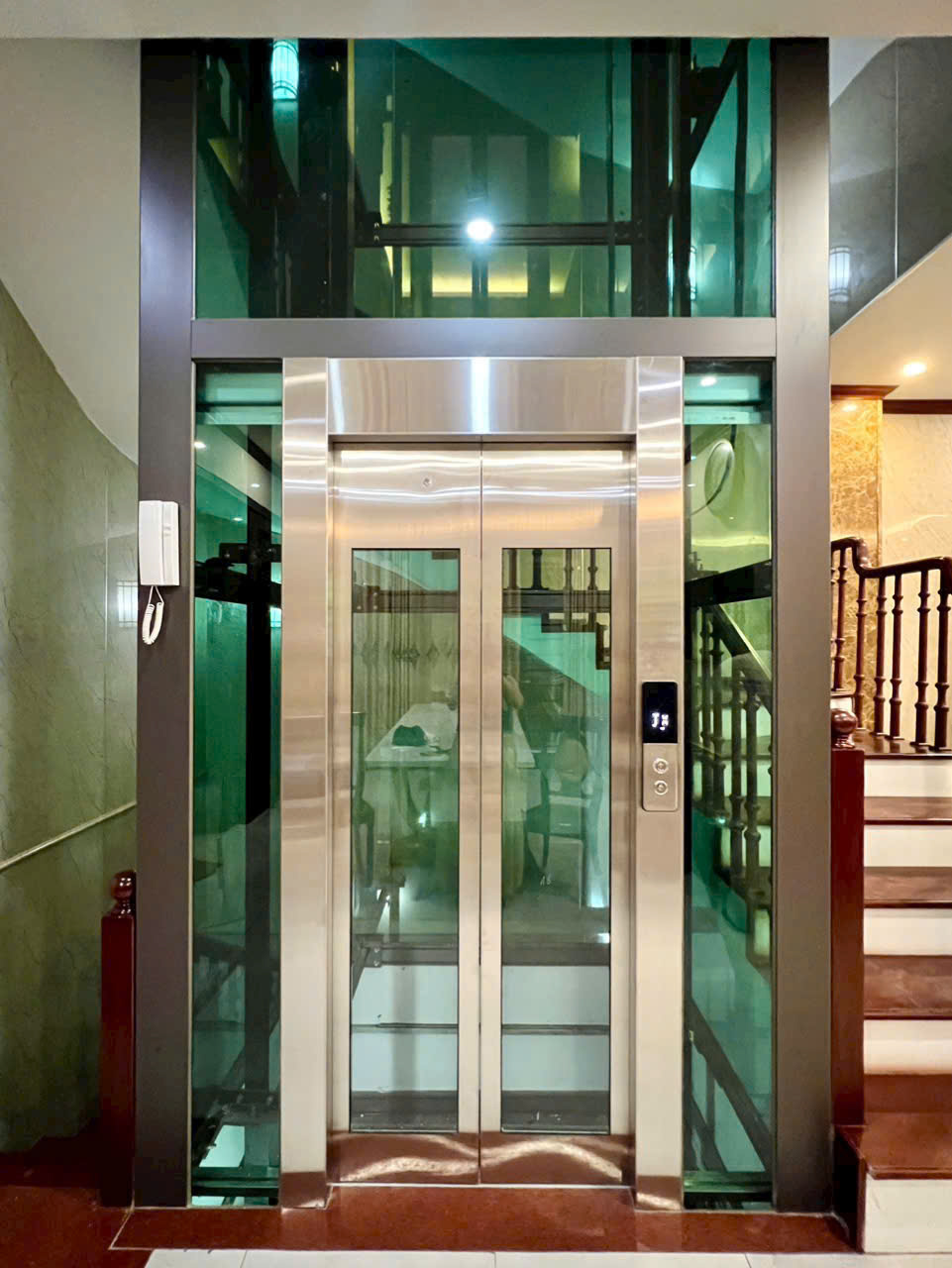
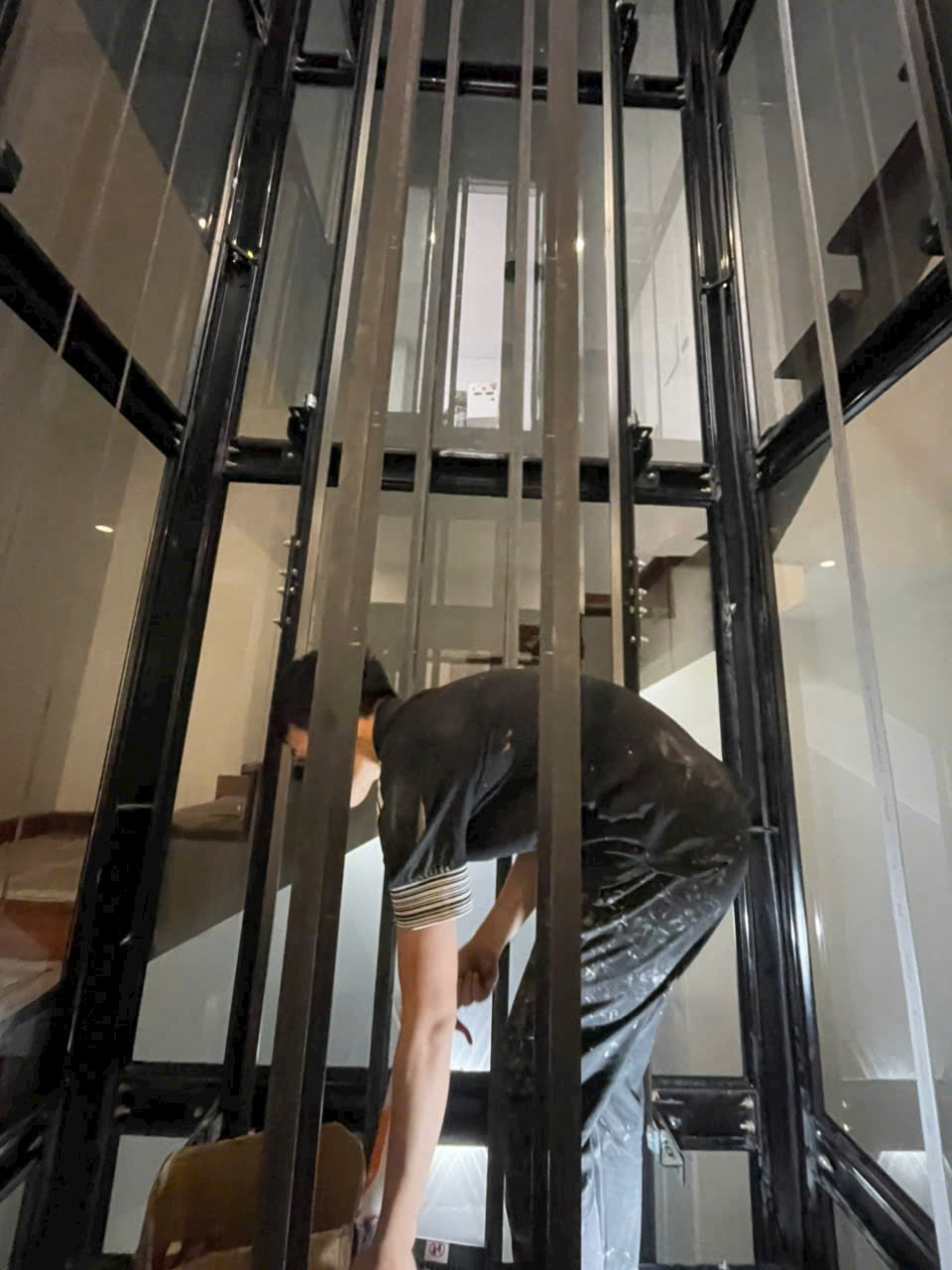
Building design: A load-bearing steel frame is used as the main structure, ensuring load-bearing capacity and structural stability throughout operation. Double-layered safety laminated glass not only enhances aesthetics but also improves safety, preventing breakage and minimizing risks in case of impact. The center-opening door, measuring 700x2100mm, is designed according to modern elevator standards, providing convenience for users and fitting seamlessly into the home's interior space.
FUJI Synchronous Magnetic Motor: With a power of 3.9KW, the FUJI motor uses gearless synchronous magnetic motor technology to minimize mechanical friction, thereby improving transmission efficiency and reducing operating noise. The 8.3KW VVVF (Variable Voltage Variable Frequency) control system, imported from Japan, allows for flexible motor speed adjustment, ensuring smooth elevator operation, energy savings, and reduced vibration.
The technical advantages of FUJI magnetic synchronous motors include:
- High energy efficiency: Reduced power consumption compared to traditional asynchronous motors.
- Extended equipment lifespan: Because no gearbox is used, mechanical wear and tear is reduced, resulting in lower maintenance costs.
- Smooth operation: Reduces noise and vibration, suitable for quiet home environments.
- Precise control: The VVVF system allows for flexible speed and torque adjustment, enhancing safety and user experience.
Technical requirements and safety standards: FUJI motors and control systems meet international elevator safety standards such as ISO 25745 for energy efficiency and EN 81-20/50 for design safety. The use of double-layered safety laminated glass and load-bearing steel frames also complies with regulations on structural and building materials, ensuring maximum durability and safety for users.
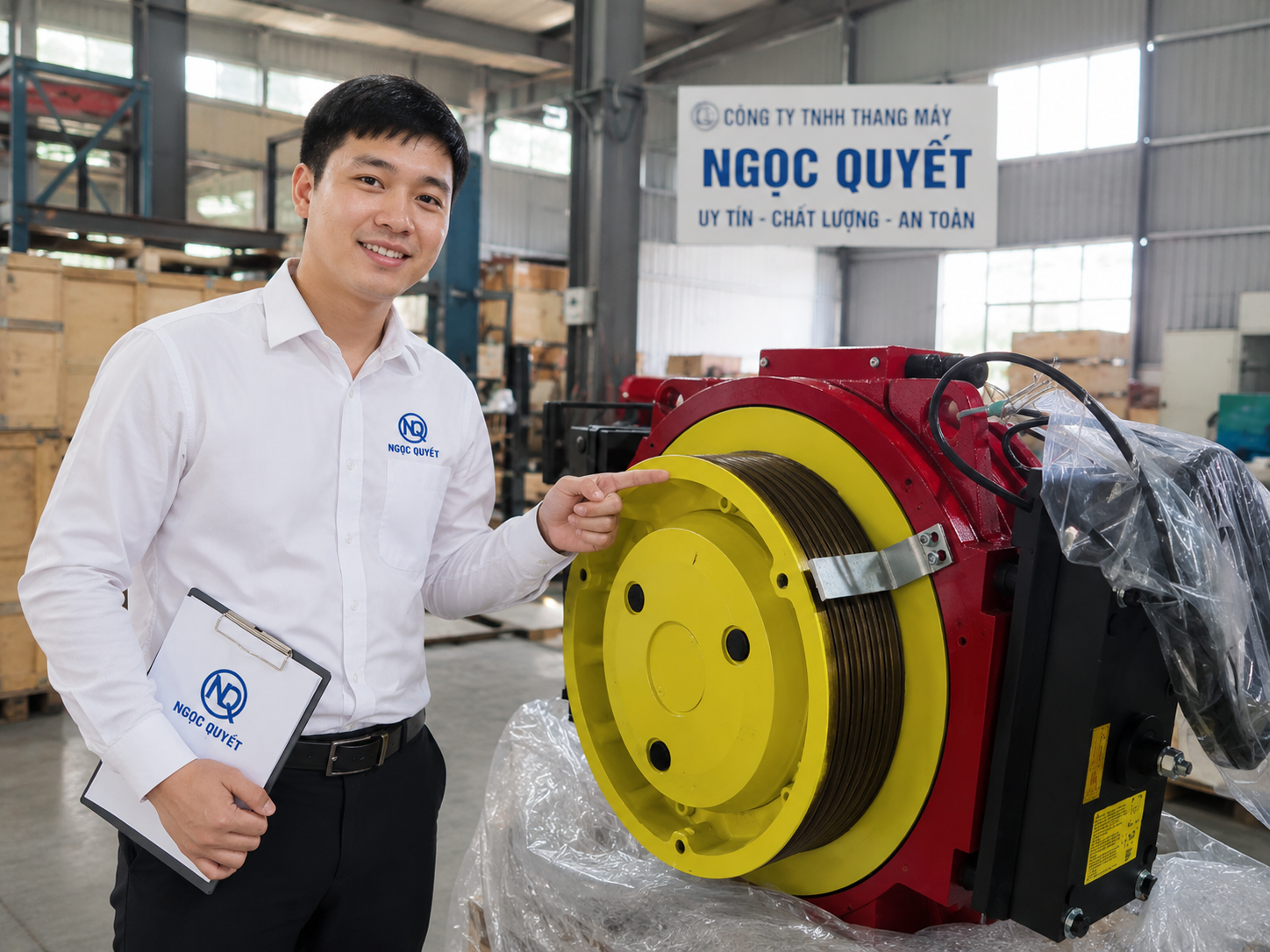
Installation and Operation Process: Ngoc Quyet General Construction & Trading Mechanical Co., Ltd. is responsible for implementing the entire process from surveying, designing, installing to trial operation. The team of technicians is extensively trained in FUJI motor systems and elevator safety standards, ensuring strict adherence to technical procedures and occupational safety regulations.
The installation process includes the following main steps:
- Survey the existing structure and take precise measurements.
- Erect the load-bearing steel frame and secure the safety glass system.
- Set up the FUJI motor system and connect it to the VVVF controller.
- Inspect and adjust electrical and mechanical systems.
- Operational testing, stability and safety assessment.
After-sales service and warranty: Customers enjoy a 24-month warranty on the entire motor system and related equipment. Ngoc Quyet Company provides regular maintenance services, prompt technical support, and upgrade advice when needed, helping to maintain operational efficiency and extend the lifespan of the elevator.
The selection of FUJI magnetic synchronous motors for the 450kg capacity glass elevator project not only meets technical requirements but also suits the customer's long-term needs, providing peace of mind and economic efficiency during operation.
Installation and maintenance procedures for FUJI magnetic synchronous elevator motors.
Installing FUJI magnetic synchronous elevator motors requires highly skilled technicians and adherence to precise procedures to ensure optimal performance and operational safety.
- Site survey: This is the first and most important step to ensure the selection of a motor that meets the actual requirements. Technicians need to accurately measure the dimensions of the elevator shaft, including height, width, and depth. Simultaneously, they must assess the maximum load the elevator will carry to determine the appropriate motor power. In addition, the power supply needs to be thoroughly checked for voltage, frequency, and stability to avoid electrical problems during operation. Specific technical requirements such as operating speed, number of floors served, and installation environment must also be fully documented.
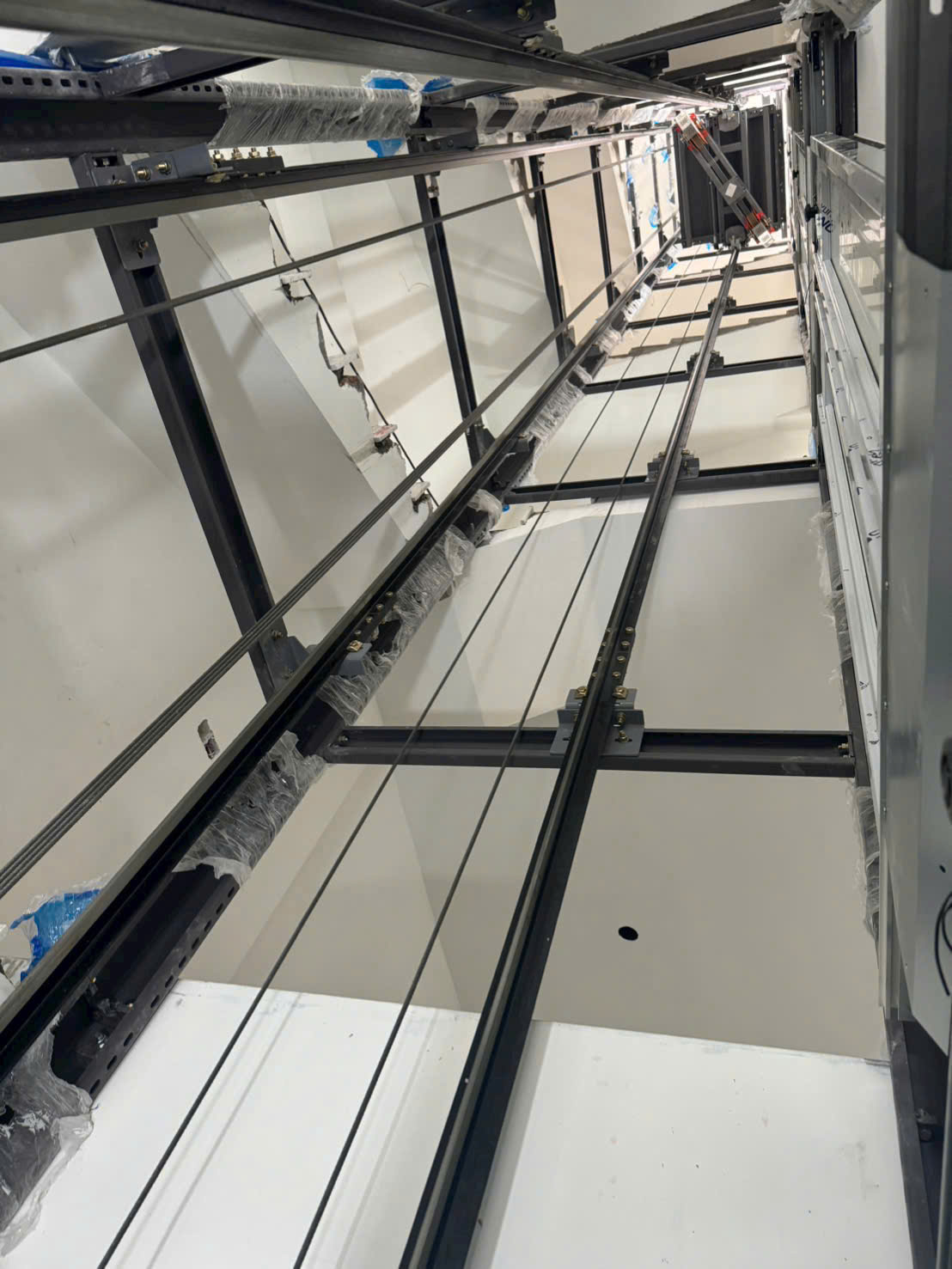
- Elevator shaft preparation: The construction and completion of the elevator shaft must strictly adhere to the approved technical drawings. The dimensions of the shaft must be precise to avoid discrepancies when installing the motor and other equipment. The load-bearing capacity of the shaft structure must meet safety standards, withstanding dynamic and static loads throughout operation. Additionally, the guide rail surface must be smooth and robust to minimize friction and noise during elevator operation.
- Motor and drive system installation: FUJI synchronous magnetic motors are typically installed in the machine room or at the top of the elevator shaft, depending on the building design. The motor must be securely fixed to prevent vibration during operation. Technicians need to accurately connect the hoisting cables to the motor, ensuring even and safe traction. Guide rails must also be aligned parallel and straight to minimize friction and wear. Installing an electromagnetic braking system is also crucial to ensure safety in case of sudden elevator stops or power outages.
- Control System Setup: The FUJI VVVF (Variable Voltage Variable Frequency) controller is designed for smooth and energy-efficient motor speed control. Technicians need to configure operating parameters such as maximum speed, acceleration, deceleration, and floor stop modes. This process involves programming control algorithms to optimize performance and minimize vibration. After setup, the control system must undergo a comprehensive functional test, including safety sensors, position encoders, and overload protection devices.
- Operational testing: This is a crucial step to evaluate the entire system before official commissioning. The elevator is tested with actual or simulated loads to check smooth operation, travel speed, accurate stopping at each floor, and the response of safety devices such as brakes, door sensors, and alarm systems. Parameters such as motor temperature, current consumption, and vibration levels are also monitored to detect potential problems early.
- Regular Maintenance: FUJI synchronous motors with a gearless design minimize complex mechanical components, thereby reducing maintenance frequency and increasing the durability of the entire elevator system. However, regular maintenance is still essential to maintain performance and equipment lifespan. Maintenance tasks include:
- Inspect and clean the motor components, especially the rotor and stator, to remove dust and impurities that could affect the magnetic field.
- Lubricating bearings and moving parts reduces friction and wear.
- Inspect the electrical system and connections for loose or damaged contacts.
- Measure electrical parameters such as voltage, current, and insulation resistance to ensure the system operates stably.
- Check and readjust the control parameters on the VVVF controller to maintain optimal performance.
- Inspect the braking system and safety equipment to ensure they can respond quickly and accurately when needed.
FUJI magnetic synchronous motors utilize a rotating magnetic field generated by permanent magnets on the rotor, completely eliminating the need for traditional gearboxes. This design not only minimizes mechanical losses but also reduces noise and vibration during operation. Furthermore, the simpler structure reduces maintenance costs and increases the reliability of the elevator system.
The application of magnetic synchronization technology in FUJI elevator motors also brings significant energy savings thanks to its ability to flexibly adjust speed and respond quickly to changing loads. This contributes to reduced operating costs and environmental friendliness.
During maintenance, technicians need to pay special attention to signs of wear and tear or abnormalities such as loud noises, increased vibrations, or unusually high motor temperatures in order to address them promptly, avoiding serious damage and disruption to elevator operation.
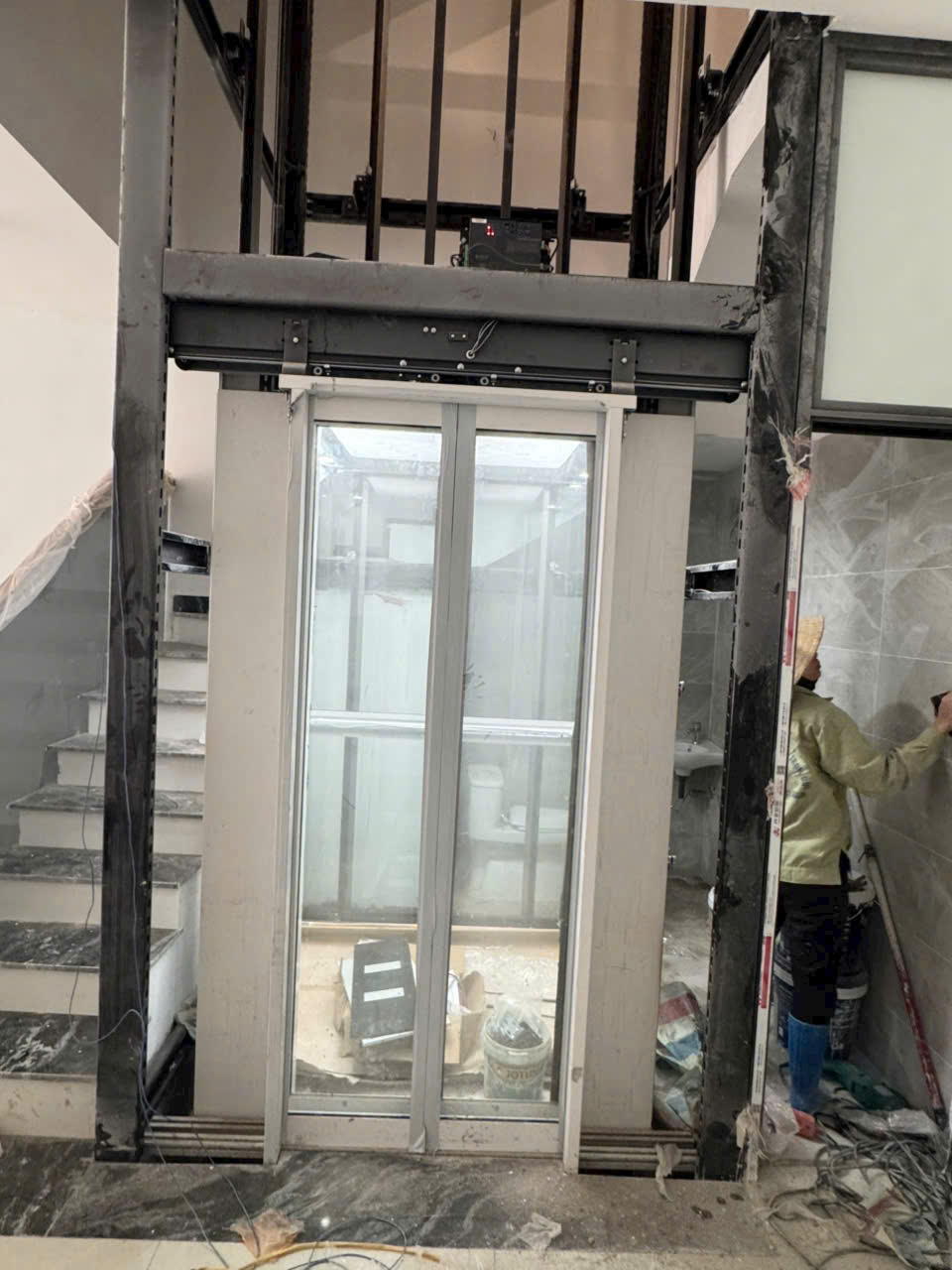
The FUJI VVVF control system is synchronized with the magnetic motor.
The FUJI VVVF (Variable Voltage Variable Frequency) control system is a high-tech component specifically designed for optimal coordination with FUJI magnetic synchronous elevator motors. This combination creates a modern motor control solution that enhances the operational efficiency, accuracy, and durability of the elevator system.
Technically, the FUJI VVVF controller utilizes advanced microprocessor technology, enabling the processing of complex control algorithms in real time. The integrated CAN Bus communication ensures fast and stable data transmission, minimizing signal interference, and supports efficient remote monitoring and control.
The system's operating principle is based on simultaneously adjusting the voltage and frequency supplied to the magnetic synchronous motor. This allows for flexible changes in the motor's rotational speed, thereby precisely controlling velocity and torque, ensuring smooth elevator operation, and reducing vibration and noise.
The magnetic synchronous motor in this system has a special design with permanent magnets on the rotor, which helps to create a stable and strong magnetic field. When combined with a VVVF controller, the motor can achieve higher efficiency than traditional induction motors, especially in applications requiring precise speed control and energy savings.
Key features of the FUJI VVVF control system include:
- Stepless speed control: The controller is capable of continuously changing the output frequency and voltage, not limited to fixed levels, allowing the elevator to accelerate and decelerate smoothly. This minimizes mechanical shock when the elevator stops at a floor, enhances user experience, and extends the lifespan of the drive mechanism.
- Automatic floor call cancellation function: The intelligent system can identify and automatically cancel unnecessary or duplicate floor calls, optimizing the operating schedule, reducing waiting time, and easing the load on the controller and related equipment.
- Displaying information via LED/LCD screen: The integrated screen provides operating parameters such as speed, operating status, system errors, and other messages in a visual and easy-to-understand manner. This assists technicians in monitoring and maintaining the system quickly and accurately.
- Energy saving: Thanks to its ability to adjust voltage and frequency to match the actual load of the elevator, the FUJI VVVF system minimizes unnecessary energy loss. This not only reduces operating costs but also contributes to environmental protection by reducing greenhouse gas emissions.
- High reliability: The system design includes self-diagnostic and fault alert functions, enabling early detection of potential problems. This allows for effective preventative maintenance, minimizes downtime, and ensures user safety.
The main components of the FUJI VVVF control system include:
- Inverter: Converts a fixed AC power source into a variable voltage and frequency, directly controlling the motor speed.
- Central processing unit: Processes input signals from sensors and control panels, and executes algorithms for controlling speed and torque.
- CAN Bus communication: Allows data exchange between system components and with peripheral devices such as display panels and safety sensors.
- Position and speed sensors: Provide accurate feedback on the motor's operating status, allowing the controller to make appropriate adjustments.
Technical advantages of the FUJI VVVF system synchronized with magnetic field motors:
- High efficiency: Magnetic synchronous motors have superior energy conversion efficiency, reducing power loss and heat generation.
- Control precision: Modern microprocessors allow for precise adjustment of motor speed and position with minimal error, meeting the stringent requirements of elevator operation.
- Safety features: The system integrates overload, overvoltage, overcurrent, and phase loss protection functions, ensuring stable and safe operation.
- Easy maintenance and upgrades: CAN Bus communication and self-diagnostic capabilities simplify maintenance and facilitate easy integration with smart building management systems.
Practical applications: The FUJI VVVF synchronous control system with magnetic field motors is widely used in high-end elevators, heavy-duty elevators, and projects requiring smooth operation, energy efficiency, and high durability. The application of this technology contributes to improving the quality of transportation services in commercial buildings, high-end apartments, and modern industrial zones.
Safety standards and protective equipment included with FUJI motors.
FUJI magnetic synchronous elevator motors are designed and manufactured according to stringent safety standards, meeting international requirements such as IEC 61508, EN 81-20/50, and the elevator safety regulations of each country. The integration of specialized safety devices not only ensures stable operation but also minimizes risks during use, protecting the lives and property of users.
- Overspeed Governor: This is a crucial safety device installed directly on the elevator traction system. The overspeed governor uses a centrifugal flywheel, operating on the principle that centrifugal force increases when the cabin speed exceeds the permissible limit. When the speed exceeds the limit, the flywheel activates the brake mechanism, automatically locking the traction system and bringing the cabin to a safe stop, preventing free fall or uncontrolled rapid sliding. This device is precisely calibrated to ensure timely and accurate response in all situations.
- Safety Brake: The safety brake of the FUJI motor is designed as a smooth electromagnetic or mechanical brake, located under the cabin frame or on the traction system. This brake's function is to keep the cabin stationary when the elevator stops, and it activates immediately in the event of a power failure or an emergency stop signal. The braking mechanism is designed for durable operation, capable of withstanding high braking forces, ensuring the cabin does not slide or fall in case of an accident.
- Buffer: A damper is installed at the bottom of the pit and is a device that absorbs and disperses energy when the elevator cabin or counterweight moves downwards beyond its travel limit. Hydraulic or special rubber dampers with high elasticity are commonly used to minimize sudden impacts, protecting the pit and cabin structure from serious damage. The appropriate damper type is selected based on the cabin weight, operating speed, and load characteristics.
- Overload Sensor: An overload sensor integrated into the control system uses force sensing or electronic weight sensing technologies to accurately measure the cabin load. When the load exceeds the permissible level, the device will send a warning signal and prevent the elevator from operating, avoiding damage to the motor and traction system, and ensuring user safety. This device is usually directly connected to the FUJI VVVF controller for fast and accurate signal processing.
- Limit Switch: This is a mechanical or electronic switch installed at the travel limit points on the guide rails of the elevator cabin and counterweight. When the cabin or counterweight moves beyond the permitted limit, the switch will activate a power cut-off signal or trigger the safety brake, preventing accidents caused by exceeding the limit. This switch is designed for high durability, impact resistance, and the ability to withstand harsh working environments in elevator shafts.
- Electrical Protection Devices: FUJI magnetic synchronous motors are equipped with advanced electrical protection devices to safeguard the motor from electrical faults such as phase loss, reverse phase, voltage overload, short circuit current, and overheating. These devices include phase protection relays, fuses, automatic circuit breakers (MCBs), winding temperature controllers, and current sensors. Upon detecting a fault, the system automatically cuts off the power supply to prevent motor damage and ensure the safety of the electrical system.
Synchronized Coordination System: The on-board protective devices do not operate independently but are tightly integrated with the FUJI synchronous motor and the FUJI VVVF (Variable Voltage Variable Frequency) control system. The VVVF controller not only helps to smoothly and energy-efficiently adjust motor speed but also continuously monitors operating parameters such as current, voltage, speed, and load. Upon detecting any abnormalities, the system activates the corresponding protective devices to prevent failure, ensuring safe and reliable operation.
FUJI synchronous magnetic field motors, combined with international standard safety devices, create a modern elevator system that meets stringent requirements for safety, performance, and reliability in diverse operating environments.
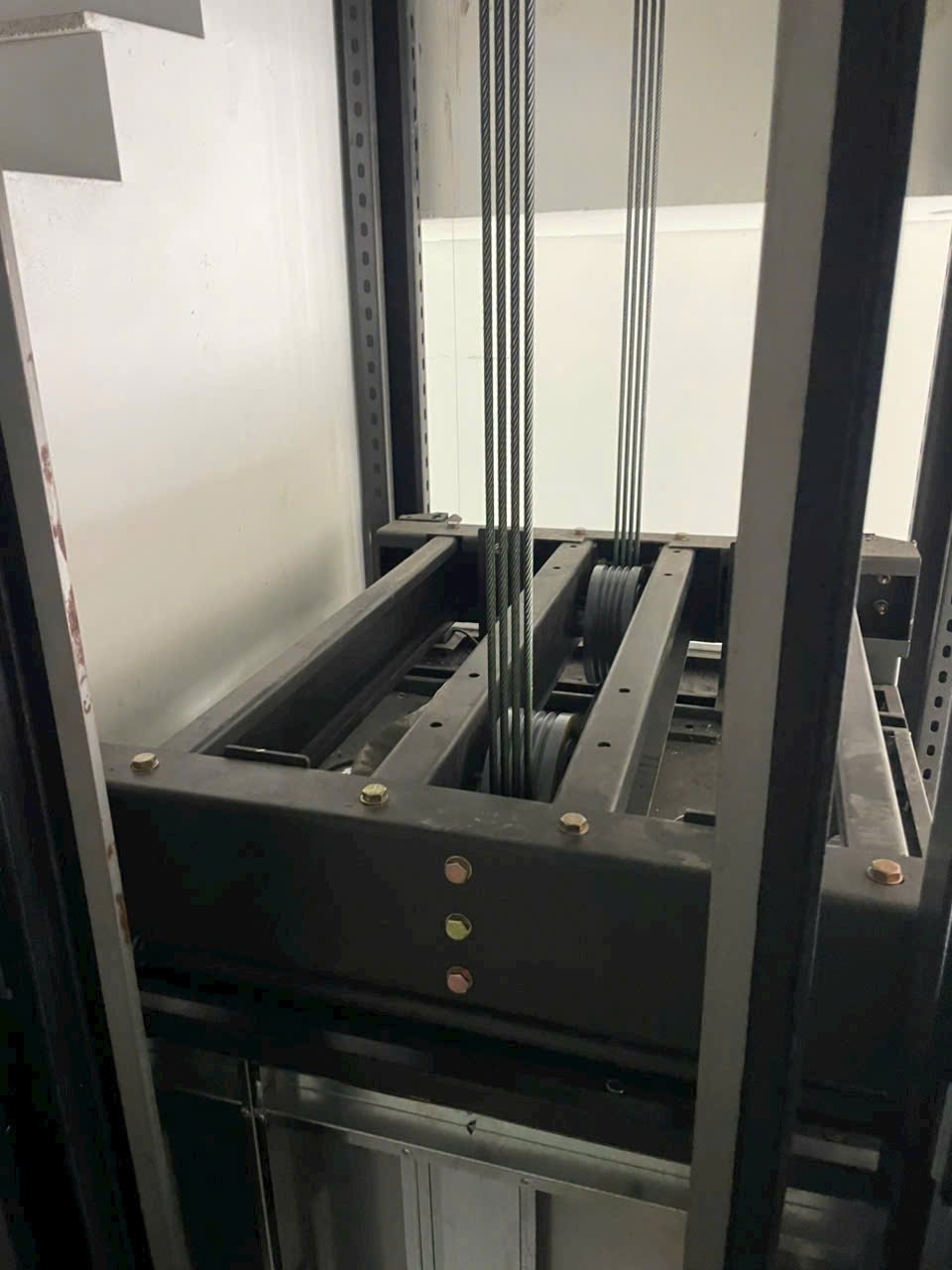
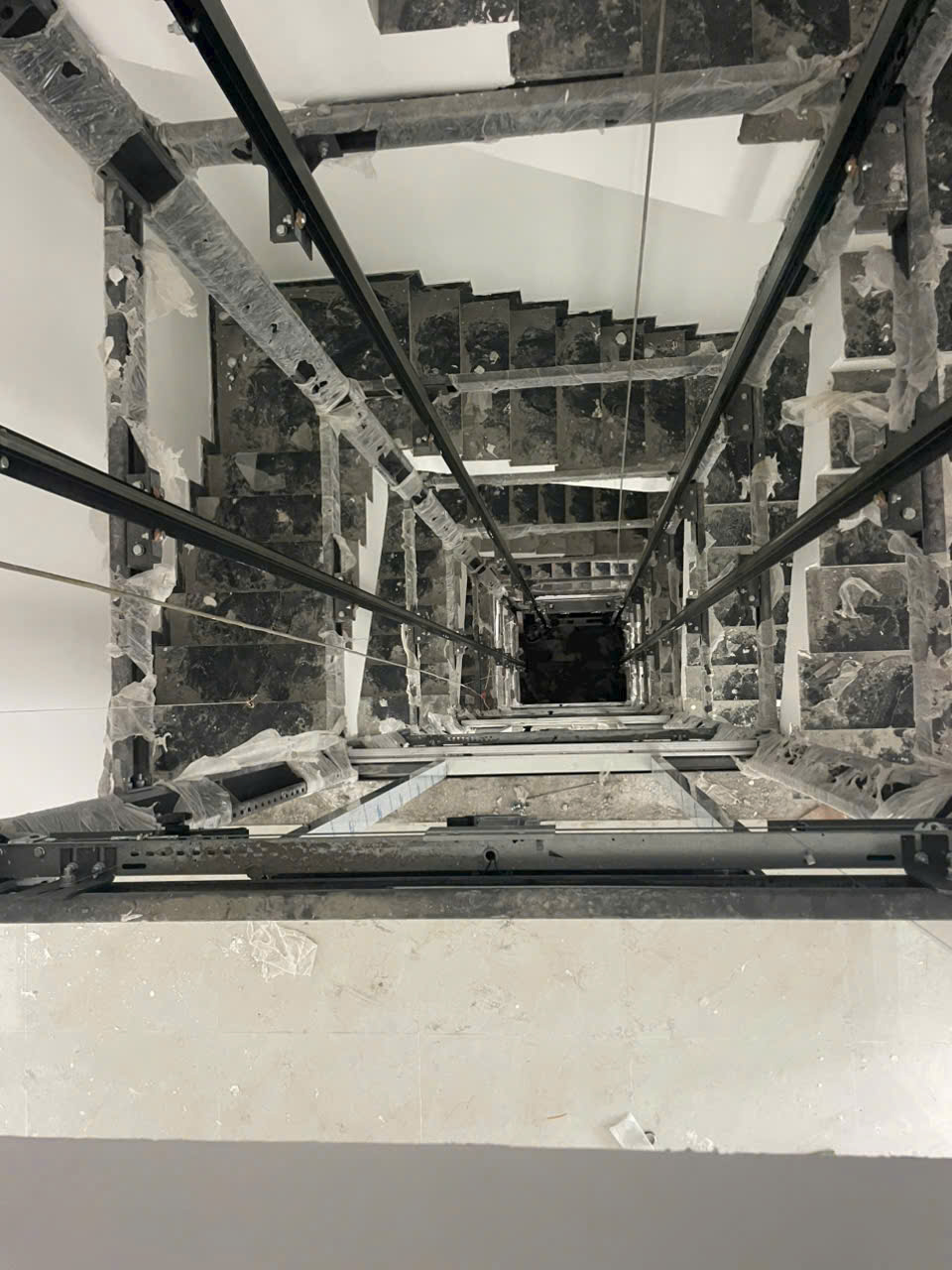
Evaluating the economic and environmental effectiveness of using FUJI magnetic synchronous motors.
The application of FUJI Japan's Permanent Magnet Synchronous Motor (PMSM) has created a breakthrough in modern elevator operation technology, bringing many superior economic and environmental benefits compared to traditional motors. FUJI's Permanent Magnet Synchronous Motor uses permanent magnets instead of rotor windings, completely eliminating power losses due to excitation current, thereby maximizing operating efficiency.
The economic efficiency of FUJI magnetic synchronous motors is clearly demonstrated by the following factors:
- Energy saving: PMSM motors have a 10-15% higher electrical energy-to-mechanical energy conversion efficiency compared to traditional asynchronous motors. This significantly reduces electricity costs throughout the elevator's lifespan.
- Reduced maintenance and repair costs: The gearbox-less design and rotor without windings reduce mechanical wear, friction, and heat generated during operation. Therefore, the frequency of routine maintenance is reduced, extending the lifespan of mechanical components and lowering replacement costs.
- Increased equipment lifespan: Reducing heat loss and mechanical wear helps the motor operate more stably, minimizing technical problems and thus extending the overall lifespan of the elevator system.
- Reduced installation costs: Magnetic synchronous motors are more compact and lighter than traditional motors, reducing transportation and installation costs, and saving space in the elevator machine room.
From an environmental perspective , FUJI magnetic synchronous motors contribute positively to minimizing negative environmental impacts through the following points:
- Reduced energy consumption: High efficiency helps reduce electricity consumption, thereby reducing greenhouse gas emissions from electricity production, especially in areas that use electricity from fossil fuels.
- Reduced noise pollution: The motor operates smoothly with significantly lower noise levels compared to motors with gearboxes and wound rotors, contributing to reduced noise pollution in residential areas and public buildings, and improving the quality of life.
- Reduced industrial waste emissions: Due to longer equipment lifespans and fewer component replacements, the amount of waste generated from disposing of broken parts is significantly reduced, contributing to environmental protection.
- Friendly to sustainable development trends: FUJI magnetic synchronous motors comply with green standards and international environmental certifications, supporting investors in constructing green buildings, saving energy, and reducing emissions.
Gearless technology is a highlight of FUJI magnetic synchronous motors, eliminating mechanical losses due to friction and wear in traditional gearboxes. This not only improves efficiency but also minimizes gearbox maintenance costs and reduces the risk of oil leaks causing environmental pollution.
The permanent magnets used in FUJI motors are made from rare earth materials with high magnetic flux density, generating a strong magnetic force without the need for excitation current. This reduces power loss and heat generation, while maximizing motor efficiency. The use of permanent magnets also reduces motor size and weight, making them suitable for design and installation in spaces with limited room.
The practical application of FUJI magnetic synchronous motors in modern elevator systems has been proven through numerous large-scale projects in Japan and other developed countries. Investors highly appreciate their stable operation, energy efficiency, and reduced maintenance costs, while also contributing to the sustainable value of the building.
Detailed analysis of performance and energy efficiency:
- FUJI magnetic synchronous motors achieve efficiency of up to 95-97% within the common elevator load range, significantly higher than traditional asynchronous motors which only reach around 85-90%.
- Reduced power loss due to the absence of excitation current in the rotor helps to reduce heat generation and increase cooling efficiency.
- Precise and smooth speed control is achieved thanks to advanced inverter technology, which helps reduce energy consumption during idle or light-load operation.
Analyze equipment maintenance costs and lifespan:
- The absence of carbon brushes and contact rings in the rotor minimizes mechanical wear and the risk of failure.
- The simple design with few moving parts reduces the frequency of routine maintenance and repair costs.
- The average lifespan of a FUJI magnetic synchronous motor can reach 20-25 years, which is 30-40% longer than traditional asynchronous motors.
Positive impacts on the environment and society:
- Reduce CO2 emissions and other greenhouse gases by saving energy.
- Reduce noise pollution, creating a quieter and more comfortable living and working environment.
- Supporting the sustainable development goals and green policies of governments and international organizations.
The above analysis shows that FUJI magnetic synchronous motors are not only an advanced technical solution but also an economical and environmentally smart choice for modern elevator projects, contributing to sustainable development in the construction and urban transportation industries.
Technical requirements and installation conditions for FUJI magnetic synchronous motors.
To ensure optimal performance and extend the lifespan of FUJI magnetic synchronous elevator motors, strict adherence to technical requirements and installation conditions is paramount. FUJI magnetic synchronous motors are designed with a complex structure, integrating modern electronic and mechanical components; therefore, the operating environment and conditions must be carefully controlled to avoid unexpected incidents and maintain stable performance throughout their service life.
- Power supply: FUJI magnetic synchronous motors require a stable 3-phase 380V - 50Hz power supply with the following specifications:
- The supply voltage must be maintained within ±5% to avoid overvoltage or undervoltage, which can affect motor performance and lifespan.
- It is essential to ensure there are no phase loss or reverse phase, as these phenomena can lead to overheating, strong vibrations, and damage to the stator windings.
- The power supply system needs to be equipped with protective devices such as phase-loss circuit breakers, voltage stabilizers, and noise filters to ensure a clean and stable power supply.
- Engine room space: The engine room is where the engine and related control equipment are located, therefore it needs to meet the following requirements:
- The machine room must be large enough to accommodate the FUJI magnetic synchronous motor along with auxiliary equipment such as inverters, control cabinets, and cooling systems.
- The machine room needs an effective ventilation system to prevent the buildup of high temperatures that could affect electronic and mechanical components.
- The design of the server room must ensure convenient maintenance and repair, with wide walkways and sufficient lighting.
- The materials used in constructing the machine room need to have soundproofing and vibration damping capabilities to minimize noise and vibration transmission to the outside.
- Elevator shaft: The size and structure of the elevator shaft must be designed to match the technical specifications of the elevator motor and cabin.
- The elevator shaft dimensions must ensure sufficient space for the cabin, counterweight, and drive system, preventing collisions or rubbing during operation.
- The height and width of the elevator shaft need to be precisely calculated based on the specifications of the FUJI magnetic synchronous motor and elevator cabin.
- It is essential to ensure that the vibration damping and shock absorption system is installed correctly to protect the engine and cabin from unwanted mechanical impacts.
- Guide rail system: Guide rails are a crucial component ensuring the stability and safety of elevator operation.
- Using specialized T78 guide rails with high precision ensures straightness and mechanical durability suitable for the load and operating speed of the elevator.
- Rails must be securely installed, free from warping or misalignment, and regularly lubricated to reduce friction and wear.
- Regularly check the parallelism and straightness of the rails to detect early signs of damage or deformation.
- Environmental conditions: The installation environment directly affects the performance and lifespan of the motor.
- Avoid installing the motor in locations with humidity exceeding 85% to prevent corrosion and electrical short circuits.
- The installation space must be clean, free from dust and airborne particles that could enter the mechanical and electronic components.
- The ambient temperature should be maintained between -10°C and 40°C to ensure stable operation of the components and prevent overheating or freezing.
- The engine needs to be protected from corrosive chemicals or strong vibrations from the surrounding environment.
Strict adherence to the technical requirements and installation conditions not only ensures stable operation of FUJI magnetic synchronous motors but also minimizes technical problems, thereby extending equipment lifespan and ensuring the safety of the elevator system.
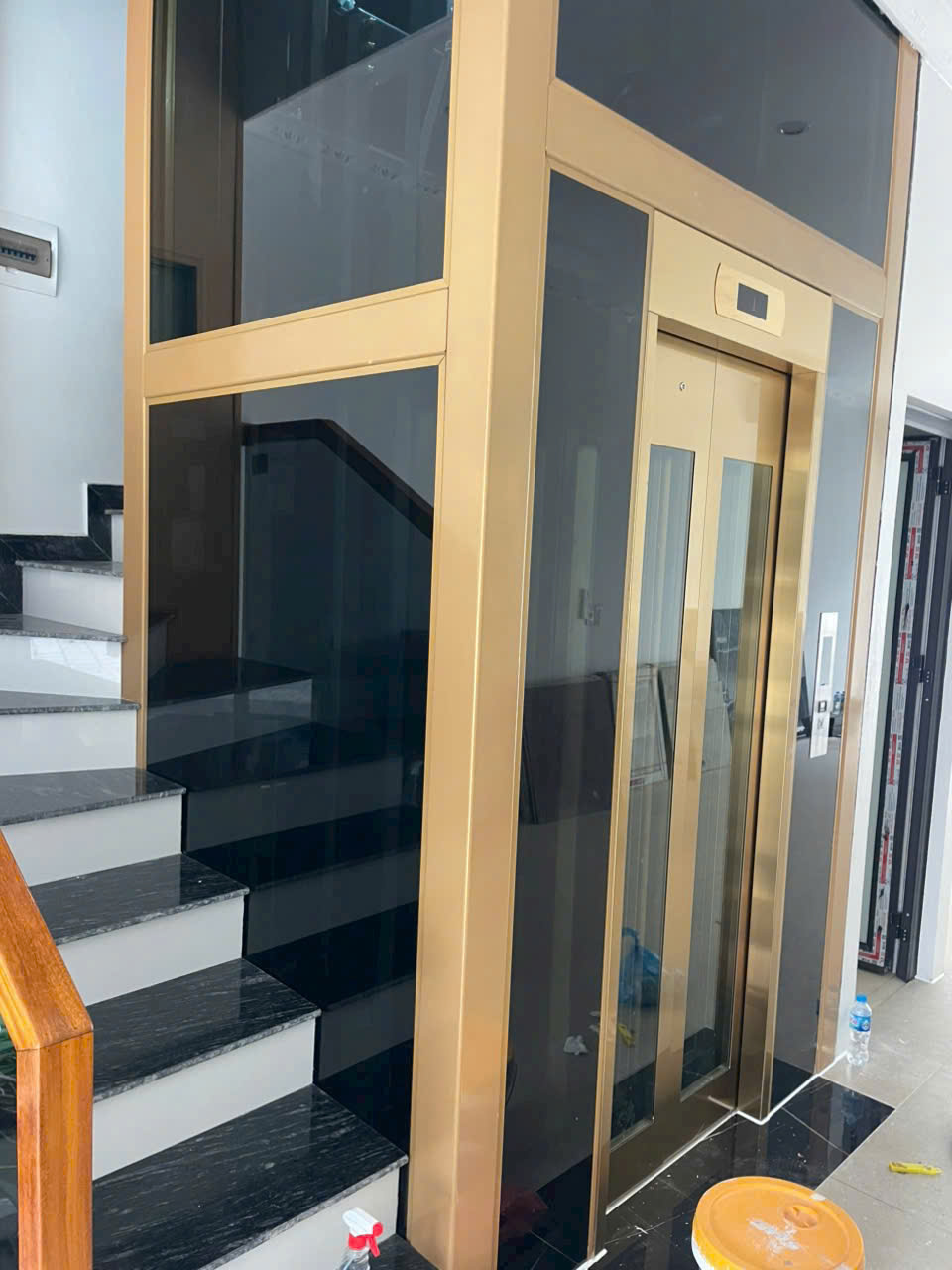
Comparing FUJI magnetic synchronous motors with other types of elevator motors.
In today's elevator market, choosing the right motor plays a crucial role in ensuring operational efficiency, durability, and user experience. Three common types of motors include geared induction motors, traditional gearless motors, and magnetic synchronous motors, among which FUJI magnetic synchronous motors stand out with many superior technical advantages.
1. Operating principle and structure
FUJI synchronous motors operate on the principle of synchronization, where the rotor is equipped with permanent magnets that create a stable magnetic field, synchronized with the rotating magnetic field of the stator. This helps the motor maintain precise rotational speed without slippage, thereby increasing transmission efficiency and reducing energy loss.
In contrast, geared induction motors use a squirrel-cage rotor and operate based on electromagnetic induction, with the rotor speed always lower than the speed of the rotating magnetic field (slip). Gearboxes are used to increase torque and regulate speed, but they cause mechanical losses and noise.
Traditional gearless motors eliminate the gearbox, using induction or synchronous rotors but without permanent magnets, resulting in lower efficiency and accuracy compared to magnetic synchronous motors.
2. Energy efficiency
FUJI synchronous motors have very high energy efficiency, saving up to 40% compared to geared induction motors. The main reason is:
- No slip losses: Synchronous rotors eliminate slippage, reducing power loss.
- Eliminate the gearbox: Reduce mechanical losses and friction, improving transmission efficiency.
- Optimized design: Utilizes high-quality permanent magnets, reducing magnetic and electrical losses.
Traditional gearless motors offer fairly good efficiency, but it is still lower than that of magnetic synchronous motors due to the fact that the rotor and stator designs are not yet fully optimized.
3. Noise and vibration
Noise is a significant factor in elevators, directly impacting user experience. FUJI magnetic synchronous motors operate very smoothly with very low noise levels thanks to:
- Eliminate the gearbox: The gearbox is a major source of mechanical noise in geared induction motors.
- Synchronized operation: Reduces vibration due to stable rotation speed, preventing slippage.
- Balanced motor design: Minimizes mechanical vibrations and noise generation.
Meanwhile, induction motors with gearboxes often generate quite a lot of noise due to friction and collisions within the gearbox. Traditional gearless motors are quieter but still cannot compare to FUJI magnetic synchronous motors.
4. Maintenance and Durability
FUJI magnetic synchronous motors have a simple design with few moving mechanical parts, minimizing maintenance requirements and increasing durability.
- Gearless: Eliminates wear-prone parts such as gears and drive shafts.
- Genuine imported components: Guaranteed quality and long lifespan.
- Efficient cooling system: Helps maintain a stable operating temperature, preventing overheating.
In contrast, geared induction motors require frequent maintenance due to numerous mechanical components prone to failure. Traditional gearless motors have a moderate maintenance requirement, depending on component quality and operating conditions.
5. Investment and operating costs
The initial investment cost for FUJI magnetic synchronous motors is typically slightly higher than other types of motors due to advanced technology and imported components. However, operating and maintenance costs are significantly lower thanks to high efficiency and durable design, resulting in a reduced total cost of ownership (TCO) in the long term.
Geared induction motors have lower initial investment costs but higher maintenance costs and energy consumption. Traditional gearless motors have a mid-range cost, suitable for projects with limited budgets but not requiring excessively high performance.
| Criteria | FUJI magnetic synchronous motor | Induction motor with gearbox | Traditional gearless engine |
|---|---|---|---|
| Energy efficiency | High quality, save up to 40% | Medium | Quite good |
| Noise | Very low | Quite high due to the gearbox. | Short |
| Maintenance | Few, due to simple design. | Tall, due to many mechanical parts. | Medium |
| Durability | High quality, genuine imported components. | Medium | Quite good |
| Investment costs | A little higher | Lower | Medium |
6. Applications and development trends
FUJI magnetic synchronous motors are suitable for modern elevator installations, especially in high-rise buildings, shopping malls, and luxury hotels, where smooth operation, energy efficiency, and high durability are required. Magnetic synchronous technology also facilitates easy integration with intelligent control systems, optimizing operation and predictive maintenance.
Meanwhile, geared induction motors remain commonly used in older buildings or where low investment costs are required. Traditional gearless motors are an intermediate option, suitable for small and medium-sized projects.
FUJI magnetic synchronous motors in real-world elevator projects.
In the field of modern elevators, especially glass elevators and home elevators in Vietnam, FUJI magnetic synchronous motors have proven their superior technical and operational efficiency. These motors not only meet stringent load and speed requirements but also provide optimal stability and energy savings for elevator installations.
A prime example is the 450kg capacity, 60m/minute speed glass elevator project constructed by Ngoc Quyet General Construction & Trading Mechanical Co., Ltd. In this project, the FUJI magnetic synchronous motor demonstrated smooth operation, minimizing vibration and noise, contributing to an enhanced user experience. In particular, the use of a magnetic synchronous motor allows for precise control of the elevator cabin position, ensuring safety and reliability during operation.
FUJI magnetic synchronous motors are designed based on the operating principle of synchronous motors with permanent magnets, which increases the efficiency of converting electrical energy into mechanical energy, reducing power loss and heat generation. This means a significant reduction in power consumption compared to traditional asynchronous motors.
The FUJI VVVF (Variable Voltage Variable Frequency) control system, combined with the magnetic synchronous motor, plays a crucial role in optimizing the operation process:
- Flexible speed adjustment: FUJI VVVF allows for changes in the frequency and voltage supplied to the motor, enabling smooth adjustment of elevator cabin speed and reducing shock during starting and stopping.
- Energy saving: Inverter technology helps minimize power loss, especially in operating cycles with continuously changing loads.
- Minimizing waiting time: The intelligent control system optimizes cabin movement, reducing user waiting time.
- Increased durability and stability: Precise control of current and torque reduces mechanical wear, extending the lifespan of the motor and related components.
Customers using elevators equipped with FUJI magnetic synchronous motors appreciate the following advantages:
- High operating efficiency: The engine operates stably and without interruption, making it suitable for projects with high usage frequency.
- Energy saving: Reduced operating costs thanks to efficient energy conversion capabilities and advanced inverter technology.
- Exceptional durability: The robust design and high-quality materials enable the engine to withstand harsh working conditions and extend maintenance intervals.
- Smooth operation: Reduces noise and vibration, providing comfort for users, especially in residential and office buildings.
- Precise control capability: The magnetic synchronous motor combined with the FUJI VVVF control system ensures the elevator cabin stops precisely at each floor, increasing safety and convenience.
Technically, FUJI magnetic synchronous motors use permanent magnets as rotors, eliminating the need for a separate power supply for the rotor windings as in asynchronous motors. This reduces power loss and heat generation, while also decreasing motor size and weight. Furthermore, this design increases power density, making it suitable for the limited spaces in modern elevator installations.
In glass elevator projects, aesthetics and installation space are crucial. FUJI magnetic synchronous motors, with their compact size and light weight, optimize technical space, easily integrate into modern glass elevator designs, and reduce the load on the building structure.
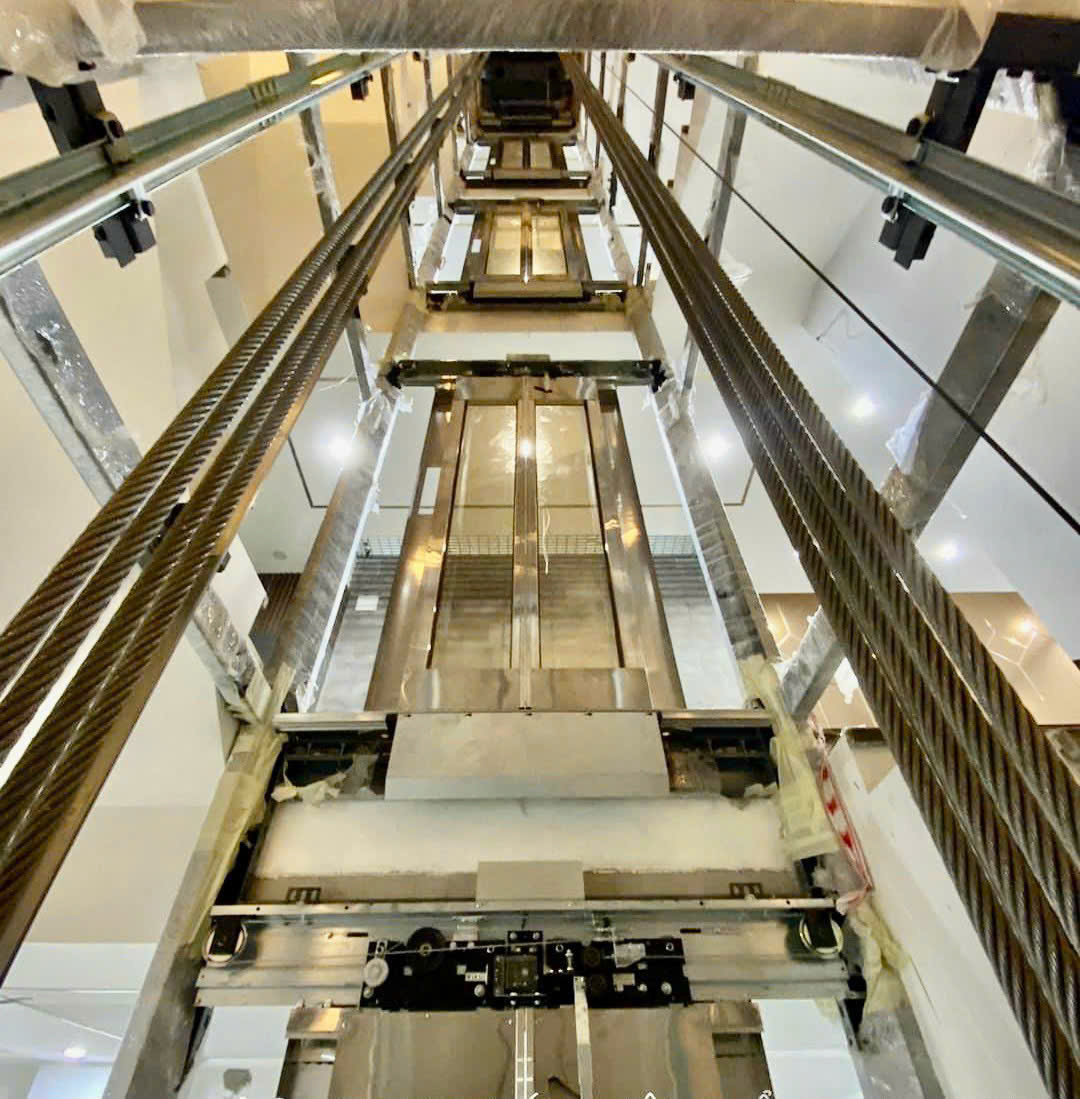
Furthermore, the FUJI VVVF control system also incorporates intelligent protection functions such as:
- Overload and overcurrent protection
- Overheat protection
- Phase loss and short-circuit protection
- Soft start and soft stop functions
- Automatic fault monitoring and alerting function
These features not only ensure the safety of the elevator system but also help minimize maintenance time and operating costs in the long term.
The application of FUJI synchronous magnetic field motors in elevator projects in Vietnam has contributed to improving the quality and operational efficiency of elevator systems, while affirming the position of the Japanese FUJI brand in the domestic and international elevator market. The combination of advanced motor technology and modern control systems creates an optimal elevator solution, meeting the increasingly high demands for performance, safety, and energy efficiency.
Maintenance and operation guide for FUJI magnetic synchronous elevator motors.
FUJI magnetic synchronous elevator motors are crucial components that determine the performance and safety of elevator systems. To ensure stable and durable motor operation and minimize the risk of malfunctions, proper maintenance and operation according to technical procedures are essential. Below is a detailed and in-depth guide to the maintenance and operation of FUJI magnetic synchronous motors.
- Detailed periodic inspection:
- Mechanical inspection: Assess the condition of components such as the rotor shaft, stator, bearings, and mechanical connecting parts. Check for wear, clearance, and rotor balance to prevent excessive vibration.
- Electronic inspection: Inspect sensors, controllers, circuits, and wiring connections. Ensure there are no signs of burning, oxidation, or loose connections.
- Drivetrain: Inspect cables, pulleys, motor brakes, and other power transmission components. Ensure there are no signs of wear, slippage, or damage.
- Guide rails: Ensure that the guide rails are not bent, rusted, or obstructed in a way that affects the movement of the elevator cabin.
- Inspection frequency: A comprehensive inspection should be performed at least every six months, or as recommended by the manufacturer and based on actual operating conditions.
- Clean the engine and engine room thoroughly.
- Remove dirt and dust: Accumulated dirt and dust can reduce the engine's heat dissipation efficiency, causing overheating and shortening the equipment's lifespan.
- Clean up excess oil and grease: Excess oil and grease can attract dirt and create a breeding ground for microorganisms, affecting engine performance.
- Check the ventilation system: Ensure the ventilation system in the machine room is working properly to maintain a stable temperature and prevent overheating.
- Regular cleaning: Perform cleaning at least once every three months or according to actual usage.
- Lubricate mechanical parts:
- Choose the right lubricant: Use the specialized lubricant recommended by the manufacturer FUJI to ensure optimal lubrication and prevent corrosion.
- Lubrication locations: Focus on bearings, bushings, gears, and high-friction points in the drivetrain.
- Lubrication frequency: Perform regular lubrication, usually every 3-6 months depending on operating conditions and working environment.
- Post-lubrication inspection: Ensure there are no leaks or excessive contamination of oil or grease that could affect other parts.
- Check the electrical system:
- Ensure a stable power supply: Check the input voltage, current, frequency, and other electrical parameters to ensure they meet the technical requirements of the FUJI motor.
- Phase loss and reverse phase detection: Use specialized measuring equipment to detect and promptly address phase loss or reverse phase phenomena, preventing motor damage.
- Check the protection system: Ensure that overload, short-circuit, and thermal relay protection devices are functioning correctly.
- Grounding inspection: Ensure the grounding system is safe, avoiding the risk of electrical leakage that could endanger operators and equipment.
- Engine operation monitoring:
- Noise monitoring: Unusual noises can be a sign of mechanical or electronic problems and should be checked and addressed promptly.
- Vibration measurement: Use vibration measuring equipment to detect abnormalities during operation, helping to prevent major damage.
- Temperature monitoring: Measure engine temperature during operation to detect overheating, allowing for timely adjustments or maintenance.
- Operational data recording: Storing and analyzing operational data to predict and plan effective preventive maintenance.
- Training of operating staff:
- Understanding operating procedures: Employees need to be properly trained on the correct procedures for starting, operating, and stopping the engine.
- Safety measures: Acquire knowledge about safety measures when working with electric motors, preventing accidents and incidents.
- Incident response: Training on how to handle incidents quickly and accurately when abnormal signs are detected during operation.
- Updating technical knowledge: Regularly organize advanced training courses to ensure employees are up-to-date with new technologies and modern maintenance procedures.
Additional note: FUJI magnetic synchronous motors have a complex structure with sensitive magnetic and electronic components; therefore, all maintenance procedures must strictly adhere to the manufacturer's technical instructions. The use of specialized measuring equipment and modern monitoring software also contributes to improved maintenance efficiency and early detection of potential faults.
Proper maintenance and operation not only extend the lifespan of the motor but also ensure absolute safety for elevator users, while minimizing repair costs and unwanted downtime.