

VSG Glass Cutting and Machining
Technical specifications of VSG glass in contract cutting processes.
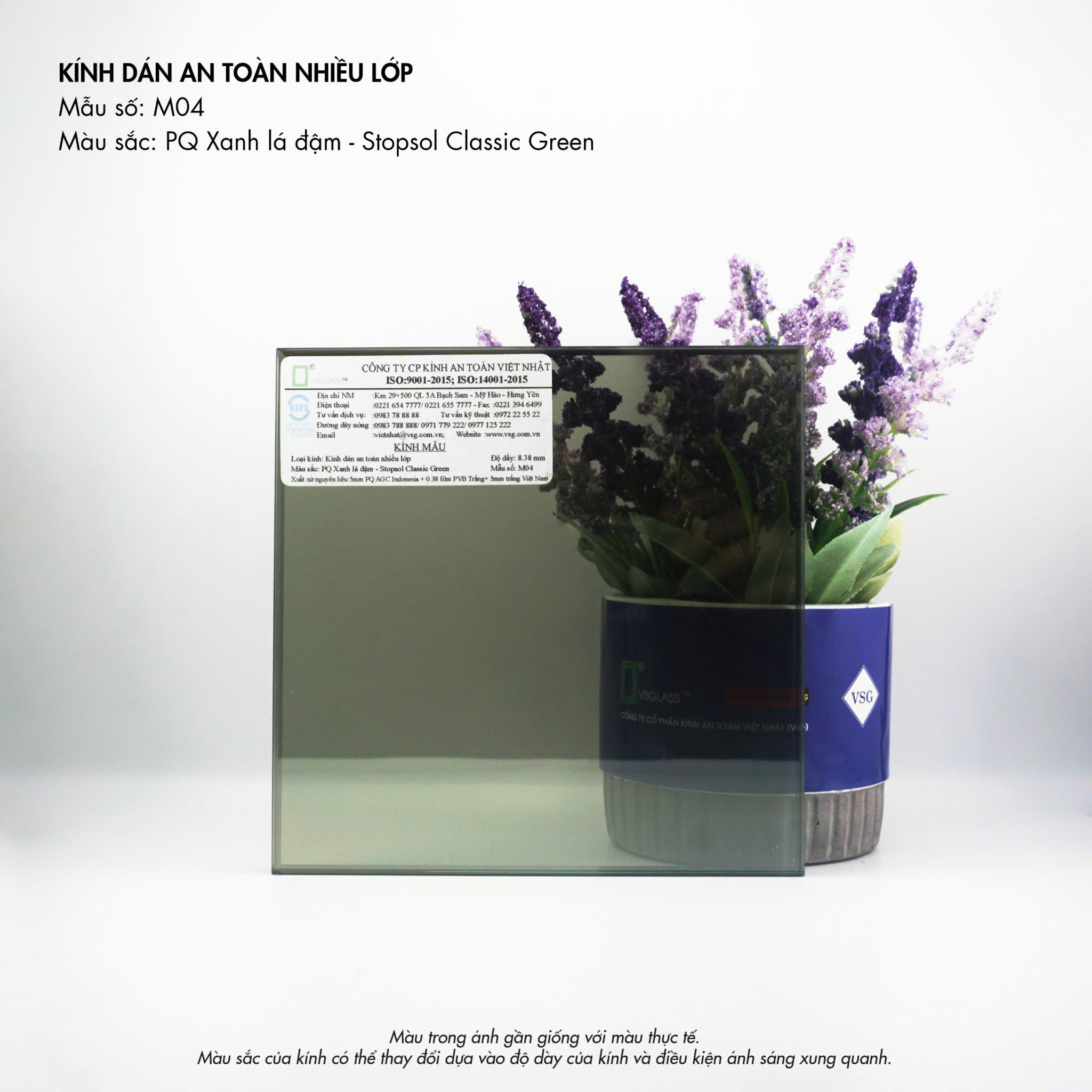
VSG glass (laminated safety glass) is a type of glass constructed from two or more glass sheets bonded together with a PVB (Polyvinyl Butyral) or EVA (Ethylene Vinyl Acetate) film. This film not only enhances durability but also ensures safety in case of breakage; the glass fragments will adhere to the film instead of scattering and causing danger. During the VSG glass cutting and processing process, a thorough understanding of the physical and mechanical properties of each glass layer and the bonding film is a prerequisite for ensuring the quality of the final product.
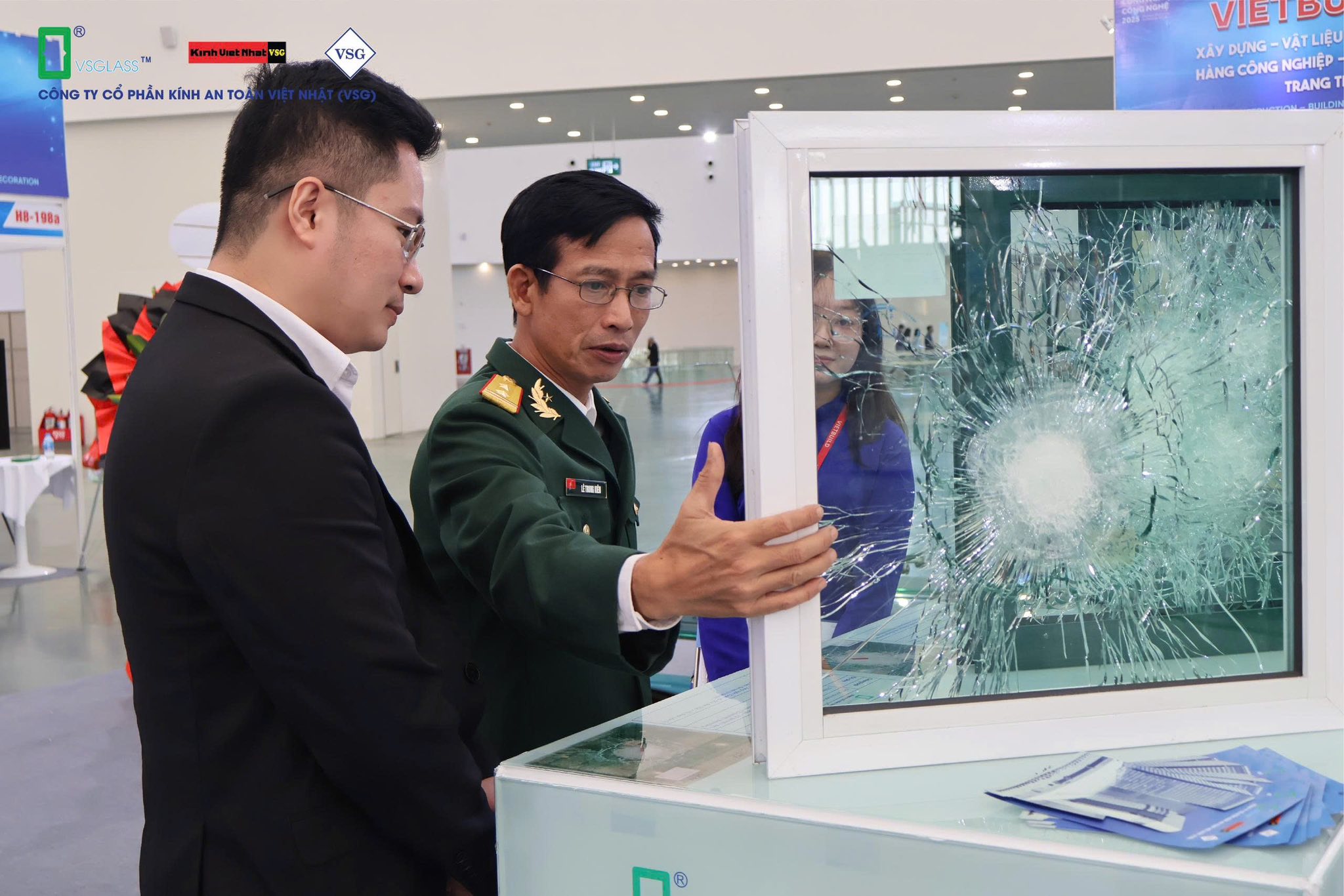
VSG glass offers superior strength compared to regular glass due to its multi-layered laminated structure; however, this also increases the difficulty of the cutting process. Precise cutting techniques are essential to avoid cracks or damage to the bonding film. The thickness of VSG glass typically ranges from 6mm to 19mm, depending on the number of layers and intended use, which directly impacts the processing methods and equipment.
VSG's modern glass cutting and processing technology and equipment.
VSG glass cutting and processing requires a combination of advanced technology and highly skilled craftsmanship. Modern equipment such as CNC cutting machines, laser cutting machines, and automatic drilling machines are commonly used to ensure high accuracy and efficiency. CNC cutting machines allow for cutting glass with complex lines and dimensions precise to the millimeter, while minimizing the risk of glass breakage.
Laser cutting machines are used in applications requiring high precision, especially when cutting small details or special shapes on VSG glass. Additionally, supporting equipment such as vacuum suction tables help to secure the glass during processing, preventing vibration and ensuring operator safety.
The VSG glass cutting and finishing process typically includes the following steps:
- Measuring and marking dimensions: Use precise measuring equipment to determine the dimensions to be cut.
- Rough cutting: Perform preliminary cutting to the specified dimensions using a CNC cutting machine or a manual cutting machine.
- Precision cutting and hole drilling: Use an automatic drilling machine to create technical holes or necessary components.
- Quality control: Assessing the cut surface, accuracy, and safety of the glass after processing.
Technical requirements and safety standards in VSG glass processing.
VSG glass processing requires not only precise techniques but also adherence to strict safety standards. Glass cutting must ensure that the safety features of the glass, especially the bonding film between the glass panels, are not compromised. Cuts must be made in a way that prevents the spread of cracks or a reduction in the glass's strength.
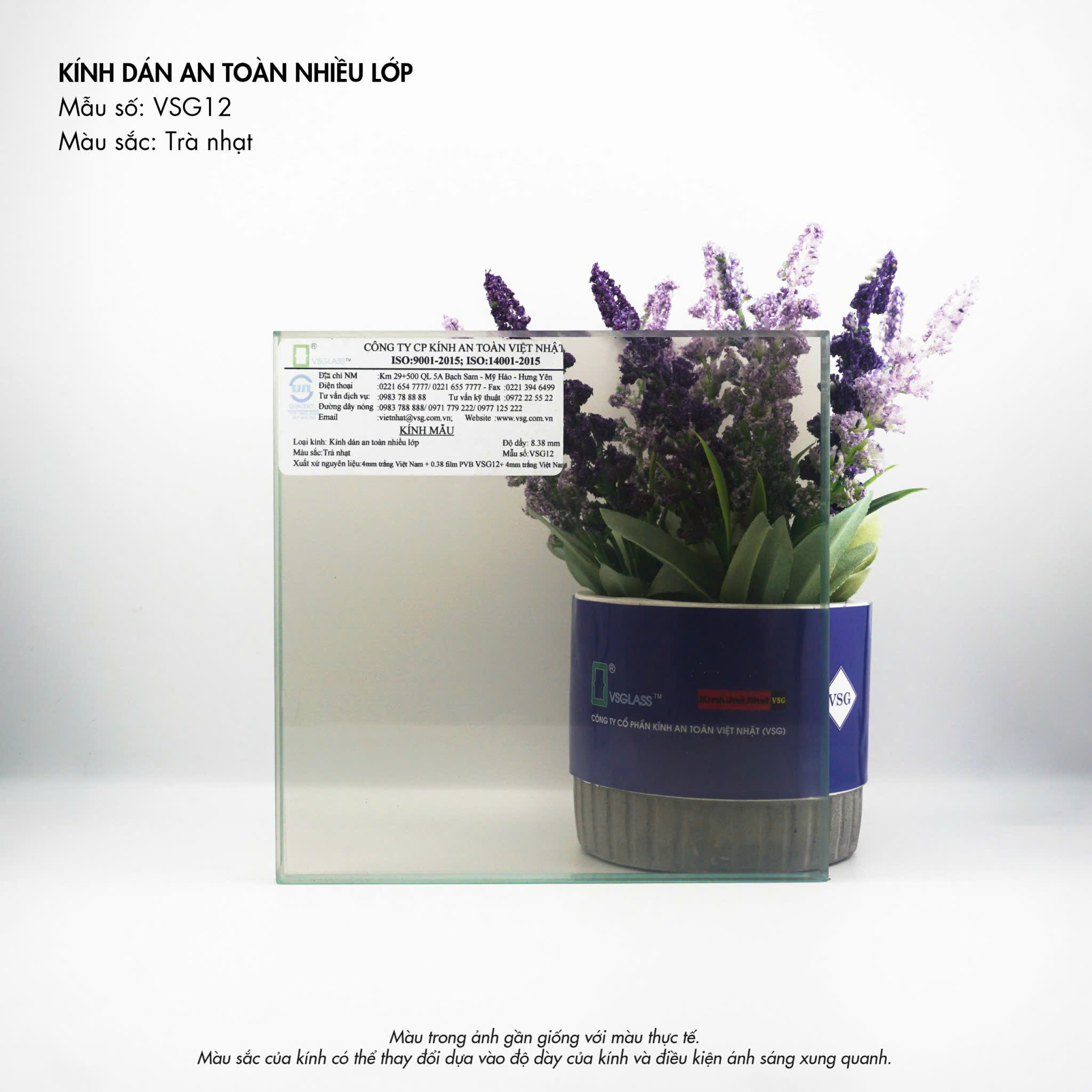
International standards such as EN 14449 and ASTM C1172 clearly define the requirements for the durability, strength, and safety of VSG glass. During processing, technicians need to carefully check parameters such as film thickness, glass thickness, and cuts to ensure the final product meets these standards.
In addition, the use of personal protective equipment (PPE) such as safety glasses, impact-resistant gloves, and safety shoes is mandatory to ensure the safety of workers during the processing. Furthermore, the working environment must be strictly controlled in terms of cleanliness and lighting to avoid technical errors.
Applications and benefits of VSG's glass cutting and processing services.
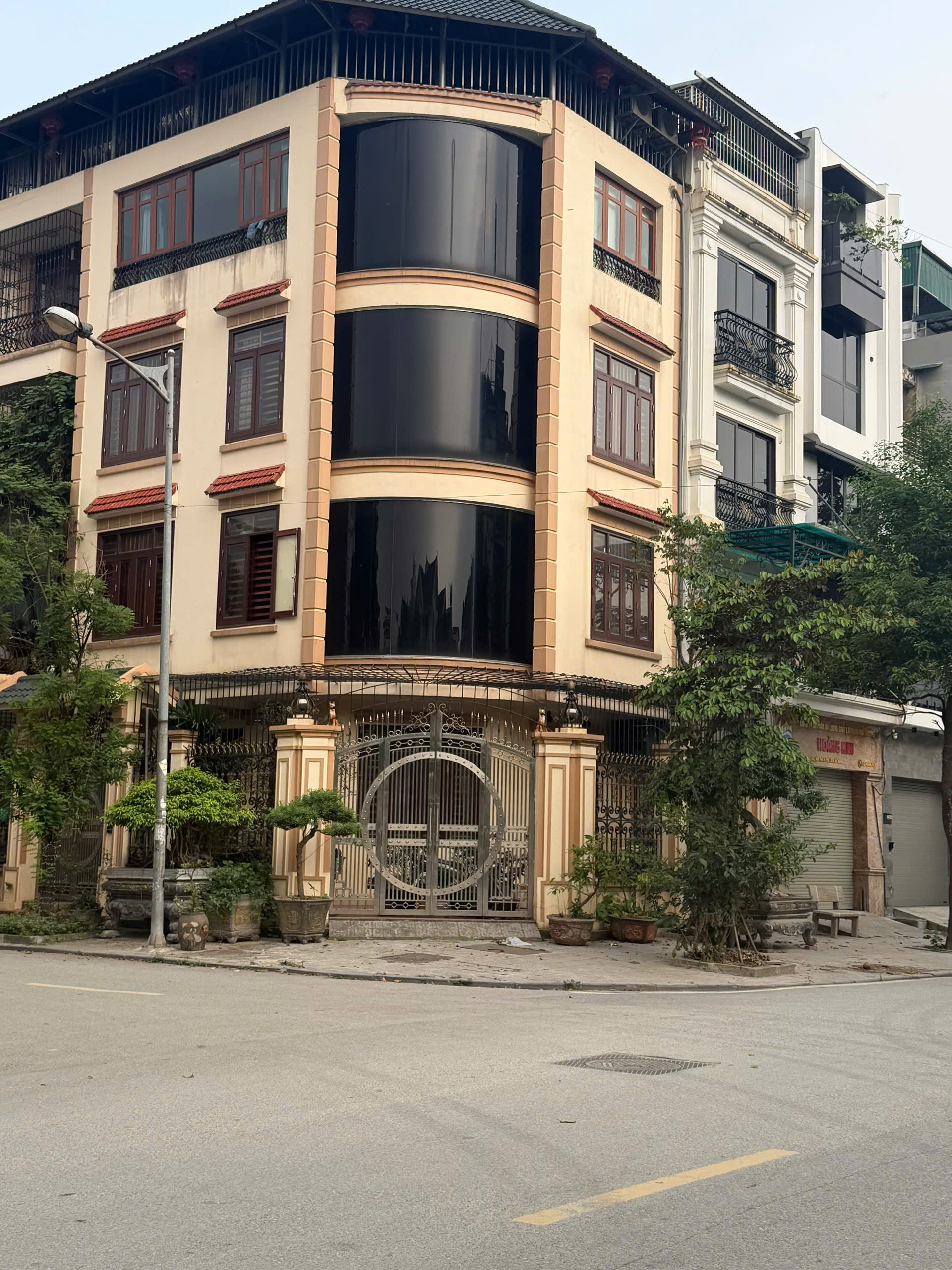
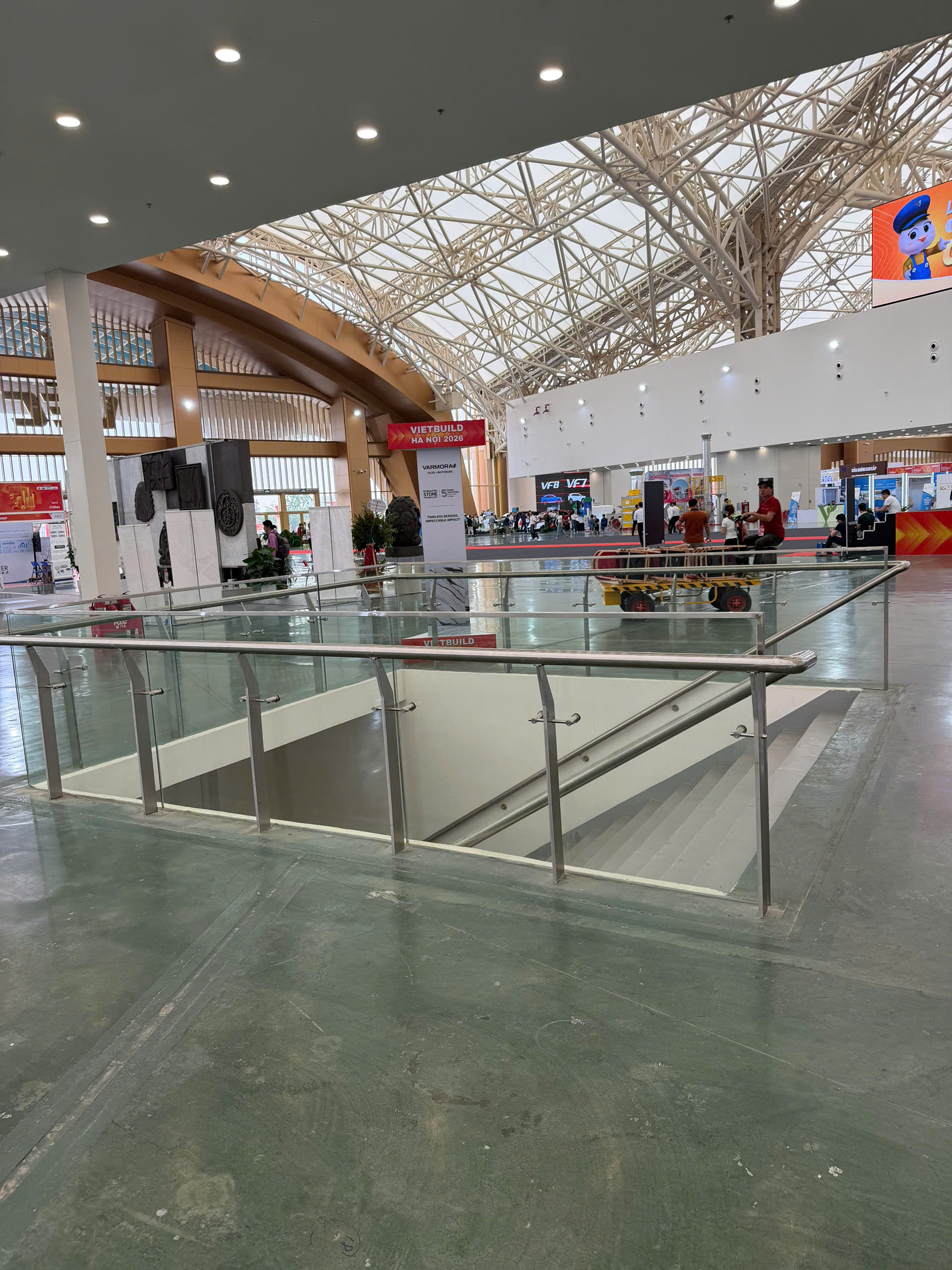
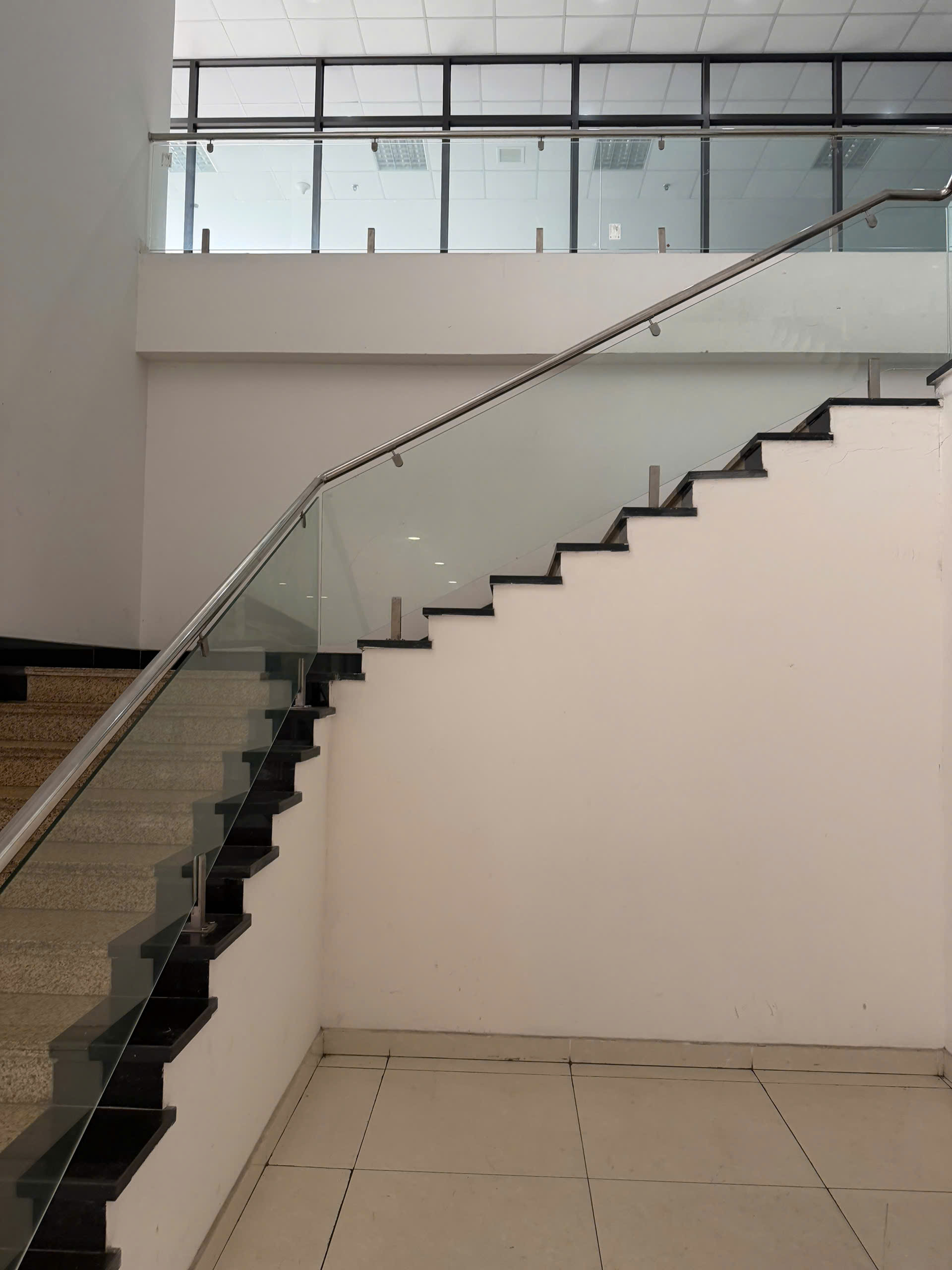
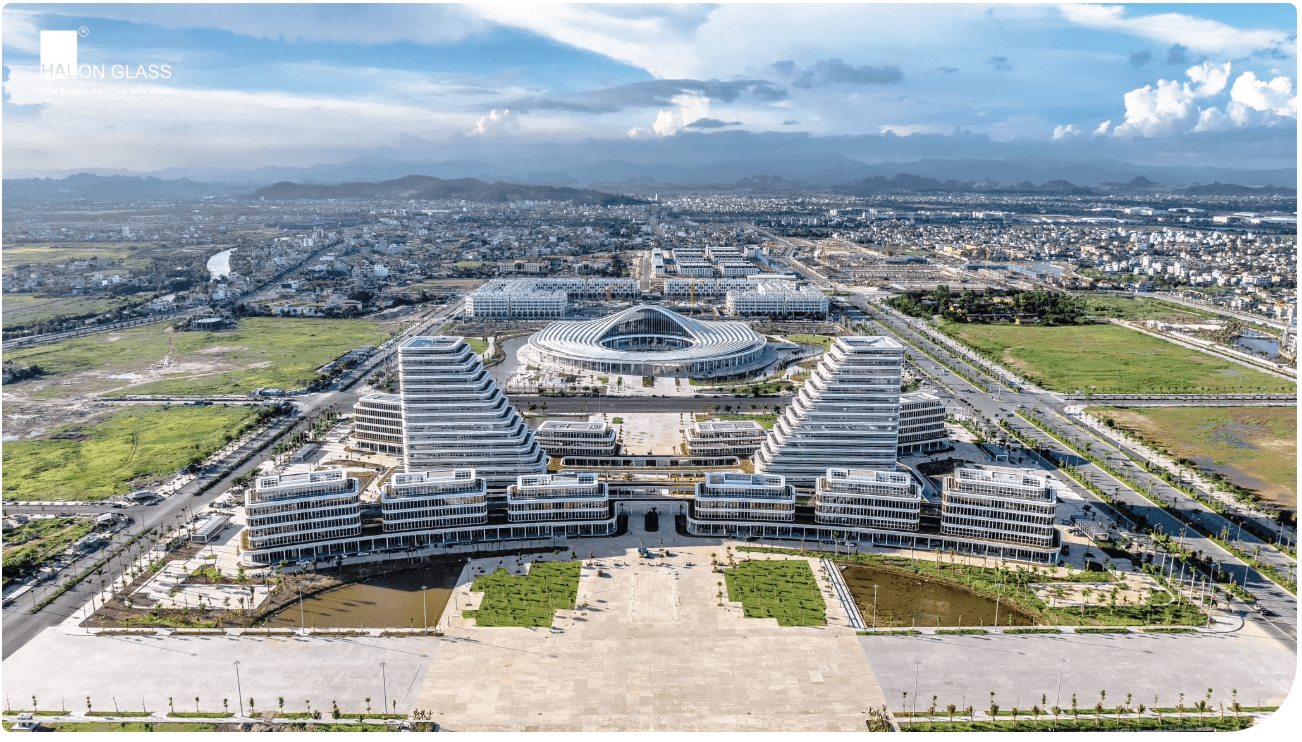
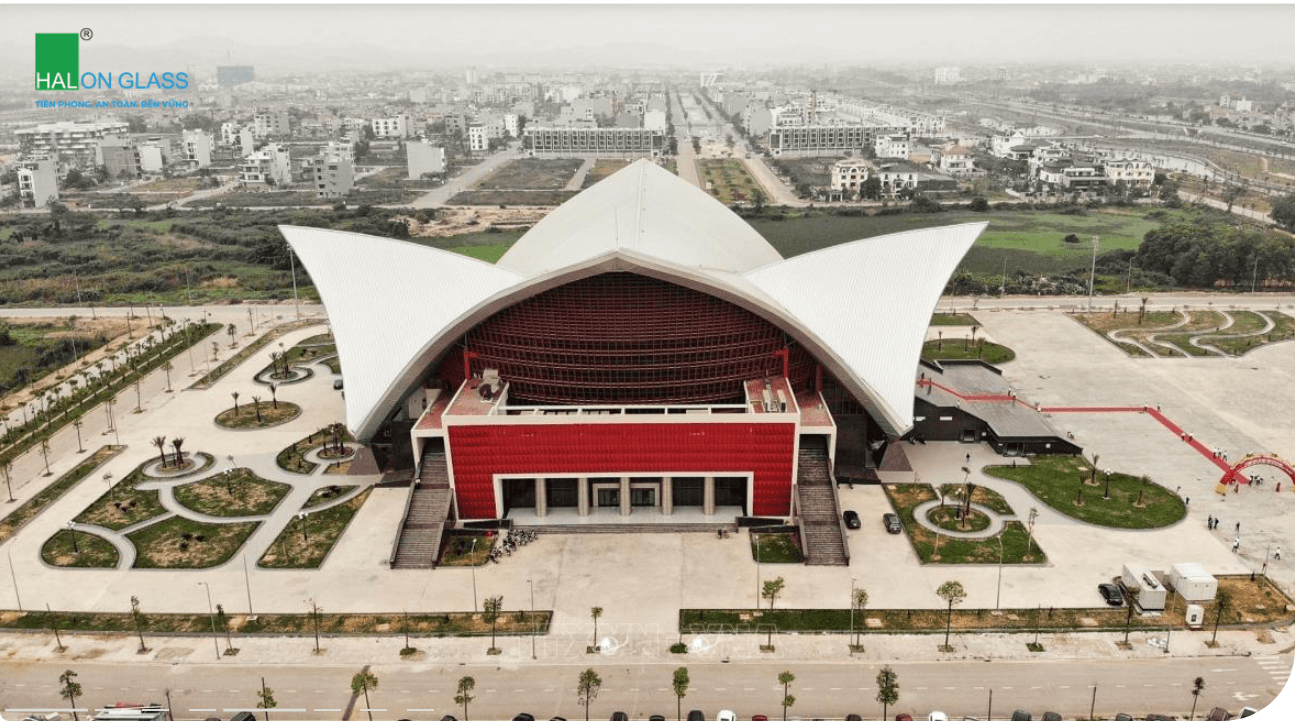
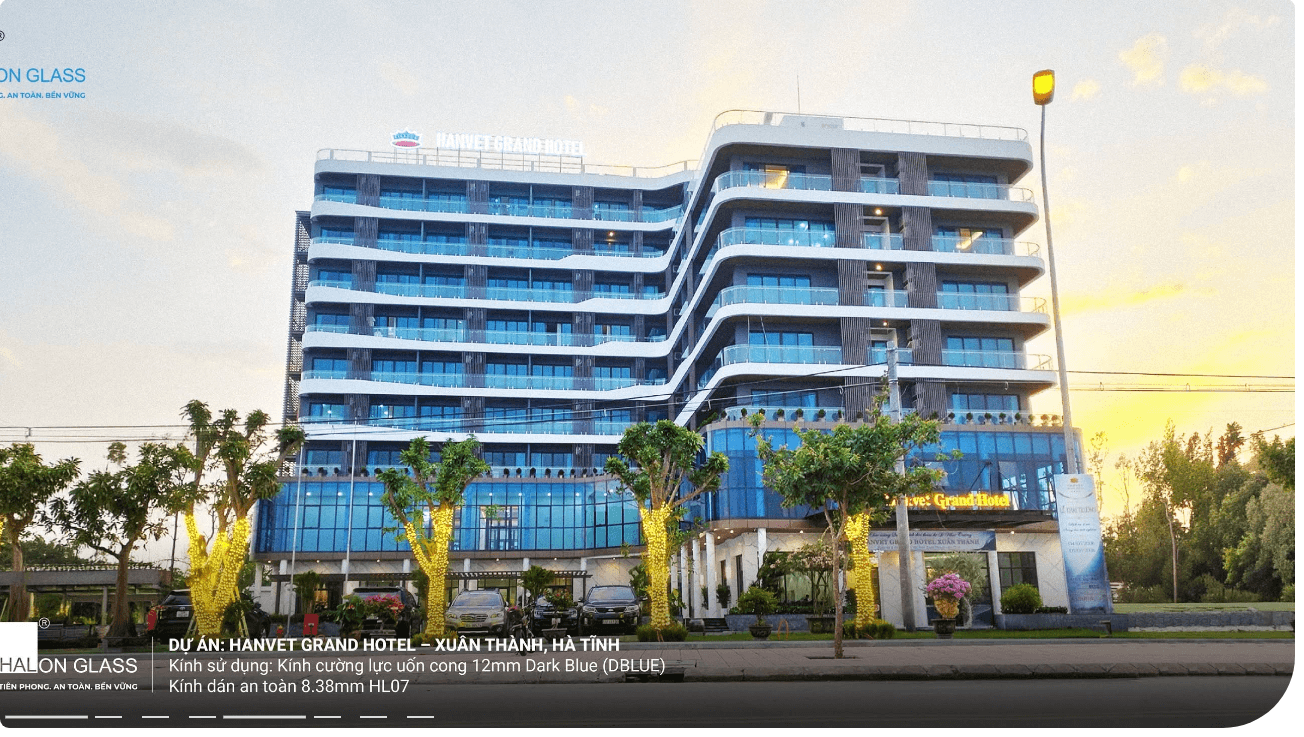
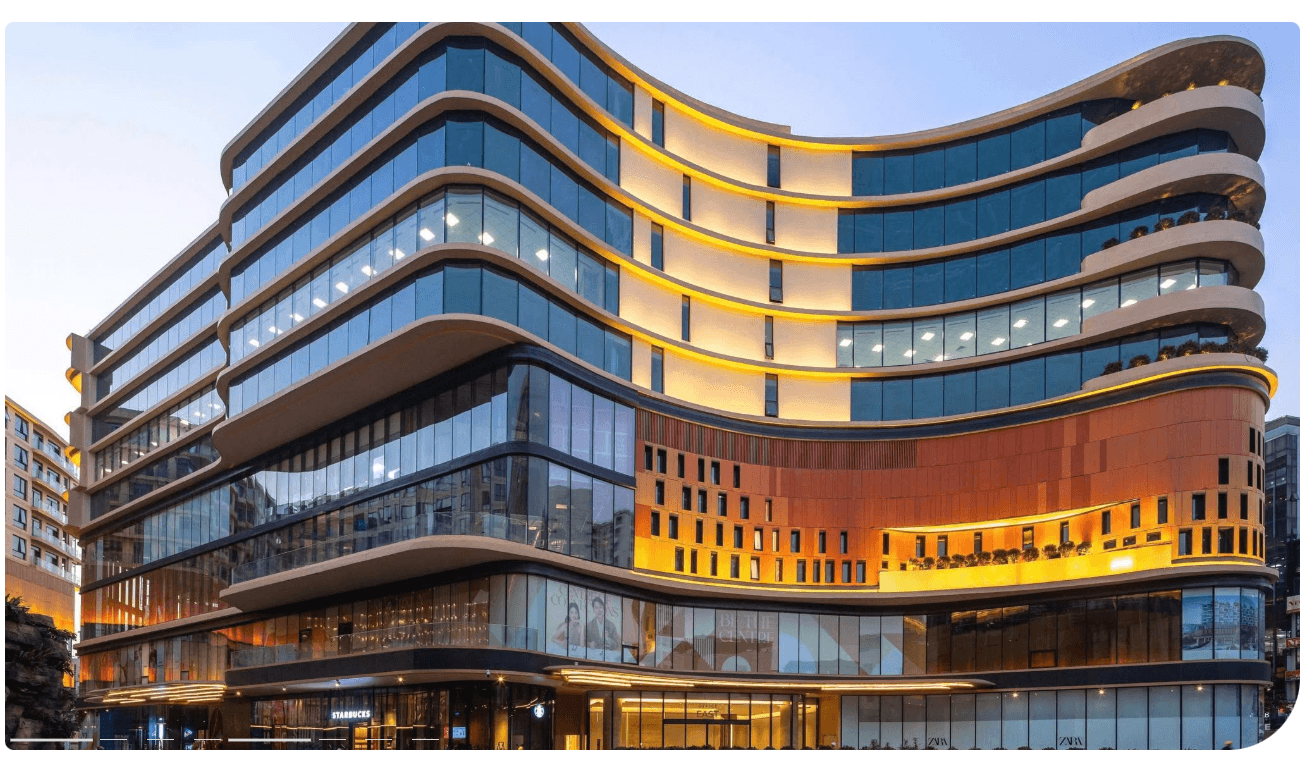
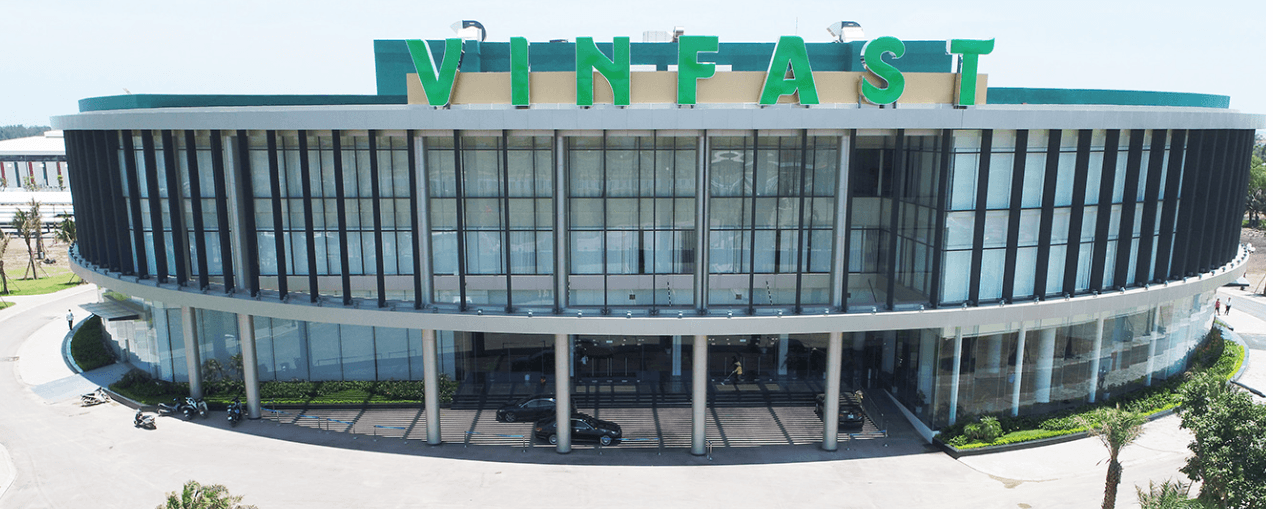
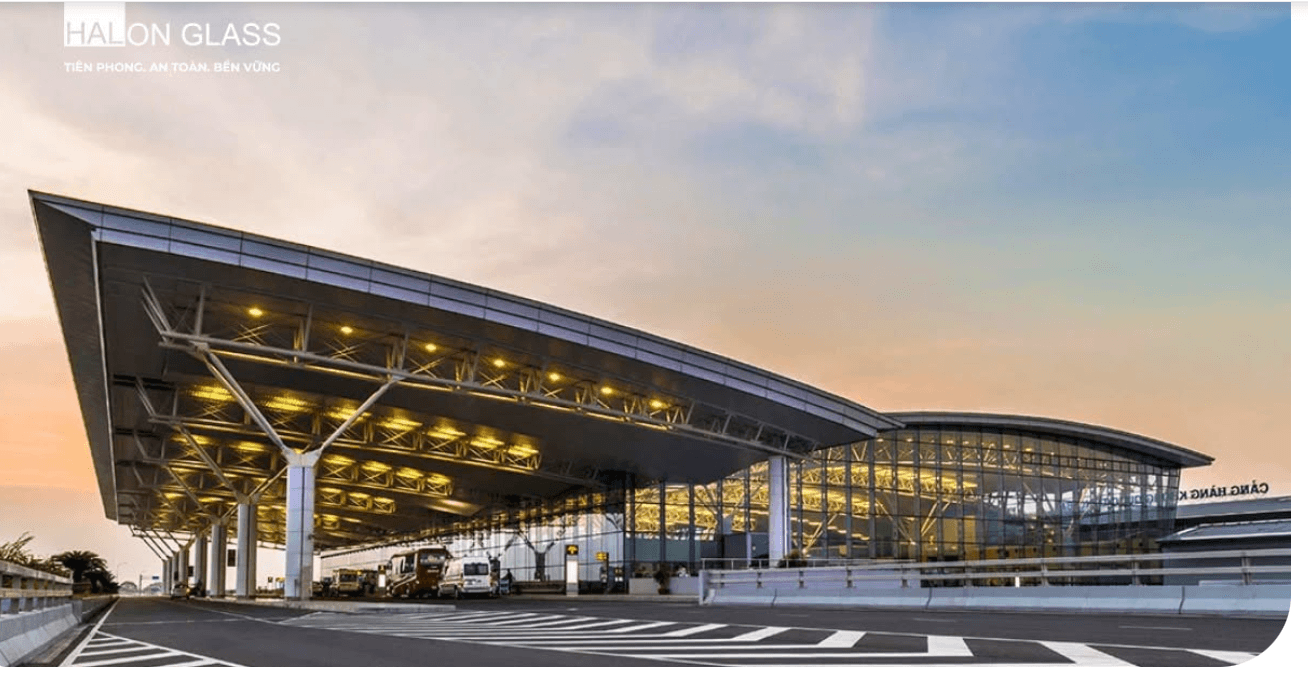
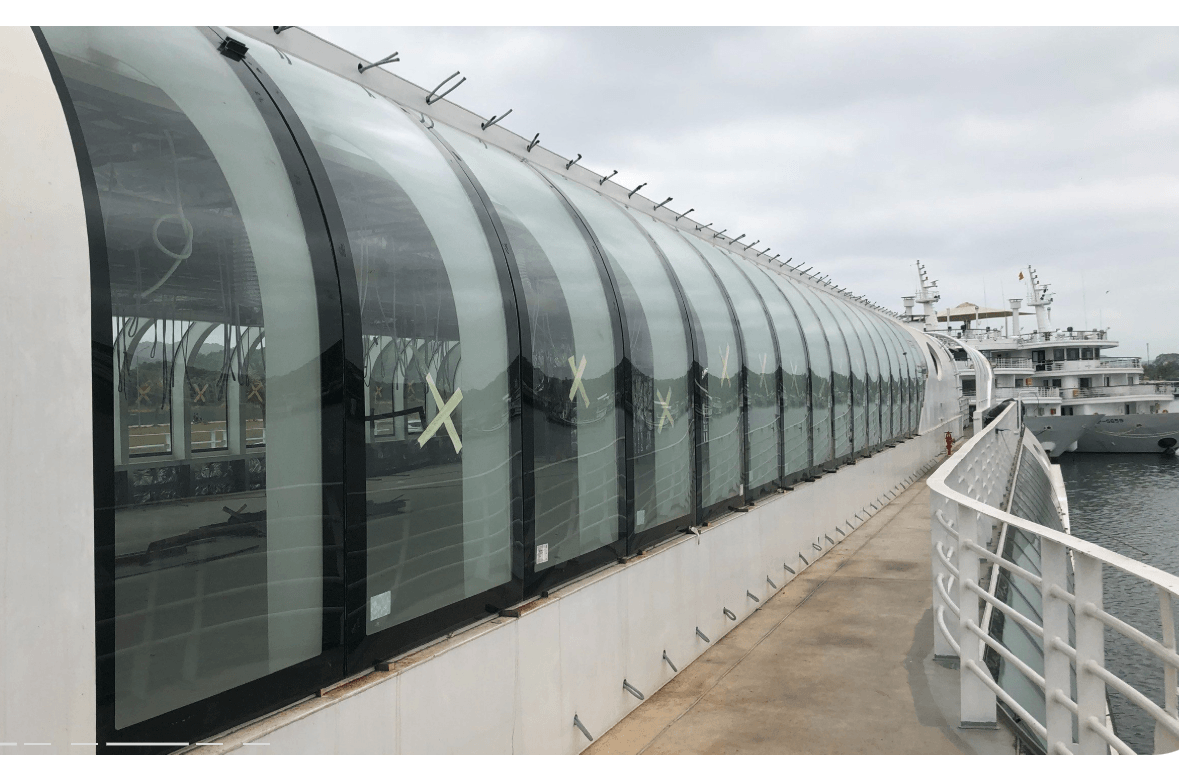
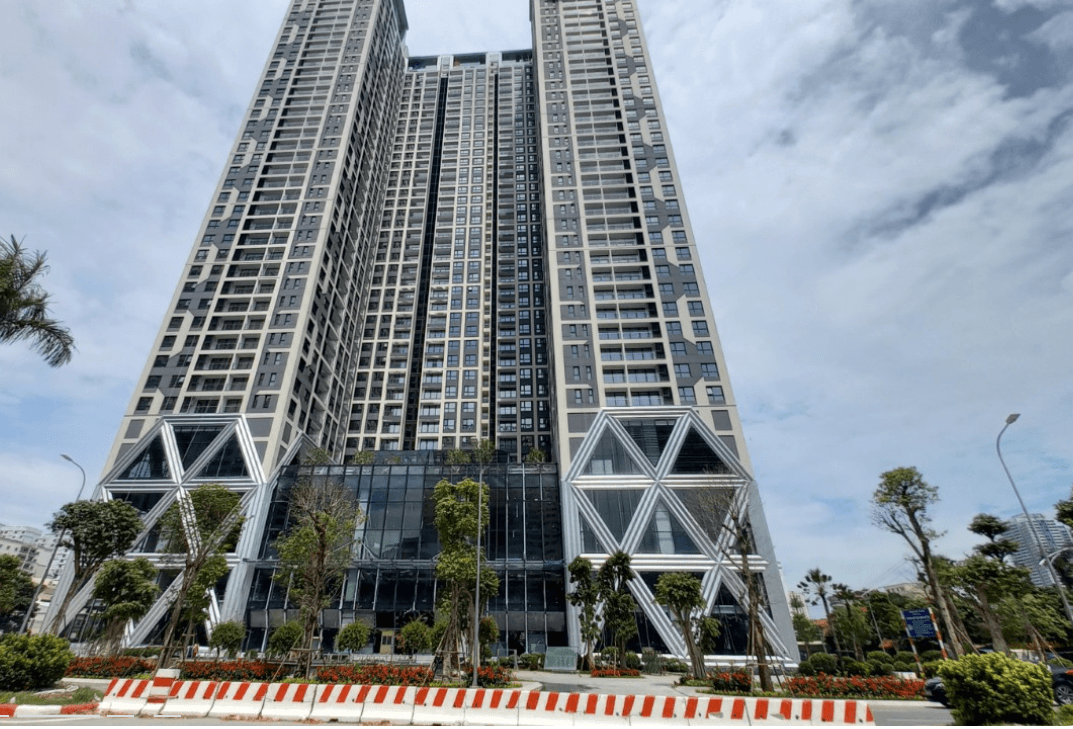
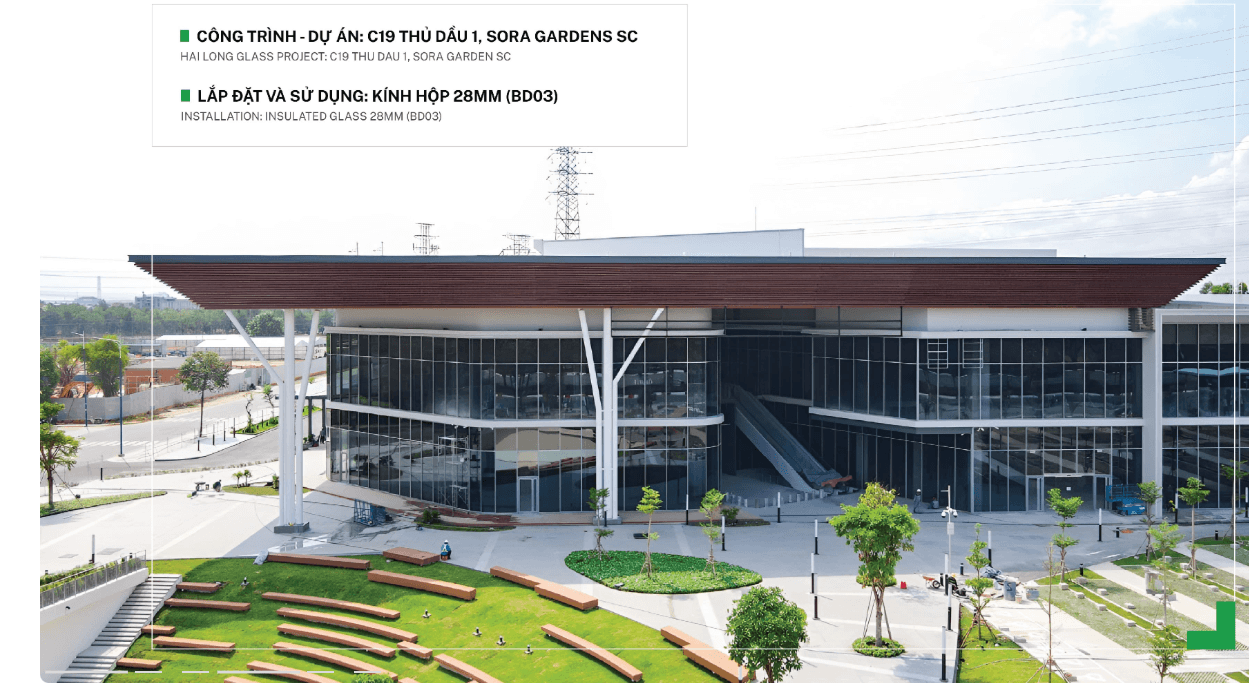
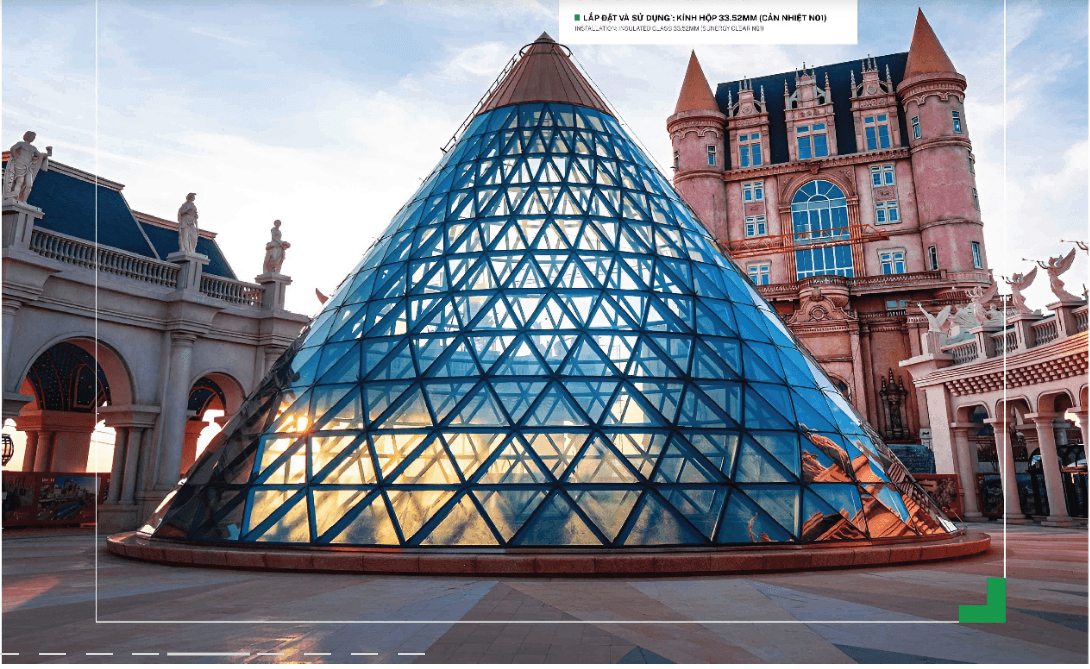
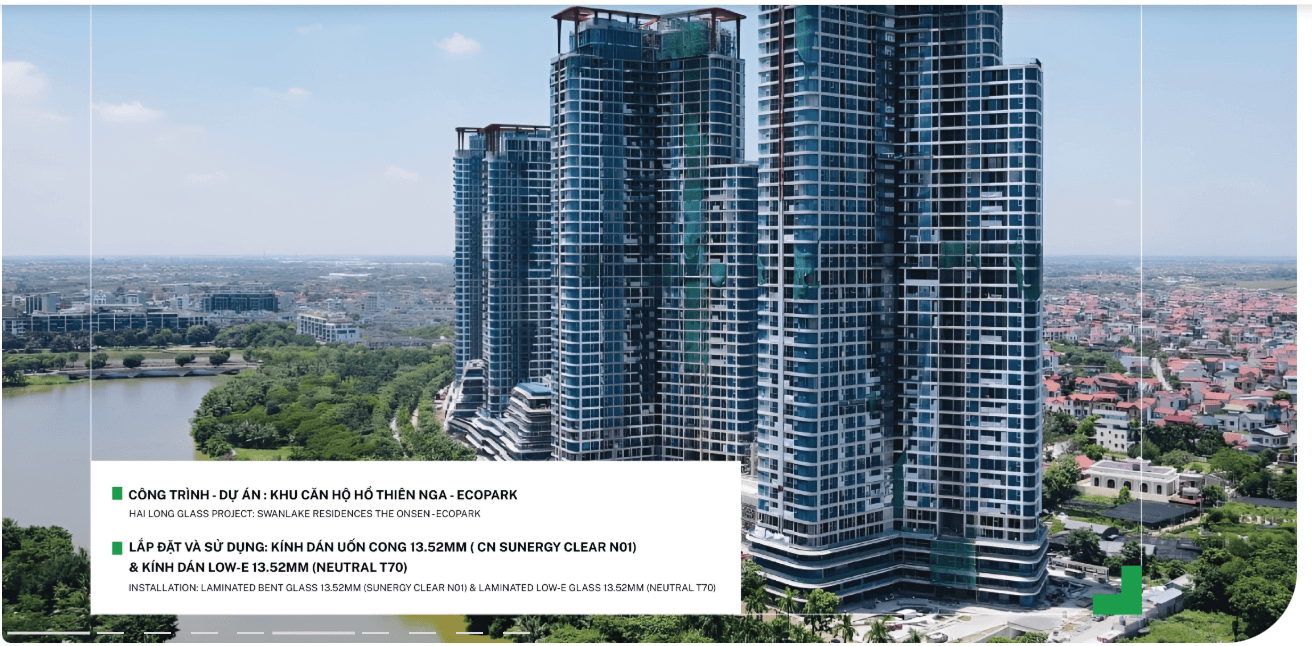
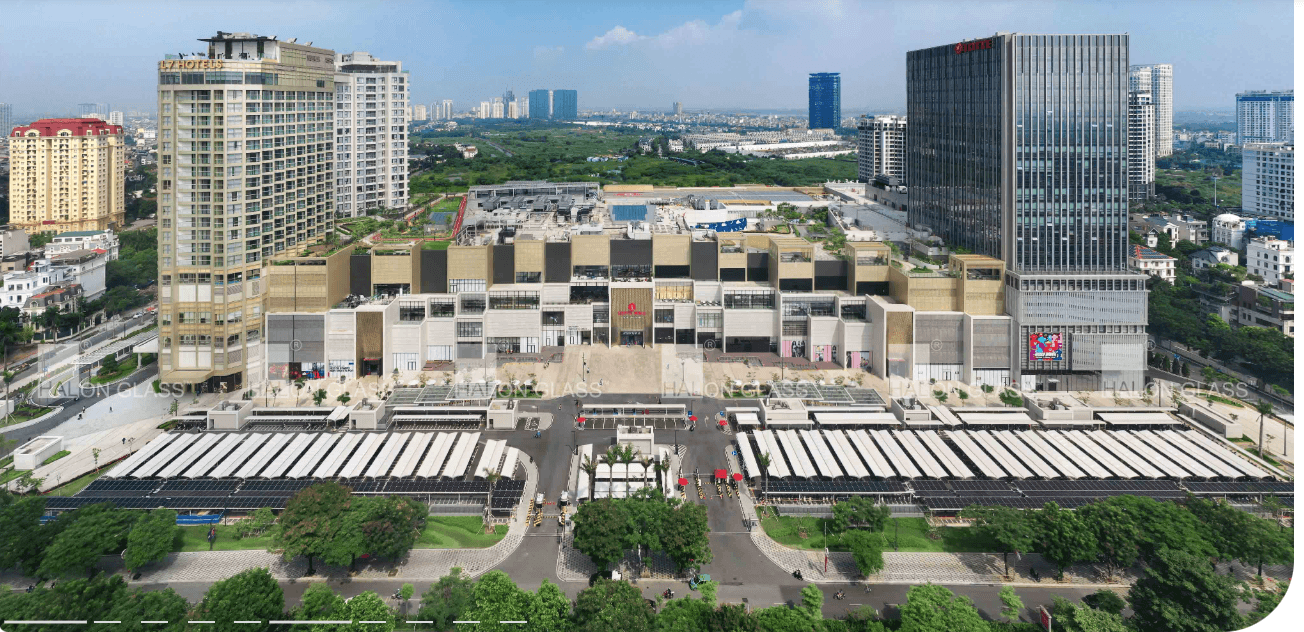
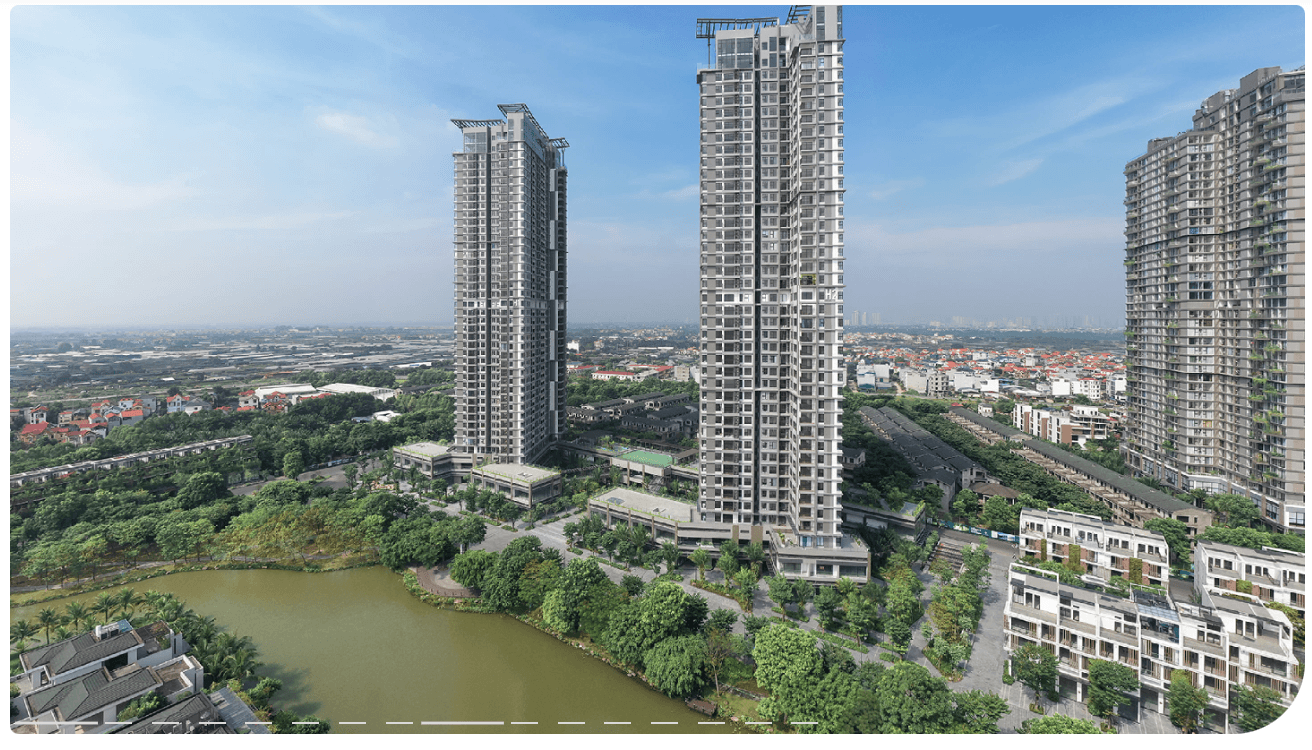
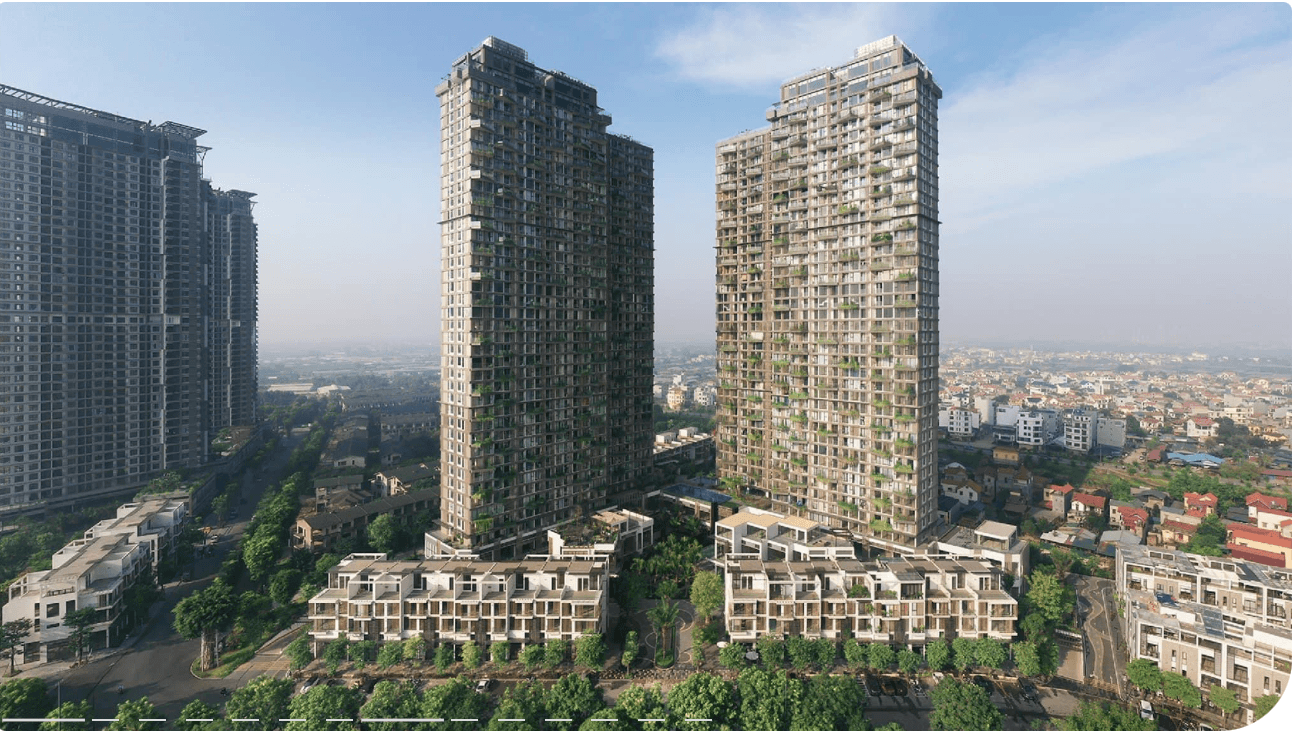
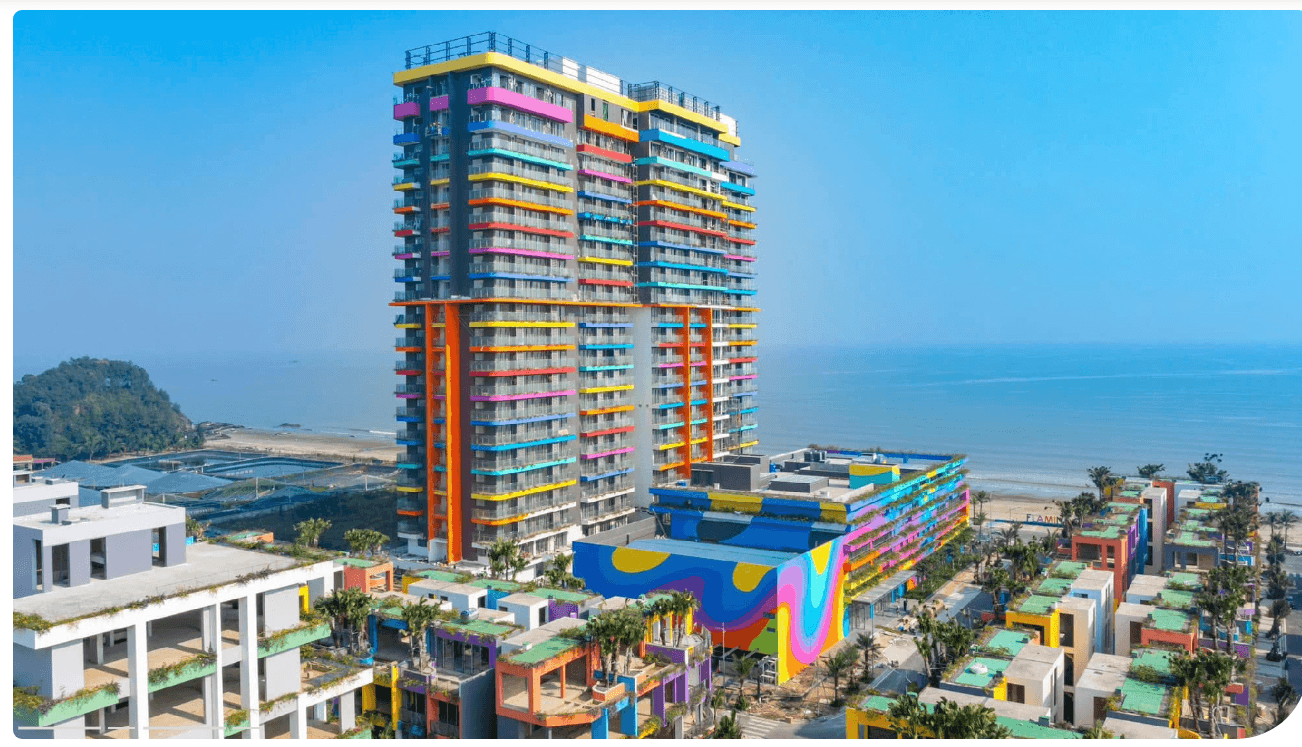
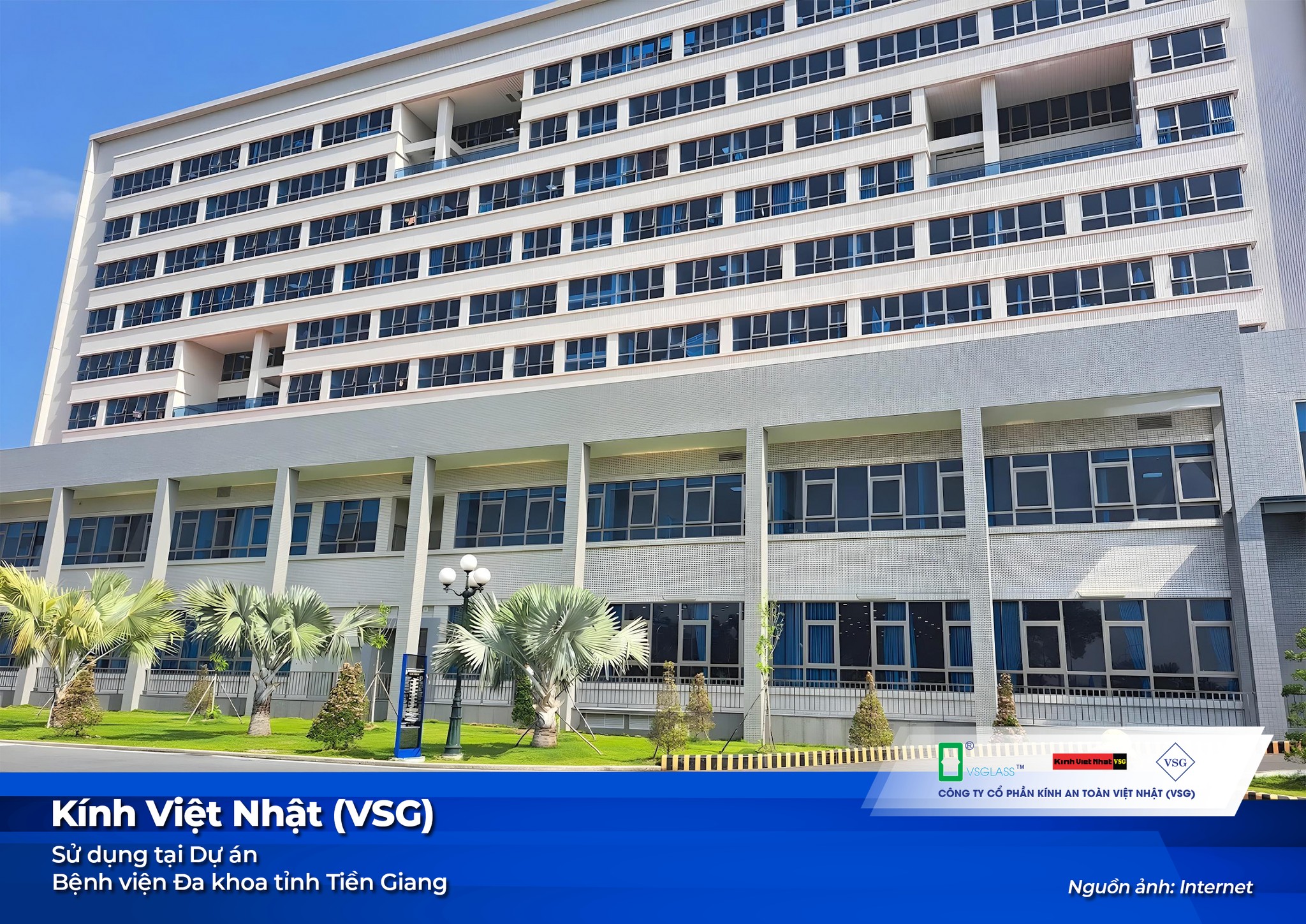
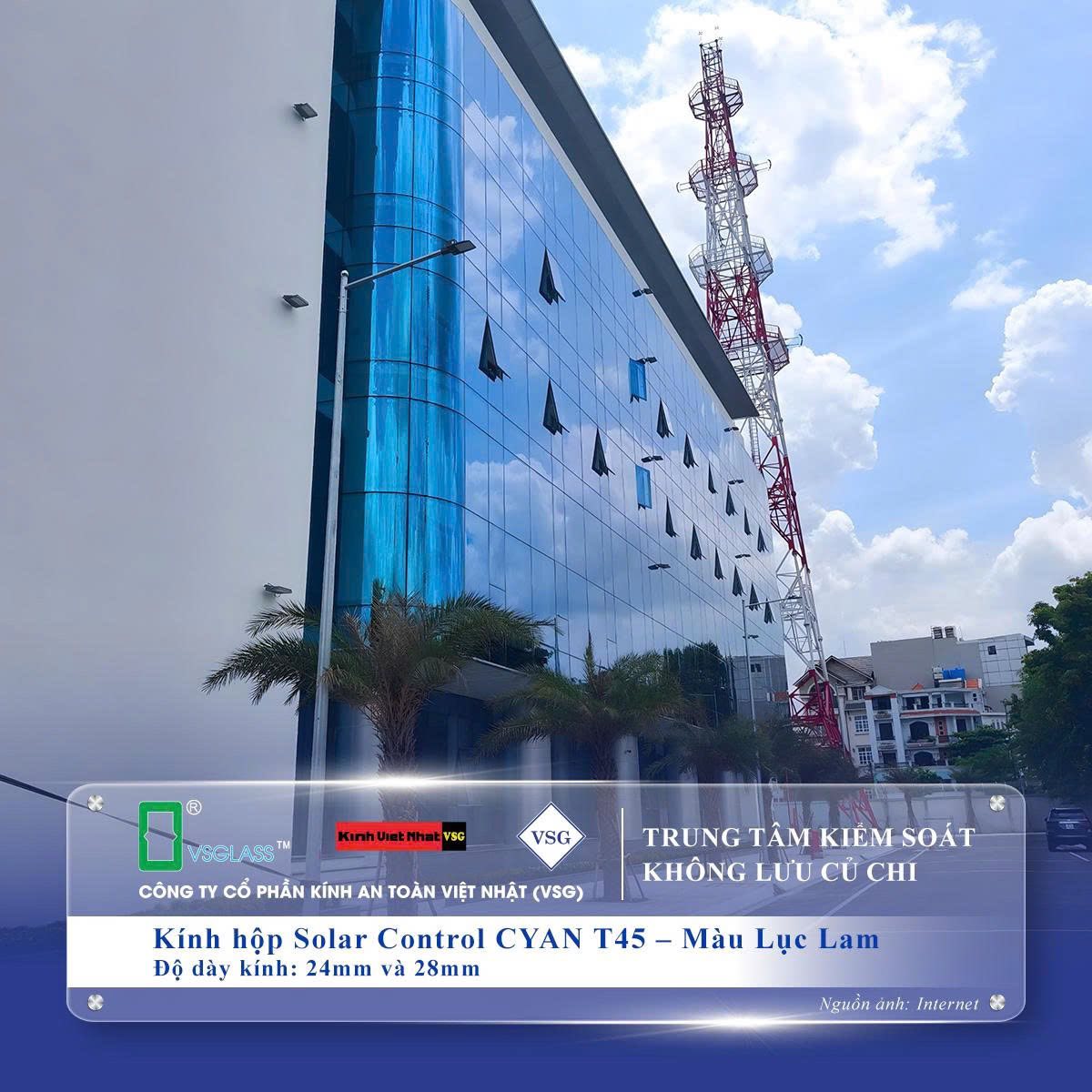
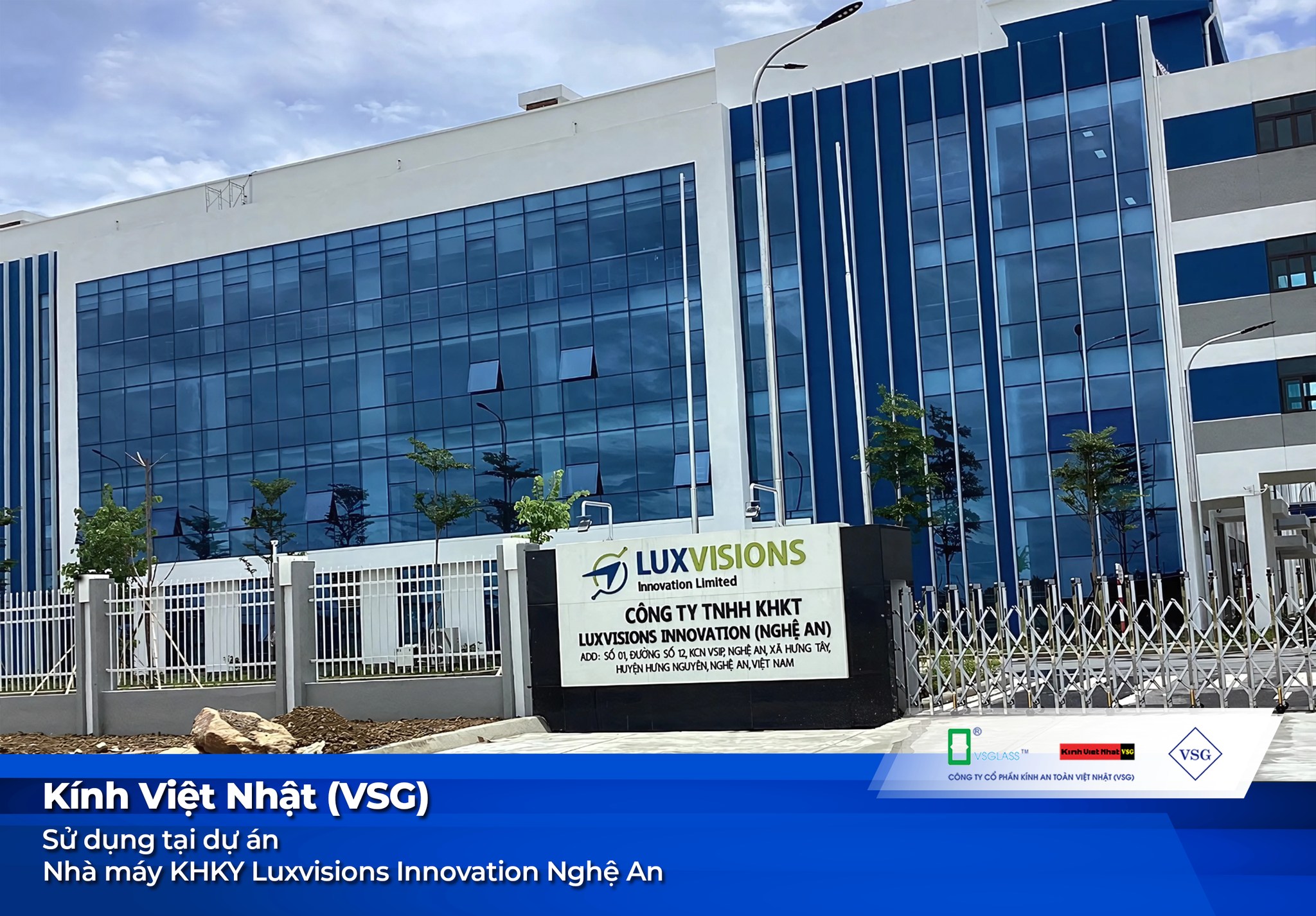
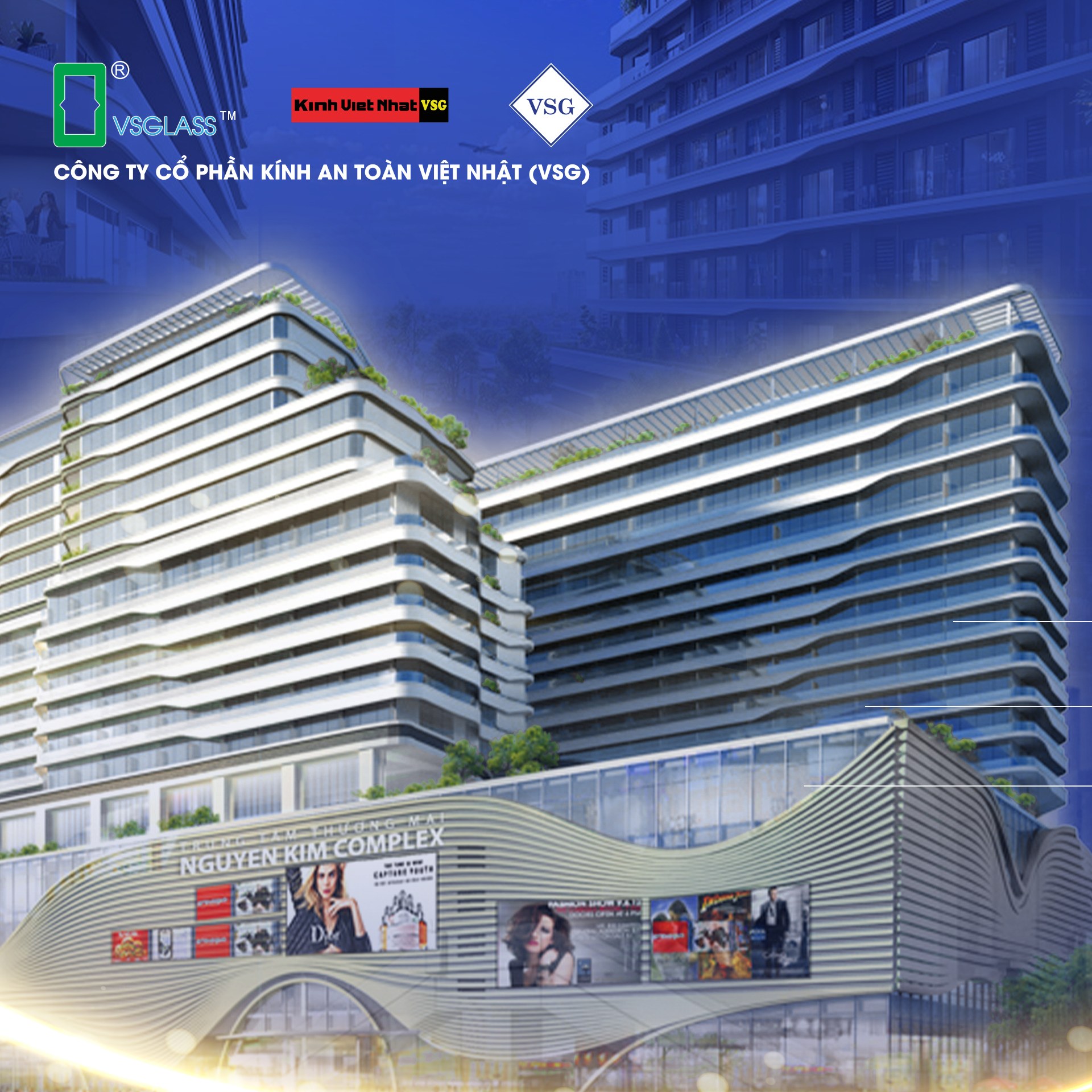
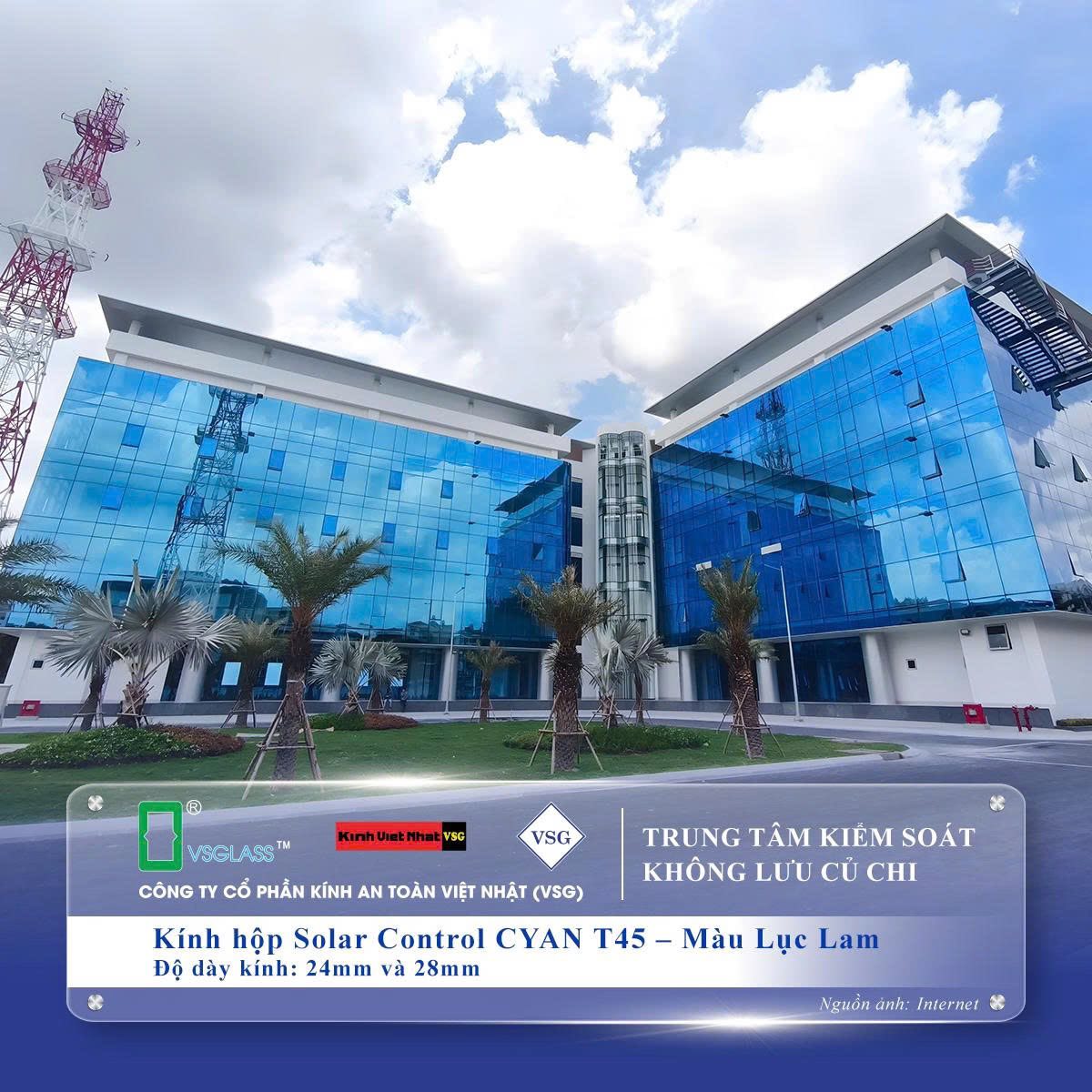
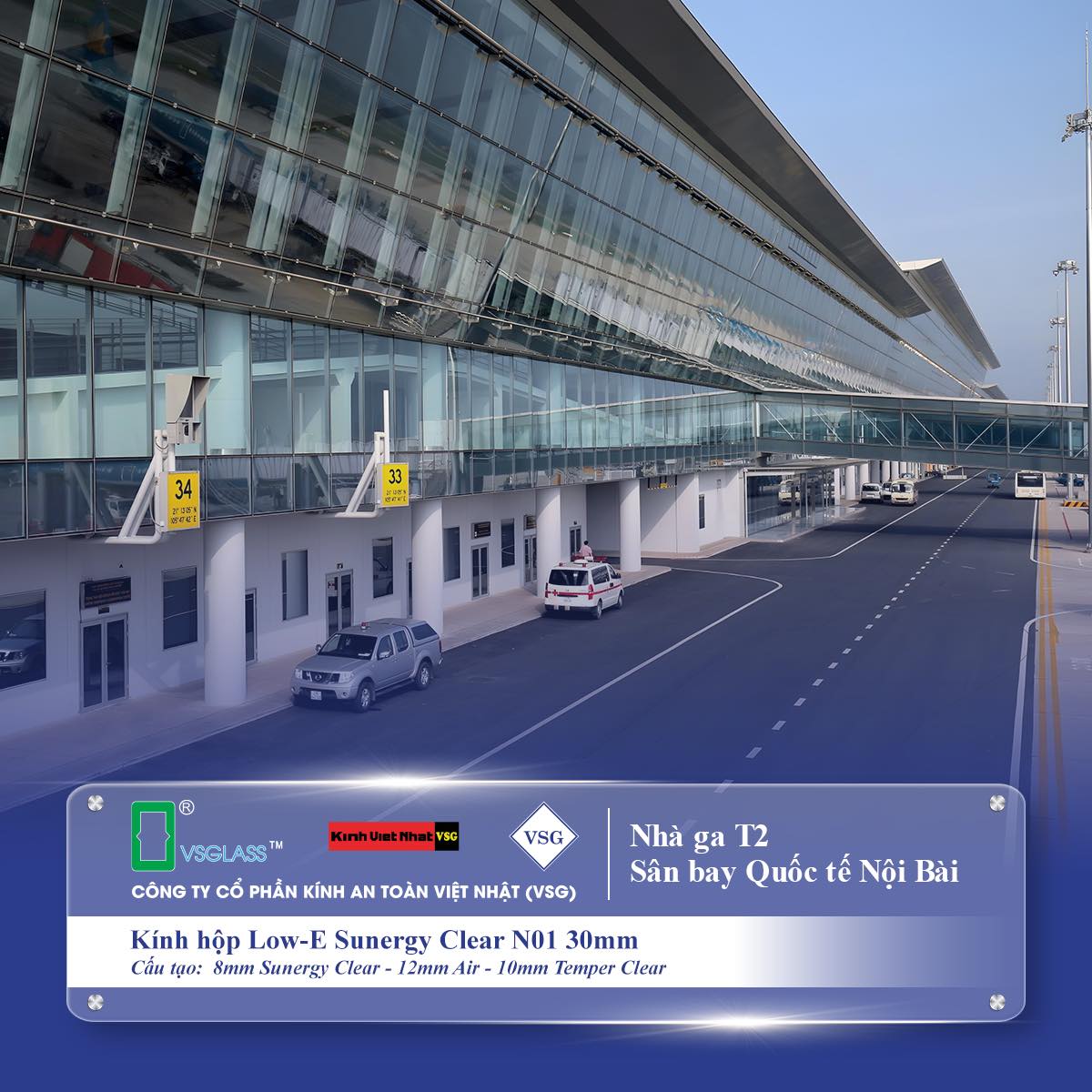
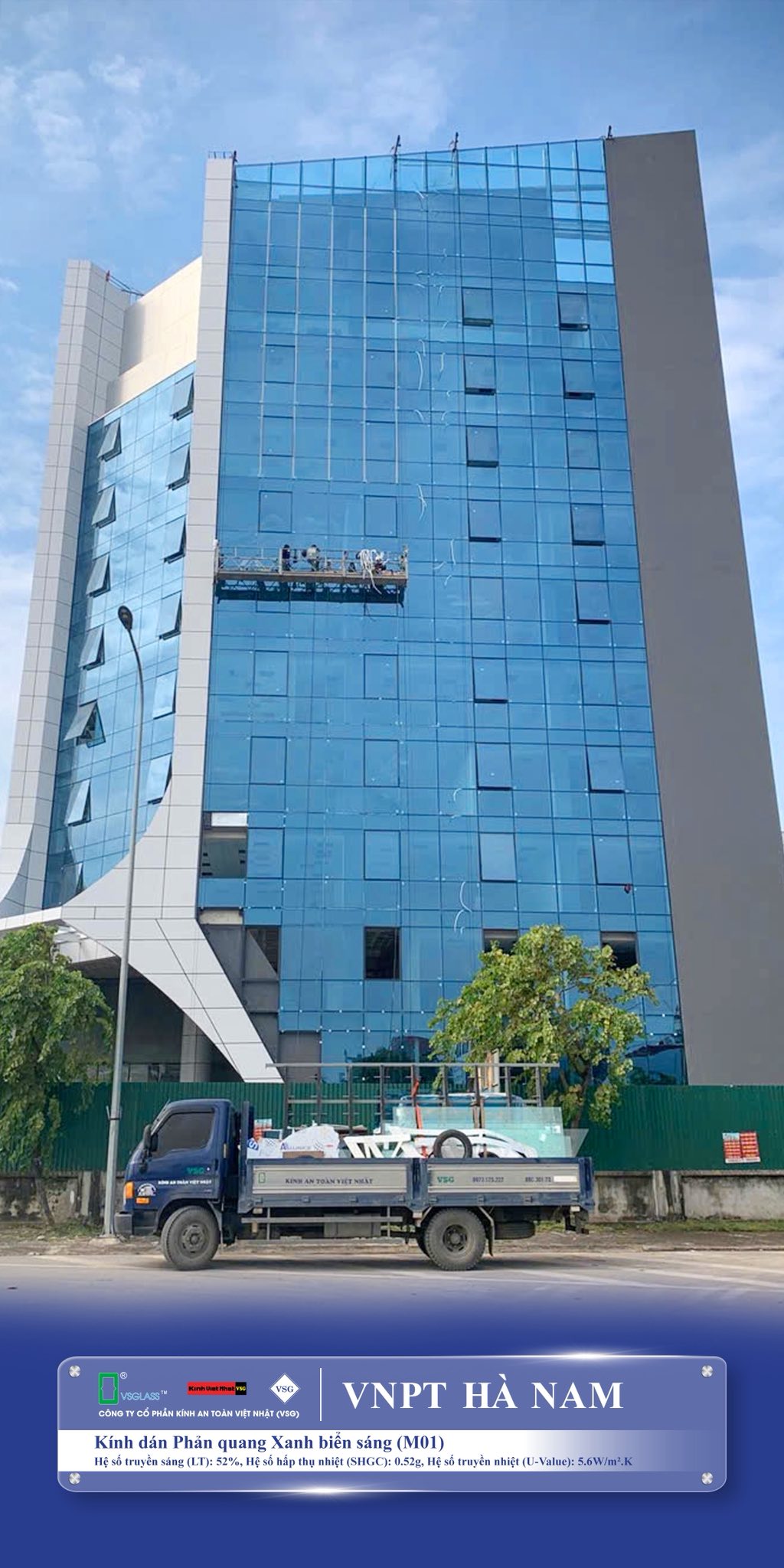
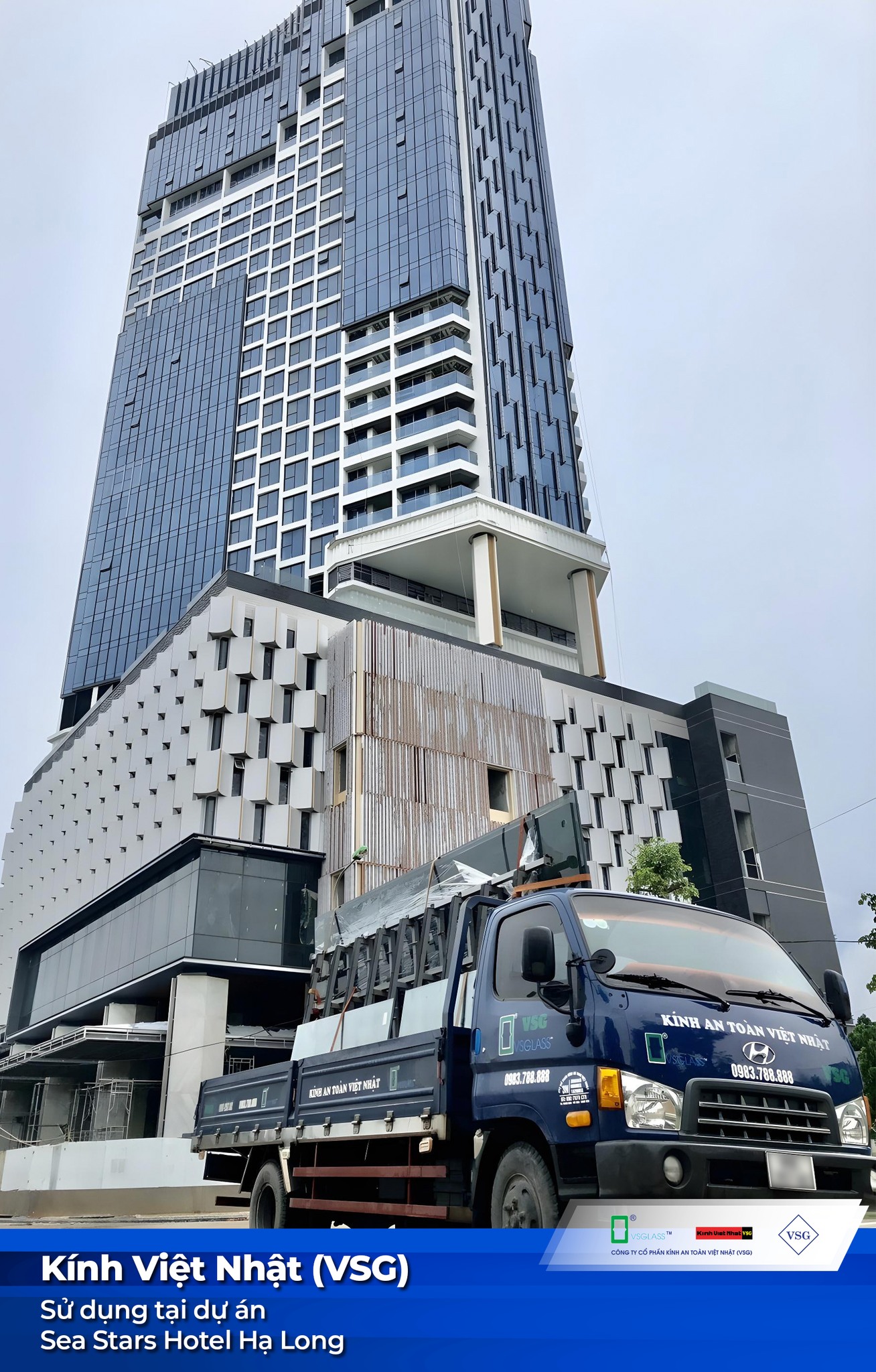
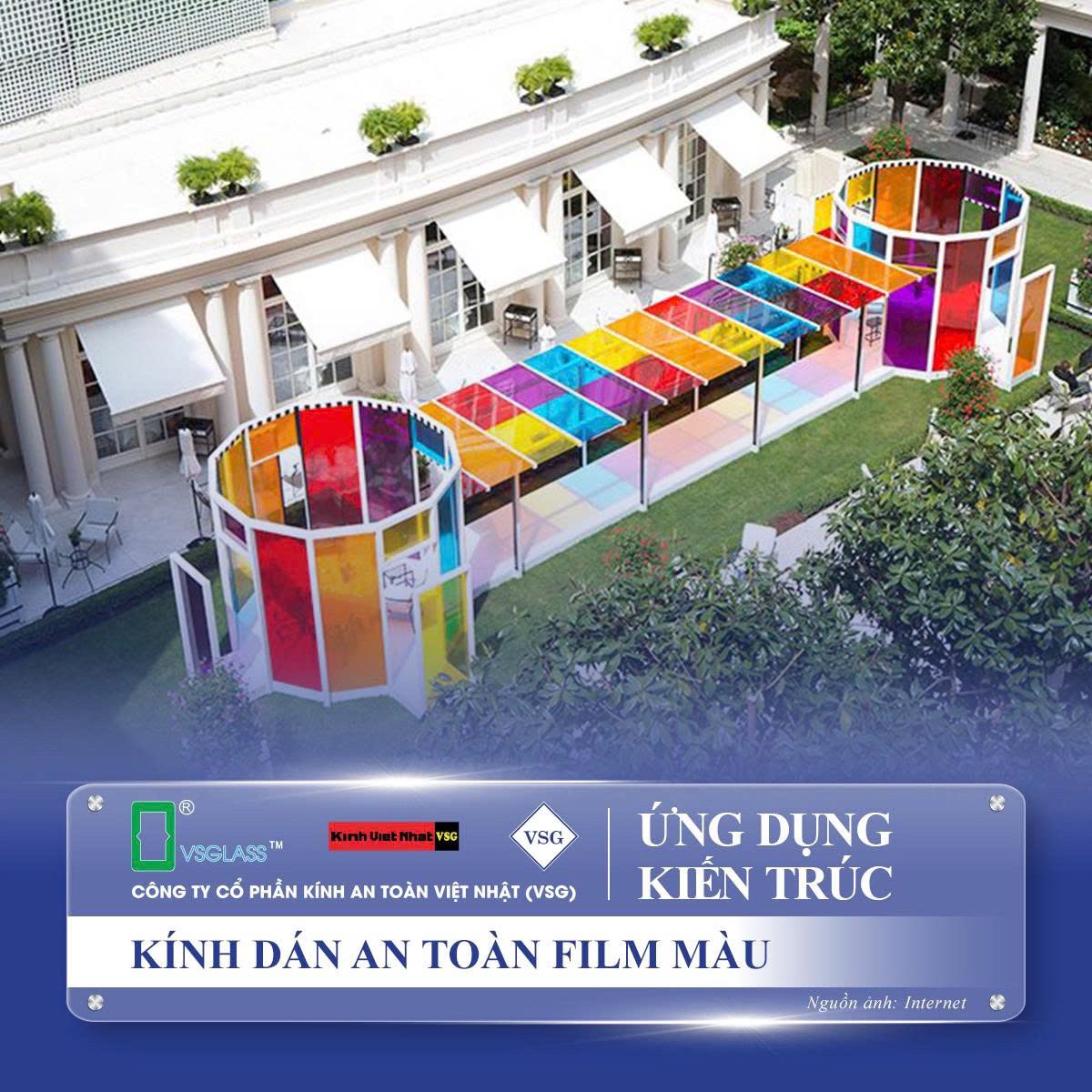
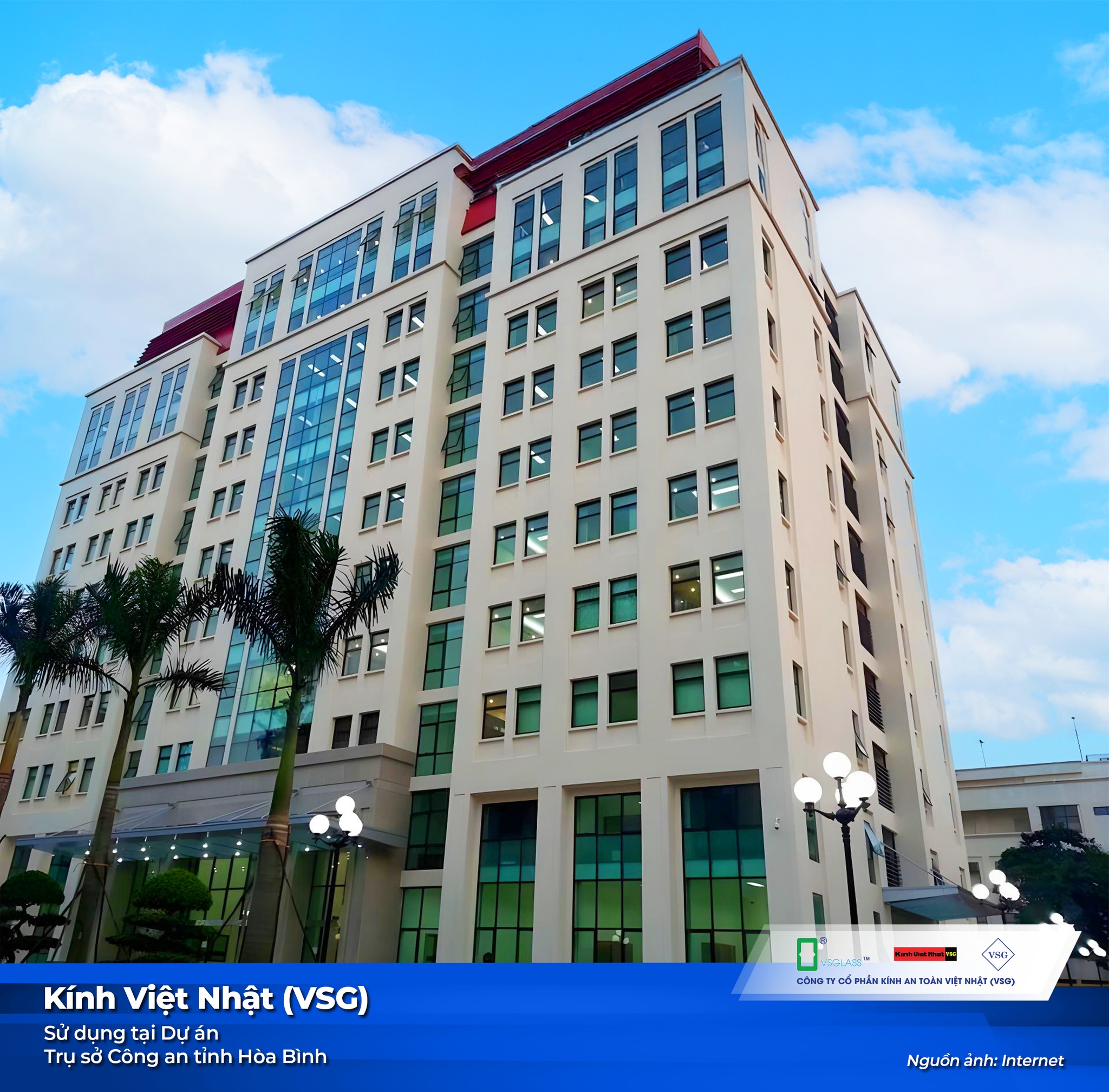
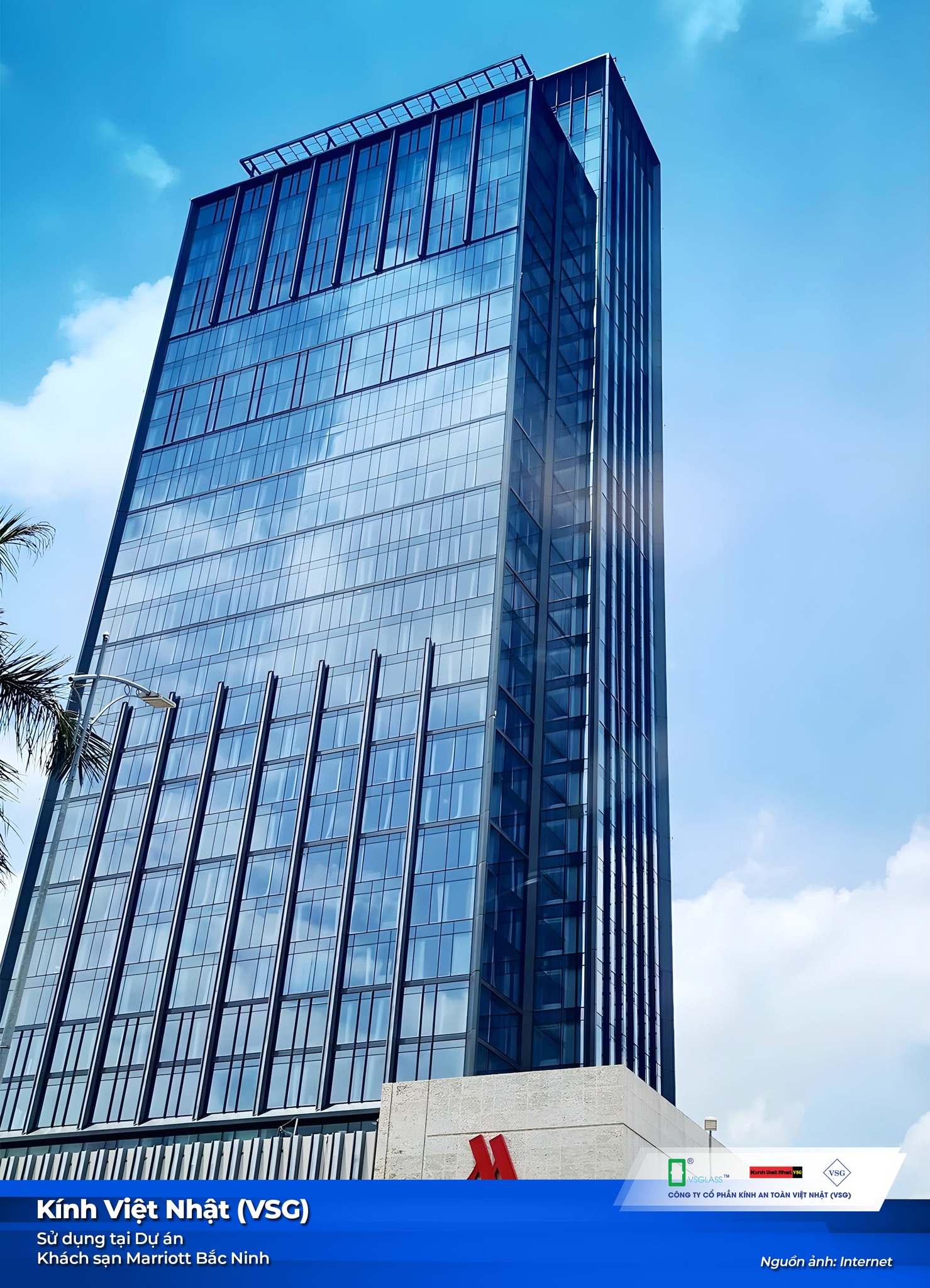
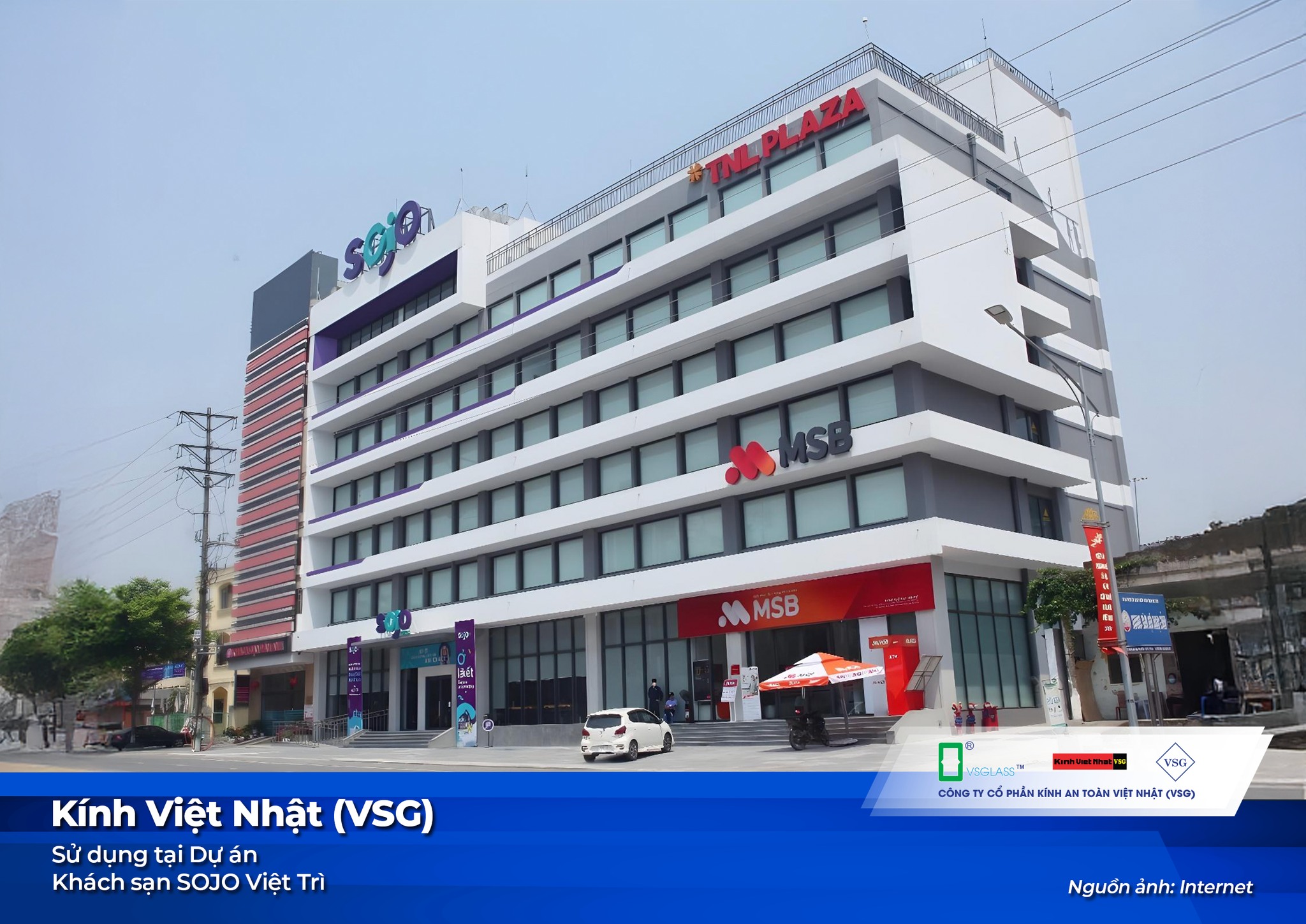
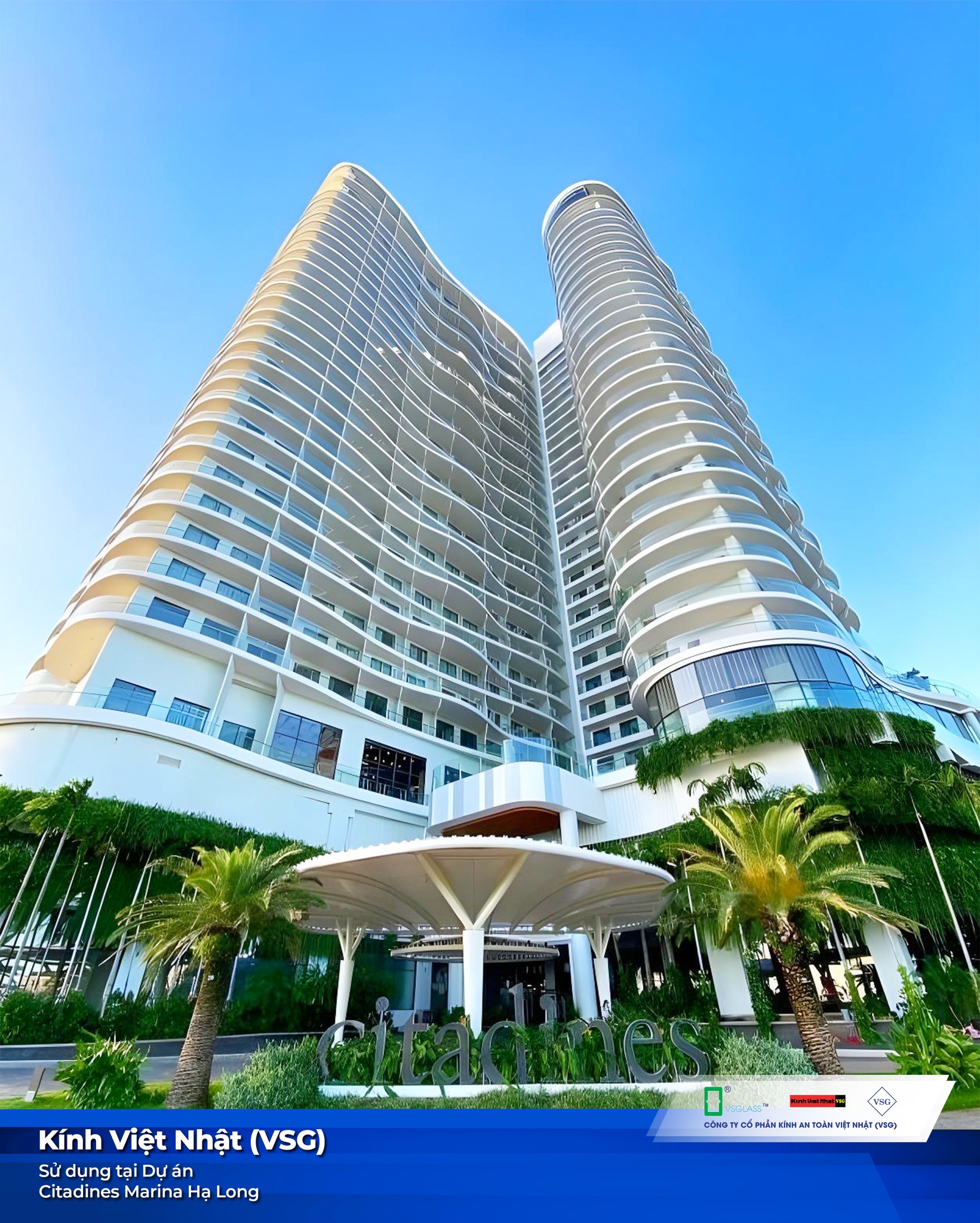
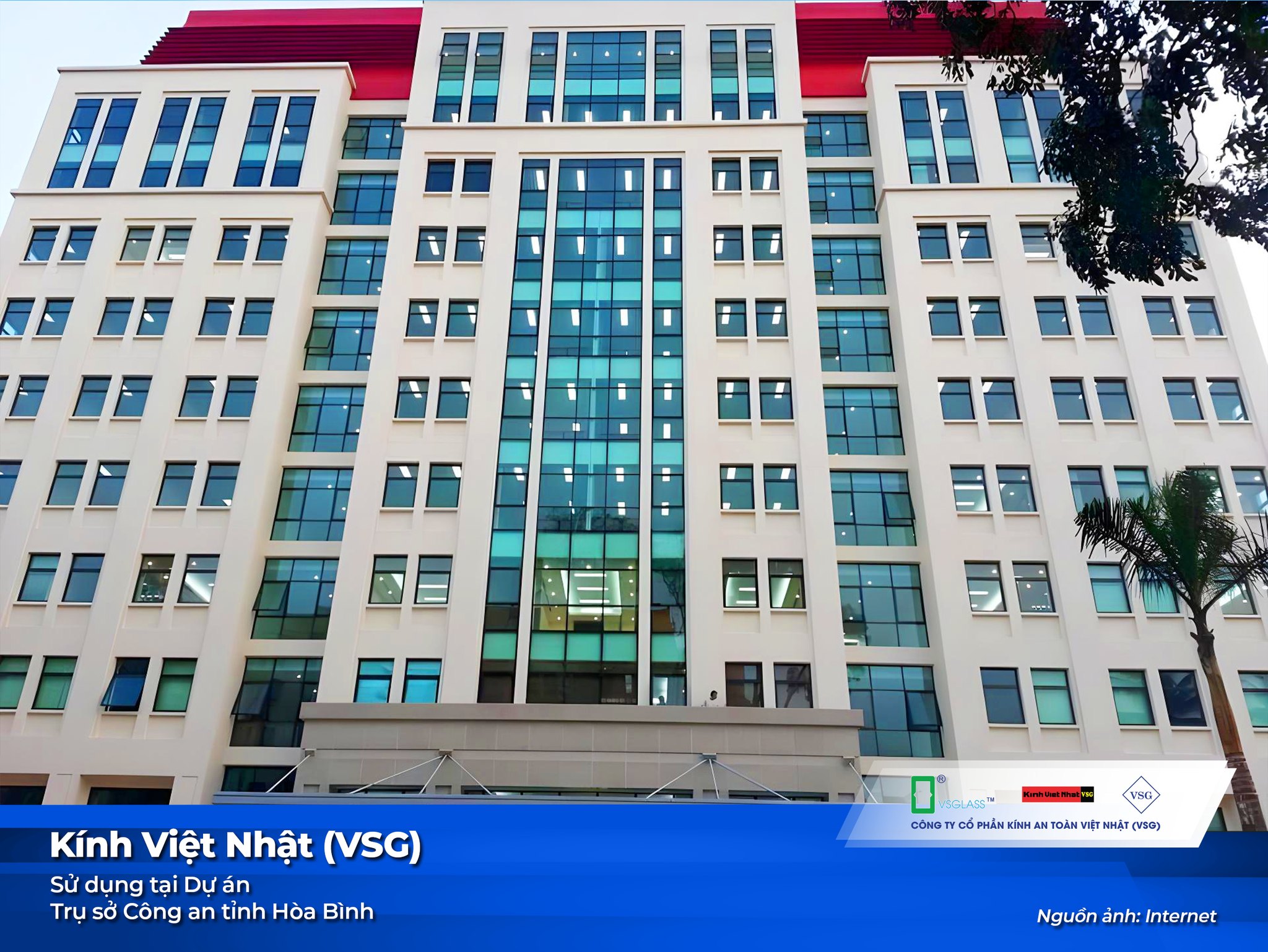
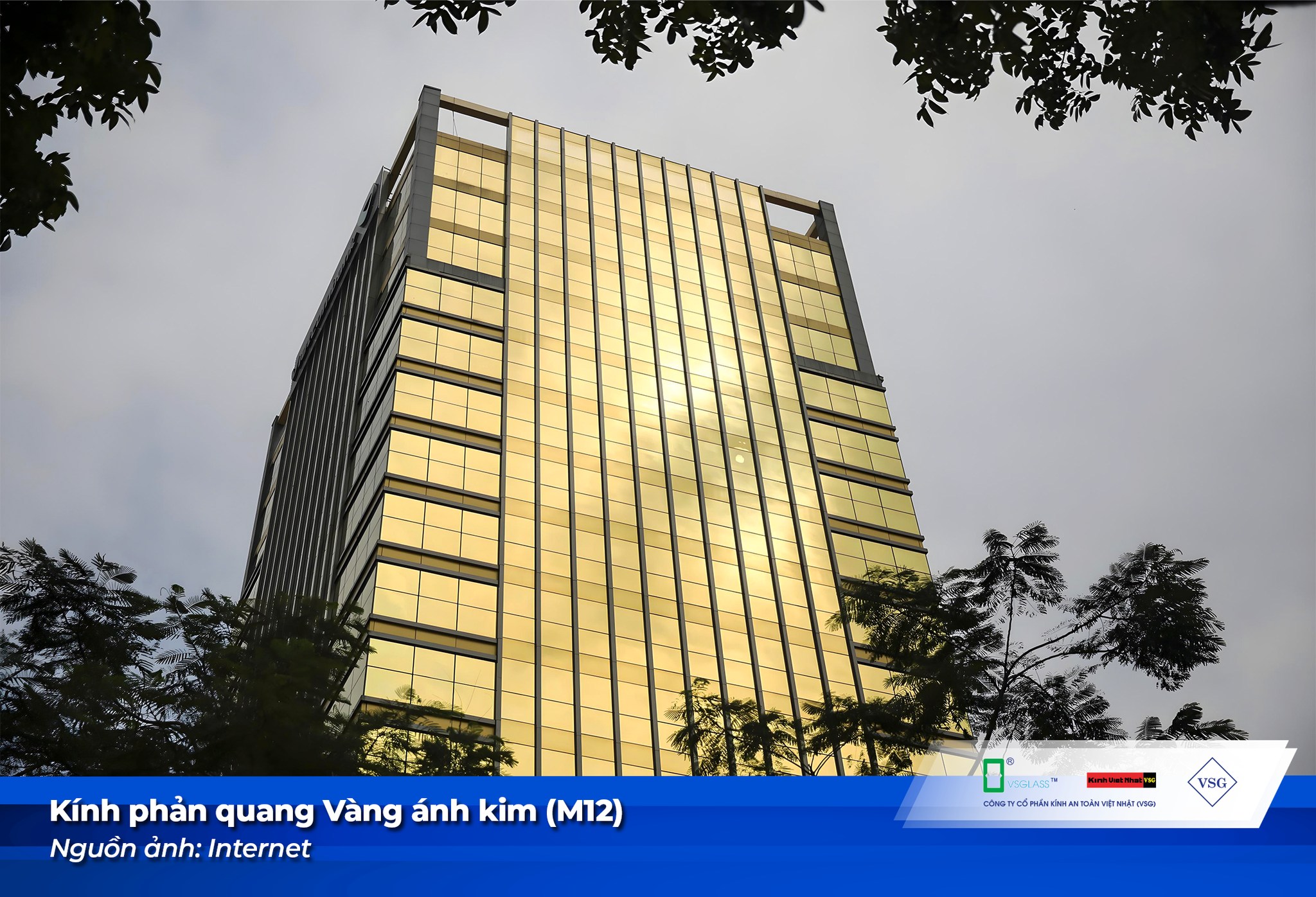
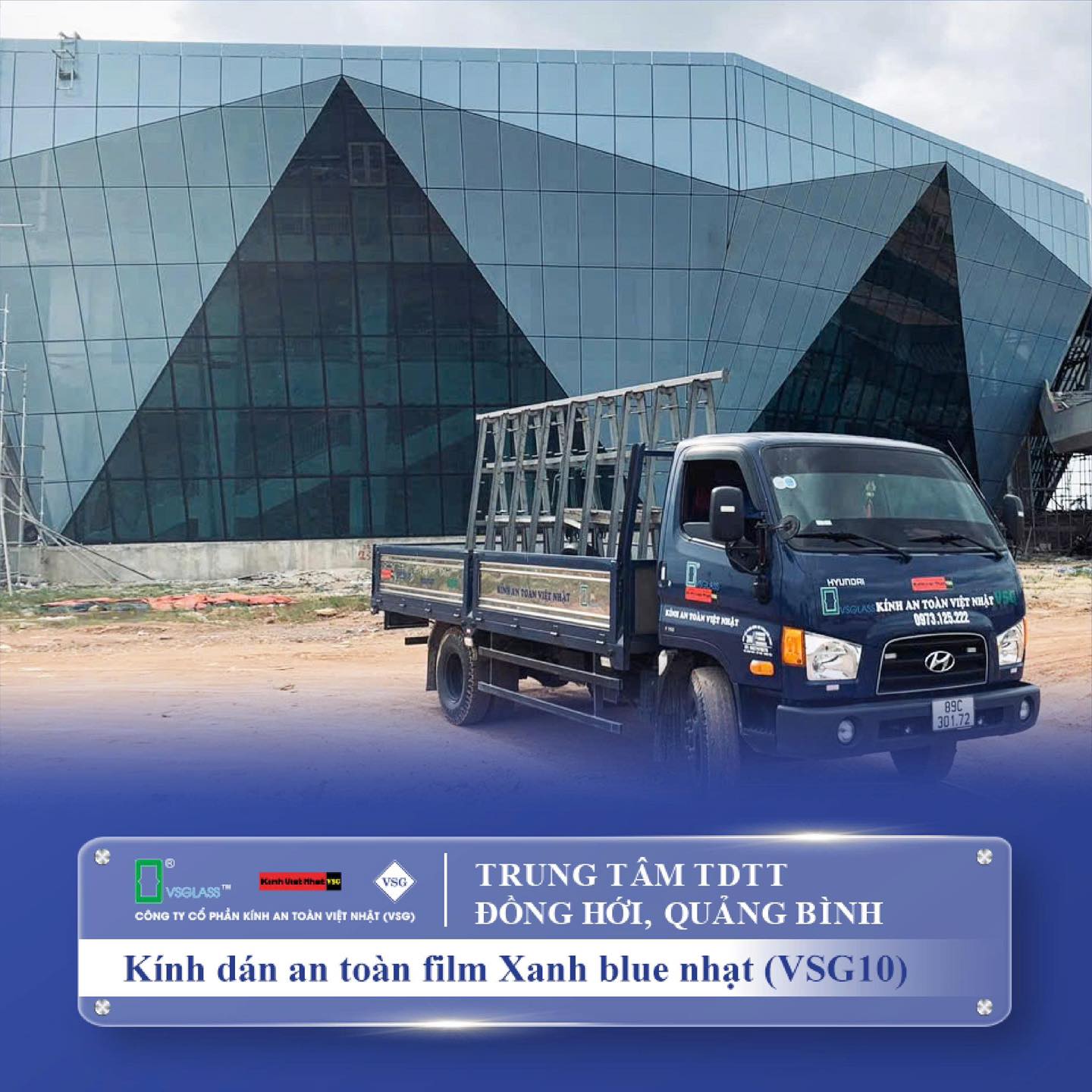
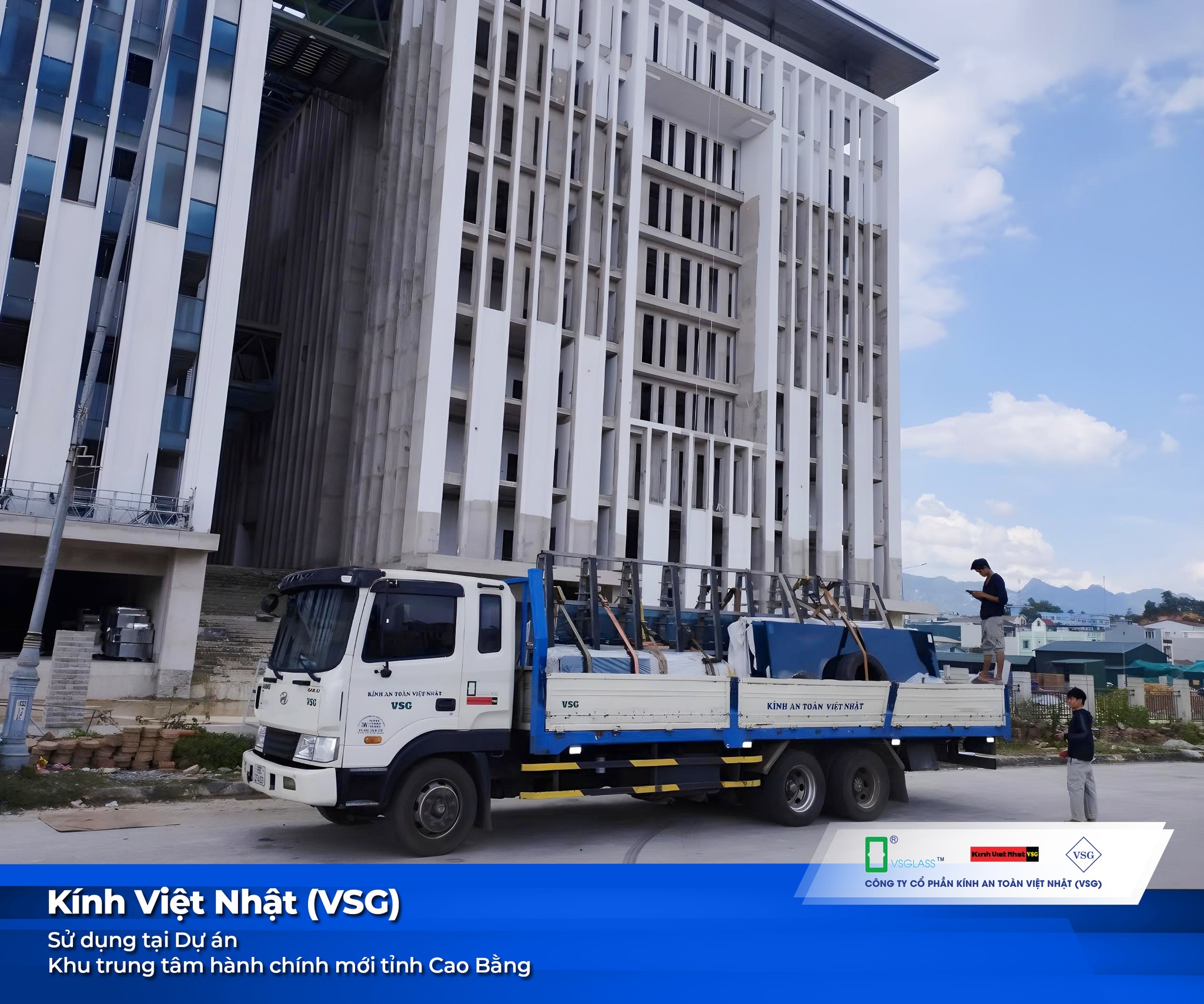
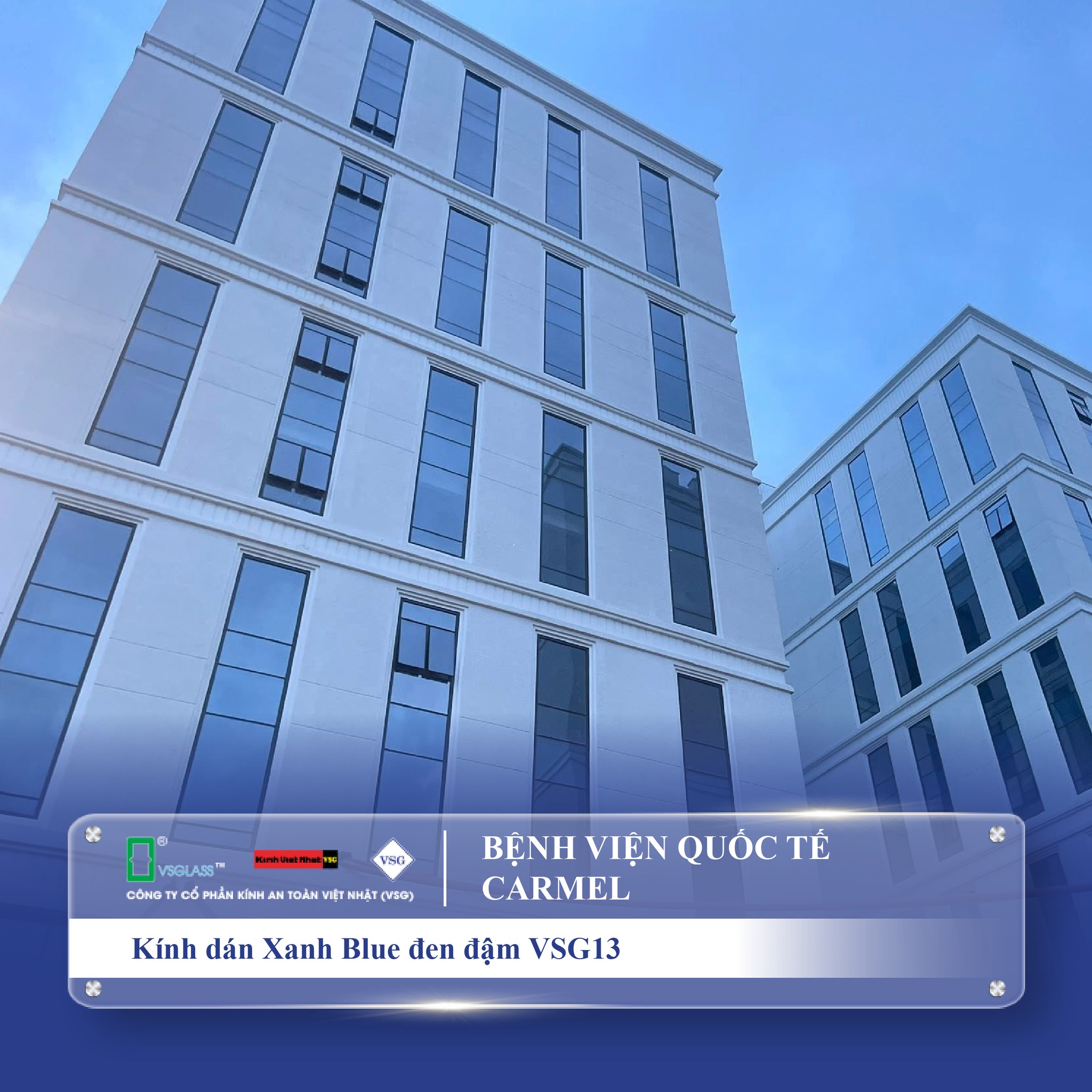
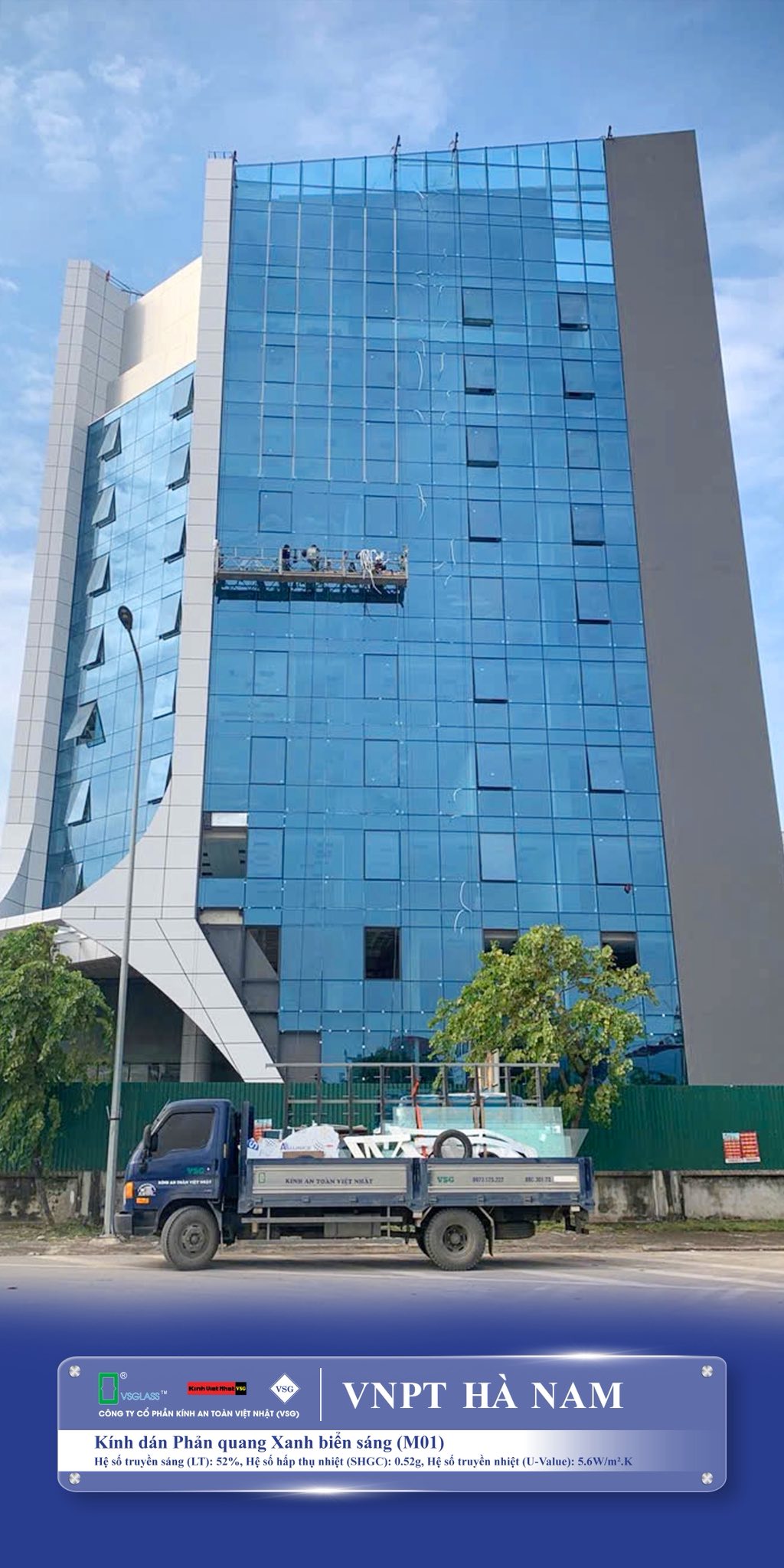
VSG glass, after being precisely cut and processed, can be widely applied in many different fields such as construction, interior design, automotive, and modern architectural projects. In particular, VSG glass is commonly used in projects requiring high safety standards such as glass doors, partitions, railings, and building facades.
The outstanding benefits of using VSG's glass cutting and processing services include:
- Enhanced aesthetics: Precise cuts give the finished product a beautiful appearance, suitable for modern architectural designs.
- Safety guaranteed: VSG glass has high impact resistance and shatterproof properties, minimizing the risk of accidents caused by broken glass.
- Cost savings: Precision machining minimizes material waste and construction time.
- High flexibility: Can be cut to various sizes and shapes to meet diverse customer requirements.
For in-depth technical advice and support regarding VSG glass cutting and processing, please contact Ngoc Quyet Company at 0966.321.655 . Our team of experienced technicians will help you choose the most suitable solution for your needs and ensure the highest quality product.