VSG Glass –
VSG tempered glass: Definition and key features
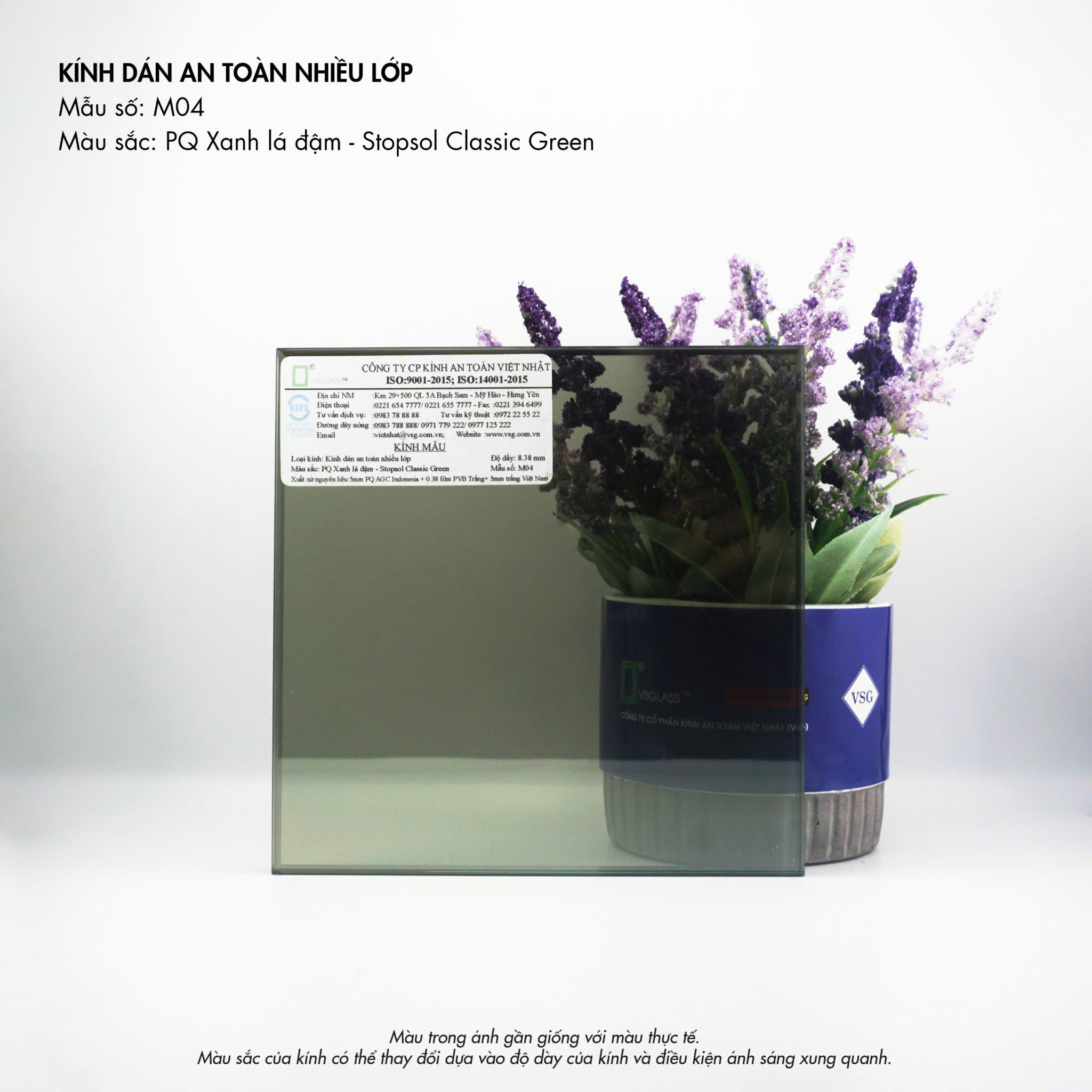
VSG tempered glass is a type of safety glass produced by combining ordinary glass with a PVB (Polyvinyl Butyral) film in the middle, then undergoing a heat treatment or tempering process to increase its strength and impact resistance. This combination creates a glass product that can withstand strong impacts, resist shattering, and ensure maximum safety for users. Key features of VSG tempered glass include significantly higher impact resistance than ordinary glass, high durability against mechanical impacts, and effective sound and heat insulation.
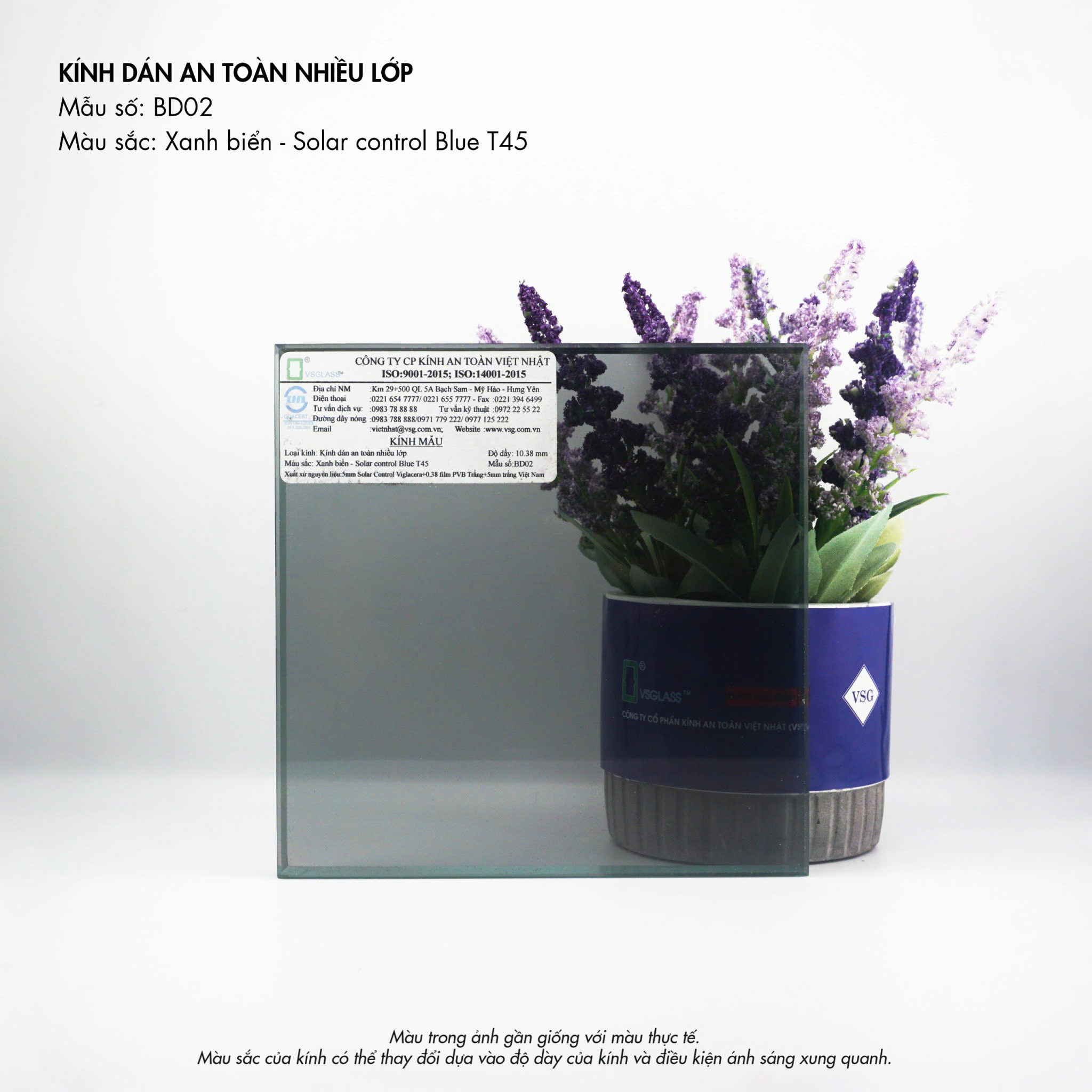
VSG tempered glass manufacturing process
The production process of VSG tempered glass involves many complex technical steps to ensure the quality and safety of the product. First, ordinary glass is cut to the required size, then thoroughly cleaned to remove dust and impurities. Next, a PVB film is placed between two sheets of ordinary glass, then put into a vacuum press to remove air and create perfect adhesion between the layers. Finally, the glass is put into a high-temperature tempering furnace at approximately 600°C to increase its hardness and strength.
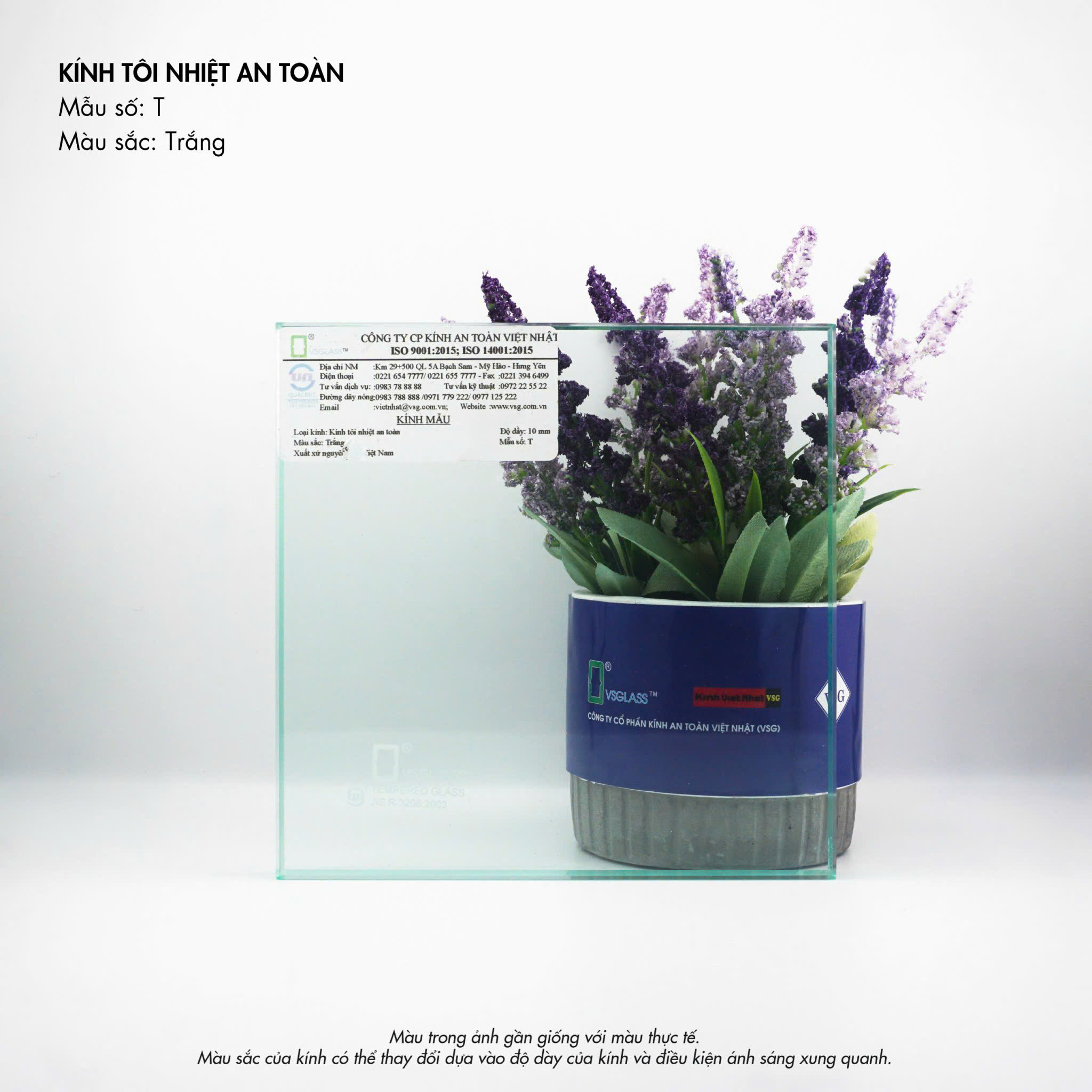
Advantages of the heat treatment process in the production of VSG tempered glass
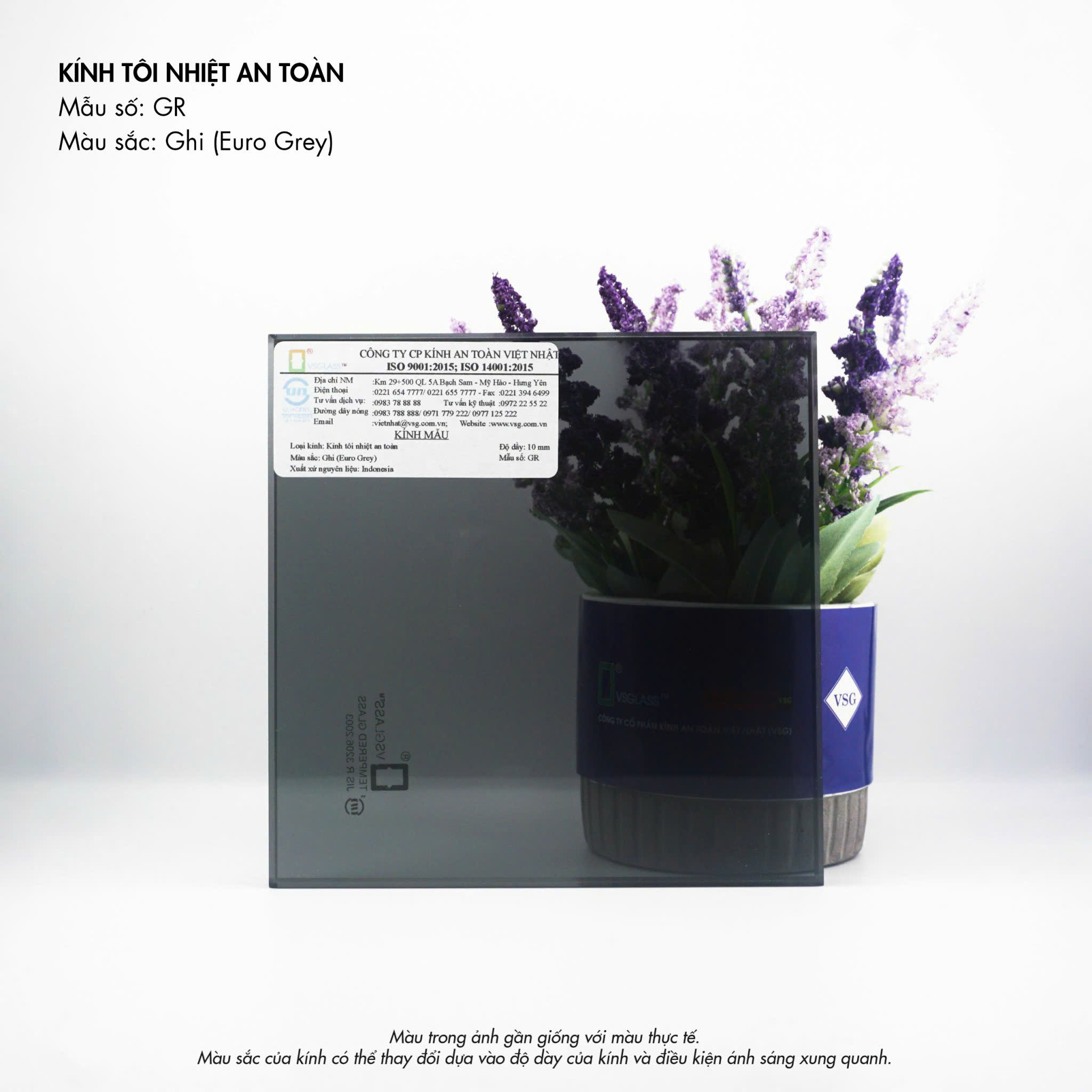
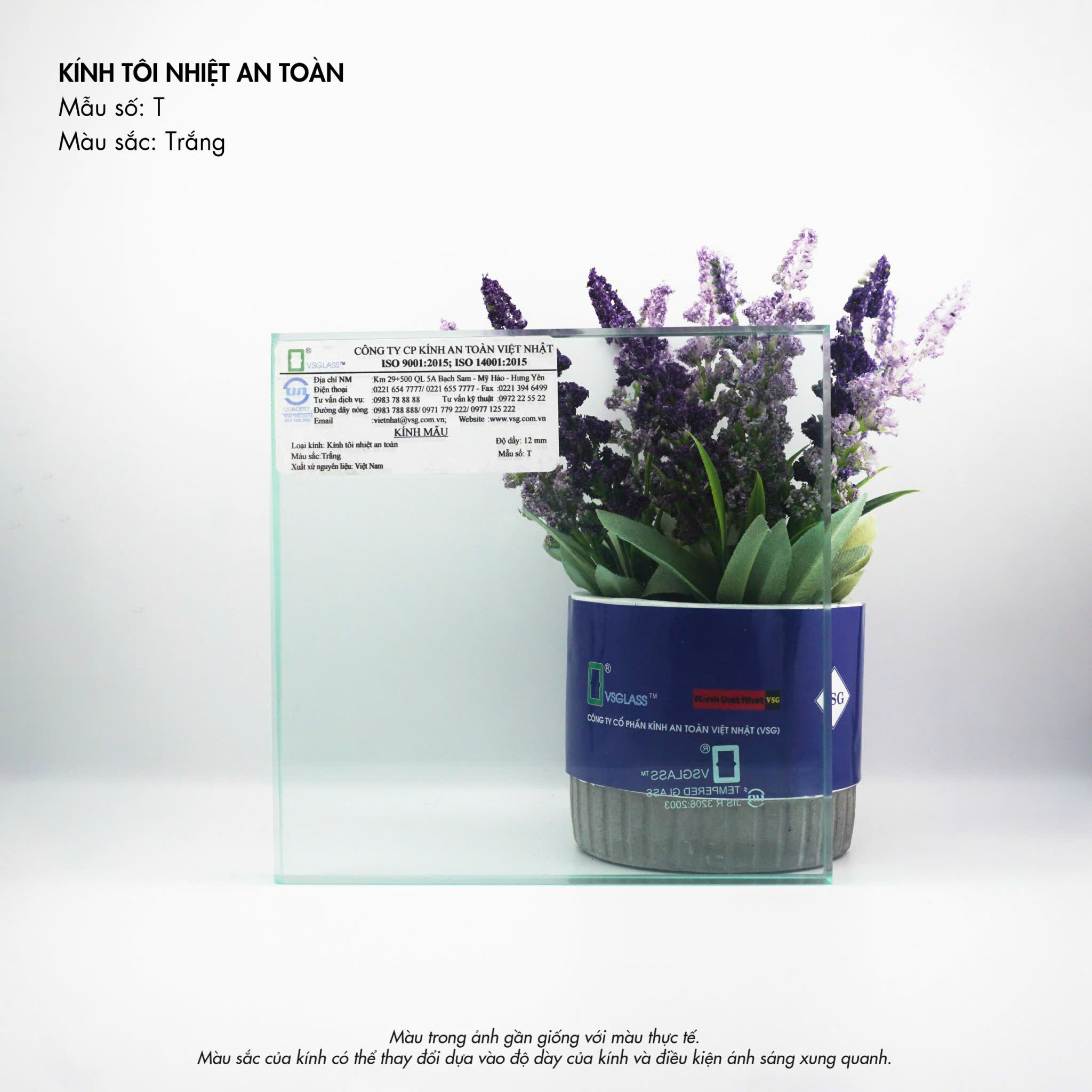
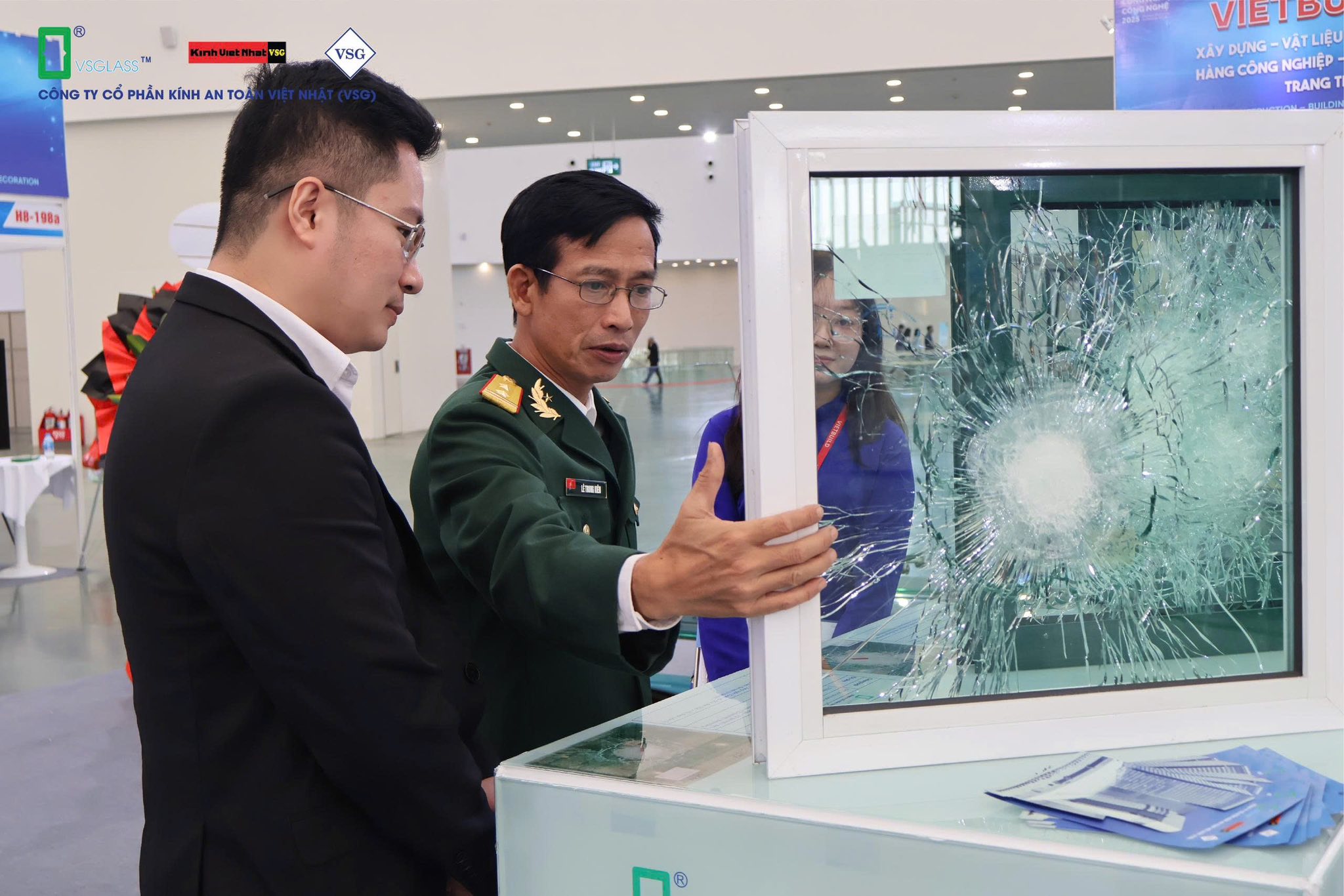
The heat treatment process increases the mechanical strength of the glass by creating compressive stresses on the glass surface, allowing it to withstand strong impacts without shattering. When the glass breaks, the PVB film holds the fragments together, preventing injury to users. This is one of the outstanding advantages of VSG tempered glass compared to ordinary glass.
The diverse applications of VSG tempered glass in construction and industry.
VSG tempered glass is widely used in many different fields due to its high safety and aesthetic features. In the construction industry, this glass is commonly used for doors, partitions, railings, and building facades of high-rise buildings, enhancing durability and ensuring the safety of the structure. In addition, VSG tempered glass is also used in the production of automobiles, ships, electronic devices, and furniture to protect users from impacts and enhance aesthetics.
List of common applications of VSG tempered glass
- Tempered glass doors: Ensure safety and good load-bearing capacity, suitable for residential and commercial buildings.
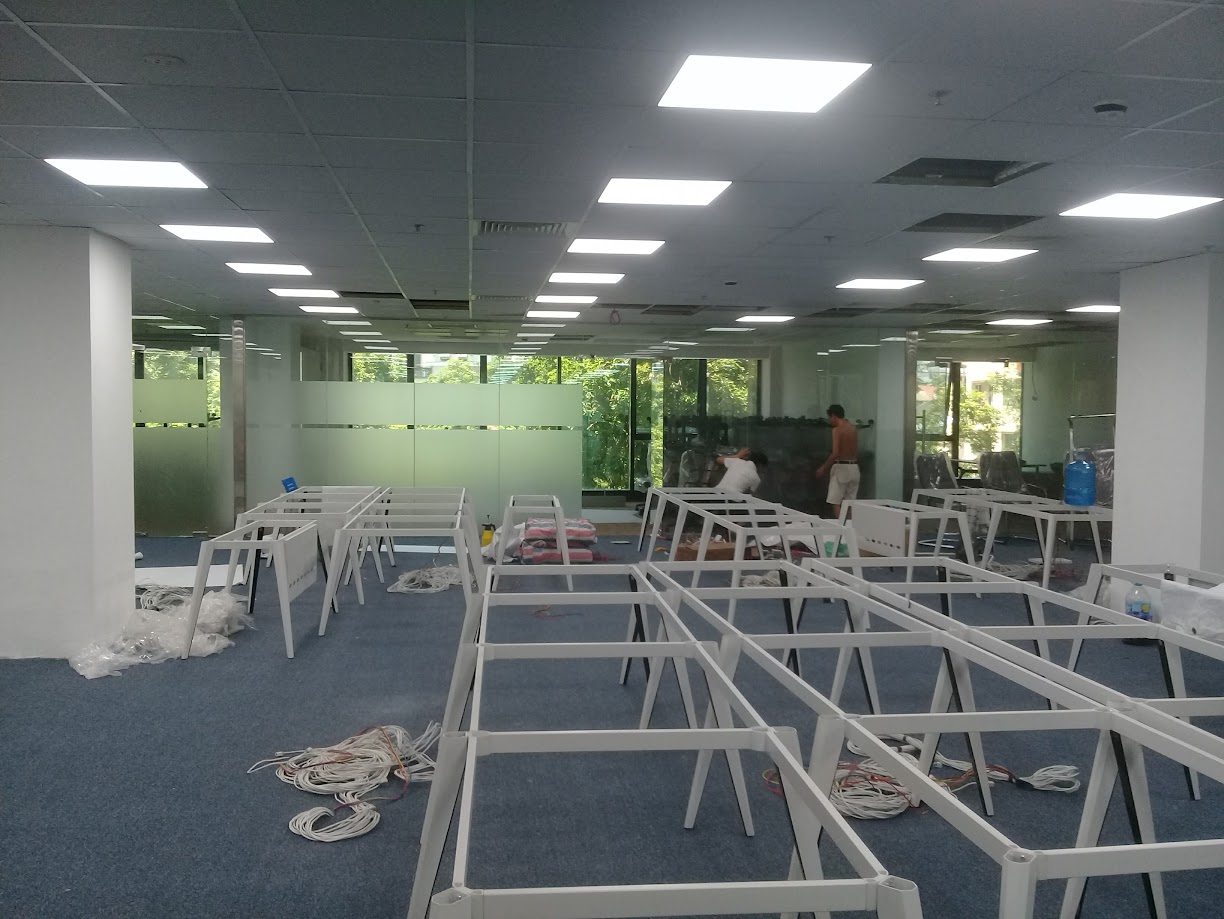
- Office partitions: Create open, modern spaces and provide effective sound insulation.
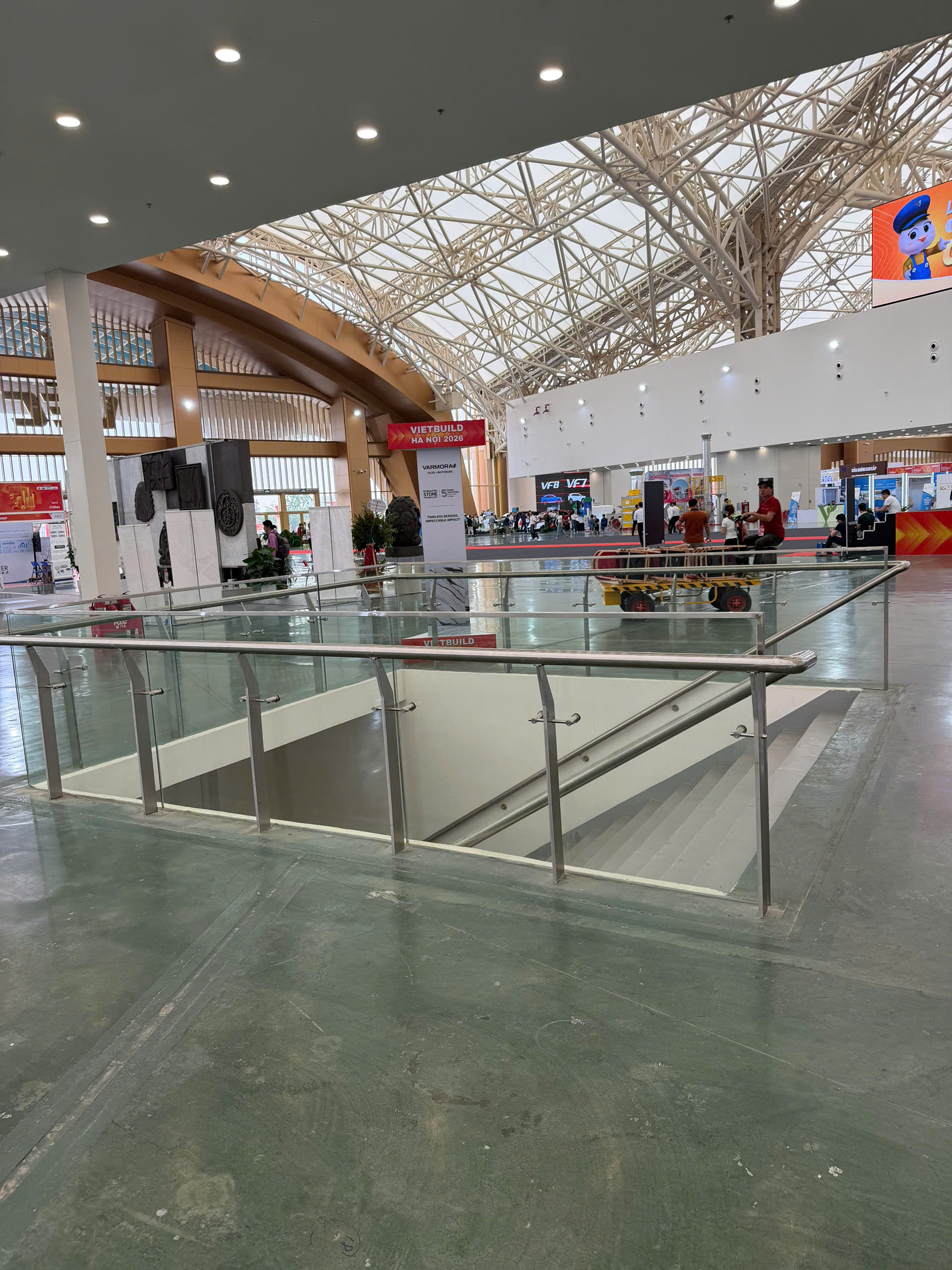
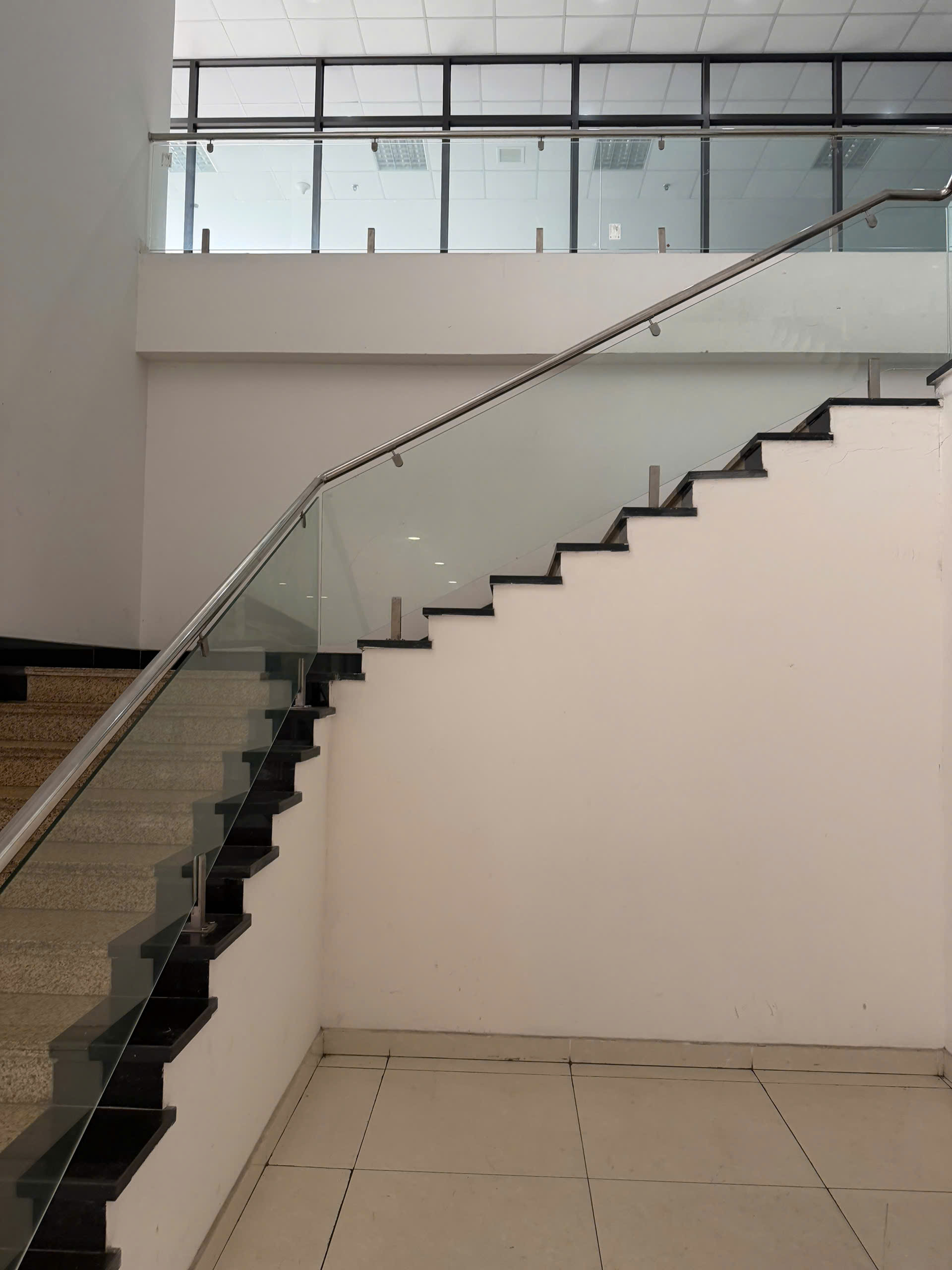
- Glass railings: Enhance aesthetics and safety for stairwells and balconies.
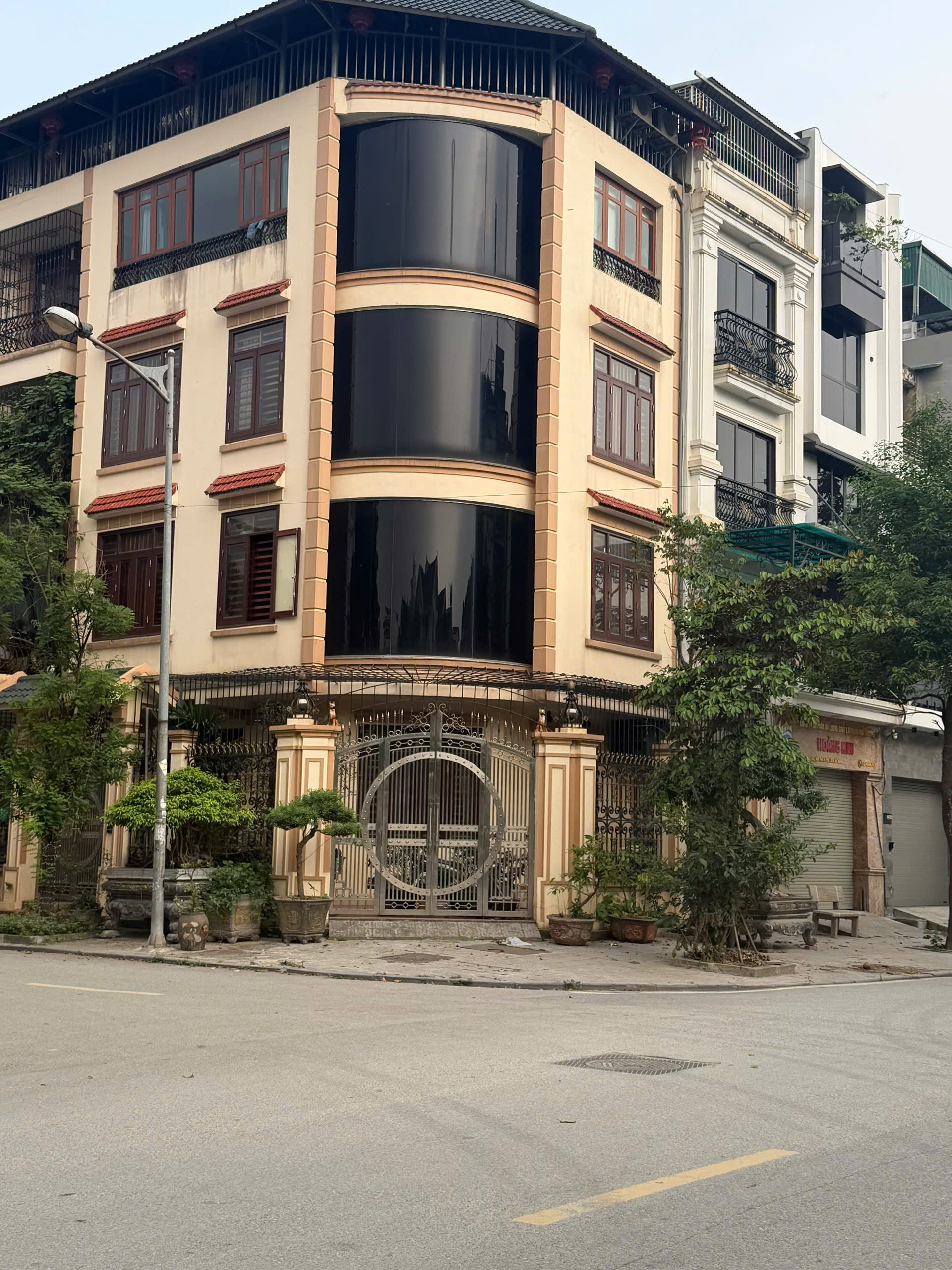
- Building facade: Helps increase load-bearing capacity and withstand harsh weather conditions.
- Cars and vehicles: Protecting drivers and passengers from collisions and accidents.
Quality standards and factors affecting the performance of VSG tempered glass.
VSG tempered glass must meet stringent international quality and safety standards such as EN 12543, ASTM C1172, and TCVN. Factors affecting glass performance include glass thickness, type of PVB film used, tempering process, and installation conditions. Glass thickness typically ranges from 6mm to 12mm, depending on load-bearing requirements and specific applications. High-quality PVB film not only helps bond the glass layers but also enhances sound insulation and UV resistance.
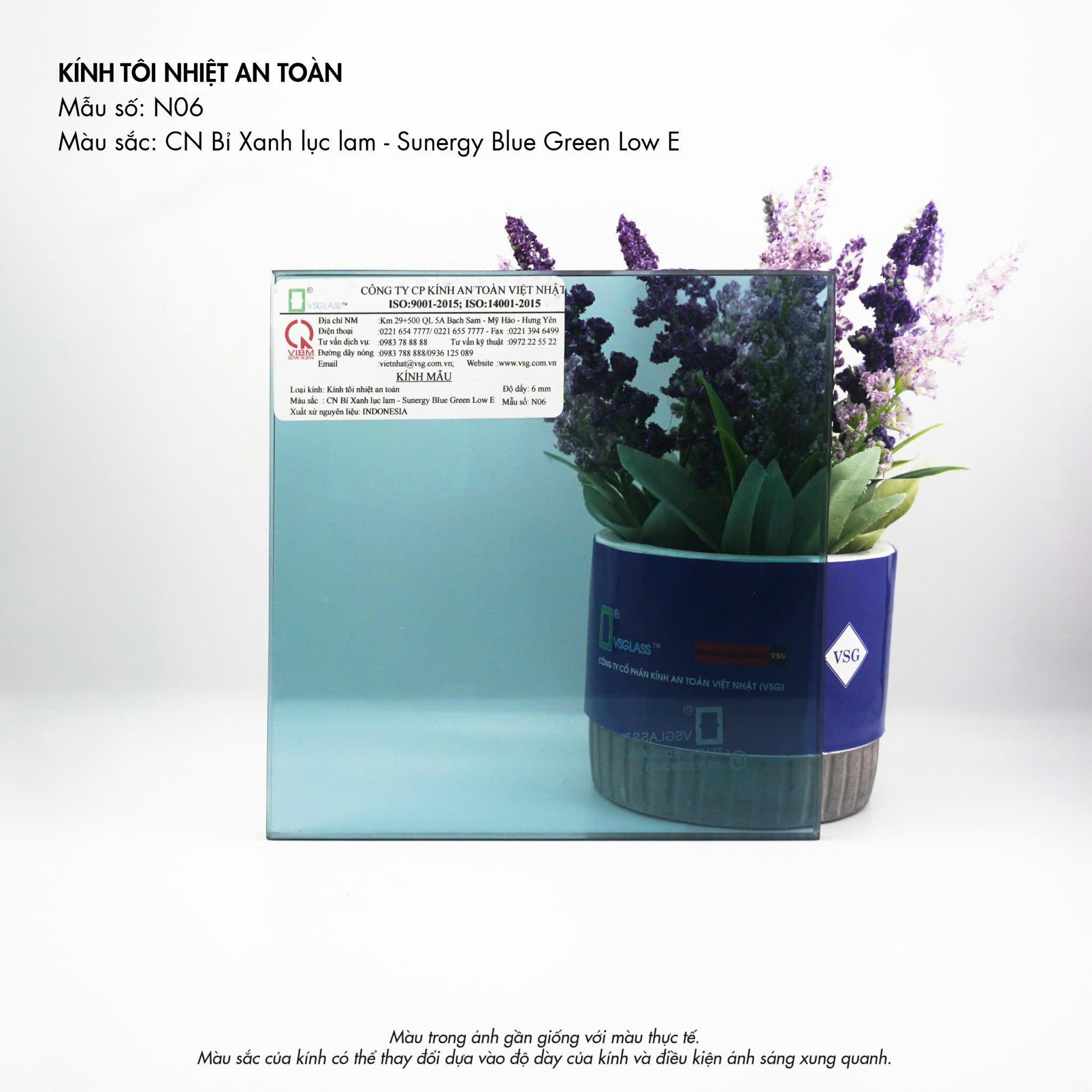
Technical factors to consider when choosing VSG tempered glass.
To ensure optimal performance, the following factors should be considered:
- Glass thickness: Suitable for the intended use and load-bearing requirements.
- PVB film quality: Affects adhesive strength and sound insulation capabilities.
- Heat treatment process: Ensures the glass has the correct surface compressive stress.
- Installation method: Ensure the glass is not subjected to excessive force during use.