VSG glass for high-rise buildings
VSG glass for high-rise buildings: The optimal solution for safety and aesthetics.
VSG glass (laminated safety glass) is one of the most commonly used types of glass in modern high-rise construction. With its special structure consisting of two or more layers of glass bonded together with a PVB (Polyvinyl Butyral) film in between, VSG glass not only ensures high safety but also offers superior aesthetics. In high-rise buildings, VSG glass is widely used for facades, windows, railings, and partitions to enhance load-bearing capacity, impact resistance, and minimize the risk of breakage.

Technical specifications and advantages of VSG glass in high-rise building construction.
VSG glass is designed to meet stringent safety and durability requirements in high-rise building environments. Some notable technical features include:
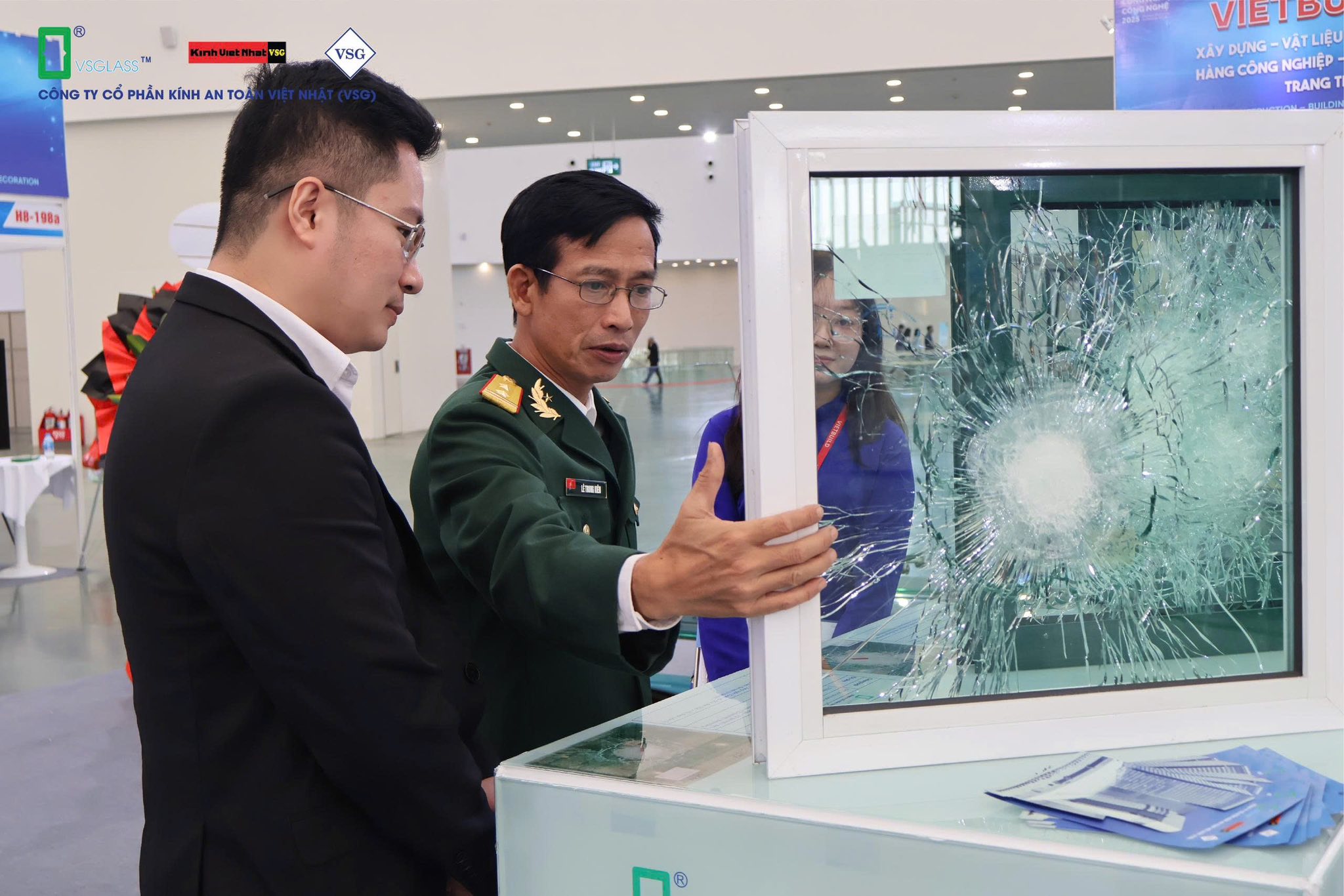
- High impact resistance: Thanks to its multi-layered structure and strong PVB film bonding, VSG glass can withstand significant impacts, reducing the risk of breakage from collisions or strong wind pressure.
- Safety in case of breakage: When the glass breaks, the glass fragments are held together by the PVB film, preventing them from falling and causing danger to users and the surrounding environment.
- Effective sound and heat insulation: The PVB film not only helps to bond the glass layers but also reduces noise and prevents heat transfer, contributing to improved energy efficiency for the building.
- UV protection: PVB film can be supplemented with UV-blocking agents, helping to protect interior furnishings from the harmful effects of sunlight.
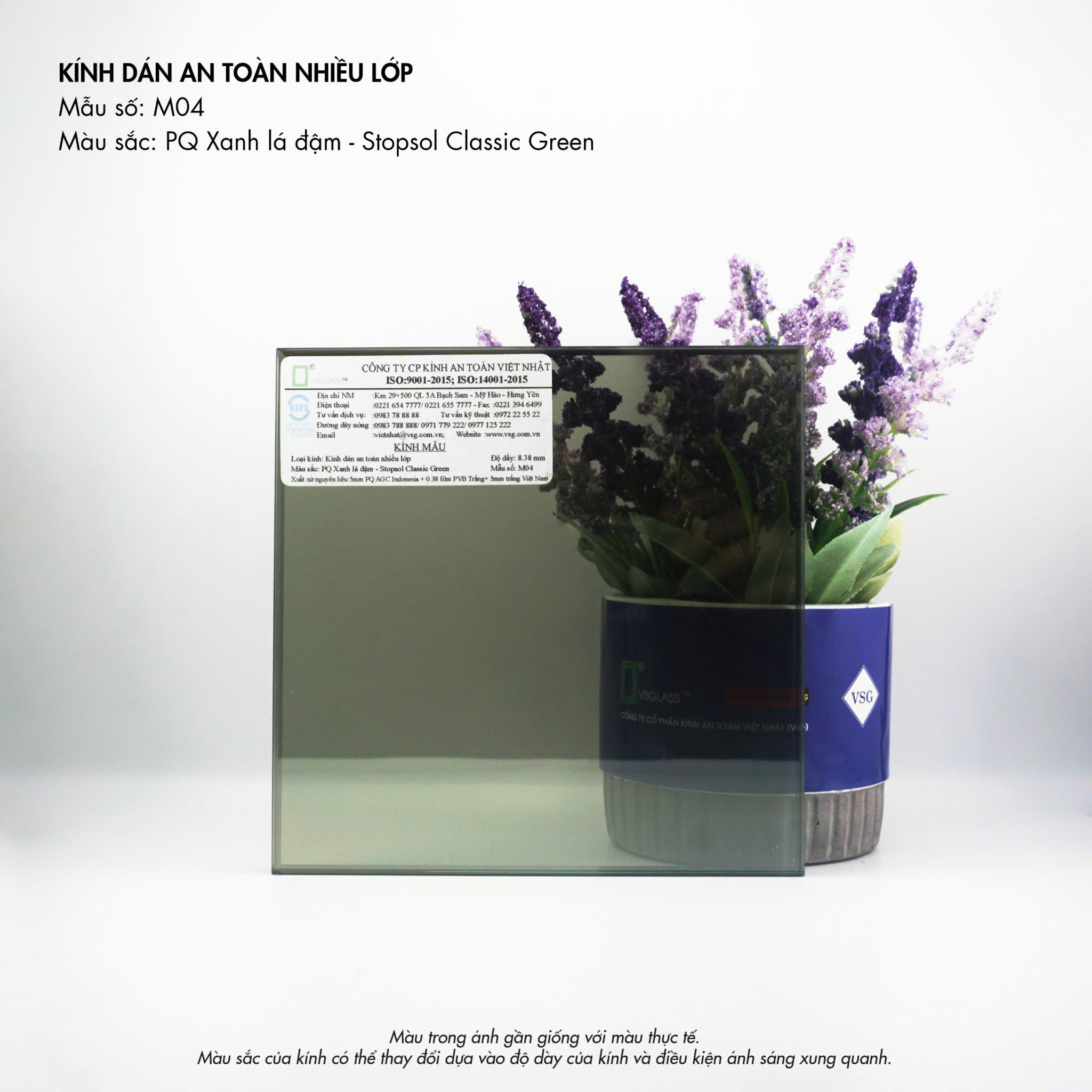
- Design diversity: VSG glass can be manufactured in a variety of thicknesses, colors, and styles to suit the architectural and aesthetic requirements of each project.
These advantages make VSG glass the top choice for high-rise buildings, where a combination of safety, aesthetics, and efficiency is required.

Practical applications and technical standards for using VSG glass in high-rise buildings.
In practice, VSG glass is widely used in various high-rise building construction projects such as:
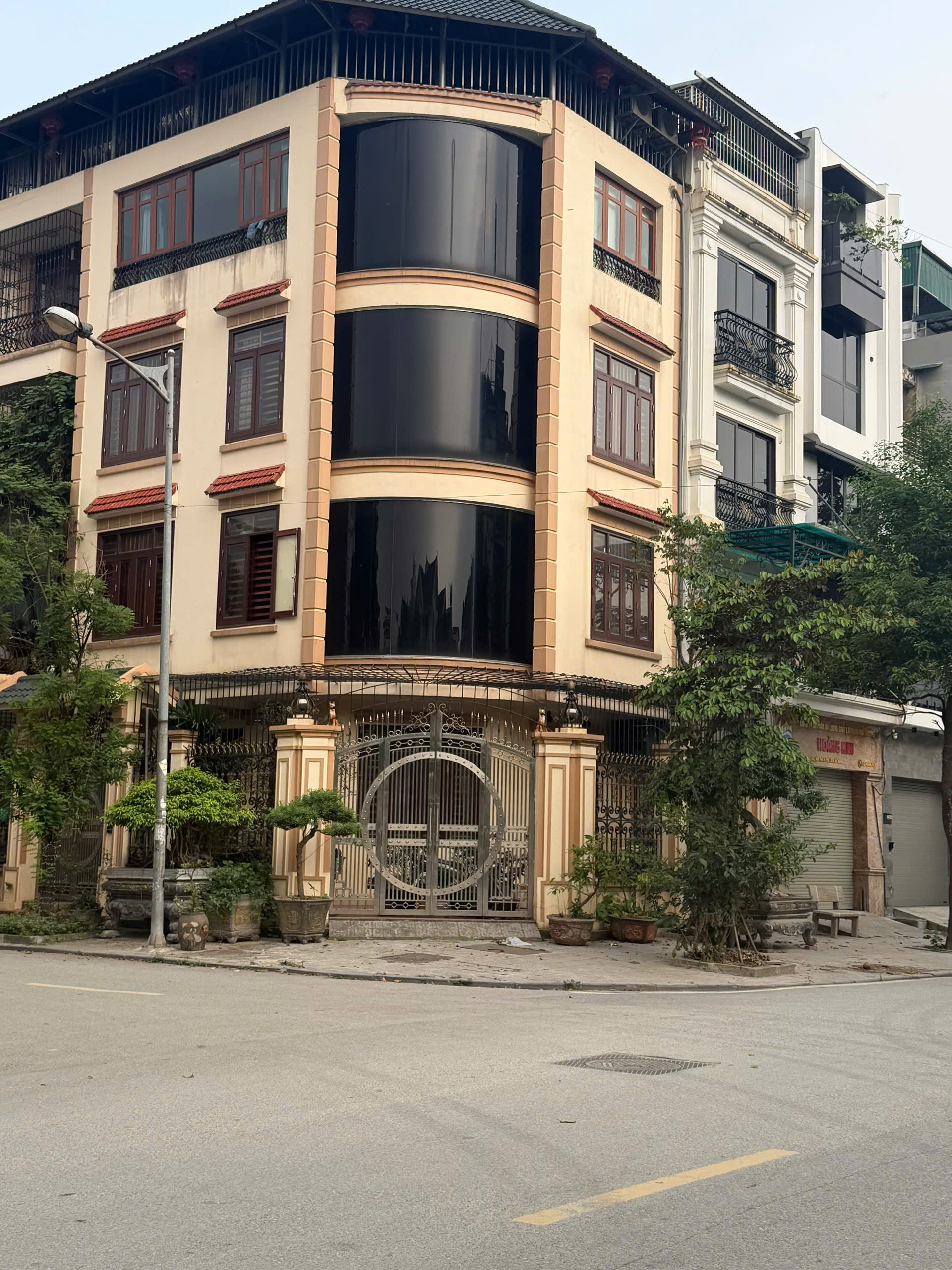
- Glass facade: VSG glass is used for the facade, creating a modern and luxurious appearance while ensuring safety and withstanding high wind pressure at height.
- Windows and doors: Using VSG glass enhances sound insulation, thermal insulation, and ensures user safety.
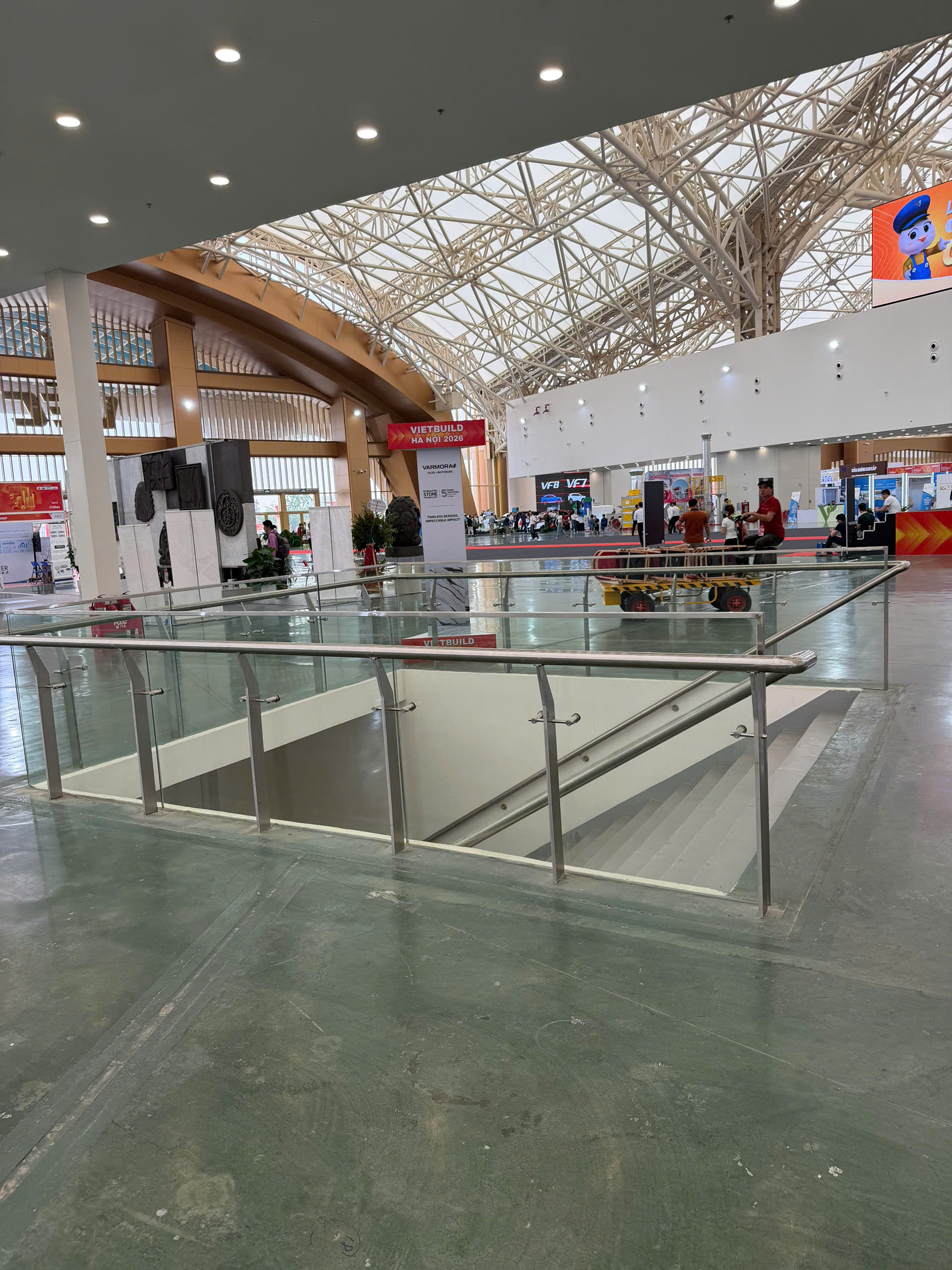
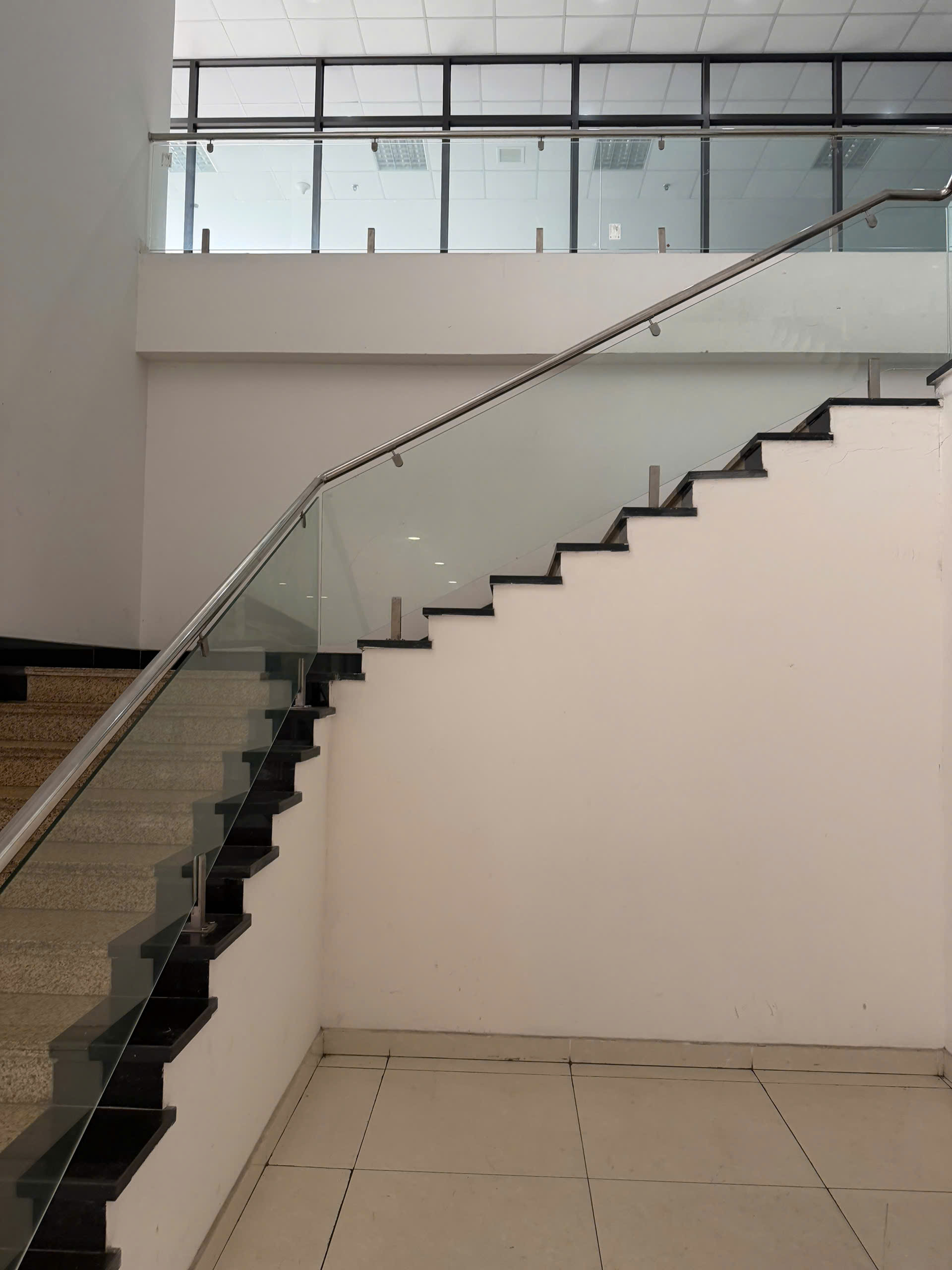
- Glass railings: VSG glass is used for railings to enhance aesthetics and ensure safety when used on high floors.
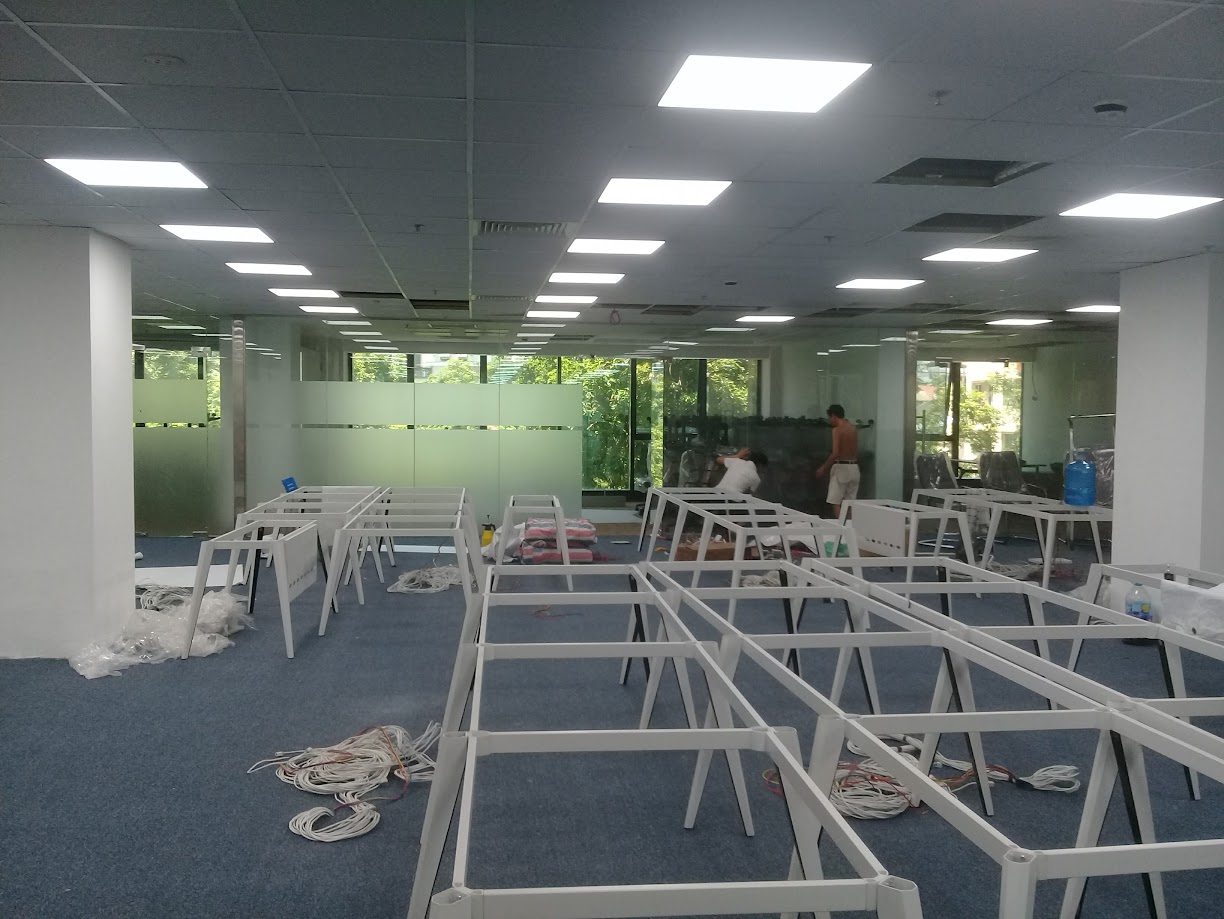
- Interior partitions: VSG glass is also used as partitions in interior spaces, creating a sense of openness and modernity for the room.
To ensure quality and safety, VSG glass for high-rise buildings must comply with strict technical standards such as:
- TCVN 7455:2013 Standard on safety glass used in construction.
- ASTM C1172 standard for laminated safety glass.
- The European standard EN 14449 specifies requirements for laminated safety glass.
Choosing VSG glass that meets these standards helps ensure safety, durability, and long-term efficiency for high-rise buildings.

VSG Glass Production and Quality Control Process
The VSG glass manufacturing process demands precision and strict quality control to ensure the product meets technical standards. The main steps include:
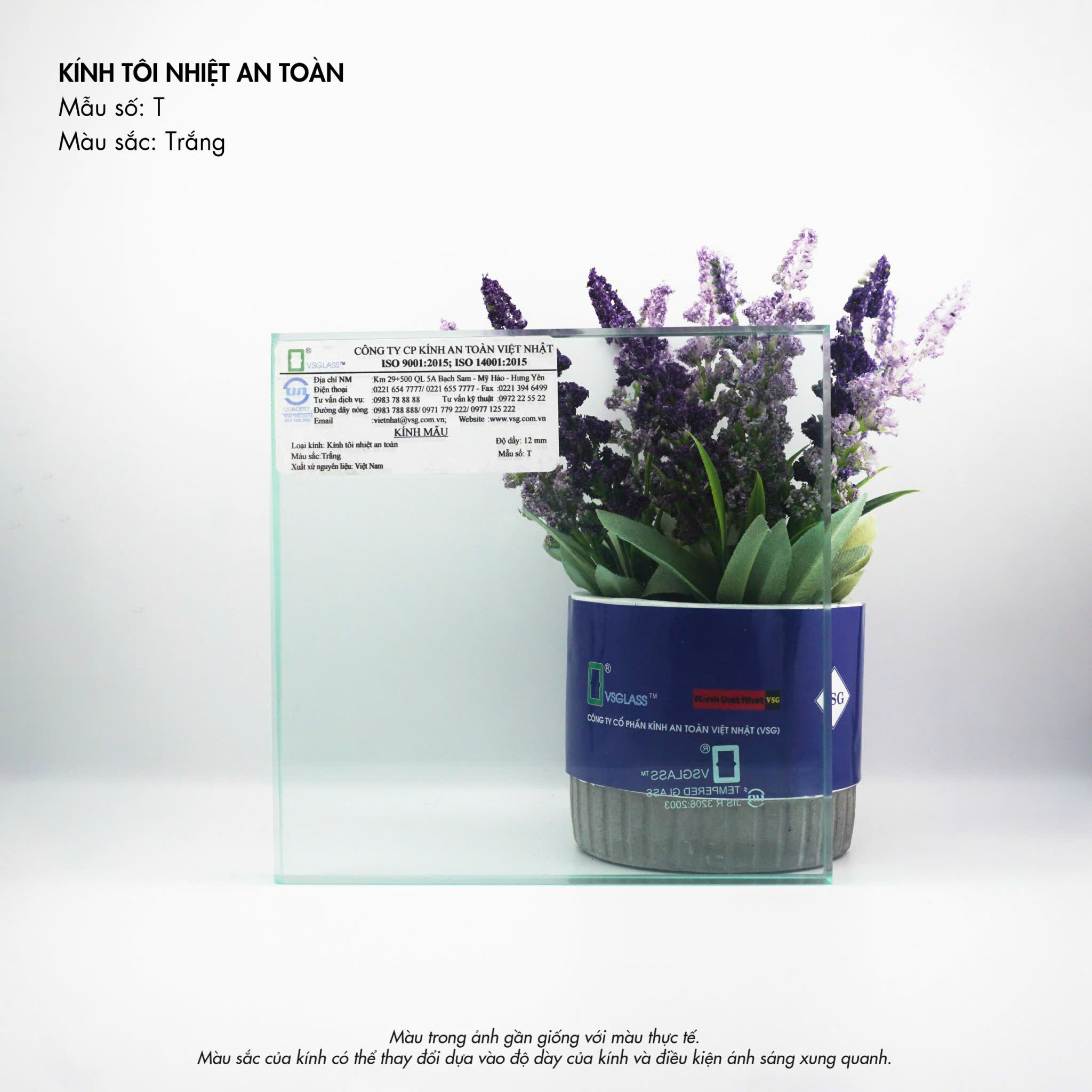
- Preparing the glass: Choose float glass or tempered glass of the appropriate thickness.
- Cleaning and preparation: Ensure the glass surface is clean and free of dust or contaminants that could affect the adhesion of the PVB film.
- PVB film lamination: Place the PVB film between the glass sheets according to the correct technique.
- Glass lamination: A vacuum press is used to remove air between the glass layers and the PVB film, creating a strong bond.
- Glass annealing: The glass is placed in an annealing oven at standard temperature and pressure to complete the glass lamination process.
- Quality control: Conduct tests for durability, load-bearing capacity, transparency, and other technical specifications.
This process ensures that VSG glass is highly durable, safe, and meets the stringent requirements of high-rise buildings.
Things to consider when choosing and installing VSG glass for high-rise buildings.
The selection and installation of VSG glass for high-rise buildings requires careful consideration to ensure maximum effectiveness and safety. Some important points to note include:
- Choosing the right glass thickness: The glass thickness must be calculated based on the size of the glass panel, the installation location, and external forces such as wind and impact.
- Choose high-quality PVB film: The PVB film determines the bonding ability and safety of the glass, so prioritize using film from a reputable source that meets standards.
- Proper installation techniques are essential: The installation team must be experienced and adhere to installation procedures to avoid technical errors that could affect the durability and safety of the glass.
- Regular inspection and maintenance: After installation, regular inspections are necessary to detect any damage or signs of deterioration early, allowing for timely corrective action.
Adherence to these guidelines helps optimize the effective use of VSG glass in high-rise buildings, while ensuring safety for users and the surrounding environment.
Customers interested in glasses, please contact us to receive samples and the best price quote at 0966.321.655