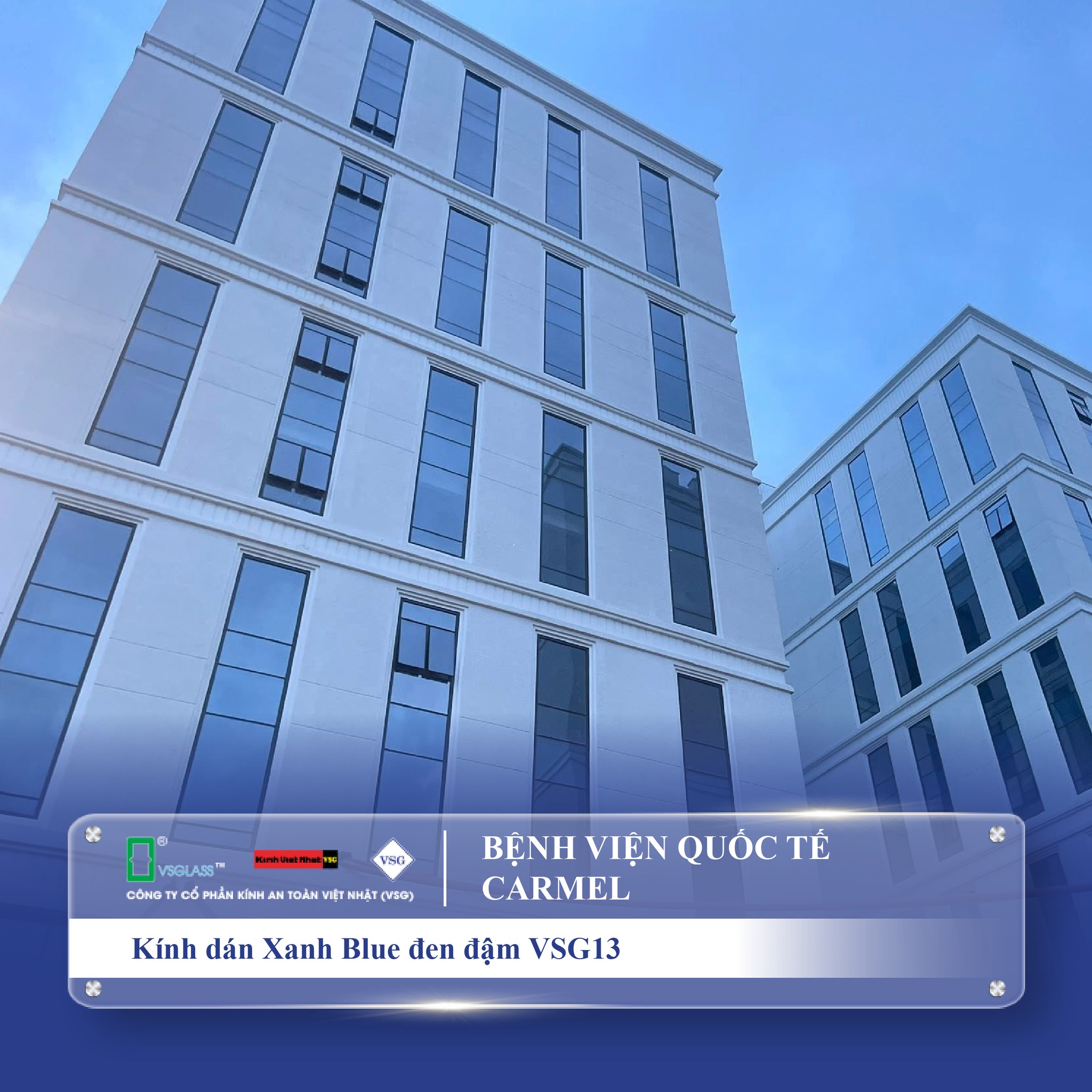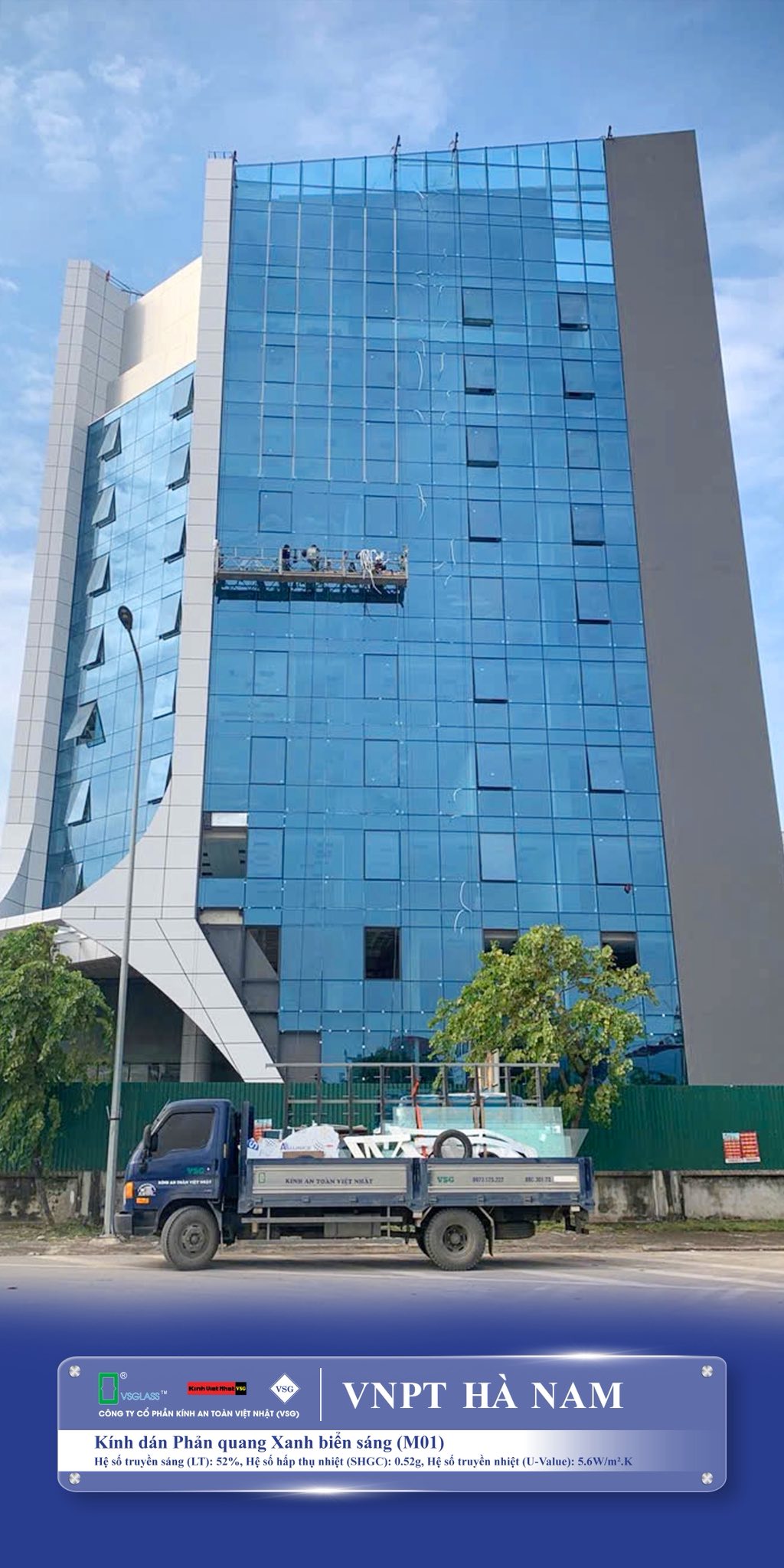


VSG glass for doors and windows
VSG glass for doors and windows: The optimal solution for modern spaces.
VSG glass (safety laminated glass) is a top choice for door and window design today due to its superior durability, safety, and aesthetics. Available in common thicknesses of 10mm, 12mm, and 15mm , VSG glass is versatile and suitable for various door types, including hinged doors, sliding doors, and casement windows. Combining VSG glass with different frame materials such as aluminum, steel, wood, or uPVC creates doors that are not only strong but also highly aesthetic, complementing a wide range of architectural styles.
Specifications and applications of VSG glass in doors and windows.
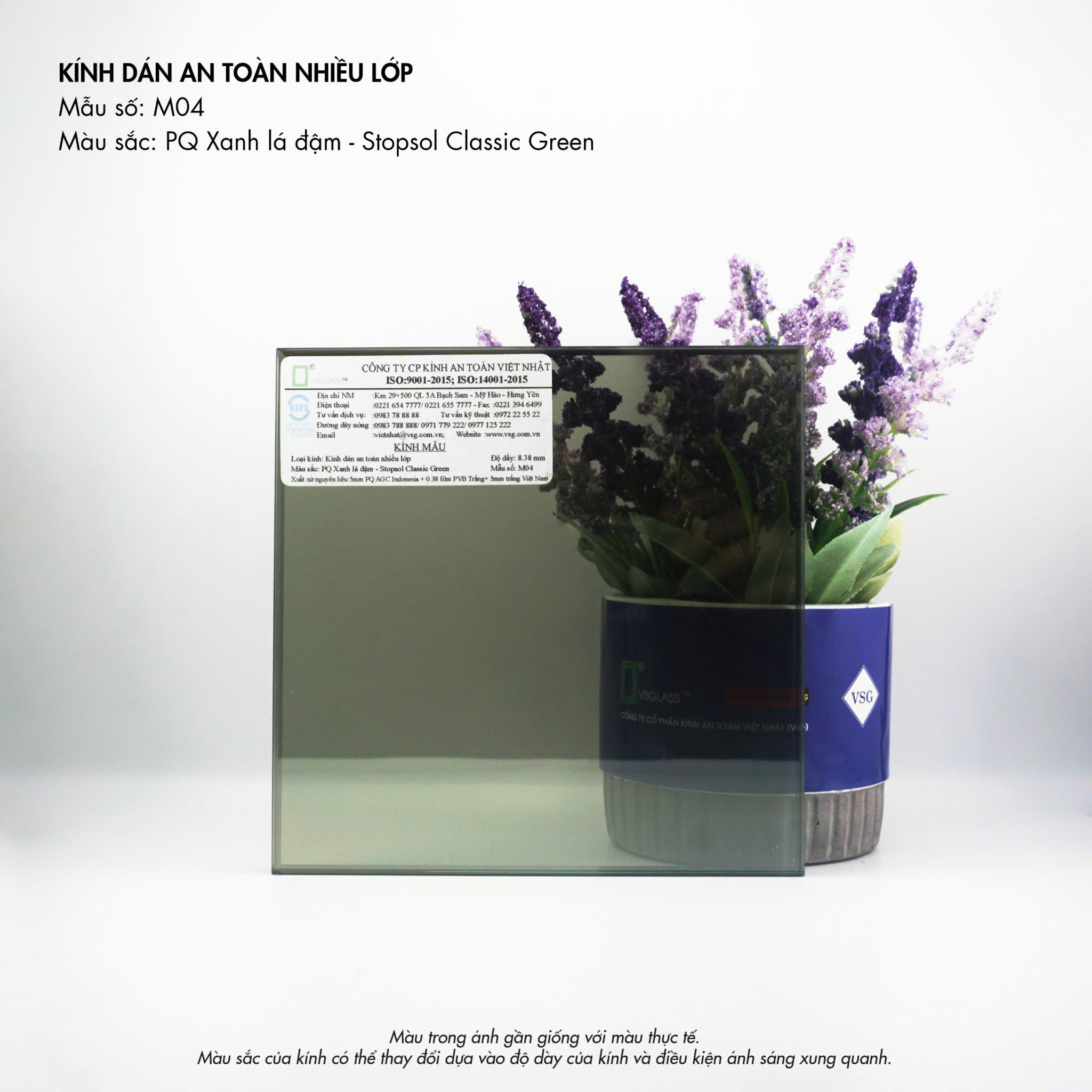
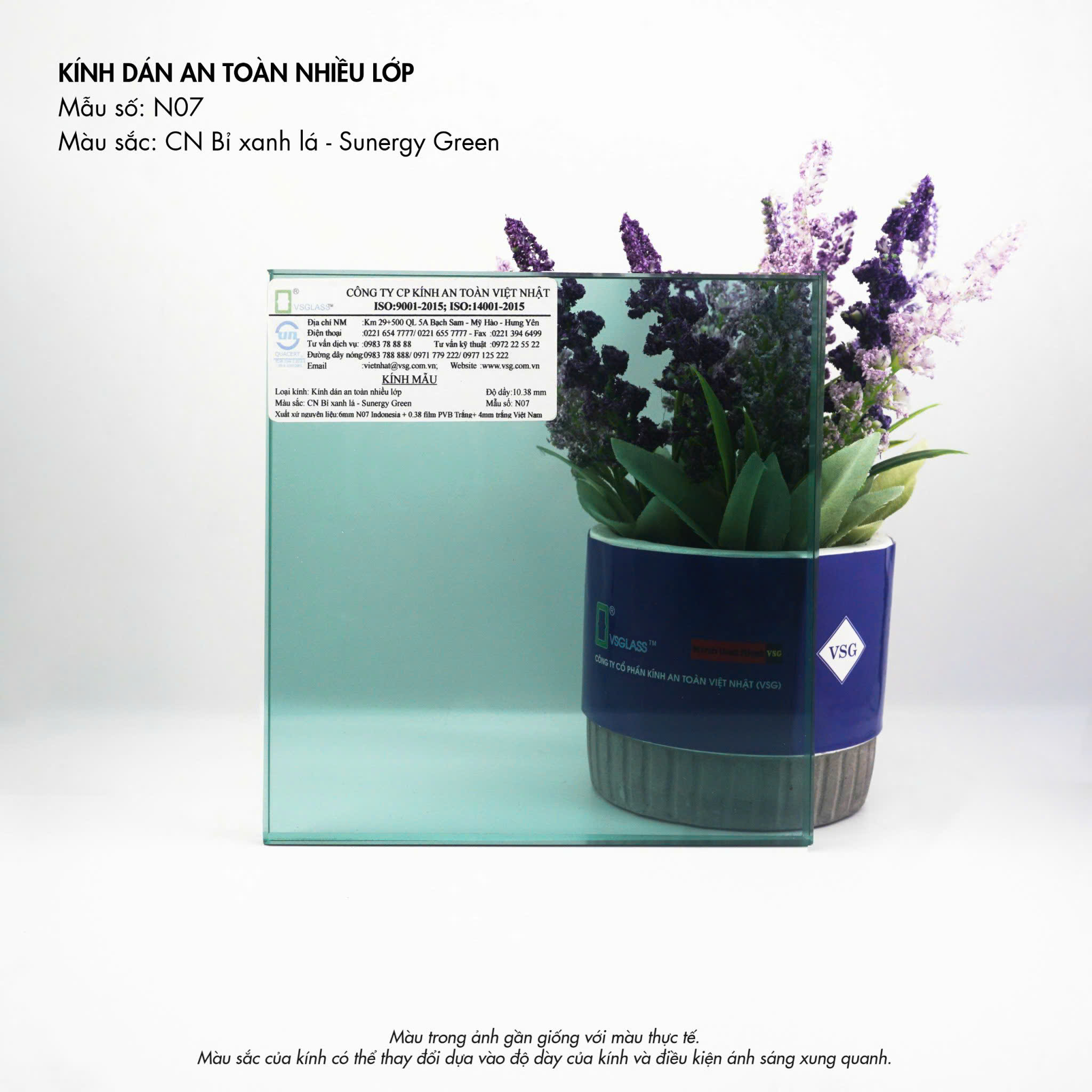
VSG glass is a type of safety glass constructed from multiple layers of glass bonded with a PVB film in between, providing superior strength and shatter resistance. Common thicknesses range from 10mm to 15mm depending on the intended use and door size. VSG glass not only ensures safety 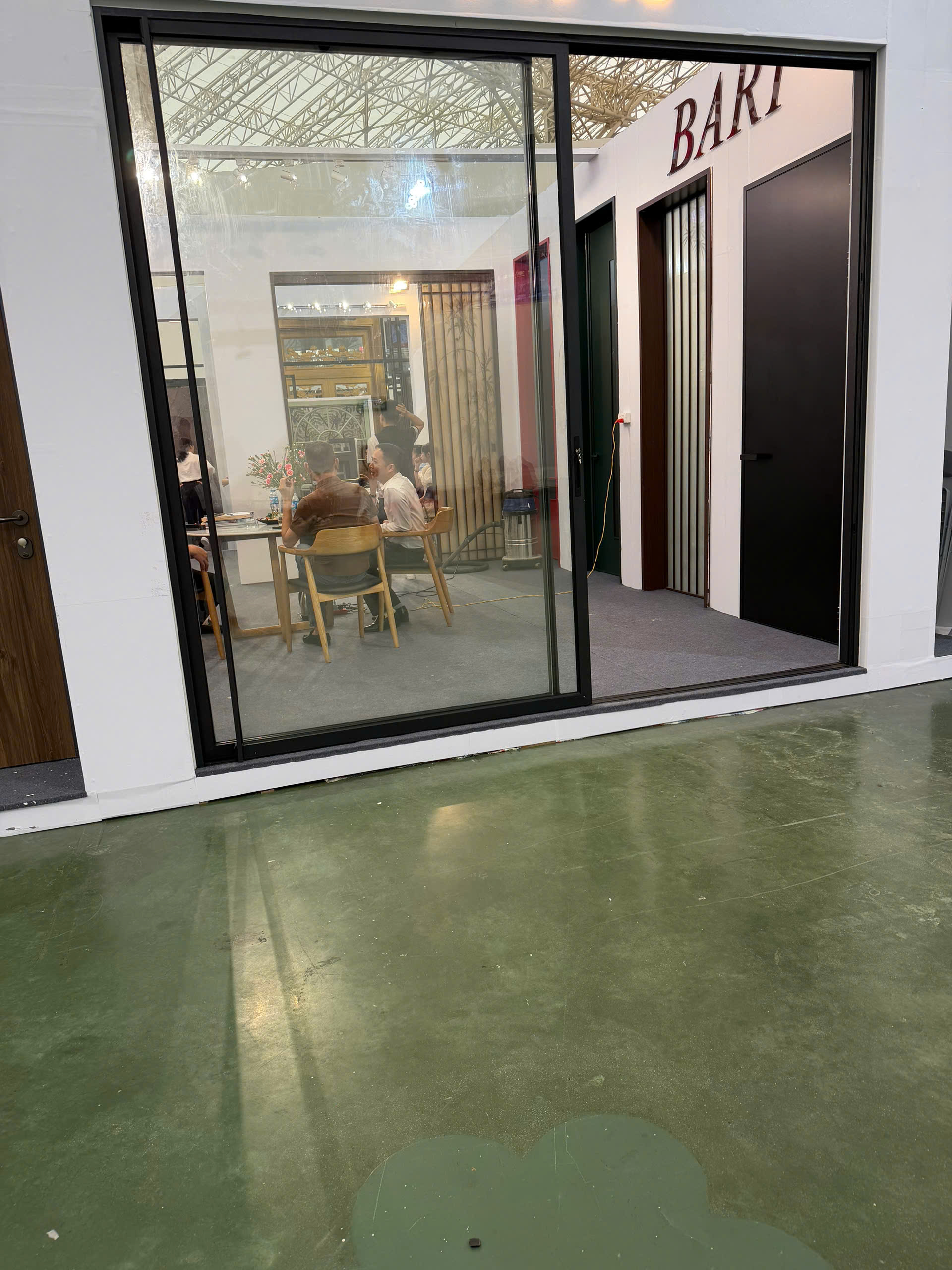 in case of impact thanks to its ability to hold glass fragments firmly attached to the film, but also enhances the aesthetics and durability of doors and windows.
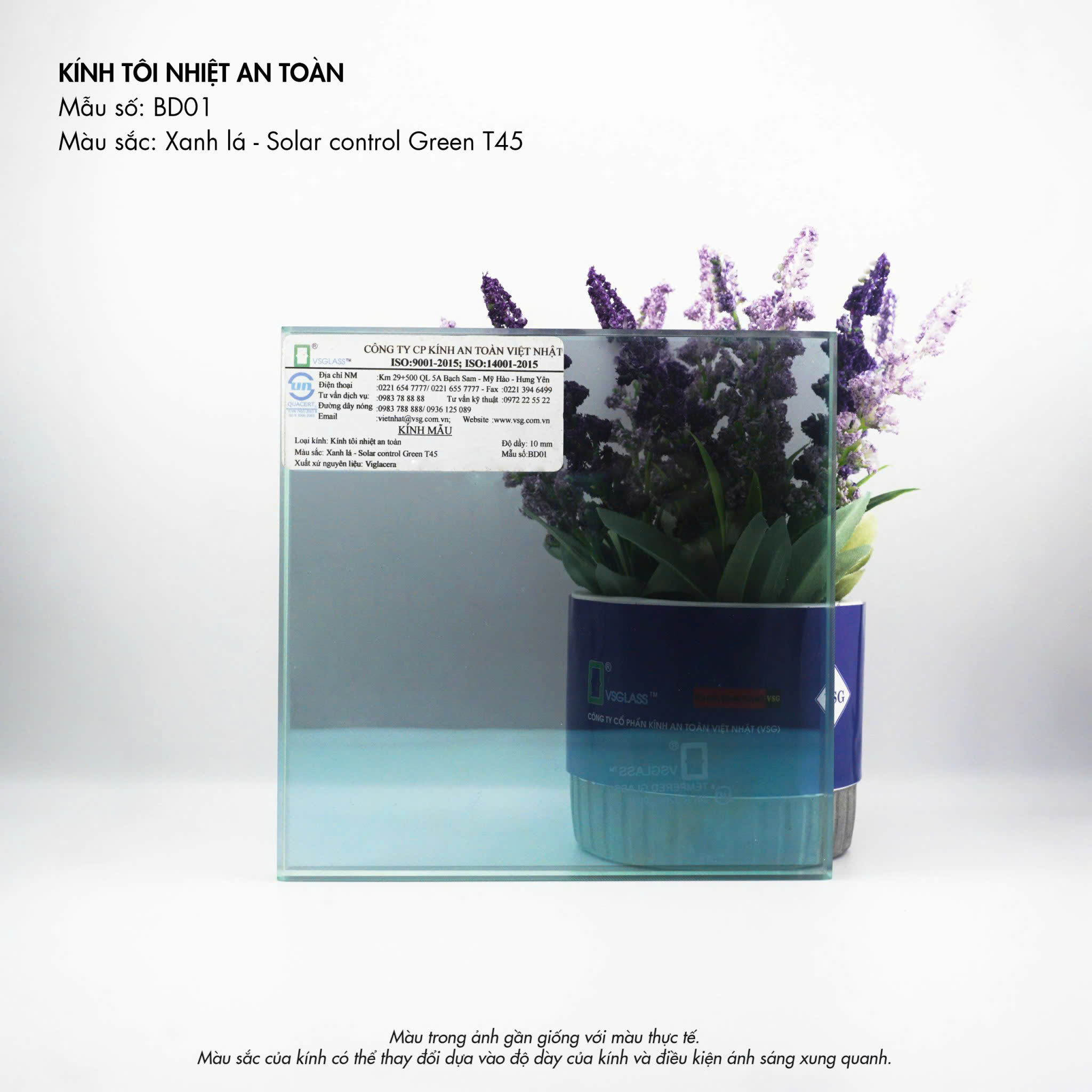
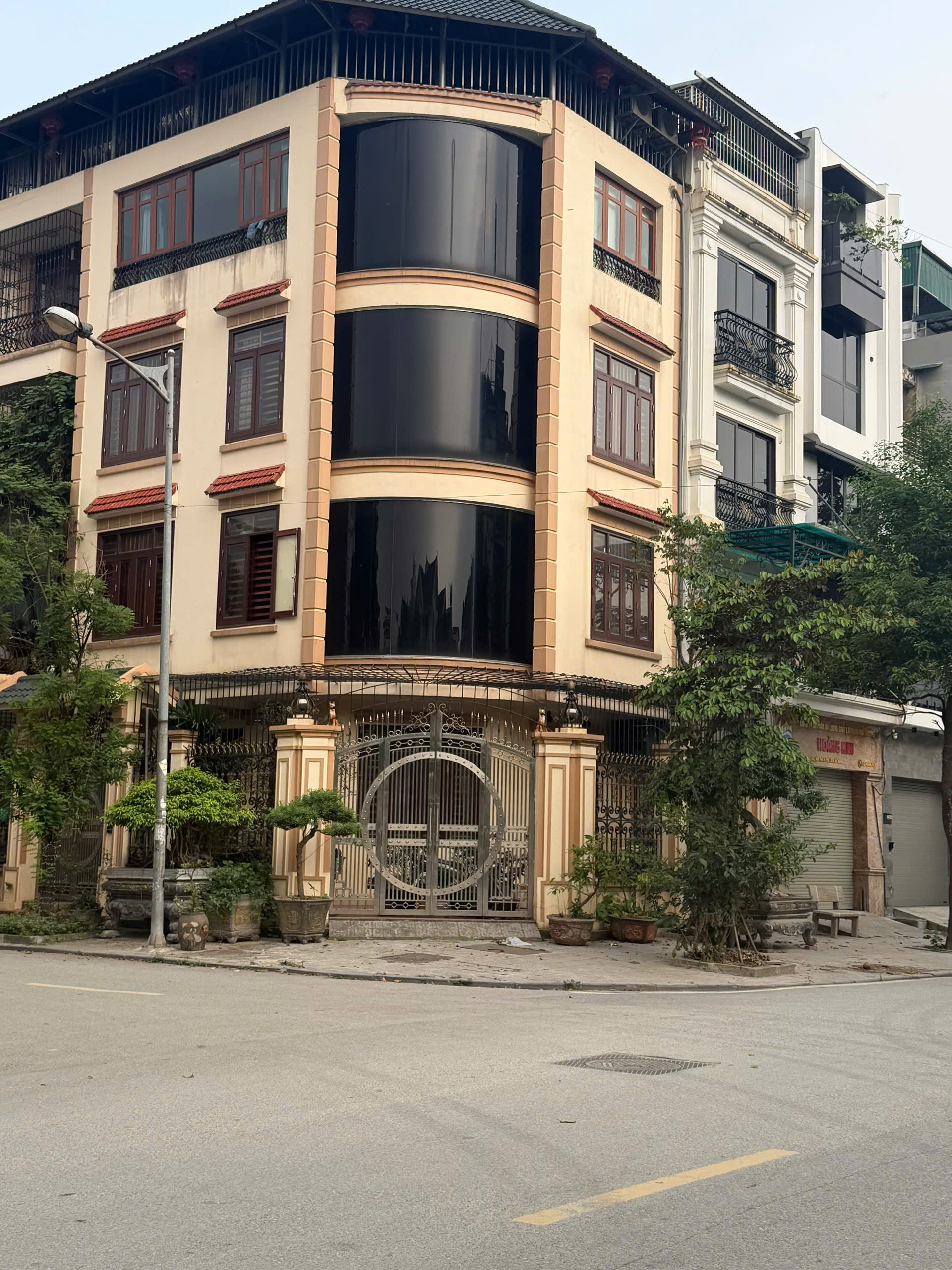
VSG glass has diverse applications, suitable for various types of doors such as hinged doors, sliding doors, and casement windows. Thicker glass is typically used for large sliding doors to ensure strength, while thinner glass is suitable for medium and small-sized doors and windows, maximizing natural light and creating a bright, modern space.
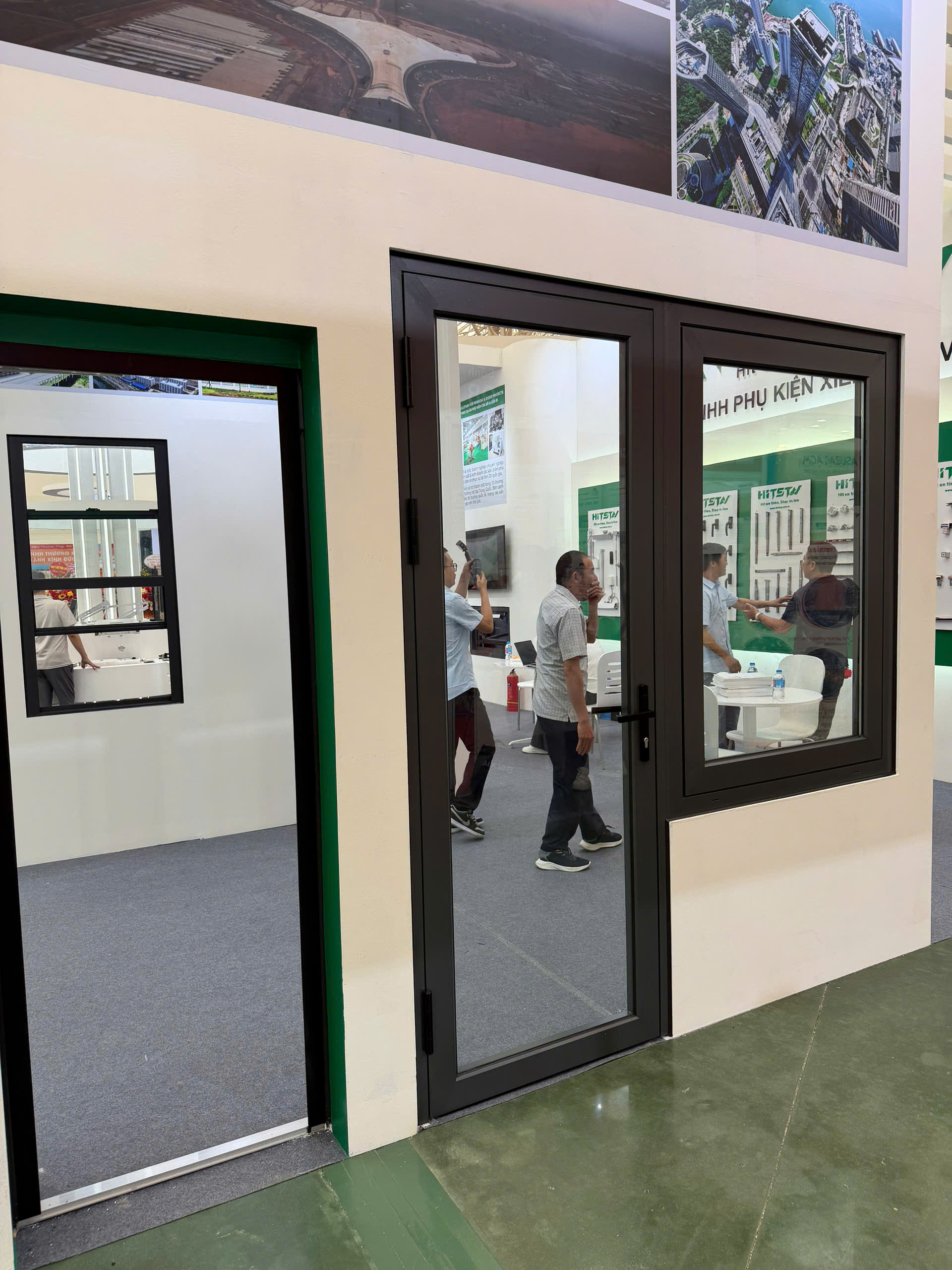
Glass thickness and safety features
VSG glass is constructed from two or more layers of glass bonded with a PVB (Polyvinyl Butyral) film in between, which increases its strength and shatter resistance. Common glass thicknesses include 10mm, 12mm, and 15mm to meet different technical requirements depending on the type of door and installation location. For example, 10mm glass is often used for moderately sized hinged windows or doors, while 15mm glass is suitable for large sliding doors or wide doors requiring higher strength.
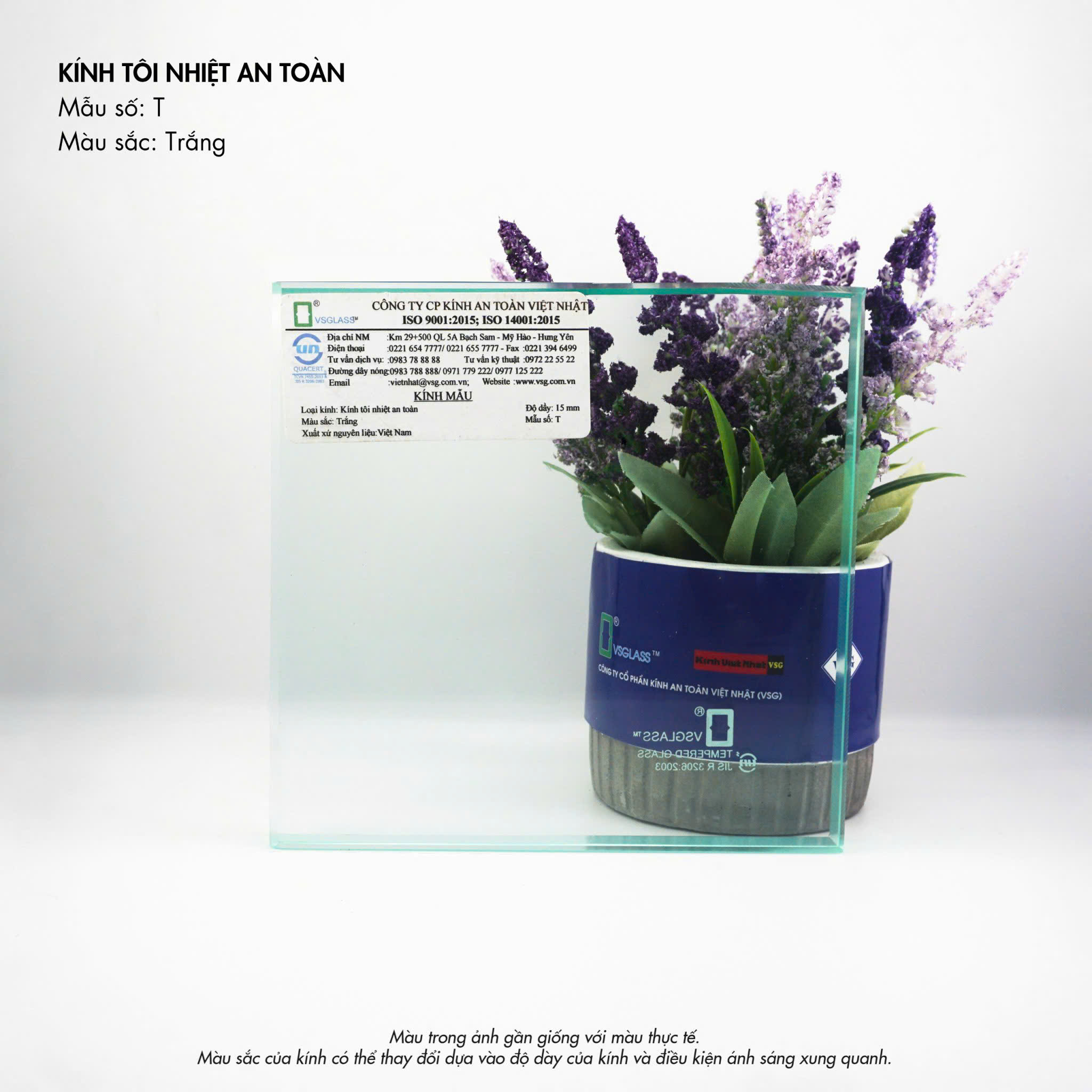
The impact resistance and shatterproof properties of VSG glass protect users from accidents caused by broken glass, while also enhancing security in living and working spaces. When the glass is subjected to a strong impact, the glass fragments will stick to the PVB film layer, preventing them from falling out and causing danger.
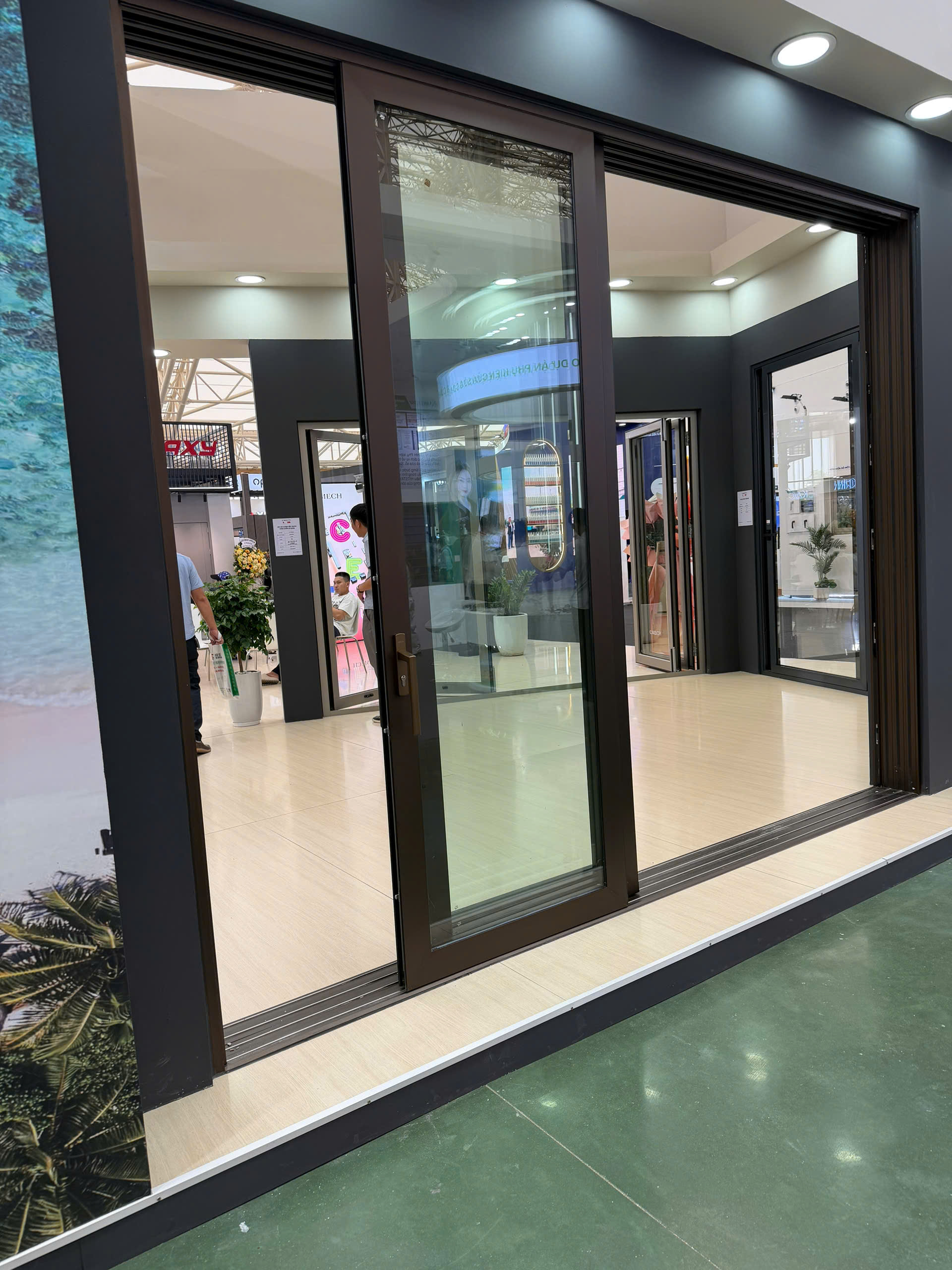
Versatile application in various types of doors.
VSG glass is commonly used for hinged doors, sliding doors, and casement windows with suitable specifications:
- Swing doors: 10mm or 12mm VSG glass is often chosen to ensure durability and aesthetics. This type of door is suitable for small to medium-sized spaces, and is easy to operate and maintain.
- Sliding doors: For large sizes and high load-bearing requirements, 15mm VSG glass is the optimal choice. Sliding doors using VSG glass maximize natural light, creating a spacious and modern feel for the space.
- Hinged windows: 10mm or 12mm VSG glass is commonly used, combined with aluminum or wooden frames to create ventilation and security for the interior space.
Combining VSG glass with door frame materials: Versatility and aesthetics
VSG glass, when combined with door and window frame materials such as aluminum, wood, steel, and uPVC, offers diverse flexibility and aesthetic appeal for construction projects. Aluminum frames stand out with their high durability, light weight, and modern design, while wooden frames create a warm and cozy feel, suitable for traditional styles. Steel frames ensure superior load-bearing capacity, and uPVC frames are environmentally friendly and offer effective sound and heat insulation. This combination not only enhances safety but also increases the aesthetic value of doors and windows in various types of buildings.
Aluminum frame
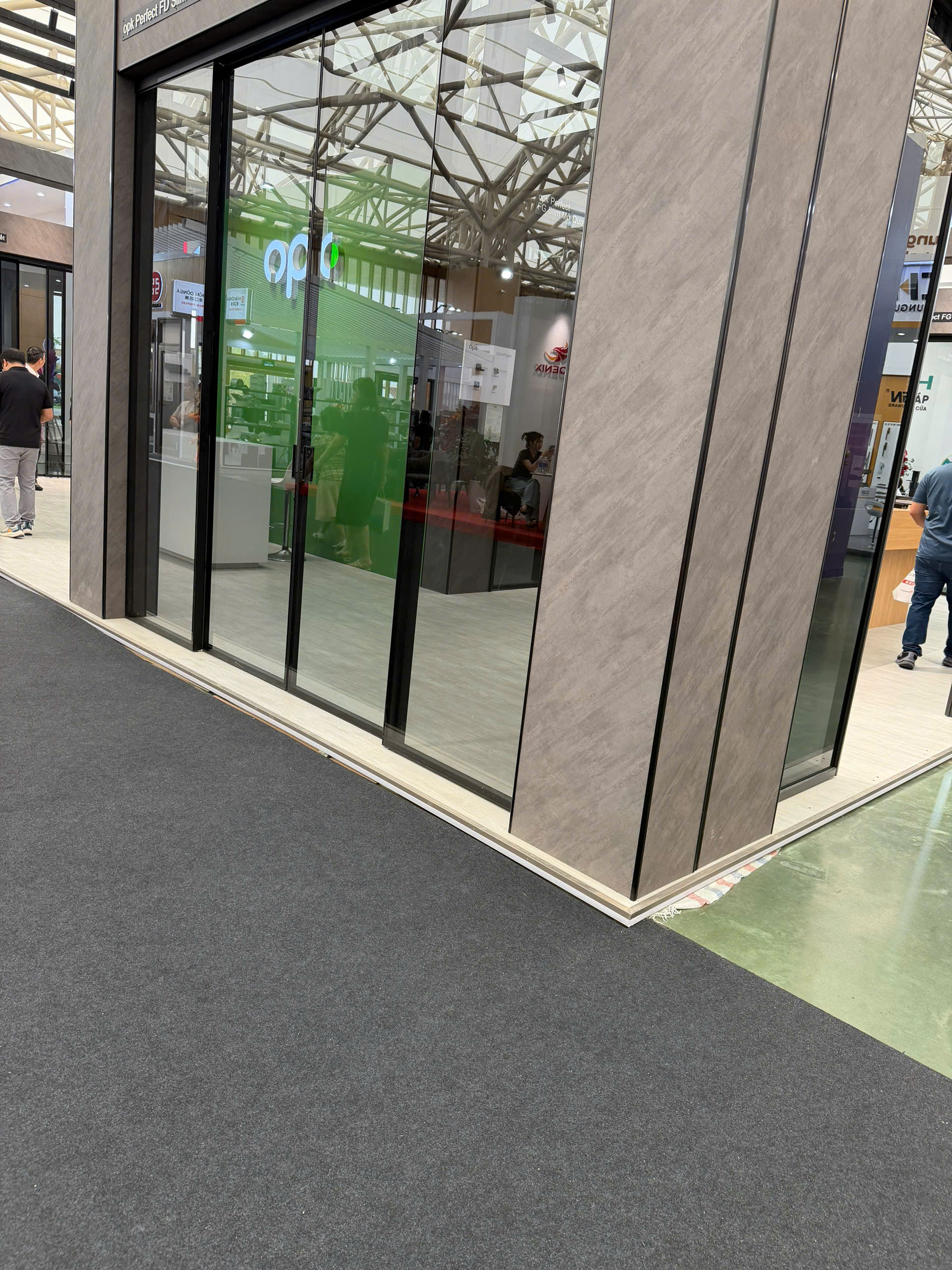
Aluminum frames are the most common material when combined with VSG glass in the production of doors and windows. Aluminum has the advantages of being lightweight, durable, corrosion-resistant, and easily shaped into many different designs. When combined with VSG glass, aluminum-framed glass doors not only ensure safety but also bring a modern and luxurious look to the building.
Wooden frame
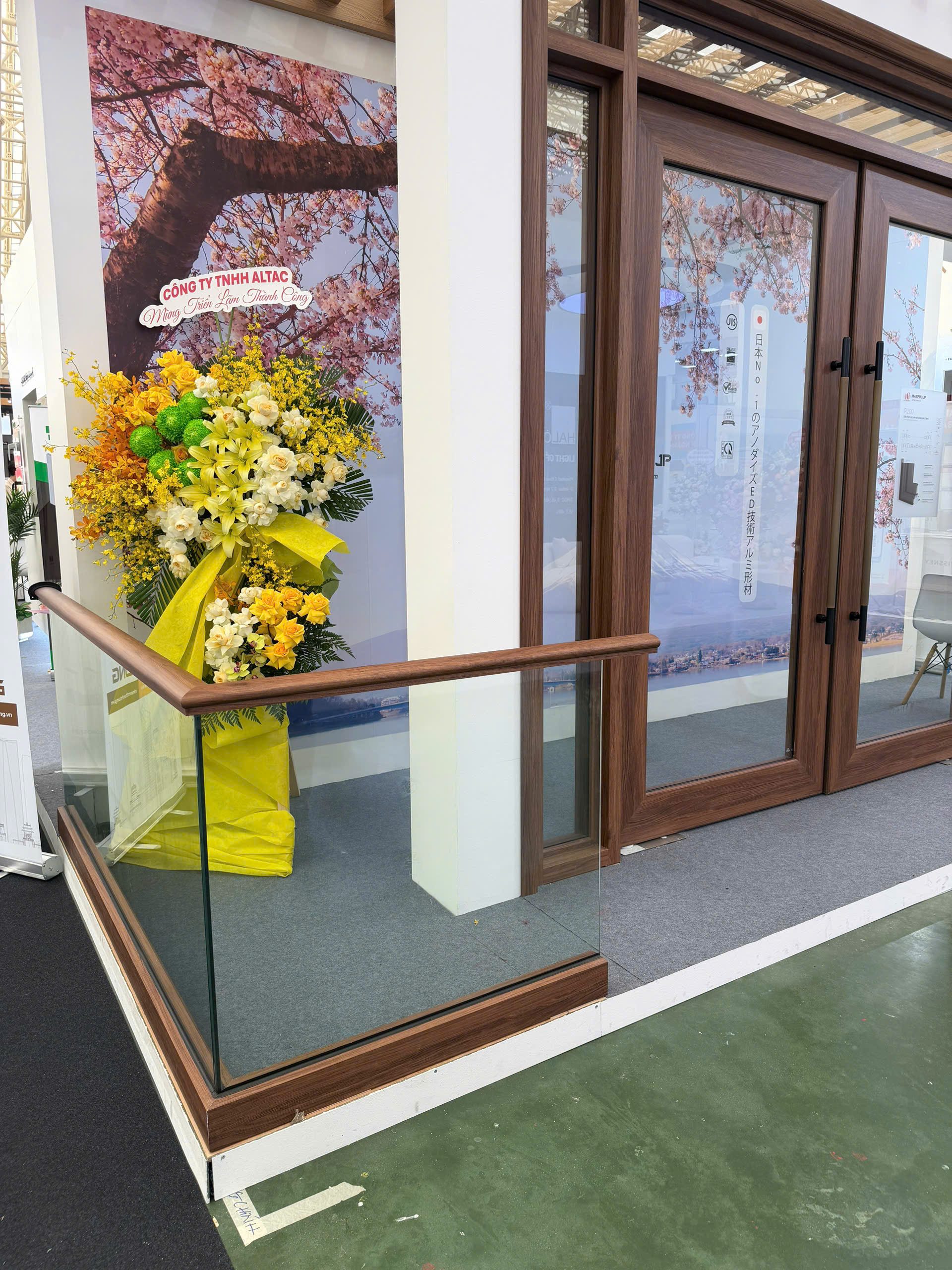
Wooden frames combined with VSG glass create a warm and inviting atmosphere in living spaces. Natural or engineered wood, treated to resist termites and warping, when combined with VSG glass, enhances the durability and aesthetics of doors and windows. This is a suitable choice for buildings with classic or traditional styles.
Steel frame and uPVC
Steel frames combined with VSG glass are commonly used in constructions requiring high durability and good load-bearing capacity. Meanwhile, uPVC frames are an environmentally friendly option with good sound and heat insulation, suitable for areas with harsh climates.
For inquiries, please contact: 0966.321.655