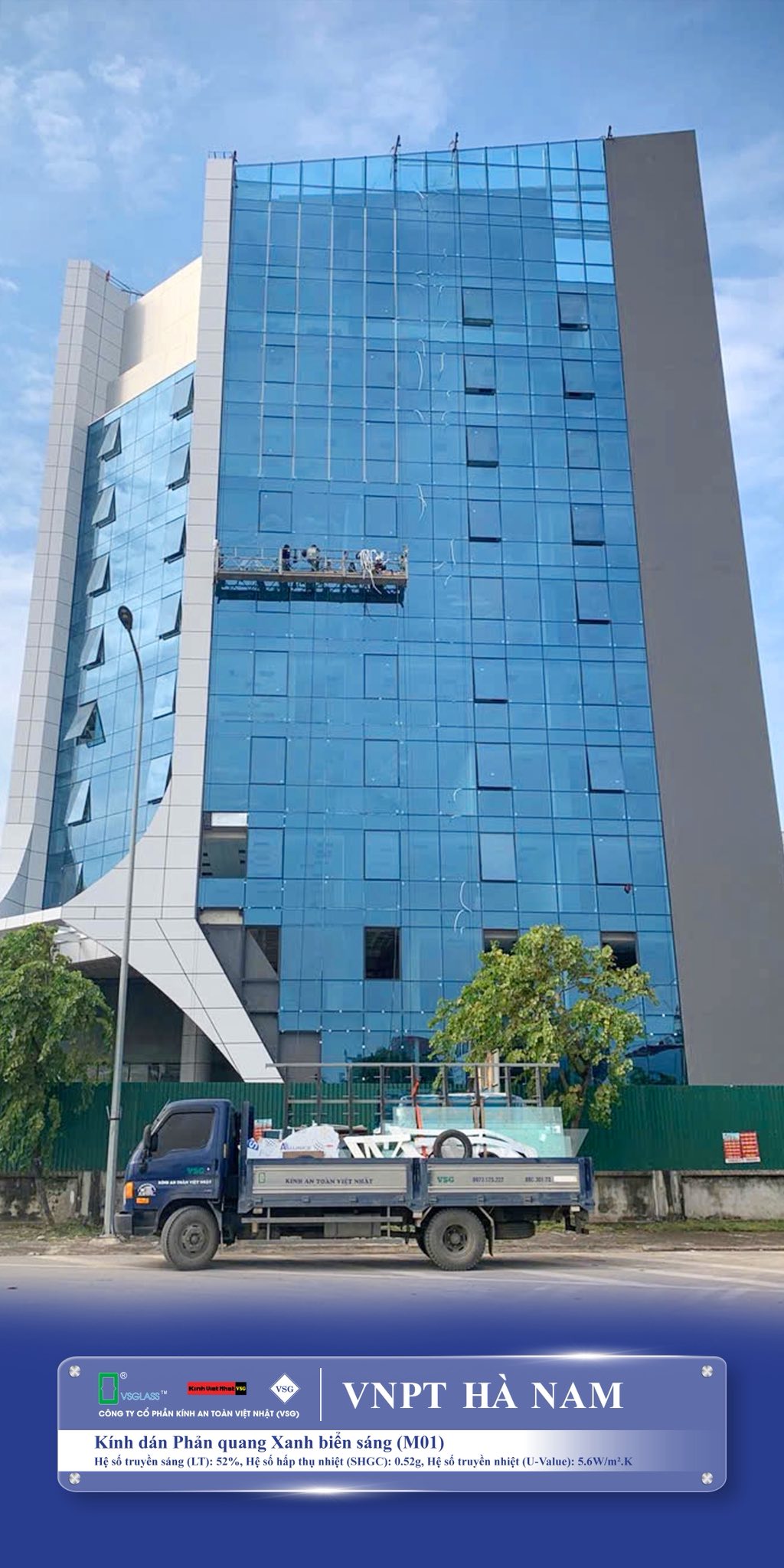


Custom-cut laminated safety glass
Custom-cut safety laminated glass
The concept of laminated safety glass and technical standards;
the process of cutting laminated safety glass to order;
important technical steps in cutting laminated glass.
- Preparing glass blanks and film: Select the correct type of glass (normal glass, tempered glass, ultra-clear glass, colored glass) and film (PVB, EVA, soundproof film, colored film, reflective film) according to design requirements.
- Glass cutting to size: Using an automatic cutting machine, each individual glass sheet is cut to the optimized size, ensuring straight, chip-free edges and minimal dimensional tolerances.
- Positioning and lamination: Place the film on the glass surface, align it precisely, then laminate the glass layers together, ensuring there is no dust, foreign objects, or air bubbles between the layers.
- Pre-pressing and autoclave pressing: A pre-press machine is used to remove air, then the film is placed in an autoclave with tightly controlled pressure and temperature to ensure complete adhesion.
- Edge processing and finishing: Edge grinding, beveling, polishing, drilling holes, grooving, or rounding as required, ensuring safe and aesthetically pleasing glass edges.
- Final quality control: Check for flatness, clarity, air bubbles, scratches, film adhesion, actual dimensions, and product identification markings.
Practical applications and advice on selecting safety laminated glass;
Criteria for selecting a company that cuts safety laminated glass according to requirements.
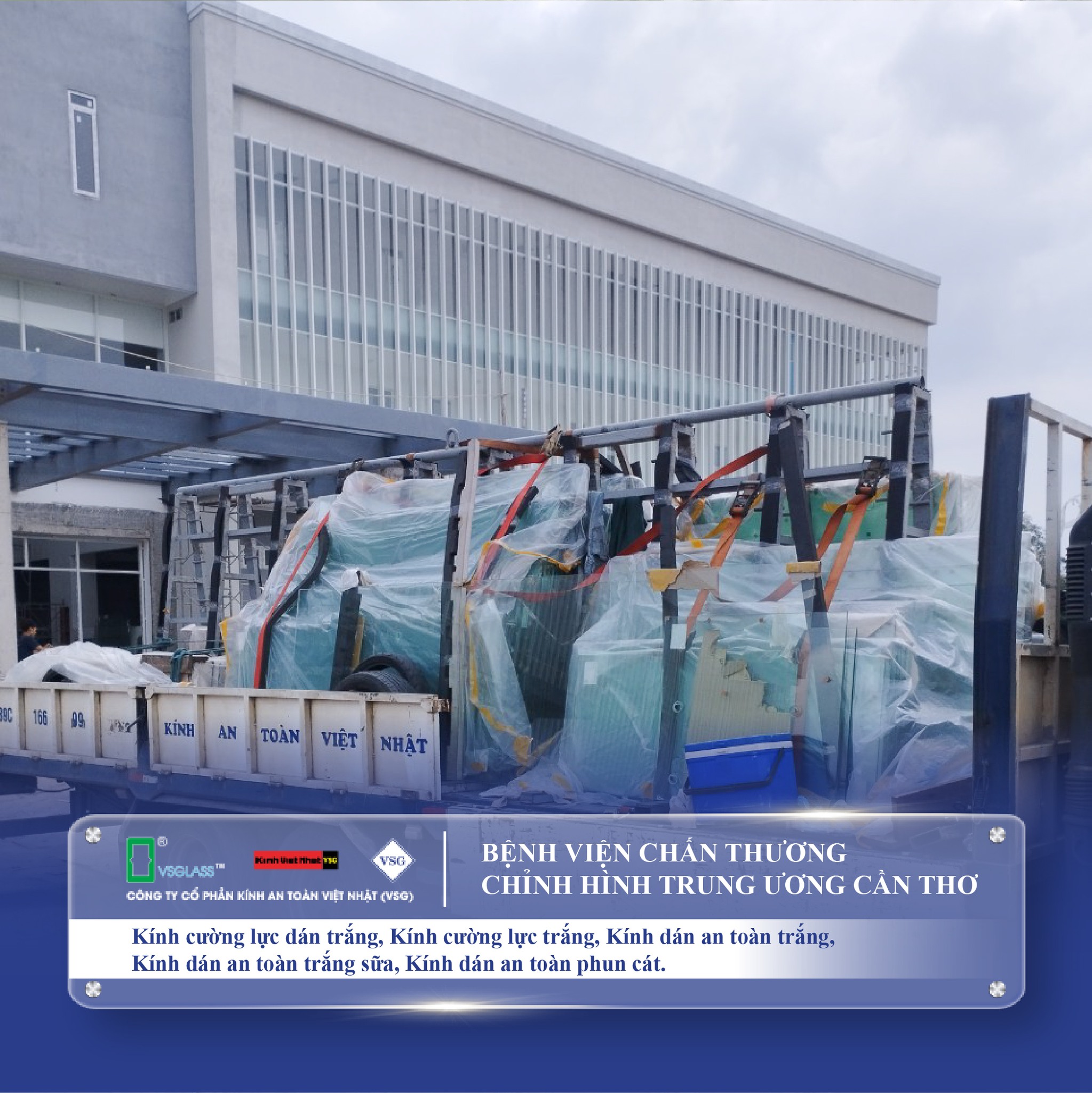
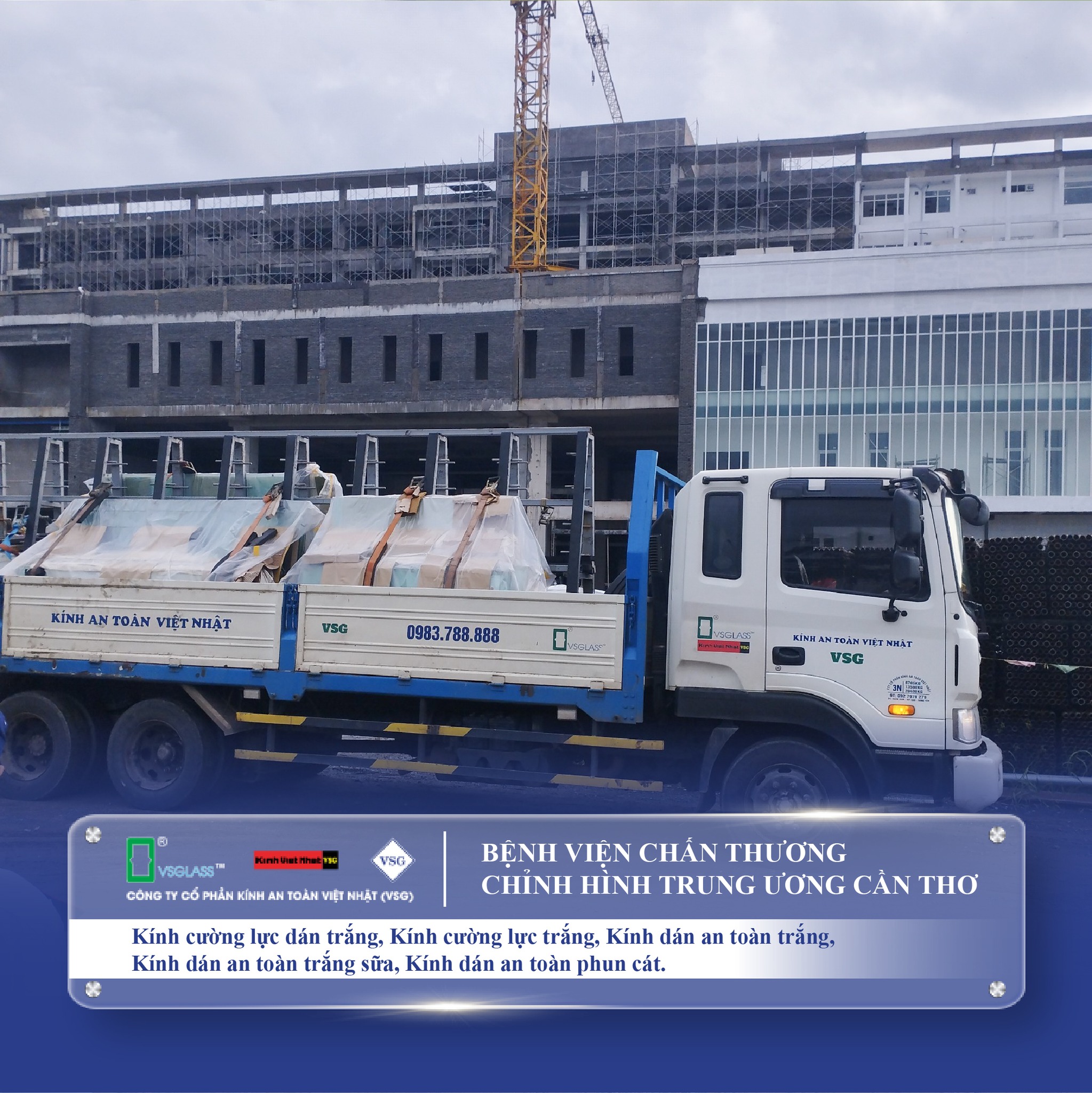
- Technical capabilities and equipment: The workshop has a glass lamination line, autoclave, and modern cutting, grinding, and drilling machines, capable of handling large sizes and complex processing requirements.
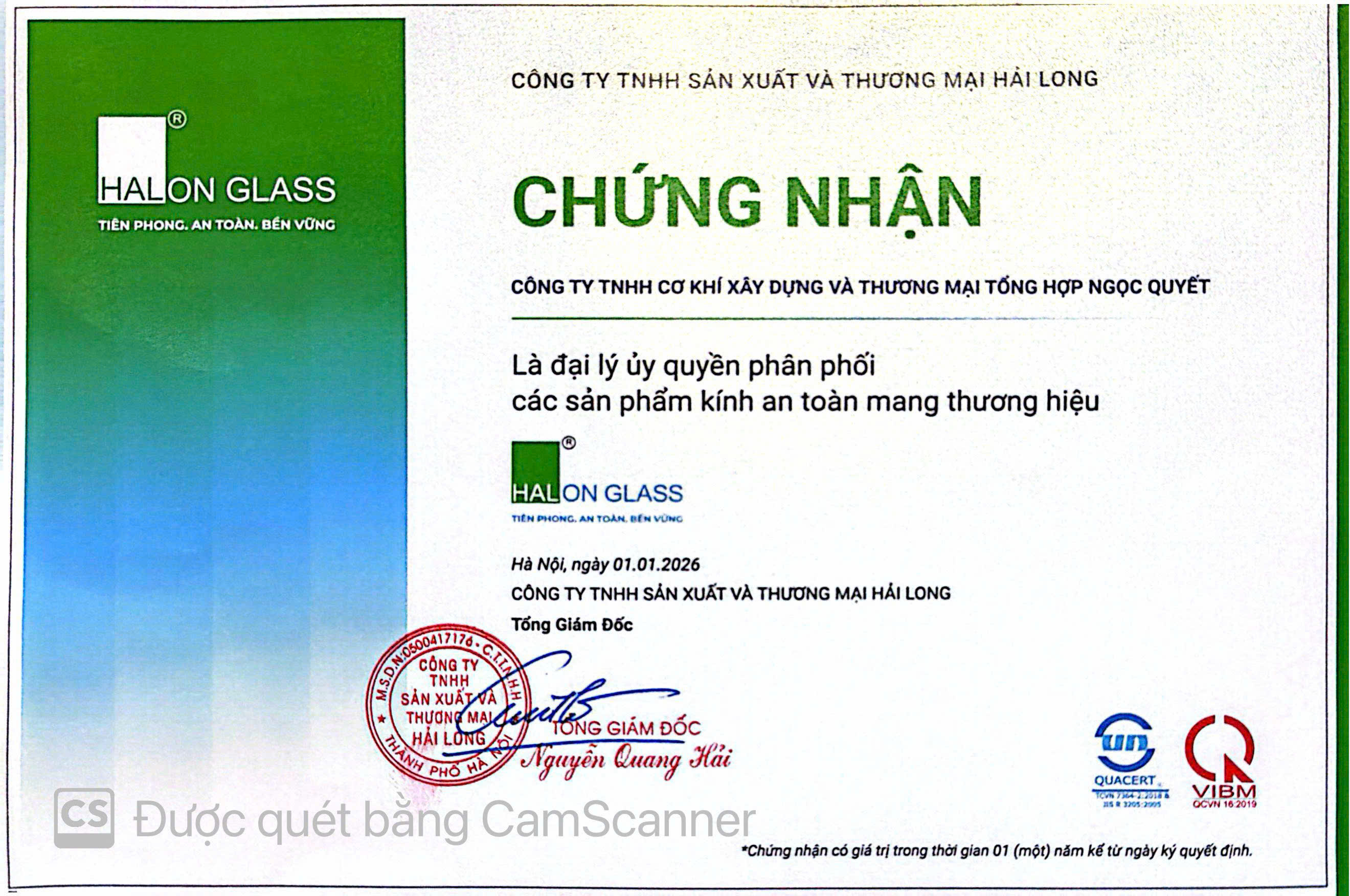
- Compliance with standards: Laminated glass products have quality certificates, mechanical and physical testing reports according to TCVN or EN standards, and clear technical documentation.
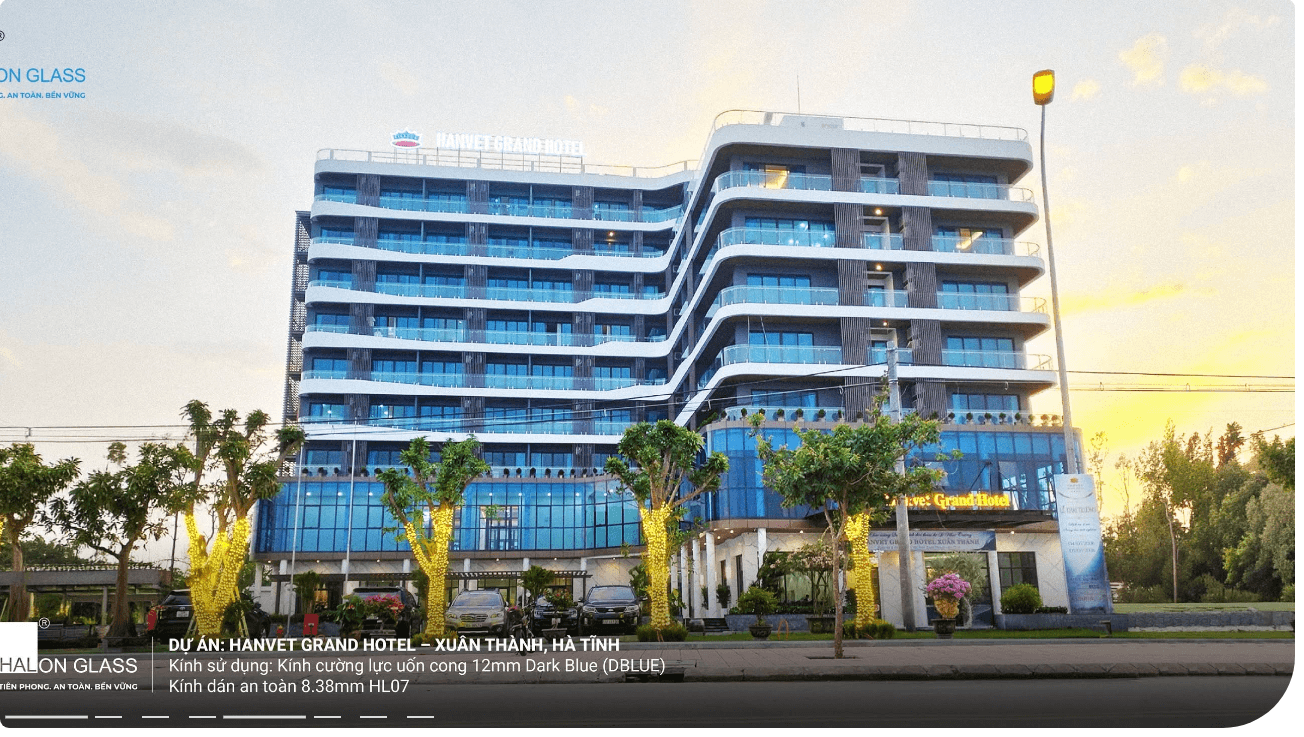
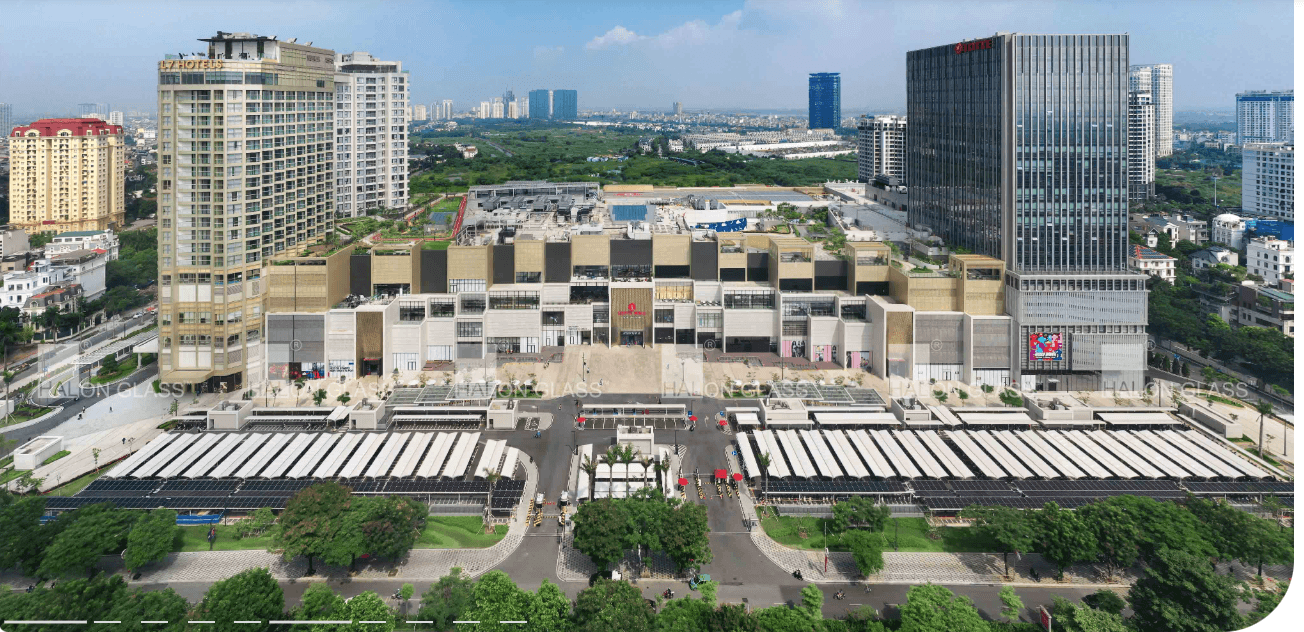
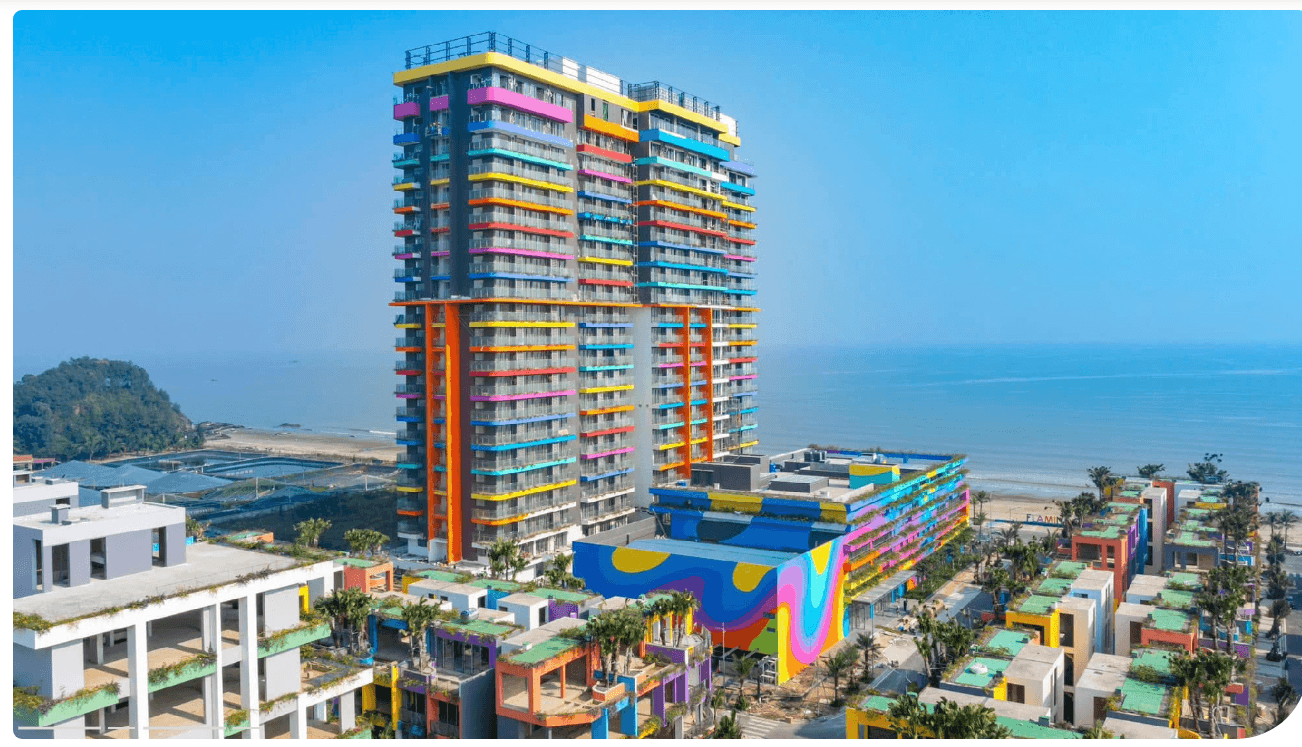
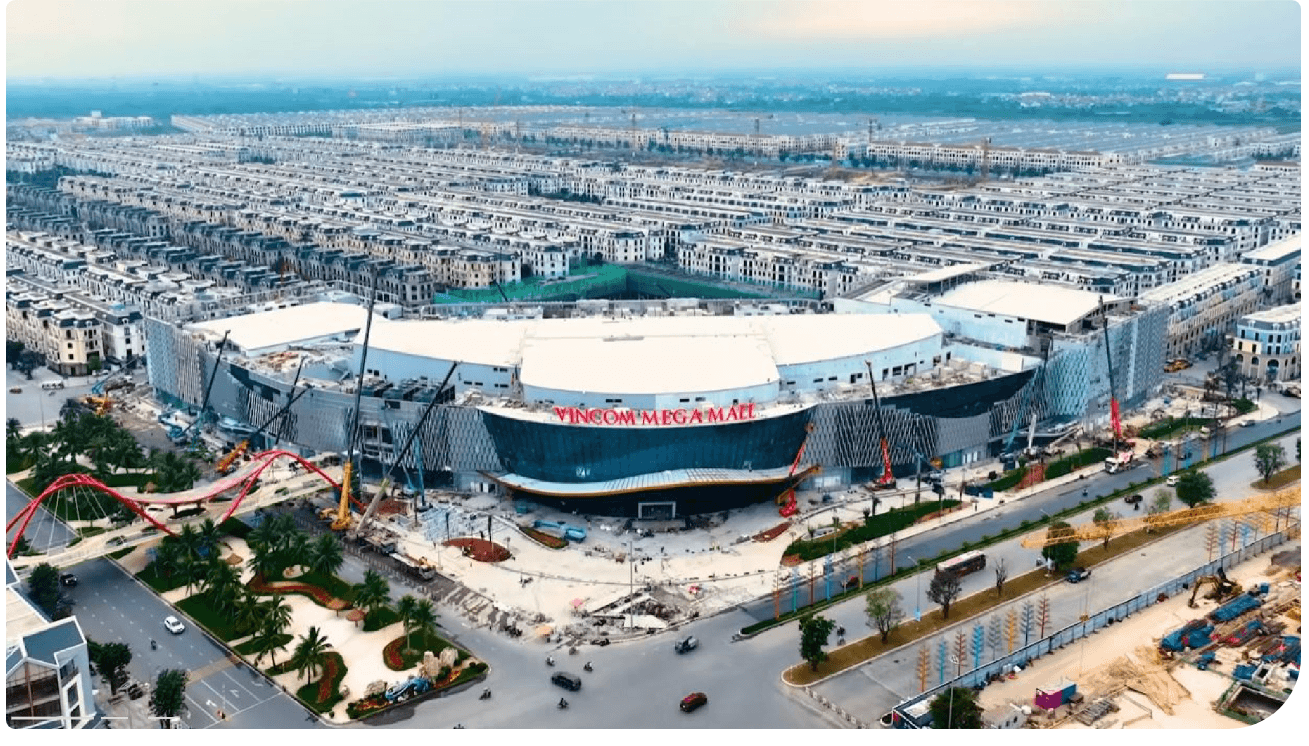
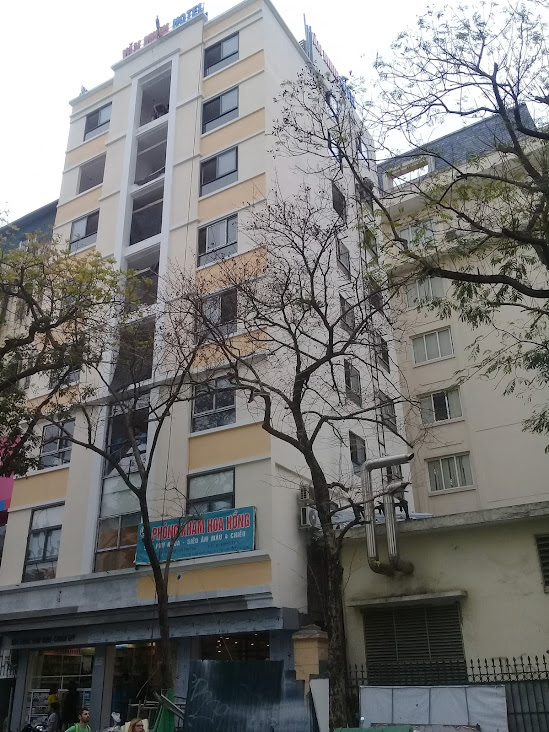
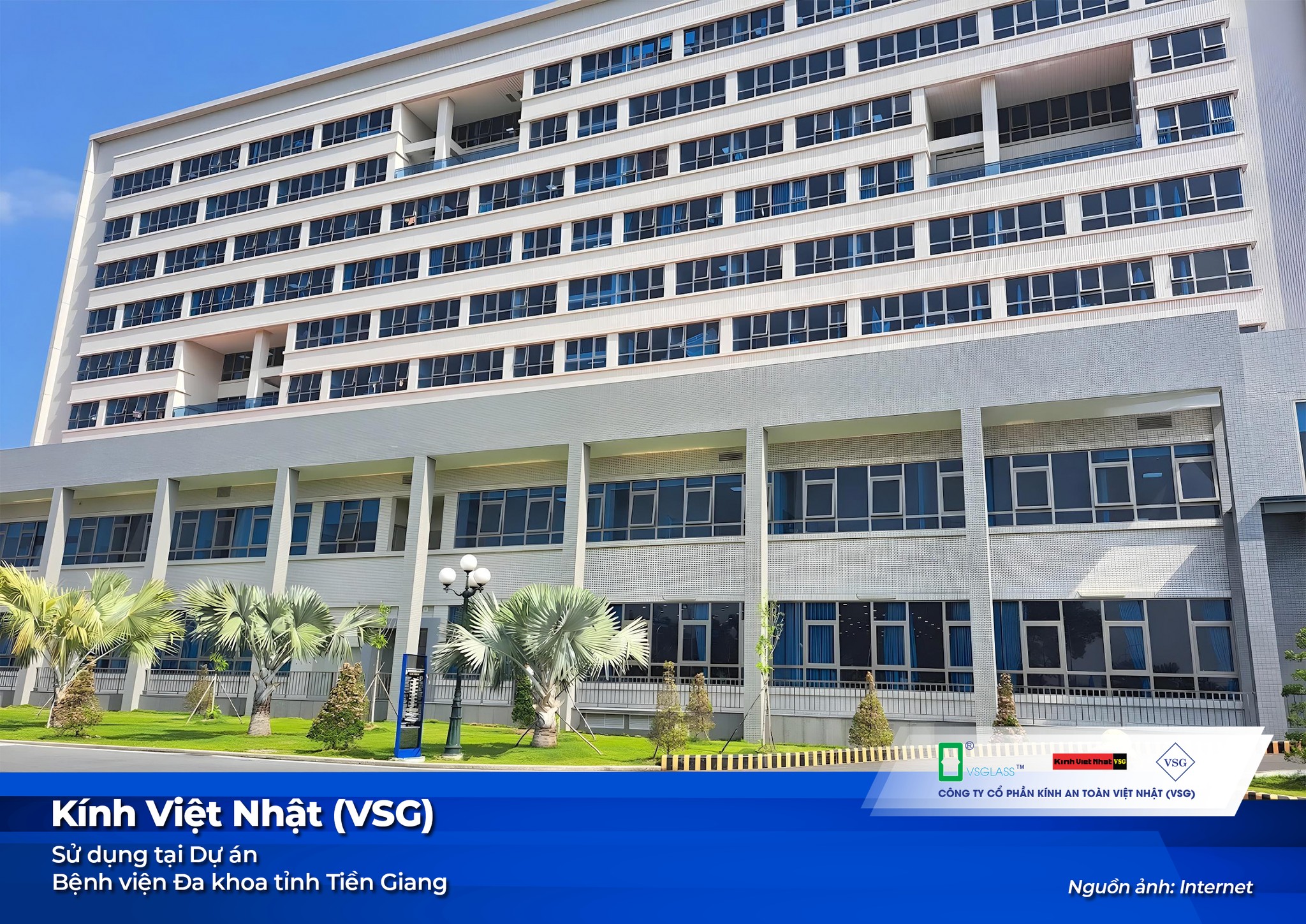
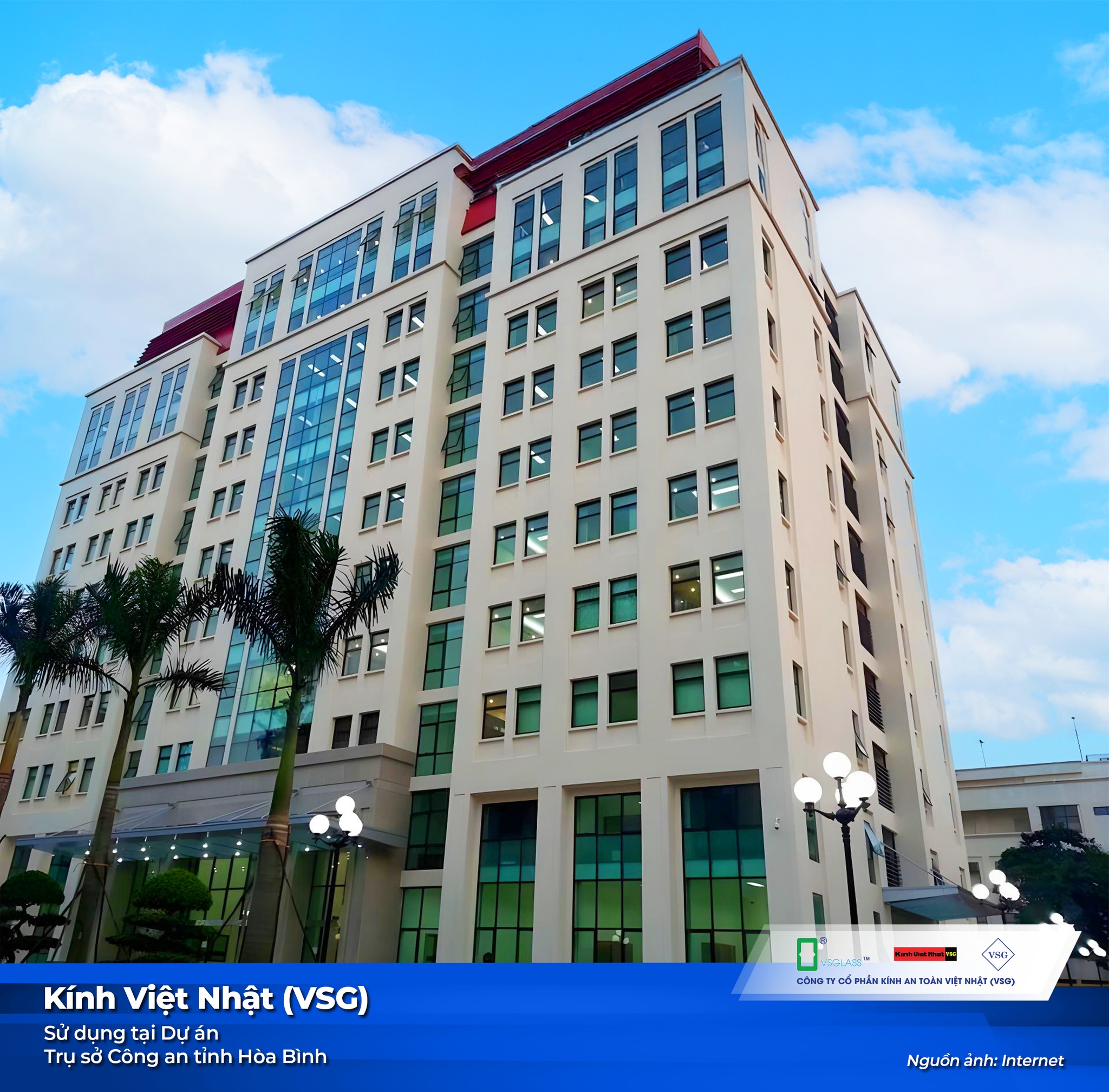
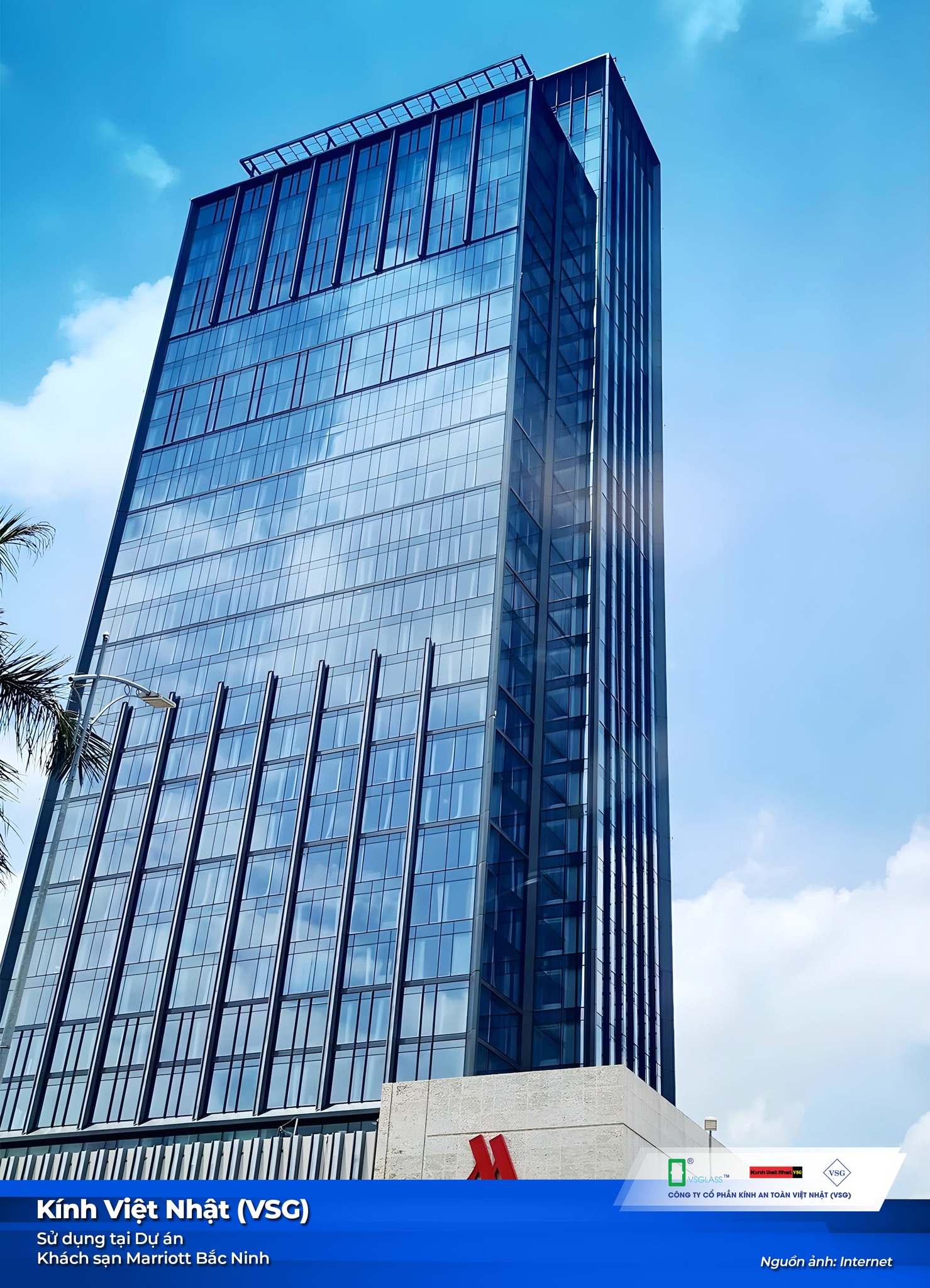
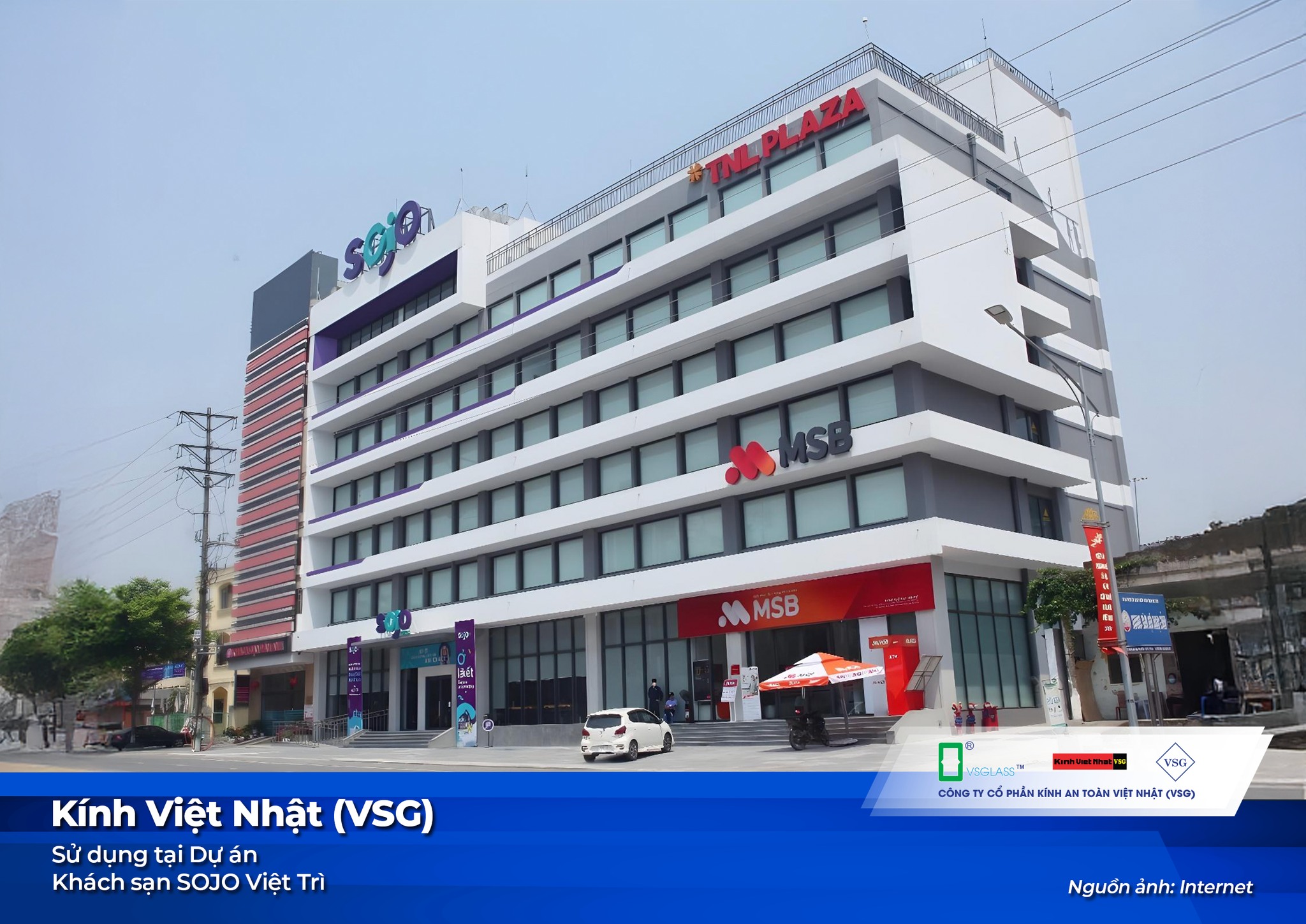
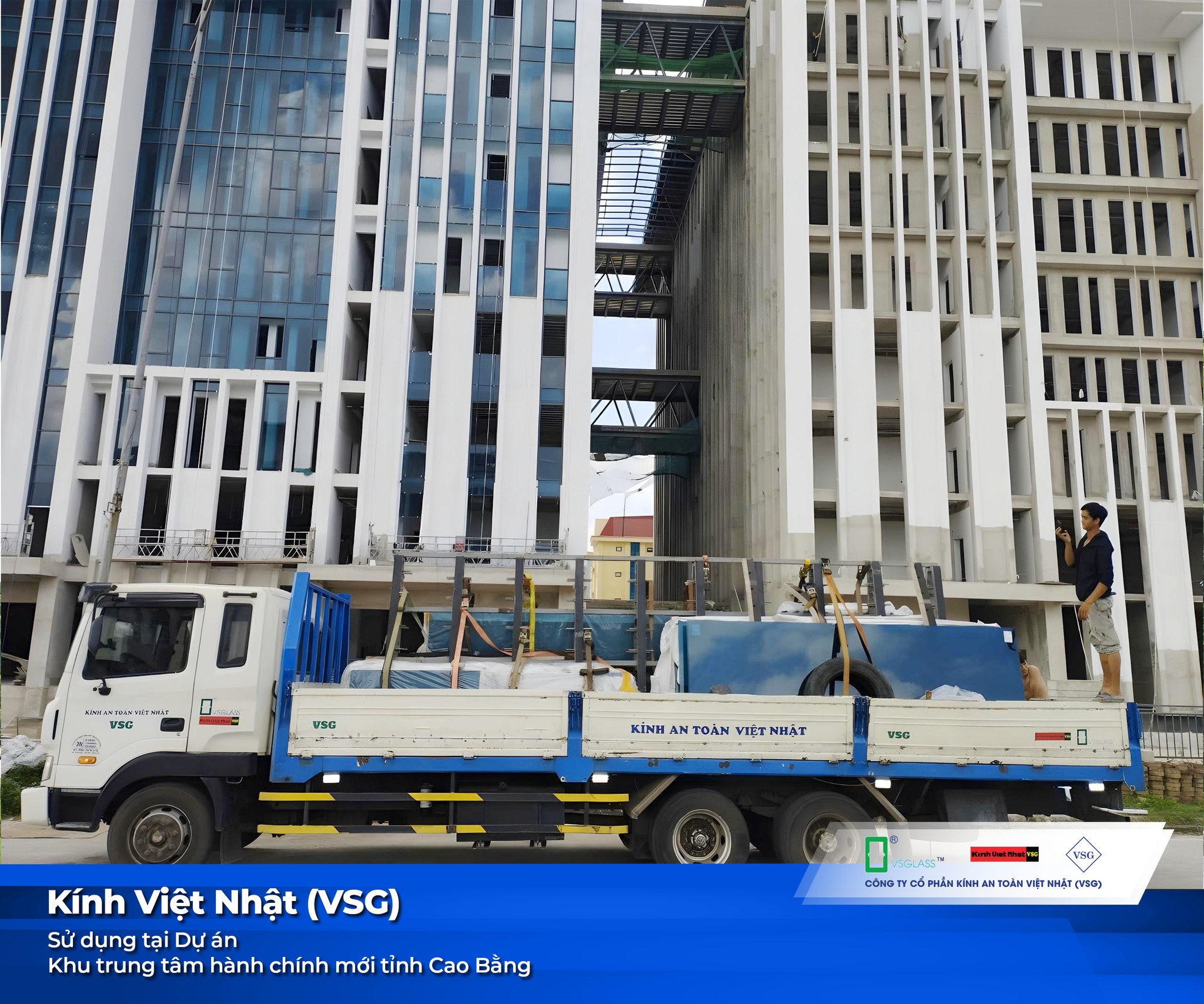
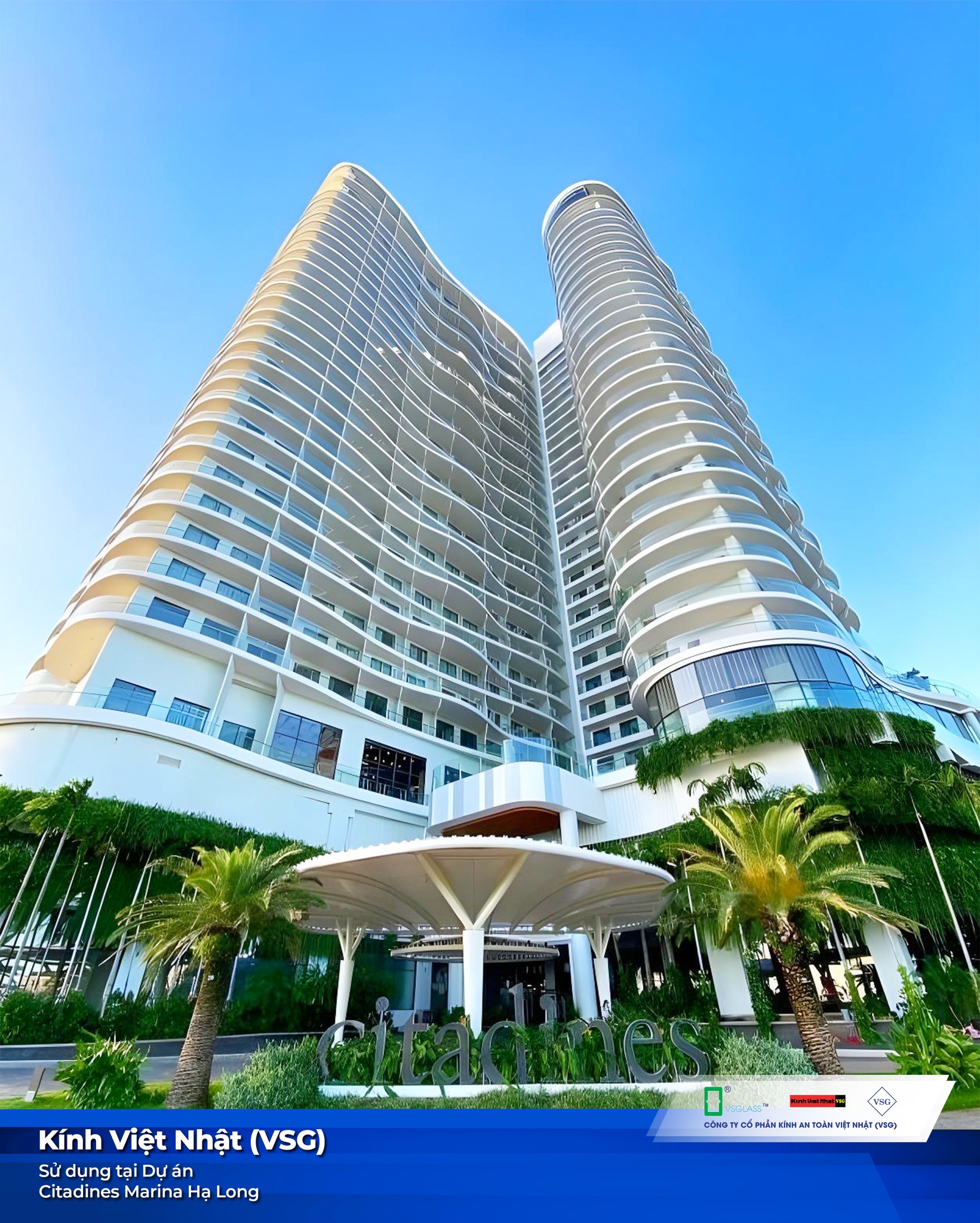
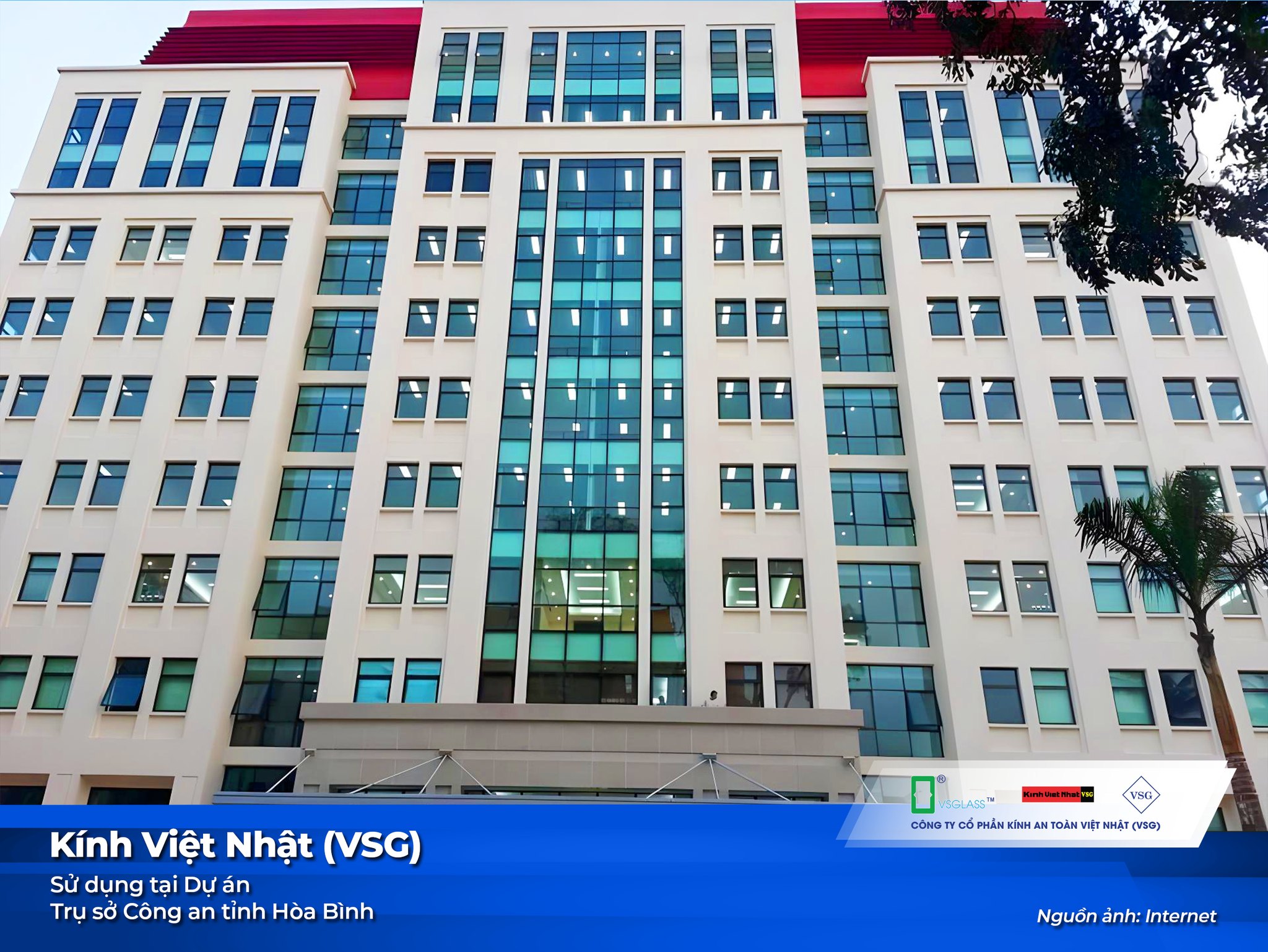
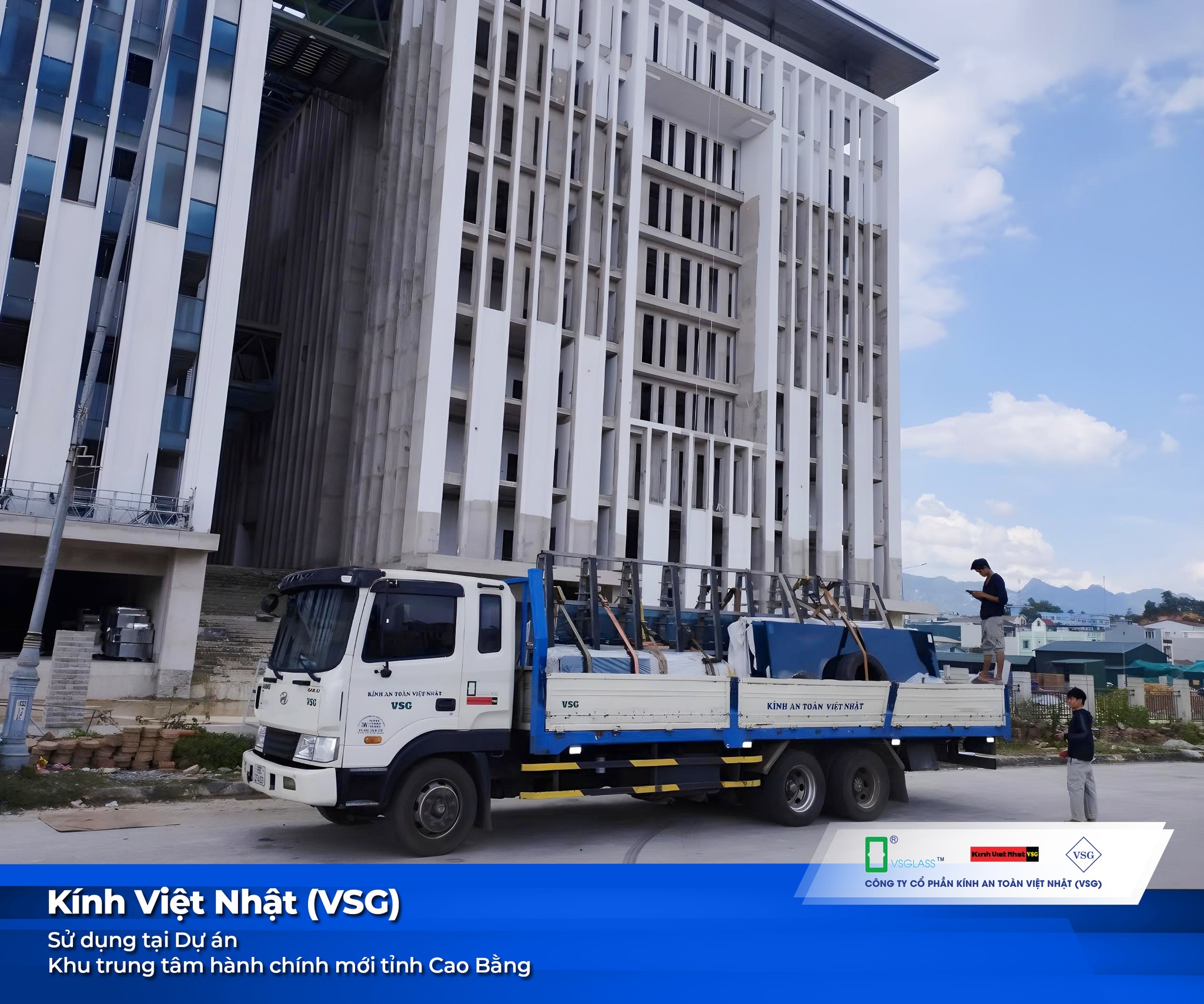
- Project experience: We have completed numerous real-world projects such as office buildings, shopping malls, villas, showrooms, and hotels, receiving positive feedback from contractors and investors.
- Technical consulting services: We can advise on suitable glass configurations based on wind load, height, and operating environment, while also assisting with quantity surveying and cost optimization.
- Warranty and support policy: Clear warranty coverage regarding film adhesion, flatness, clarity, and technical support during installation and operation of the project.
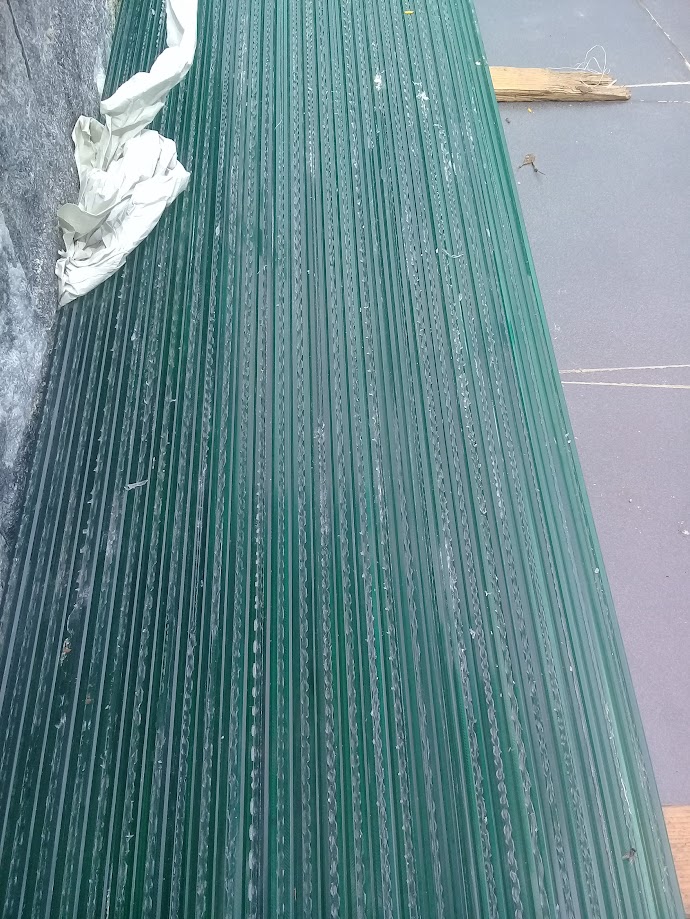
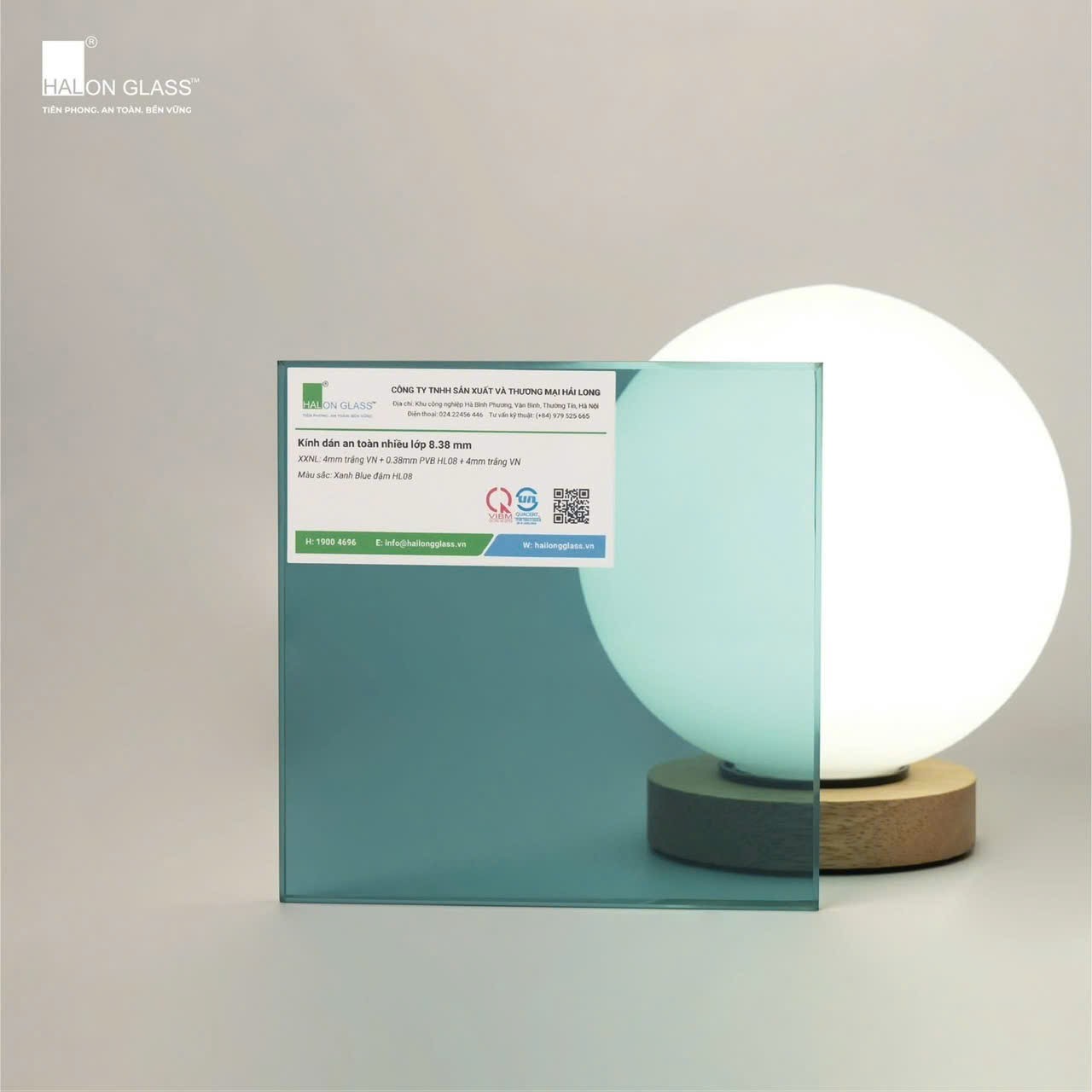
Laminated safety glass is a type of glass composed of two or more flat glass layers bonded together by one or more intermediate bonding films, most commonly PVB (Polyvinyl Butyral) , EVA (Ethylene Vinyl Acetate) , or special films that offer impact resistance, sound insulation, and UV protection. In the event of a strong impact, glass fragments adhere to the film, minimizing the risk of injury to users and reducing property damage. In design and construction, laminated safety glass is typically manufactured and cut to order to suit various project requirements, from residential homes to office buildings, showrooms, and shopping malls.
In terms of standards, high-quality laminated safety glass must meet regulations such as TCVN 7364 , EN 14449 , EN 12543 , or equivalent standards regarding mechanical strength, film adhesion, heat resistance, moisture resistance, and light transmission. Important technical parameters include: overall thickness (usually from 6.38 mm, 8.38 mm, 10.38 mm to 16.38 mm or thicker), thickness of each glass layer , film thickness , flexural strength , UV blocking capability (usually up to 99%), and light transmission/heat insulation coefficient . The selection of the appropriate laminated glass configuration must be based on calculations of wind load, building height, installation location, and the safety requirements of each project.
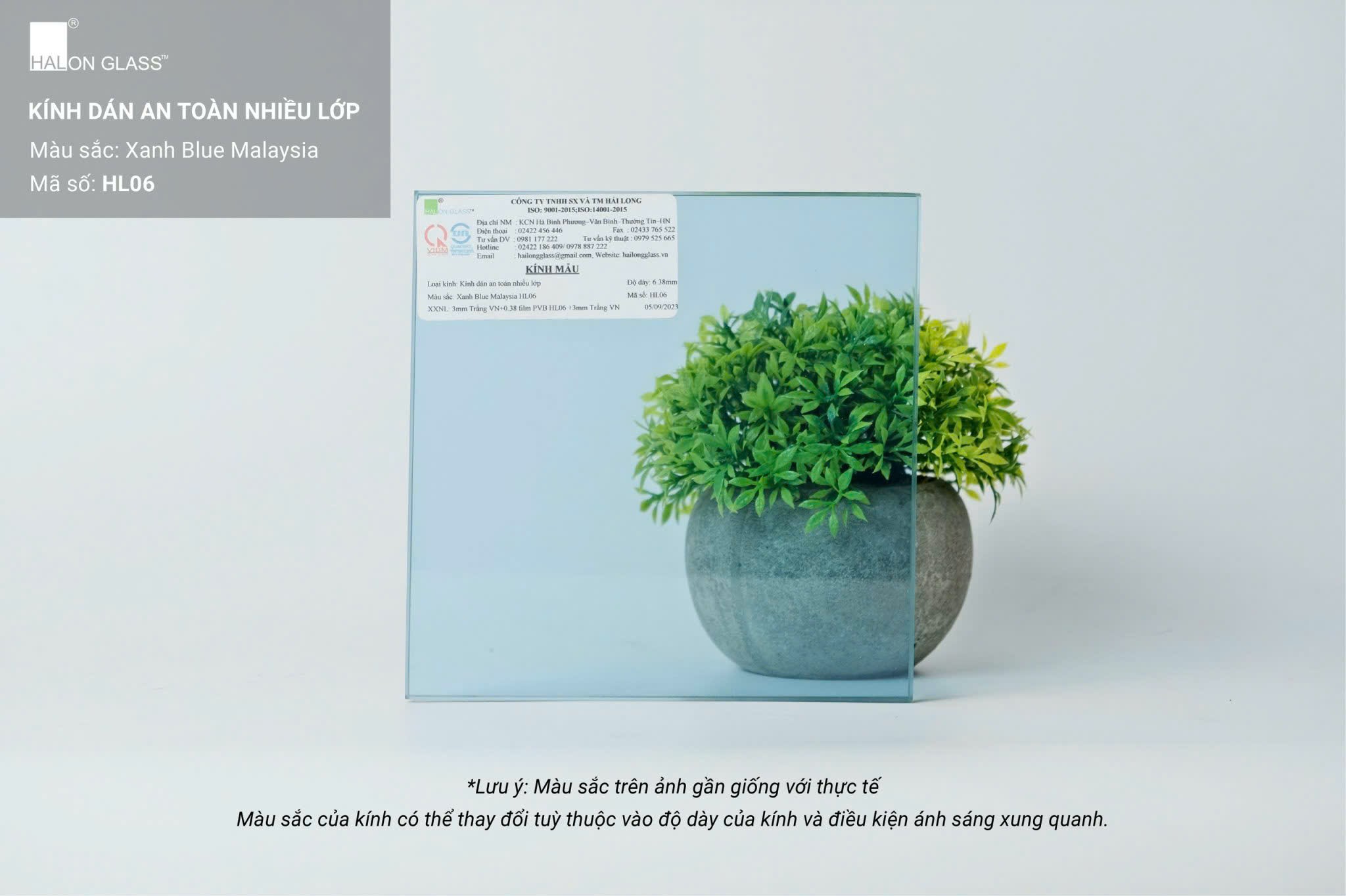
The process of cutting laminated safety glass to order requires a combination of specialized equipment, optimized software, and skilled craftsmanship. Unlike regular glass, laminated glass has a multi-layered structure, so cutting, separating layers, and edge processing must be done in a strict sequence to prevent film peeling, edge cracking, or internal stress. In professional processing workshops, the entire process is controlled by a quality management system, recording parameters for each batch of glass and each film code, ensuring traceability and product stability.
The basic steps in the safety laminated glass cutting process include: receiving the drawing – quantity takeoff – optimizing the cutting plan – cutting the glass layer – processing the film layer – edge finishing – quality inspection – packaging – delivery . At each step, technicians must check the dimensions, allowable tolerances, flatness, surface cleanliness, and film adhesion. Especially for complex details such as drilled holes, grooves, rounded corners, and curved cuts, accurate CAD drawings and specialized CNC cutting machines are required to ensure millimeter-level precision.
In actual production, several technical steps are crucial to the quality of custom-cut laminated safety glass, which can be listed as follows:
To achieve high accuracy and consistent quality, safety laminated glass processing units need to invest in a synchronized equipment system. Important equipment includes: CNC automatic glass cutting tables , curve cutting machines , multi-head glass drilling machines , edge grinding and polishing machines , pre-press machines , autoclaves , and vacuum lifting systems for handling large glass sheets. Using software to optimize cutting patterns helps reduce material waste, optimize costs for customers, and shorten production time.
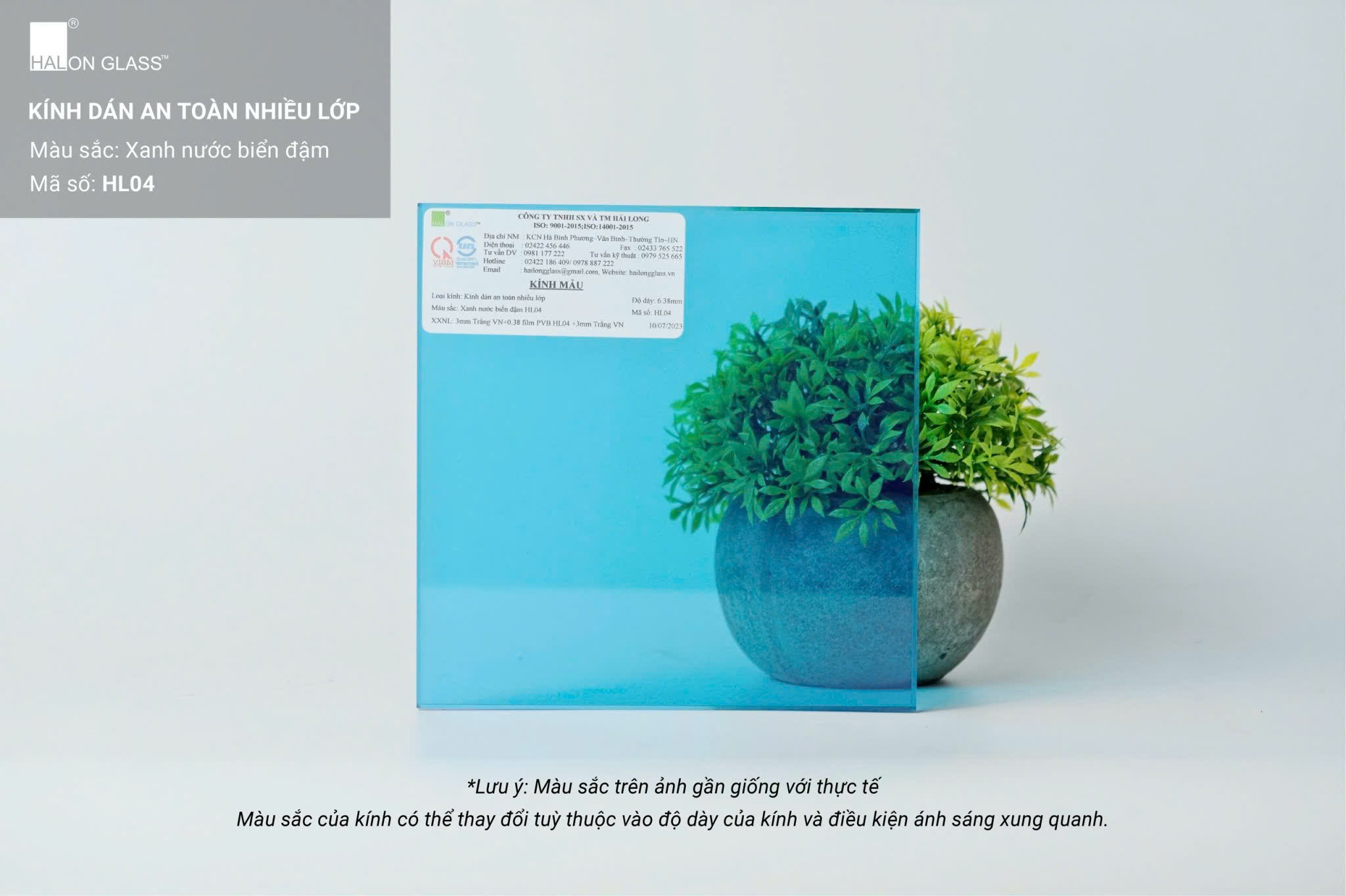
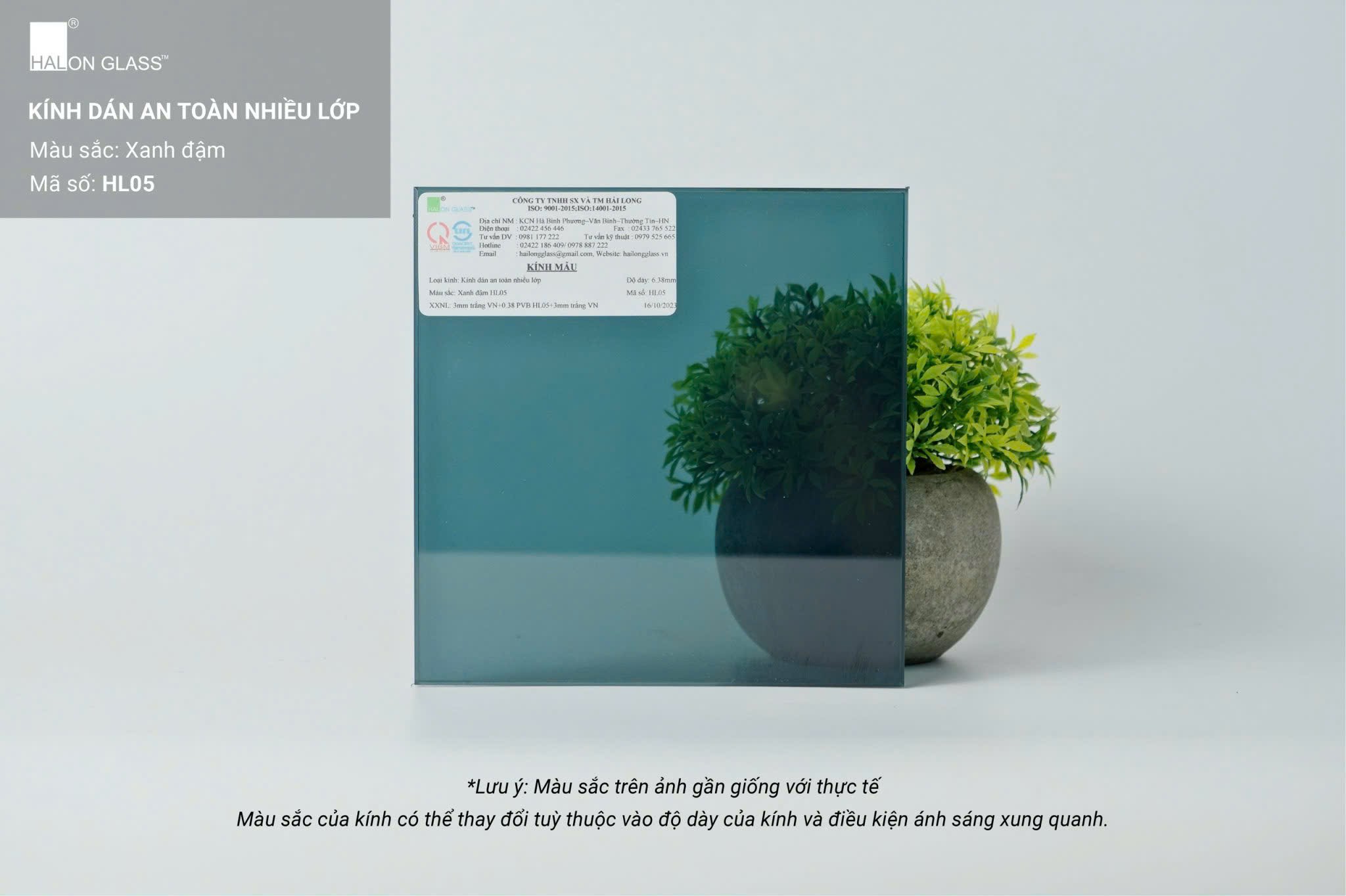
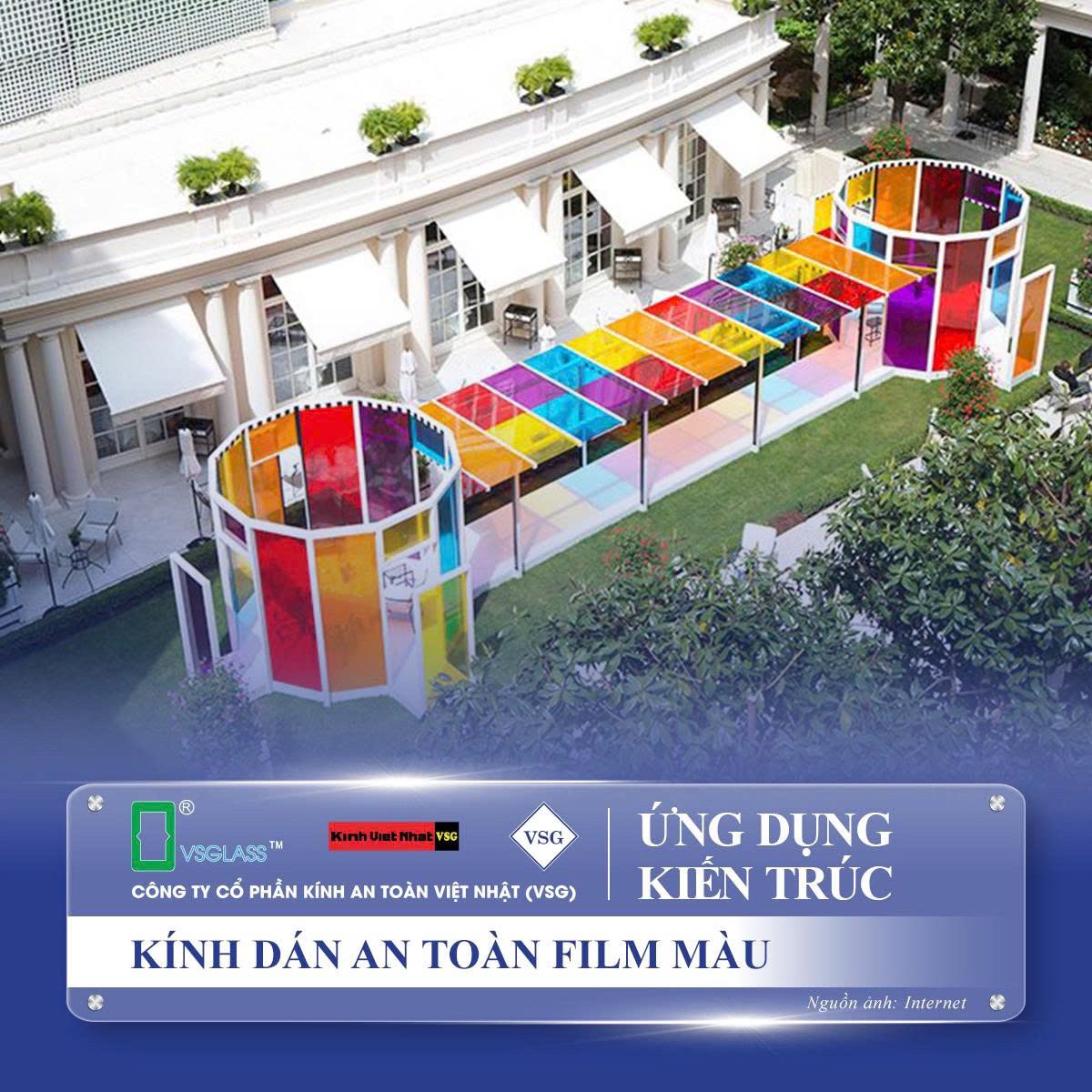
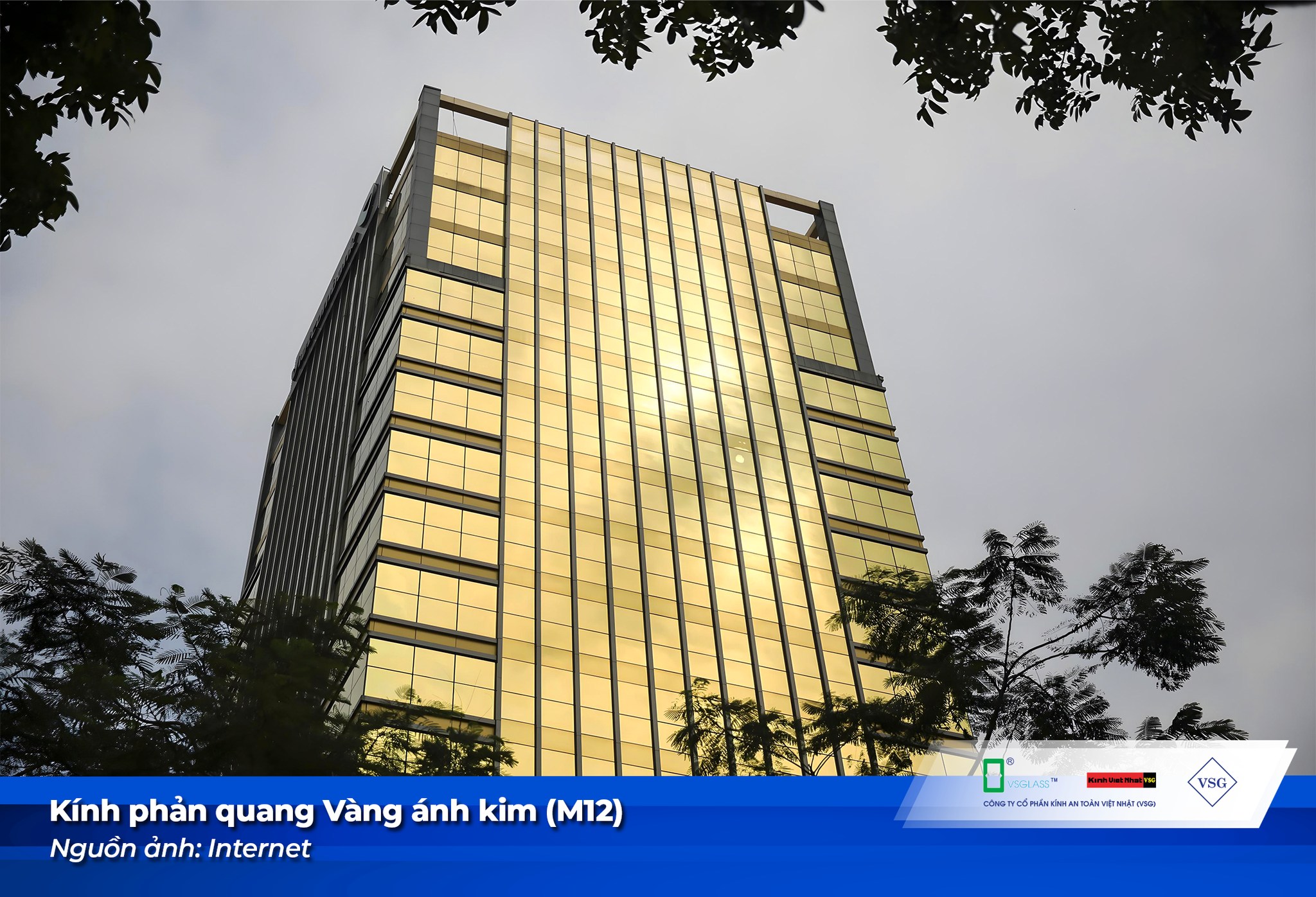
Film technology is also a key factor. Multi-layered PVB films can be combined to create bulletproof laminated glass , riot-proof laminated glass , or high-end soundproof laminated glass . Colored films, patterned films, and films with thin metal layers allow for the creation of decorative glass and curtain wall solutions with special aesthetic effects while still ensuring safety. Therefore, custom safety laminated glass cutting services not only meet size requirements but also offer deep customization in terms of functionality and aesthetics.
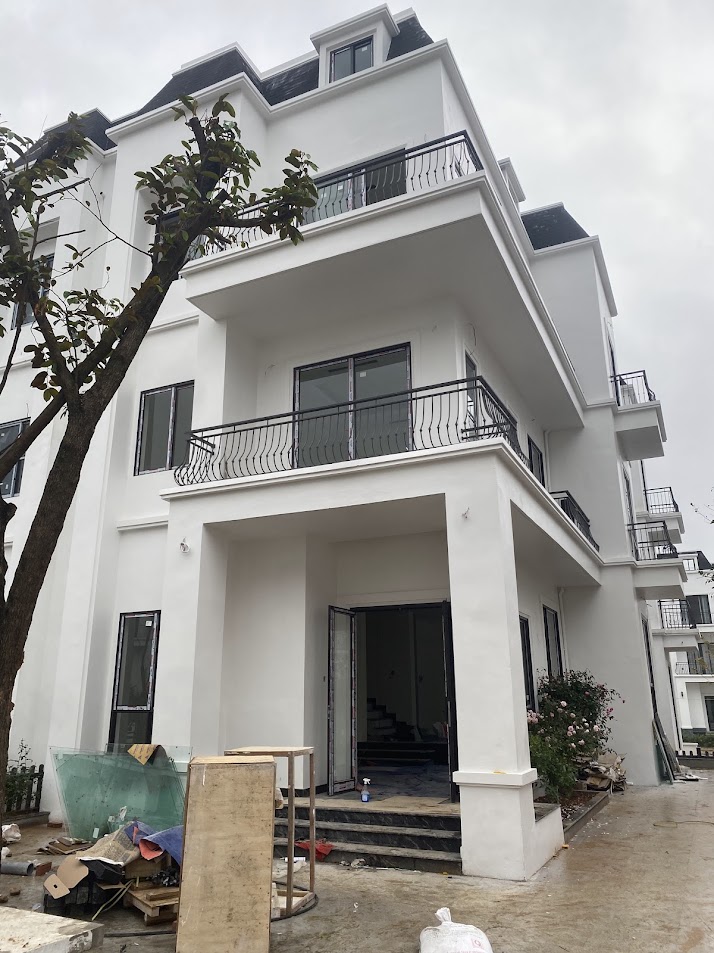
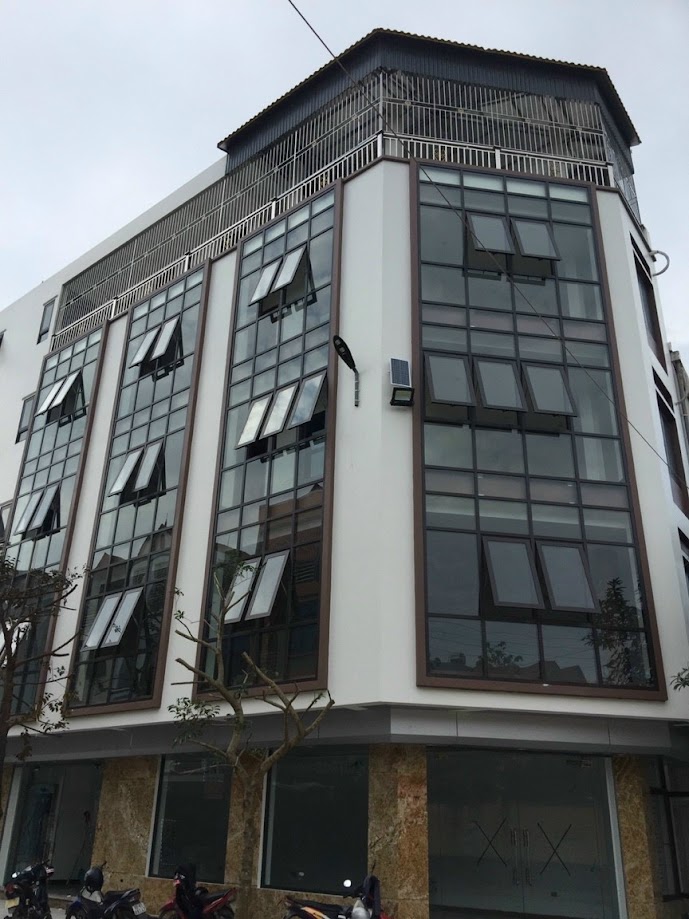
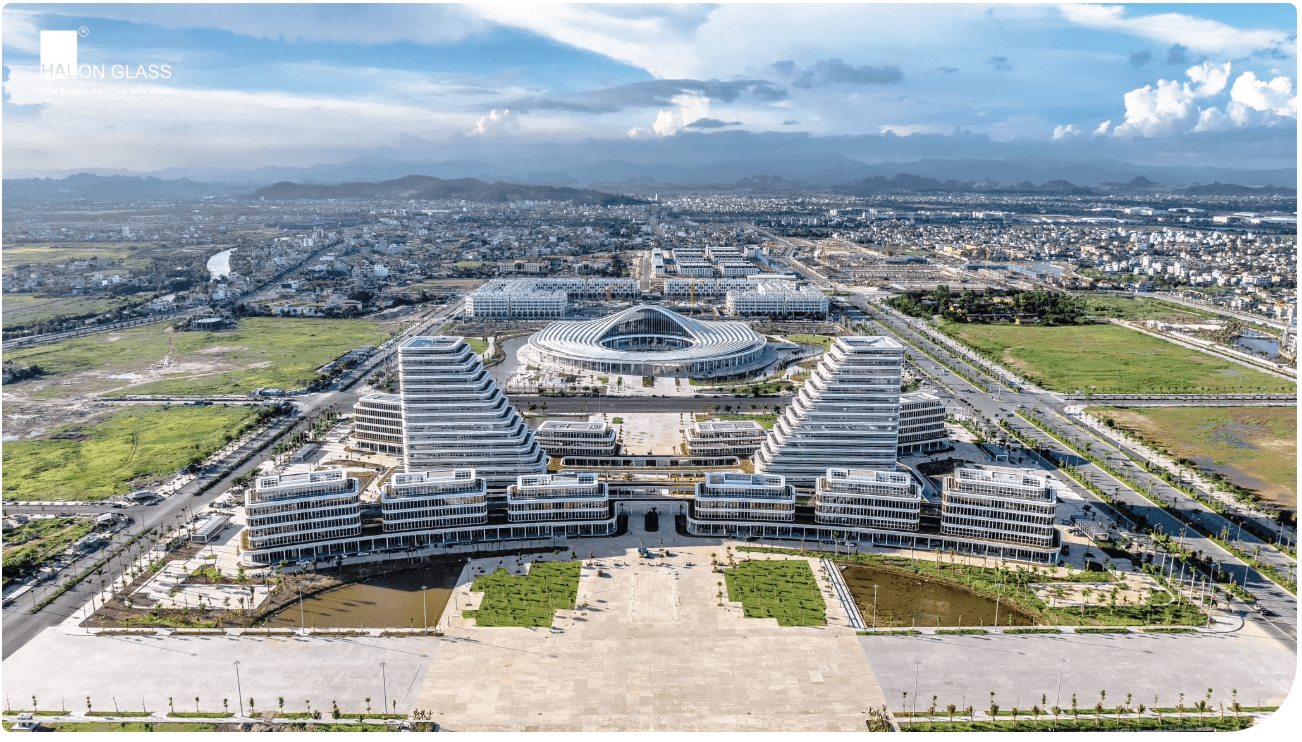
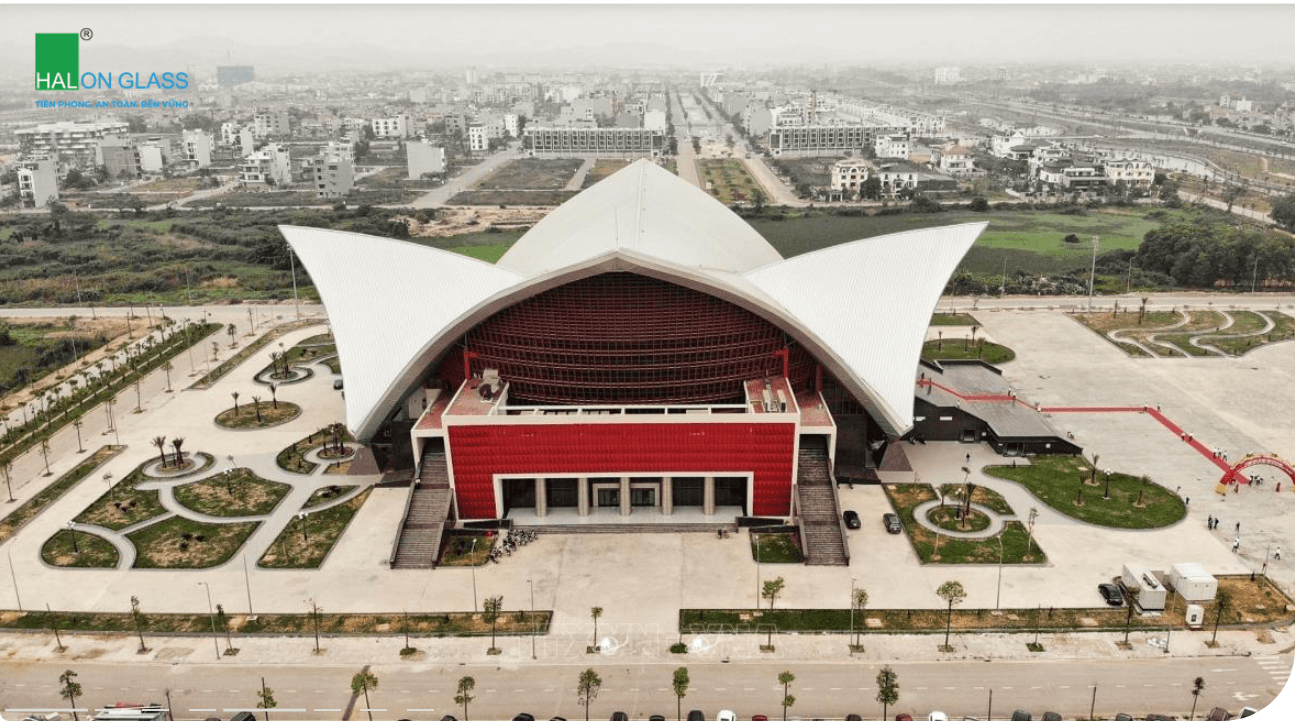
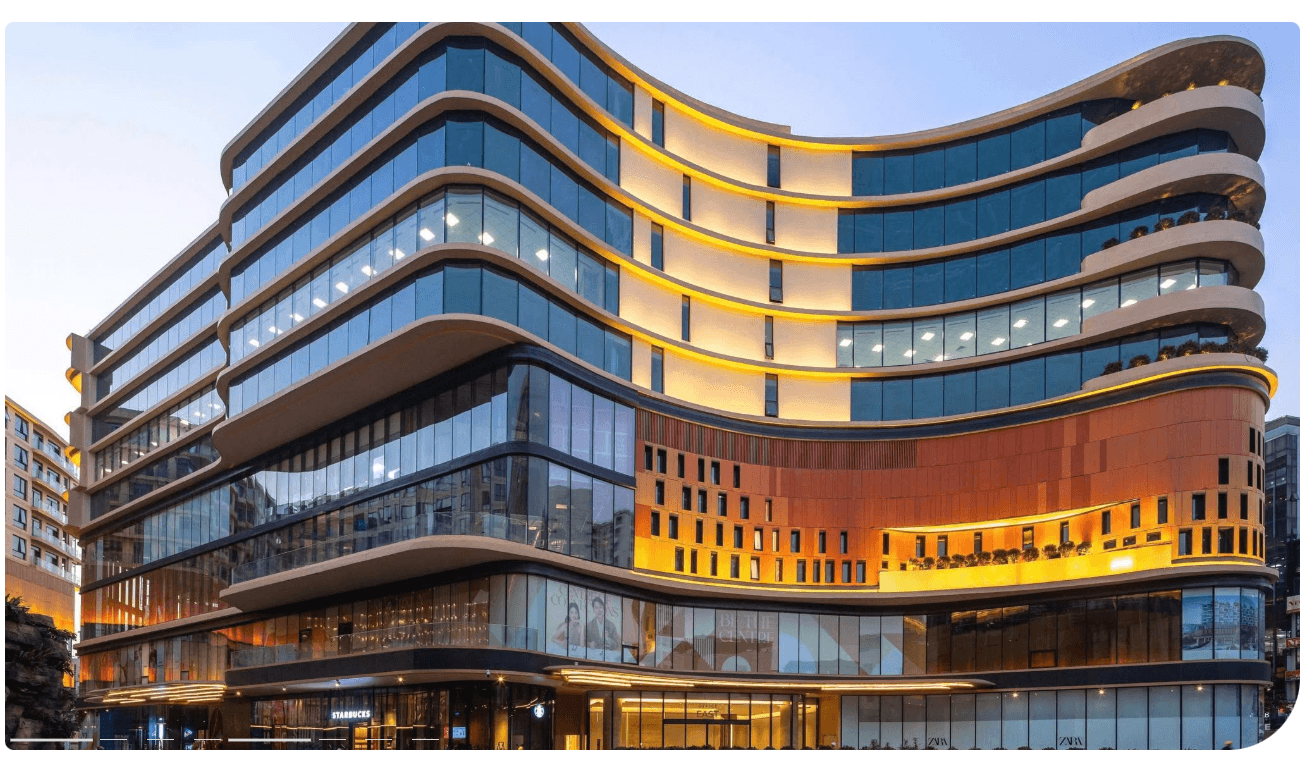
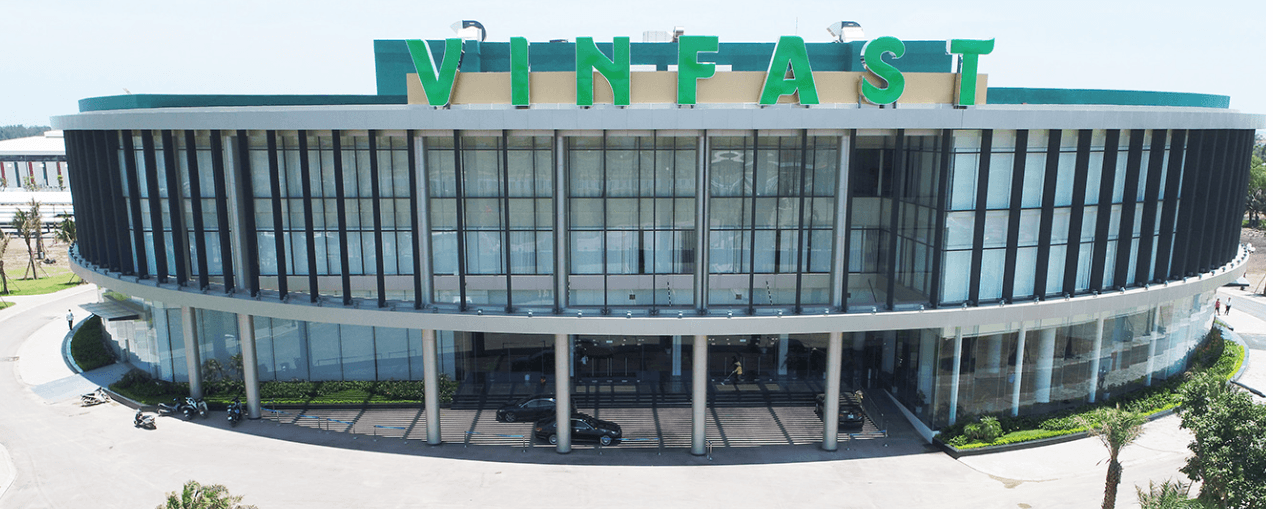
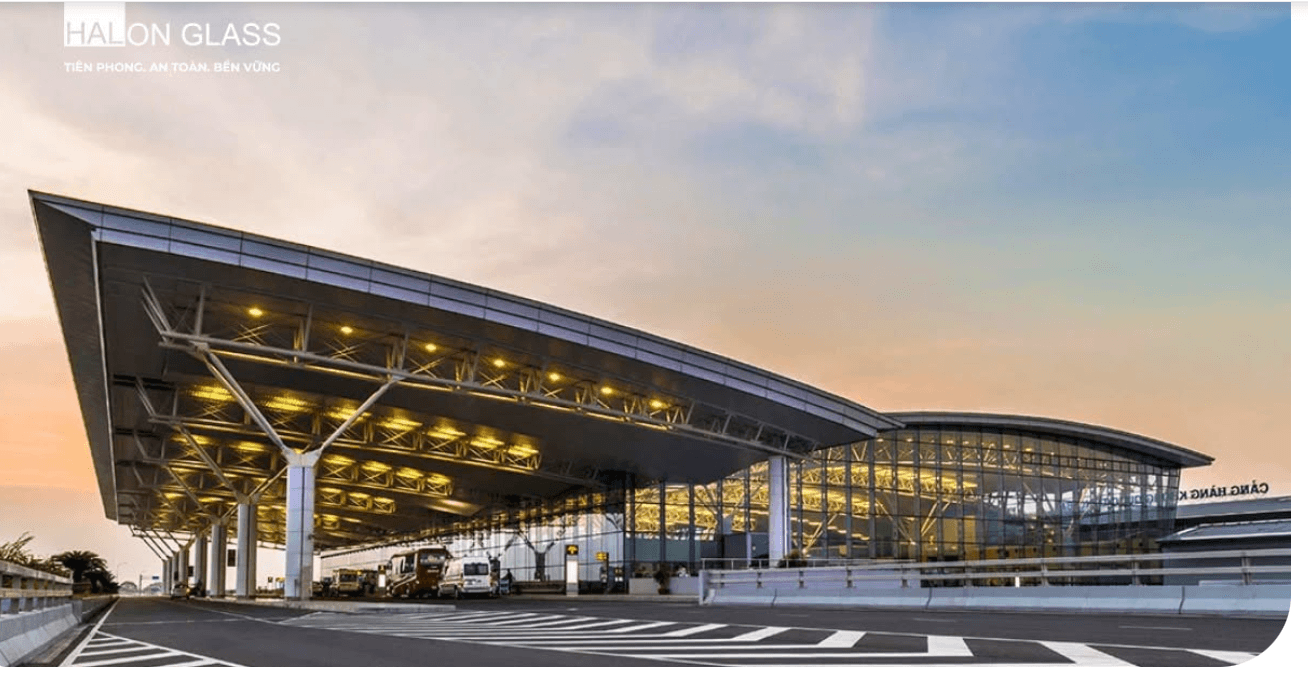
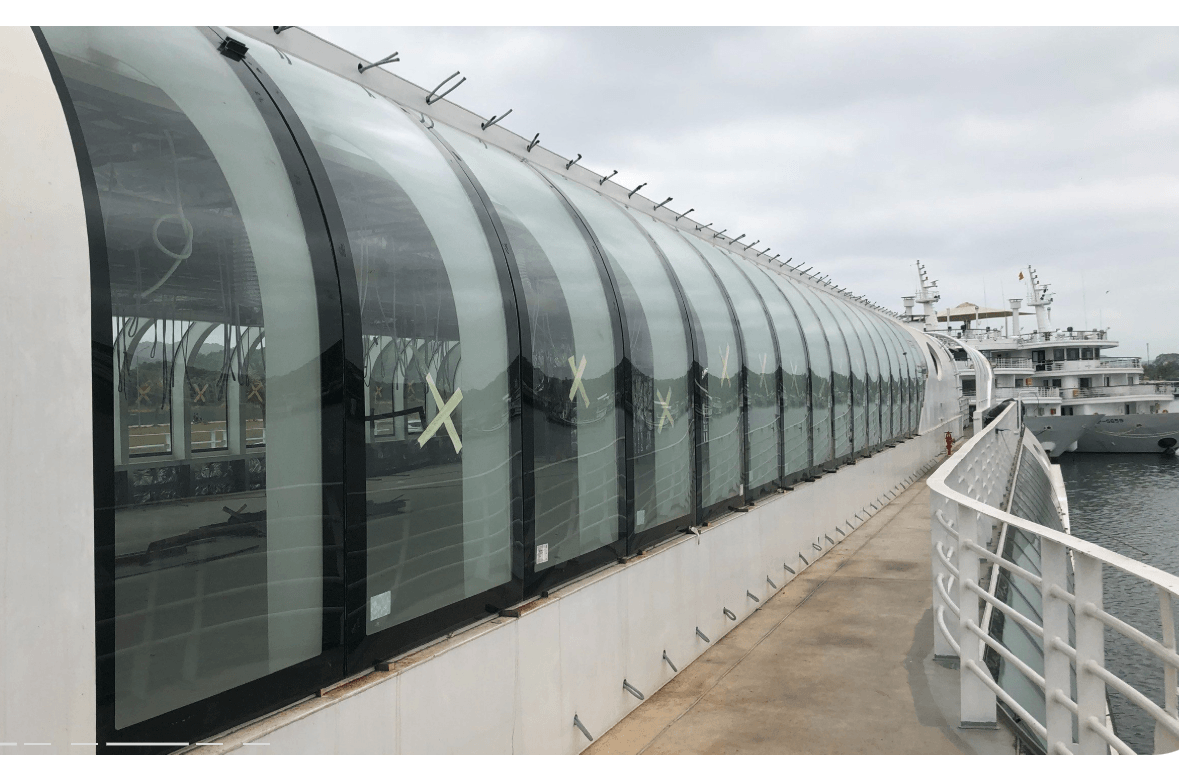
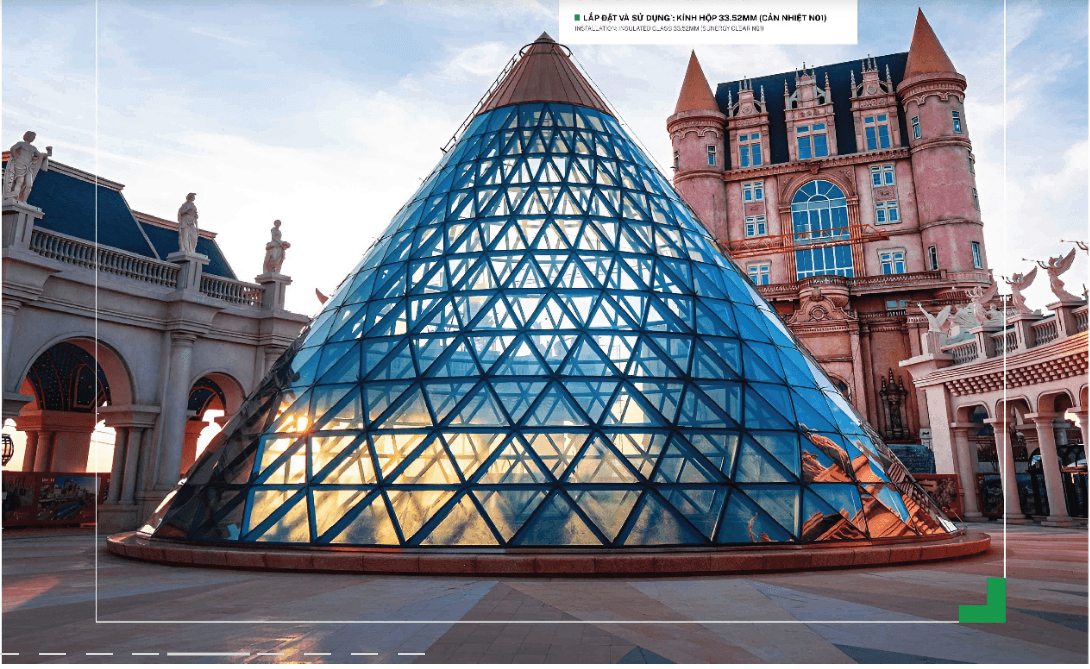
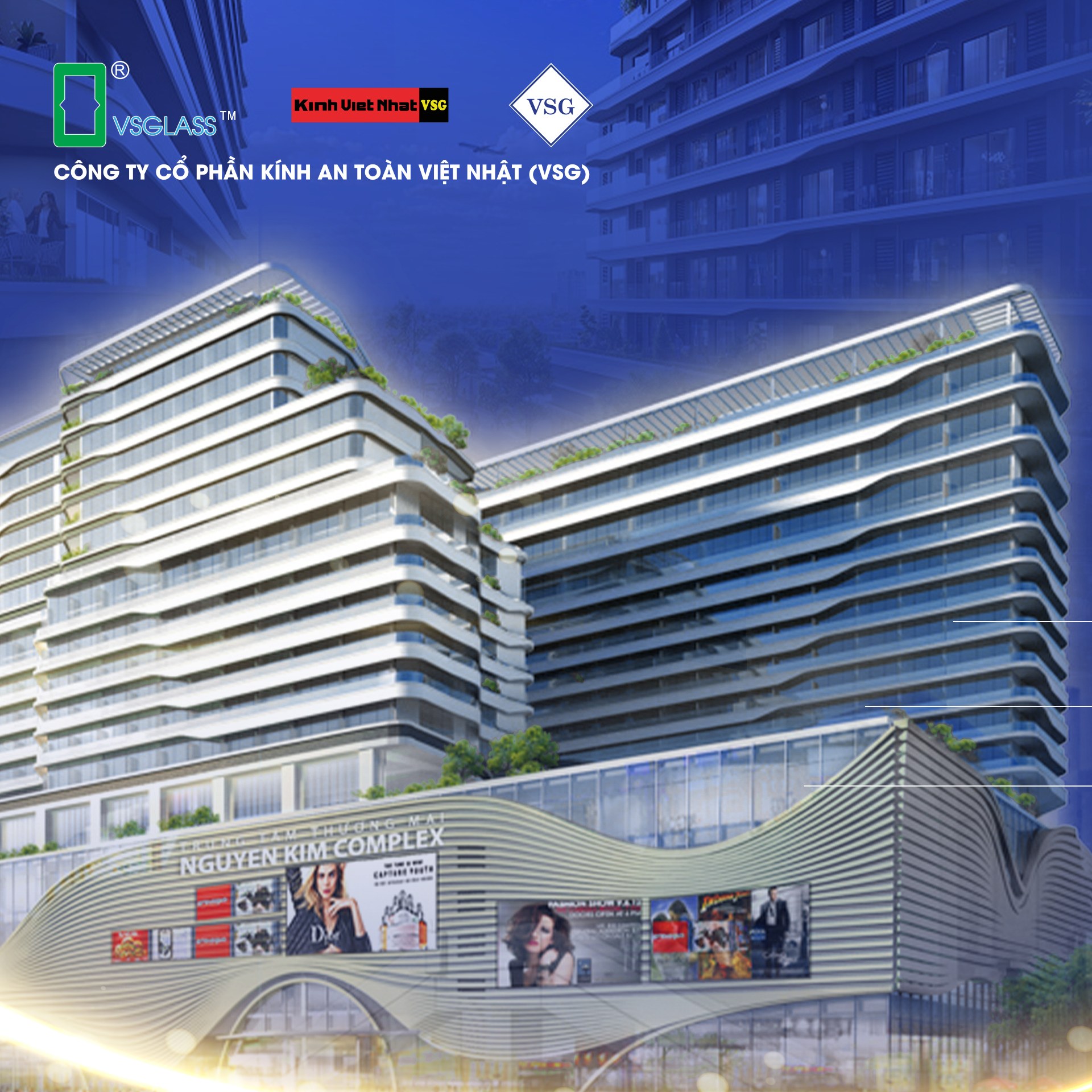
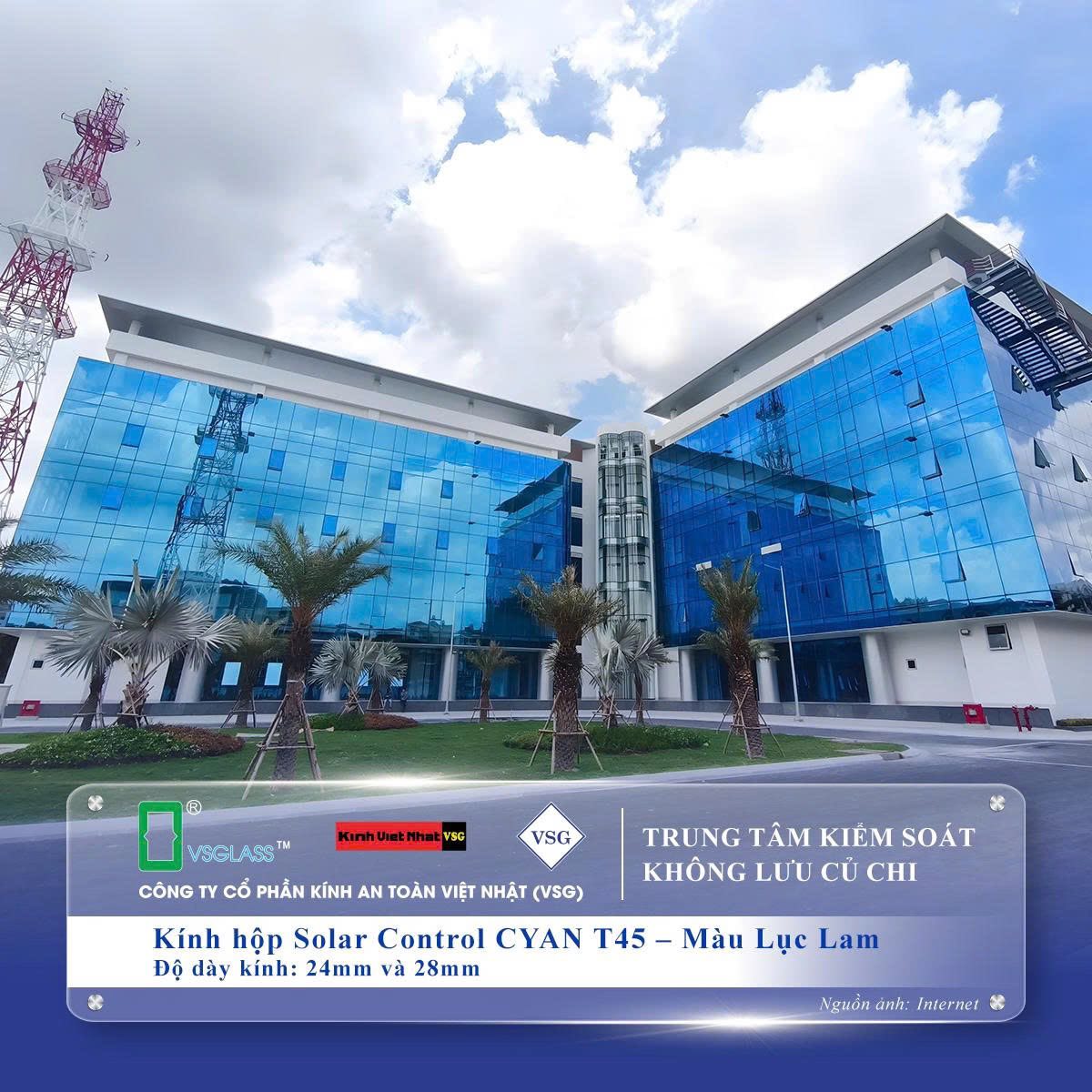
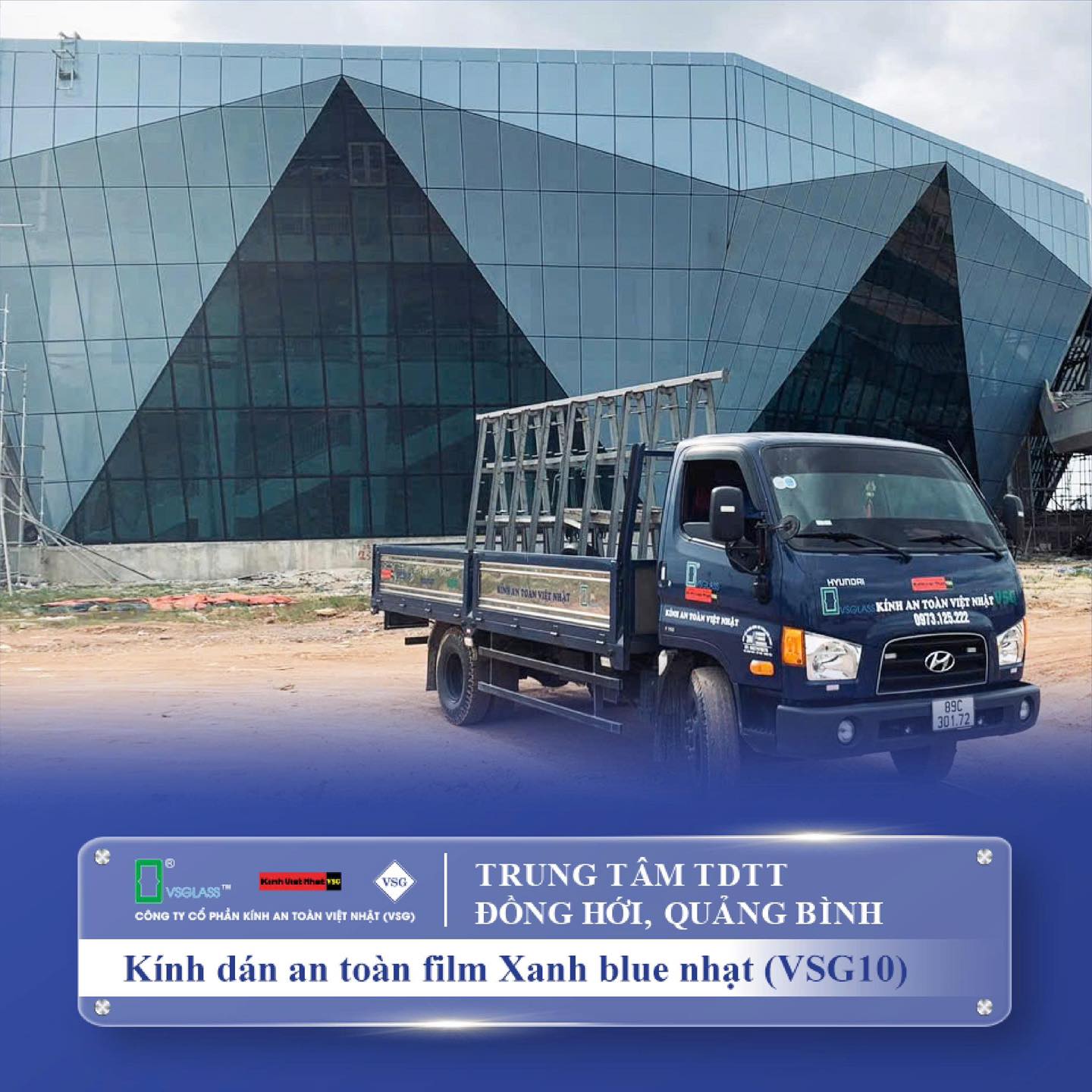
Custom-cut laminated safety glass is widely used in many applications: glass curtain walls, glass partitions, balcony railings, glass staircases, glass roofs, doors, windows, glass shower enclosures, glass floors, skylights, decorative glass walls, soundproof recording studios and meeting rooms . Each application has specific requirements regarding thickness, glass layer structure, film type, and connection method with aluminum, steel, or wood frames. For example, outdoor glass railings often use 10.38 mm or 12.38 mm laminated safety glass, which can be combined with tempered glass to increase load-bearing capacity; while glass roofs and skylights prioritize laminated safety glass with UV-resistant film and special safety film to minimize breakage.
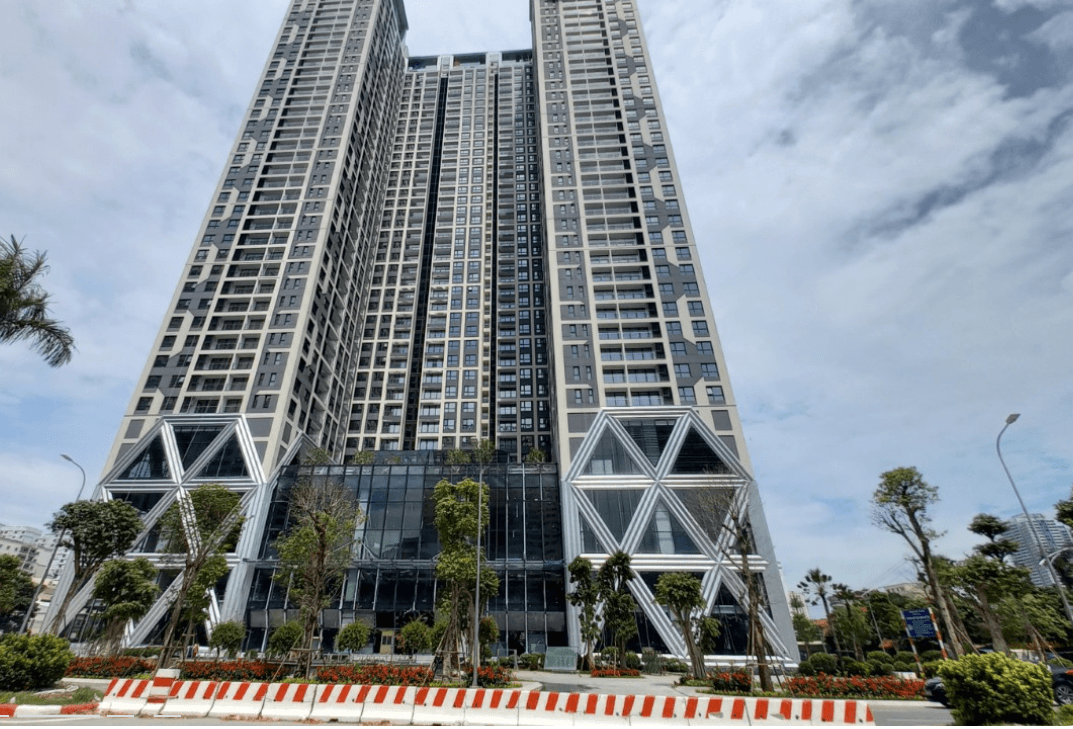
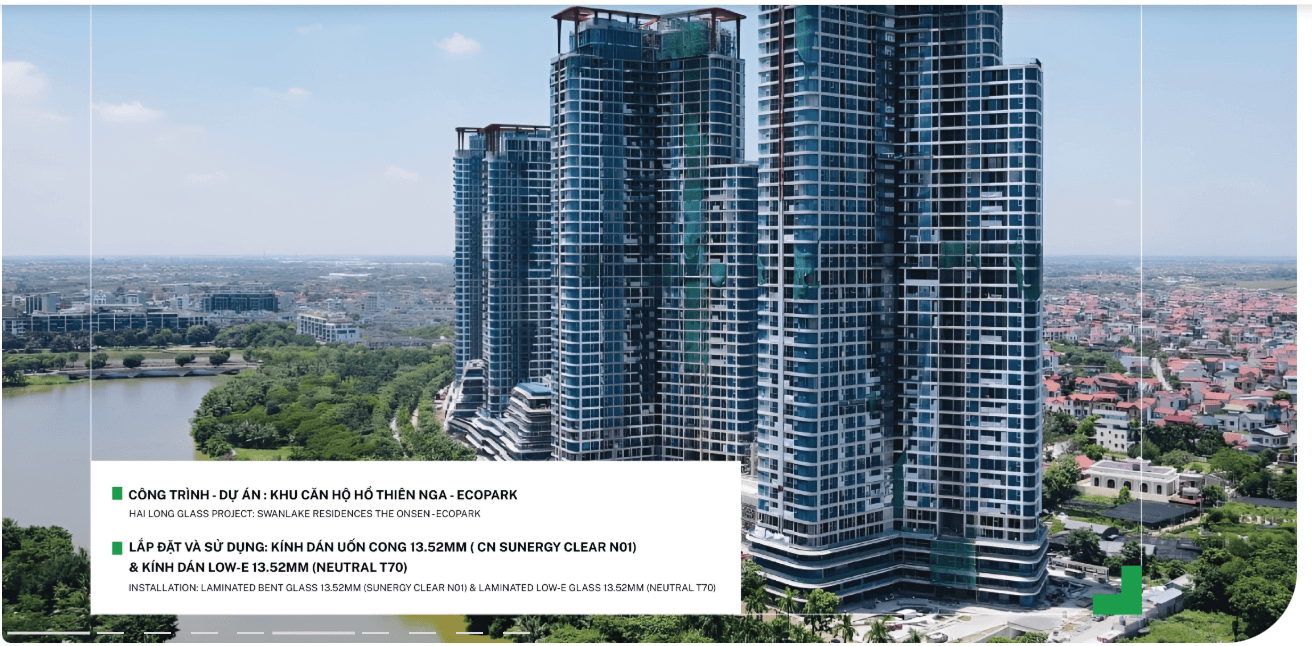
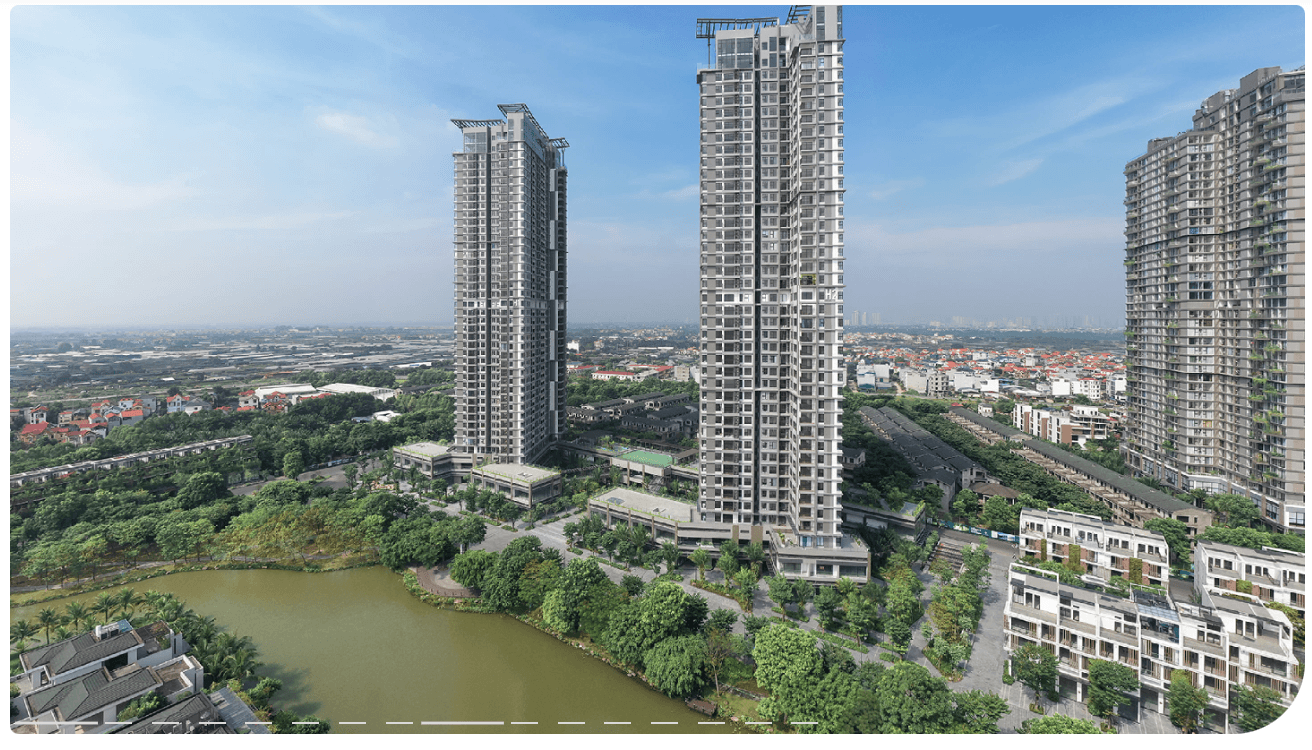
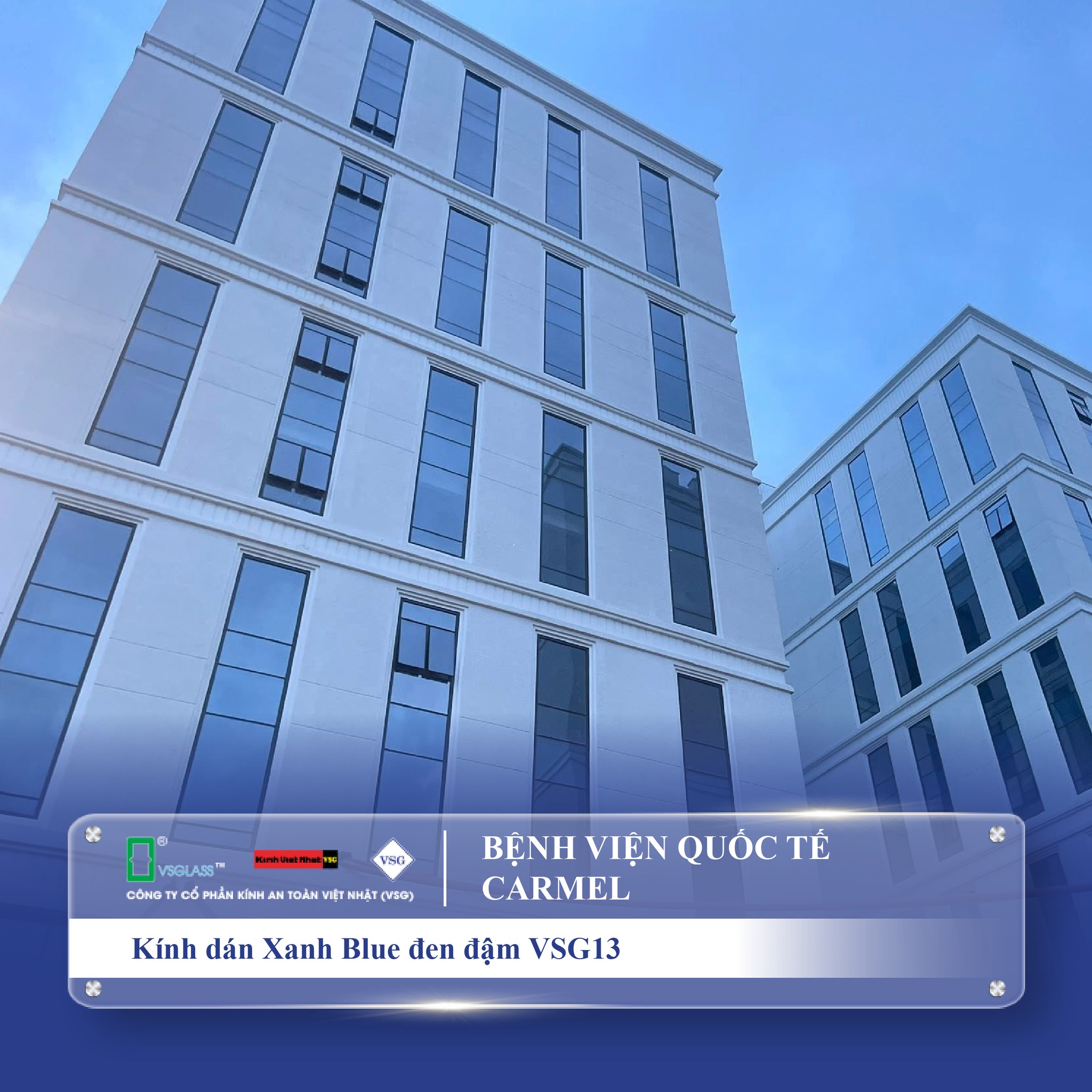
In high-rise buildings, laminated safety glass is often used in areas with a high risk of breakage, near public walkways, areas accessible to children, or locations requiring intrusion resistance. For residential buildings, laminated safety glass enhances security, reduces external noise, and improves thermal insulation when combined with low-e glass or heat-reflective film. Custom glass cutting allows architects and developers creative freedom with special shapes such as curved glass, beveled glass, and glass with technical openings for accessories.
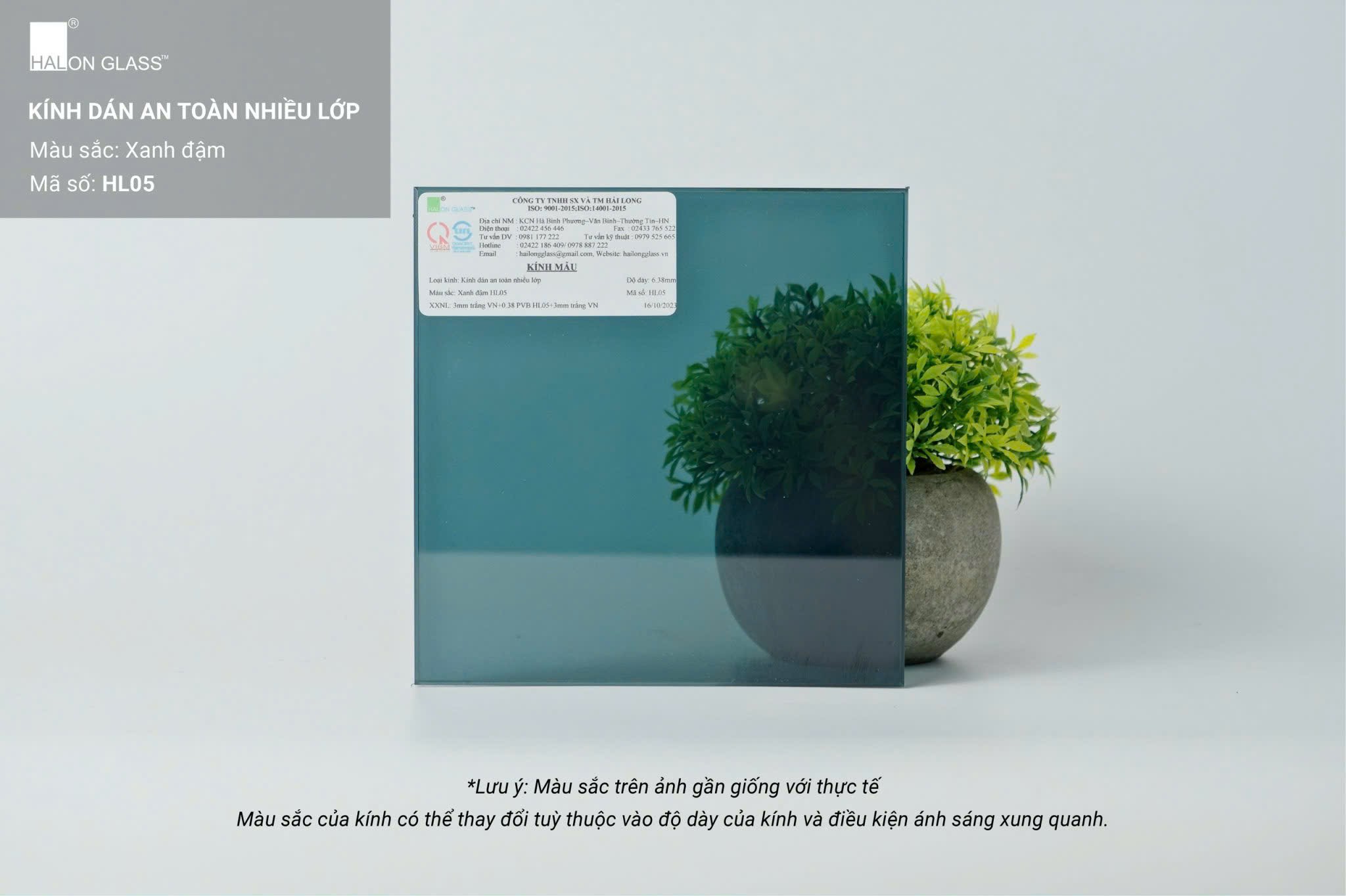
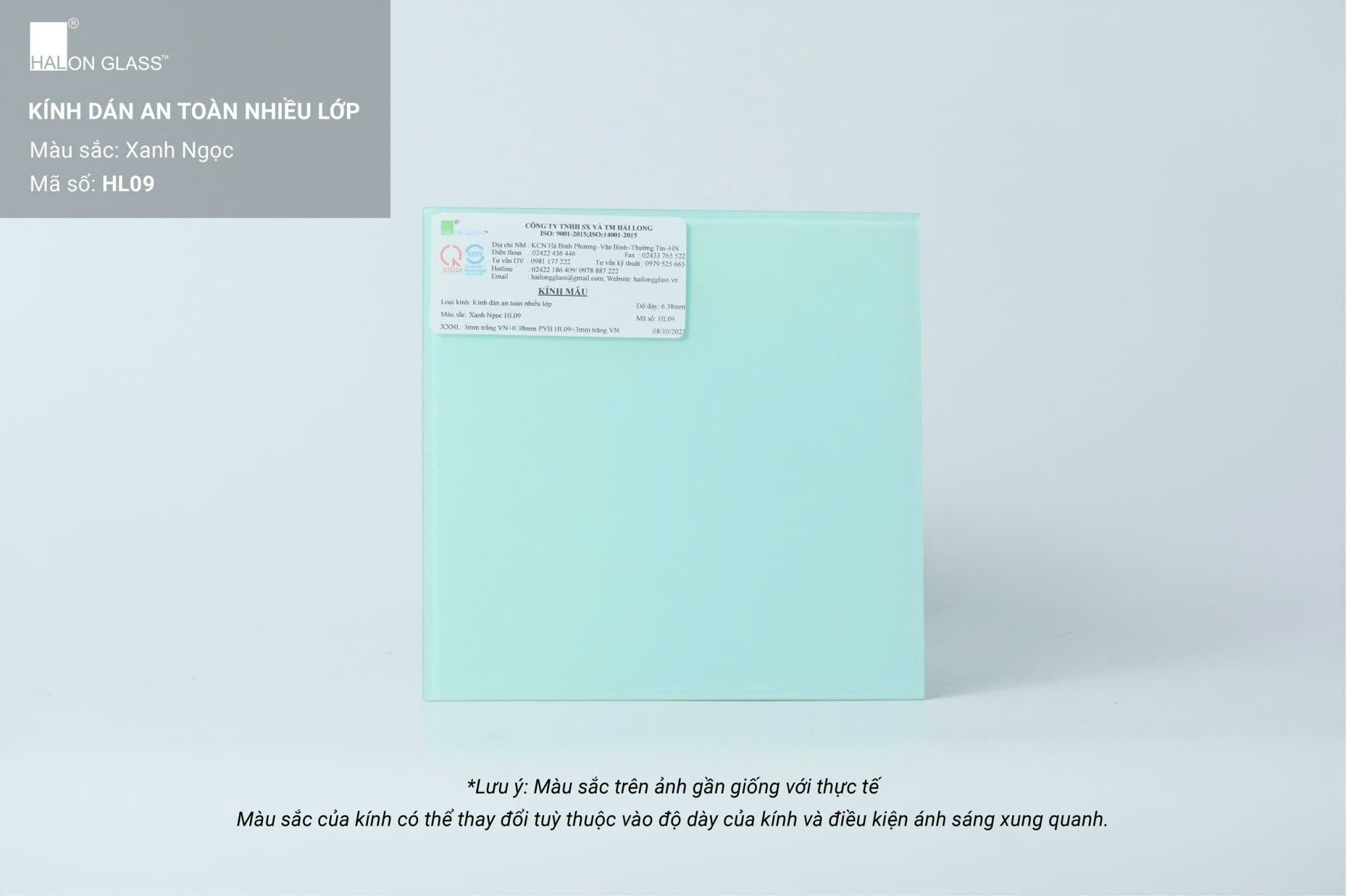
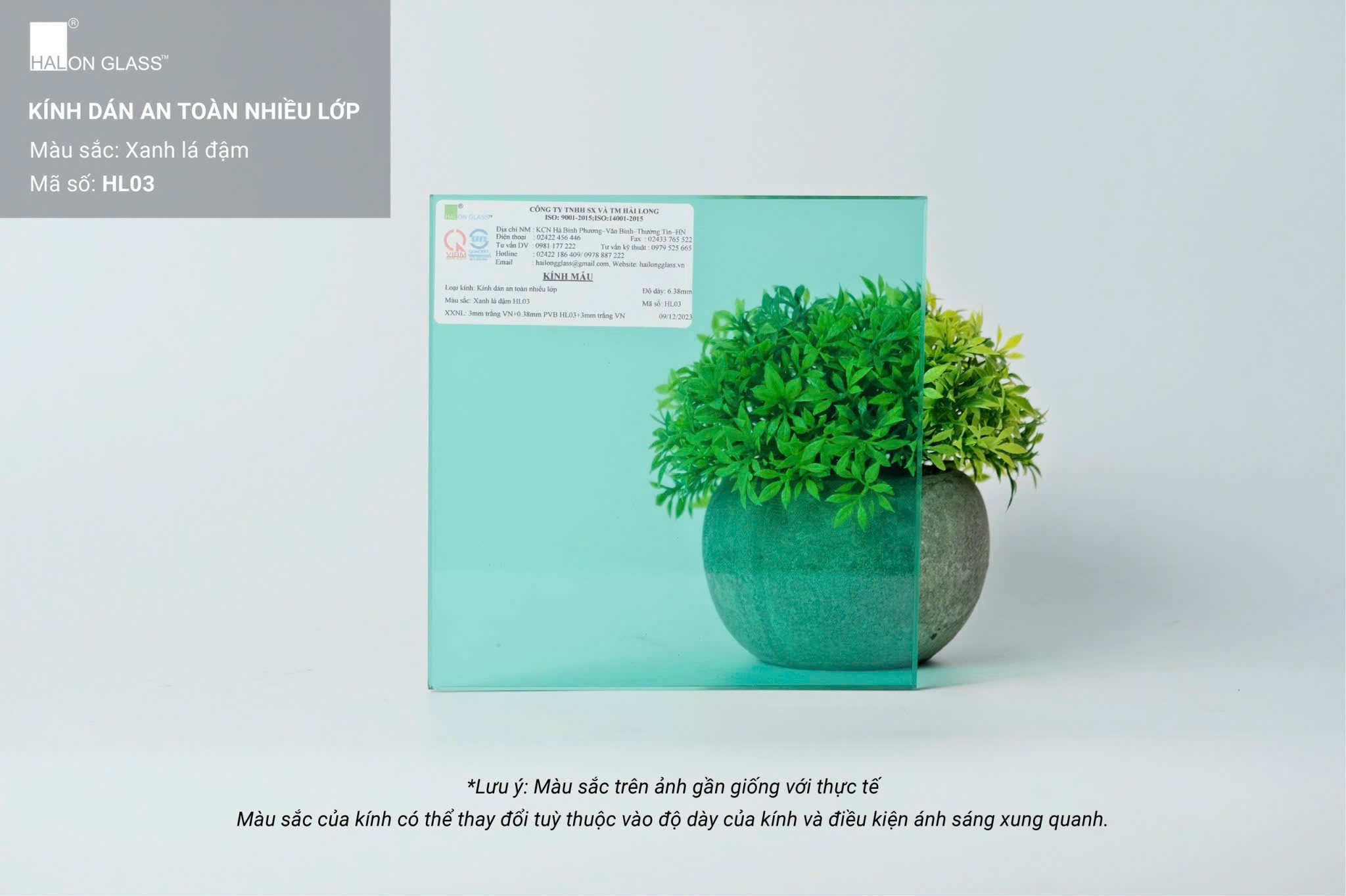
When choosing a supplier and fabricator of laminated safety glass, several professional criteria should be considered to ensure quality and long-term safety:
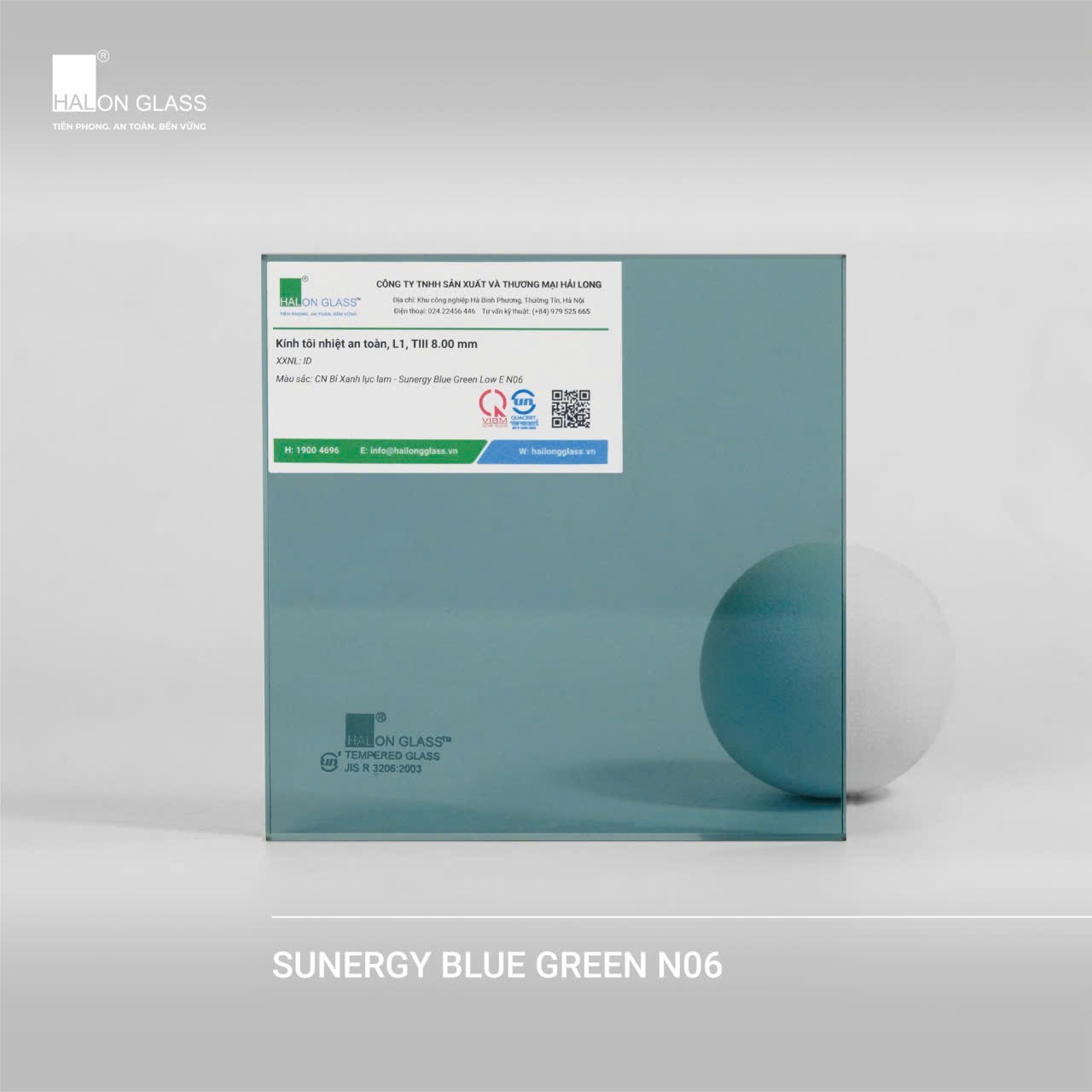
Ngoc Quyet Company provides custom-cut laminated safety glass in a wide variety of types, thicknesses, and film configurations, meeting the needs of both residential and large-scale projects. Please contact us for expert technical advice and to choose the optimal glass solution for your project. You will also receive free glass samples for visual assessment of color, clarity, and sun/sound insulation capabilities before placing your order.