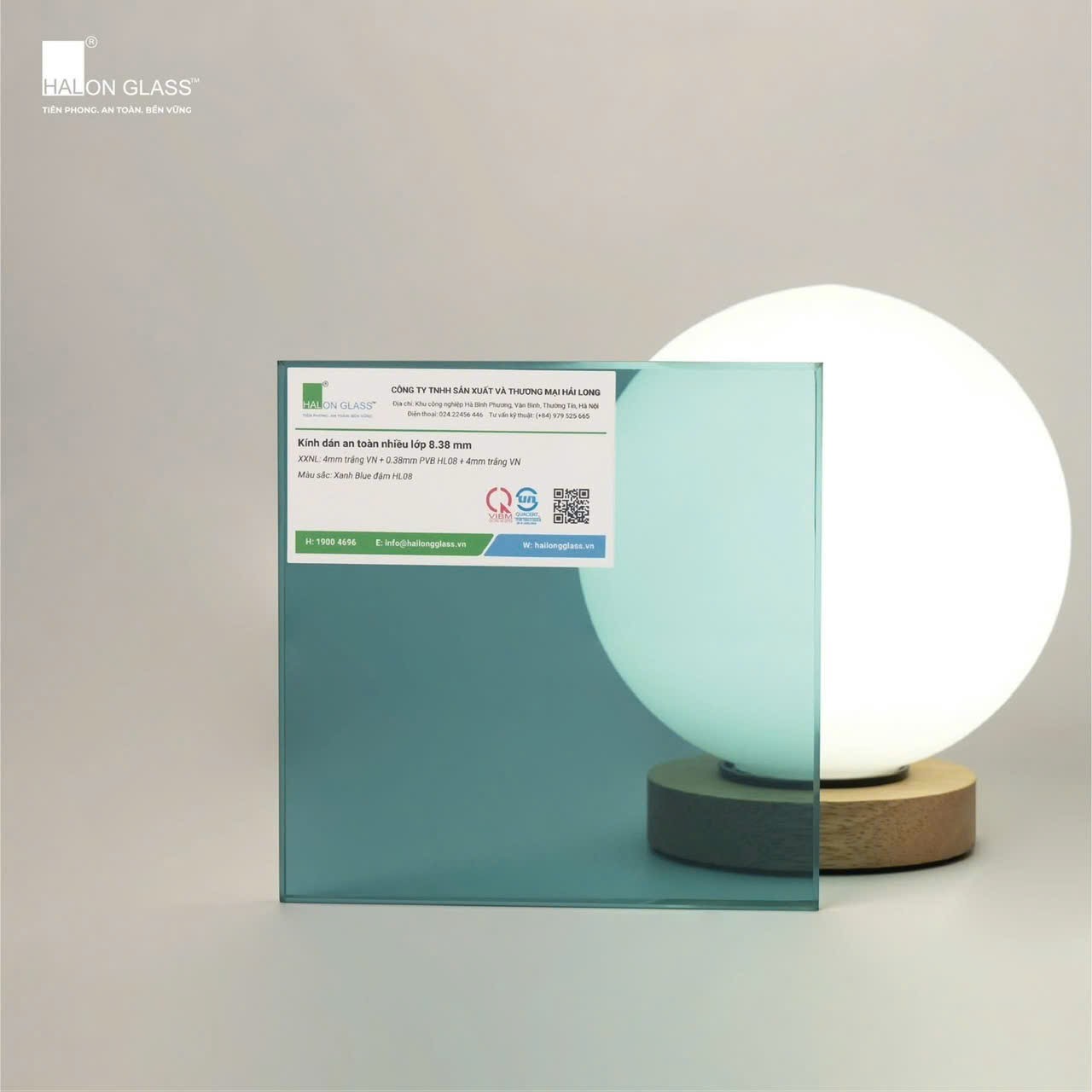
Architectural laminated safety glass
Laminated safety glass for construction
Concepts and structure of laminated safety glass in construction;
Technical standards and safety requirements in construction;
Classification of laminated safety glass by function;
Outstanding advantages and practical applications;
Benefits in sound insulation, heat insulation and energy saving;
Notes on design, construction and supplier selection.
Criteria for selecting safety laminated glass and suppliers.
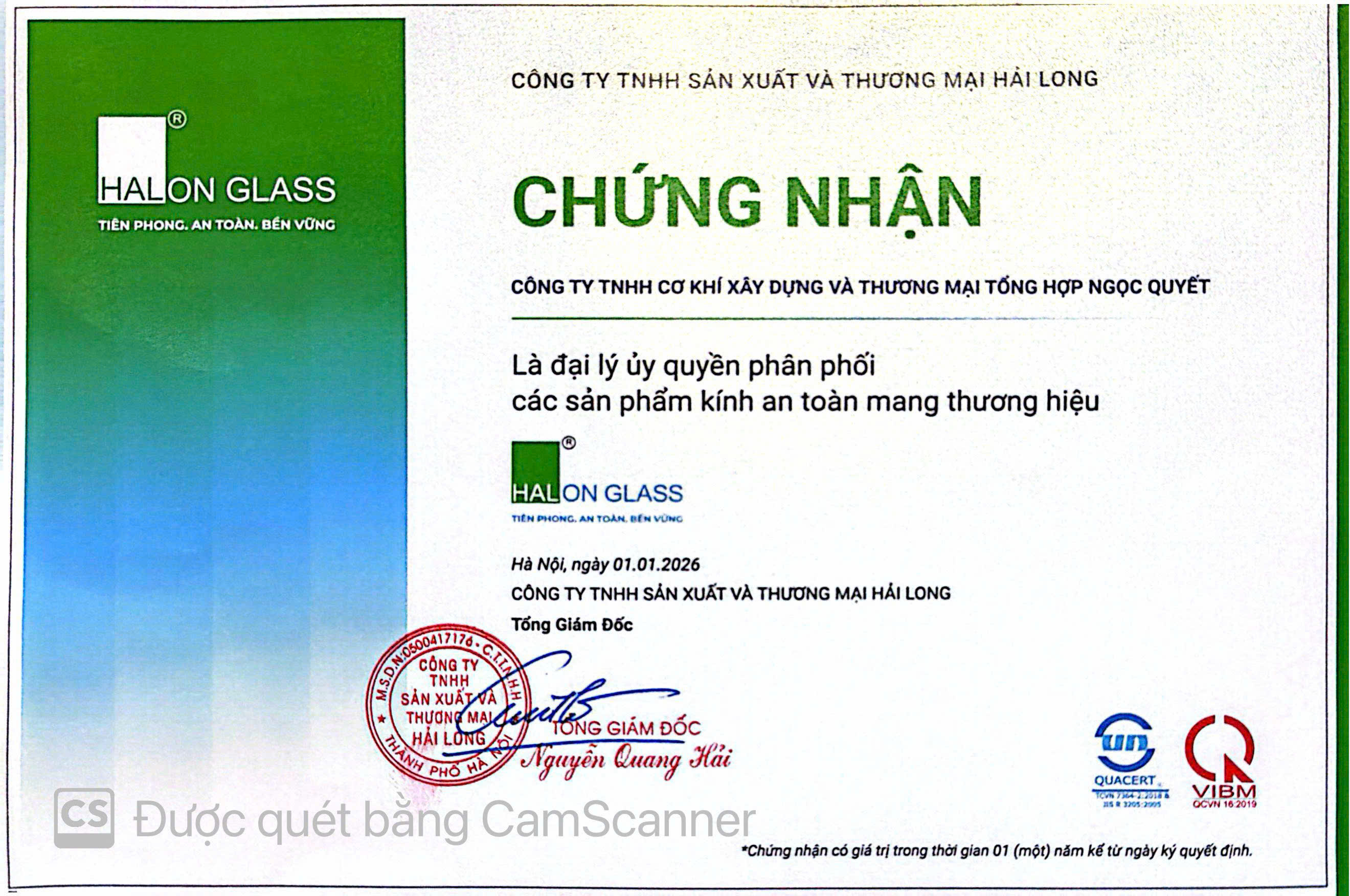
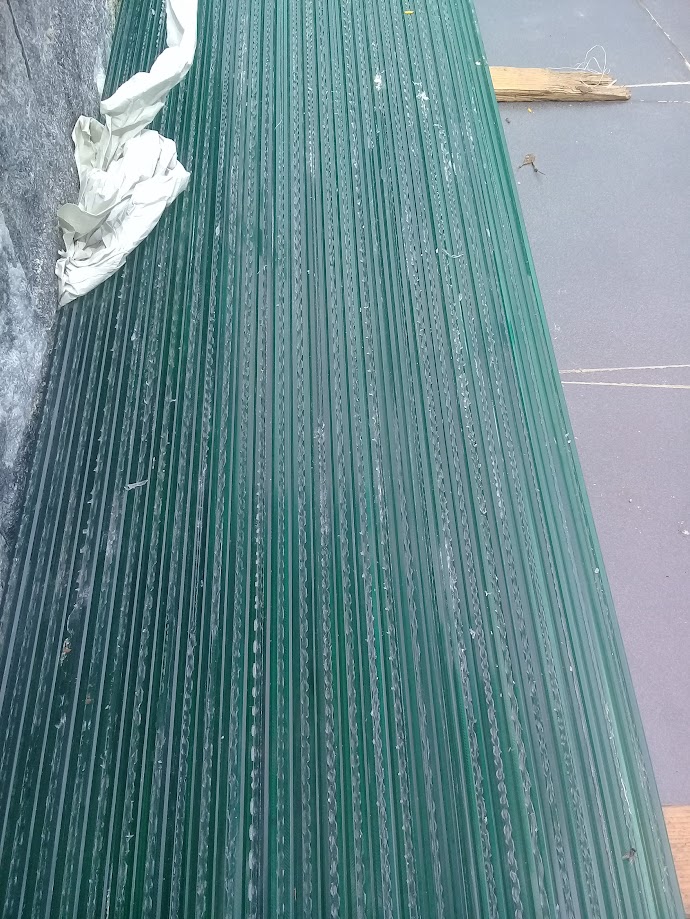
Laminated safety glass for construction is a type of glass composed of two or more flat glass layers with one or more special bonding film layers in between, most commonly PVB (Polyvinyl Butyral) , but also SGP (SentryGlas) , EVA, or other specialized interlayers. The glass layers and film layers are pressed tightly together under high temperature and pressure in an autoclave, creating a homogeneous glass sheet with high adhesion. When broken, it does not shatter into sharp fragments but adheres tightly to the film, minimizing the risk of injury to users.
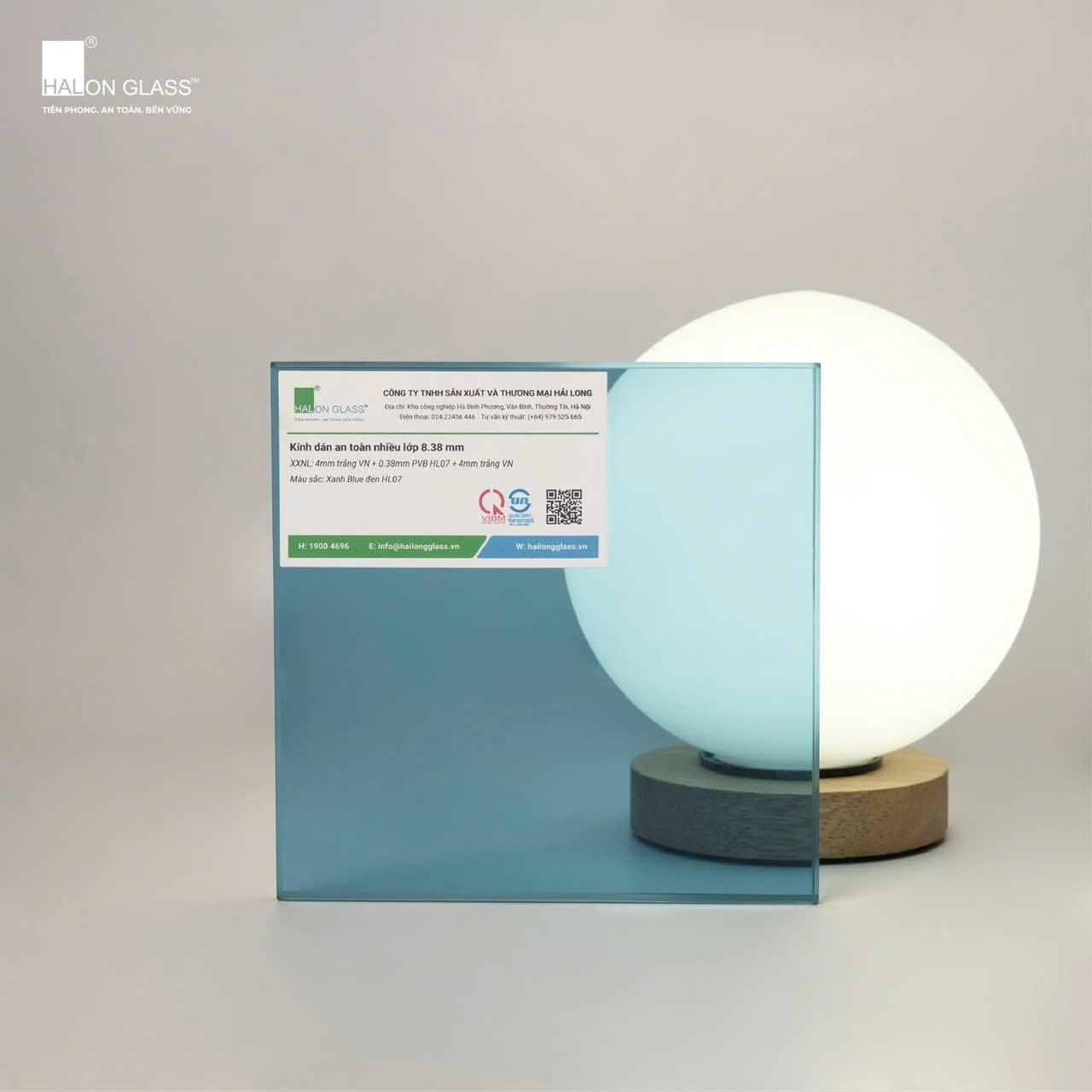
Structurally, laminated safety glass can be divided into basic types such as: standard laminated glass (two layers of 3mm–10mm glass with a 0.38–1.52mm PVB layer), multi-layered laminated glass (3–5 layers of glass combined with multiple film layers), tempered laminated glass (each glass layer is tempered before lamination), and high-strength laminated glass with SGP film for superior bending, impact, and tear resistance. This structural diversity allows engineers to choose the appropriate configuration for each application, such as curtain walls, glass roofs, railings, partitions, doors, windows, glass floors, or special structures bearing heavy loads.
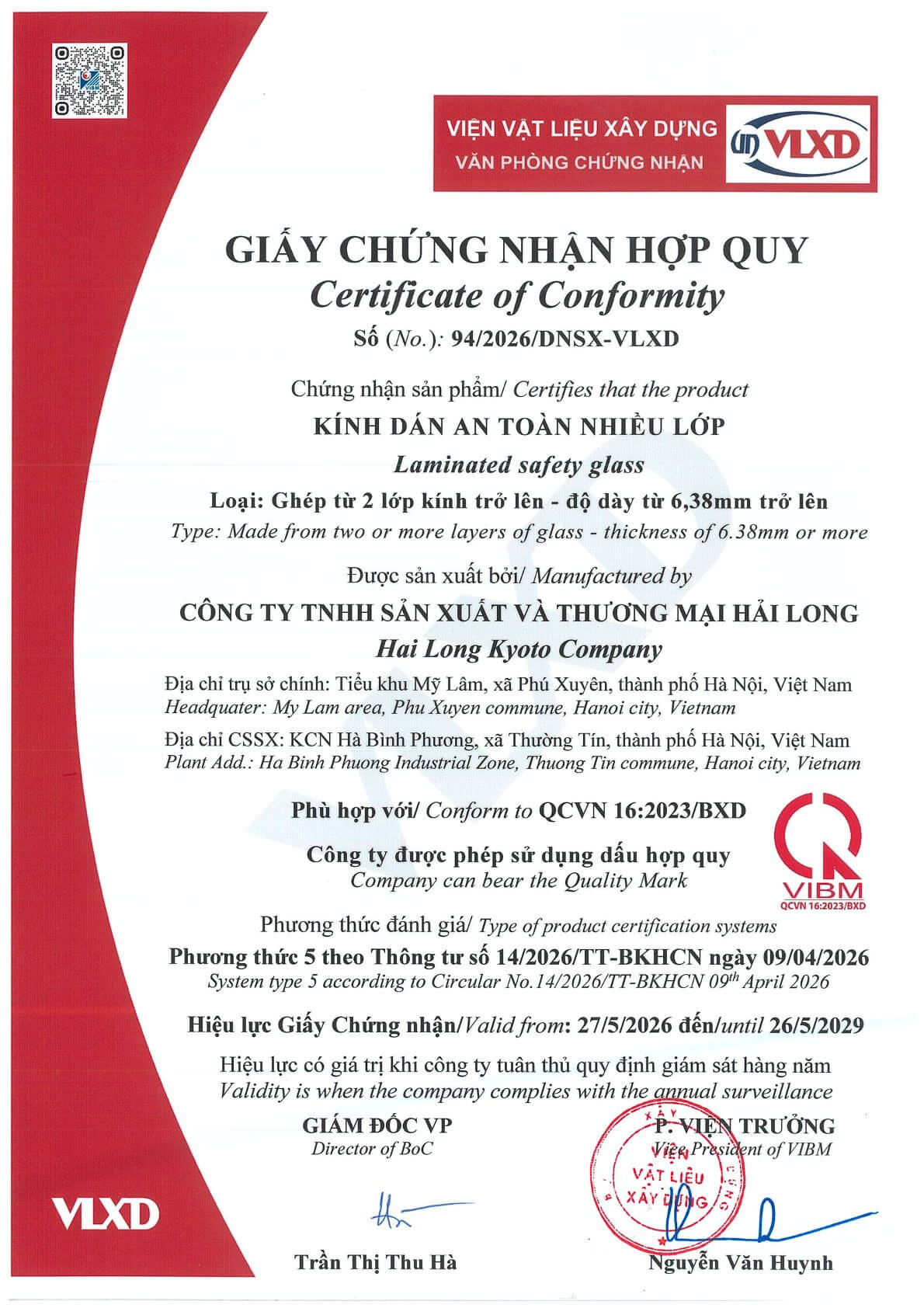
In the construction industry, laminated safety glass must simultaneously meet multiple sets of standards: mechanical, user safety, fire safety, sound insulation, thermal insulation, and environmental durability. Commonly cited standards include TCVN 7364 on building glass, TCVN 7452 on safety glass, along with international standards such as EN 14449 , EN 12543 , ASTM C1172 , and ANSI Z97.1 . These standards specify details regarding flexural strength, impact resistance, film adhesion, light transmission, opacity, UV resistance, and artificial aging test requirements.
For high-risk structures such as glass railings, glass roofs, skylights, and glass floors, safety standards require the use of laminated safety glass or tempered laminated glass with a minimum thickness of 5+5mm or 6+6mm, along with an appropriate thickness of PVB or SGP film. During design, engineers must calculate wind loads, user loads, accidental impact loads, and thermal loads to select the appropriate glass thickness, number of film layers, interlayer type, and connection method to the frame, bolts, spiders, or aluminum systems. Strict adherence to these standards not only ensures safety but also provides a crucial legal basis for project acceptance and insurance.
Safety laminated glass in construction can be classified according to various criteria, with classification by function being the most common. Basic safety laminated glass focuses on shatter resistance, protecting users from sharp glass fragments, and is commonly used for doors, windows, interior partitions, and railings. Soundproof safety laminated glass uses a PVB film or specialized film with vibration-reducing and sound-absorbing properties, achieving a sound insulation index (Rw) of 35–45 dB, suitable for buildings near roads, airports, and factories.
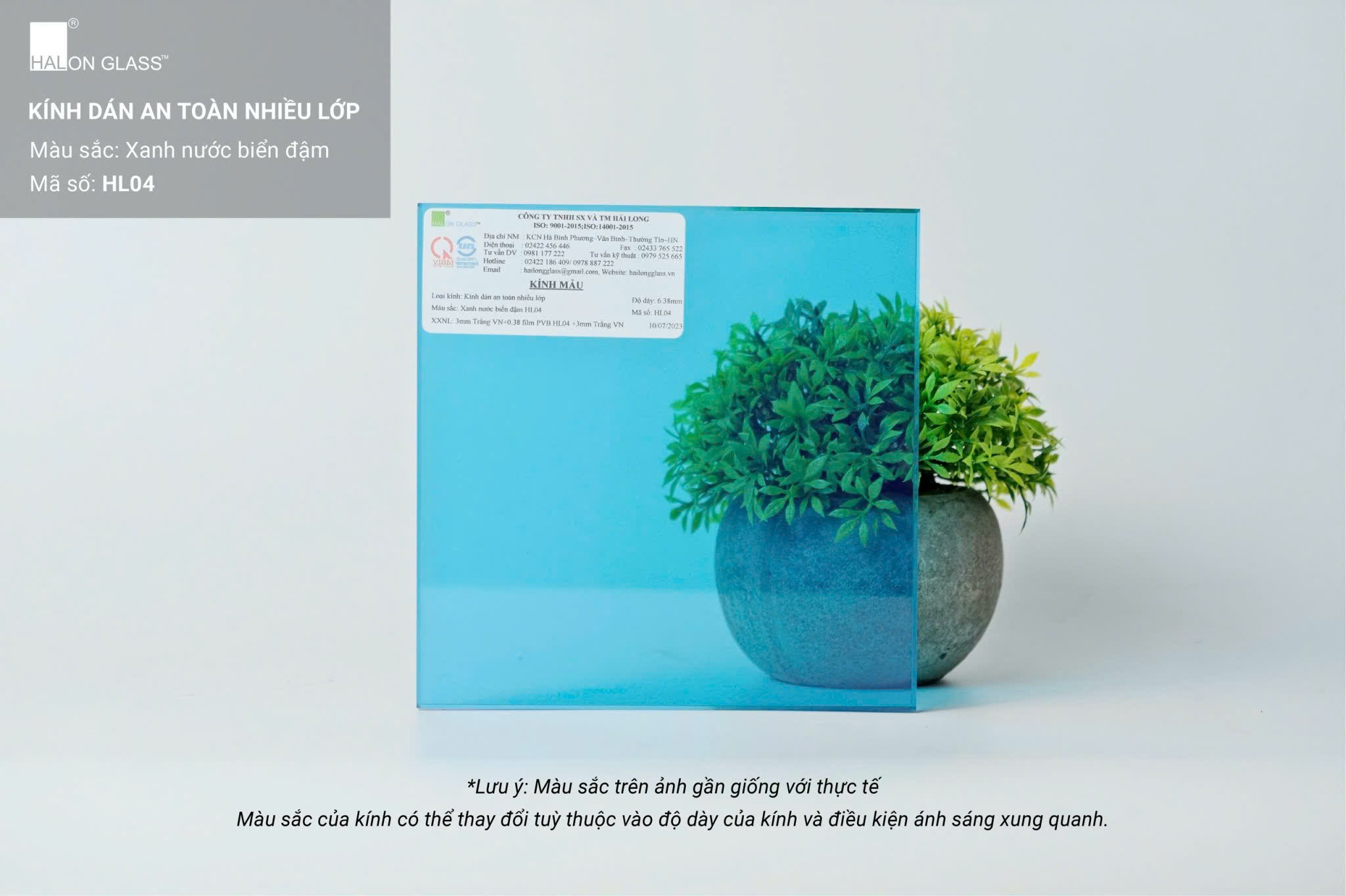
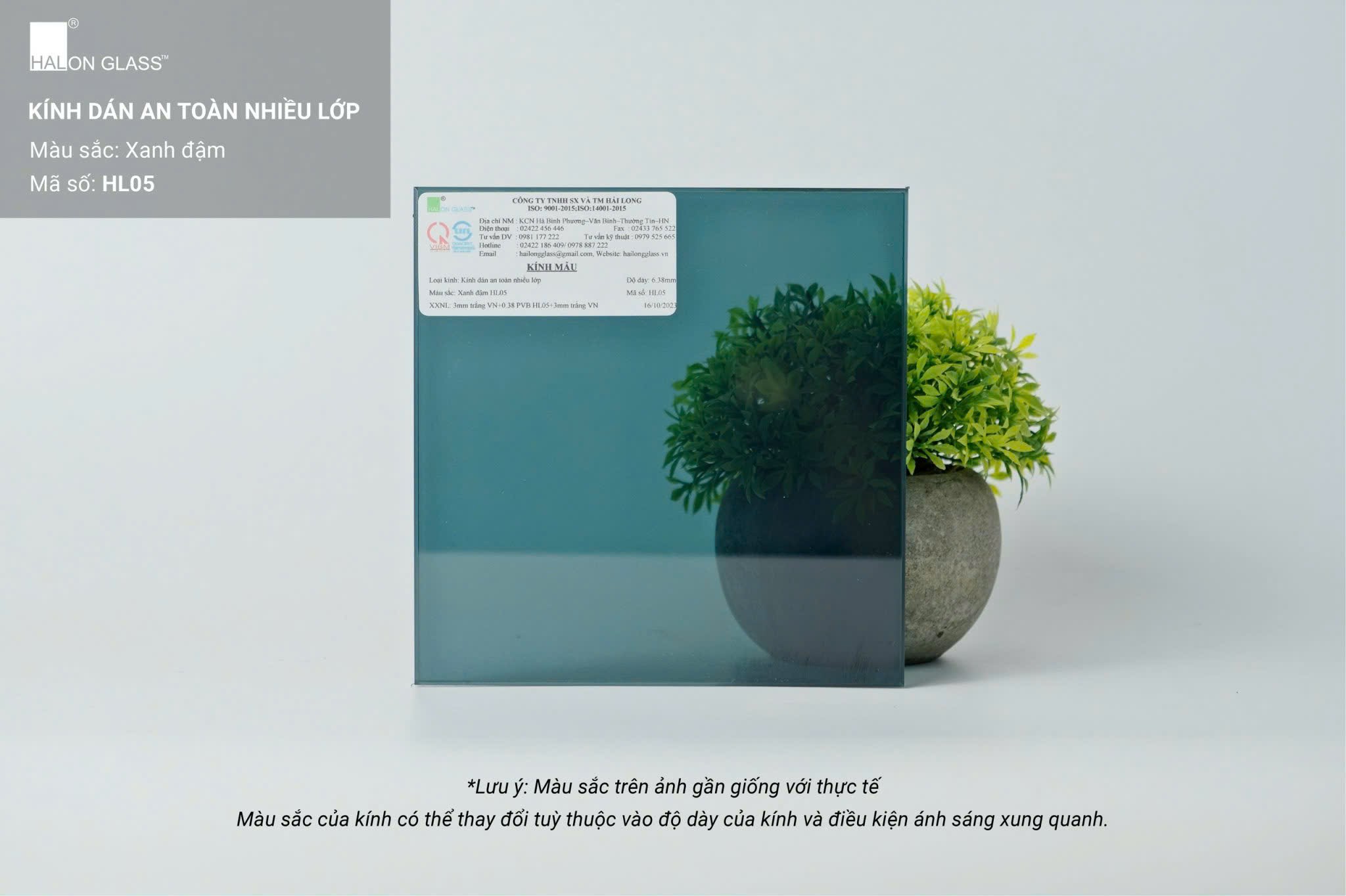
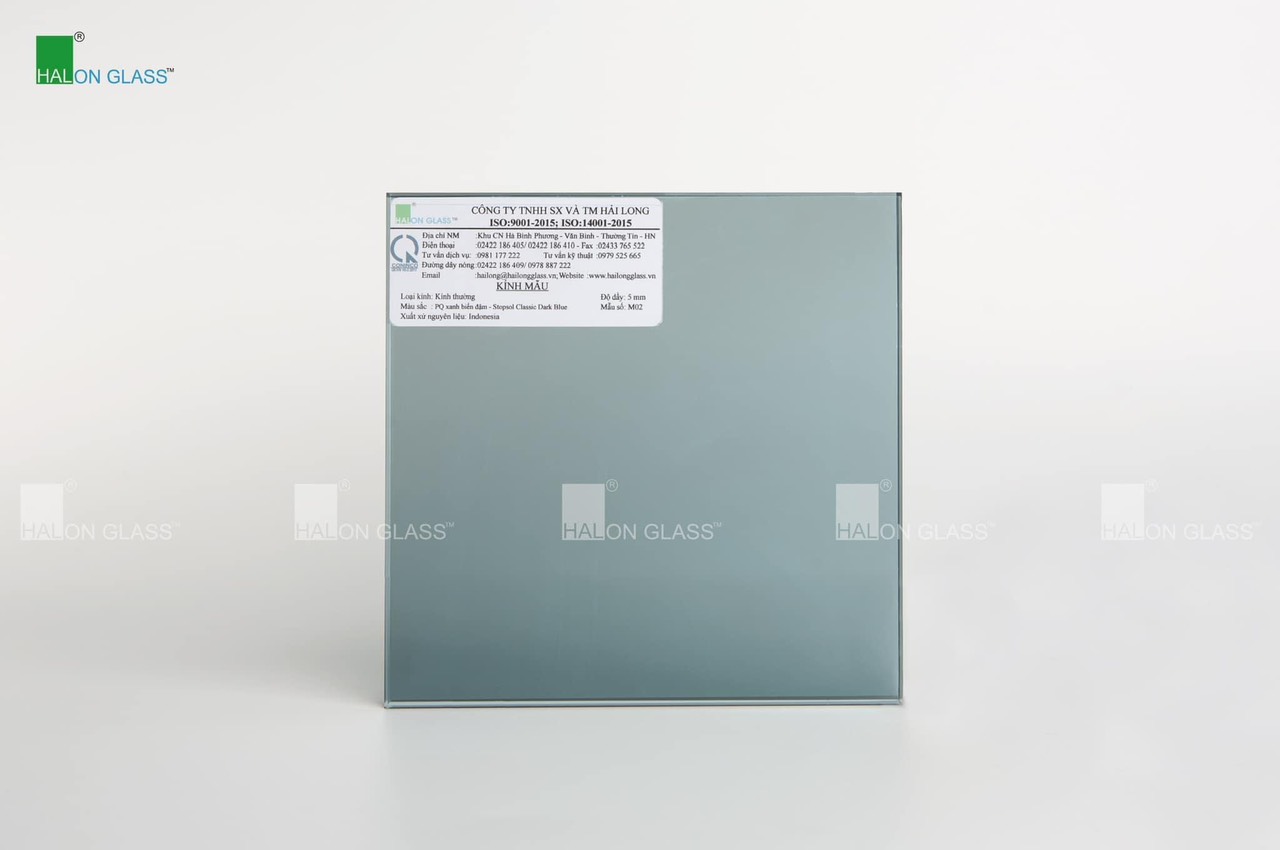
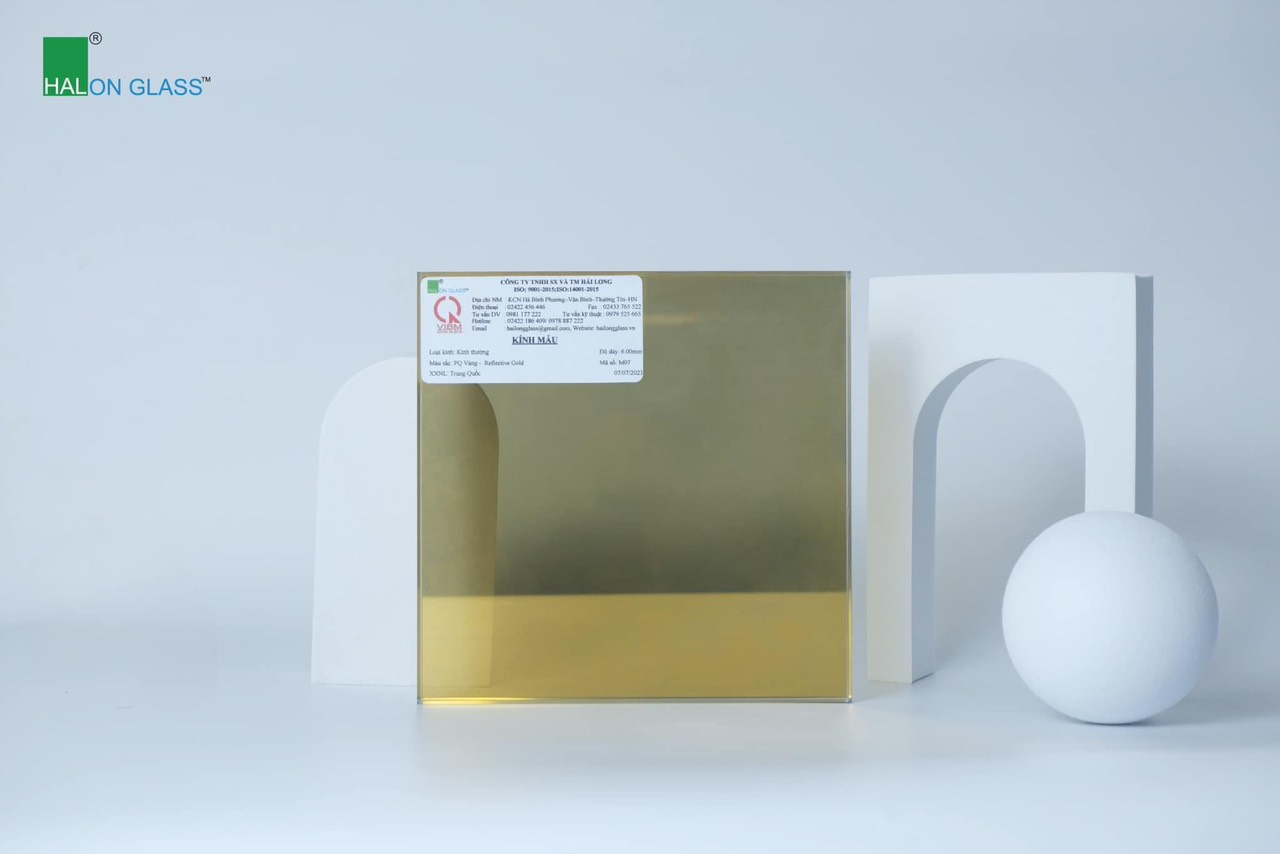
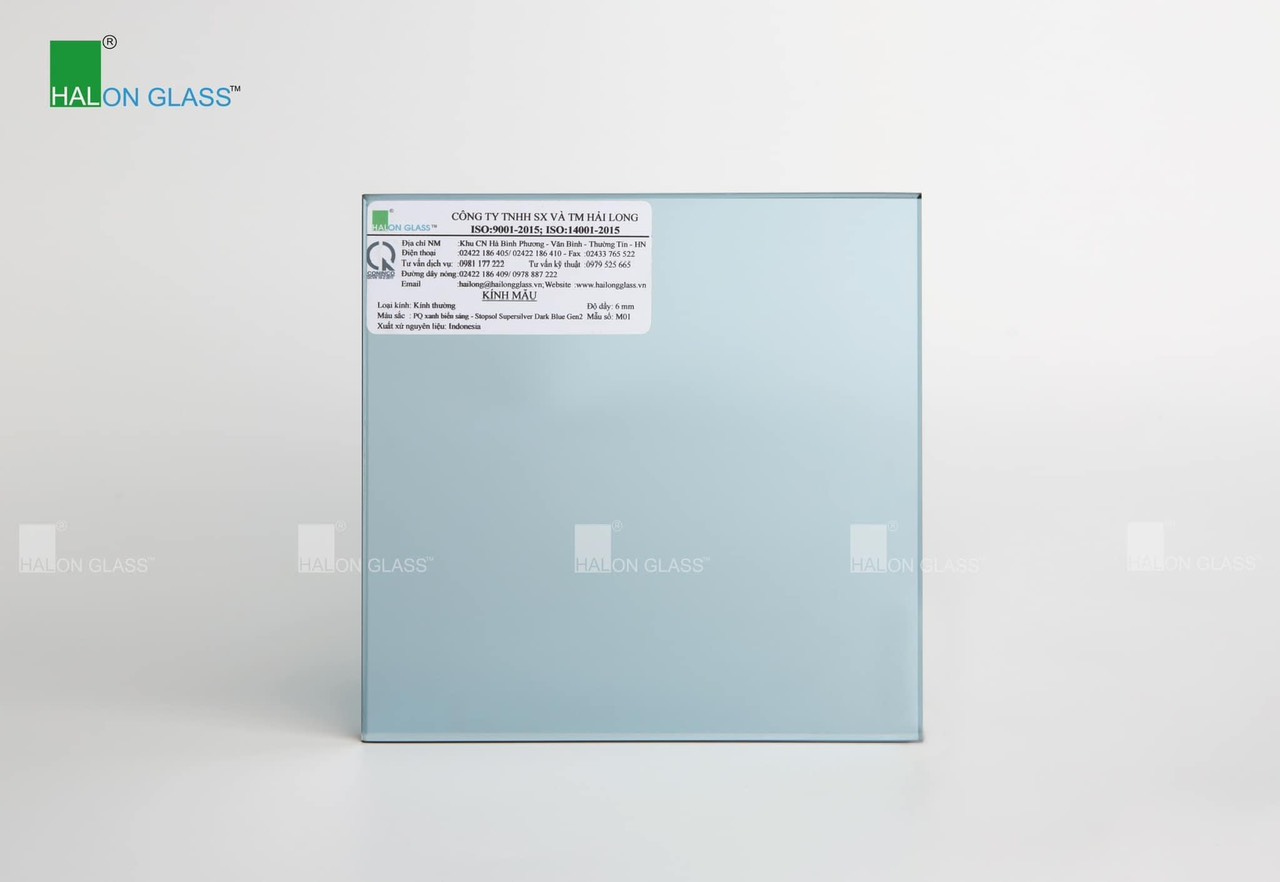
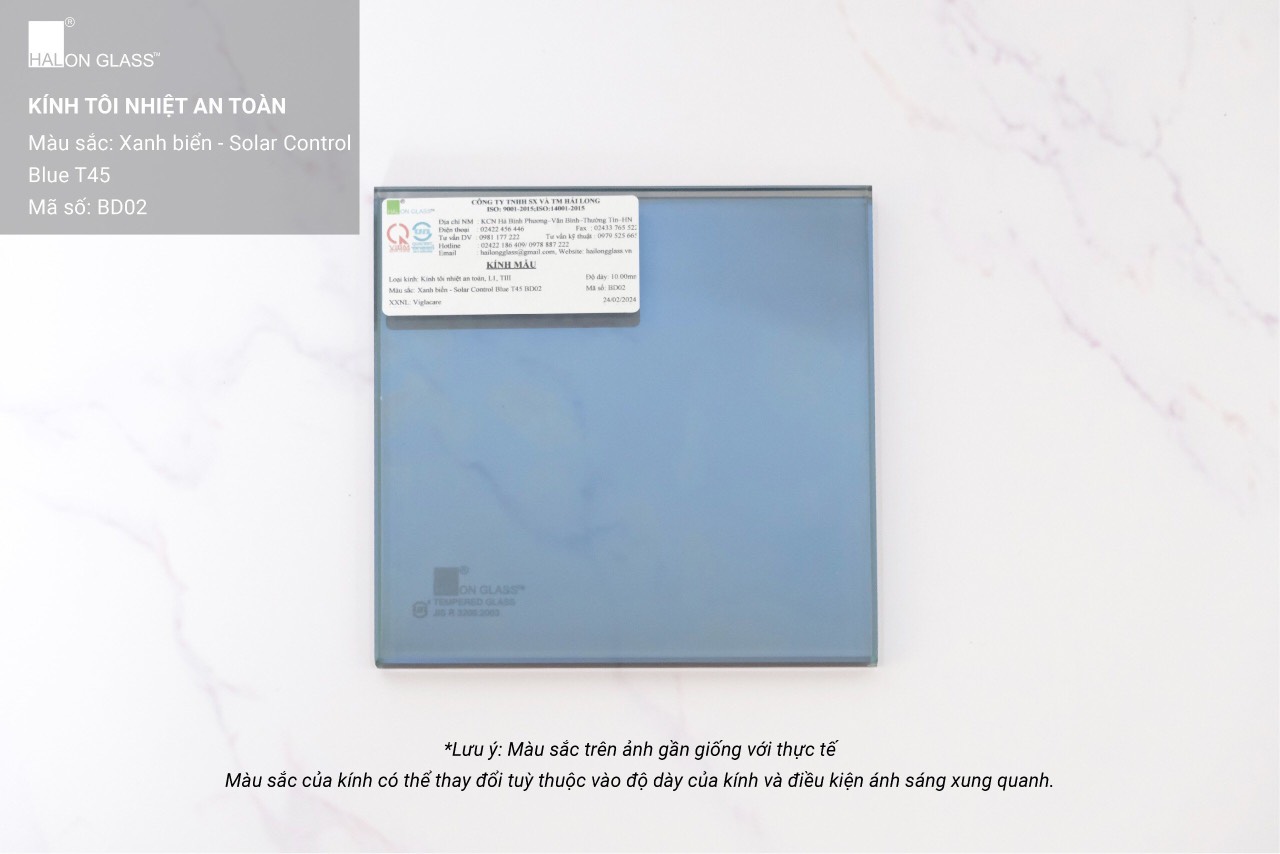
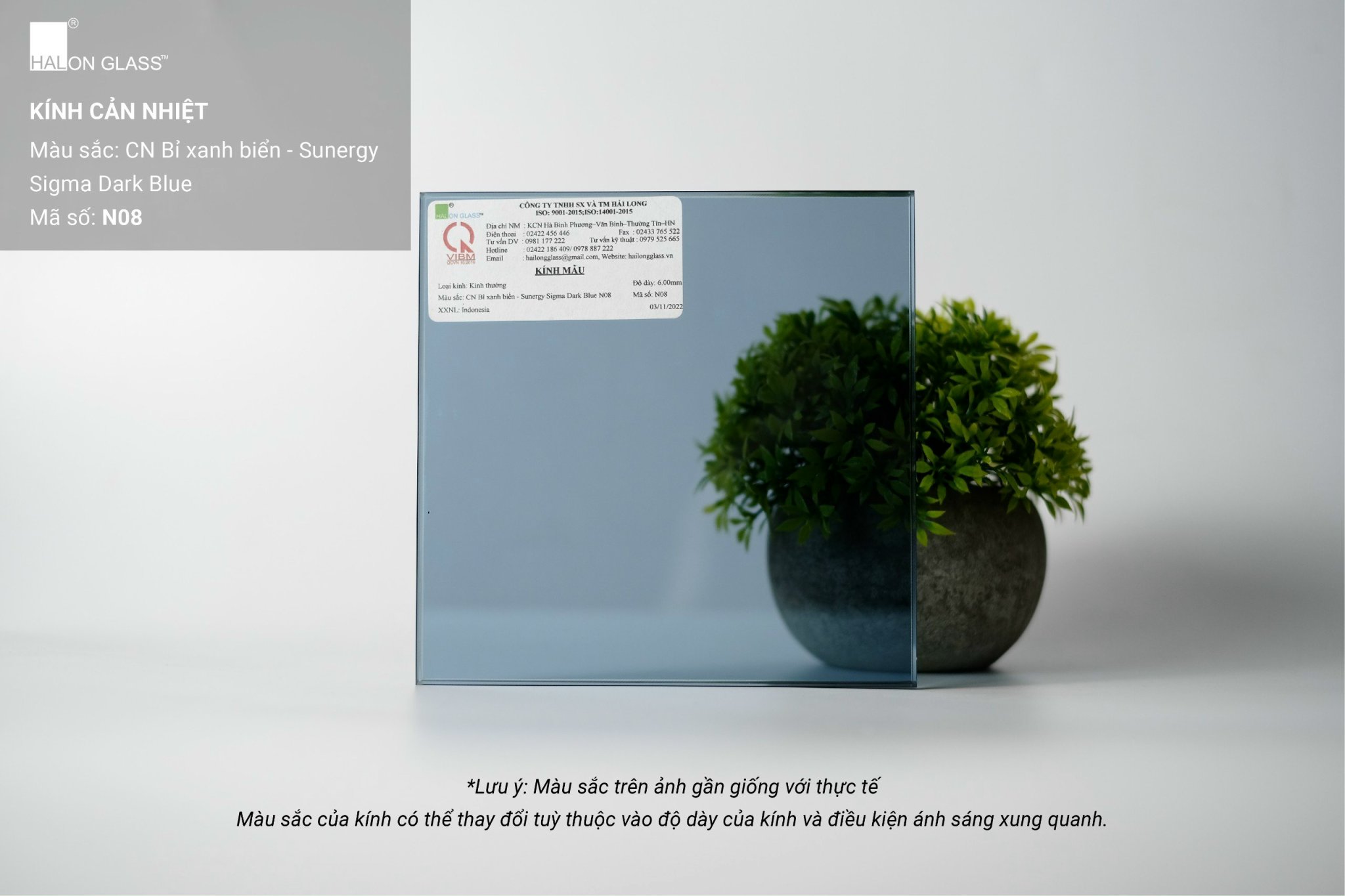
Bulletproof and vandal-resistant laminated safety glass utilizes multiple layers of glass and film with a total thickness, tested for ballistic and vandal resistance levels, and is commonly used in banks, showrooms, and high-security areas. Additionally, there are low-e laminated safety glass with heat-reflective coatings, colored laminated safety glass with decorative films, and reflective laminated safety glass for curtain walls, optimizing aesthetics, energy efficiency, and safety simultaneously.
Compared to regular glass or single-layer tempered glass, laminated safety glass offers many superior advantages. In terms of mechanical safety, when subjected to strong impact leading to cracking, the glass fragments remain firmly attached to the film layer, minimizing the risk of falling, which is especially important for elevated locations such as glass roofs, skylights, facades, and glass floors. In terms of security, the multi-layer structure makes the glass difficult to completely shatter, extending the time it takes for unauthorized entry and supporting more effective proactive security systems such as alarms and cameras. Regarding health, the PVB film layer can block up to 99% of UV rays , reducing the risk of fading of furniture, wooden floors, and curtains, and protecting users' skin from the harmful effects of ultraviolet radiation.
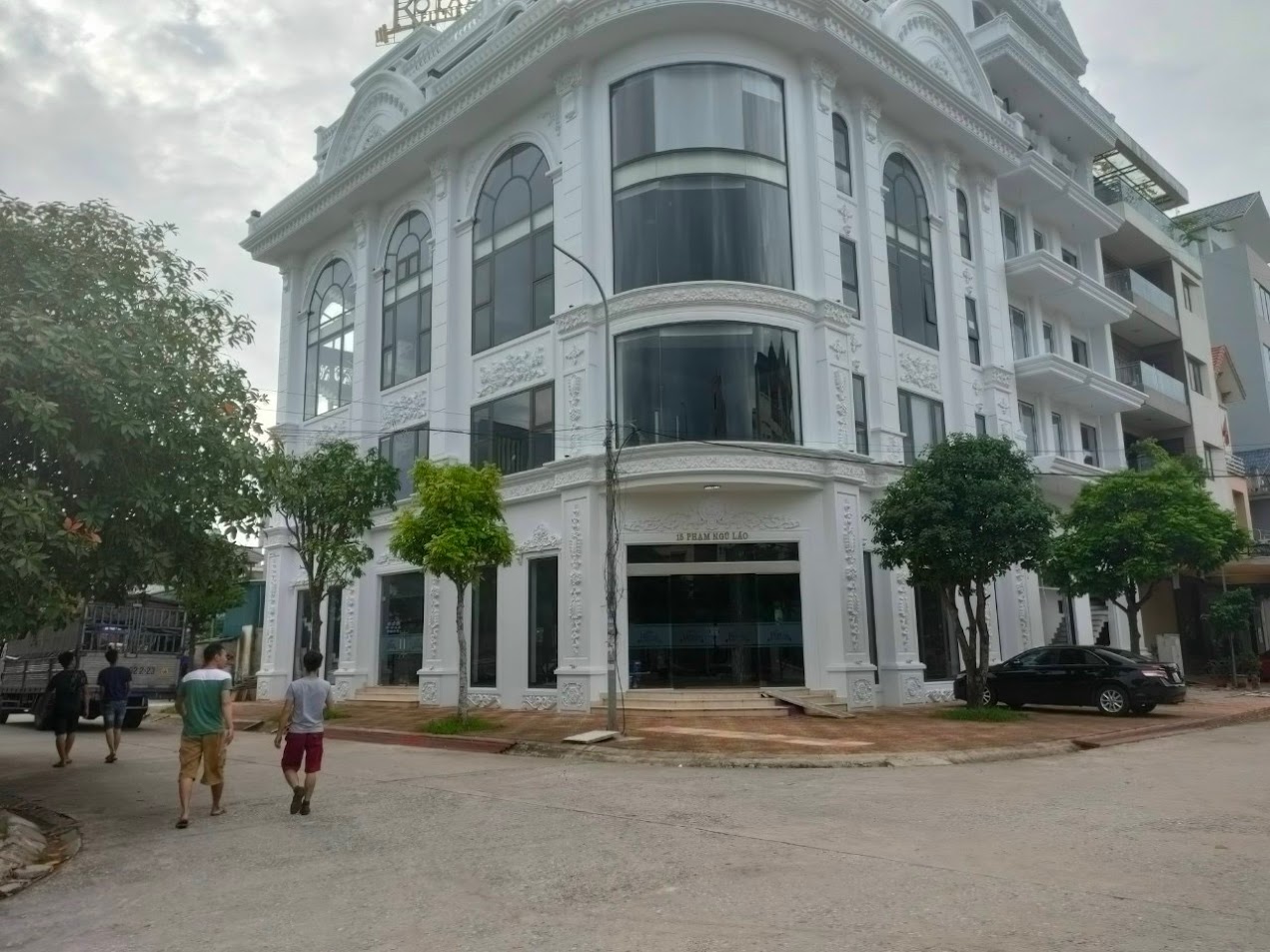
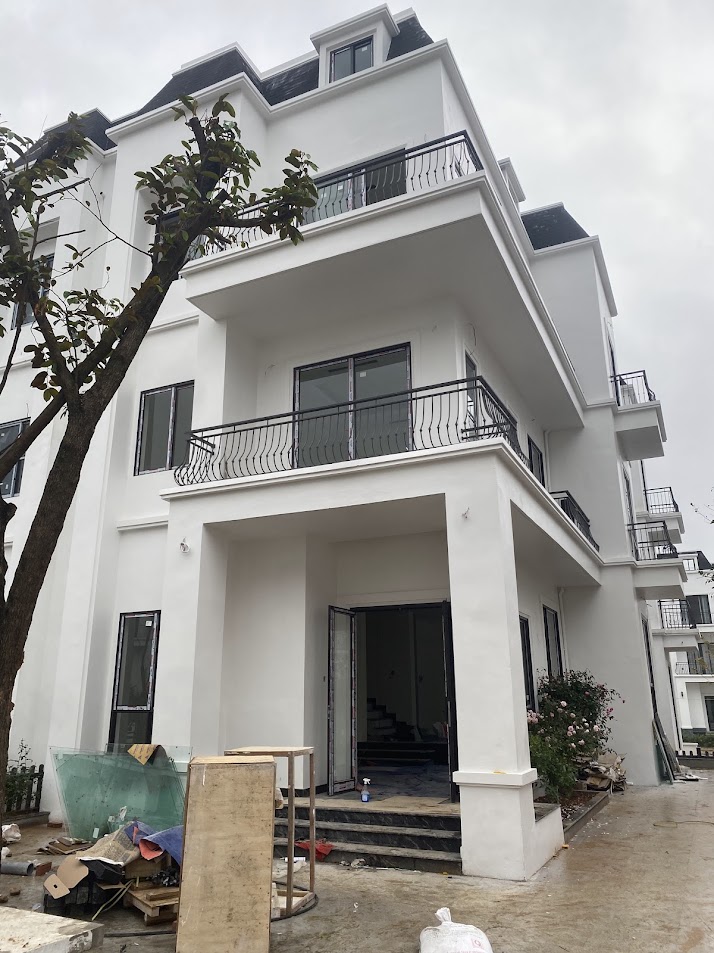
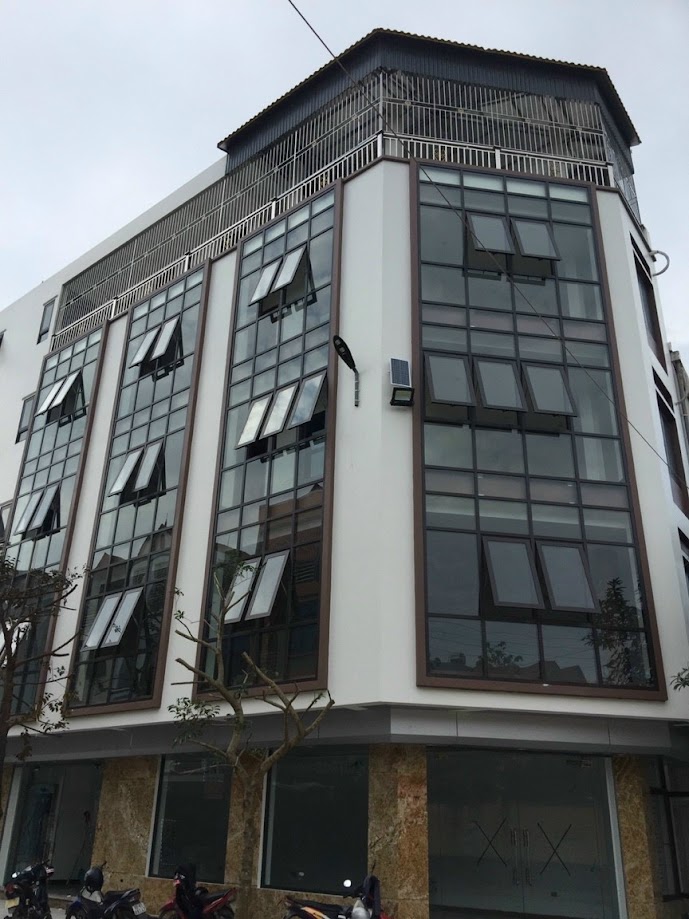
In practice, laminated safety glass is widely used in many applications: aluminum-framed glass curtain walls, spider curtain walls, high-rise glass walls, balcony railings, stair railings, glass canopies for lobbies, skylights, light wells, glass floors, glass shower enclosures, doors, windows, office partitions, showrooms, shopping malls, train stations, airports, hospitals, and schools. In high-rise buildings, the use of laminated safety glass for the entire curtain wall and railing system is not only a modern architectural trend but also a mandatory requirement in many fire safety and building safety regulations.
One of the key advantages of laminated safety glass is its ability to significantly improve energy efficiency and acoustic performance in buildings. The PVB film layer possesses certain elasticity and viscosity, helping to absorb sound vibrations and reduce sound transmission through the glass, particularly effective in the mid- and high frequency ranges. When combined with a double-glazed structure (laminated safety glass + air chamber + single or laminated glass), the U-value heat transfer coefficient is significantly reduced, supporting stable operation of air conditioning systems and saving operating costs.
For buildings using low-e safety laminated glass or reflective laminated glass, a thin metal coating on the glass surface reflects solar radiation, reducing heat load in the summer and minimizing heat loss in the winter. The combination of film and coating creates an effective cladding system that meets the criteria for green buildings and energy-efficient construction. When advising on solutions, specialists usually calculate the light transmission coefficient, heat absorption coefficient, and reflection coefficient in detail to select the optimal glass configuration for each building orientation and local climate conditions.
To maximize the effectiveness of laminated safety glass in construction , the design and construction phases must be carried out by a highly specialized team. In the design phase, architects and structural engineers must collaborate closely to determine: glass thickness, number of glass layers, film type (PVB, SGP, EVA), film thickness, connection method to the frame, drainage solutions, anti-fogging, and thermal shock protection. For glass roofs, skylights, and glass floors, careful calculations of pedestrian traffic load, snow load (if any), and wind load are necessary, along with the arrangement of drainage systems and safe maintenance and cleaning.
During installation, the steps of cutting glass, grinding edges, drilling holes, and installing accessories must strictly adhere to the manufacturer's procedures and technical standards. Transporting and lifting safety laminated glass requires specialized equipment, avoiding impact on the glass edges and prolonged exposure to humid environments before installation. The silicone sealant, gaskets, glass clamps, handrails, and bolts must be compatible with the type of glass and environmental conditions, ensuring they do not corrode the glass edges or degrade the film's adhesion over time. Acceptance testing requires thorough inspection of the glass surface, flatness, airtightness, drainage capacity, and load-bearing connections.
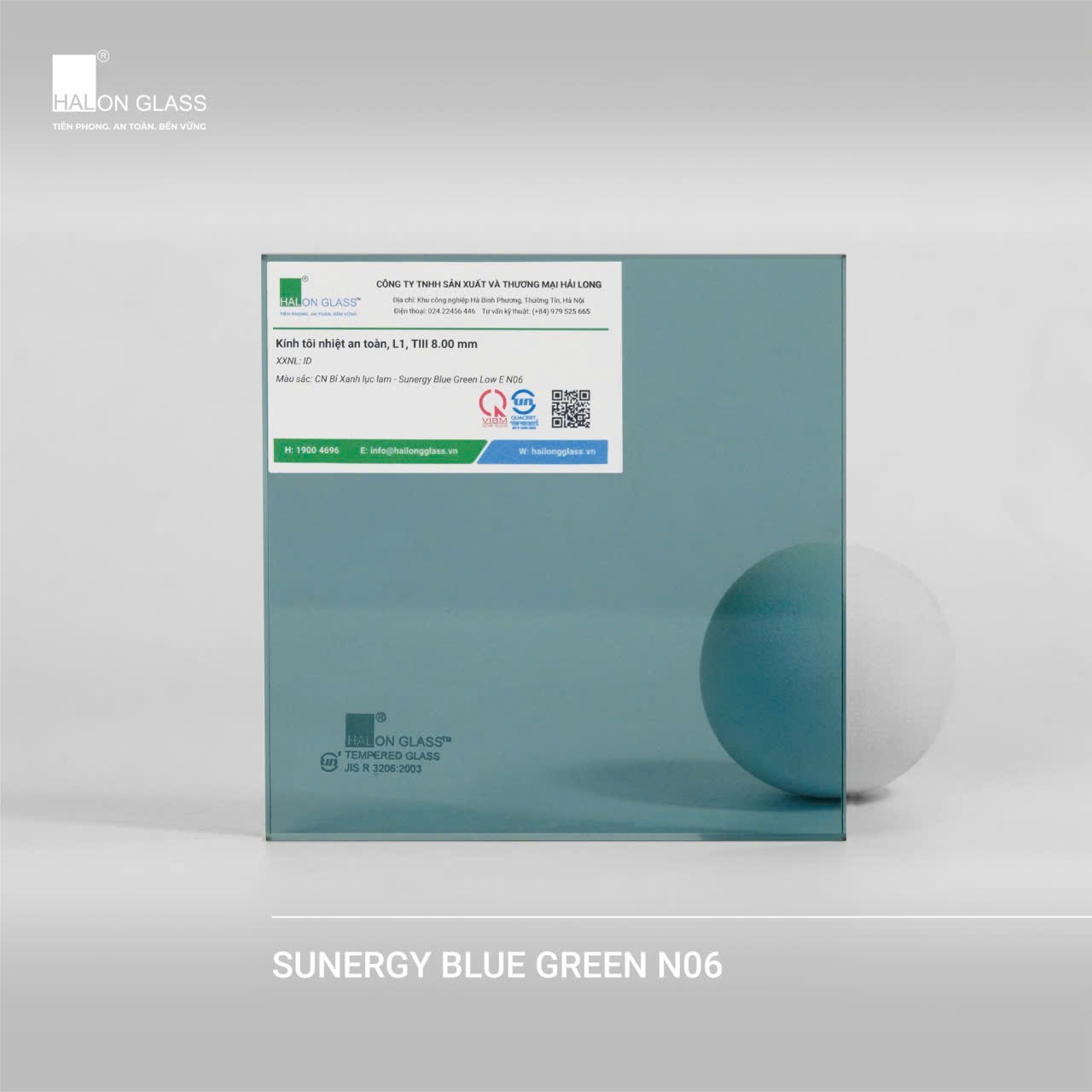
When selecting safety laminated glass for a construction project, investors and contractors should consider several important criteria such as: the origin of the base glass (float glass, ultra-clear glass, low-iron glass), the brand and quality of the film layer, testing certificates according to Vietnamese and international standards, the factory's production capacity (autoclave line, quality control system), warranty period, and after-sales service. For specialized items such as bulletproof glass, fire-resistant glass, and high-strength glass, detailed technical documentation, shop drawings, test reports, and structural simulations are required.
The list of priority criteria includes: quality certification , color stability and transparency , UV resistance , sound insulation , impact resistance , film bonding strength , technical consulting services , and delivery schedule . Collaborating with a company with extensive experience in the construction glass industry helps minimize technical risks, optimize overall costs, and ensure project timelines. For detailed advice on glass configurations, technical solutions, and pricing for safety laminated glass suitable for each project, please contact Ngoc Quyet Company directly to receive expert support from our engineering and sales team.