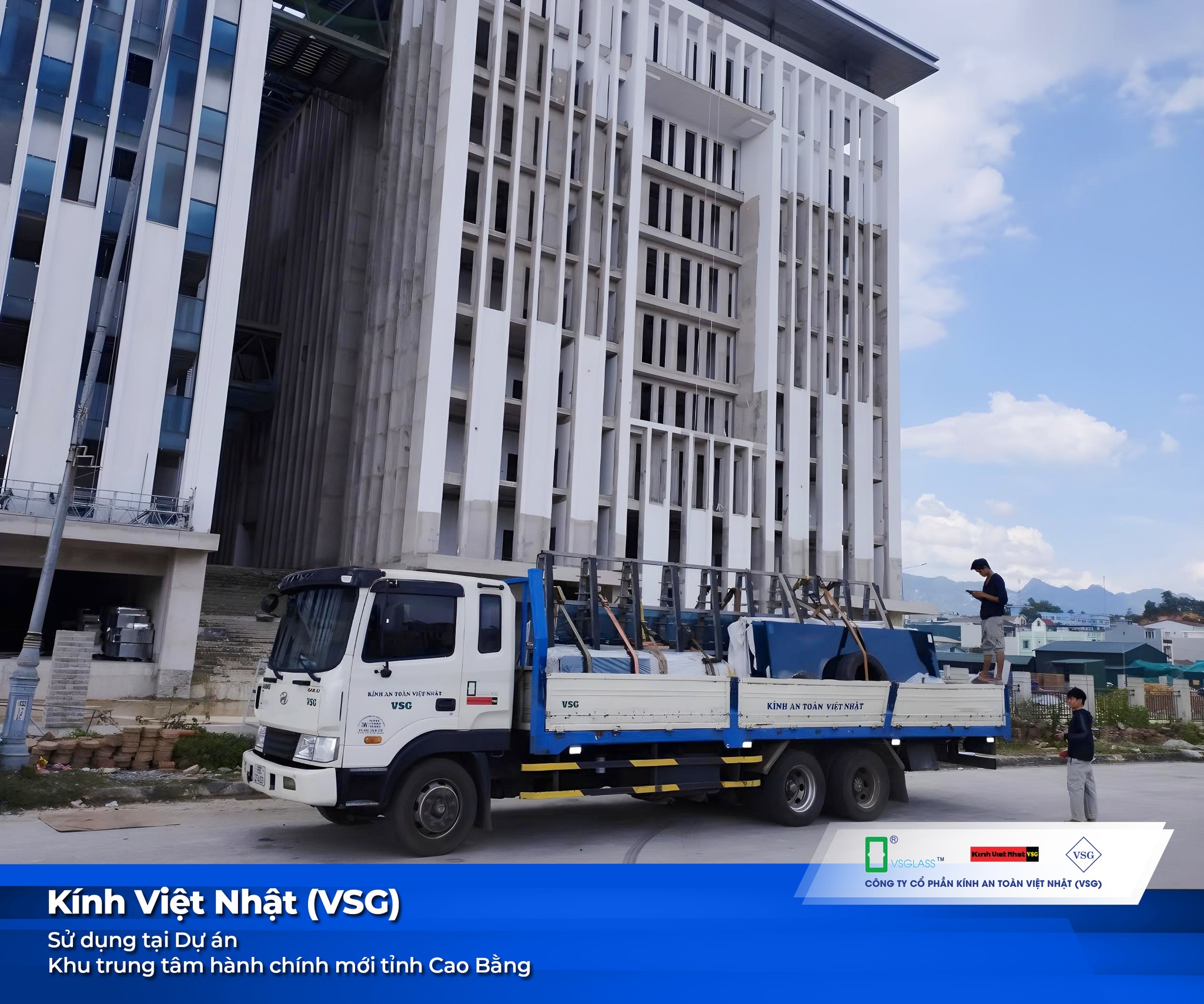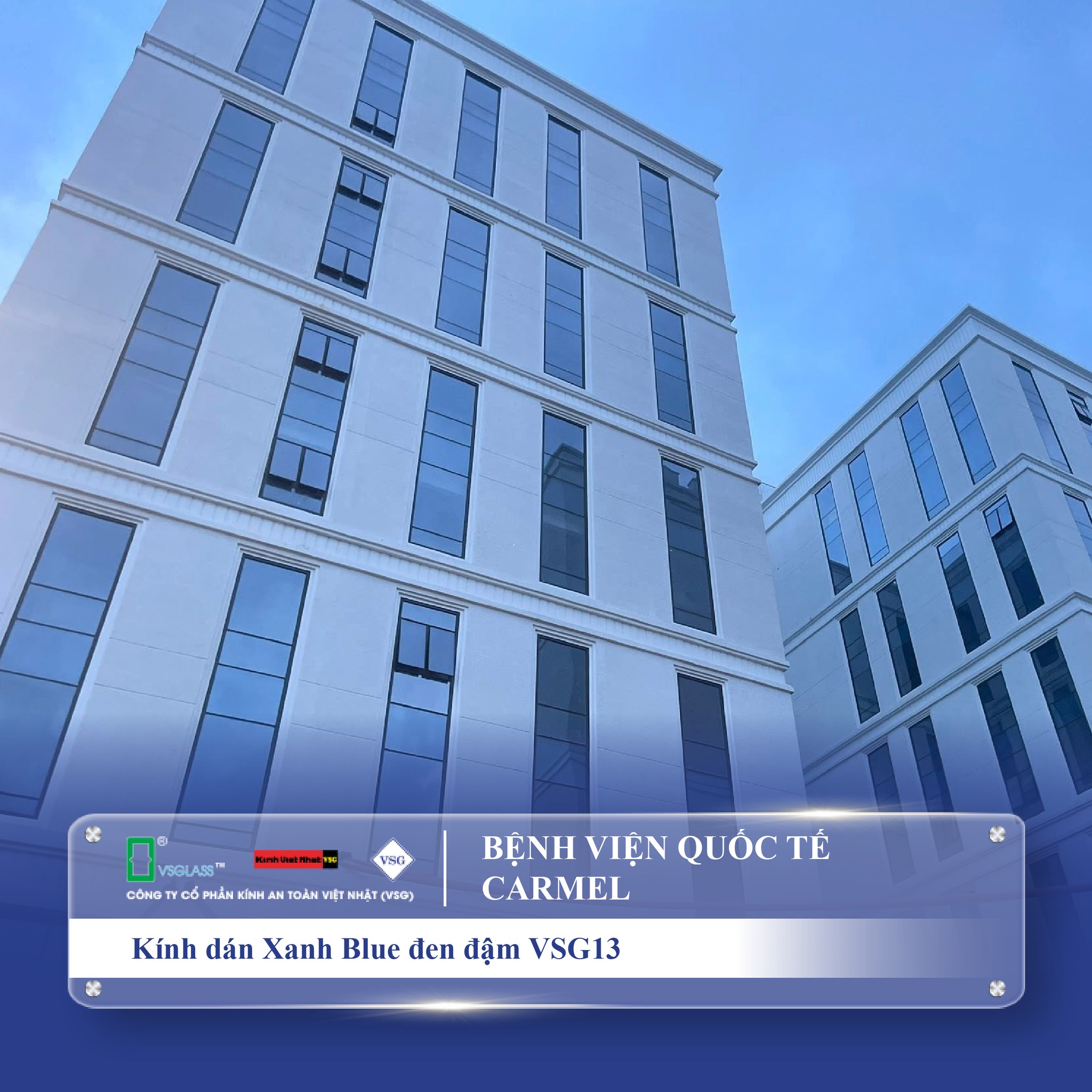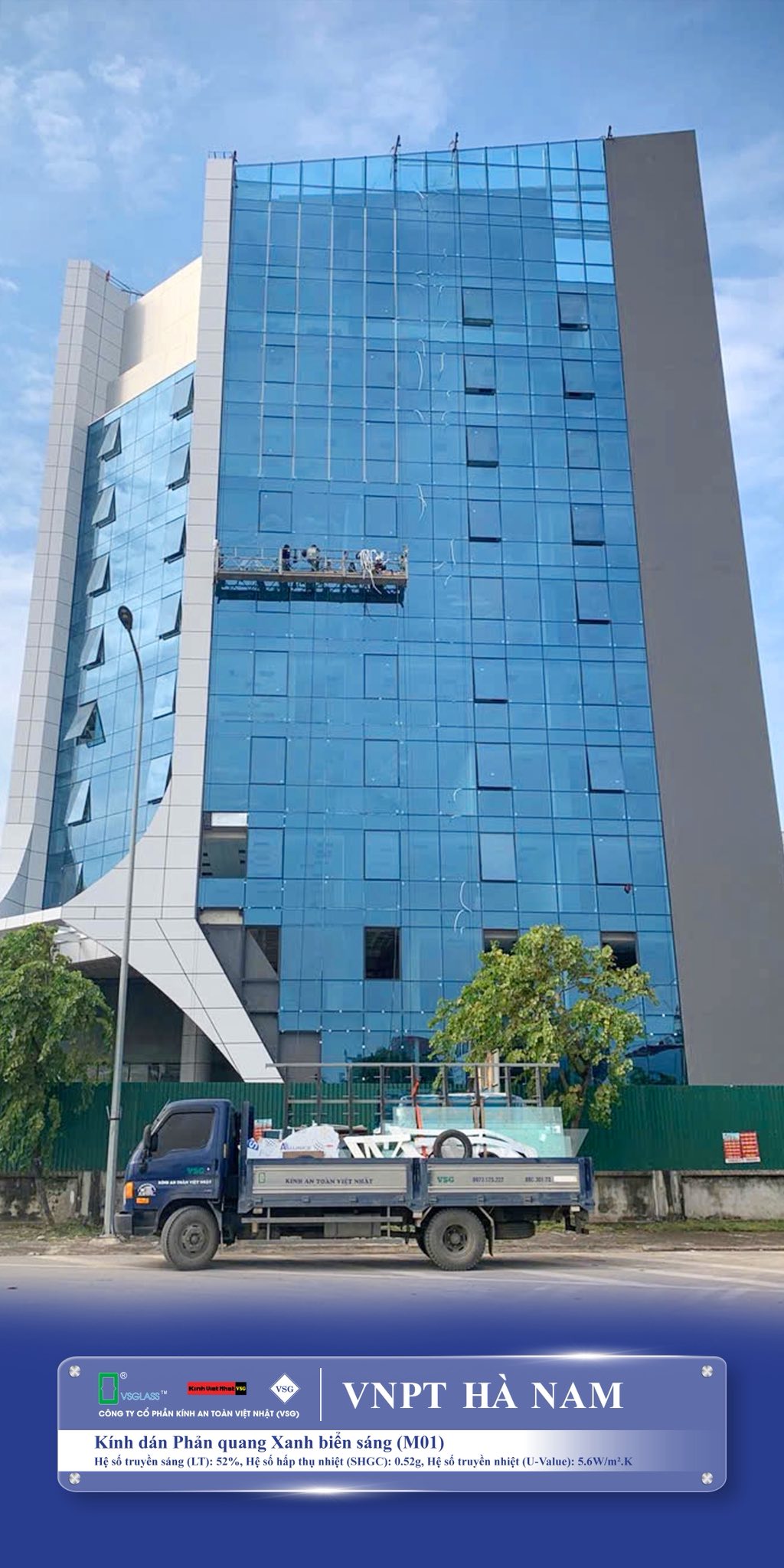


Modern laminated safety glass
Modern safety laminated glass
In-depth analysis of modern safety laminated glass
; Classification of safety laminated glass by material and function;
PVB laminated glass – A popular solution for civil construction;
EVA and SGP laminated glass – Choices for high technical requirements;
Outstanding advantages of modern safety laminated glass in construction;
Sound insulation, heat insulation and energy saving;
Security, safety and intrusion resistance;
Practical applications and technical considerations when choosing safety laminated glass.
- Overall thickness and glass panel configuration : determined by wind load, panel size, and installation location (facade, roof, railing, floor).
- Intermediate film types : PVB for general civil construction; EVA for wet areas and decorative glass; SGP for high-strength structures, frameless railings, and glass floors.
- Safety standards and quality certifications : priority is given to products that meet international standards and Vietnamese regulations on building glass, fire safety, and shatter safety.
- Compatibility with accessories and frame systems : gaskets, sealants, glass clamps, spiders, and handrails must be designed to be synchronized with the glass configuration to avoid localized stress that could cause cracking.
- Climate and environmental conditions of use : coastal areas, chemical environments, industrial zones require solutions for glass and accessories that offer good corrosion and moisture resistance.
The manufacturing and installation process ensures compliance with technical standards.
Modern safety laminated glass
Advanced structure of modern safety laminated glass
; Superior safety mechanism and load-bearing capacity;
Intrusion and fall resistance;
Safety performance in fire and explosion conditions;
Sound insulation, thermal insulation, and energy control features;
Applications in green architecture and sustainable construction;
Practical applications and technical standards to note;
Production process and quality control.
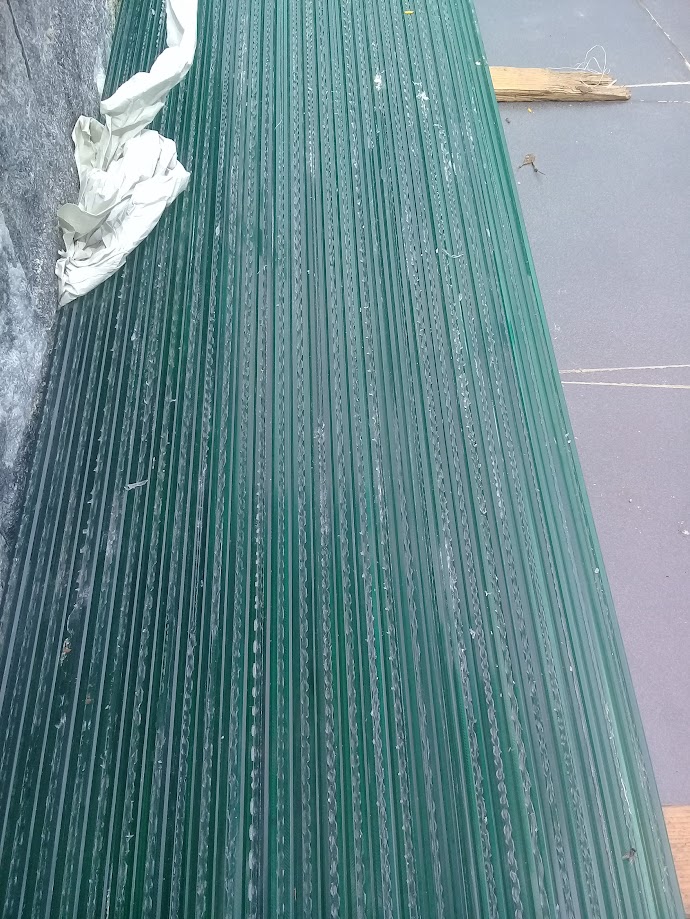
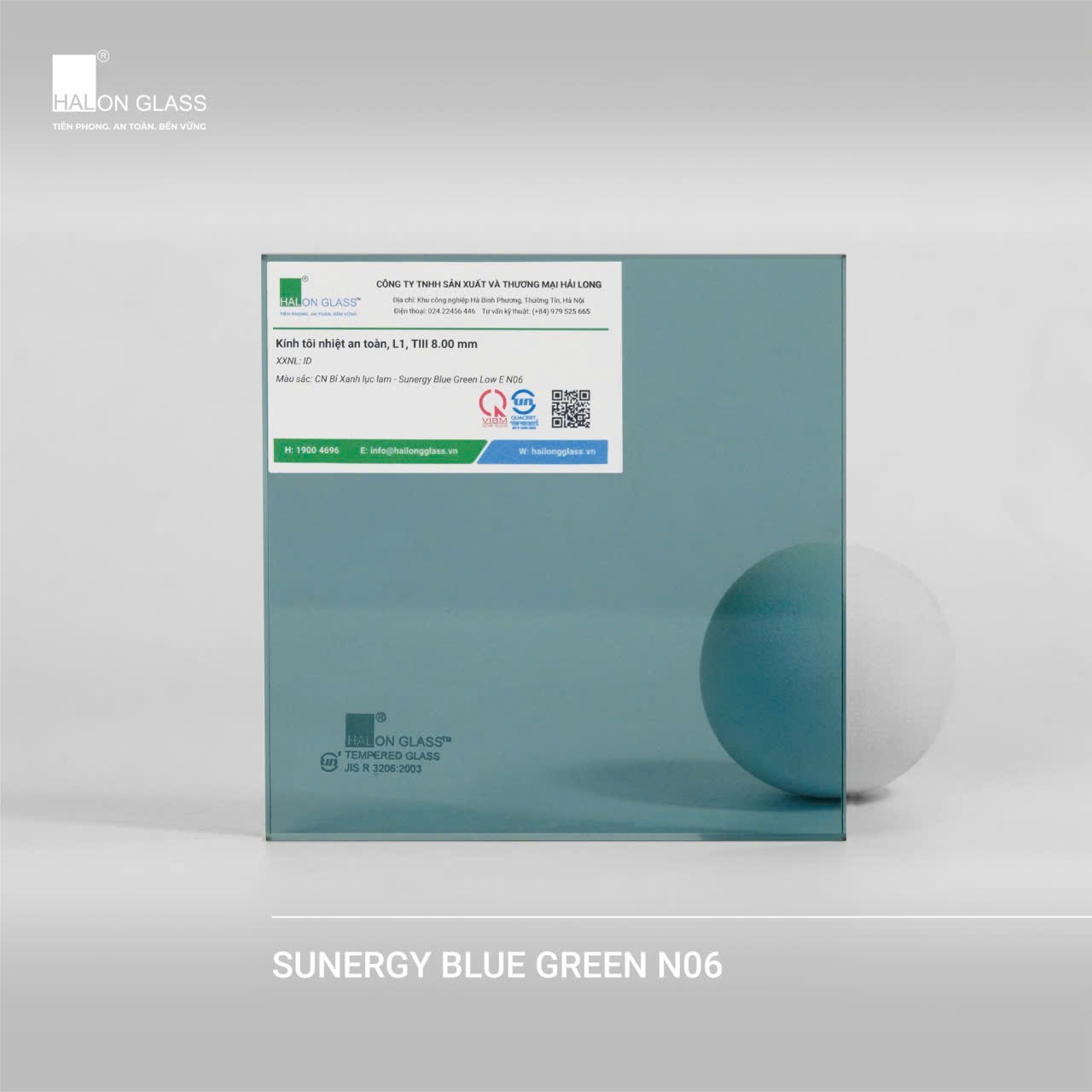
Modern laminated safety glass is a type of multi-layered glass in which glass panels are bonded together by one or more layers of flexible, highly adhesive intermediate materials. The basic structure typically consists of two sheets of tempered or ordinary glass, combined with a layer of PVB (Polyvinyl Butyral) , EVA (Ethylene Vinyl Acetate) , or SGP (SentryGlas Plus) film . In the event of a strong impact, this intermediate film holds the fragments together, minimizing the risk of injury from falling glass, while also maintaining some of the glass's protective properties.
In structural systems requiring high safety standards, such as curtain walls, glass roofs, railings, and glass floors, experts often prefer the use of laminated tempered glass . Each glass layer can be heat-treated or semi-tempered, combined with film layers of varying thicknesses (0.38 mm, 0.76 mm, 1.52 mm, or larger) to achieve different levels of strength, impact resistance, and shatter resistance according to standards. This structural flexibility allows engineers to optimize the balance between mechanical strength , weight , and investment cost .
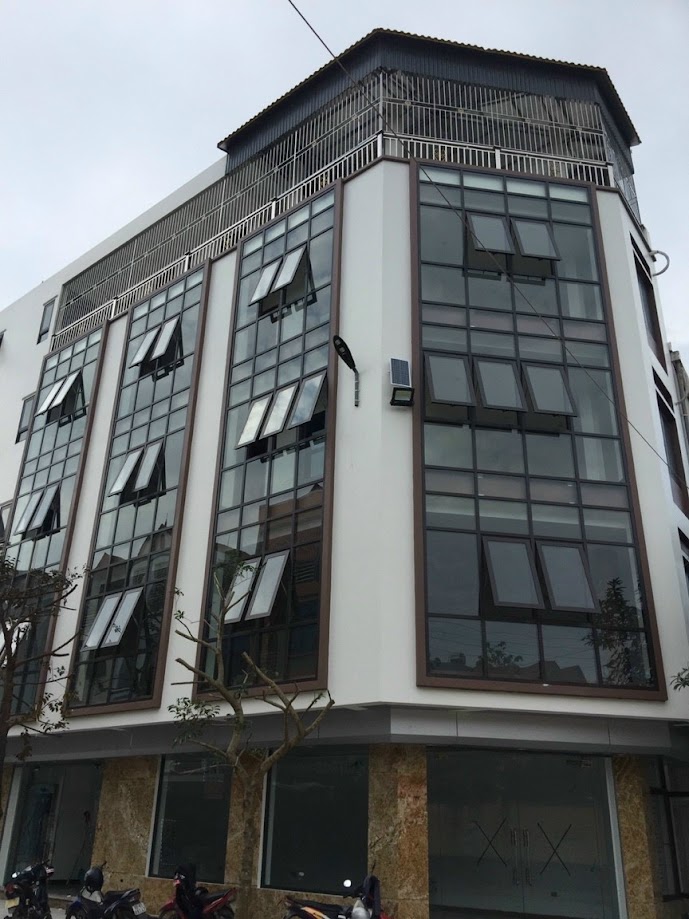
Modern safety laminated glass is classified not only by the number of glass layers but also by the type of intermediate film and additional functions. Basically, it can be divided into main groups: PVB laminated glass , EVA laminated glass , SGP laminated glass , and multi-functional laminated glass such as soundproof, heat-insulating, bulletproof, and fire-resistant. Each group has its own characteristics regarding adhesion, transparency, moisture resistance, UV resistance, and long-term durability in harsh climatic conditions.
PVB laminated glass is the most widely used type in residential buildings, offices, and shopping centers. The PVB film has high transparency, good adhesion to the glass surface, and elasticity that helps absorb impact energy. In addition, PVB can filter up to 99% of UV rays , helping to protect interior furnishings and reduce fading of furniture, curtains, and floors. Thanks to its reasonable cost and standardized production technology, PVB laminated glass has become the standard choice for windows, doors, glass partitions, and balcony railings in civil projects.
EVA laminated glass is highly regarded for its moisture resistance, making it suitable for outdoor applications, high-humidity areas, or decorative glass products with printed colors and images. The EVA layer can be combined with various decorative materials such as silk, fabric, colored film, and patterned film to create artistic glass surfaces while ensuring safety. Meanwhile, SGP laminated glass stands out with its superior hardness and tensile strength , often used for heavy-duty applications such as glass floors, glass bridges, frameless railings, and high-rise facades. The SGP layer helps limit deformation, reduce sagging, and increase wind and impact resistance.
Compared to traditional single-pane glass, modern laminated safety glass offers numerous advantages in terms of safety, aesthetics, and energy efficiency . First, its ability to retain fragments upon breakage is a key factor in minimizing the risk of injury to users. Even if the glass shatters due to impact or thermal shock, the pane retains its shape relatively well, allowing time for processing and replacement without posing an immediate danger.
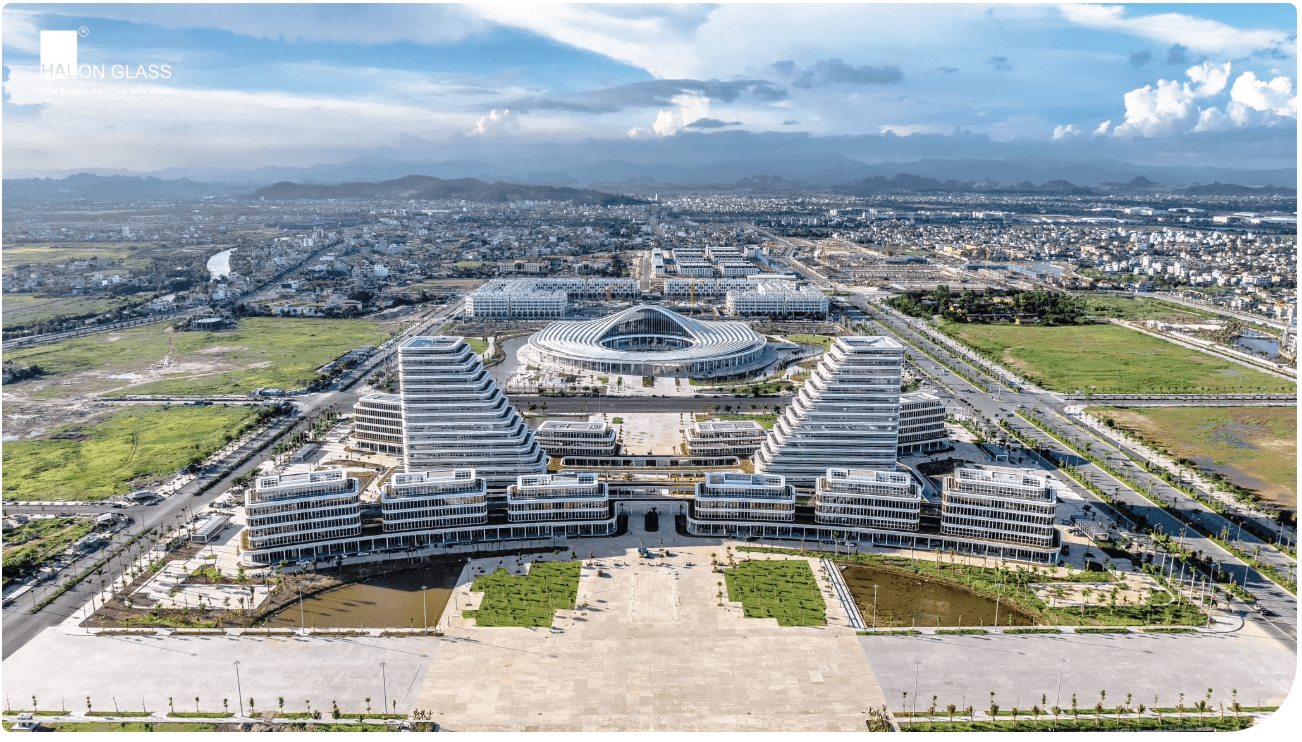
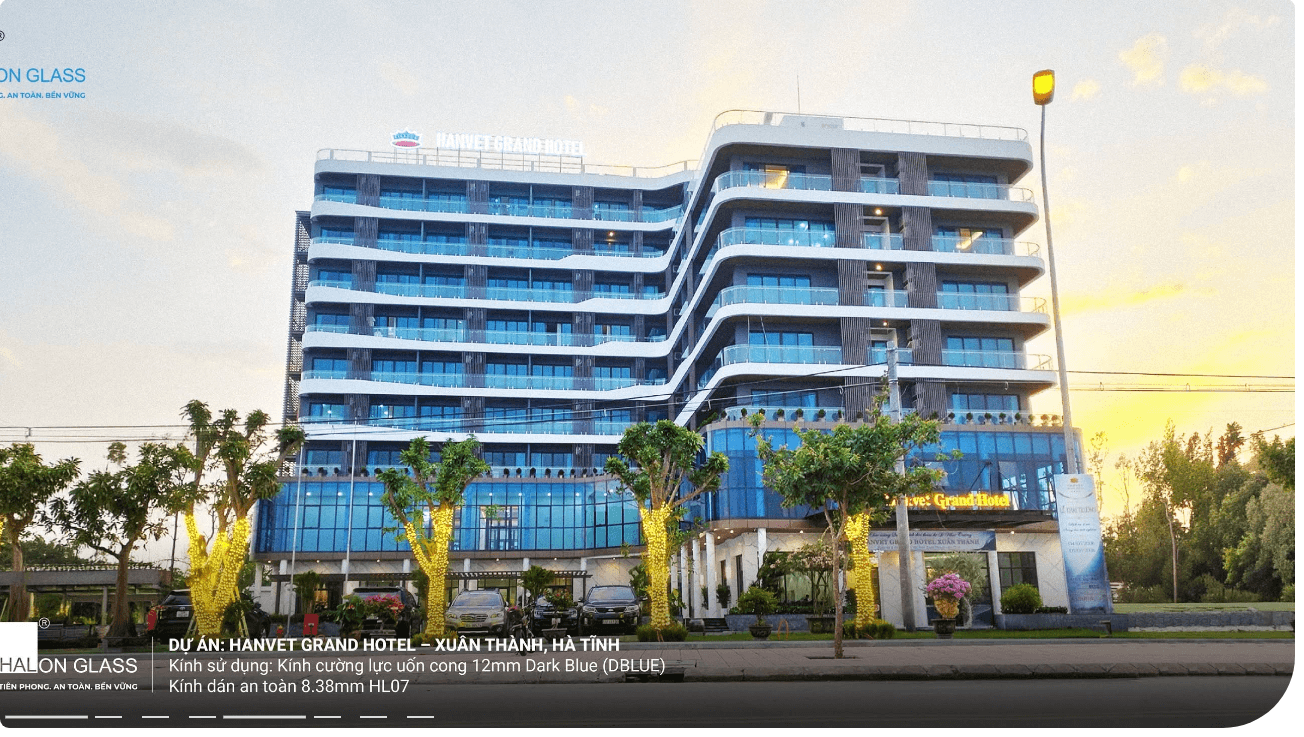
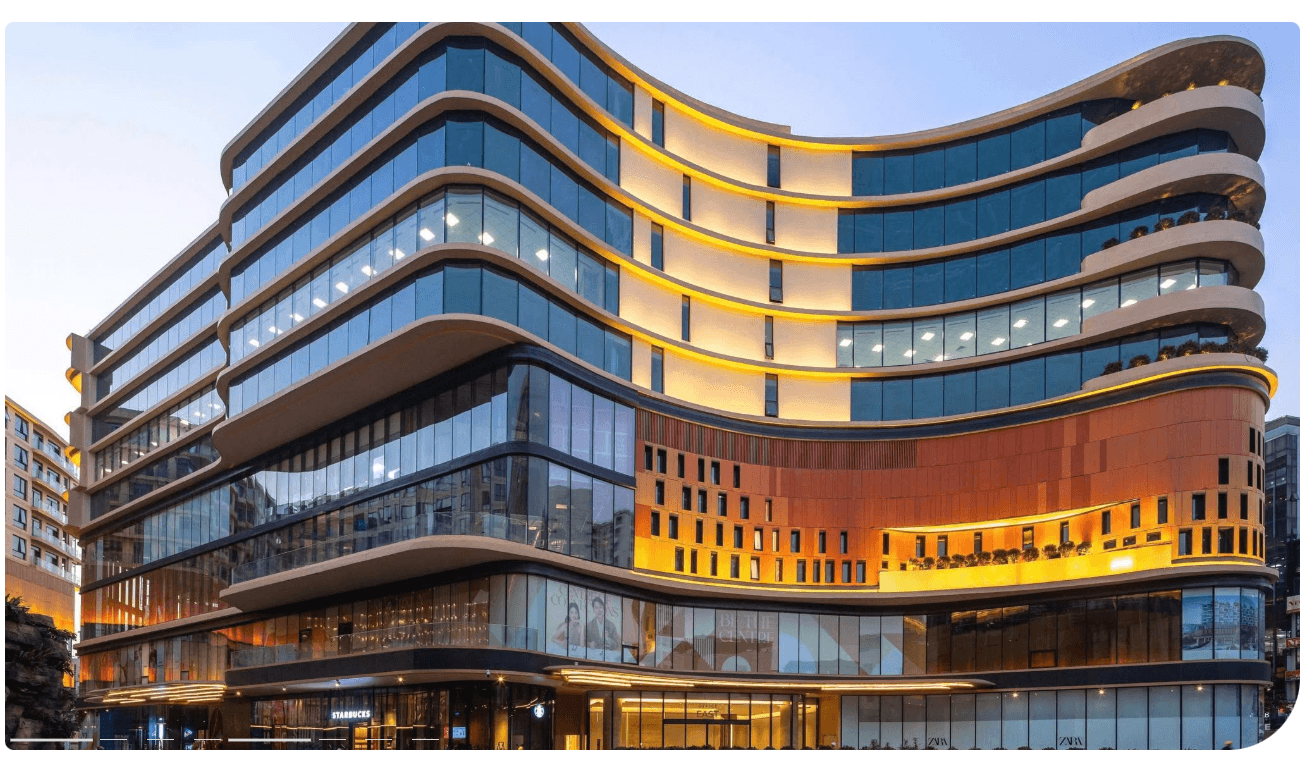
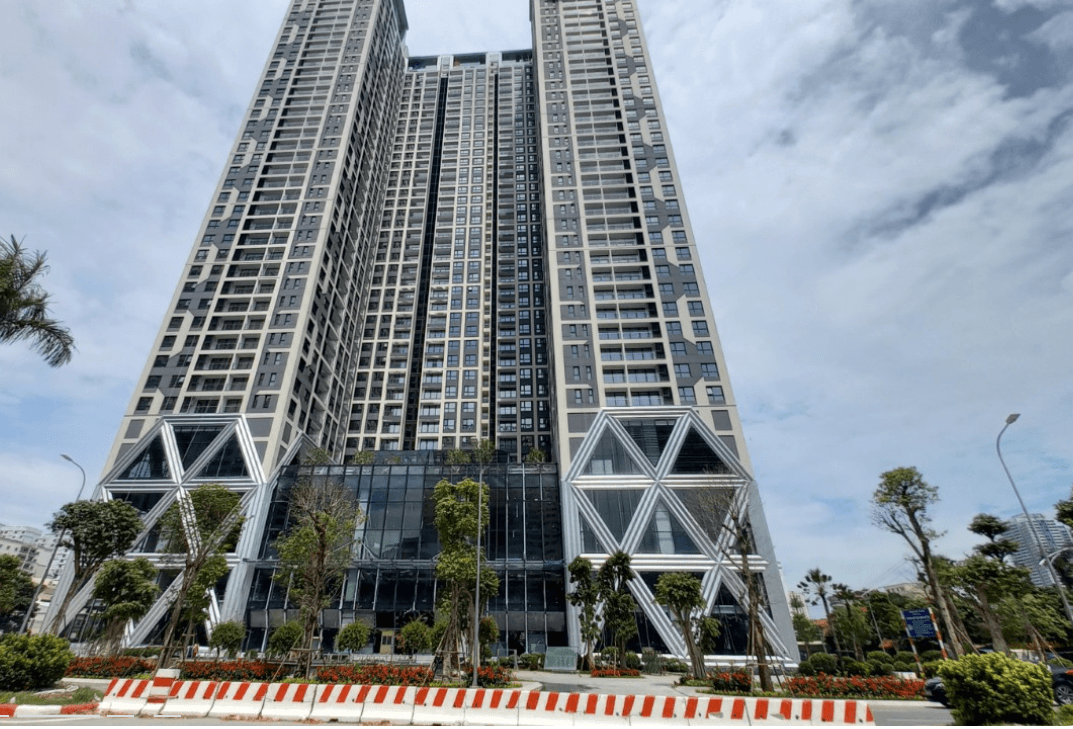
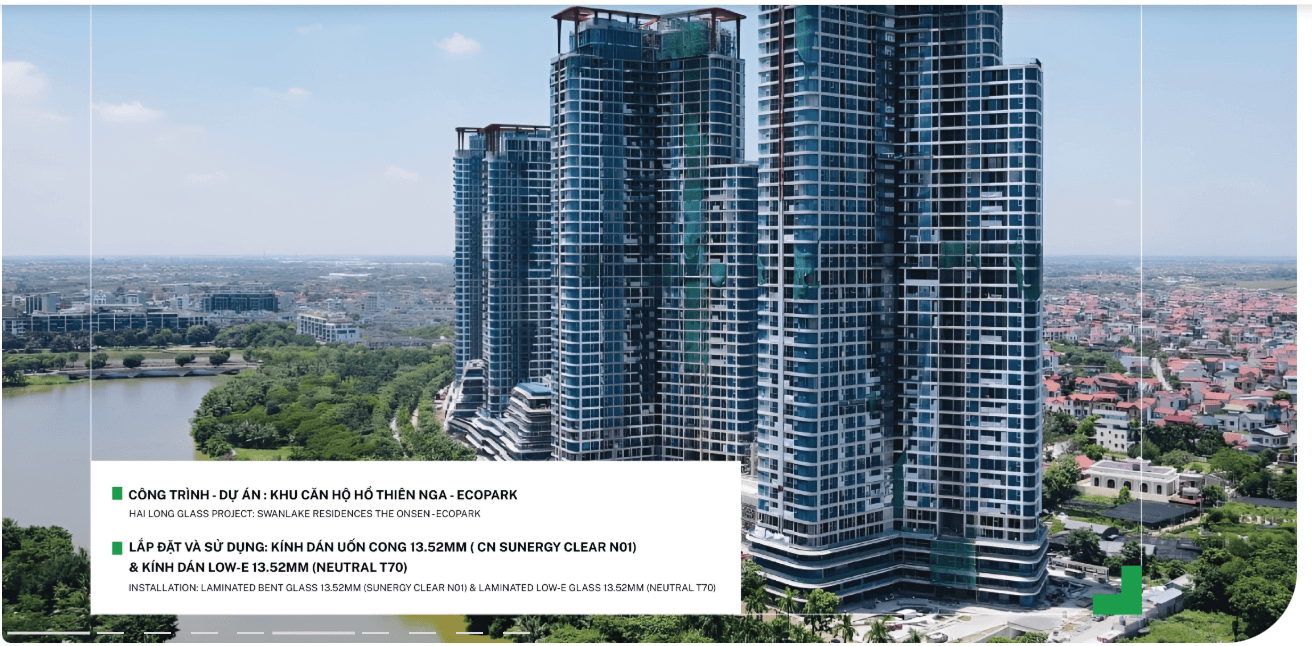
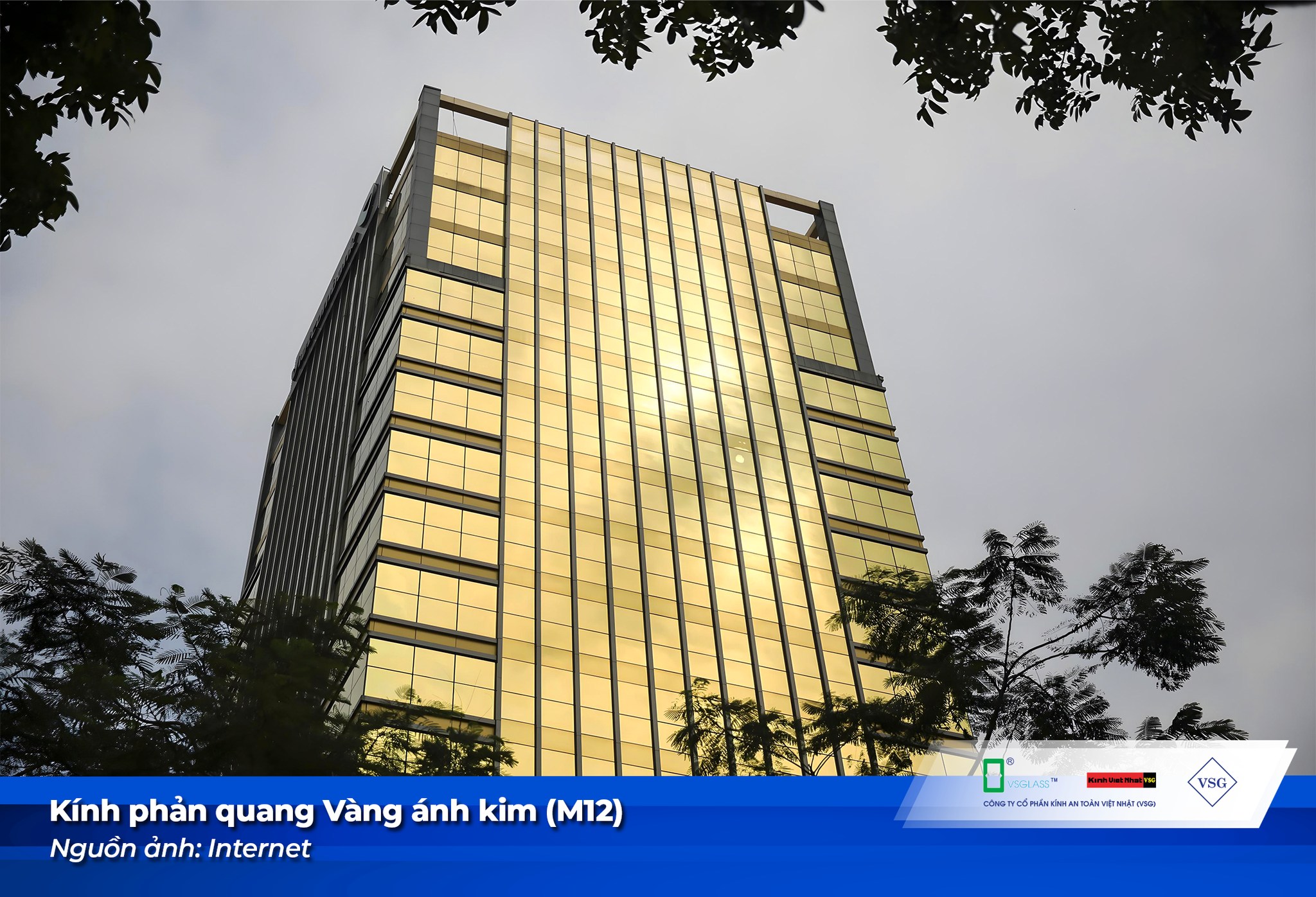
Aesthetically, laminated safety glass allows for the creation of large, less mullioned glass surfaces, giving a sense of open, modern space. The film layers can be tinted, patterned, or integrated with reflective or low-e films to adjust light transmission and heat reflection, creating unique architectural effects. For high-rise buildings, using laminated safety glass for the facade helps to harmonize the design language while meeting stringent requirements for safety against breakage from high altitudes.
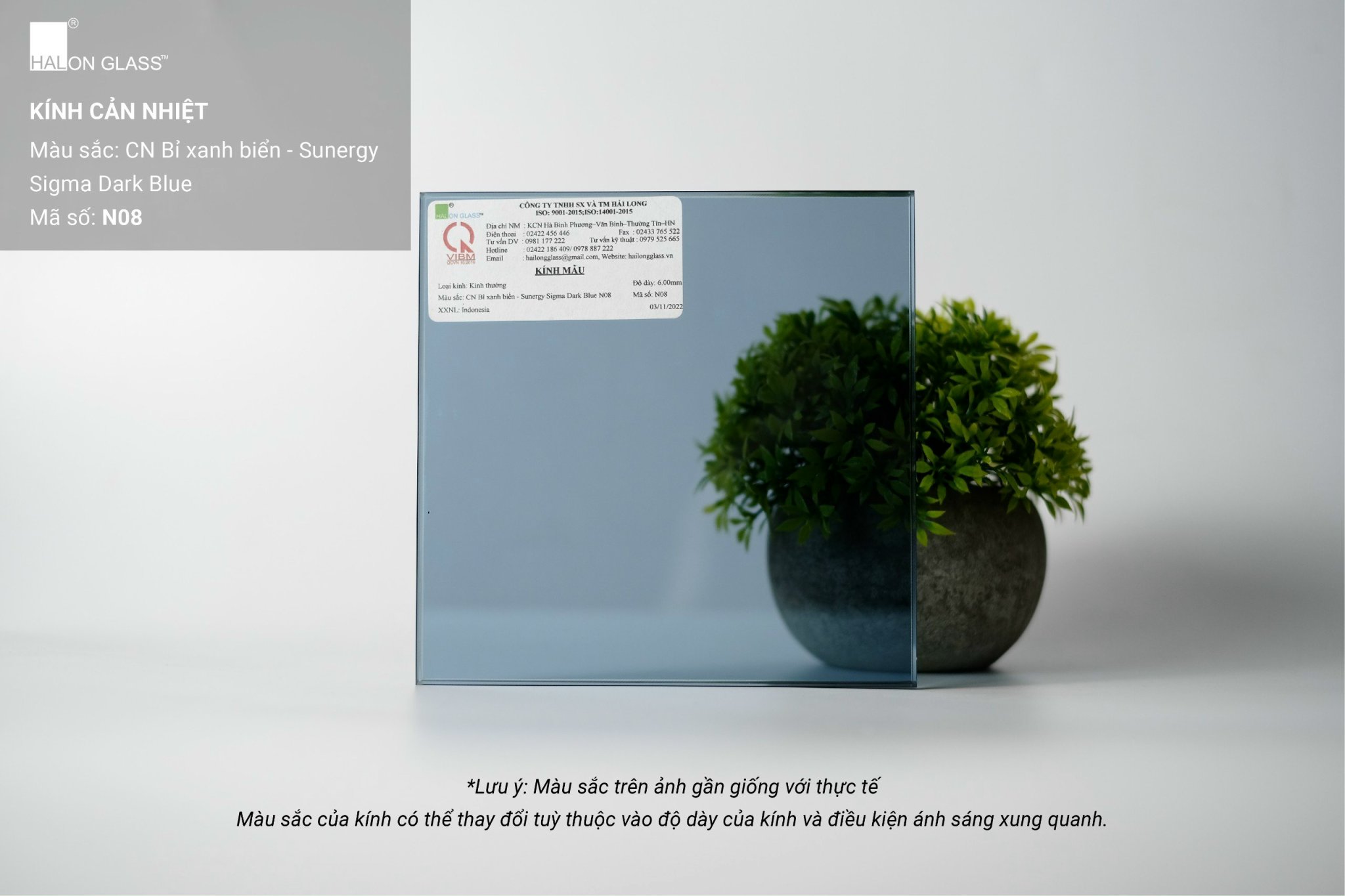
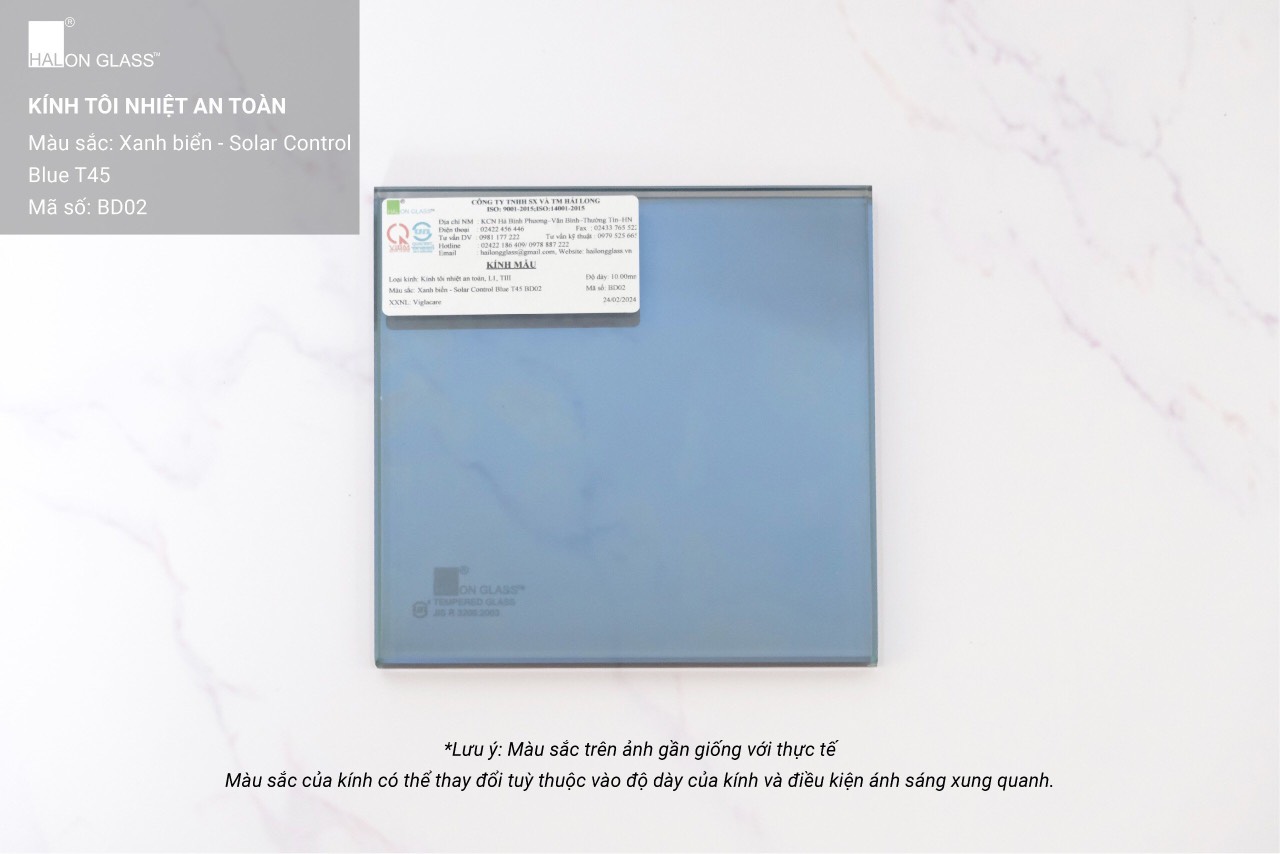
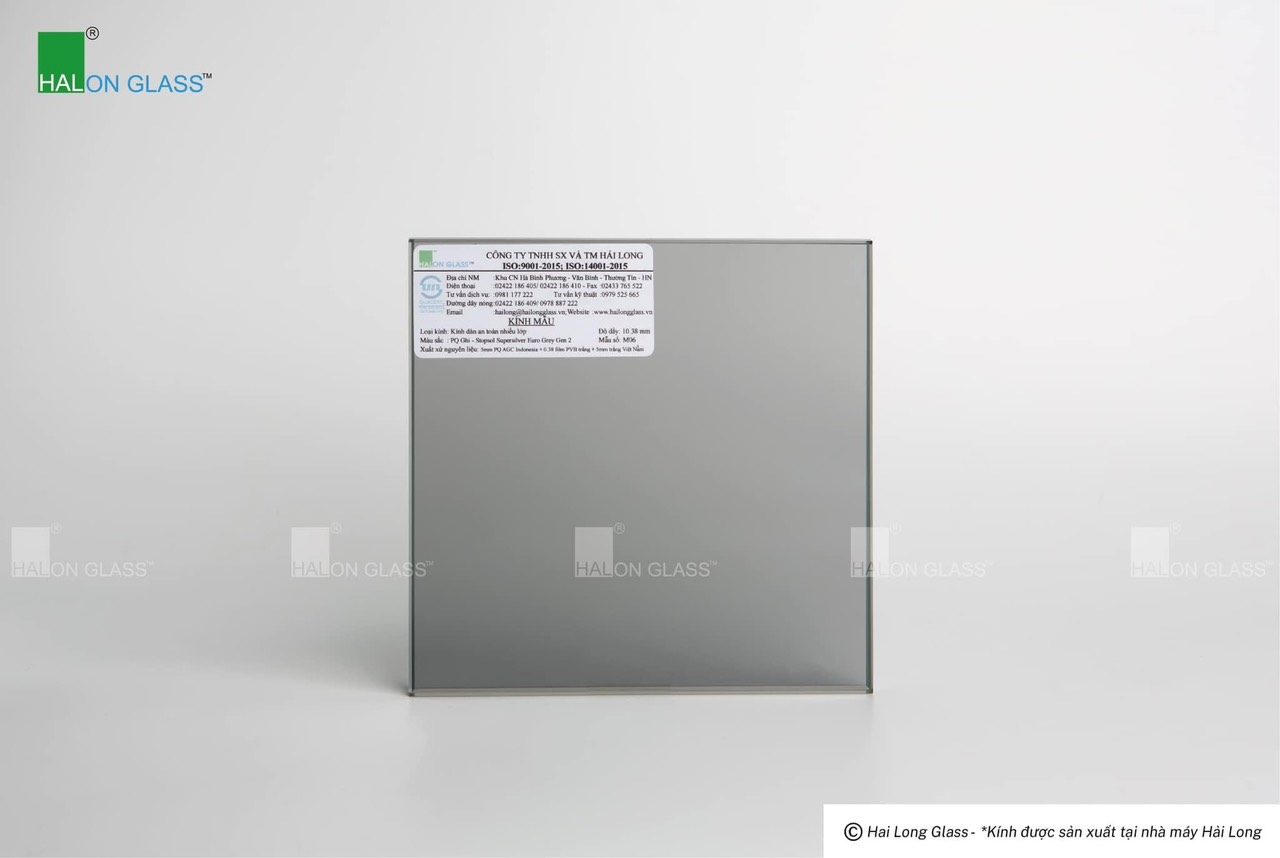
One of the key benefits of modern laminated safety glass is its ability to reduce noise and improve energy efficiency . The intermediate film layer acts as a sound dampener, attenuating sound vibrations transmitted through the glass. When combined with double-glazed or low-e glass structures, laminated glass systems can significantly reduce traffic noise and industrial noise, creating a quieter working and living environment.
Thermally, laminated glass systems incorporating heat-reflective films, low-e films, or combined with hard or soft coatings on the glass surface can reduce solar radiation heat transfer , limiting the greenhouse effect in interior spaces. This reduces the load on air conditioning systems, saves operating costs, and enhances thermal comfort for users. For green buildings, choosing the right safety laminated glass configuration is one of the key elements in a sustainable design strategy.
Modern safety laminated glass also acts as a passive security barrier . Multi-layered laminated glass configurations with thick films can resist intentional impacts such as smashing and prying, extending the time it takes for intrusion and allowing alarm systems and security personnel to react. In sensitive areas such as banks, showrooms, and high-end stores, bulletproof and explosion-proof laminated glass with a multi-layered glass and film structure, tested according to international standards, can be used.
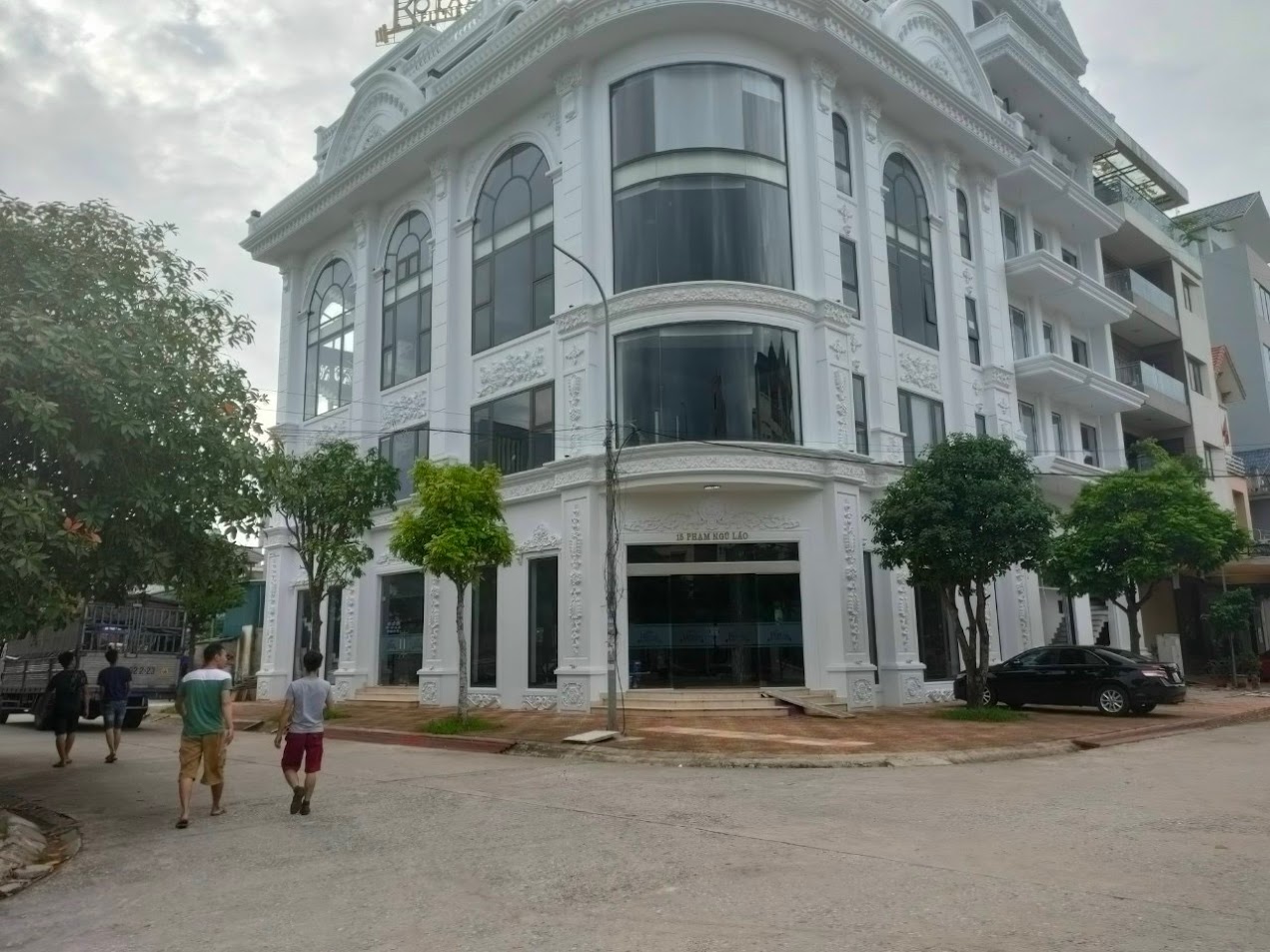
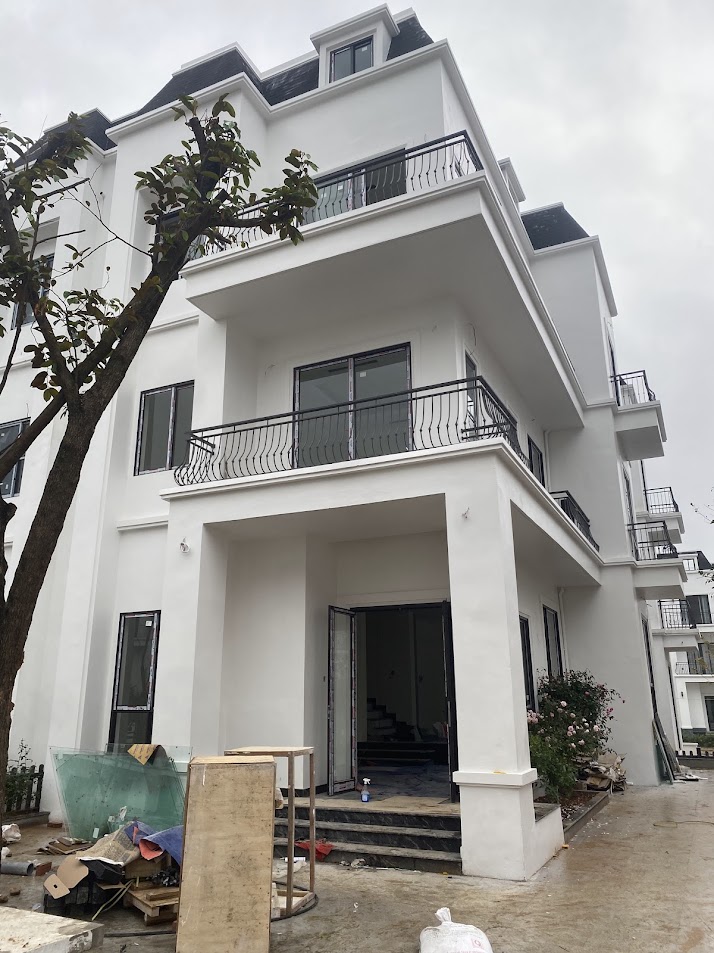
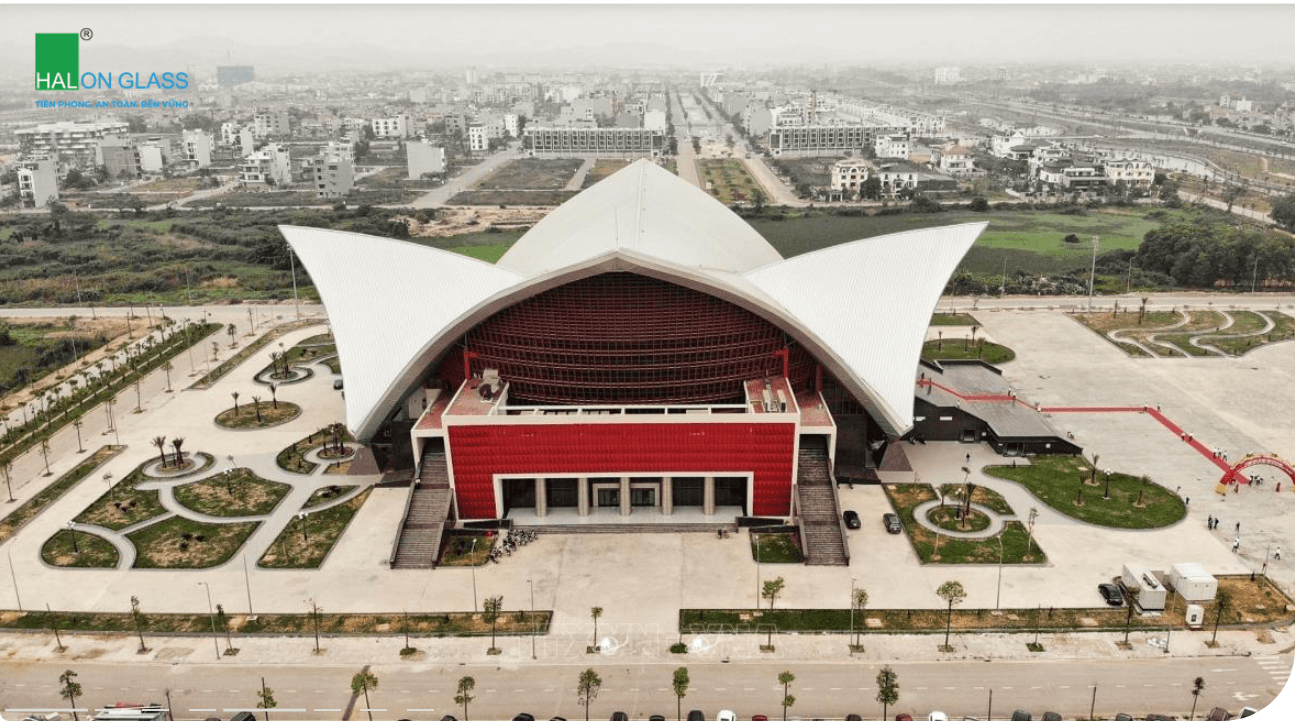
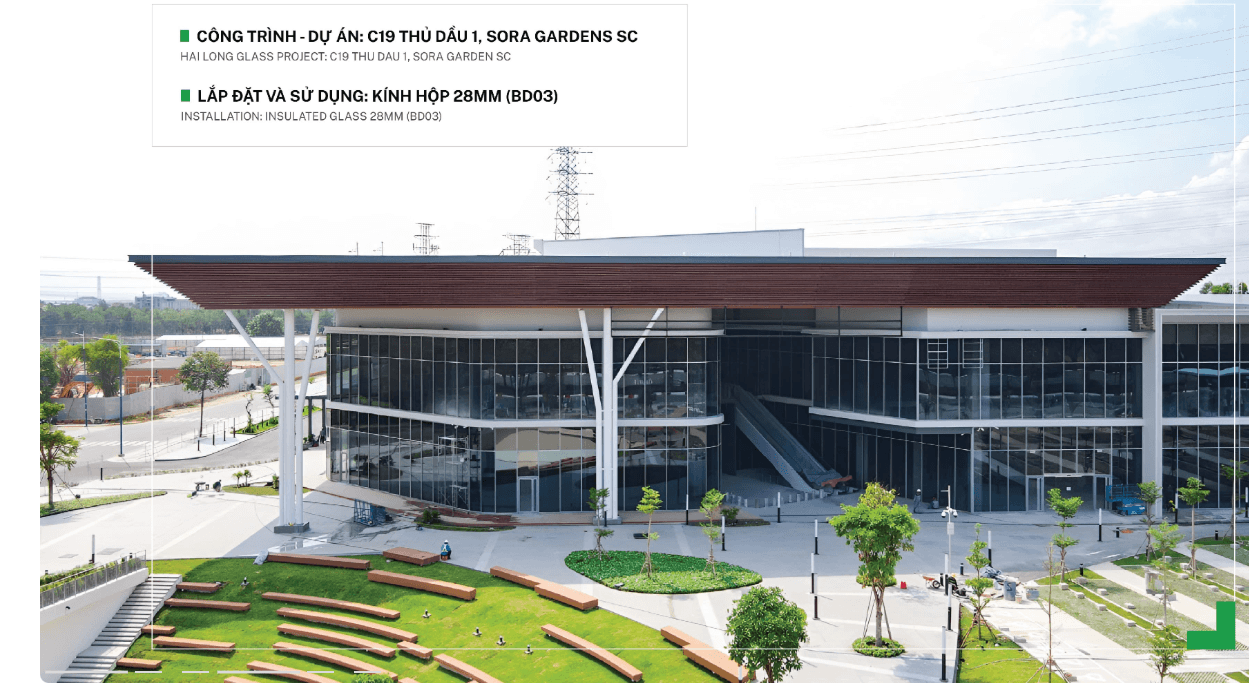
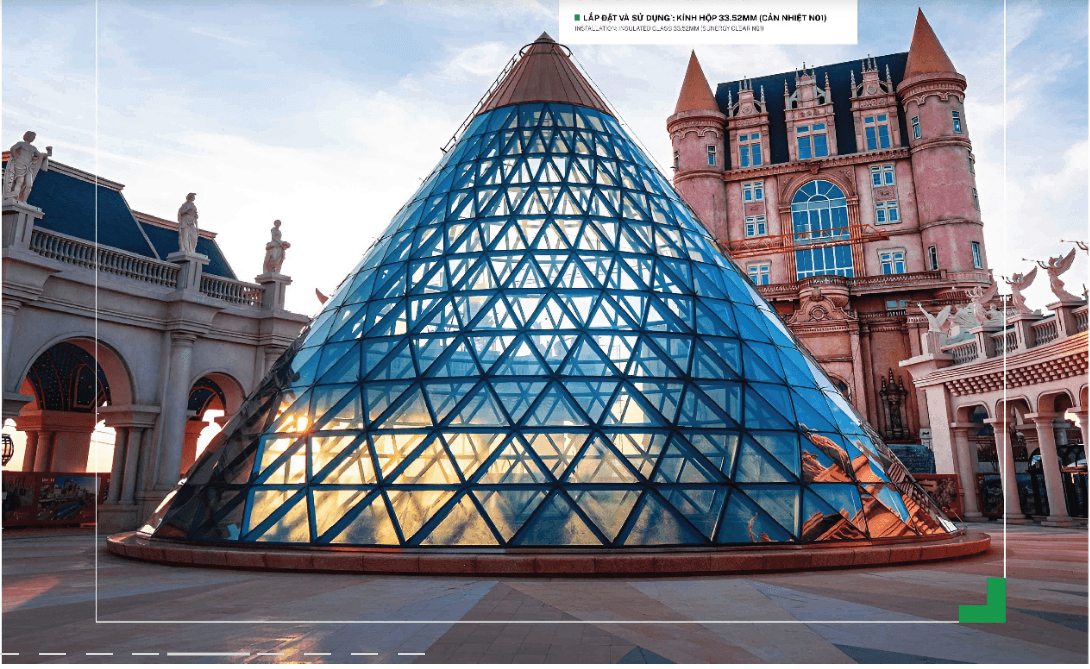
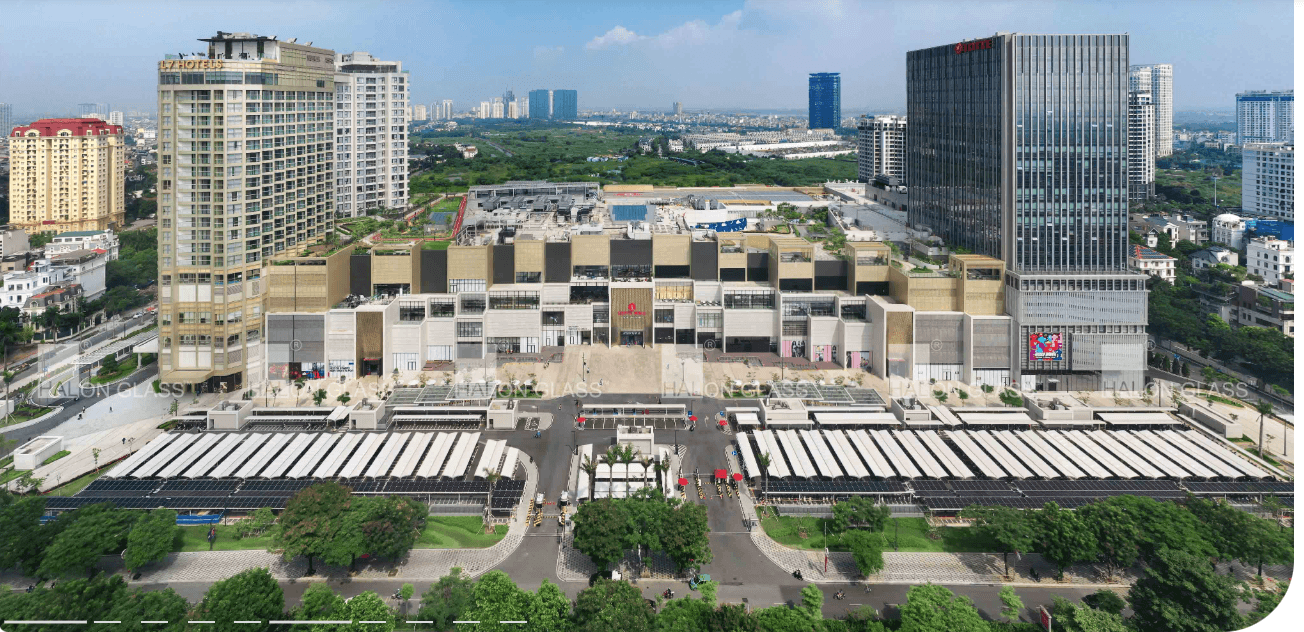
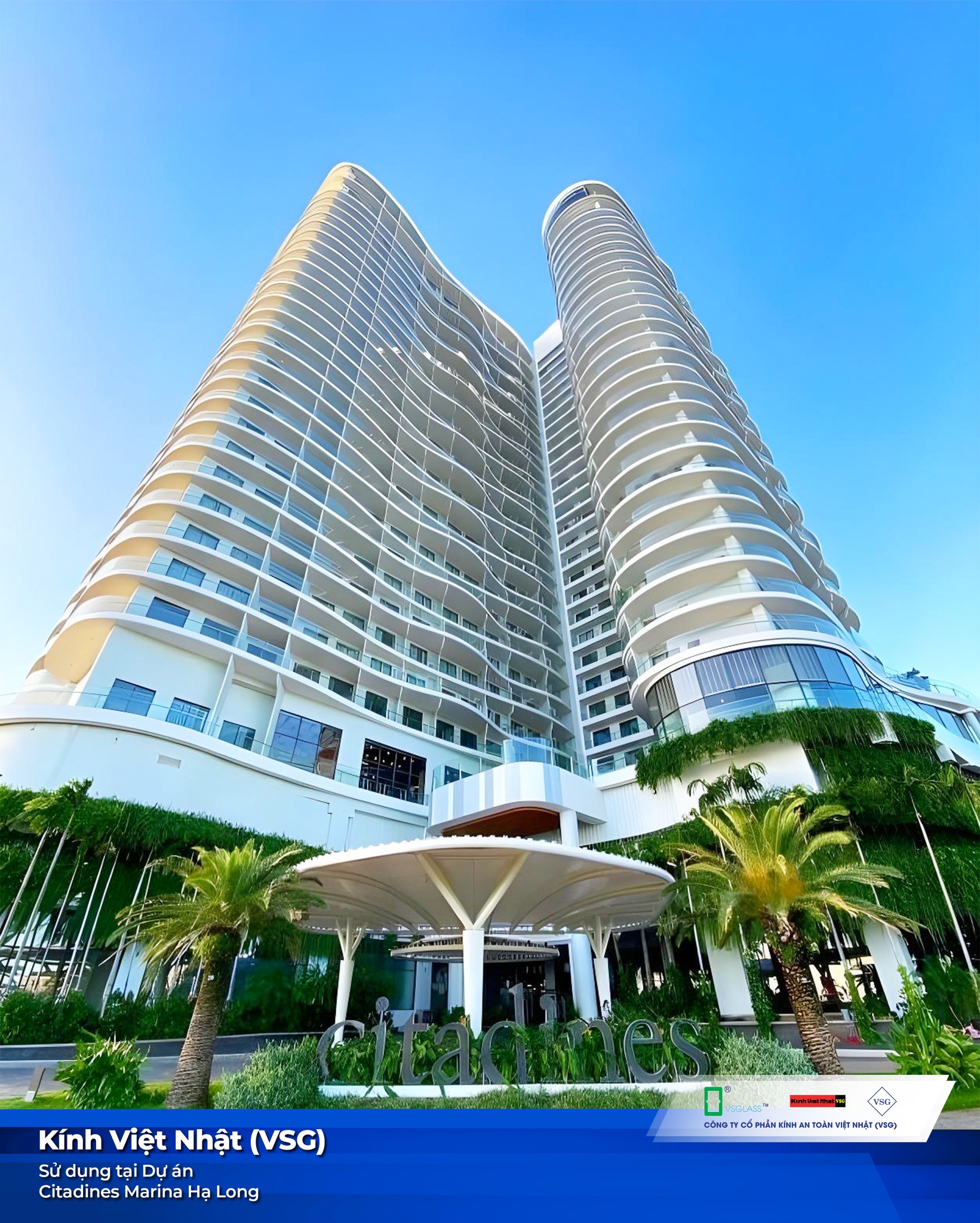
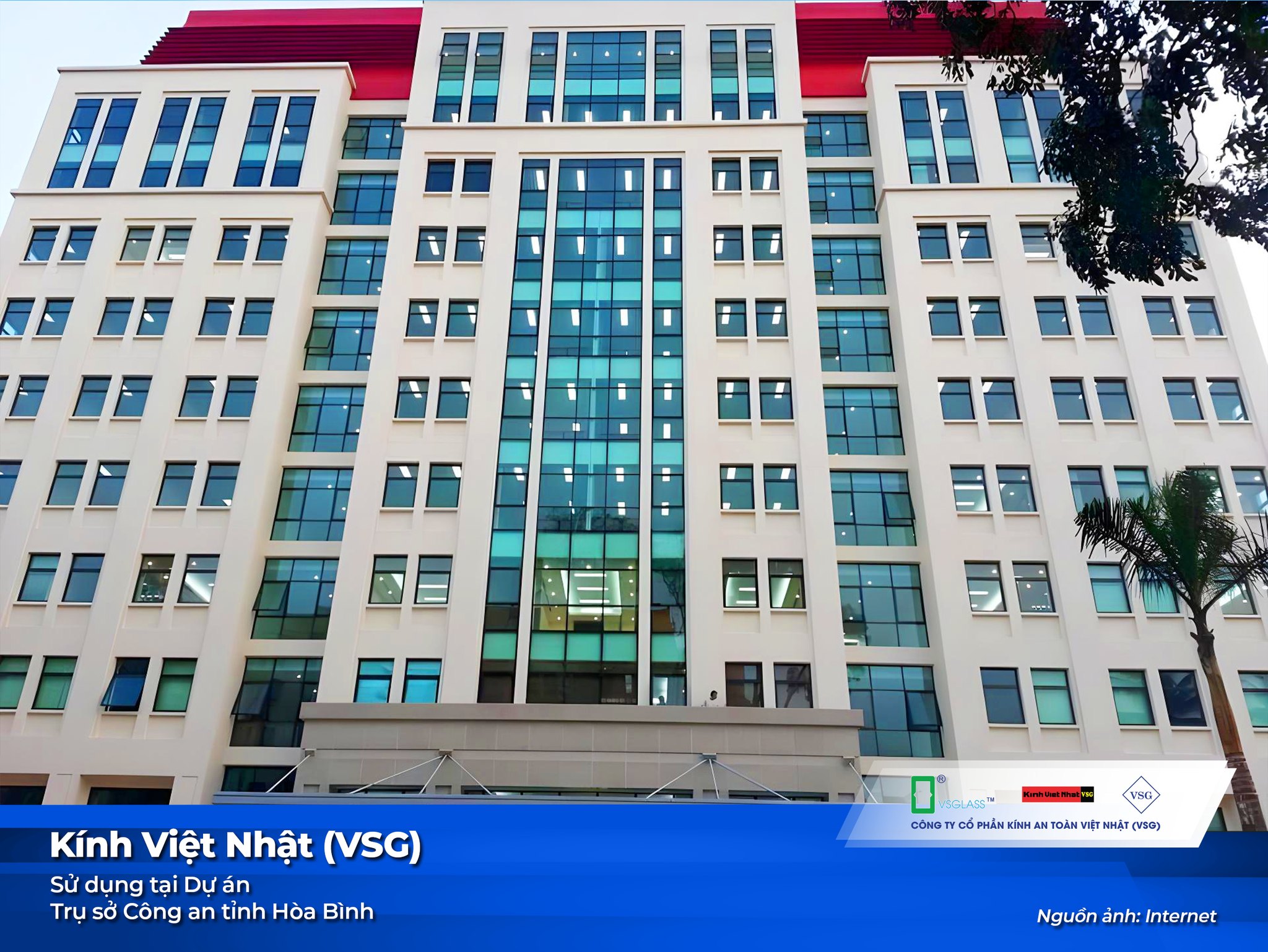
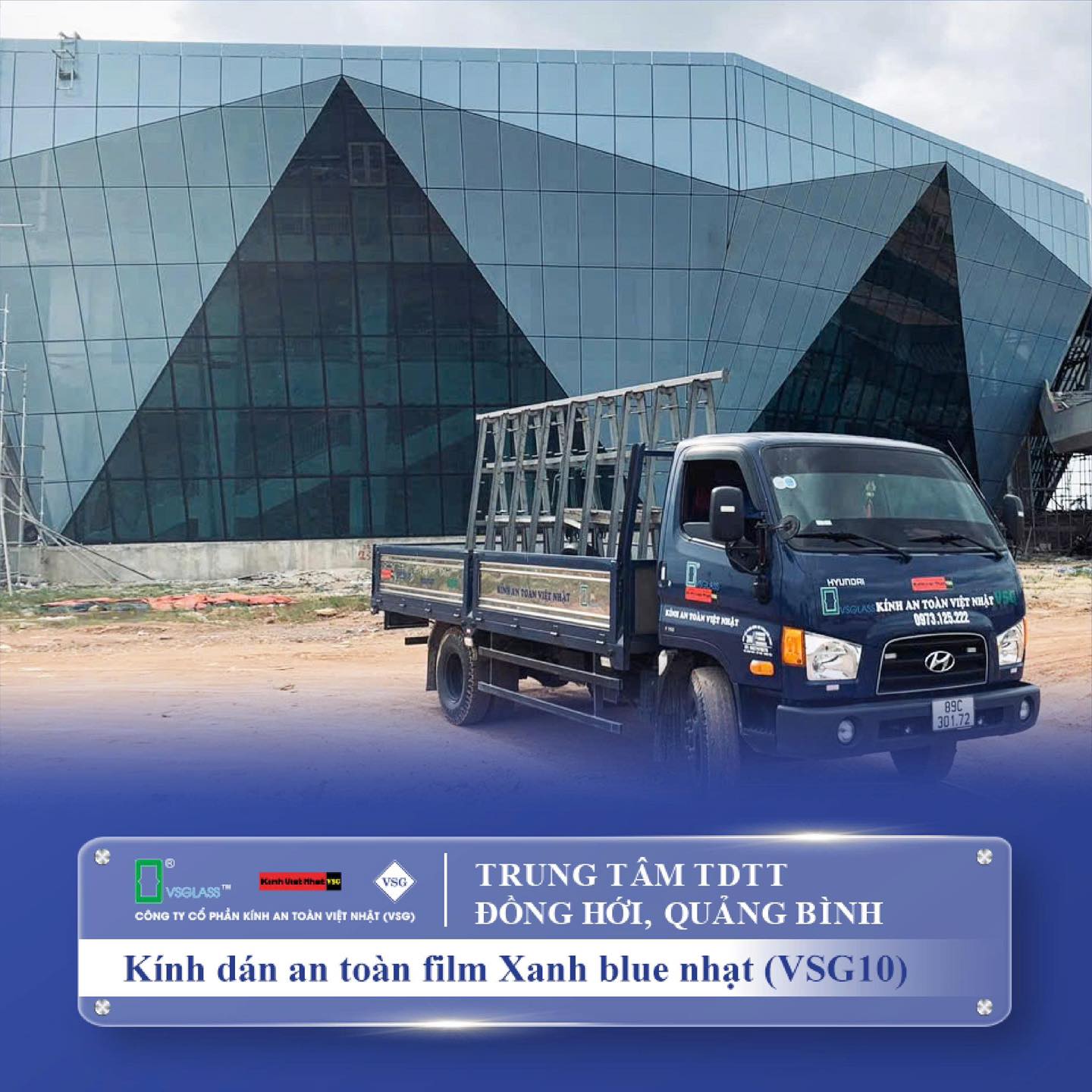
In practice, modern laminated safety glass is widely used in many applications: glass curtain walls, glass roofs, skylights, railings, staircases, glass floors, windows, doors, shower enclosures, showrooms, factories, and public buildings . Each installation location has specific requirements regarding wind load, pedestrian load, impact, and weather conditions, which determine the appropriate glass configuration, thickness, and film type. Calculations must be based on design standards, climate data, building height, and intended use of the space.
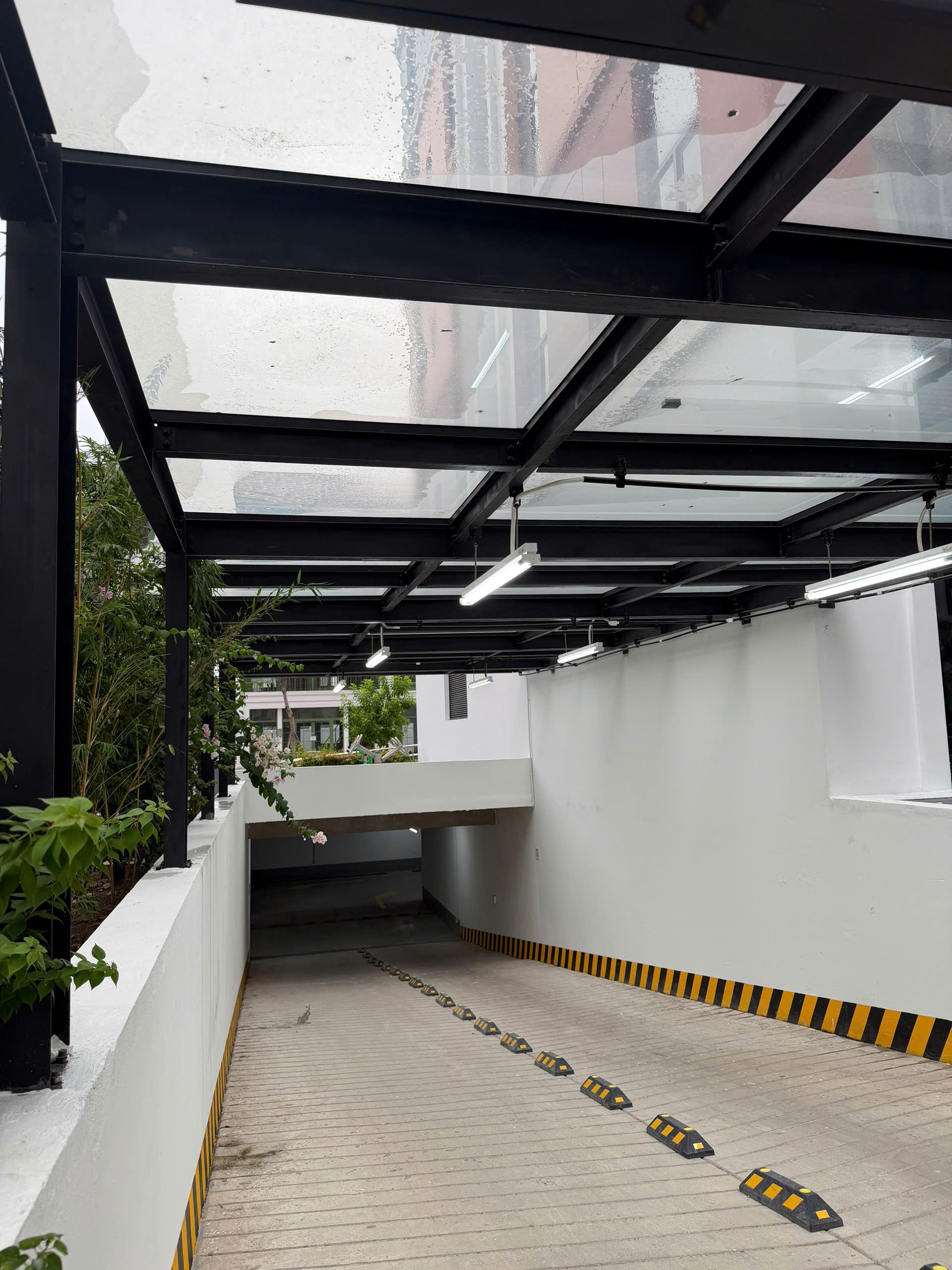
When choosing laminated safety glass, the following factors should be considered to ensure long-term effectiveness:
For modern laminated safety glass to perform at its full potential, the manufacturing process must be strictly controlled from glass cutting, edge grinding, washing and drying, layering, pre-pressing to autoclave pressing. Parameters such as temperature, pressure, pressing time, and surface cleanliness of both the glass and film directly affect adhesion and long-term durability. During installation, proper handling of glass edges, gaps, drainage systems, and shielding of film edges from UV rays are crucial to prevent edge peeling, yellowing, and cracking due to thermal stress.
For investors and design firms, collaborating with a supplier of safety laminated glass that possesses experience, technical capabilities, and a clear quality control system is a prerequisite for ensuring project safety. Contact Ngoc Quyet Company for detailed advice on glass configurations, technical solutions, and material selection suitable for each project, helping to optimize investment costs while fully meeting safety, aesthetic, and long-term performance requirements.
Modern laminated safety glass is a multi-layered material system in which at least two glass panes are bonded together by one or more intermediate layers of highly adhesive film. The most common structure is glass – PVB film – glass ; however, variations use EVA, SGP, TPU , or combinations of films to optimize mechanical, optical, and safety features. This film is processed in a tightly controlled temperature and pressure environment, creating a strong chemical-mechanical bond that keeps broken glass fragments firmly attached to the film, minimizing disintegration and reducing the risk of injury to users.
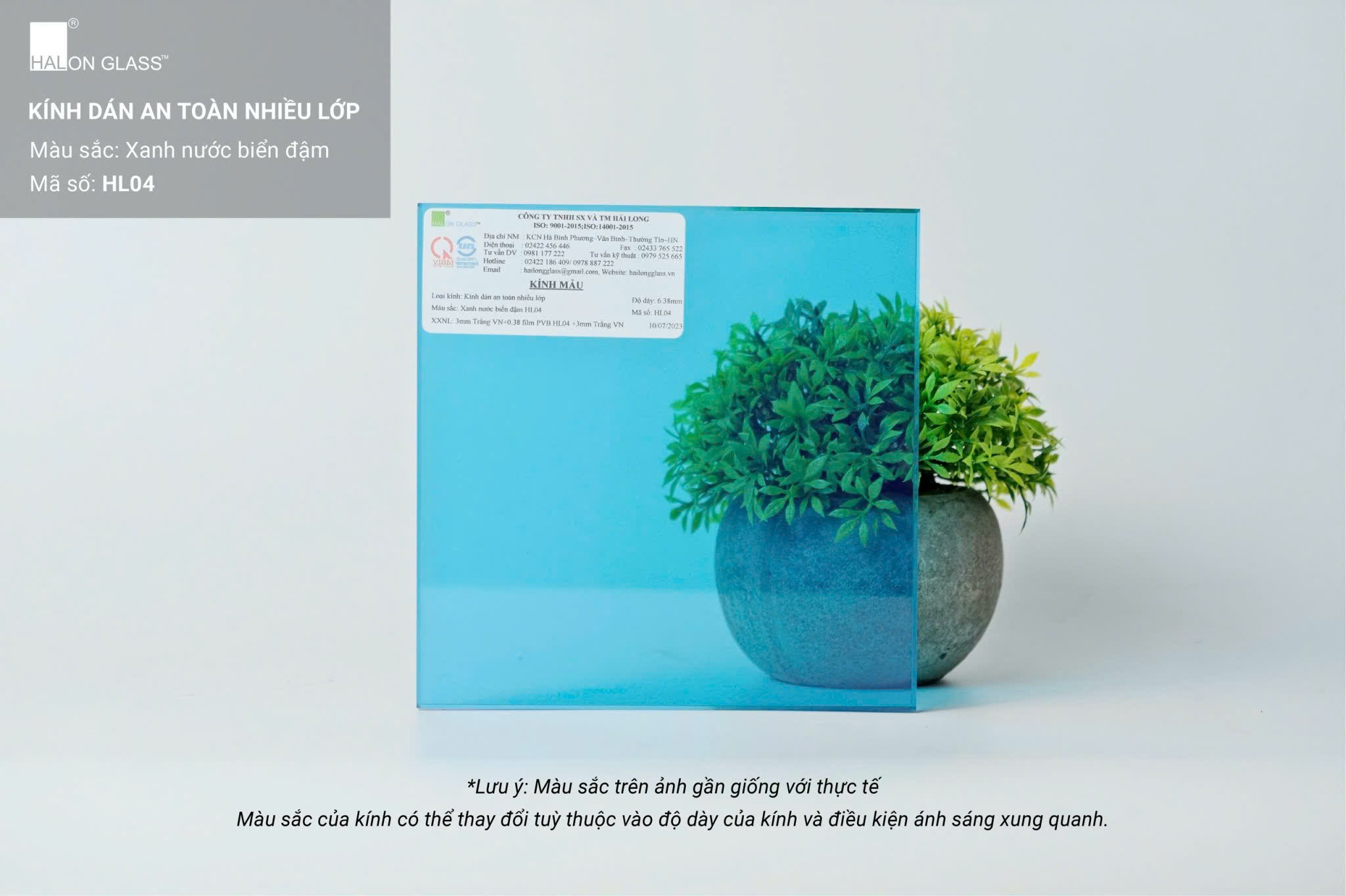
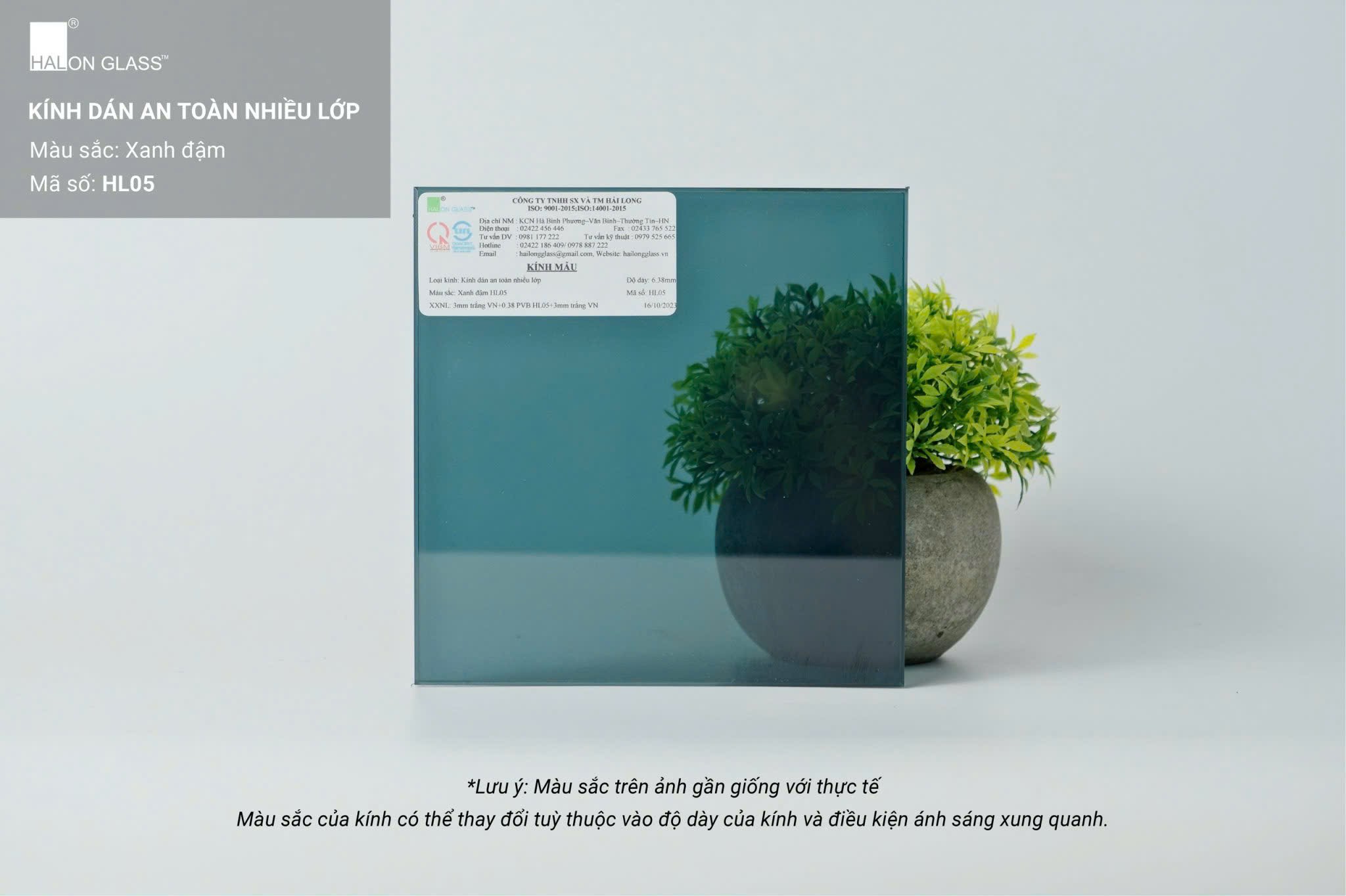
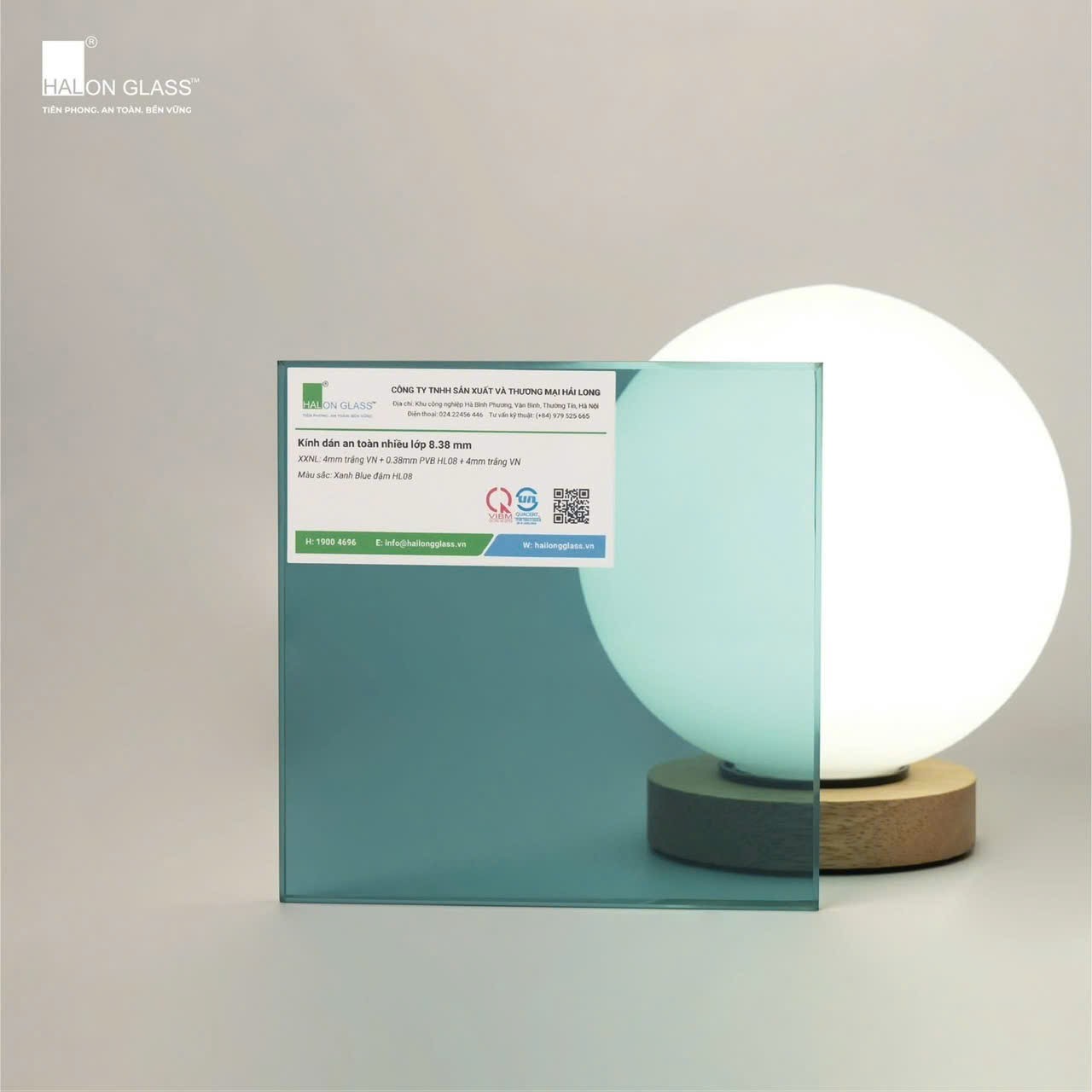
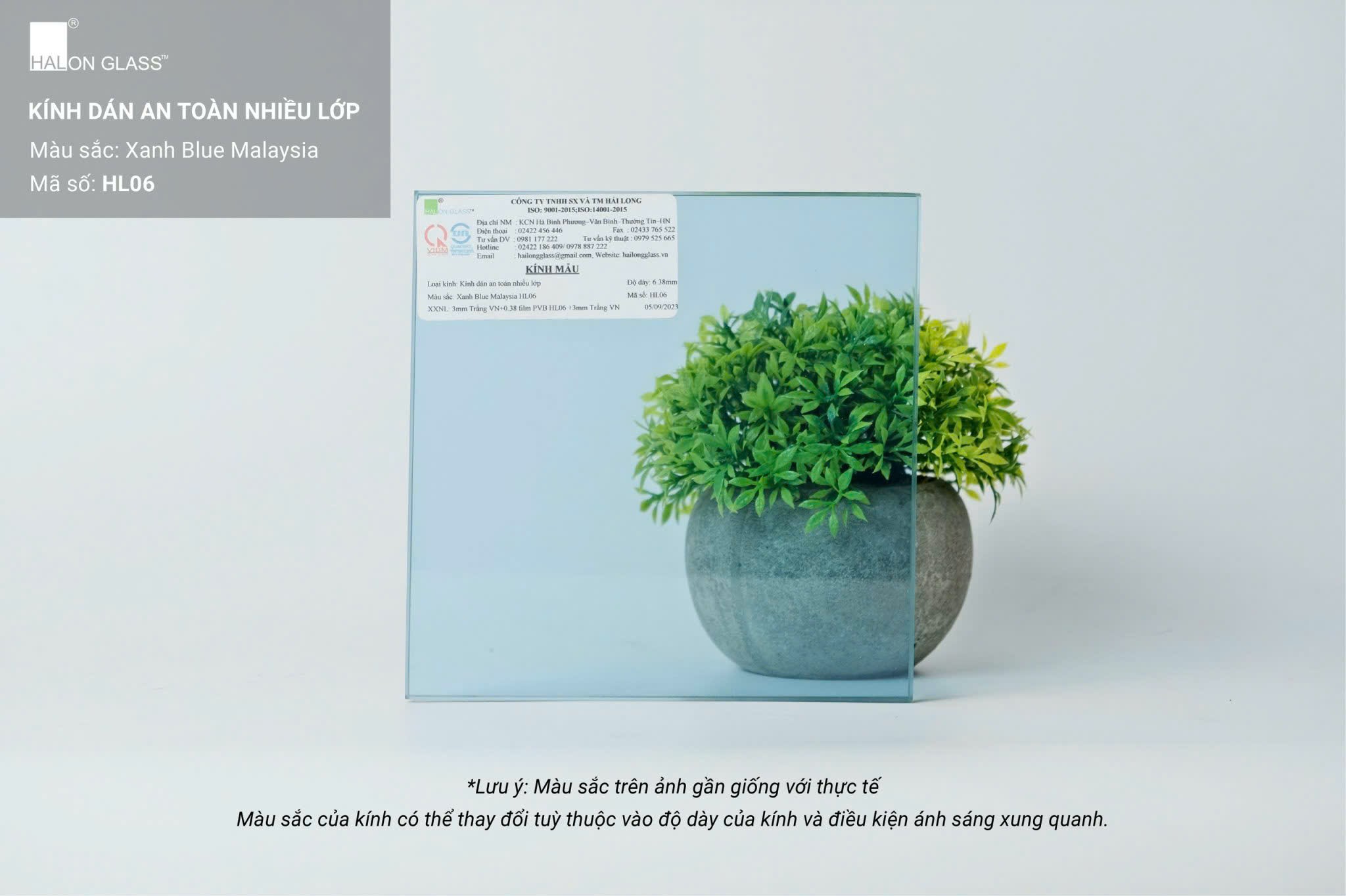
Technically, the thickness of laminated safety glass is usually indicated by its structure, such as 6.38 mm, 8.38 mm, 10.38 mm, etc., where the ".38" represents a standard PVB film thickness of approximately 0.38 mm. Multi-layer configurations such as 5+5, 6+6, 8+8 mm with 2 or 3 film layers are used for applications requiring high load-bearing capacity, such as glass railings, glass roofs, and curtain walls. This structural diversity allows design engineers to choose a solution that suits specific safety standards, wind loads, impact loads, and aesthetic requirements of the building.
The core safety feature of modern laminated glass lies in its mechanism of dispersing impact energy through an intermediate film layer. In the event of a strong impact, the glass may shatter, but the fragments remain firmly attached to the film surface, forming a transparent "screen" that minimizes the release of sharp shards. This mechanism is completely different from ordinary glass, which shatters into large, sharp pieces that easily fall freely, posing a danger to people standing below or around the installation area.
In terms of load-bearing capacity, modern laminated safety glass can be designed to achieve impact resistance, bending resistance, and wind load resistance equivalent to or superior to tempered glass in many applications. When tempered glass + film + tempered glass is combined , a laminated safety glass system with very high load-bearing capacity is created, suitable for projects such as glass floors, glass bridges, large glass roofs, and high-rise glass curtain walls. In addition, the SGP film or other high-performance films help increase bending stiffness, reduce deflection of the glass panel under long-term load, and ensure geometric stability for large glass structures.
In the security field, laminated safety glass is used as an effective anti-burglary solution. Thick, high-tensile film layers, when combined with tempered glass, create a barrier that is difficult to break quickly with ordinary tools. This prolongs reaction time and increases the ability to prevent unauthorized entry. In areas such as railings, balconies, and skylights, laminated safety glass acts as a secondary protective layer, reducing the risk of falls when the glass cracks due to impact or localized overload.
In fire and explosion situations, modern laminated safety glass is better able to maintain its structure than single-glazed glass. The intermediate film layer helps to hold glass fragments together, limiting the creation of "shrapnel" that can fly far during shock waves. Some specialized laminated glass systems are even designed to meet explosion-proof and impact pressure resistance standards in special structures such as gas stations, chemical plants, and public buildings. Choosing the right glass-film-glass configuration, combined with a standard frame and accessories, is crucial for effective protection in high-risk scenarios.
Besides safety, modern laminated glass also offers superior sound insulation performance thanks to the damping properties of the film layer. Sound waves passing through the glass surface have some of their energy attenuated at the intermediate film layer, which is particularly effective against traffic noise and urban noise. Multi-layered laminated glass configurations, combined with air chambers or inert gases in double-glazed systems, can achieve high sound insulation ratings, making them suitable for hotels, high-end offices, meeting rooms, studios, and spaces requiring quietness.
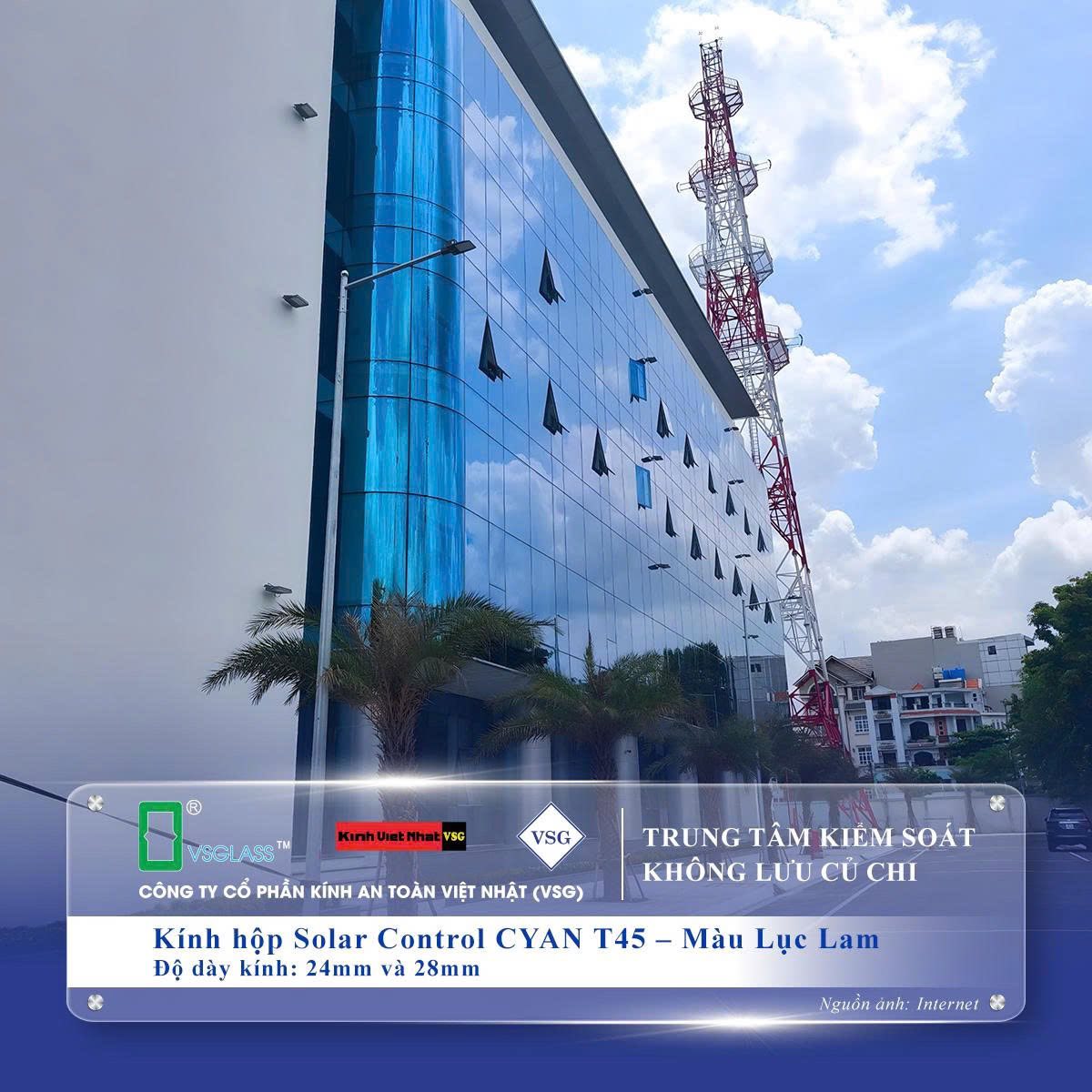
In terms of thermal insulation and solar energy control , laminated safety glass can incorporate special films or coatings such as Low-E, Solar Control, reflective films, and UV-blocking films . These layers help reduce the amount of heat radiation entering the interior space, limiting temperature increases in the room and reducing the load on the air conditioning system. At the same time, laminated glass still ensures appropriate light transmission, creating a comfortable working and living environment while saving energy. The UV-blocking ability of PVB films or other specialized films also helps protect interior furnishings, wood, curtains, and finishing materials from fading and premature aging.
In the trend of green architecture and sustainable construction , modern laminated safety glass plays a crucial role in optimizing the performance of building envelopes. When properly calculated according to energy standards, laminated glass can significantly reduce electricity consumption for lighting and air conditioning , while still ensuring expansive views and visual connection with the outside space. Combining laminated glass with active shading solutions, sun louvers, light sensors, and intelligent control systems further enhances the operational efficiency of the building throughout its lifespan.
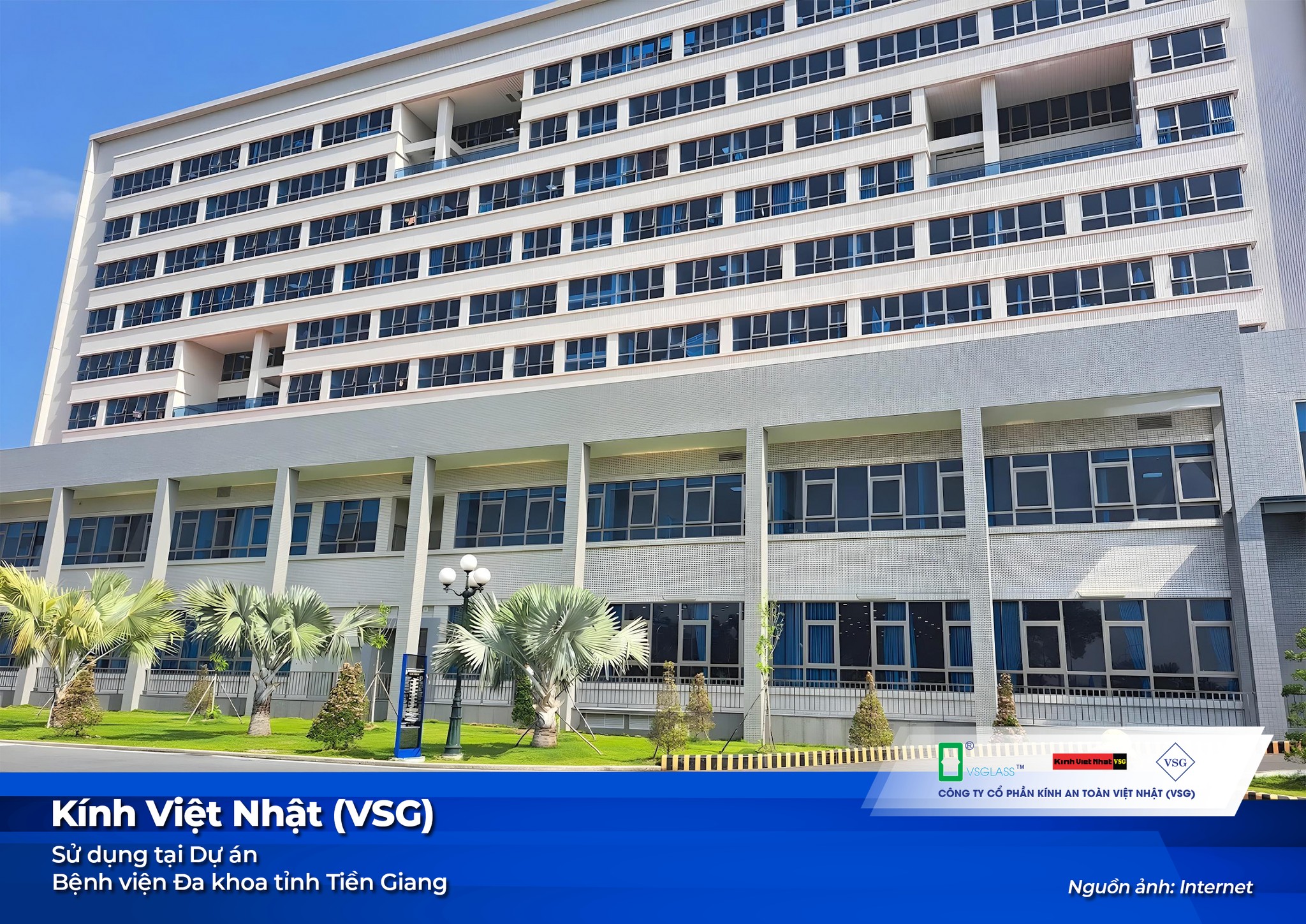
Modern safety laminated glass is widely used in many applications: glass curtain walls, doors and windows, balcony railings, glass staircases, glass roofs, skylights, glass shower enclosures, interior partitions, showrooms, banks, schools, and hospitals . Each application has its own requirements regarding thickness, type of glass (normal glass, tempered glass, semi-tempered glass), type of film (PVB, SGP, EVA, etc.), and safety standards that must be met. Choosing the wrong configuration can lead to sagging glass, cracking due to overload, or failure to meet security, sound insulation, and thermal insulation requirements.
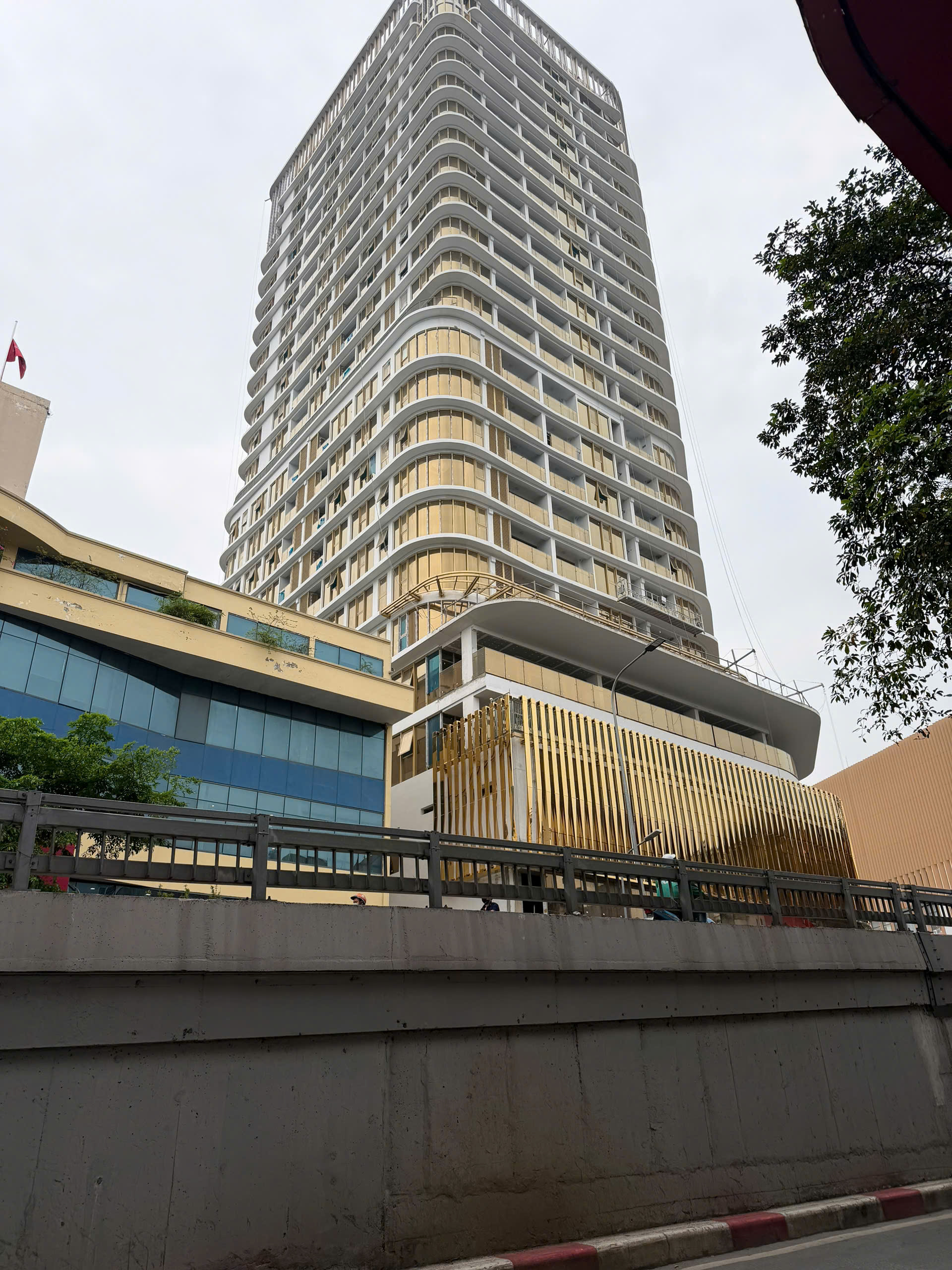
During design and construction, it is necessary to refer to relevant national and international standards for building glass, such as standards for impact testing, wind load testing, user safety testing, and fire safety regulations. Besides the glass itself, the aluminum and steel frame system, clamps, gaskets, and structural sealants must also be selected to ensure proper load transmission and secure glass retention throughout its lifespan. In particular, details such as glass edges, drilled holes, and cutouts must be processed correctly to avoid stress concentration points, which reduce the lifespan of the glass panel.
The modern safety laminated glass manufacturing process includes the following main steps: glass cutting, grinding, drilling, and edge finishing; washing and drying; glass-film lamination; pre-pressing; and autoclave pressing . Each stage requires specialized machinery and a rigorous quality control process. Surface cleanliness, film moisture content, temperature, and pressure in the pressing chamber are key parameters that determine the quality of the bond between the glass and film. A standard product must have a transparent surface, free of air bubbles, streaks, and edge delamination throughout its designed lifespan.
To ensure investment efficiency and long-term safety, investors and consultants should work with suppliers possessing strong technical capabilities, modern production lines, and a clear quality control system . Sample testing, material certification verification, and construction capability assessment are crucial steps before large-scale implementation. For in-depth consultation on glass configuration selection, technical solutions, and applicable standards for each type of project, contact Ngoc Quyet Company for advice from a team of experienced technicians who understand the safety, aesthetics, and economic requirements of each project.