

Safety laminated glass for offices
Laminated safety glass for offices
Concepts and structure of laminated safety glass for offices;
In-depth advantages of laminated safety glass in office spaces;
Security and privacy solutions with laminated safety glass;
Practical applications of laminated safety glass in office design;
Applications in meeting rooms, executive areas, and creative spaces;
Technical standards, construction, and choosing a reputable contractor;
Contact for consultation and installation of laminated safety glass – Ngoc Quyet Company
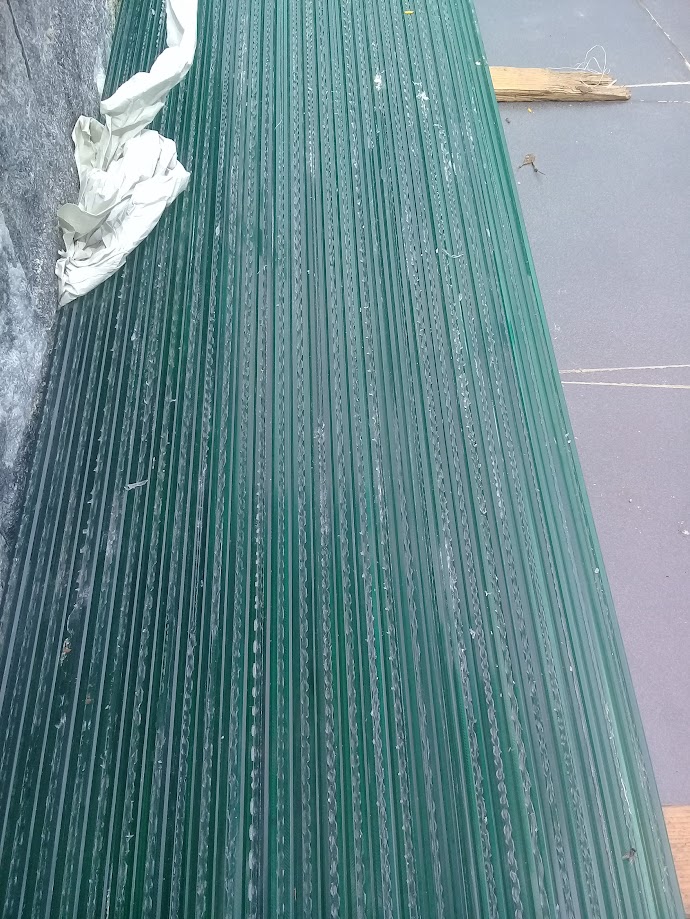
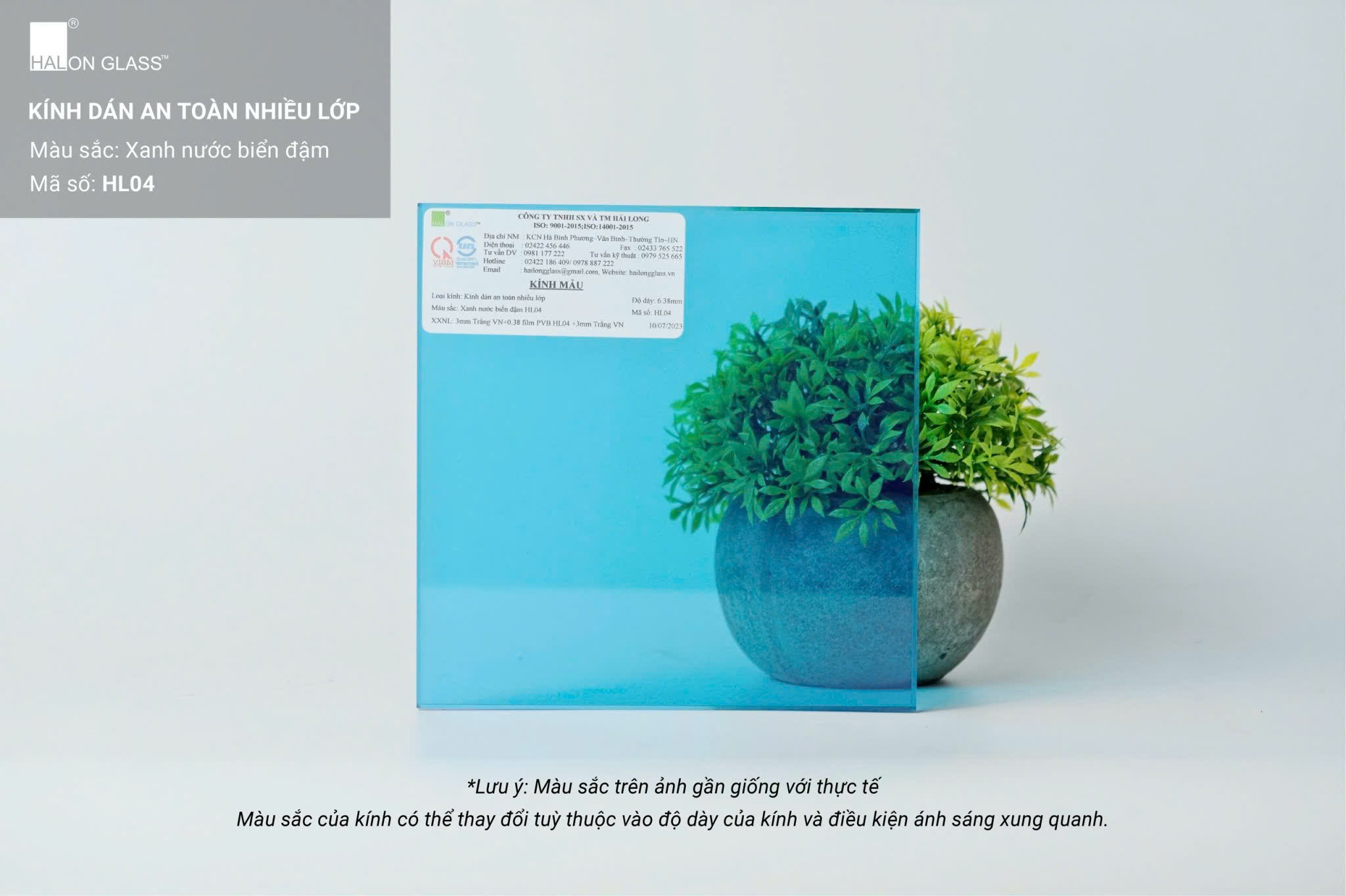
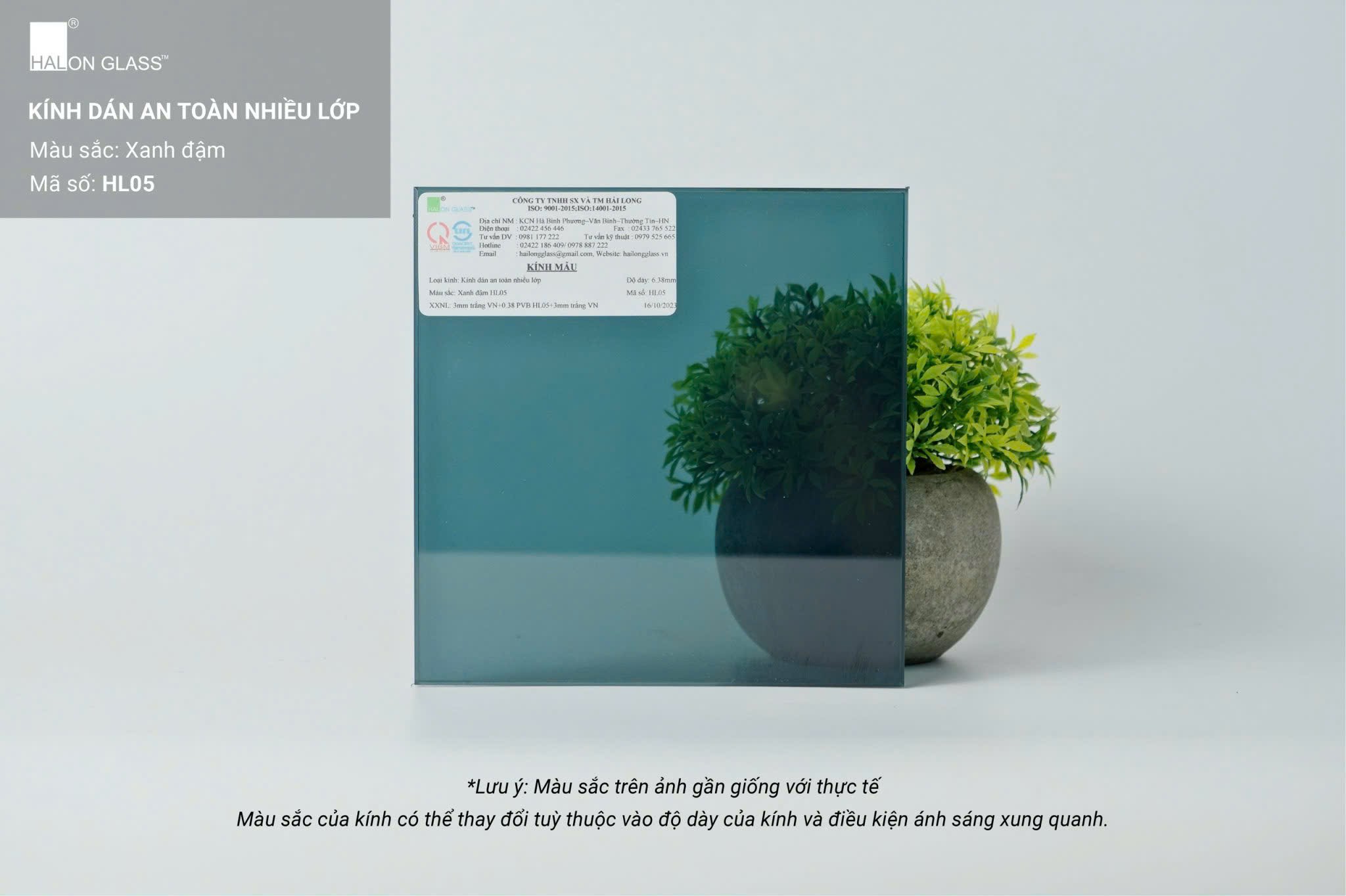
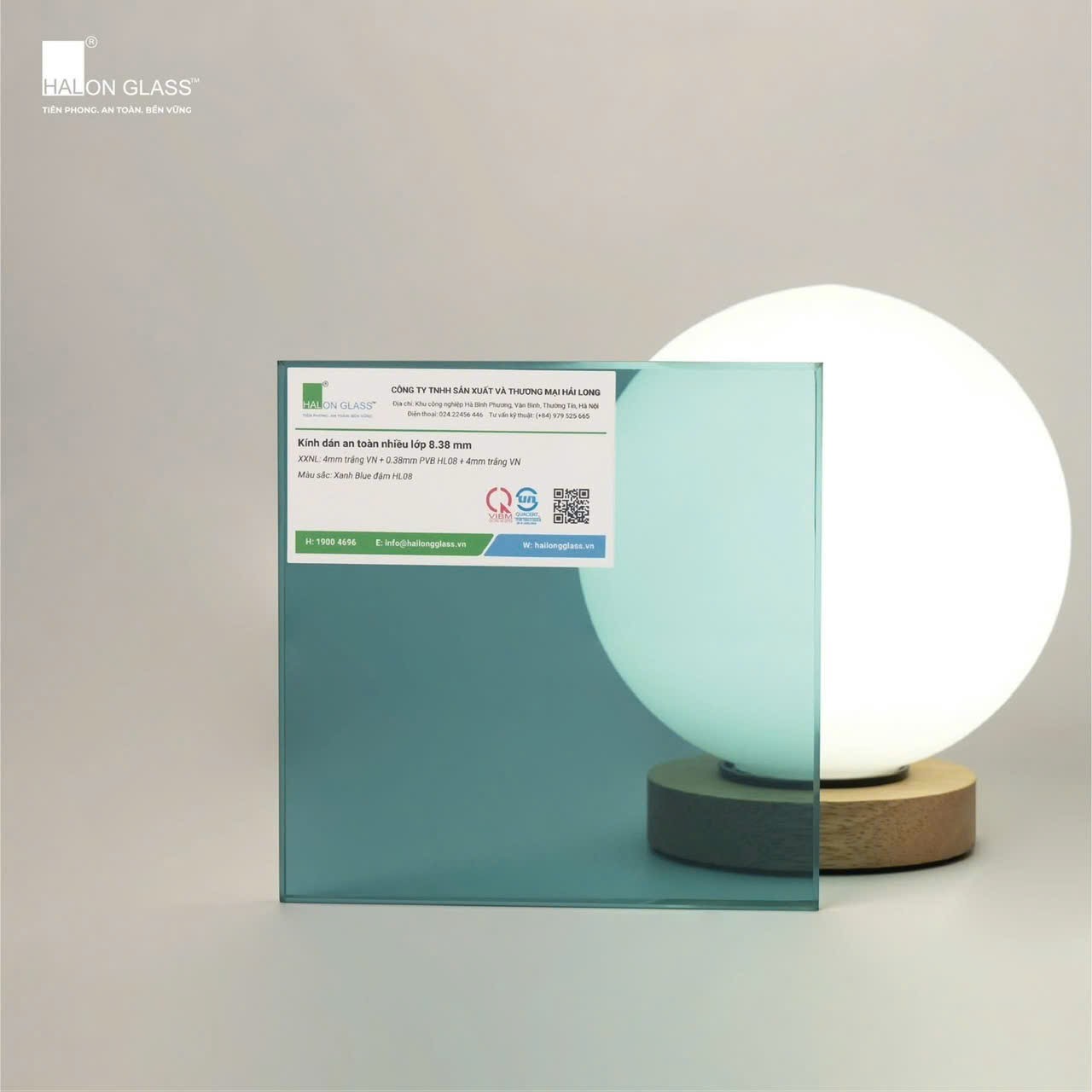
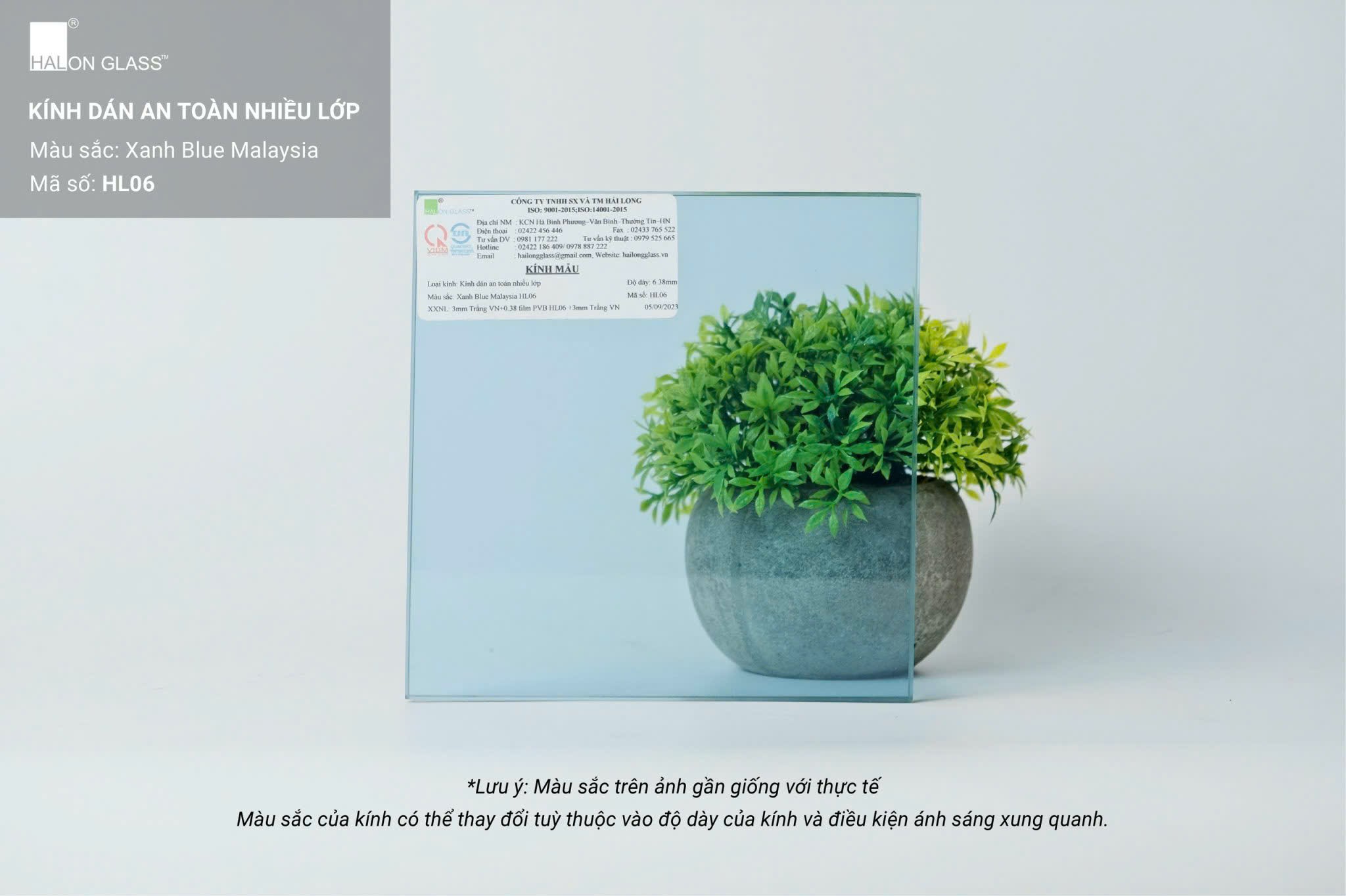
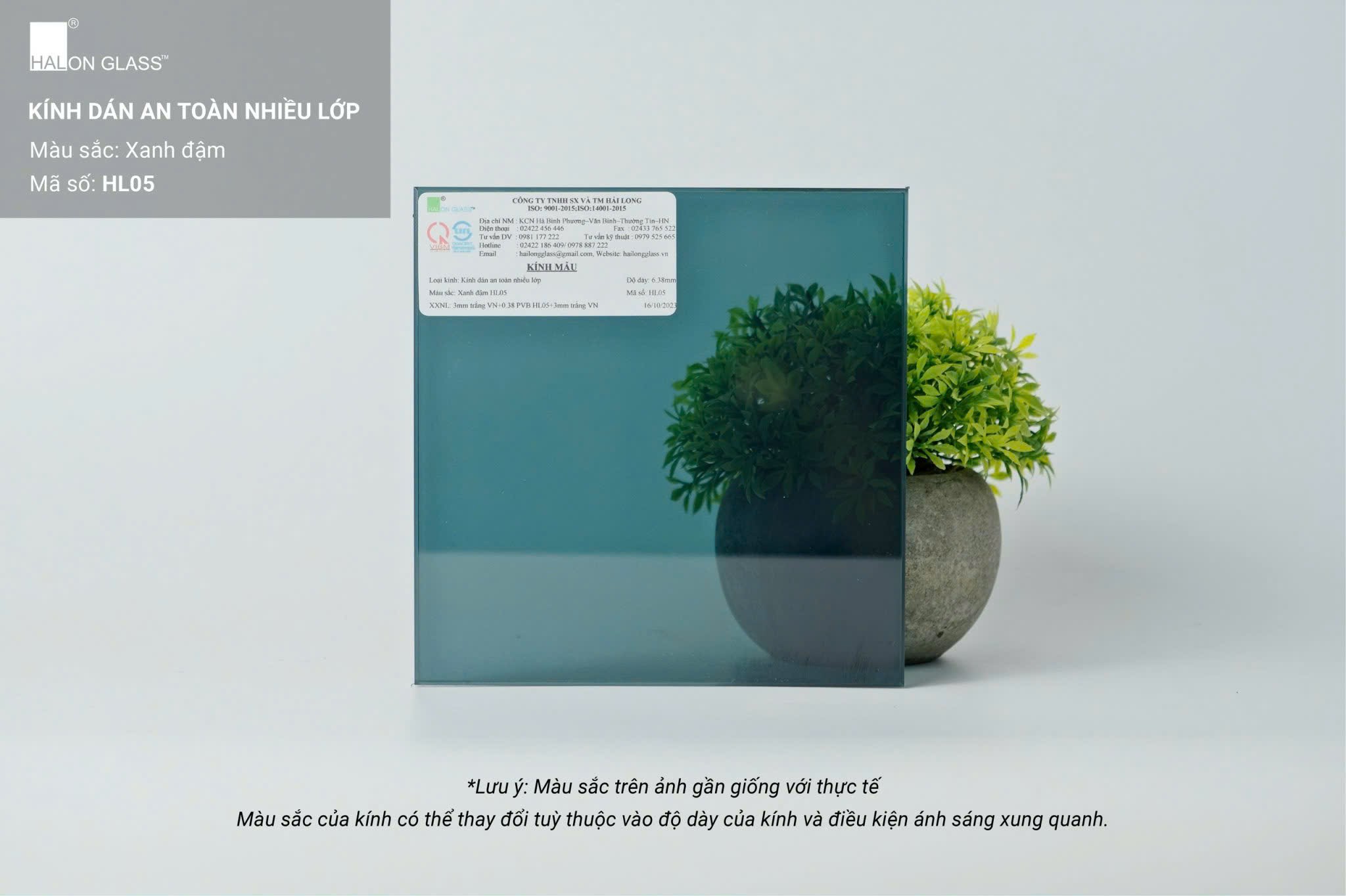
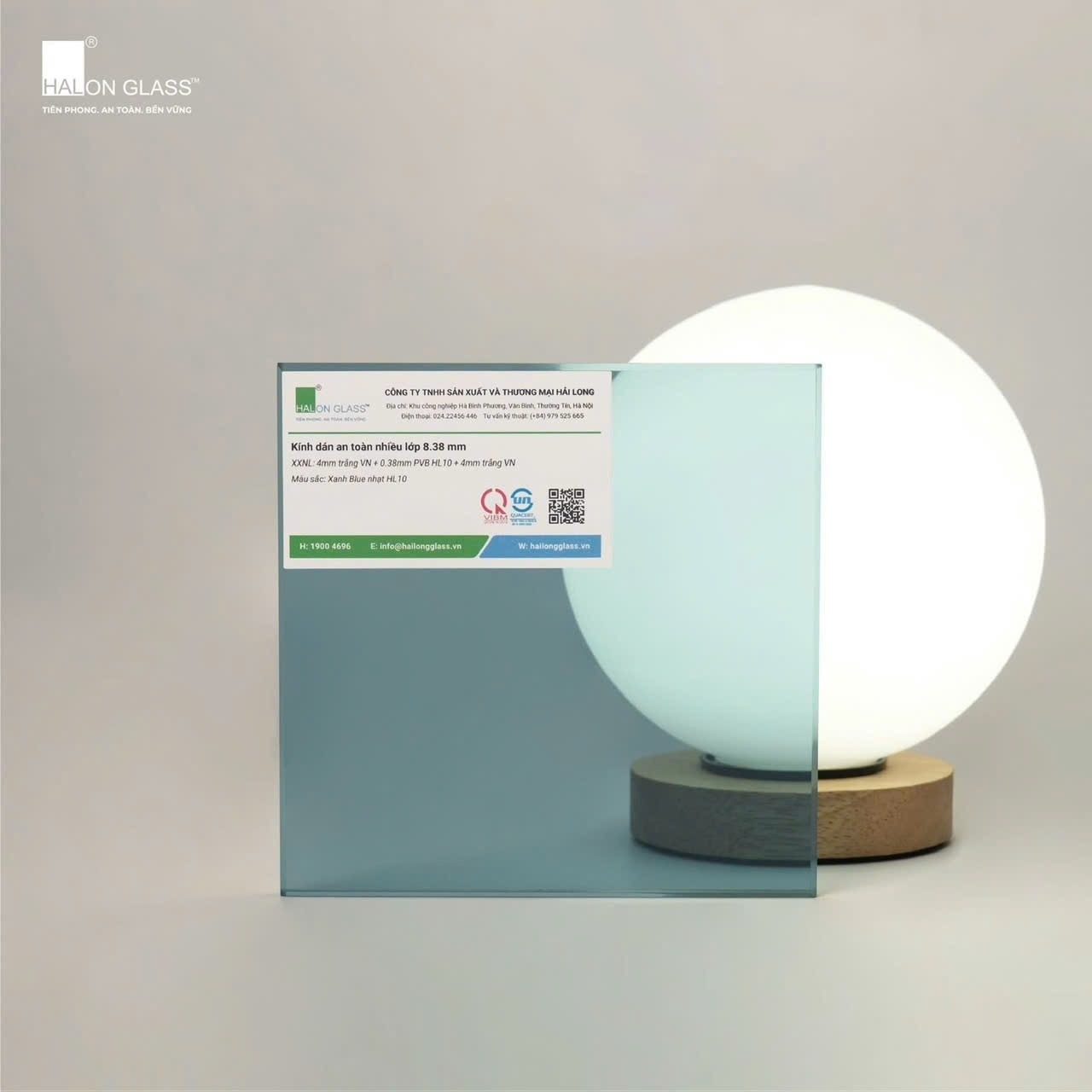
Laminated safety glass for offices is a type of glass composed of two or more flat glass layers with one or more special bonding films in between, such as PVB (Polyvinyl Butyral) , EVA (Ethylene Vinyl Acetate) , or SGP (SentryGlas Plus) . These layers are pressed together under high temperature and pressure, forming a unified block with excellent adhesion. In the event of a strong impact, the glass may crack or shatter, but the fragments remain firmly attached to the film, minimizing the risk of injury and meeting the stringent safety requirements of modern office environments.
Technically, laminated safety glass is classified by glass thickness (typically 6.38 mm, 8.38 mm, 10.38 mm to 12.38 mm or thicker) and the number of film layers (1 layer, 2 layers, 4 layers, etc.). Each configuration provides different levels of strength, intrusion resistance, sound insulation, and thermal insulation. In office design, experts often combine laminated safety glass with tempered glass or low-e glass to optimize safety, aesthetics, and energy efficiency simultaneously .
The first and most important advantage of laminated safety glass is its ability to protect people . In the event of impact, instead of shattering into sharp fragments, laminated safety glass will crack in a lattice pattern, but the film layer will hold the pieces together. This is especially important in areas such as glass facades, meeting room partitions, glass railings, high-rise windows, and skylights – where the risk of breakage could cause serious accidents to employees and customers.
Besides mechanical safety, laminated safety glass offers superior noise reduction compared to regular glass. The elastic PVB film absorbs and attenuates sound vibrations, significantly reducing noise from the street, construction sites, or nearby production areas. For offices requiring high concentration spaces, enclosed meeting rooms, executive offices, or creative work areas, using soundproof laminated safety glass is an effective solution to improve the quality of the working environment.
Another advantage is its UV protection . Standard PVB film can block up to 99% of ultraviolet rays, protecting employees' eye and skin health while also preventing fading of furniture, carpets, curtains, and decorative materials. When combined with reflective or low-e coatings, safety laminated glass also helps reduce the load on air conditioning systems , saving businesses operating costs.
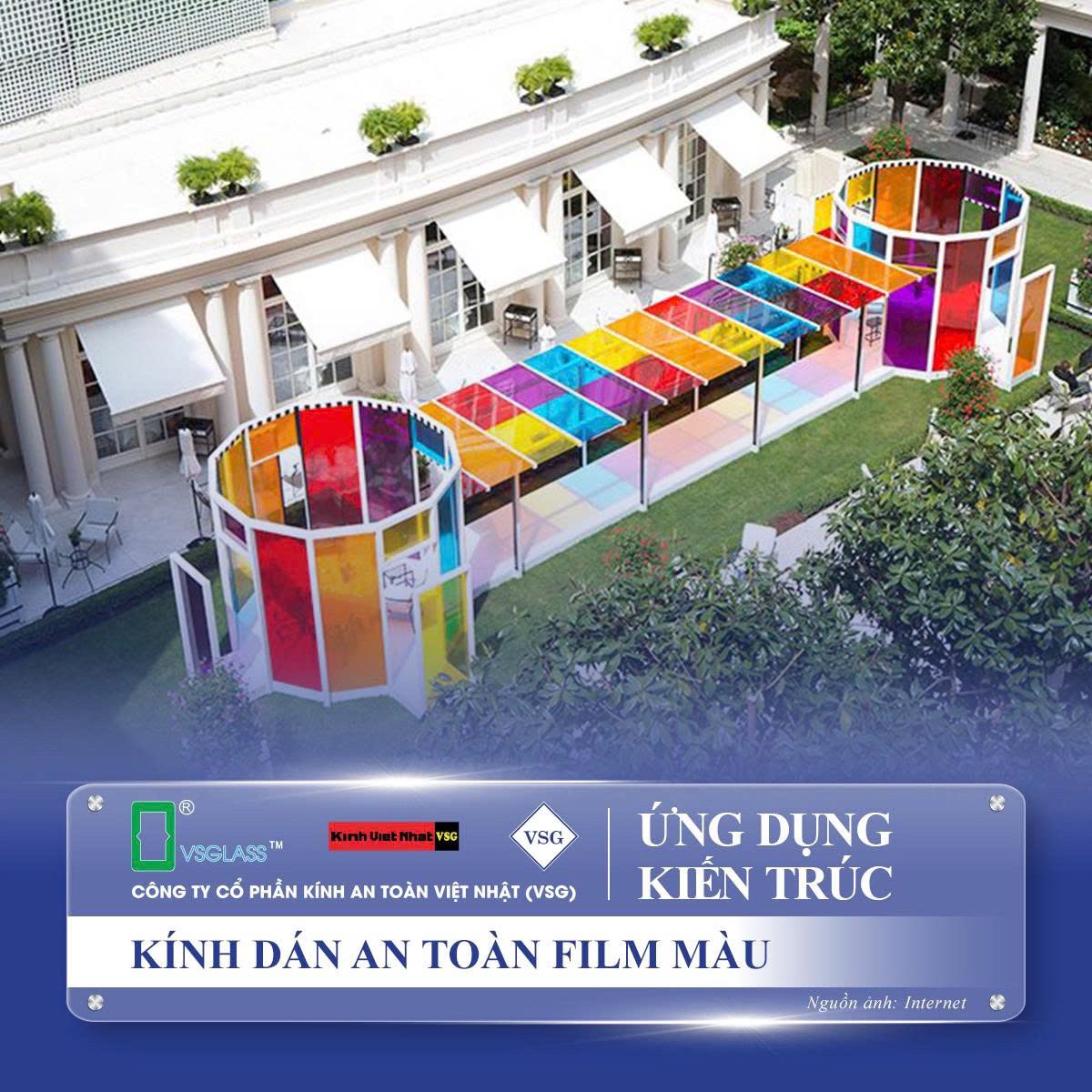
In office environments, information security and visual privacy are increasingly important. Laminated safety glass can incorporate special films such as frosted film, reflective film, colored film, and anti-peeping film to control visibility from the outside. This allows businesses to design spaces such as strategic meeting rooms, accounting offices, and human resources offices that are both private and maintain a sense of spaciousness, avoiding the cramped feeling of traditional brick walls.
For high-end offices, laminated safety glass can also be combined with smart film, allowing switching between transparent and opaque states with the push of a button. This solution offers high flexibility in space utilization: when needed, the transparent glass creates a spacious feel; when a private meeting is required, the glass turns opaque to protect the content of the discussion.
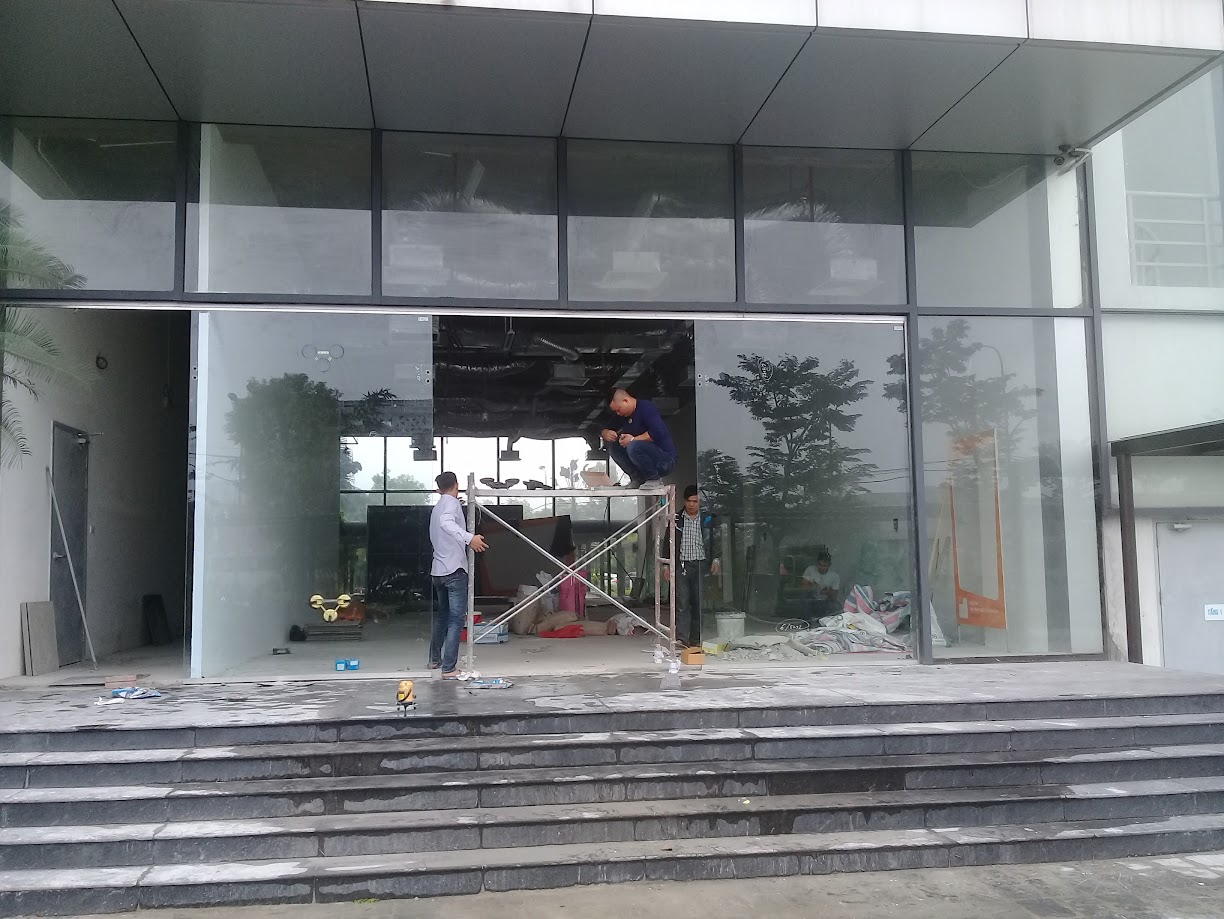
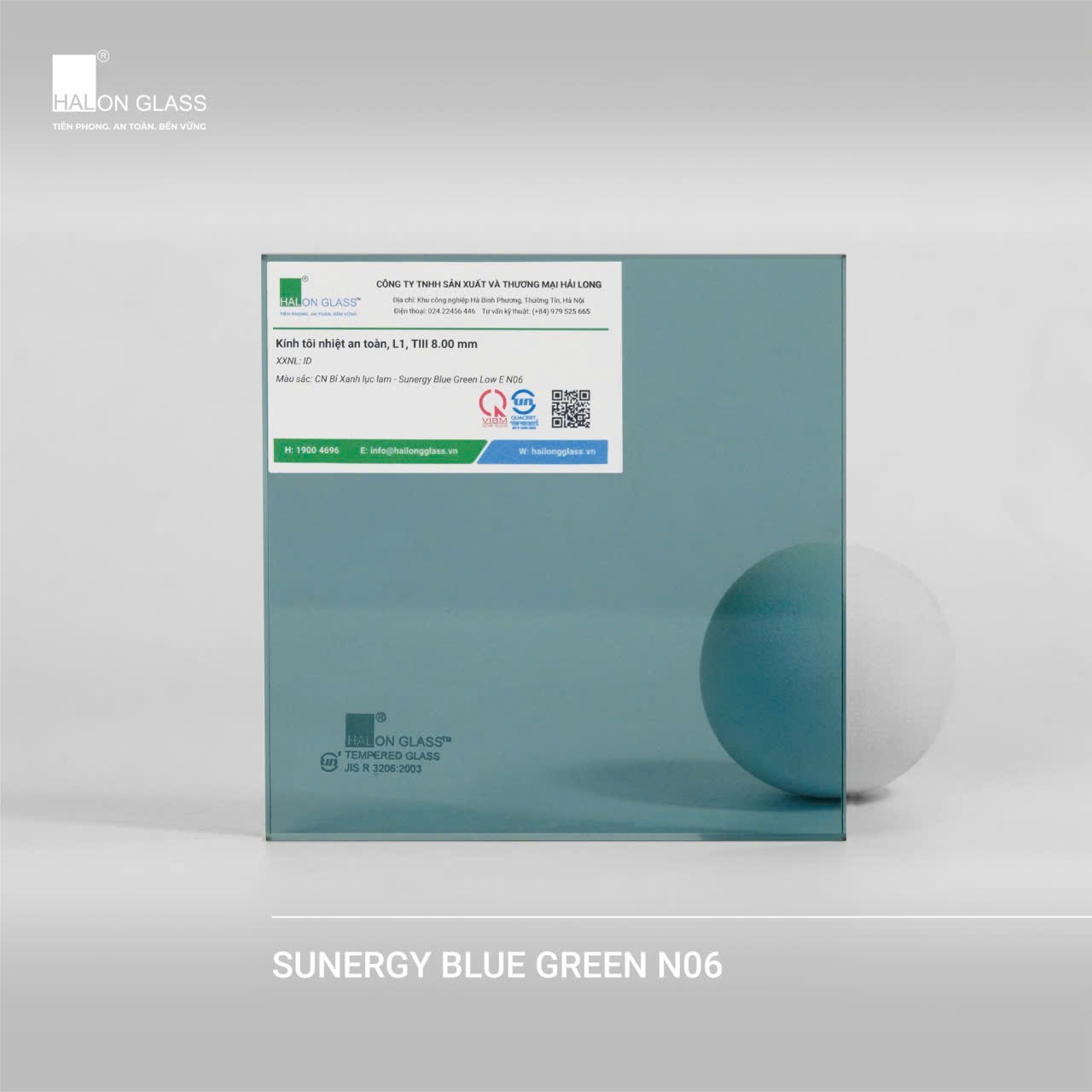
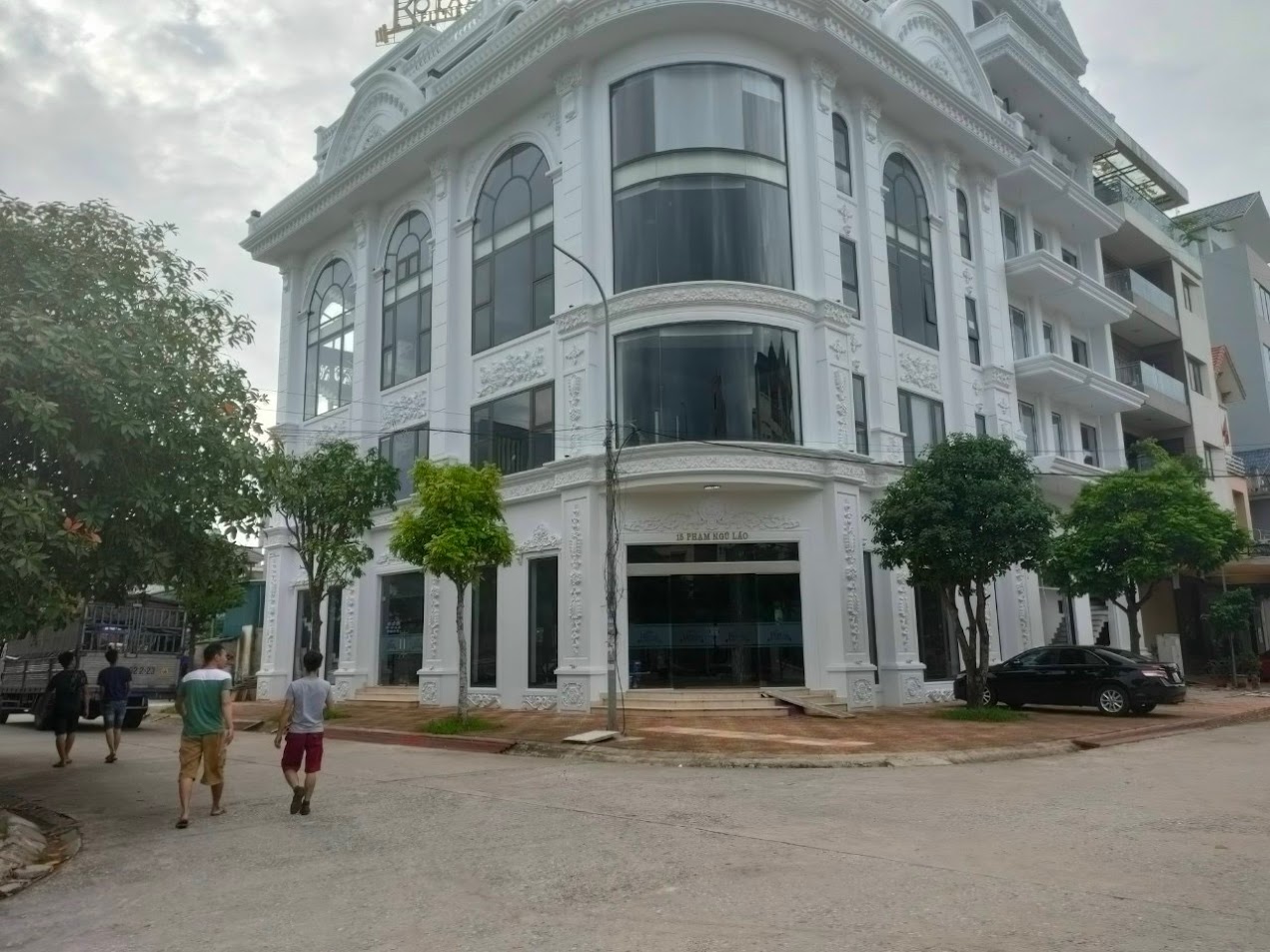
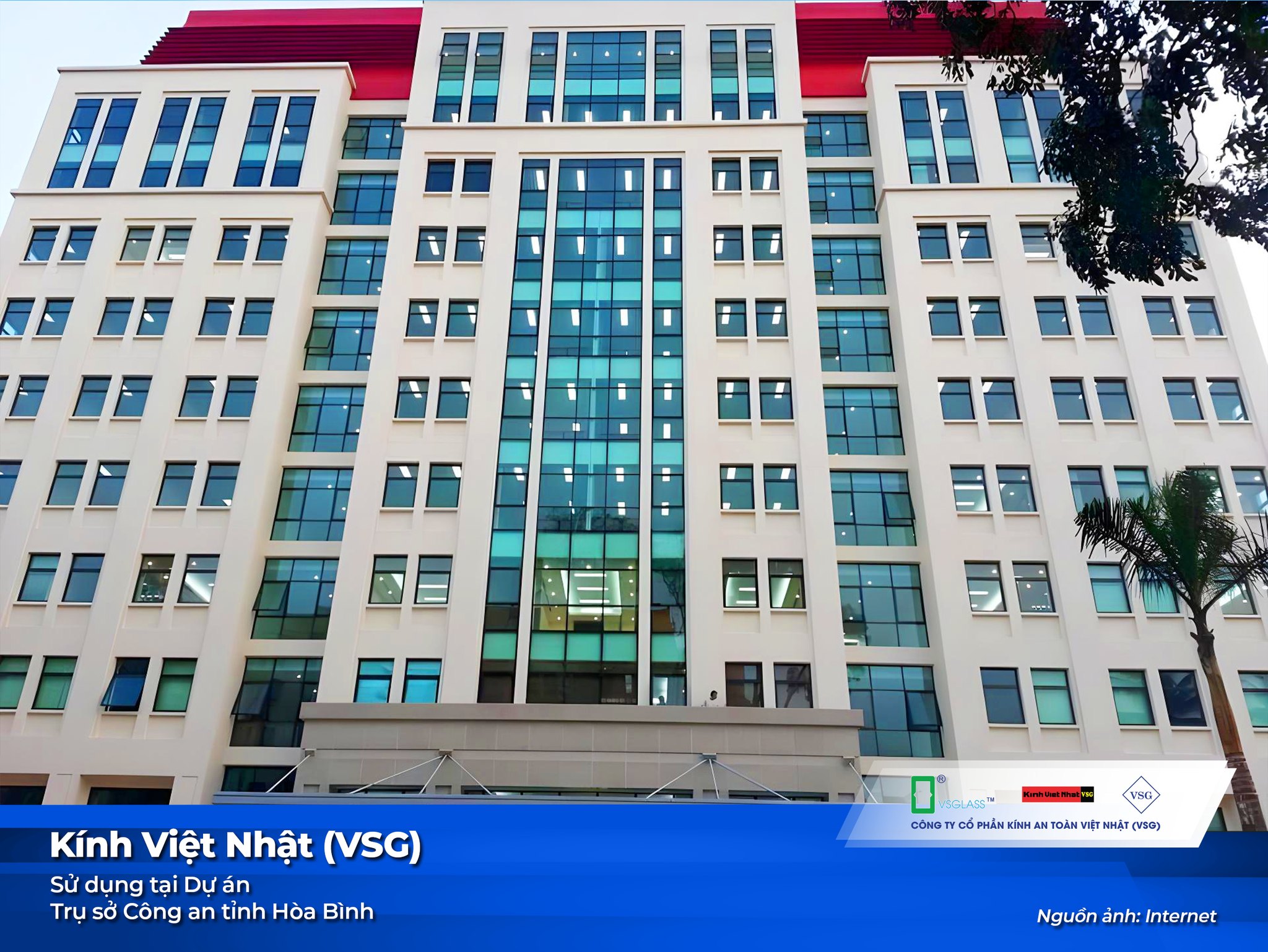
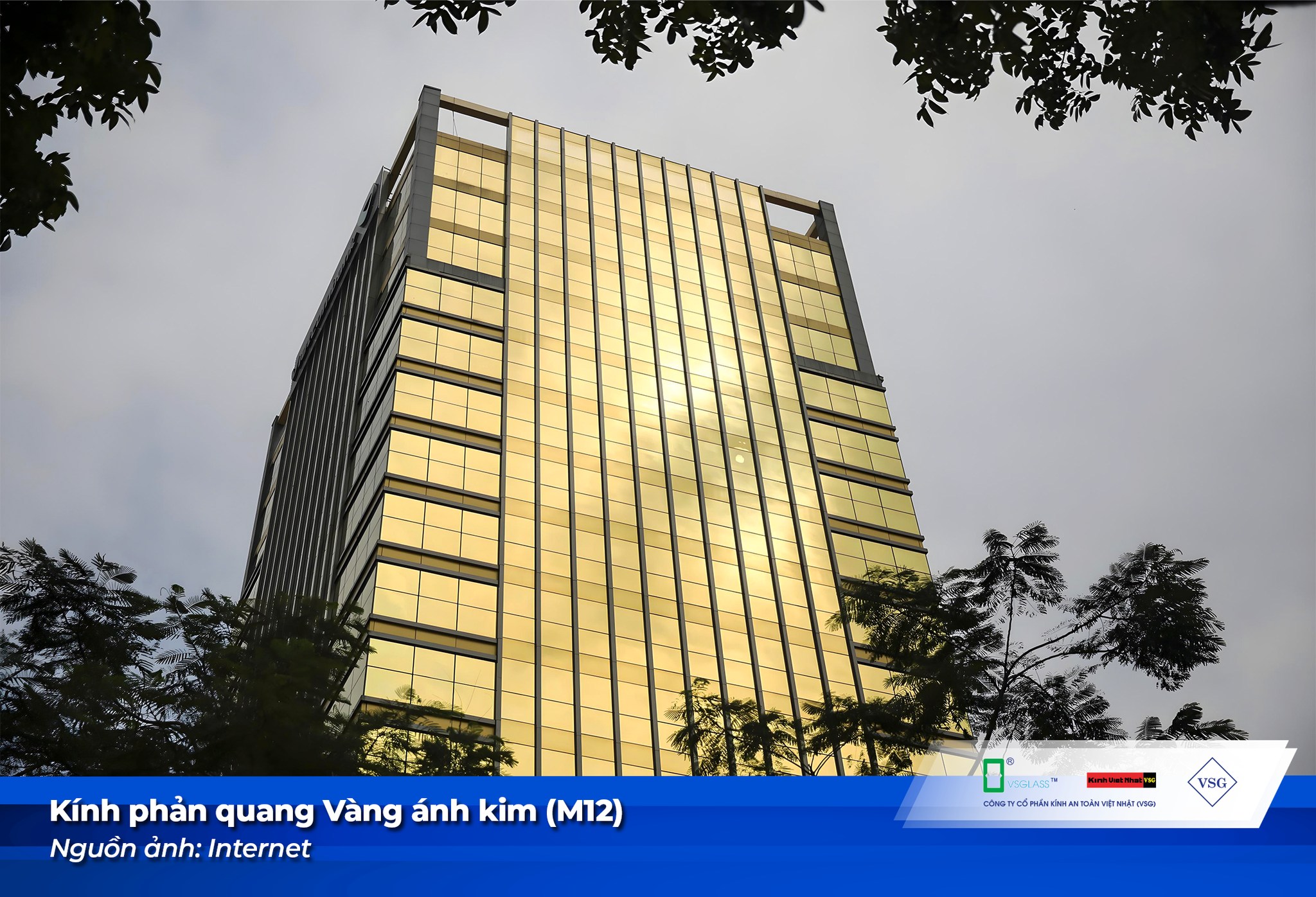
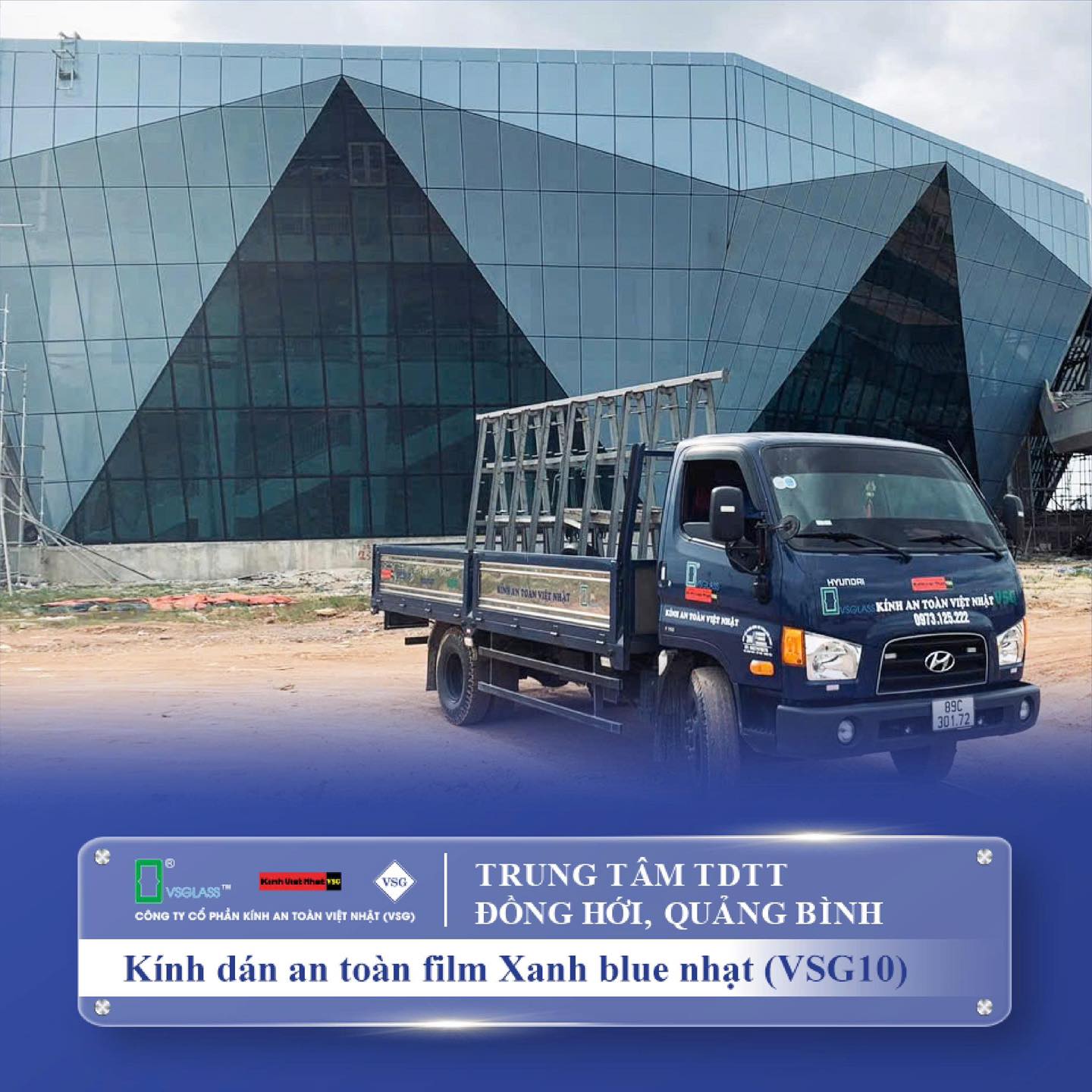
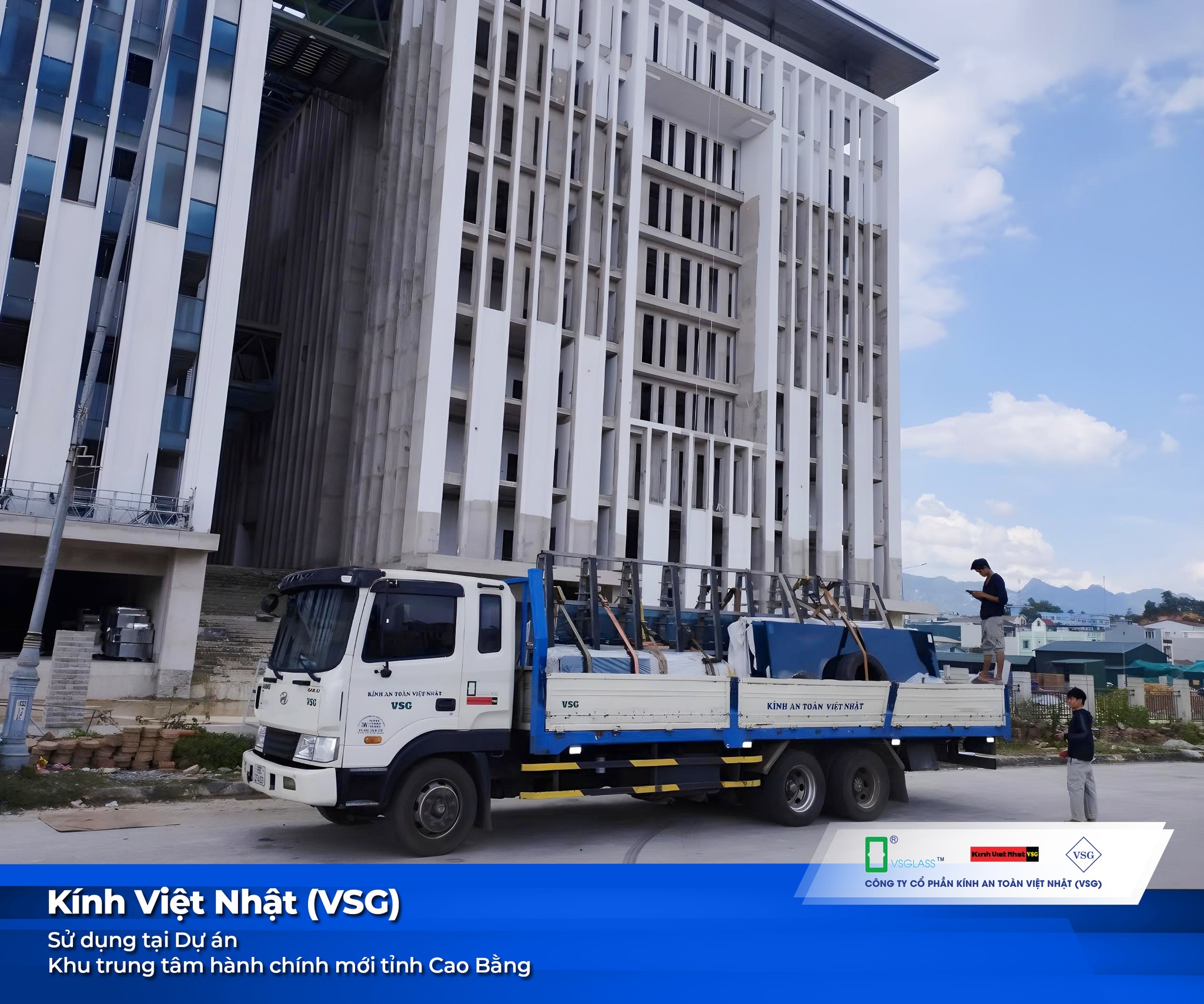
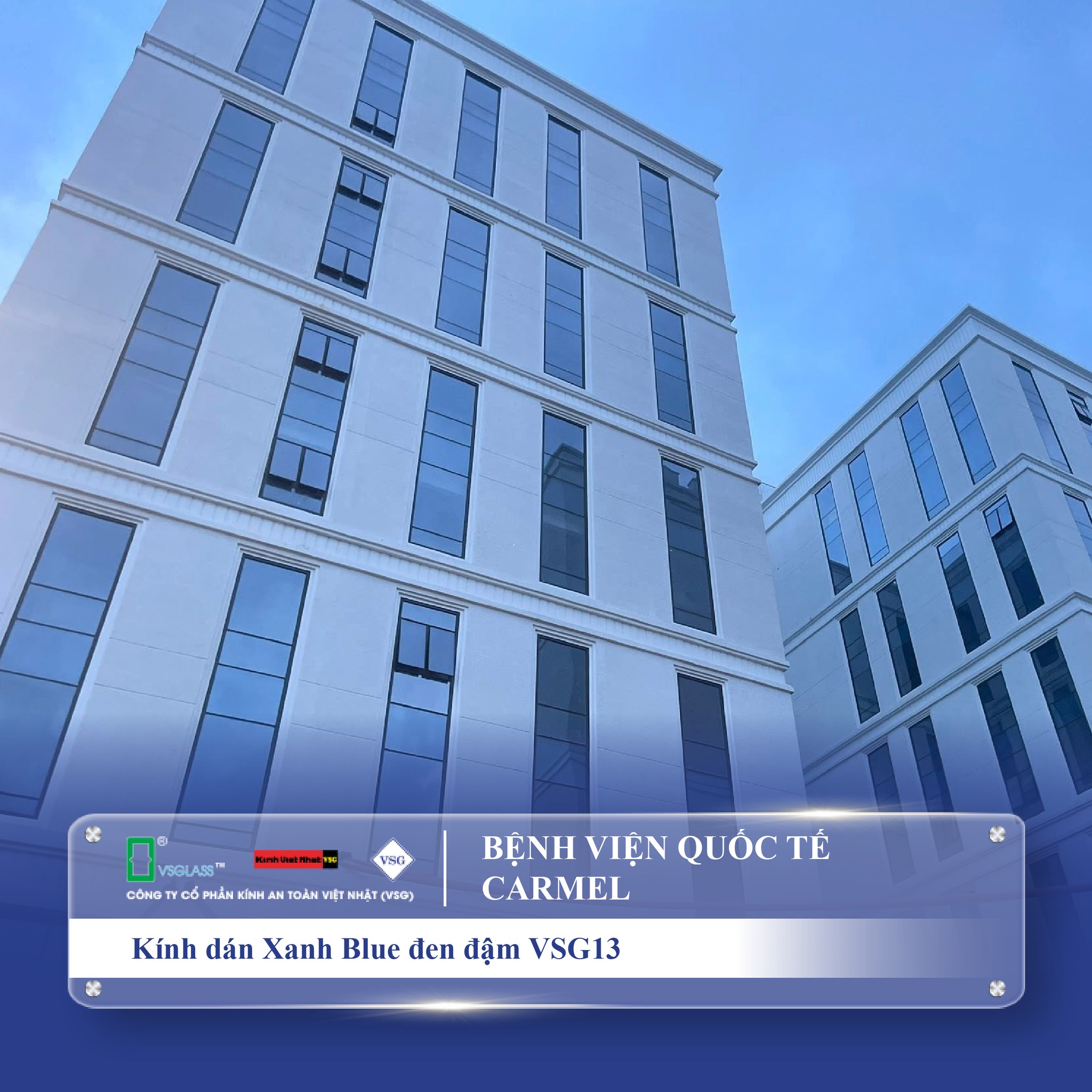
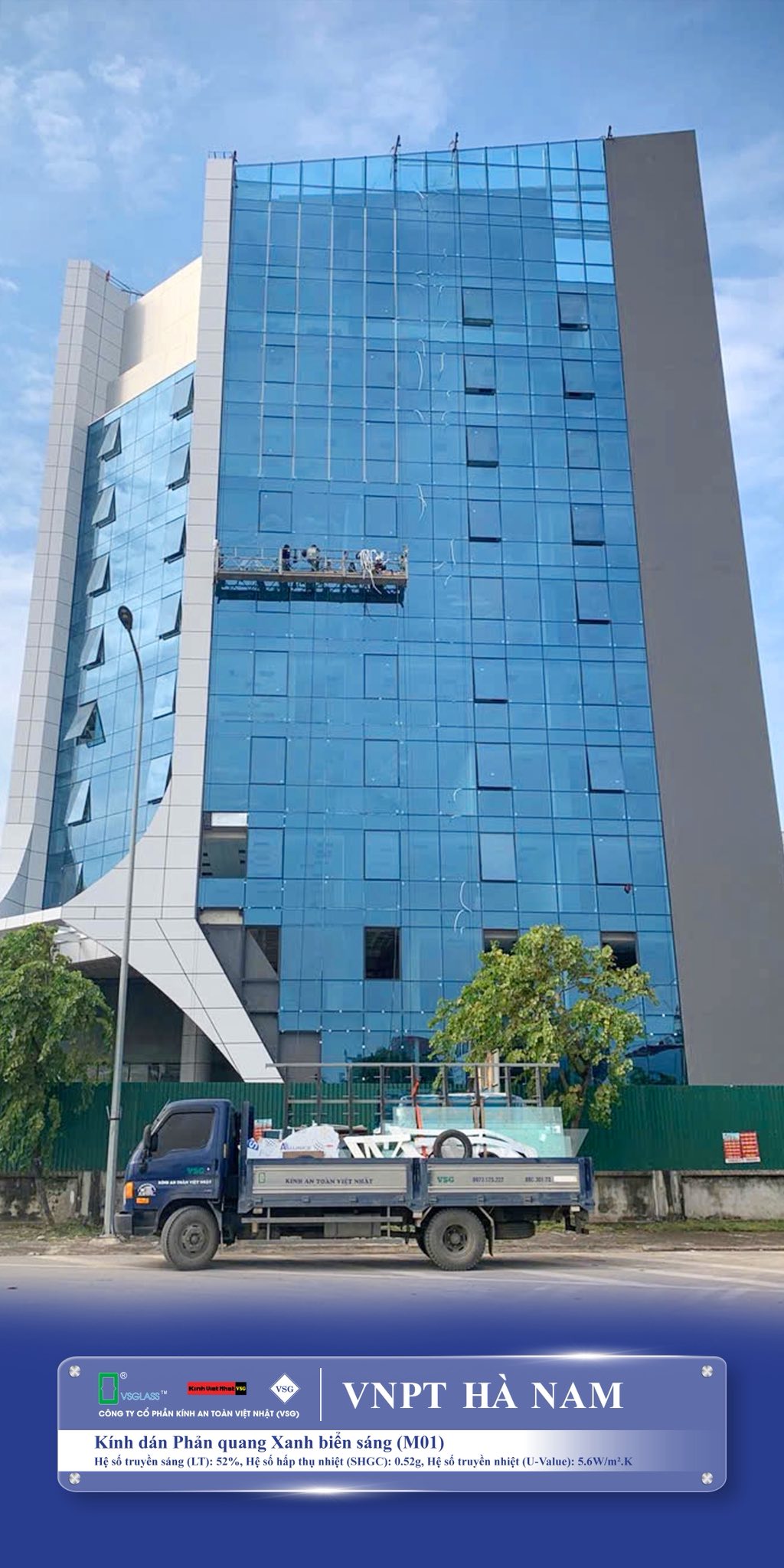
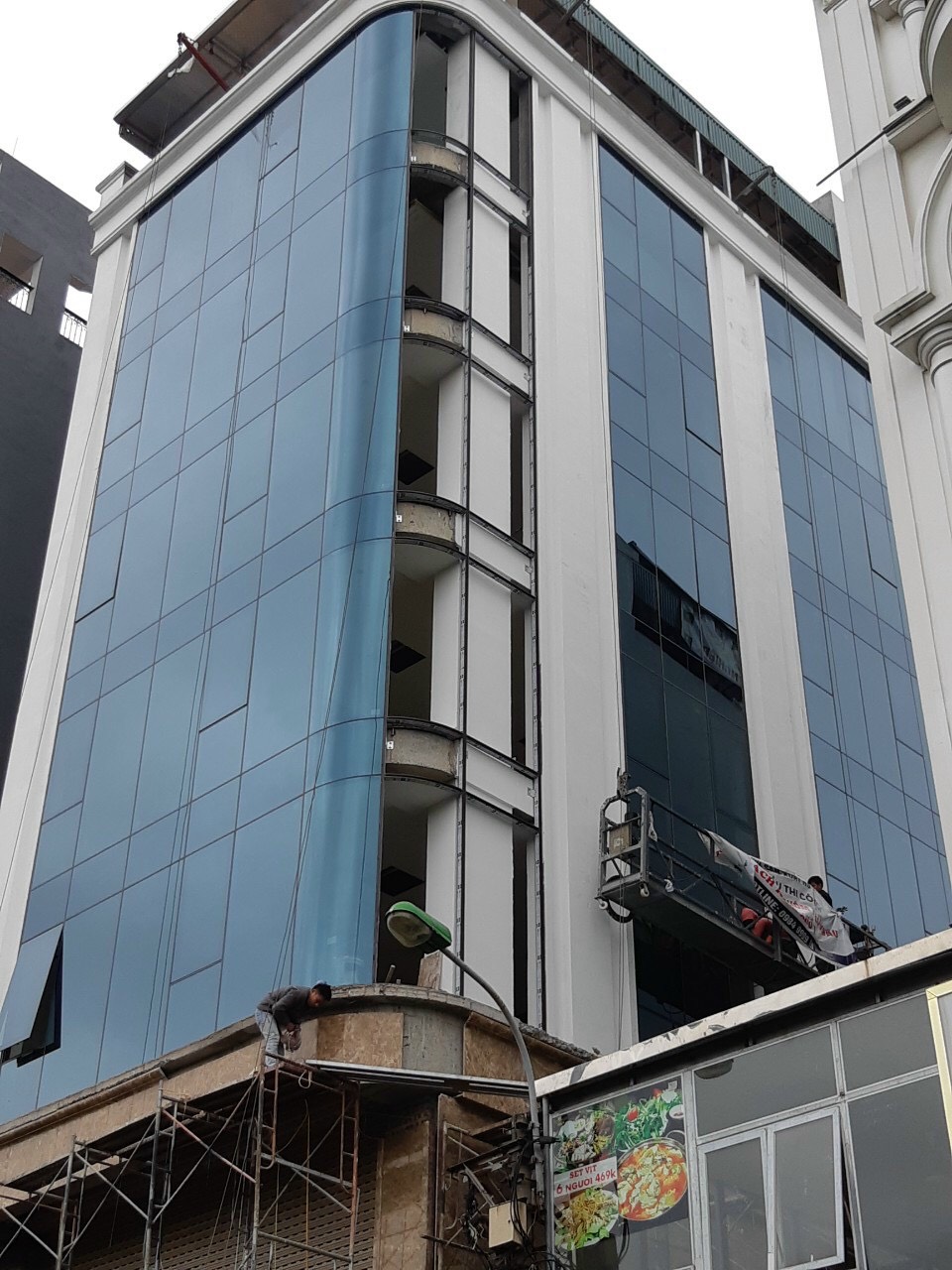
Laminated safety glass is widely used in many interior and exterior office projects, not only for its safety features but also for its aesthetic value and ability to optimize natural light . Some typical applications include: glass curtain walls, office partitions, doors, stair railings, glass floors, skylights, glass meeting rooms, reception areas, and product showrooms. Each location will have specific technical requirements regarding thickness, film type, frame connection methods, and accessories.
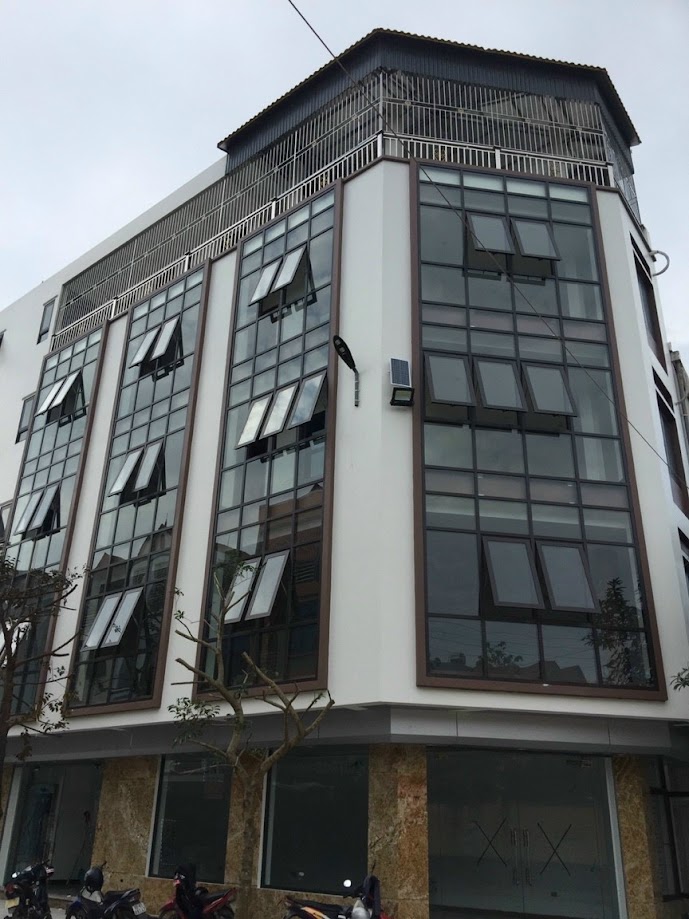
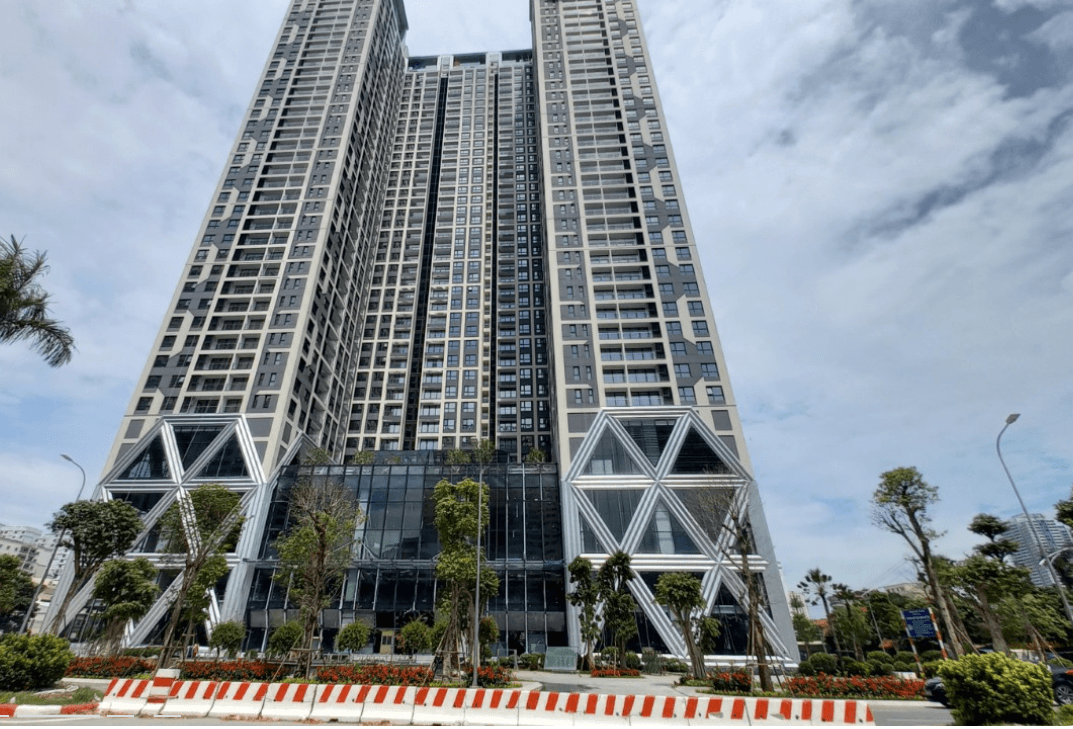
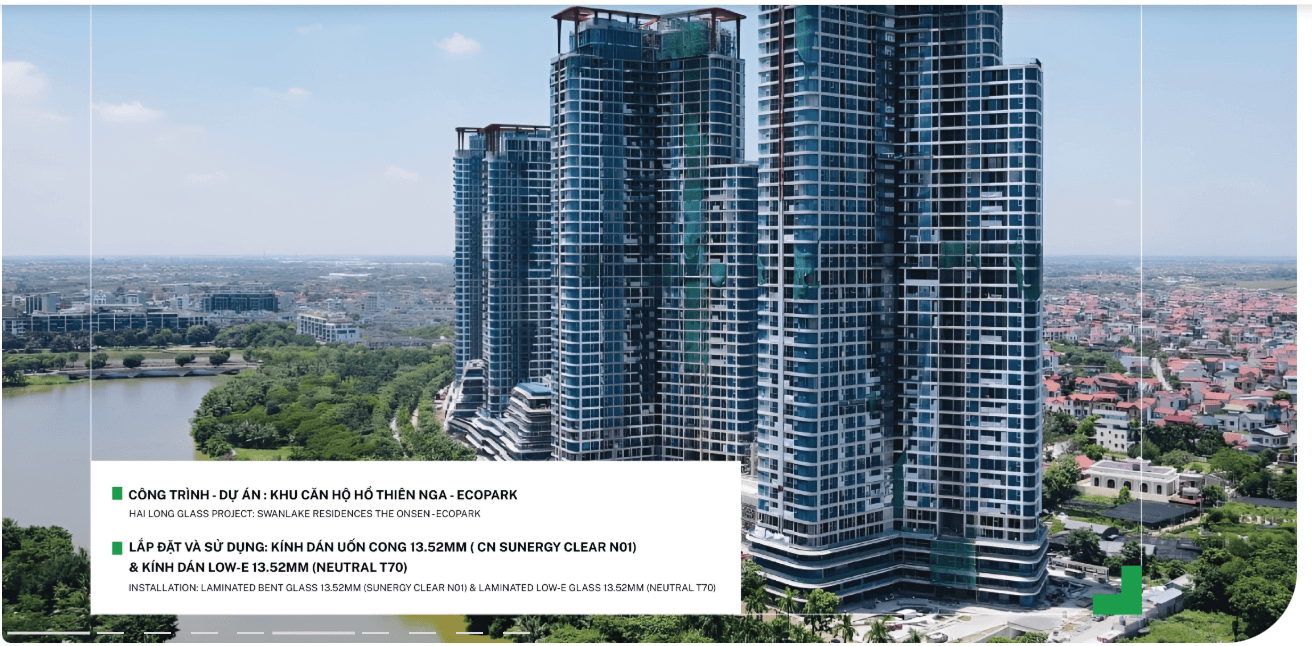
In high-rise office buildings, curtain wall systems often use laminated safety glass on the outermost layer to enhance wind resistance, prevent breakage, and protect pedestrians below. In interior spaces, laminated safety glass partitions allow for flexible space division while maintaining visual continuity, creating a feeling of a larger, brighter, and more modern office compared to brick walls or drywall.
Meeting rooms and executive areas often require a high level of soundproofing and privacy , while still maintaining a professional and luxurious image. Laminated safety glass with a multi-layer PVB film configuration or a combination of PVB and tempered glass is the optimal choice. Businesses can use frosted laminated safety glass, patterned laminated safety glass, or laminated safety glass with decorative film to highlight their brand, logo, or slogan directly on the glass surface, increasing recognition while ensuring functionality.
For creative spaces like brainstorming areas or team-building zones, laminated safety glass can be surface-treated to be written on with markers or felt-tip pens, acting as a large whiteboard. Employees can take notes, draw diagrams, and present ideas directly on the glass, then easily wipe it clean. This method maximizes the use of glass partition space while creating a dynamic work environment that encourages interaction.
For safety laminated glass to function effectively, adherence to technical standards and construction procedures is crucial. From the design stage, accurate calculations of wind load, impact load, installation height, aluminum-steel-stainless steel frame connection methods , and the selection of the correct glass type (laminated ordinary glass, laminated tempered glass, laminated low-e glass, etc.) are necessary. During production, parameters such as pressing temperature, curing time, glass surface cleanliness, thickness, and PVB/EVA/SGP film quality must be strictly controlled.
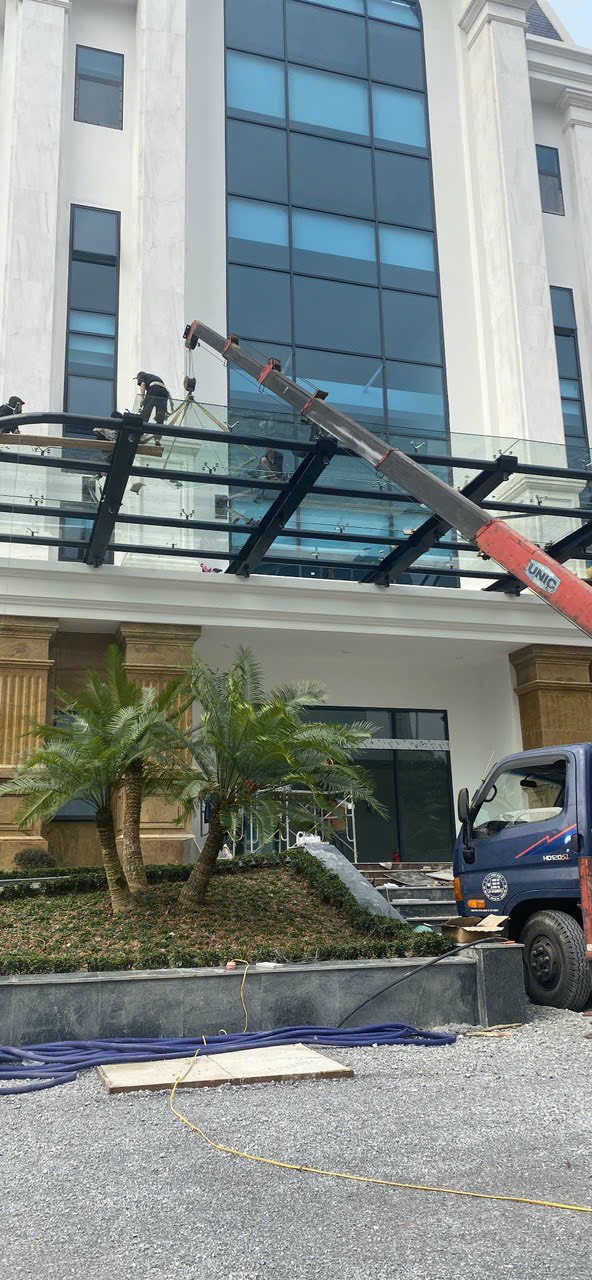
Installing laminated safety glass in offices requires an experienced technical team with expertise in edge treatment, structural sealant application, waterproofing, flatness adjustment, and gap alignment , while adhering to workplace safety procedures. Small errors during installation can lead to water leakage, condensation, edge cracking, film peeling, warping , directly affecting the lifespan and aesthetics of the building. Therefore, businesses should prioritize choosing companies with a clear track record, diverse portfolio of completed projects, and transparent warranty policies .
For office projects requiring safety laminated glass solutions that meet technical, aesthetic, and operational efficiency standards, businesses can contact Ngoc Quyet Company for expert advice. The company can assist from the initial site survey, advising on suitable glass configurations, detailed design drawings, cost estimation, glass manufacturing and processing, to installation and periodic maintenance . Working with a specialized glass contractor optimizes timelines, ensures consistent quality, and minimizes technical risks throughout the project's lifecycle.
When contacting Ngoc Quyet Construction Company, clients should provide information such as floor plans, floor heights, soundproofing and thermal insulation requirements, interior design style, and estimated budget so that the technical team can propose the optimal solution. The combination of practical construction experience, knowledge of safety standards, and design customization capabilities will help the office space achieve a balance between safety, comfort, and the professional image that the business desires.