Safety laminated glass distributor
Laminated safety glass distributors:
The concept of laminated safety glass and the role of distributors;
Structure, technical standards, and classification of laminated safety glass;
Technical advantages and benefits of using laminated safety glass;
Practical applications in architecture and interior design;
Criteria for selecting laminated safety glass distributors and the advantages of Ngoc Quyet Company;
Processing services, technical consulting, and fast delivery.
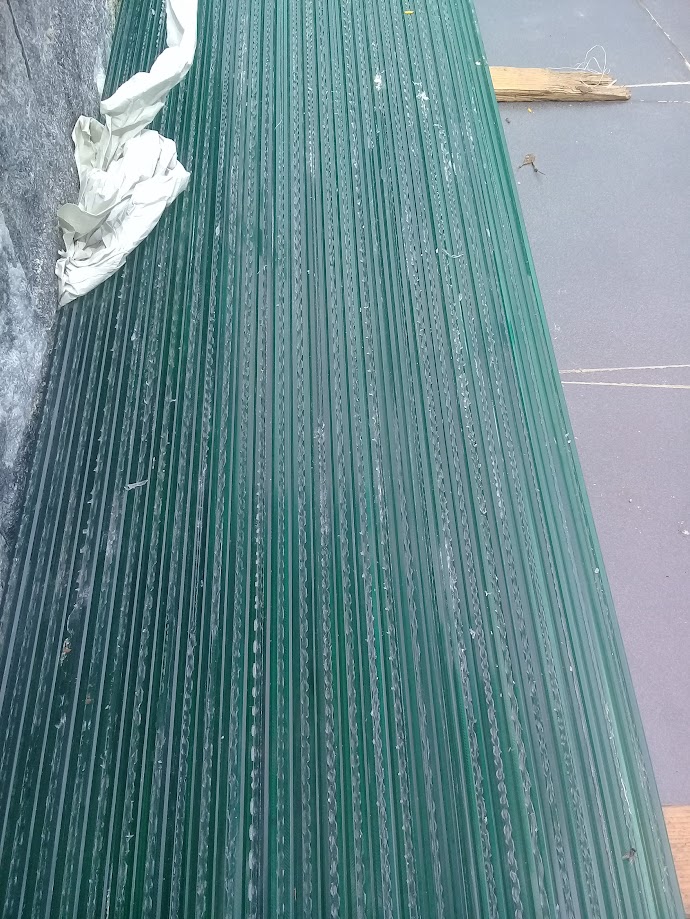
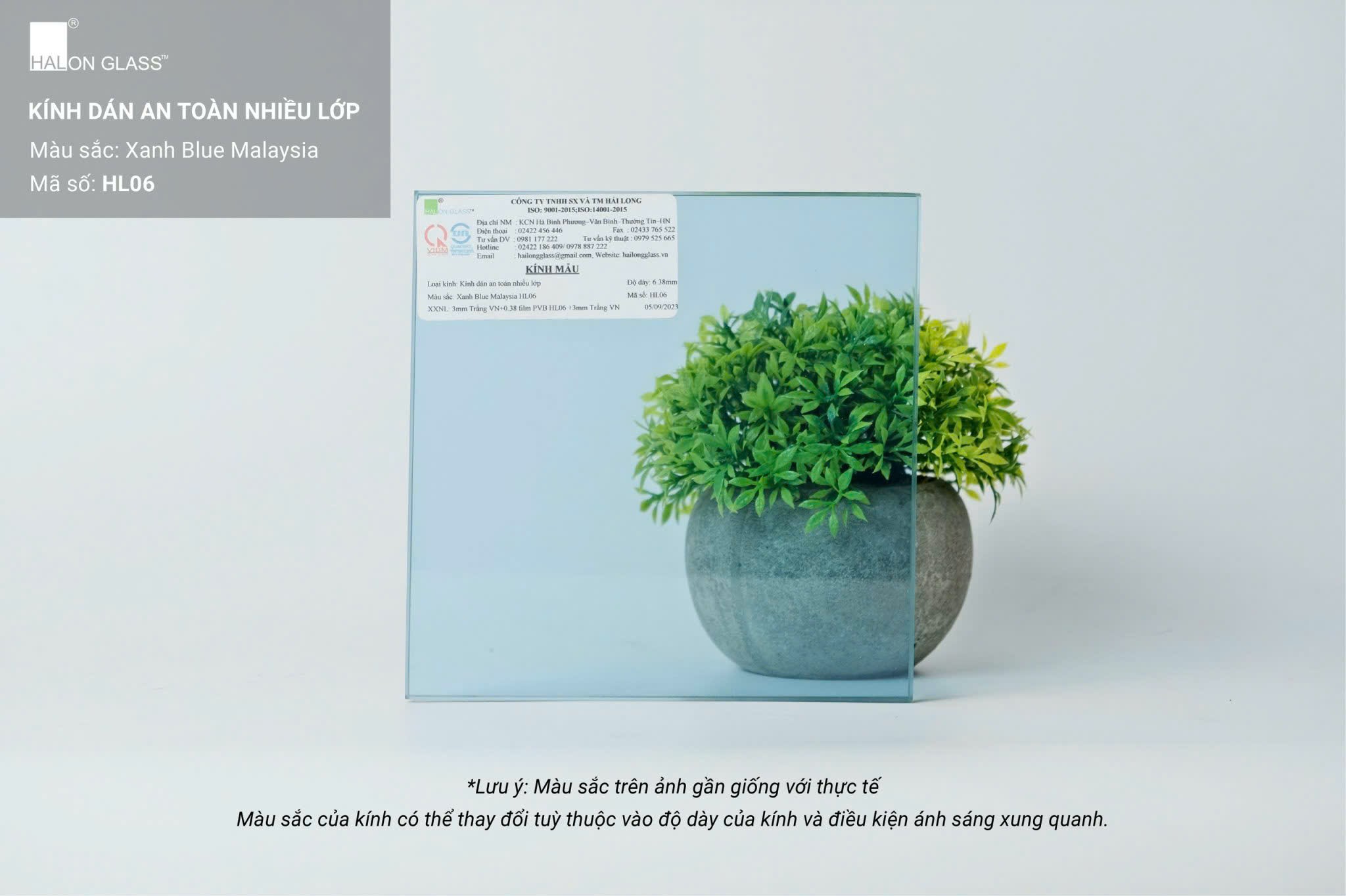
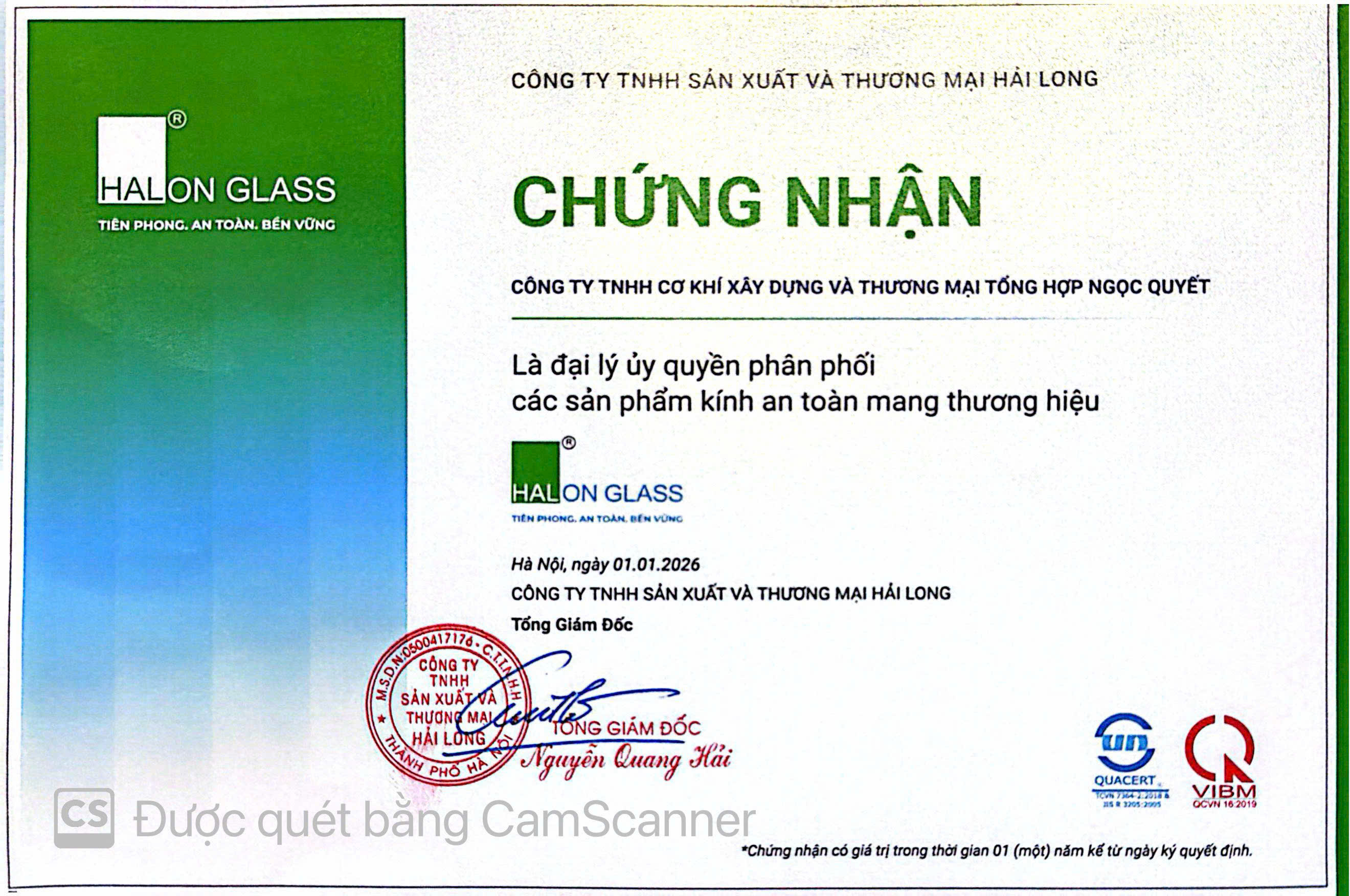
Laminated safety glass is a type of glass composed of two or more flat glass panels with one or more layers of Polyvinyl Butyral (PVB), EVA, or SGP film in between, pressed together under high temperature and pressure. When subjected to strong impact, the glass may crack or shatter, but the fragments remain firmly attached to the film, minimizing the risk of injury. This characteristic makes laminated safety glass a preferred material for curtain walls, railings, glass roofs, doors, windows, partitions, and public buildings with high traffic density.
Safety laminated glass distributors act as a bridge between manufacturers and contractors/investors. A professional distributor not only sells glass panels but also advises on technical solutions, selecting glass configurations that meet safety, sound insulation, heat insulation, and intrusion prevention standards, as well as optimizing costs for each type of project. Choosing the right distributor helps reduce quality risks, minimize errors in processing, ensure timely delivery, and meet the stringent acceptance requirements of construction management authorities.
The basic structure of laminated safety glass consists of three main components: the base glass layer, the bonding film layer, and the intermediate adhesive layer. The base glass layer is usually float glass or tempered glass, with common thicknesses ranging from 4 mm to 12 mm per layer. The PVB or EVA film layer, with a thickness of 0.38 mm to 1.52 mm, plays a role in absorbing impact energy, increasing bonding strength, and improving sound insulation and UV protection. In applications requiring high security, SGP film with a higher elastic modulus can be used, helping the glass panel maintain its shape and load-bearing capacity even after shattering.
In terms of standards, laminated safety glass is evaluated according to standards such as TCVN, EN, ASTM, or ISO, with emphasis on criteria such as impact resistance, tensile strength of the film, glass-film adhesion, light transmission, UV rejection coefficient, weather resistance, and dimensional stability. A reputable laminated safety glass supplier will always provide complete factory certificates, conformity certificates, pendulum impact test results, temperature and humidity test results, as well as origin documentation to meet the inspection requirements of the investor and supervising consultant.
Classified by configuration, the main groups include: standard laminated safety glass (float glass + PVB), tempered laminated safety glass (tempered glass + PVB/EVA), multi-layered laminated safety glass (3–5 layers of glass and multiple film layers), bulletproof laminated safety glass, storm-resistant laminated safety glass, reflective or low-e laminated safety glass. Each configuration has its own range of applications, from residential homes, office buildings, shopping malls, showrooms, to banks, high-value artifact galleries, and areas requiring strict security control.
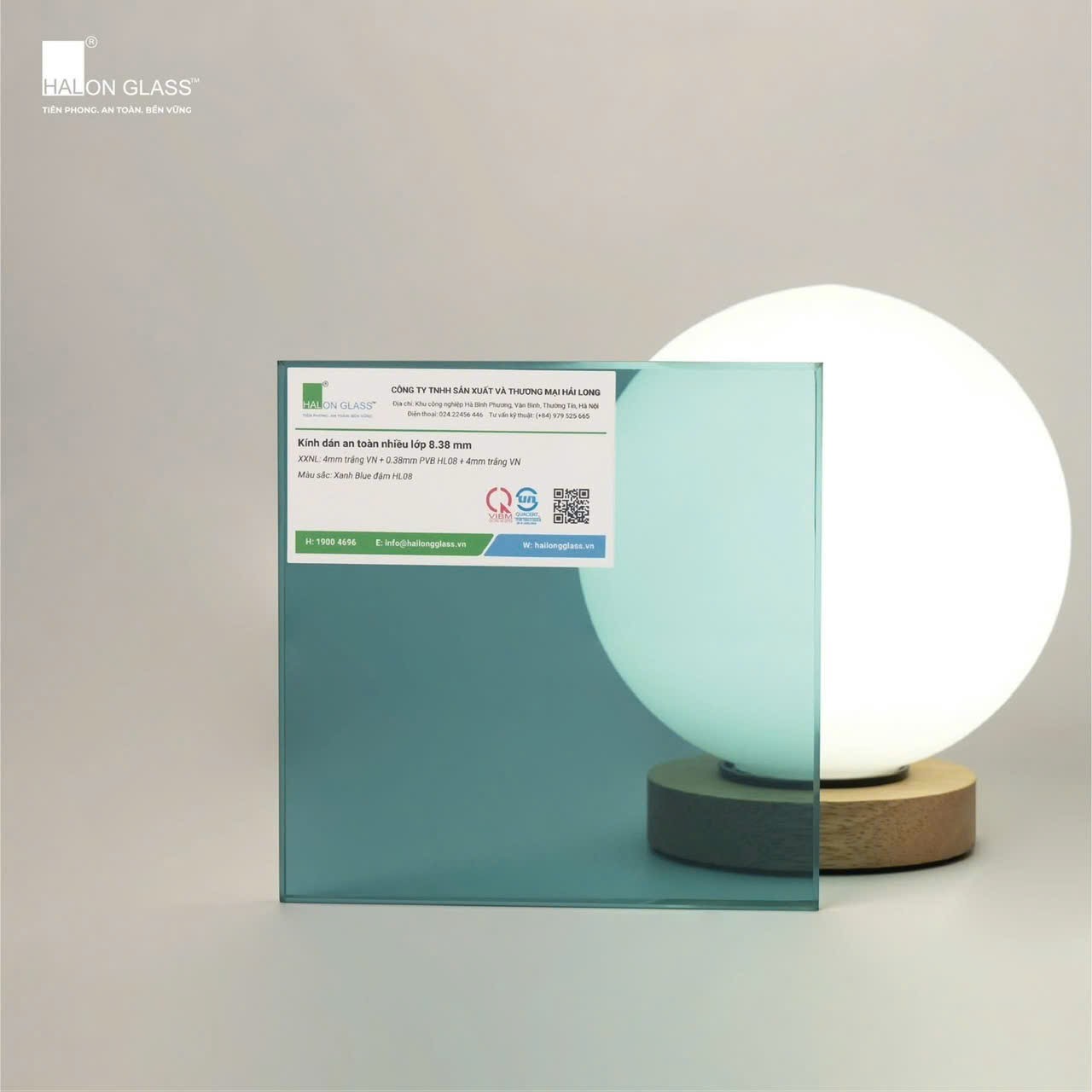
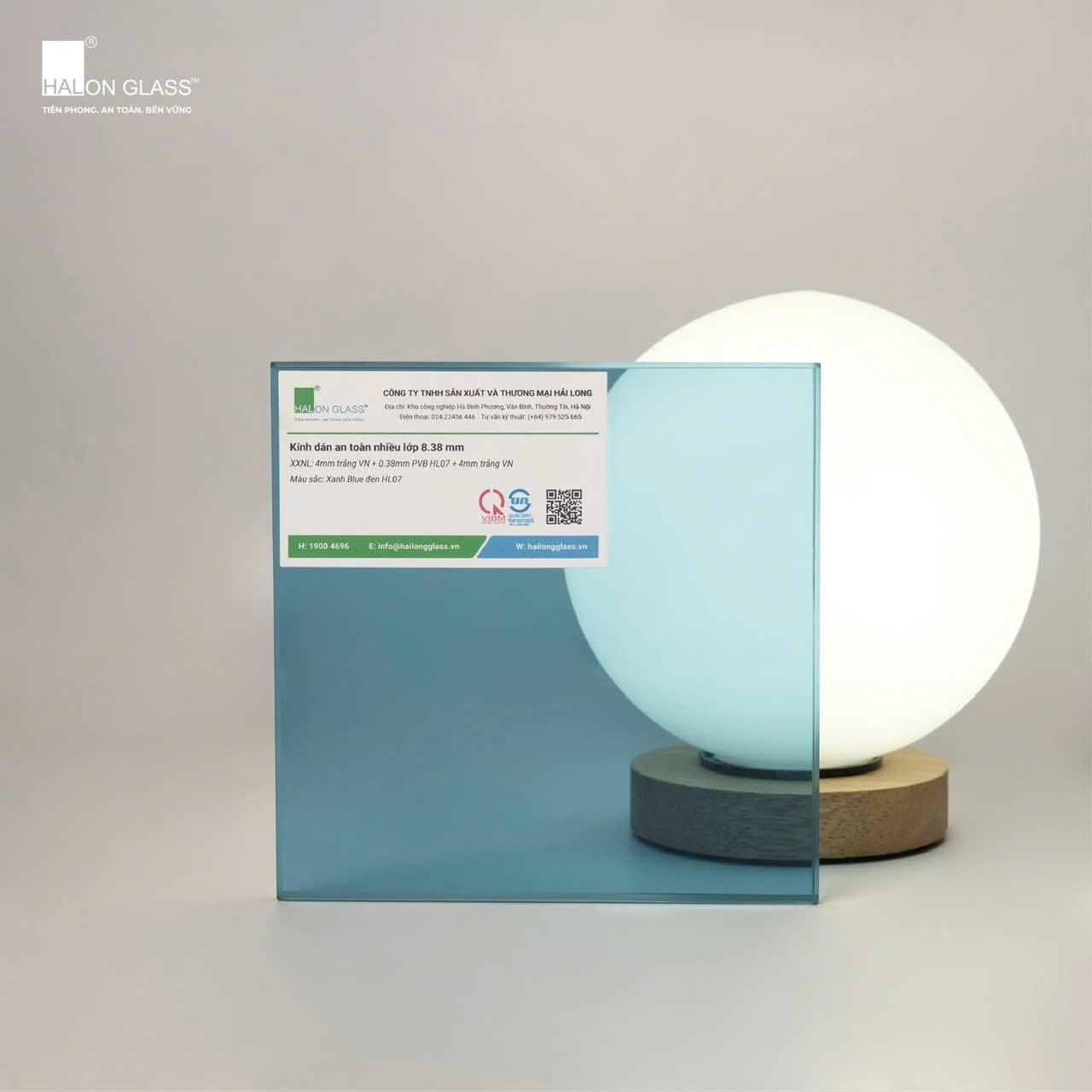
The most significant advantage of safety laminated glass is its ability to protect people in the event of a collision or glass breakage. The shattered pieces do not break into sharp edges, reducing the risk of cuts and punctures, and also limiting the number of fragments falling from above onto areas where people are present. In addition, the PVB film can block up to 99% of UV rays, protecting interior furnishings, curtains, wooden floors, and leather goods from fading and premature aging, while creating a more comfortable living and working environment.
Acoustically, laminated safety glass, with its multi-layered structure and elastic film, creates a sound-dampening effect, significantly improving sound insulation compared to single-glazed glass of the same thickness. This is particularly useful for buildings near major traffic arteries, airports, industrial zones, or entertainment areas. When combined with low-e or reflective glass, laminated safety glass systems also contribute to improved thermal insulation , reducing the load on air conditioning systems and thus saving long-term operating costs for the building.
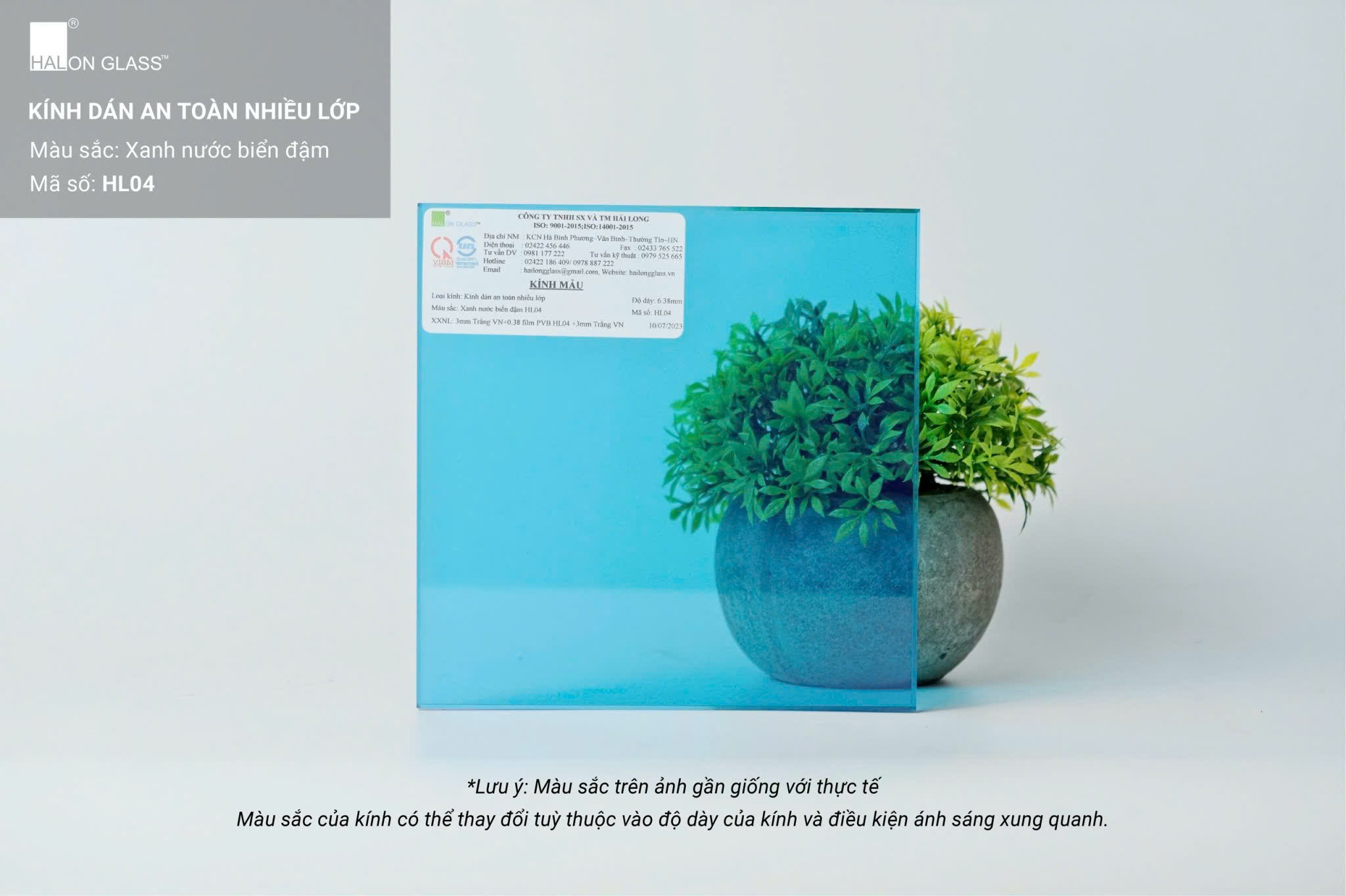
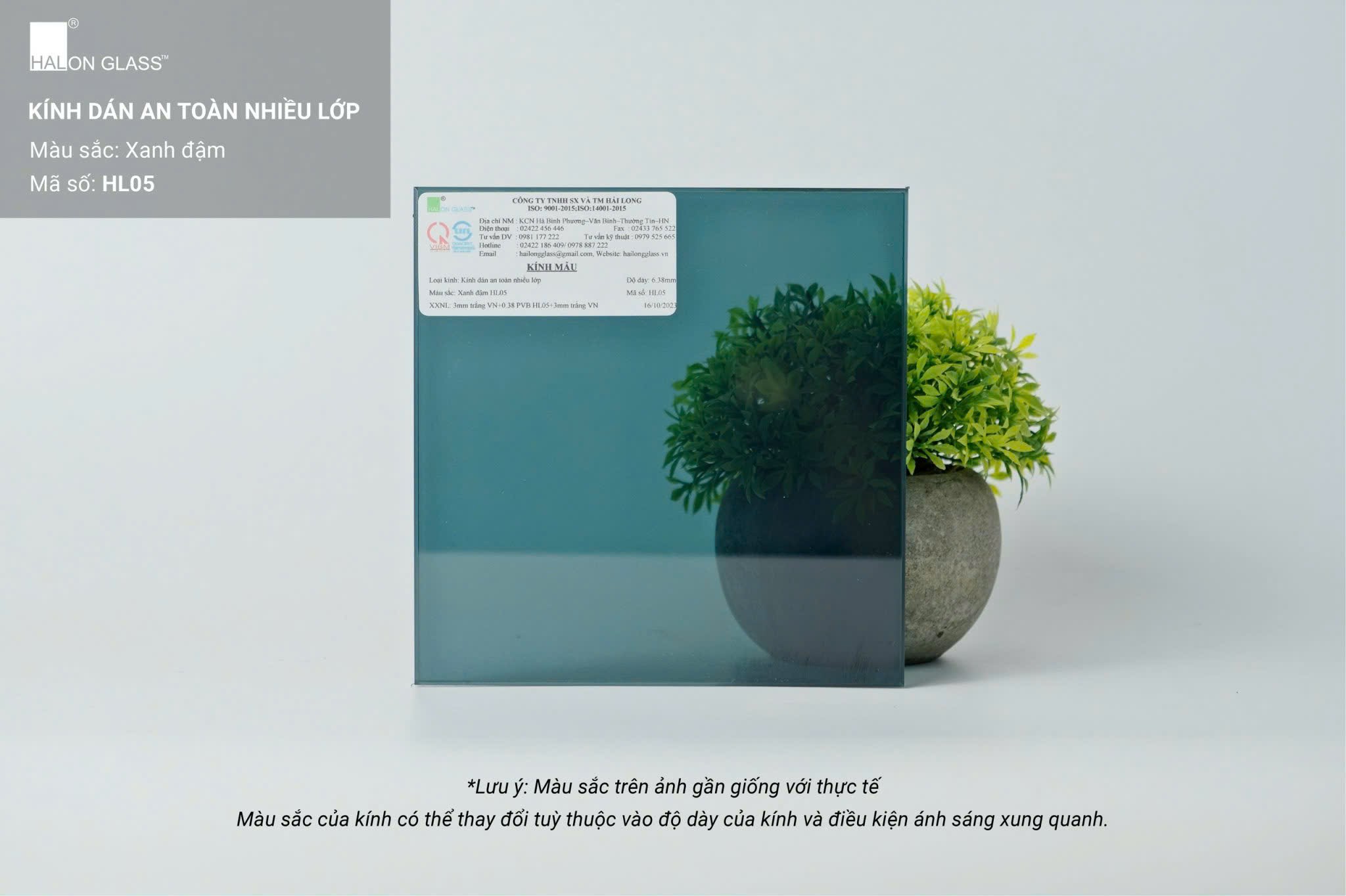
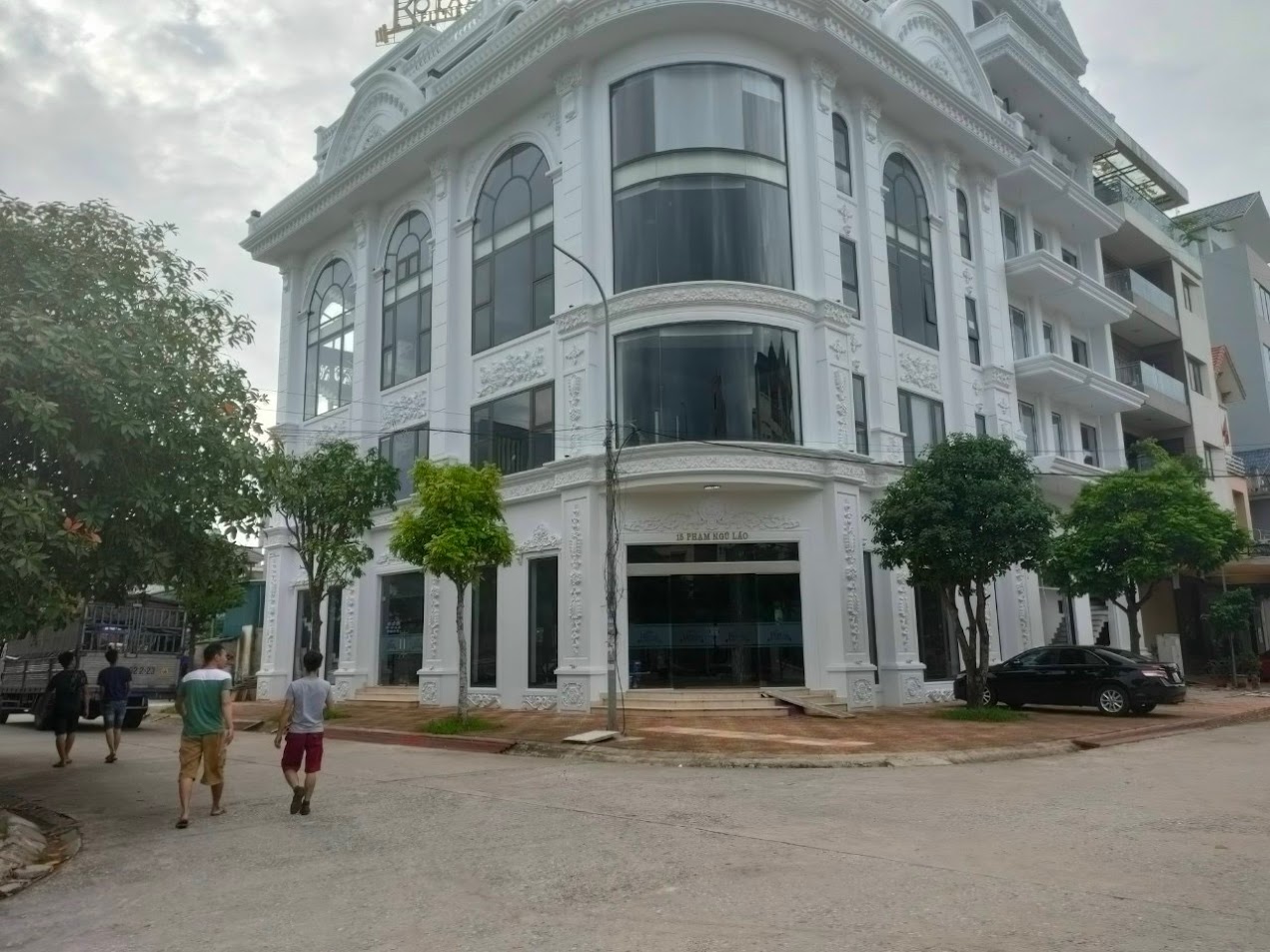
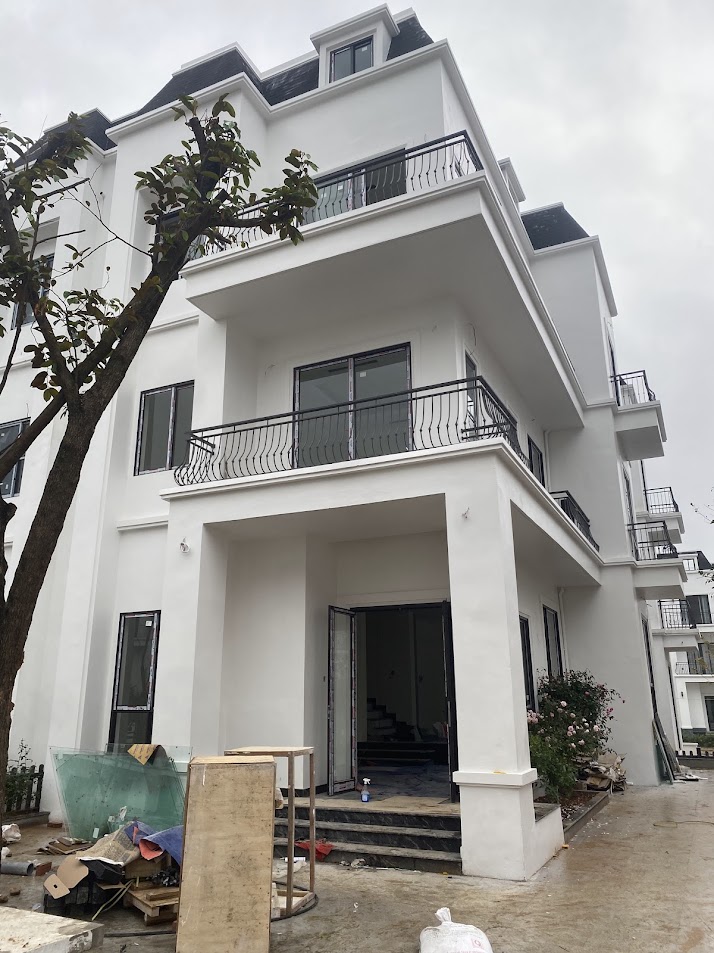
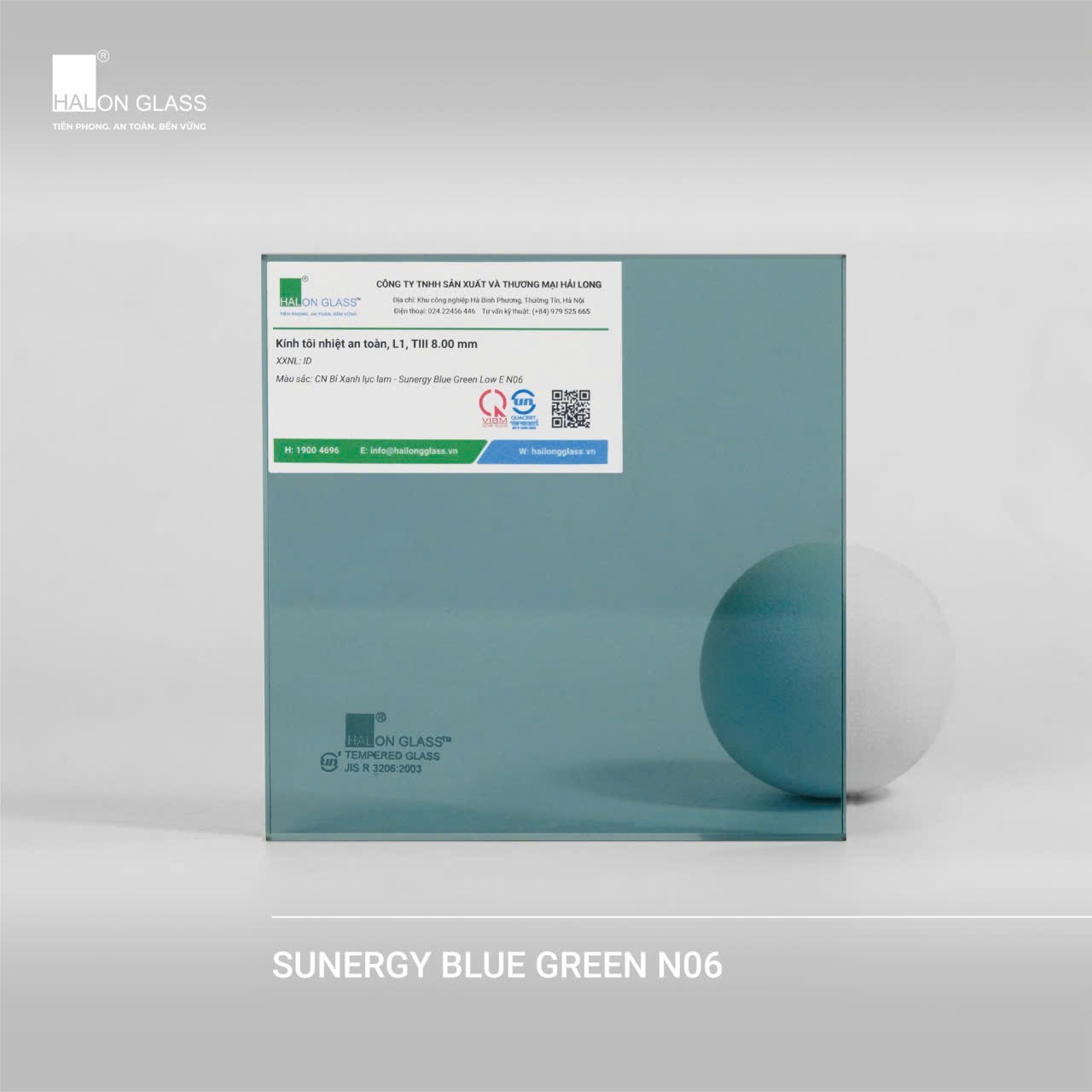
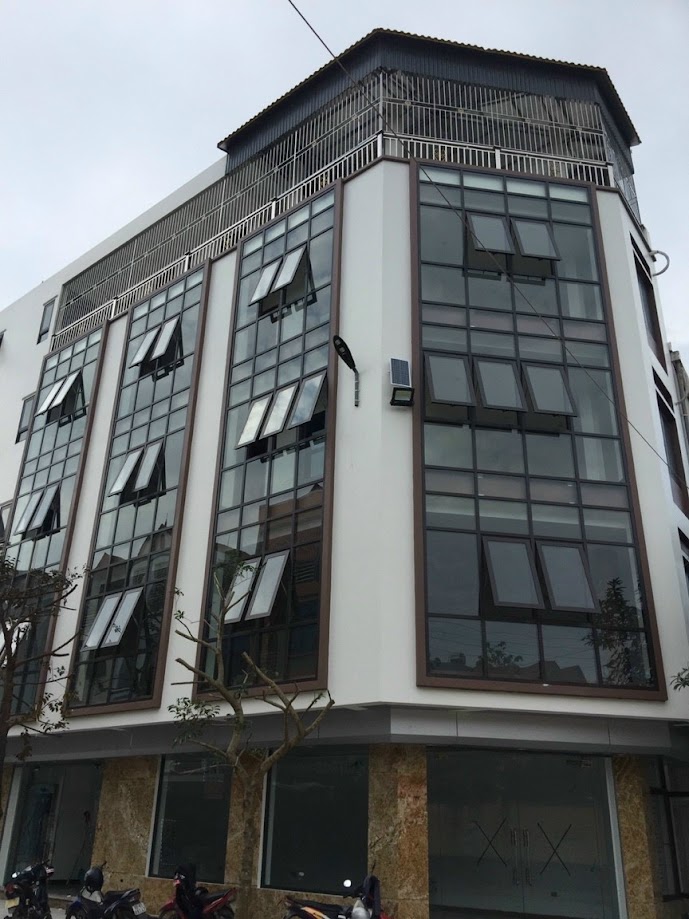
In modern architecture, laminated safety glass is widely used for curtain walls, large-format glass facades, glass roofs, skylights, balcony railings, glass staircases, glass floors, doors, windows, and room partitions. For elevated structures or areas with a risk of breakage into public spaces, the use of laminated safety glass is almost a mandatory requirement according to building regulations. Additionally, laminated safety glass is also used in colored glass for kitchen backsplashes , shower enclosures, display cabinets, and signage, enhancing safety and color durability of decorative surfaces.
In high-end interiors, laminated safety glass, combined with screen printing, UV printing, decorative film application, or laminated with materials such as silk, paper, and thin metal, creates unique decorative surfaces that are both aesthetically pleasing and safe. Hotels, resorts, convention centers, car showrooms, and shopping malls often prioritize the use of laminated safety glass in lobbies, exhibition areas, and high-traffic areas to enhance user experience and minimize legal risks associated with glass breakage accidents.
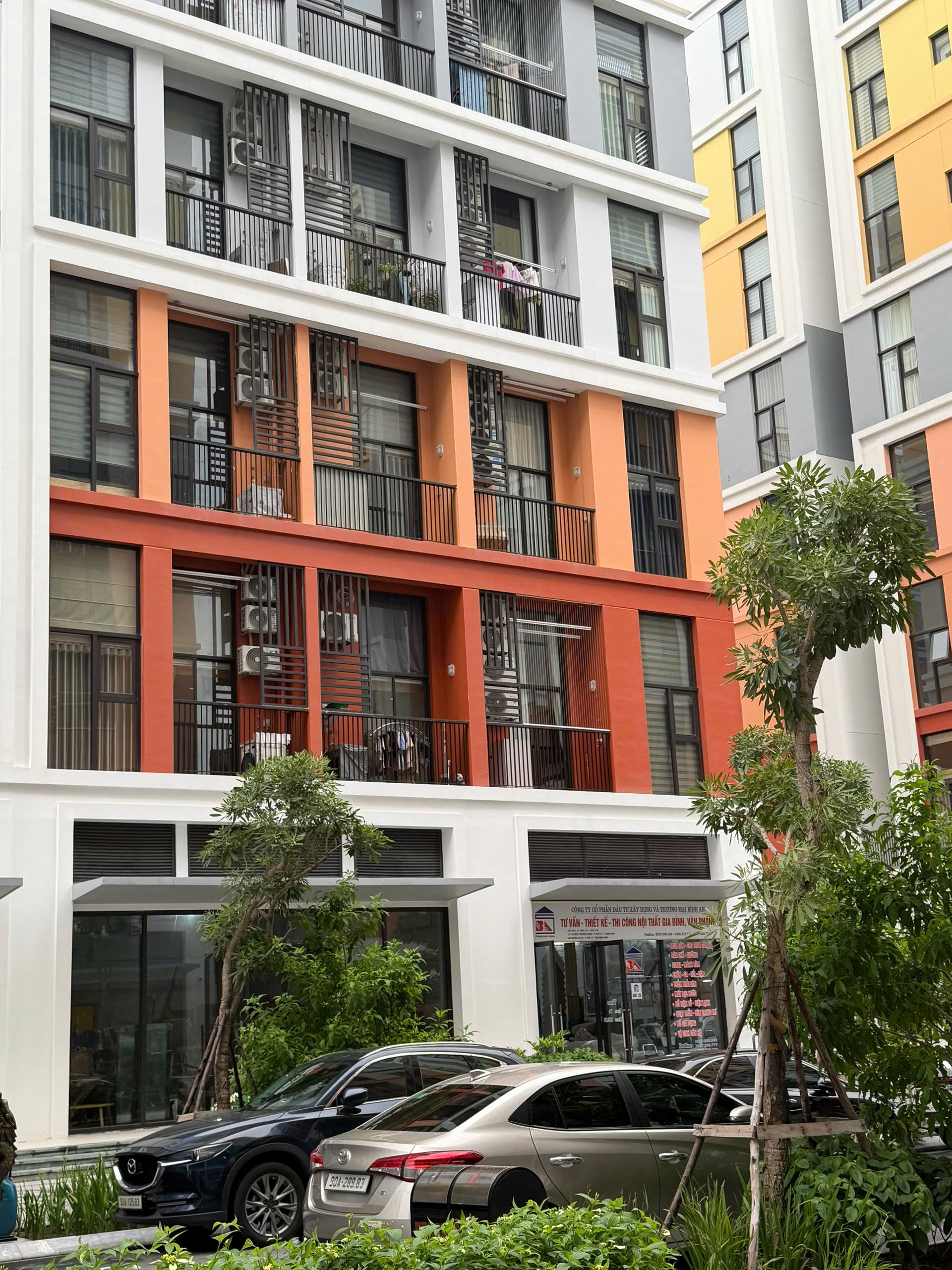
When choosing a safety laminated glass supplier , important criteria to consider include: supply capacity, warehousing system, processing equipment, technical team, quality certifications, warranty policy, and on-site technical support capabilities. A qualified supplier must be able to provide a wide variety of thicknesses, sizes, colors, and film types, while also meeting processing requirements such as drilling, grinding, beveling, and cutting to special shapes with minimal error. In addition, delivery time, supply stability, and the ability to handle urgent orders are key factors for projects with tight deadlines.
Ngoc Quyet Company is a distributor and processor of construction glass, including safety laminated glass. With a strong advantage in its modern machinery system, rigorous quality control process, and experienced technical team, Ngoc Quyet offers a diverse range of safety laminated glass configurations, from standard laminated glass, tempered laminated glass, colored laminated glass, and low-e laminated glass to safety laminated glass solutions for railings, glass roofs, and curtain walls. Thanks to its strong partnerships with major glass manufacturers, the company is able to fulfill large-volume orders, custom sizes, and highly specialized technical requirements from design consultants and contractors.
To ensure transparency and reliability, Ngoc Quyet always provides complete technical documentation, quality certificates, shop drawings, installation and maintenance instructions for each safety laminated glass project. Our technical team is ready to collaborate with design firms and construction contractors to optimize glass configurations, select appropriate thicknesses, film types, colors, edge treatments, and mechanical connection methods to suit wind loads, service loads, and the aesthetic requirements of the project.
One of the key competitive advantages of Ngoc Quyet Company is its ability to quickly deliver laminated safety glass orders while maintaining quality and processing accuracy. The scientifically arranged cutting, grinding, drilling, and lamination machinery, combined with a clear order management process, helps shorten the time from order placement to delivery to the construction site. This is especially important for projects requiring urgent glass replacement, unforeseen construction issues, or renovation projects needing completion within a short timeframe.
Regarding consulting services, Ngoc Quyet assists customers in selecting glass solutions suitable for each application area, including: impact risk analysis, environmental condition assessment, proposing optimal safety laminated glass configurations, preliminary load calculations, and suggesting connection options with aluminum, steel, or wood frames. For specialized items such as glass roofs, glass floors, and handrail-less railings, the company can collaborate with structural engineers to provide solutions that ensure long-term safety while meeting the aesthetic requirements of the architect.

Customers can contact Ngoc Quyet Company directly for quick delivery of safety laminated glass products according to custom sizes, receive detailed technical advice, competitive pricing, and comprehensive project solutions from design to completion. Collaborating with a specialized and reliable safety laminated glass supplier like Ngoc Quyet gives investors, contractors, and design firms peace of mind regarding material quality, project timelines, and long-term project efficiency.