

Price of 6.38mm laminated safety glass
Price of 6.38mm laminated safety glass
Concept of 6.38mm laminated safety glass and its technical structure;
Factors directly affecting the price of 6.38mm laminated safety glass;
Detailed analysis of the components that make up the unit price;
Practical applications and safety standards related to the price of 6.38mm glass;
Cost-effectiveness comparison between 6.38mm laminated glass and other types of glass;
Notes when requesting a quote for 6.38mm laminated safety glass.
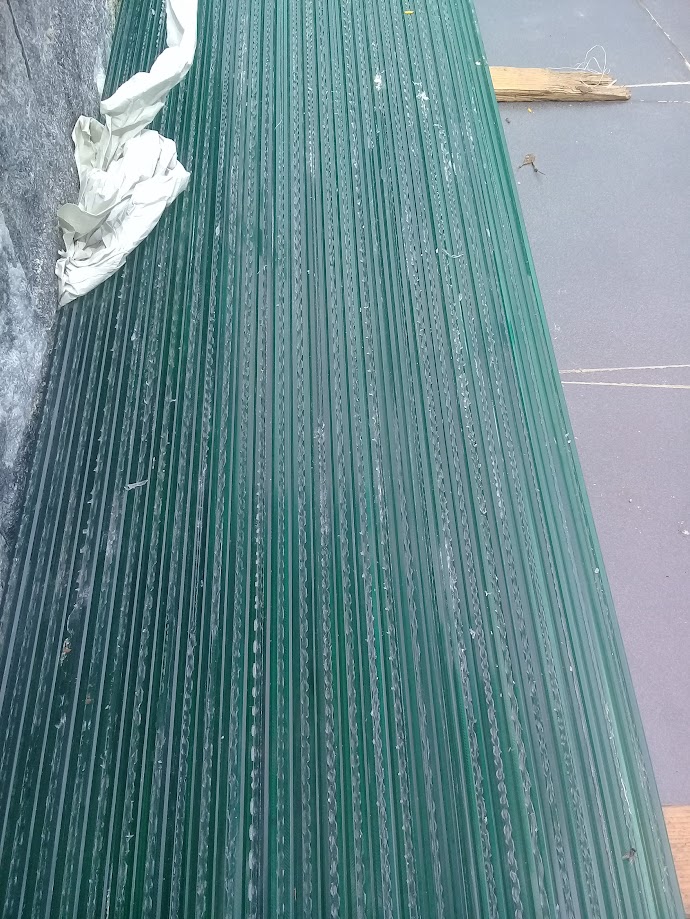
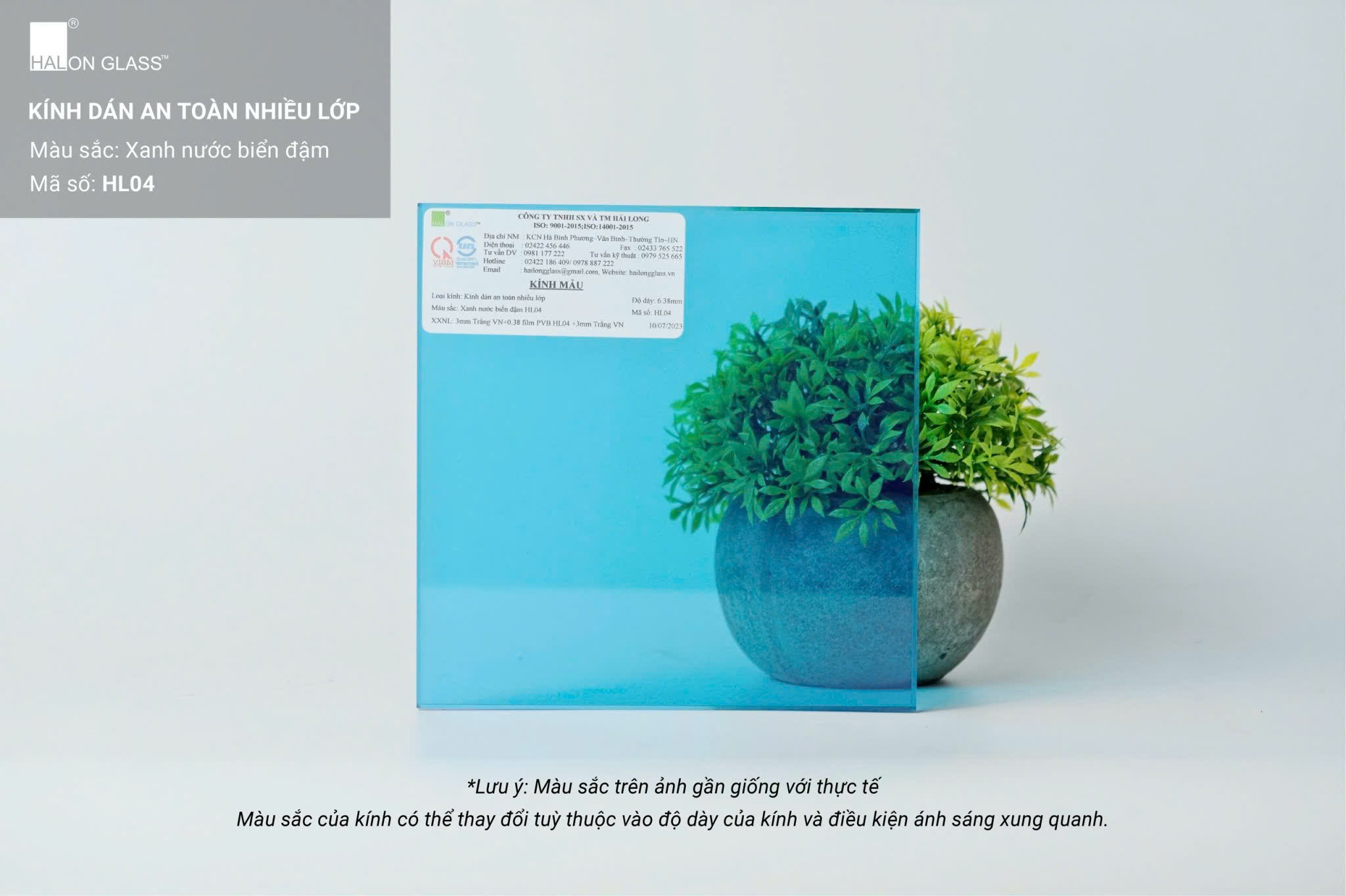
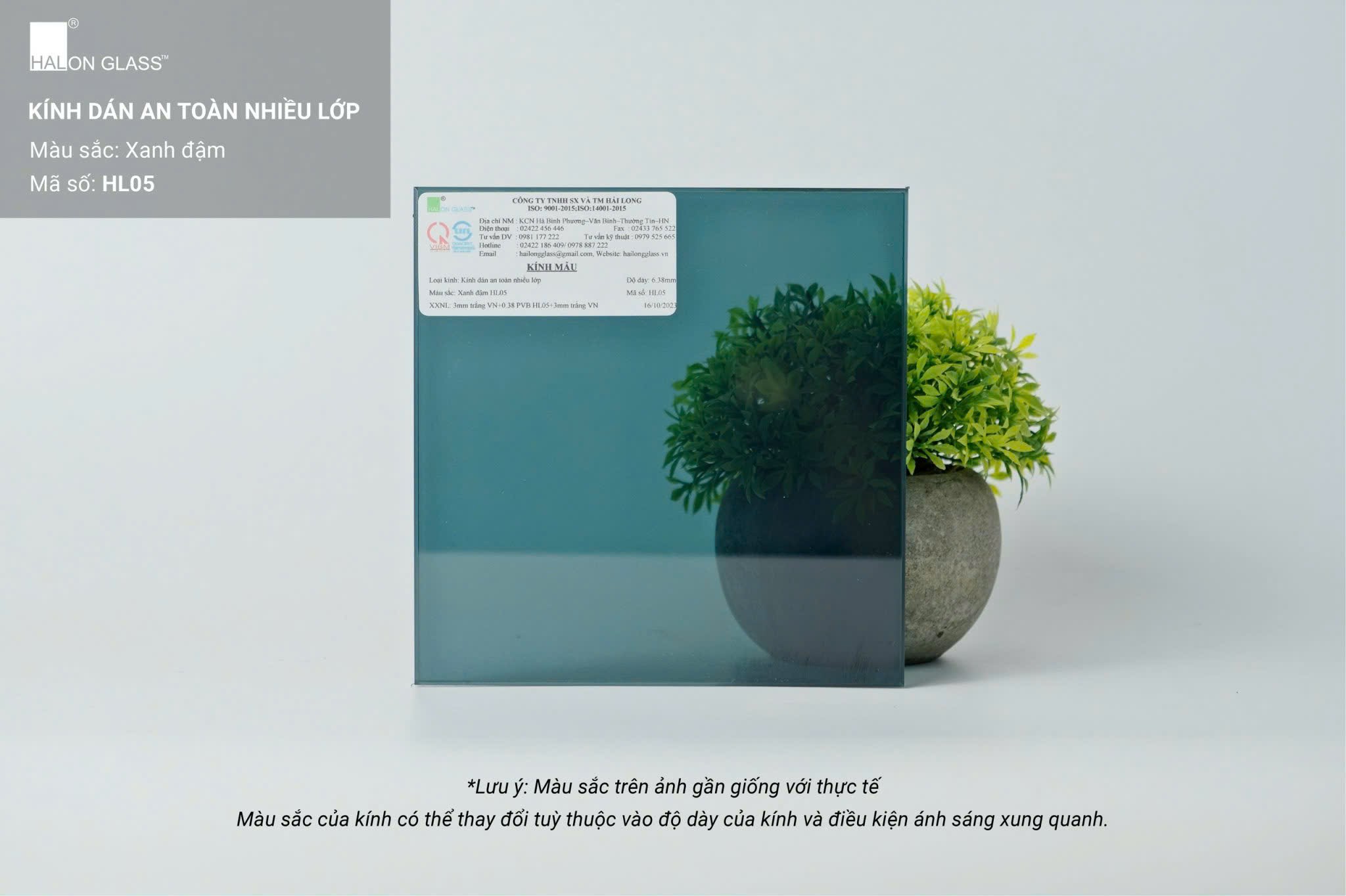
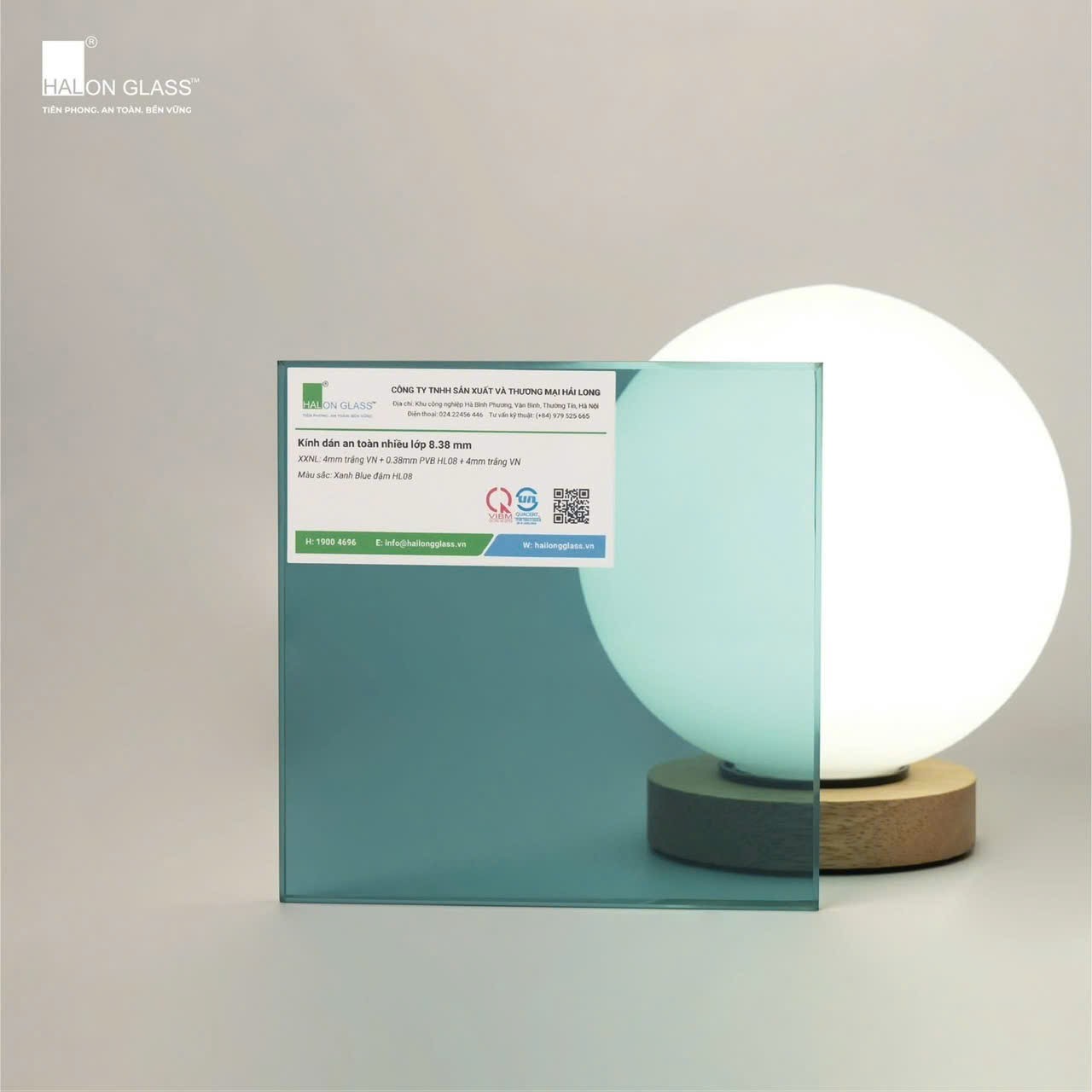
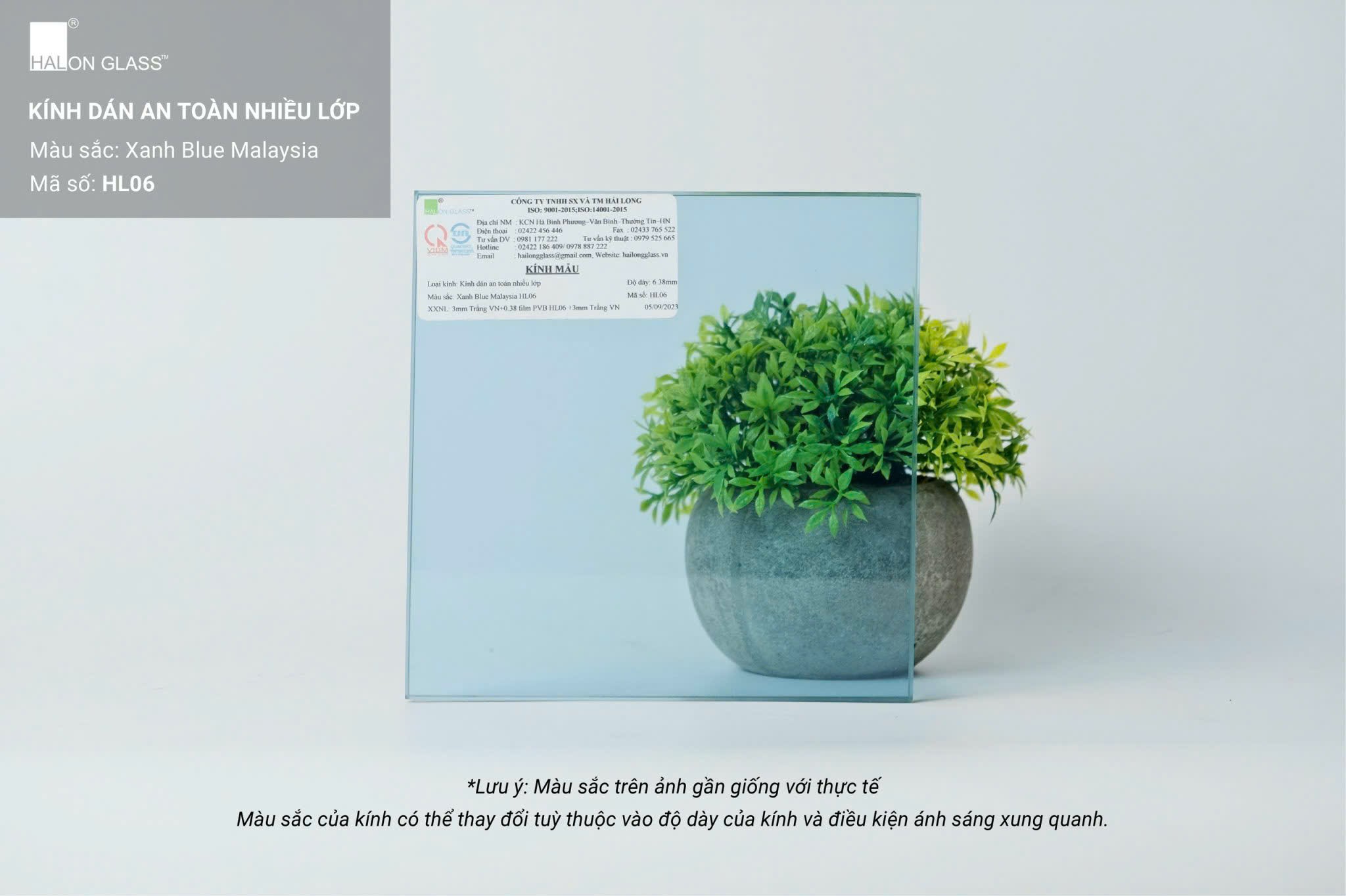
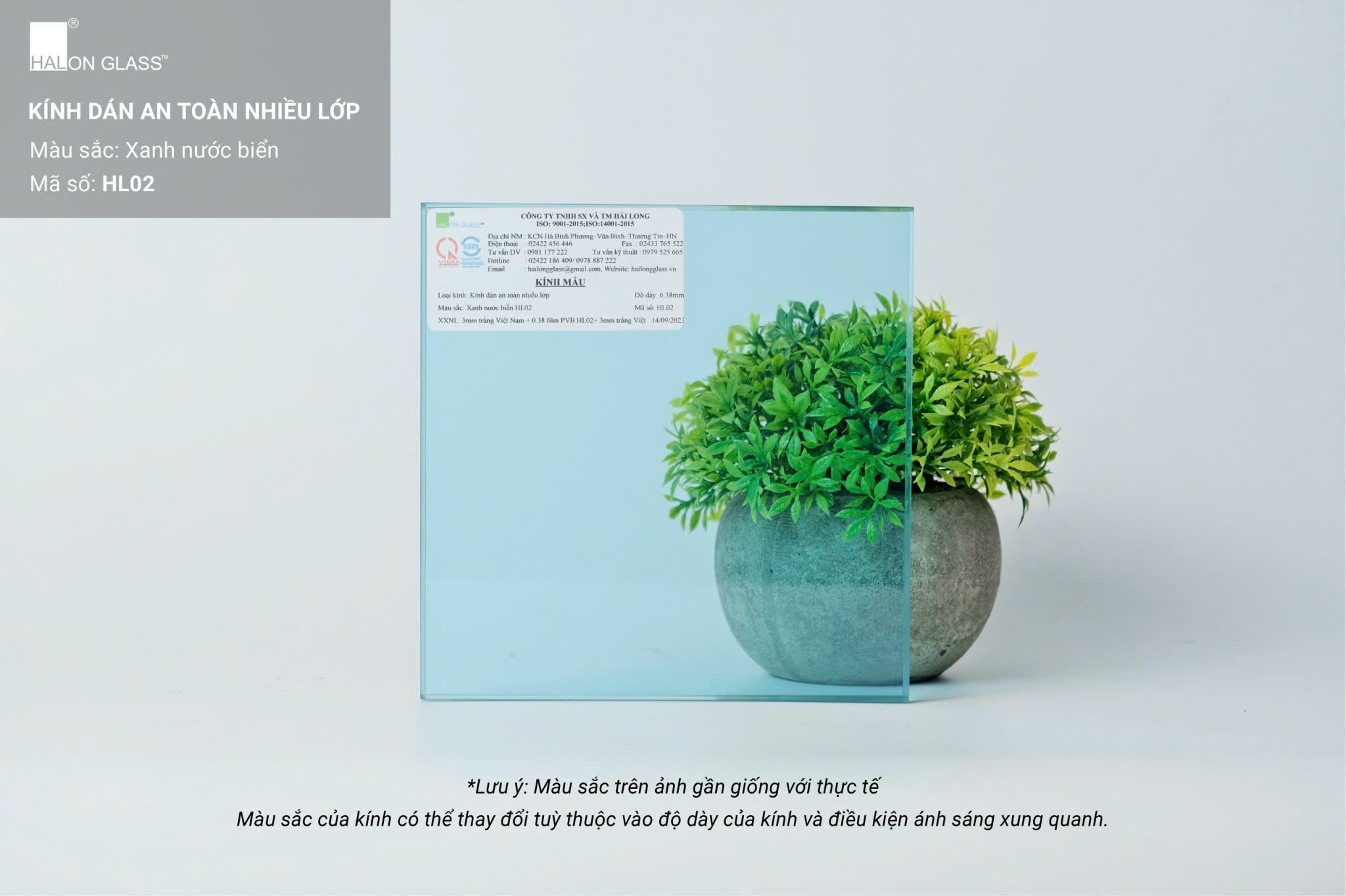
6.38mm laminated safety glass consists of two sheets of ordinary glass (usually 3mm + 3mm) bonded together with a layer of PVB (Polyvinyl Butyral) or EVA film in between, with a nominal total thickness of approximately 6.38mm. This multi-layered structure provides shatter resistance, prevents fragment adhesion , and enhances impact strength, making it suitable for high-safety applications such as facade doors, railings, glass walls, glass roofs, windows, doors, shower cabins, and other interior and exterior applications.
Technically, the PVB film layer, commonly 0.38mm thick, is laminated under high temperature and pressure in an autoclave, creating a strong bond between two glass sheets. In the event of a strong impact, the glass may crack or shatter, but the fragments remain firmly attached to the film , minimizing the risk of injury. This is a significant difference compared to ordinary glass, which shatters into sharp shards that can easily endanger users. Thanks to this structure, 6.38mm safety laminated glass meets construction safety standards, architectural glass standards, and standards for theft and fall protection.
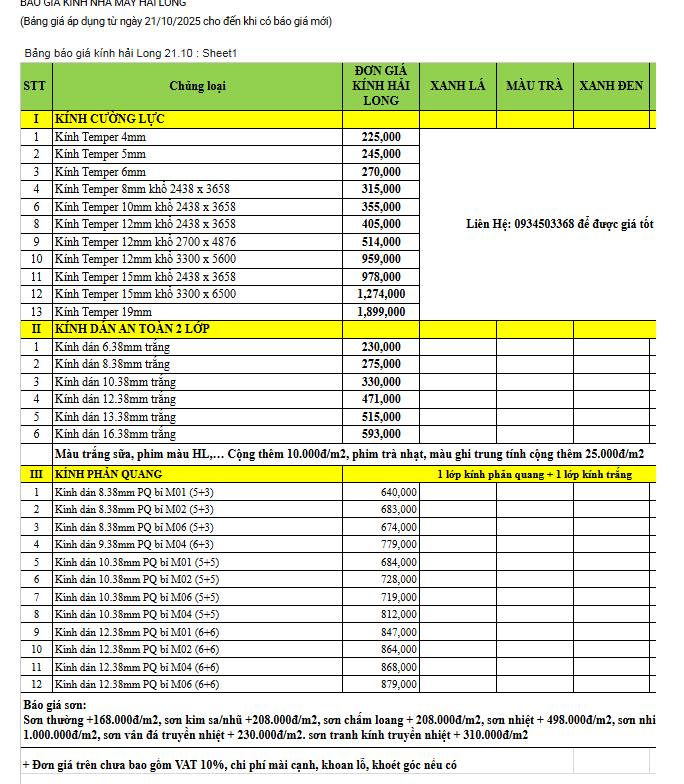
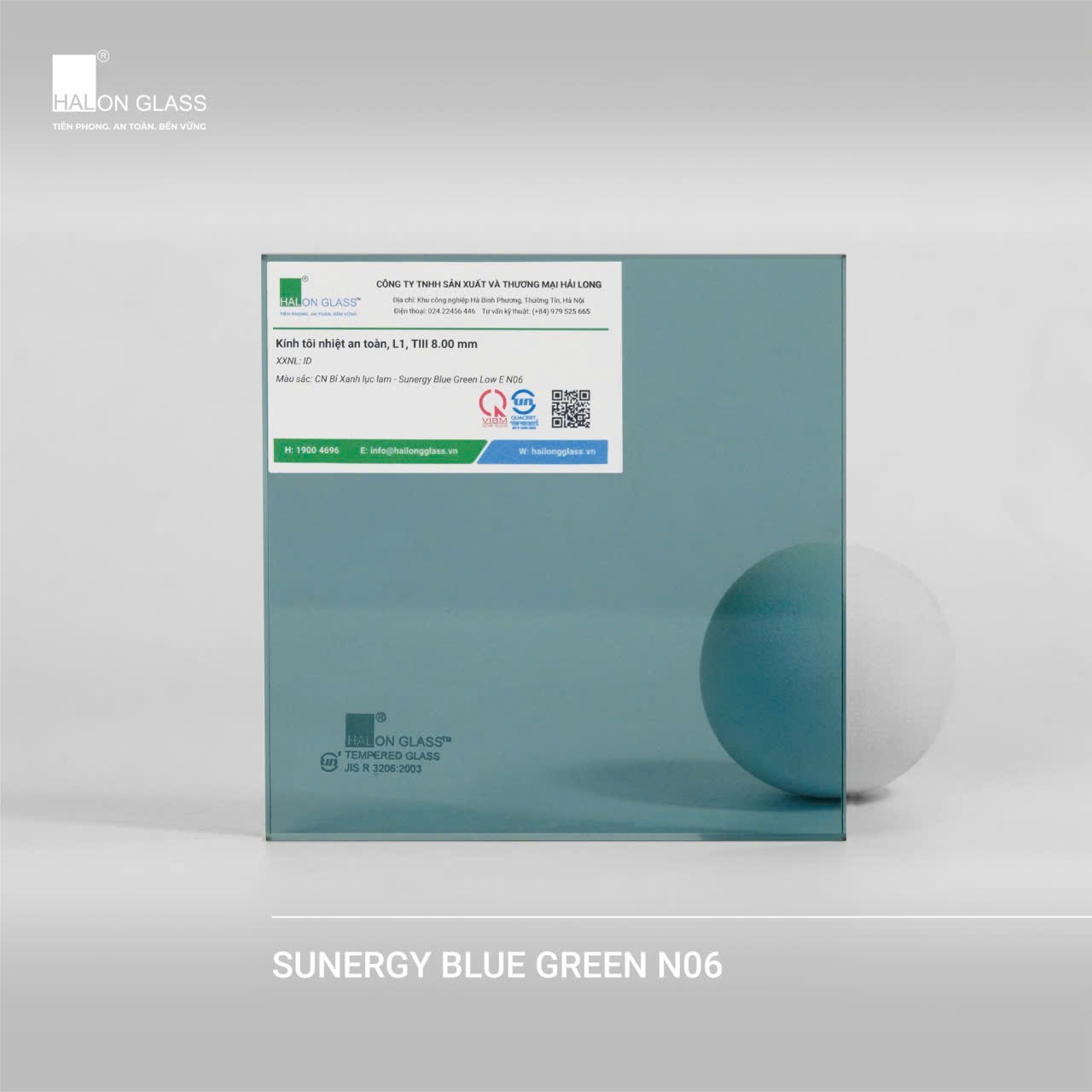
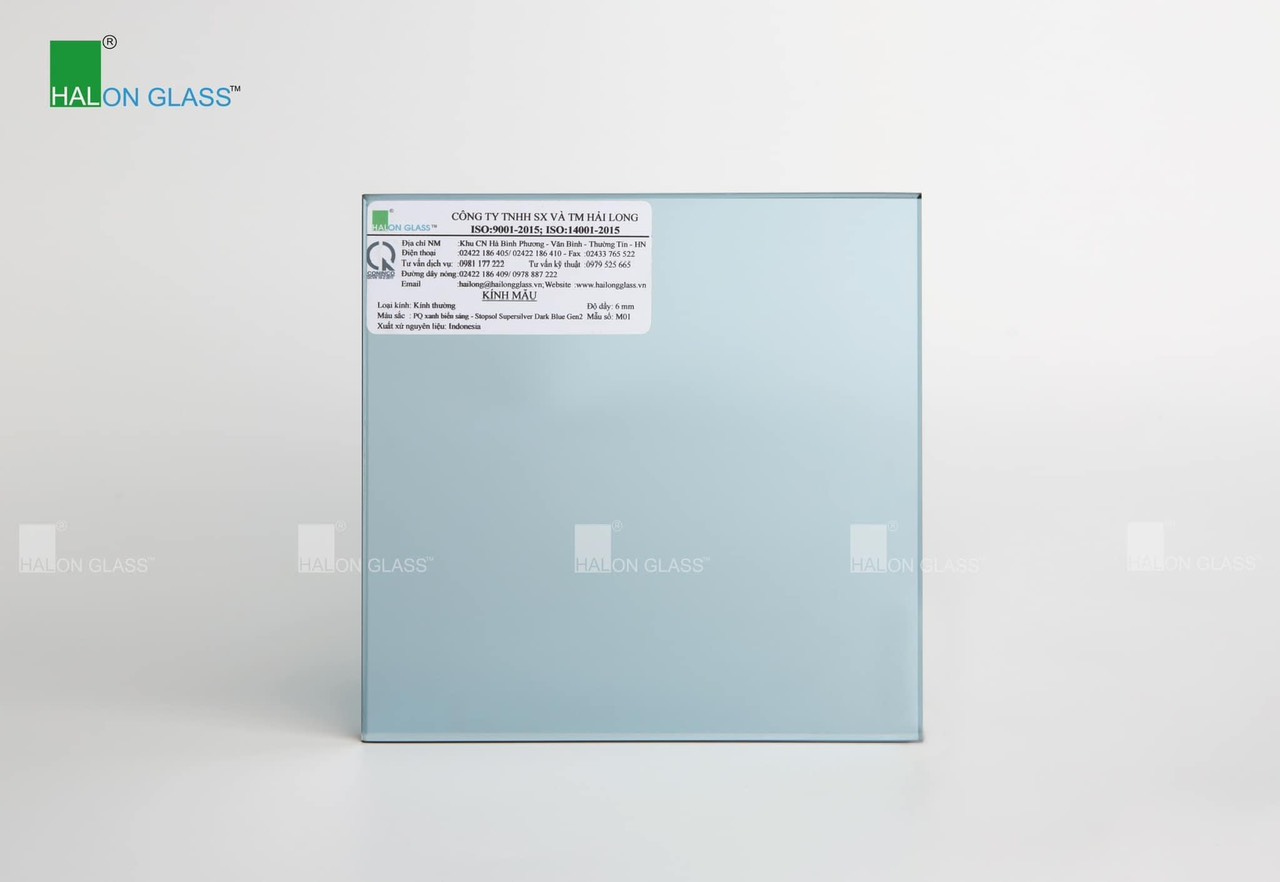
The price of 6.38mm laminated safety glass is not fixed but depends on many technical and commercial factors. First, there's the type of base glass : standard (float) glass, ultra-clear glass, colored glass, reflective glass, or low-e glass. Ultra-clear and low-e glass are more expensive due to their complex manufacturing processes, superior transparency, and thermal insulation performance. Second, there's the type of lamination film : clear PVB, colored PVB, soundproof PVB, UV-resistant PVB, or specialized EVA film. Each type of film has different mechanical and optical properties, resulting in different material and processing costs.
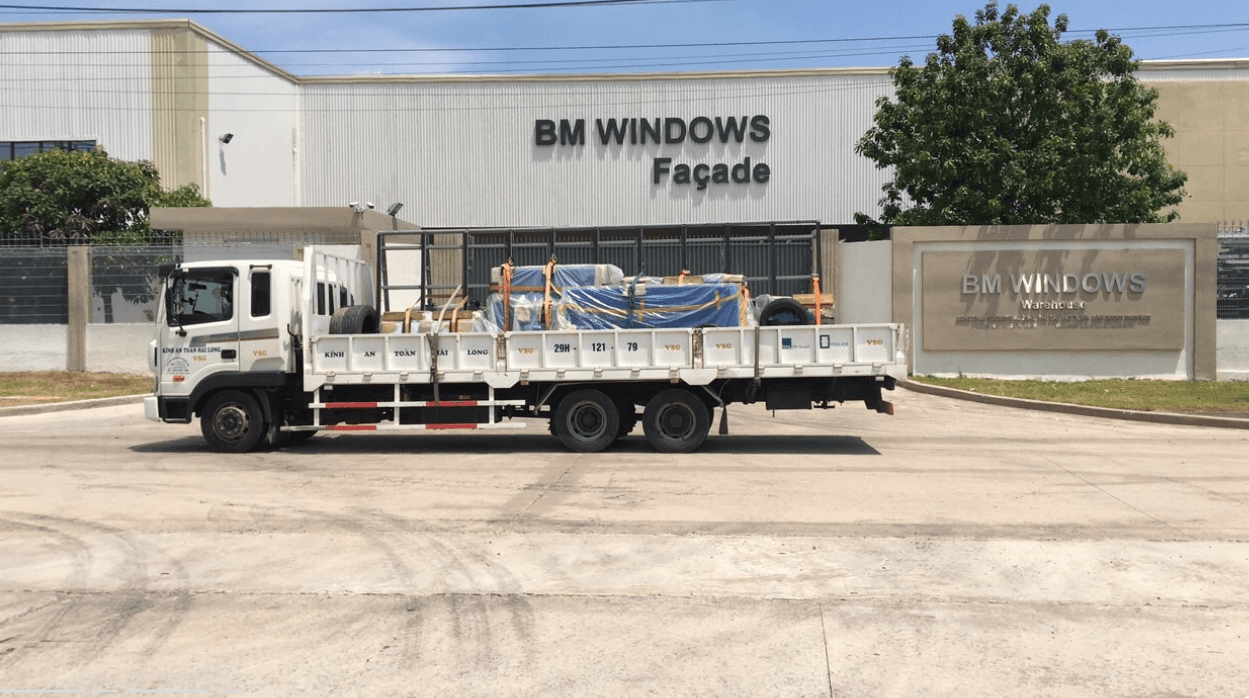
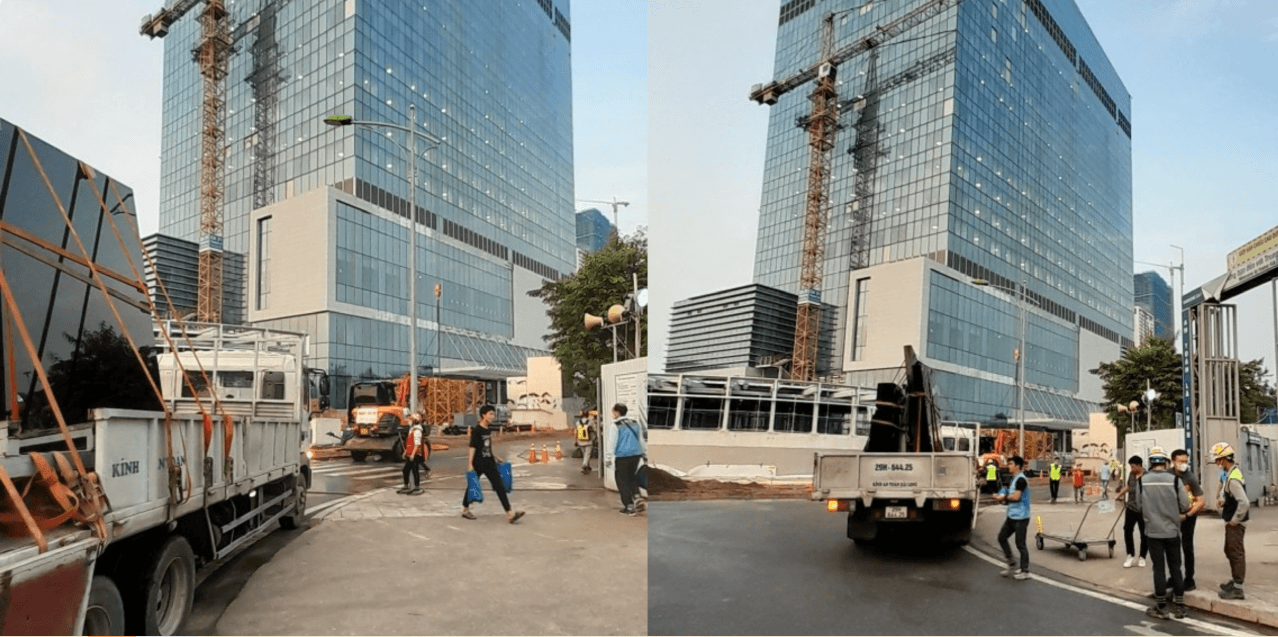
The next factor is the size and volume of the order . Large orders with standard dimensions and minimal cutting waste usually have better unit prices compared to odd sizes requiring complex cutting and assembly, resulting in more scrap. Additionally, extra processing requirements such as drilling holes, lock cutting, beveling, polishing, screen printing, enamel painting, bending, or heat treatment (toughened safety laminated glass) all increase costs. Finally, transportation, loading, installation costs , and fluctuations in raw material prices (glass blanks, PVB film, fuel, labor) also directly impact the price of 6.38mm safety laminated glass at any given time.
To better understand the price of 6.38mm laminated safety glass, it's necessary to analyze each component of the unit price. Typically, the unit price is calculated per square meter (m²) and includes: the cost of the glass blank, the cost of the lamination film, the cost of lamination processing, material loss costs, technical labor costs, management costs, and a reasonable profit margin for the manufacturer. Of these, the glass blank accounts for the largest proportion, followed by the PVB/EVA film and the operating costs of the lamination line.
In factories with modern production lines, the lamination process is highly automated, with good control over temperature, pressure, and time, reducing error rates and waste, thereby optimizing costs. Conversely, smaller facilities with outdated equipment and poor quality control may offer lower prices, but they carry the risk of edge peeling, air bubbles, and film discoloration after use. Therefore, when comparing prices, it is necessary to simultaneously evaluate the quality of the production line, the origin of the glass blanks, the type of film used , and the warranty policy, instead of just looking at the unit price on the quotation.
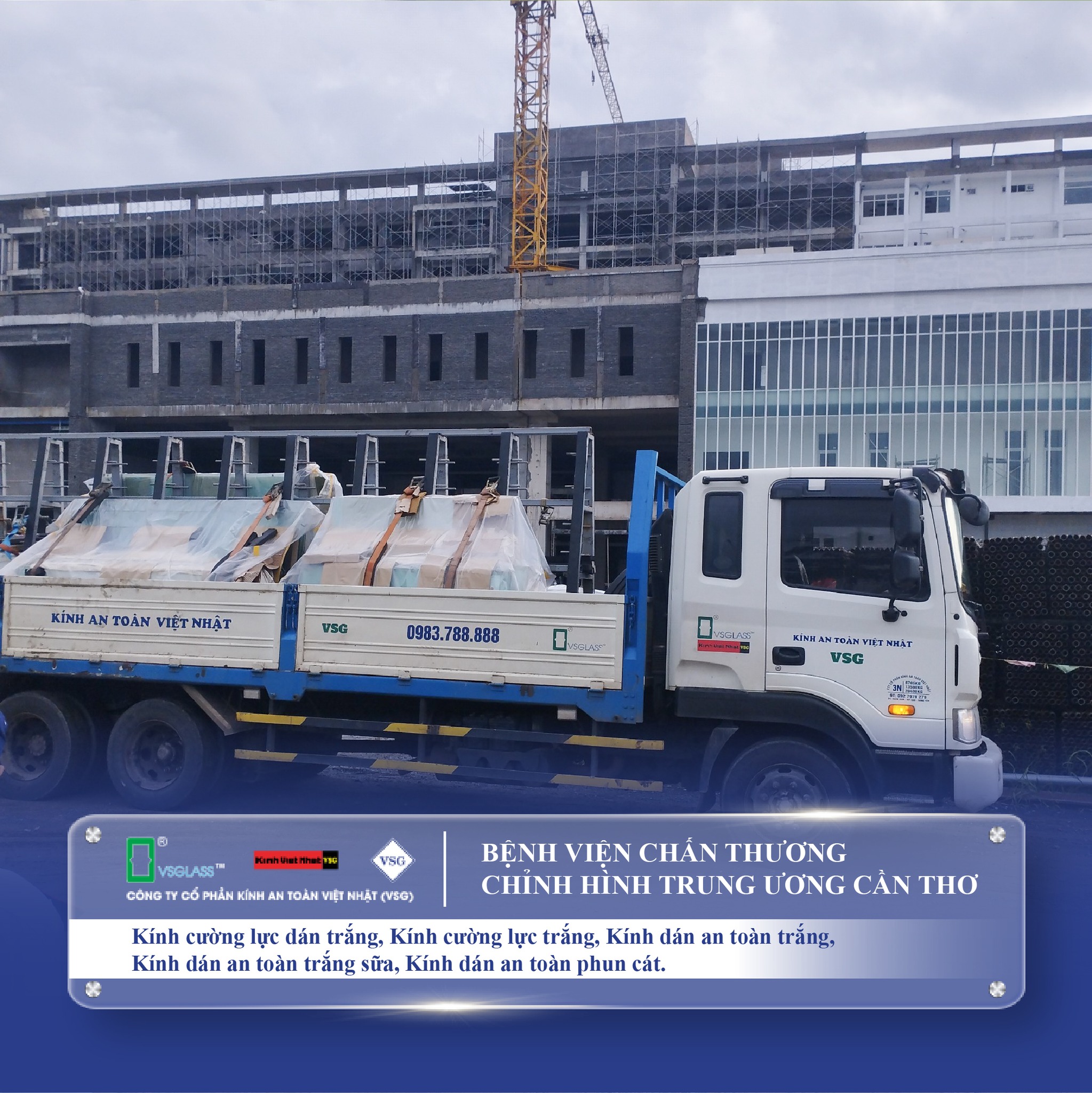
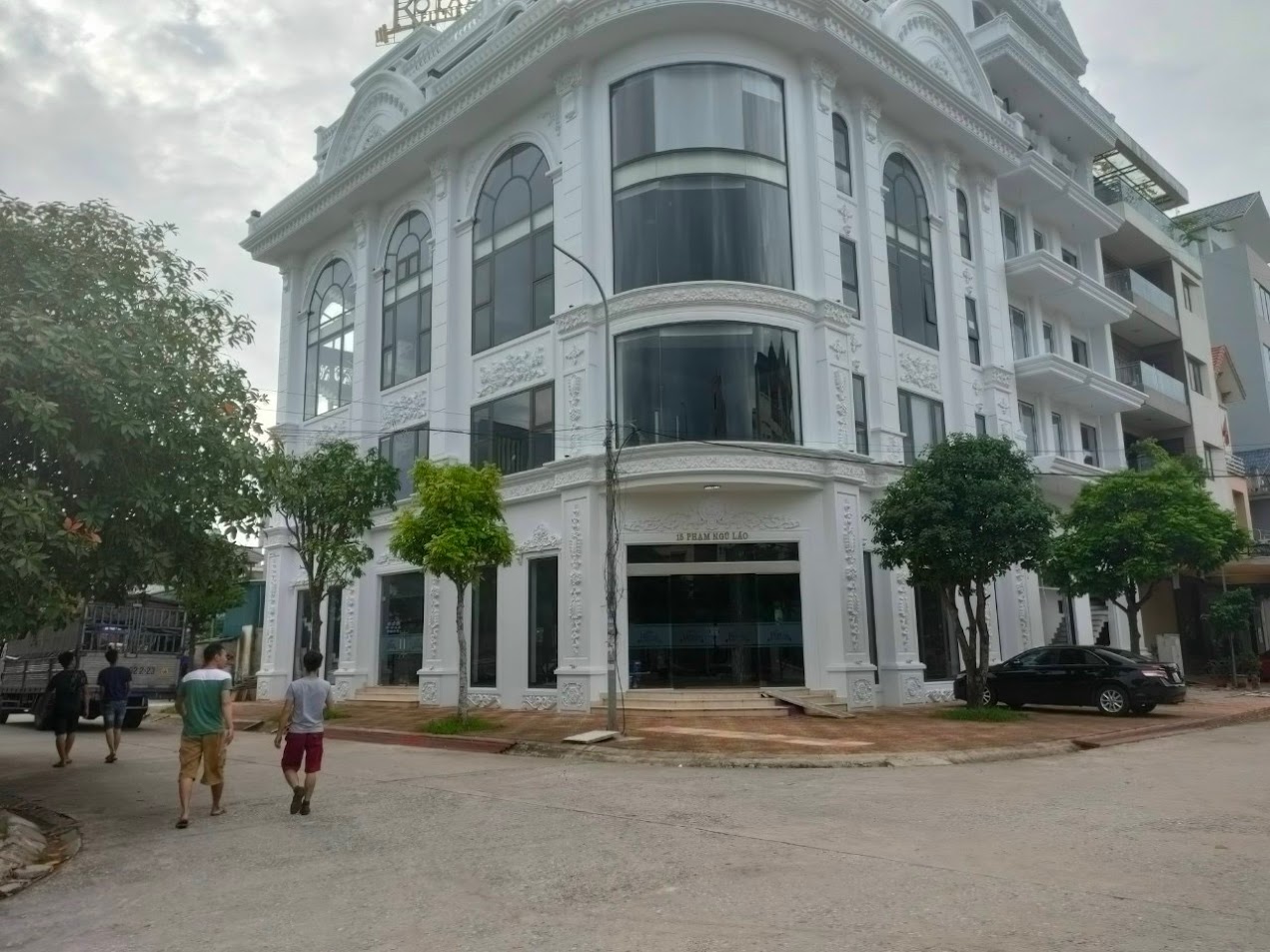
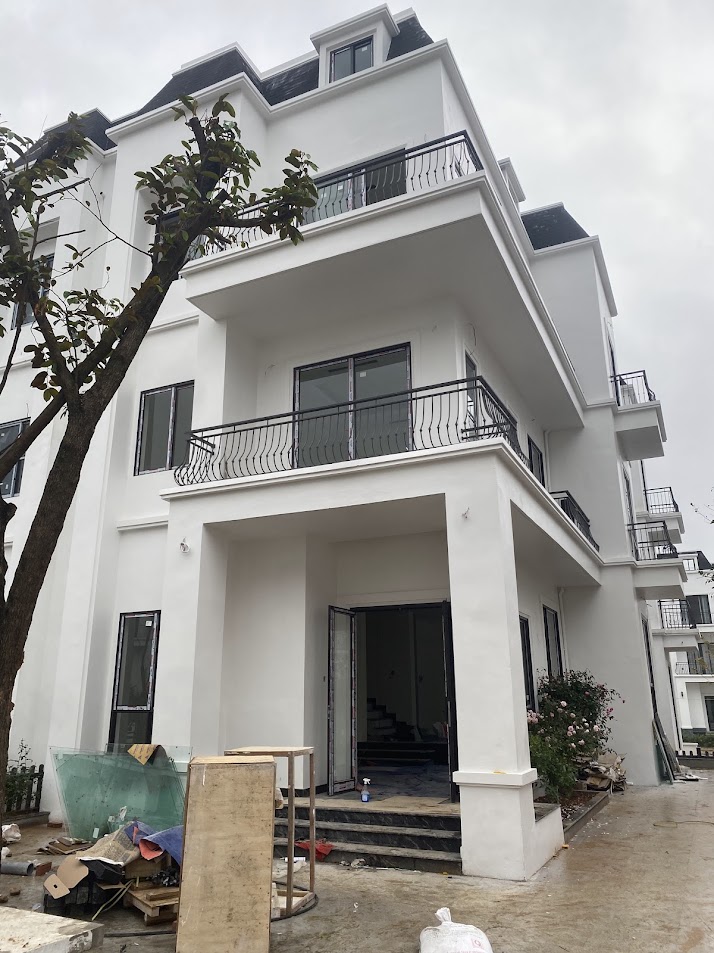
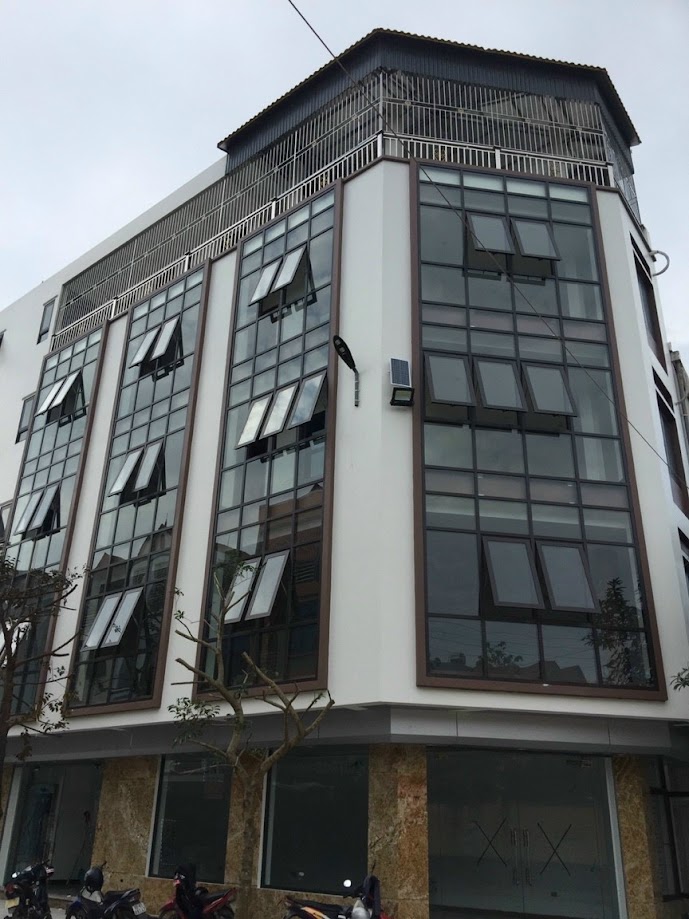
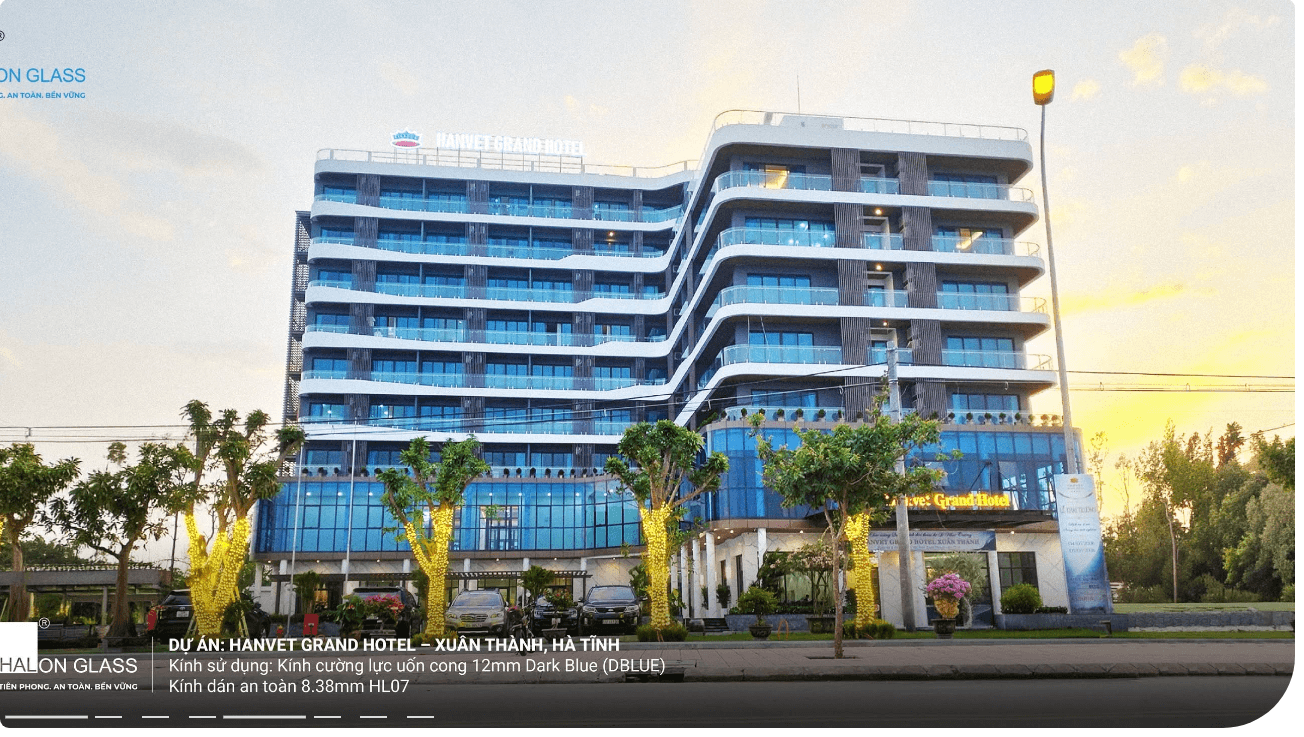
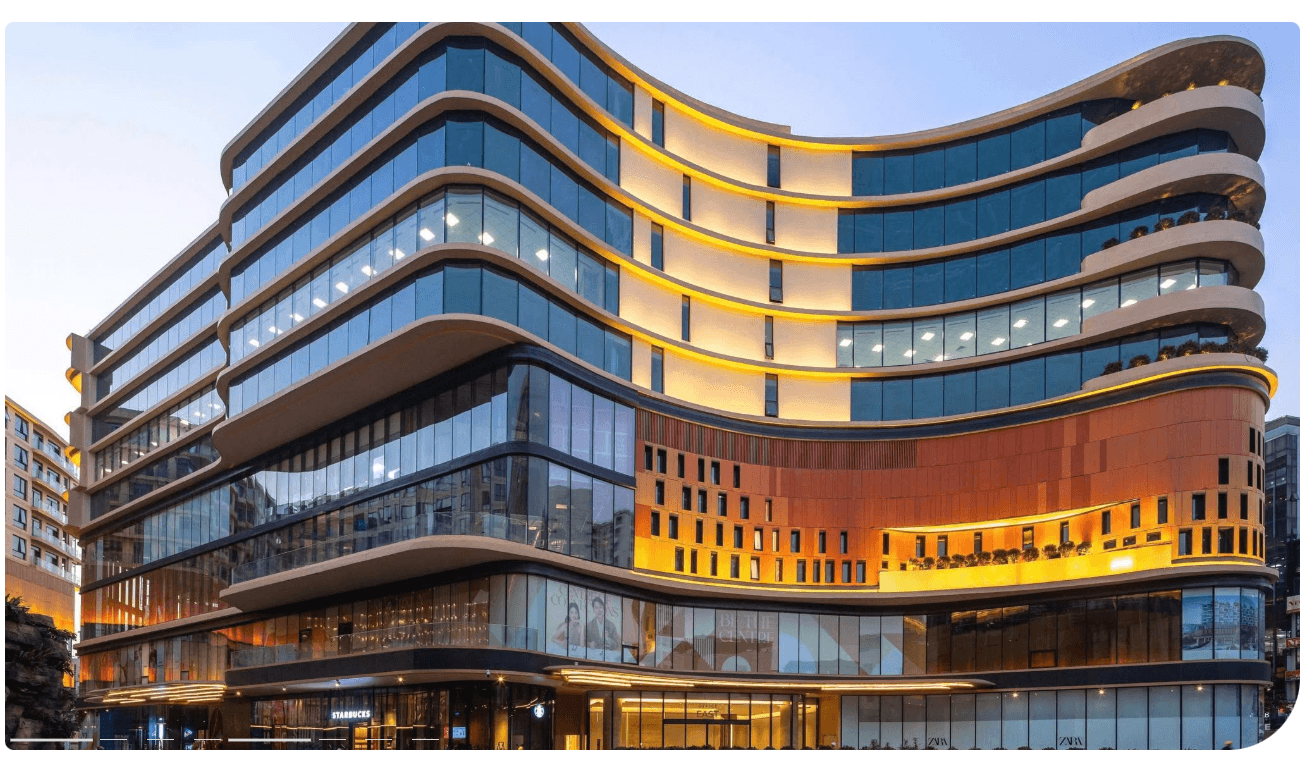
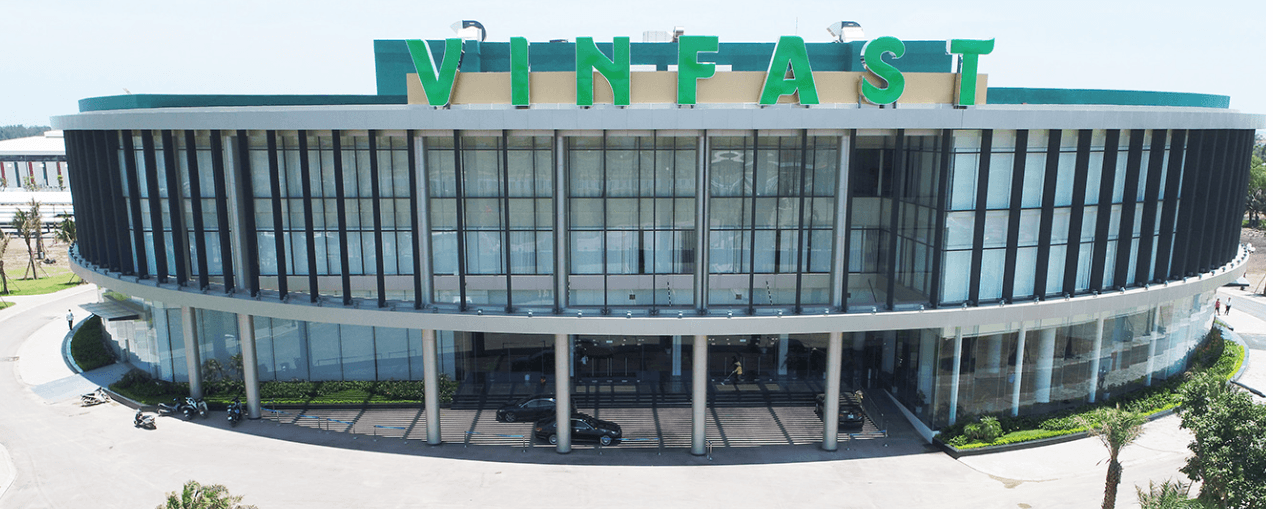
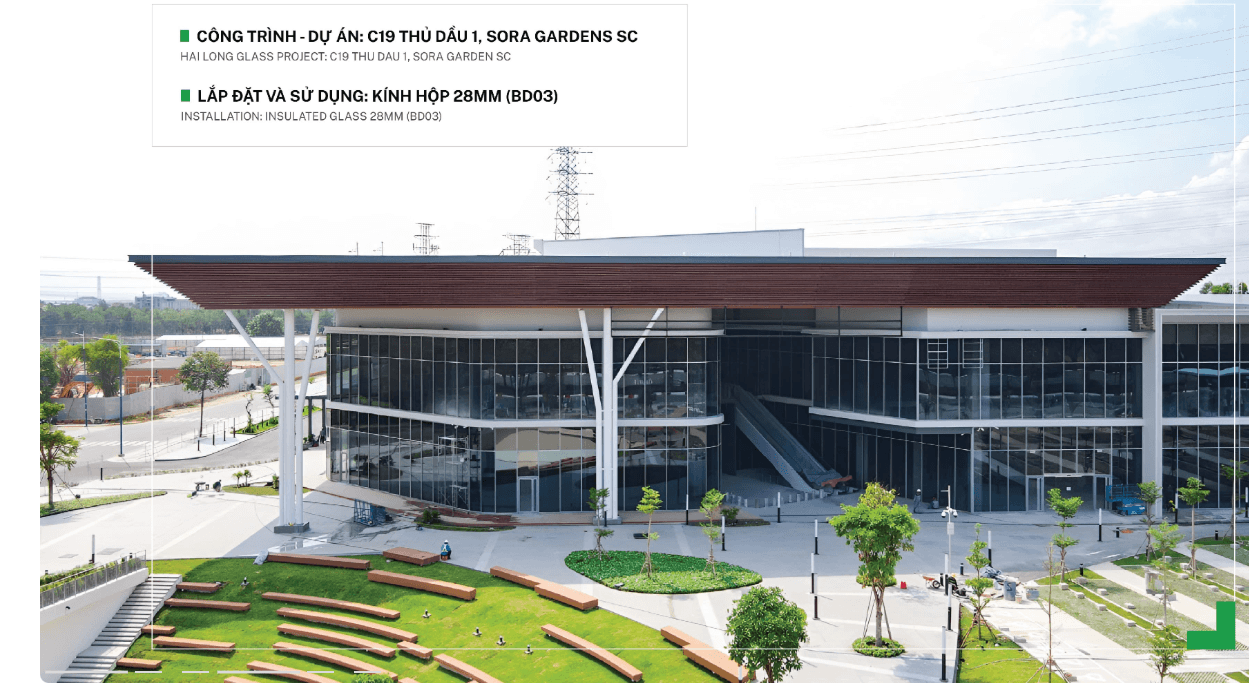
6.38mm laminated safety glass is widely used in residential and commercial construction projects due to its balance of cost, safety, and aesthetics . In residential buildings, this type of glass is commonly used for windows, doors, living room glass partitions, balcony railings, skylights, and skylights. In commercial buildings, 6.38mm glass appears in showroom facades, entrance doors, office partitions, shower cabins, meeting rooms, and product display areas. For items requiring higher load-bearing capacity, such as stair railings, glass floors, and large glass roofs, thicker laminated safety glass (8.38mm, 10.38mm, 12.38mm, etc.) or a combination with tempered glass is often used.
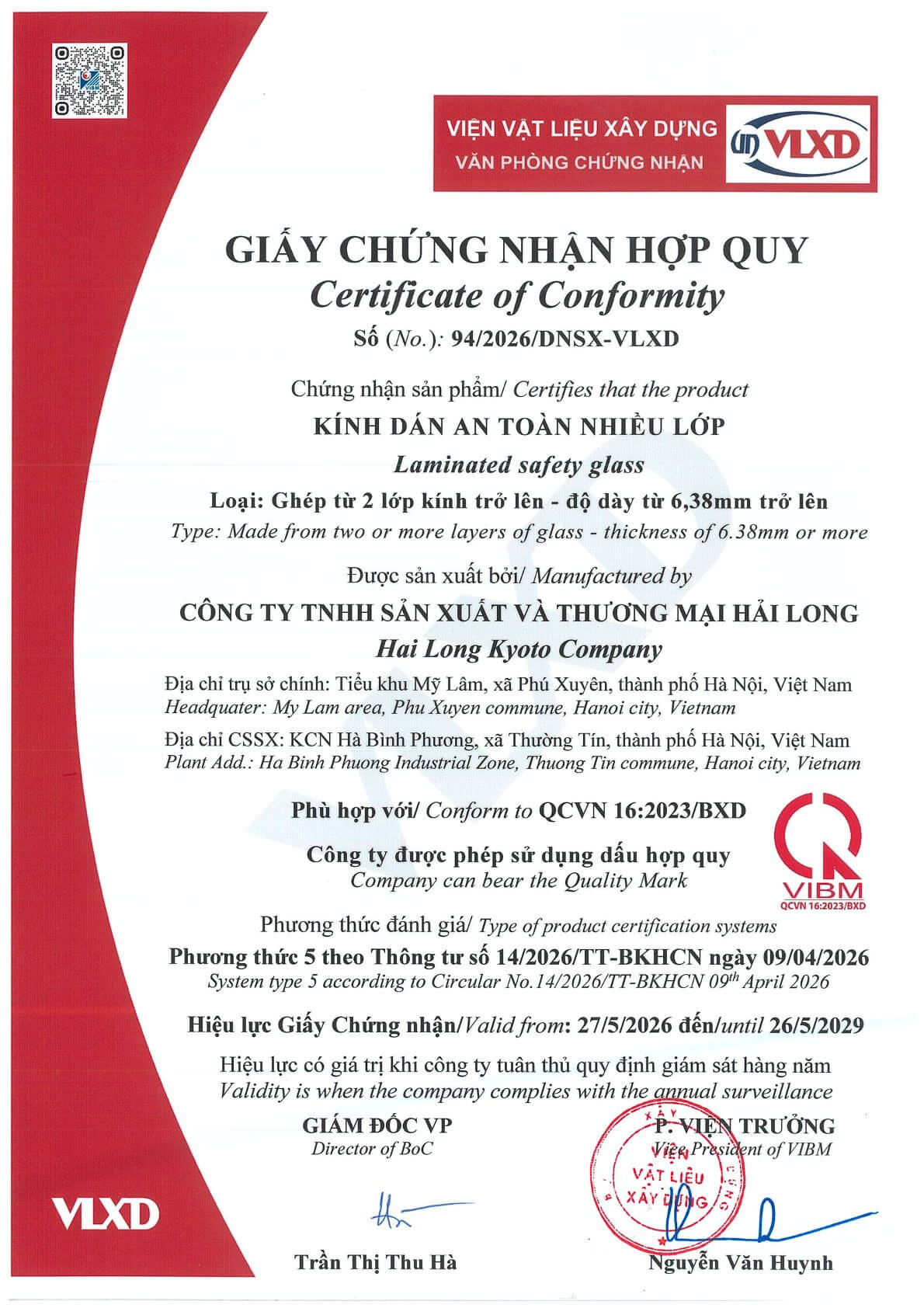
In terms of standards, 6.38mm laminated safety glass must meet requirements for impact resistance, adhesion, heat resistance, light transmission, and UV blocking according to Vietnamese and international standards. Compliance with standards not only ensures user safety but also affects product cost , as manufacturers must invest in testing equipment and certification. Companies with clear certifications and test reports usually have slightly higher prices but provide long-term peace of mind for investors, contractors, and design firms.
When considering the price of 6.38mm laminated safety glass, many investors often compare it to 6mm standard glass , 8mm tempered glass , or thicker laminated glass configurations. 6mm standard glass is the cheapest but offers almost no safety guarantee upon breakage. 8mm tempered glass has high impact resistance and, upon breakage, produces small, less sharp fragments; however, it doesn't hold the shards together , making it prone to scattering and unsuitable for elevated positions, railings, or glass roofs. While 6.38mm laminated safety glass is more expensive than standard glass, it offers superior safety and better sound insulation and UV protection .
In many cases, choosing 6.38mm laminated safety glass is the most cost-effective solution compared to thicker glass configurations, provided that wind loads, building height, and load-bearing requirements allow. For townhouses, low-rise villas, and small offices, windows and glass partitions using 6.38mm laminated glass usually meet both technical and economic requirements. When enhanced security is needed, multi-layered laminated safety glass (e.g., 8.38mm, 10.38mm) or a combination of laminated safety glass and tempered glass can be chosen , but the cost will increase accordingly.
To receive an accurate and optimal quote, users should clearly prepare the following information: dimensions of each glass panel, quantity, installation location, color requirements, film type, edge finishing requirements, drilling and cutting requirements, accompanying accessories, and actual construction conditions . Providing complete information helps the supplier accurately calculate the quantity and minimize additional costs during the process. At the same time, it is important to request that the quote clearly state: unit price of glass materials, transportation costs, installation costs, delivery time, warranty period, and payment terms .
When comparing quotes between different suppliers, it's important to consider the origin of the glass blanks (domestic or imported), the brand of PVB/EVA film, the film thickness, the lamination technology, and the quality standards applied . An unusually low quote may indicate the use of low-quality glass blanks, films of unknown origin, or substandard lamination processes, leading to the risk of yellowing, peeling edges, and reduced durability over time. For detailed advice, to choose the appropriate glass configuration, and to receive a competitive quote for 6.38mm safety laminated glass , please contact Ngoc Quyet Company directly for quick order placement and guaranteed technical standards and construction schedule.