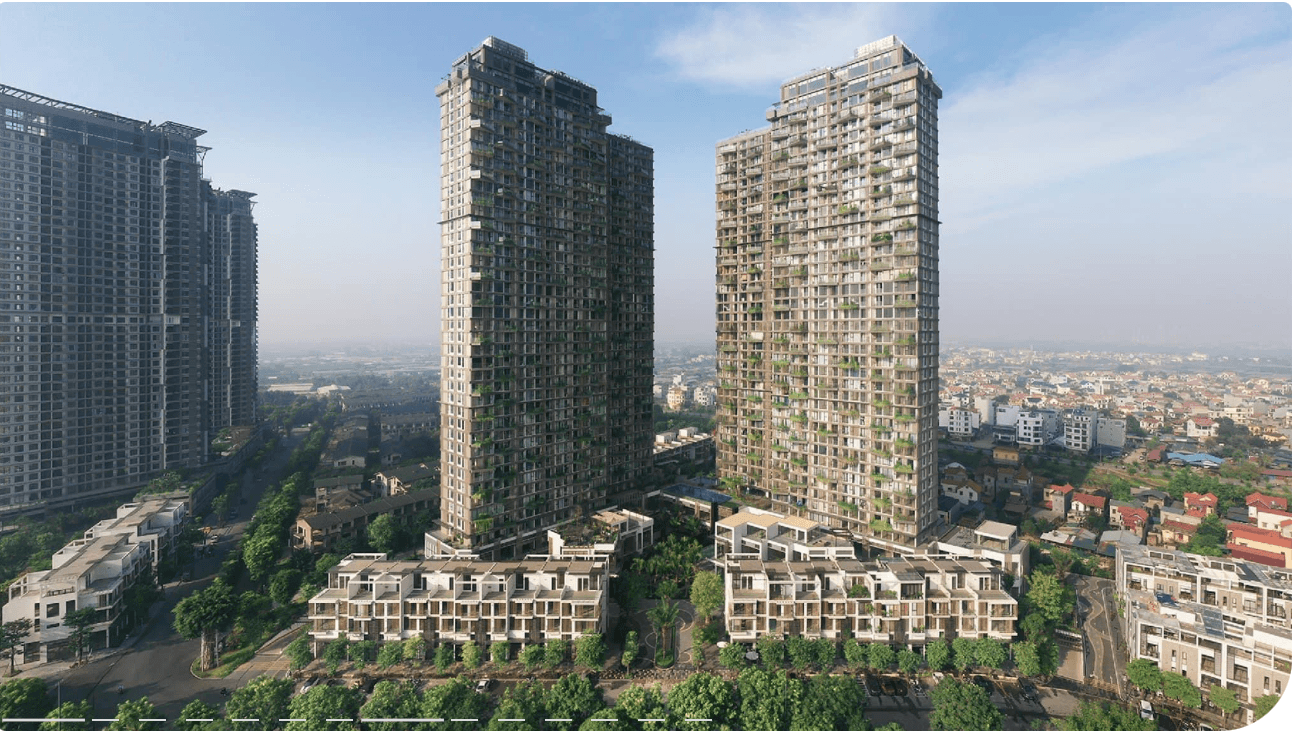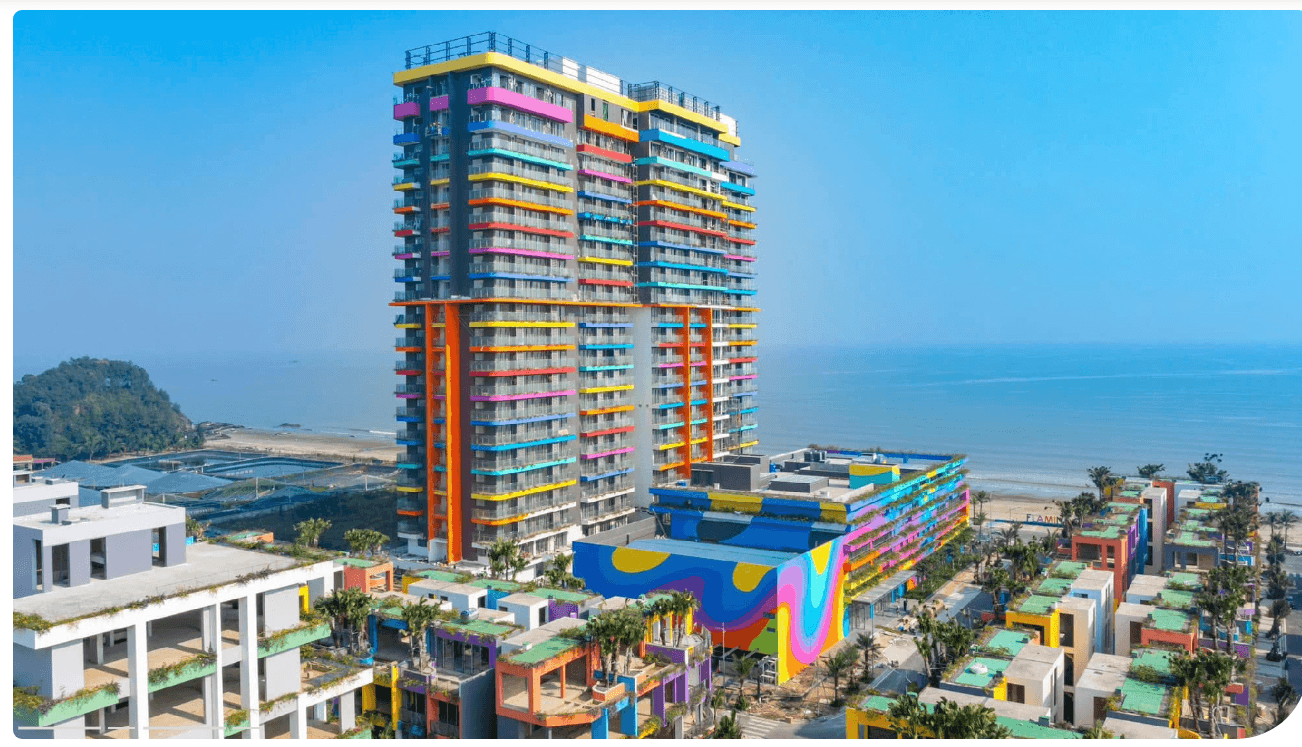


Safety laminated glass for villas
Laminated safety glass for villas:
The concept of laminated safety glass and applicable standards for villas;
In-depth advantages of laminated safety glass in villa design;
Aesthetic value and customization possibilities of laminated safety glass;
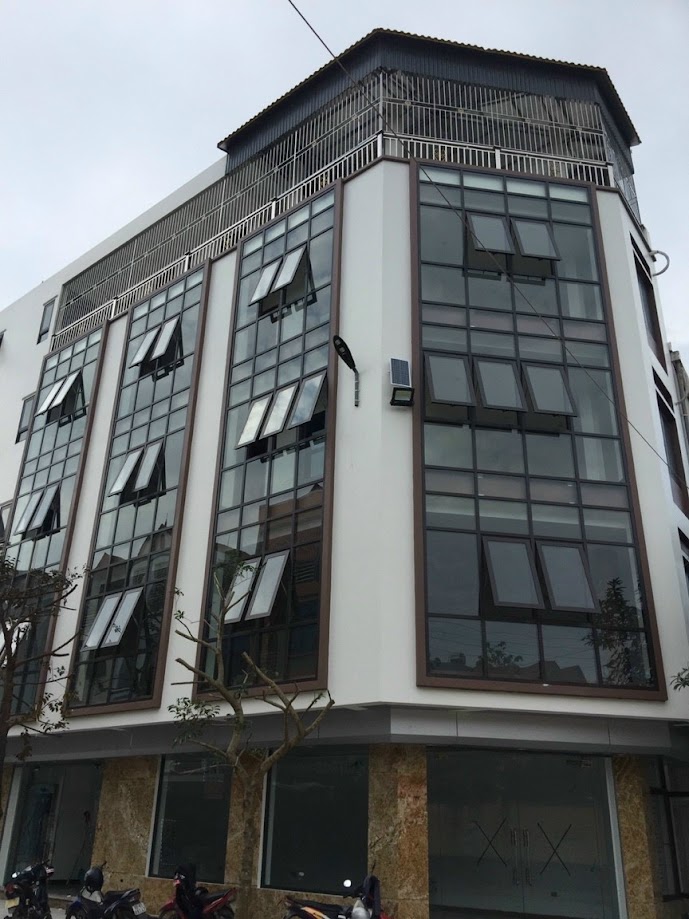
Applications of laminated safety glass in villa projects;
Common laminated safety glass configurations for villas.
- 6.38mm – 8.38mm laminated safety glass : suitable for small windows, interior partitions, glass shower enclosures, and areas with low wind load.
- Laminated safety glass 10.38mm – 12.38mm : used for doors, facade glass walls, large windows, and high-rise areas with medium wind loads.
- Laminated tempered glass 8.76mm – 10.76mm – 12.76mm : used for balcony railings, stair railings, skylights, glass roofs, and areas requiring high safety standards.
- Double-glazed or triple-glazed windows combined with laminated glass : used for large facades, west-facing windows, and areas requiring optimal sound and heat insulation.
Each configuration needs to be calculated based on building height, window size, wind load, service load, and aesthetic requirements, avoiding choices based solely on intuition or cost.
Pay close attention to technical aspects, maintenance, and contractor selection.
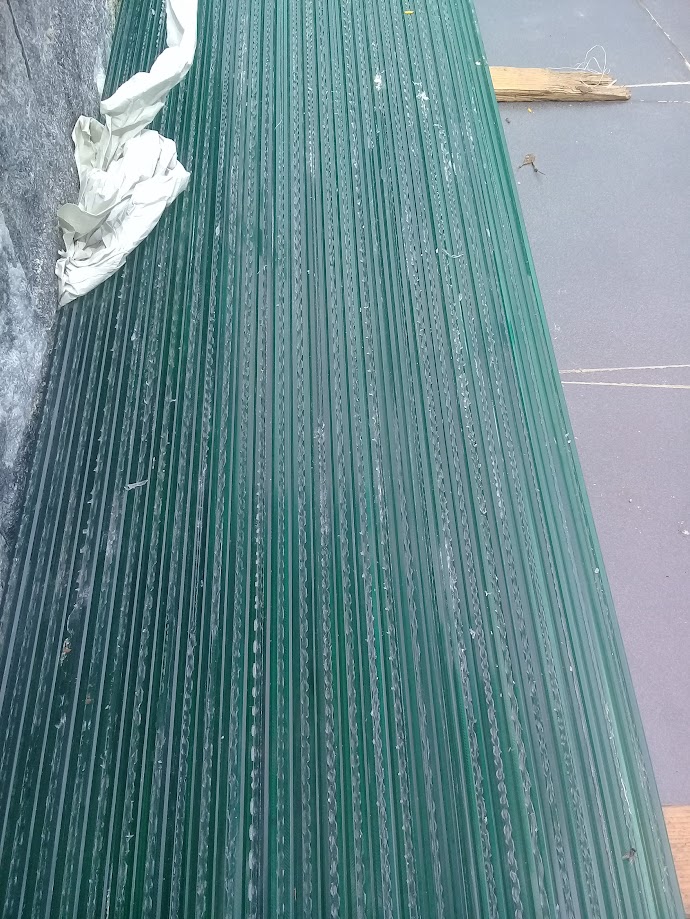
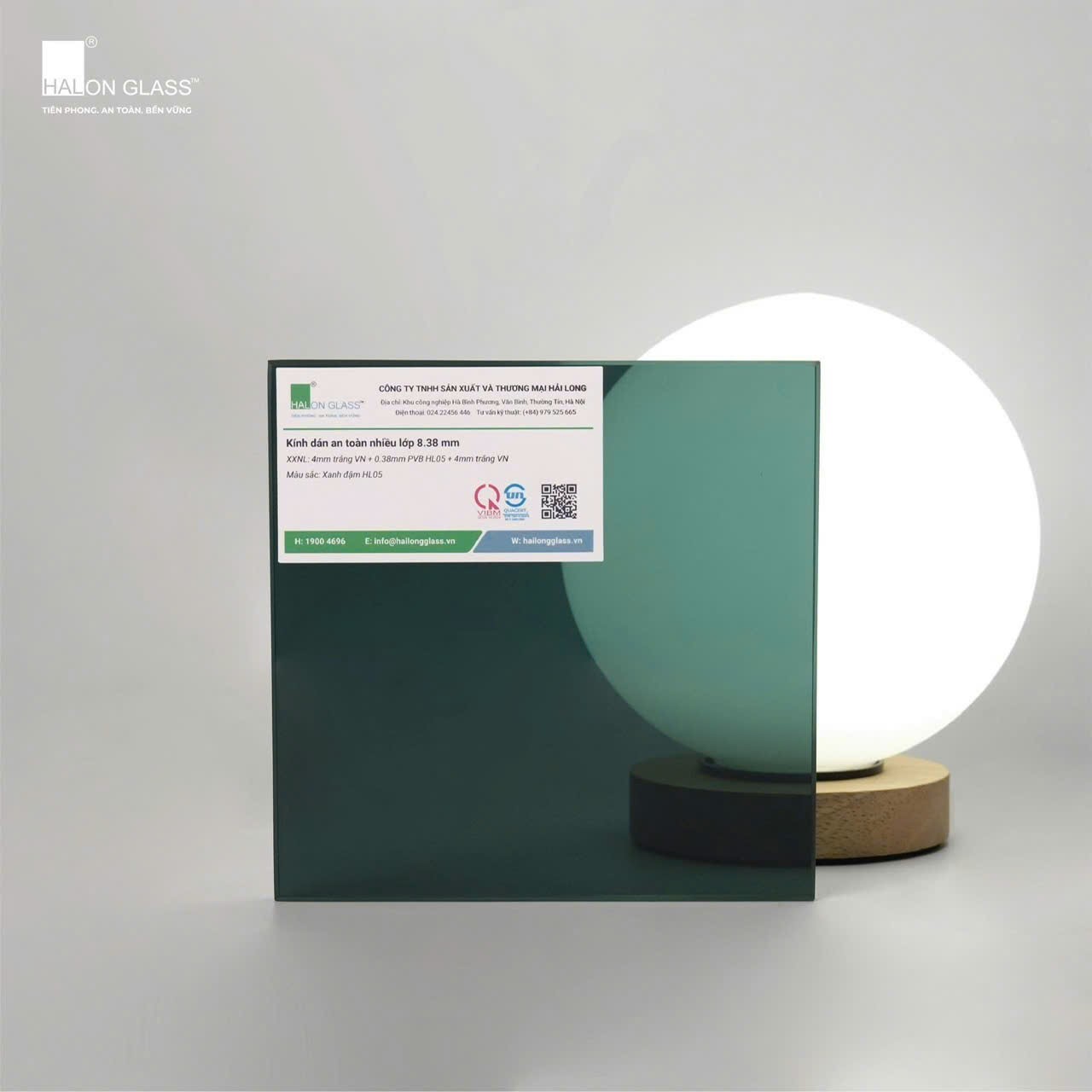
Laminated safety glass for villas is a type of glass composed of two or more flat glass layers bonded together by one or more layers of specialized polymer film such as PVB (Polyvinyl Butyral) , EVA (Ethylene Vinyl Acetate) , or SGP (SentryGlas Plus) . Under strong impact, fragments do not fall freely but adhere tightly to the film, minimizing the risk of injury. For villa construction, laminated safety glass is usually designed according to TCVN 7364 , EN 14449 , or equivalent standards, ensuring requirements for mechanical strength, adhesion, heat resistance, moisture resistance, and long-term durability in harsh climatic conditions. Choosing the right type of laminated glass, meeting the correct standards, is fundamental to ensuring safety, aesthetics, and longevity for the entire facade, doors, railings, and glass roof of the villa.
Structurally, laminated safety glass can use ordinary glass, tempered glass, or semi-tempered glass as the base layer. When tempered glass is combined with PVB/EVA film , a laminated safety glass product is created with superior strength, impact resistance, and thermal shock resistance, making it ideal for high-safety applications such as large doors, floor-to-ceiling glass walls, balcony railings, and skylights. Common thicknesses for villas range from 6.38mm, 8.38mm, 10.38mm, 12.38mm to thicker configurations such as 8.76mm, 10.76mm, 12.76mm, depending on height, wind load, and architectural design requirements. Each thickness configuration, film type, and base glass type must be calculated based on the structural drawings, terrain conditions, and specific intended use.
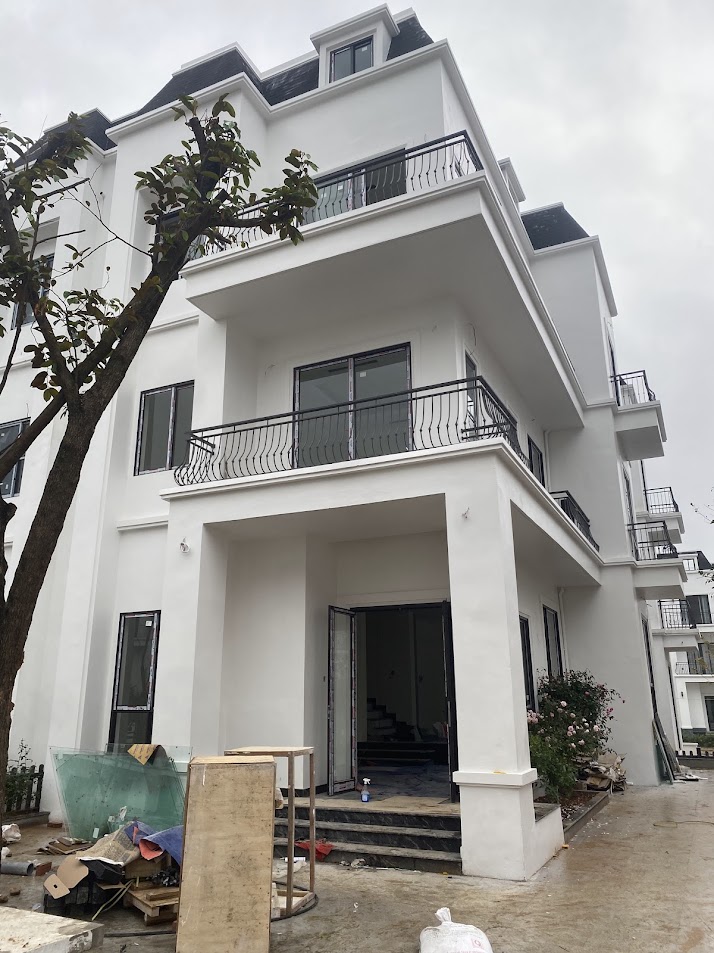
The first and most important advantage of safety laminated glass for villas is its ability to protect people . In the event of a strong impact, the glass may shatter, but the fragments remain attached to the film, forming a continuous "shield," giving users time to react and move away from the dangerous area. For villas with young children, the elderly, or open living spaces, this is a crucial factor in minimizing accident risks. Furthermore, the PVB or SGP film layer can absorb impact energy , reducing the force transmitted directly to the frame and hardware, thereby extending the lifespan of the entire door and glass wall system.
The second advantage is security – preventing break-ins . The laminated film has high tensile strength and adhesion, making it much more difficult to break through the glass than with ordinary glass. Even if the glass surface is cracked, the film retains its overall shape, creating a significant physical barrier that slows down unauthorized entry. When combined with multi-point locks, high-end accessories, and alarm sensors , safety laminated glass becomes an important part of a comprehensive security solution for villas, especially for ground-floor windows, balcony doors, garden sliding doors, and large glass panels facing the street.
The third advantage is sound and heat insulation . The PVB film layer has the ability to reduce sound transmission, especially effective with common sound frequencies in urban environments such as traffic noise, wind, and rain. When using an insulating glass unit (ICU) configuration combined with laminated safety glass , the sound and heat insulation efficiency is significantly improved, making the interior space of the villa quieter, maintaining a stable temperature, and reducing reliance on air conditioning. This not only improves the quality of life but also contributes to energy savings and reduces long-term operating costs. For villas using many large glass panels, optimizing the laminated safety glass configuration is a crucial solution to balance aesthetics and energy efficiency.
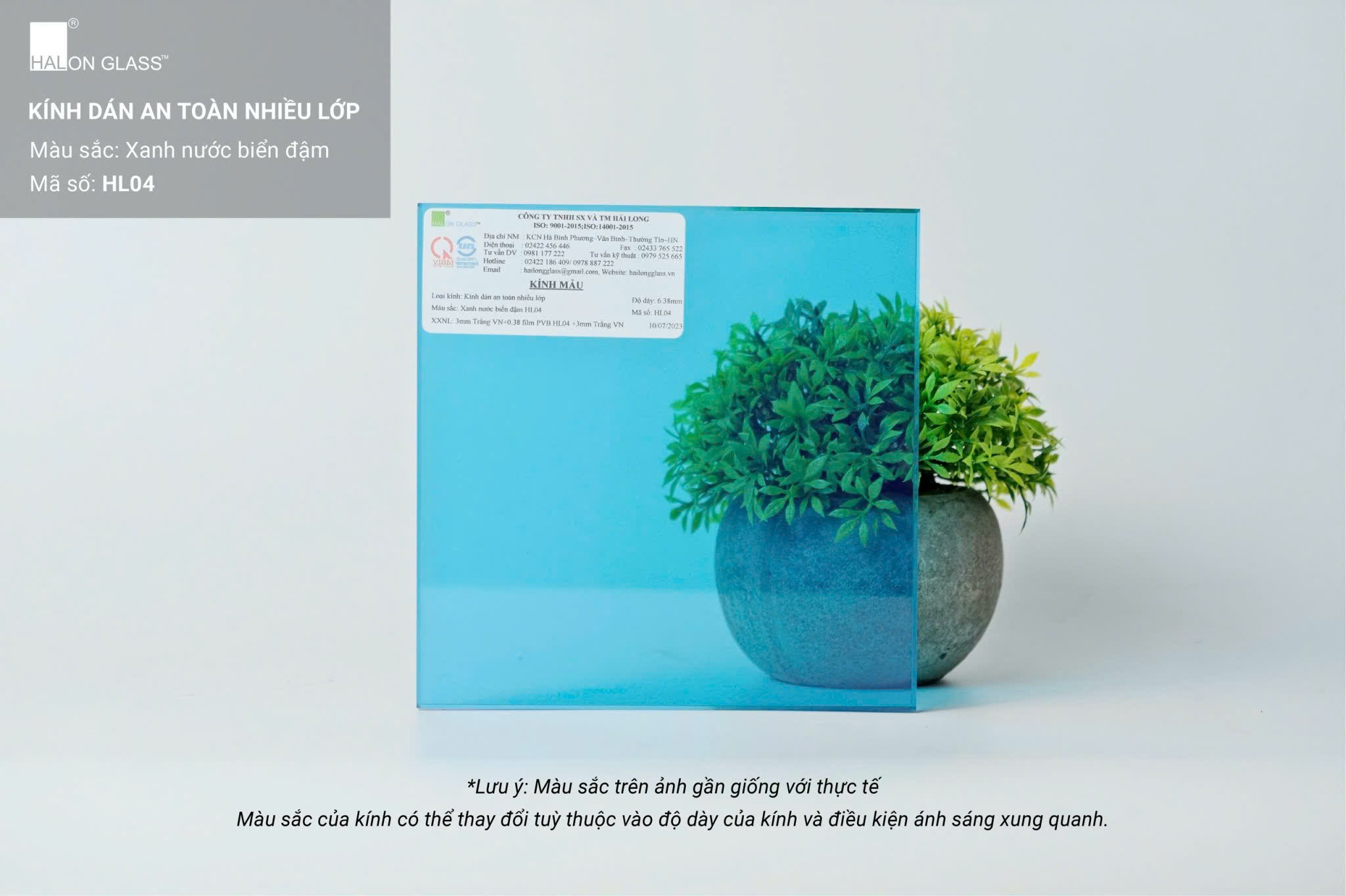
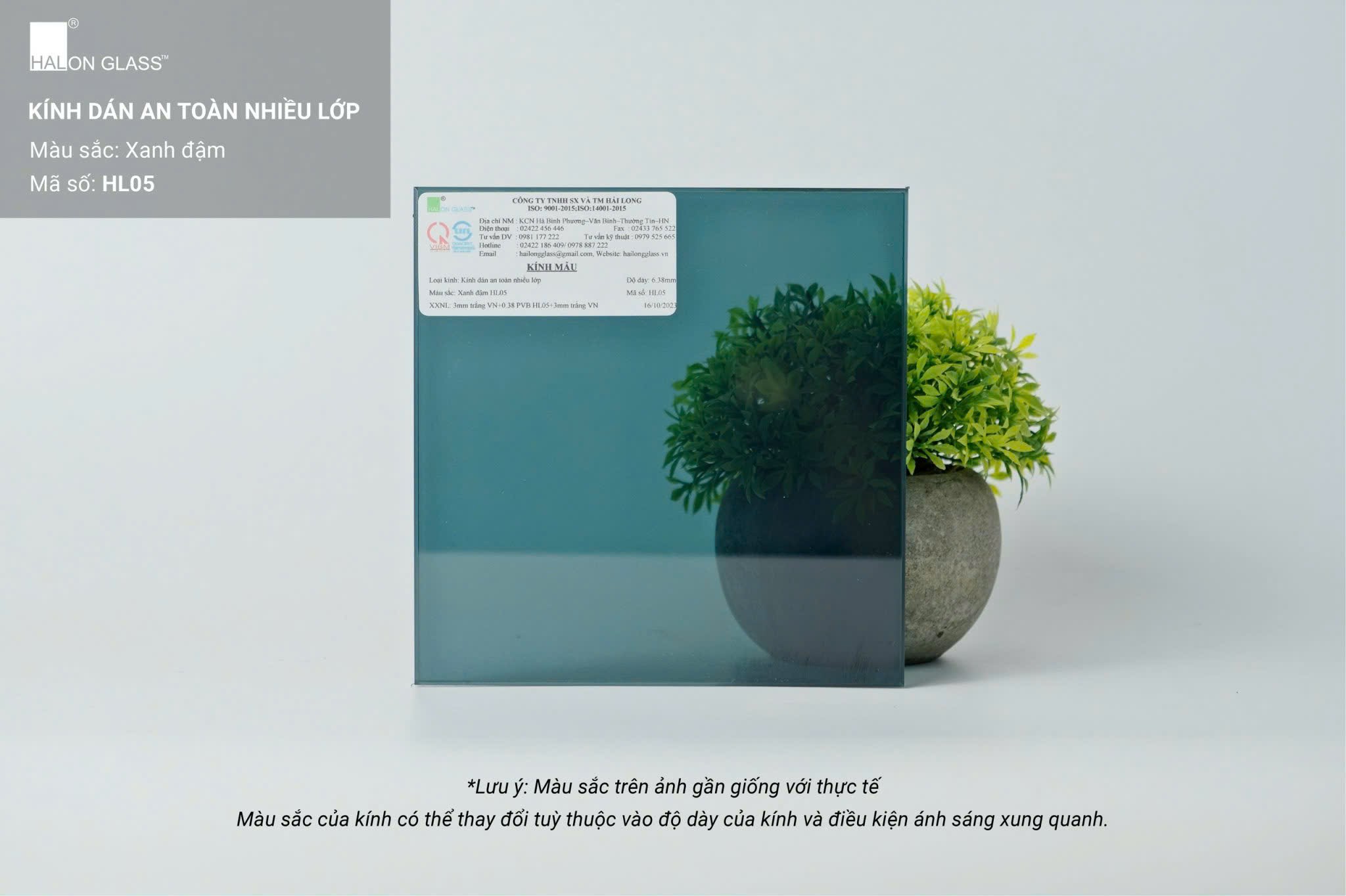
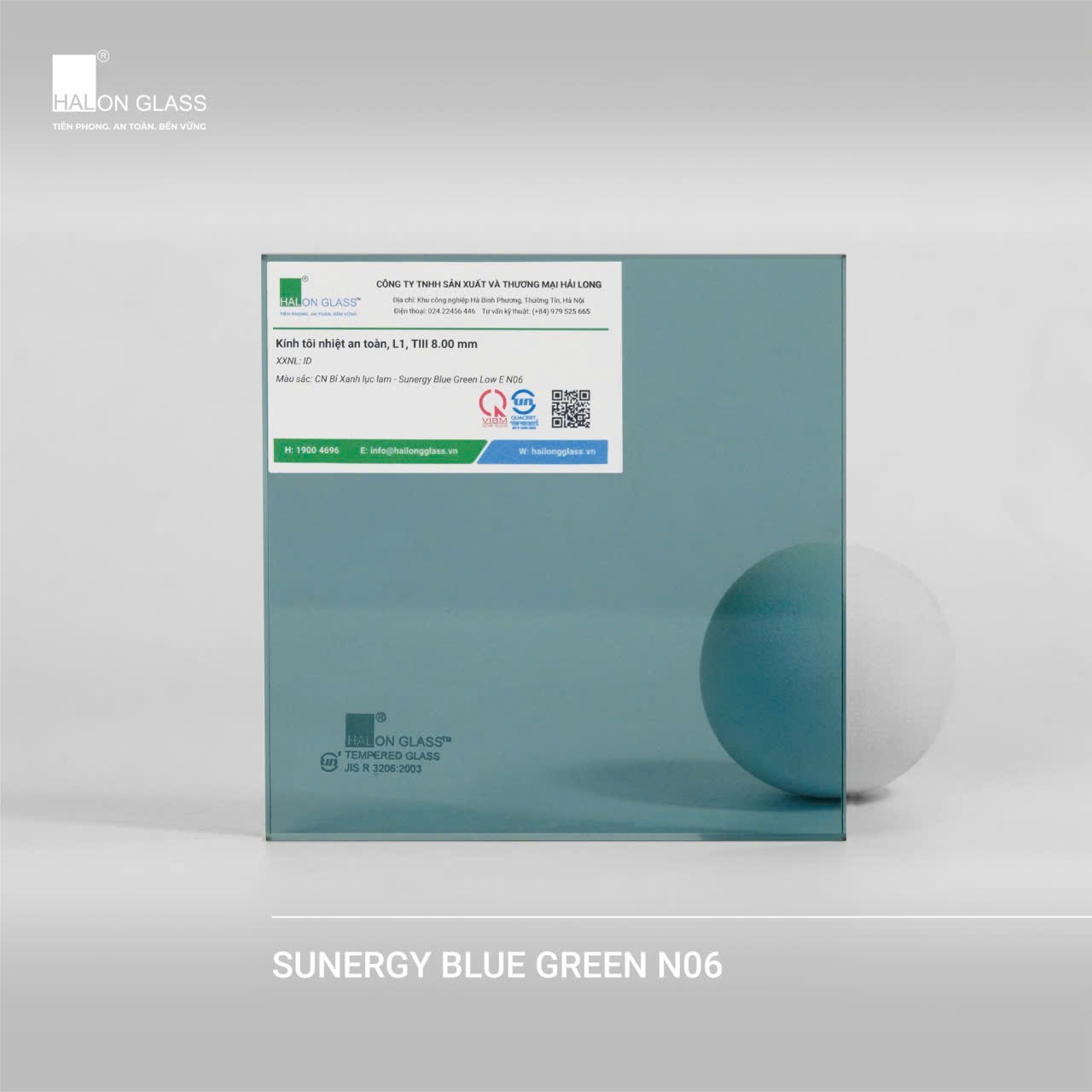
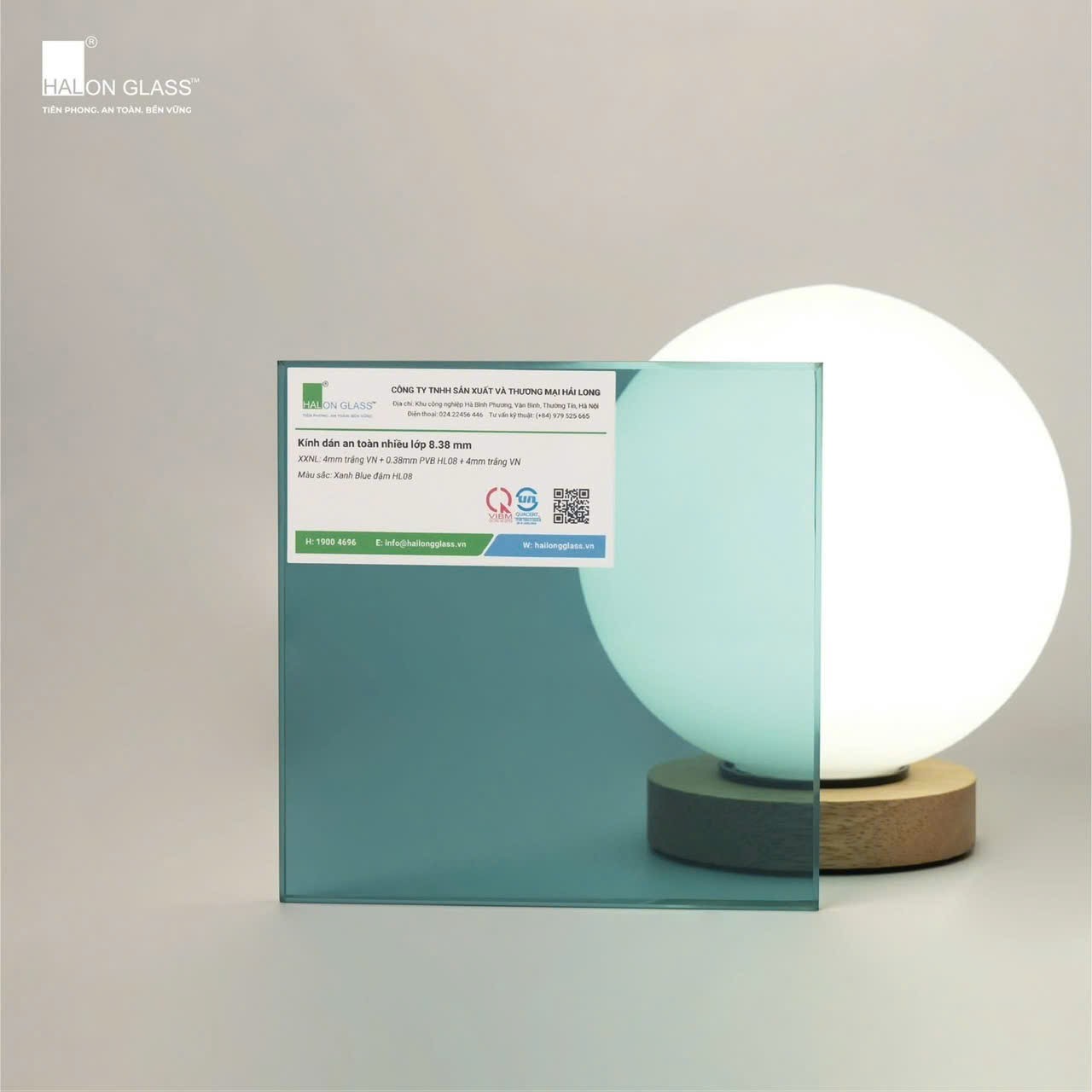
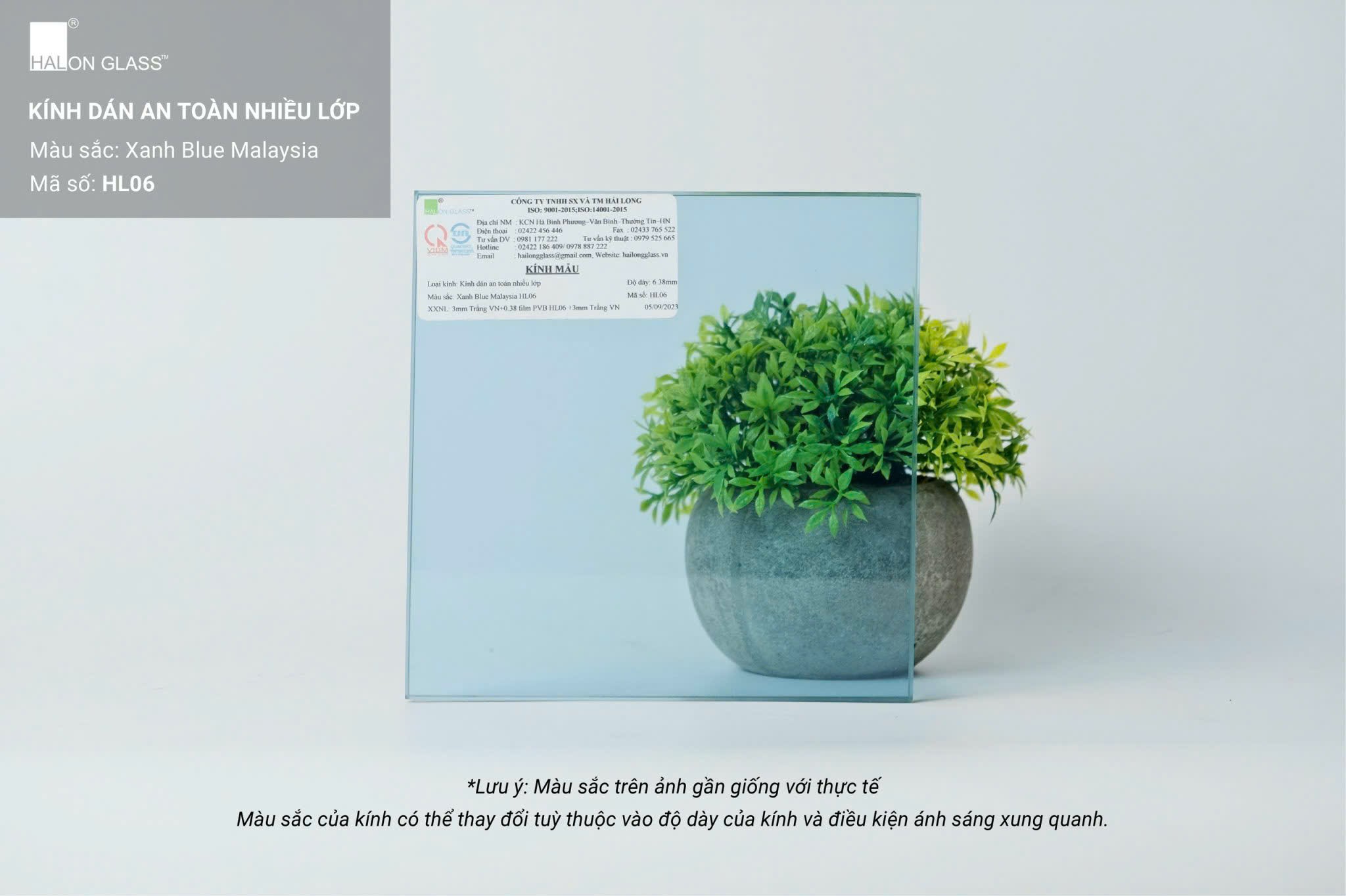
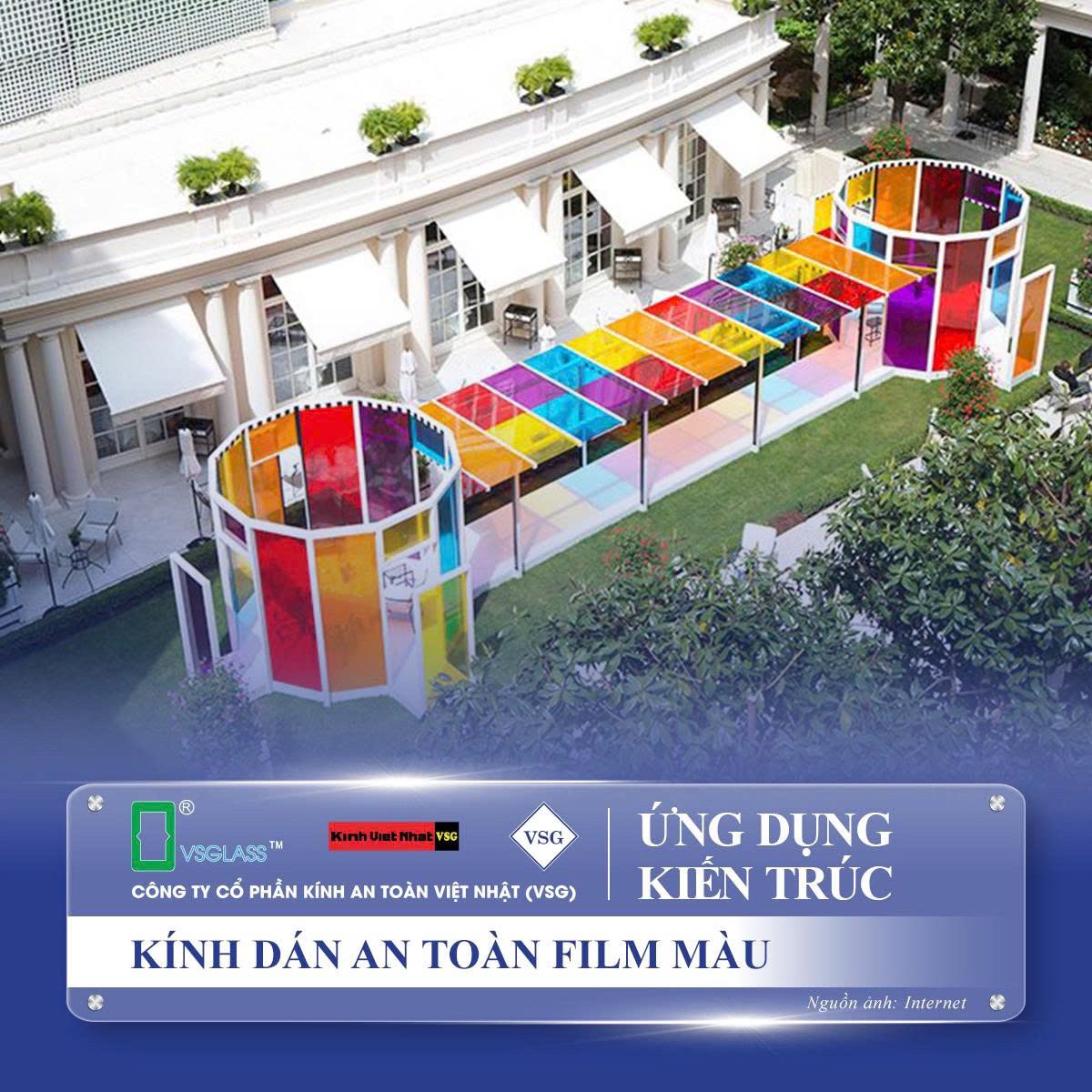
Safety laminated glass is not only a protective material but also an architectural design element . Thanks to printing, dyeing, and multi-layer film lamination technology, architects can create diverse aesthetic effects: clear glass, colored glass, reflective glass, frosted glass, patterned glass, and decorative film-laminated glass. For villas, using gray, green, blue, tea-colored laminated glass or frosted laminated glass helps control light, increase privacy, and maintain a sense of spaciousness. Large glass panels in living rooms, common areas, and atrium spaces can become architectural focal points when cleverly combining clear and colored glass, and flat and patterned surfaces.
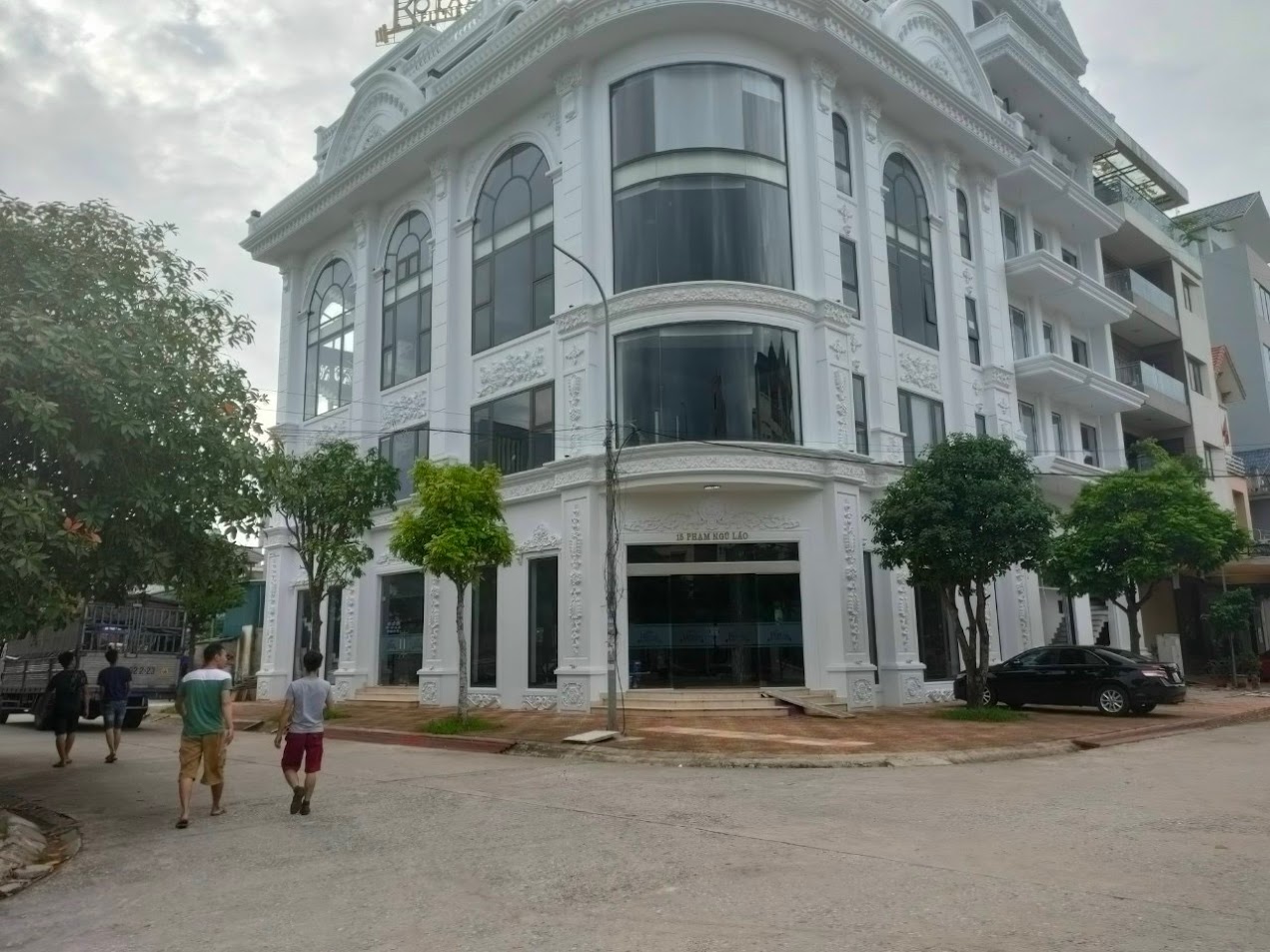
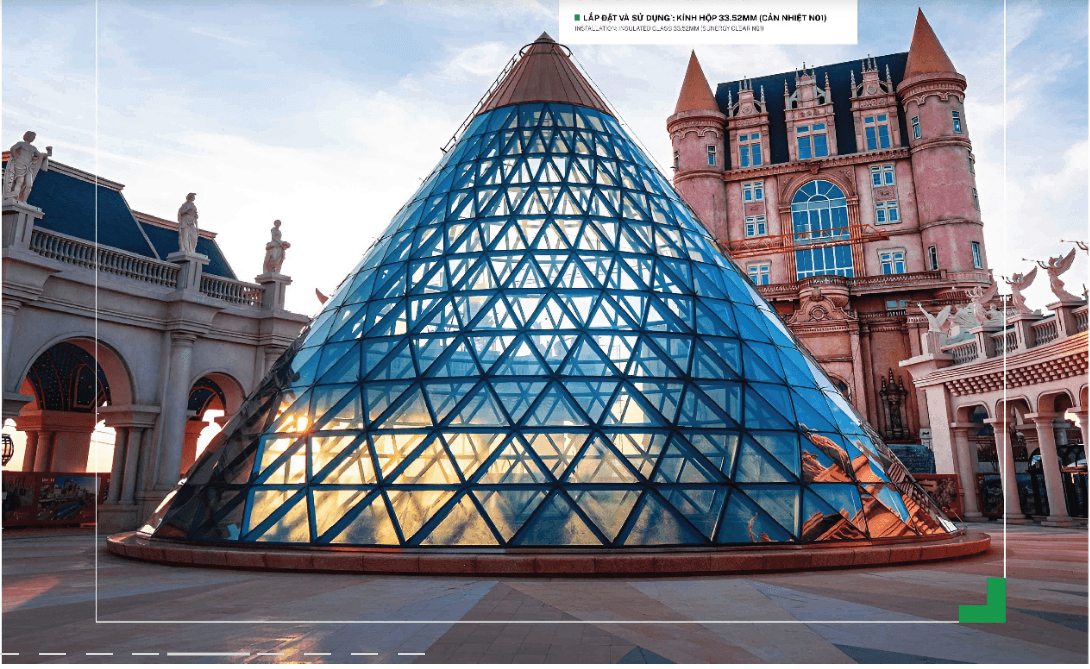
The ability to customize size and shape is also a major advantage of laminated safety glass. Curved glass panels, rounded-corner glass, and specially cut glass for domes, skylights, and non-standard windows can all be processed during the pre-laminating stage. This allows for the realization of highly personalized villa design ideas, from minimalist modern to neoclassical, Mediterranean, or resort styles. When combined with high-end aluminum and glass systems, matching accessories, and active sunshade solutions, laminated safety glass becomes a versatile tool for architects to "draw" luxurious, sophisticated, and distinctive living spaces.
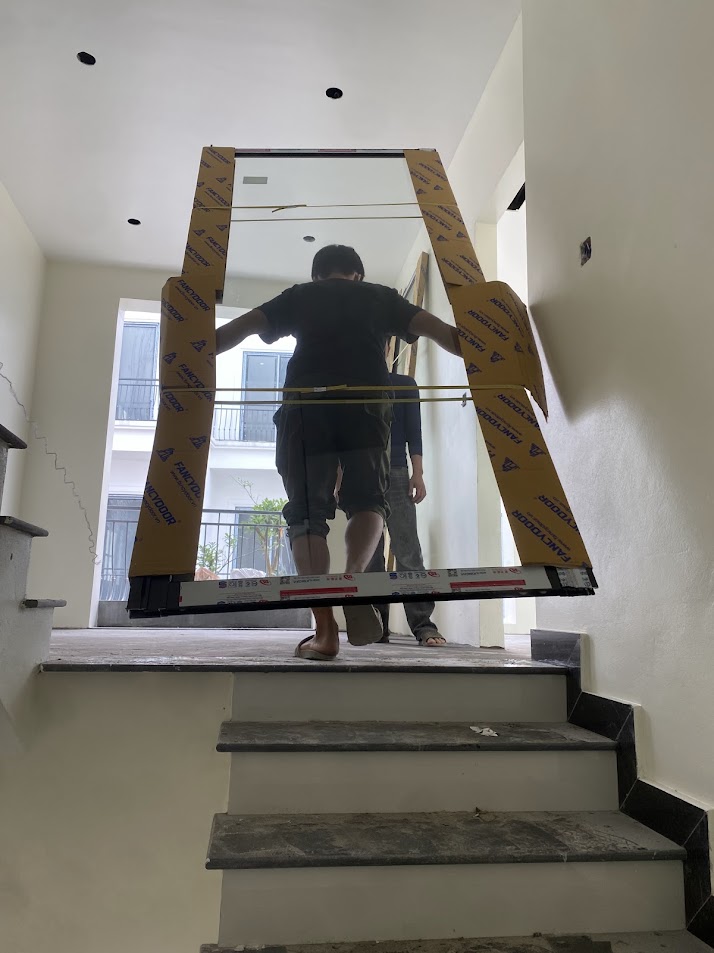
In practice, laminated safety glass is widely used in most glass-related applications within villas. Some key locations include: main entrance doors, windows, facade glass walls, balcony railings, stair railings, skylights, glass roofs, glass shower enclosures, home office partitions, living rooms, pool areas, and gardens . Each location has specific technical requirements regarding glass thickness, film type, base glass type, and structural connection methods. Incorrect glass configuration selection can lead to vibration, sagging, edge cracking, condensation in insulated glass units, or reduced accessory lifespan; therefore, the involvement of experienced consultants and contractors is essential.
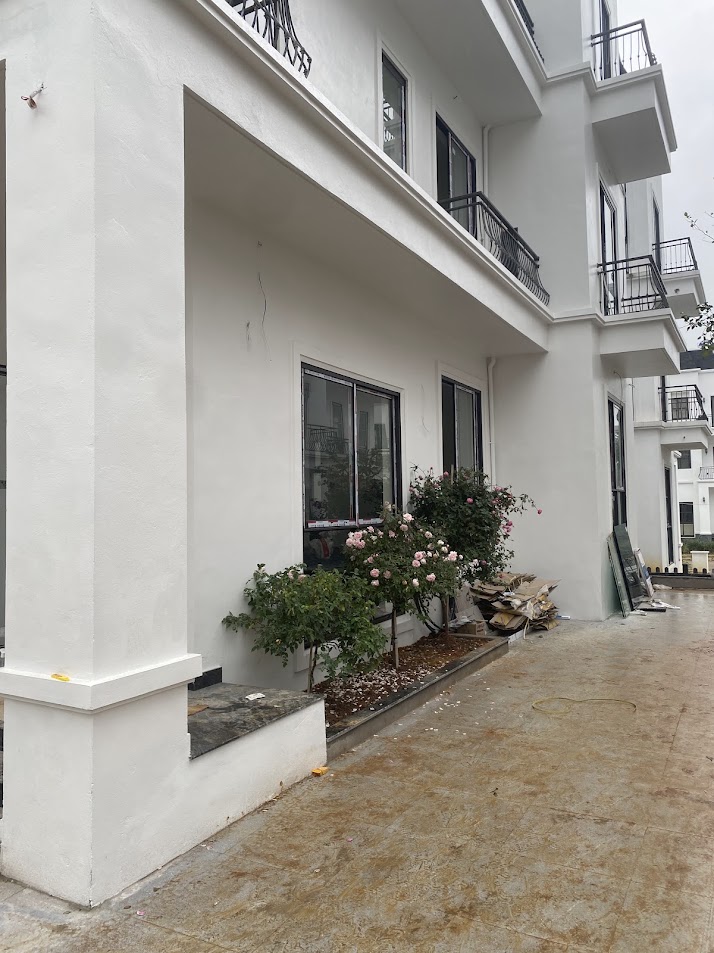
Some commonly recommended laminated safety glass configurations for villas include:
To ensure long-term durability , in addition to choosing the right glass configuration, attention must be paid to factors such as: the quality of the edge sealant, the quality of the gaskets, the aluminum or steel frame system, the drainage capacity of the frame system, and waterproofing at the wall-floor-ceiling joints. Especially for glass roofs, skylights, and swimming pool areas , waterproofing and drainage must be carefully planned to prevent leaks, staining of the glass edges, film peeling, or reduced adhesion over time. Close collaboration between architects, structural engineers, and the glass installation company is a prerequisite for the safety laminated glass system to achieve maximum effectiveness.
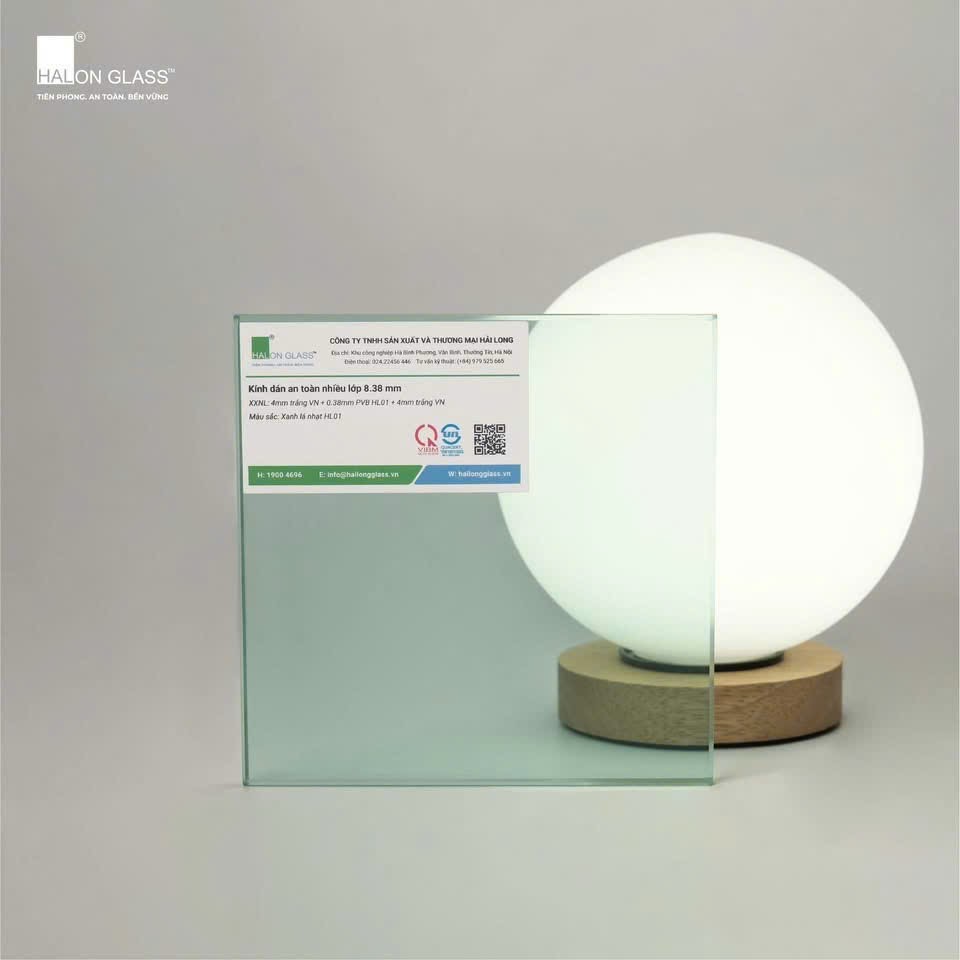
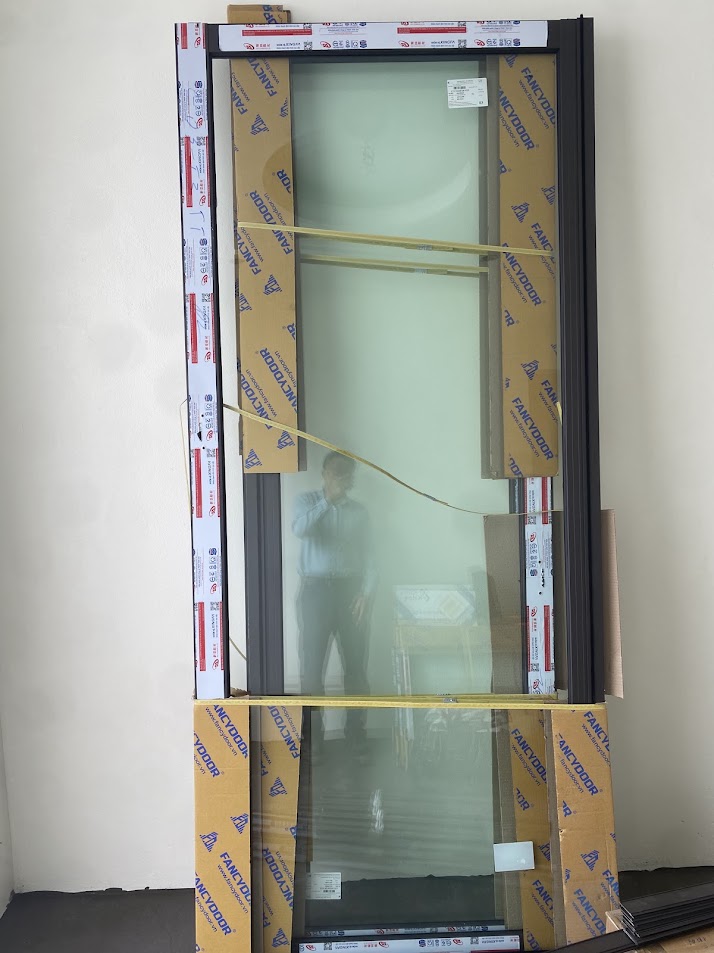
During the installation of safety laminated glass for villas, the following steps must be strictly followed: accurate measurement of the existing structure, checking the flatness and rigidity of the structure, selecting appropriate accessories for the glass's load capacity, installing according to the manufacturer's procedures, checking for airtightness, water testing, and load testing if necessary. After use, homeowners should clean the glass with a neutral solution , avoiding corrosive chemicals or sharp objects that could scratch the surface. Regularly inspect gaskets, sealants, and connecting bolts, especially in areas such as glass roofs, railings, and skylights, to promptly address any signs of aging.
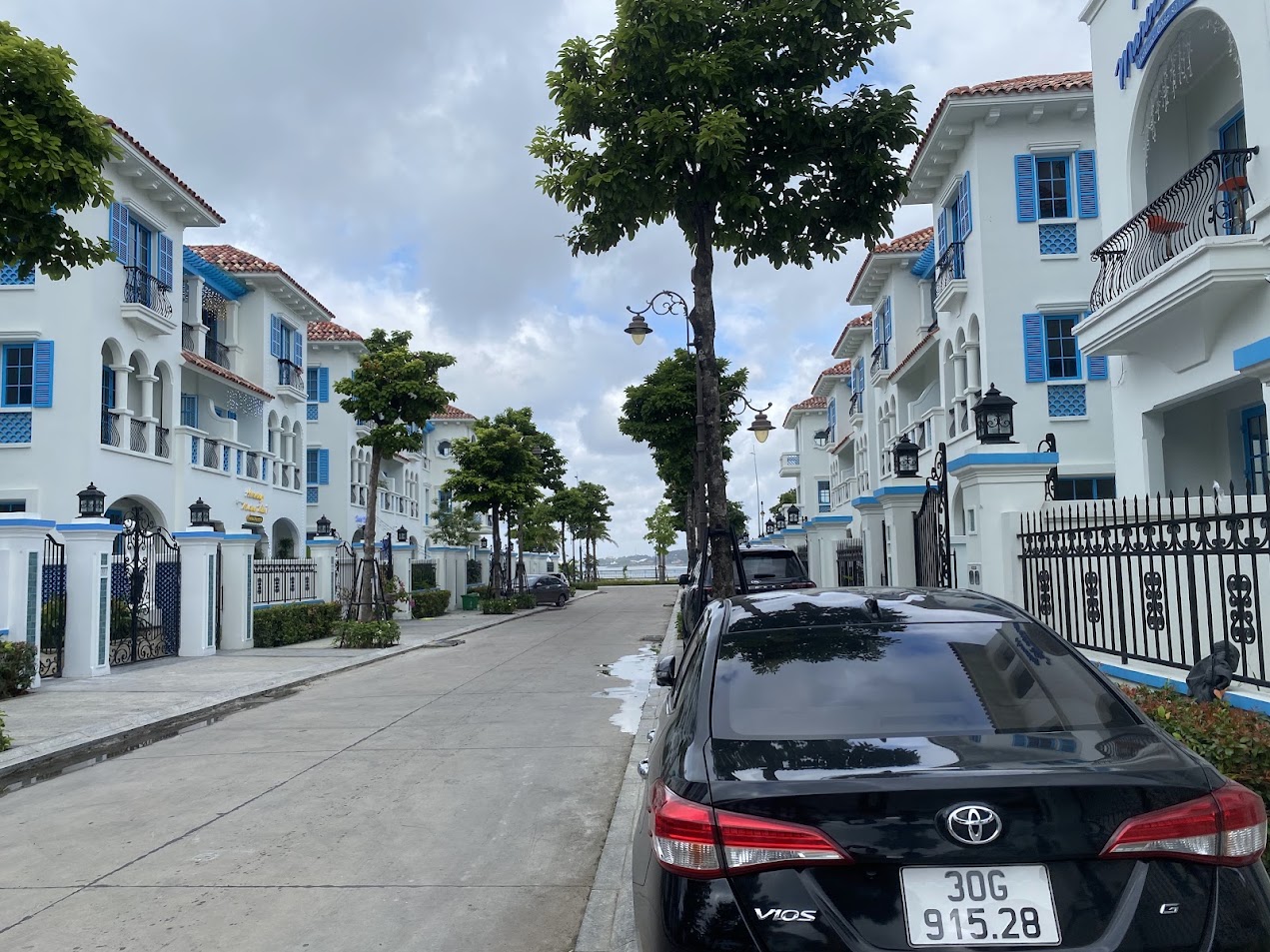
Choosing a supplier and installer of safety laminated glass for a villa should be based on the following criteria: clear origin of the glass, quality certificates, company profile, completed projects, technical consulting capabilities, and warranty and maintenance services .
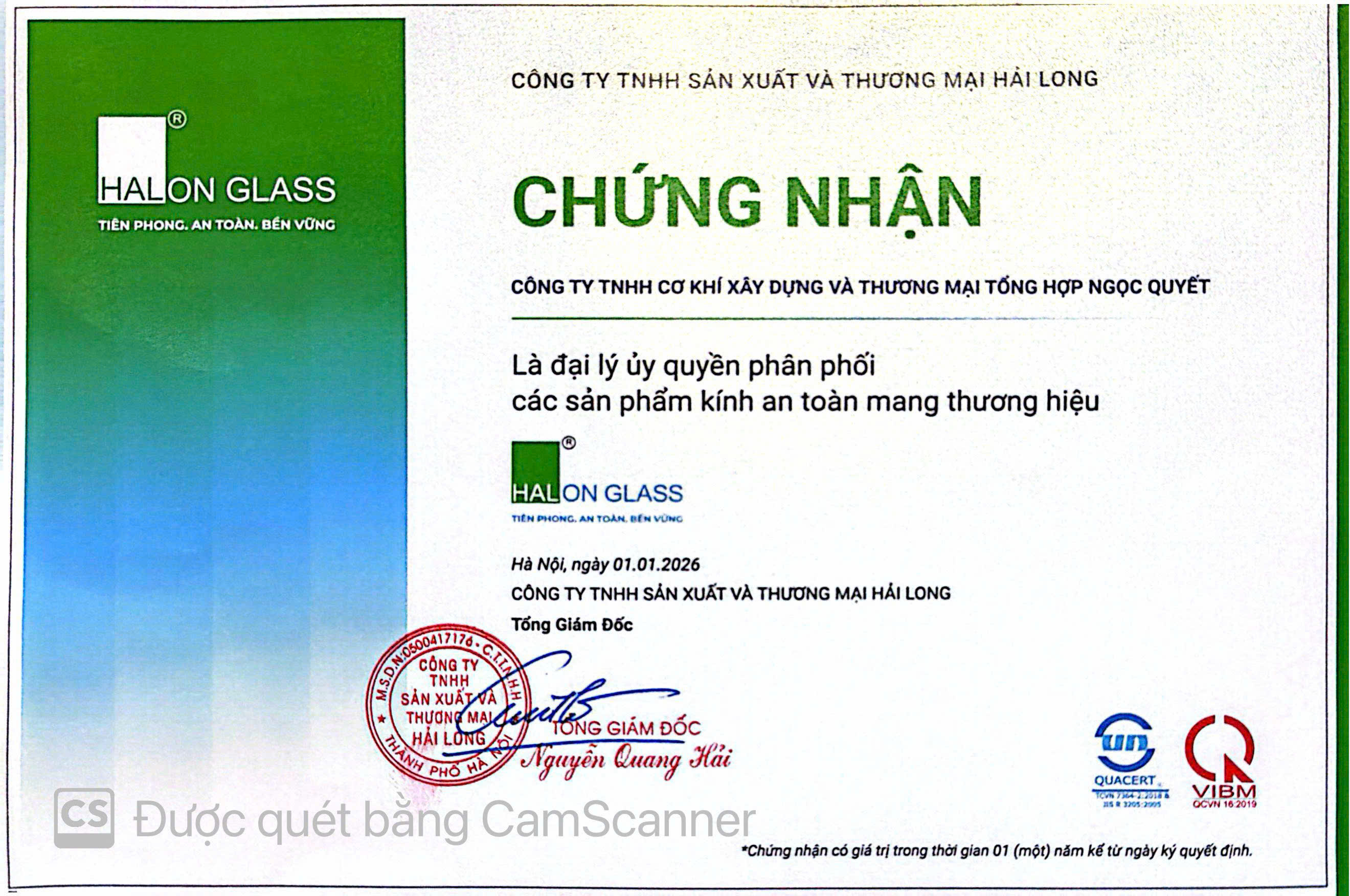
An experienced company will assist homeowners and architects in optimizing glass configurations, balancing investment costs and efficiency, while minimizing technical risks during operation. For detailed advice on safety laminated glass solutions, suitable configurations for each project, and competitive pricing , contact Ngoc Quyet Company today for expert support and the best quote for your villa project.