

Large-format laminated safety glass
Large-format laminated safety glass:
Specifications and structure of large-format laminated safety glass;
Applications of large-format laminated safety glass in construction and interior design;
List of common applications of large-format laminated safety glass:
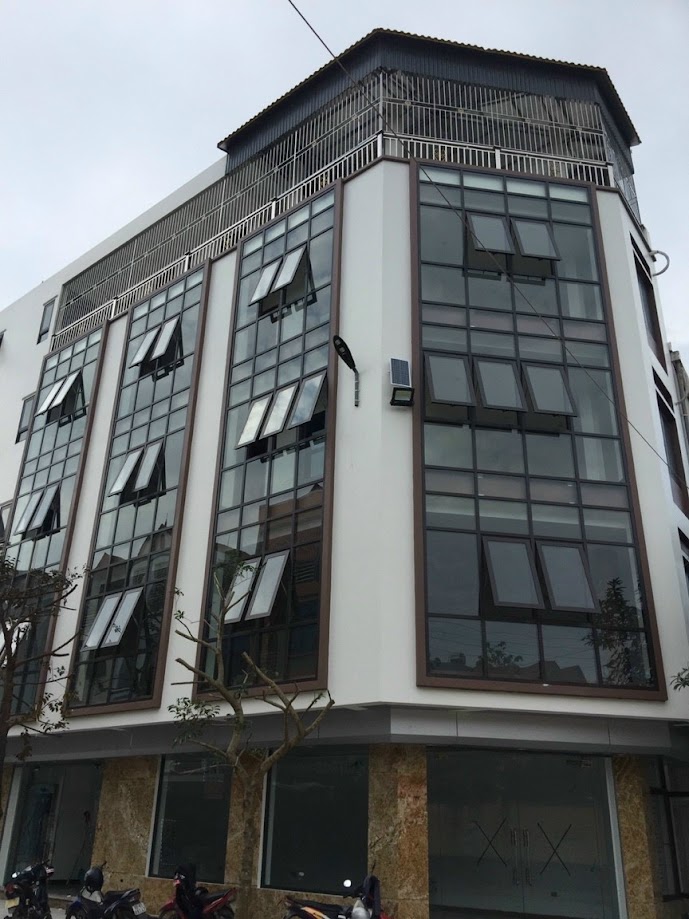
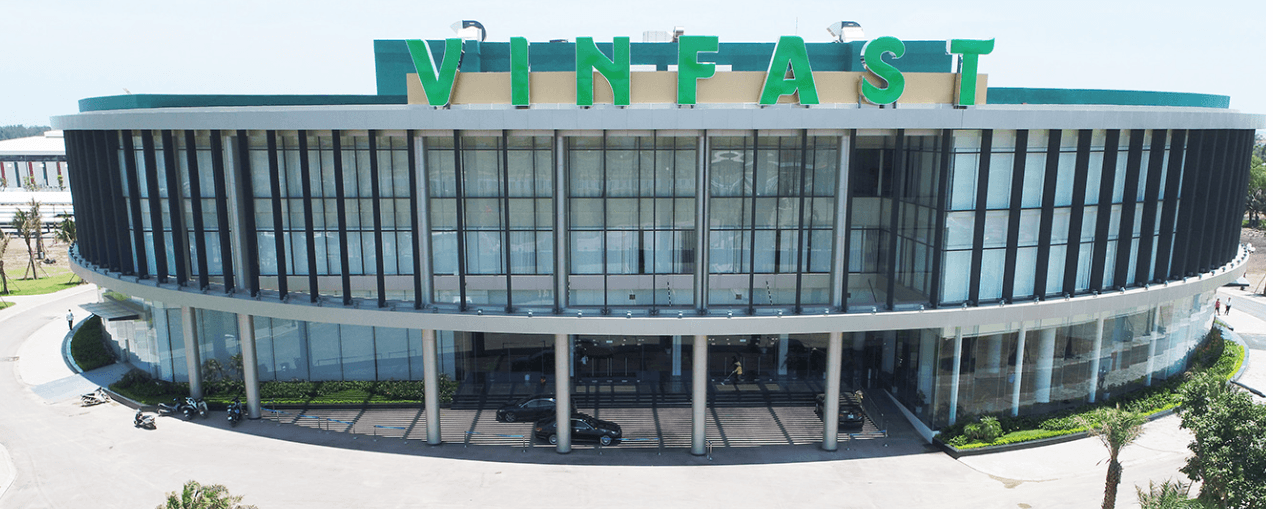
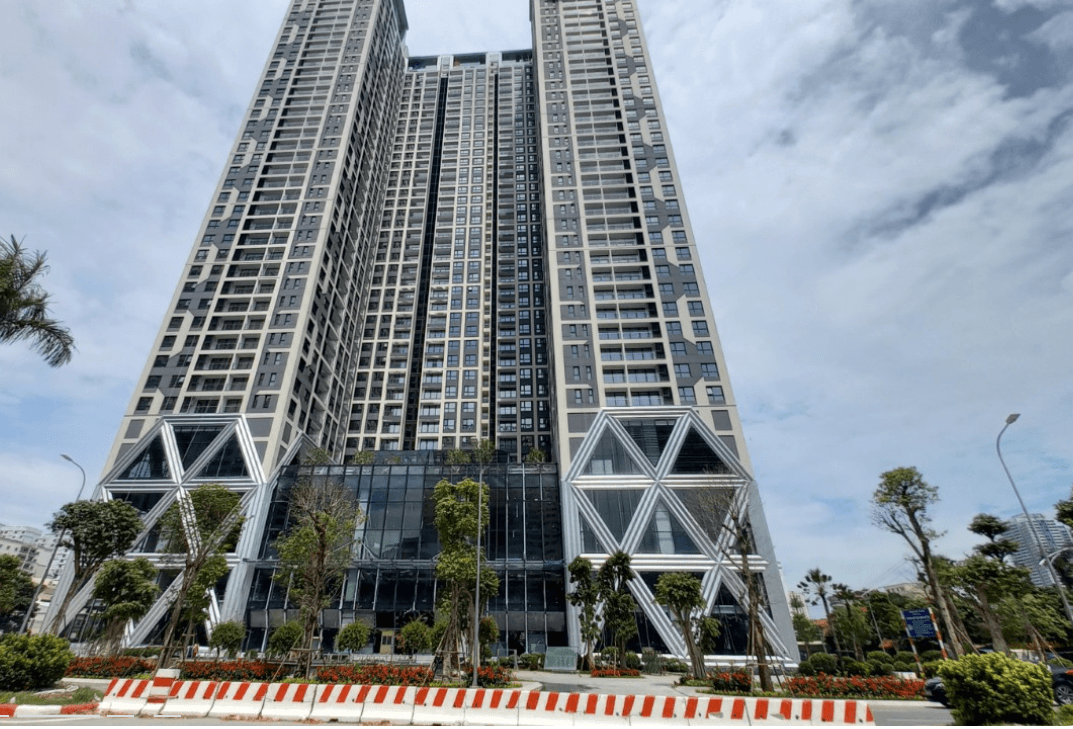
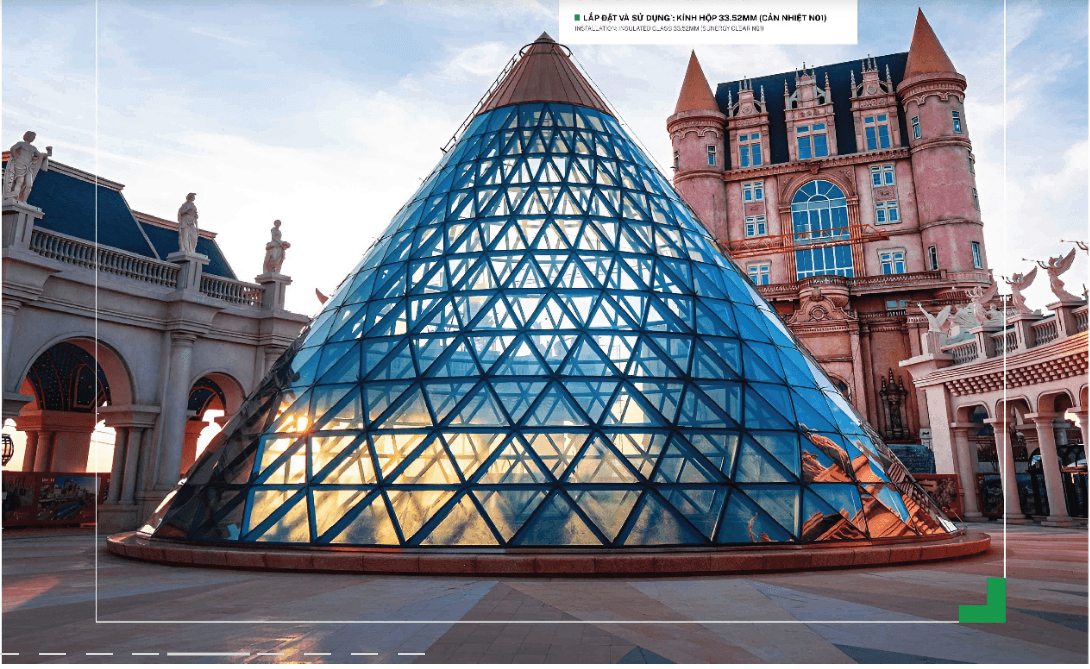
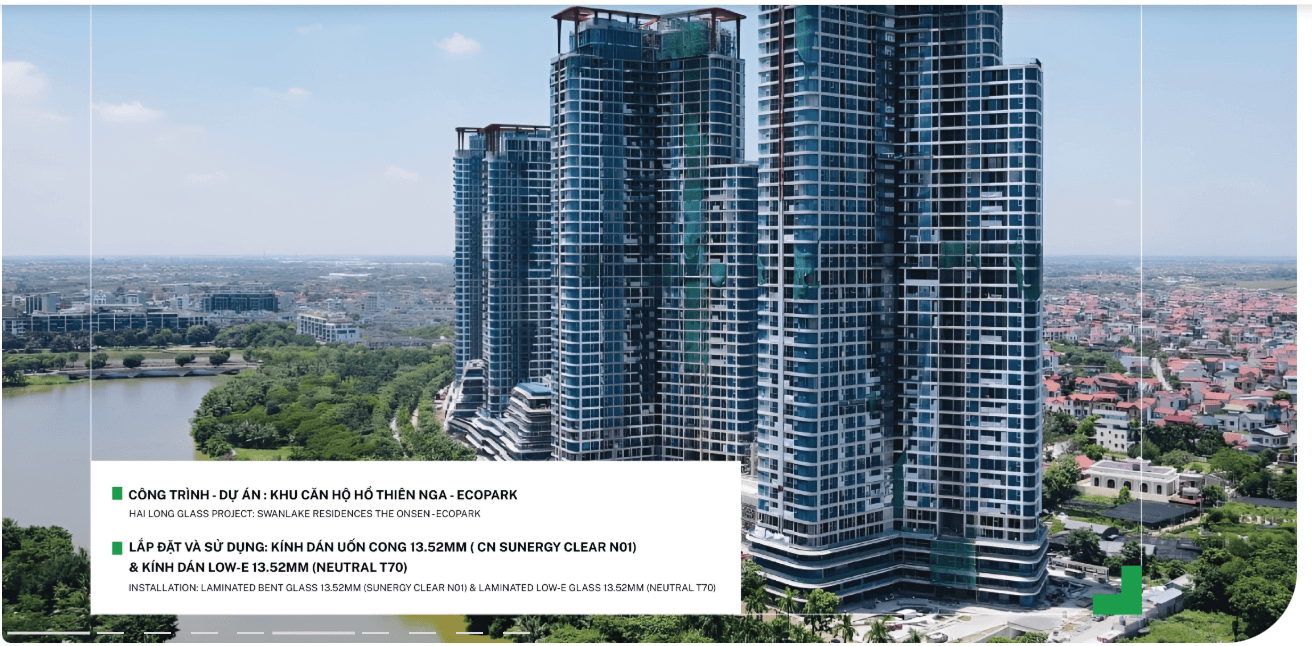
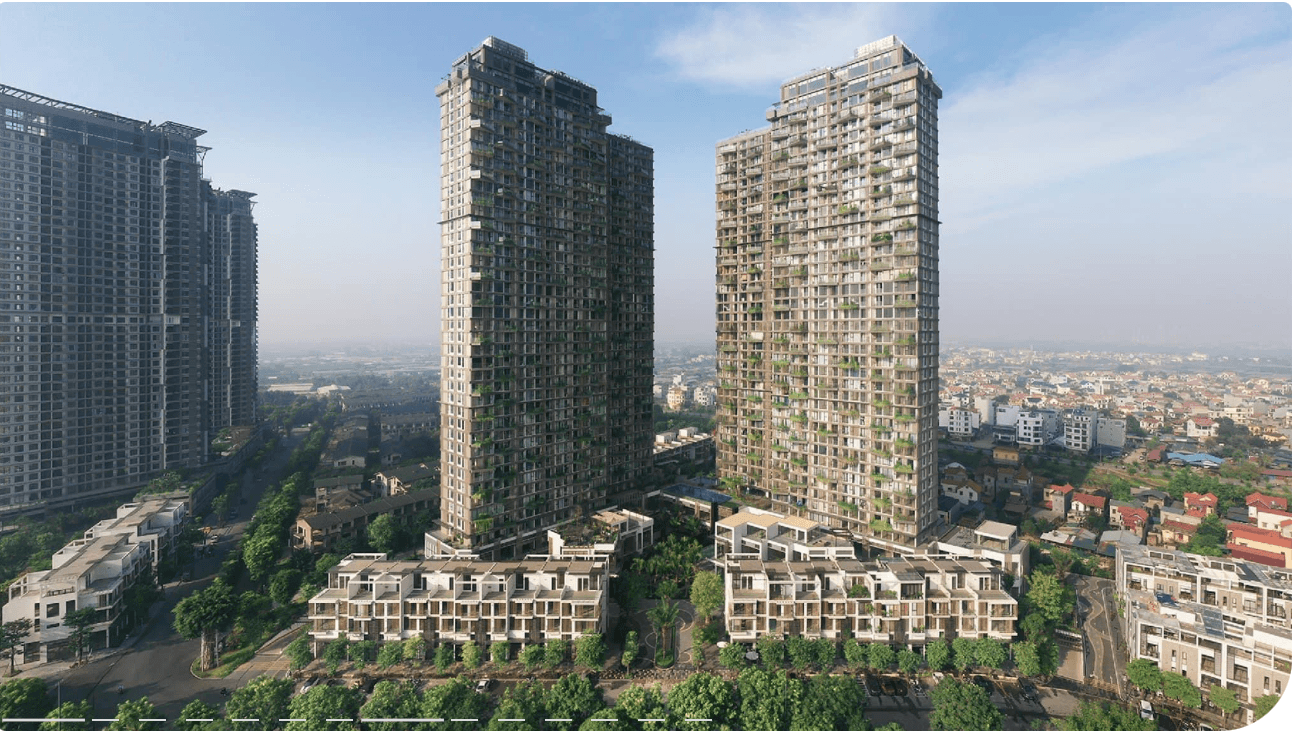
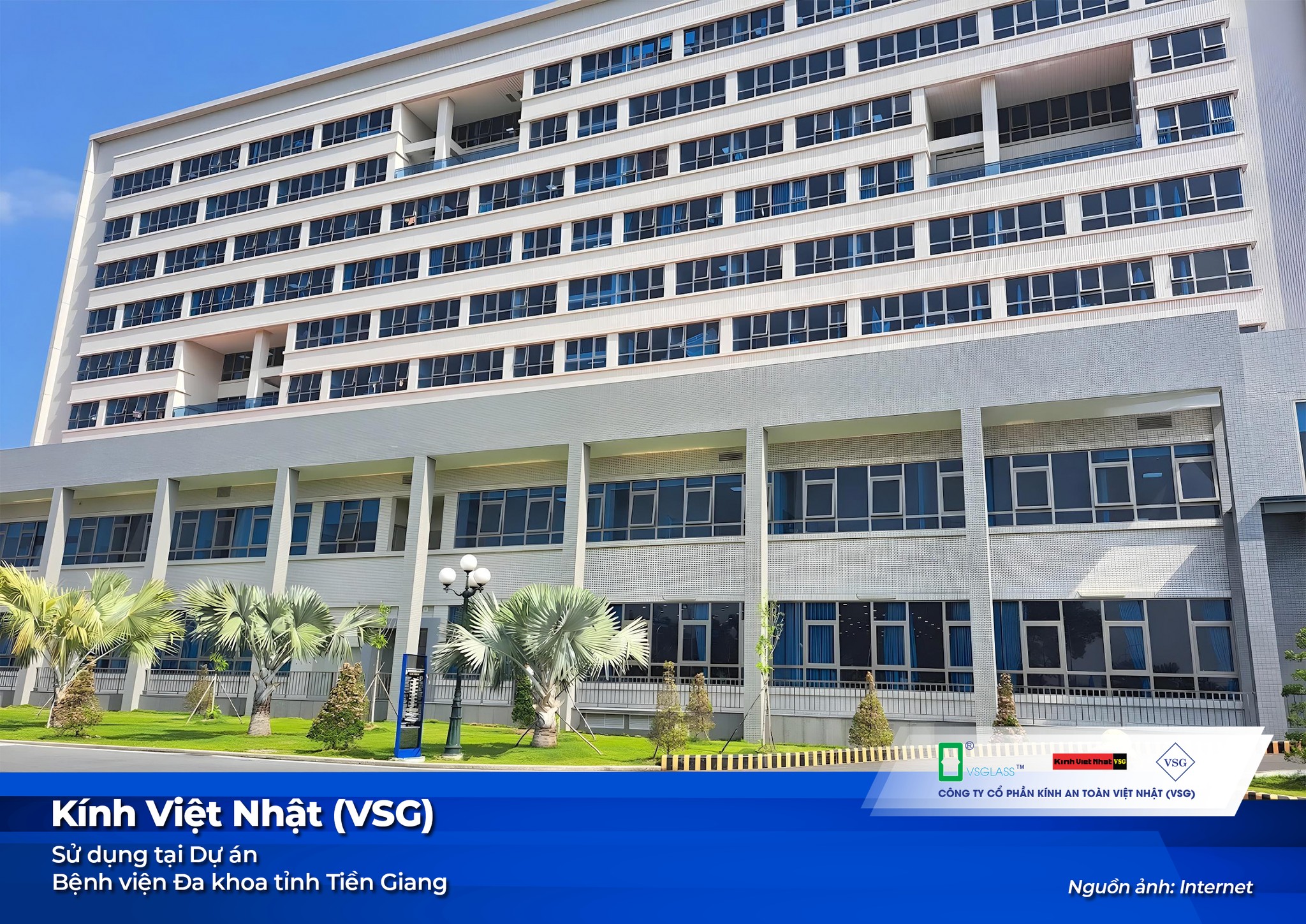
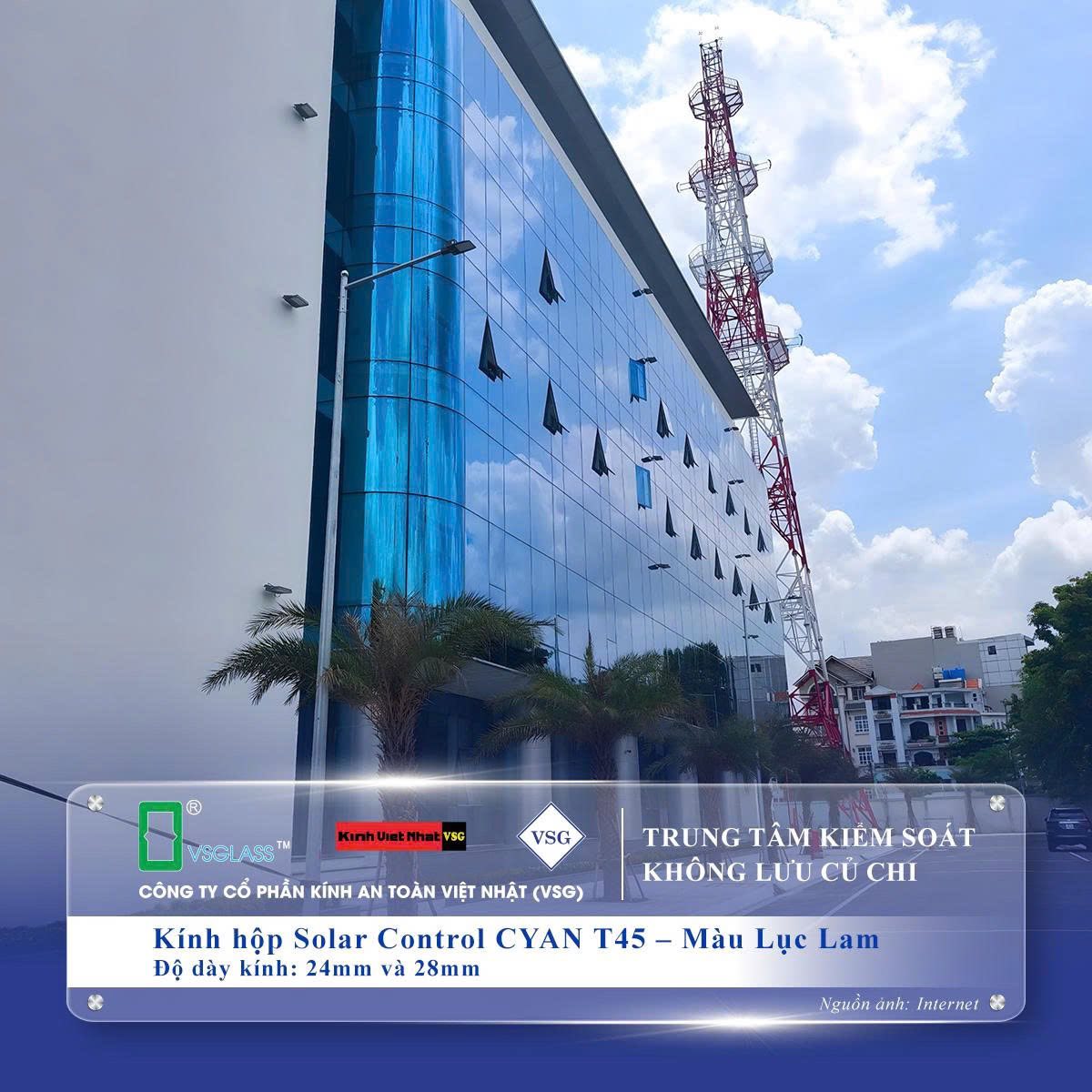
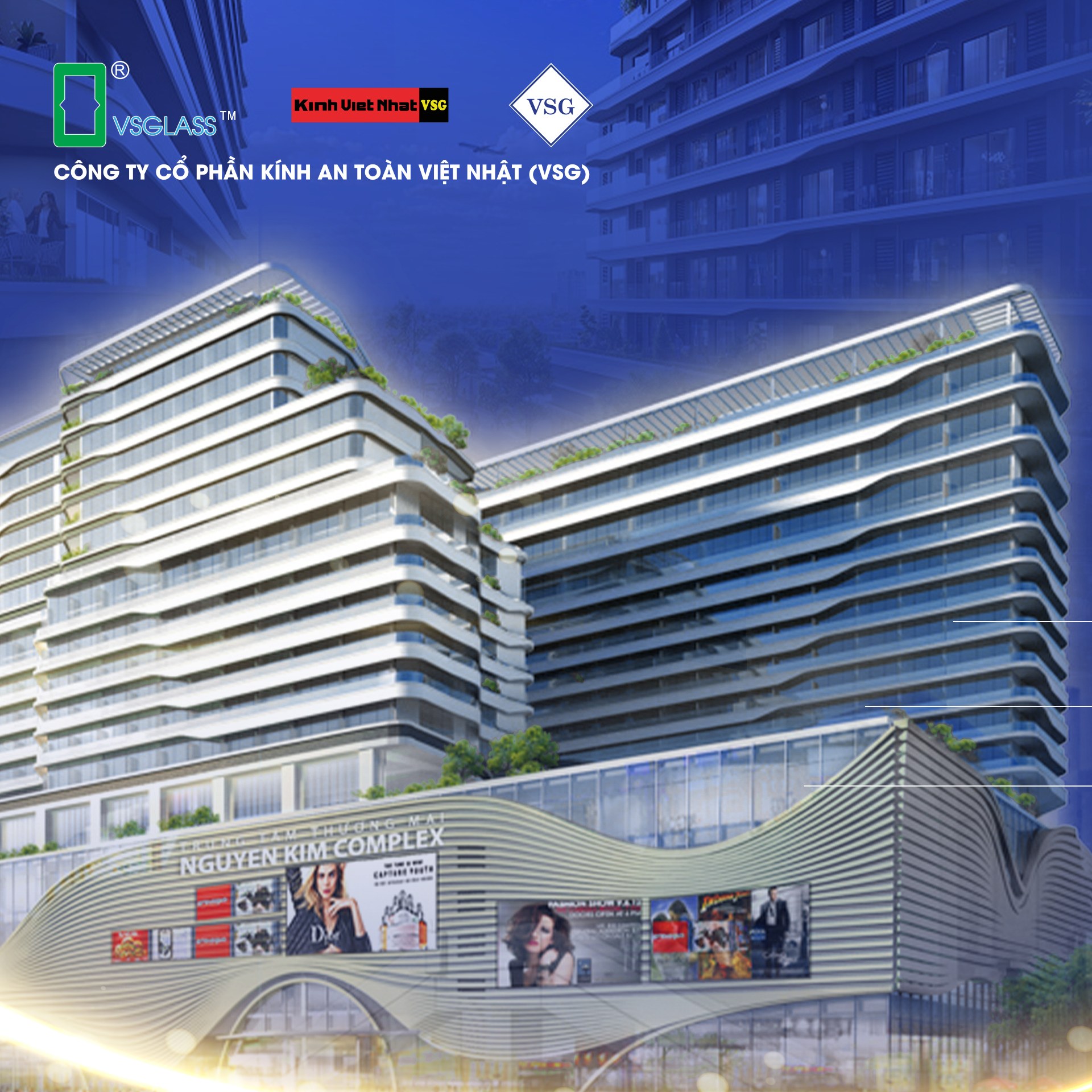
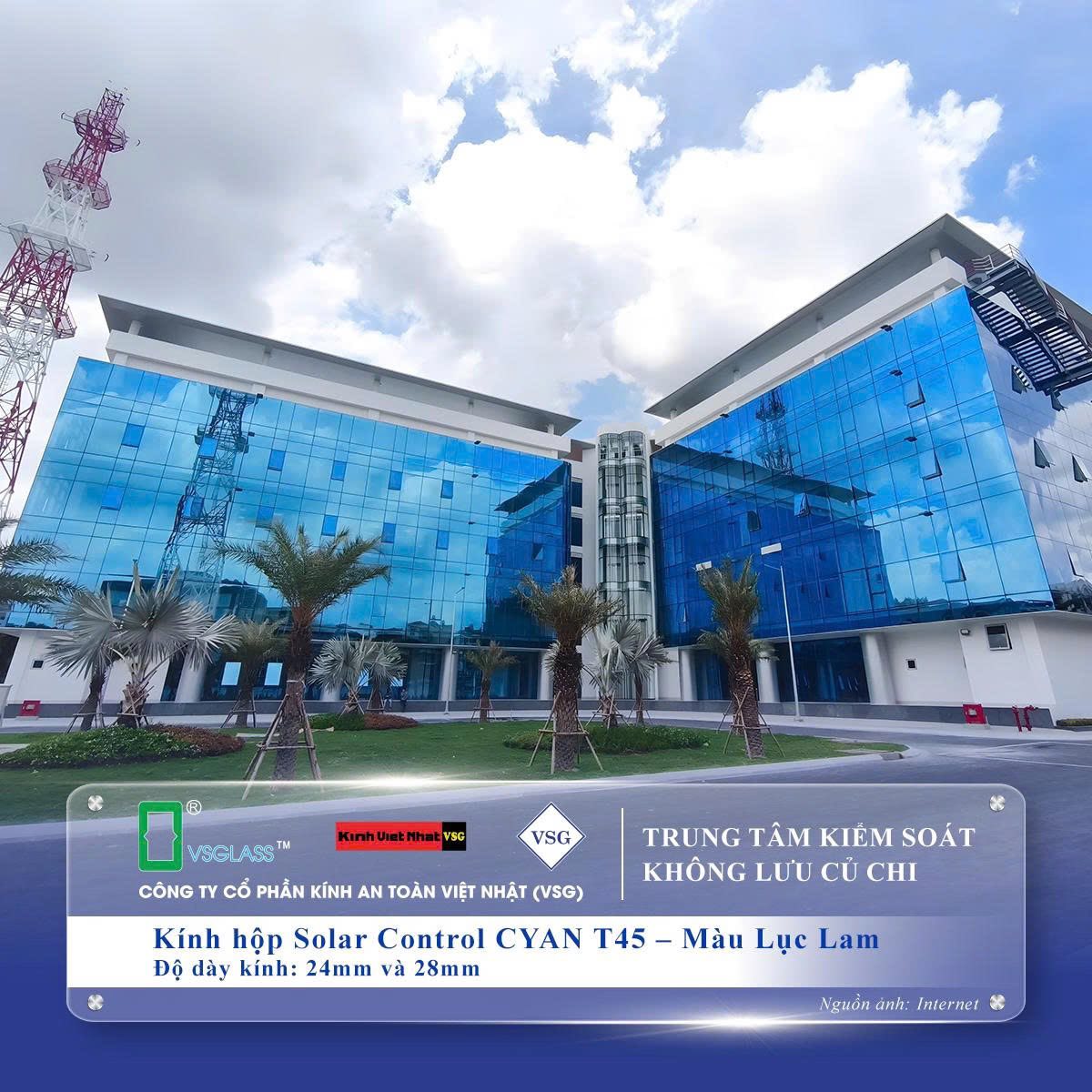
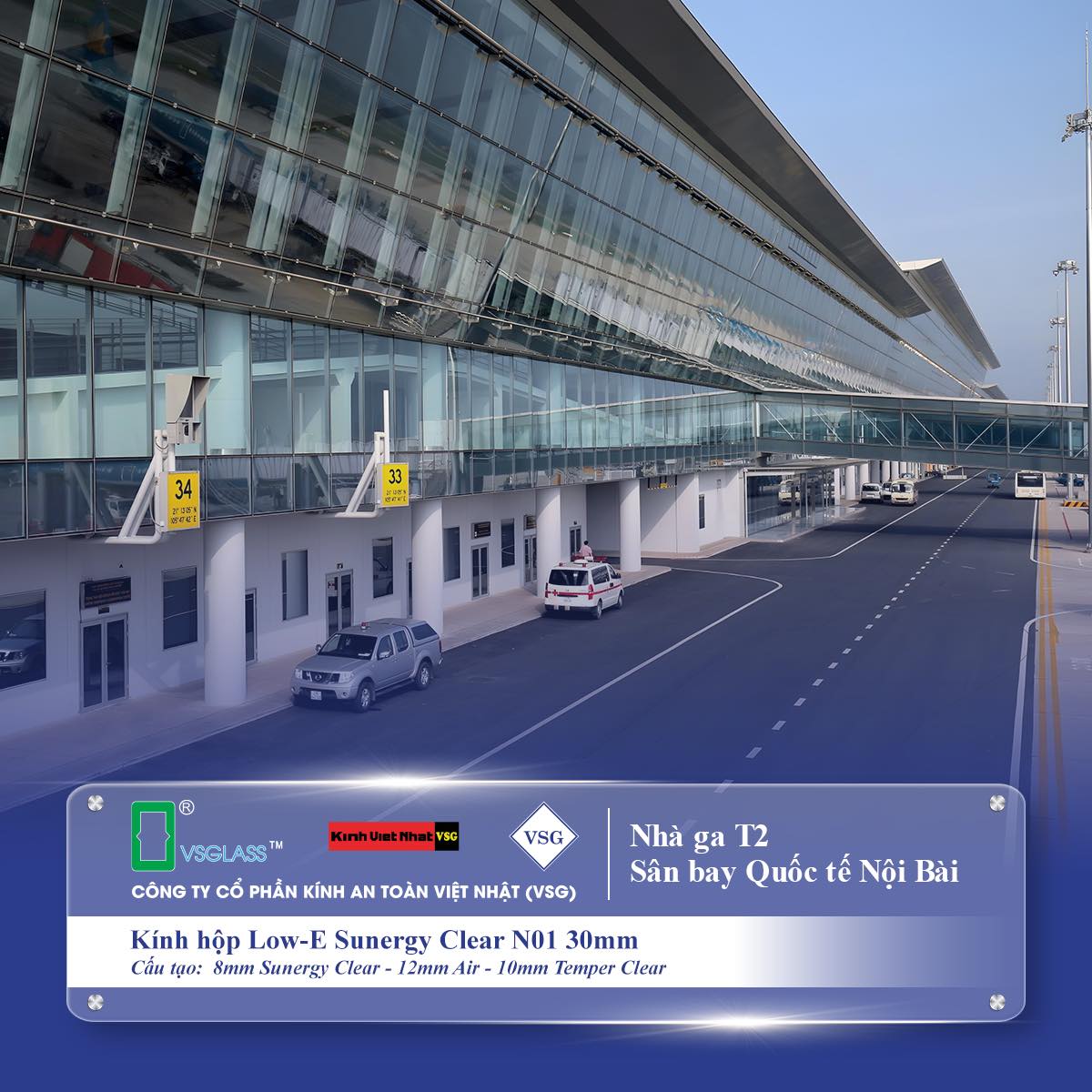
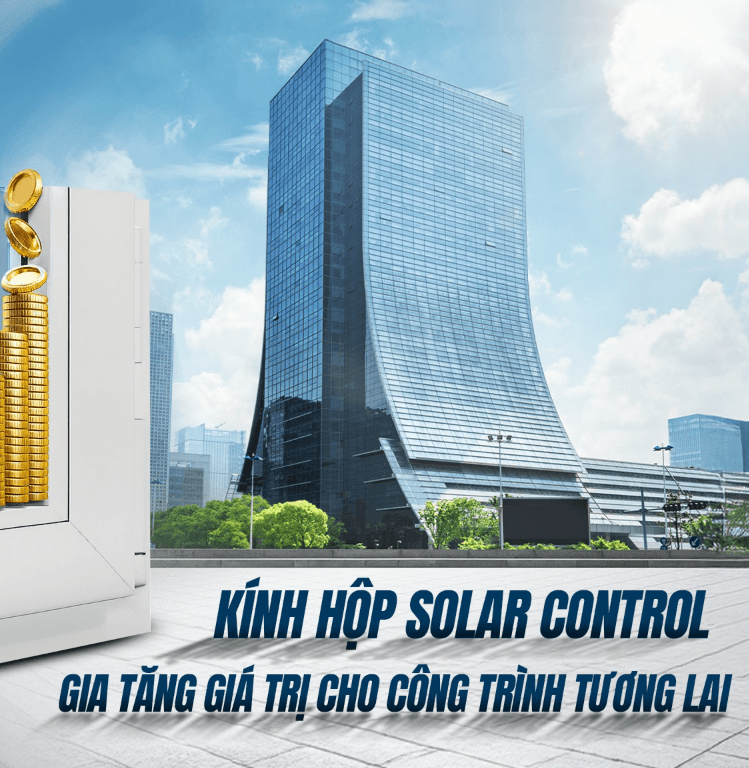
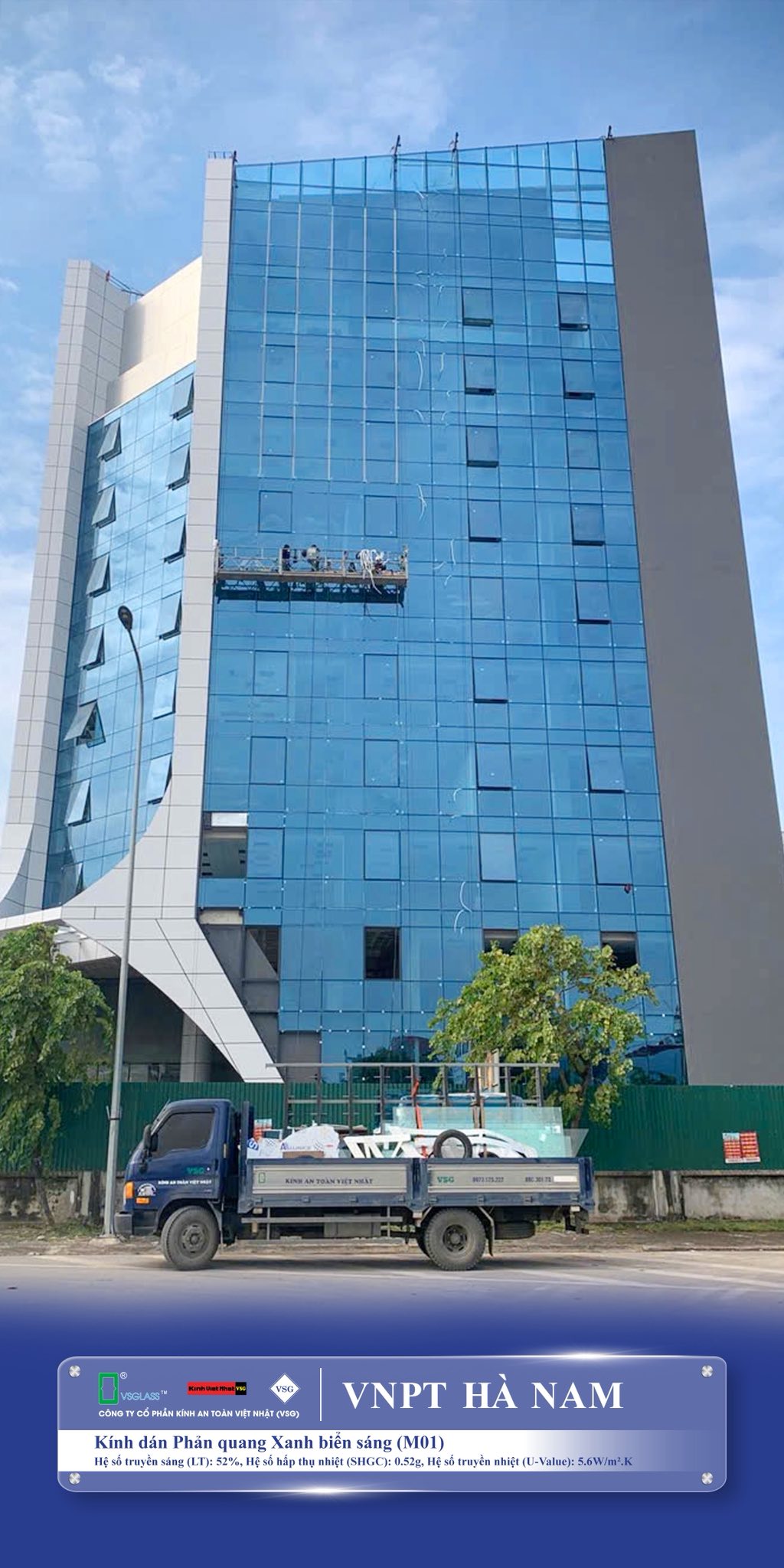
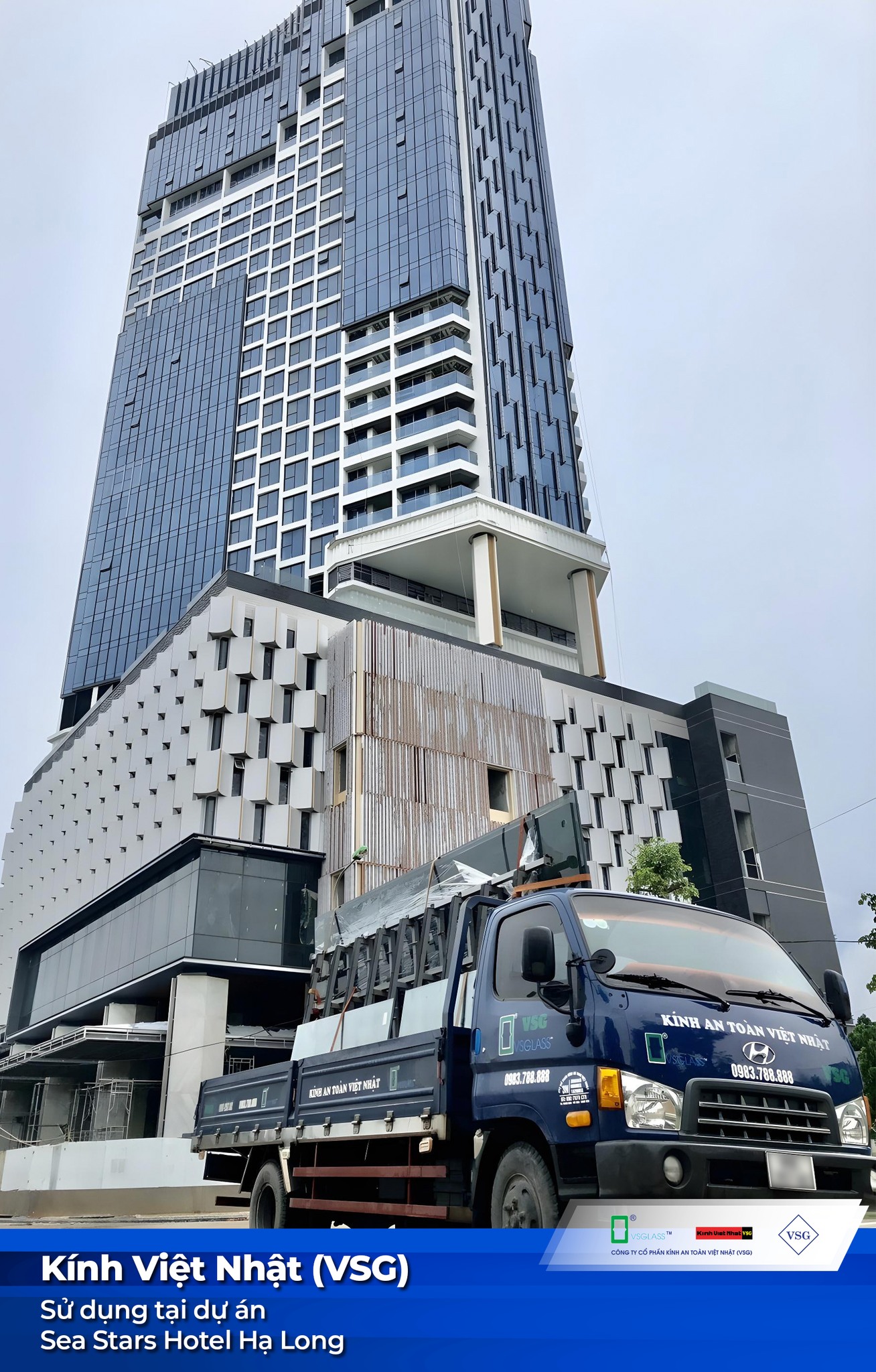
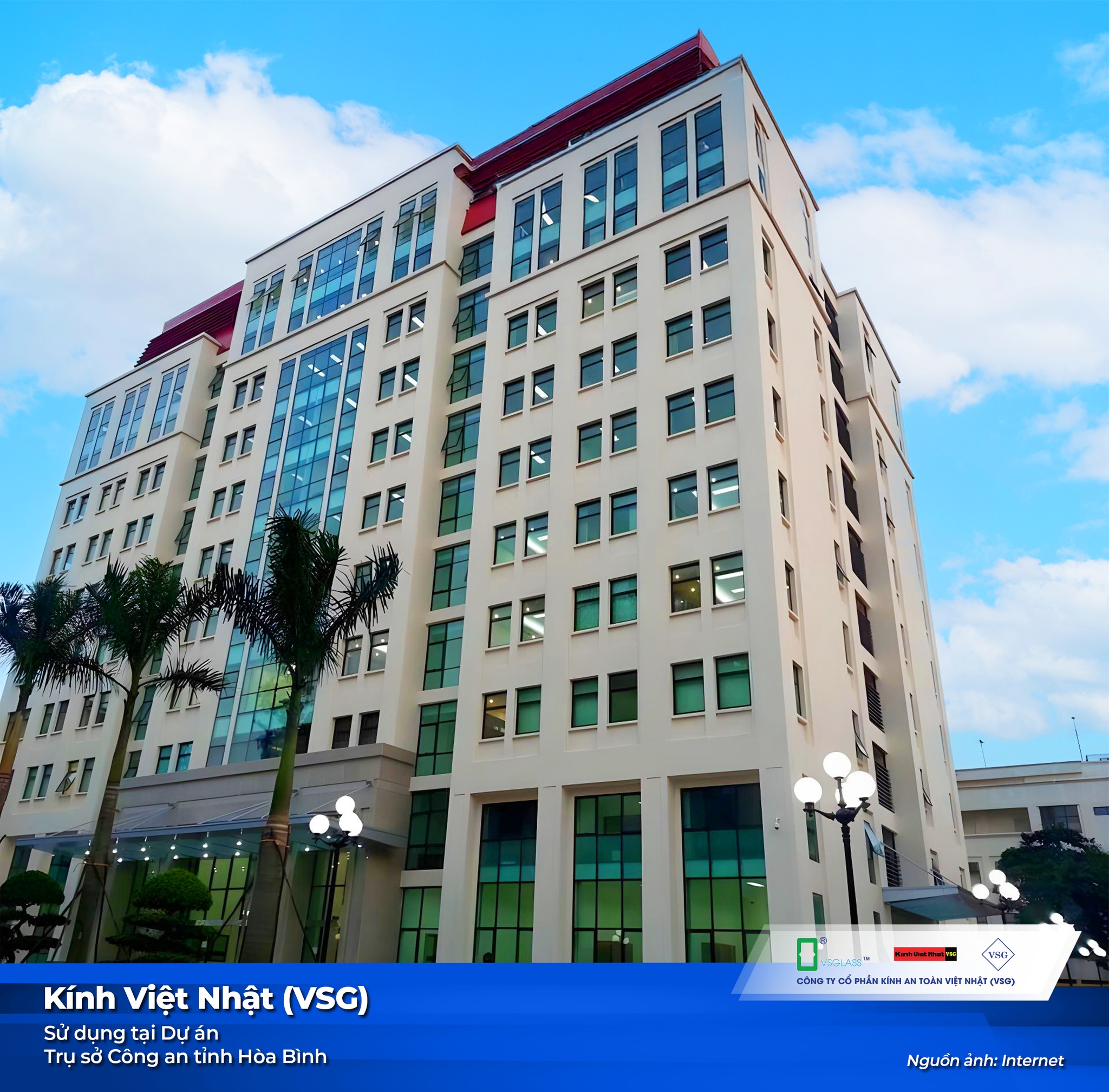
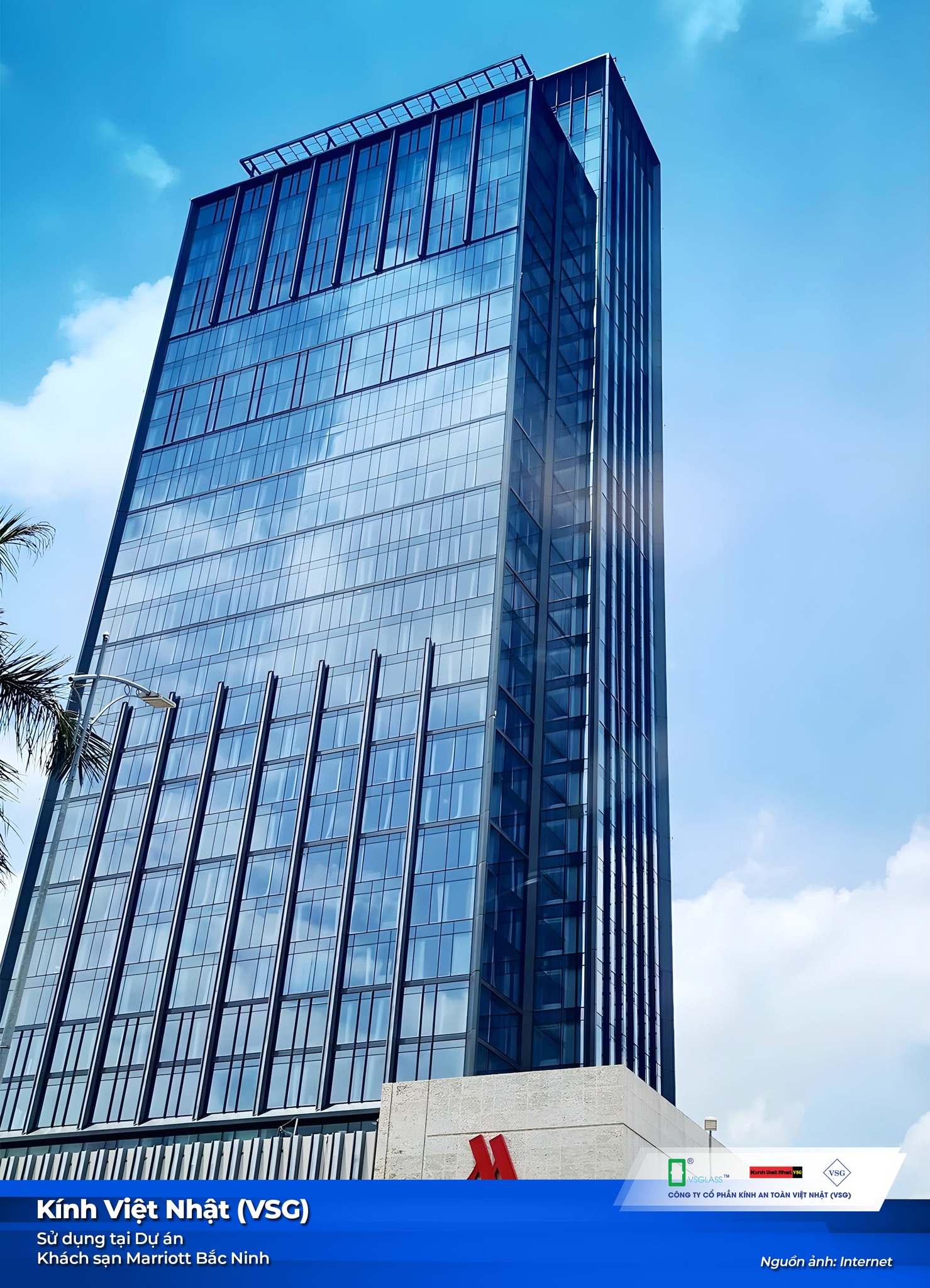
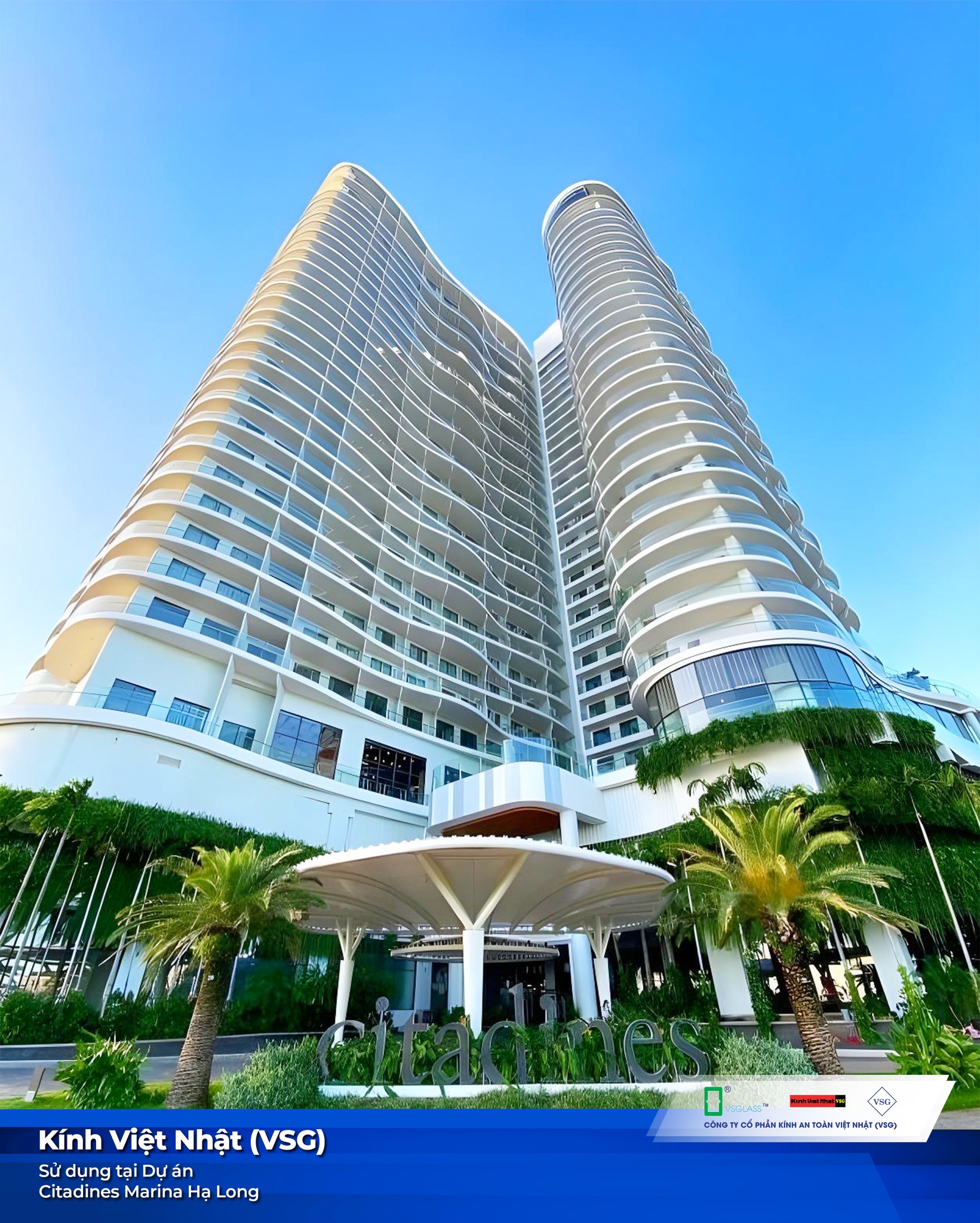
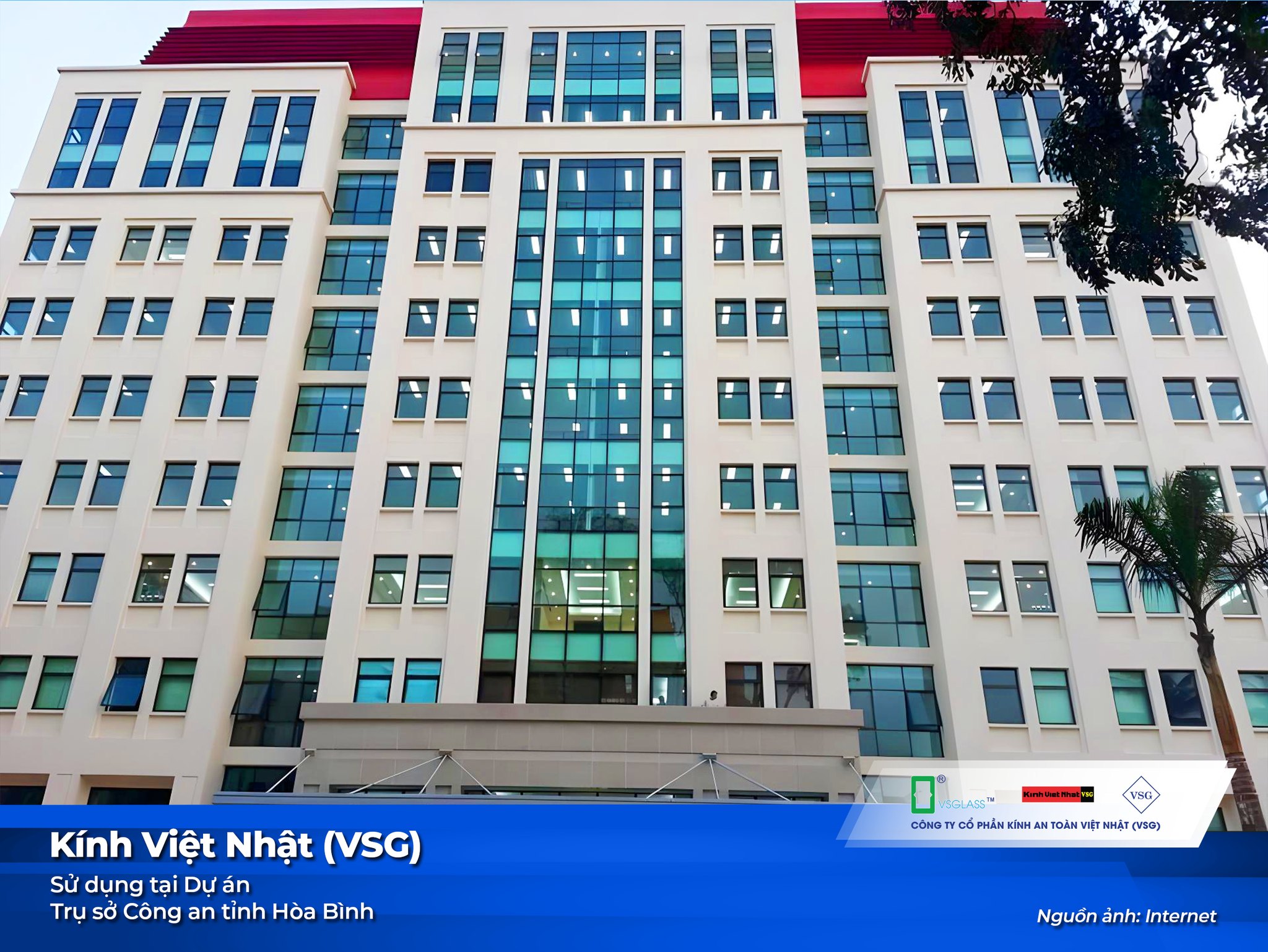
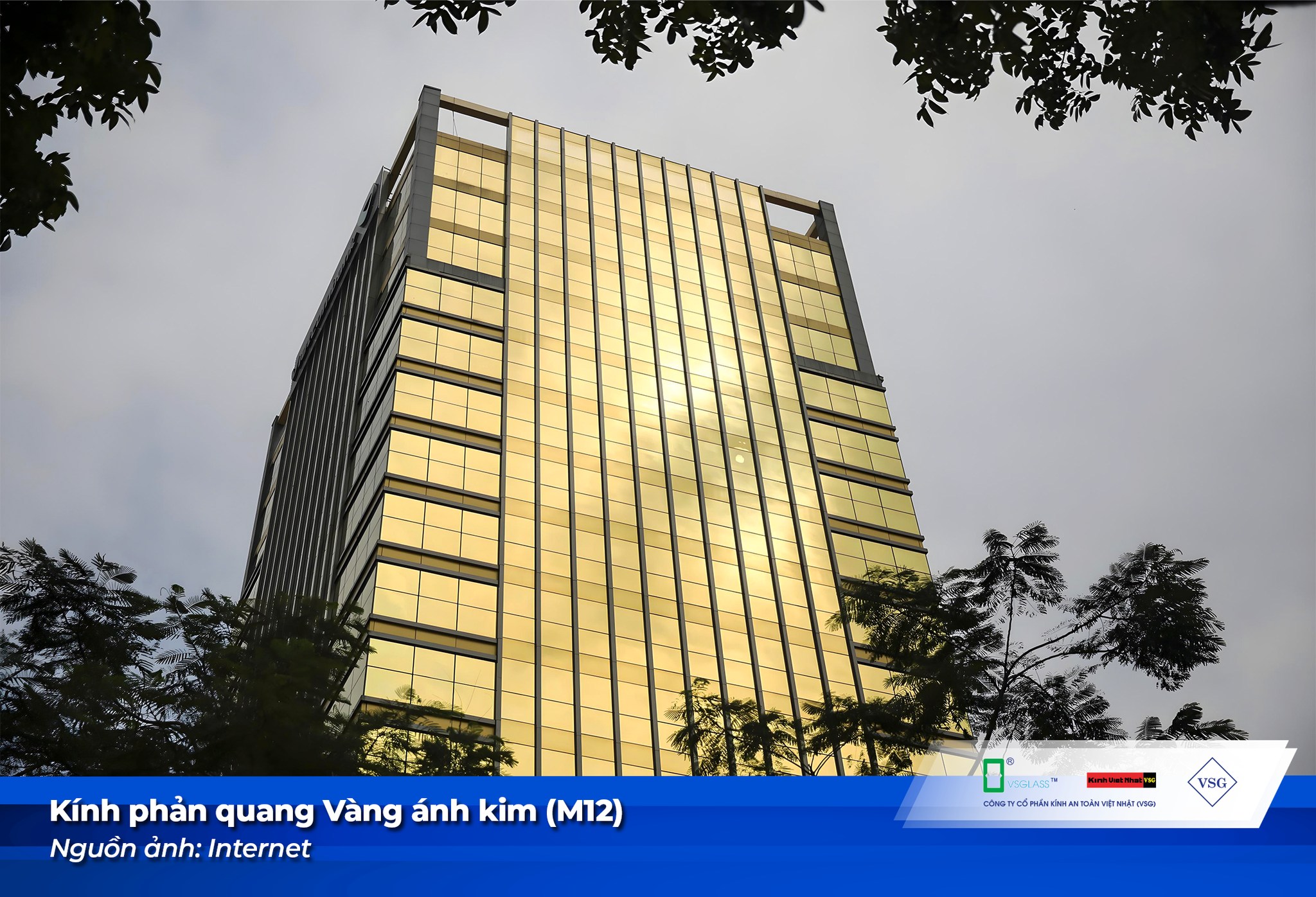
- Glass facades for high-rise buildings: Create large glass walls, helping to optimize natural light.
- Glass doors and office partitions: Enhance aesthetics and ensure safety in the workspace.
- Glass railings and staircases: Offer a modern aesthetic while providing excellent load-bearing capacity and safety during use.
- Glass roofs and skylights: These help to effectively bring in natural light while also withstanding the effects of weather.
Technology for manufacturing and quality control of large-format laminated safety glass;
Outstanding advantages and considerations when choosing large-format laminated safety glass.
- Glass thickness: Suitable for the load-bearing requirements and dimensions of the building, typically from 8mm to 19mm or more.
- Type of adhesive film: Choose high-quality PVB or EVA film to ensure durability and long-lasting bonding.
- Technical standards: Choose products that have been tested and certified according to international standards to ensure safety and quality.
- Suppliers: Prioritize reputable suppliers with experience in manufacturing and installing large-format laminated safety glass to ensure project progress and efficiency.
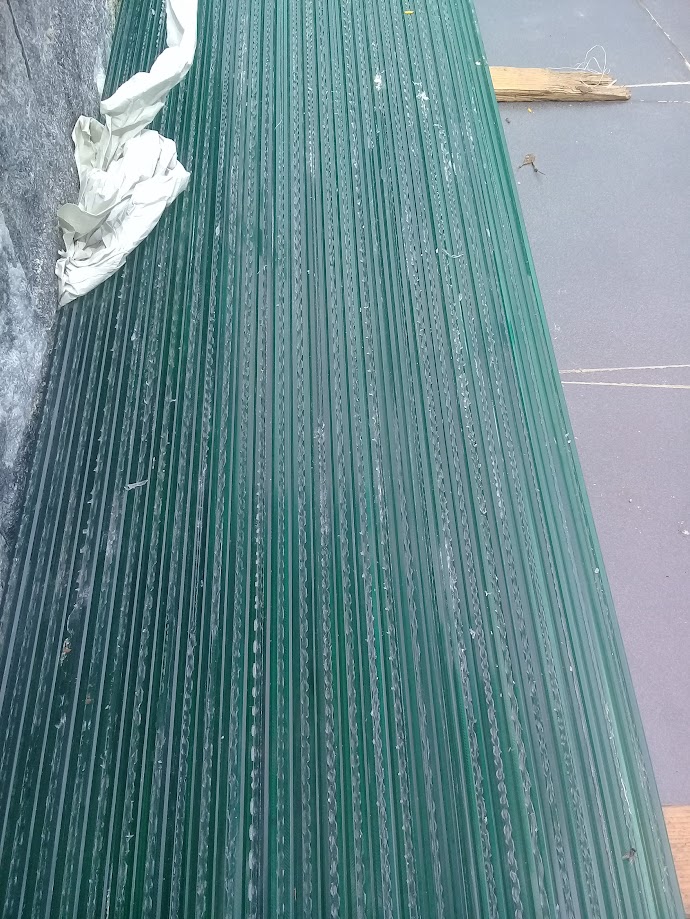
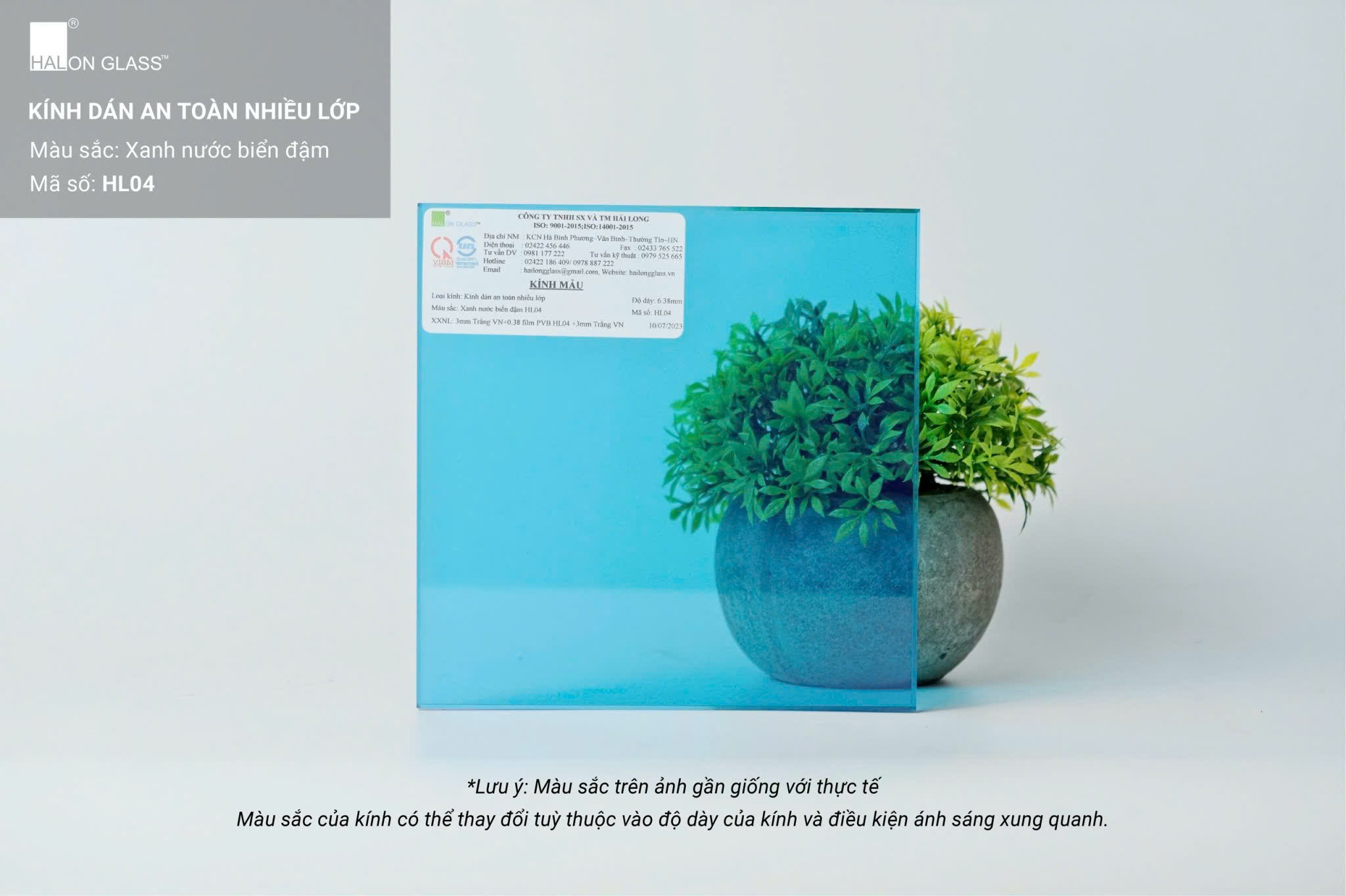
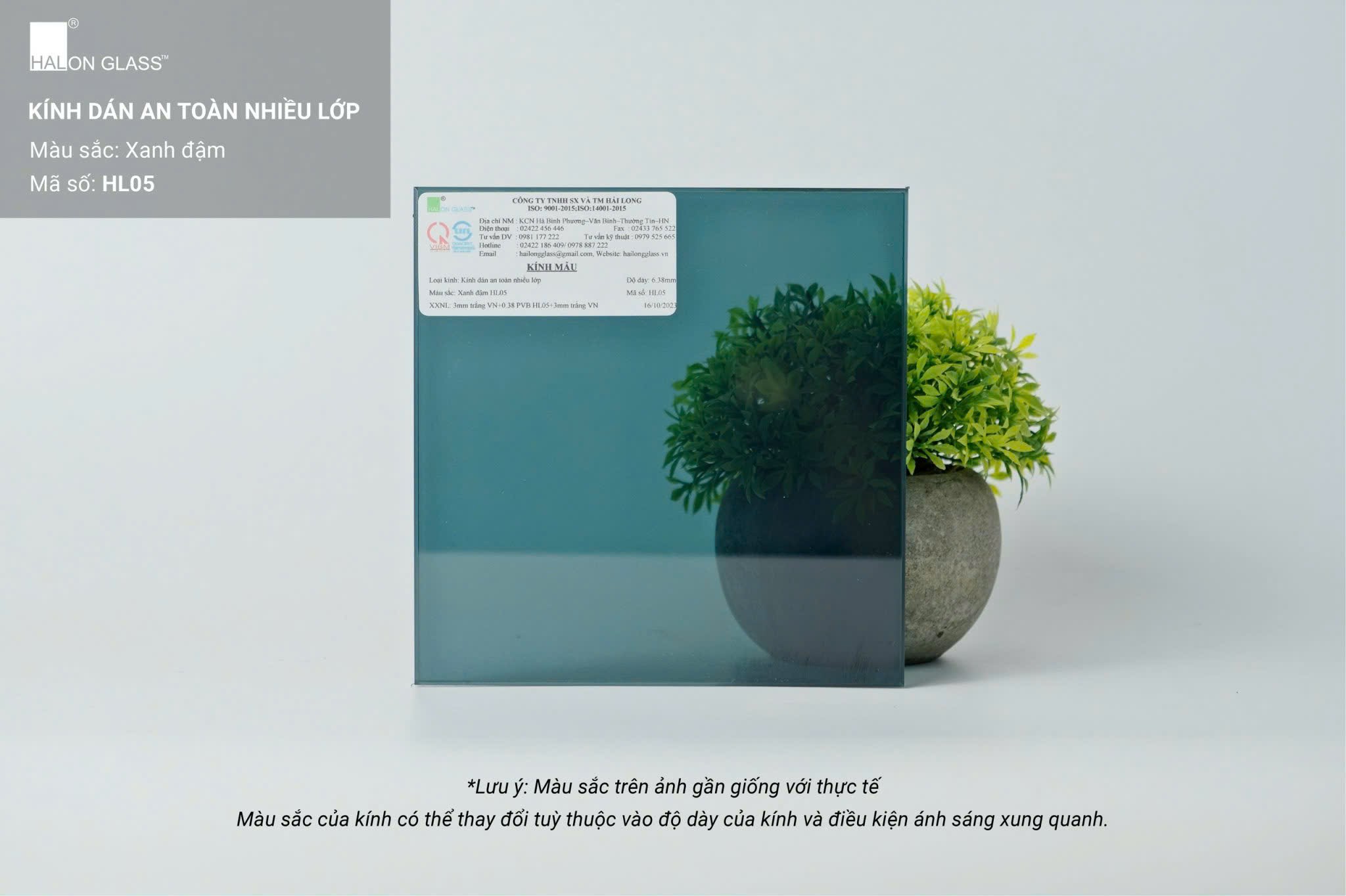
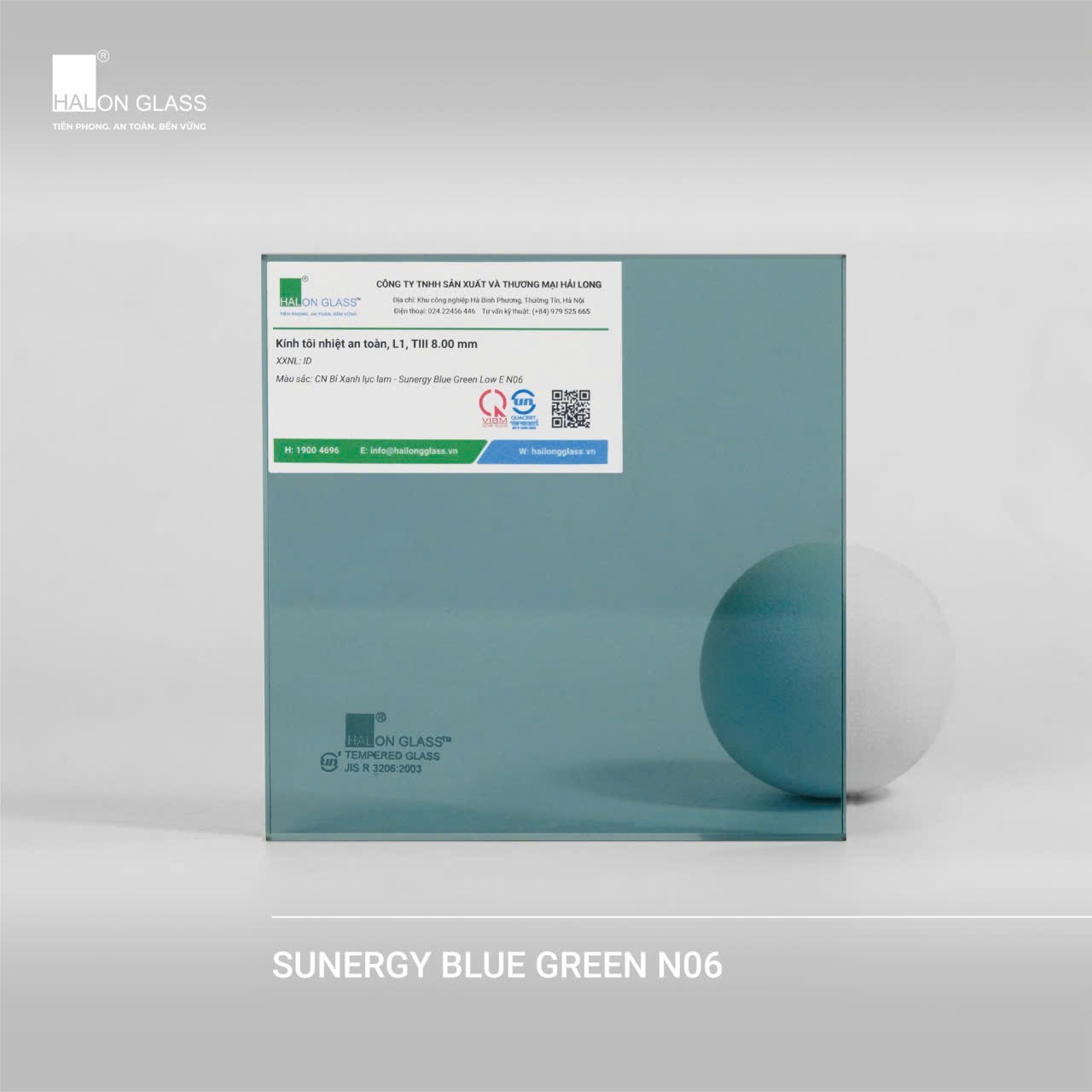
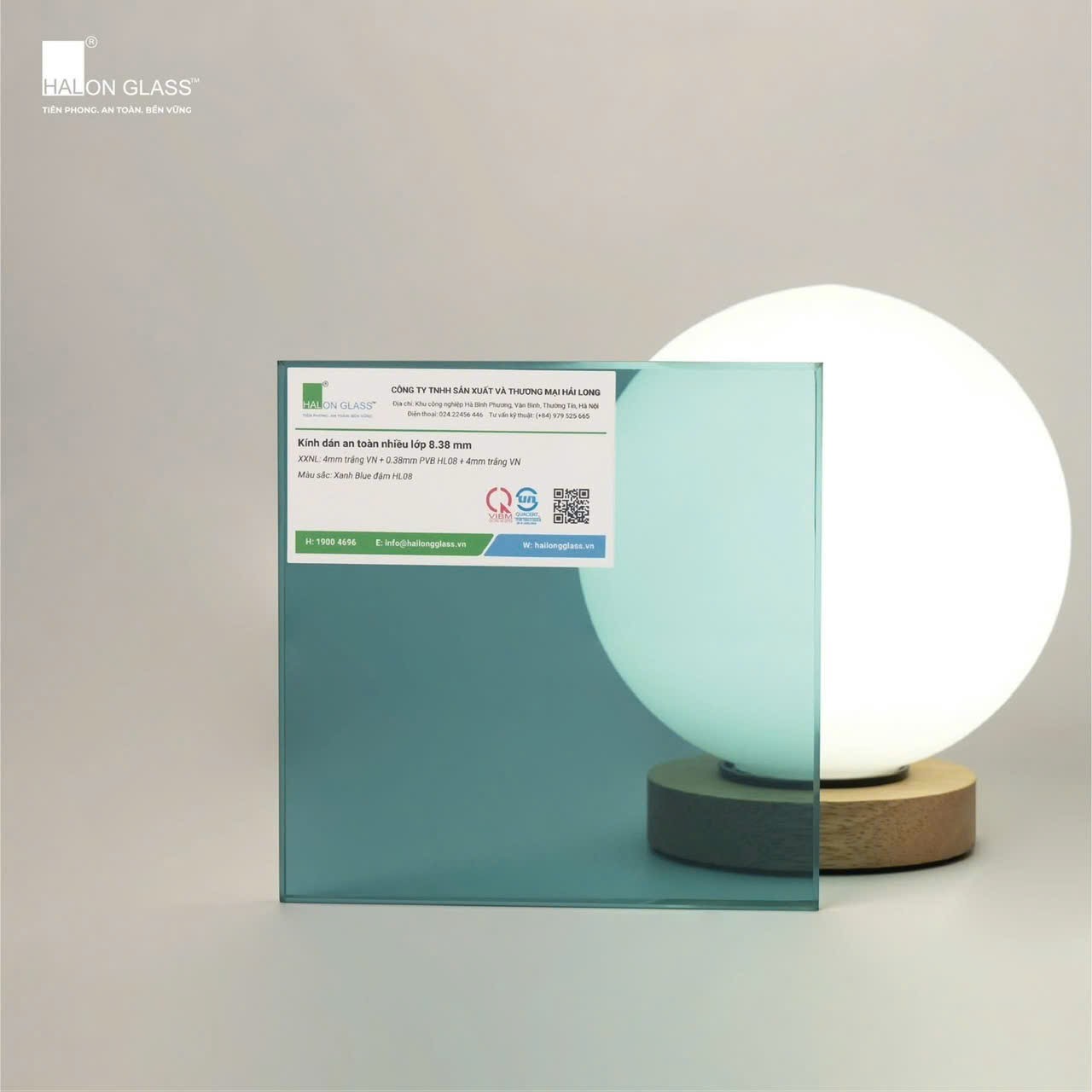
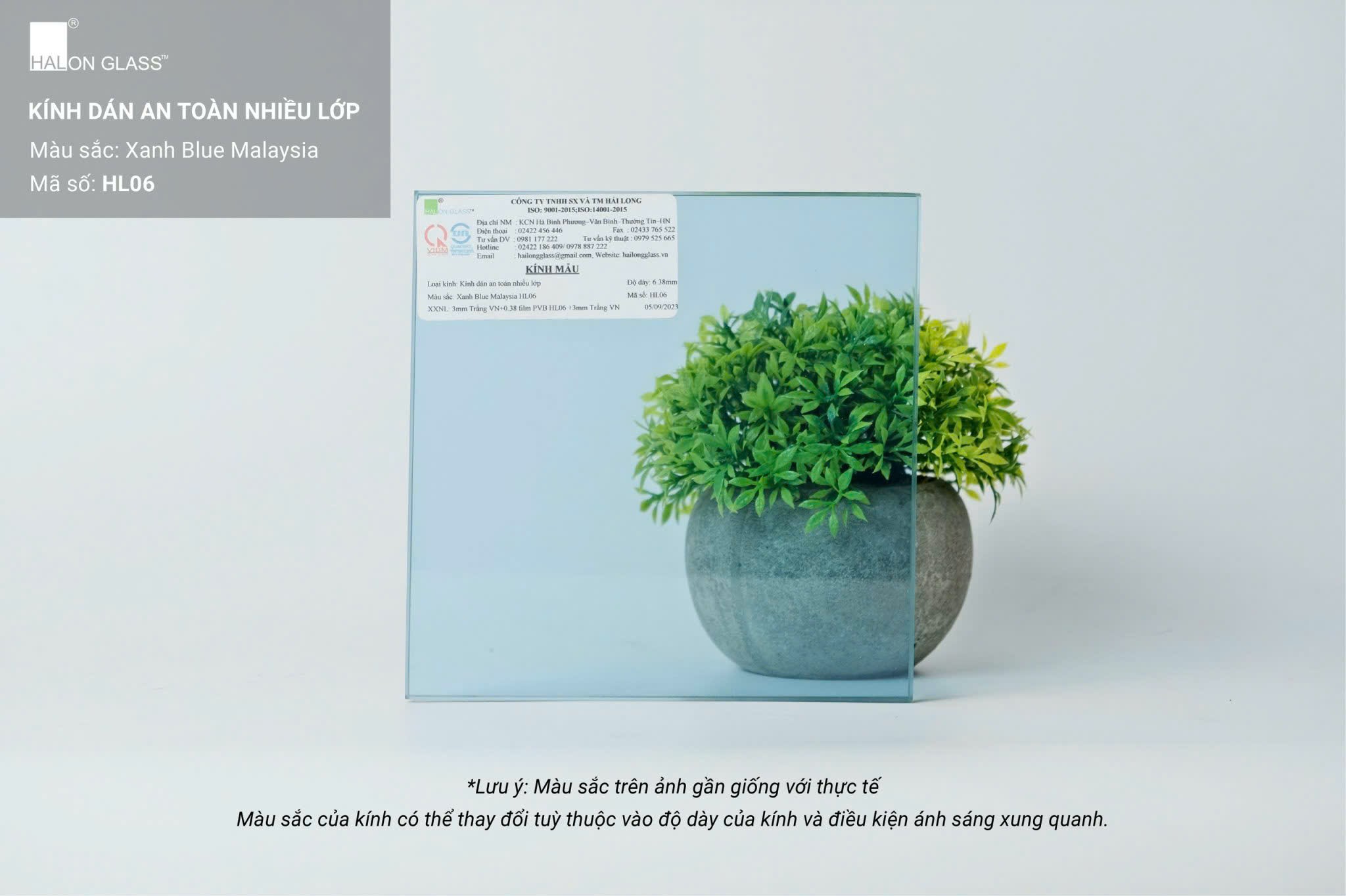
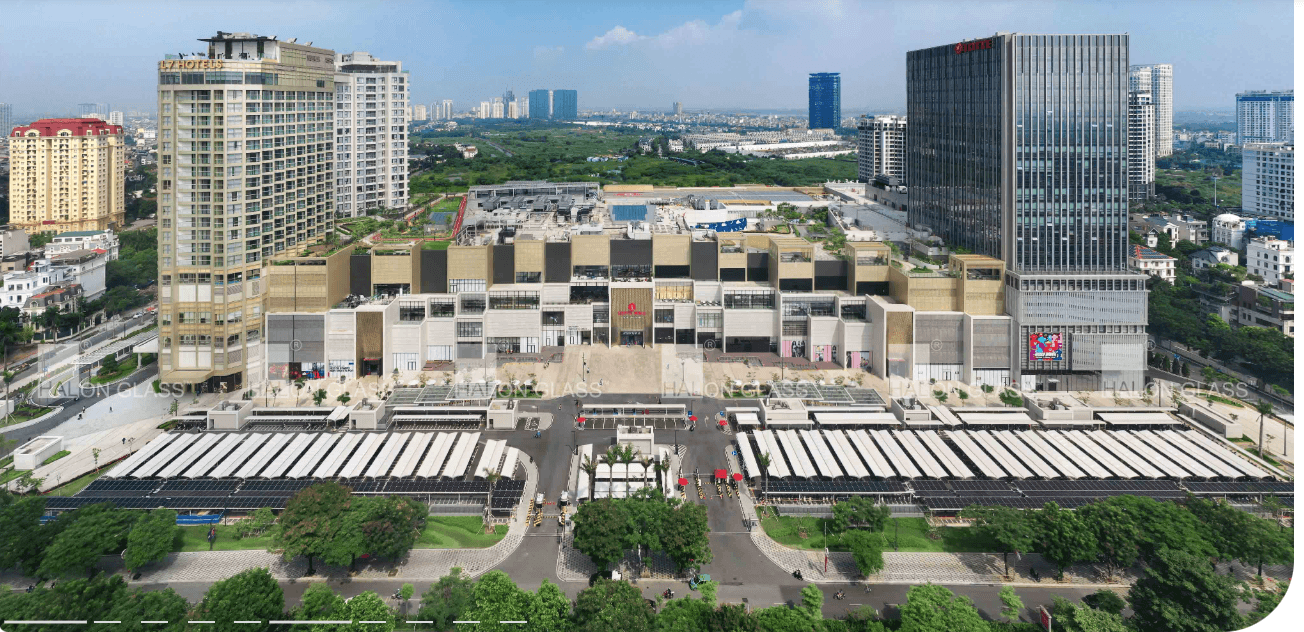
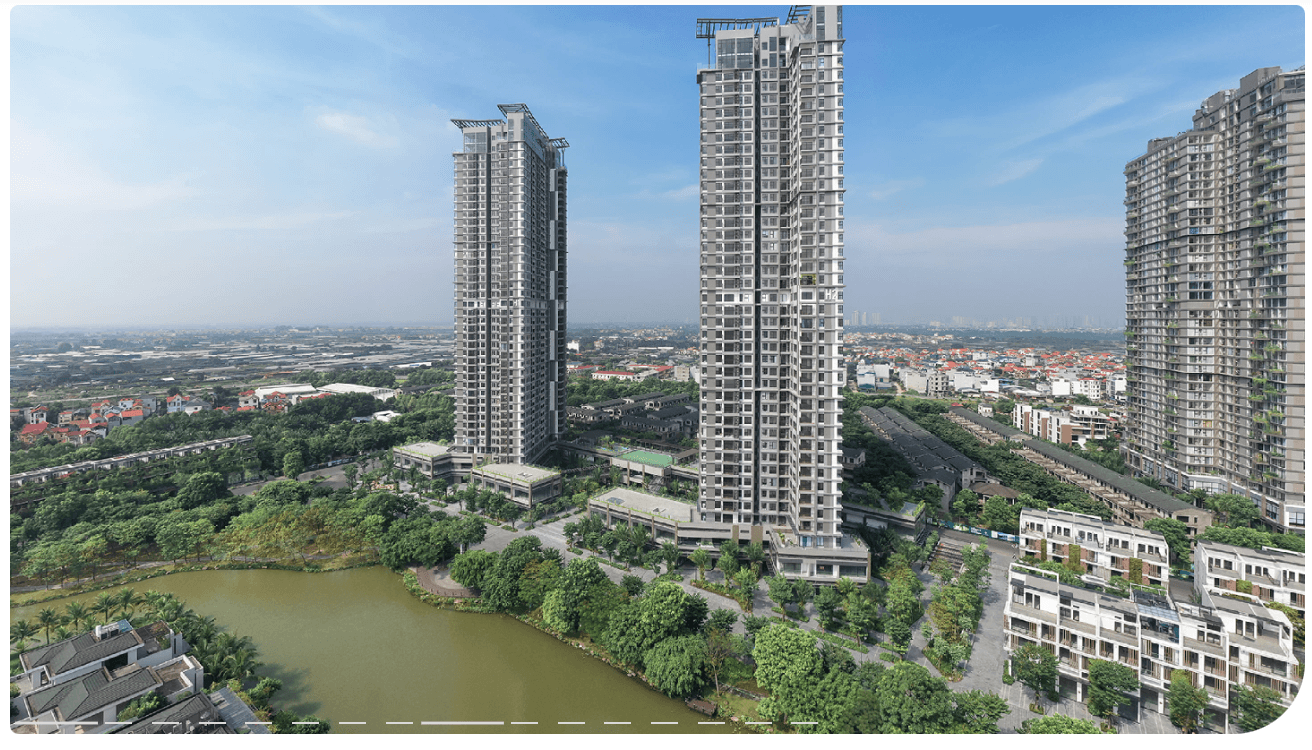
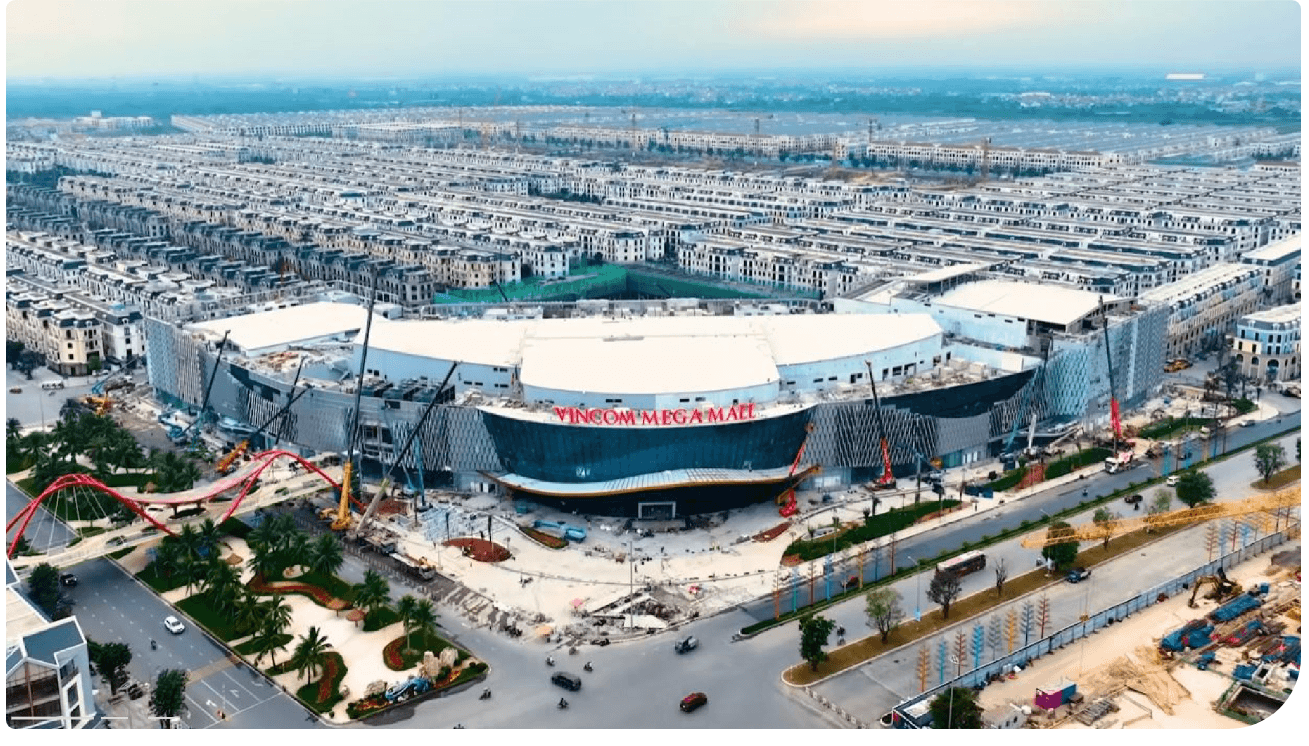
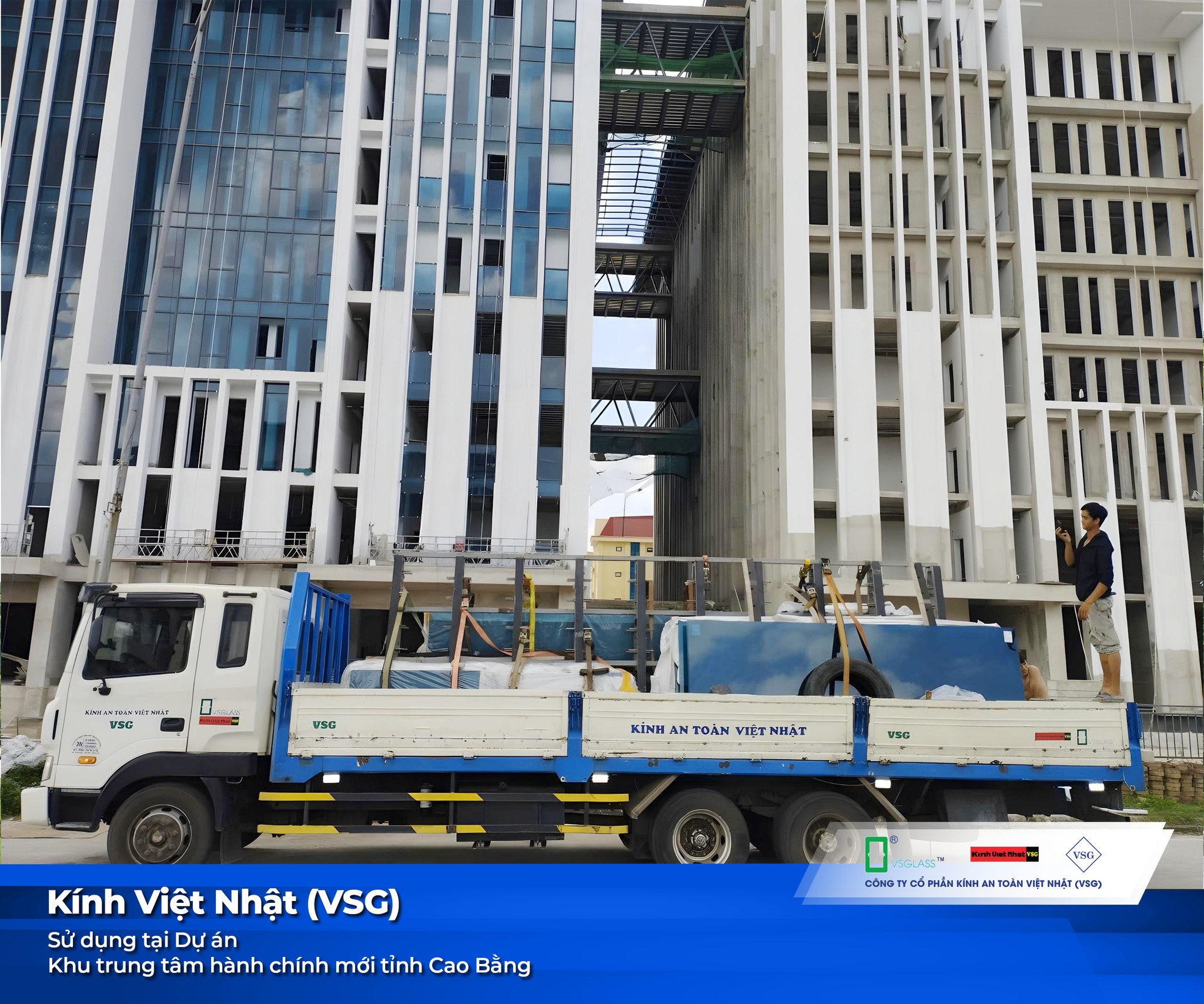
Large-format laminated safety glass is a type of glass designed with dimensions significantly larger than standard glass, to meet the needs of modern architectural projects such as high-rise buildings, shopping malls, showrooms, and luxury villas. Structurally, laminated safety glass consists of two or more layers of tempered or float glass bonded together by one or more layers of PVB (Polyvinyl Butyral) or EVA (Ethylene Vinyl Acetate) film. This film not only bonds the glass layers but also increases strength, impact resistance, and prevents shattered glass fragments from scattering upon impact.
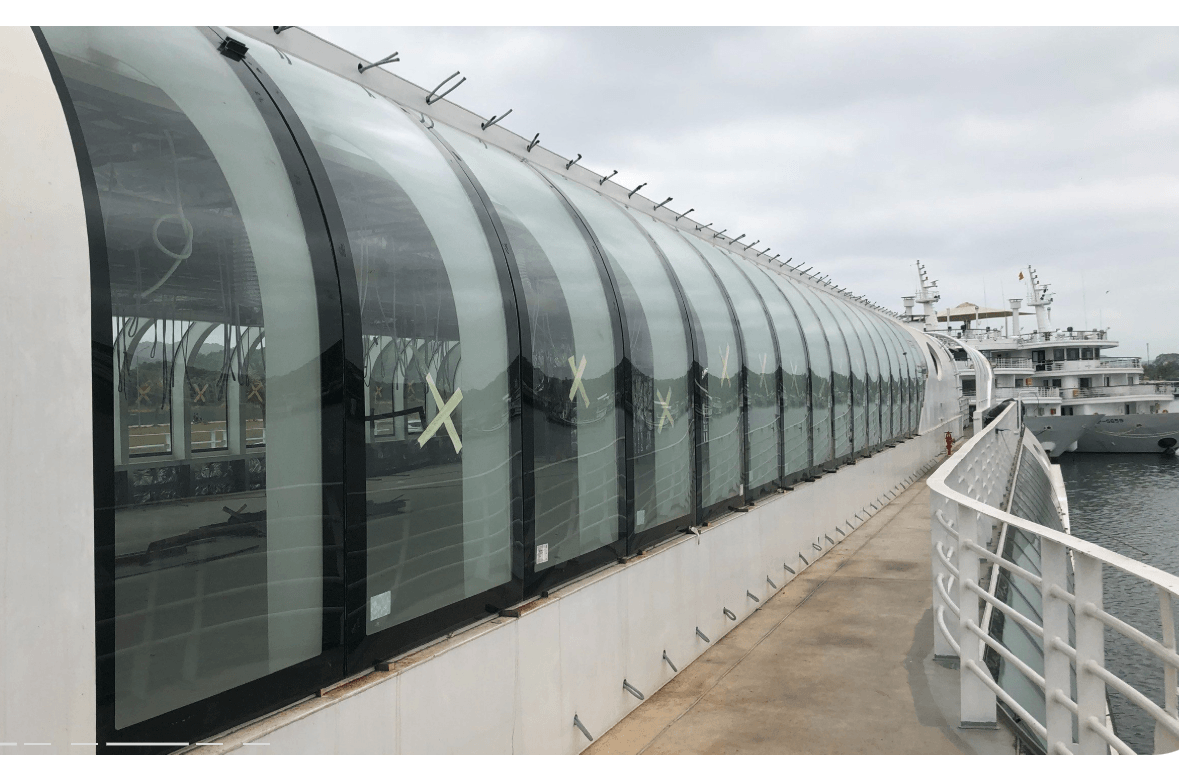
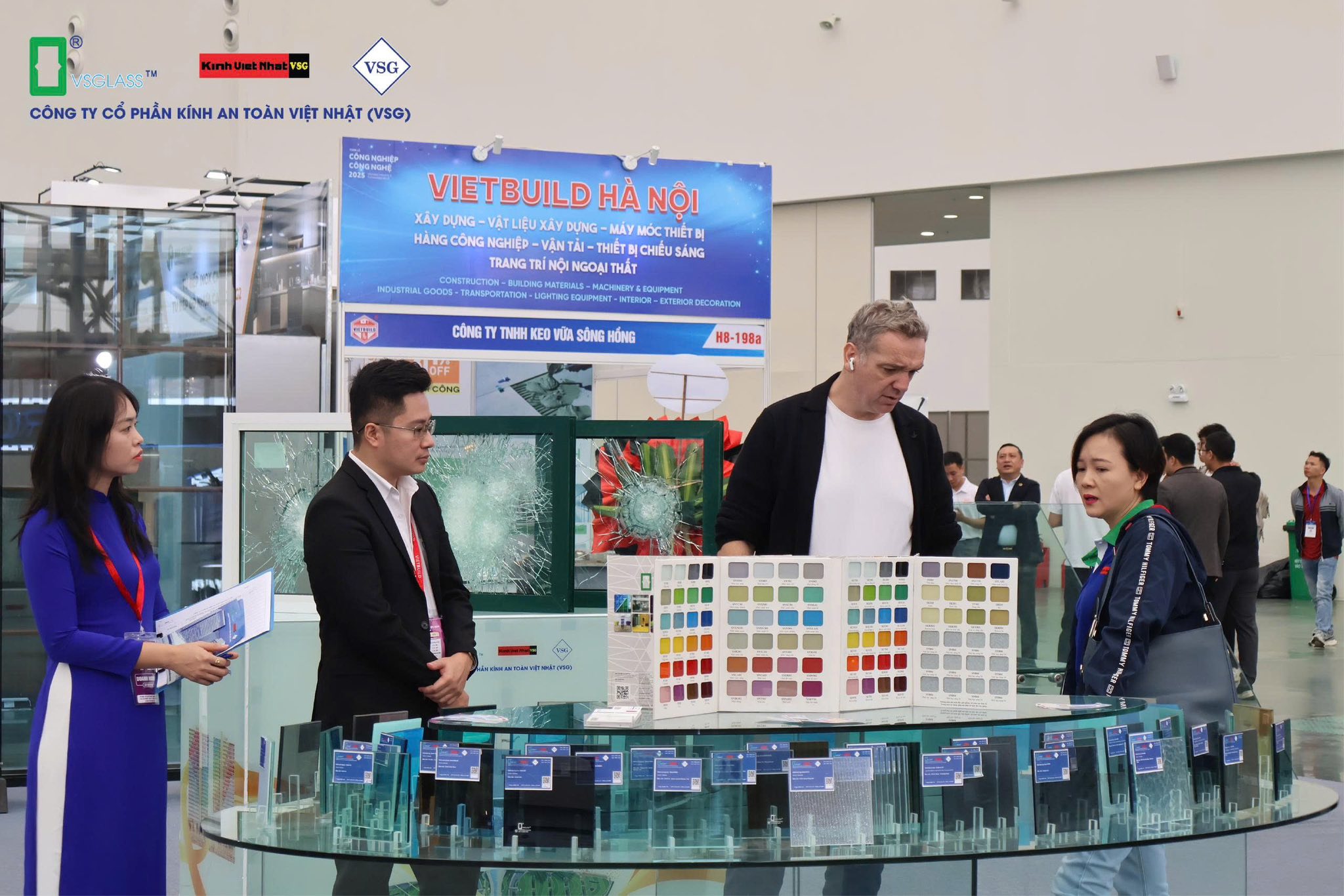
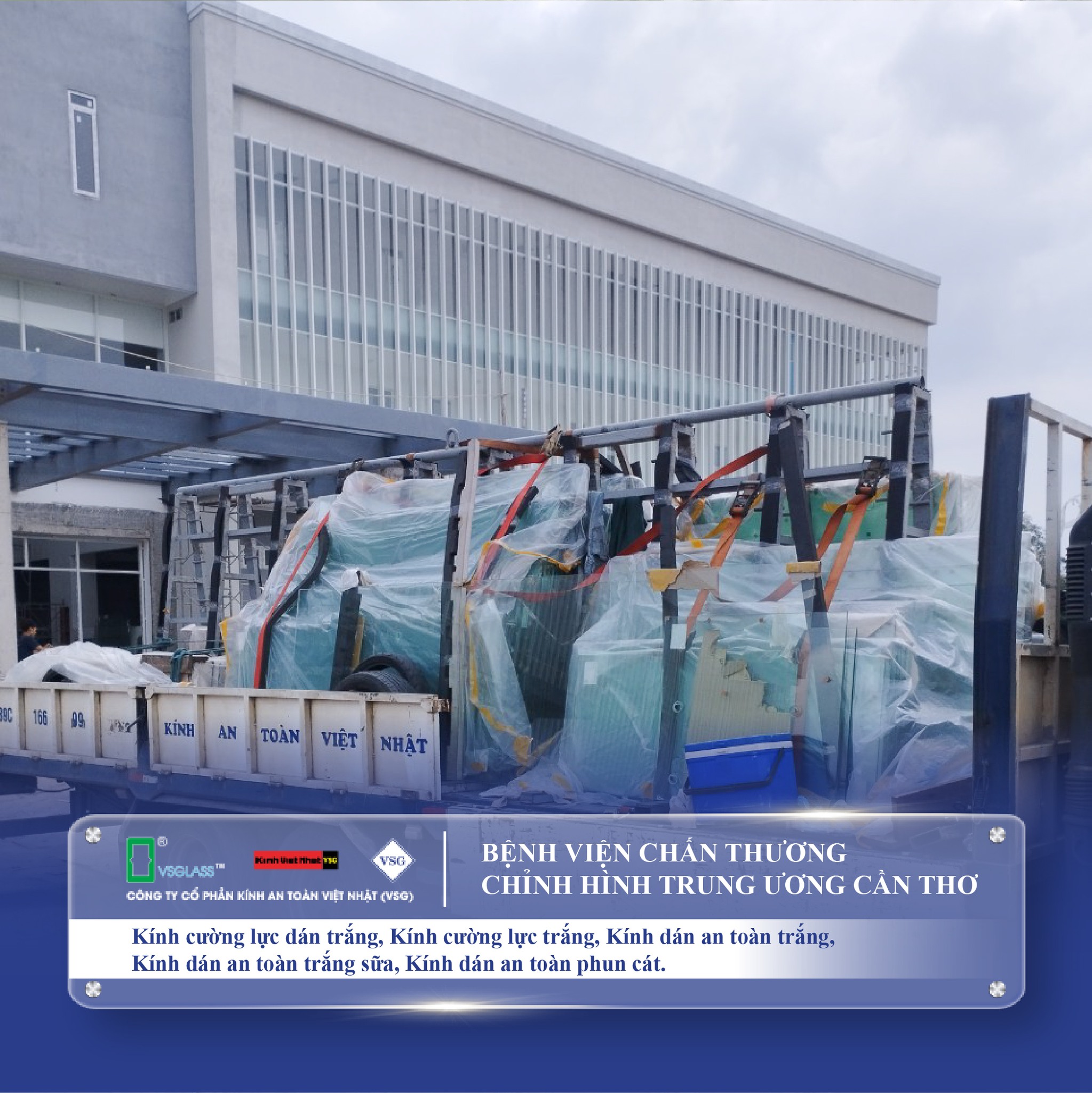
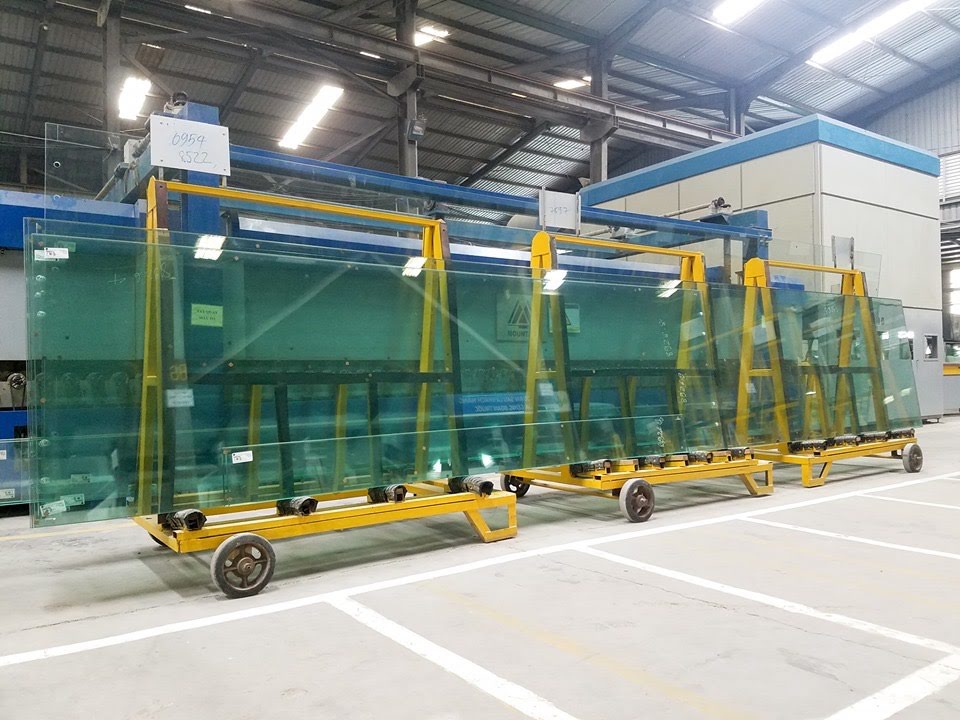
Large-format laminated safety glass typically ranges from 2.4m to 3.6m in width, and can reach 6m or more in length depending on technical requirements and factory production capacity. Producing large-format glass requires modern technology, precise machinery, and a rigorous quality control process to ensure the glass is free from warping, dimensional inaccuracies, or surface defects such as air bubbles and scratches.
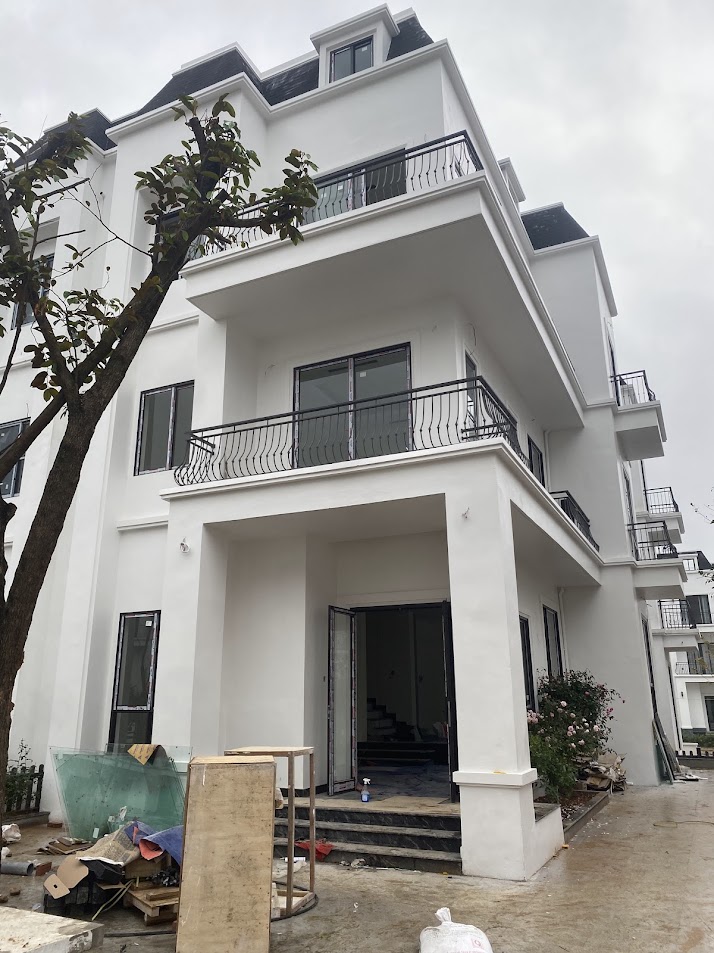
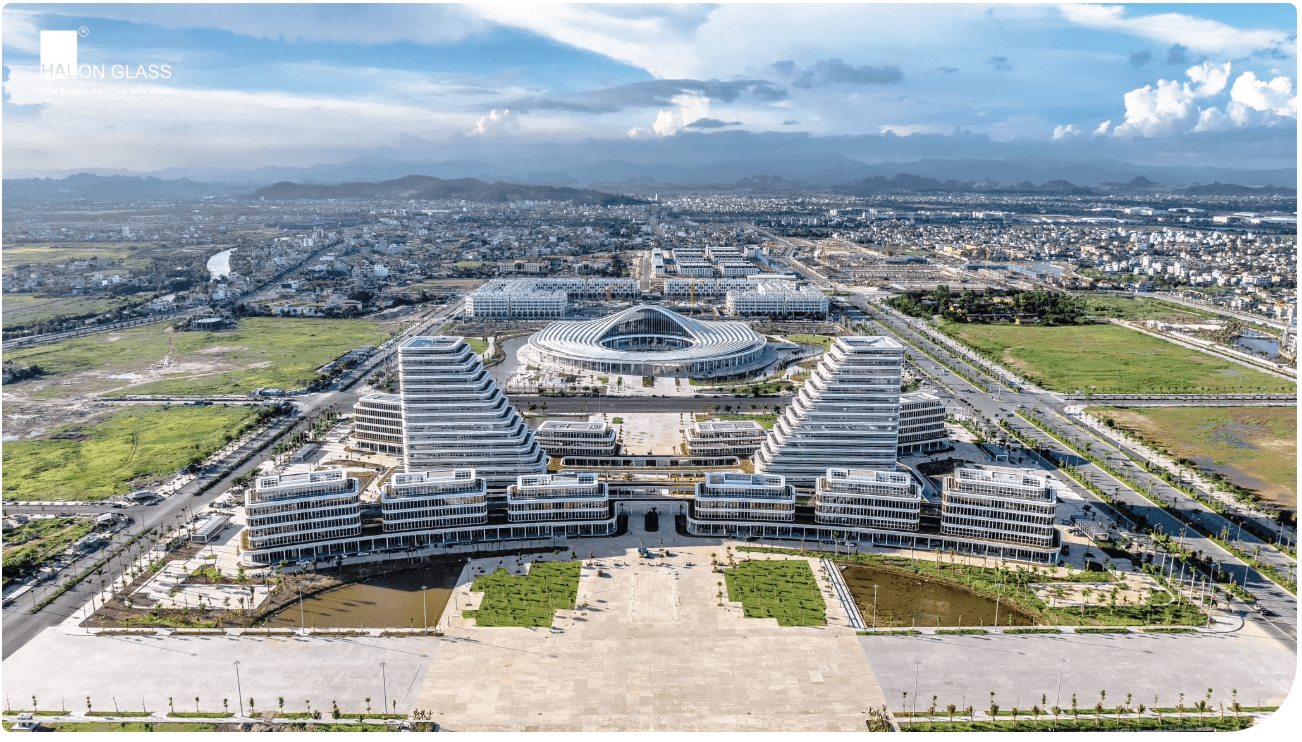
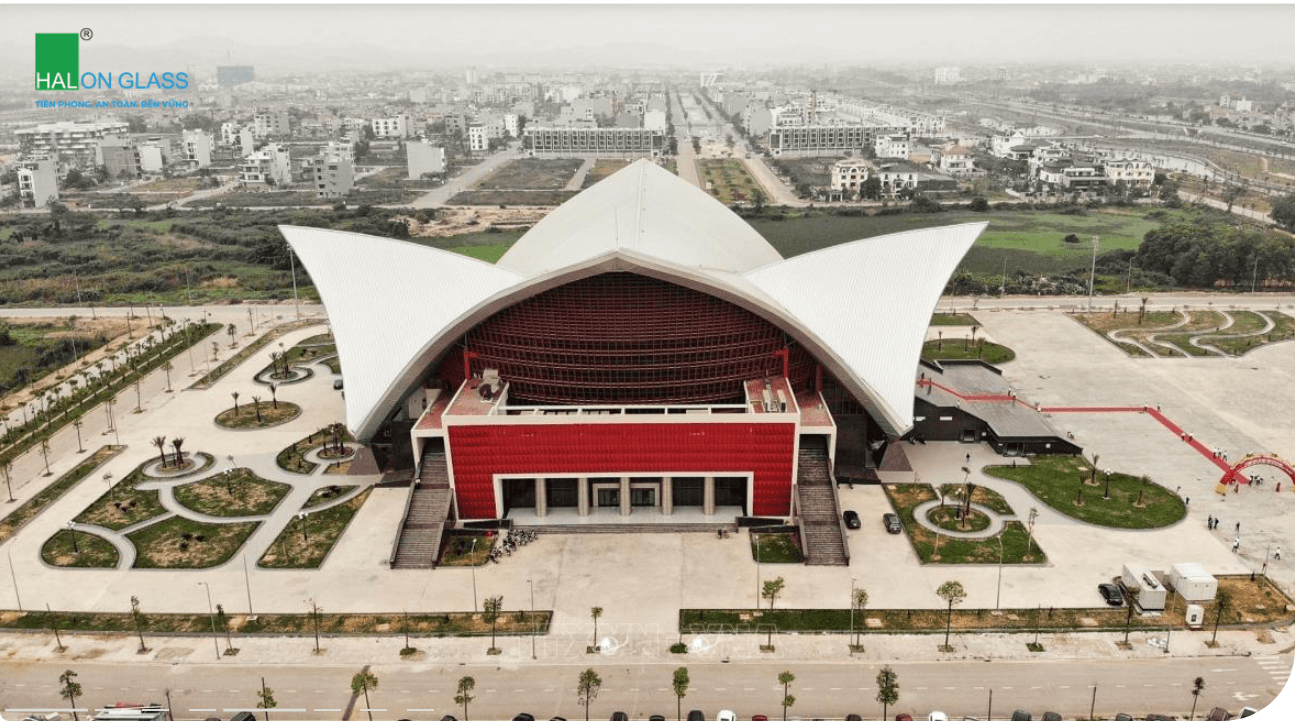
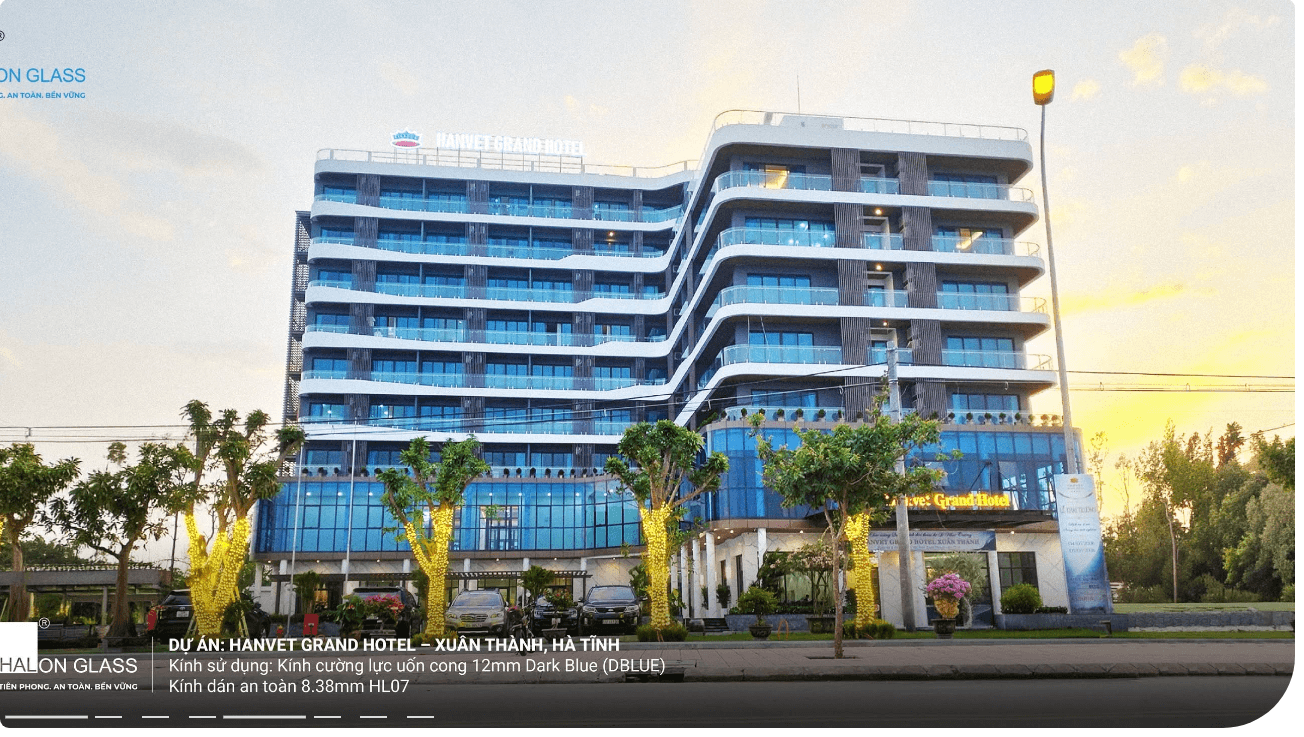
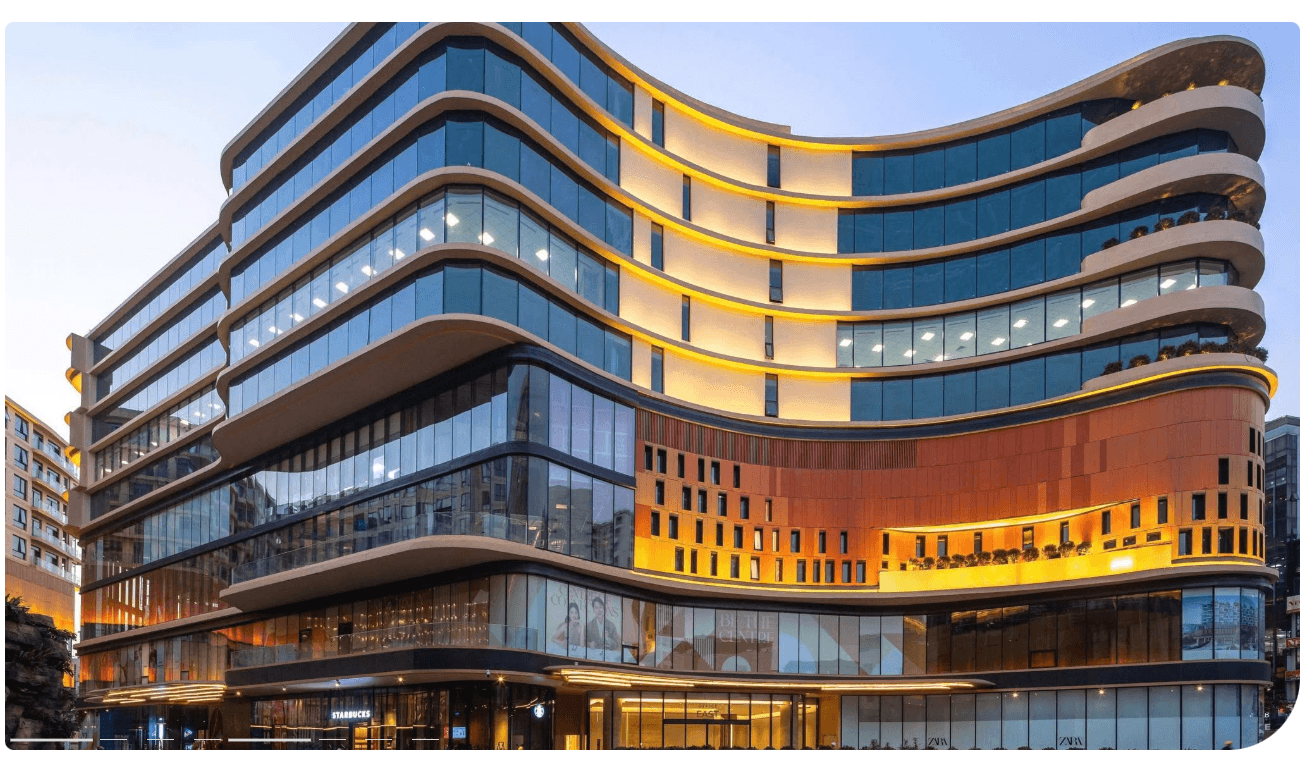
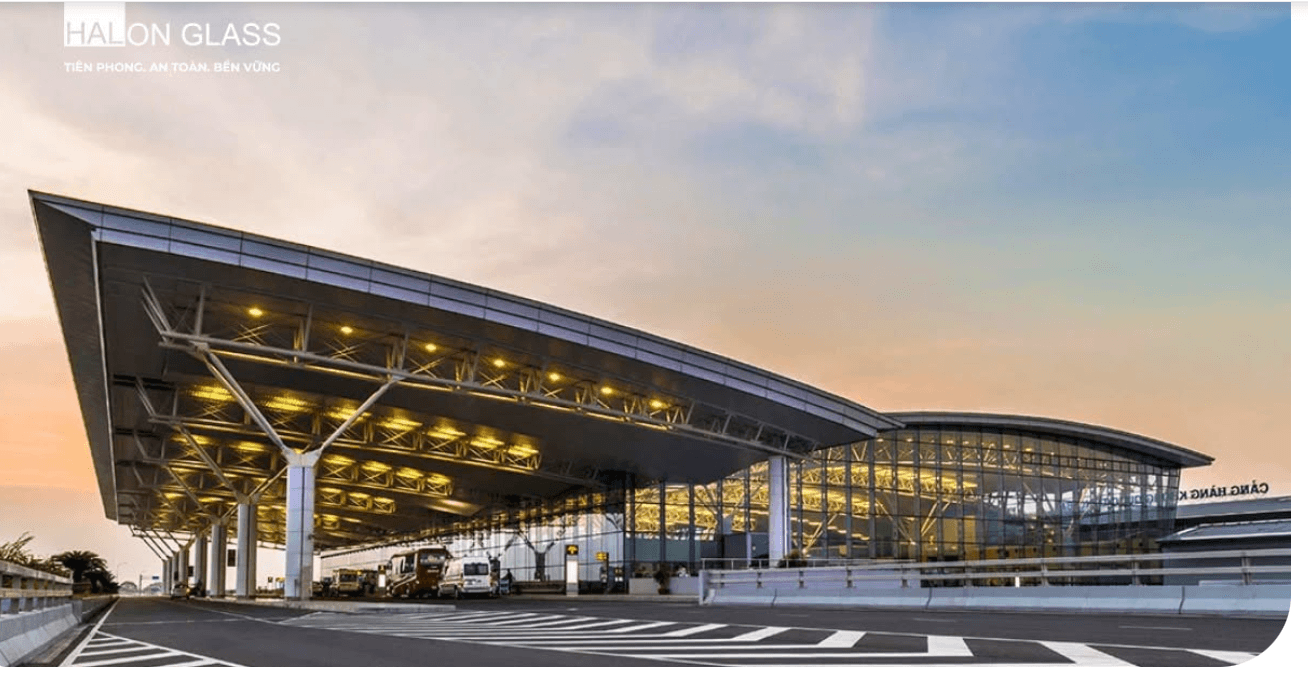
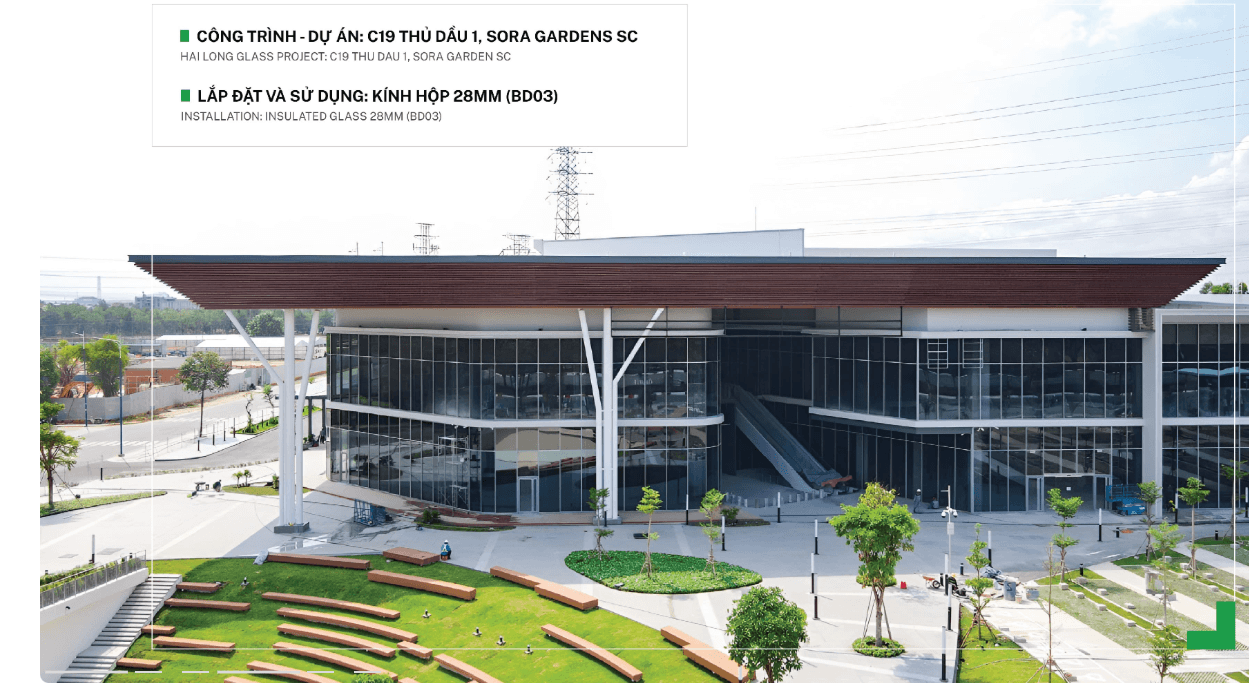
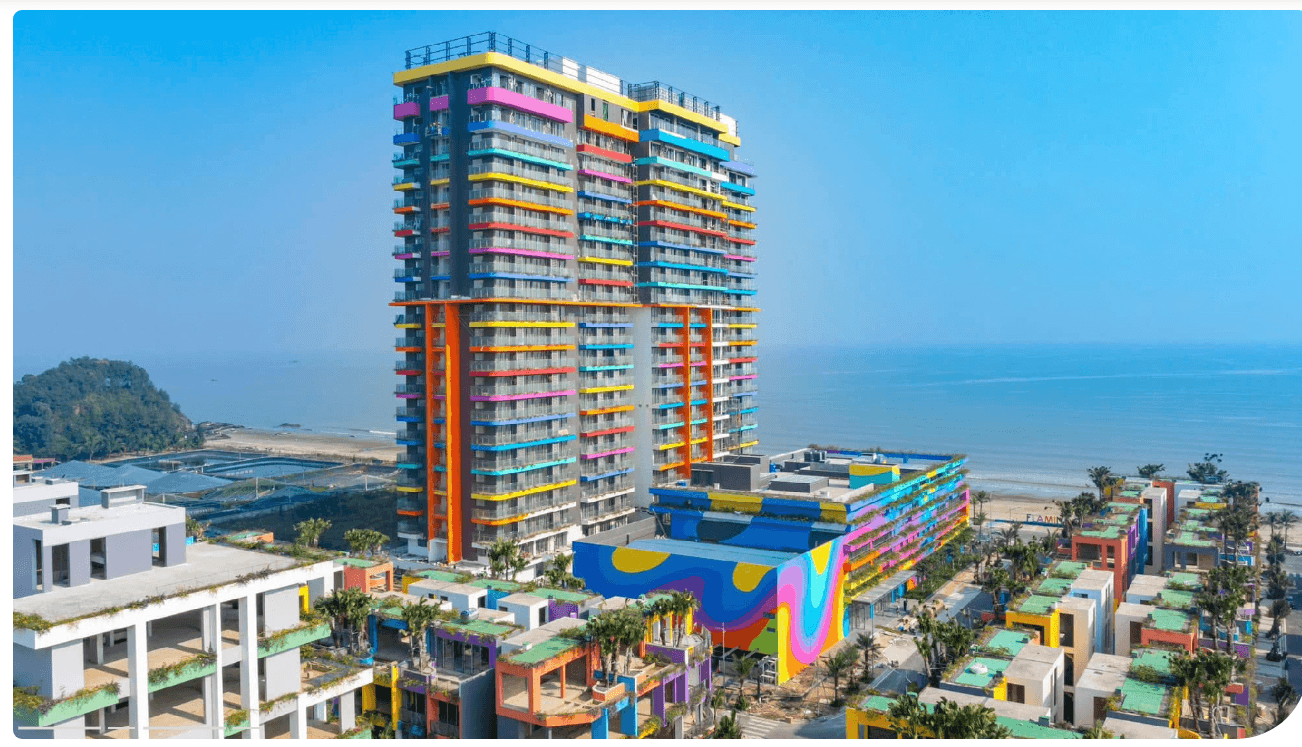
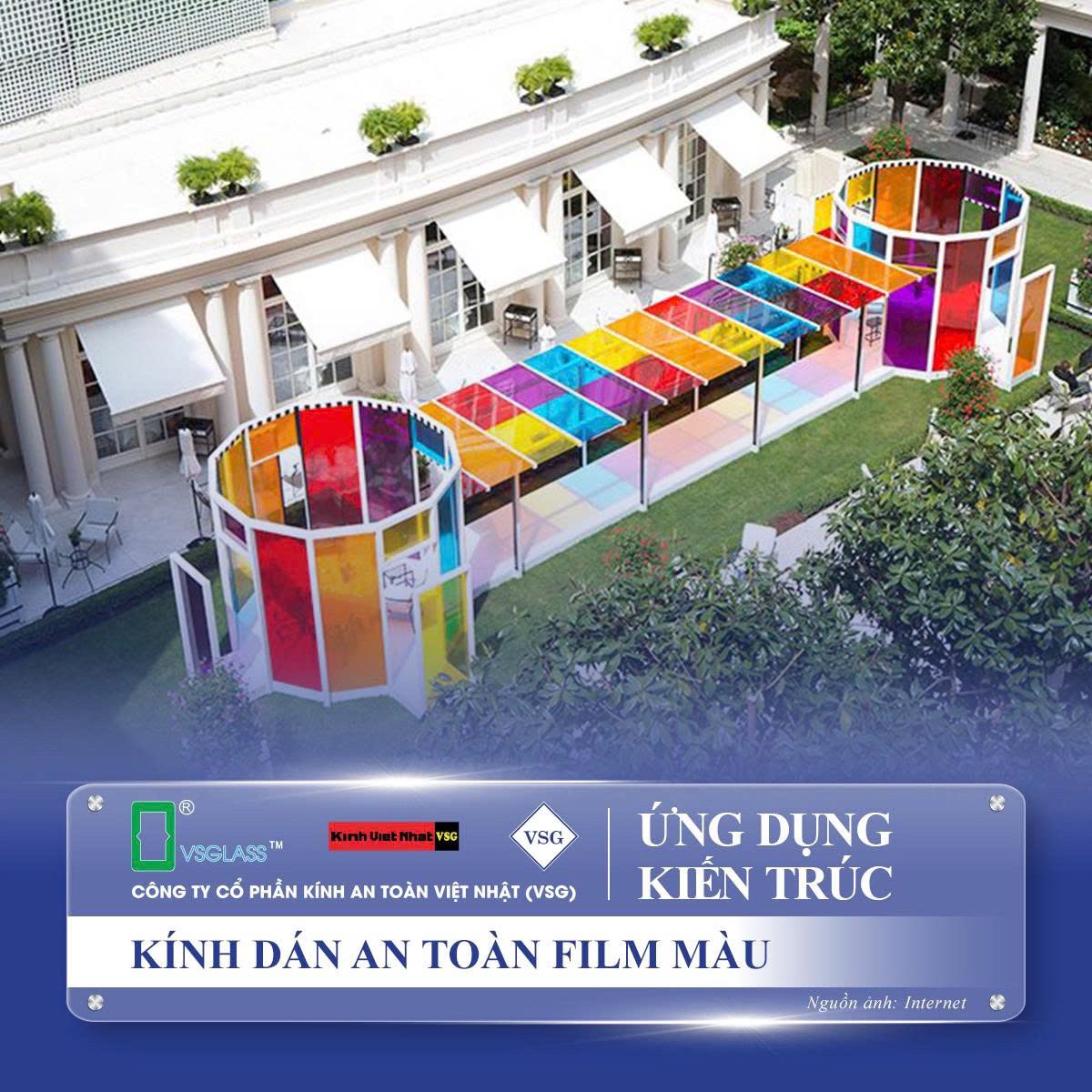
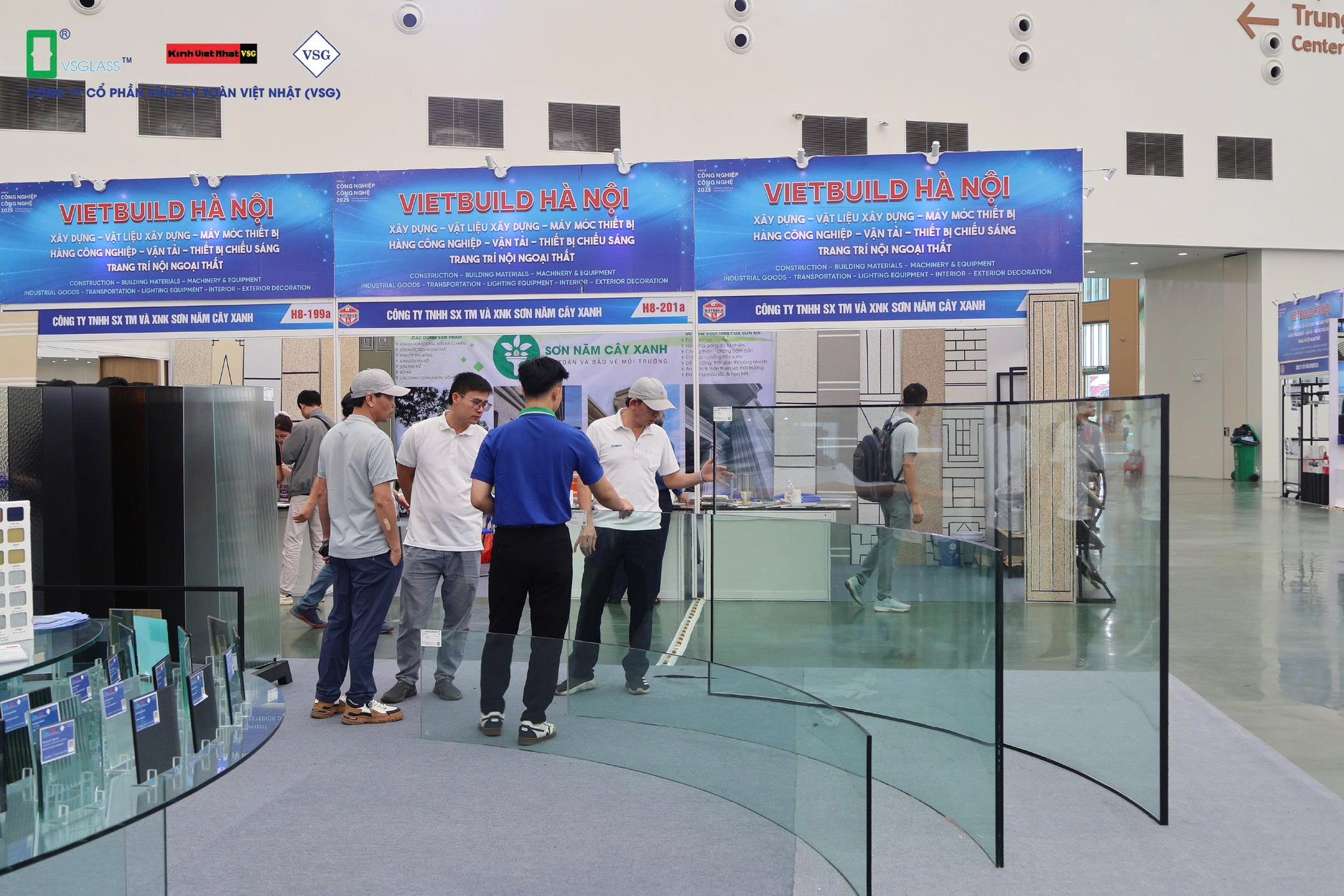
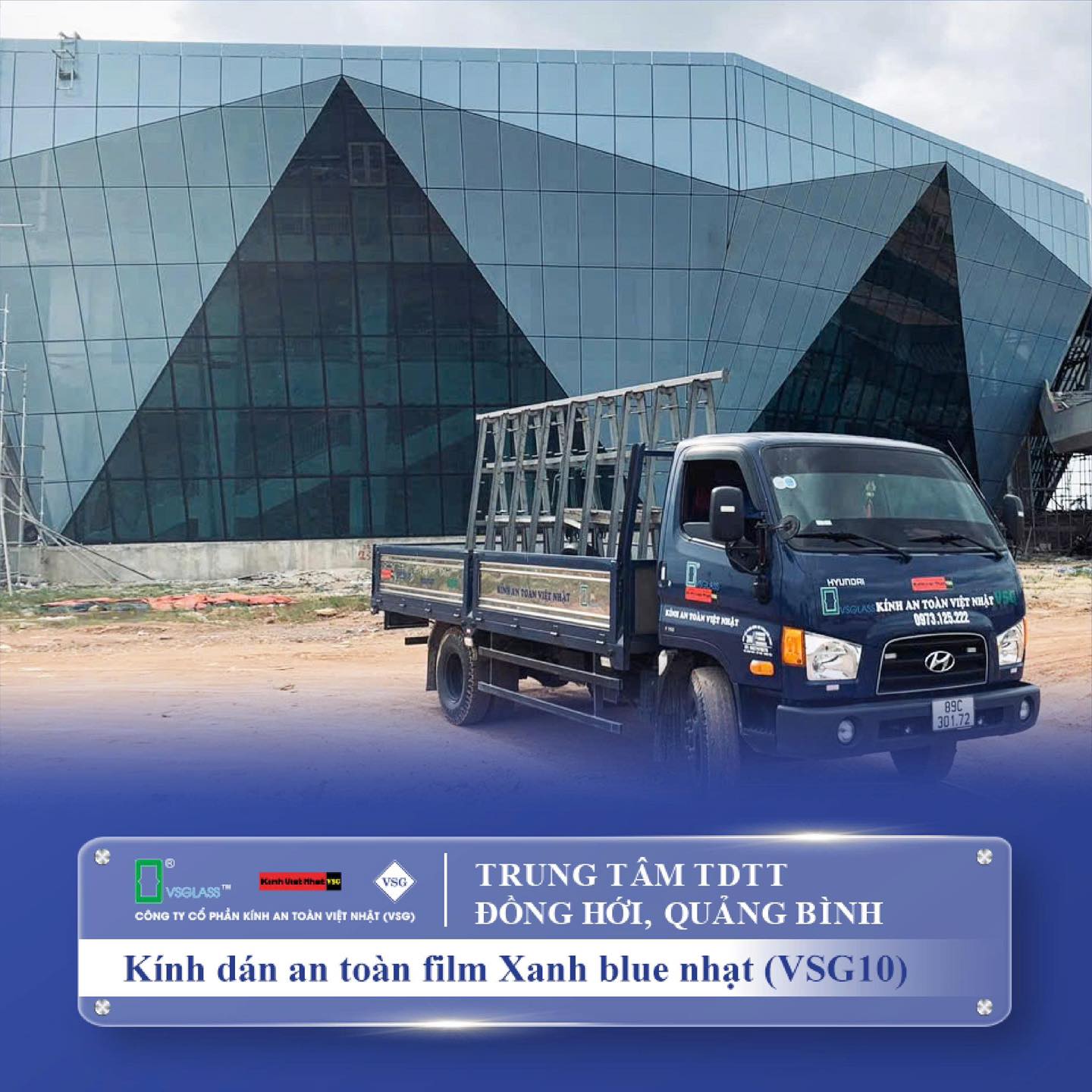
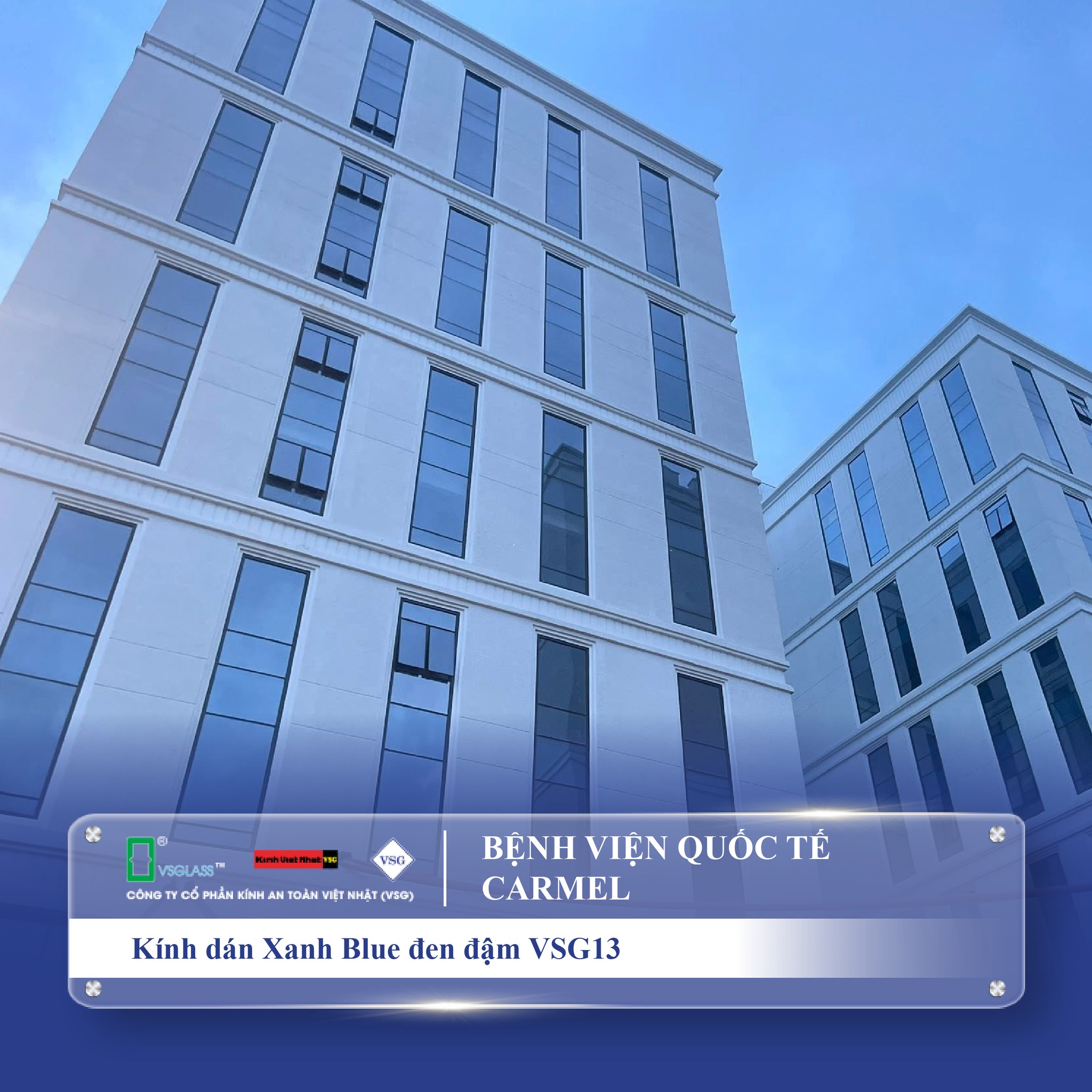
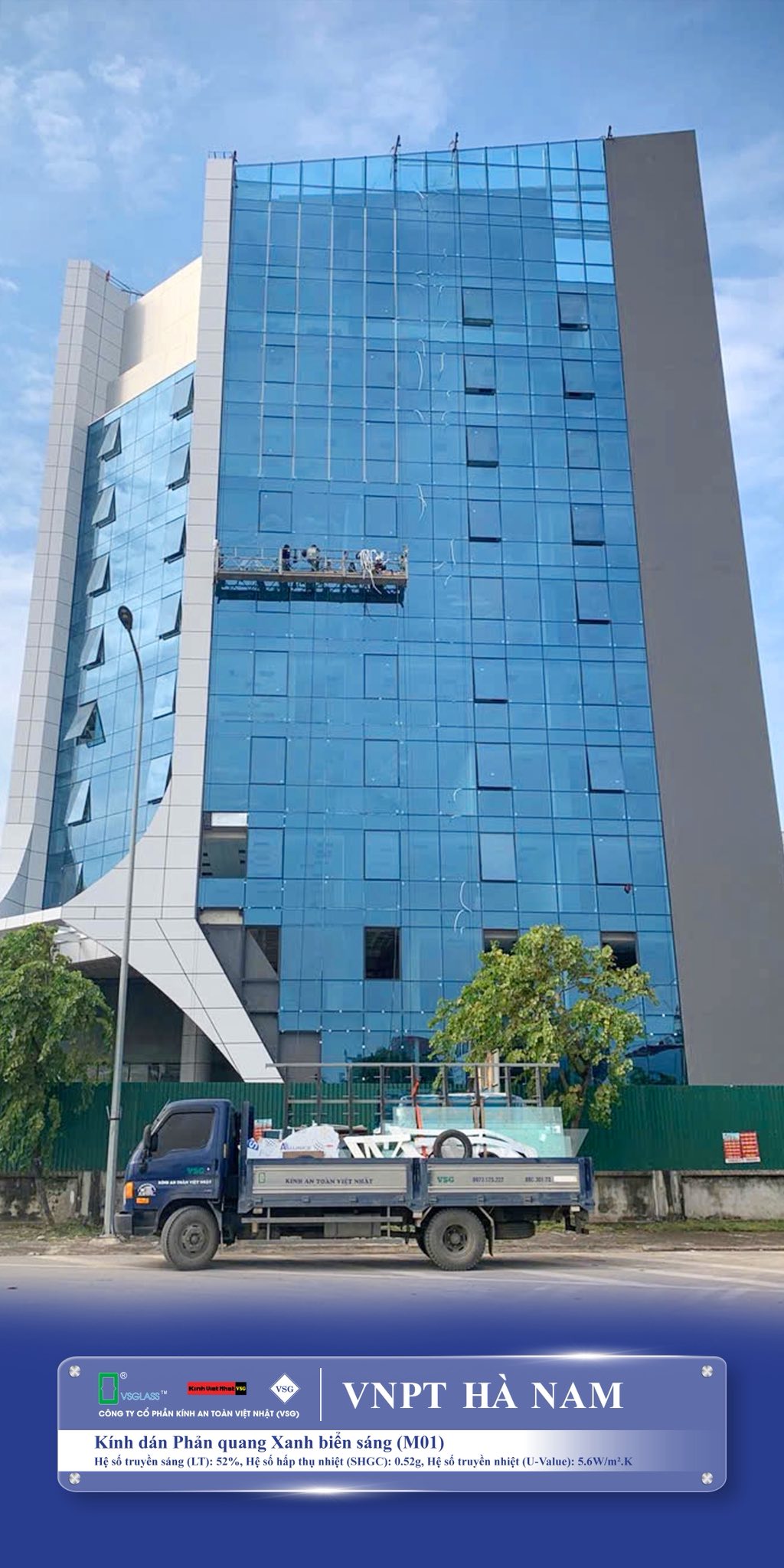
Large-format laminated safety glass is widely used in many construction and interior design fields due to its superior durability, safety, and aesthetics. In modern architecture, large-format glass is used to create large glass facades, glass doors, partitions, railings, glass staircases, glass roofs, and full-length glass walls, providing open, bright, and luxurious spaces.
Particularly in high-end showrooms and offices, large-format laminated safety glass not only ensures user safety but also enhances sound insulation, heat insulation, and UV protection, shielding interior furnishings from environmental damage. Furthermore, the glass can be combined with reflective coatings, tempered coatings, or anti-dust coatings to improve usability and product lifespan.
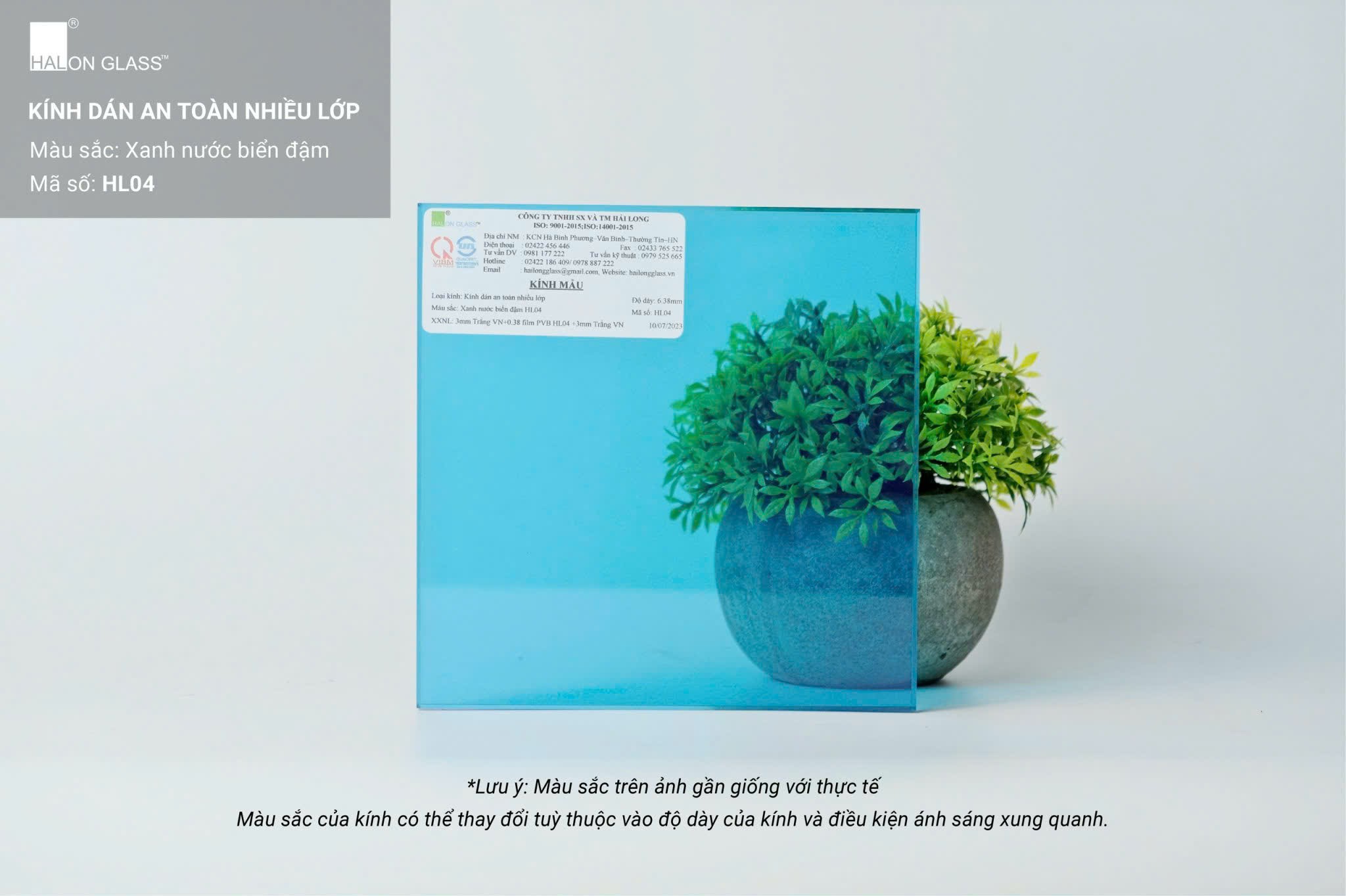
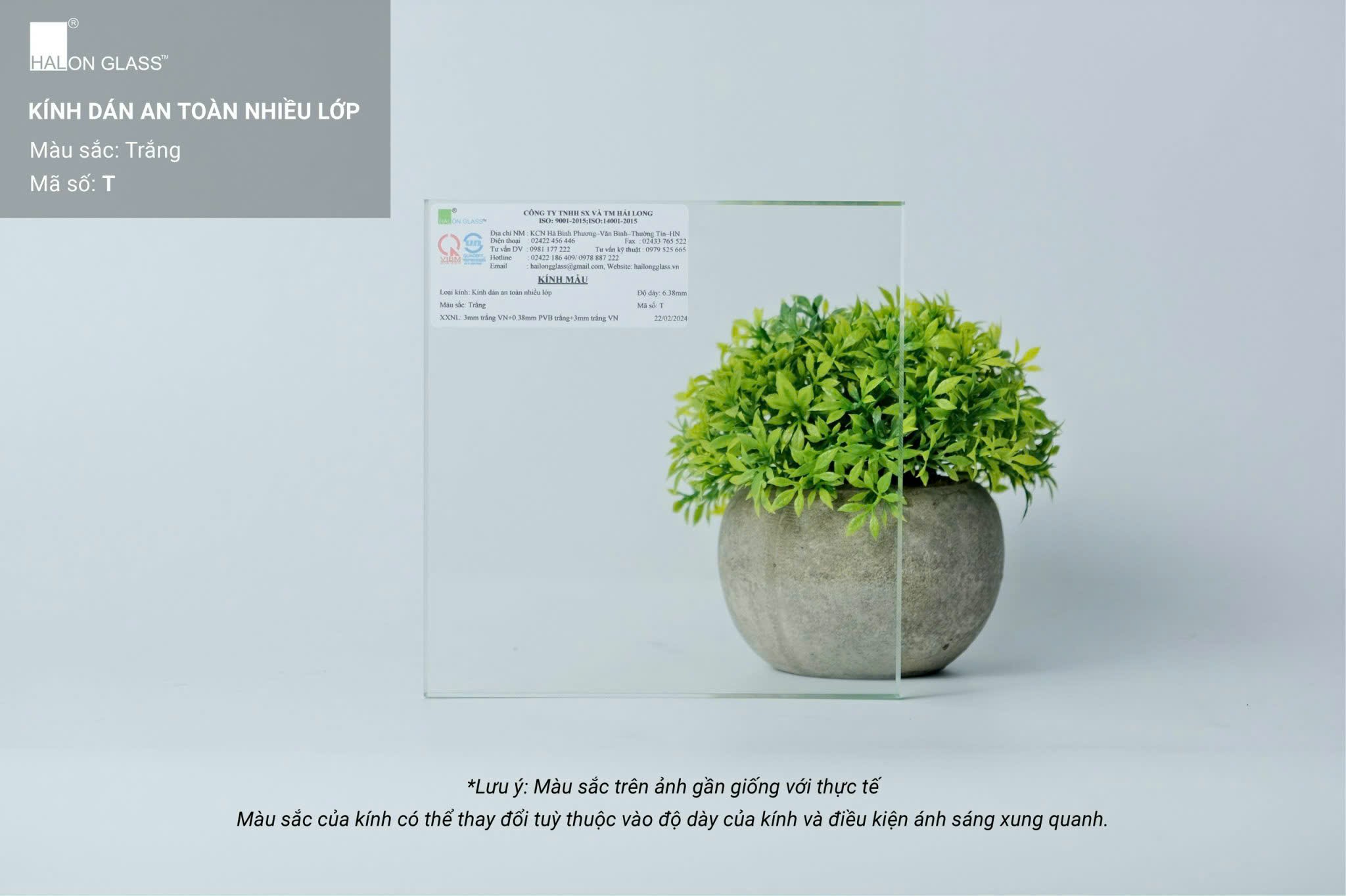
The production process for large-format laminated safety glass requires a combination of advanced technology and precise craftsmanship. First, the glass sheets are carefully selected, ensuring they are free of surface defects and have accurate dimensions. Then, layers of PVB or EVA film are placed between the glass sheets, and then they are placed in a vacuum or heat press to tightly bond the layers together.
During the pressing process, temperature and pressure are strictly controlled to completely eliminate air bubbles and ensure the transparency and uniformity of the glass. After pressing, the glass is cooled and quality-checked using specialized equipment to detect defects such as cracks, scratches, or unbonded areas.
Quality testing of large-format laminated safety glass typically adheres to international standards such as EN 12543 (Europe), ASTM C1172 (USA), or TCVN (Vietnam). These standards specify load-bearing capacity, impact resistance, fire resistance, and other safety factors to ensure the product meets the requirements for use in modern construction projects.
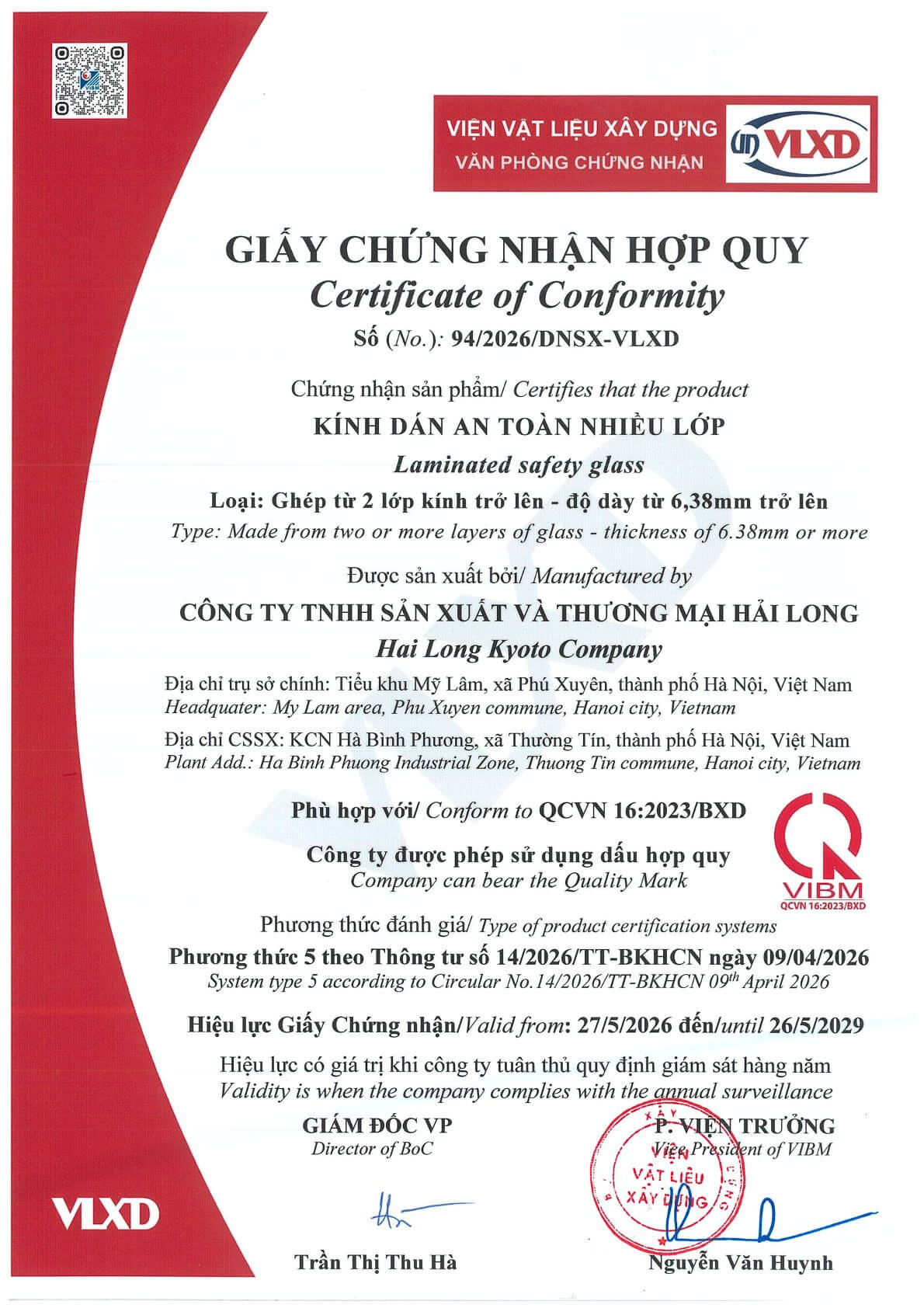
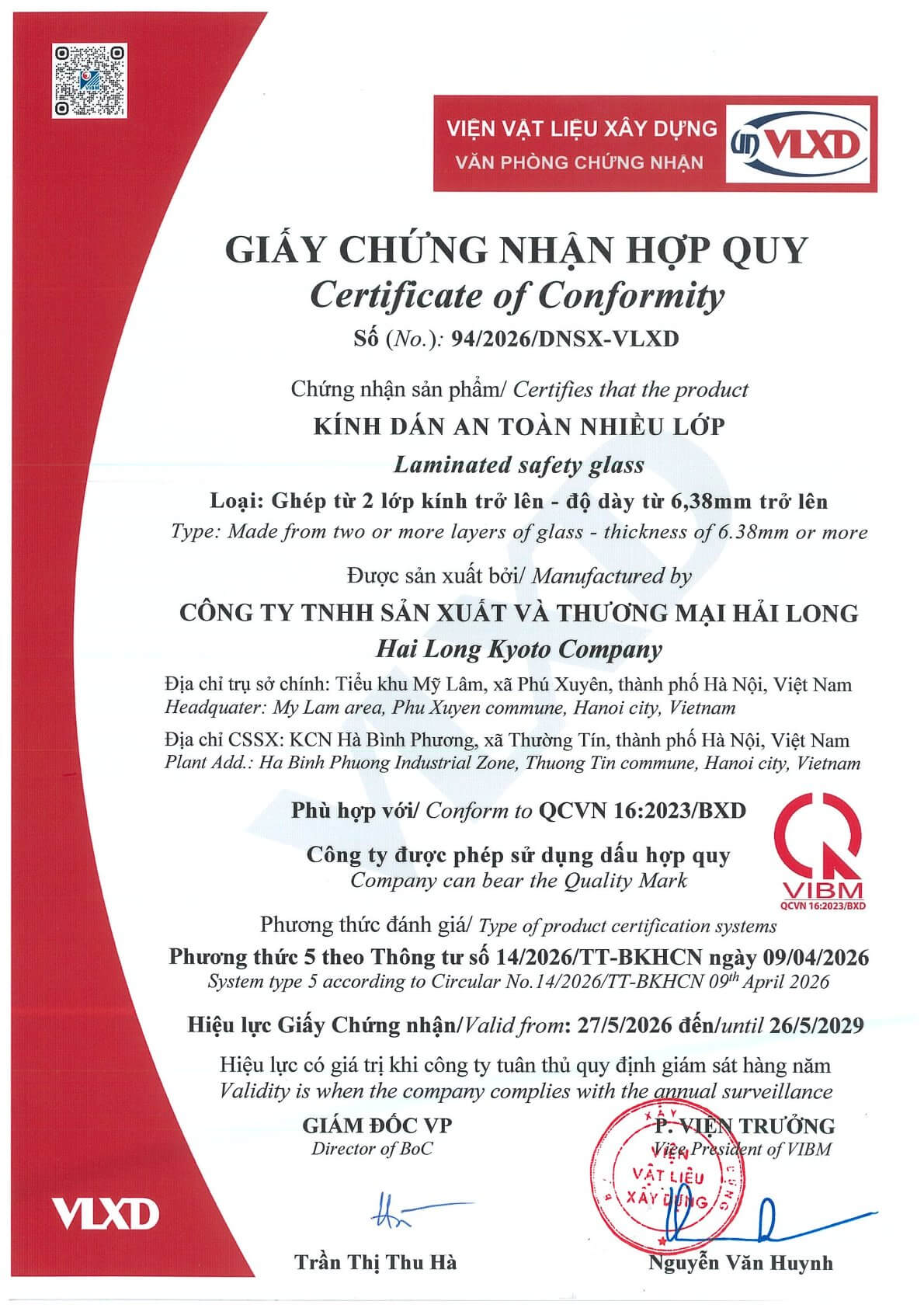
Large-format laminated safety glass boasts several significant advantages over ordinary glass. Firstly, its high strength and impact resistance minimize the risk of breakage and injury to users. When the glass does break, the protective film holds the fragments together, preventing further shattering and ensuring maximum safety.
In addition, laminated safety glass offers good sound and heat insulation, helping to save energy and create a comfortable living and working environment. Its UV resistance also helps protect interior furnishings from fading and damage caused by sunlight.
However, when choosing large-format laminated safety glass, several important factors should be considered, such as:
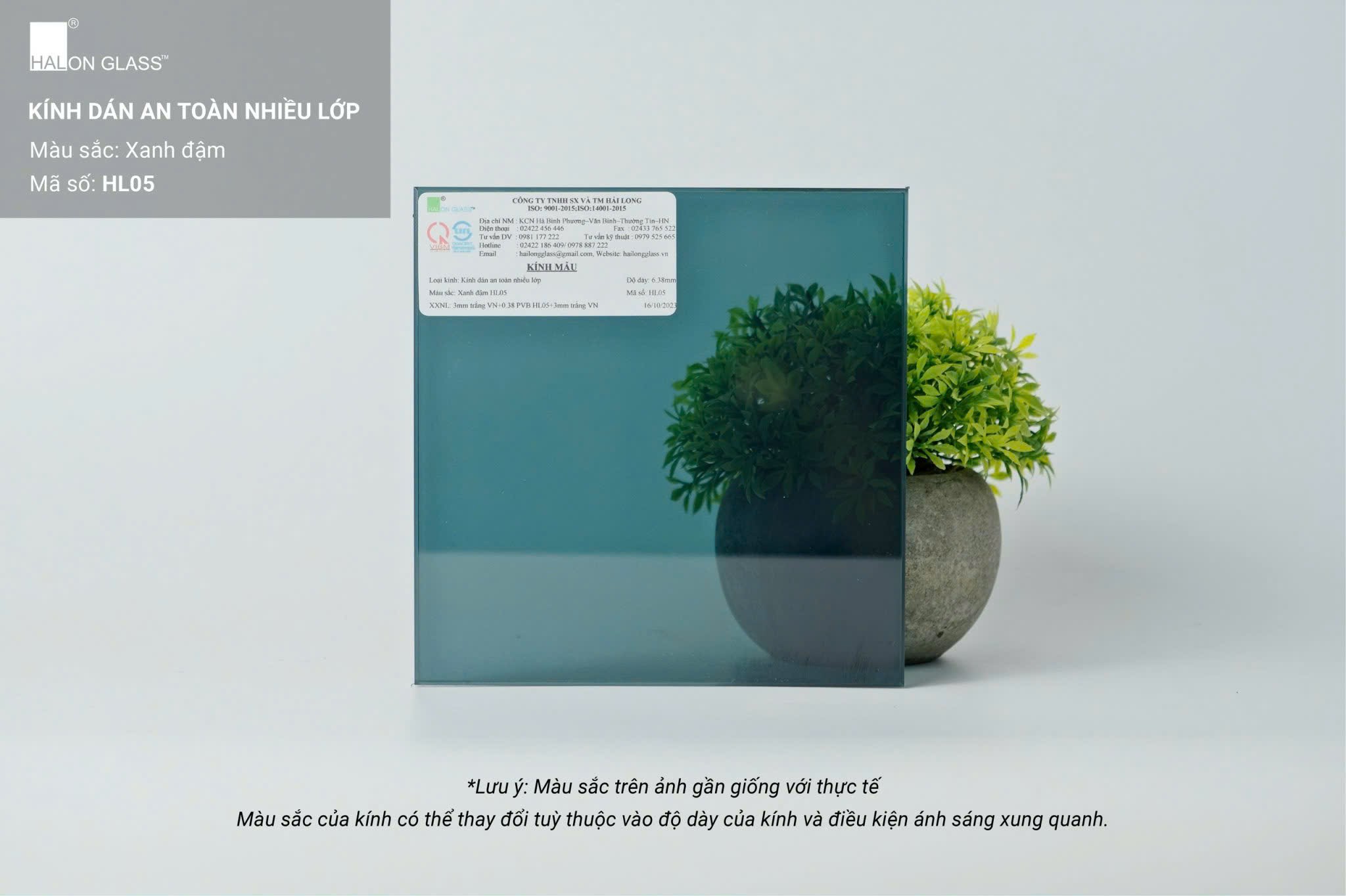
The coordination between architectural design and the selection of suitable large-format laminated safety glass will help optimize usability, enhance aesthetics, and ensure the safety of the building throughout its operation.