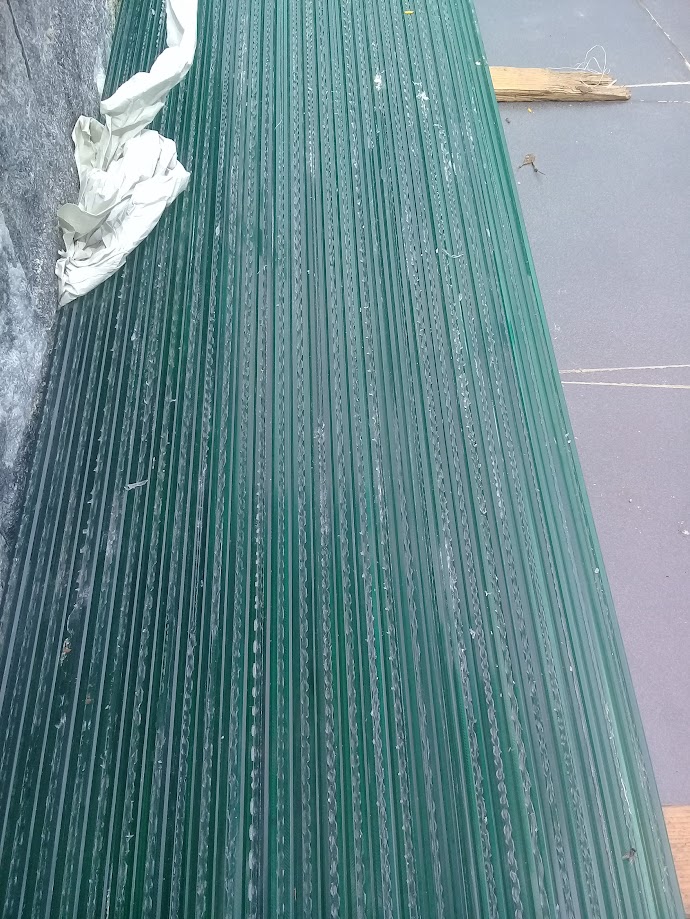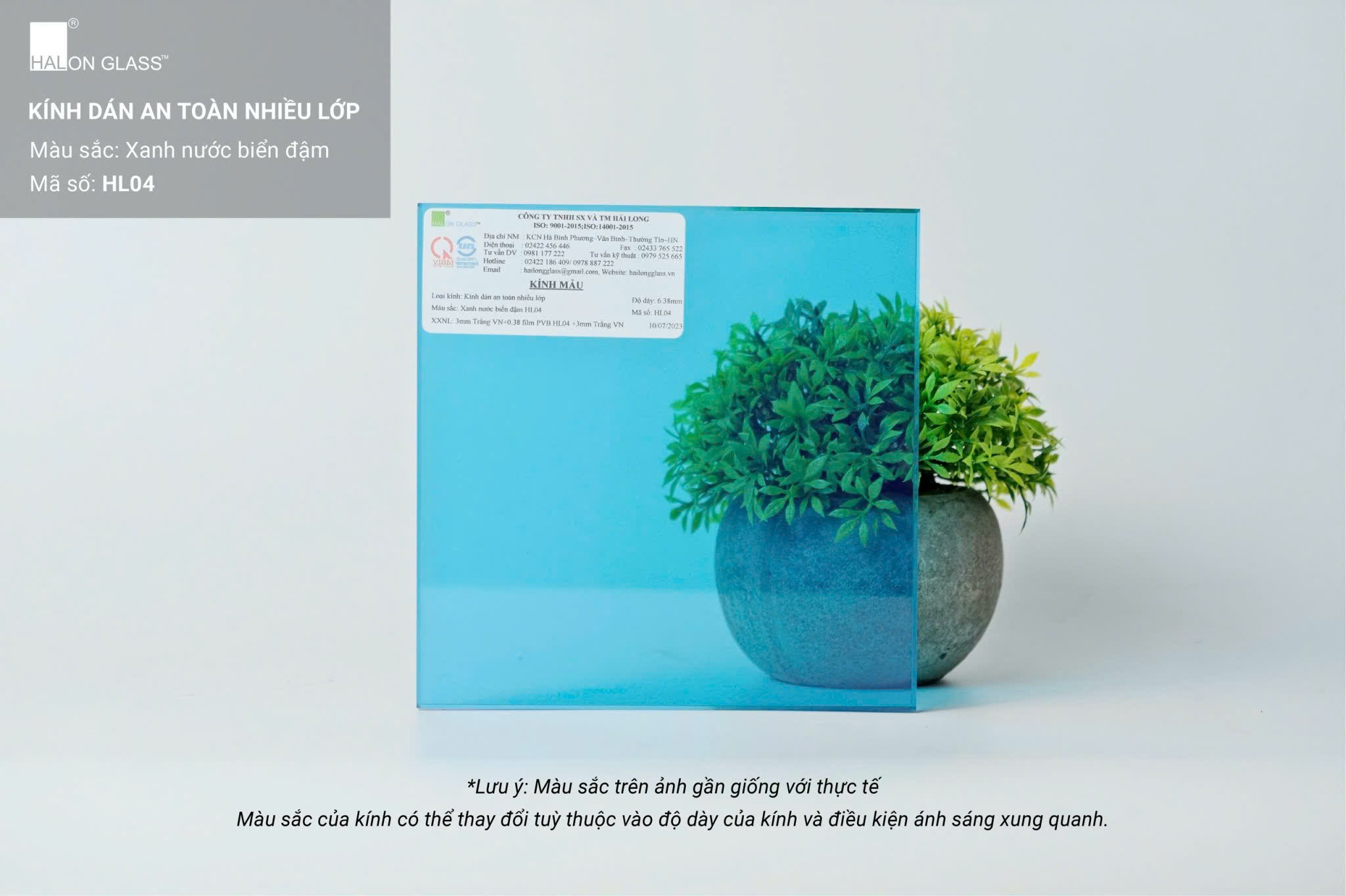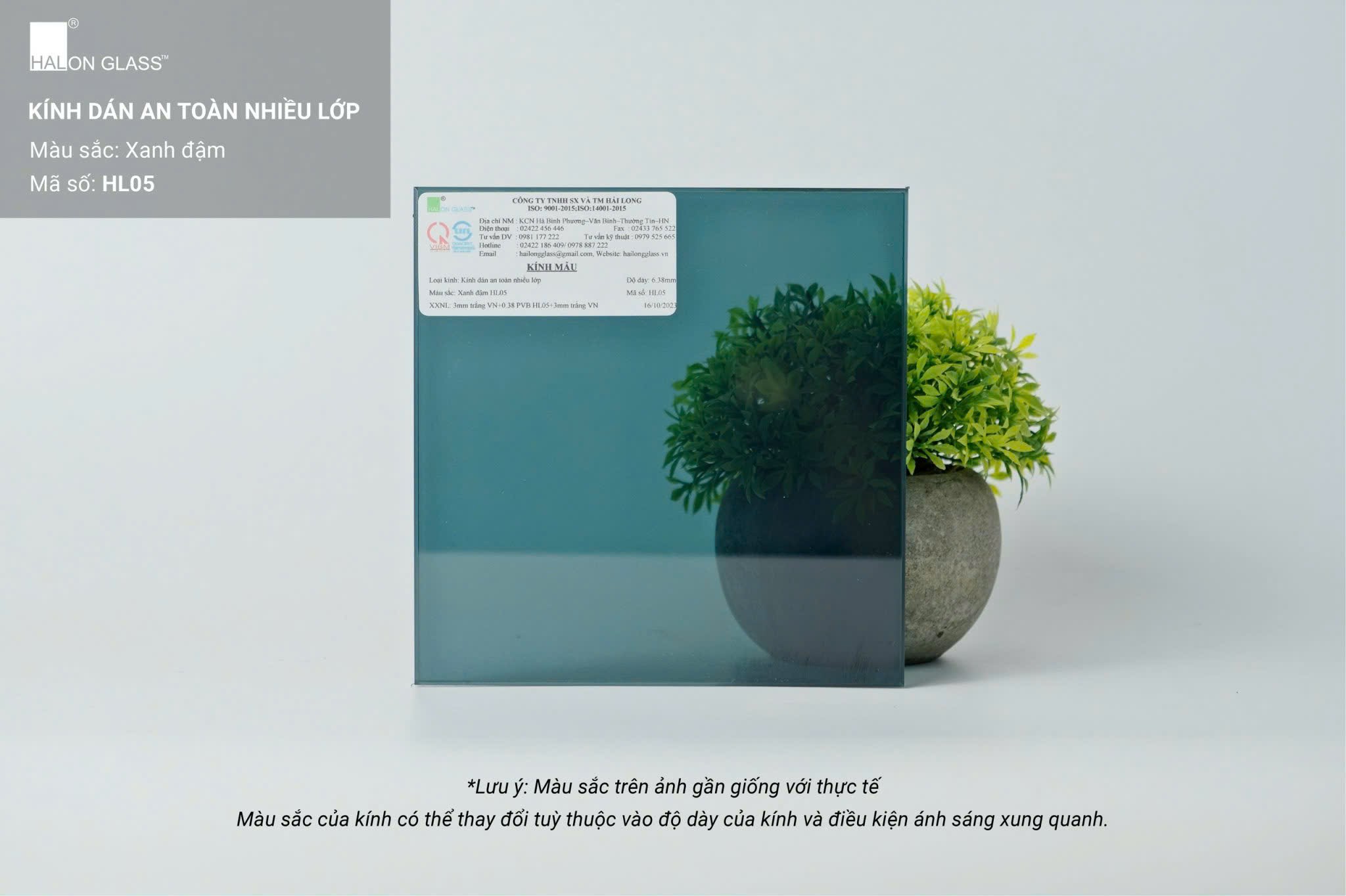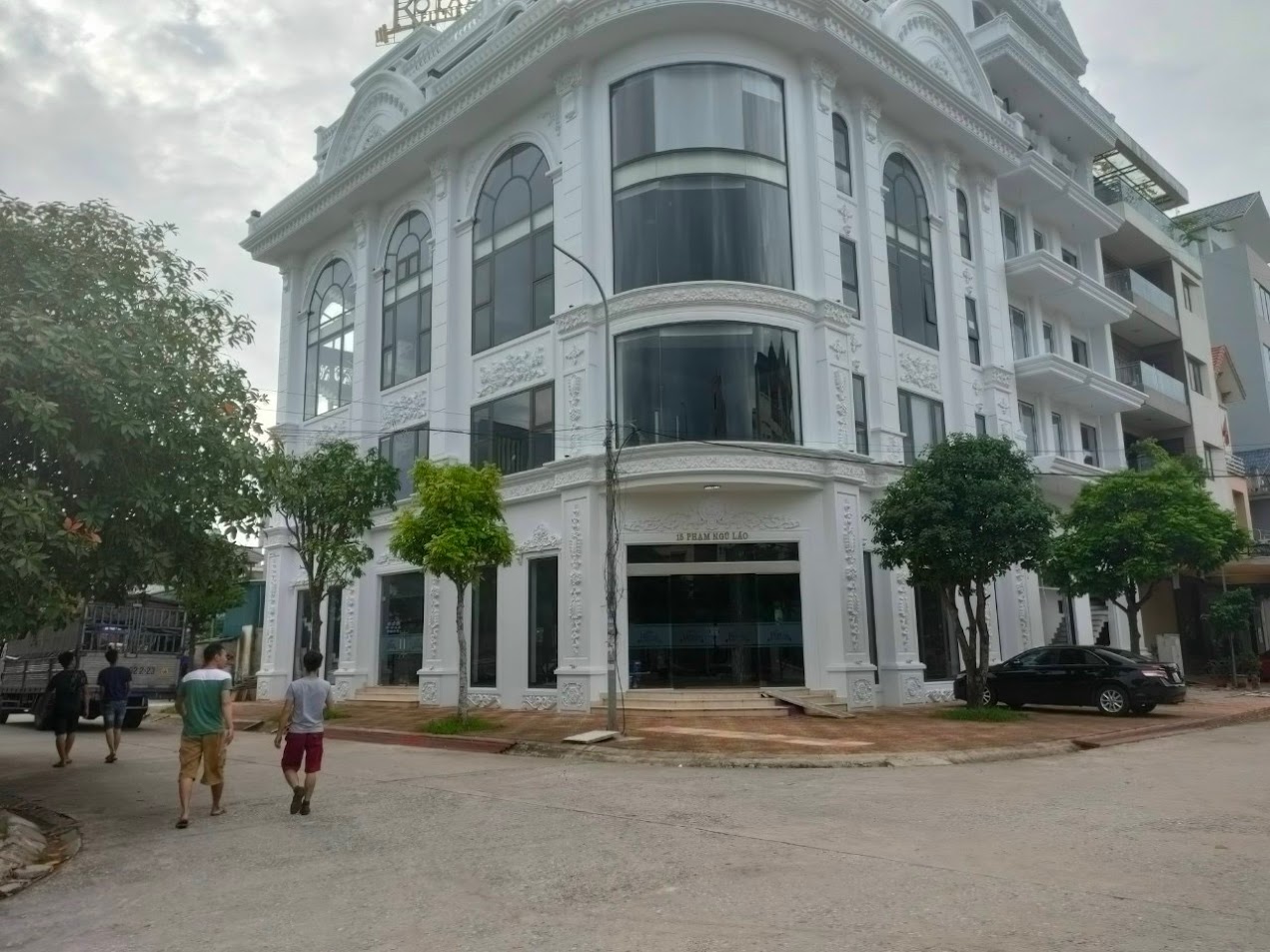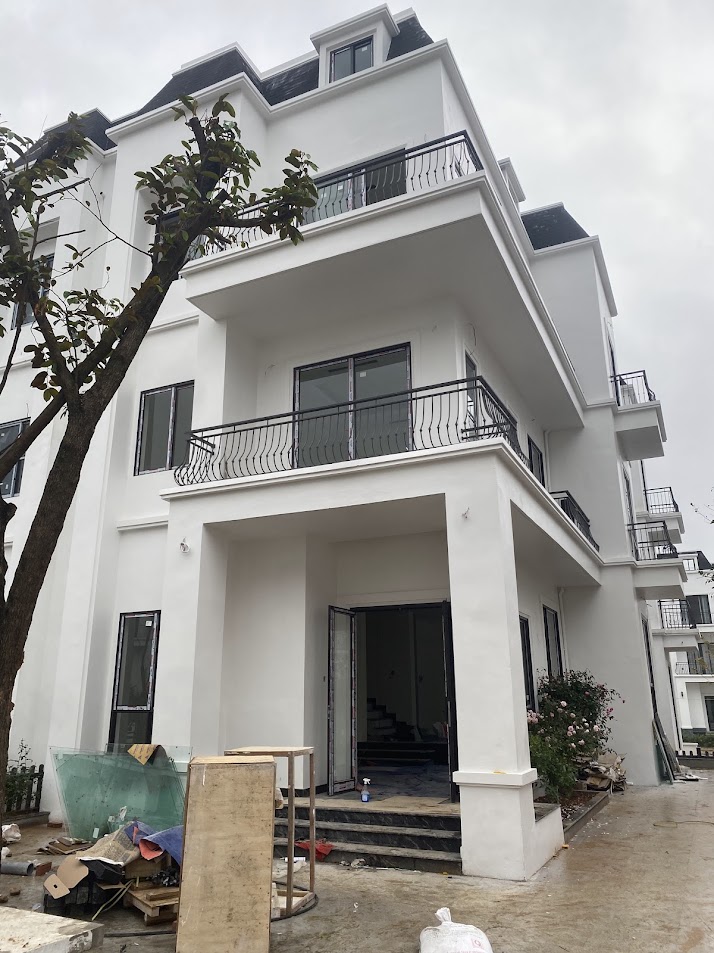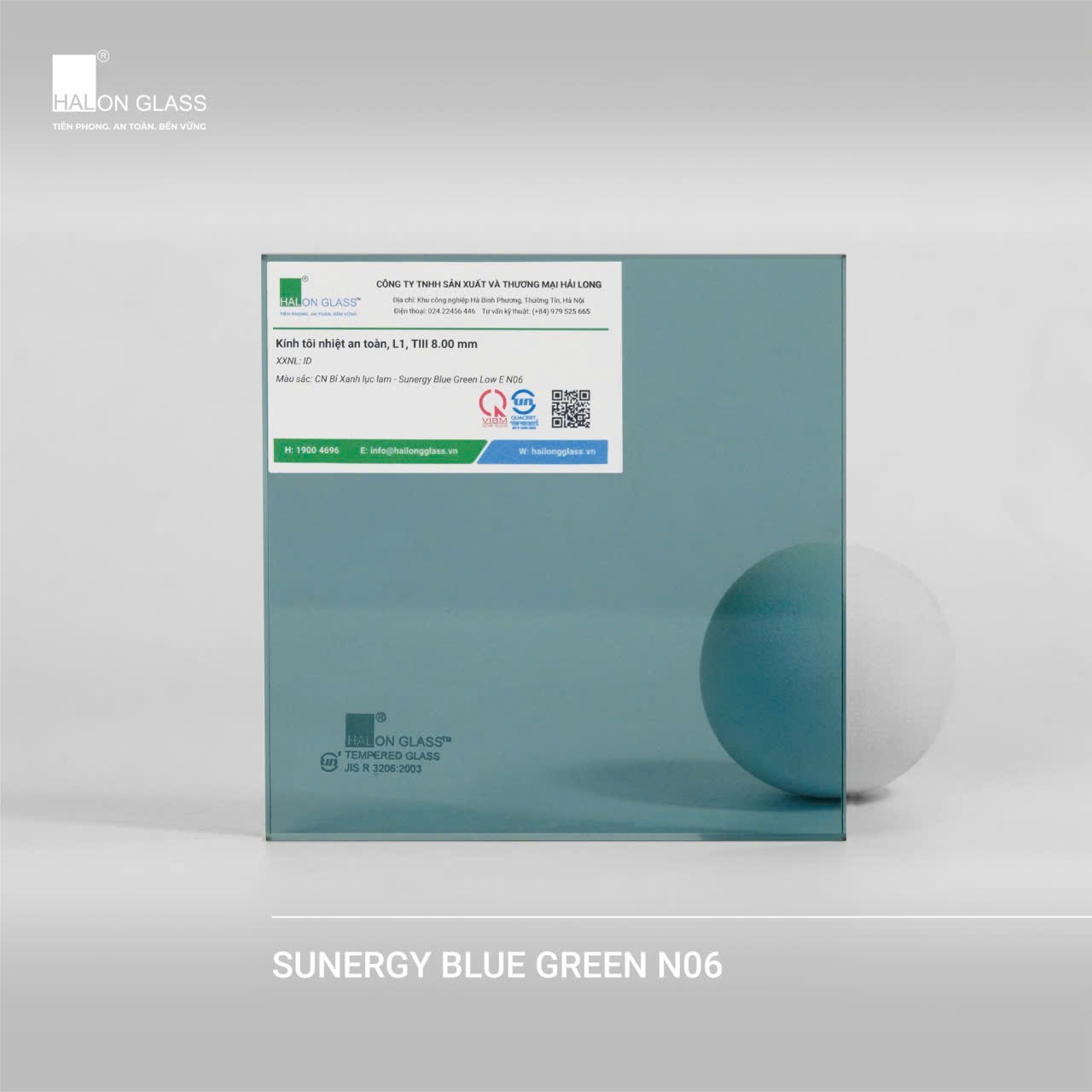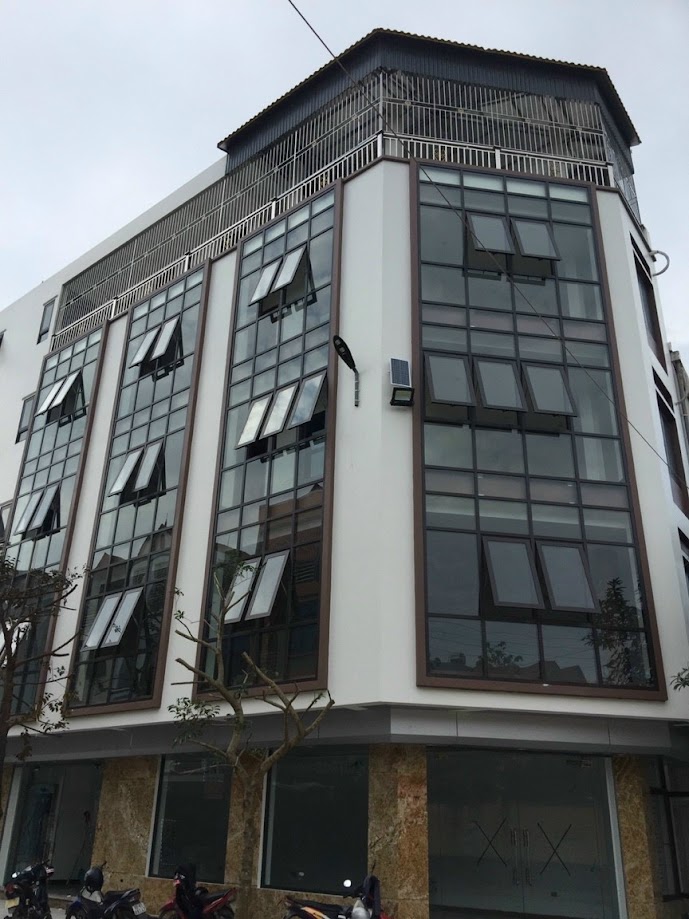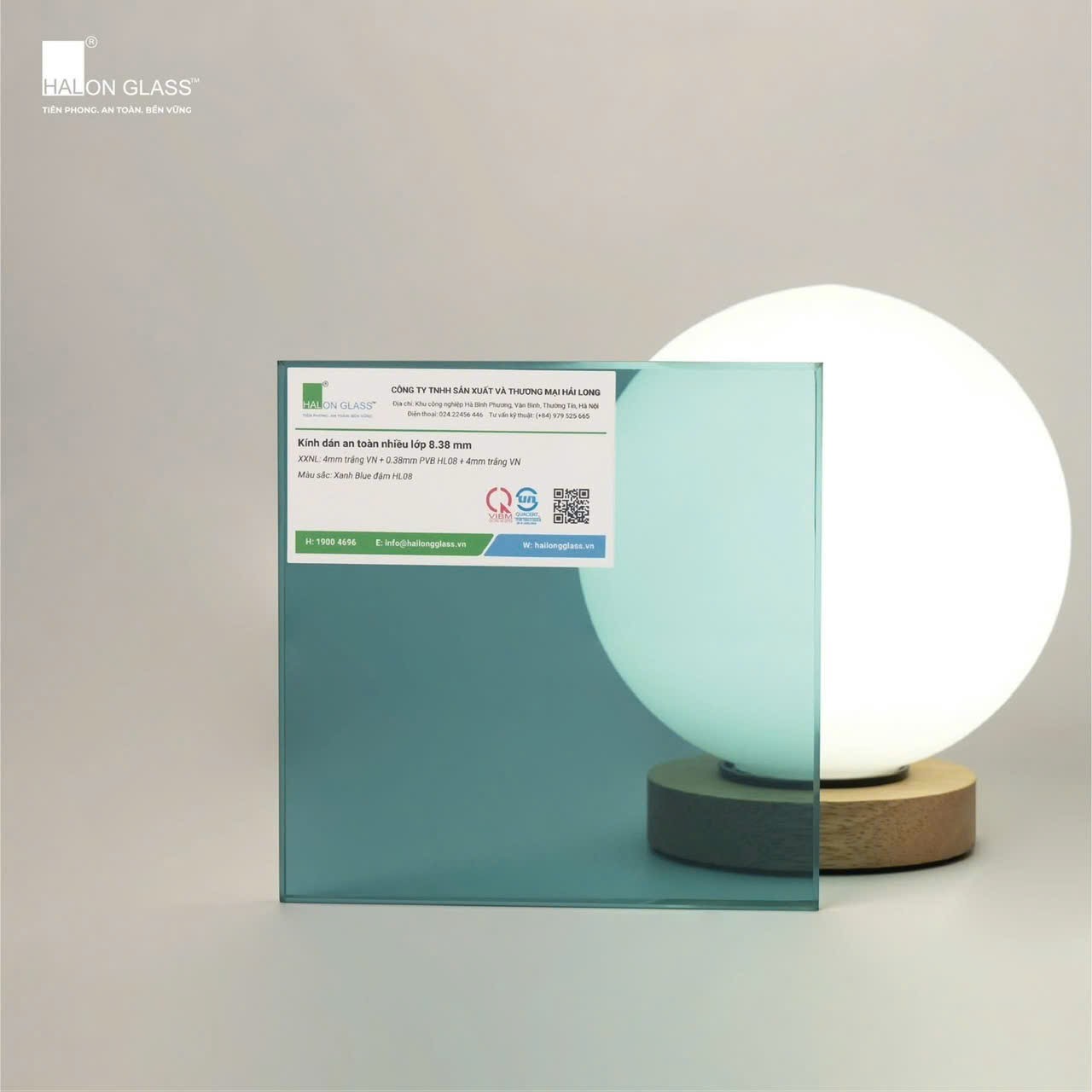


Laminated safety glass processing workshop
Safety laminated glass processing workshop
The concept of safety laminated glass and the role of the processing workshop;
Professional safety laminated glass processing process;
Preparation of glass blanks and materials;
Glass washing, stacking, and pre-pressing;
Autoclave curing and quality control;
Safety laminated glass product lines at the workshop;
PVB, EVA, and SGP safety laminated
glass; Tempered safety laminated glass and applications;
Technical standards and workshop capabilities;
Quality standards and testing;
Equipment, personnel, and technical services.
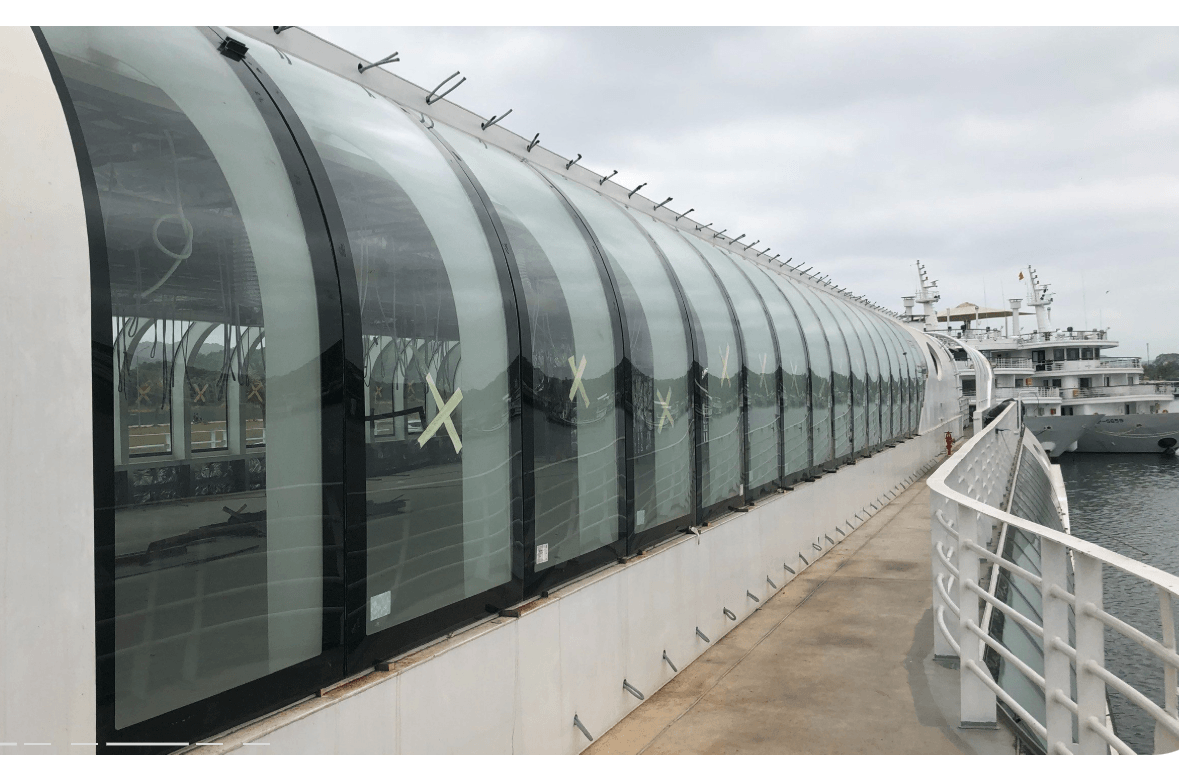
Laminated safety glass is a type of glass composed of two or more flat glass layers bonded together by one or more intermediate film layers such as PVB, EVA, SGP, etc., through a heat and pressure pressing process. When subjected to strong impact, the glass may crack or shatter, but the fragments remain firmly attached to the film, minimizing falling pieces, reducing the risk of injury, and ensuring the security of the building. This material is mandatory in many applications such as curtain walls, railings, glass roofs, doors, shower enclosures, skylights, glass floors, soundproof rooms, and clean rooms.
The laminated safety glass processing workshop plays a crucial role in determining the final quality of the glass panel. Even with the same type of glass and film, different cutting, grinding, drilling, washing, pressing, heating, and quality control processes will result in products with completely different durability, clarity, adhesion, and lifespan. A standard workshop must strictly control every step, from selecting the glass blanks and storing the film to the production environment and the mechanical and physical testing process according to Vietnamese and international standards.

The professional laminated safety glass processing procedure is organized into a closed-loop series, from glass blank and material preparation to final quality control. Each stage adheres to strict technical standards to ensure the mechanical strength, safety, and aesthetics of the product. The glass blank must meet standards for flatness, cleanliness, and compatibility with the intermediate film used. The washing, layering, and pre-pressing processes are carried out in a controlled environment to optimize adhesion, minimizing dust, humidity, and temperature. Finally, the autoclave curing process and quality control ensure that the laminated glass meets the requirements for long-term use in construction, interior design, and safety applications.
The first stage in the processing workshop is selecting standard glass blanks: float glass, low-iron glass, tempered glass, semi-tempered glass, anti-reflective coated glass, or low-E glass. The glass surface must be flat, free from warping, air bubbles, and deep scratches. The intermediate PVB, EVA, or SGP films are stored in cold storage, with strictly controlled humidity and temperature to maintain flexibility, adhesion, and prevent yellowing and edge peeling after use.
Before being introduced into the production line, the glass blanks are cut to the drawing dimensions using a CNC cutting machine, then ground, beveled, drilled, and fitted with lock and hinge holes according to the design requirements. All these steps must be completed before lamination, because after lamination, mechanical processing will weaken the bond between the glass layers and the film, and increase the risk of localized cracking.
The glass washing process is a crucial step in ensuring the adhesion of the film. Professional workshops use automatic glass washing machines with a system of soft brushes, demineralized (DI) filtered water, and hot air drying, which completely removes dust, oil, metal particles, and mineral ions from the surface. After washing, the glass is transferred directly to the stacking area in the clean room, minimizing the risk of airborne dust re-adherence.
Technical personnel layer the film according to the design structure, for example: 6mm tempered glass + 1.52mm PVB + 6mm tempered glass, or 10mm ordinary glass + 2.28mm EVA + 10mm ordinary glass. The film edges are aligned, leaving appropriate clearance to prevent spillage or missing edges during lamination. The glass-film assembly is then placed in a pre-laminating machine using rollers and moderate temperature to expel air bubbles and create a temporary bond between the layers.
After preliminary pressing, the laminated glass sheets are placed in an autoclave under high pressure and temperature for a time calculated according to thickness, film type, and glass structure. This stage determines the transparency, adhesion, and strength of the product. The automated control system records all temperature, pressure, and time parameters for each batch, enabling traceability and process optimization.
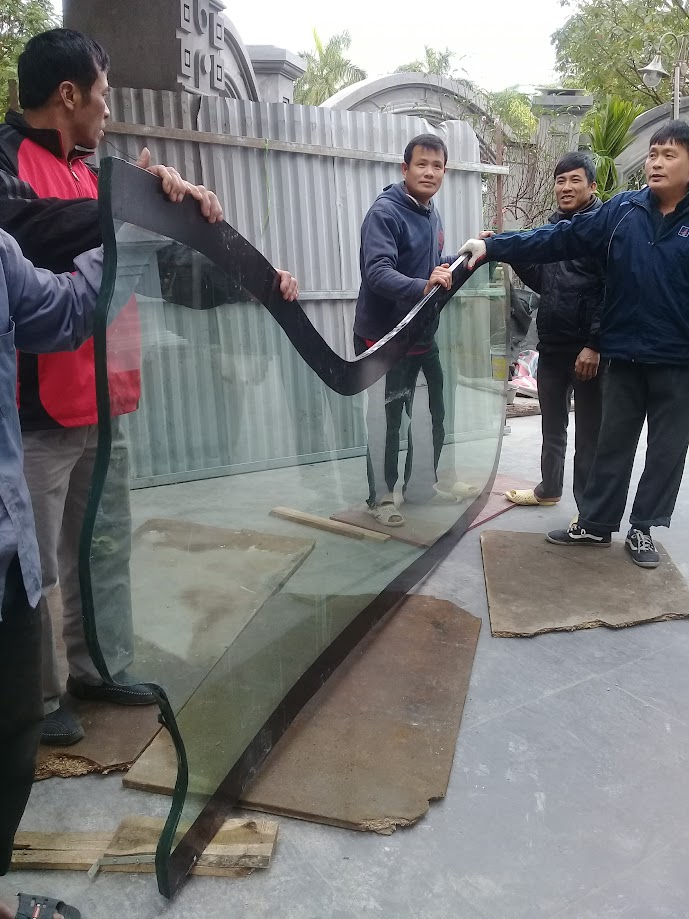
Upon exiting the autoclave, the glass is slowly cooled before being transferred to the inspection area. The certified workshop then performs the following steps: using lights to detect air bubbles, streaks, and stains; measuring flatness and curvature; checking dimensions and edge misalignment; and conducting impact, bending, and cutting tests to assess film adhesion. Panels that do not meet the requirements are discarded or reprocessed and are strictly prohibited from being used in construction projects.
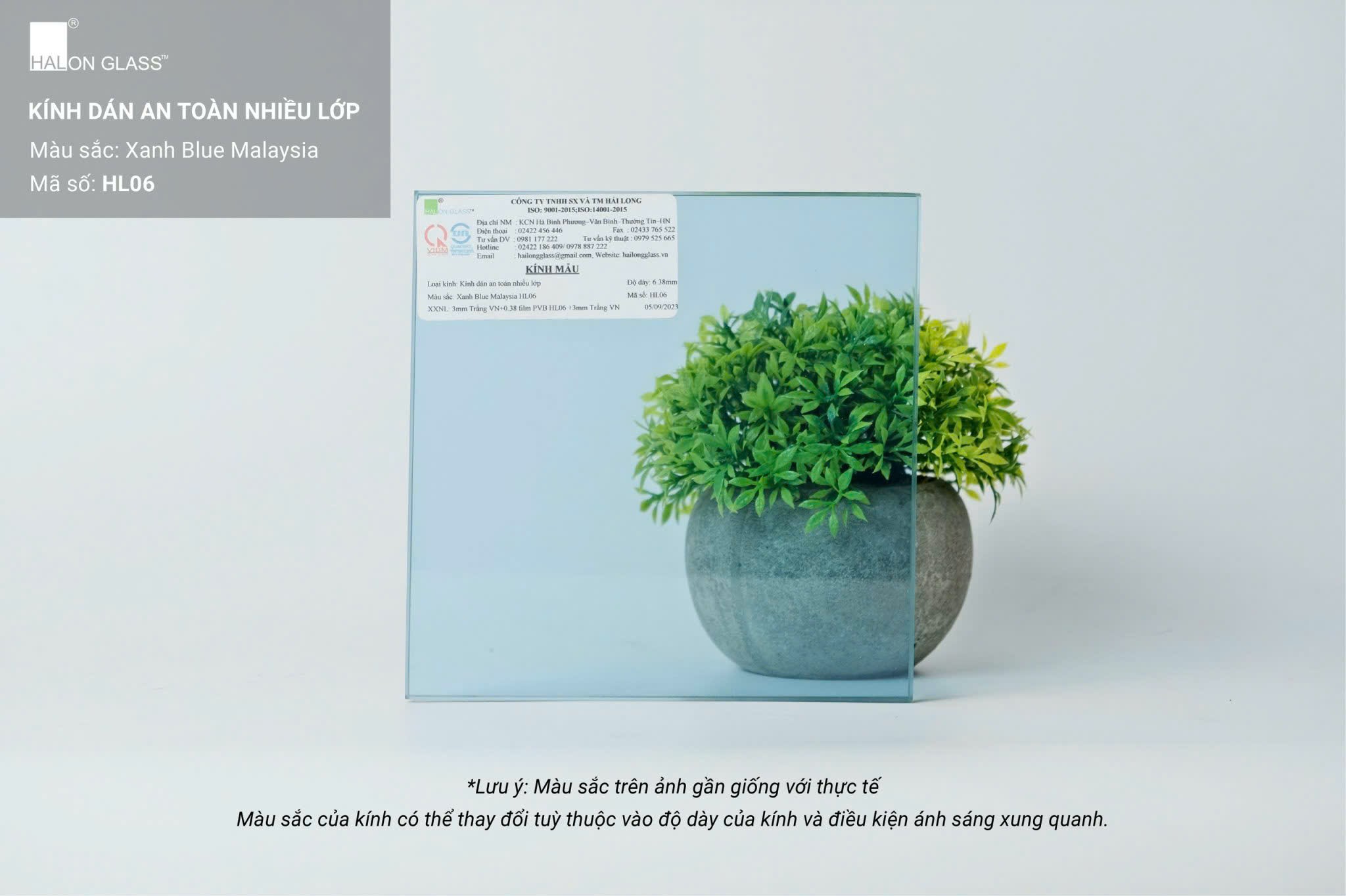
Laminated safety glass products at our factory are categorized by intermediate film type and glass structure, to meet diverse needs from residential to specialized projects. The PVB, EVA, and SGP groups allow for flexible selection between transparency, decorative capabilities, load-bearing capacity, and weather resistance . Thanks to the wide range of glass thicknesses, number of film layers, and glass types (standard, tempered, semi-tempered, low-E, reflective), architects can easily optimize safety, aesthetics, and cost . Furthermore, tempered safety laminated glass combines the advantages of both toughened and laminated glass, making it suitable for projects with heavy loads, large surface areas, and high safety requirements in modern constructions.
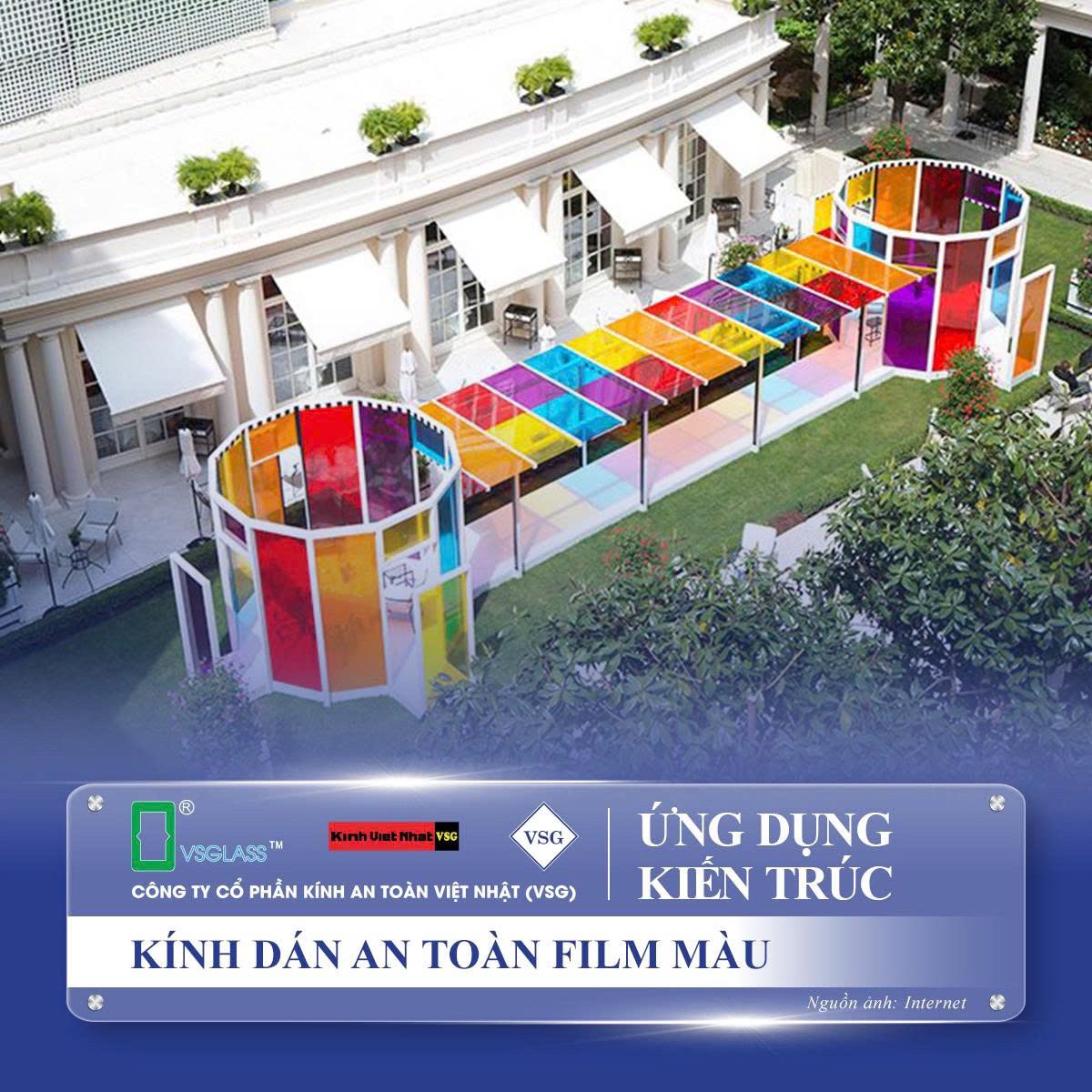
PVB laminated safety glass is the most popular type, widely used for doors, glass partitions, railings, canopies, and facades. PVB has high transparency, good sound insulation, UV protection, and a reasonable price. EVA laminated glass is suitable for decorative applications, colored glass, patterned glass, and interior glass, thanks to its good adhesion to many interlayer materials such as fabric, metal mesh, and colored film. SGP (ionoplast) laminated glass has superior hardness and load-bearing capacity, often used for frameless railings, glass floors, glass bridges, and areas with high load-bearing capacity and safety requirements.
Specialized fabrication workshops typically offer a wide variety of structures: 5+5, 6+6, 8+8, 10+10, 12+12, 15+15mm; multiple film layers of 0.38, 0.76, 1.14, 1.52, 2.28mm; and combinations of regular glass, tempered glass, semi-tempered glass, low-E glass, and reflective glass. This allows architects and contractors to choose the optimal solution balancing safety, aesthetics, sound insulation, thermal insulation, and investment costs.
Laminated safety glass is a combination of two or more tempered glass sheets with an intermediate film layer. This product combines the high strength, heat resistance, and impact resistance of tempered glass with the safety and shatter resistance of laminated glass. When one layer of glass breaks, the remaining layers and the film retain their overall shape, helping the structure maintain a certain level of safety until replacement is needed.
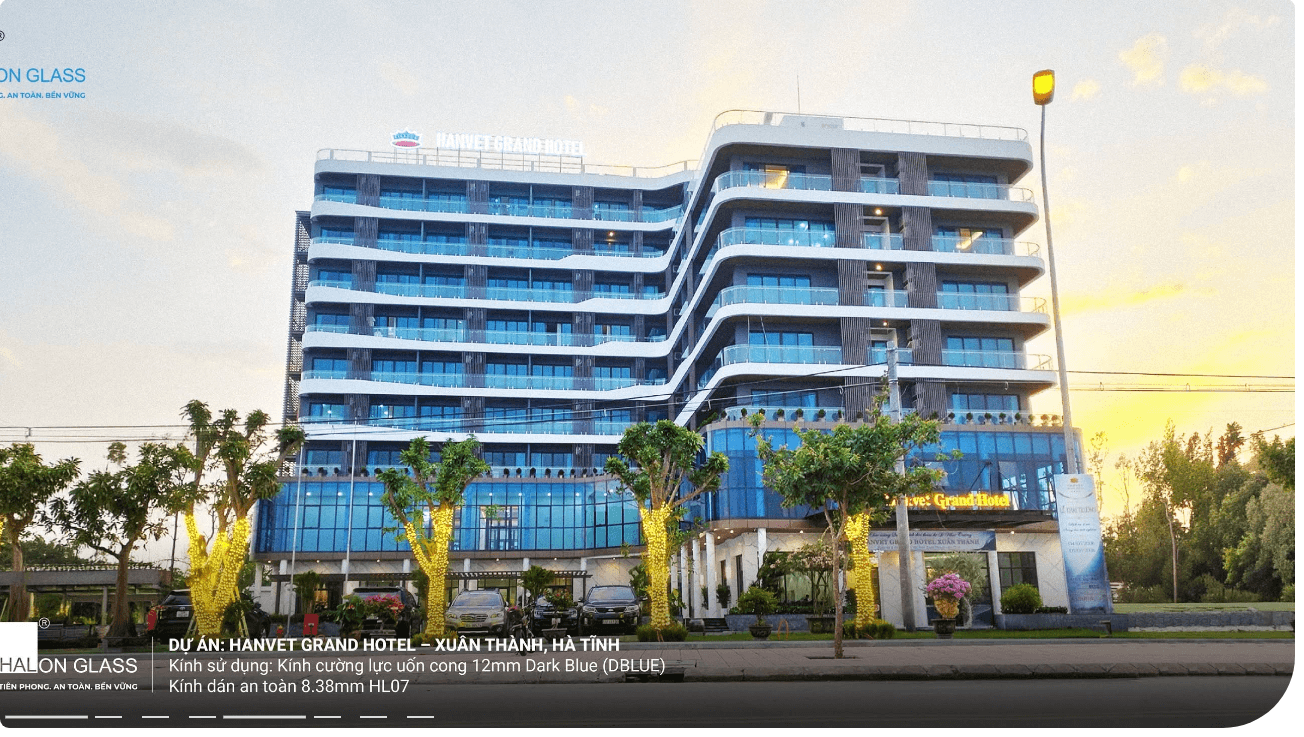
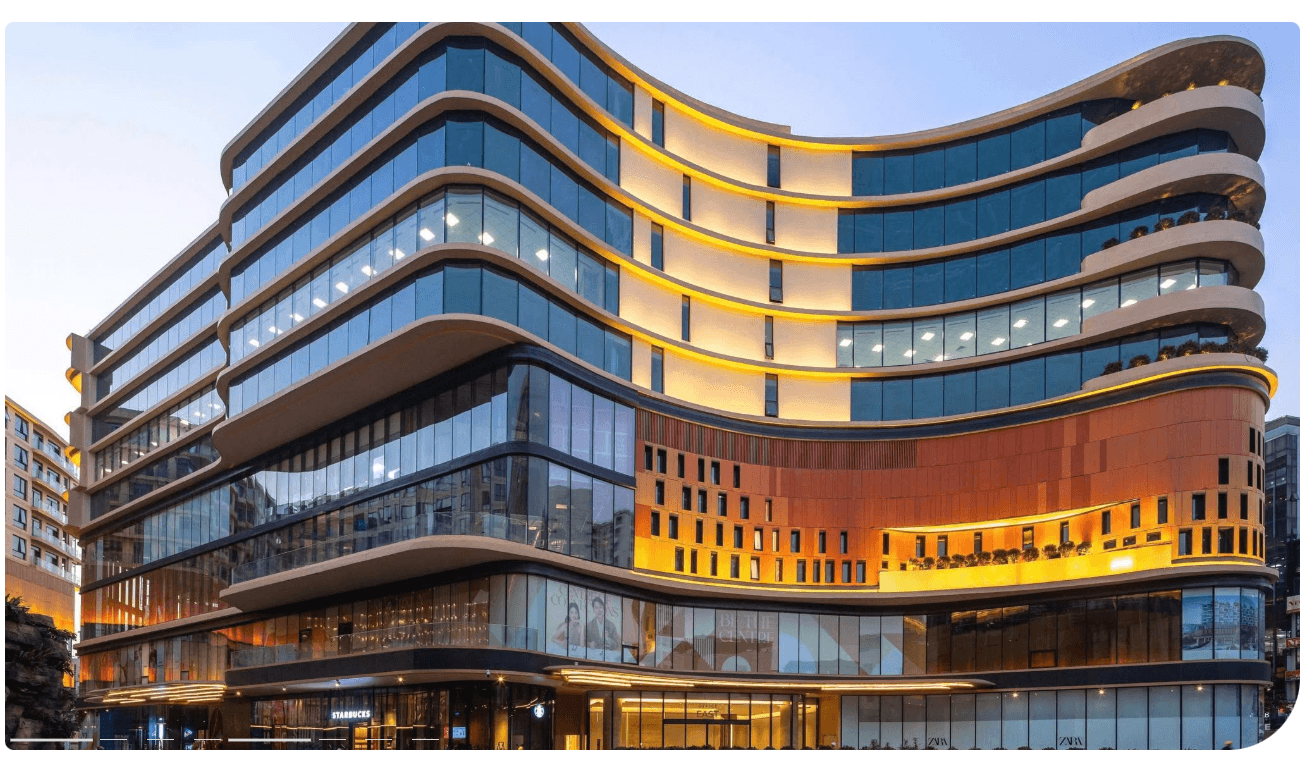
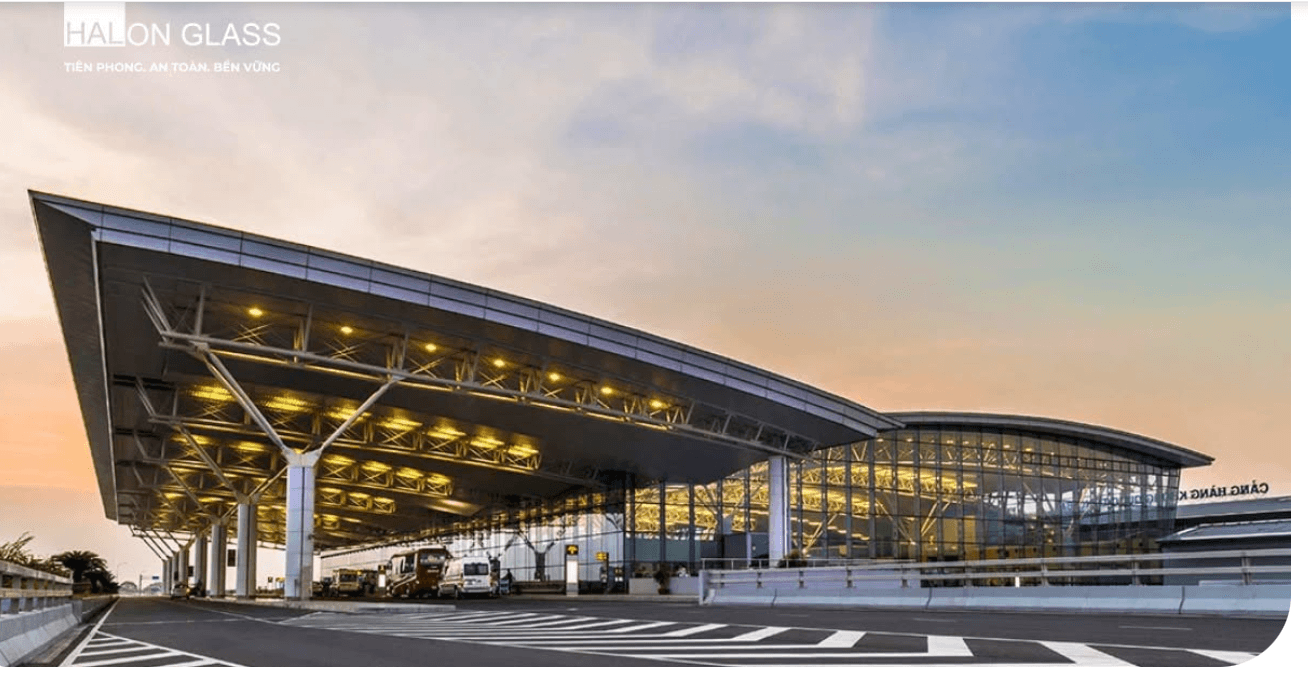
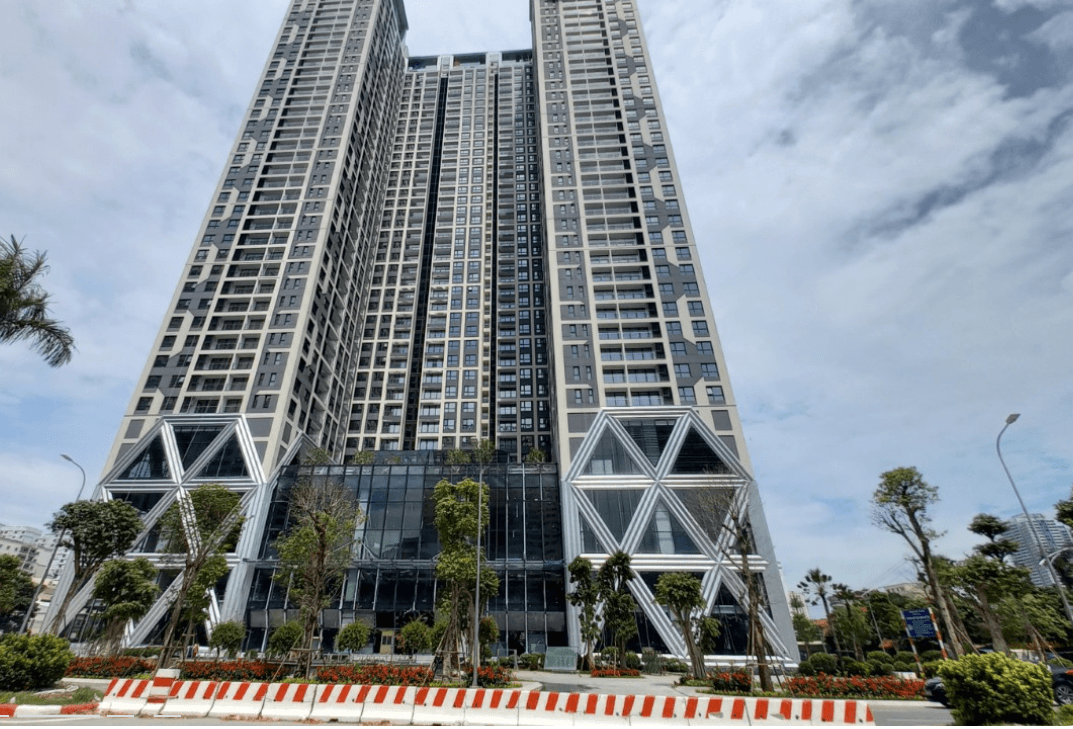
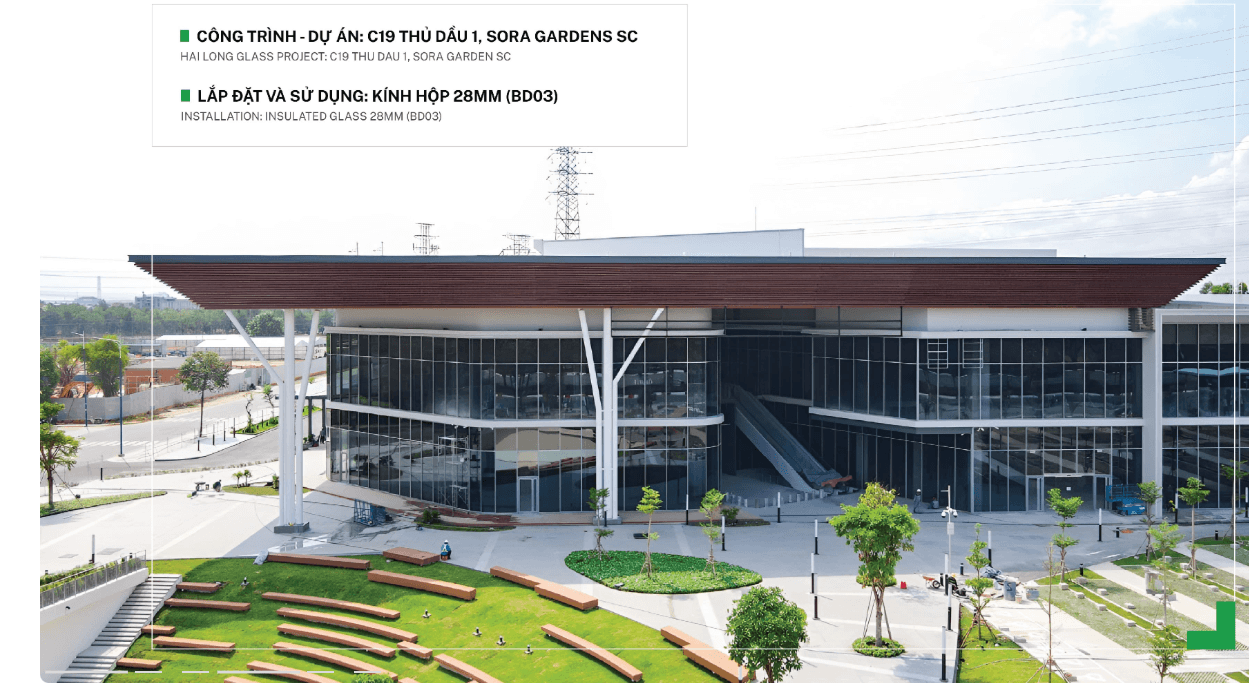
Typical applications of laminated tempered glass include: balcony railings, stair railings, large-scale curtain walls, glass roofs, skylights, glass floors, glass swimming pools, car showrooms, shopping malls, train stations, and airports. Experienced fabrication workshops will advise on glass structures suitable for each load-bearing location, calculating according to wind load standards, user load standards, fire safety standards, and the investor's technical requirements.
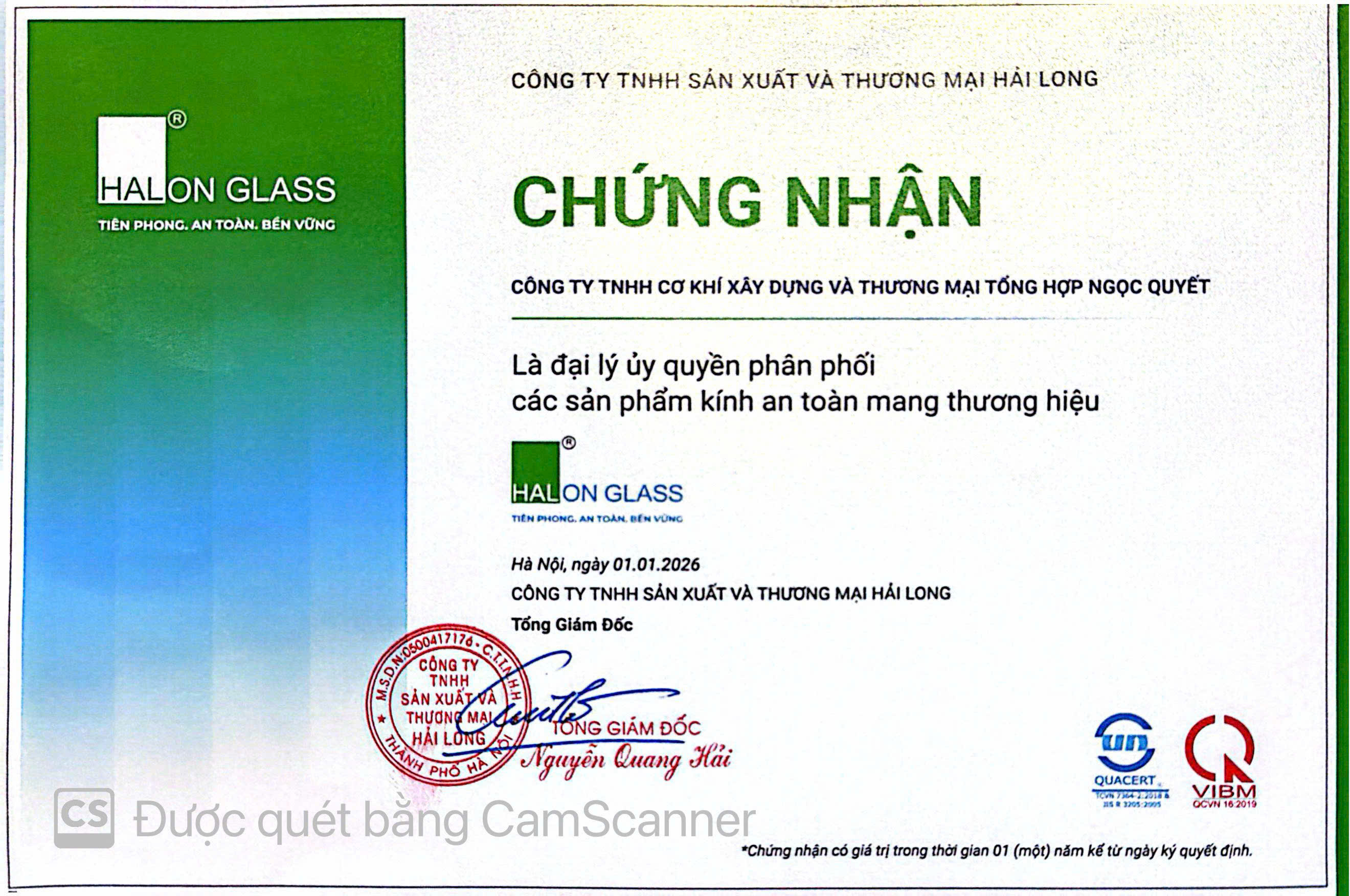
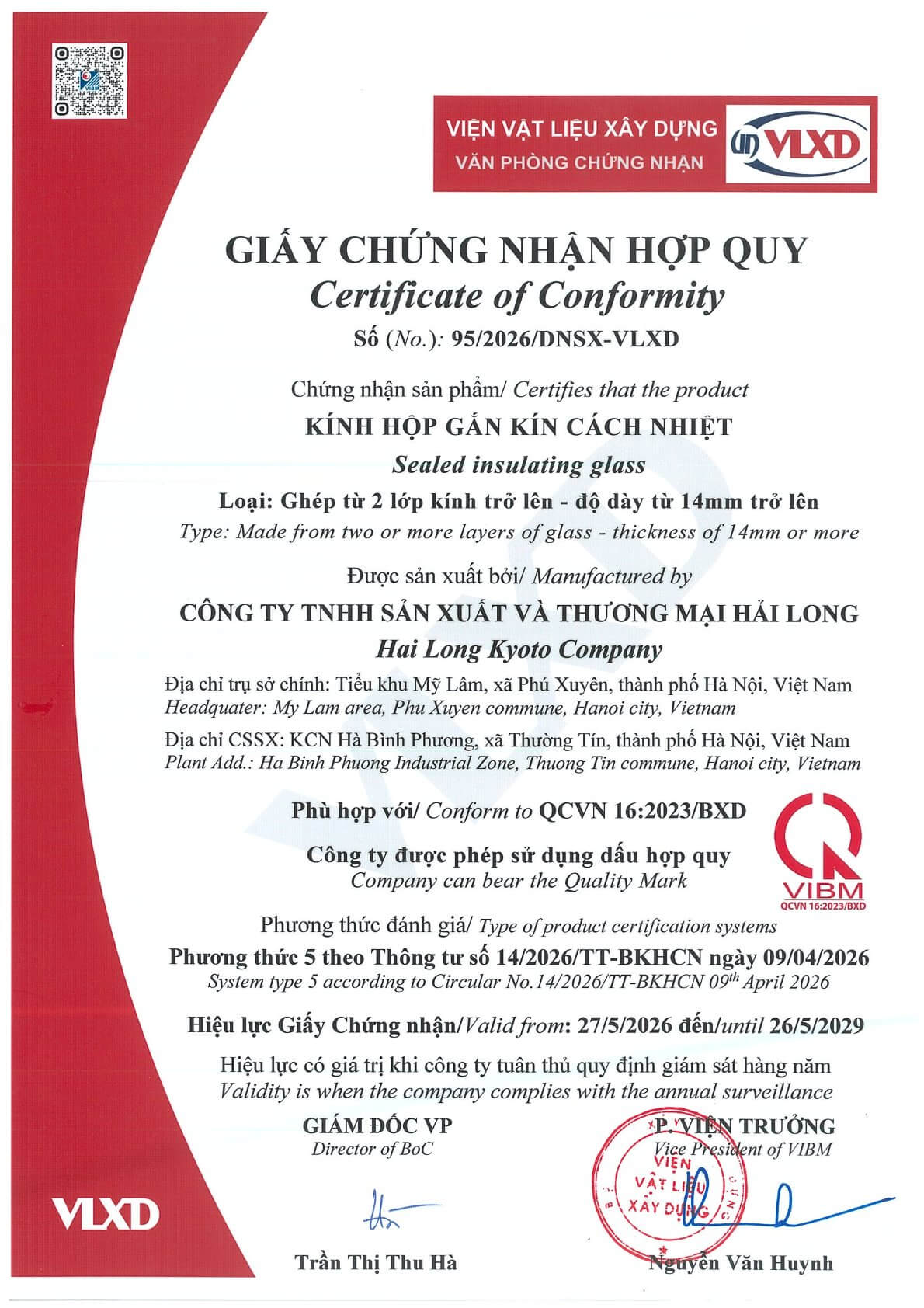
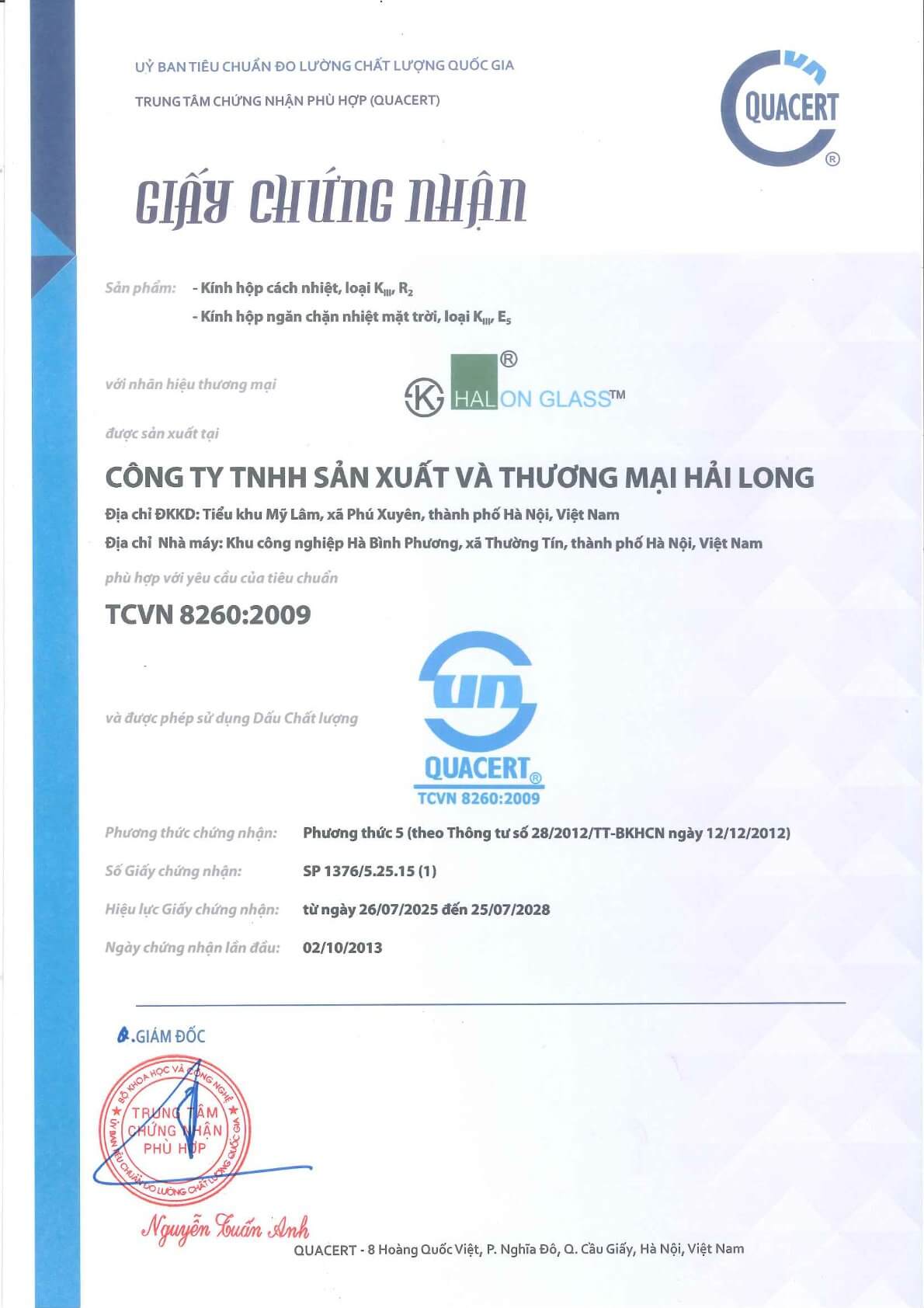
A standard-compliant laminated safety glass processing workshop must operate according to a clear technical standard system, adhering to TCVN, EN, ASTM, ISO regulations and the specific requirements of each project. Quality is ensured through periodic testing at an independent laboratory, combined with a detailed QC process for each stage and a transparent traceability system. The workshop's capabilities are demonstrated through its modern, highly automated equipment lines, precise control of dimensions and surface finish, and optimized productivity. A team of engineers and technicians with in-depth knowledge of materials, safety standards, and construction practices provides comprehensive technical services, from glass structure consultation and load calculation to installation support and warranty.
A professional laminated safety glass processing workshop needs to comply with standards such as TCVN, EN, ASTM, ISO… depending on project requirements. Important parameters include: flexural strength, impact strength, film adhesion, heat resistance, moisture resistance, light transmission, UV rejection coefficient, and edge strength after aging cycle. Regular sampling for testing at an independent laboratory helps verify the quality of mass production.
In addition, the factory needs to establish a clear quality control (QC) process for each stage: inspecting incoming raw materials, monitoring machine parameters, recording production data, and inspecting 100% of finished products before packaging. A traceability system using batch codes and glass sheet codes facilitates easy verification when warranty claims are made or quality assessments are conducted after use.
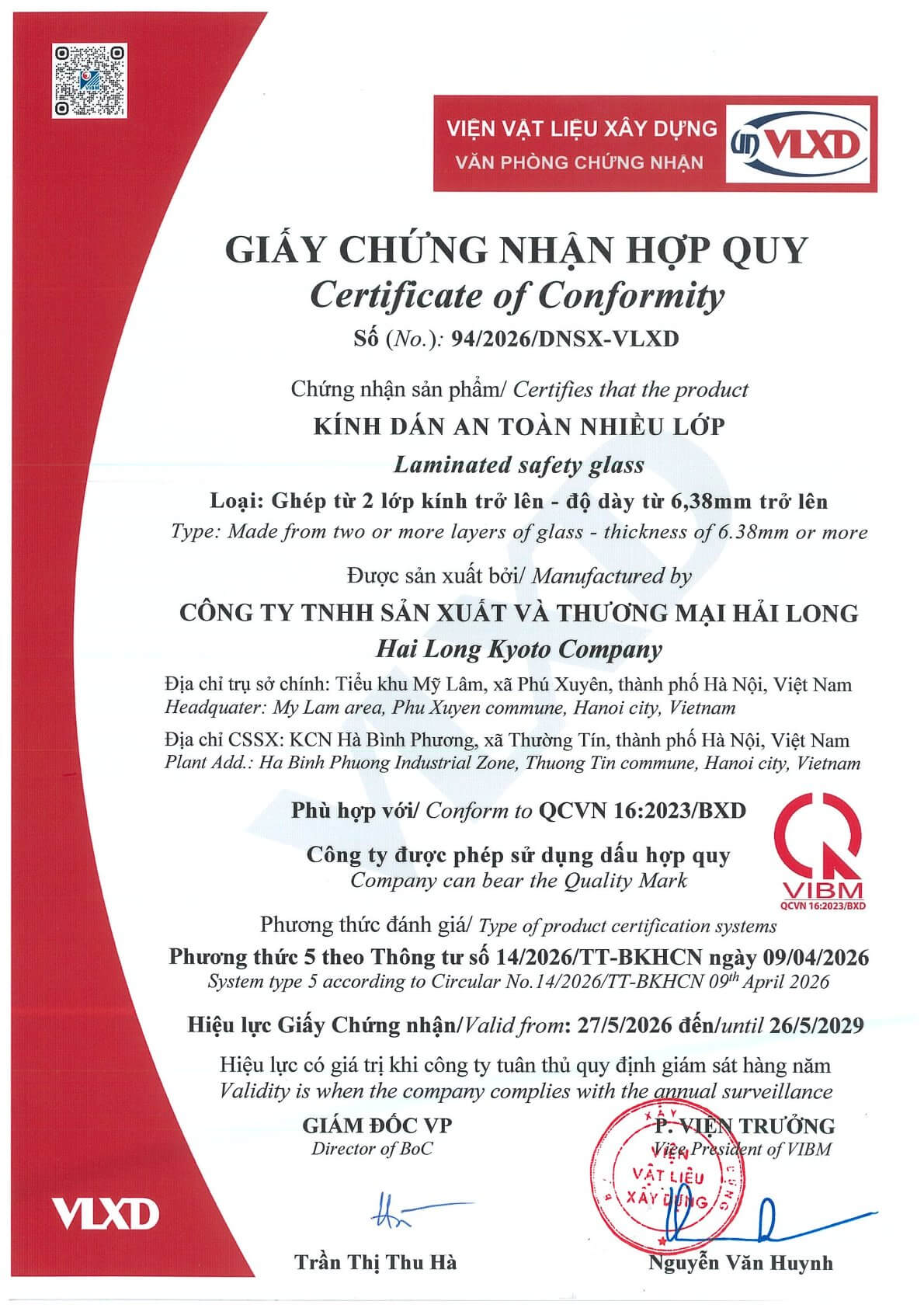
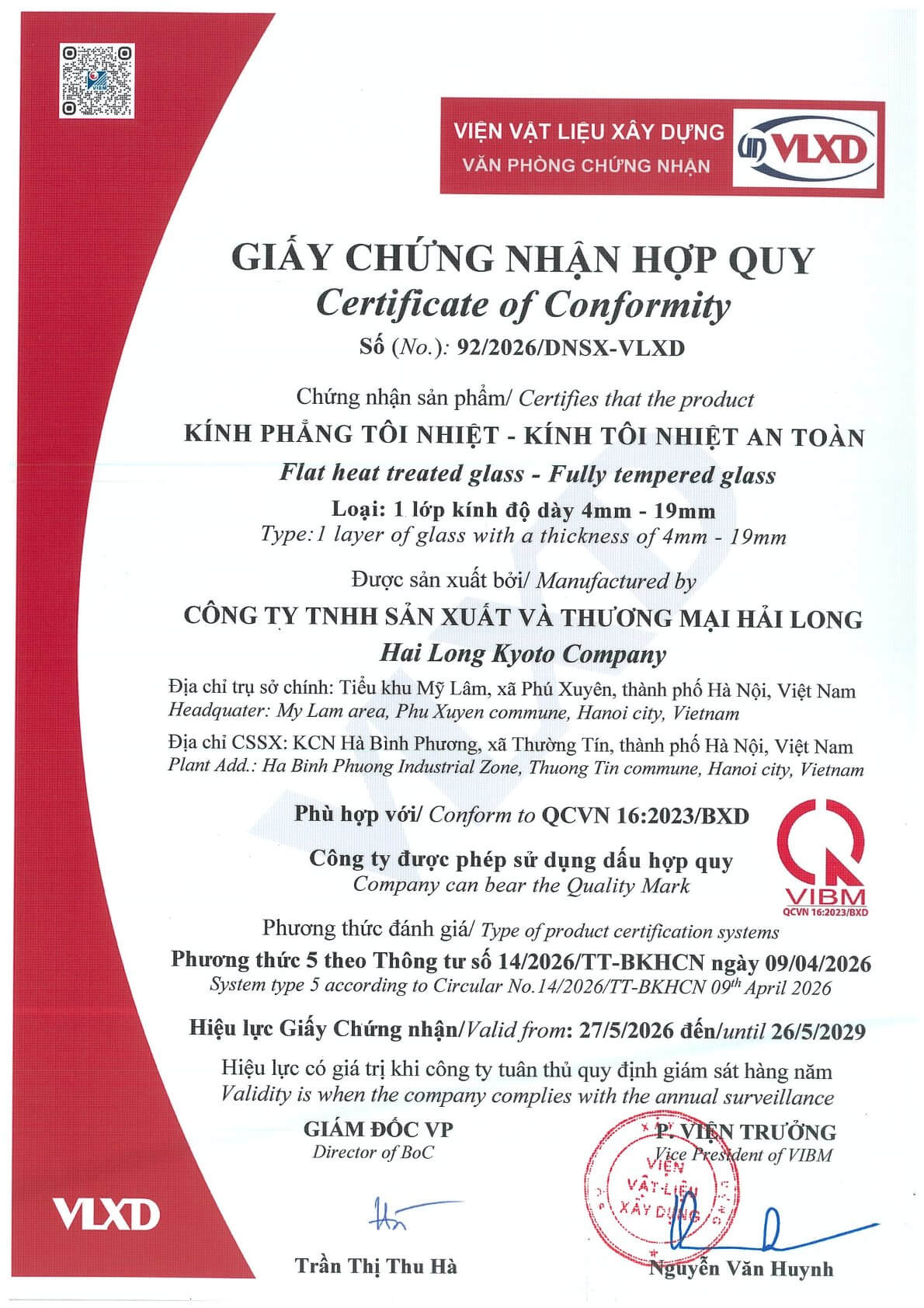
The workshop's capabilities are demonstrated through its machinery system: CNC cutting lines, automatic grinding, drilling, and boring machines, multi-stage glass washing machines, pre-press machines, large-capacity autoclave ovens, flatness and thickness testing equipment, and optical measuring instruments. Investing in modern equipment ensures dimensional accuracy, reduces errors, minimizes air bubbles and edge staining, while increasing productivity and the ability to fulfill large-volume orders in a short time.
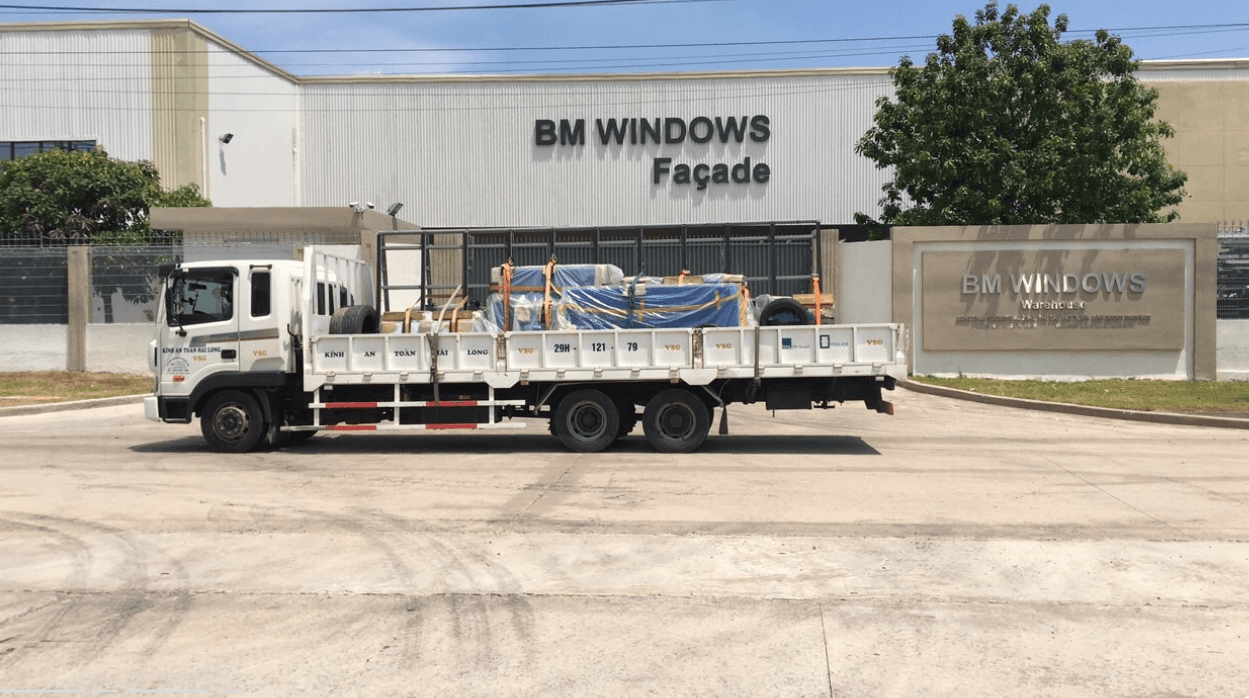
The team of engineers and technicians needs to be well-trained in glass materials, structural mechanics, safety standards, equipment operation procedures, and occupational safety. Reputable workshops often provide additional technical services such as: consulting on glass structures for each project, assisting with load calculations, proposing cost-effective solutions, coordinating with contractors in measurement, site survey, packaging, transportation, and installation guidance.
Contact us today for assistance with glass samples and consultation on laminated safety glass structures that meet the technical standards, aesthetic requirements, and budget of each project, from residential homes to commercial buildings, high-rises, and transportation infrastructure.